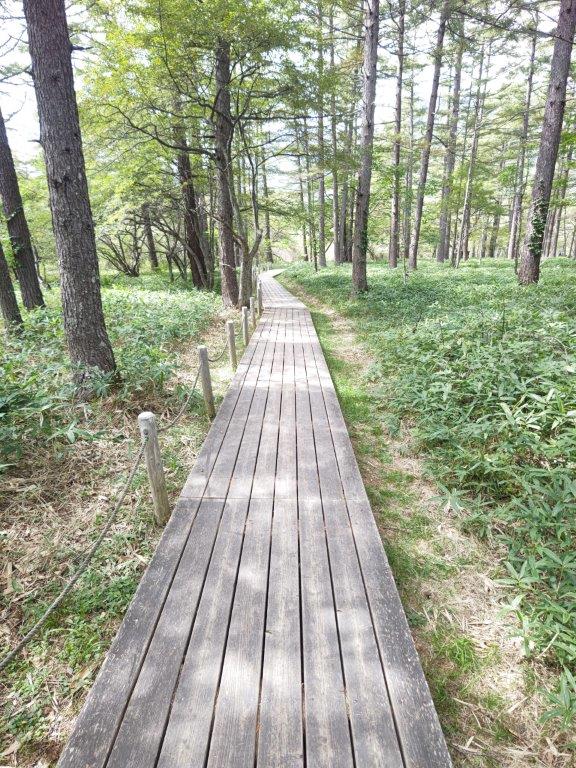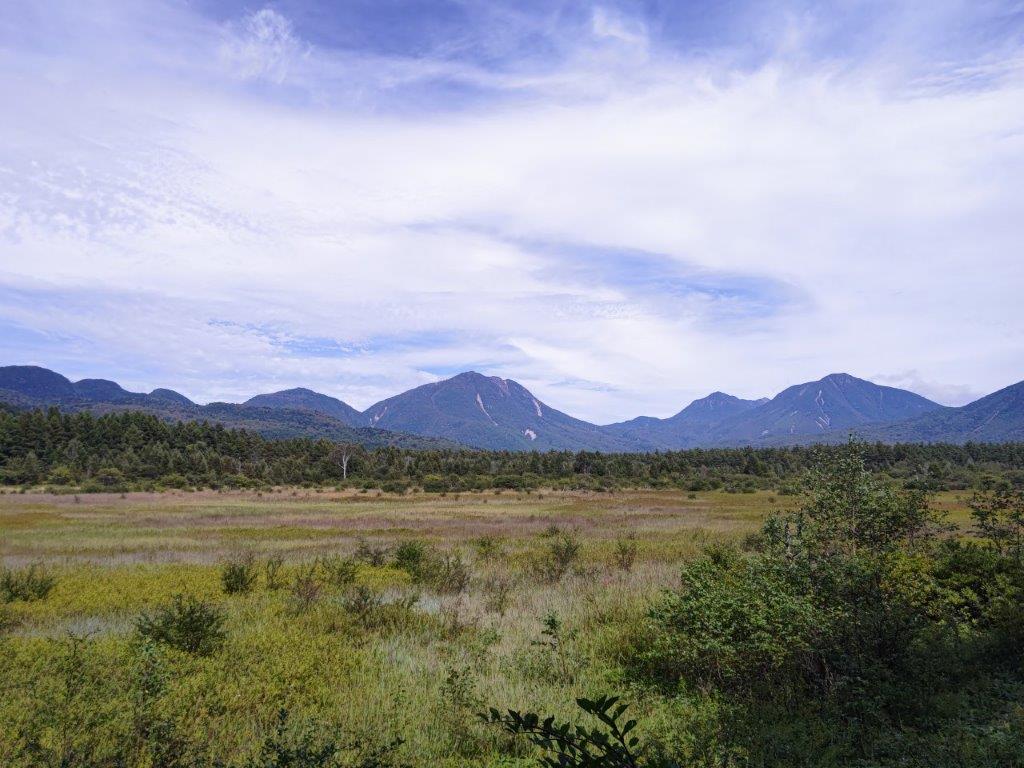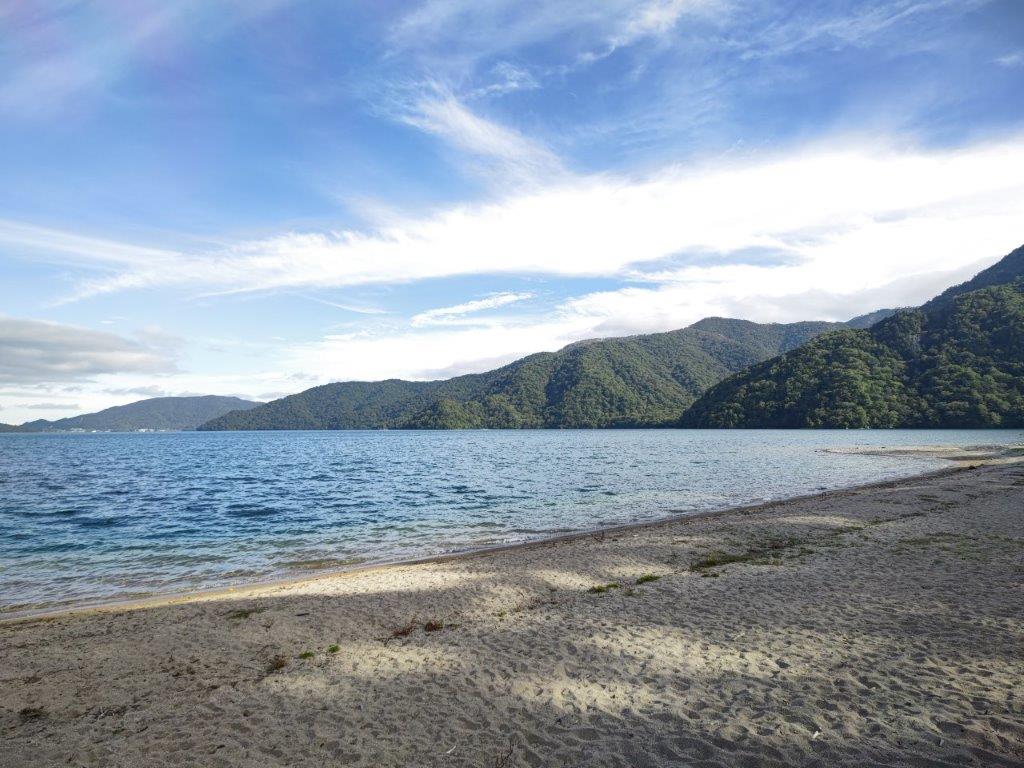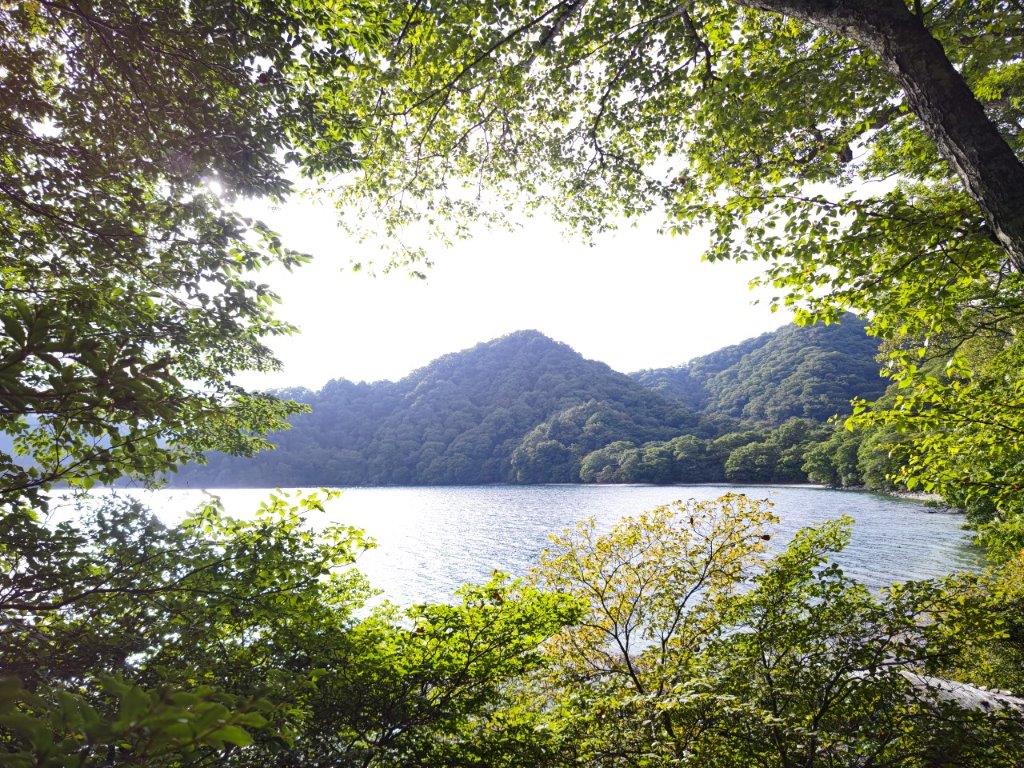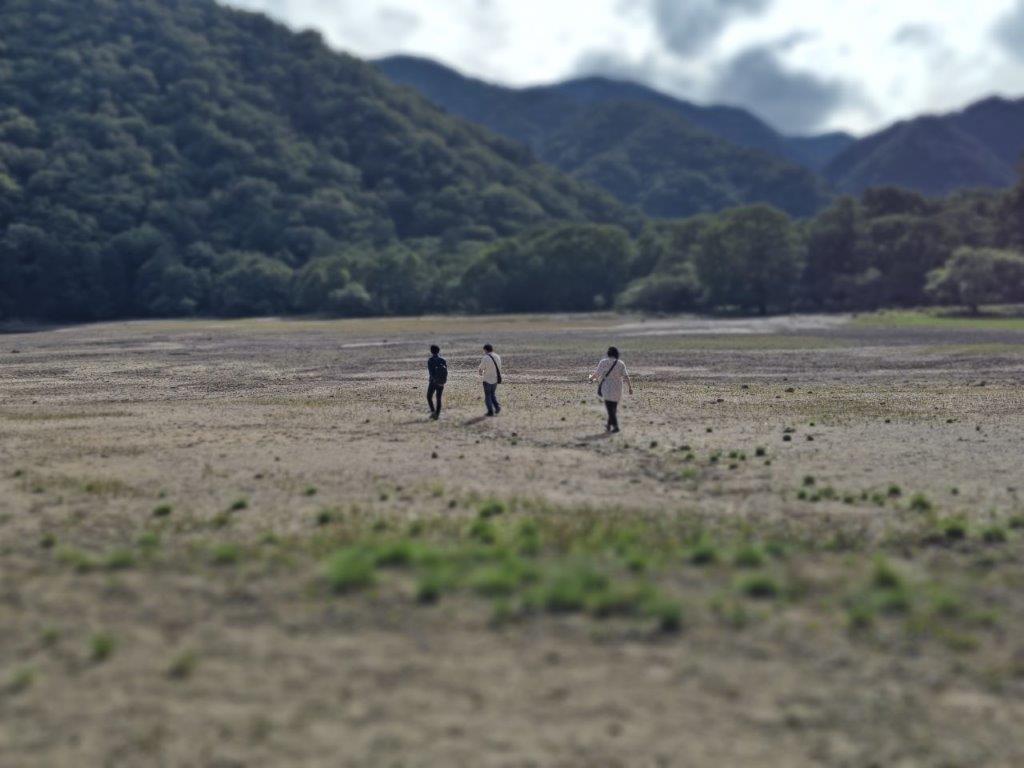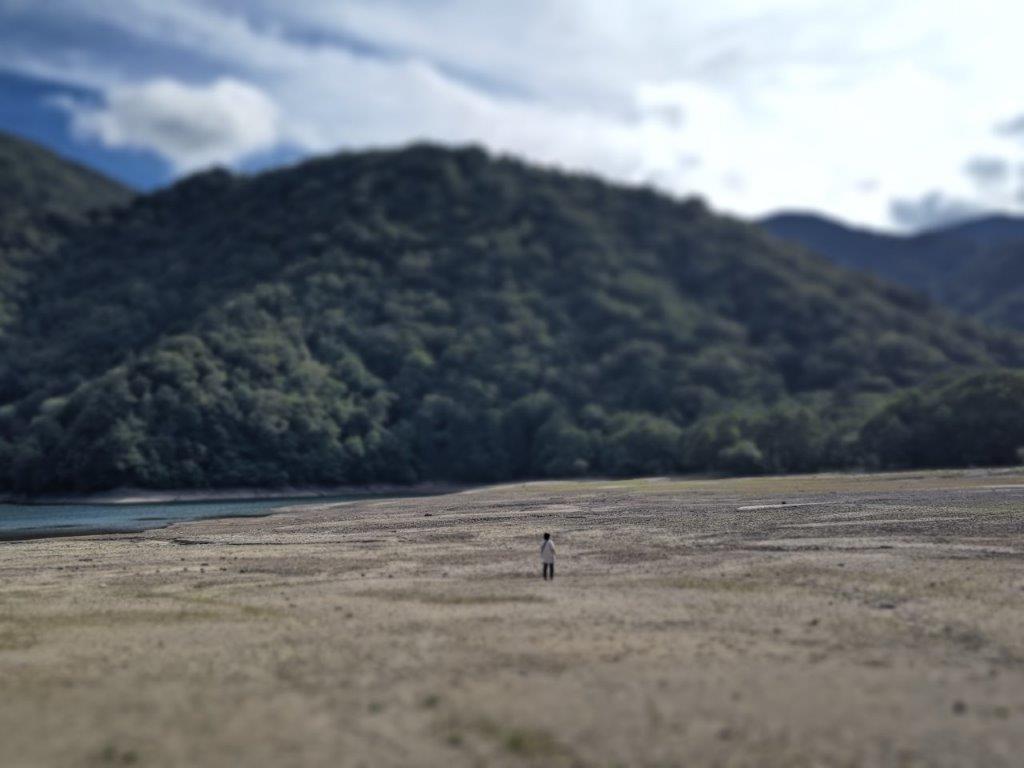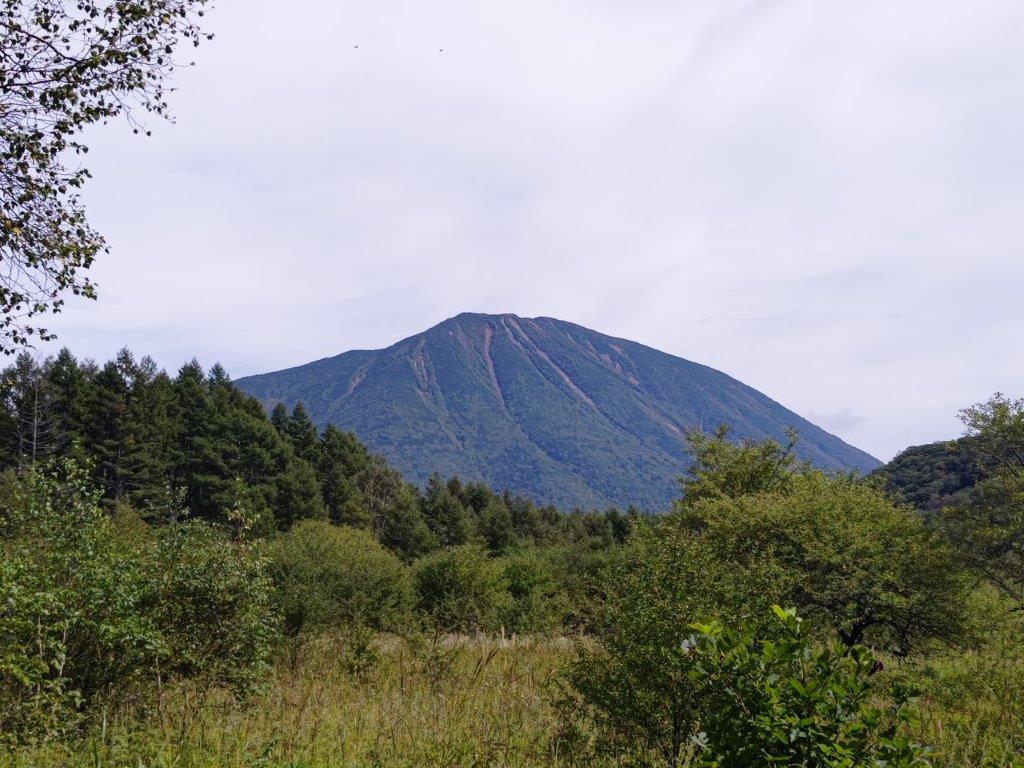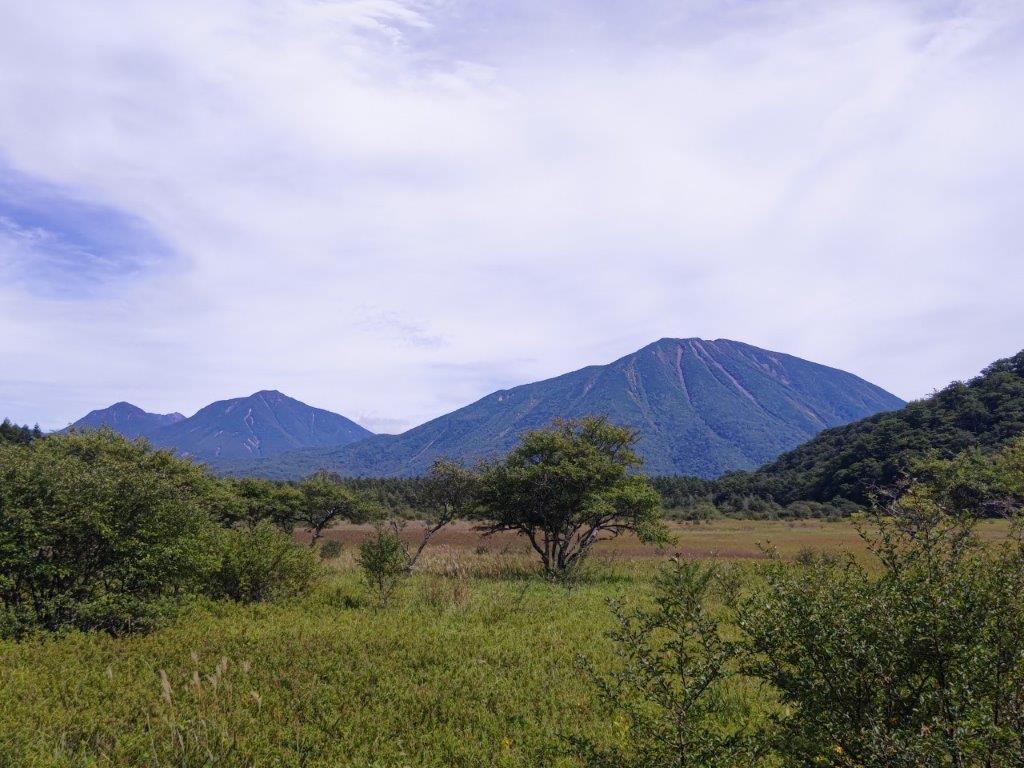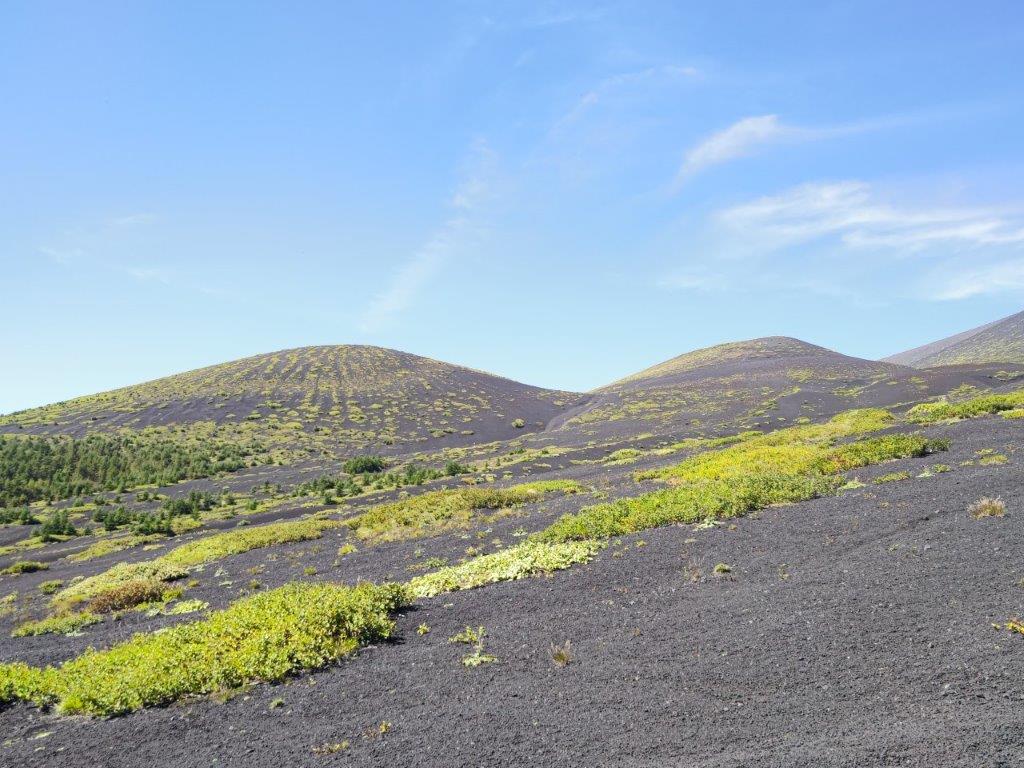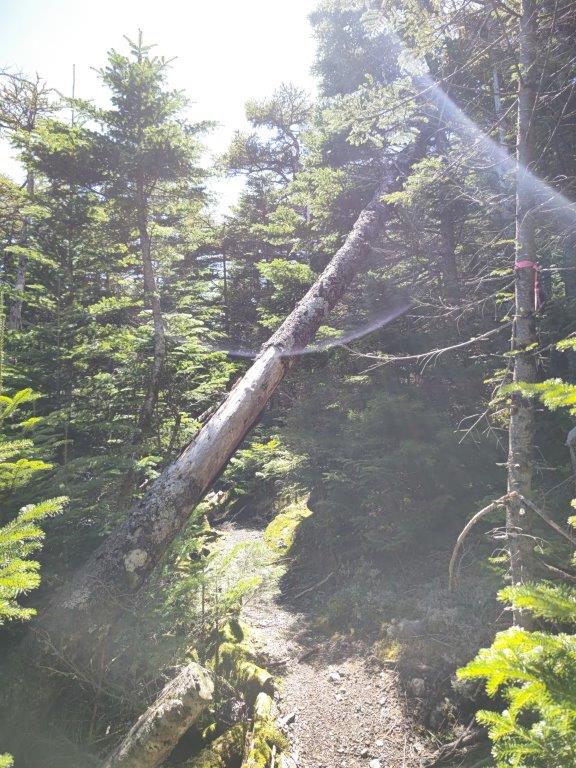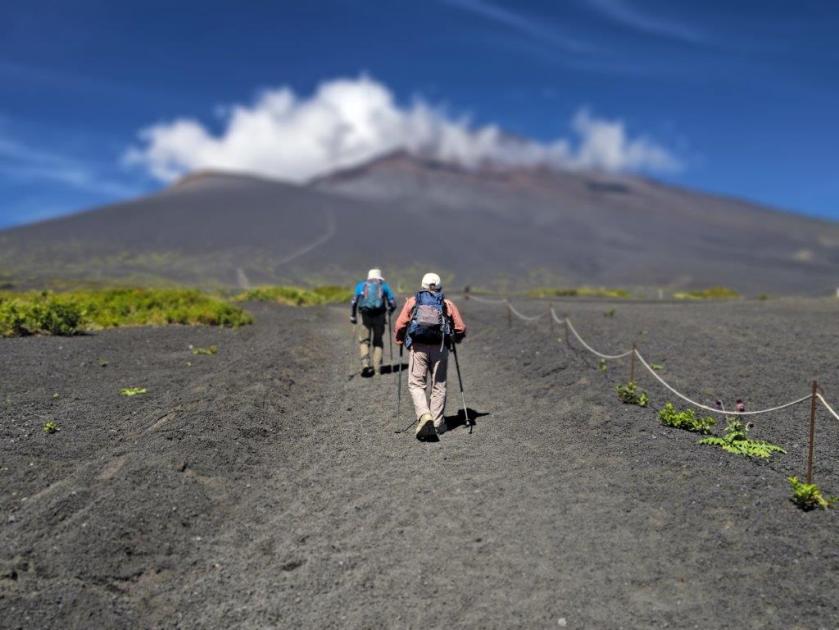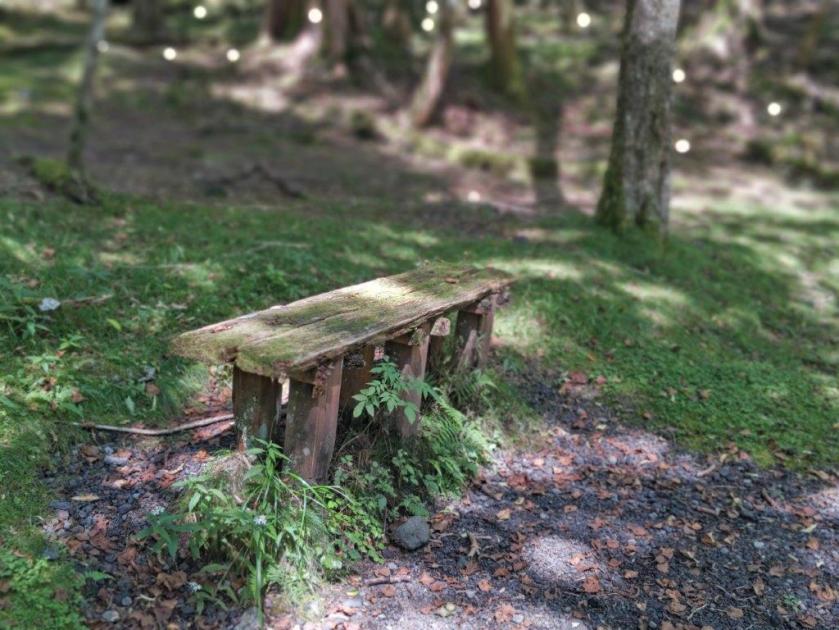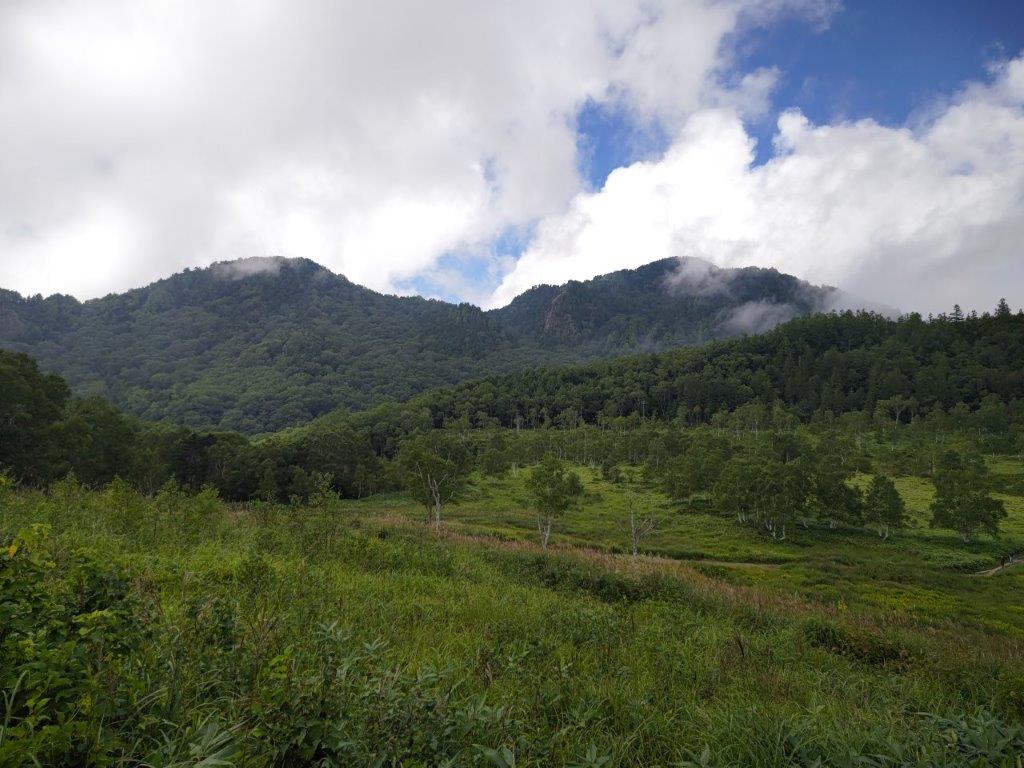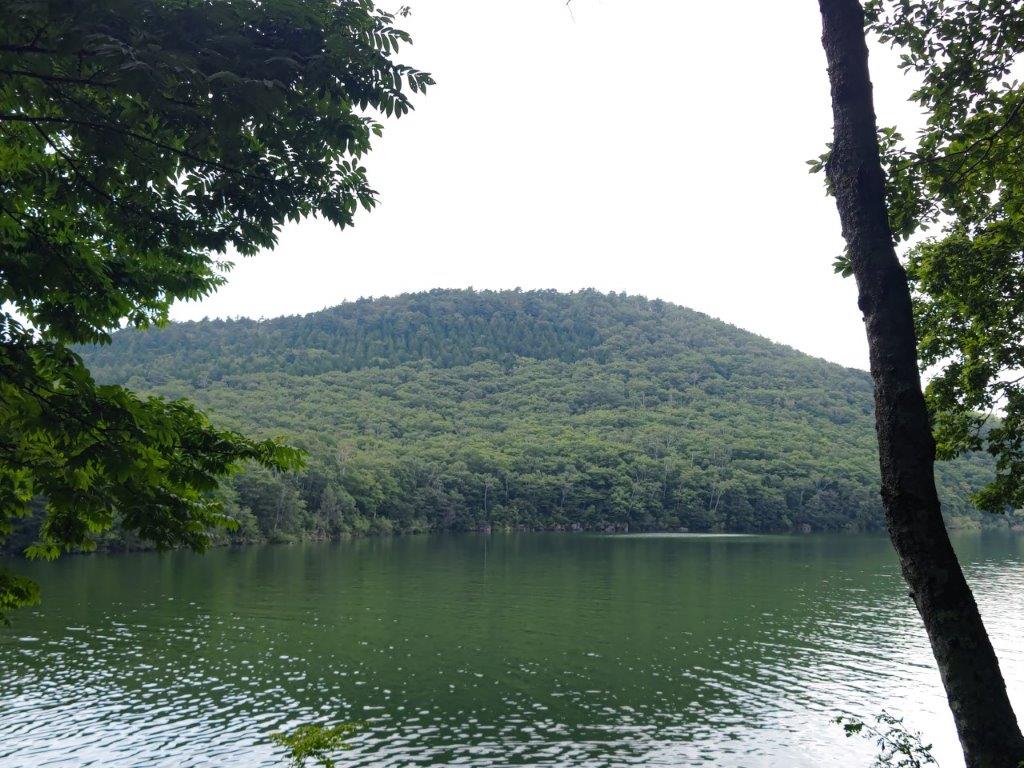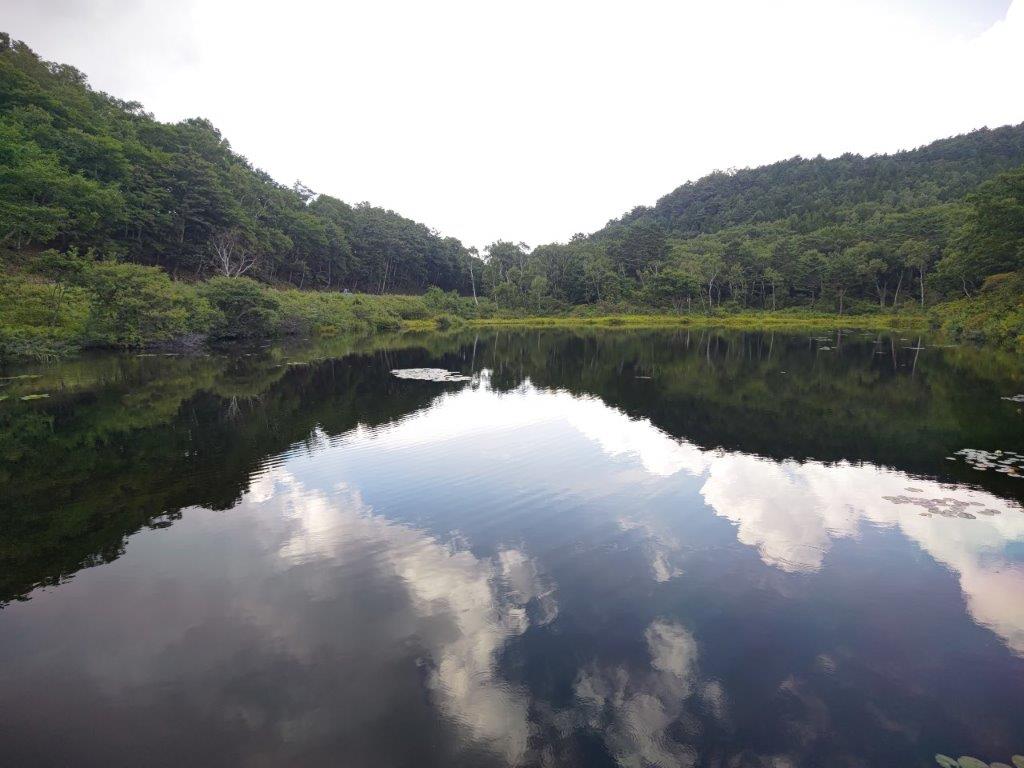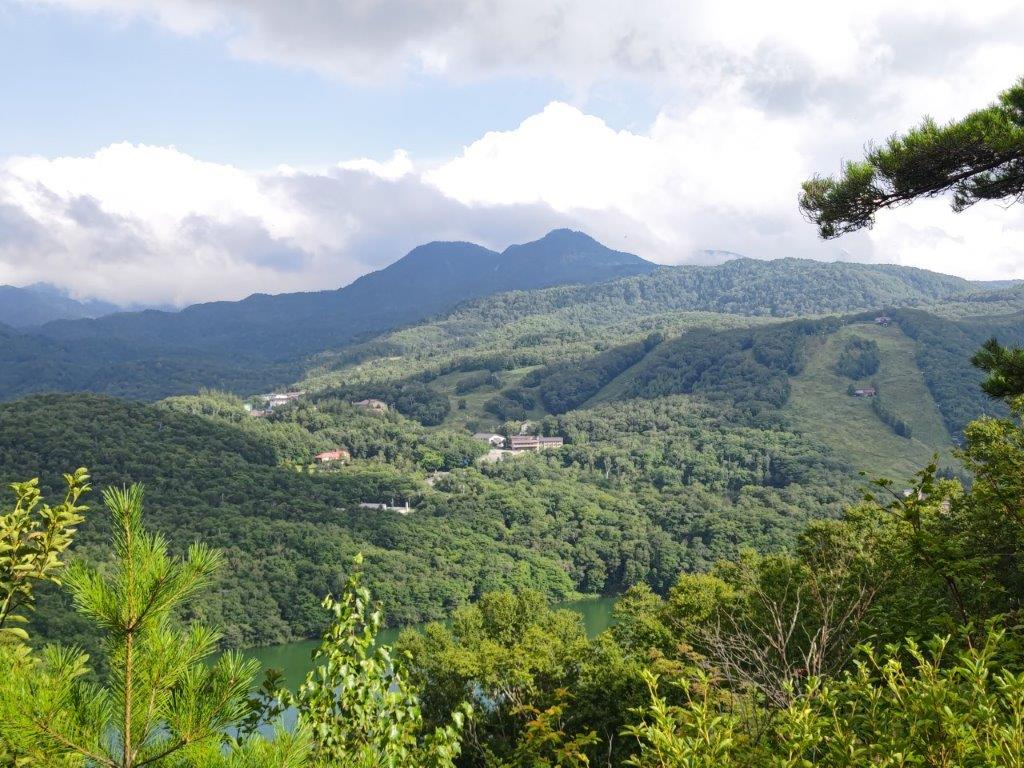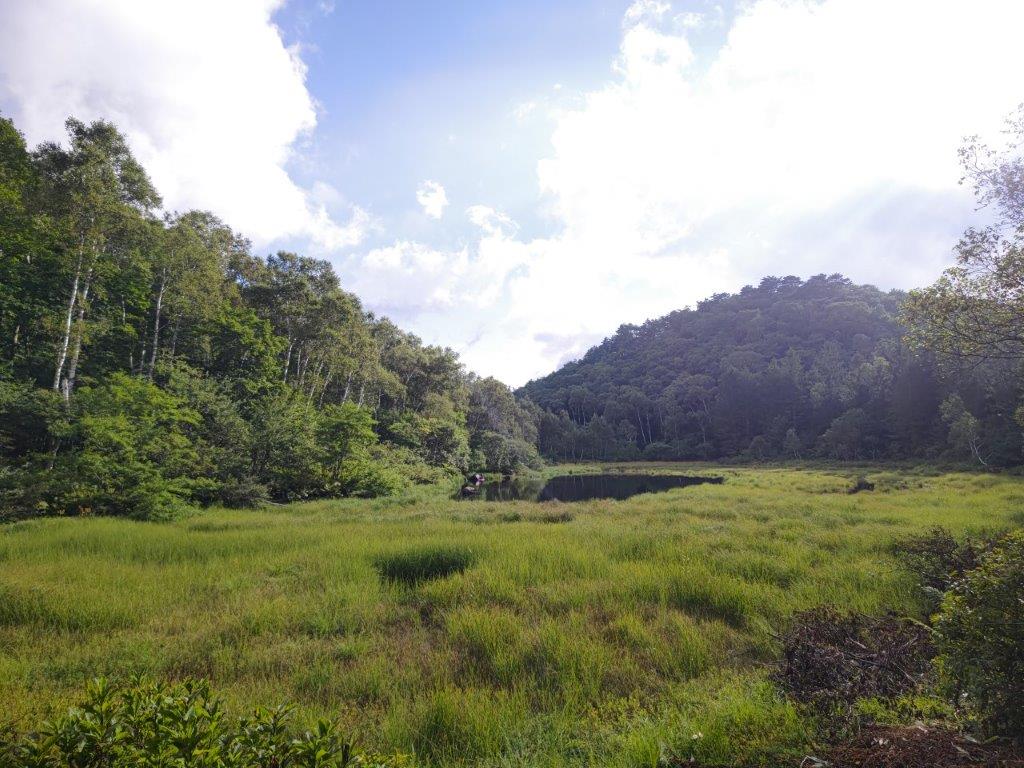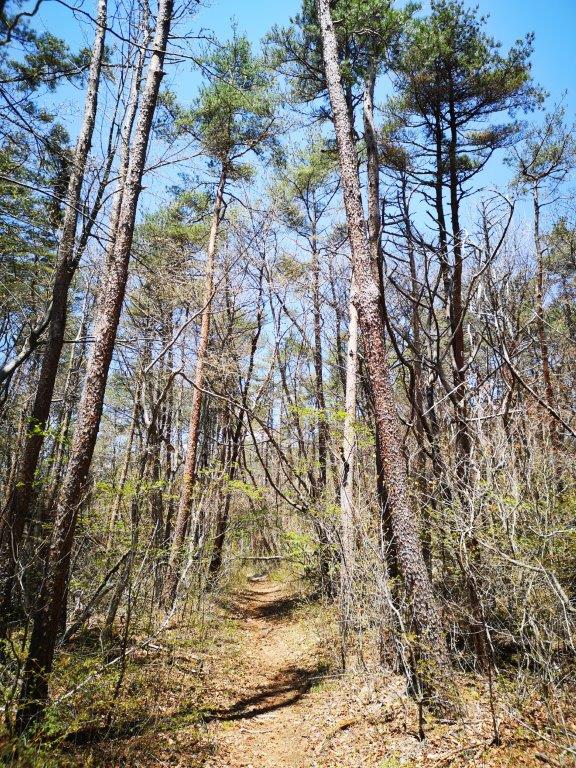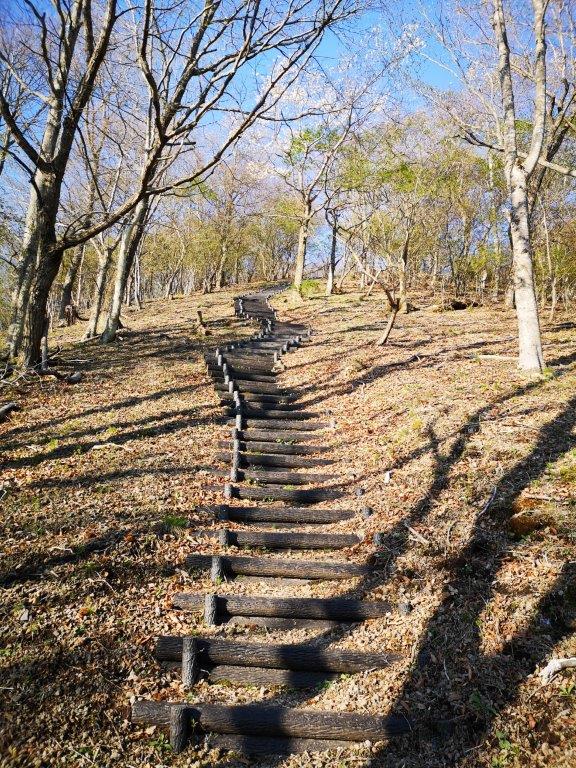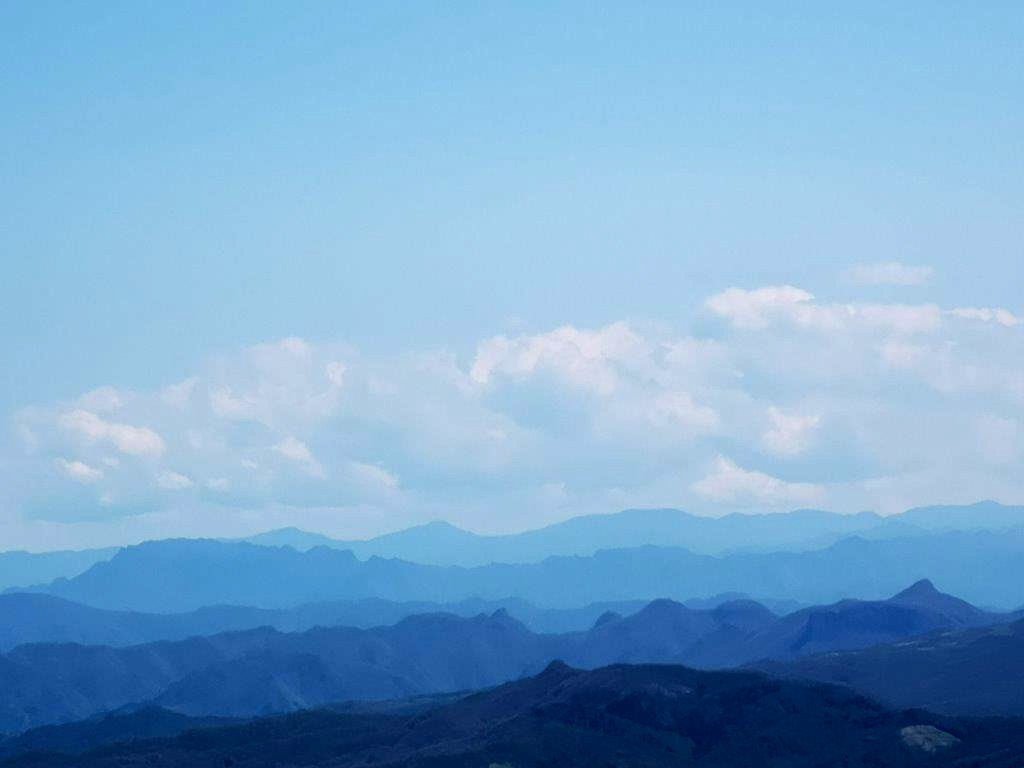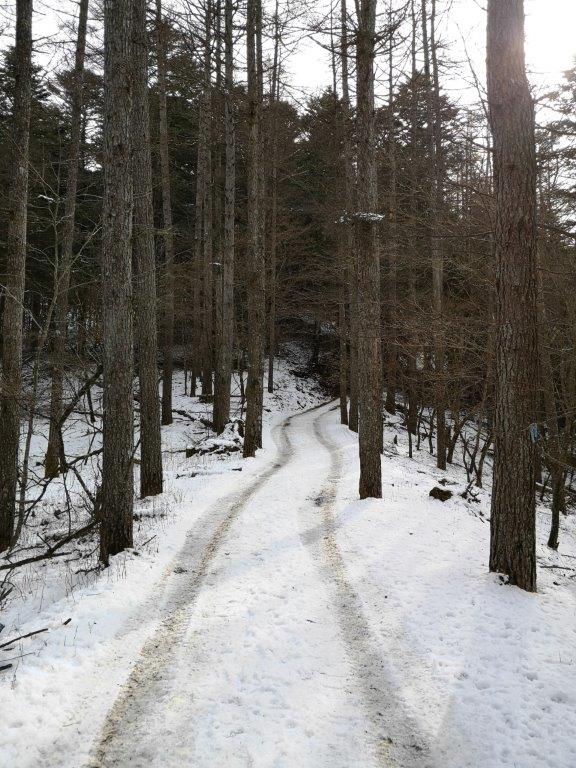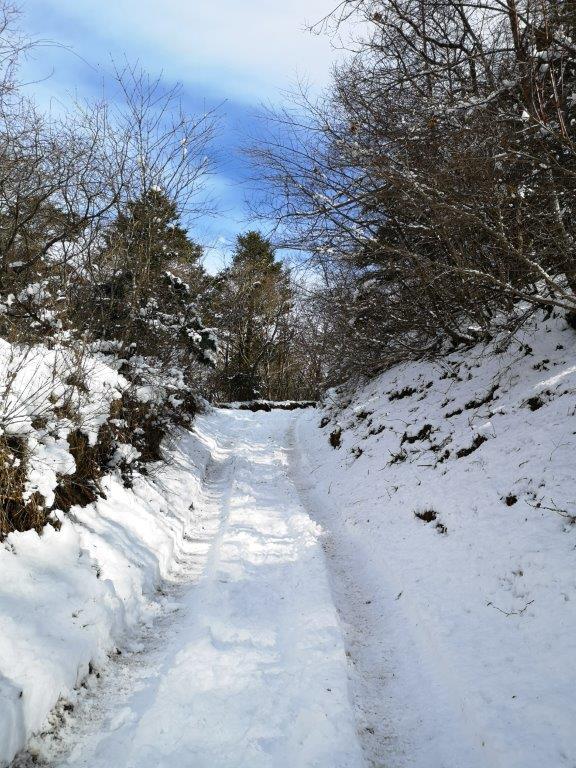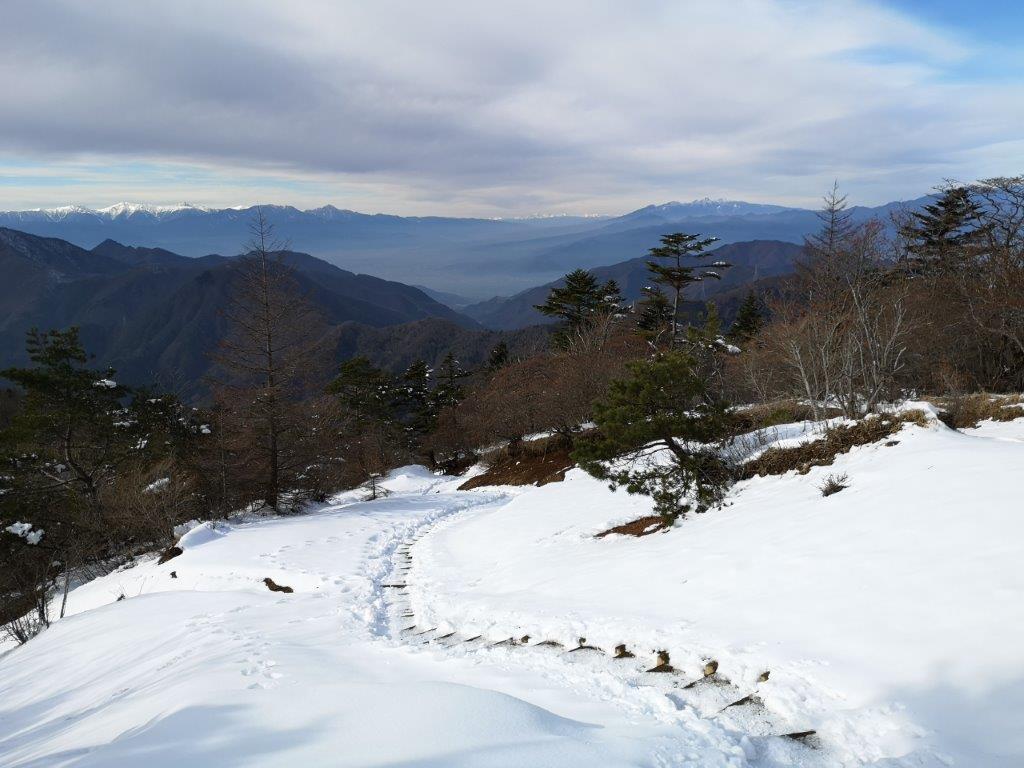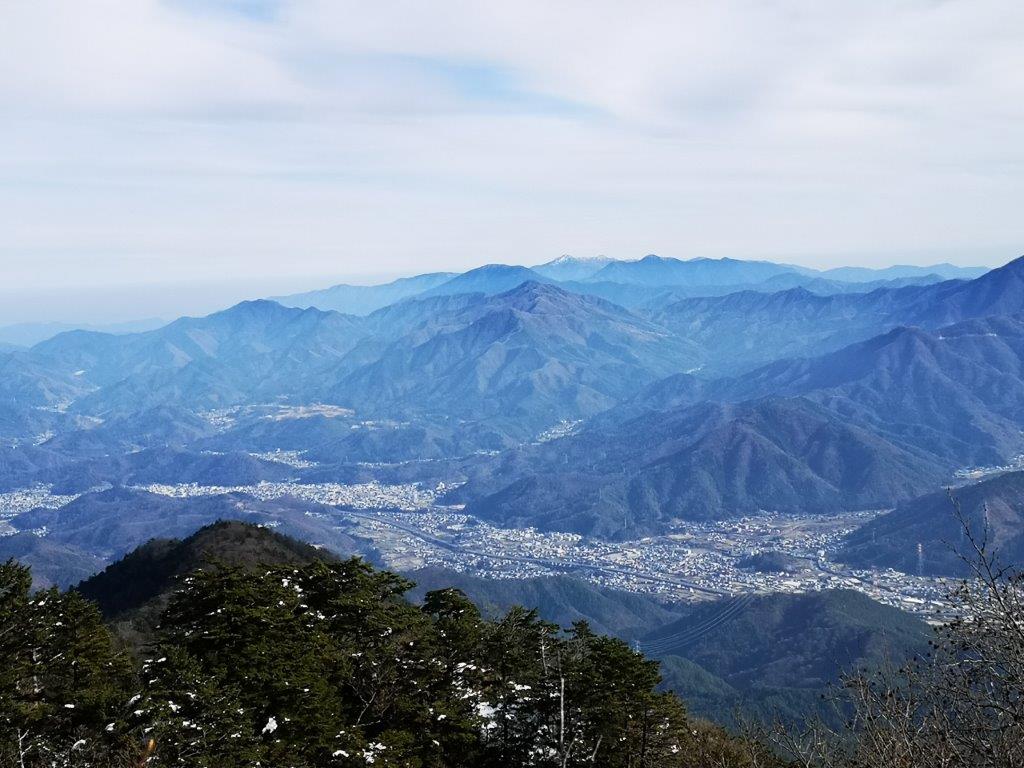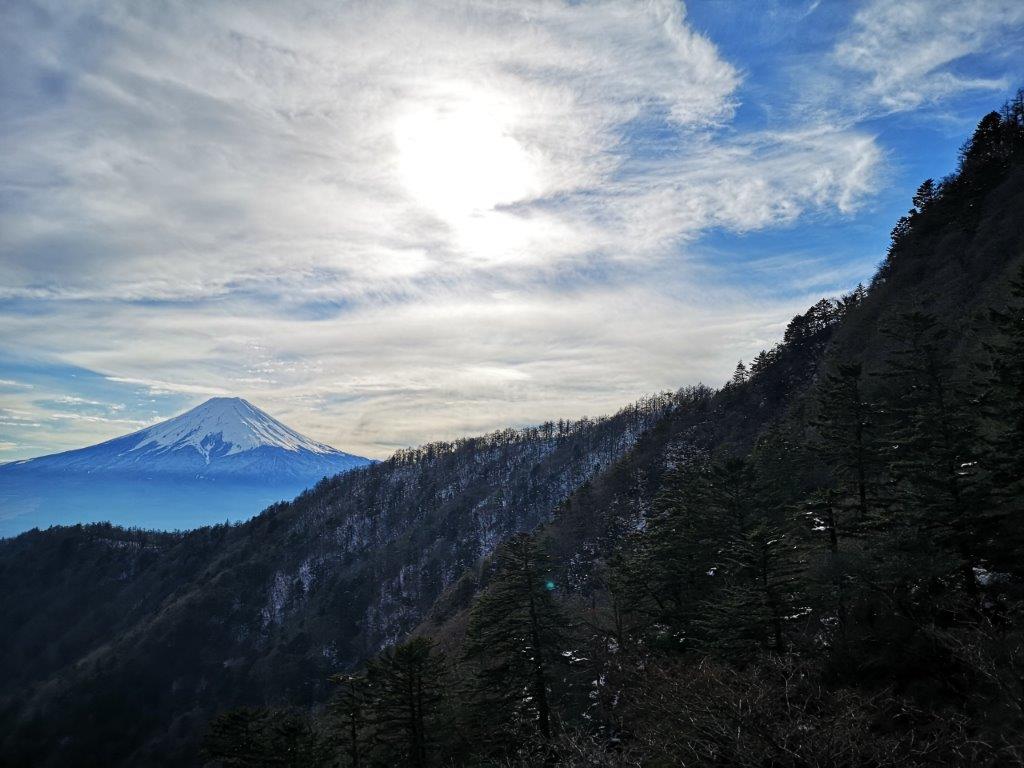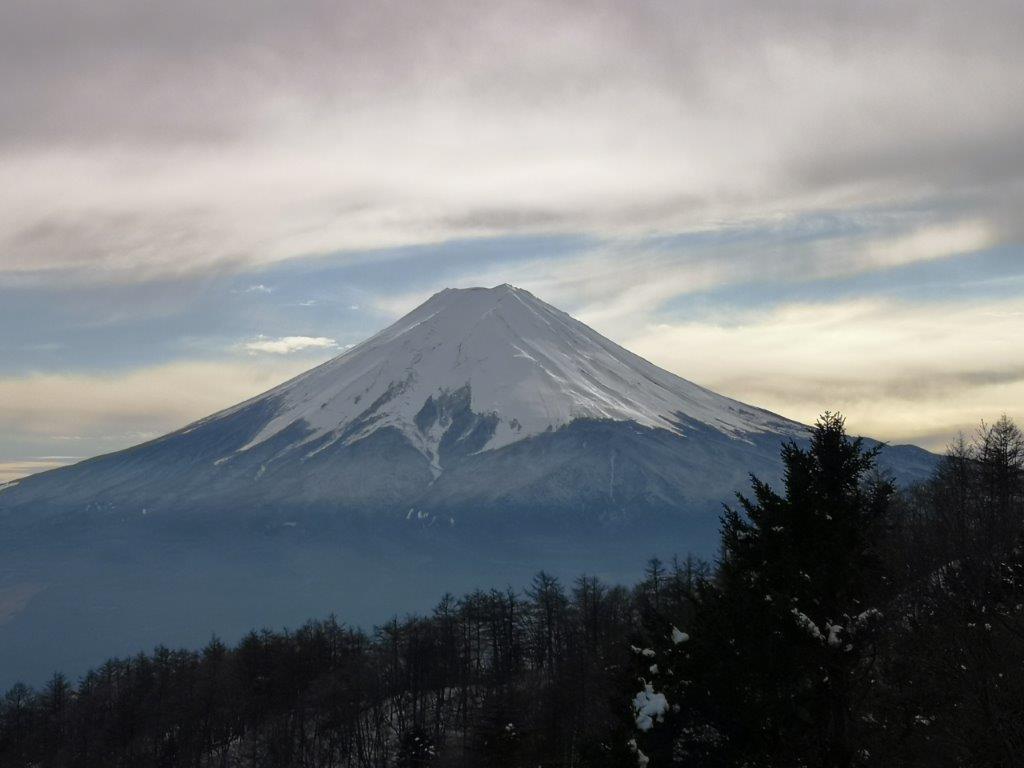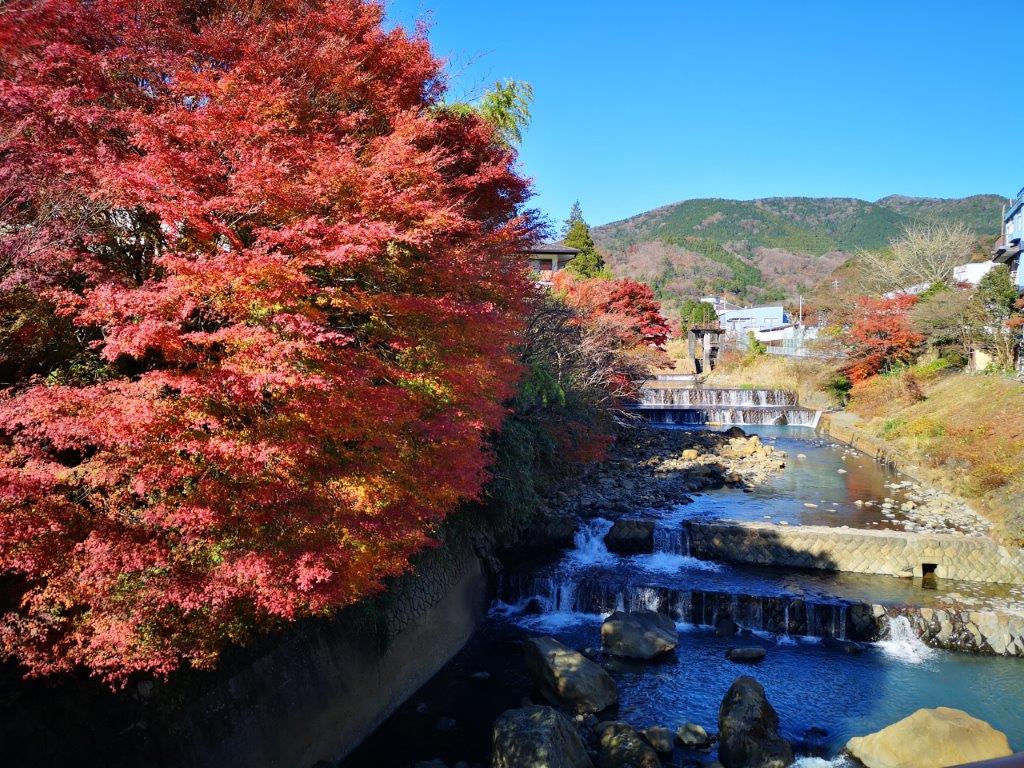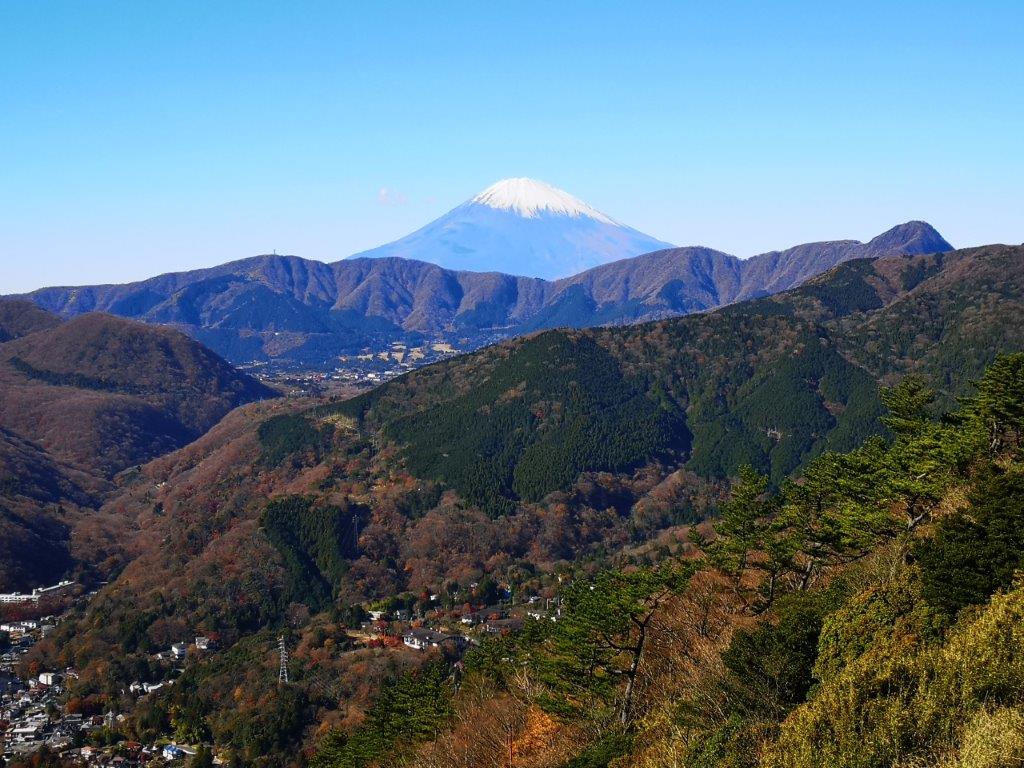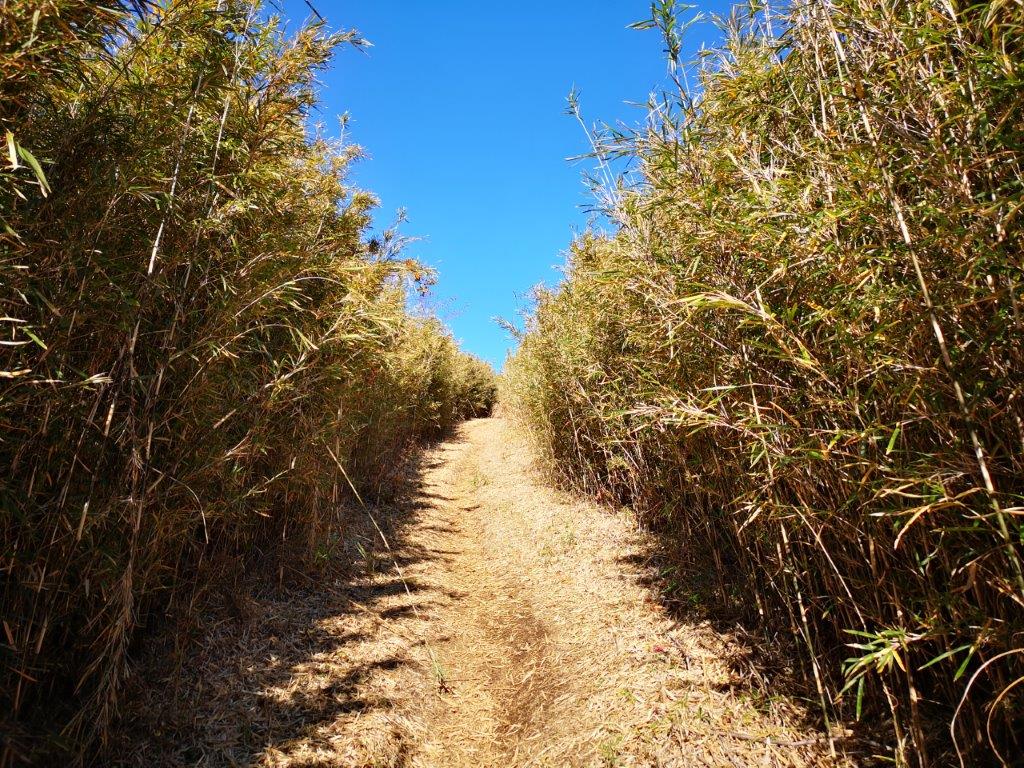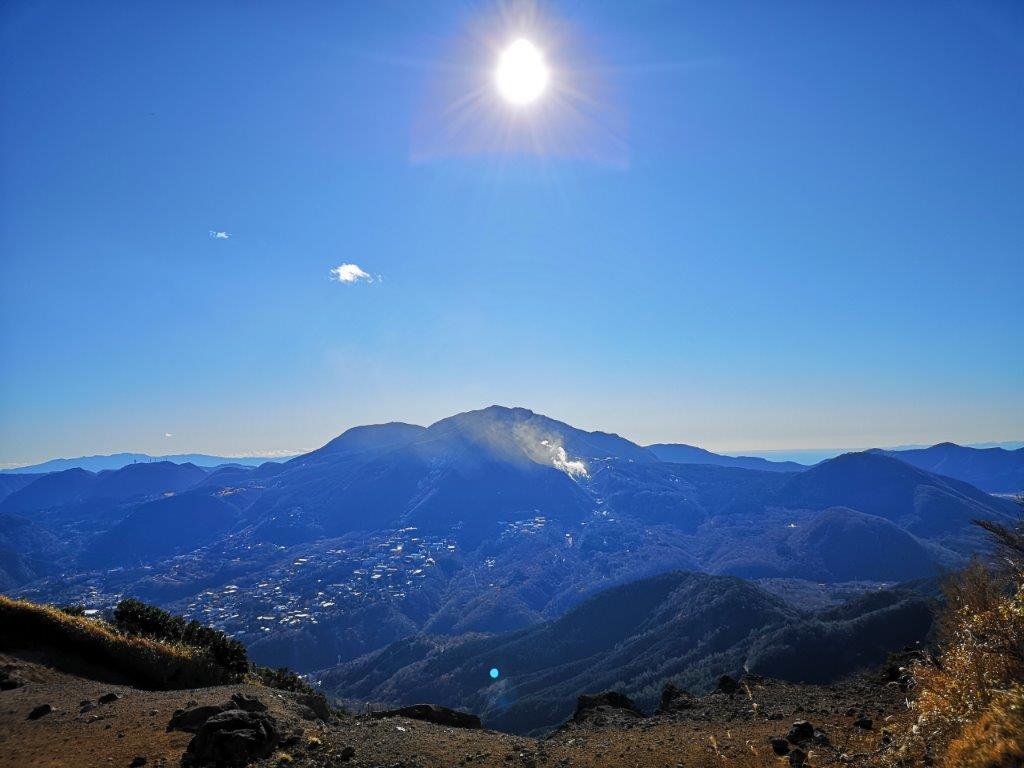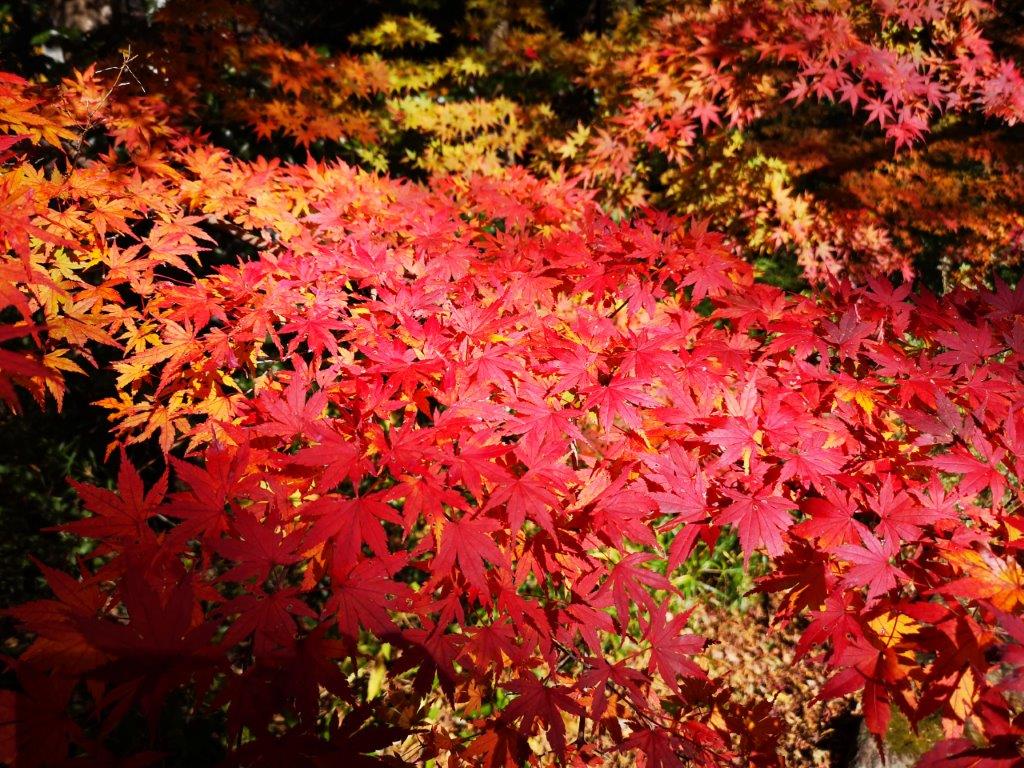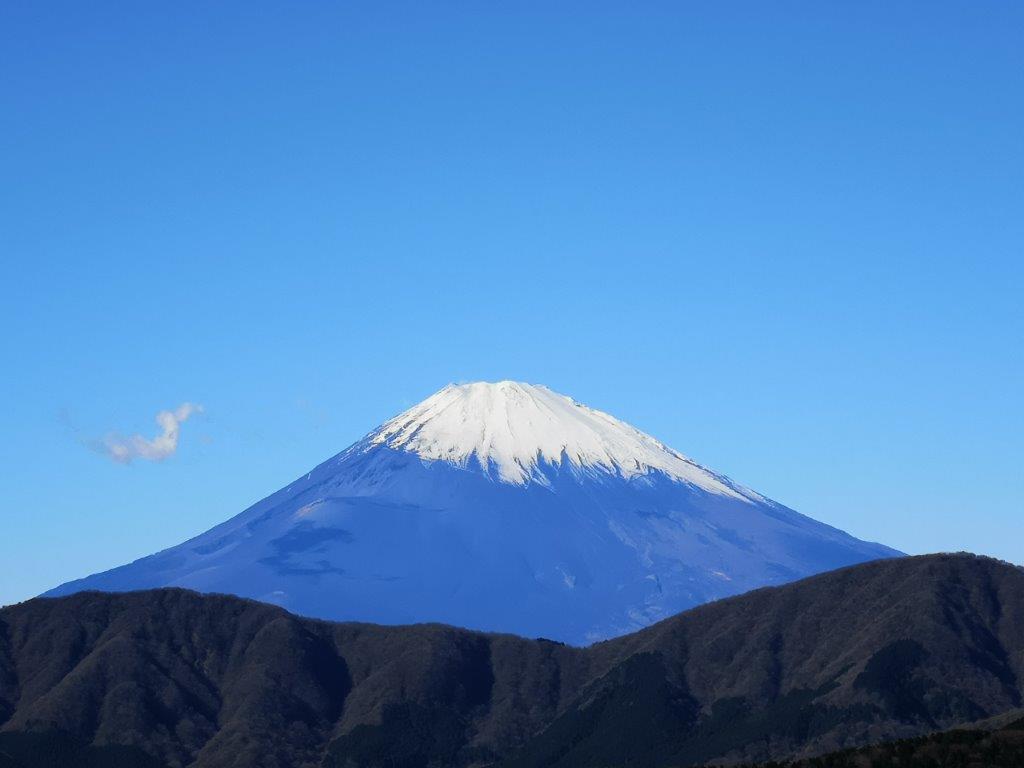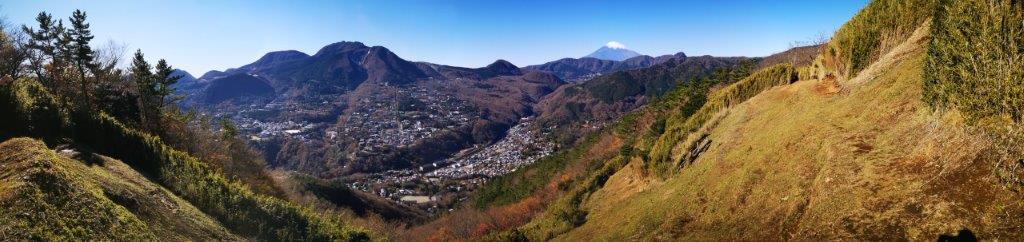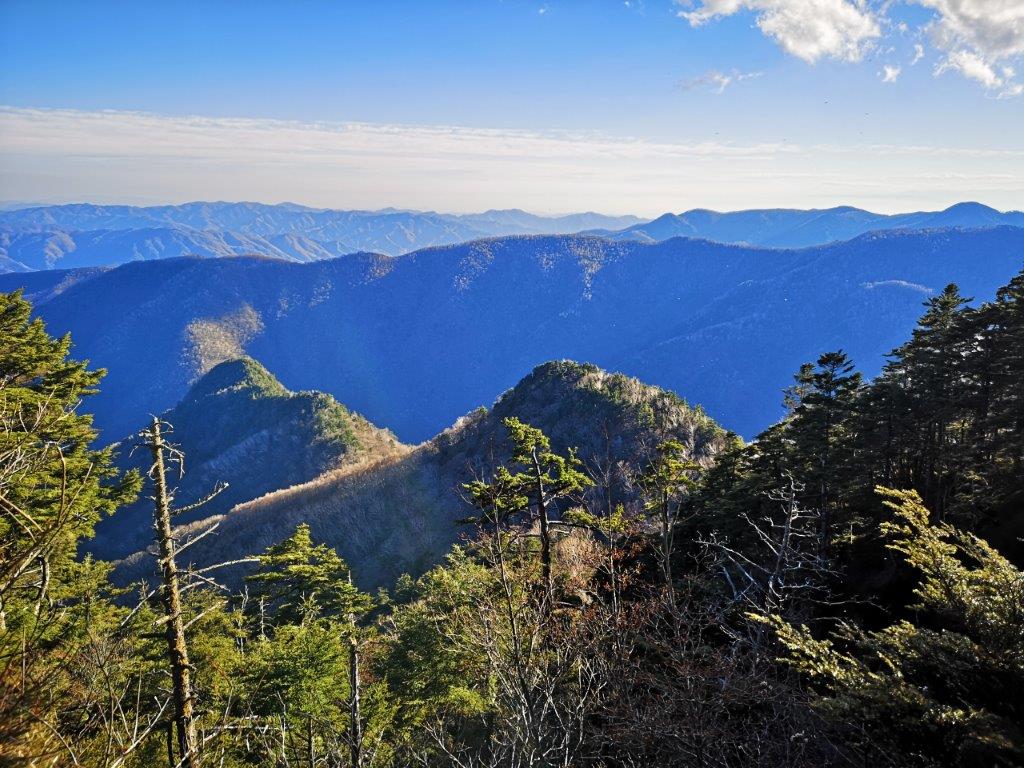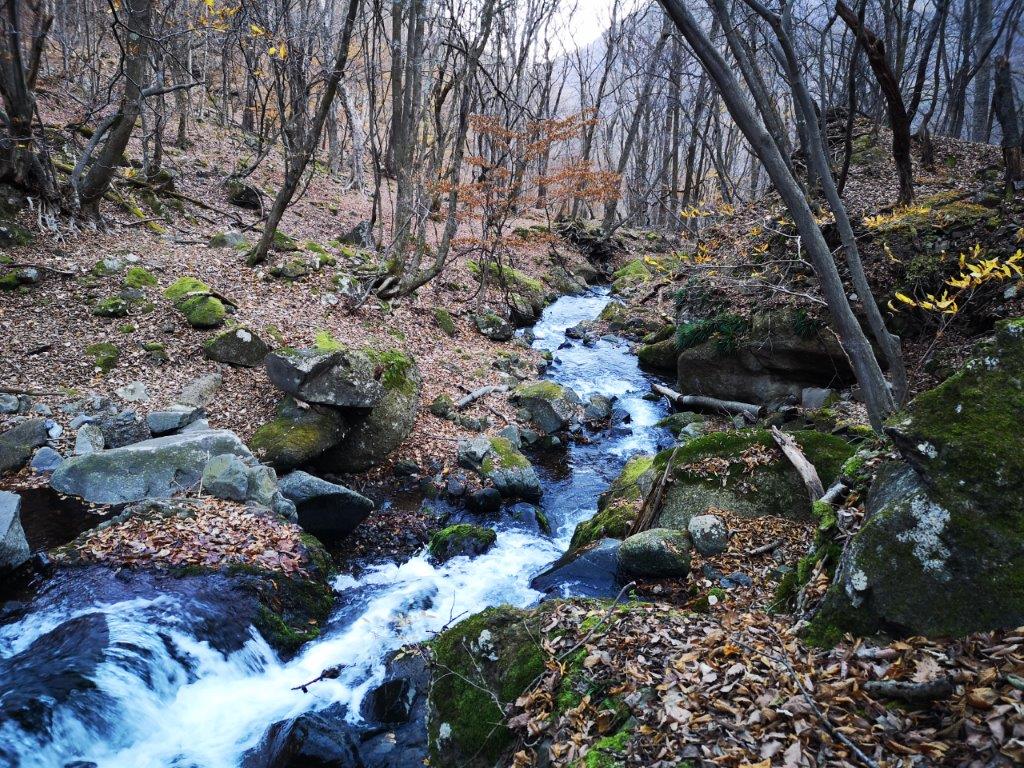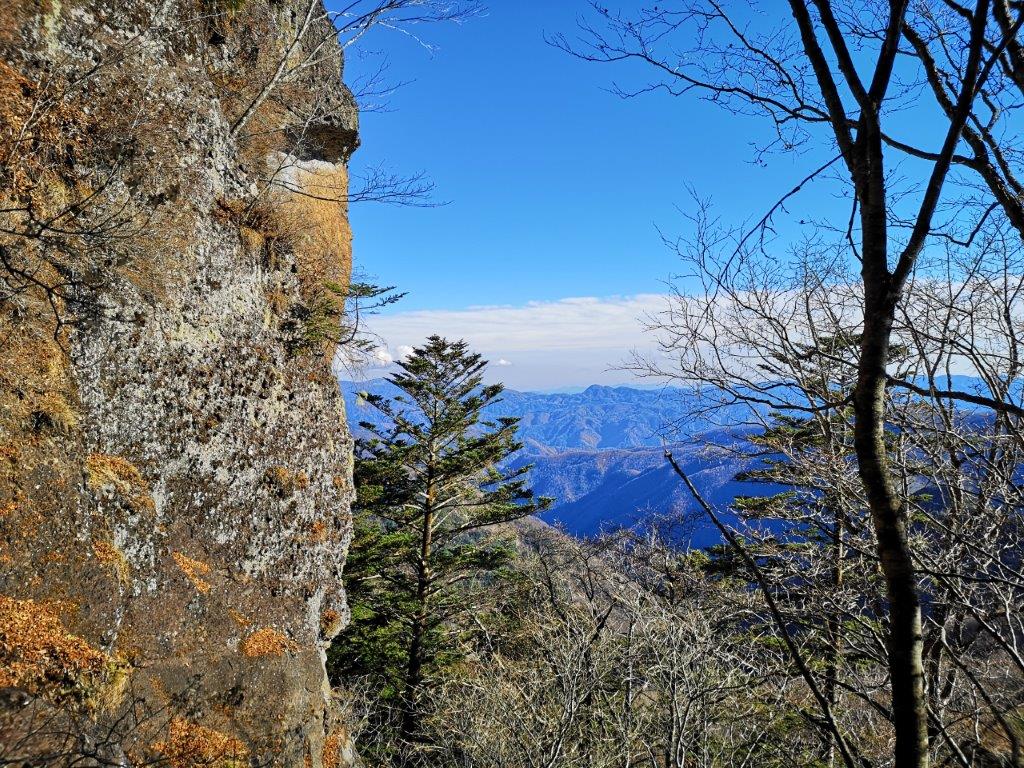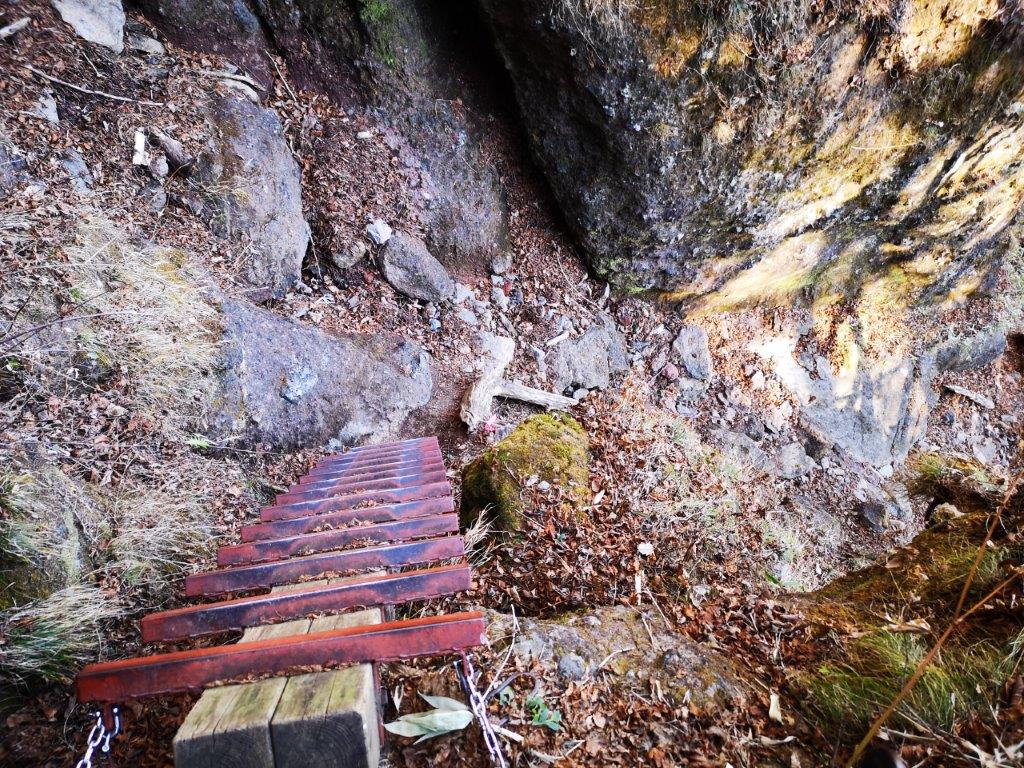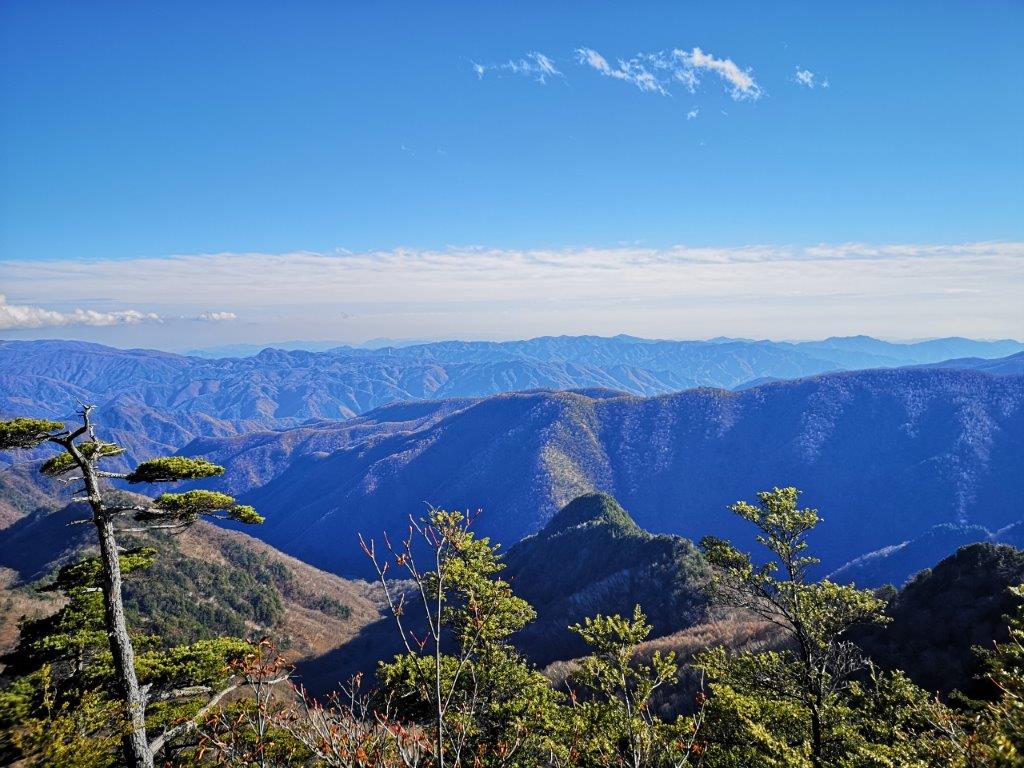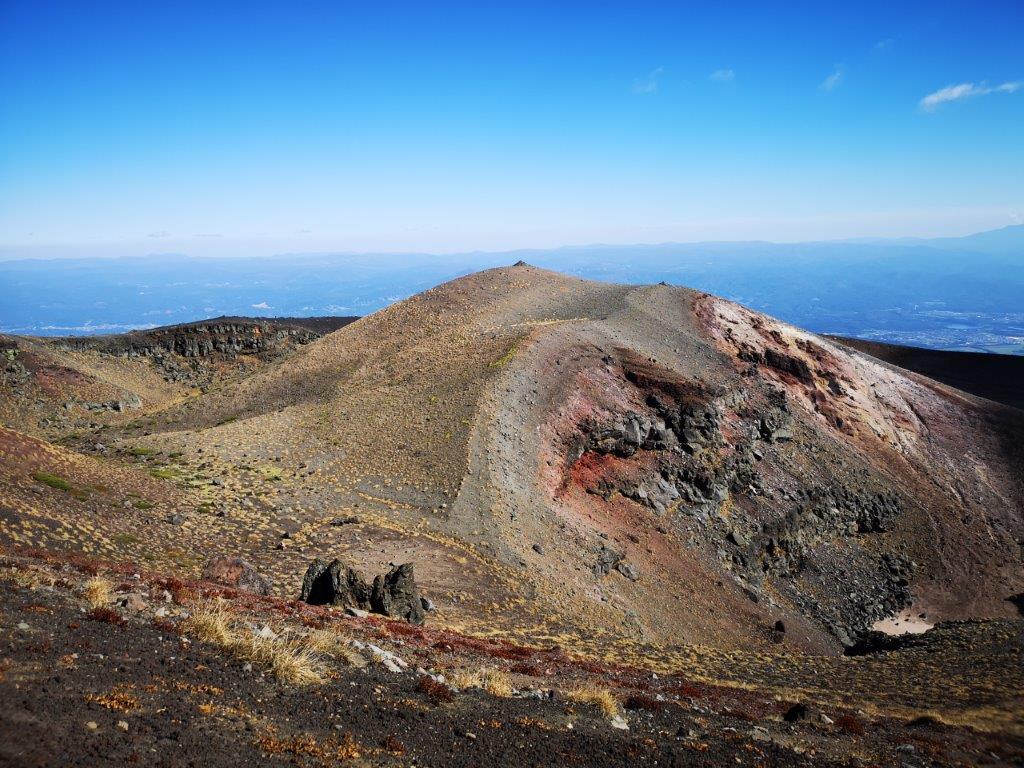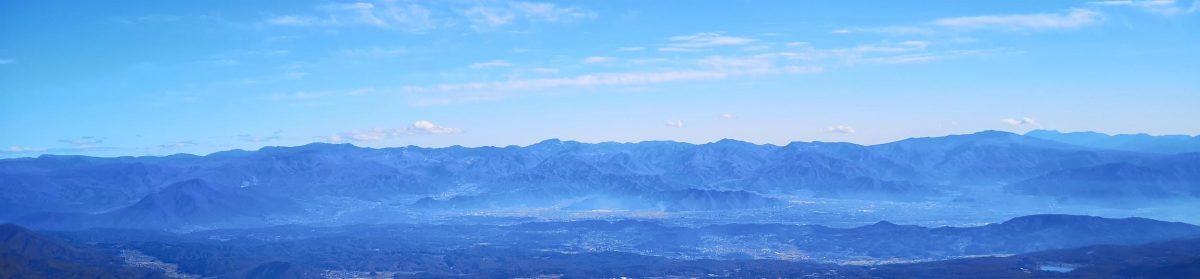
Hatcho Pond (1170m), Izu City, Shizuoka Prefecture, Sunday, September 25, 2022 [Mt Amagi Hike]

Hiking in the Fuji-Hakone-Izu National Park

富士箱根伊豆国立公園

I wanted to use the Shinkansen for this hike, since a typhoon had dashed my silver week Tokyo Wide Pass plans. I decided to use the Tokaido shinkansen, not covered by the pass, to do a hike on Mt Amagi on the Izu peninsula. It had been five years since my last time there; it would also allow me to make a 4th consecutive visit to a National Park. Looking at my hiking map, I saw that I could hike up the west side to a lake and a viewpoint, and then return via a different path. I would ride the high speed train from Tokyo station to Mishima, and then transfer to the Izu-Hakone line which I would ride to Shuzenji; there, I could hop on a bus for Amagi Tunnel; I would return the same way. The typhoon had brought record rain to the area but online information showed no disruption to public transport; I hoped the trails would be intact as well, since the weather was supposed to be blue skies and warm temperatures. I was looking forward to a nice forest hike and a great view from its highest point.
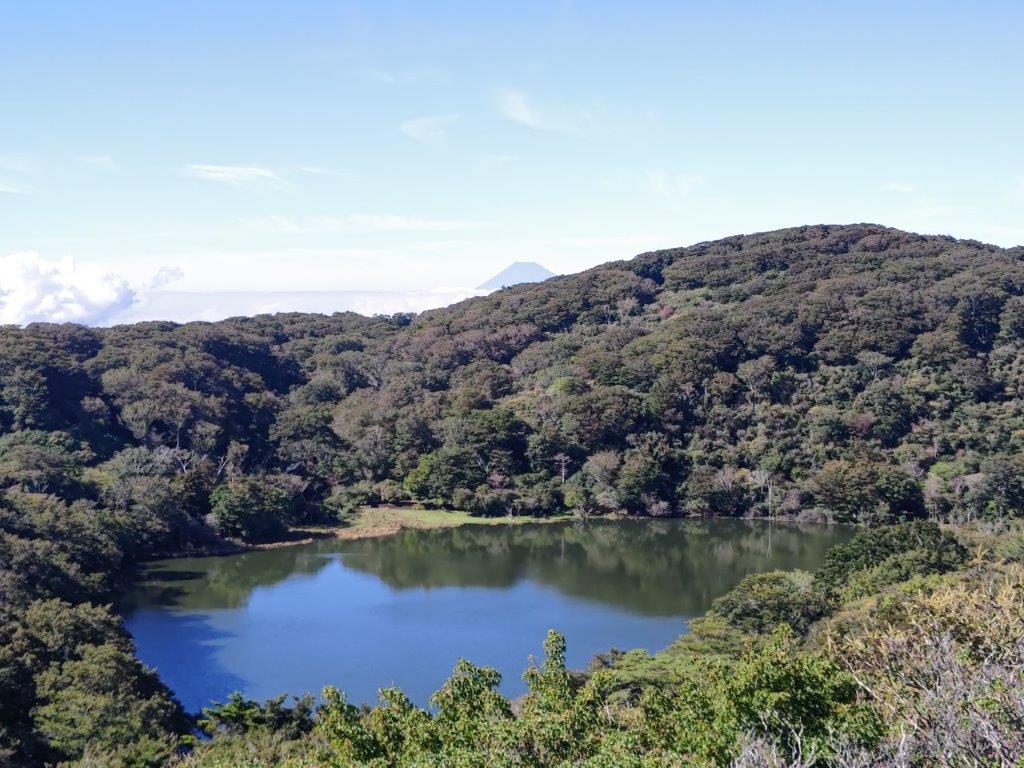
Hatcho Pond from the observatory
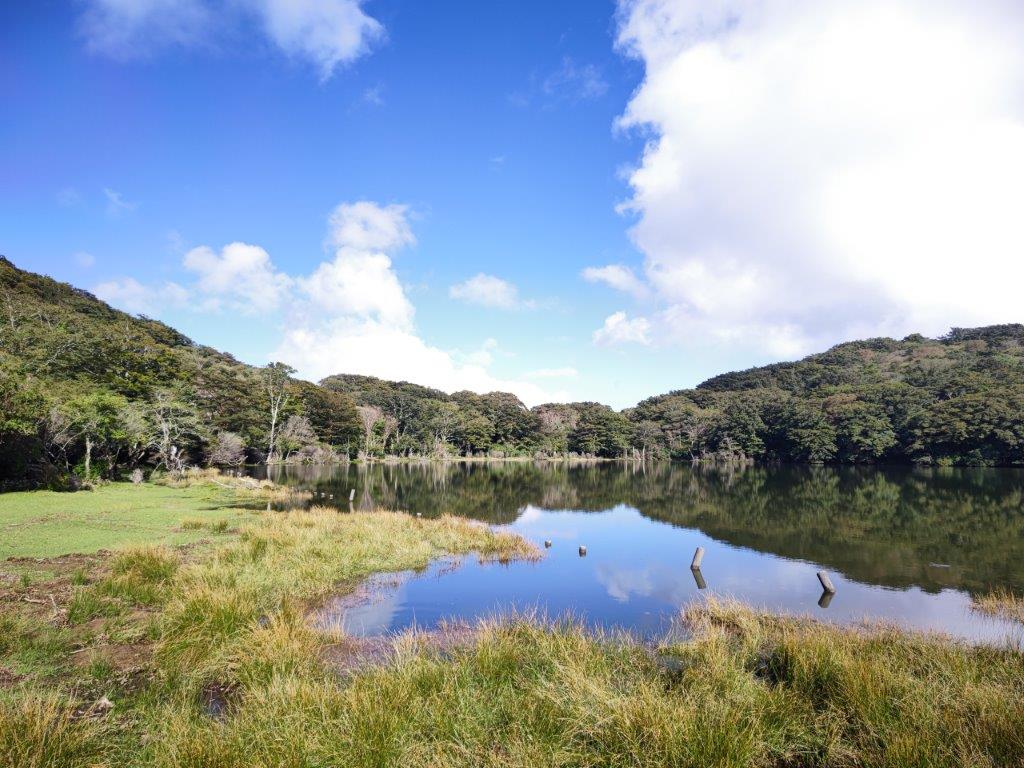
Hatcho Pond on Mt Amagi

It was a beautiful day as I rode the shinkansen from Tokyo station. After arriving at Mishama station, I transferred to the nearly empty Izu-Hakone line; it was an exciting ride along a pretty river valley through green hills. I got off at Shuzenji, the end of the line, and boarded an equally empty bus, finally getting off at the Amagi Pass bus stop (天城峠 あまぎとうげ) just before 11am. I had been here before and so I was familiar with the short hike up to the pass, which I reached less than thirty minutes later.
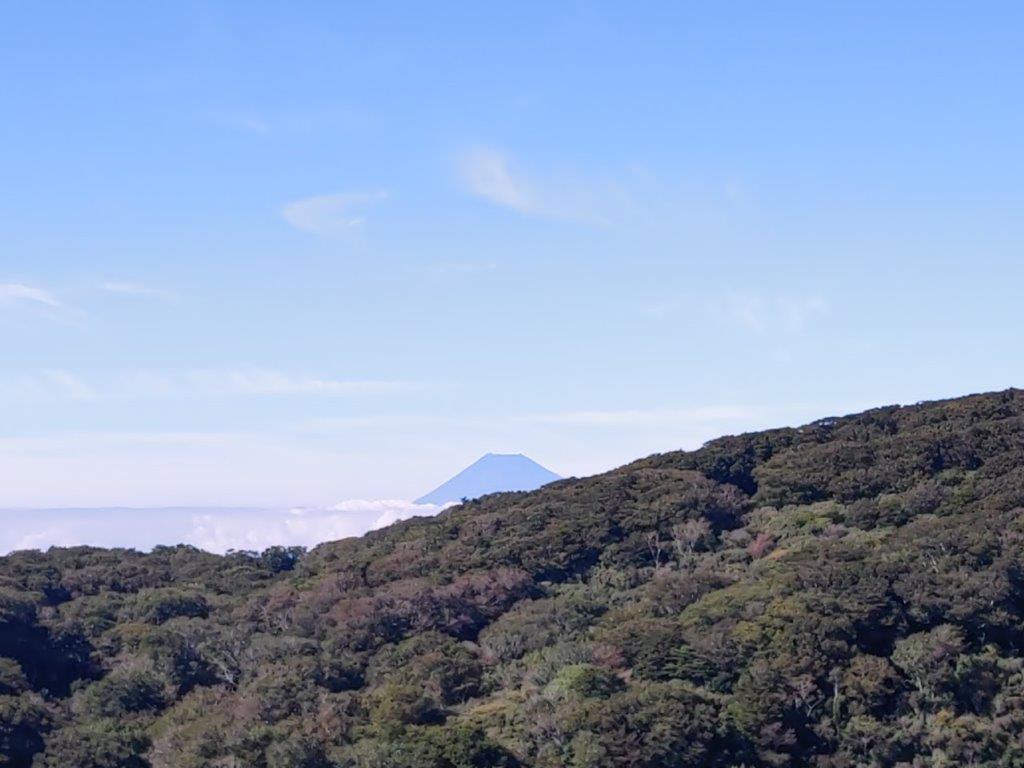
First view of Mt Fuji

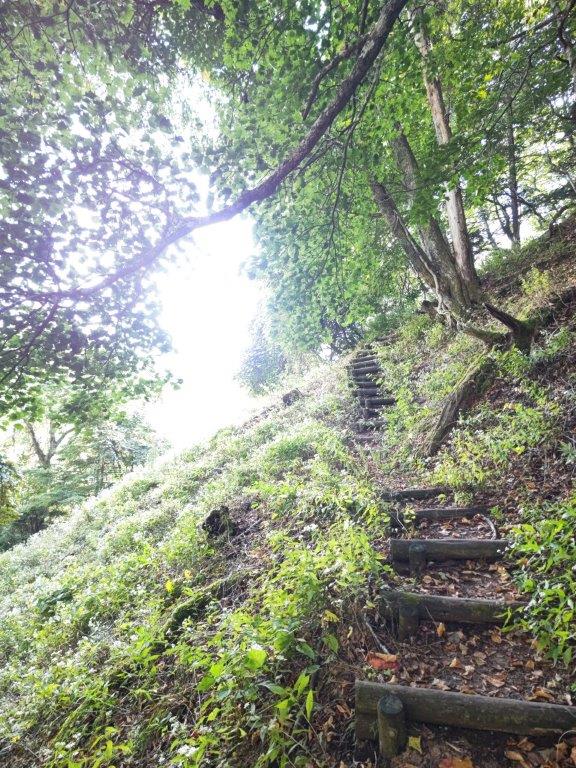
Trail leading to Amagi Pass (left) Beech tree along the trail (right)

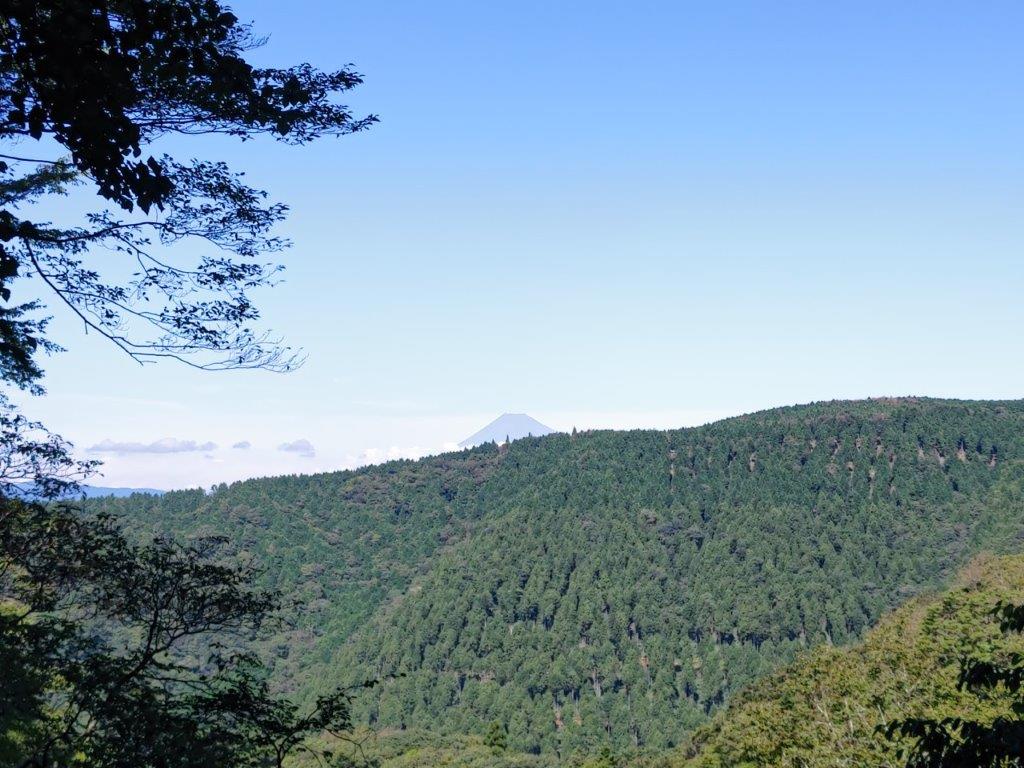
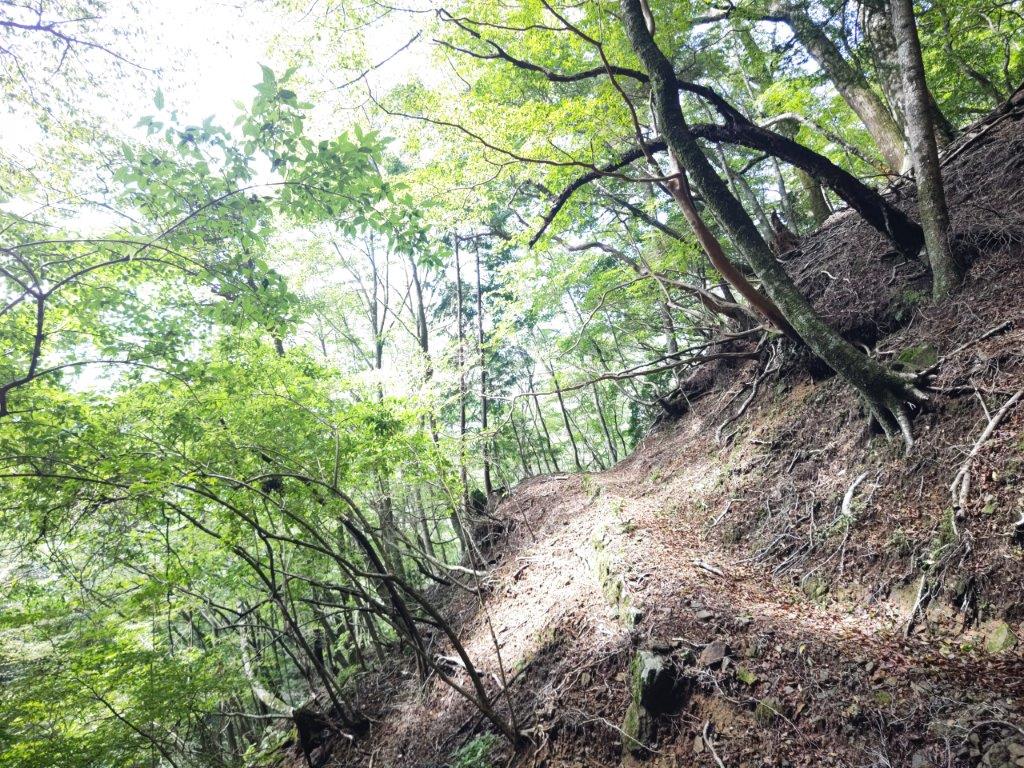
I had my first glimpse of Mt Fuji soon after turning left onto a level trail hugging the mountain side. Very soon, the trail took a right turn and went up some logs steps taking me to the ridgeline. Here I found the pathlovely forest harder to follow; eventually it descended back to a level path following the mountain contour. I had another good view of Mt Fuji before reaching a swollen stream rushing down the mountain and cutting straight through the path. After hopping across, I soon arrived at a second ridge, leading to another level path, now heading north.
One of the more level sections of the hike
Looking towards the Aosuzudai viewpoint and the Pacific ocean

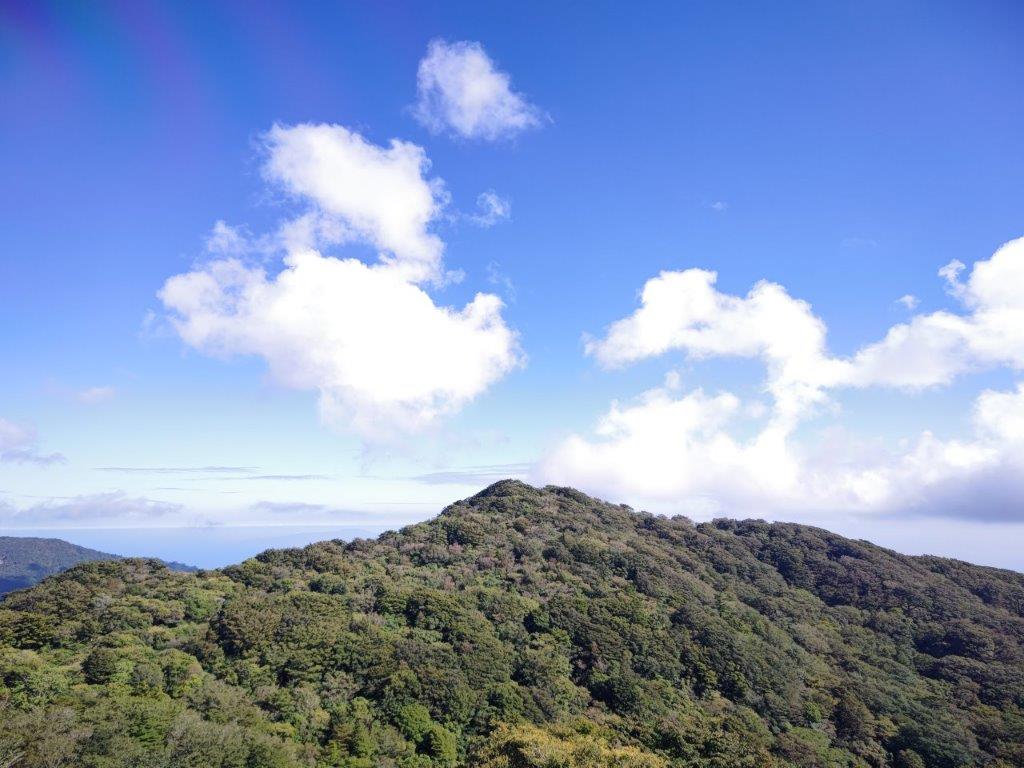
I reached a rushing stream interrupting the quiet of the forest. The path turned east and became hard to follow again; I was relieved each time I spotted a wooden signpost. A little after 1h30, I reached the entrance of the Nobori Gyoko trail (上り御幸歩道). Before heading to the viewpoint, I made a short detour to another viewpoint called Aosuzudai (青スズ台), from where I was able to see the ocean and Toshima island; the rest of the view was hidden by high bushes. I soon turned back and a little after 2pm, arrived at the Hatcho Pond observatory (八丁池見晴台) at the top of a metallic staircase.
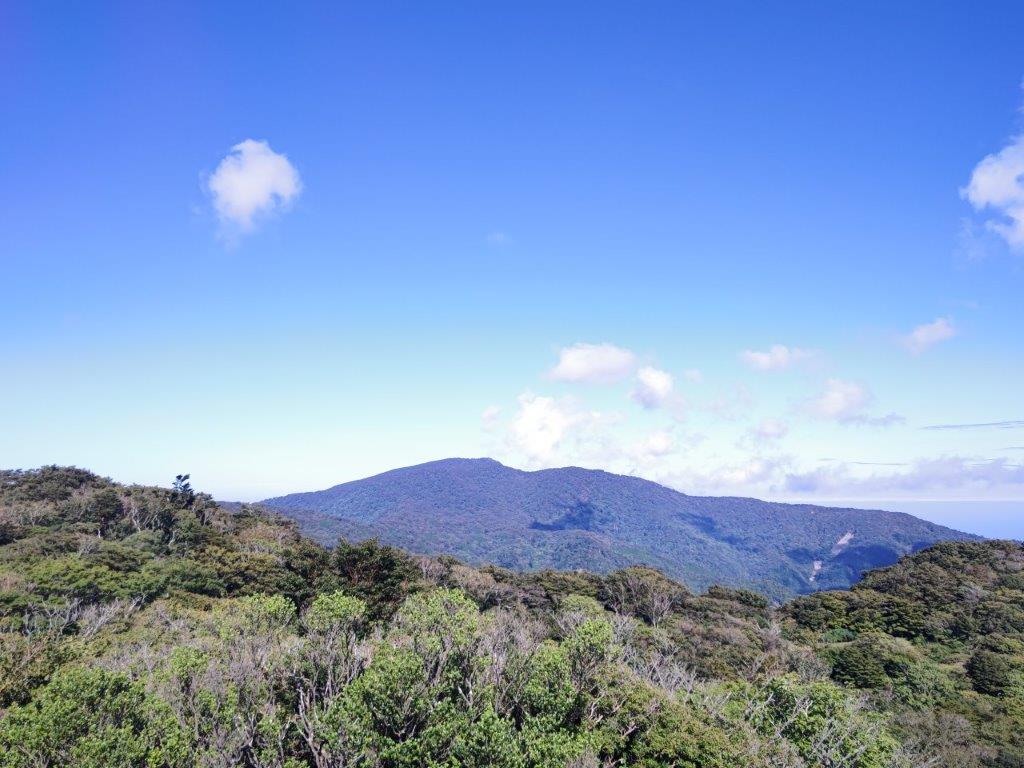
Mt Amagi, a Japan hundred famous mountain

On the left, the path flooded by the lake

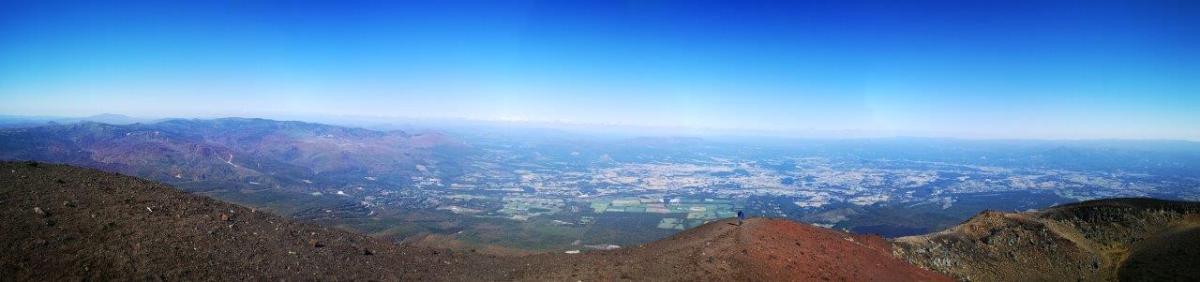
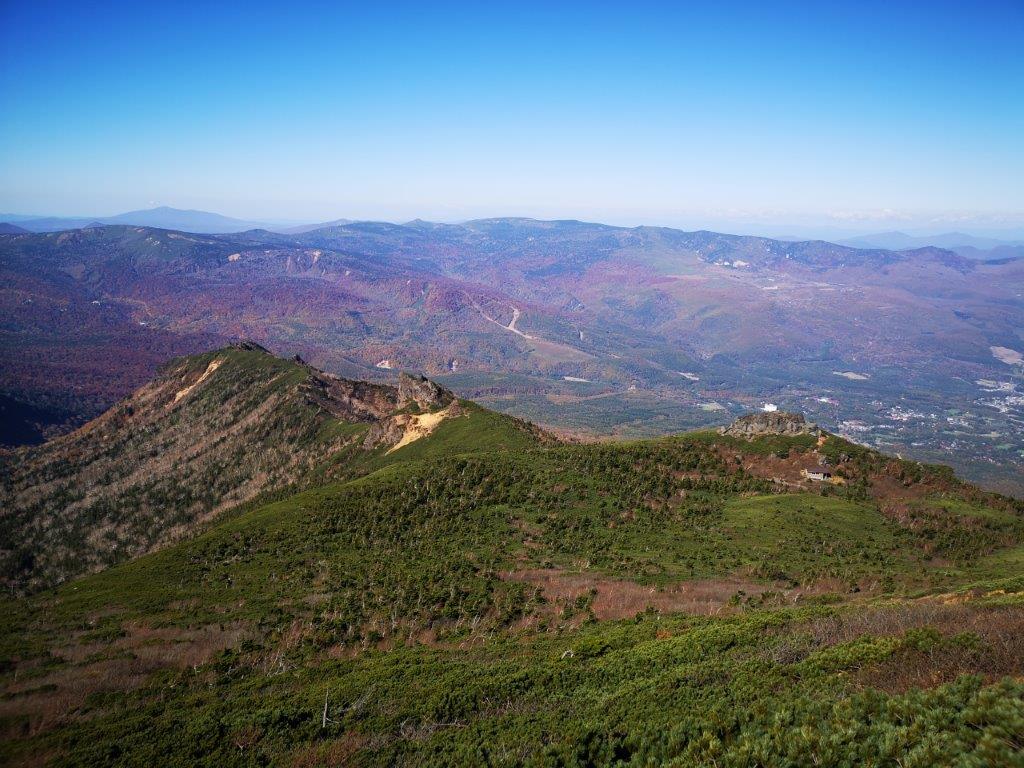
I had a fantastic 360° panoramic view of the center of Izu peninsula: directly below on the north side was Hatcho pond (八丁池) with Mt Fuji behind it; stretching eastwards was the gentle summit ridge of Mt Amagi, a Japan 100-famous mountain; looking south, I could see the Aosuzudai viewpoint and the Pacific ocean; westwards was Mt Chokuro, its summit in the clouds. I felt lucky that the sunny weather had continued the whole day with just a few cumulus clouds floating in from the ocean side. I had the observatory to myself, so I had a late lunch while admiring the views. Half an hour later, I descended to the lake shore.
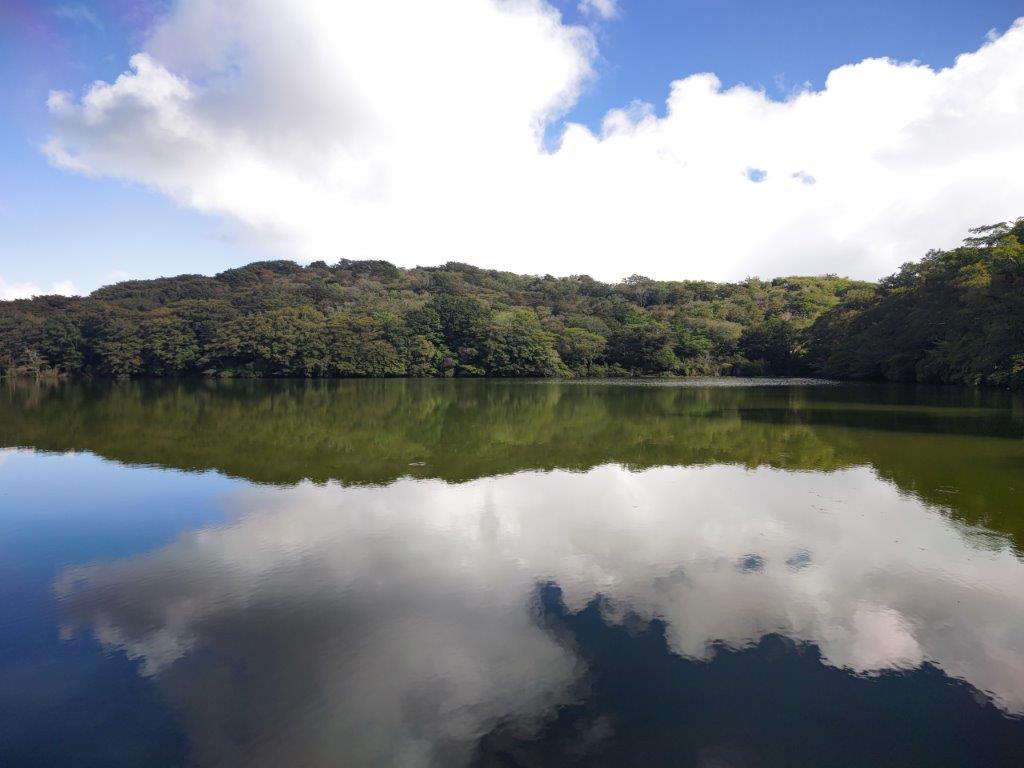
Some clouds coming in from the south
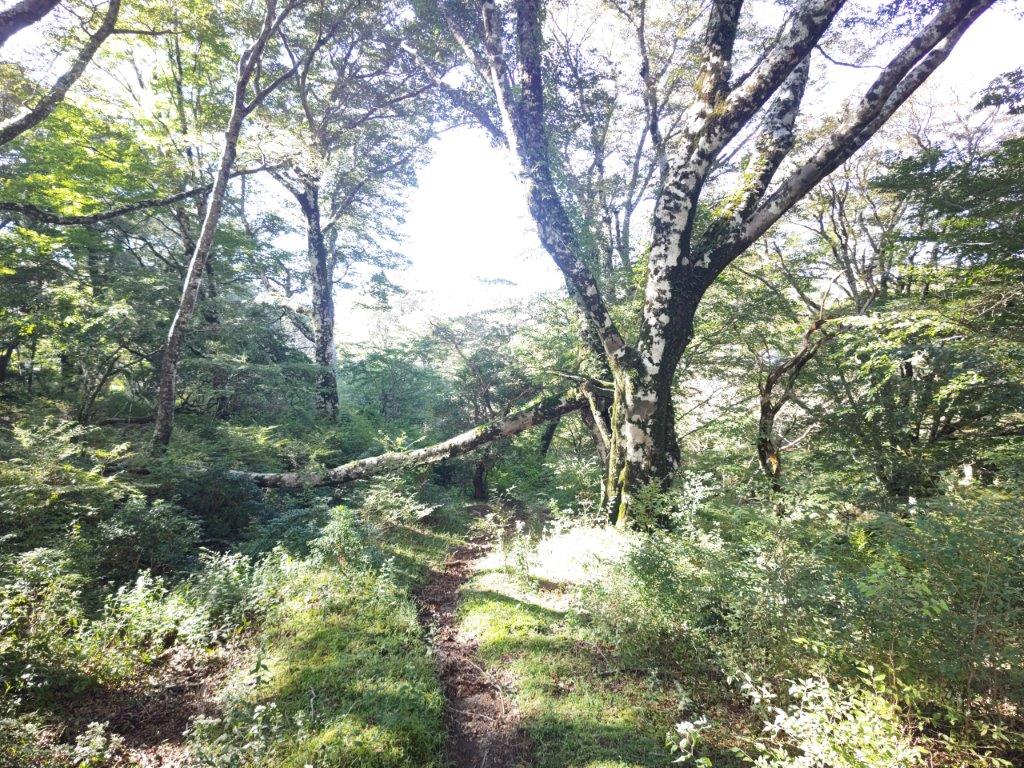
A gentle descending trail through lovely a forest

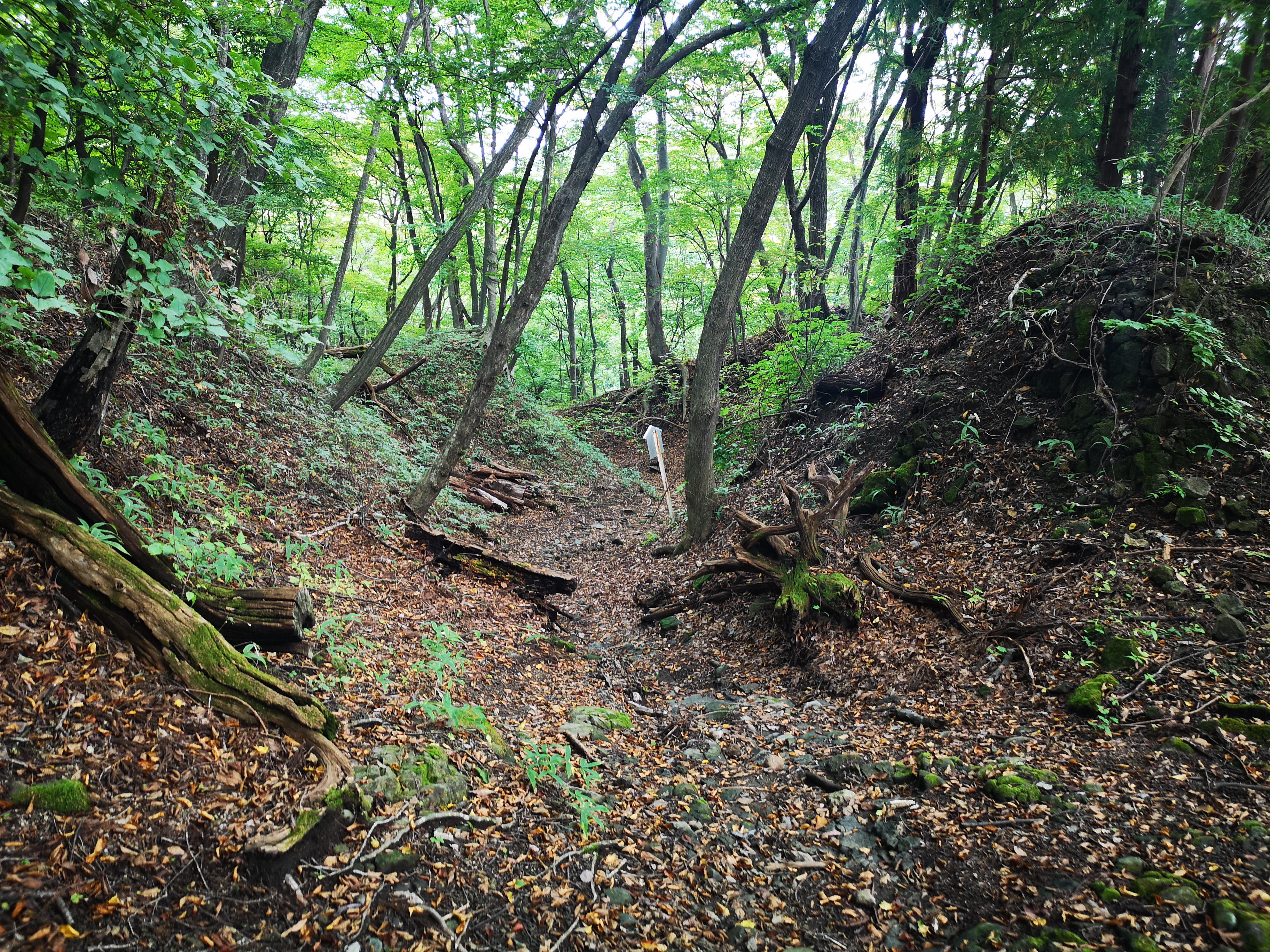
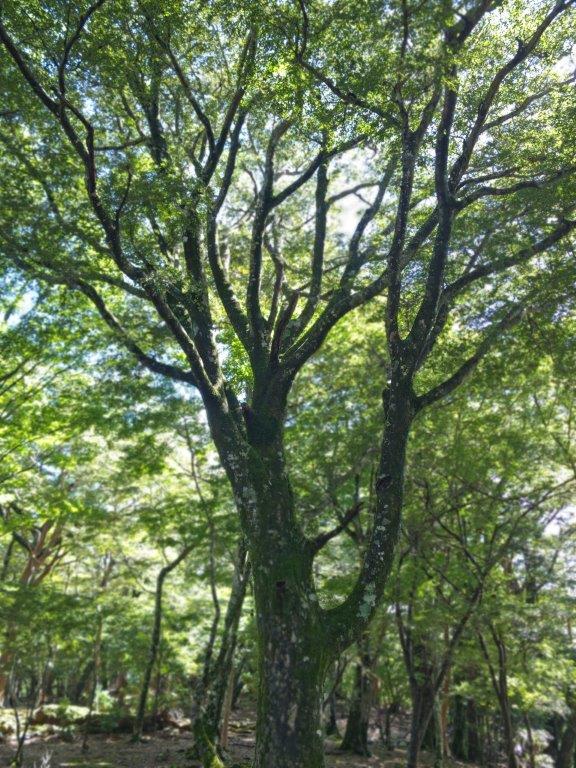
I was surprised to see that the path around the lake was flooded. I managed to get to the other side by walking through the forest and reached the entrance of the Kudari Hatcho trail (下り八丁歩道), a little before 3pm. It descended gently through a stunning forest; I passed several huge beech trees, their branches twisting in fantastic shapes, and I could truly feel that I was walking within the Izu part of the Fuji-Hakone-Izu National Park. The path was hard to follow once again; I was relieved when I eventually got to a level wide path going straight through the forest. After merging with a forest road, the trail headed south, before arriving at a sunny junction at the edge of a cedar forest.
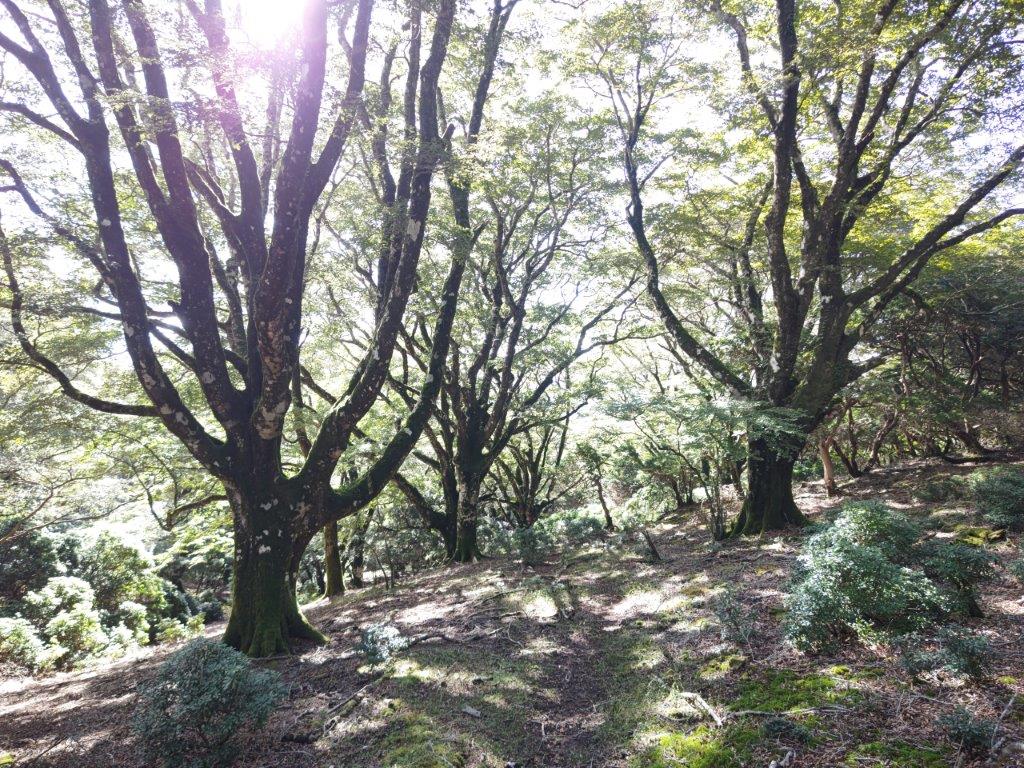
Walking through the Japanese beeches
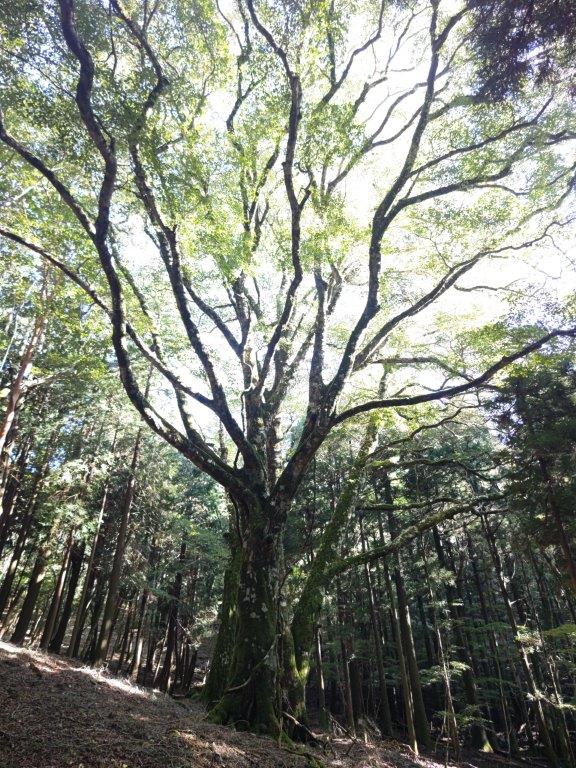
A giant beech (left) towering cedars (right)

I enjoyed the change in the surrounding vegetation, as well as the extra sunlight filtering through the smaller cedar tree canopies. The path started to descend quickly and soon the sun was lost behind a ridgeline. A little past 4pm, the rocky trail suddenly merged with a small stream; I was glad I had good hiking boots. After about ten minutes of “river walking”, I emerged onto a paved road. From there, it was another half an hour to the Suishochi-shita bus stop (水生地下), which I reached ten minutes before my bus was due. After arriving at Shunzenji statiom, I had a quick hot bath at the nearby Hyakuwarai no yu hot spring before riding the Izu-Hakone line to Mishima station, where I transferred to the shinkansen for the 40-minute ride back to Tokyo.

See the views up and down Mt Amagi’s west side
Oku-Nikko hike (highest point 1460m), Nikko City, Tochigi Prefecture, Saturday, September 17, 2022 [Monkeys]

Hiking in the Nikko National Park 日光国立公園

I was eager to continue my tour of the national parks close to Tokyo. I had last visited Oku-Nikko a little over a year ago, so it seemed like a good choice; I also expected a dip in the crowds between the summer vacation and the Autumn colours season. Looking at my hiking map, I combined some trails northwest of Lake Chuzenji into a loop hike, and although it included no mountains, I hoped it would be more challenging than just a walk in the woods. The area is also the heart of bear territory, with nearly one hundred sightings so far in 2022, so I would need to make sure to pack my bear bell. I would ride the now familiar Nikko limited express from Ikebukuro to Tobu-Nikko, and there switch to a Tobu bus for Yumoto-Onsen, getting off at Akanuma at the edge of the Senjogahara Marshland; the hike would end at the nearby Ryuzu Falls. The weather was supposed to be sunny, with high clouds appearing in the mid-afternoon; the temperatures and humidity were also supposed to be lower, which I hoped would create the ideal conditions for a hike at an average elevation of 1400m. I was looking forward to a nice forest hike, and maybe even catching a glimpse of some animals in the wild.

View of Mt Nantai from Senjugahama

Walking next to Odashirogahara

I left Tokyo under cloudy skies, but fortunately, the sun was shining once I got off the limited express at Tobu-Nikko station. At 11am, I was standing under a light blue sky, opposite Akanuma-Chaya (1390m 赤沼茶屋) at the edge of the Senjogahara Marshsland (戦場ヶ原), ready to start my hike. First, I headed down the “Nature Study Path” (戦場ヶ原自然研究路), the main route leading through the marsh and crowded with other hikers; I soon left it to follow a trail over a wooden bridge and through the forest, a trail I had done previously in the winter on cross-country skis.

First view of Mt Nantai from the Senjogahara Nature Study Path

A mix of walkways (left) and hiking trails (right)

At once, I was able to relax and enjoy the surrounding nature as few people ventured this way. After going through a gate in a deer fence, I reached another intersection where I turned right, onto a wooden walkway. I was now walking among tall larches and silver beeches, the autumn colours would probably be wonderful around this area, and soon reached the edge of Odashirogahara (1408m 小田代ヶ原), a smaller, lesser-known marshland. I turned left at the next intersection, following the contour of the marsh, eventually reaching a viewpoint of the Nikko mountains.

View from the start of the loop around Odashirogahara

View of the mountains of Oku-Nikko

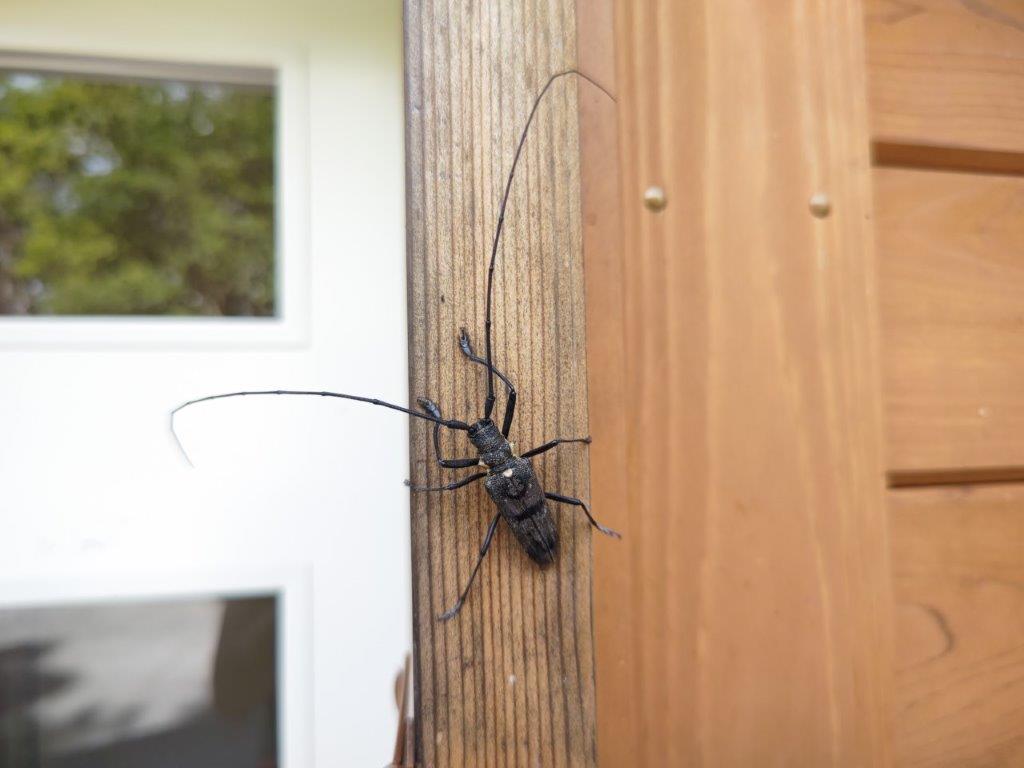
I was impressed by the sight of these majestic peaks rising above the green-brown marsh. From left to right, I could distinguish Mt Taro, Mt Nyoho, Mt Omanago and Mt Nantai, all free of clouds. It was nearly 1pm so I sat down for lunch at one of the picnic tables. Afterwards, I went to check out the nearby stop of the low-emission bus (低公害バス) that runs through the area I was exploring on foot. On the way, I spotted a longhorn beetle making a difficult ascent of the restroom building (see video). A little after 1pm, I set off again, this time along the bus road, going over Yumihari Pass (1433m 弓張峠), and then re-entering the forest via a path on the right.

This part of the hike is bound to be very crowded in the autumn season

From left to right: Mt Taro, Mt Nyoho, Mt Omanago and…

From this point, I enjoyed a solitary ramble through a beautiful forest. This was the best part of the hike, but it was also bear territory, so I tried not to linger. After crossing a bridge over a river, the trail abruptly went up the mountain side, reaching the highest point of the hike, before becoming level again, and finally descending to the valley floor. A little after 2pm, I was again walking on a paved road and soon arrived at another bus stop. It definitely felt weird to see a bus pass by in the middle of a forested valley in the Nikko National Park. Here, I turned right onto a wide, straight track through a larch forest, and half hour later, reached Sainoko Lake (1295m 西ノ湖).

…at the very right, Mt Nantai

A kind of longhorn beetle having trouble with the polished wood

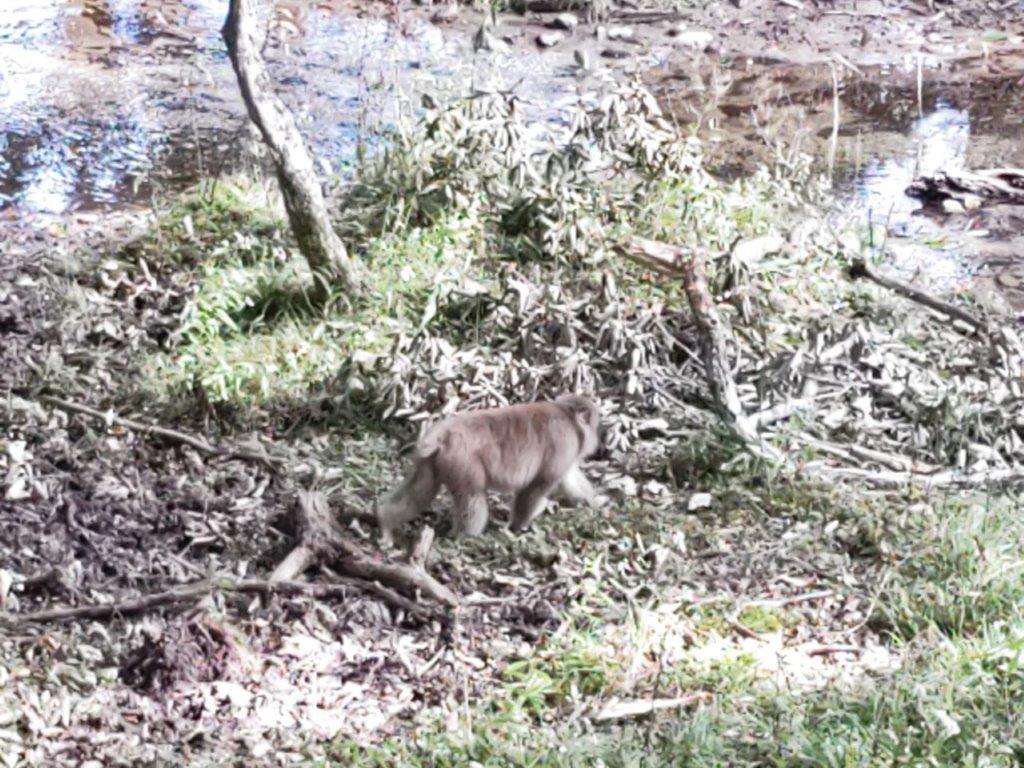
I was surprised to see that the lake was a lot smaller than it appeared on the map. I had somehow fallen behind schedule, so I didn’t have time to cross the wide sandy beach, formerly the lakebed, to reach the shore of the tiny expanse of water. I had the second half of my lunch on a bench and made my way back to the main trail, heading east at a fast pace through a forest of tall oaks. I suddenly heard a high-pitched shriek and noticed movement near the river on the right side. I moved to the edge of the trail, keeping in mind the signs warning hikers not to leave the trail, and saw a troupe of monkeys foraging for food along the river.

Sunny forest in bear territory

The smaller than expected Sainoko lake

I was delighted to be able to observe wild monkeys for the second time in a month. They weren’t as indifferent as the Shiga-Kogen ones, taking note of my arrival, but not as fearful as the ones I saw near Mt Tsurugatoya, soon resuming their quest for food, a couple even turning over stones in the river in search of some river-dwelling treat (the reflection of the sunlight on the water surface made it hard to film). I wanted to keep on watching them but I had to keep moving if I wanted to catch my bus back. A few minutes later, I reached Senjugahama (1276m 千手ヶ浜) at the western edge of Chuzenji lake, also visited on my previous Oku-Nikko hike.

The furthest pier at Senjugahama

A peaceful place after the crowds have left for the day

This time I could fully appreciate its tranquil atmosphere and the stunning view of Mt Nantai rising above the blue lake waters, as both the last boat and last bus had already left, and I was the last person around. After a few minutes of contemplation, I went left, following the path I had taken last year, but in reverse. I quickly passed the turn-off for Mt Taka, continuing straight ahead. It was nearing 4pm and some altostratus clouds had started to spread from the south, a sign of the approaching typhoon; inside the forest it was already dark, except for breaks in the trees letting in the slanting sunshine. The trail went up and down, accommodating the rocky nature of the shore.

The last part of the hike followed the lake shore

Once of the several views through a gap in the trees

I was glad for the exercise on a hike with no ascents. After a final view of the lake from the top of Akaishi Rock (1312m 赤石), reachable thanks to a brand new wooden staircase, I finally emerged at Shobugahama (12297m 菖蒲ヶ浜), arriving at the bus stop ten minutes before the bus for Tobu-Nikko, nearly five hours after setting off. Although I had considered this an easy hike, the many ups and down made me quite tired at the end. I got to the station one hour later, just in time for the 90-minute ride to Kita-Senju on the Tobu Spacia limited express. In the end, I hadn’t seen or heard any bears (or sign of them), but getting to see monkeys close up was just as rewarding.

See the marshlands, forest, lakes and creatures of Oku-Nikko

Monkey looking for food between Sainoko and Senjugahama

Mt Futago (1804m), Gotemba City, Shizuoka Prefecture, Sunday, September 11, 2022 [Hiking on Mt Fuji]

Hiking in the Fuji-Hakone-Izu National Park

富士箱根伊豆国立公園

It had been 4 years since my last hike on Mt Fuji, so I thought it was time to visit again. As on my previous trips, instead of climbing to the summit, I wanted to combine several of the trails that crisscross the Shizuoka side of the mountain. This would allow me to do some moderate hiking, further helping me get back into shape, and immerse myself in nature again, since I would be inside the Fuji-Hakone-Izu National Park. I would get up extra early to catch the first Odakyu limited express of the day, the only one in the morning going all the way to Gotemba station. From there, I would take a Fujikyu bus to the Gotemba New 5th station, the lowest of the four trails up Mt Fuji. This time, I decided to do a loop hike, so I would travel back the same way. The weather was supposed to be sunny and even a little warm, perfect for a high-altitude ramble on the side of Japan’s most famous volcano. I was looking forward to getting some great views and enjoying the beautiful forest covering the lower half of Japan’s highest mountain.

Summit of Mt Fuji from the 5th station, clear of clouds and snow

Pleasant hiking at high altitude

Some clouds remained as I rode the early morning limited express to Gotemba, where I boarded a Fujikyu bus for the one-hour ride to the Gotemba New 5th station (1439m 御殿場口新五合目), getting there a little after 9am. By now, the clouds had vanished, and it was already felt quite warm under the sun. From the parking lot observation tower I enjoyed a wide view to the west of Gotemba city and the Tanzawa and Hakone mountains; turning around, I could also see cloud free summit of Mt Fuji, looking somewhat ordinary without its snowcap. At 9h30, I set off up the, now officially closed for the season, trail for the summit.

The Tanzawa mountains in Kanagawa

Yamanaka lake in Yamanashi

It seemed like a perfect day to climb to the top, which felt tantalizing close, even though it was 17oo meters higher. I quickly reached a junction at Oishi-Chaya (大石茶屋), where I took the left branch, heading towards a gap between two pimple-like mounds protruding from the volcano side. I slowly treaded up the sandy path, often stopping and turning to take in the soaring views; north, I could now see the light blue waters of Yamanaka lake, emerging from behind a light-green ridge. At 10h30, I reached the wide, flat top of Mt Futago (双子山 ふたごやま futago-yama, also called Futatsuzuka-Shitazuka 二ツ塚下塚).

The summit looks tantalizingly close

The twin mounds of Shitazuka (left) and Kamitsuka (right)

I was stunned by the majestic view, looking down at the surrounding area, which had been obscured by the clouds on my previous visit. South, I could now see Mt Ashitaka, and directly behind, the Izu peninsula and Tsuruga bay; the slightly higher Kamitsuka (上塚), and Mt Fuji, now with a cloudy headpiece, rose behind me. After a short break, I headed back to the main trail along a valley between the two mounds, and followed the “H route” of the Mt Fuji Natural Recreation Forest Trail (自然休養林歩道 “shizen kyuyorin hodo“), as it climbed gently through scattered pines, with impressive views of the rocky formations around Mt Hoei, as well as of Mt Ashitaka.

View of some of the rocky formations around Mt Hoei

View of the Ashitaka volcano mountain range

It felt amazing to walk this mostly level, panoramic trail at an altitude of nearly 2000 meters. A little before noon, I arrived at the entrance of Goten Garden (御殿庭入口). From this point, the feel of the hike became completely different, as I made me way through a dense mixed forest, on a narrow and faint path. However, this section was equally enjoyable, as the midday sun amplified the various shades of green, from the dark green of the pine needles to the light green blades of the grassy forest floor. I soon arrived at a junction at the base of Goten garden (1977m 御殿庭下). I found a fallen tree in a sunny clearing, and sat down for an early lunch.

The low mountains of Izu disappearing into the haze

It was easy to forget I was hiking on Mt Fuji

It was hard to believe I was more than halfway up Japan’s highest mountain, as I was completely surrounded by trees; it was also eerily quiet, except for the background hum of insects. At 12h30, I headed down the steep Suyamaguchi hiking trail (須山口登山道), also the “D route” of the Nature Recreation Forest Trail. As the altitude dropped, I got to enjoy the change in the surrounding nature, from a thick, impenetrable pine forest, to a roomy, shady birch forest. After nearly an hour of descending, I reached another junction at about 1600m, where I turned left, along the “E route”, heading back to my starting point.

Looking back at the trail hiked so far from the entrance of Goten Niwa

A mix of dense pine (left) and spacious birch (right) forests

I was once again walking along a pleasant and mostly level trail, although this time, the views were hidden by the towering birches. I slowed my pace and admired the beautiful nature of the Fuji part of the Fuji-Hakone-Izu National Park, better known for the volcano view, rather than the ancient forests covering its lower slopes. At 2pm, I reached Maku Rock (幕岩 “makuiwa“), a lava formation created by the Mt Hoei eruption 300 years ago. From there, it took less than an hour along the ” I route” to get back to the Gotemba New 5th station, completing the loop hike in five hours and a half.

Sunny, grassy path lower down the mountain

A relaxing trail near the end the hike

I was glad I had chosen to revisit the area on a clear day: although the the top of Mt Fuji was shrouded in clouds for most of the day, I enjoyed great views in other directions; I also got a decent workout thanks to the moderate climb from the 5th station to Goten Garden. After a short wait, I caught the bus for Gotemba station; even though the bus was full, I had seen few people on the route I had chosen. Back in Gotemba, I made a quick visit to Ninjinyu public bath (人参湯) to wash off the sweat, before boarding the limited express train for the 90-minute comfortable ride to Shinjuku.

See the views from halfway up Japan’s highest volcano

Shiga-Kogen & Mt Asahi (1524m), Yamanouchi Town, Nagano Prefecture, Sunday, September 4, 2022 [Monkeys]

Hiking in the Joshin-Estu Kogen National Park

上信越高原国立公園

After a two-month break, I was looking for an easy hike to get back in shape. I also wanted to visit a national park for a total immersion in nature. Shiga-Kogen, last visited two years ago, seemed like the ideal choice, since it had mostly level hiking trails passing next to small lakes, as well as a minor summit. I could get there by taking the shinkansen to Nagano city, then ride the “snow monkey” limited express to Yudanaka, and finally board a bus for the last leg of the trip. For the return, I would catch the same bus but from a slightly lower elevation. The weather was supposed to be sunny with some clouds; hopefully the sun would have the upper hand. I knew that Yudanaka is famous for its snow monkeys bathing in hot water in winter; in summer, however, they tend to roam further away, so I thought I might catch a glimpse of them along the way.

View of Biwaike and the peaks of Shiga-Kogen from Mt Asahi

Clouds slowing vanishing above Tanohara Marshland

I rode the Hokuriku shinkansen under blue skies, enjoying the views of the mountains surrounding the Kanto Plain. After getting off at Nagano station, I boarded the limited express for the one hour ride to Yudanaka, where I switched to a surprisingly empty bus for Shibutoge (渋峠); a little before 11h30, I finally got off at Kidoike Pond (木戸池 1620m, meaning “Wooden Door Pond”). After getting ready, I set off on a wooden walkway next to the lake side, but very soon made a sharp right up a short slope, leading to the top of a grassy rise.

Kidoike at the start of today’s hike

Looking back at Tanohara Marsh

I enjoyed a fantastic view of two peaks emerging from the clouds and a wide grassy area directly below; I felt I had made the right choice by visiting Shiga-Kogen (志賀高原) and the Joshin-Etsu National Park (上信越高原国立公園) on my first Autumn hike, even though at the moment, the lower sections were still in the mist. I made my way down to Tanohara Marsh (田ノ原湿原 1610m), and followed another wooden walkway to the forest on the other side; after crossing a road and descending along a rocky trail, I reached Sankakuike Pond(三角池 1630m, meaning “Triangle Pond”), a little after noon.

Blue sky reflected in Sankakuike

Shiga Lake Hotel reflected in Hasuike

As I approached the lake, I marveled at the reflection of blue sky and fluffy white clouds on the perfectly still water surface, the low clouds having temporarily parted. I continued along the gently undulating path through thick forest and soon arrived at Kami-no-koike Pond (上の小池 1570m), a lot smaller than the two previous ones. At 12h30, I was walking the length of the narrow Nagaike Pond (長池 1584m, meaning “Long Pond”) while observing the mad dance of the dragon flies.

Today’s mountain, Mt Asahi

Caution: monkey crossing

I took a while to enjoy its mysterious atmosphere: wisps of cloud drifting with the breeze down the opposite slope, creating ripples on the water surface. I crossed another road and arrived at Shimo-no-koike Pond (下の小池 1610m), the smallest pond so far, covered in bright green water plants. Next, I emerged on a steep slope near the top of a chairlift (Shiga-Kogen is also a ski resort). At the bottom, I passed through a tunnel and found myself at Hatsuike Pond (蓮池 1490m, meaning “Lotus pond”). I walked over to the nearby Ariake-no-oka Observatory where I had a view of Mt Terakoka and Higashi-Tateyama.

Sky and clouds reflected in Ichinuma

Monkey enjoying the pond view

At the other end of the lake, I was mesmerised by the reflection of the white facade of Shiga Lake Hotel. I popped into the nearby Shiga Kogen Yama no Eki (志賀高原山の駅), a mountain roadside station, to check their flower chart. I crossed the road once more, and after descending through the forest, reached Biwaike Pond (琵琶池 1390m), the largest lake so far. Through a gap in the trees, I had my first view of today’s mountain, a flattish peak rising above the opposite shore. I was hoping to have lunch there, it was already 2pm, but before that, I passed by Ichinuma Pond (一沼 1410m), the prettiest pond of the day.

Mt Ura-Shikakogen (left) and Mt Ura-Shigakogen (right)

Last pond of the day, Mizunashiike

As I approached, I was surprised to see a monkey squatting on the wooden walkway, and then two more relaxing in a tree above. In total, I spotted about a dozen, eating various plants, as well as water lily leaves; one brave monkey even went for a dip in the cold water. After they had all left, I resumed my hike up a pleasant path through a forest of Japanese white birch (白樺 shirakaba). A little before 3pm, I reached the summit of Mt Asahi (旭山 あさひやま asahi-yama). It was mostly in the trees, but on the east side the valley bottom was faintly visible; on the west side, I could see Biwa lake, as well as Mt Shiga, Mt Terakoya and Mt Higashi-Tate.

Japanese Monkshood, one of the many flowers of Shiga-Kogen

View of sun rays passing through clouds from near the bus stop

After enjoying the best view of the day, I retraced my steps to a junction I had passed earlier, and took the left branch. I soon emerged from the forest, crossed a road for the last time, and followed a grassy path to the tiny Mizunashiike Pond (水無池 1470m meaning “Pond without water”), the last and lowest pond of the day. I saw some purple bell-shaped flowers, called Yama-Torikabuto (ヤマトリカブト Japanese monkshood). I followed the trail around the marsh, reaching the road and the bus stop just before 4pm. After getting back to Yudanaka, once more on an empty bus, I caught the “Snow Monkey” to Nagano where, after enjoying some local sake inside the station, I boarded the shinkansen for the 90 minute ride back to Tokyo.

See the ponds and monkeys of Shiga-Kogen

Mt Sekison (1667m) & Mt Hanare (1256m), Karuizawa Town, Nagano Prefecture, Tuesday, May 3, 2022

I finally had a chance to use the Tokyo Wide Pass,first time in four years, and in the end I did three hikes in a row. For the first one, I chose a small volcanic protrusion on the south side of Mt Asama (similar to Mt Hoei), which had been on my to-climb list for a while; being a relatively short trip up and down the same trail, it was reserved for a shinkansen jaunt. If I had time and energy after that, I would climb a small peak within Karuizawa Town, apparently the first one climbed by the Japanese Emperor, an enthusiastic hiker. After getting off the high-speed train, a short train ride on a local line, followed by an equally short taxi ride, would bring me to the start of the trail. I could travel to the second mountain by local bus, and at the end, walk half an hour back to the shinkansen station. The weather was supposed to be clear but cool for the season. I was looking forward to visiting Karuizawa after nearly two years and getting some close-up views of Mt Asama.

Hiking in the Joshin-Etsu-Kogen National Park

上信越高原国立公園 

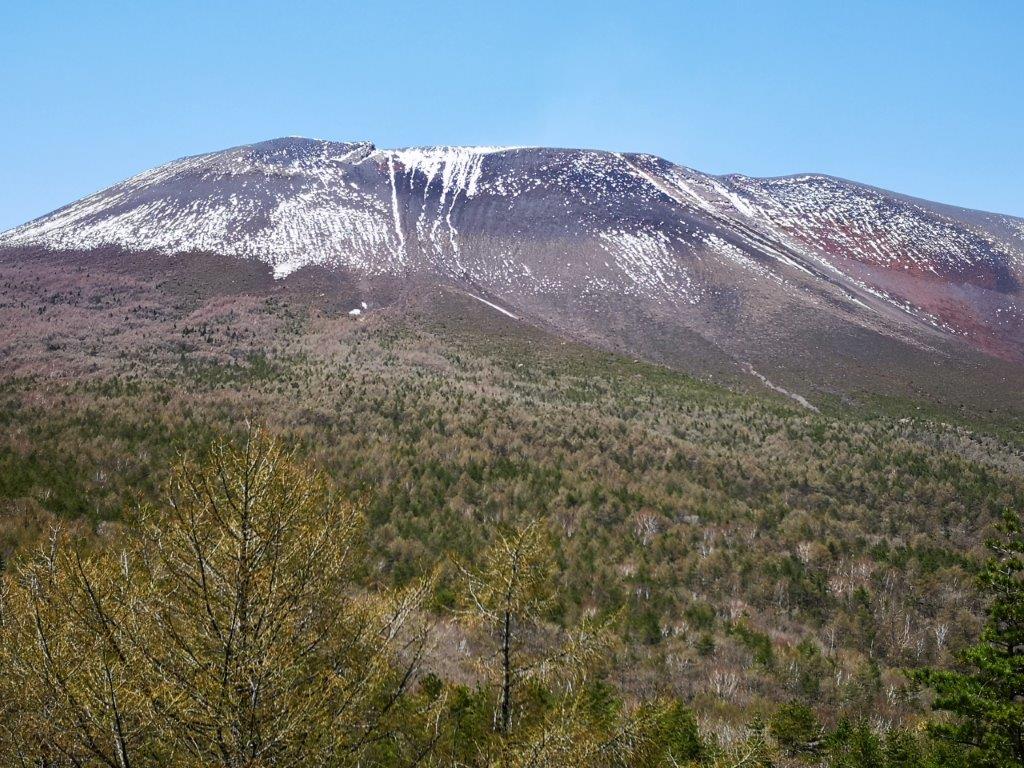
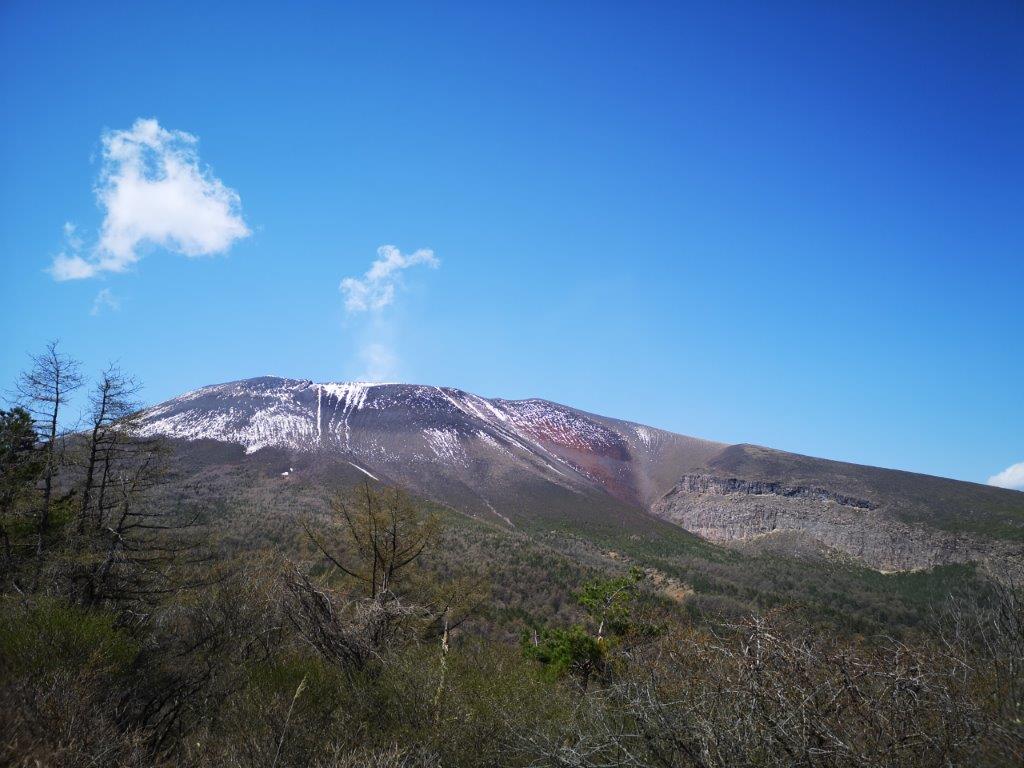
Mt Asama still wearing its winter coat

Karuizawa with Mt Myogi and Nishi-Joshu in the background

I had never seen Tokyo station so crowded: on the platform itself, it was nearly impossible to figure out where the end of the line was, and I was very lucky to snag one of the last unreserved seats. After a comfortable ride, I got off at Karuizawa station just before 10am, and transferred to the much less crowded Shinano railway for the two-stop ride to Shinano-Oiwake. I was pleasantly surprised to see cherry trees still in full bloom, one month after Tokyo. I got on the last taxi waiting outside the station and was at the trail entrance by 10h30. After getting ready and having a late breakfast, I set off at 11am.

Walking under the pine trees at the start of the trail

The surreal Nigori River

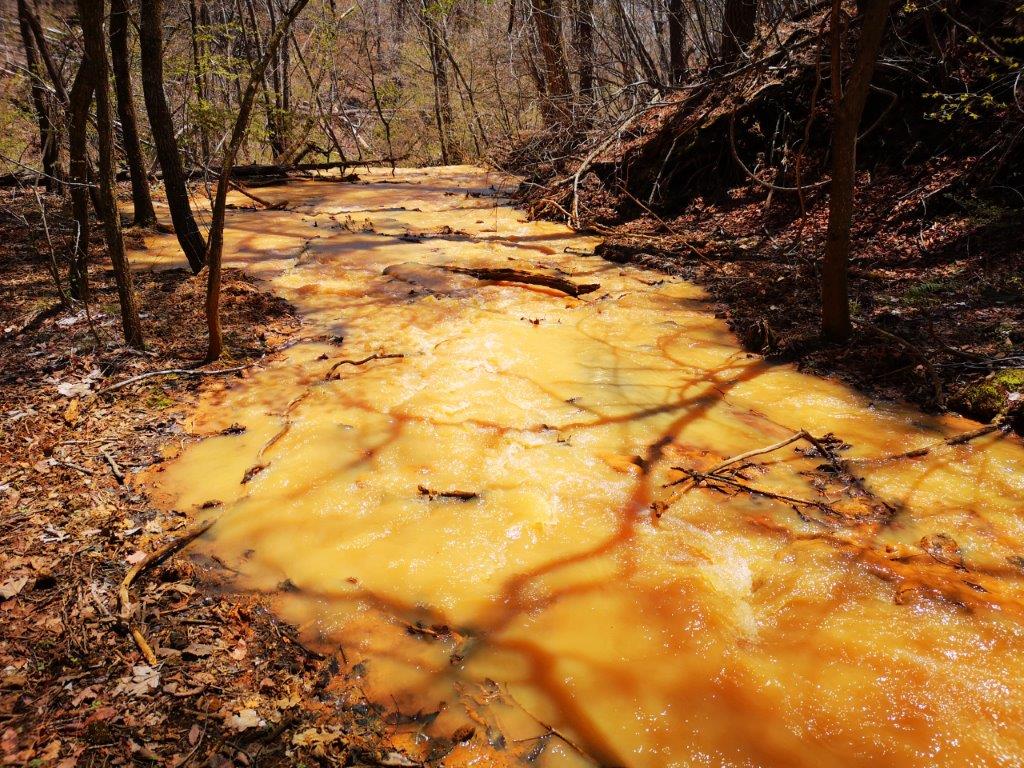
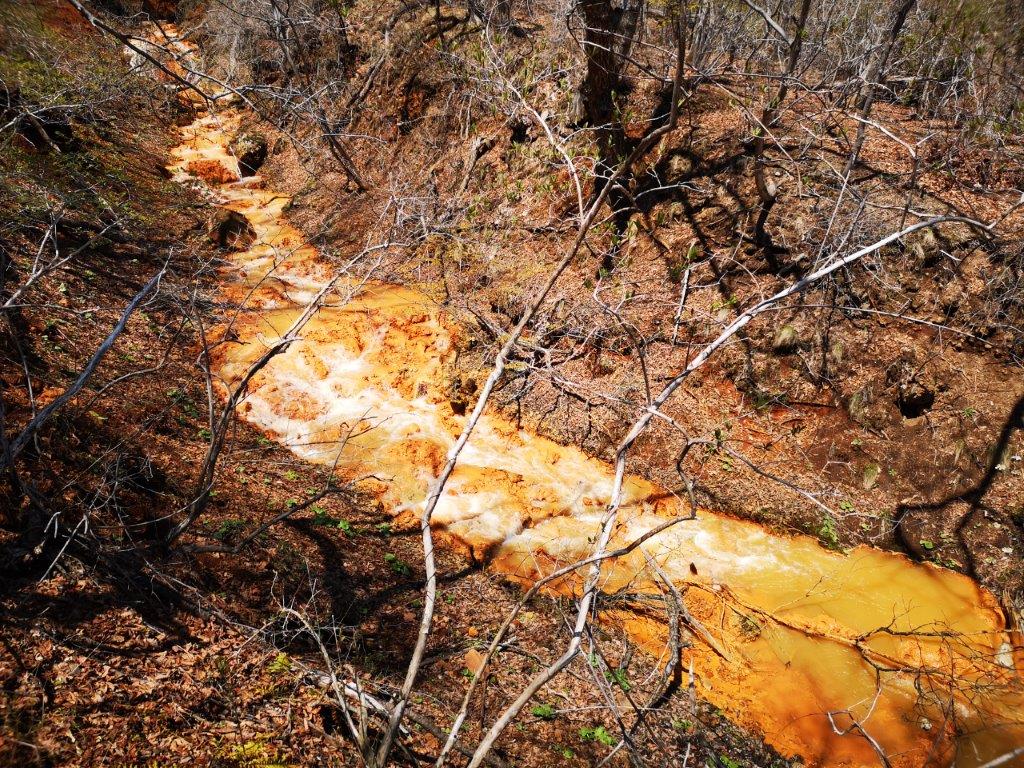
The first part of the hike was along an easy to walk trail, slowly rising through a pine forest within the southern reach of the Joshin-Etsu-Kogen National Park (上信越高原国立公園). The altitude was around 1000 meters and spring was in full swing. Just before noon, I reached Nigori River (濁川 meaning “murky river”). I was stunned by its surreal yellow colour, probably due to the volcanic nature of the area. I was lucky to catch this sight on a sunny day, the water surface glittering like gold. After a few more minutes, I reached Chi-no-taki (血の滝), meaning “blood waterfall”, although it was still a muddy yellow.

Following a yellow river through the winter woods

Mt Asama, one of the hundred famous mountains of Japan

I was walking through a forest bare of leaves, since at 1400 meters, winter was back. The path continued to follow the Nigori river, passing “chi-no-ike” (血の池 “blood pond”), before turning away to the left, up a small valley. I soon reached the ridgetop, where I had my first view of Mt Asama, its rocky summit still sprinkled with snow. I walked up a short, steep slope in the opposite direction, and just after 1pm, was standing on the top of Mt Sekison (石尊山 せきそんさん sekison-san), its characters meaning stone and respect.

Yatsugatake, its highest peaks still covered in snow

Mt Asama is also an active volcano

The view was alot better than expected: on the east side, I could see the ridge connecting Mt Hanamagari with Usui Pass; behind Karuizawa was the craggy top of Mt Myogi; south were the mountain ranges of western Gunma; to the west, I could make out the shape of Yatsugatake, its highest peaks still shining white; the opposite side offered a stunning closeup view of Mt Asama. I was the only person on the mountain, so I settled on the grass for a quiet lunch. After half an hour, I started to descend the same way.

Still some snow due to a recent spring storm

It’s still winter above 1500 meters

I saw some puffs of smoke rise from the crater, reminding me that I was on the side of an active volcano. I retraced my steps back to the trail entrance; now and then the wind was blowing quite hard and made the tall pines trees sway above me. I moved quickly, as I wanted to allow enough time for the second climb of the day. I arrived back at my starting point at 3pm, and soon after reached the bus stop of the Chikuma city bus. Karuizawa being a popular resort town, I got stuck in some traffic and only reached the South Entrance of Harareyama Park (離山公園 after 4pm.

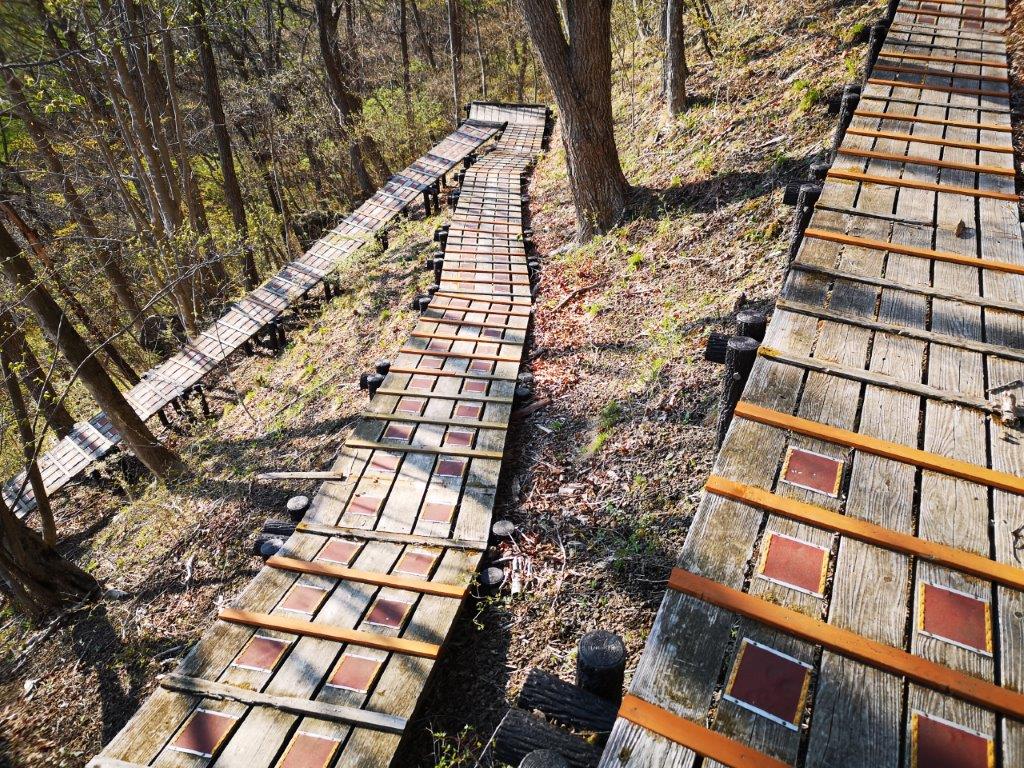
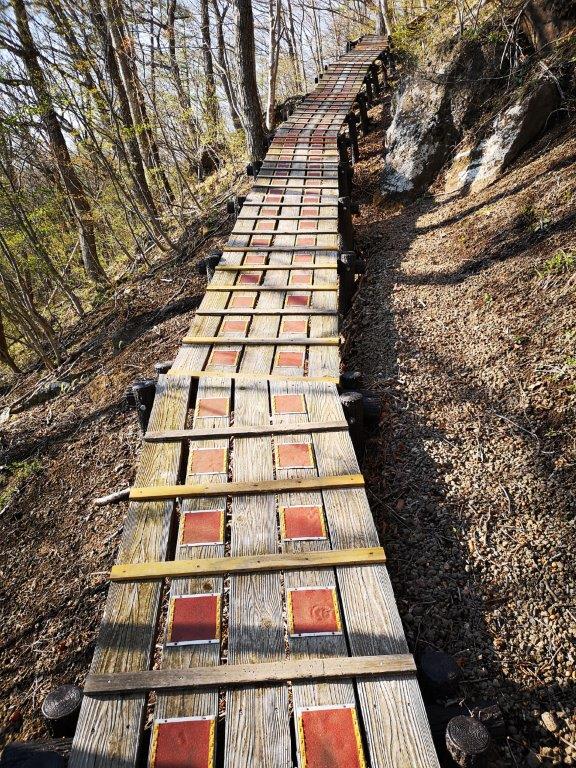
A well-maintained walkway along the steeper parts

Nearing the top

It was a relaxing climb through the forest, greener at 1000 meters; the steeper part near the top was along a well-maintained wooden walkway. Frequent signs breaking up the hike into 100 meter segments, were encouraging on the flat bits, less so on the ascending ones. At the end of a long staircase past some cherry trees still in full bloom, I reached the top of Mt Hanare (離山 はなれやま hanare-yama), the name meaning separation. To the west, I had a wider view of Mt Asama, as well as Mt Sekison, where I had been standing three hours earlier; it was against the sun, and would surely look even more impressive in the early morning.

Mt Asama from the top of Mt Hanare

Cherry blossoms, pink in the late afternoon sun

I was enjoying the late afternoon view when the five o’clock chime sounded through the valley. Normally, a call for children to come home for dinner, it also meant I had to hurry down if I wanted to catch my planned Shinkansen, about one hour later. I set off towards the East Entrance, and after some descending, I reached a wide gravel road taking me down to the base of the mountain. The last part was a pleasant walk past summer cottages set within the forest, for which Karuizawa is famous. At 6pm, I was back at the station, where I boarded the high speed train for the one hour ride back to Tokyo.

See the yellow waters of Nigori River and the volcanic fumes of Mt Asama

Mitsutoge (1785m), Fuji-Kawaguchi & Nishi-Katsura Towns, Yamanashi Prefecture, Friday, December 10, 2021 [Snow hike / Map Available]

I had been thinking about visiting the Fuji Five Lakes area again. Having heard on the news that it had snowed there, I decided to make it my next destination, as it would be a great opportunity to do some snow walking close to Tokyo. Also, I could use the Fuji Excursion limited express from Shinjuku, which hadn’t existed on my last visit 5 years ago. From the station, I could catch a bus to the trail entrance. Reaching an elevation of 1230m, it’s one of the highest bus lines near Tokyo that is open all year round. After climbing to the summit, I would go down the opposite side to Mitsutoge station on the Fujikyu line. I was a little unsure about the weather forecast: it was supposed to be sunny, despite the presence of high-altitude clouds. However, I was mainly concerned about the amount of snow and ice on the trail. I packed my light crampons and planned alternatives, feeling excited about seeing the first snow scenes of the season.

Hiking inside the Fuji-Hakone-Izu National Park

富士箱根伊豆国立公園

Download a map of the Mt Mitsutoge hike

This map was developed for Japanwilds with the Hokkaido Cartographer

Find more Japan hiking maps on Avenza

View of Mt Fuji from the Mitsutoge lodge

A popular rock climbing spot

I travelled to Kawaguchiko under gloomy, grey skies, and felt certain I would be hiking inside freezing cold clouds. However, once I was on the bus, the clouds parted, the sun started shining and Mt Fuji appeared. At 10h30 I started hiking from “Mitsutoge Tozan Guchi” (三つ峠登山口), first on a road next to a mountain stream, then on a forest road, winding gently up the mountain side.

Finally, snow!

Just a little further on to the highest point

I saw the first traces of the recent snowfall thirty minutes later, and one hour after setting off, I could feel the satisfying crunch of snow underfoot. It was melting quickly but enough was left to create the hoped for winter landscape. Patches of blue were spreading above as the weather continued to improve. I passed a handful of hikers, and even a couple of jeeps (see video), probably fetching supplies for the lodges before the busy weekend.

Looking south towards the Tenshi mountains

The Mikasa mountains with the Japanese Alps behind

At noon, I had a glorious view of snowy Fuji outside the Mitsutoge Lodge. I had an early lunch and then continued to the highest point, Mt Kaiun (開運山 meaning “better fortune”), above an impressive rocky face. This part truly felt like a snow hike, but thanks to steps placed on the steep slope, I didn’t need to take my crampons out. At 12h30 I was on top of Mitsutoge (三ッ峠 みつとうげ), a 200-famous mountain of Japan. Despite the name, “three passes”, it has three summits rather than mountain passes.

Time to head down down – on the right is Yatsutagake

The southern ridge of Mitsutoge

I had arguably one of the best views of the entire area, the visibility being excellent despite high clouds veiling the sun. Ancient volcanoes surrounded the younger Fuji-san: Mt Hakone, Mt Amagi, Mt Ashitaka and Yatsugatake. The snowy peaks of the Japanese Alps stretched across the western horizon. I could see all the main mountain ranges: Doshi, Tanzawa, Tenshi, Misaka, and Chichibu. Only the north side was blocked by trees and a radio tower; to the northeast, Tokyo was covered in a grey smog.

The Doshi mountains with Tanzawa in the background

Mt Kura with Mt Shakushi directly behind

By 1pm the sun had completely vanished; thankfully it was a windless day and it wasn’t as cold as I had expected. I retraced my steps to the lodge and, since it was still early, I made a roundtrip to Mt Kinashi (木無山 1732m), another of the three summits. Although the name means “without trees”, they were inconveniently blocking the view; only Mt Fuji was visible directly south. By now, it was nearly 2pm and time to head down.

Reaching the base of the cliffs

High-altitude clouds masking the sun

It soon became clear I wouldn’t need my crampons at all today. I descended safely, thanks to a series of steps and a walkway, and reached the base of the cliffs. It’s a popular rock climbing spot and a couple of people were practicing their skills. All traces of snow were now gone, but it was thrilling to walk under the cliff face. At first, the path was mostly level, as it went round to the east side, but eventually it started to zigzag into the valley .

Mt Fuji in the afternoon shade

Last sun rays of the day

I could still see Mt Fuji through gaps in the trees, its eastern side now in the shade. The sun made a final appearance, shining briefly through the leafless trees, before disappearing for good behind a ridge at 3pm. Shortly after, I reached a paved road at the trail entrance. I dropped by Mitsutoge Green Center to take a hot bath before continuing to the nearby Mitsutoge station. At 5pm, I boarded a local trail for Otsuki, where I transferred to the Chuo limited express for the one-hour ride to Tokyo.

See the snowy views of Mitsutoge

Mt Myojo (924m) & Mt Myojin (1169m), Hakone Town, Kanagawa Prefecture, Sunday, November 28, 2021 [Map Available]

This was a hike that I had done over ten years ago but in reverse. Back then, the visibility hadn’t been so good, so I wanted to redo it in clearer weather. I had climbed Mt Myojin one year earlier, but I was hoping that this time the wind wouldn’t be so cold and Mt Fuji would have its winter coat. I would also be able to ride the Hakone Tozan railway, for the second time this year, to Gora station, near the start of the trail. I would finish at Daiyuzan Saijoji Temple, from where it’s a short bus ride to Daiyuzan station. The weather was supposed to be sunny all day, meaning I could look forward to some great views inside the Fuji-Hakone-Izu National Park.

Hiking inside the Fuji-Hakone-Izu National Park

富士箱根伊豆国立公園

Download a map of the Mt Myojo and Mt Myojin hike

This map was developed for Japanwilds with the Hokkaido Cartographer

Find more Japan hiking maps on Avenza

View of Mt Fuji from Daimonji-Yaki

View of Mt Fuji from the top of Mt Myojin

The day was clear and sunny and I could see Mt Fuji while riding the Romance car limited express to Hakone-Yumoto. I arrived a little before 9h30, just in time for the transfer to the Hakone Tozan railway. As the train made its way up the valley via a series of switchbacks, I was able to admire the autumn trees dotting the mountainsides. After getting off at Gora station around 10am, I headed down a series of staircases to a bridge over the Haya river, and then followed a road up the other side of the valley to the start of the hiking trail.

Autumn leaves next to Haya river

Gora and Mt Hakone

It was a windless day and it felt pleasantly warm in the late autumn sun. I started climbing at 11am up a zigzag trail. Half an hour later, I reached Hakone Daimonji Yaki (箱根大文字焼き meaning “big burning character”) where I got a wide view of the valley below. Directly ahead was Mt Hakone and the smoking Owakudani; on the right side, to the west, I could see white-capped Mt Fuji, completely clear of clouds. It took another twenty minutes to reach the top ridge, and a few minutes later, at noon, I was standing on the top of Mt Myojo (明星ヶ岳 みょうじょうがたけ myoujougatake meaning “Morning star”). It didn’t feel like a summit and the trees blocked the view in all directions.

Mt Fuji and its winter cap

Walking between the bamboo grass

I continued without a break along the ridge heading west, towards Fuji, and downhill, through a tunnel of bamboo grass. Eventually, I reached a flatter section from where I could see the climb towards Mt Myojin. I passed many hikers on the way, and I was glad to see other people enjoying the perfect weather and the great views. The visibility was excellent and, looking East, I could see Oshima and other Tokyo islands. At 1h30, I reached the top of Mt Myojin (明神ヶ岳 みょうじんがたけ myoujingatake), a Kanto 100-famous mountain. It wasn’t as cold as last time but it was more crowded; this time the visibility was so good that I could even see the snowy peaks of the Minami Alps, nearly 100 kilometers away. I kept my lunch break short, and set off again before 2pm.

The fumes of Owakudani

Sagami bay and the Shonan coast

I met no other hikers on the gentle descent to Saijoji Temple. The path followed an area cleared of the trees because of a disused chairlift, which enabled me to have good views of the Tanzawa mountains and Sagami bay to the north. Lower down, I could still see some yellow and orange Japanese maple leaves. Although I was now outside the National Park boundaries, the trail went through beautiful forest. At 3h30, I arrived at the Saijoji temple complex in the midst of giant cedar trees.

Looking north towards Tokyo

Pleasant hiking on the way down

Since the sun had already dipped behind the mountains, I decided to skip a visit of the temple grounds and head directly to the Only You hot spring resort (a play on words: “you” sounds like the Japanese word “yu” for hot water”). After a relaxing hot bath, I took the free shuttle bus to the nearby Daiyuzan station. There, I rode a local train to Odawara station and then transferred to the limited express for the one hour trip back to Tokyo.

See the views between Mt Myojo and Mt Myojin

Mt Koshin (1892m), Nikko City, Tochigi Prefecture, Sunday, November 14, 2021

This mountain had been on my to-climb list for the past few years. I needed to go by car and be physically fit to be able to do it it as a daytrip; good weather was also a requirement to justify the expense of the trip and the effort of the climb. The drive from Nikko station and back seemed straightforward, although I would need to skip the after-hike hot spring bath if I wanted to be back before dark. The beautiful autumn weather was supposed to continue for a few more days. However, due to the higher elevation, I had little hope of seeing any autumn leaves. My only concern was about the trail itself, since it went through an extensive rocky area, equipped with ladders and chains; it looked fun but I needed to be careful. Finally, I was looking forward to hiking inside the southern part of the Nikko national park and seeing some great views.

View of Mt Sukai from near the summit of Mt Koshin

Koshin Lodge with the cliffs of Mt Koshin in the background

I arrived in Nikko around 9h30 under a mostly cloudy sky. By the time I reached my car, I noticed a blue patch slowly expanding from the east, and after I arrived at the Ginzan-Daira parking area (銀山平駐車場) a little after 11am, the sky was entirely blue above. At 1130, I was walking a long a flat road closed to traffic and hugging the mountainside above a steep river valley; one hour later I reached the red shinto gate at Ichi-No-Tori (一の鳥居) marking the start of the hiking trail.

The forest road leading to the start of the hiking trail

The first part of the trail was fairly easy to hike

I followed a beautiful mountain stream up a gently sloping path. On the way, I crossed a couple of wooden bridges and passed several huge rocks with various names. A little after 1pm, I reached Koshin lodge (庚申山荘), where most hikers spend the night, and then hike to Mt Sukai and back the next day. Rising dramatically behind it, I could see the cliffs through which somehow a trail led to the summit. I took a short break and set off again, reaching the rocky base about ten minutes later.

The trail followed a lively mountain stream

Climbing steeply from here

I was the only person on the trail so I resolved to be doubly cautious as I made my way up through the rocks. I was amazed that anybody would think of creating a path up what was almost a rocky cliff, and I would only recommend it to surefooted hikers. I moved quickly, soon reaching the cliff top and a view point from where I could see the low mountains of southern Tochigi. I continued through a thick pine forest along a gentler sloping trail. At 2pm, I reached the top of Mt Koshin (庚申山 こうしんざん koshinzan), a hundred famous mountain of Tochigi.

Halfway up the rocky area

Surefootedness is a must here

It was completely in the trees but after walking a few minutes along the ridgeline, I reached a break in the trees and a fantastic view. Directly opposite, I could see Mt Nokogiri and Mt Sukai. To the north was Mt Shirane and Mt Nantai. I was the only person enjoying this glorious panorama on a peaceful windless day. I wanted to stay longer but I needed to head back before it started to get dark. I went down the same way, although now it was mostly in the shade.

Gazing upon the mountains of Tochigi from above the cliffs

View of the Nikko national park from near the summit

It took me an hour a half to get back to the trail entrance. Since I was on schedule, I had a quick look at the nearby 7 waterfalls of Koshin (庚申七滝), although access to some of the falls was currently closed. I reached the parking area just before 4h30 and left soon after. As I drove along the Watarase river valley, I came upon a troop of monkeys crossing the road. I reached Nikko station at 5h20 and then hopped onto the Kegon limited express for the ninety-minute ride back to Tokyo.

Follow the mountain stream to the top of Mt Koshin

Hiking the Nakasendo: Usui Pass to Yokokawa Station & Megane Bridge, Gunma Prefecture, October 2020 [2023 Map Available]

I had hiked this Gunma section of the Nakasendo (中山道) in January 2015 using the Tokyo Wide Pass; it’s less well-known than the section in the Kiso valley. I thought it would be interesting to redo it in a different season. First, the autumn leaves would be at their peak around the start of the hike. Next, I hoped that in the warmer weather I would be able to see monkeys along the way. I also wanted to add a side trip to the nearby Megane Bridge. Finally, I was looking forward to using the hot spring near the end of the hike, which was closed on my last visit . Instead of taking the Shinkansen to Karuizawa, I decided use a combination of train and bus, longer but cheaper; then, to make up for the later arrival, I would take another bus up to Usui Pass instead of walking. The forecast was cloudy with a hope for sun, but apart from Usui Pass, there were few views along the way.

Buy a Map of the Nakasendo Hike and Request a Free Nakasendo Hiking Guide by Email

This map was developed for Japanwilds with the Hokkaido Cartographer

Find more Japanwilds hiking maps on Avenza

Hiking in the Joshin-Etsu-Kogen National Park

上信越高原国立公園

View from Usui Pass (photo taken in January 2015)

The trip to Karuizawa went smoothly: I had good views of Mt Myogi from the train, and saw some nice autumn colours from the bus. From Karuizawa station, I walked to the bus stop of the Red Bus (赤バス aka basu), a small seasonal sightseeing bus. There were few passengers and I was able to enjoy the view from the front of the bus as it zipped through old Karuizawa, and then zoomed up a narrow mountain road to Usui Pass (see video). The clouds were in and the view wasn’t great; in consolation there was a resplendissant Japanese maple tree in orange and red. I finally set off on the Old Nakasendo Highway (旧中山道 kyu-nakasendo) around 12:30.

River crossing along the Nakasendo

After an eroded downhill section, I crossed a small stream, and then followed a narrow level path till it merged with a wider trail heading down again. It was around here that my map reported monkey sightings, so I kept my eyes open and ears peeled. During the Meiji area there also used to be a village around here, and here and there its remains could be seen, making this part of the hike somewhat spooky. Past a rusting bus on one side of the path, and a rotting house on the other side, I heard strange noises coming from the treetops. At first I thought they were monkey noises, but it turned out to be some kind of bird call. I got lucky a little further. After going a little off the trail to investigate some suspicious noises, I stumbled upon a troop of monkeys moving through the forest. Unlike the ones from Okutama lake, these ones were shy and scattered at once, except for a large male, coolly walking away through the trees (see video).

The path followed the natural folds of the mountain

After the excitement of seeing monkeys (second time this year), I resumed my hike along this Edo period highway. The road became level again, and offered glimpses of mountain ridges and river valleys left and right. There were occasional white signs in Japanese, explaining various natural and historical landmarks. Most of this hike was inside the Joshin-Etsu-Kogen National Park and the surrounding nature was wild and beautiful. Soon the road narrowed and turned into a hiking path again; it started to twist and turn, following the natural folds of the mountain ridge as it slowly descended into the valley. For a short while, I walked above a mountain stream tumbling down a small narrow valley. I took a moment to observe a large butterfly return obsessively to a curiously shaped-flower, and feed greedily on its nectar (see video).

A butterfly enjoying a nectar lunch

At 2h30, I finally arrived at a small rest house. I remembered it well from my previous visit. The guest book, slightly moldy despite it’s plastic casing, was still there, sadly devoid of English entries since spring this year. I found my old entry from 5 years ago and added a fresh one. The path turned rocky and started to descend in a series of switchbacks. On my winter hike I had good views of Mt Myogi and Yokokawa town around here; now, however, the view was blocked by tree leaves. Around 3pm, I reached the base of the mountain, and arrived at the modern road connecting Karuizawa and Yokokawa. On the other side and down some steps, I found myself on the “Apto Road” (アプトの道) that went through a tunnel under the road. This pedestrian road is named after the “Abt system”, a rack system, used by the old Usui line to transport passengers up the mountain side to Karuizawa from the middle of the Meiji era till 1963.

Tunnel number five along the “Abuto Road”

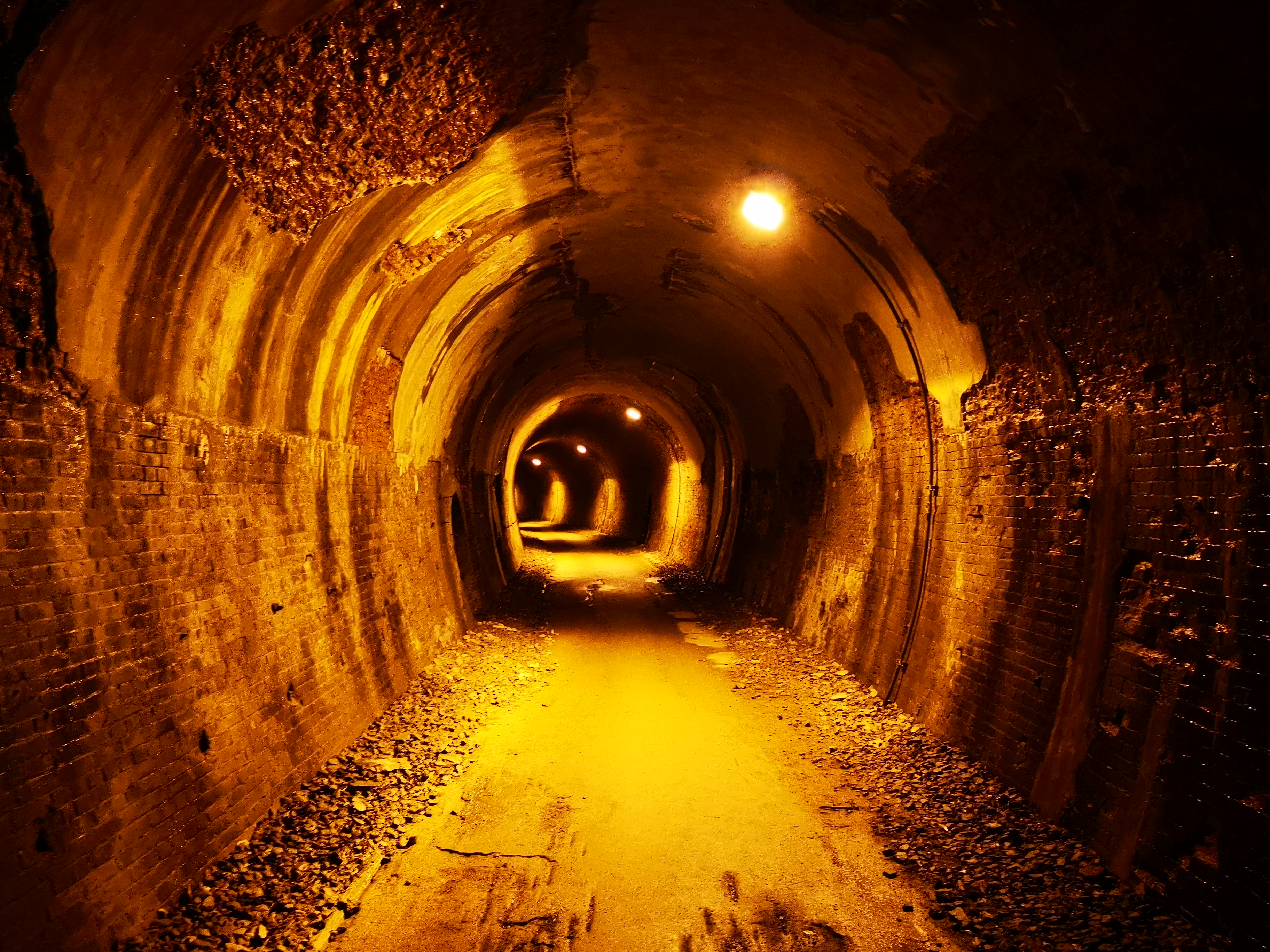
It was getting late but I decided to stick to my plan of exploring this road. Keeping to the day’s theme, it passed through several tunnels, some pitch black and some glowing orange from the interior lighting. Half an hour later at the end of the longest one, I arrived at the highlight of the day, Megane bridge (めがね橋 megane-bashi), the longest brick arch bridge in Japan. It was wonderful to walk on this marvel of Meiji era engineering. Apparently the autumn colours are spectacular here, but I was a couple of weeks early. Past the bridge, the road ducked into yet another dark tunnel. It was possible to continue a few more kilometers to an abandoned railway station, but it was getting late, and I decided to head back. The road ran straight and slightly downhill to Toge-no-yu hot spring which I reached in less than half an hour.

Megane Bridge, one of the wonders of the Meiji Era

After a speedy hot bath, I was ready to continue. By now it was 5h30 and already pitch dark outside. It had also started to drizzle. I was still 3 kilometers from the train station. I had walked it before – the road was straight and paved so there was little risk of getting lost or hurt. I briefly considered calling a taxi, but what better way to finish a spooky hike than a walk in the dark past an abandoned railway station? On the way, I discovered that my headlight only worked intermittently. I hurried past the disused Maruyama station building on the left, a darker shadow among the shadows. At 6pm, I passed the closed Annaka Tourist information office, and was finally walking under street lights. I reached the still-in-use Yokokawa station, well in time for the return train to Takasaki and Tokyo.

The old Maruyama train station (photo taken in January 2015)

Ride the Red bus through Karuizawa up to Usui Pass

From mountain streams to wild monkeys, the Nakasendo has lots to offer

Mt Iwate (2038m), Hachimantai City, Iwate Prefecture, Tuesday, October 20, 2020

Every year, I try to make at least one hiking trip to northeastern Japan. In 2020, I was able to visit the area several times thanks to the now discontinued JR East Welcome Rail Pass. On this first trip of the season, I rode the shinkansen 450 kilometers to Morioka city, where I spent the night. The next day, I would drive to the eastern side of the volcano, and go up and down the Uwabo Trail, one of the 7 trails leading up to summit crater. Going by bus would allow for a traverse, but would also require an overnight stay at a hut. According to the forecast, the weather was supposed to be mostly clear and not too windy, perfect conditions, since the top part was completely exposed. I was feeling fit and ready for the big climb and descent, and was looking forward to seeing the panoramic views from Iwate prefecture’s highest peak.

Hiking in the Towada-Hachimantai National Park

十和田八幡平国立公園

The summit crater of Mt Iwate

Looking down at Onawashiro Lake

I could see the conical shape of Mt Iwate just 20 kilometers away, from the bridge over Kitakami river, on the way to pick up my car. A little after 8am, I parked on the forest road behind Uwabo shrine (上坊神社). Looking straight ahead, I could already see the flat crater summit above the trees. I quickly set off on the well sign-posted Uwabo Trail (上坊コース). Shortly after entering the forest, I came upon a huge bear bell and gave it hearty gong. I followed the path straight up the volcano side through a beautiful forest, and at 10am, reached Tsuruhashi junction (ツルハシ分れ), where it merged with the Sunabashiri trail (砂走コース).

First close-up view of the volcano

Below the crater

I had my first views of the flat valley to the east, giving me a preview of what to expect higher up. I followed the now level trail as it headed north, hugging the volcano side and passing under some ghostly white beech tree branches, already bare of leaves. At 10h30, the tree cover suddenly disappeared; I could see the summit crater again, a dark outline against the mid-morning sun. A few minutes later, I reached the comfortable-looking Hirakasafudo emergency hut (平笠不動避難小屋). From here the views widened, the vegetation mostly consisting of creeping pine; northwards, I could see the Hachimantai plateau, covered with thick forest.

Looking north towards Hachimantai

Walking the crater rim

I started to climb the steep, inner crater, the path heading straight up under the high sun, the low vegetation gradually replaced by volcanic rock and sand. I could now see the tear-shaped Onawashiro lake (御苗代湖), encircled by trees and enclosed by the outer crater; beyond, views of the Towada-Hachimantai National Park extended northwards. After reaching the rim, I turned left for the final, gentler climb to the highest point. A little after 11am, I was standing on the summit of Mt Iwate (岩手山(いわてさん iwate-san), a Japan 100 famous mountain. Huge clouds floated past overhead, blocking the view of Akita to the west.

The top of Mt Iwate, like a different world

Completing the tour of the crater

Looking east, however, was like looking out of the window of a plane, the buildings and roads of the flat plain barely discernable, 1500 meters below. I made my way around the crater rim in a clockwise direction, enjoying the desert-like views, and at 12h30, I started my descent. One hour later, I was back at the Tsuruhashi junction, and by 3pm I was back at my car. Before heading to my hotel in Morioka, I dropped by the Yakehashiri-no-Yu (焼け走りの湯) for a well-deserved hot spring bath.

See the views from the top of Mt Iwate volcano