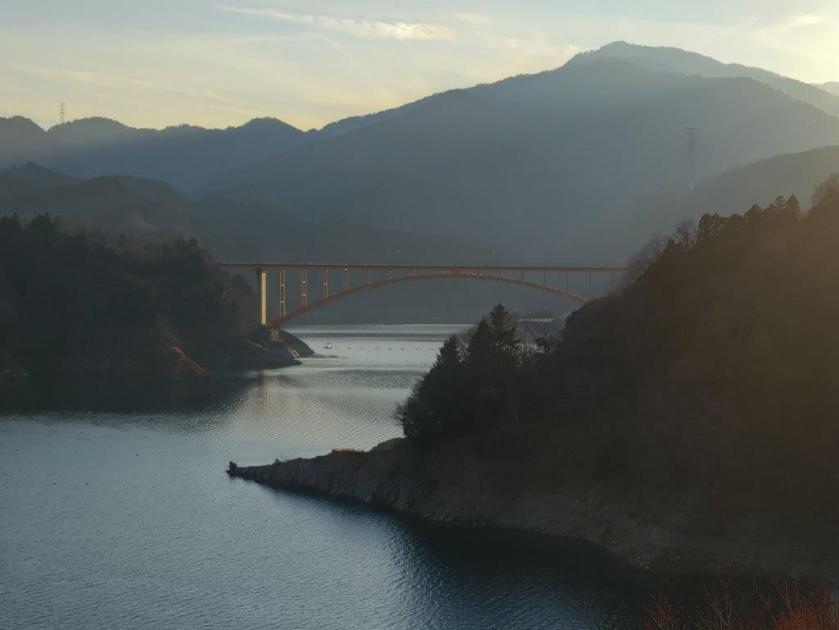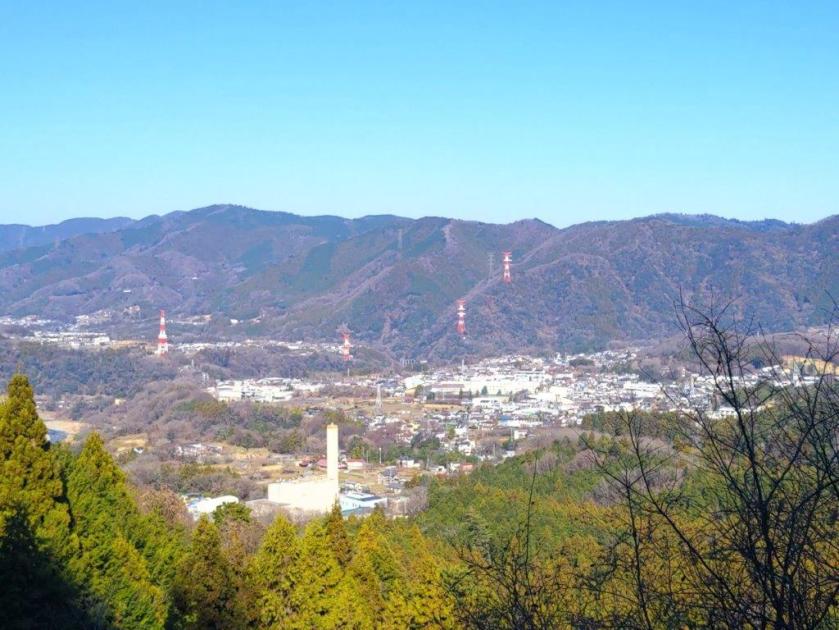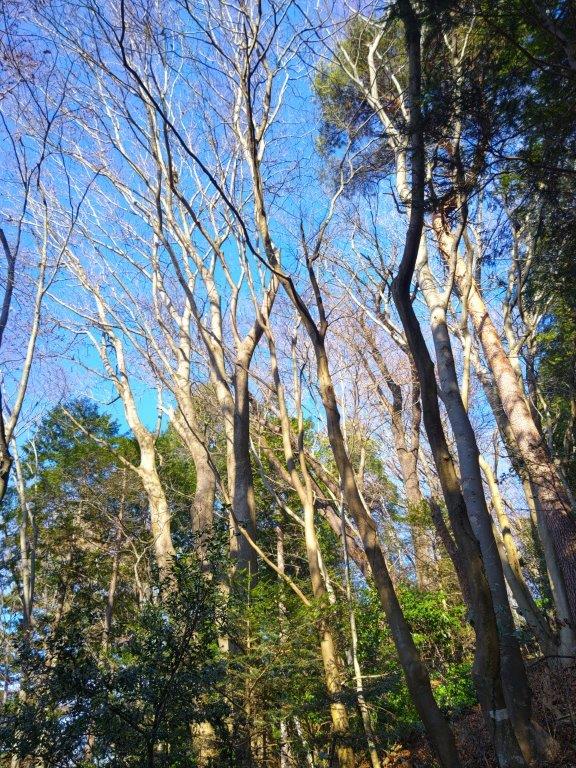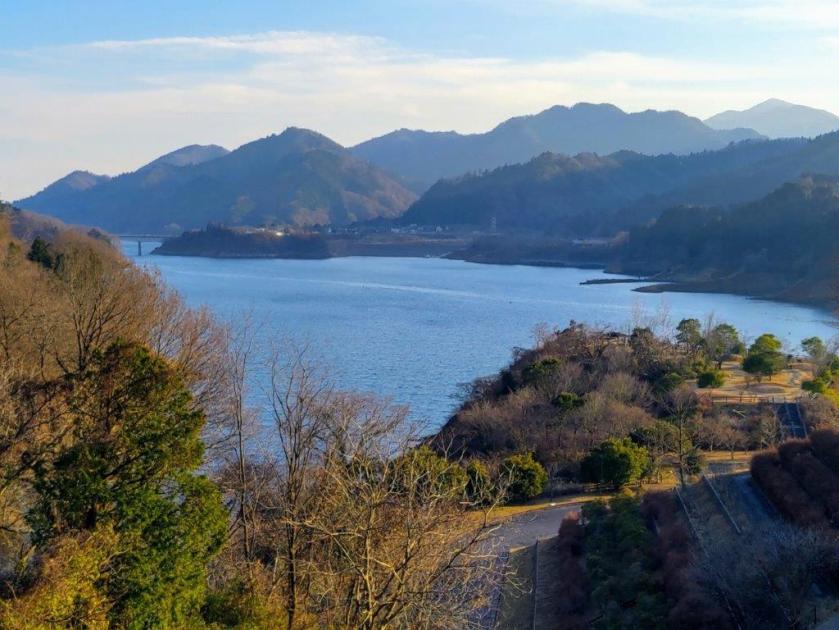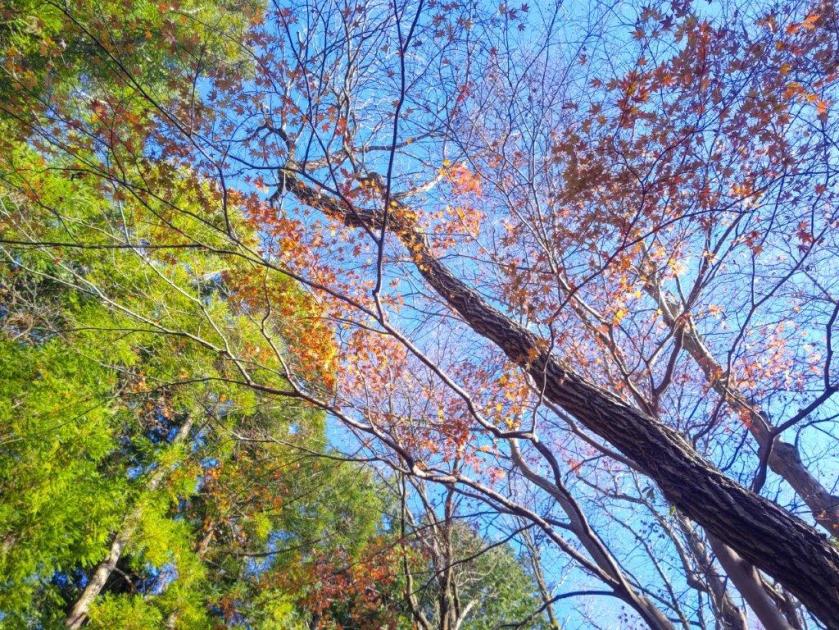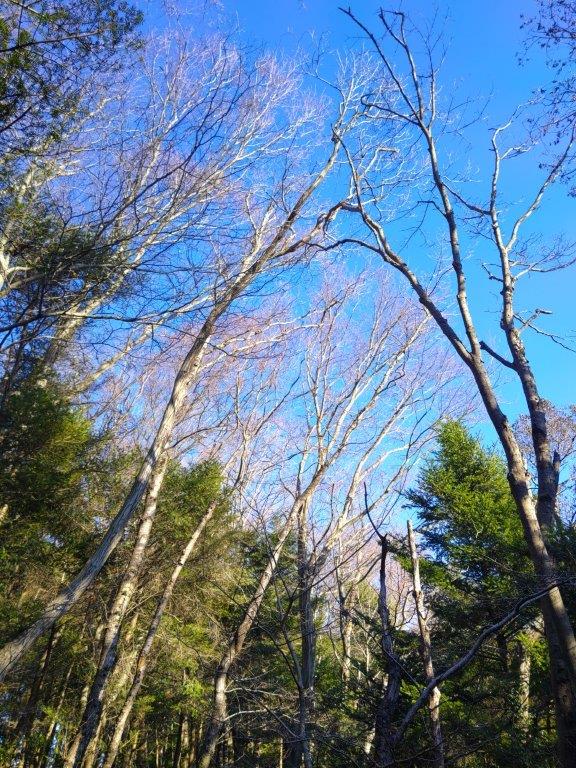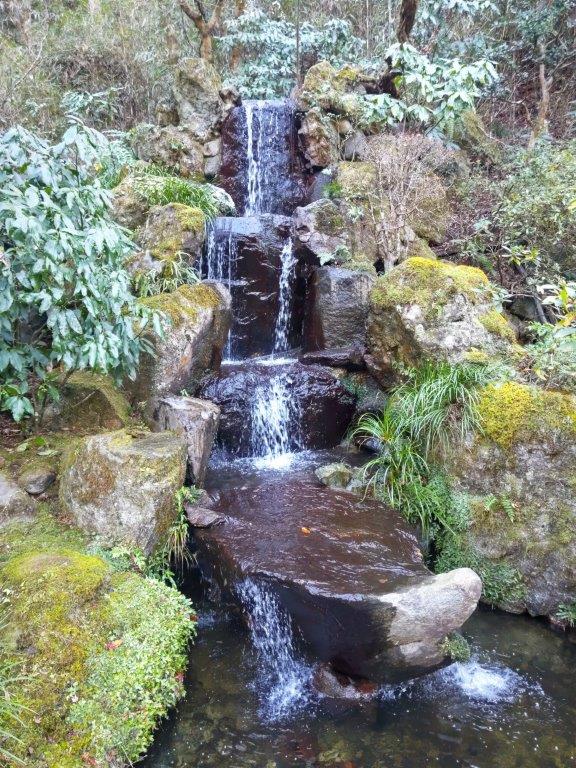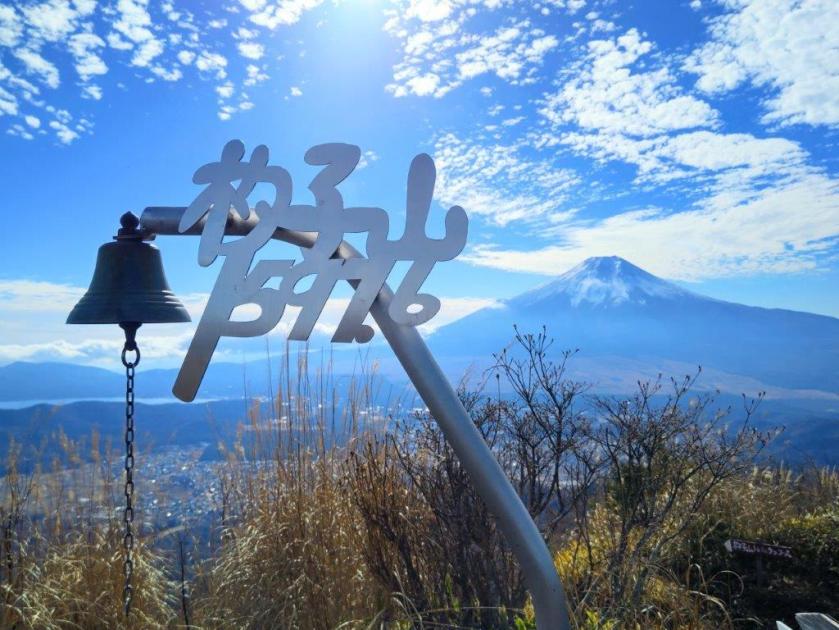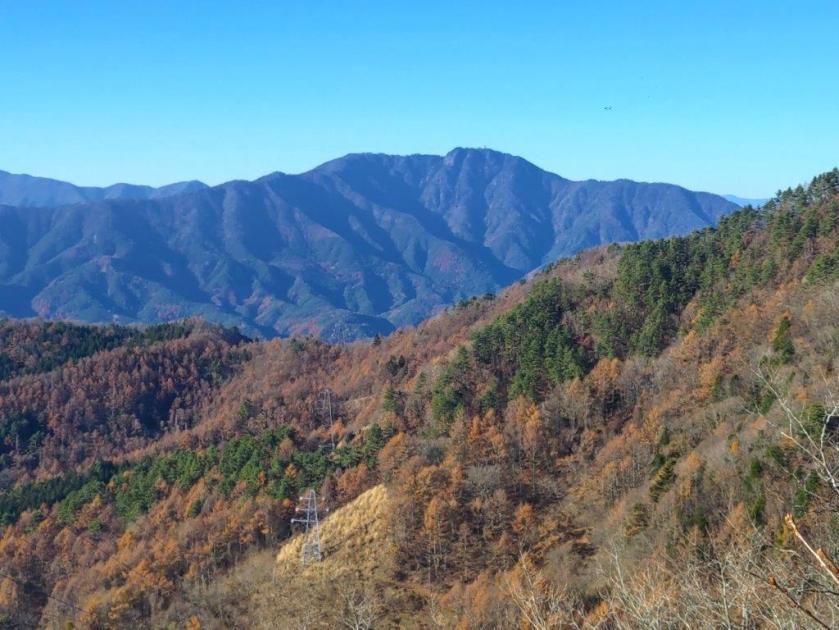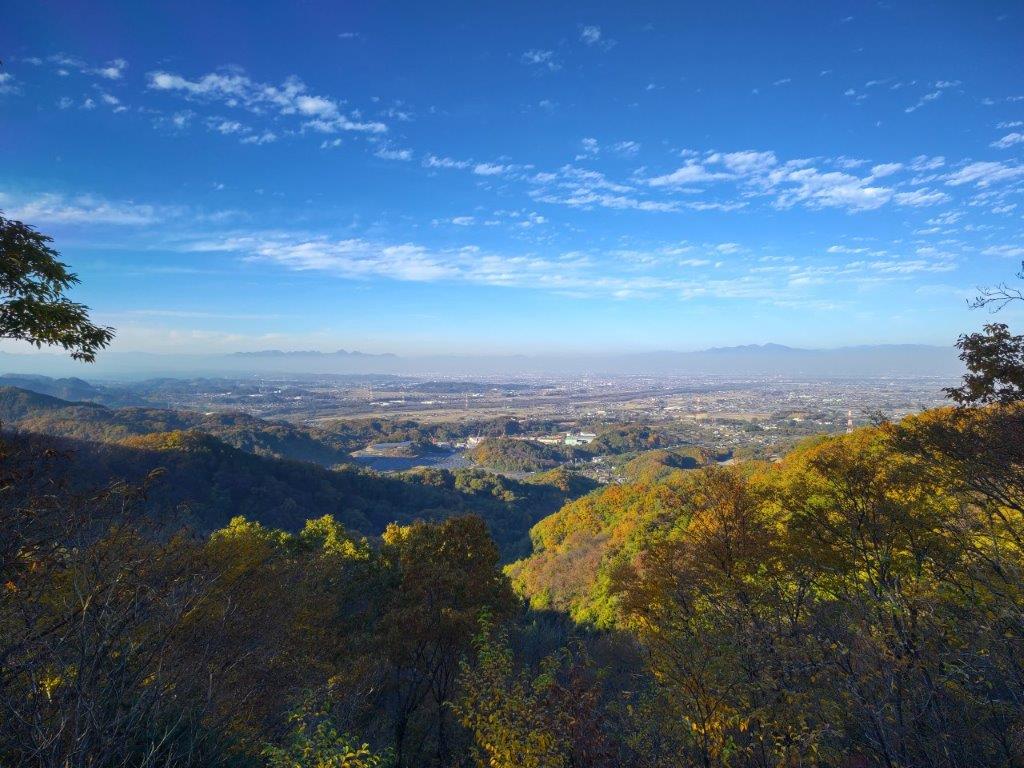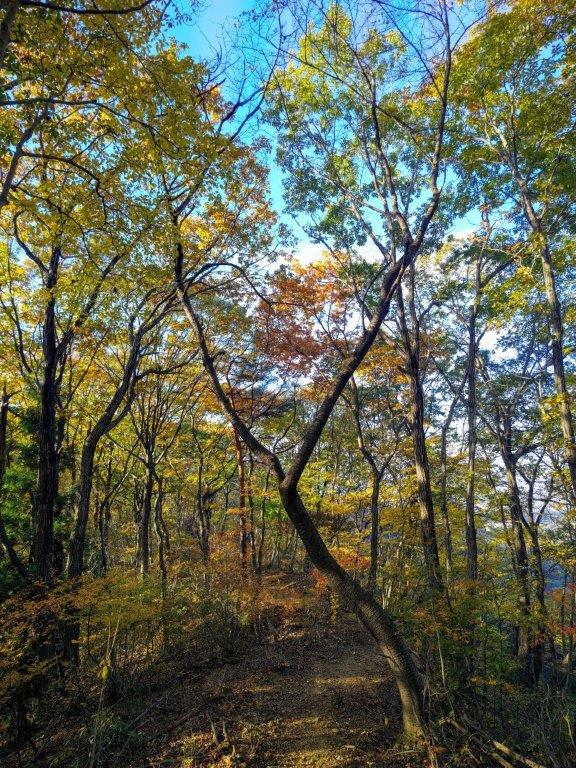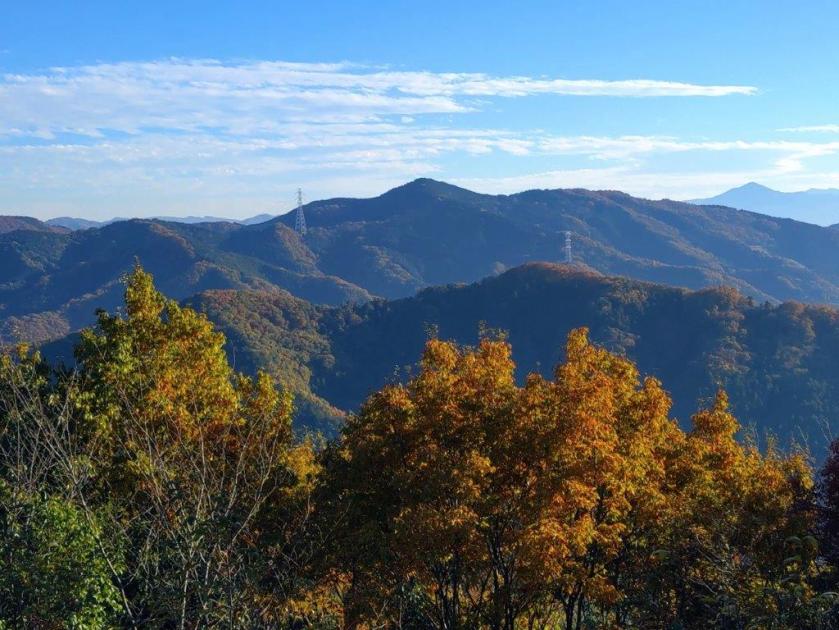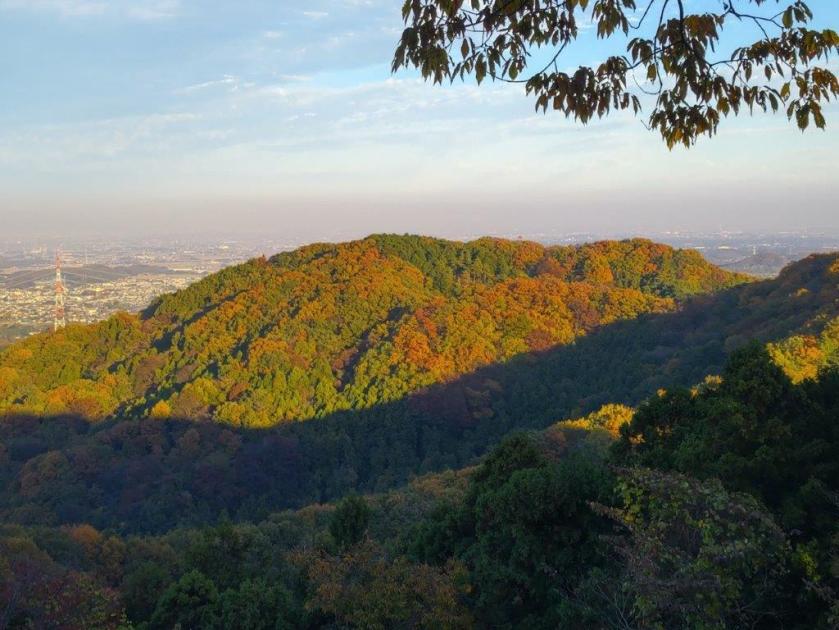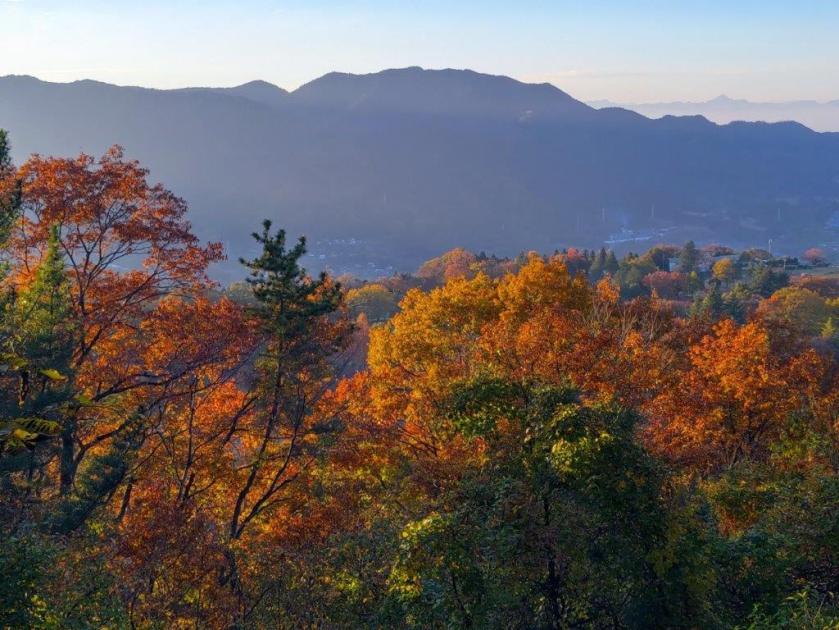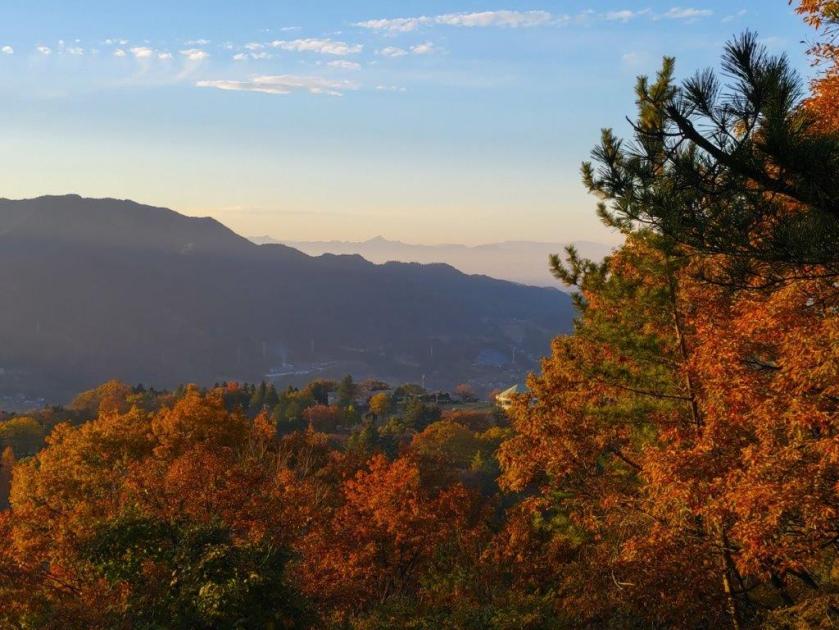
Mt Takatori (219m), Oiso Town, Kanagawa Prefecture, Saturday, February 3, 2024

I was looking for a suitable winter hike in the Tokyo area. While checking my map, I spotted a section of the Kanagawa Kanto Fureai no Michi I had yet to explore, connecting the Tokaido line with the Odakyu line. Although it mostly followed back roads through the countryside, the first section was up a minor peak on a forested plateau, from the top of which I hoped to get some views.

Hiking the Kanto Fureai no Michi

I would ride the Shonan-Shinjuku line from Ikebukuro to Ninomiya station on the Shonan coast, and then take a bus to a stop near the start of the trail, skipping a one-hour section through Oiso Town. For the return, I could catch a bus for Hadano Station near Kaname River, since I had already done the next section for Mt Koubou, and then ride the Romancecar limited express back to Tokyo. If had time, I’d be able to get a hot bath at the nearby Manyo-no-Yu.

関東ふれあいの道

The weather was supposed to be sunny in the morning and overcast in the early afternoon; although it was a short hike, I decided to get an early start to take advantage of the good weather. I was looking forward to a relaxing hike through a new area close to home.

For subscribers, read this Blog Post on Hiking Around Tokyo for a better viewing experience

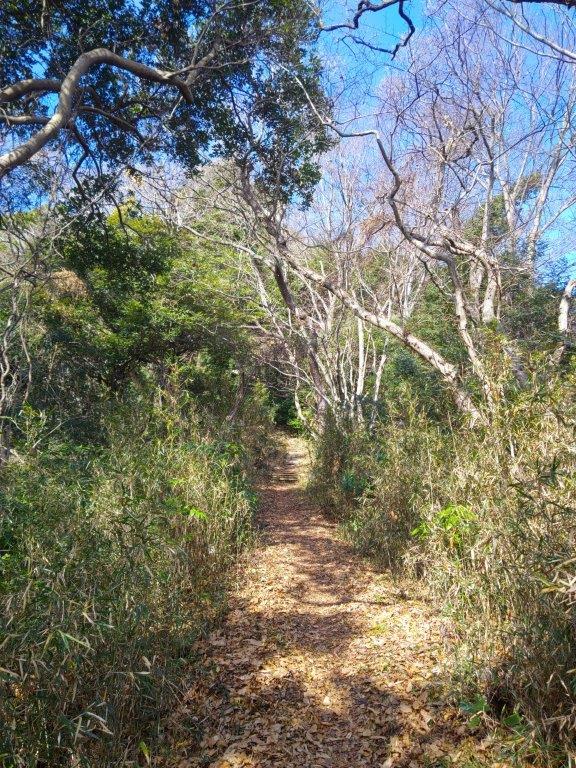
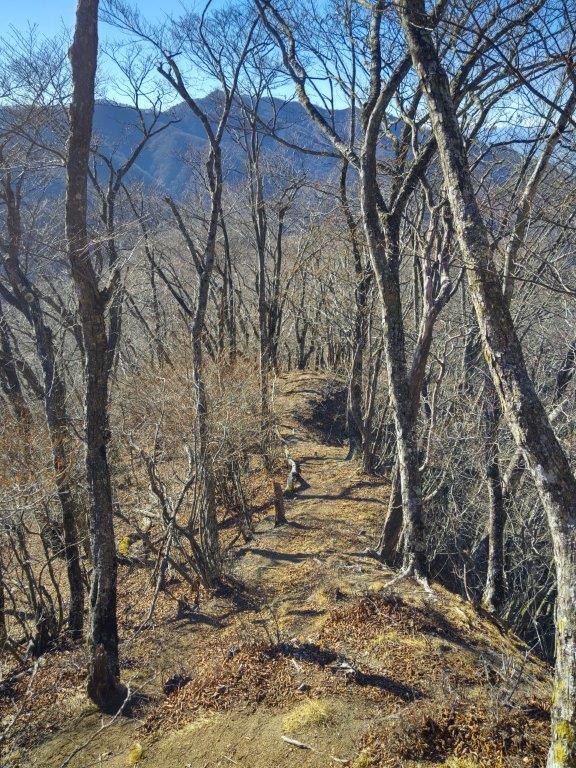
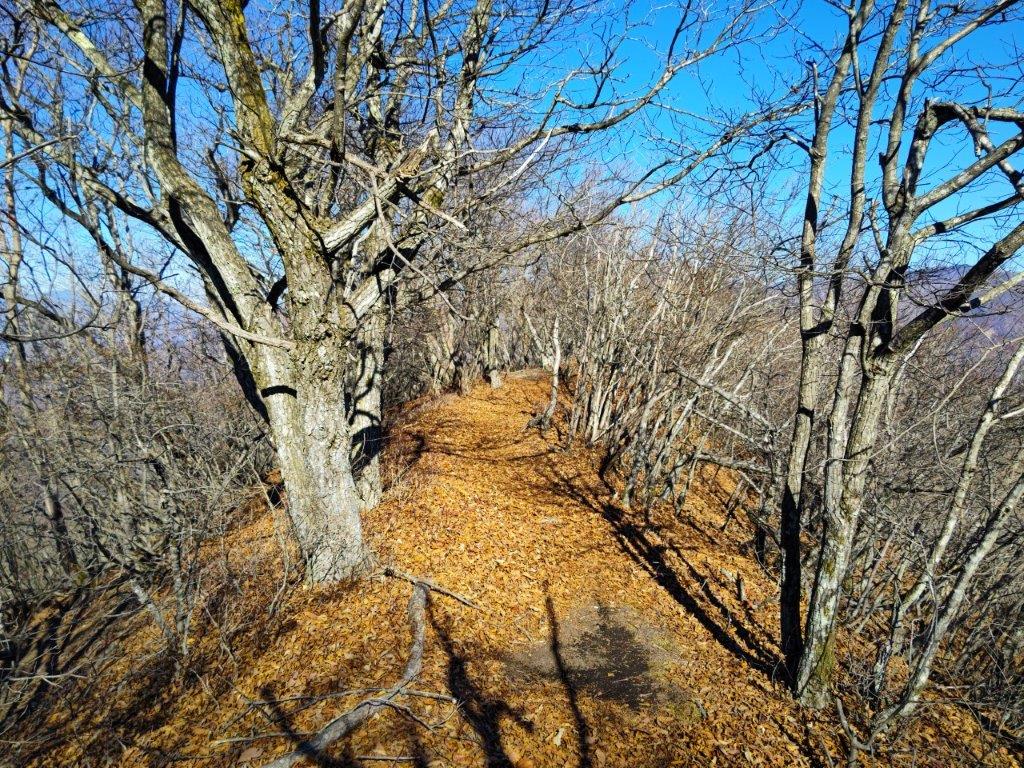
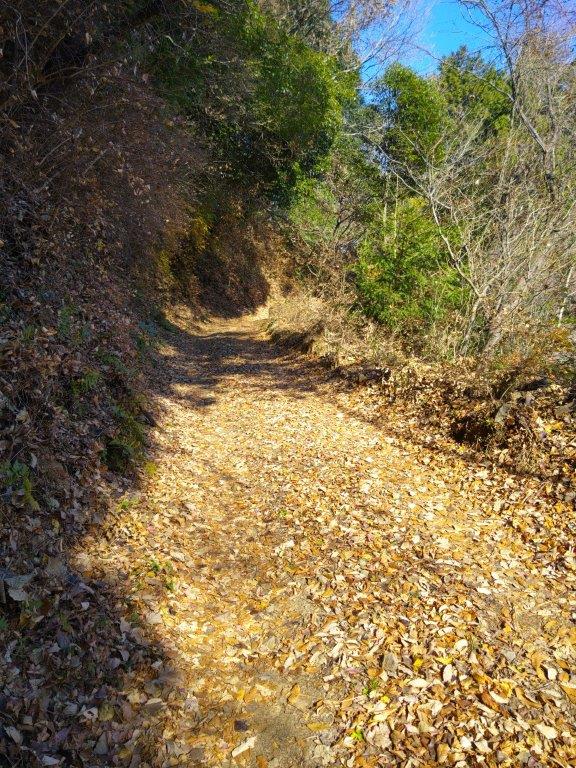
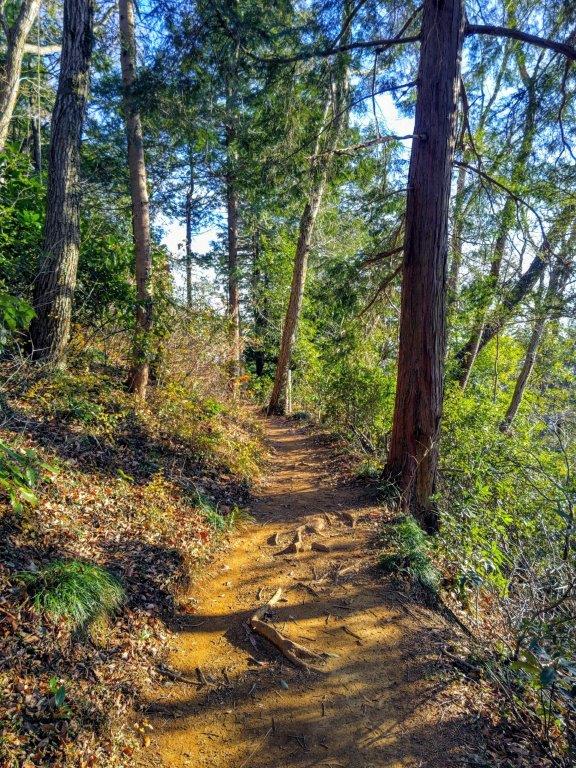
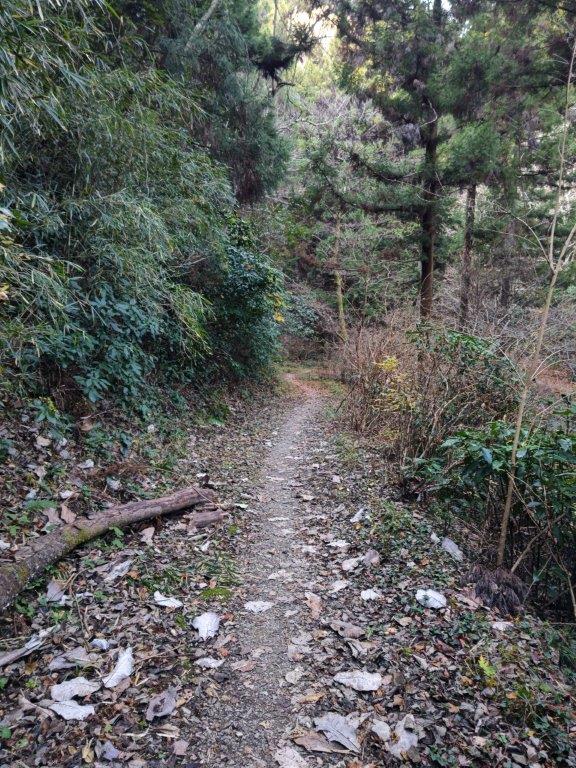
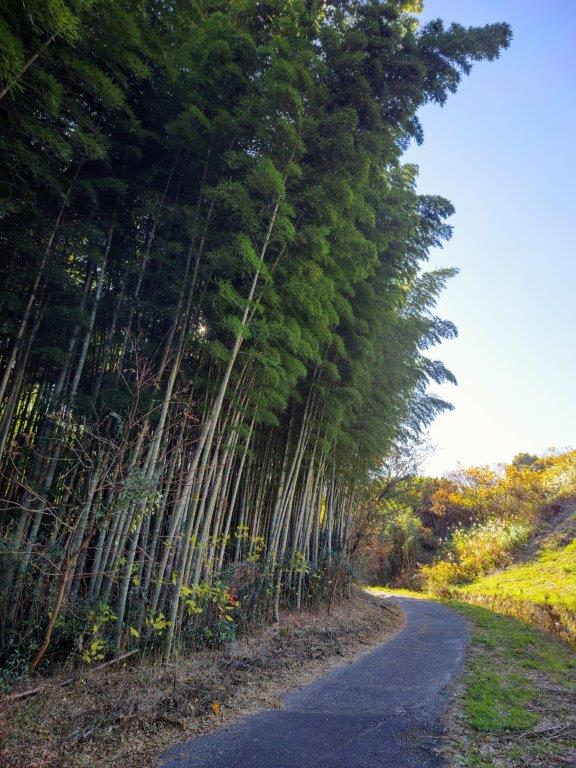
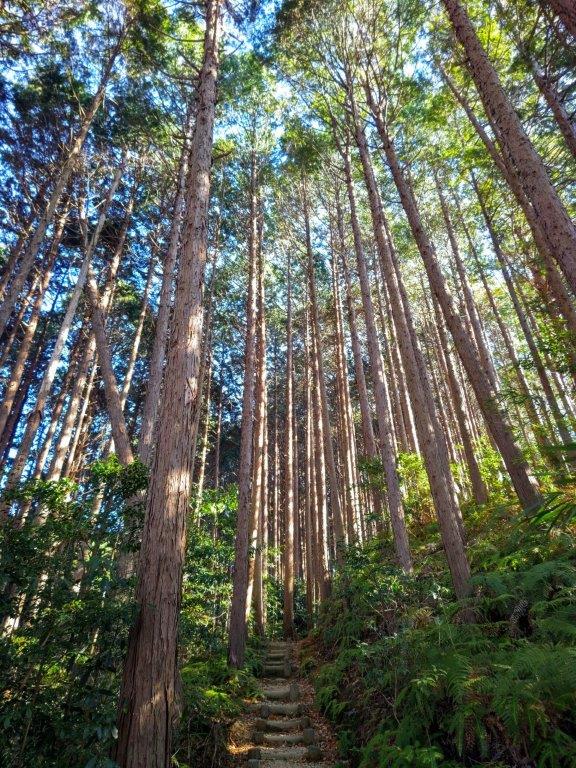
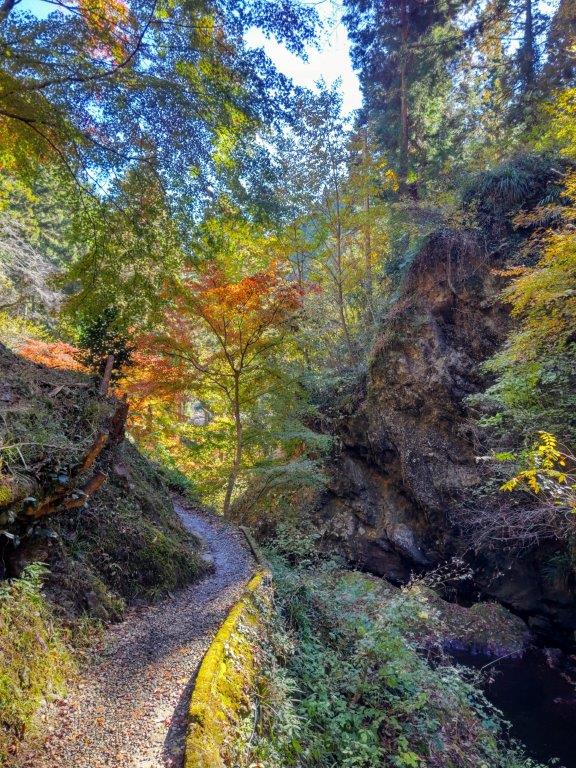
Bamboo forest (left) and steep slope (right) at the start of the hike

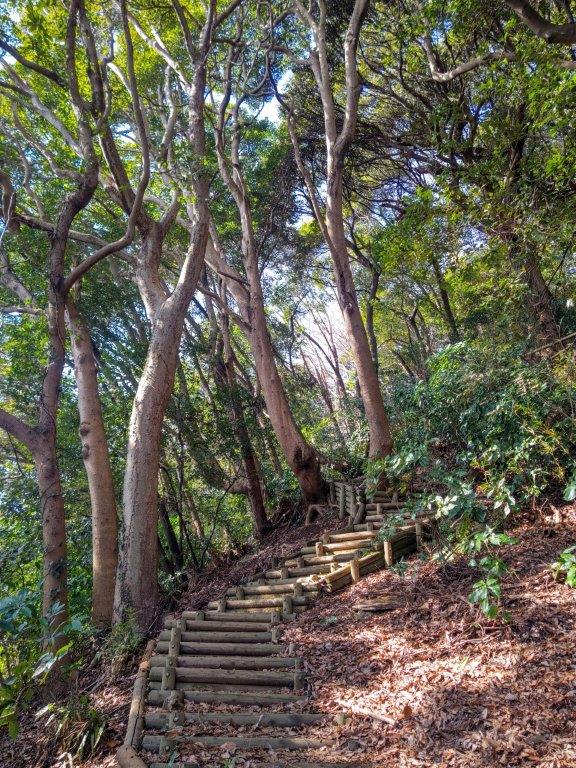
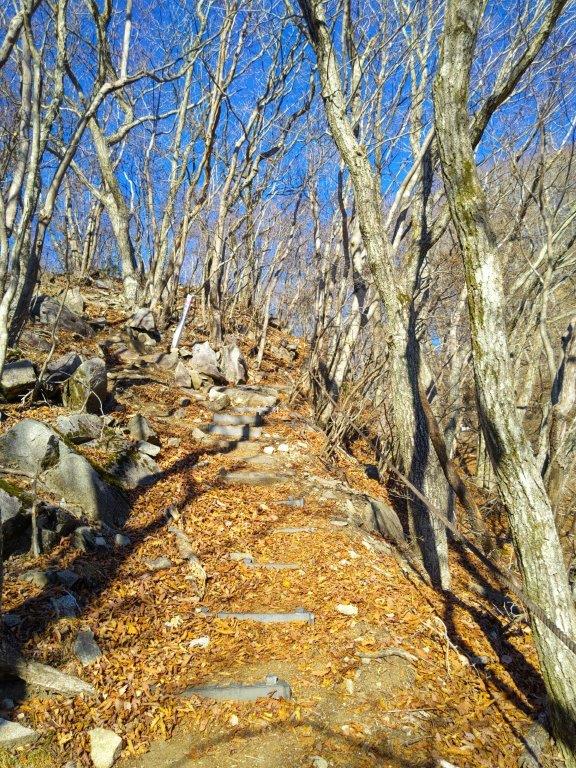
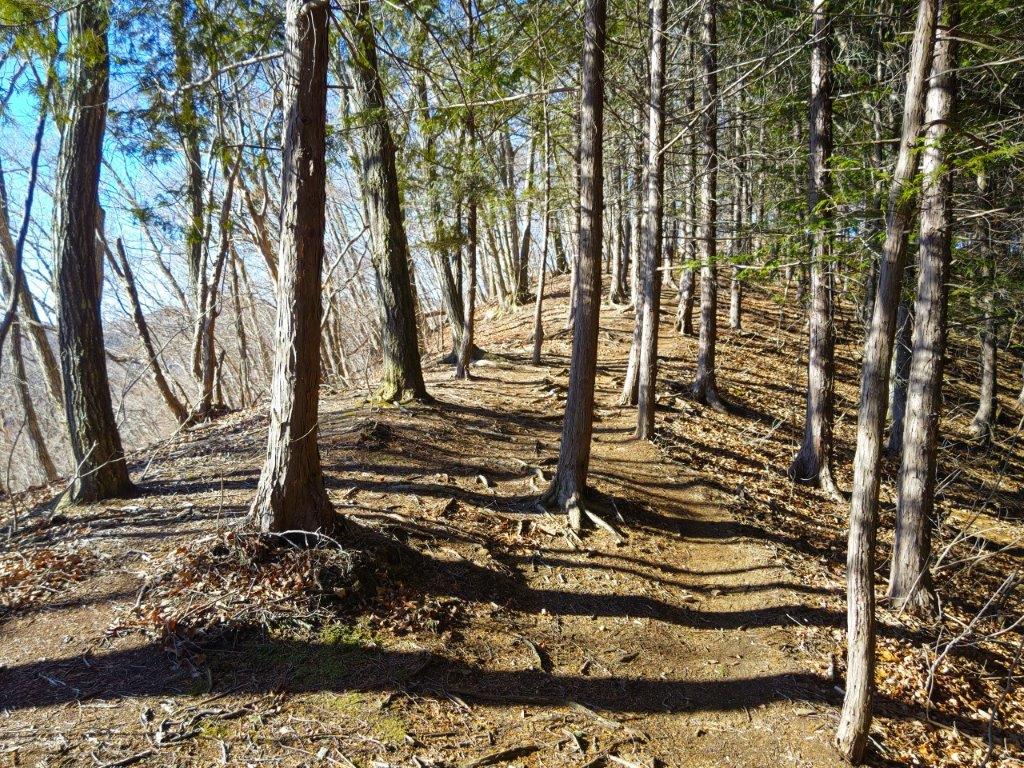
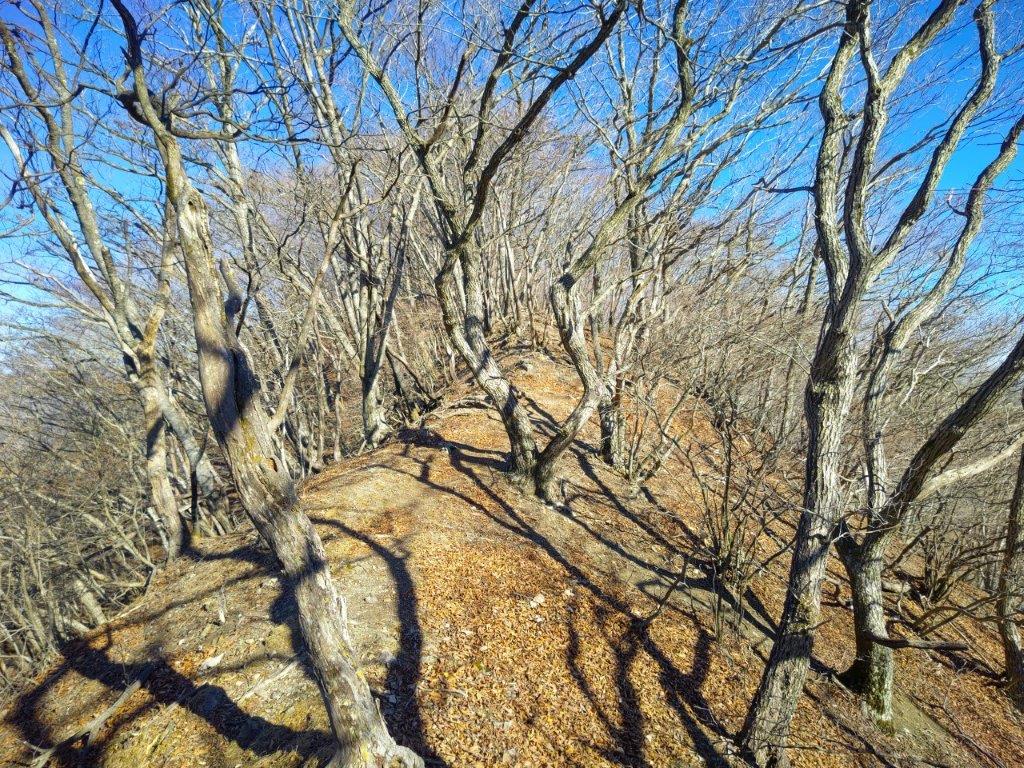
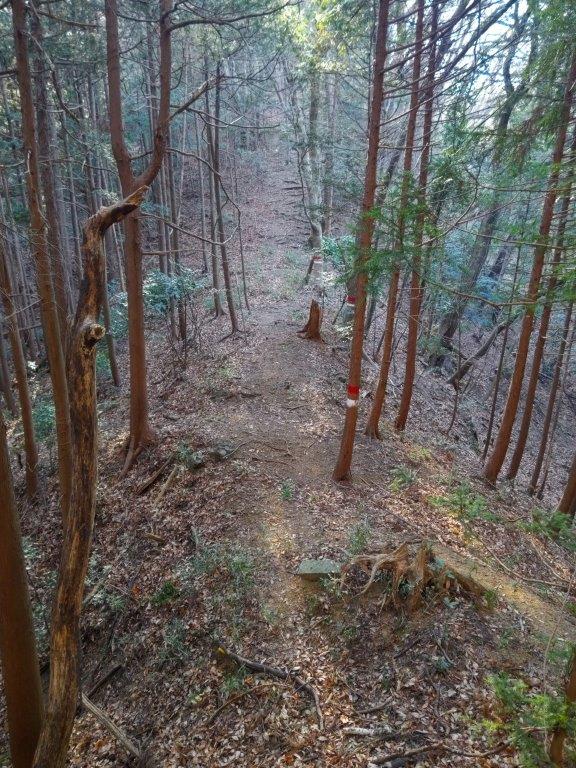
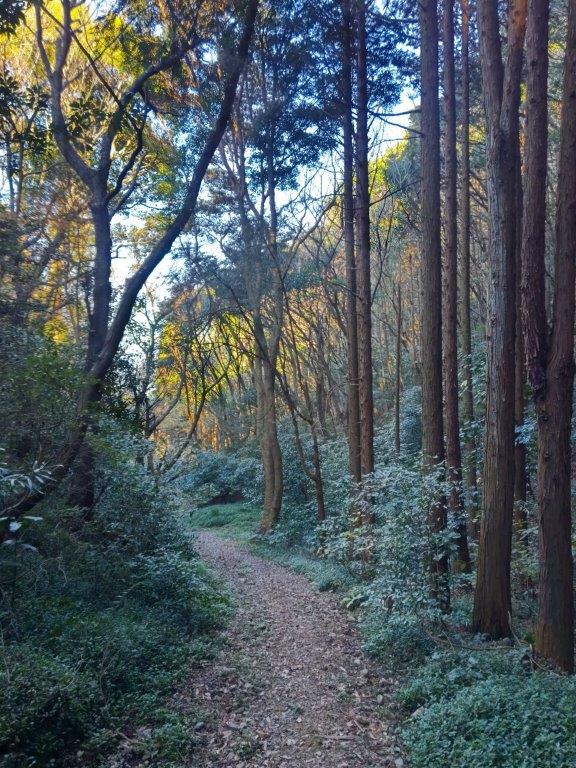
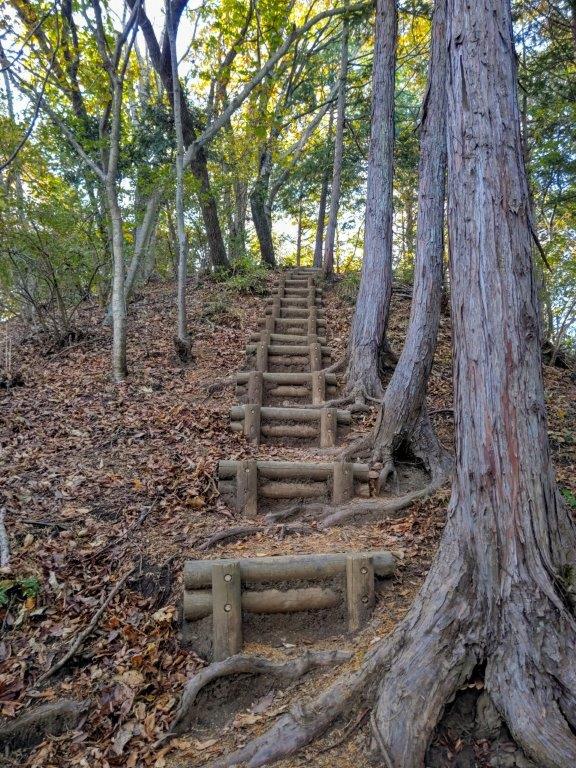
Walking on the top ridge (left) and up the steps (right)

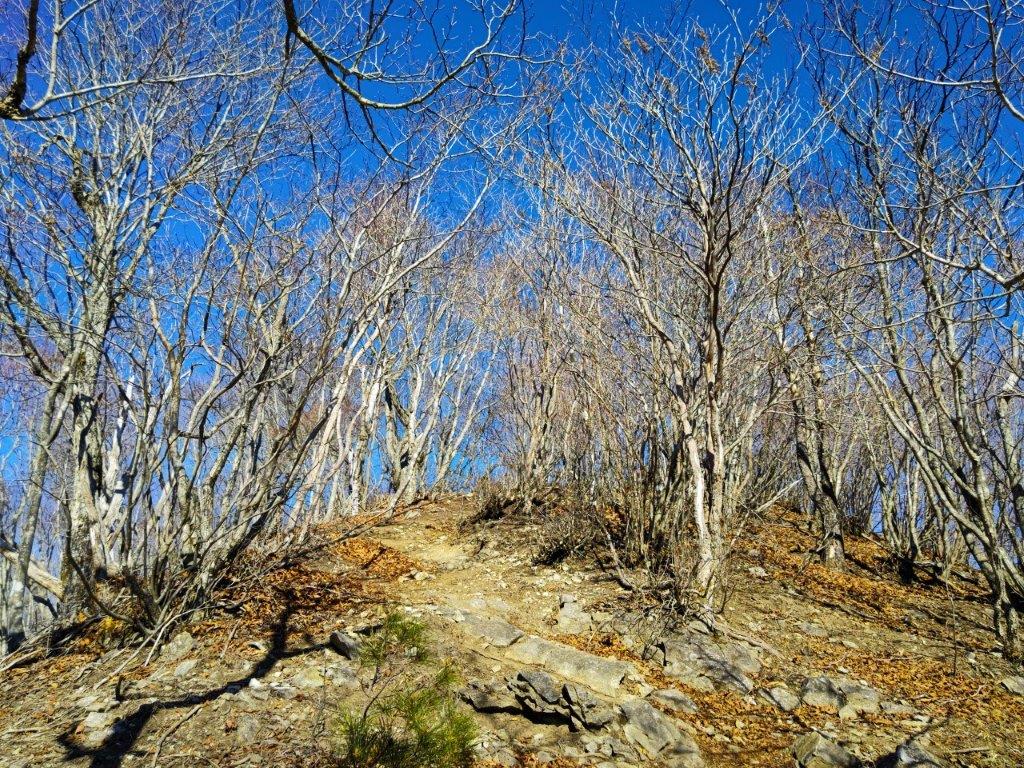
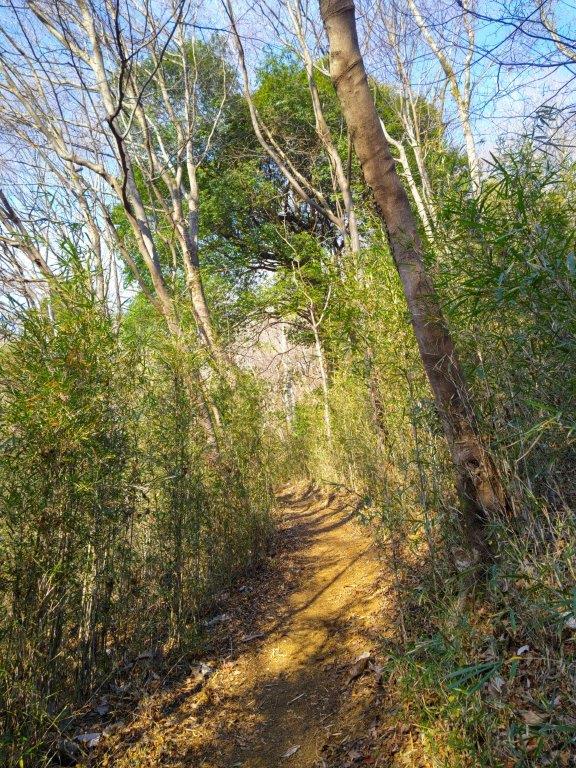
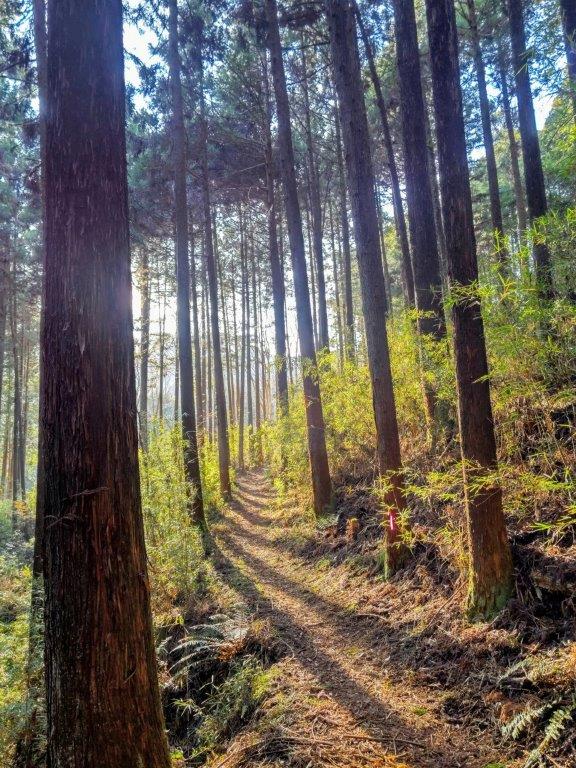
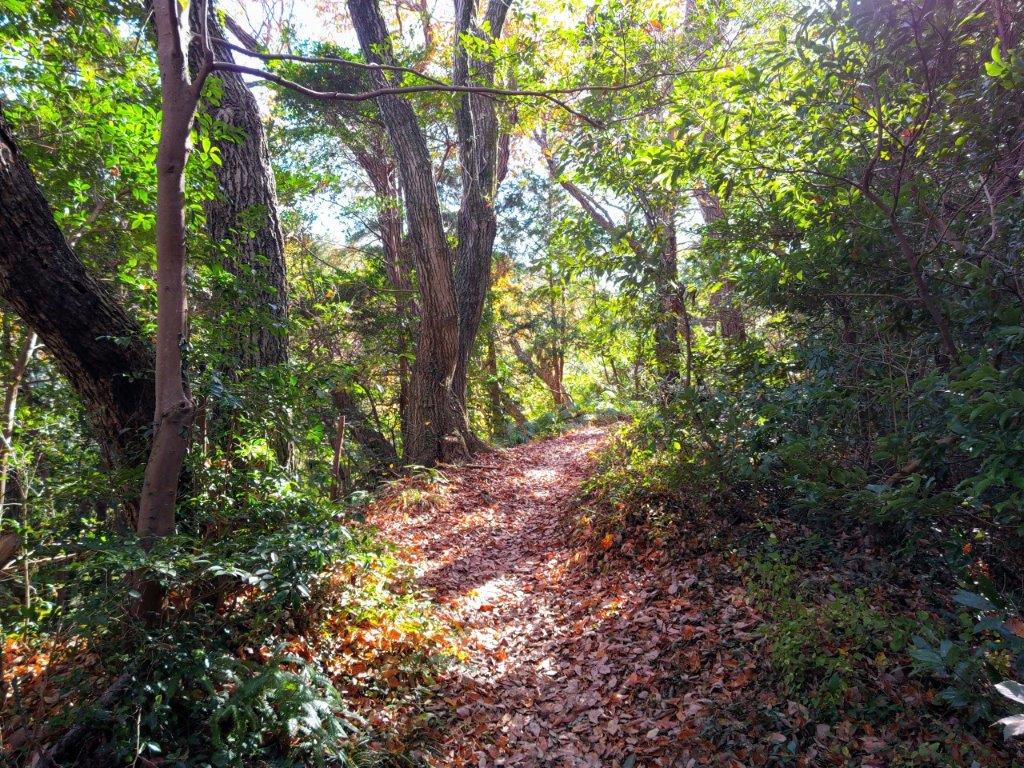
Walking down to (left) and up from Kirifuri Keiryu (right)

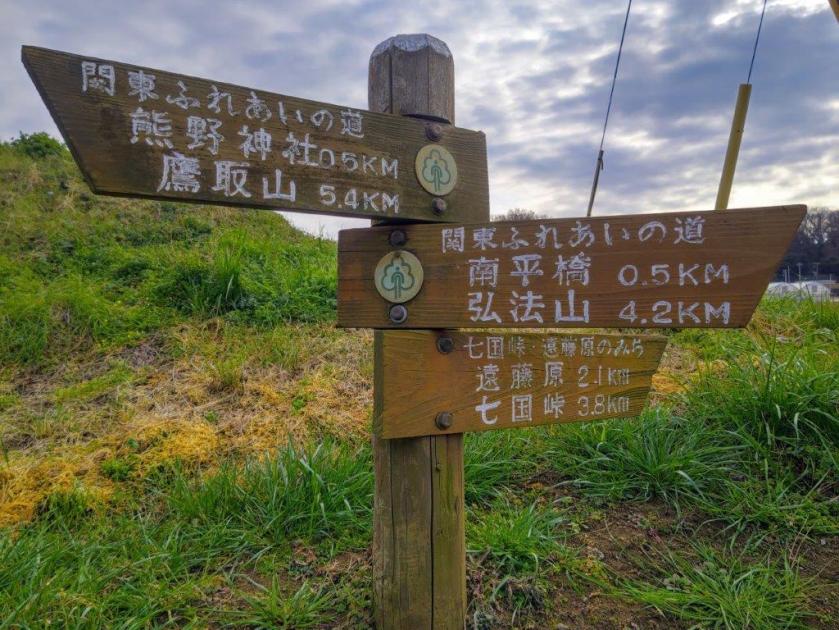
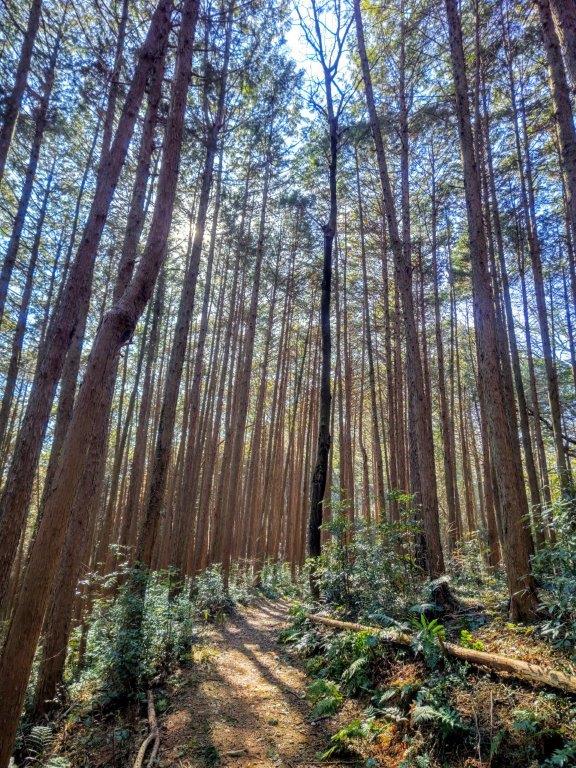
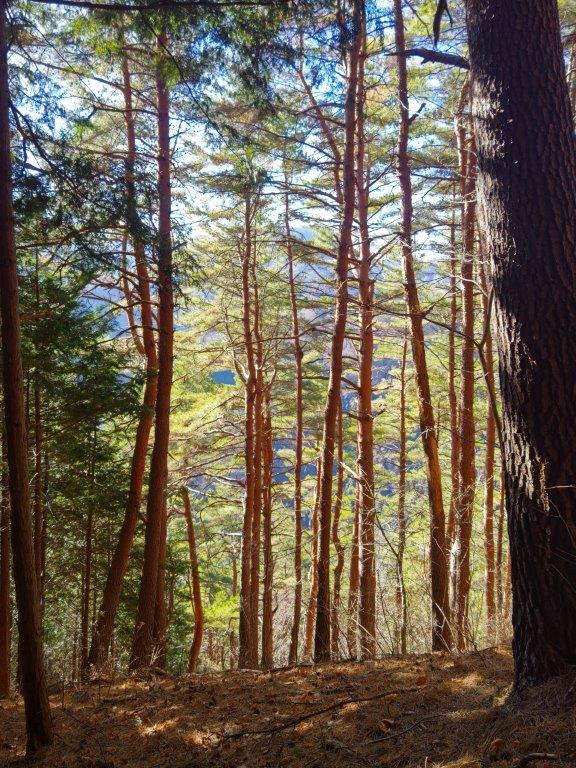
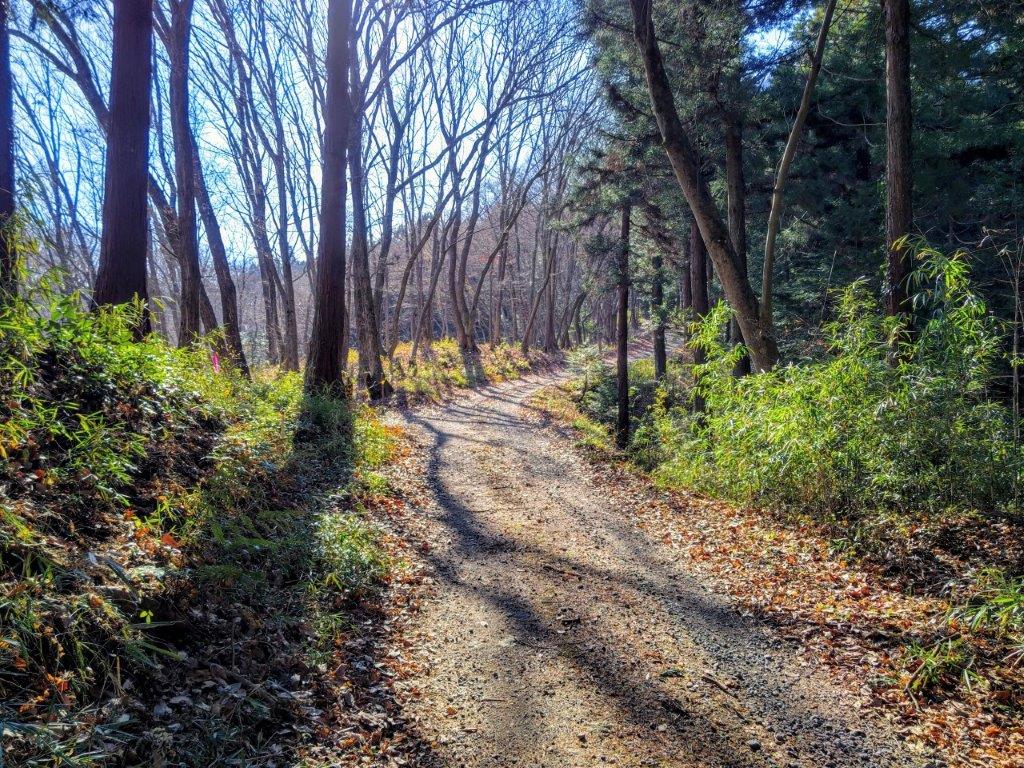
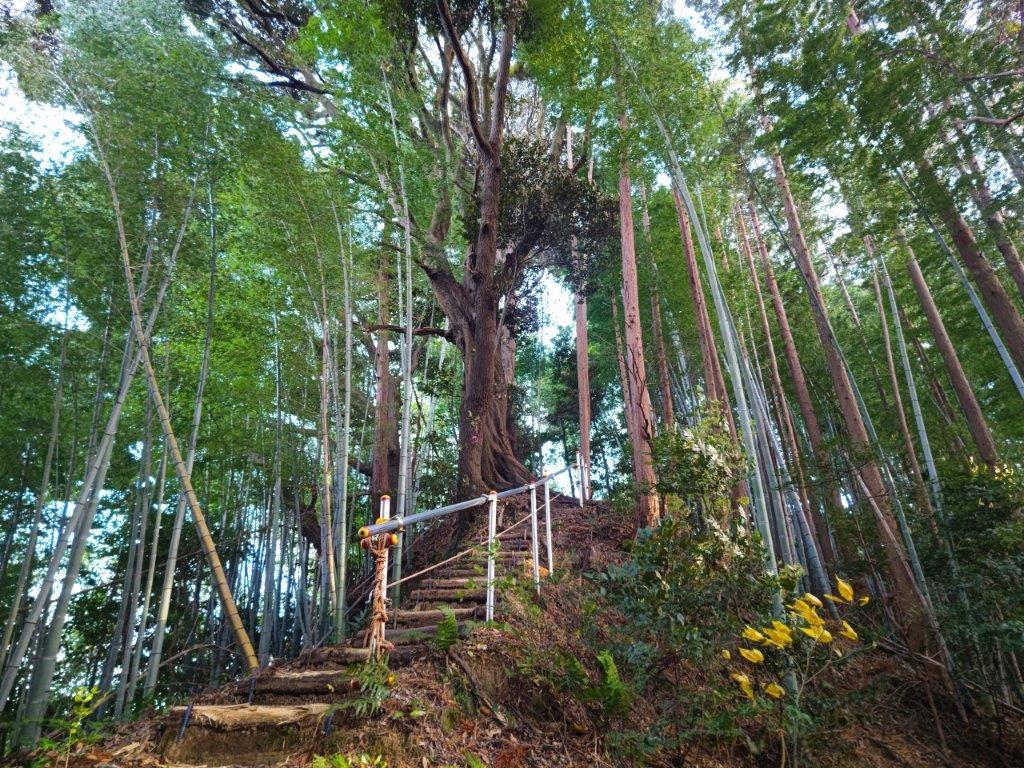
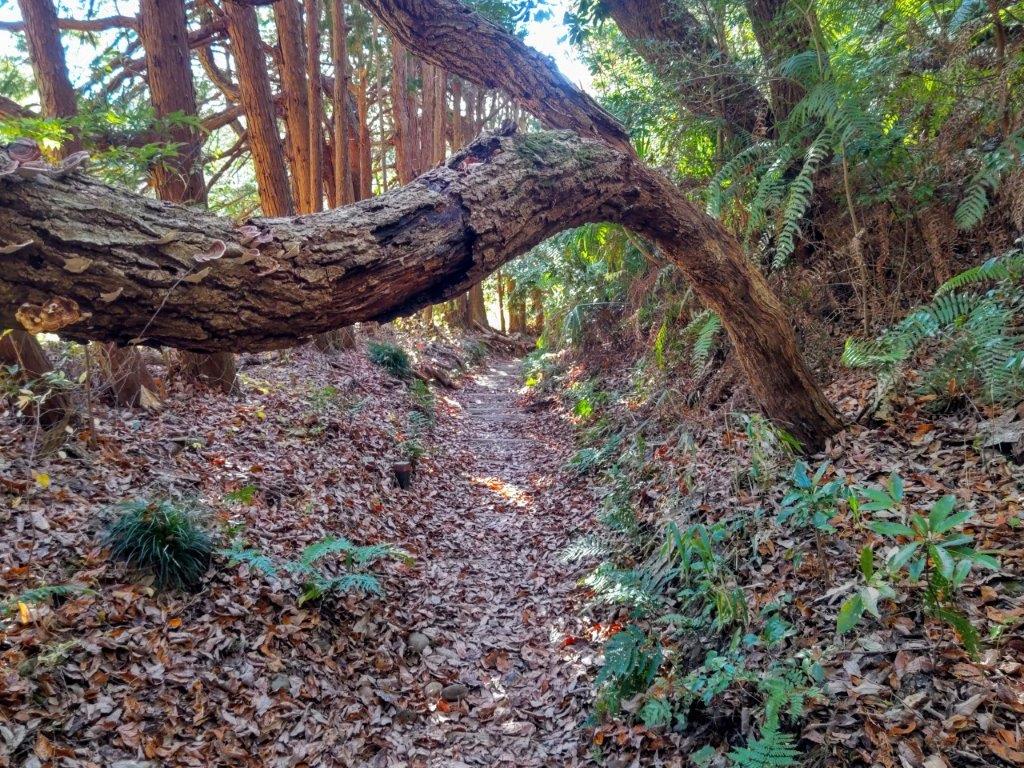
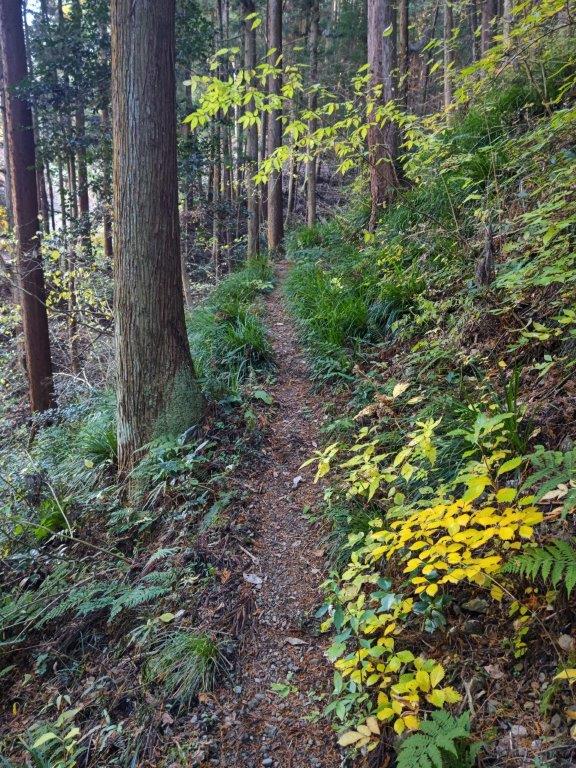
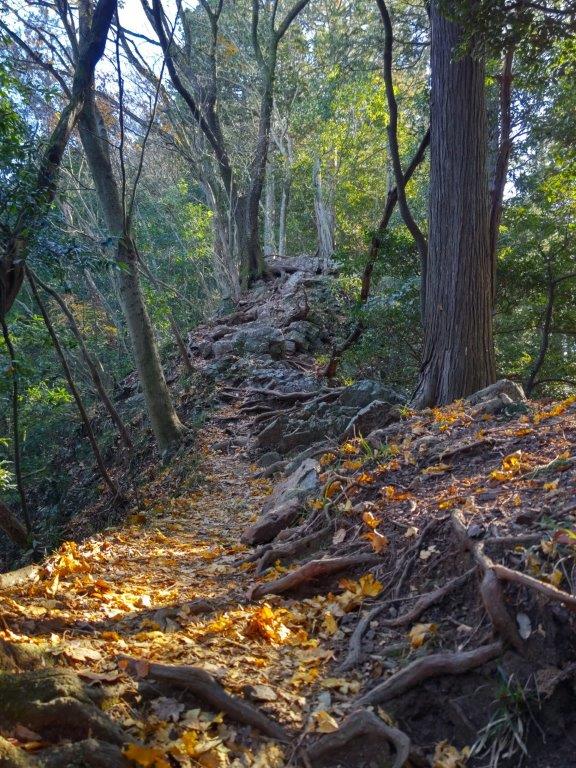
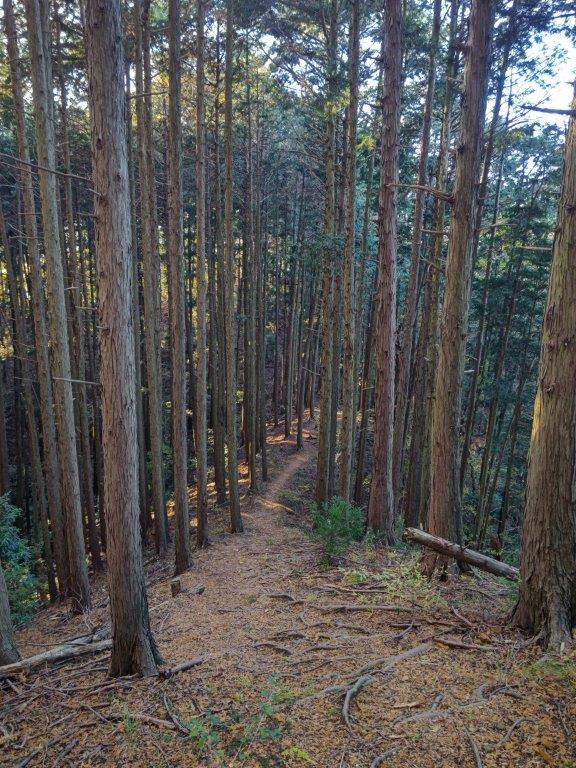
It was a 90-minute train ride under clear blue skies to Ninomiya station where I boarded a bus for the short ride to Higashi-no-Ike (東の池), a reedy pond with a shrine on an islet. After getting ready, I located a sign for the Fureai no Michi and set off, a little before 11am, through a residential neighbourhood. Past a bamboo forest, the road rose sharply, and after a few minutes of climbing under tall cedars, I reached the ridge top, where I turned right, onto a level hiking path through the forest.

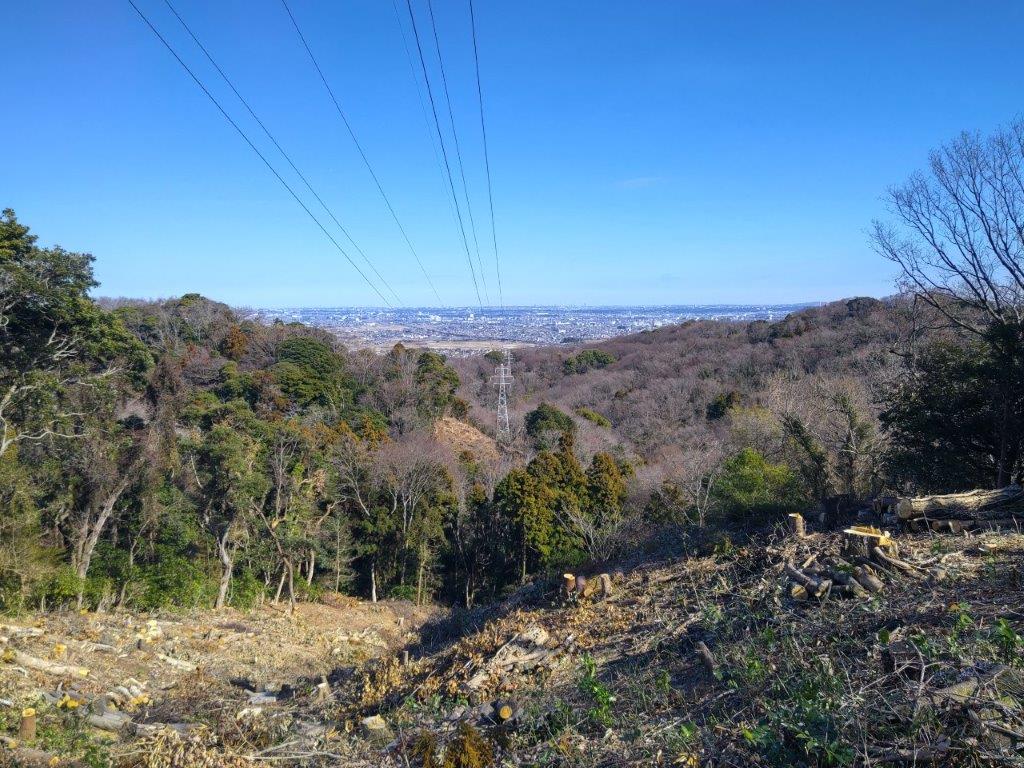
Clearing at the Top of Kirifuri Keiryu

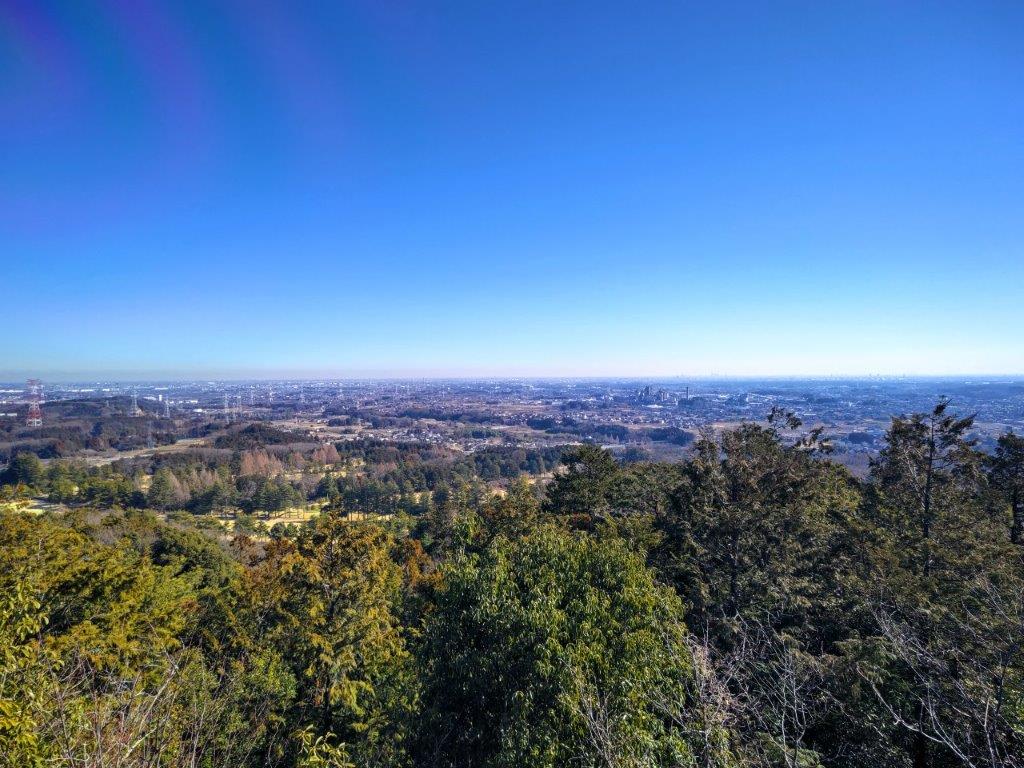
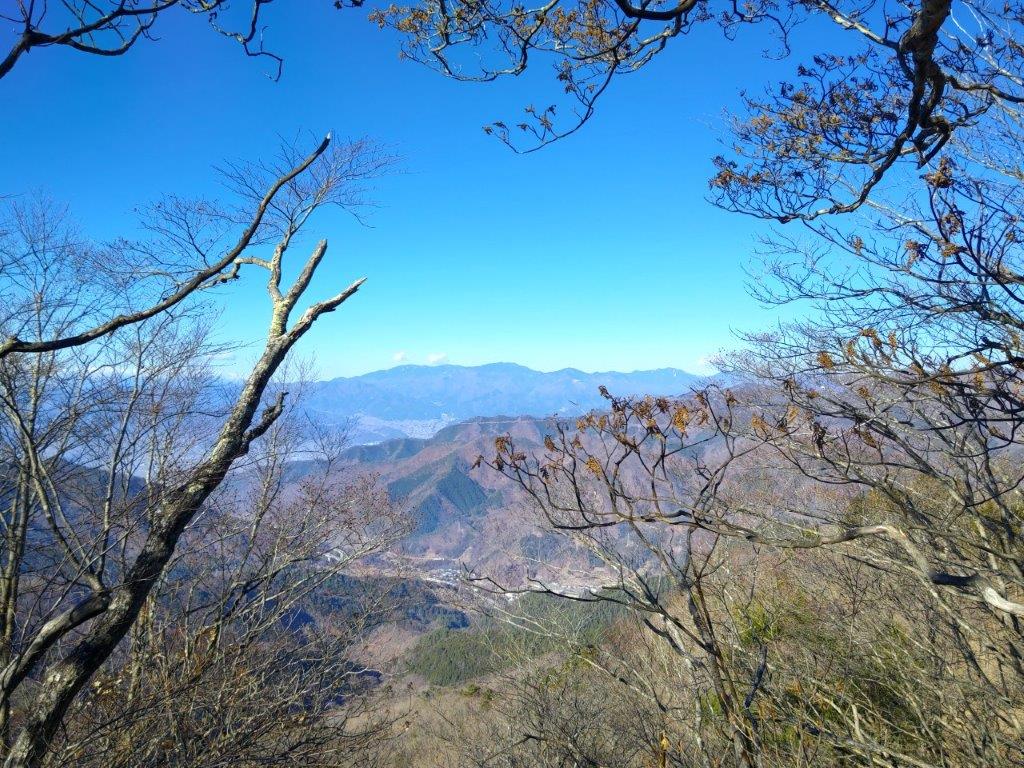
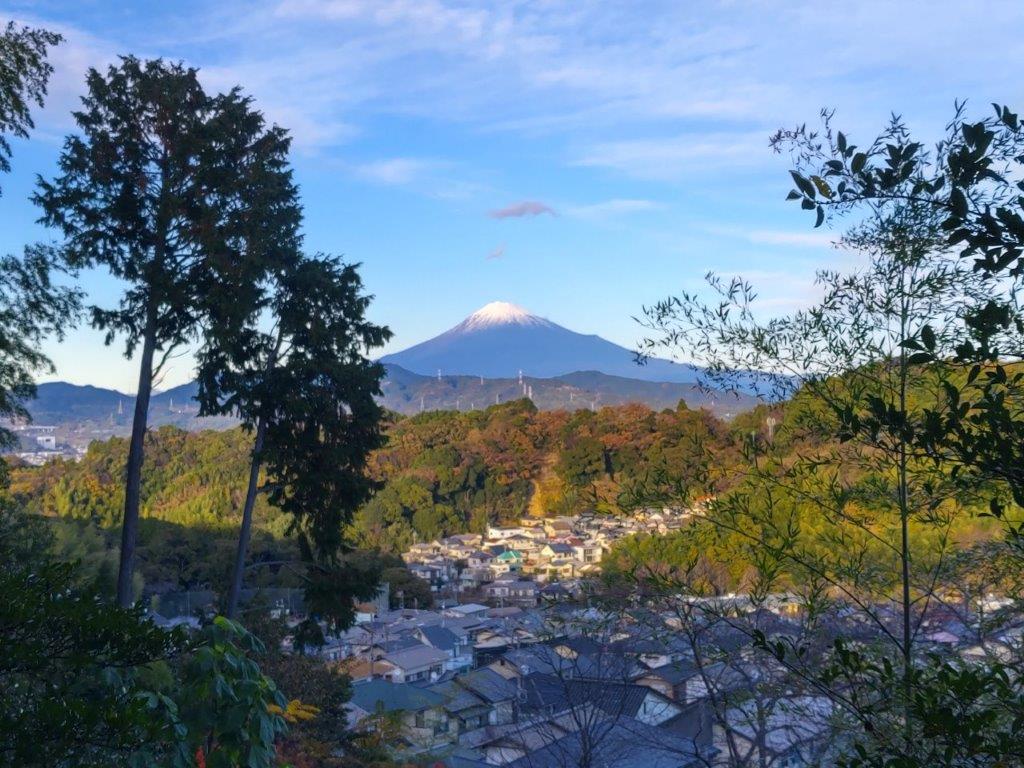
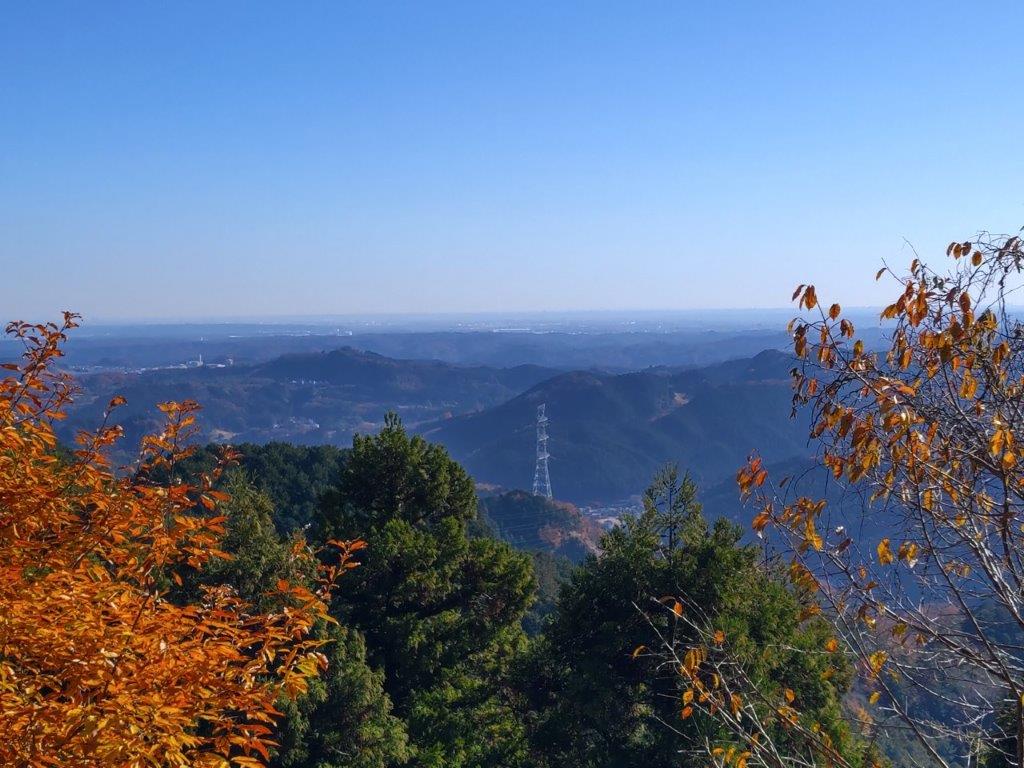
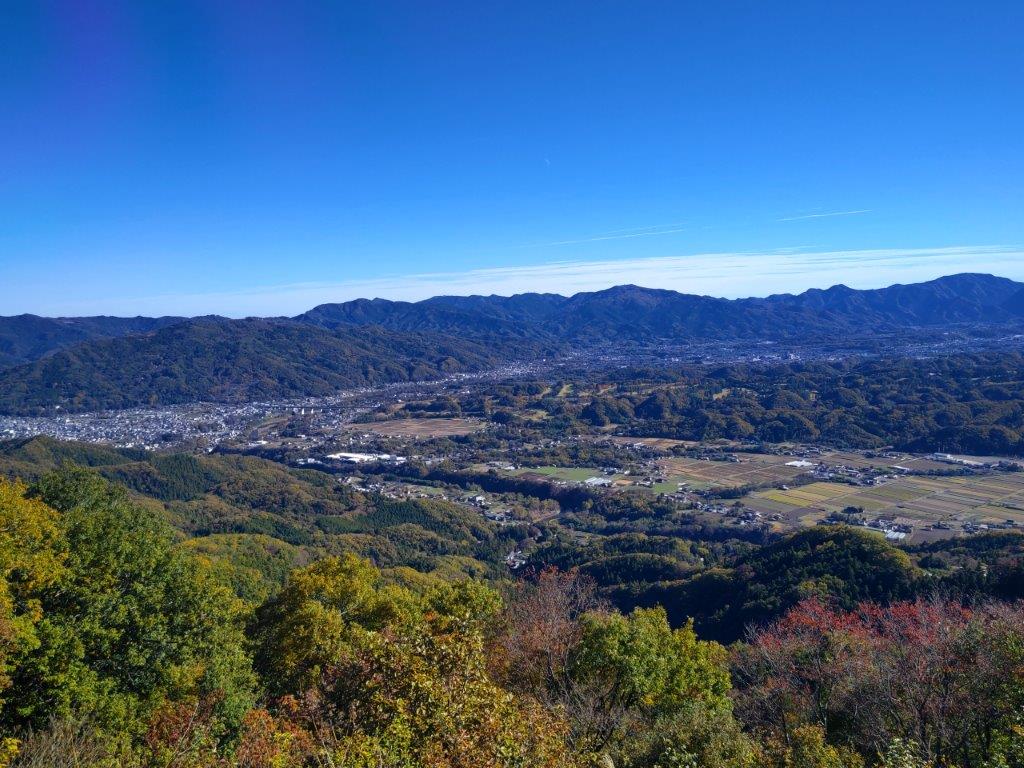
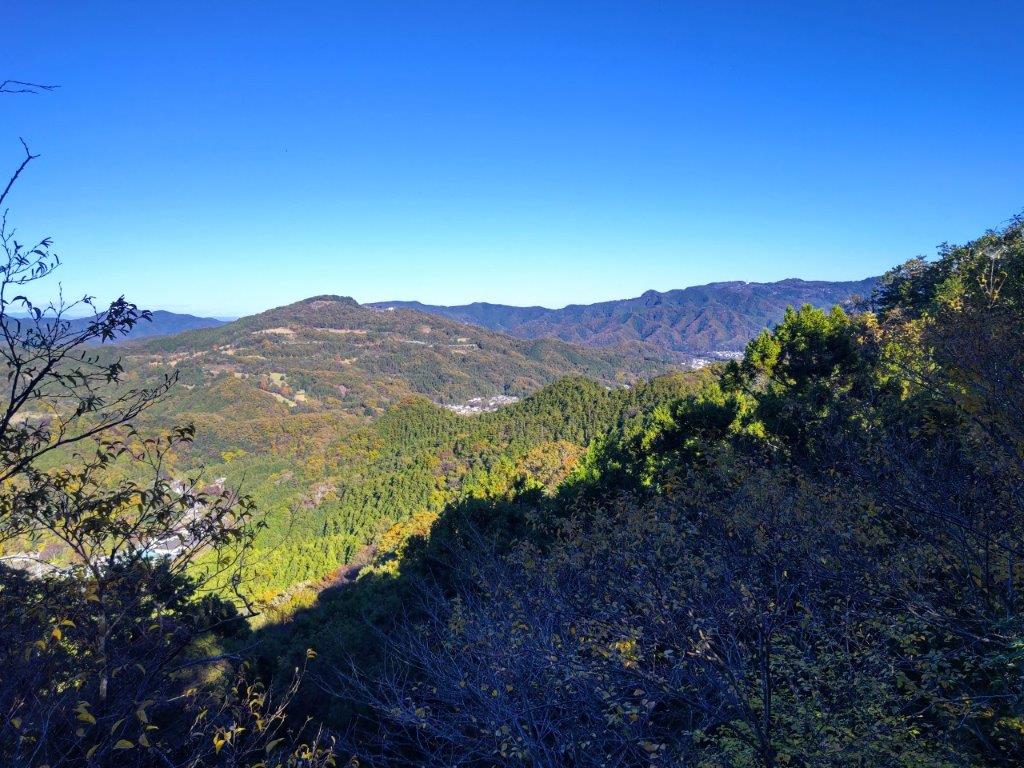
View East towards Yokohama and the Miura Peninsula

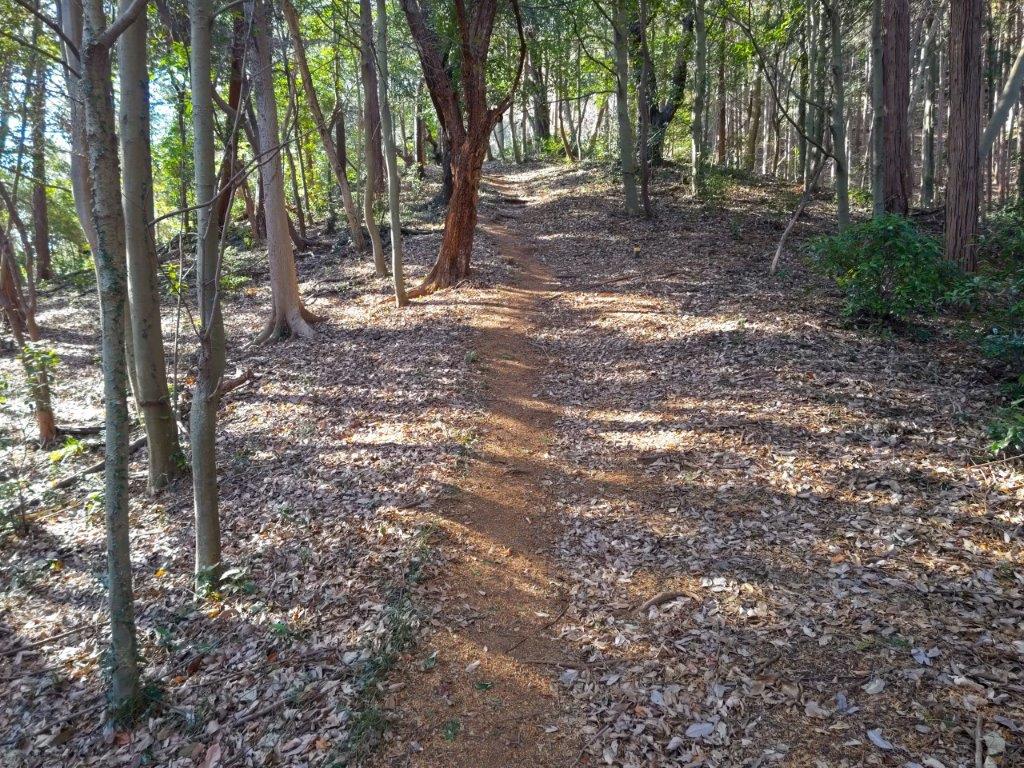
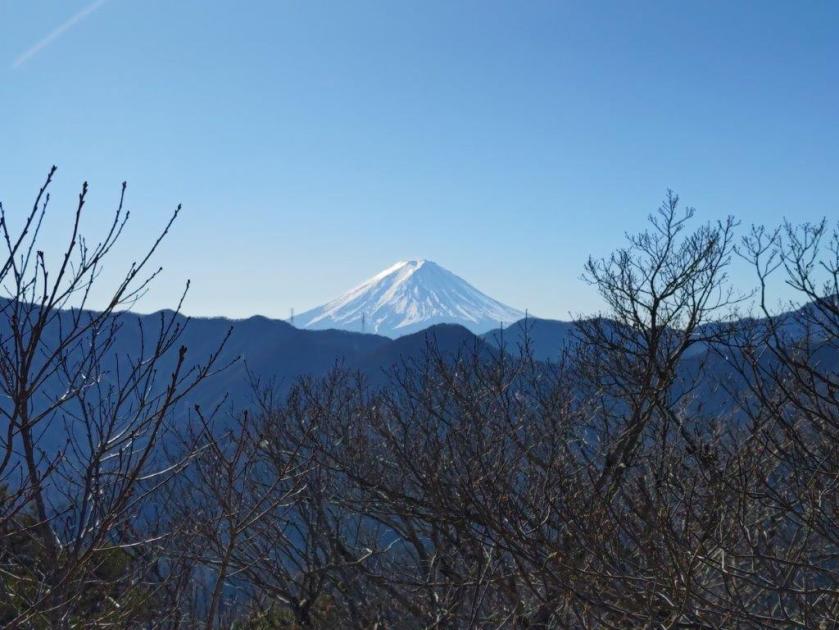
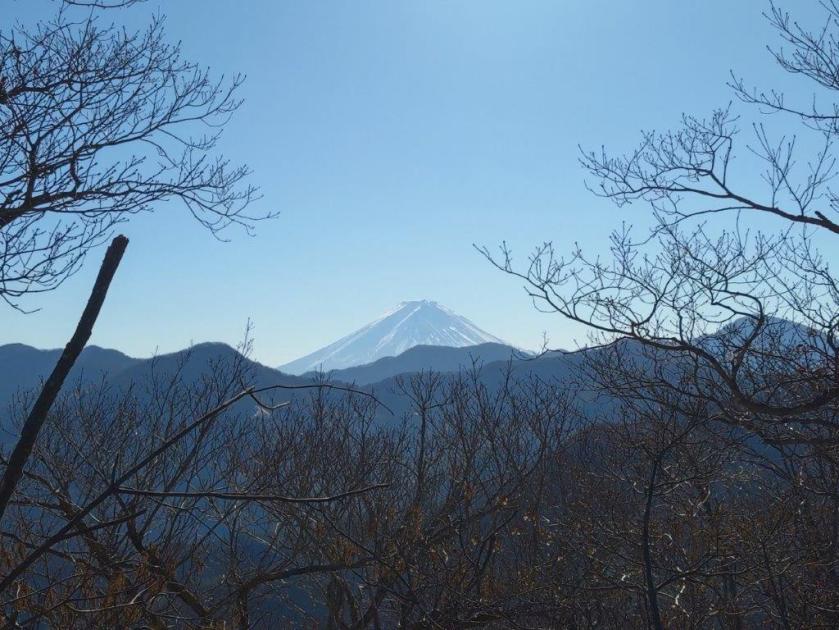
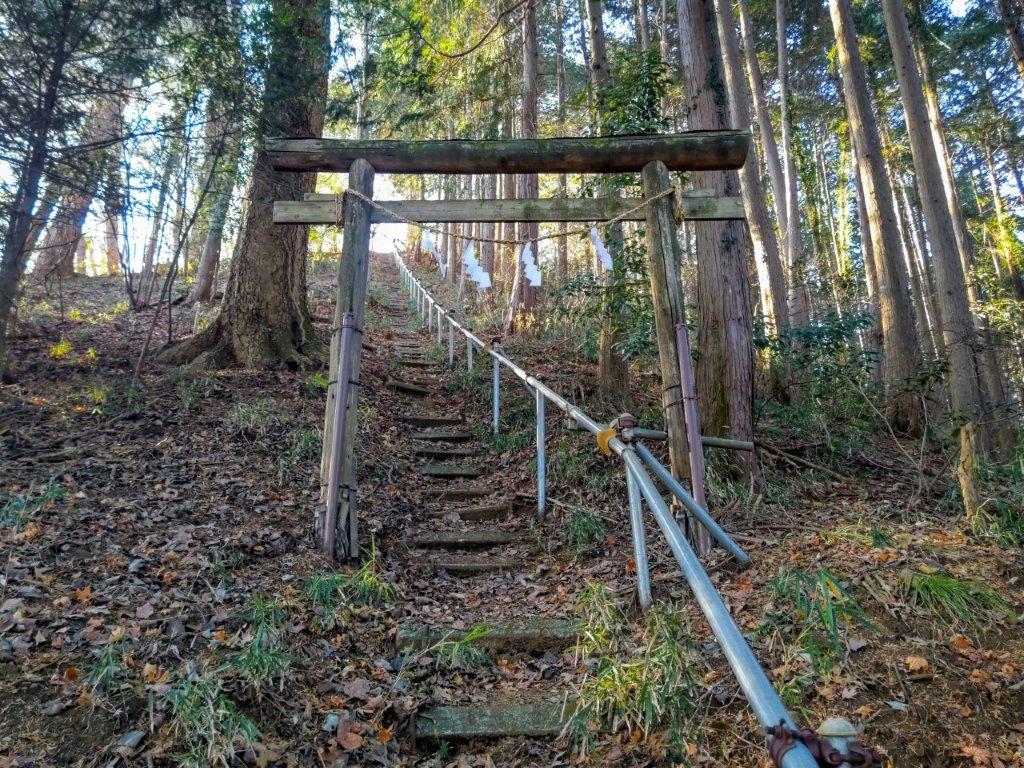
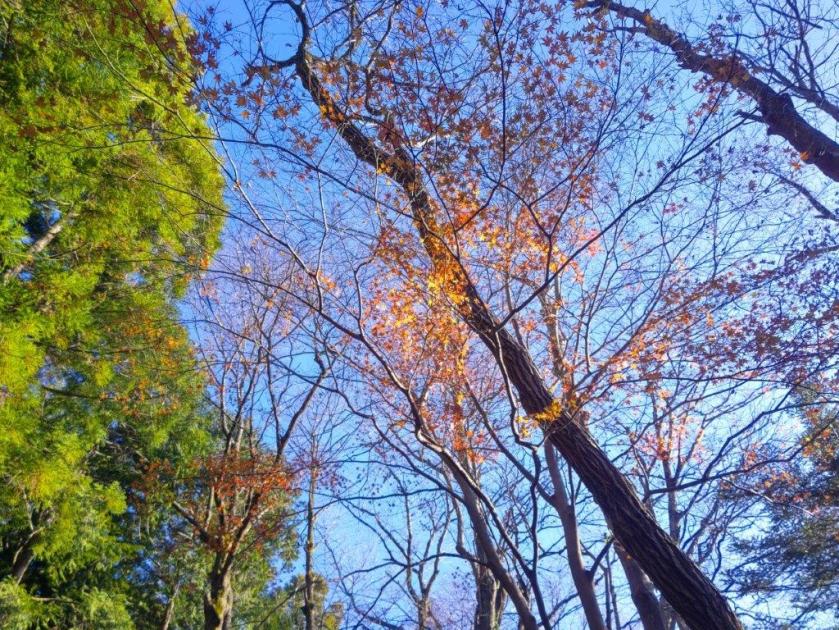
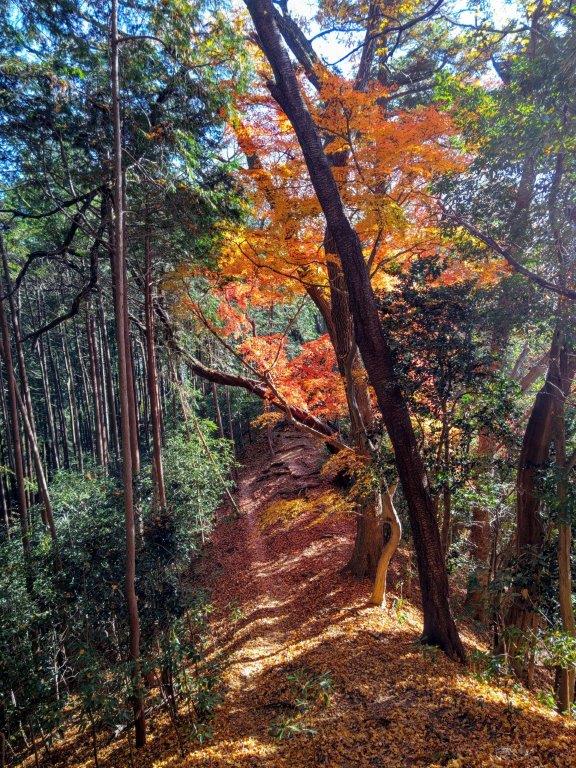
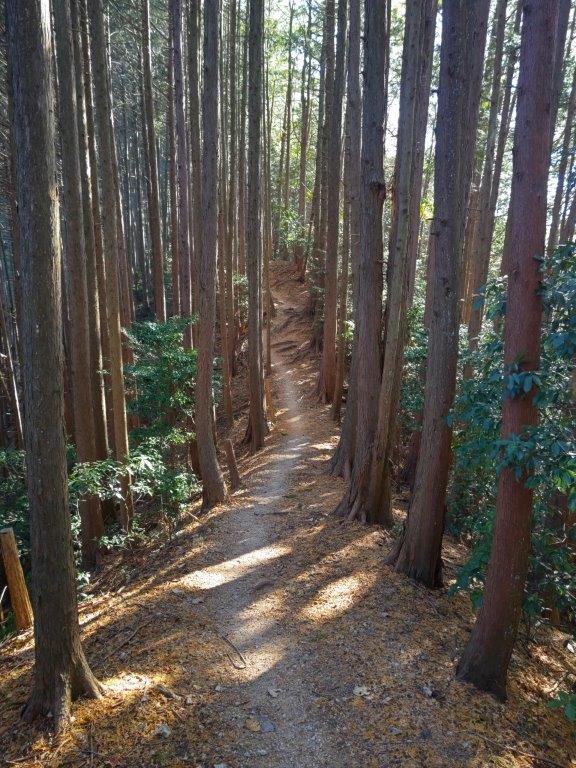
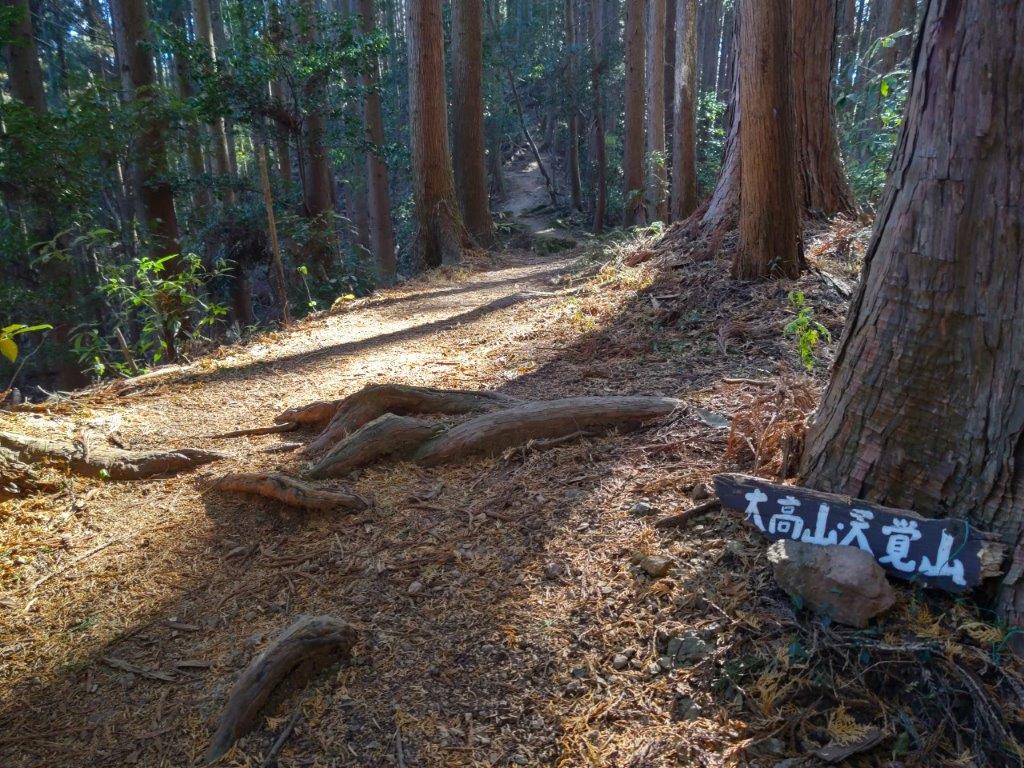
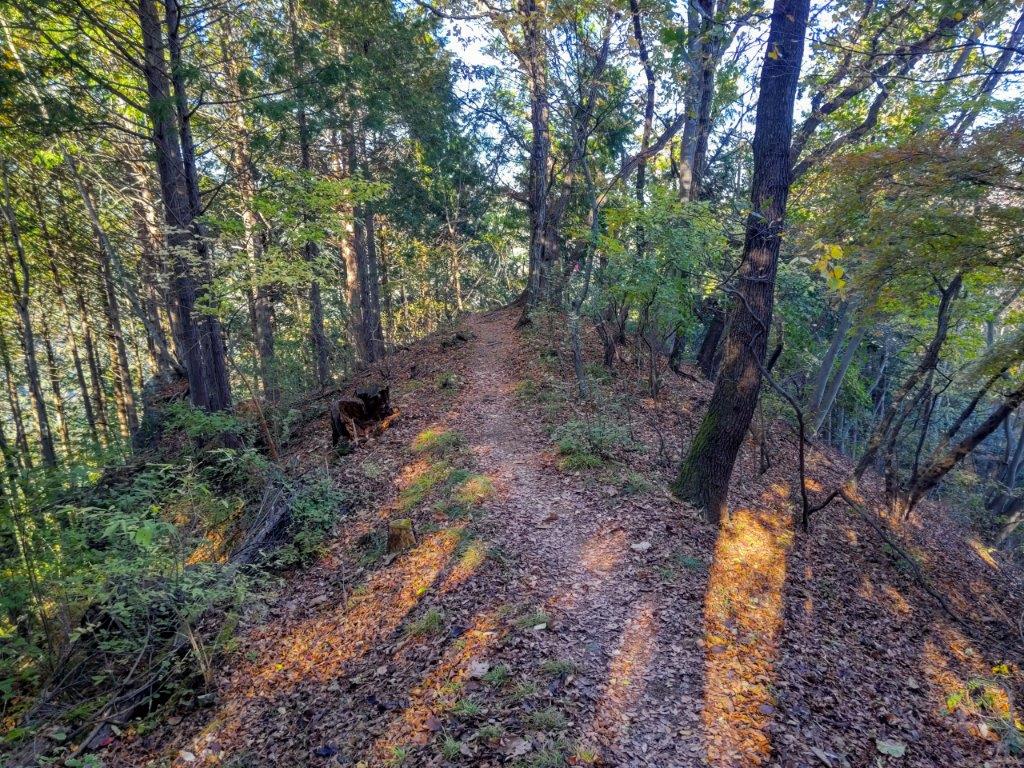
I was amazed to be on such a lovely trail, reminding me of Kamakura, but minus the crowds. It was mostly in the trees but I did get a glimpse of Hakone through a gap on the west side. At 1130, I passed under a stone Shinto gate and made my way up a series of log steps, at the top of which I arrived at Takatori Shrine (鷹取神社). A little beyond, and slightly off the trail on the left side, was the top of Mt Takatori (鷹取山 たかとりやま) surrounded by forest. I couldn’t see a summit marker but my GPS confirmed the spot. I sat down on a sunny tree trunk for a short break.

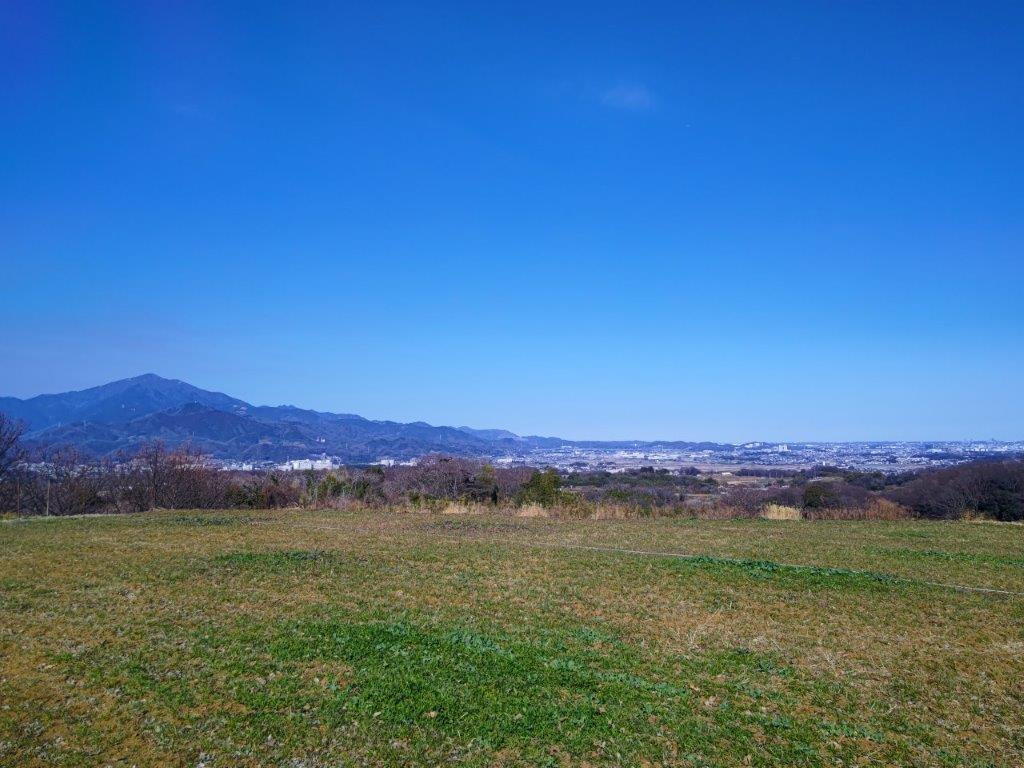
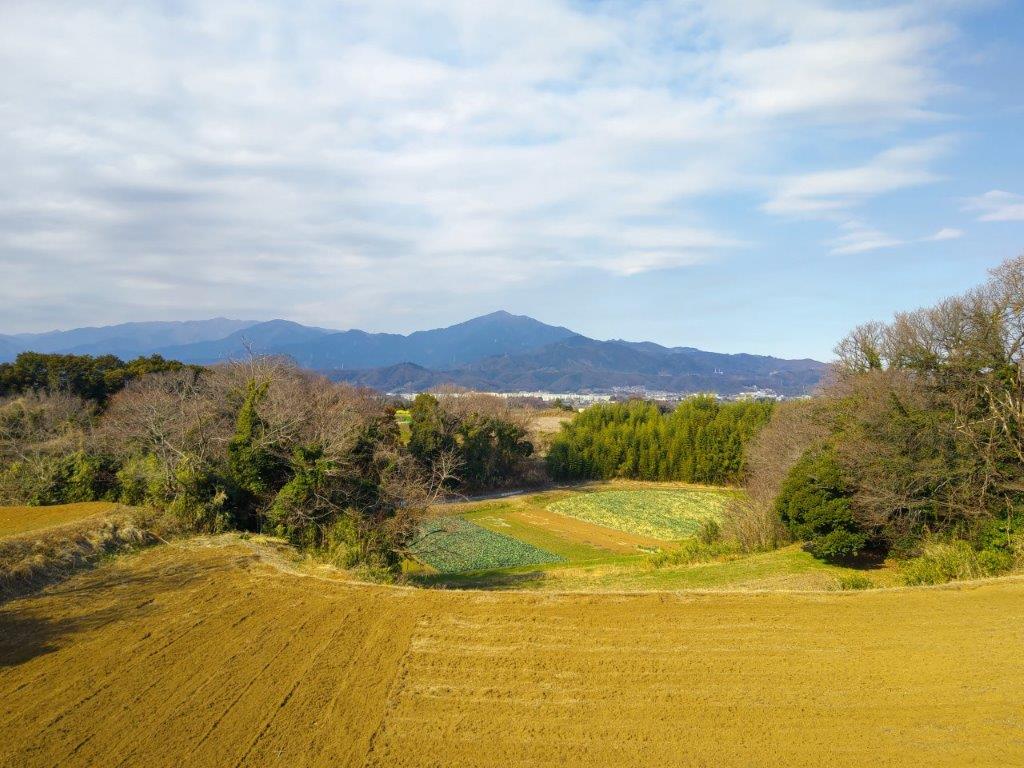
View North from Yurugi Hill

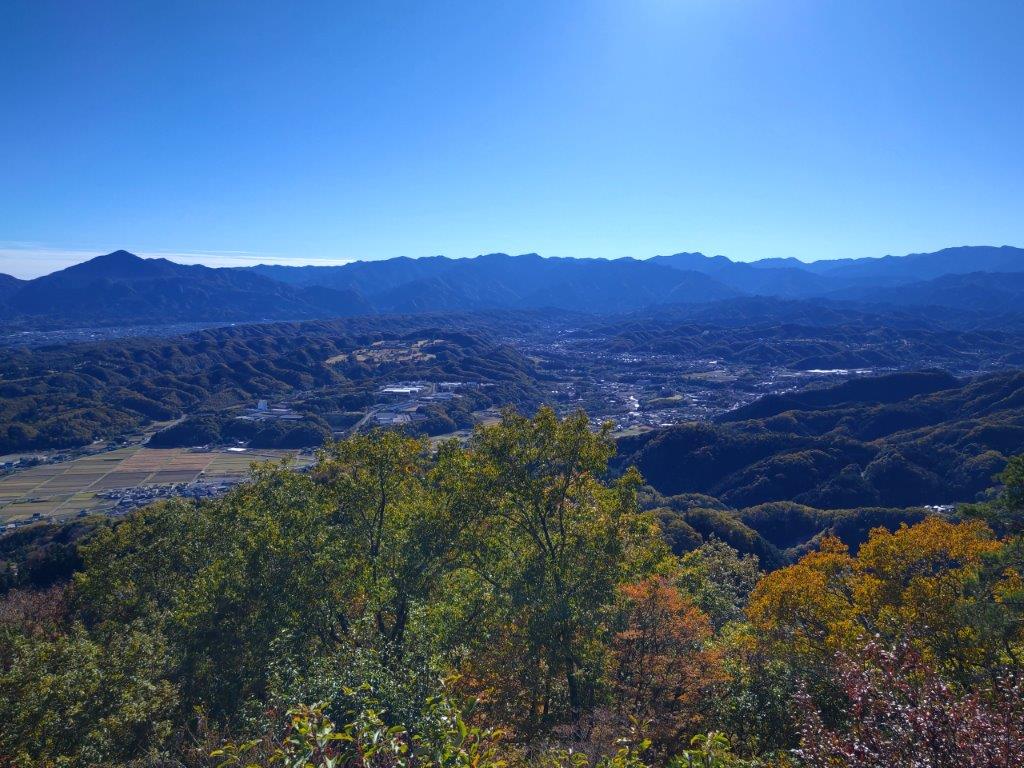
Tanzawa from Yurugi Hill

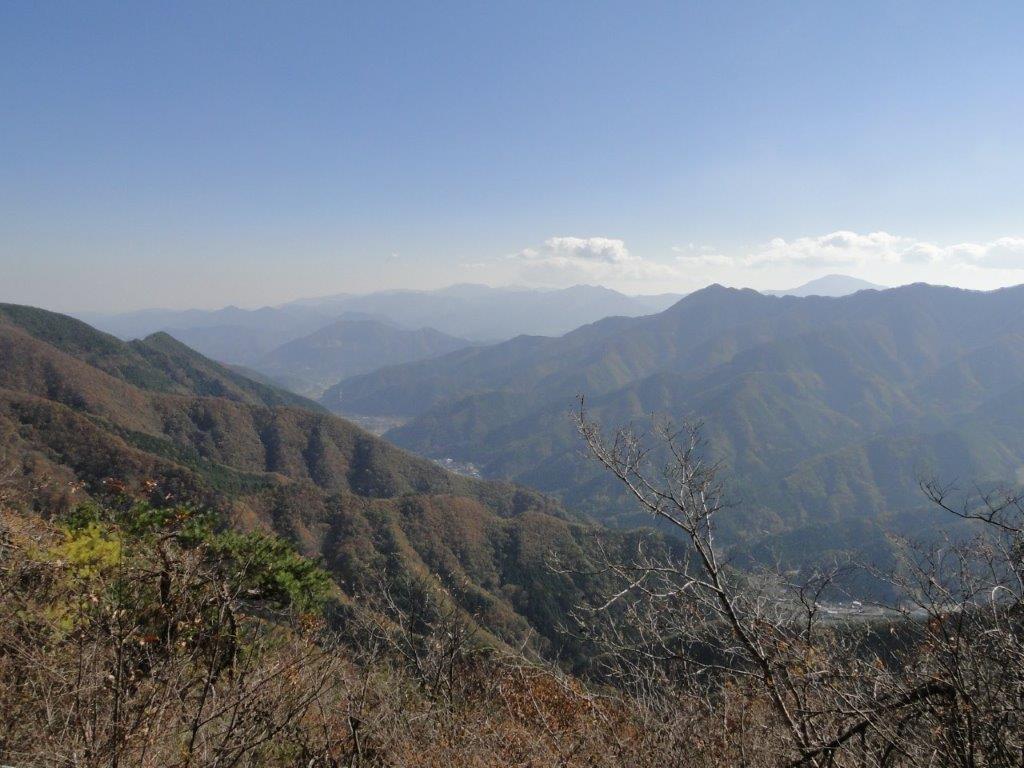
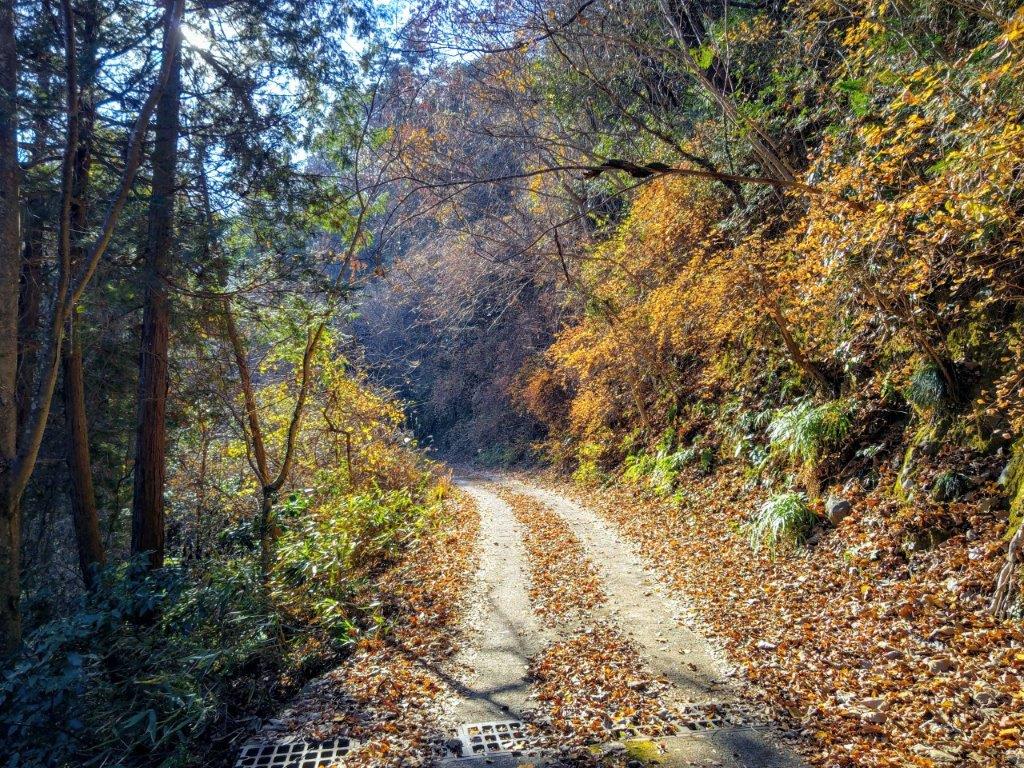
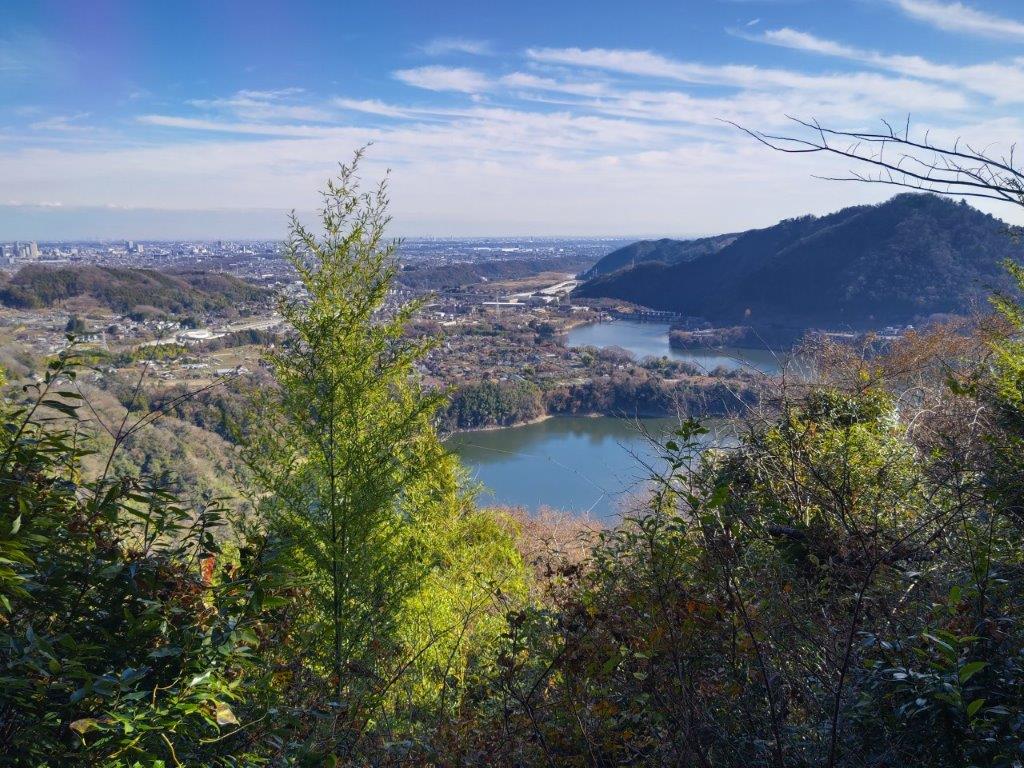
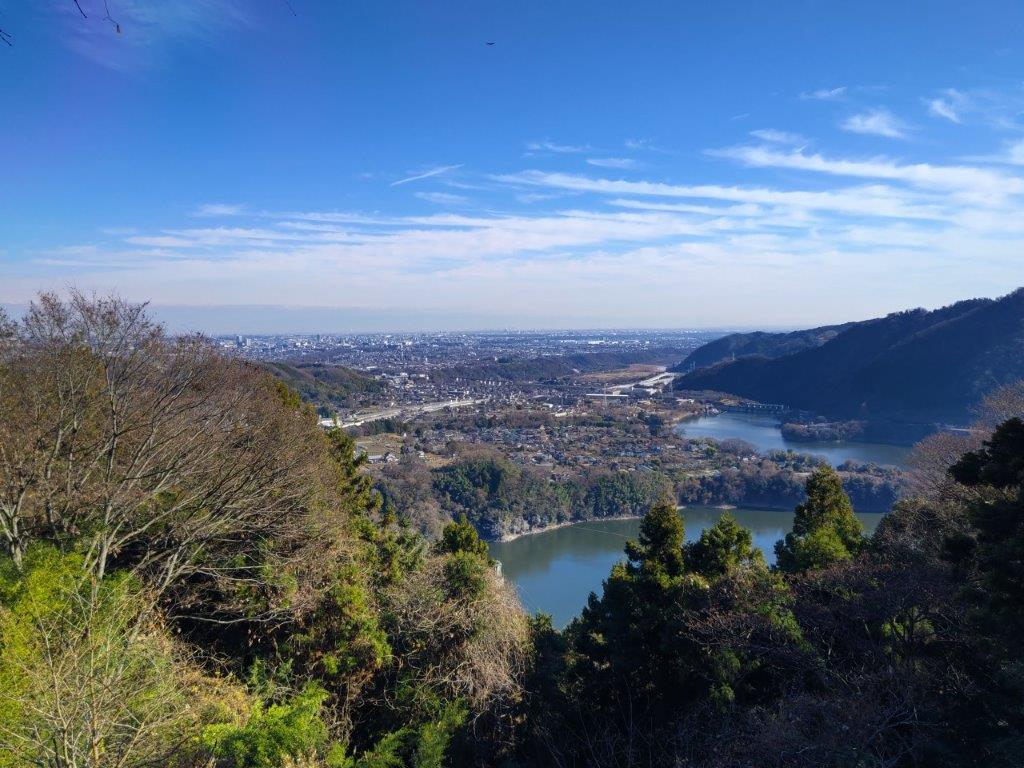
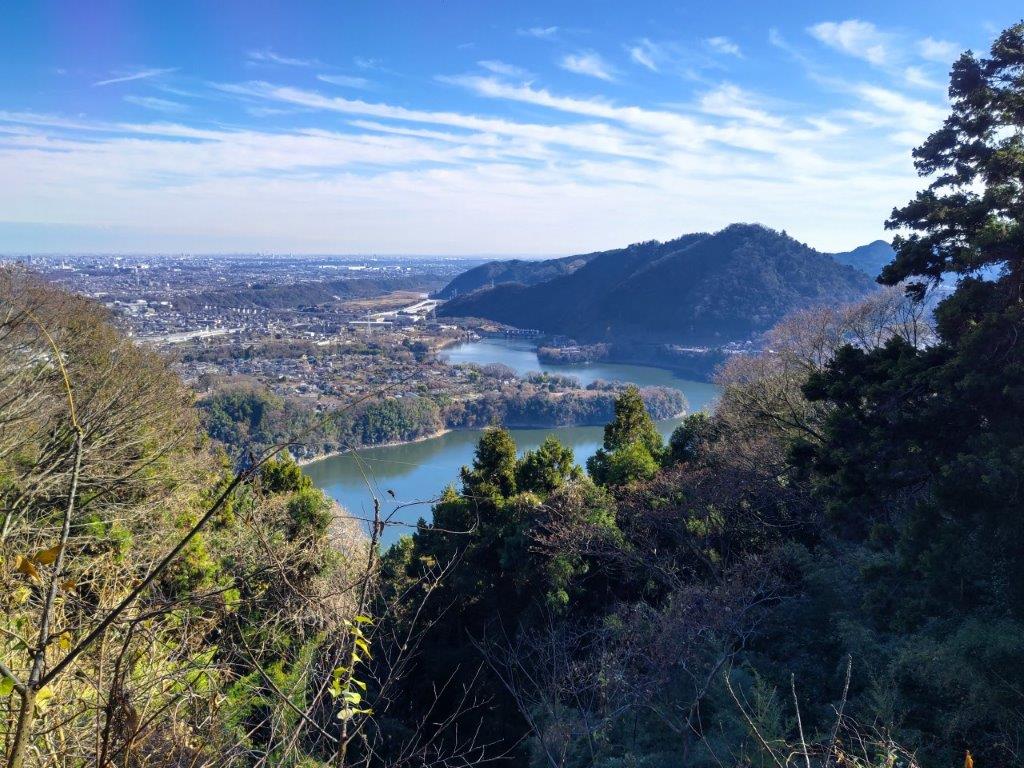
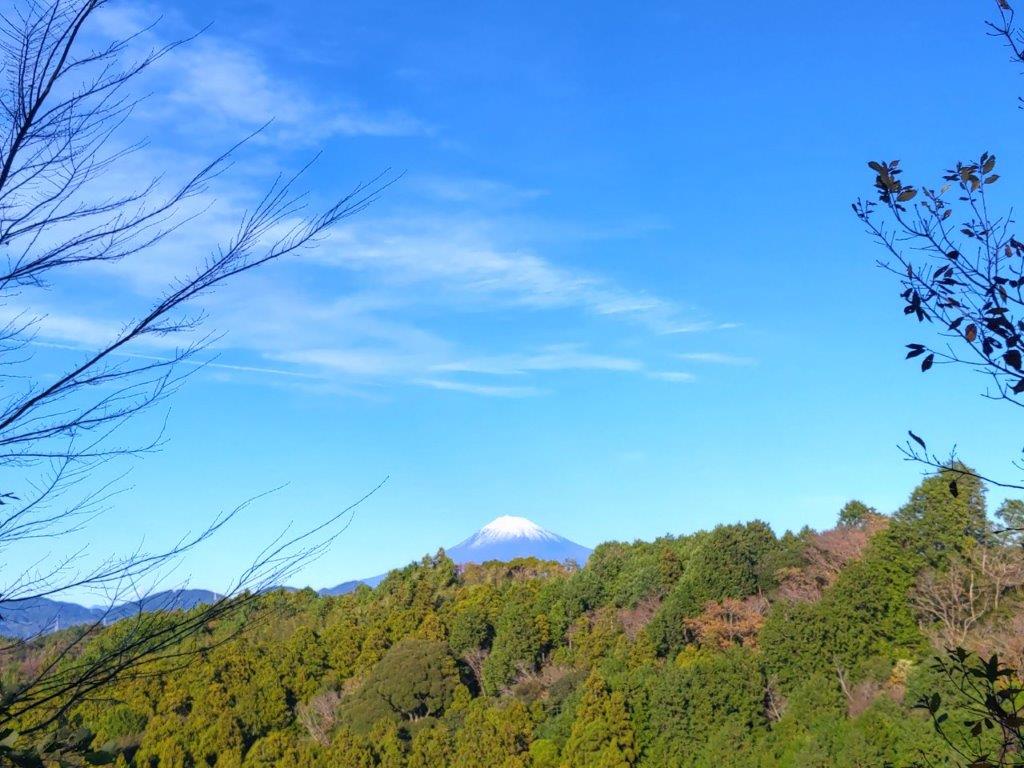
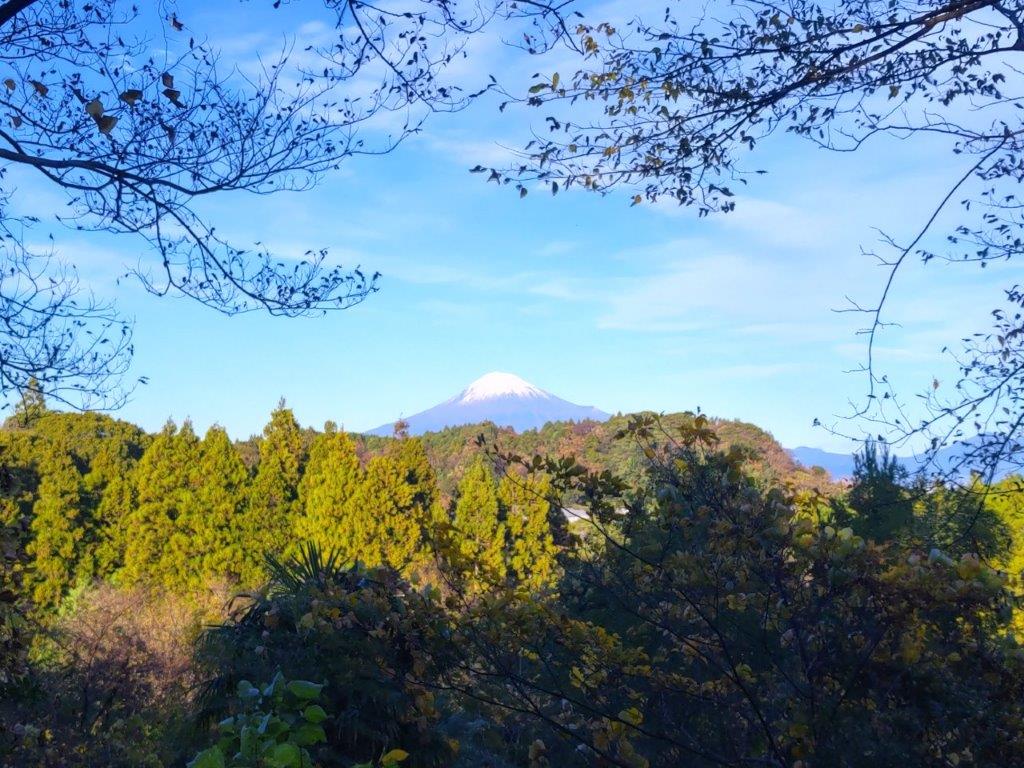
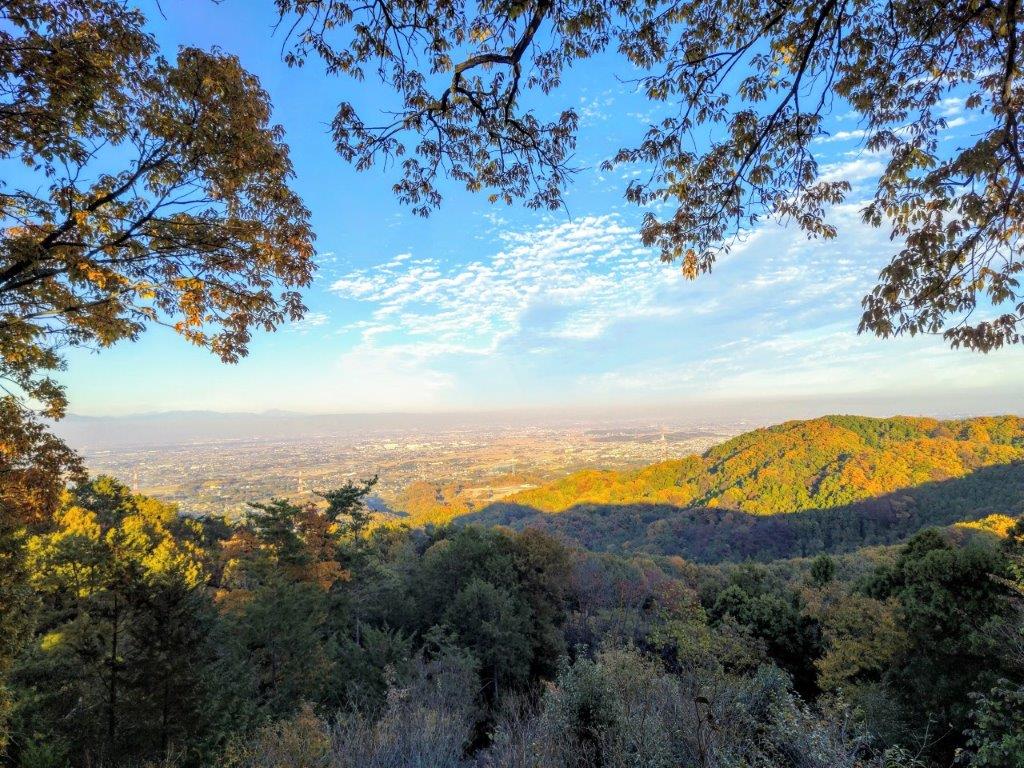
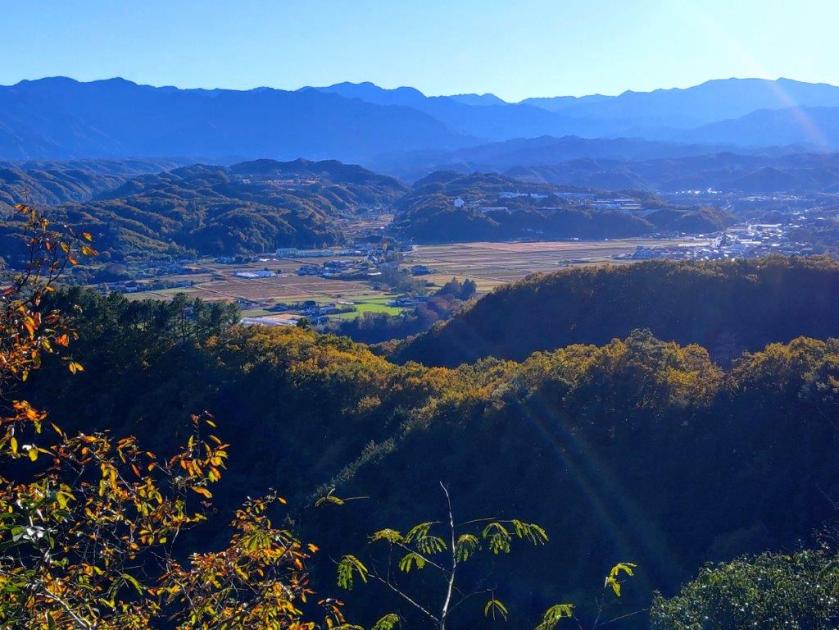
I basked in the sunshine and listened to the birdsong, before setting off again at noon, down a dirt road leading to a turn-off for Kirifuri Stream (霧降渓り流 kirifuri-keiryu). I decided to check it out since according to my map, I could do a short loop along a river valley (the full trail continues to Shonan-Daira). I soon arrived at a clearing around an electric pylon, and was rewarded with a view of Yokohama and the Miura peninsula to the east. A little further, I turned righ, descending steeply into the valley, and then took another path on the left, leading up to some fields on top of Yurugi Hill (ゆるぎの丘 yurugi-no-oka).

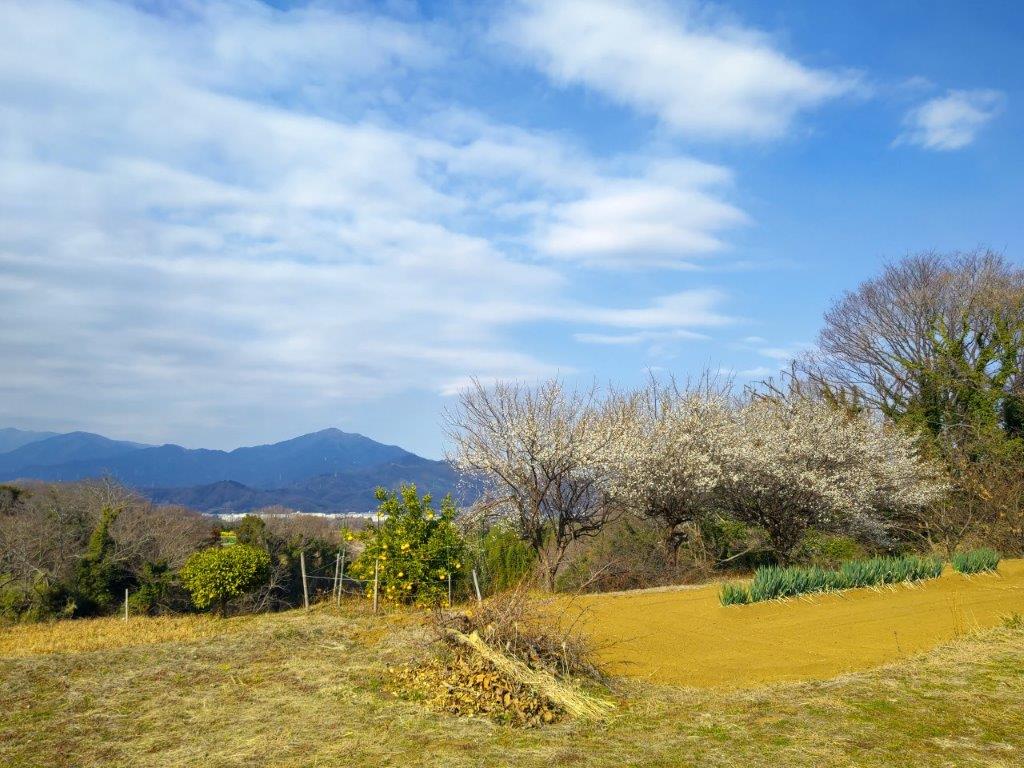
Mt Oyama and Plum Blossoms from the Fureai no Michi

Mt Nabewari (left), Mt Tono (middle) and Mt Oyama (right)

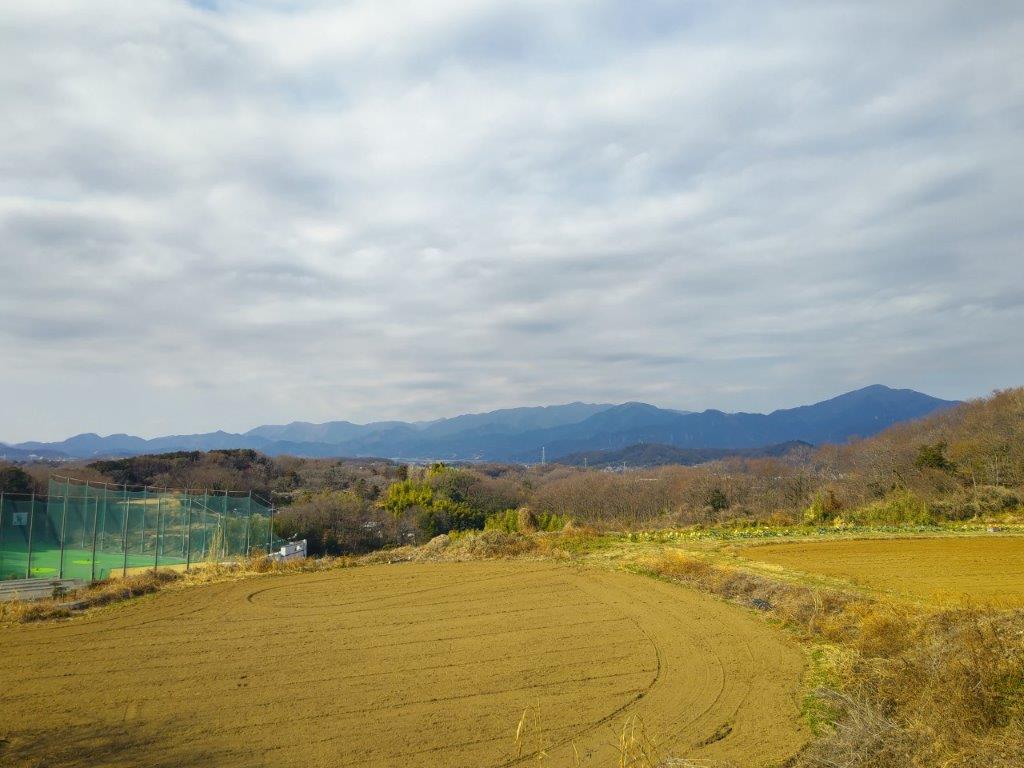
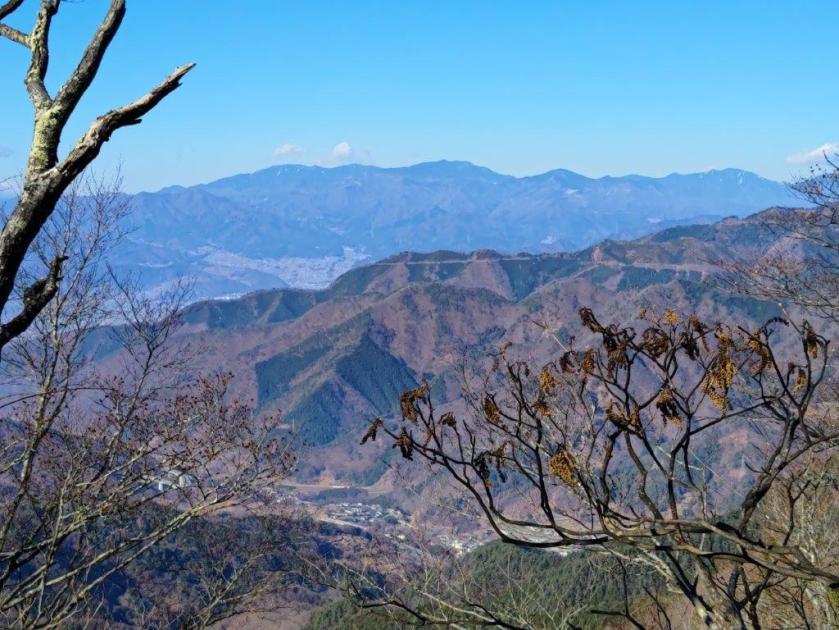
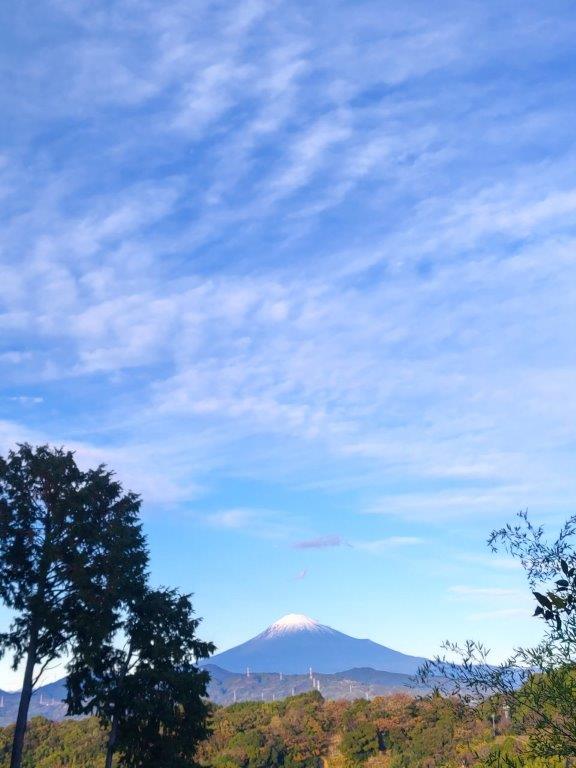
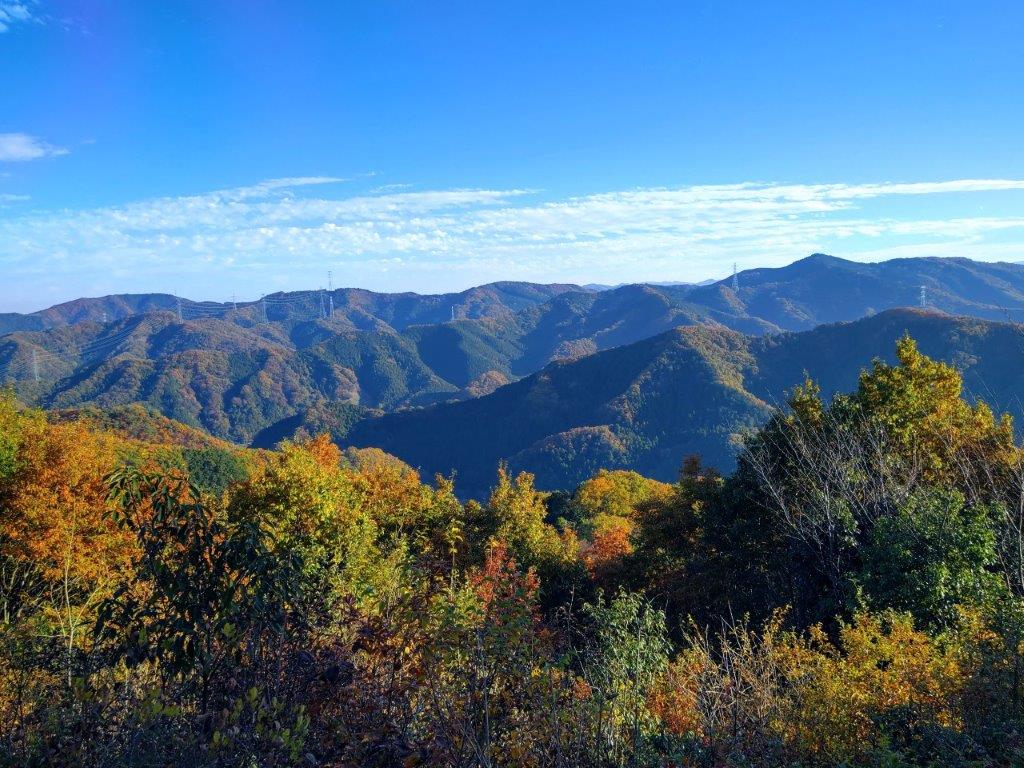
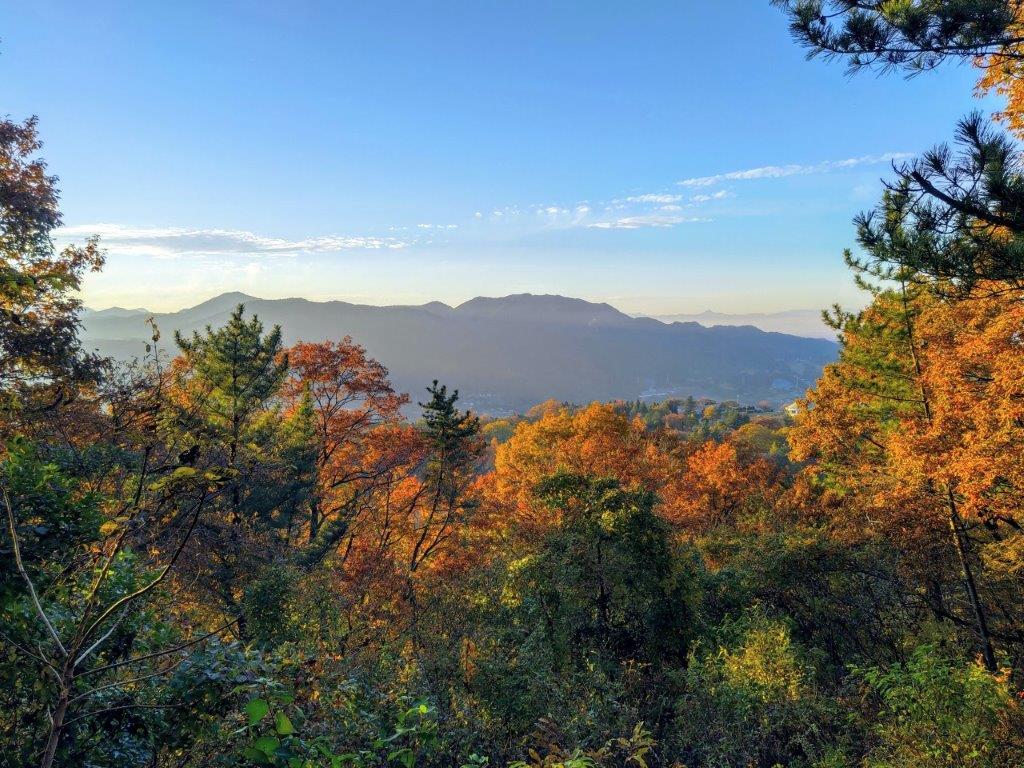
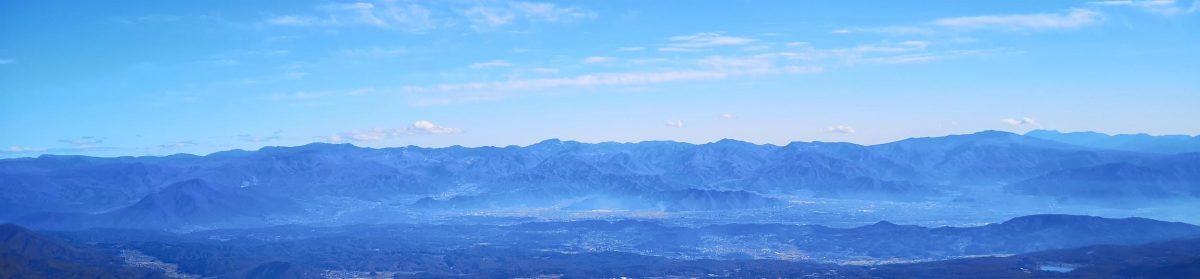
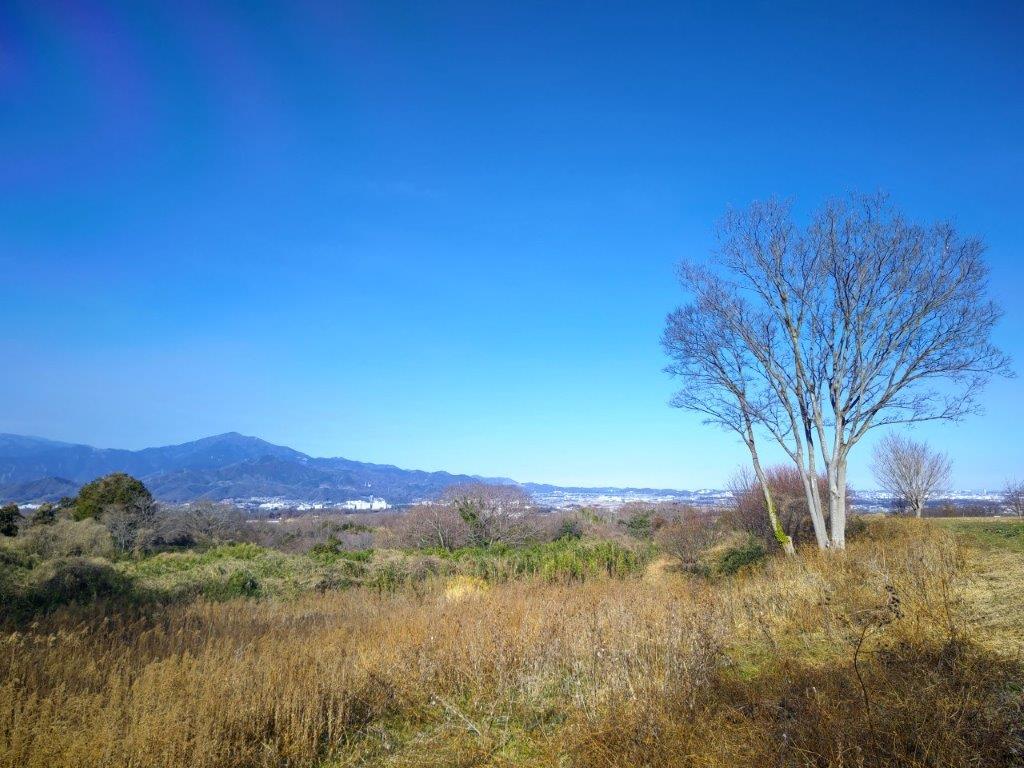
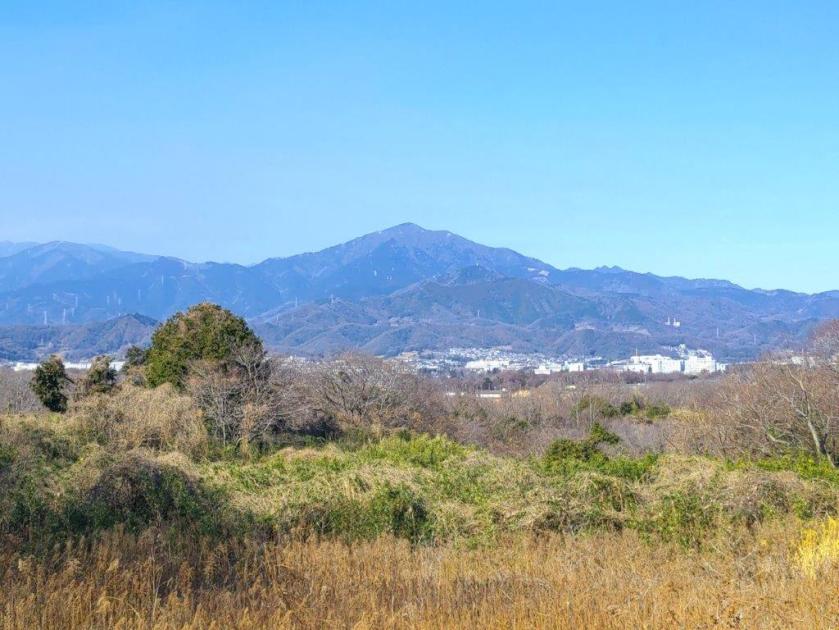
It was the best view of the day, and would have made a great lunch spot if there had been a place to sit. To the north, I could see the Tanzawa mountains, with the triangular top of Mt Oyama at the very right. I turned left again and soon arrived back at the clearing, thus completing my loop. Minutes later, I was back on the Fureai no Michi. From then on, I followed peaceful back roads meandering through the countryside. I had occasional views of the Tanzawa range, including one from a roadside bench where I had lunch at 1h30. The clouds had started to roll in from the west, and although, they hadn’t yet reached the sun, I quickened my pace.

View of the Tanzawa Range Extending Westwards

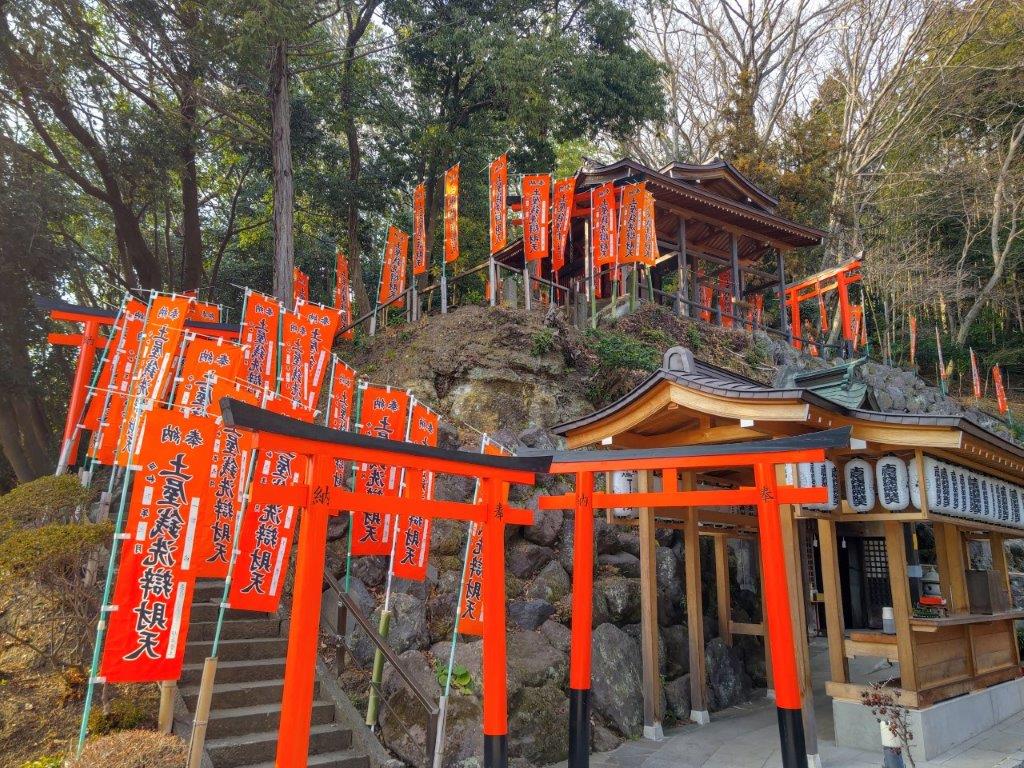
Bright Red Shinto Gates at Myoen-ji Temple

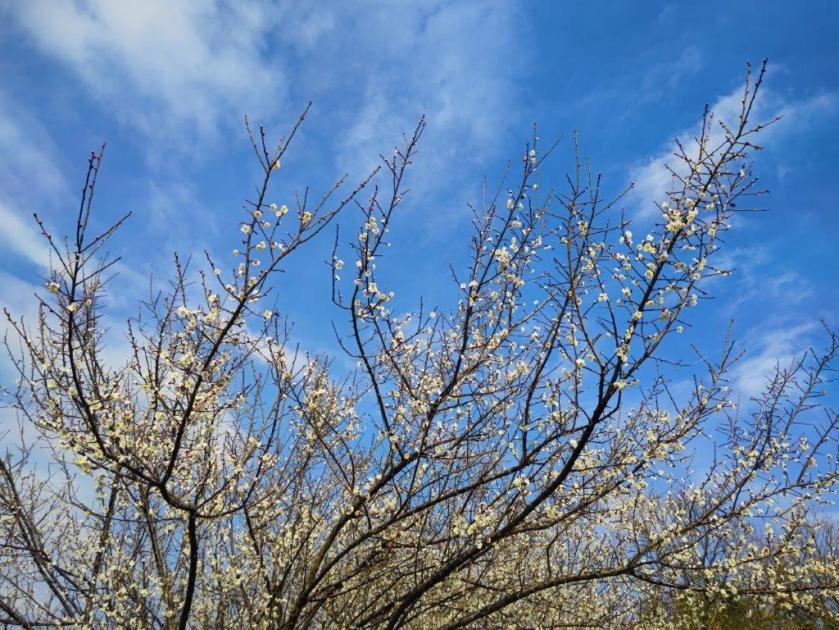
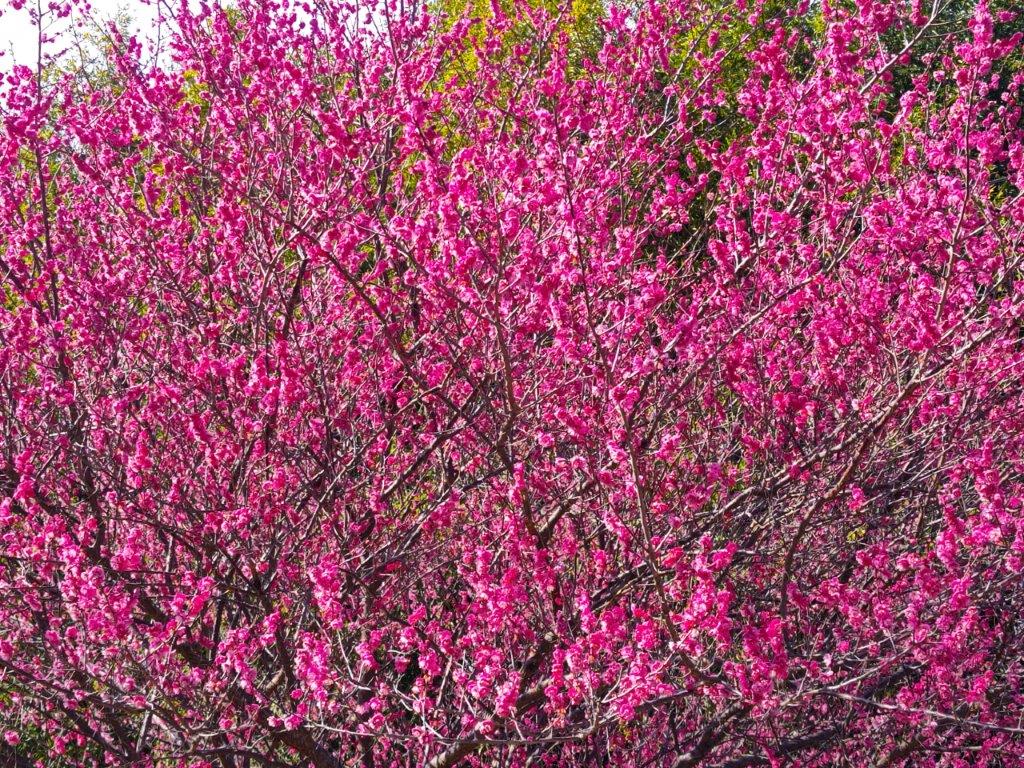
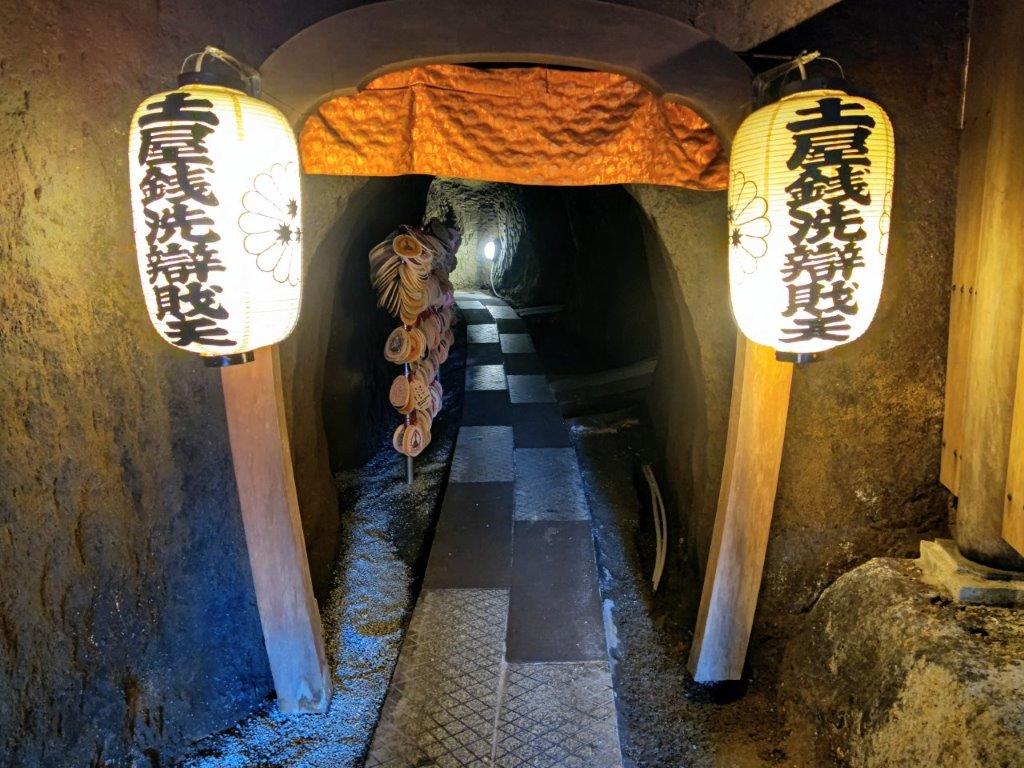
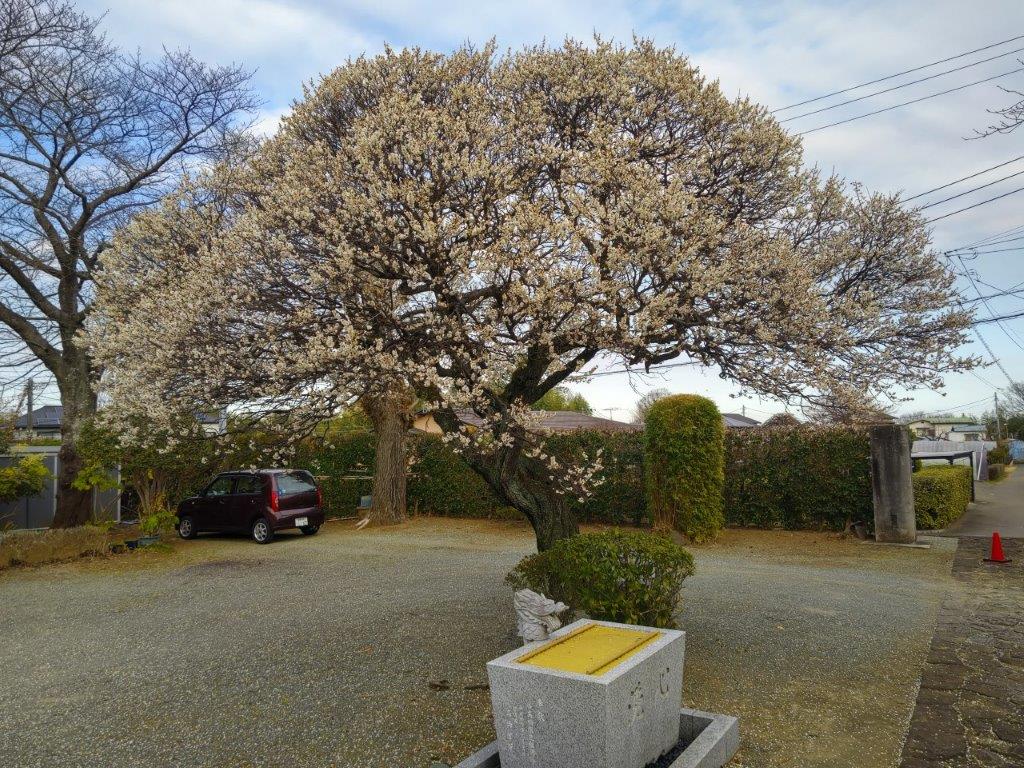
I was surprised by the many plum trees in full bloom, very early for the season. At 2pm I reached the photogenic Myoen-ji Temple (妙圓寺) with its flapping banners and bright red “torii” catching the last of the sun. Before moving on, I ventured into a small cave within the temple grounds and followed an underground passage till it became too low to continue. After passing Daijoin Temple, with its huge plum tree in full flower, I arrived at Nanpei Bridge (南平橋) at 3pm, where I caught one of the frequent buses for Hadano station. I had enough time for the hot spring bath, so I was refreshed for the one-hour trip back to Shinjuku.

Watch a Video of the Mt Takatori Hike

Watch the Video of the Hike on Youtube

See a Slideshow of More Pictures of the Hike

Mt Fuji (220m) & Shirogane-Daira (195m), Hidaka City, Saitama Prefecture, Tuesday, January 30, 2024

I wanted to do a short hike to get back into shape after a three-week break. I settled upon going on a weekday morning, as other commitments and poor weather had prevented me from going the previous weekend. I decided to do a hike up a minor peak on the eastern edge of the Oku-Musashi hills, planned last year and kept in reserve for a cold winter day. Although it shared a name with Japan’s most famous volcano due its conical summit, the climb would be a lot less arduous. I was more interested in the nearby observation deck and its view of the Kanto plain. To round out the hike, I would make a short roundtrip to a nearby waterfall. I would take the Laview limited express to Hanno, and there, ride a bus north towards Hidaka City. I would then make my way to Koma station on the Seibu-Chichibu line, from where I could catch a train for Hanno. The weather forecast was sunny and warmer than the previous days, which was good news since I would be starting earlier in the day. I was looking forward to a morning hike in the forested hills close to Tokyo after a few weeks off.

Hiking in Oku-Musashi 奥武蔵

For subscribers, read this Blog Post on Hiking Around Tokyo for a better viewing experience

Start of the Hike (left) Trail past Shirogane-Daira (right)

Trail past Takizawa Falls

It was sunny, cold day as I rode the limited express train to Hanno. After a 40-minute bus ride, roughly the same duration as the train ride, I got off at a stop a little after 9am, a few minutes on foot from Ten Shrine (天神社) and the start of the hike. After getting ready and quickly checking out shrine, I set off around 9h30. I headed up a paved road leading past Komagawa Country Club and took a left at a signboard of today’s hiking route, featuring the birds “Kurikka” and “Kurippi”, Hidaka City’s mascots.

Walking up Mt Fuji

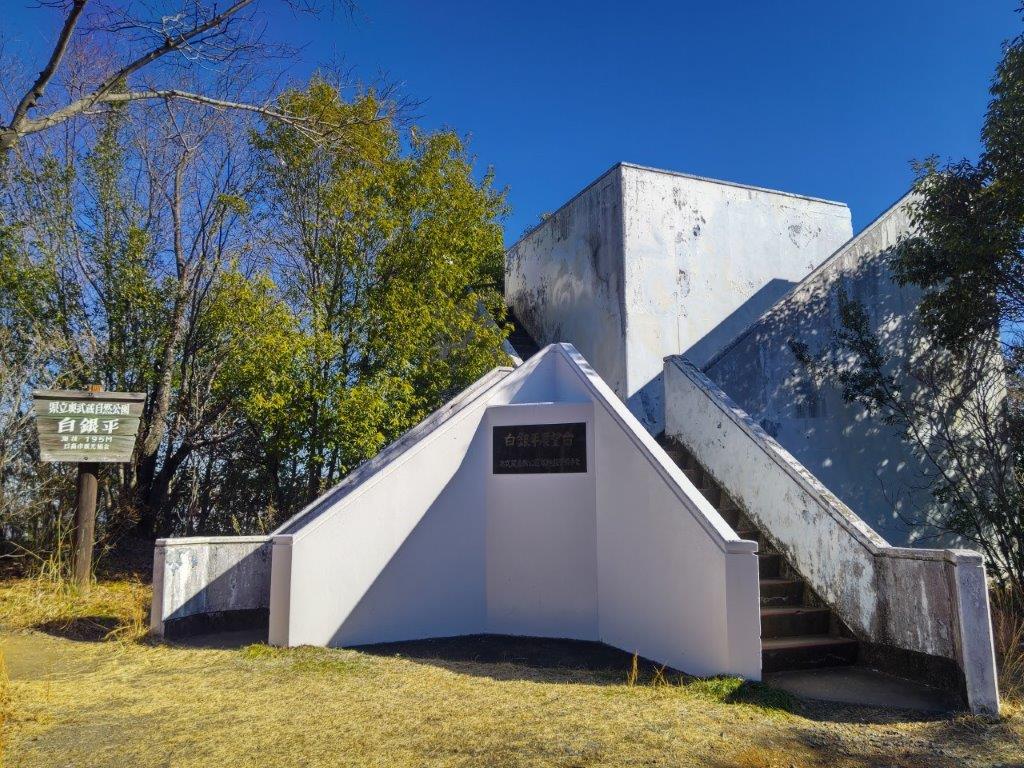
The Shirogane-Daira Observation Deck

I was delighted to be walking in nature, tall pines on both sides, the sun shining down from above; to my right was the Komagawa golf course, a low fence protecting me from stray balls. At 10am, I reached the hiking trail, beyond a stone “torii” (shinto gate). Very soon the path rose steeply, but I had barely broken a sweat when I emerged onto the sunny top of Mt Fuji (富士山 ふじやま fujiyama). Despite being in the sun, the top area was surrounded by trees. As I took a break next to the small summit shrine, a helicopter darted across the sky, probably headed to the nearby Tokorozawa airfield.

View Northeast of the Kanto Plain from Shirogane-Daira

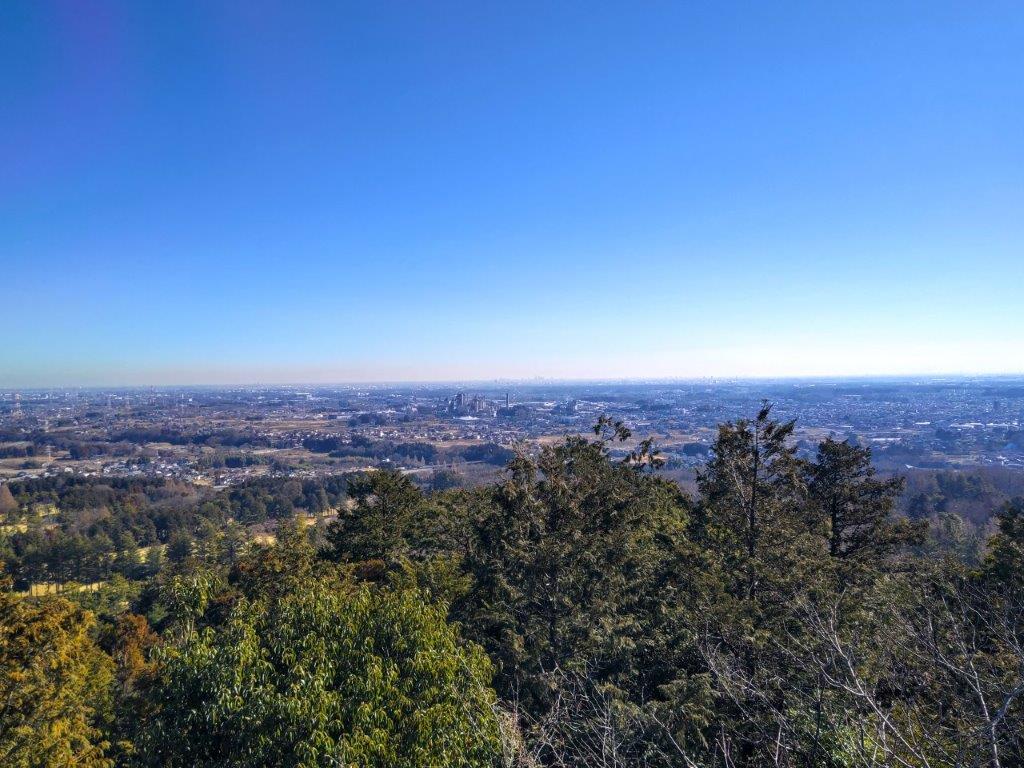
View East of the Kanto Plain from Shirogane-Daira

I set off down a steep series of steps, at the end of which I turned left along a level path, and soon reached the Observation Deck at Shirogane-Daira (白銀平 しろがねだいら), at 10h30. From the top of the white, square structure, I had a view of the Kanto plain on the east side. Apparently Mt Tsukuba, Mt Nantai, Mt Akagi, the Tanzawa mountains and even Mt Fuji are visible, but I couldn’t make them out despite the clear skies. However, I could see the Tokyo skyscrapers, as well as Seibu dome; turning around I could see Mt Hiwada and Mt Monomi above the trees on the west side. After a late breakfast, I retraced my steps and followed a path along the mountain side.

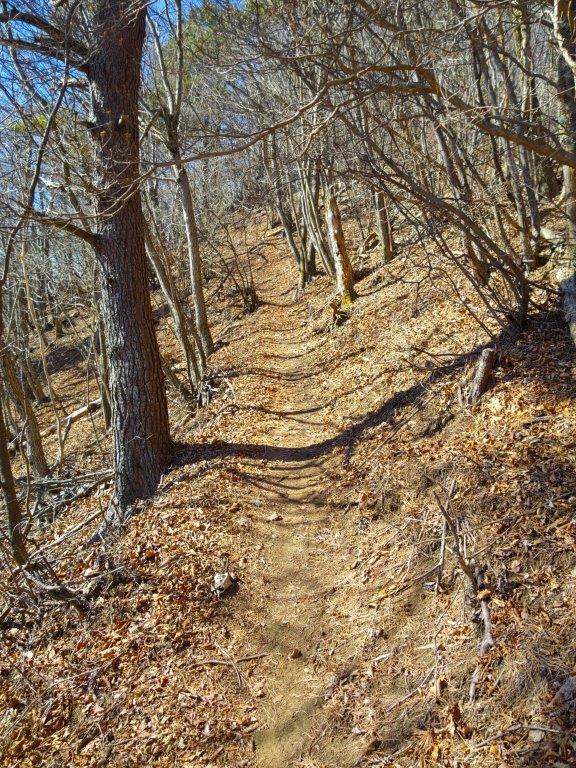
Trail between Shirogane-Daira and Takizawa Falls

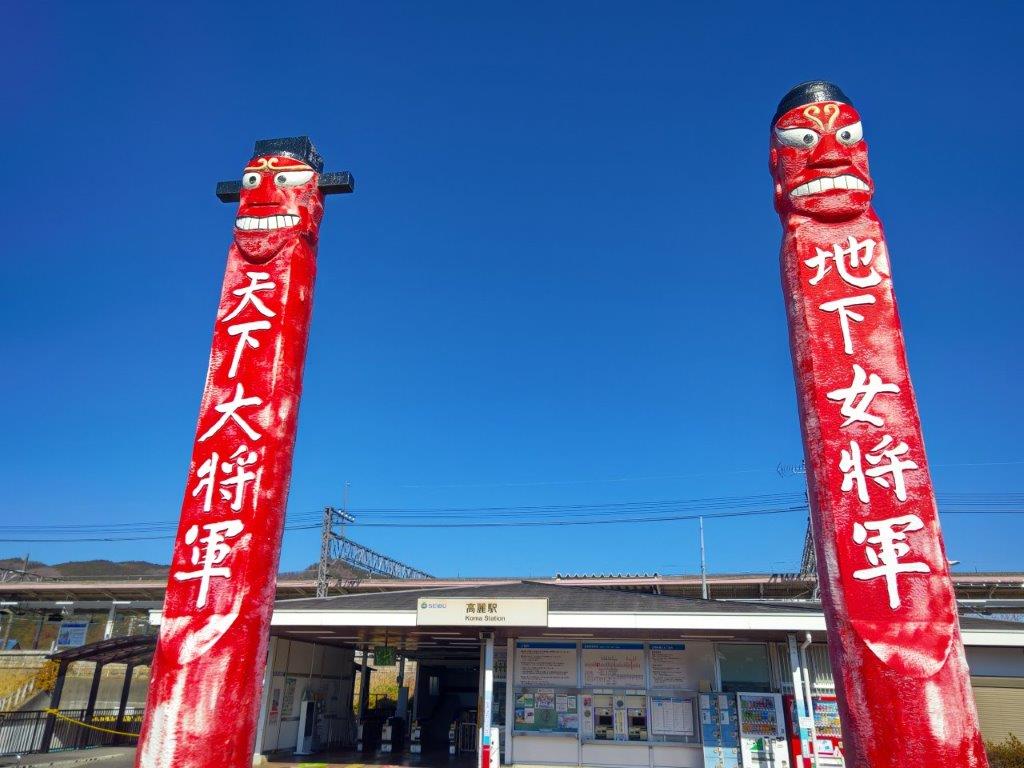
Wooden Carved Pillars outside Koma Station

I was surprised to see such beautiful forest so close to the big city. All too soon, I reached a paved road next to another golf course. I turned right, and shortly after, rejoined the trail on the left, taking me to the turnoff for the Takizawa Falls (滝沢の滝). I had seen more impressive waterfalls, although the dry winter season might be to blame, and quickly headed back to the main trail. After a short up and down along a sunny trail, I popped onto a pleasant countryside lane, ending at a busy road for Koma station, where I arrived shortly after noon. After admiring the two demon pillars guarding the station building, I hopped onto the local train for Hanno, just 2 stops away, and then boarded the express train for Ikebukuro.

Watch a Video of the Mt Fuji Hike

Watch the Video of the Hike on Youtube

See a Slideshow of More Pictures of the Hike

Mt Sasago-Gangaharasuri (1358m), Otsuki City, Yamanashi Prefecture, Saturday, January 6, 2024

I wanted to see Mt Fuji on my first hike of the year. I had already climbed this peak, just over 10 years ago. Back then, I had made a long loop, along a hard to follow trail on the south side. I was inspired to redo this mountain thanks to a JR East hiking map showing a shorter loop hike: up the same way, but down a different trail on the east side, and passing by a giant cedar tree. I would take the Chuo limited express to Ostuki, and then continue by bus to the trailhead. I would have to leave relatively early to catch the sole morning bus. For the return, I could catch the only mid-afternoon bus back, or walk downhill to Sasago station, a couple of kilometers away, and a short ride on the local Chuo line to Otsuki. The weather was supposed to be sunny all day, meaning Fuji would be clearly visible. The temperatures would be lower than on my December trips, and I hoped it wouldn’t get too cold above 1000 meters. I was looking forward to my first hike and Fuji views of 2024.

Hiking in the Misaka Mountains 御坂山地

Hiking along the Chuo Line 中央線

Descent from the Summit (left) Ridge Trail to Sasago Pass (right)

Walking the Ridge Trail (left) Steps for Sasago Pass (right)

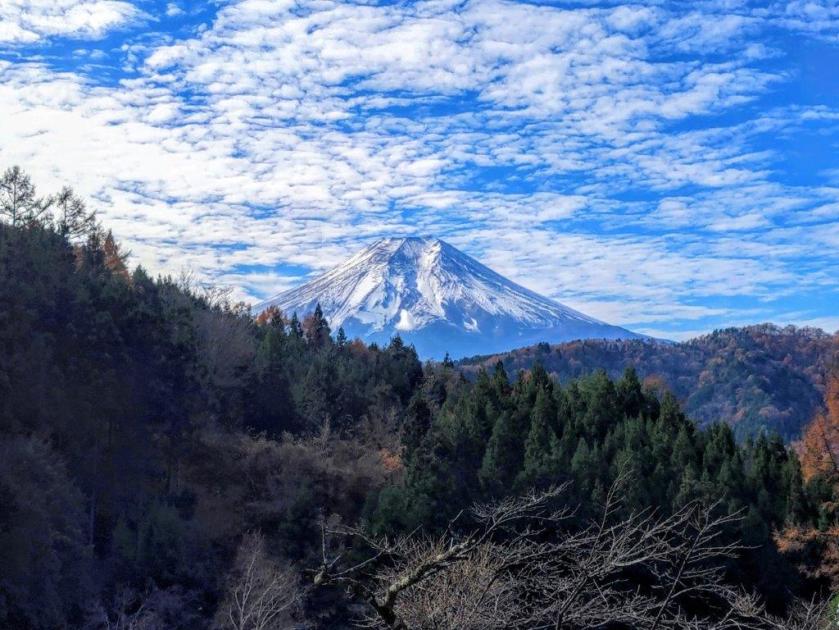
It was still very cold after I got off the bus just after 9am, near the entrance of Sasago tunnel. I found a sunny bench opposite the start of the trail and slowly got ready. A little after 9h30, I set off up a valley, walking in the shade of the cedars. At 10am, I reached an electric pylon out of the trees and with a view southeast towards Mt Tsurugatoya. I continued east, up a ridgeline within a valley enclosed on three sides. At 11am, I spotted the white top of Mt Fuji above the southern side. Shortly after, I was blasted by a biting cold wind blowing over the eastern ridgeline from the Kofu basin. Through the trees, I also had a glimpse of the South Alps, the highest peaks capped in snow. I found a sheltered spot and bundled up. At 1130, I reached an open space near a reflector.

Back into the Sun just below the Electric Pylon

Following the Ridgeline to the Summit

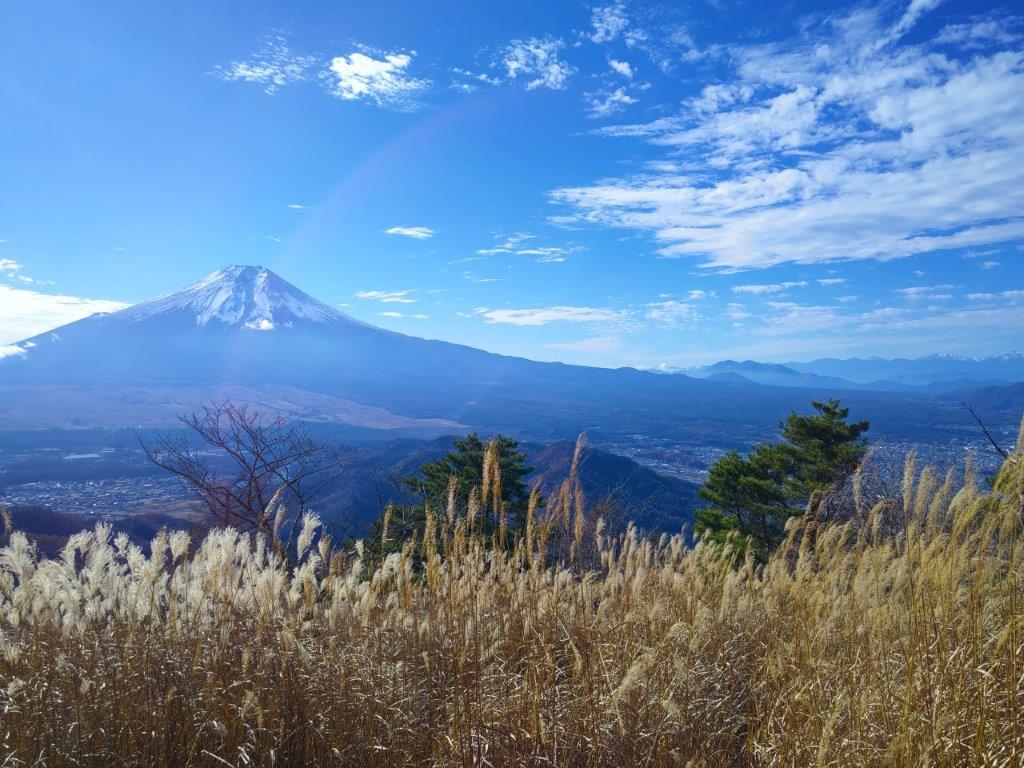
Turning around I had the best view of the day: directly south was the white cone of Mt Fuji, shining in the midday sun; to the southeast, I could see Mt Imakura, the 4th highest peak of the Doshi mountains, as well as Mt Omuro in the Tanzawa mountains. A few more minutes of climbing brought me to the summit of Mt Sasago-Gangaharasuri (笹子雁ヶ腹摺山 ささごがんがはらすりやま sasagogangaharasuriyama), a Yamanashi 100-famous mountain and one of the 12 beautiful views of Mt Fuji (秀麗富嶽十二景). Through the bare trees on the southwest side, I spotted Mt Houou, Mt Kita and Mt Aino, some of the main peaks of the South Alps, before they were engulfed by the clouds.

Last Stretch before the Summit

Checking out the Trail for Mt Komezawa

I was surprised to see traces of snow on the path leading northwards towards Mt Komezawa, in the opposite direction of my hike. I sat down on a bench near the summit marker, facing the sun and Mt Fuji, for an early lunch; about half a kilometer below was the busy Sasago Tunnel. The wind had died down but it was still chilly, and around noon, I set off again, down a steep path, heading west along the narrow ridge separating the Kofu and Otsuki valleys. The path soon became level. After passing a second pylon, I arrived at a fork in the trail, where I took the the “ridge route” on the right. According to my map, it would join up with the “new route” on the left, shortly before Sasago pass.

Following the Ridgeline to Sasago Pass

View Northwest of the Okuchichibu Mountains

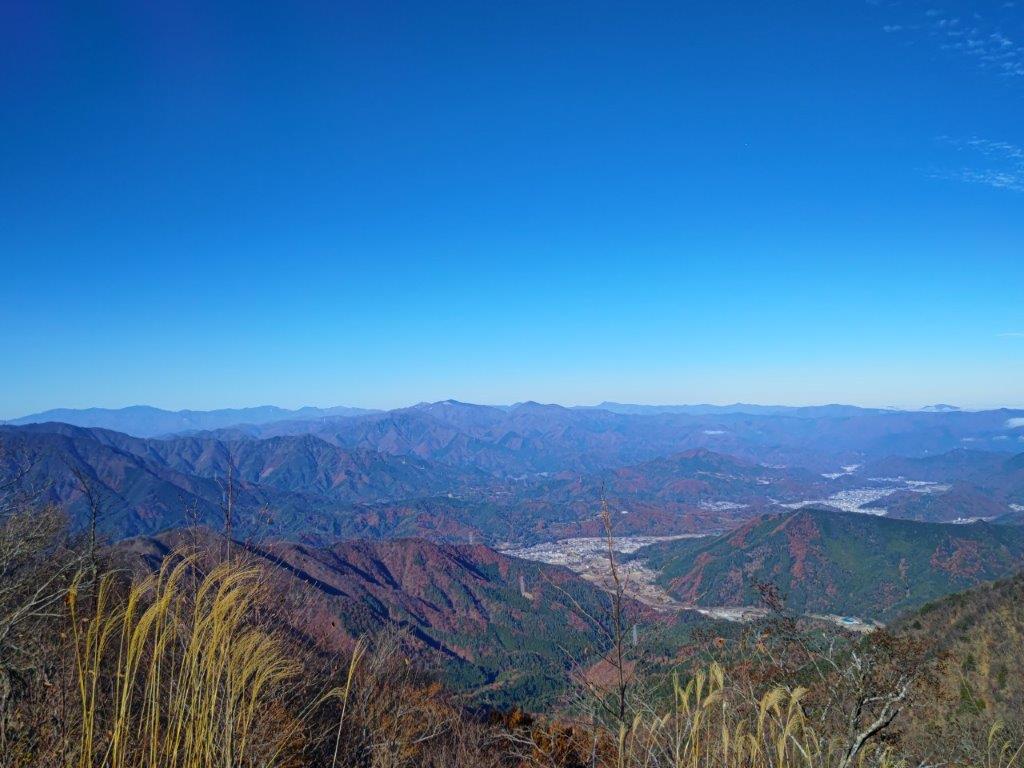
I was glad with my choice since I was rewarded by views of Mt Koshu-Takao, Mt Konara, Mt Daibosatsurei, and Mt Okuratakamaru to my right, and glimpses of Mt Fuji to my left. Since I was well on schedule, I took my time peering at the views between the leafless trees. Soon after the two routes merged, I arrived at the third pylon of the day, beyond which the trail headed down a series of steps ending at Sasago Pass (笹子峠) completely in the trees. It was nearly 2pm, and the sun had just dipped behind the ridge rising steeply on the opposite side. I turned left down a shaded valley, and soon reached a road at the end of the old Sasago tunnel (Sasago-zuido 笹子隧道). I followed the road for a short while before getting back on the hiking trail. I soon arrived at Yatate-no-Sugi (矢立の杉), a giant cedar tree, and one of the 100 famous trees of Yamanashi.

Leafless Trees along the Ridge Trail

Heading Down from Sasago Pass

I spent a few minutes gazing at the thousand-year-old tree, nearly 30 meters high, its crown lost from sight, before leaving the viewing platform. After crossing Sasago River on a couple of wooden bridges, the trail widened and hugged the steep mountain side; the valley was bathed in sun again and the rushing river could be heard below on the right. After another short road section, I rejoined the trail again, this time the river on my left side. At 3pm, I reached a gate, beyond which was the main road and the bus stop. It was too early for the bus so I speed walked back to the Sasago station so that I could get the 3h30 train for Otsuki. There, I transferred to the limited express for the comfortable one-hour ride back to Shinjuku.

Wooden Bridge Crossing over Sasago River

Wide Trail in the Sun above Sasago River

Although the whole hike took six me hours, I did it at a fairly leisurely pace, hoping to match my arrival time with the return bus, but ended up an hour too early. In warmer weather it might be possible to take longer breaks but this is definitely a hike that should be done in the winter months; otherwise the views will be blocked by the leaves. The hike can be extended north or south along the ridgeline, but there are big up and downs on both sides, requiring more time and energy. I saw only one other hiker and he told me he had seen a bear run away, up the steep slope on the other side of Sasago river, barely seconds before I caught up with him. It seems like this bear had been spotted before and may the reason for the absence of other hikers, so a bear bell or other noise-emitting device would also be a good idea.

Watch a Video of the Mt Sasagogangaharasuri Hike

Watch the Video of the Hike on Youtube

See a Slideshow of More Pictures of the Hike

Mt Sendoji (583m) & Mt Sankaku (515m), Sagamihara City, Kanagawa Prefecture, Saturday, December 30, 2023

For subscribers, read this Blog Post on Hiking Around Tokyo for a better viewing experience

This hike requires a GPS device

I always find it tricky to select the final hike of the year since many bus services switch to special year-end schedules. This year was doubly difficult due to the unusually short “shogatsu” (Japanese new year holidays), meaning the day of my hike coincided with the first day of the holidays, and limited express trains were fully booked. Inspired by my previous outing, I decided to head to Hashimoto again, and ride the bus to the end of the line, near the western edge of Tsukui lake, my first time to visit that area. Looking at my map, I saw I could hike in the Tanzawa mountains, last visited nearly 3 years ago. I would summit a couple of minor peaks, and finish at a view point on Lake Miyagase, from where I could catch a different bus back to Hashimoto. The weather was supposed to be sunny and mild, as it usually is at this time of the year. I was looking forward to exploring a new area on my last hike of 2023.

Hiking in the Tanzawa Mountains 丹沢山地

Heading up to Sagami Forest (left) Hiking between Mt Sendoji and Mt Baba (right)

Walking down from Mt Sankaku

The express train was mostly empty for the one-hour ride to Hashimoto Station. I had a quick breakfast at the McDonalds near the south exit before heading to the north exit where I hopped on the bus for Mikage (三ヶ木), getting there around 10am. I dropped by a supermarket conveniently located on the way to the trail entrance. After buying supplies for the day, I continued along a busy road, and at 11am, turned right onto a road thankfully closed to traffic, but not hikers, that led up the mountain side and into the forest; it wasn’t signposted and it was only thanks to my phone GPS I managed to locate it.

Start of the hike in Sagami Forest

First view north towards the Mt Takao area

I was delighted to be walking on a forest road through beautiful, sunny forest, away from the noisy road. After a couple of switchbacks, I had a view on the north side of the mountains on the other side of Sagami river. I could see the spot where I had been hiking the previous week. A little later, I had a view on the east side of Mt Shiroyama. A little before noon, I arrived at signboard for Forest 21 Sagami no Mori” (Sagami’s Forest) and the start of the hiking trail. I took the left branch, the valley trail (谷道), along the mountain side, and very soon, I had some good views on the east side.

Road to Forest 21 Sagami’s Forest

A solitary hike on a sunny day

It was like gazing into a hidden valley, the Tokyo’s tall buildings almost hidden by the hilltops; as the noon chime rang out, I was reminded how close I was to civilisation. At the one point, all signs of the trail vanished, and I had to rely on my phone GPS to find my way back to the ridgeline. The trail remained faint, and I was completely dependent on my GPS signal and the occasional pink ribbon strip. I was moving through beautiful, mixed forest, and at times, it was easy to forget I was only a stone’s throw from Tokyo’s urban jungle. At the top of a short climb, I arrived at the summit of Mt Sendoji (仙洞寺山 せんどうじさん sendojisan), completely within the trees.

View of a Hidden Valley from Sagami’s Forest

Steep Climb up to Mt Baba

I was glad the summit was bathed in sunlight, the trees growing less thick and allowing for a patch of open sky. Since it was past 1230, I sat down for lunch. I set off again after 1pm, and found the trail to be just as hard to follow as before. After a steep descent, I reached a forest road, beyond which was a proper path. After another steep descent, the trail curved to the right, and started to climb gradually. I was completely surrounded by nature and found it hard to believe I wasn’t deep inside some national park. Suddenly, I reached the base of a steep series of steps, at the top of which was a small shrine, the top of Mt Baba (ババ山 ばばやま babayama). Since I couldn’t see a summit marker, nor a view, I quickly moved on, and after a short downhill section, arrived at an electric pylon.

Arriving at the top of Mt Baba

Heading back from Mt Sankaku

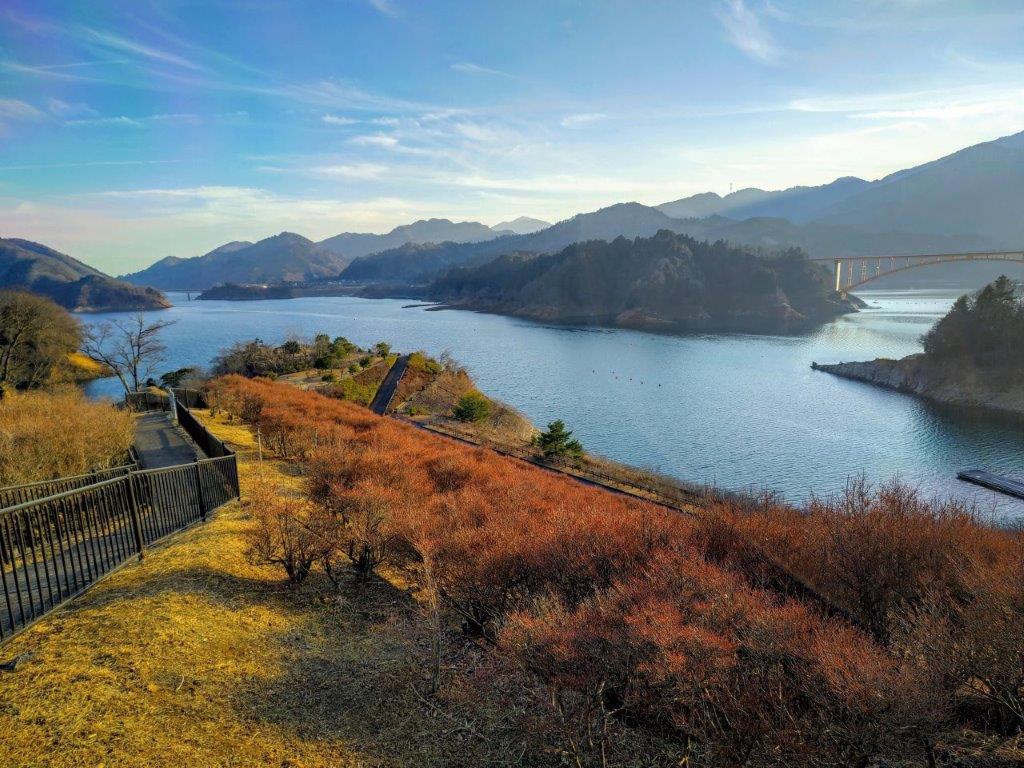
I continued up a sunny, narrow ridge, the higher peaks of the Tanzawa mountains visible through the leafless trees. At 2pm, I arrived at the top of Mt Sankaku (三角山さんかくやま sankakuyama), also the location of a TV relay station. Once again, it was surrounded by trees, so I soon headed back to the pylon, where I took a path heading down on the west side. After passing under some tall cedars at the base of the mountain, I emerged onto a road. I then walked through the countryside for half an hour before reaching Toribara Park (鳥居原園地) at the edge of Miyagase Lake (宮ケ瀬湖) at 3h30. After enjoying the late afternoon views of the lake and the Tanzawa mountains, I boarded a bus for the 30-minute ride back to Hashimoto station.

Looking back at Mt Sankaku (left) and Mt Sendoji (right)

View of Miyagase Lake from Toribara Park

I was entirely satisfied with my final hike of the year. Thanks to my phone GPS, I was able to save time looking for the trail. It’s a shame it isn’t better maintained, since it’s a beautiful patch of nature, wedged between two populated areas; perhaps the point is to keep it that way. It took a good five hours from start to finish, four of which were on forest roads, hiking trails and just walking through the forest. I saw no one else but that could be due to the year-end holiday period. In the future, I’d like to return to the end of the hike and continue the following the trail westwards into the Tanzawa mountains.

Watch a Video of the Mt Sendoji Hike

Watch the Video of the Hike on Youtube
See a Slideshow of More Pictures of the Hike

Mt Enokubo (420m), Sagamihara and Hachioji Cities, Kanagawa and Tokyo Prefectures, Saturday, December 24, 2023

For subscribers read this Blog Post on Hiking Around Tokyo for a better viewing experience

I wanted to do a short and easy hike close to Tokyo for Christmas Eve. I had been doing bits and pieces of the Kanto Fureai no Michi for a while now, and this was a good chance to explore the final section of the Kanagawa trail, starting at Tsukui Lake and ending at Takaosan-guchi Station. I had previously hiked Mt Shiro on the other side of the lake, as well as the first part of the Tokyo Fureai no Michi, from Takaosanguchi station to Mt Shiro (no relation to the Kanagawa one). Since the hike was relatively short, I could leave later than usual, and since it probably had few views, I could expect fewer people. At the end, I could take a hot bath at the Keio Takaosan Onsen, my first time to visit this hot spring right next to the station. The weather was supposed to be cloudy over Tokyo, but sunny over Kanagawa. I would take an express train to Hashimoto Station, and there, transfer to one of the frequent buses for Shiroyama. Afterwards, I could take an express train directly back to Shinjuku. I was looking forward to a relaxing Christmas hike and hoped I could still catch the very last of the autumn colours.

Hiking on the Kanto Fureai no Michi 関東ふれあいの道

Hiking up to Misawa Pass (left) Exploring the Tokyo Fureai no Michi (right)

Hiking down from Misawa Pass (left) Heading to the Takao Green Center (right)

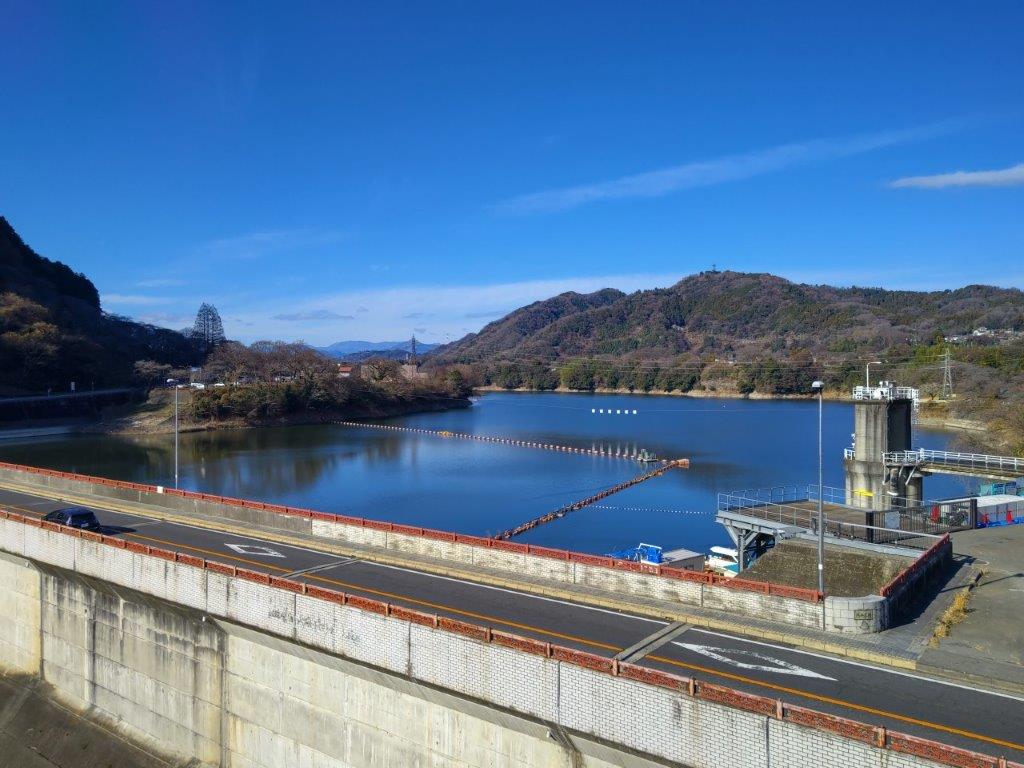
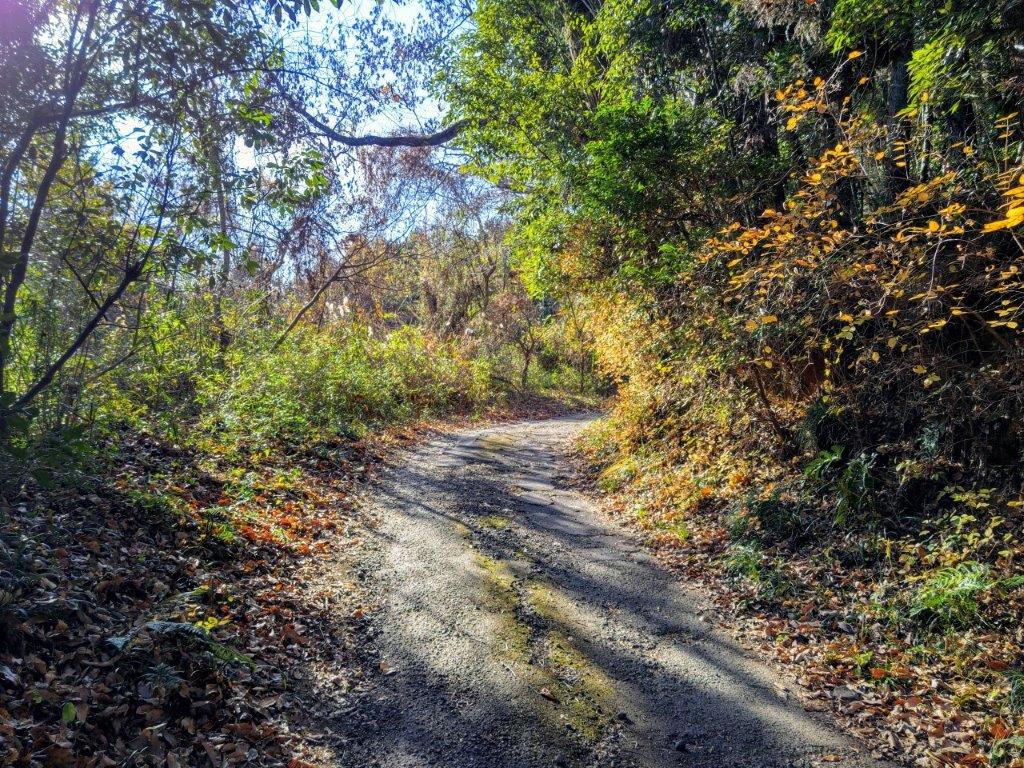
The sky was grey and gloomy as I made my way to the bus stop at Hashimoto station. However, blue sky miraculously appeared as I approached my stop, just before Shiroyama dam. I walked a short distance to a viewpoint of the dam where I had breakfast, warming up under the midday sunshine. It was nearly noon when I finally set off, first on a road next to the lake, then along a forest road up the mountain side. I met no other hikers till I arrived at a Buddhist temple called Mine no Yakushi (峰の薬師), at the halfway point.

Shiroyama Dam and Bridge from the Observation Deck

Forest road for Mine no Yakushi

I was delighted to get some views through gaps in the trees on the southeast side. Directly below, I could see Mt Shiroyama, lake Tsukui; filling up the rest of the horizon was the city of Tokyo. Soon after, the forest road turned into a hiking trail, leveling out as it reached the ridgetop. At 1h30, I arrived at Misawa Pass (三沢峠) where the Kanagawa Fureai no Michi intersects with the Tokyo one. I was tempted me to have lunch at one of the tables there, but was dissuaded by the lack of sun. Instead, I headed up a path on the right and soon reached the top of Mt Enokubo (榎窪山 えのくぼやま enokubo-yama), completely surrounded by trees.

View of Mt Shiro and Lake Tsukui from Mine no Yakushi

View of western Tokyo from Mine no Yasushi

I was happy to see that one of the three benches was bathed in sunlight and I immediately claimed it for my lunch spot. After my break, I returned to the pass and made a short loop along the Tokyo Fureai no Michi, along which I was lucky to spot some fiery orange “momiji” (Japanese maple). At 2h30, I followed a forest road into the valley on the north side, already in the shade; I had the trail entirely to myself. At one point, I thought I heard a wild animal to my left, but it was just my imagination; later on, I thought I heard water coming from the right side.

Clouds were still hanging over Tokyo

Where the city meets the mountains

I was surprised to see that a stream had appeared at the bottom of the valley, turning my forest walk into a river walk. Soon after passing the Takao Green Center, I was back on a paved road surrounded by fields. I sneaked a peak at the outer gardens of Ukai Chikutei, a Japanese restaurant on the way, and was enchanted by the small waterfall and its carp pond. At 3h30, I joined a busy road at Ume-no-ki-Daira (梅ノ木平) that took me under the impressive Takao interchange. Suddenly, shops appeared on both sides of the road, and a few minutes later, I reached the beautiful Takaosanguchi station. After a satisfying hot spring bath, I hopped on the train for the one-hour ride back to Shinjuku.

Waterfall Outside Ukai Chikutei Restaurant

A Rare Shot of Takaosanguchi Station without People

I was glad I was able to stretch out this hike to just over 4 hours, making it a nice Christmas day stroll. The Fureai no Michi frequently follows paved roads but in this case, most of this section was along forest roads and hiking trails. The views from Mine no Yakushi, the hot bath at the end and the easy access at both ends, made it worthwhile. It would be good to return one day to redo the first section of the Tokyo Fureai no Michi, or even a Mt Takao hike.

Watch a Video of the Mt Enokubo Hike

Watch the Video of the Hike on Youtube
See a Slidehsow of more Pictures of the Hike

Nihondaira (307m) & Mt Udo (308m), Shizuoka City, Shizuoka Prefecture, Sunday, December 17, 2023

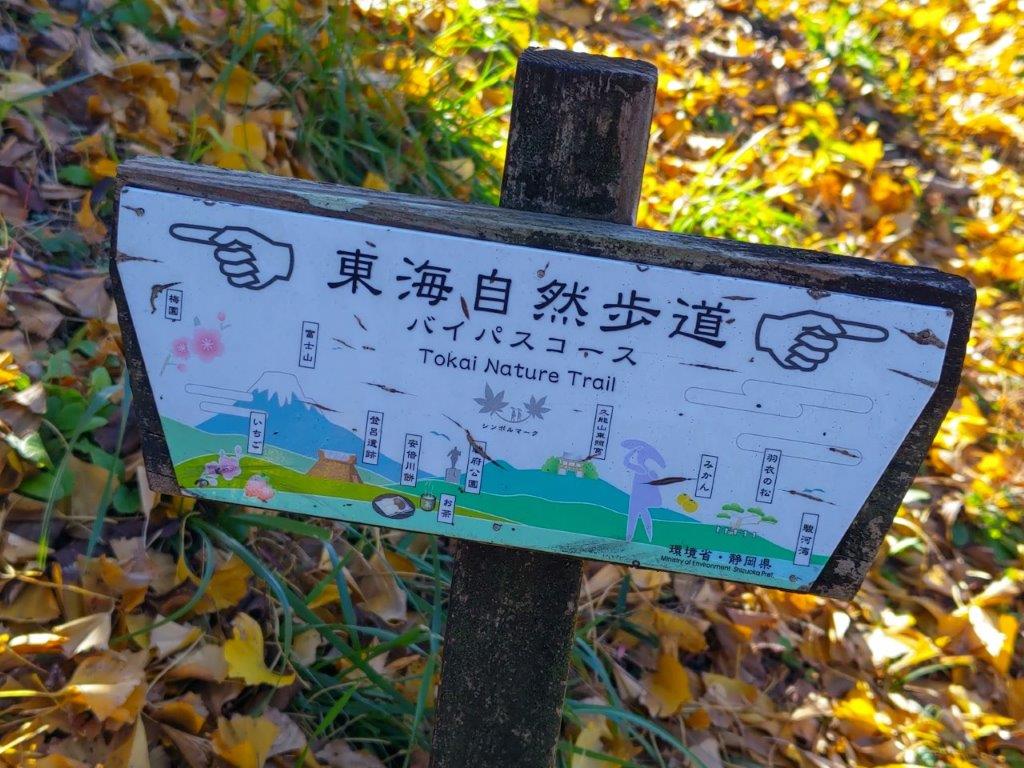
I wanted to do a hike in Shizuoka, last visited one year ago, to take advantage of the warmer ocean climate and the Mt Fuji winter views. While researching my December 2022 trip to Shimoda, I’d noticed a ropeway on Suruga Bay, opposite the Izu peninsula. Further investigation showed that the top station was located on Nihondaira, a low plateau with several short hiking trails, including a section of the Tokai Nature Trail, the Shizuoka Bypass Route. Looking at my map, I saw I could do a station to station hike long enough to justify the cost of the trip. From the station, I would walk up to the observation deck at the highest point, and after a short roundtrip to a nearby minor peak, return via a different route; although, to my regret, I’d have to skip the ropeway. I would ride the shinkansen to Shizuoka station; a couple of short transfers would get me to Kitsunegasaki station, near the start of the hike. Before heading back to Shizuoka station from the Kusanagi JR station, I could drop by the nearby Kusanagi no Yu for a hot spring bath. The weather was supposed to be sunny and cold, as well as a little windy. I was looking forward to exploring a new hiking spot and getting some good views of Mt Fuji from a new direction.

Hiking the Tokai Nature Trail 東海自然歩道

Read this Blog Post on Hiking Around Tokyo

Country lane (left) leading to the Tokai Nature Trail (right)

Walking down from Mt Udo (left) and from Nihondaira (right)

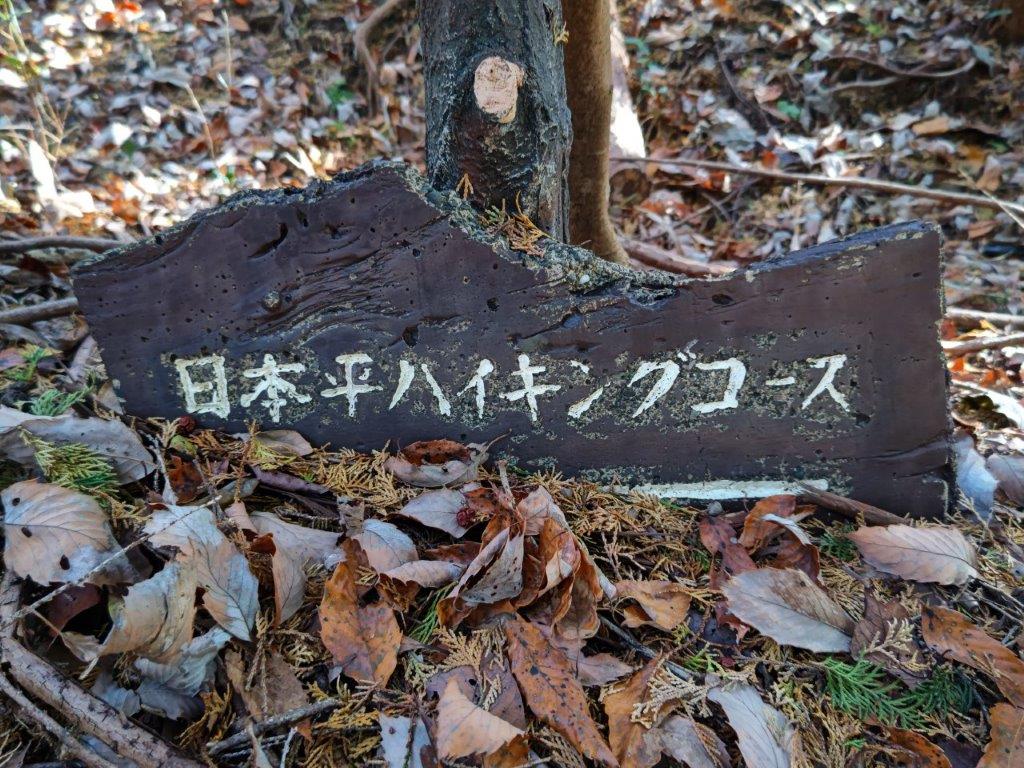
It was a blue-sky day and Mt Fuji was clearly visible as I rode the shinkansen from Tokyo station. After getting off at Kitsune-ga-saki station, it still felt quite cold, so I retreated to a nearby 7/11 to buy some food and water for the day. At 1030, I finally set off along a narrow road, next to a small river, passing several unmanned vegetable stands, a common sight in rural Japan. After walking through some tea fields, I arrived at the entrance of Shimizu Funakoshi Zutsumi Park (清水船越堤公園) just after 11am. After checking out the view of Mt Fuji from inside the park, I continued along the road, and finally reached the Mabase Route (馬走コース on the Tokai Nature Trail just before noon.

Hiking along the Nihondaira Alps

The trail weaved left and right, up and down, along a narrow forested ridge; the treetops swayed in the breeze, occasionally letting through the sunshine. Half an hour later, I reached Mabase Fork and the end of the hiking trail. There, I turned left and walked up a straight road leading to the highest point of the Nihondaira (日本平), also a sightseeing spot with a hotel, souvenirs shops and restaurants. After quickly checking out the eastern observation deck, I made my way to Yume Terrace (夢テラス), one of the most beautifully designed observation towers I’ve ever visited, its wooden deck curving east to west on the north side.

Walking through the Shizuoka Countryside

Walking along the Shizuoka Tokai Nature Trail

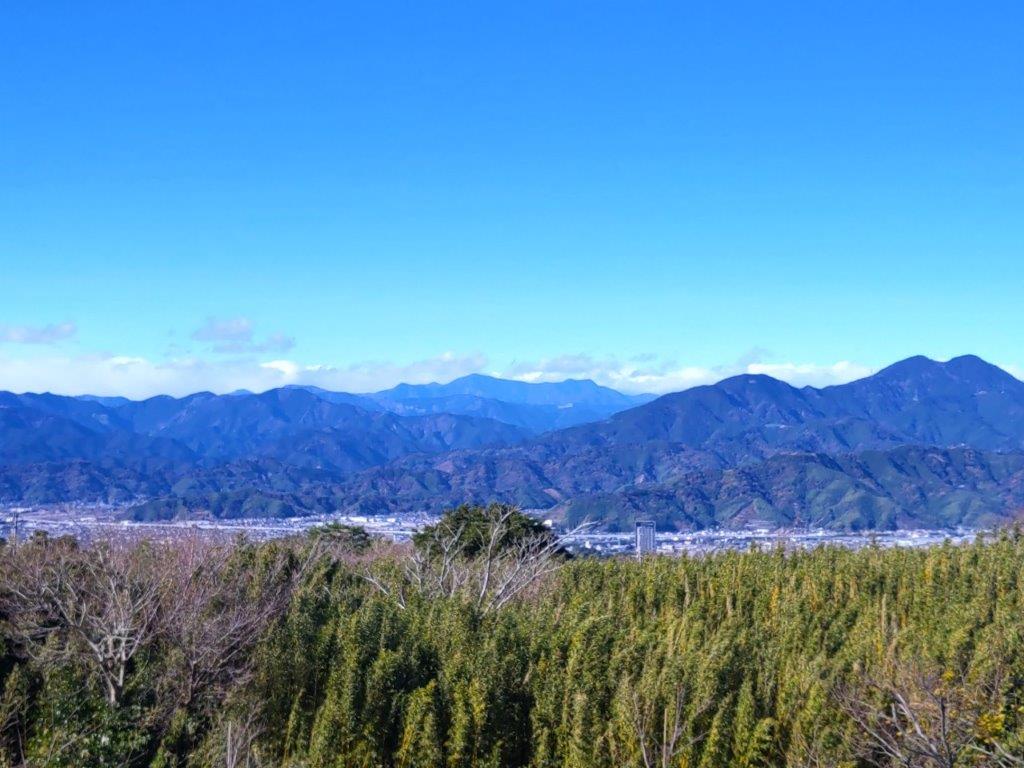
I had a stunning view of snowcapped Mt Fuji, rising above Mt Hamaishi. To its right, past Suruga Bay, I could see Mt Ashitaka, Mt Hakone and the Izu peninsula; to its left, beyond Shizuoka city, I could observe the southern edge of the Minami Alps, Mt Daimugen visible in the distance; on the opposite side was Mt Takakusa and the Pacific Ocean, sparkling in the sun. Since it was 1h30, I sat down on a bench for lunch with a view. The wind was blowing quite a bit, so I soon set off for today’s only peak. I walked down a short section of the Shimizu-Nihondaira road, being careful of the traffic, till I reached a trail on the right. After a short climb, the path at times rather faint, I reached the top of Mt Udo (有度山 うどやま udoyama), just one meter higher than the top of the Nihondaira Plateau.

View of Mt Fuji from Yume Terrace at the top of Nihondaira

View of the Izu Peninsula from the top of Mt Udo

I was stunned by the blue colours of the sea below, visible from a gap in the trees on the southeast side. It was shaded light blue in the nearby shallows and dark blue further out in the bay; the tiny waves were topped with white foam on this windy day. On the other side of the bay was the outline of the western coast of Izu Peninsula, an area of scenic beauty relatively close to Tokyo. After a short break, I retraced my steps to Mabase fork. There, I left the Tokai Nature Trail and continued straight, first down some wooden steps through the cedars, then down stones ones alongside a golf course, reaching Kusanagi fork and a paved road at 3pm. I crossed the road, continuing on the hiking path, and at the top of small rise, turned right, following a trail signposted for the Kusanagi Museum (美術館), not featured on any of the map signboards (the official Kusanagi Route continues straight and merges with a paved road after a short while).

Start of the Nihondaira Alps

Looking back at the Nihondaira Plateau

Very soon, I reached a view point of Mt Fuji, its snowy summit poking above a green ridgeline. After a short descent, I found myself walking northwards, along a forested ridge squeezed between two roads. The trail went up and down, a kind of “Nihondaira Alps”, although I couldn’t find any reference to this name. Eventually, I reached the edge of the city, rows of houses crowding in on the east side. I was now walking through a bamboo forest, the densely packed stalks blocking the late afternoon light. I eventually arrived at a fork: left for the museum and right for the University of Shizuoka. I took the right branch, since it was the most direct route to the station, leaving the museum for another day. By 4pm, I was back at the station, and after a refreshing hot bath, I caught a train for Shizuoka station, where I boarded the shinkansen for the one-hour ride back to Tokyo.

Hiking Trail at the Edge of the City

Near the End of the Nihondaira Alps

This hike took about 5 hours, excluding breaks, just the right length for a day hike. The view from the top of Nihondaira was blocked by trees on the southeast side, so it was worth making the roundtrip to Mt Udo to complete the view. The highlight of the hike was the hilly trail between Kusanagi fork and Shizuoka University: it was well-maintained and signposted, with several views of Mt Fuji along the way, even though it doesn’t appear on any maps. I’d like to return one day to explore more trails in the area, and perhaps hike the “Nihondaira Alps” in reverse.

Watch a video of the Nihondaira Hike

Watch the Video of the Hike on Youtube
Watch a Slideshow of more Pictures of the Hike

Mt Otaka (493m), Mt Tenkaku (445m) & Mt Kamado (293m), Hanno City, Saitama Prefecture, Sunday, December 10, 2023 [Hanno Alps]

I wanted to do a hike with little elevation gain, since I had been out sick for the past two weeks. I decided to continue my hike along the Hanno Alps, from where I had left off two years ago, as well as explore more of the newly created Oku-Musashi Long Trail. Looking at my map, I saw I could follow a couple of new trails allowing me to get on and off the “Alps”. I would take a bus from Hanno station to Nakazawa, at the end of the line, then walk to Maezaka Pass. I would end the hike at Musashi-Yokote-station, on the Seibu-Chichibu line. The weather was supposed to be sunny with temperatures reaching 20° Celsius in the afternoon, a record for the season. I had hiked most of this trail nearly ten years ago, and remembered it was mostly in the trees. I expected few views on the way; since the elevation was relatively low, I hoped to still see some Autumn colours. I was looking forward to exploring some new trails, along a familiar route.

Hiking in Oku-Musashi 奥武蔵

Hiking the Hanno Alps 飯能アルプス

Read this Blog Post on Hiking Around Tokyo

Autumn Leaves Along the Trail

It was a perfect blue sky day as I rode the Laview limited express to Hanno station. There, I skipped a long line of hikers headed for Bonomine, and boarded a mostly empty bus for the short ride to Nakazawa (中沢), at the start of the road leading to Takedera. Morning frost on the road and a biting cold in the shade reminded me that it was nearly the start of Winter. After a short walk up a road, I reached the entrance to the hiking trail at 9h30.

Start of the hike (left) Rocky Section before Mt Otaka (right)

Flat Section past Mt Otaka (left) Maple Tree on the way to Mt Tenkaku (right)

I was happy to be walking again in nature after a two-week break. After a short climb, I reached a level section; I sat down on a log in the sun to enjoy a late breakfast, while listening to the sound of birdsong. The trail then headed down a valley and I soon emerged onto a road, the same one I had followed on my previous visit. At a bend in the road, I rejoined the hiking trail, and at 11am, I arrived at Maezaka Pass (前坂峠). There, I turned right, heading southeast along the Hanno Alps (飯能アルプス) and the Oku-Musashi Long Trail.

Maple Tree Past Oiwa Rock (left) Fantastic Tree along a Narrow Ridge (right)

Trail Before Mt Tenkaku (left) Trail for Mt Kamado (right)

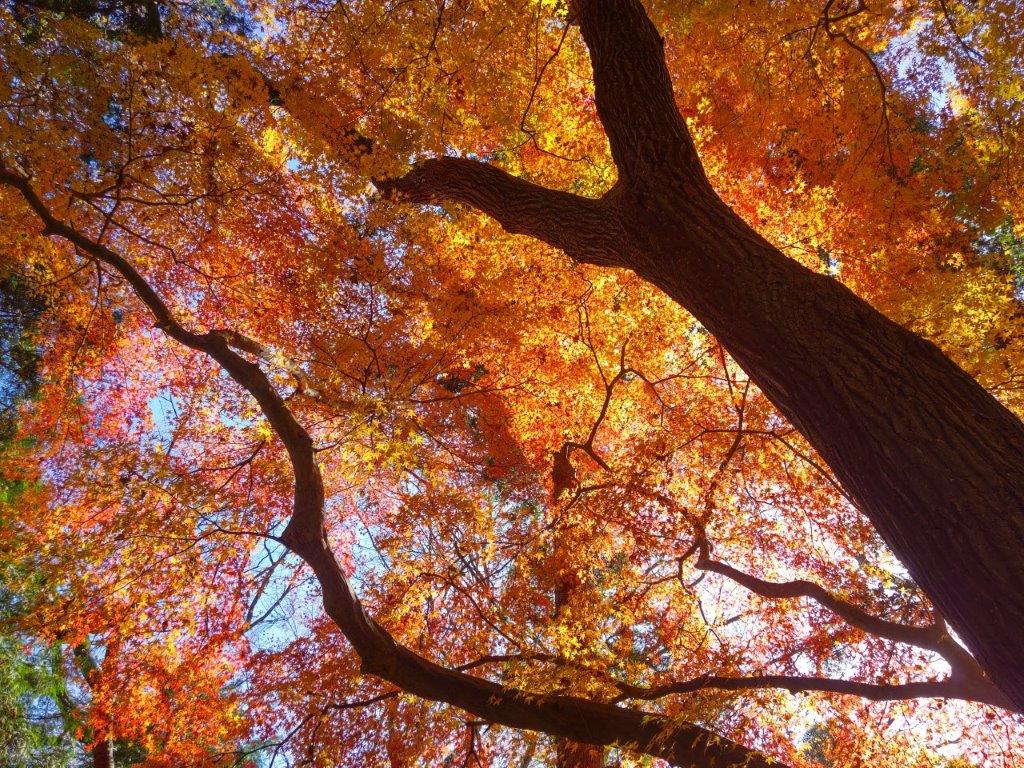
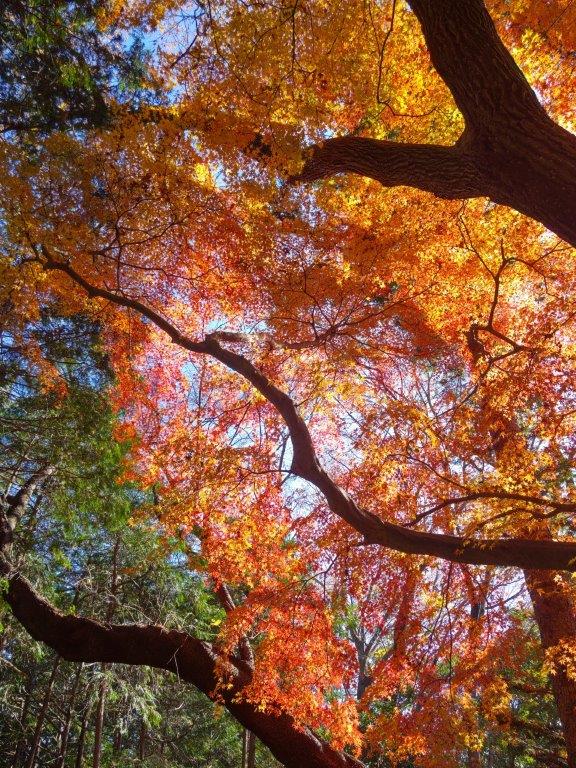
I spotted the first Autumn leaves of the day, halfway up a slope: a mix of orange and yellow, on a background of dark green cedar and bright blue sky. Soon after, I reached the summit of Mt Otaka (大高山 おおたかやま ootakayama). After peering at the view on the west side, I set off again. At the base of a steep slope, I passed under a huge Japanese maple, its leaves falling gently in the breeze. At noon, I arrived at Oiwa Rock, a a big boulder in the middle of the forest. After some ups and downs, and the occasional tree sporting its autumn colours, I reached the top of Mt Tenkaku (天覚山 てんかくざん tenkakuzan).

Joining the Hanno Alps at Maezaka Pass

Westward View from Mt Otaka

I was surprised by the wide view on the south side, proof that a refresher had been necessary. Southeast, I could see the Kanto plain, the central Tokyo skyscrapers barely visible in the midday haze; to the right was the outline of the Tanzawa mountains; southwest, slightly hidden by the trees, were the highest peaks of the Okutama mountains. Since it was 1pm, I found a bench in the sun and sat down for lunch. After spending some time basking in the sun, I set off again a little before 2pm. After some descending through Japanese pampas grass, I reached a paved road which I followed for a short while to Azuma Pass (東峠), where I rejoined the hiking trail.

Orange and Red Japanese Maple Overhead

Explosion of Colours Above

The endless ups and downs of the next section made me feel that the “Alps” nickname was well-deserved. Through a break in the trees, I had a good view to the east of Mt Sukari; it was above Fudo-Iwa Rock, which I had to skip as I was running late. At a junction with a bench, I turned left, leaving the last part of the Hanno Alps for another day. At 3pm, I arrived at the last peak of the day, Mt Kamado (釜戸山 かまどやま kamadoyama), with only a narrow view on the south side. I rushed down the mountain side, popping onto a forest road a little before 3h30. After a short walk, I arrived at Musashi-Yokote station where I caught the train for Hanno, 3 stops away. There, I boarded the limited express for the 40-minute ride back to Ikebukuro.

View of the Kanto plain from Mt Tenkaku

View of Mt Sukari from near Fudo-Iwa

The entire hike took me about 6 hours, including a leisurely break on the top of Mt Tenkaku. It was longer than I had planned for, and my knees were aching a little after all the ups and downs (I had neglected to bring my walking stick). Although I did pass several people along the way, there were a lot less hikers than would be expected on an easily accessible trail close to Tokyo; I did however see some families with very young children. I saw no on on the final part along Mt Kamado even though the signage was brand new. I was glad I got to see some beautiful autumn colours on the way, and I hope to one day redo this hike in the Spring.

Watch a Video of the Autumn Colours on the Mt Tenkaku Hike

Watch the Video of the Hike on Youtube
See a Slideshow of more Pictures of the Hike

Mt Shakushi (1597m) & Mt Takazasu (1304m), Fujiyoshida City, Yamanashi Prefecture, Sunday, November 26, 2023 [MAP AVAILABLE]

I had climbed this mountain once before but I wanted to redo it via a different route. This would be my first trip to the Fuji Five Lake Region since 2022. I decided to go up via the Asumi ridge; it was mostly in the trees but had a couple of viewpoints on the Fuji side. Looking at my map, I realised that going down via the Japanese Pampas grass (“susuki“) field, as I had done previously, was the best option, as it offered plenty of views of Mt Fuji.

Get a Map of the Mt Shakushi Hike

This map was developed for Japanwilds with the Hokkaido Cartographer

Find more Japan Hiking Maps on Avenza

I would take the Chuo Limited Express to Fujisan station, although the section past Otsuki would be standing room only. From the station, I would ride a taxi to Fudoyu Inn, next to the trail entrance. For the return from Oshino village, I could take a bus or a taxi back to the station, depending on the timing. The weather was supposed to be sunny with average temperatures for the season. I was looking forward to getting some closeup views of Mt Fuji and walking through the “susuki” field.

Hiking in the Doshi Mountains 道志山地

Hiking in the Fuji Five Lake Region 富士五湖

Heading Up the Z Trail (left) and the Asumi Ridge (right)

Looking Down (left) and Up (right) the Steps to Ozasu Pass

The grey skies hanging over Tokyo turned into blue skies as the limited express entered Yamanashi. At Otsuki station, I gave up my comfortable seat and squeezed into the front car, the train packed with tourists. Fortunately, few people got off at Fujisan station, and after a short taxi ride, I arrived at Fudoyu Inn. After getting ready, I set off at 11am, up a trail through a deforested area.

The top of Mt Fuji is only 20 kilometers away

Hiking through the Japanese Pampas Grass Fields

Turning around, I had a superb view of Mt Fuji, my first since April. The sky was streaked with cirrus clouds but Mt Fuji was clearly visible, its distinctive snowcap shining in the morning light. After a couple of switchbacks, I arrived at the entrance of the Z trail (Zコース), a gentle slope through the forest. At 1130, I reached the Ridge Trail (尾根コース), on Asumi-One (明見尾根). Through the bare trees on the north side, I had a glimpse of next valley. After a few minutes of level walking, I reached a viewpoint.

Mt Fuji viewpoint just above Fudoyu Inn

Deforested Area at the Start of the Hike

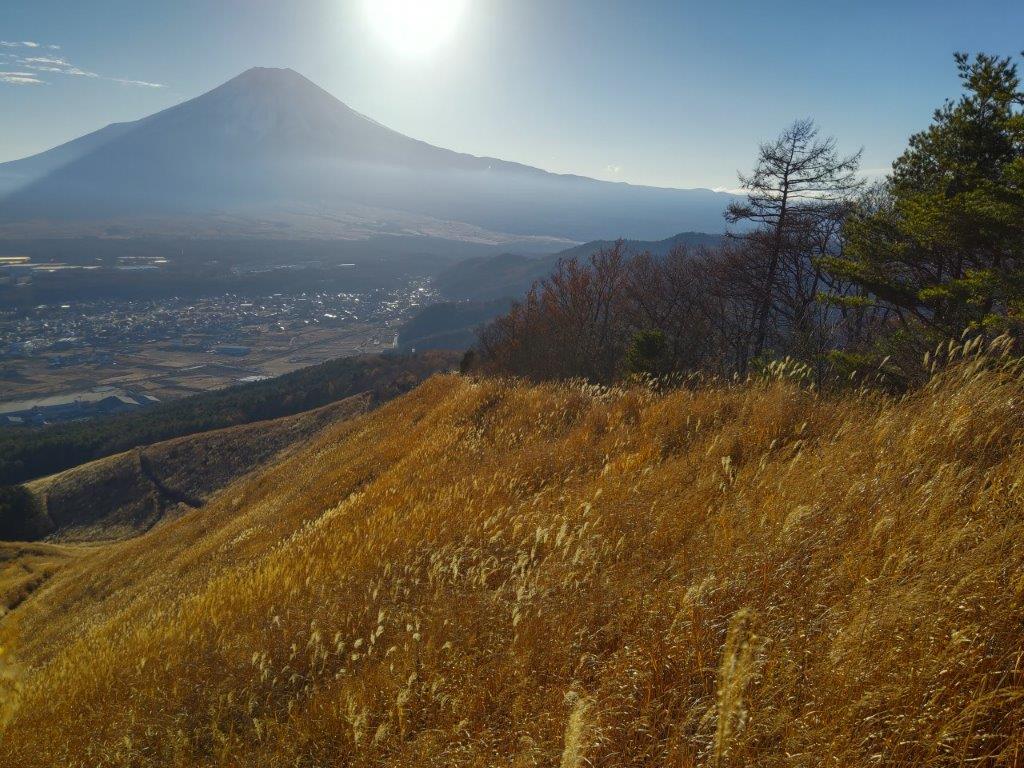
This was the best view of Mt Fuji of the day: it was framed by green cedars on both sides, with golden “susuki” below and white clouds above. I was resolved to enjoy the Fuji views early in the day; later on, the sun would move behind, leaving just a dark outline. The path suddenly became quite steep, some parts lined with rope for safety. I climbed as quickly as I could, passing many hikers on their way down. Just before 1230, I reached the second viewpoint of the climb.

Autumn Colours on the Lower Hills

Best Fuji View of the Day

I took a few minutes to enjoy the view of Mt Fuji, beyond the “susuki” swaying in the wind. To the west, I could see Kawaguchiko City, and far behind, Mt Warusawa and Mt Akaishi, two prominent peaks in the South Alps. One last effort brought me to the top of Mt Shakushi (杓子山 しゃくしやま shakushi-yama), a Yamanashi 100-famous mountain. To the left of Mt Fuji was Yamanaka lake and to the right was the entire range of the South Alps, from the Shirane-Sanzan to Mt Hijiri; on the north side were the Oku-Chichibu mountains; on the right side, the Kanto plain was still hidden by the clouds. It was just past 1pm so I sat at at a bench for a lunch with a view.

Mt Fuji and the South Alps from the Asumi Ridge

Looking back at Mt Fuji

I was amazed to see a paraglider fly at high altitude, back and forth past the summit of Mt Fuji, at one point passing above my lunch spot. The jump-off point being much lower down on the mountain, it must have caught the perfect updraft. A little after 1h30, I set off again, heading down the steep south side. I soon re-entered the trees, and less than half an hour later, reached Ozasu Pass and the paragliding launch spot. I continued straight ahead, following an up and down trail; near an electric pylon, I passed a viewpoint of Mt Mitsutoge.

The Oku-Chichibu Mountains from the Top of Mt Shakushi

Kawaguchiko City and the South Alps from the Top of Mt Shakushi

I was surprised by how demanding this section was, with short rocky sections lined with rope for safety, even though I had done it once before some years ago. One hour after leaving the top of Mt Shakushi, I arrived at the summit of Mt Takazasu (高座山 たかざすさん takazasu-san). Mt Fuji was visible once again, its north face now mostly in the shade. After a short break, I continued my descent, and very soon I was walking above a huge field of Japanese pampas grass (“susuki“) covering most of the mountain side.

View of Mt Mitsutoge between Ozasu Pass and Mt Takazasu

View of Mt Fuji from the Top of Mt Takazasu

I enjoyed unobstructed views of Mt Fuji for the next half an hour but since it was past 3pm, the low sun made it difficult to get good photos. On the other hand, the “susuki” were at their best, shining golden in the mid-afternoon light. At 3h30, I reached a forest road leading to a paved road at Toriichi Pass. There, I turned left, and after walking downhill for a short while, arrived at Oshino Village. Since it was still early, I decided to walk to nearby Oshino Hakkai. Once there, I was lucky to be able to flag down a passing taxi, allowing me to quickly get back to Fujisan station. After riding the Fujikyuko line to Otsuki, I boarding the limited express for the one-hour ride back to Shinjuku.

Susuki field below the Mt Takazasu

Heading towards Toriichi Pass

The entire hike took about 5 hours, roughly the same time as my previous hike along a slightly longer route. I was glad that for the extra expense of taking a taxi to the trailhead, I got several good viewpoints of Mt Fuji along the way. Although I saw a number of people while going up the Asumi ridge, I saw no one during the entire descent, a shame considering the amazing Japanese pampas grass field on the way. Late autumn is definitely the best time to visit this mountain, although I’d love to attempt this hike earlier in the day to get clearer views of Mt Fuji.

Watch a Video of the Mt Shakushi Hike

Watch a 3mn Video of the Hike on Youtube

See a Slideshow of more Pictures of the Hike

Inazawa Hiking Trail (highest point 430m), Honjo City, Saitama Prefecture, Thursday, November 23, 2023

I wanted to do a hike close to Tokyo allowing me to enjoy the autumn leaves. Looking at my hiking map, I found a short loop hike near Nagatoro town in the Chichibu mountains. It was under four hours, making it perfect for an Autumn ramble. Although the entire trail was under 500 meters, it included four different viewpoints. Since there was no public transport to the trail entrance, I would use a share car from nearby Honjo station. Before the hike, I could get lunch at a local soba restaurant. The weather was supposed to be good: some clouds in the morning but sunny later on; the temperatures would reach 20°C in the afternoon, making me wonder whether I’d get to see any Autumn colours. In any case, I was looking forwards to seeing new views in an explored corner of Chichibu.

Get a Map of the Inazawa Hiking Trail

This map was developed for Japanwilds with the Hokkaido Cartographer

Find Japan Hiking Maps on Japanwilds

Autumn Leaves (left) and Bamboo (right) at the Start of the Hike

Walking through the Bamboo Tunnel

It was a fine autumn day as a I rode the Shonan-Shinjuku line to Honjo station. I drove for about half an hour, reaching Nishoan (二松菴) a little before noon. After a short wait, I enjoyed some delicious handmade soba with tempura. From the restaurant, it was a short drive to the small parking lot near the start of the Inazawa Hiking Trail (稲沢ハイキングコース). After getting ready, I set off just before 1h30, following a road through a small village.

Walking under the Autumn Leaves

In the Shade of the Cedars (left) Late Afternoon Light (right)

I found myself walking under coloured leaves, as soon as the last house was behind me. Shortly after, bamboo surrounded me on both sides, the tall stalks creating the effect on a tunnel. The path suddenly went straight up the mountain side, demanding a burst of effort to reach the ridgeline. On the right was an open space, turned into terraced fields; it was also the first viewpoint of the hike. On the east side, I could see the Kanto plain, its finer details lost in the haze. After some more climbing through mixed forest, I reached bench in the middle of the trees. Following the ridge a little further, I arrived at the day’s second viewpoint.

Start of the Inazawa Hiking Trail

Kanto Plain from the 1st Viewpoint

Looking north, I could see the peaks of the Mt Haruna volcano. After a short break, I set off again, passing a small shrine and its wooden Shinto gate (“torii“). The trail went down and up through the oaks, the overhead leaves golden in the afternoon sun. After a steep climb, I reached the third viewpoint, and second bench, of today’s hike just before 3pm. Looking north again, I could see both Mt Akagi and Mt Haruna. On the south side were the Nagatoro North Alps, with Mt Buko in the background. After another short break, I continued on my way.

Mt Haruna from the 2nd Viewpoint

Mt Haruna (left) and Mt Akagi (right) from the 3rd Viewpoint

The trail continued up and down through lovely mixed forest. Half an hour later, I reached the fourth and final viewpoint. It was again on the east side, towards the Kanto plain, but this time I could observe most of the ridgeline I had just followed; in the very far distance, I could make out Mt Nantai and the snowy peak of Mt Nikko-Shirane. This spot also had a bench so I sat down to enjoy the last view of the day, the hills rust-coloured in the late afternoon light. I soon started to descend, anxious to get off the mountain before sunset.

The Nagatoro North Alps from the 3rd Viewpoint

Looking back at the Inazawa Hiking Trail

I was pleasantly surprised to get one last view between the trees of the twin peaks of Mt Mikabo, on the west side. I was now heading straight down the mountain among the cedars; the sun had disappeared behind the ridgeline and the surrounding forest had turned gloomy. After a short rocky section and a series of switchbacks, I emerged onto a forest road at the base of the mountain. After crossing three log bridges, I reached some houses on a road, where I turned left. From there, it was a short walk back to the parking lot which I reached just before 4h30, just as it was getting dark.

Kanto Plain from the 4th Viewpoint

On the West Side, the mountains of Gunma

I was delighted to have discovered this hike, created by the Honjo Mountain Association, apparently quite recently, judging from the fresh paint on the signs. The entire loop is relatively short, about three hours, and the short steep up and down sections make it fun and interesting. The views are the best part, especially since they are in all four directions; I could get a really good sense of the location of this low range of hills. It seems this hike is also popular for its cherry blossoms in the spring, so I hope to return to do it in the future in a different season.

See a video of the Inazawa Hiking Trail

Watch the video on Youtube

See a Slideshow of more Pictures of the Hike

Mt Happu (626m) & the Minano Alps, Minano Town, Saitama Prefecture, Sunday, November 19, 2023 [Map Available]

Read this Blog Post on Hiking Around Tokyo

I had hiked this mountain in November 2015, one of the hikes from my mountains of Saitama guidebook. Since then, I’d found out it was part of the “Minano Alps”. At the time, I had only hiked two thirds of it. Looking at my map, I saw I could redo it via a different set of trails; only the central part would overlap. I would start at Temple #34 on the Kannon Temple Circuit and follow the Kanto Fureai no Michi. Past the summit, I would leave the Fureai no Michi, and descend a ridgeline extending southwest, ending a short distance from Minano station.

Get a map of the Mt Happu hike

This map was developed for Japanwilds with the Hokkaido Cartographer

Find Japan Hiking Maps on Japanwilds

Path to Kegon Falls (left) / Steps for Suisen-ji Temple (right)

Since it was a relatively short hike, I could combine it with a visit to a waterfall, a short distance from the temple. To get there, I would take the Laview Limited Express to Yokoze station, where I’d change to the local Chichibu line. At Minano station, I’d catch a bus and get off at near the falls. At the end of the hike, I could walk back to Minano station. If time allowed, I’d drop by a local onsen before heading back. The weather was supposed to be sunny, with temperatures slightly above average for the season. On my last visit, I didn’t see many autumn leaves, so I hoped that this time around, I’d get to see plenty.

Hiking on the Kanto Fureai no Michi 関東ふれあいの道

Hiking in Chichibu 秩父

Following the Fureai no Michi up to the Ridgeline

Series of Steps (left) and Tree-Framed View (right) on the Descent

It was a blue-sky day as I stepped off the train at Minano station, a little past 10am. Although the micro-bus was full, everyone had a seat. After a 30-minute ride, I followed a paved road to the nearby entrance of the short path leading to Chichibu Kegon no Taki (秩父華厳の滝). At 10 meters high, it wasn’t the most spectacular waterfall I’d seen recently, but the Autumn foliage made it worthwhile. I made a short loop to see some more autumn colours and then walked down the road for 15 minutes to Suisen-ji Temple (水潜寺). I was the only visitor enjoying the serene atmosphere. It was nearly noon and high time for me to start my hike.

Mt Mino (front) Higashi-Chichibu (back)

In the Center, Mt Maruyama

I walked up the mountain side under the cool shade of the cedars. I was following the Kanto Fureai no Michi (関東ふれあいの道), and as usual, the trail was well-maintained and well-signposted. The trail became a series of switchbacks to tackle the steep section below the ridgetop. At Fudatate Pass (札立峠), I turned left, continuing along the Fureai no Michi. To the right is the “Nyokin” ridge route (如金峰コース) which I had taken on my last visit. After passing a beautiful Japanese maple (“momiji), I had to climb a little more to reach the top of Mt Happu (破風山 はっぷさん happusan), which could be translated as “Ripping Wind”.

Mt Buko (left) The Oku-Chichibu Mountains (right)

Mt Jomine from the Summit of Mt Happu

I was amazed to have the summit all to myself, completely free of trees on the south side. From east to west, I could see Mt Mino, Mt Dodaira, Mt Maruyama, Mt Buko and Mt Ryokami. However, just moments later a large group arrived. I retreated to the north side, from where I could see the top of Mt Jomine above the trees. It was 1pm so I sat down for lunch. I was surprised how warm it felt in the sun, even though it was the middle of November. Half an hour later, I set off again. The trail started to descend quickly, and a little after 2pm, I reached a fork. I went right, following the “Maehara Ridge” Route (前原尾根コース), leaving the Fureai no Michi as it descended into the valley.

Looking North from the Top of Mt Happu

Walking along the Fureai no Michi

I followed the trail as it went up and down, seemingly without end. I felt like I was truly hiking the “Minano Alps” (皆野アルプス), even though I was lower than the main ridge. At the top of a big rock, called Nantai-Ogami (男体拝), I had a view of Mt Hodo; in the distance, I could see snow-capped Mt Nantai. Past a short rock section, equipped with rope for safety, was a steep slope leading me lower and lower. Half an hour later, I reached a couple of rocky outcrops with good views north and south. Just before 3pm, I passed the minor summit of Mt Maehara (前原山 347m), and after one more steep slope, I emerged at the base of the mountain at Ofuchi (大淵登山口). It was still early so I walked to Bon no Yu, and after a refreshing bath, took a taxi to Minano station. By 5pm, I was at Seibu-Chichibu Station where I boarded the Laview for the 80 minute ride to Ikebukuro.

Mt Hodo from Nantai-Ogami

View from a Rocky Outcrop on the Maehara Ridge Route

At just over 3 hours this is a relatively short hike so I was glad I was able to stretch the time a little with a visit to a waterfall, a temple and an onsen. I was also glad I’d decided to revisit this mountain. At first glance, it didn’t seem like I could get an interesting hike out of it, but in the end, it was extremely satisfying. The best part was that, although I passed a few people on the higher sections, I saw almost no one on the way down. So it turned out to be a peaceful ramble relatively close to Tokyo, something that can be hard to find.

See a Video of the Mt Happu Hike

Watch the Video of the Hike on Youtube
See a Slideshow of some more Pictures of the Hike