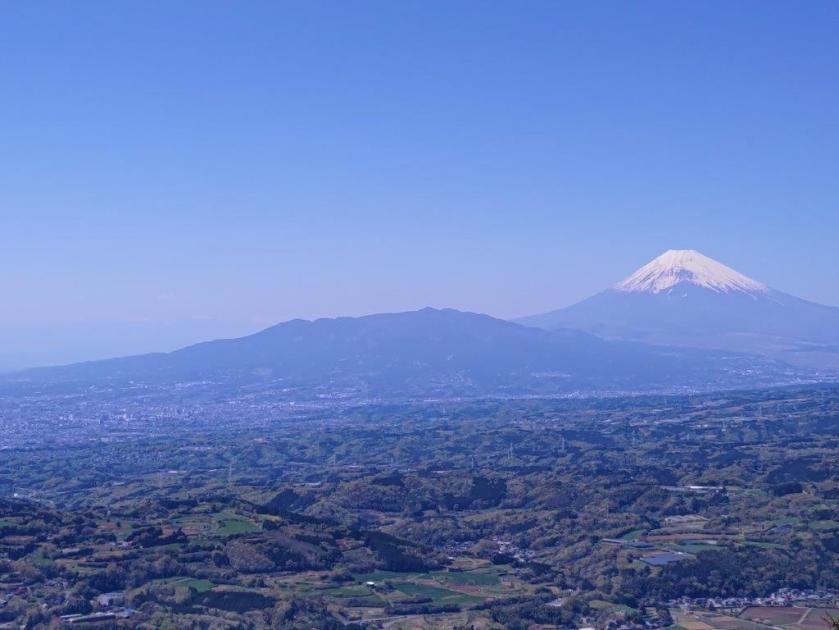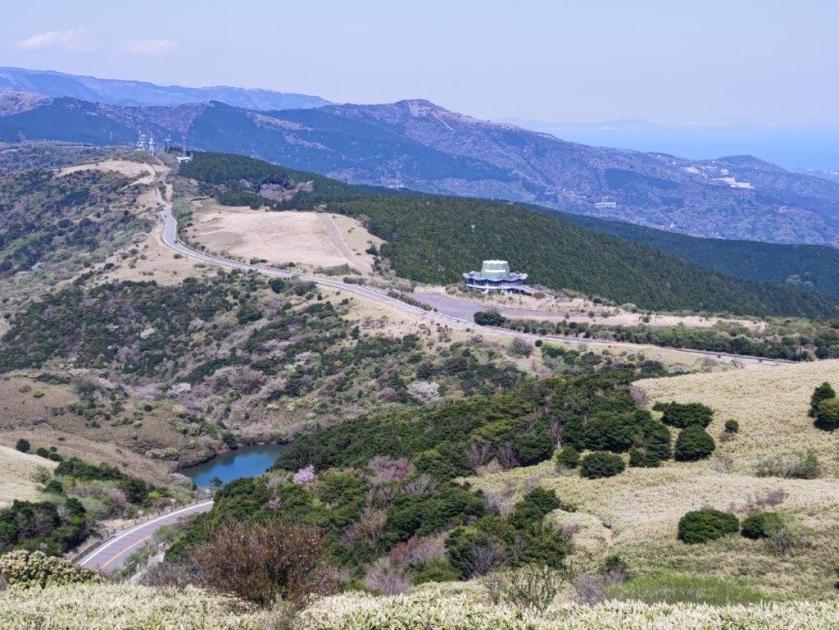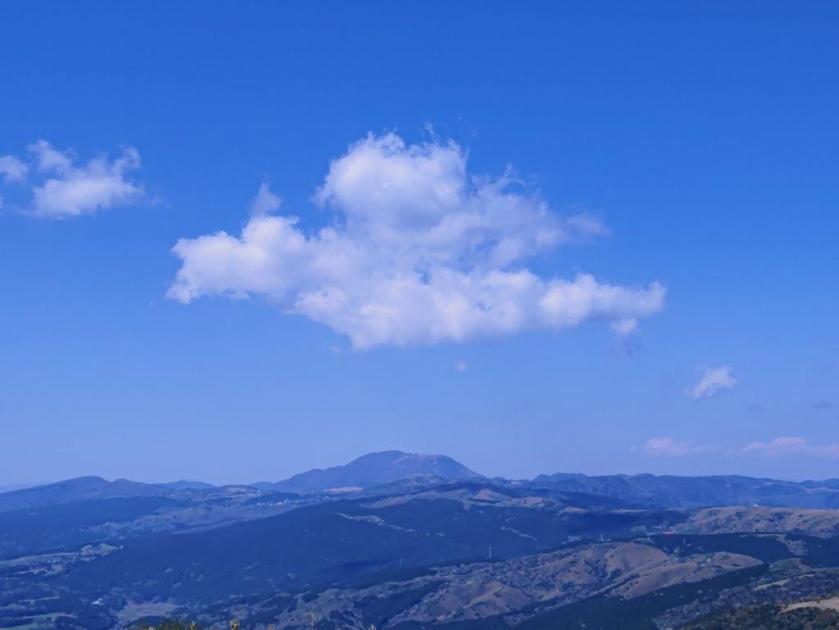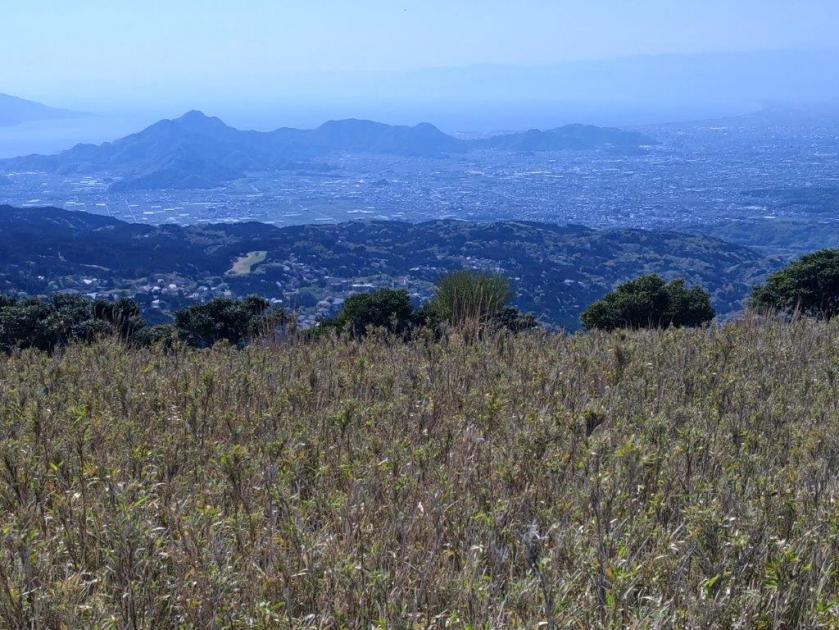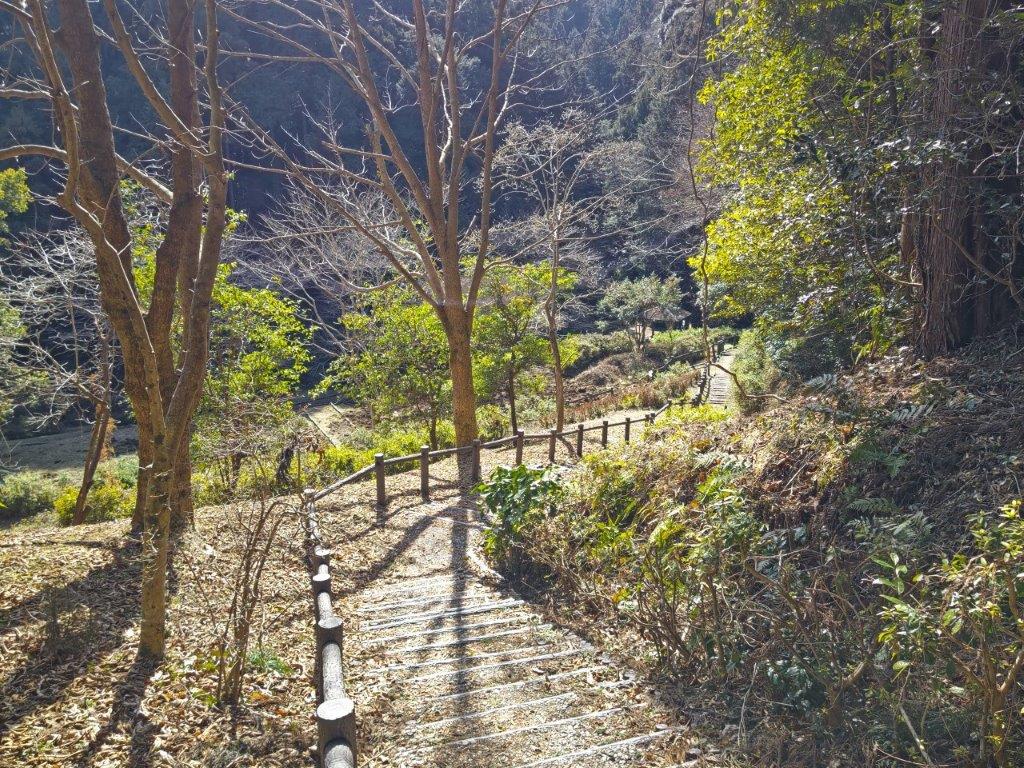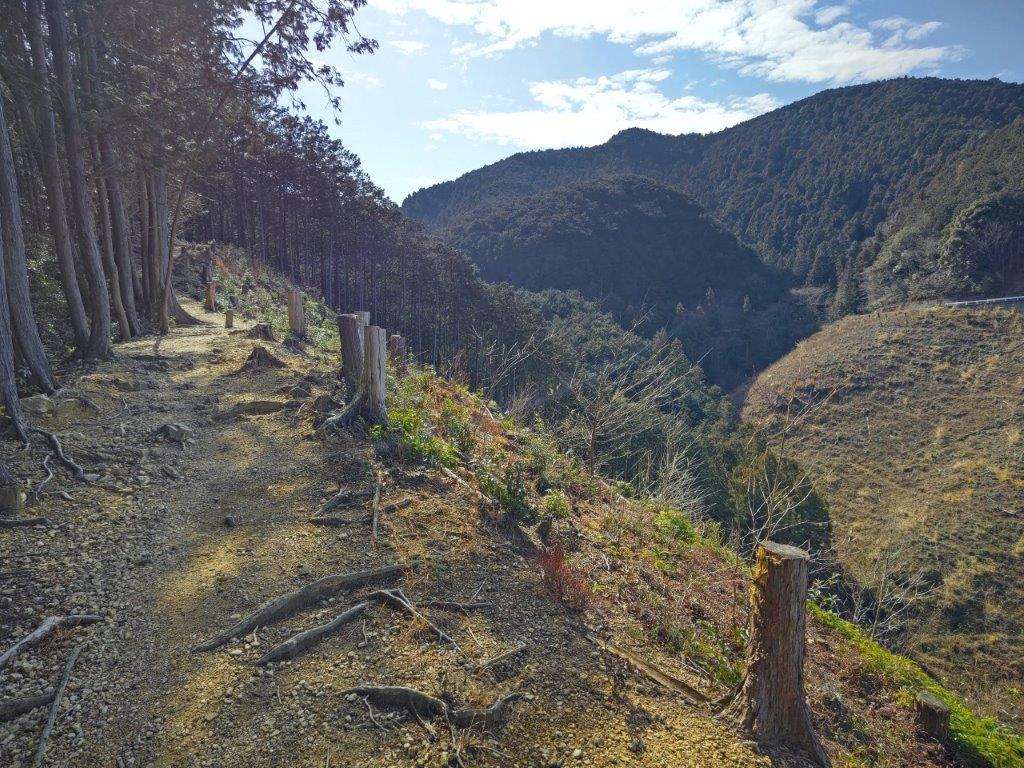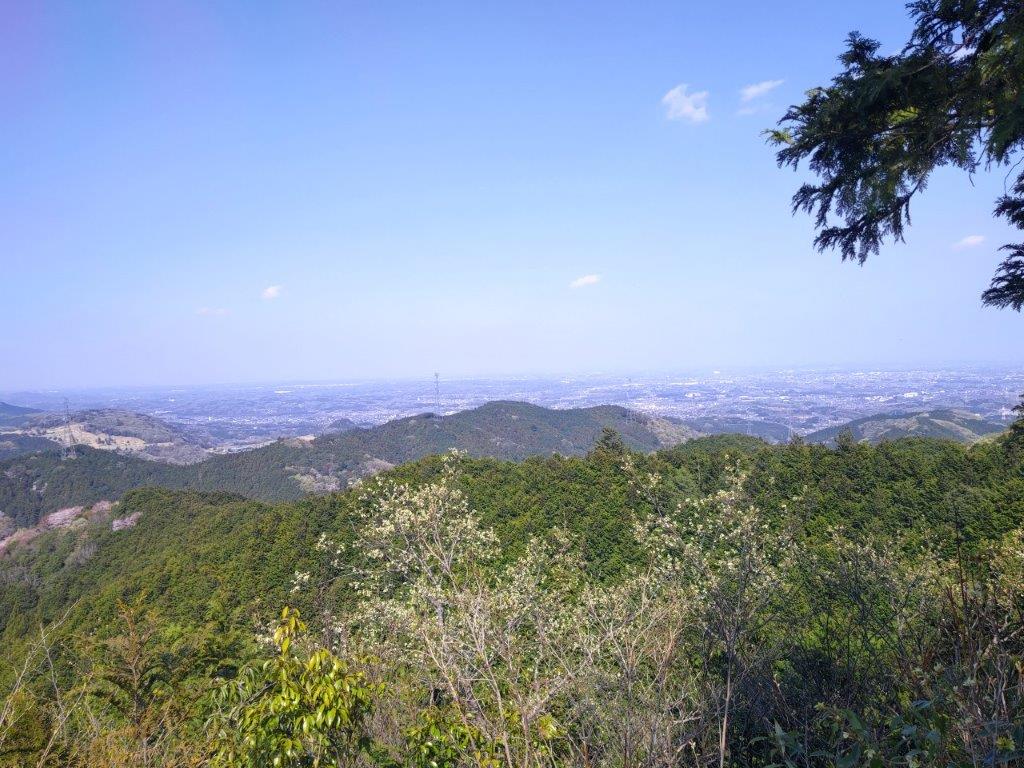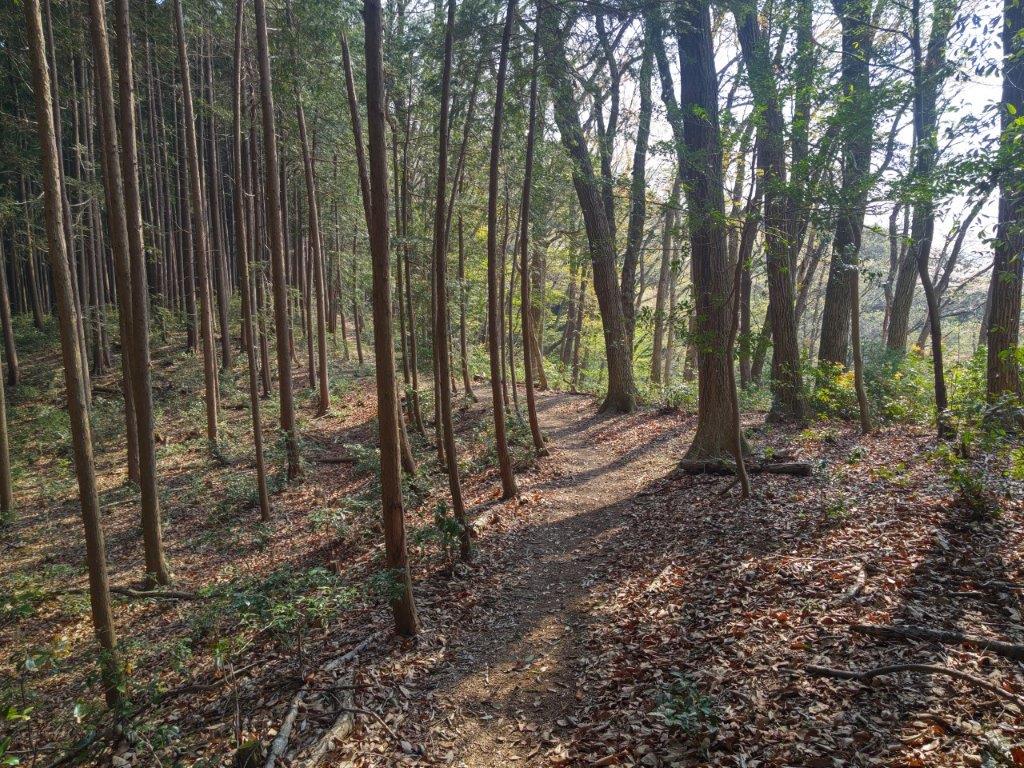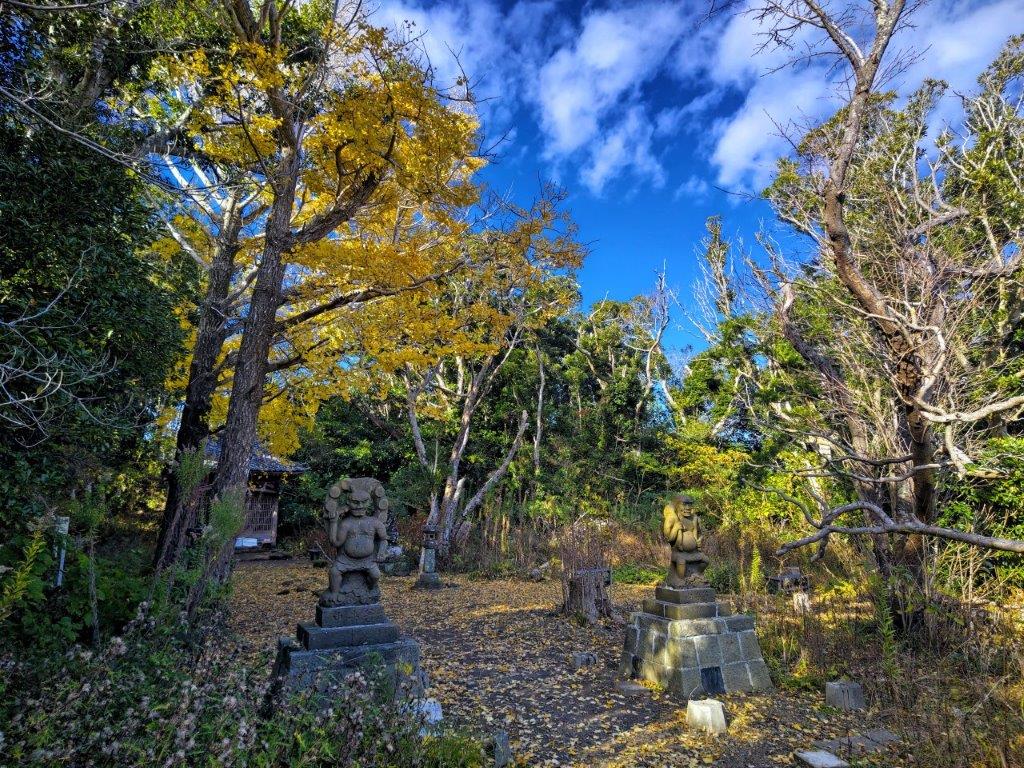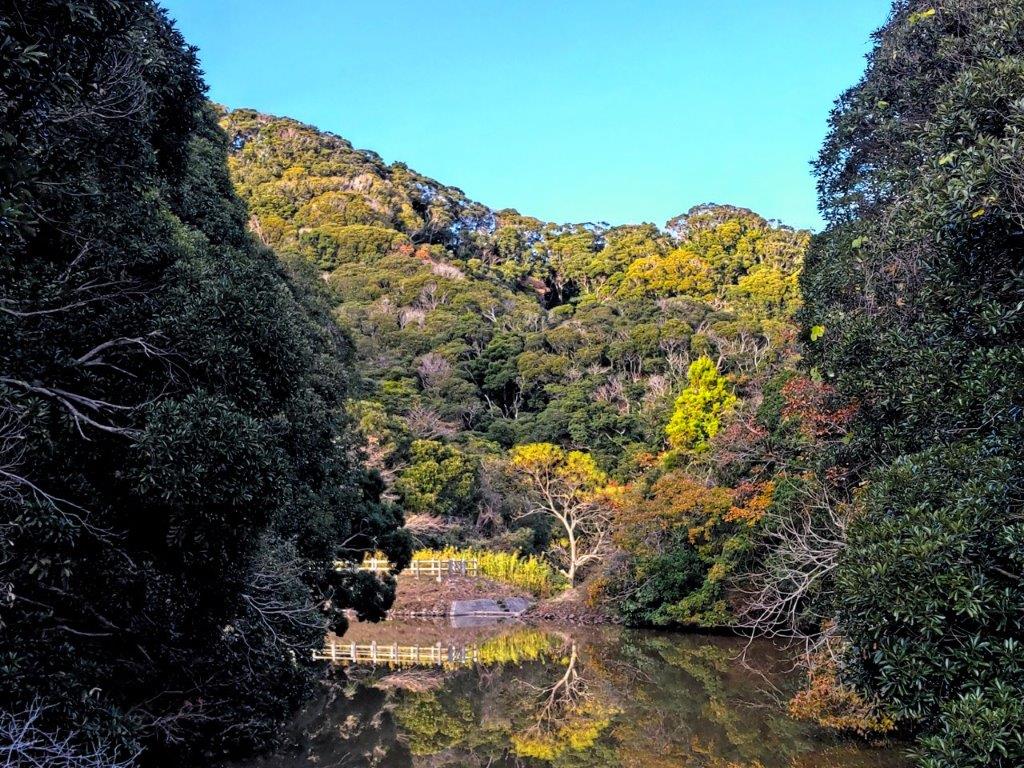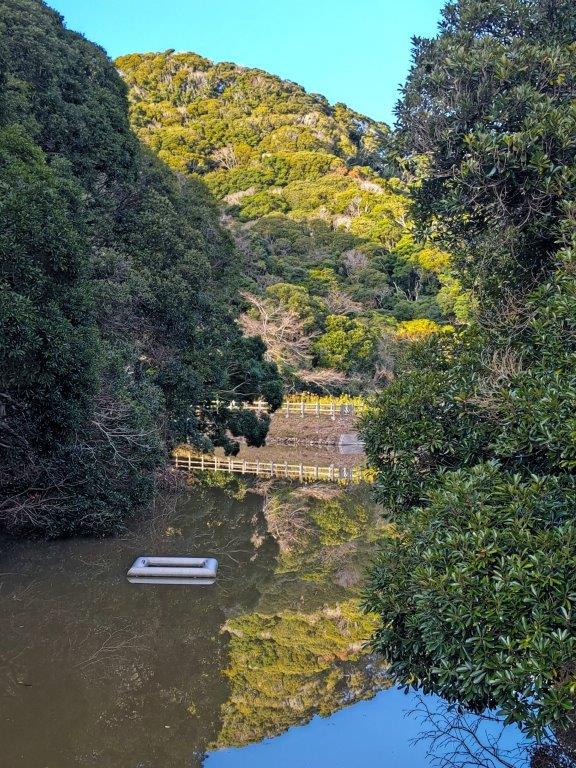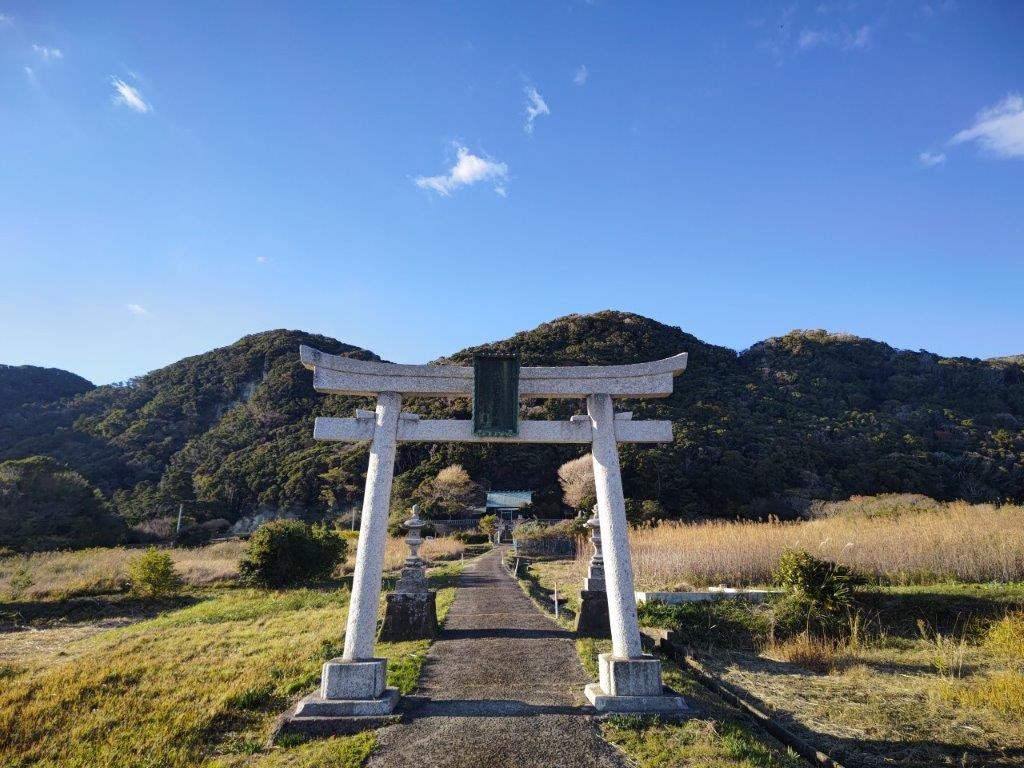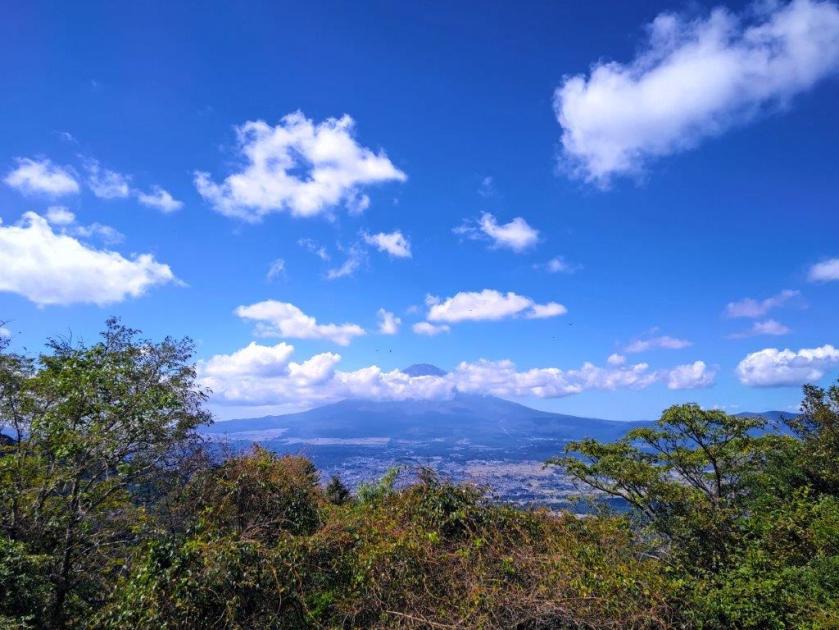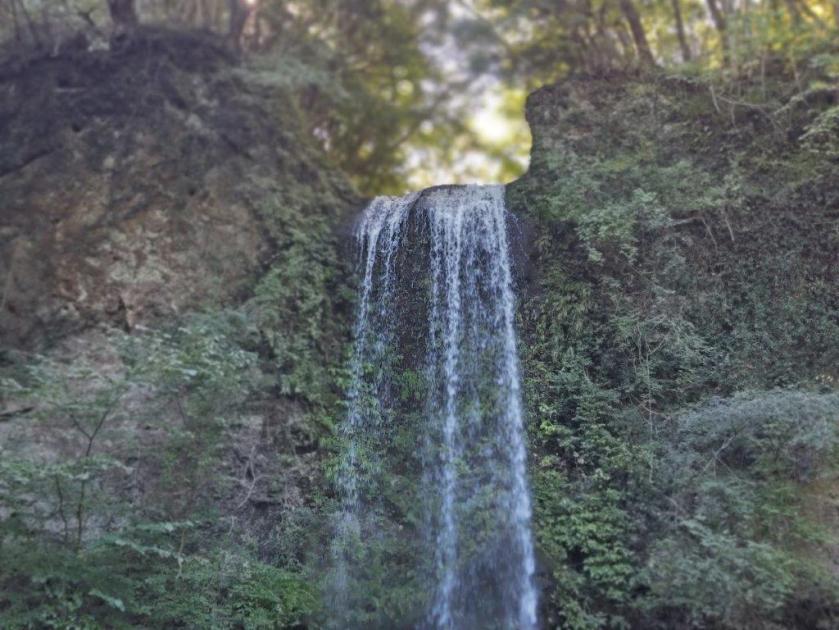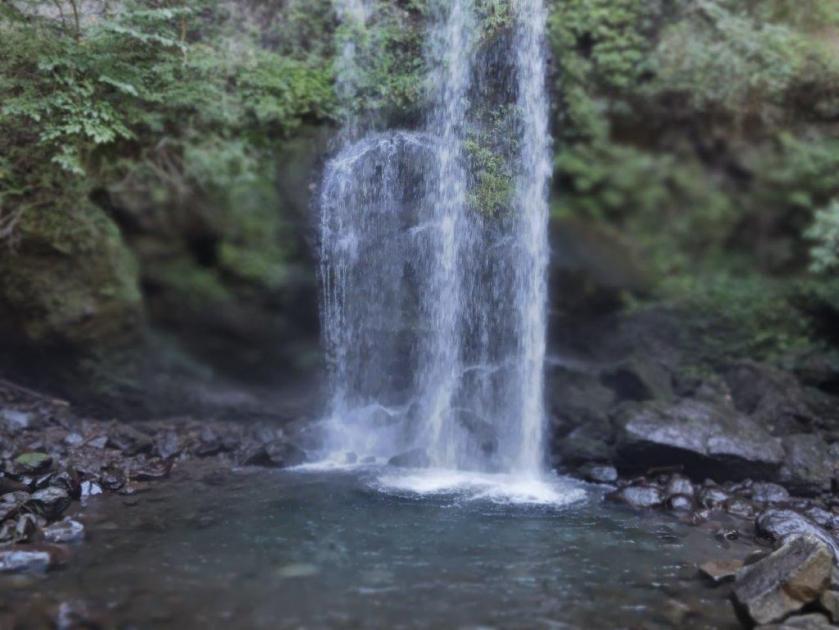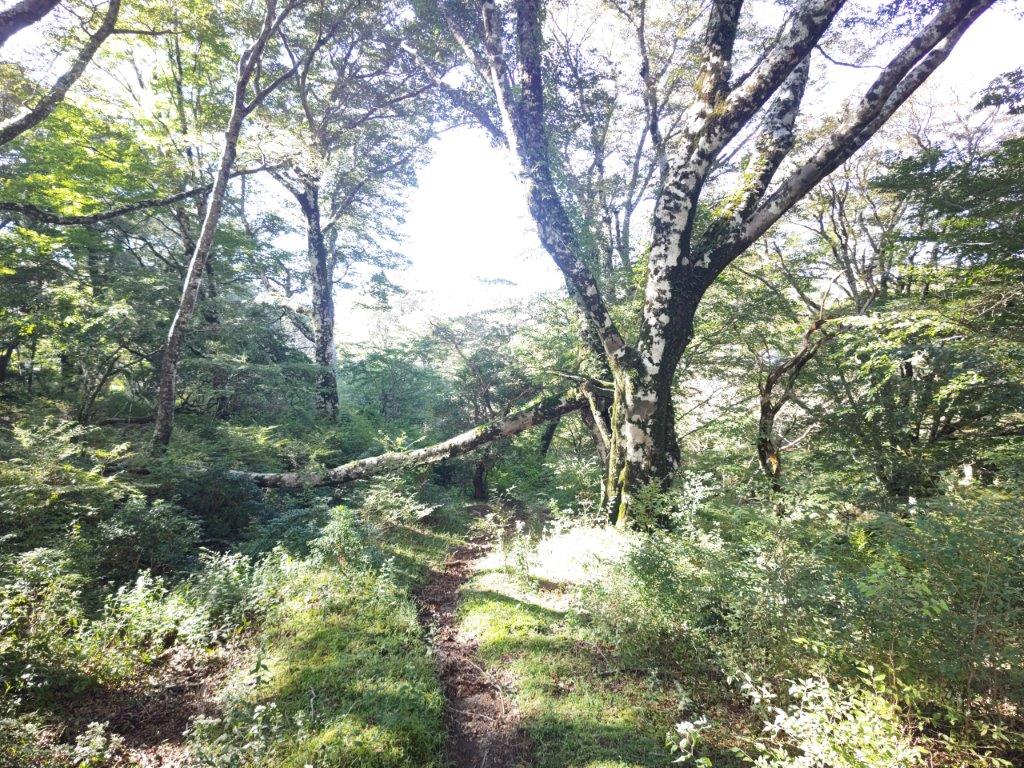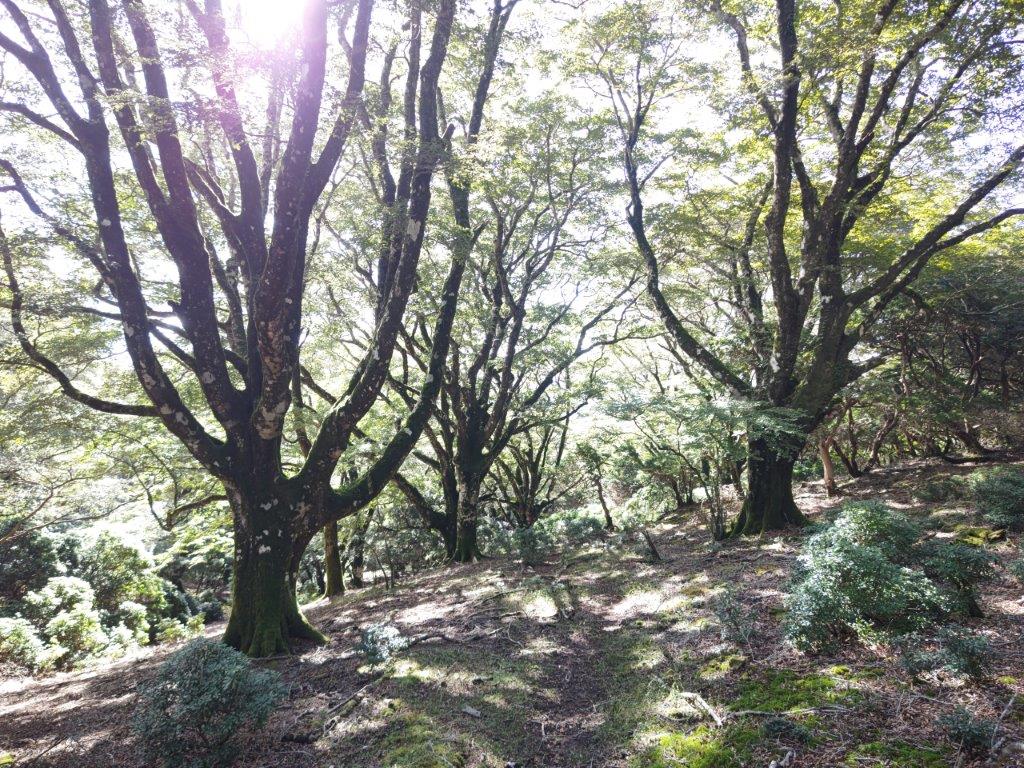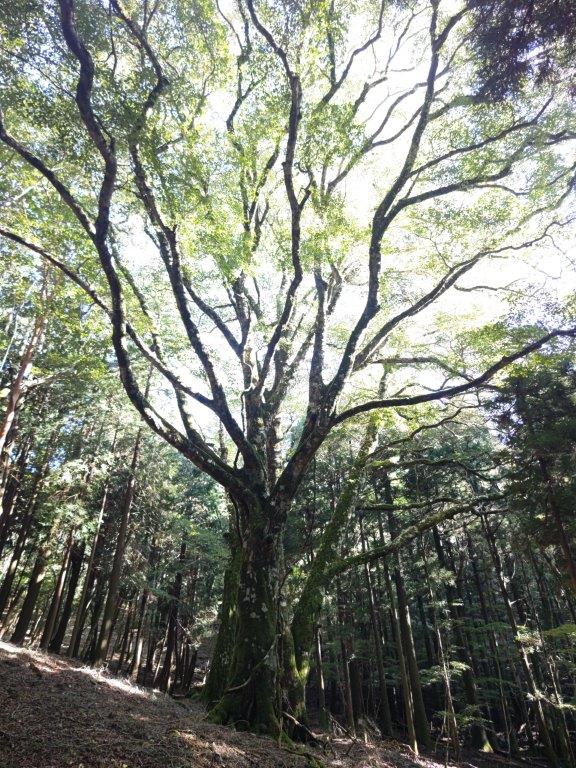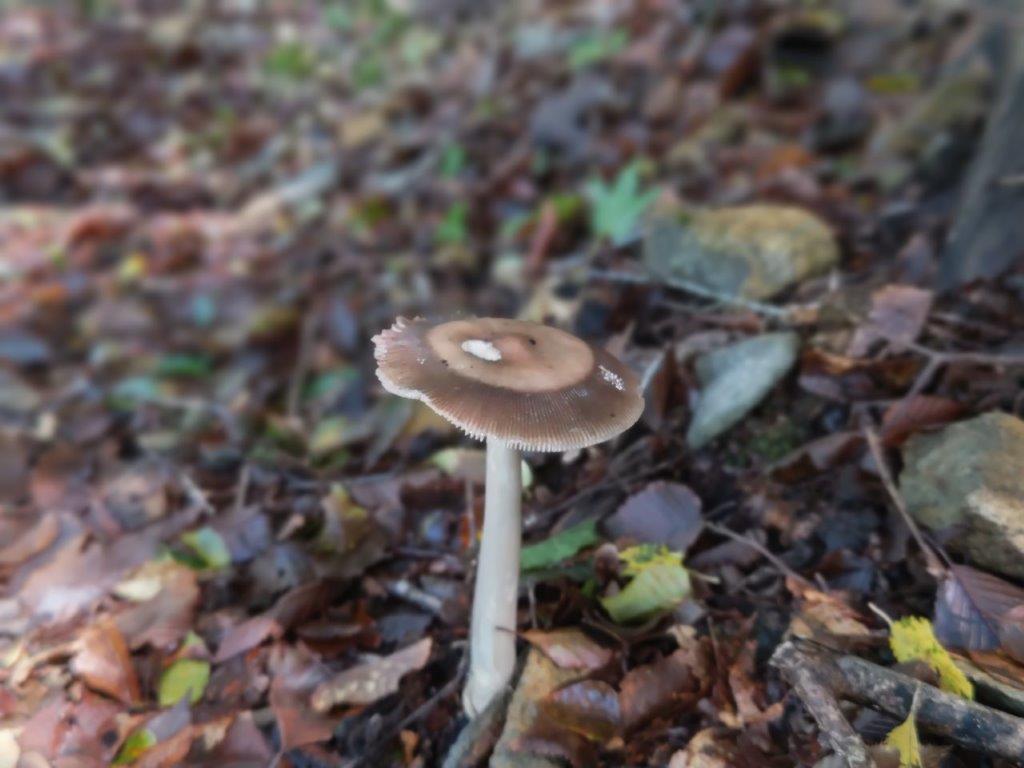
Mt Kuro (798m), Kannami Town and Atami City, Shizuoka Prefecture, Sunday, April 9, 2023

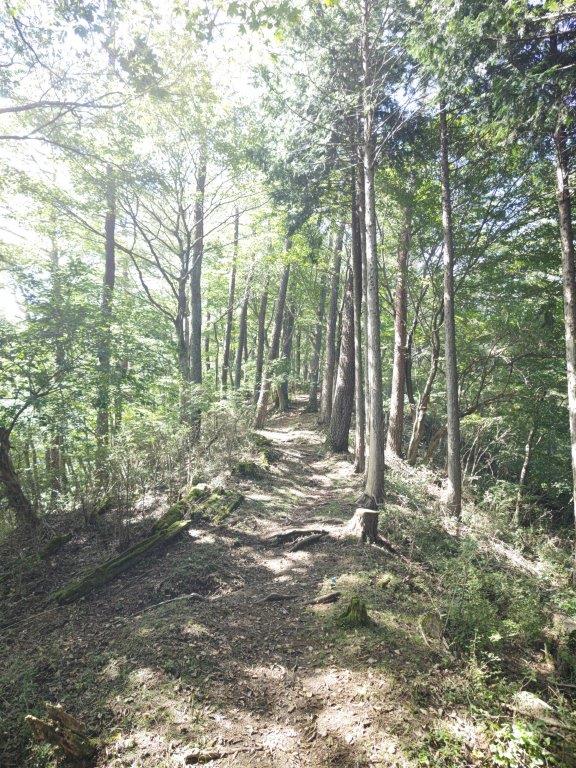
I found out about this peak along the Izu skyline while researching my trip to Shimoda, and resolved to climb it on a future hike. Looking at my map, I saw I could traverse from west to east, starting from the side closest to Mishima city, and ending on the Atami side. It seemed like a relatively short hike, but I knew the views would be amazing on a clear weather day. I would take the shinkansen to Atami, then transfer to the Tokaido line for a couple of stops to Kannami station, and there board a Tokai bus to a stop just a short distance on foot from the trailhead. At the end, I could catch a bus back to Atami station from near the trail entrance. The forecast called for blue skies all day, and so I was looking forward to some Mt Fuji views along a relatively easy hike.

Hiking in the Fuji-Hakone-Izu National Park

富士箱根伊豆国立公園

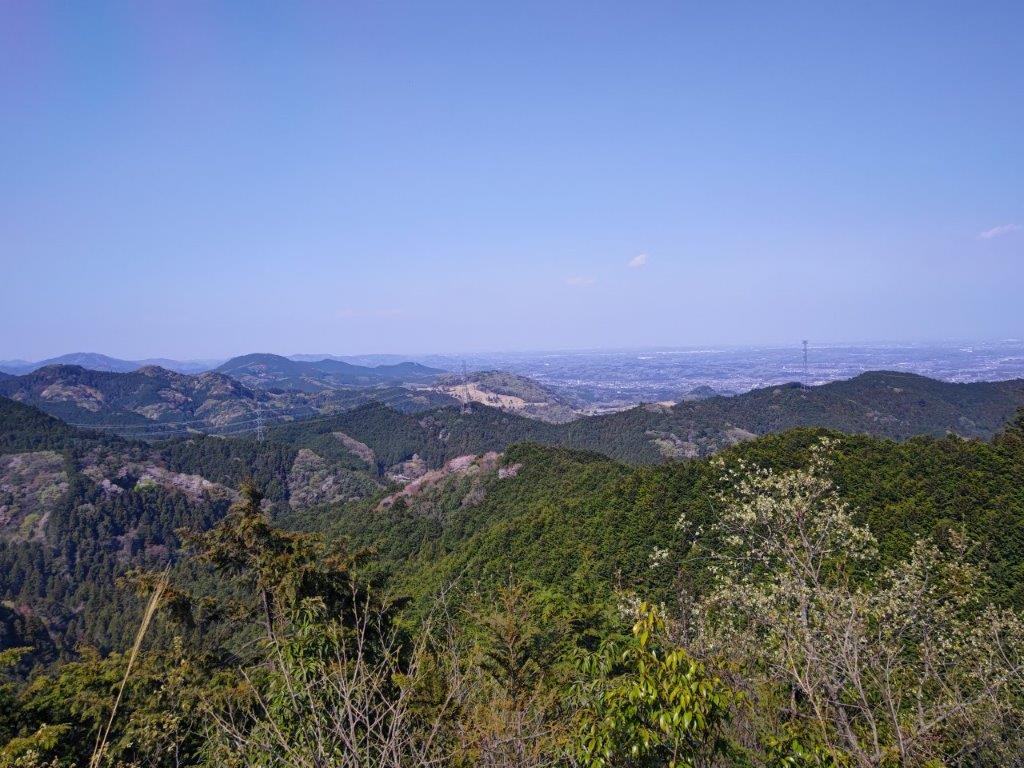
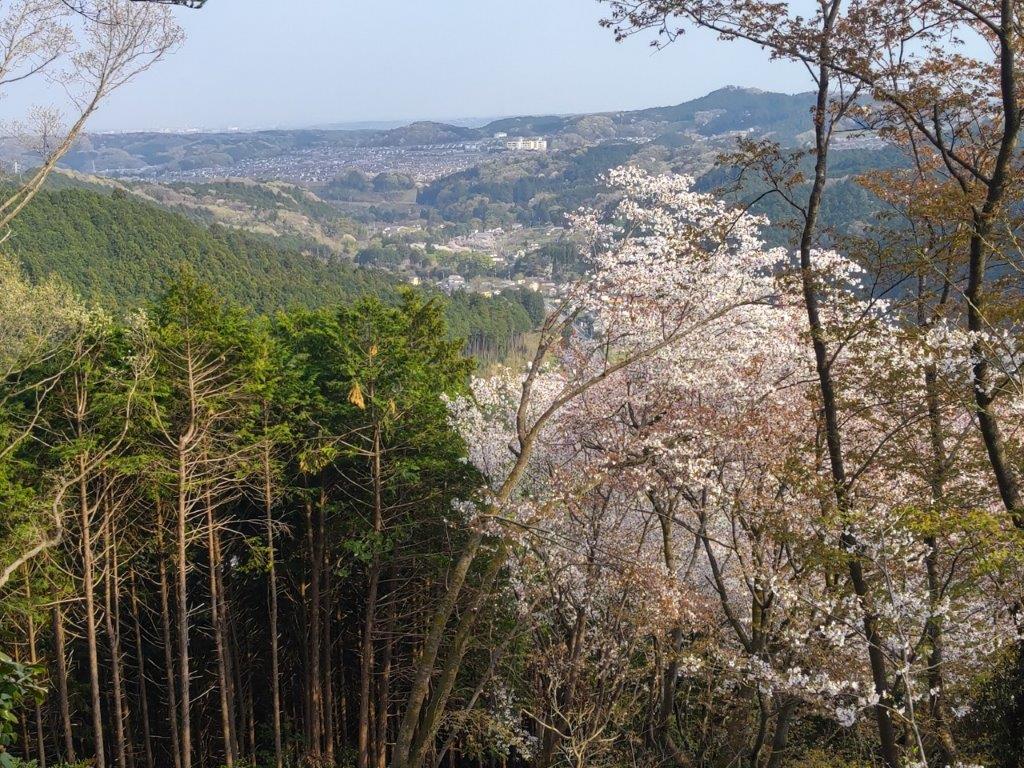
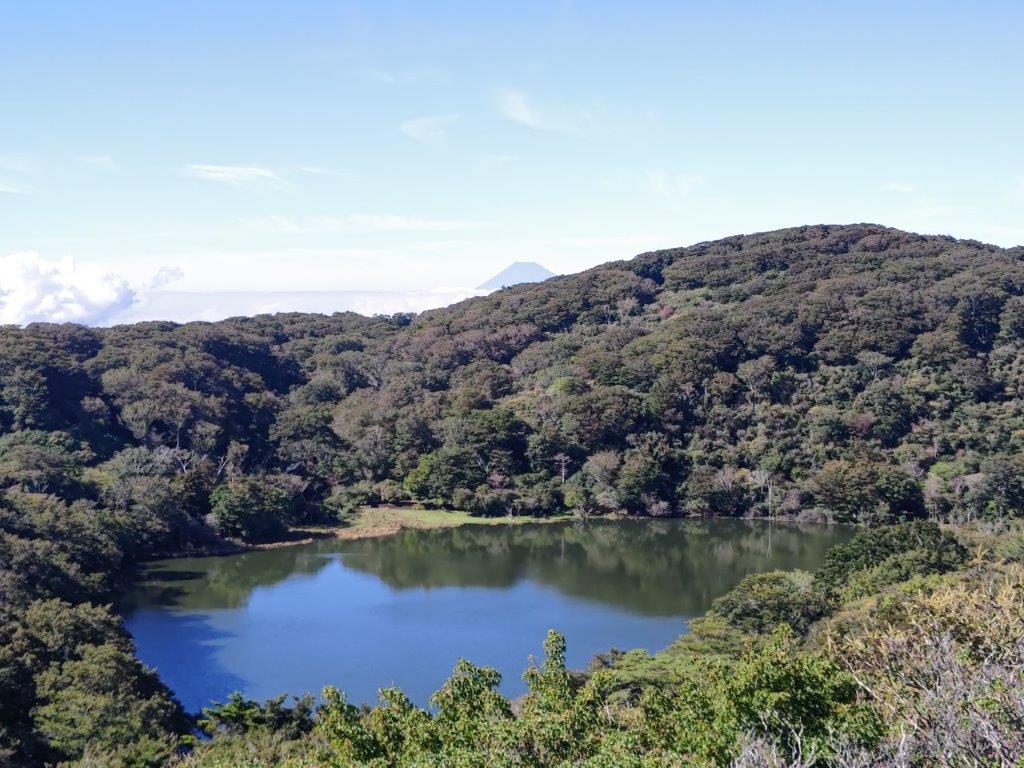
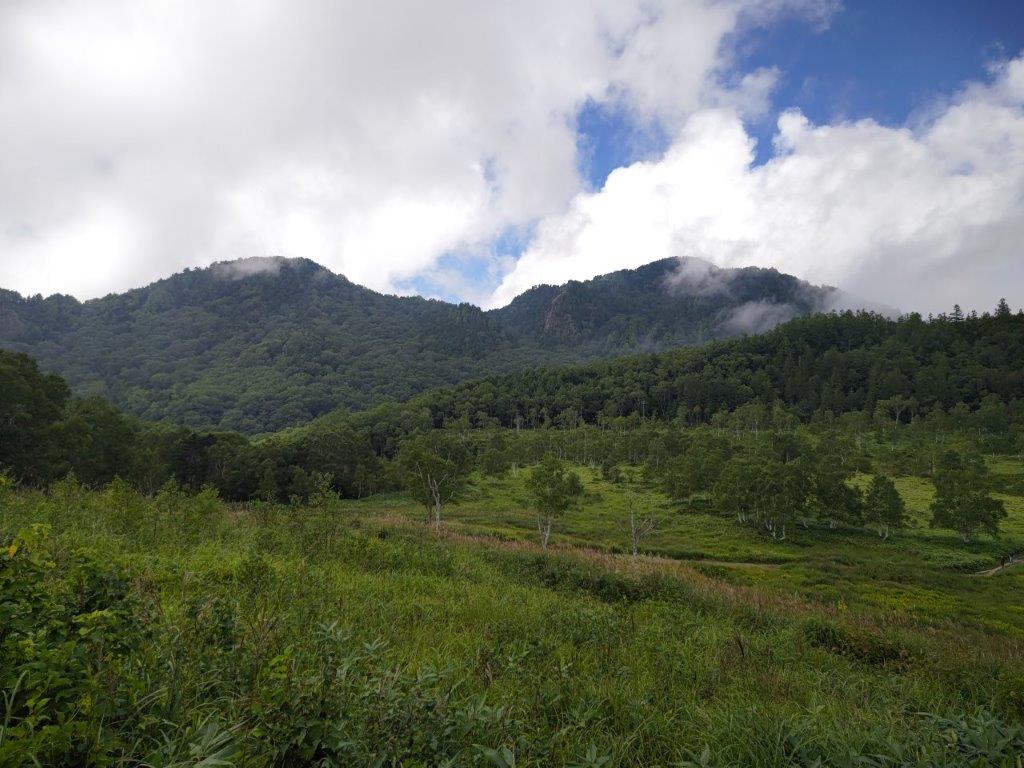
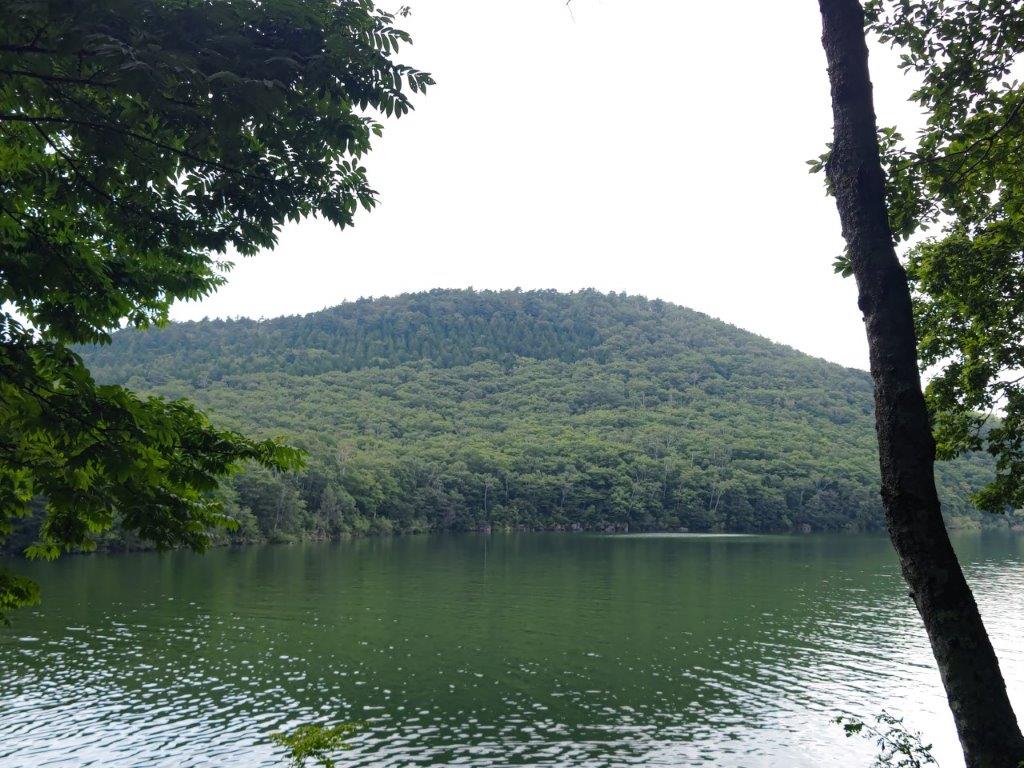
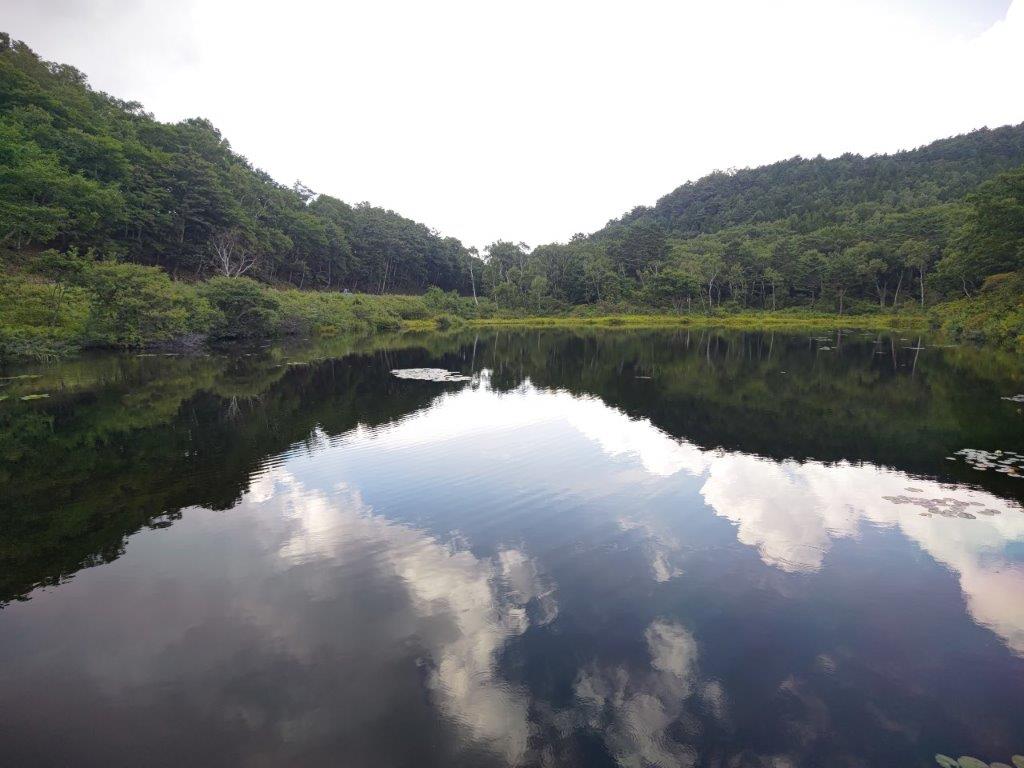
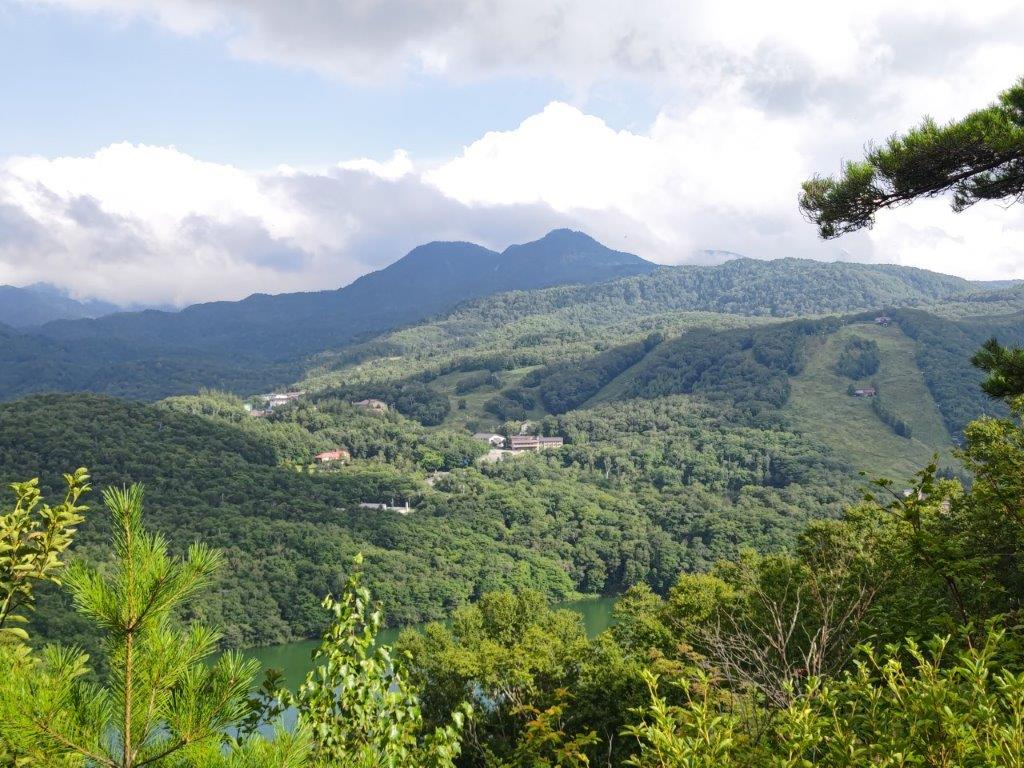
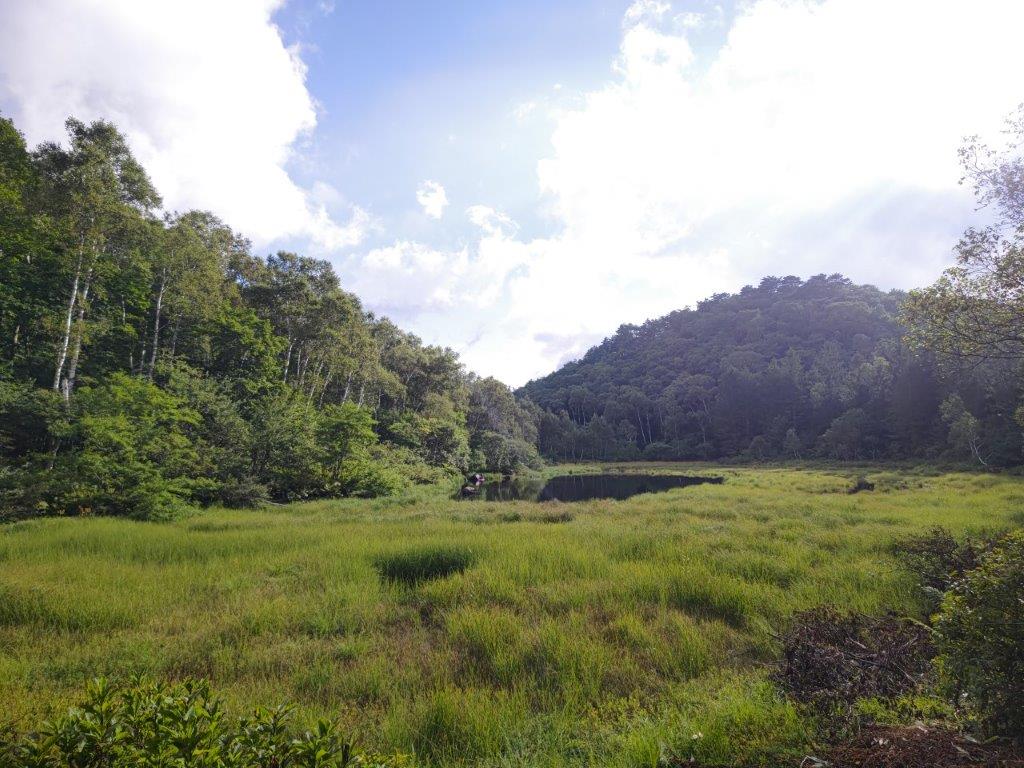
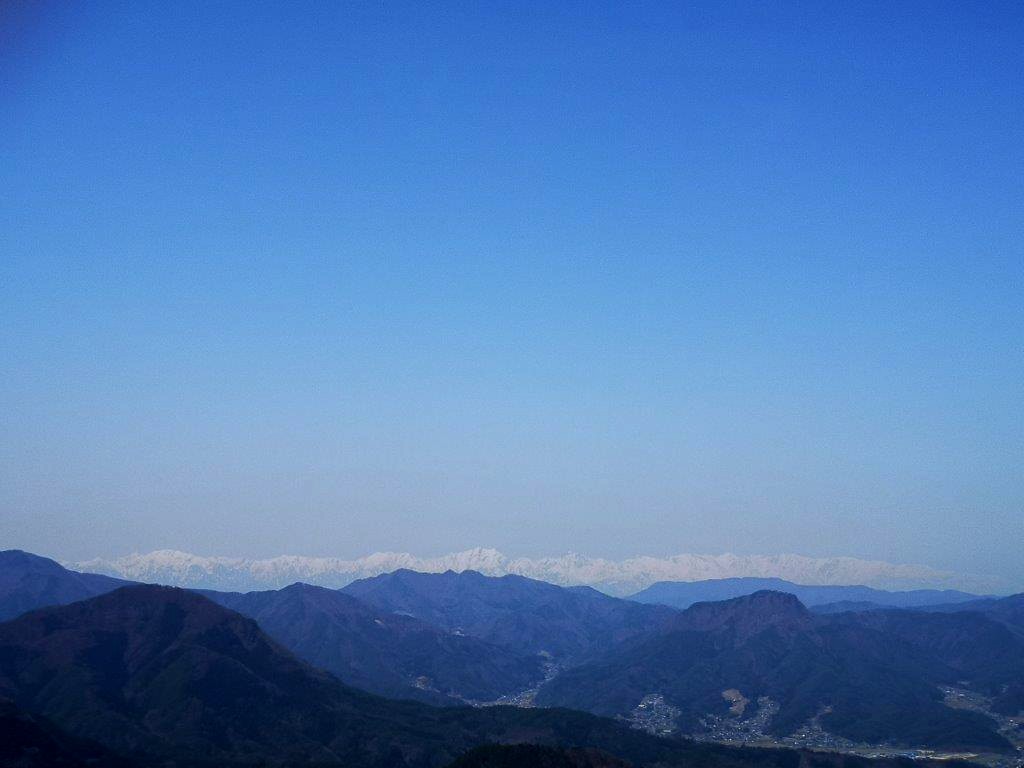
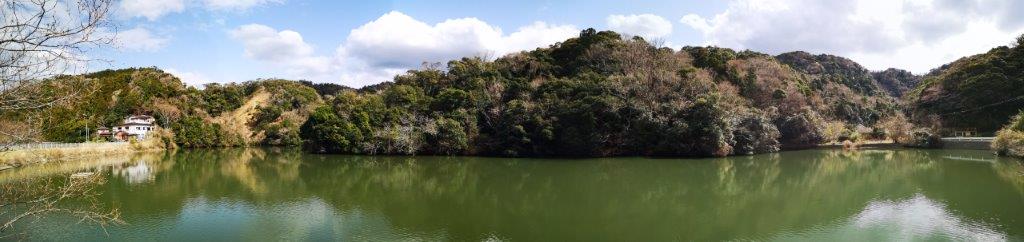
View between Kori Pond and the Mt Kuro Viewpoint
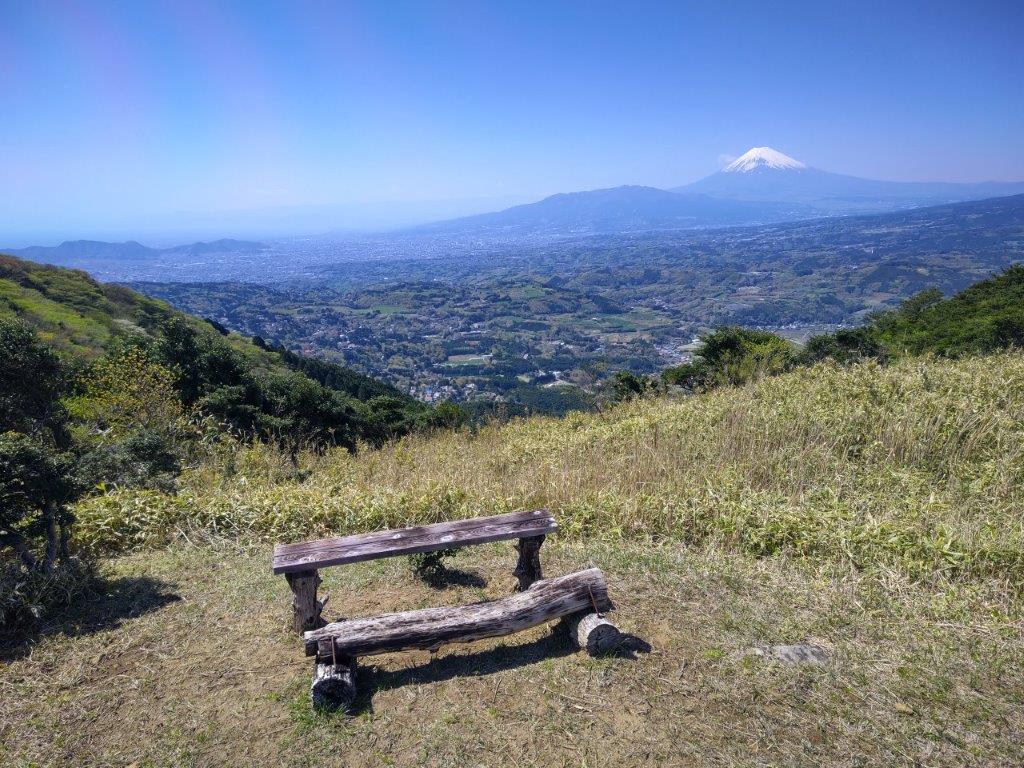
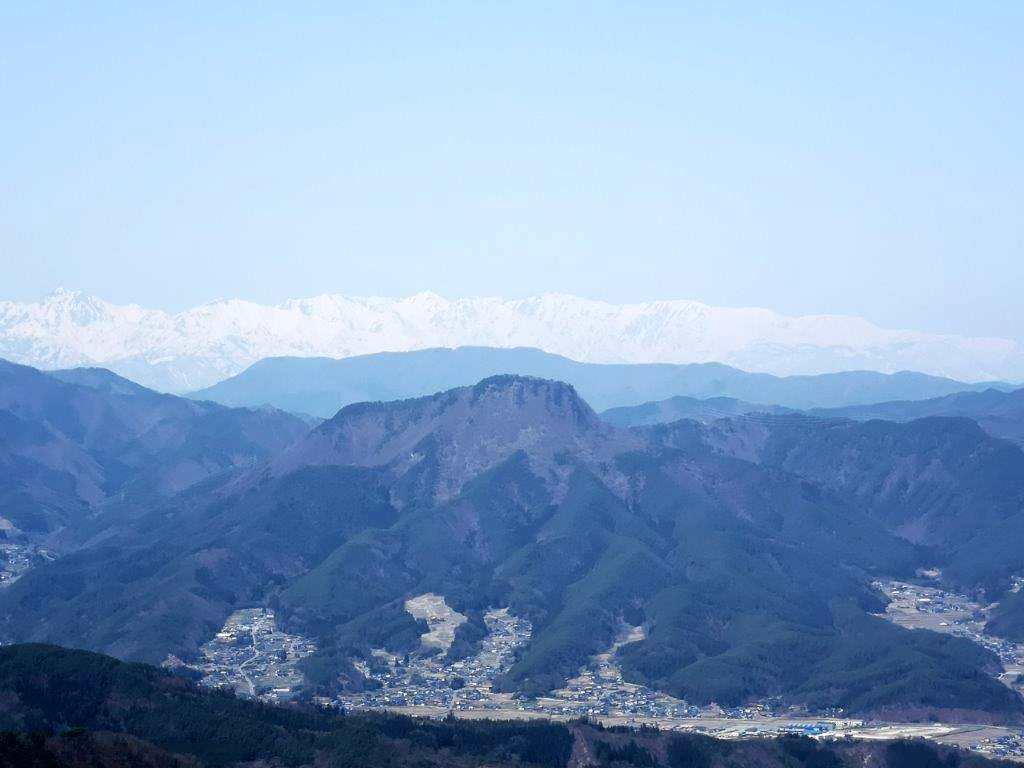
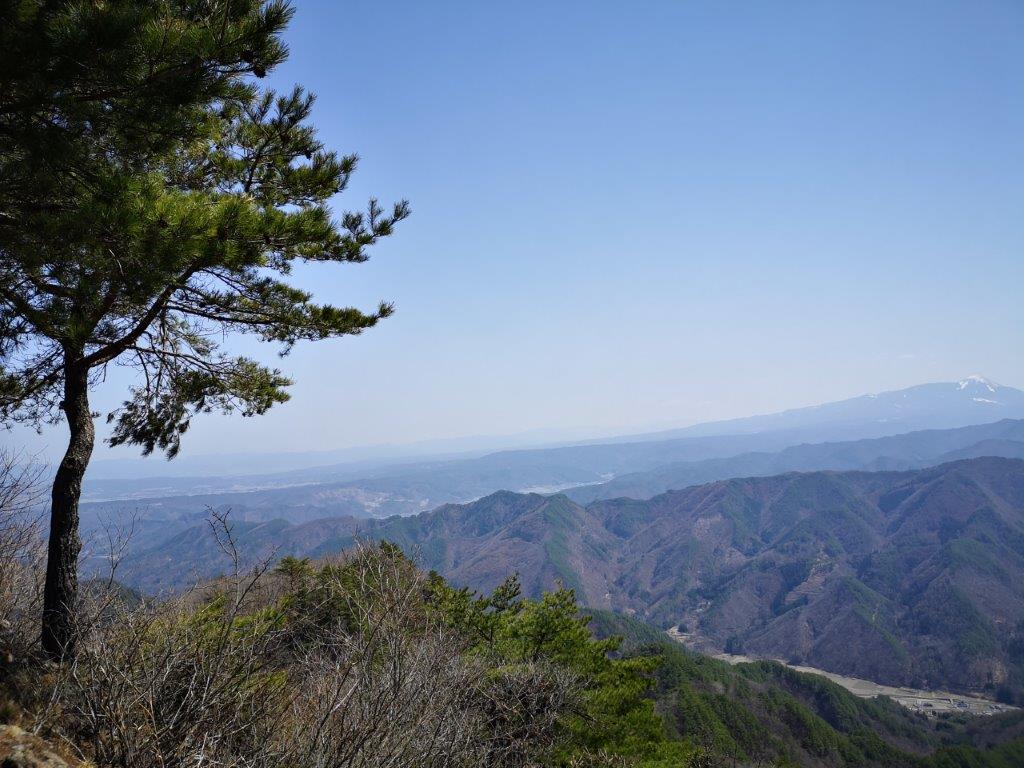
Bench with a view close to the Mt Kuro Viewpoint

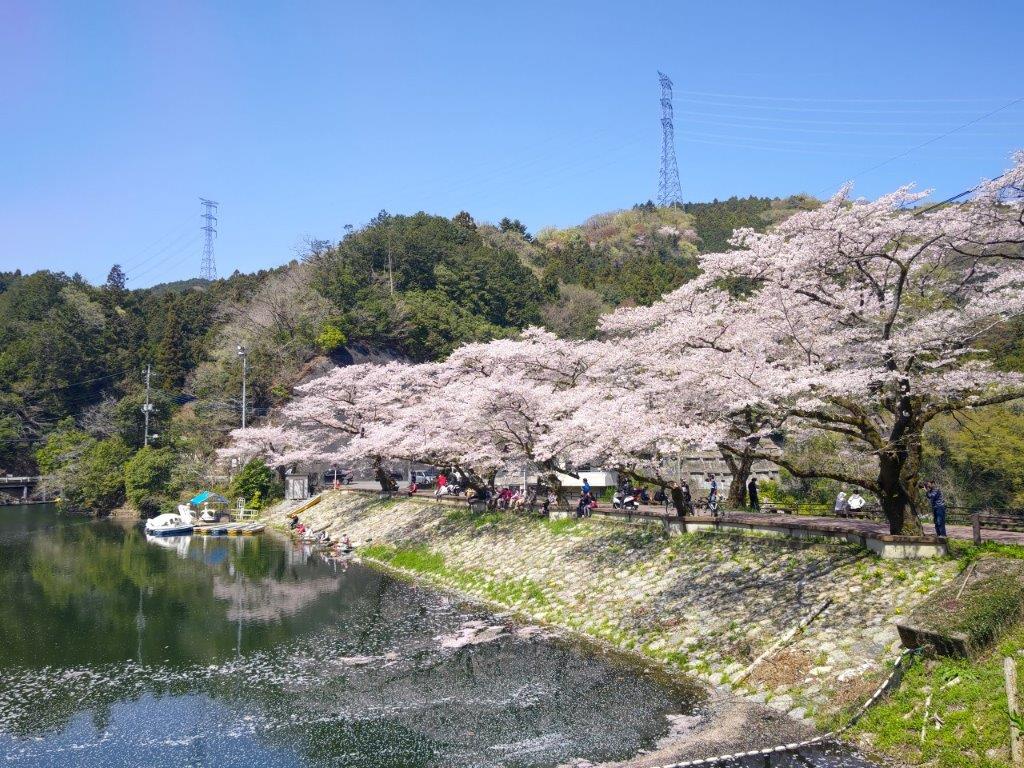
I enjoyed the view of the the cherry blossoms in full bloom while I waited for the bus at Kannami station. After a short ride, I got off at a stop in the middle of the fields, opposite an “honor system” vegetable stand, and after getting ready, set off along quiet country lanes, a little before 11am. I was in high spirits, excited to explore an area I had never been to before.
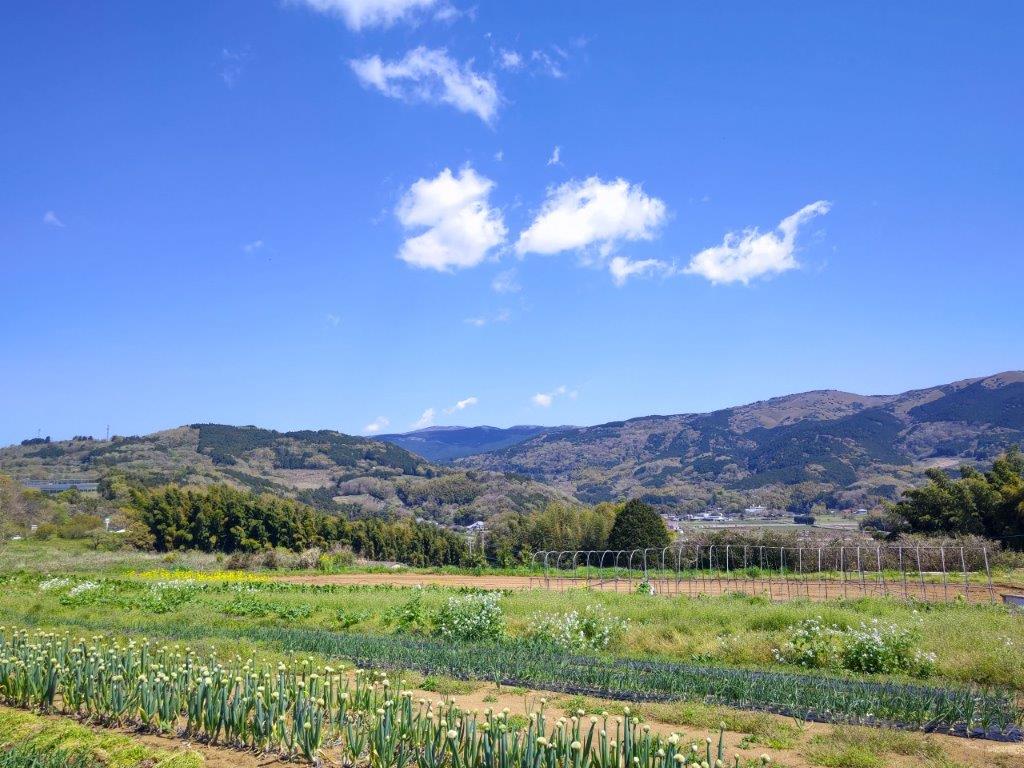
View of the Izu Skyline from near the Tanna Fault

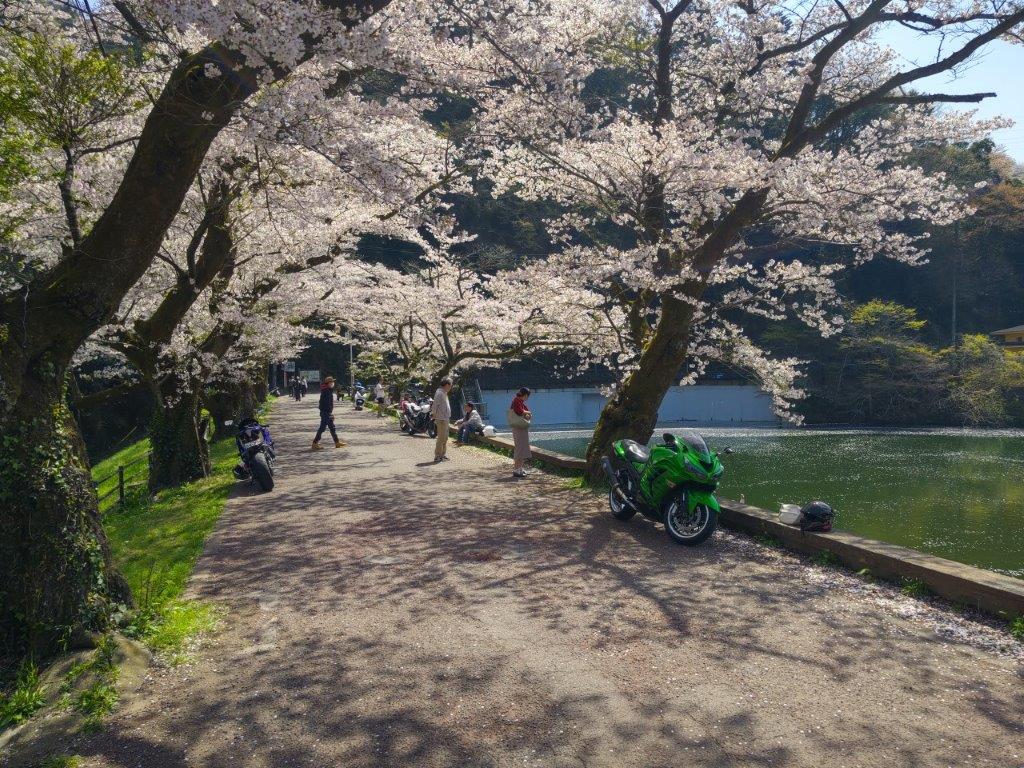
Cherry Blossoms in Full Bloom near the Trail Entrance

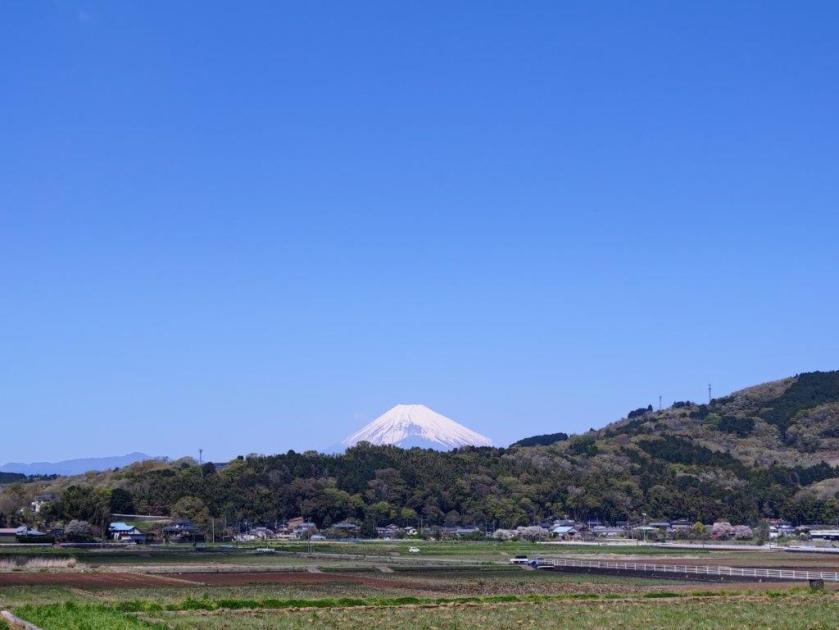
On my left, I had a view of the green, undulating ridgeline along which ran the Izu skyline and which I would soon be climbing; behind me, was Mt Fuji, still wearing its snowy winter coat. I soon passed through Tanna Fault park (丹那断層公) commemorating a massive earthquake that hit the area nearly 100 years ago, a sobering reminder of nature destructive power.
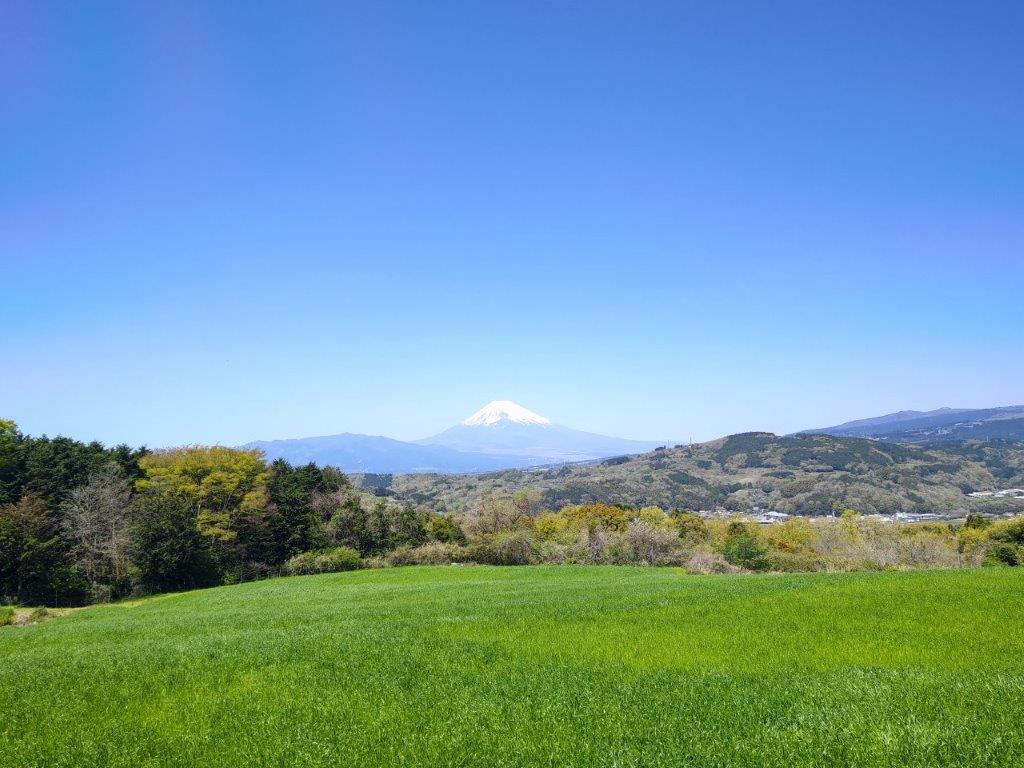
Green Meadows and White Volcanoes
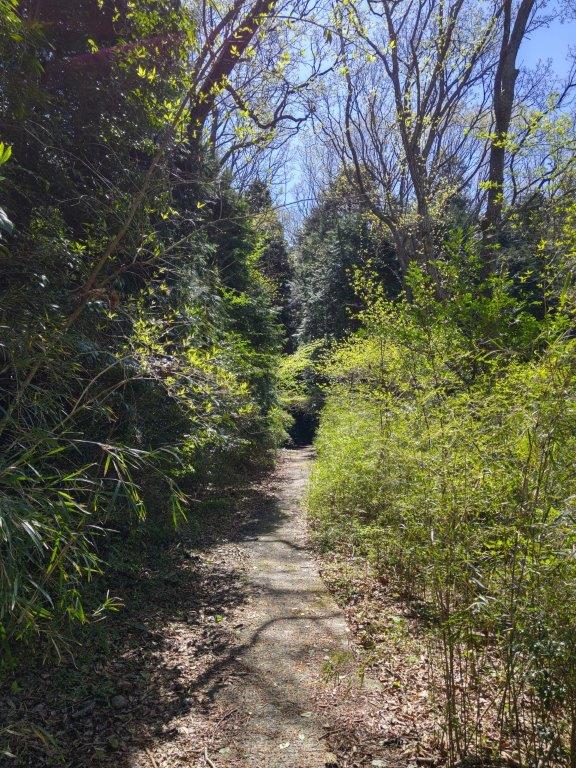
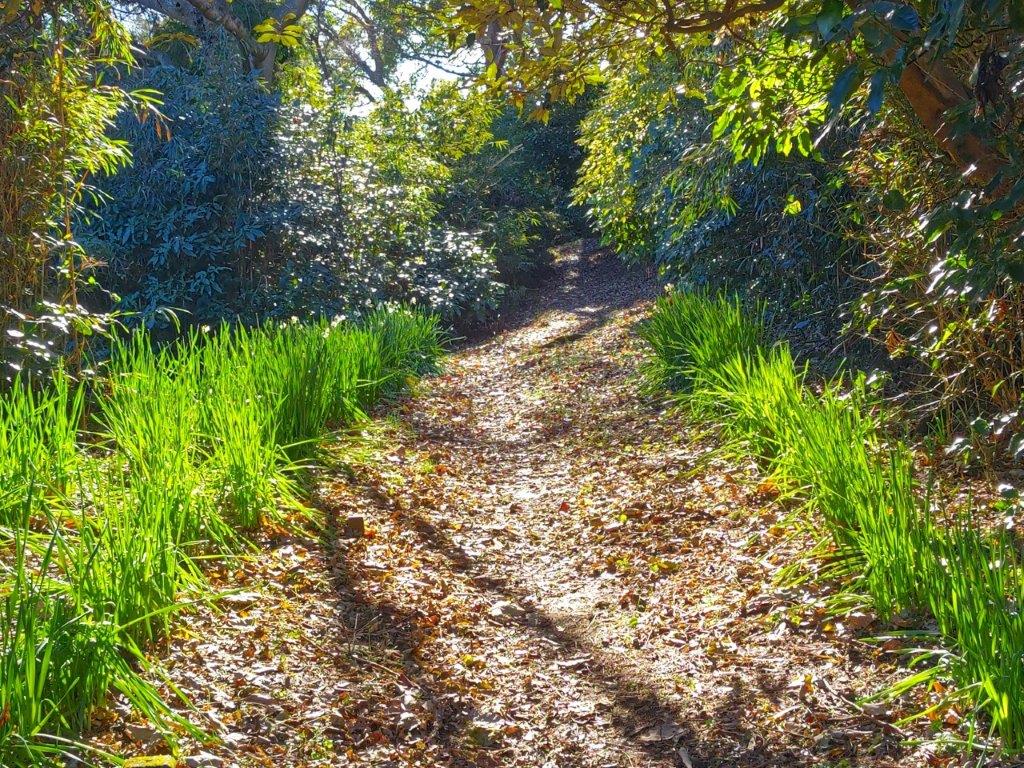
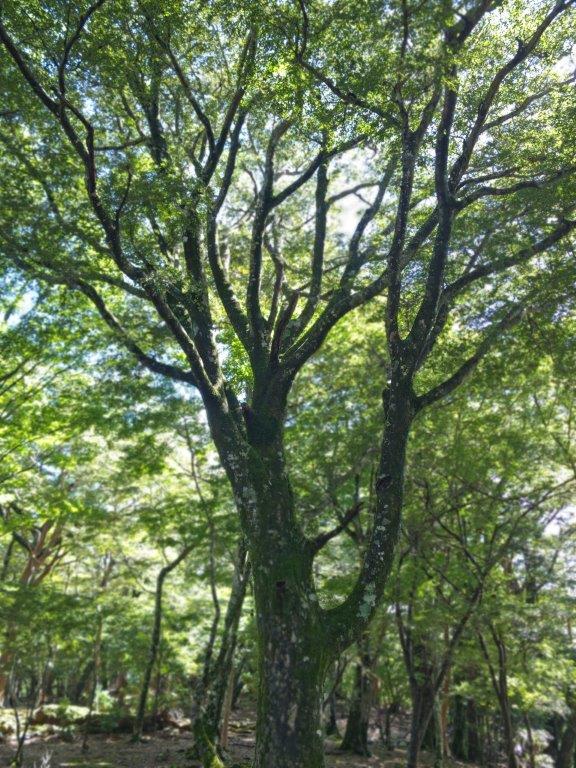
Sun & New Green (left) Tall Cedars & Shade (right)

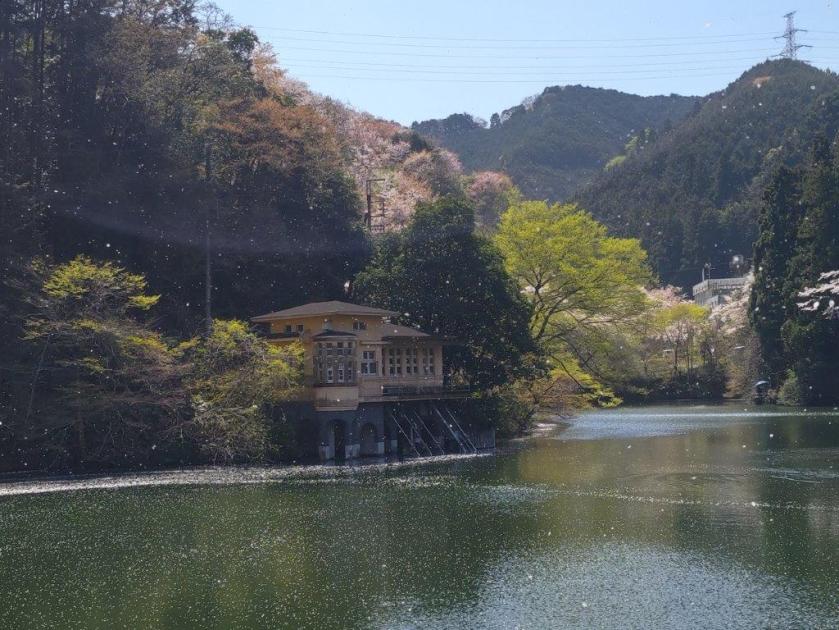
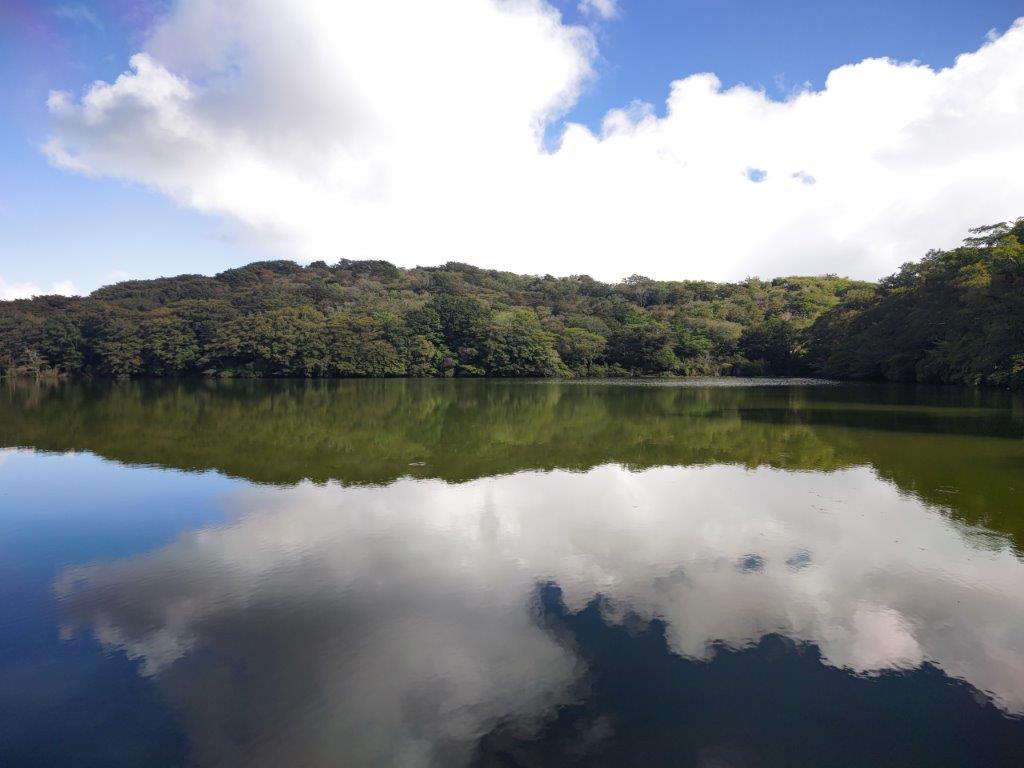
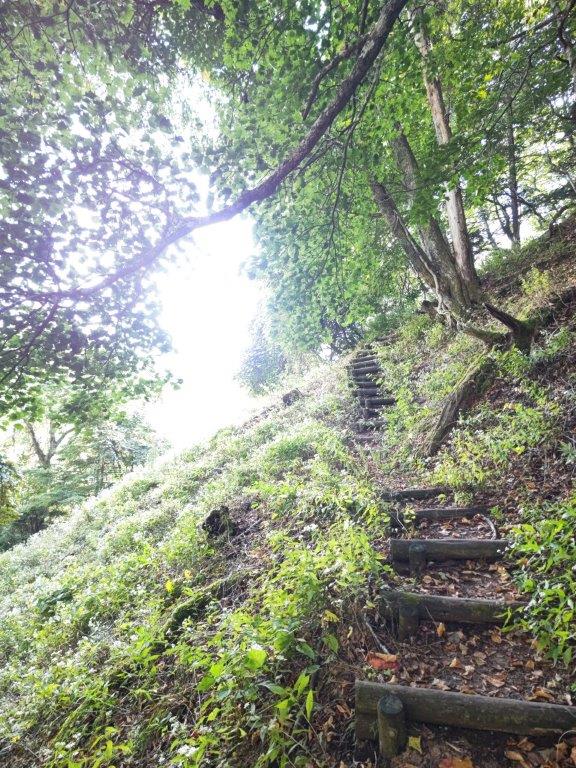
Later, I passed some green meadows, reminding me of Switzerland, except for the solitary yaezakura (“double-layered cherry blossom tree”) in the foreground and Mt Fuji in the background. At 11h30, I reached the trail entrance, and after climbing through mixed forest, towering cedars, and finally a bamboo grass tunnel, I reached Kori pond (氷ヶ池), located under a curve of the Izu skyline.

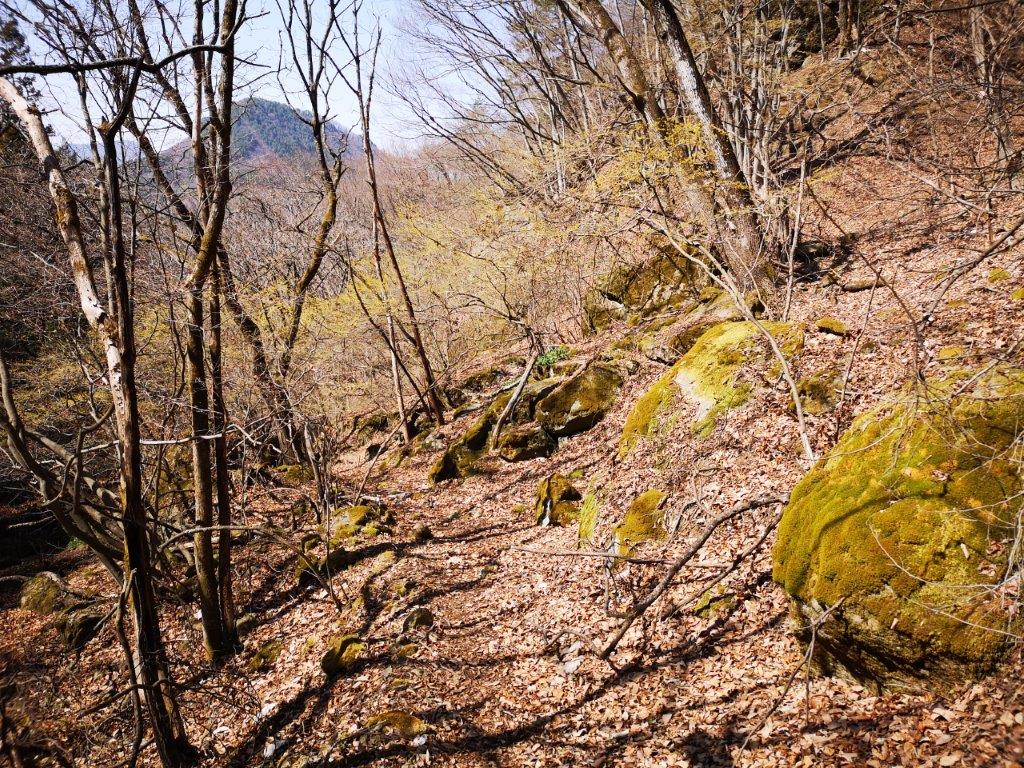
Rocks on the Trail (left) Through the Bamboo Tunnel (right)

First Glimpse of the Summit

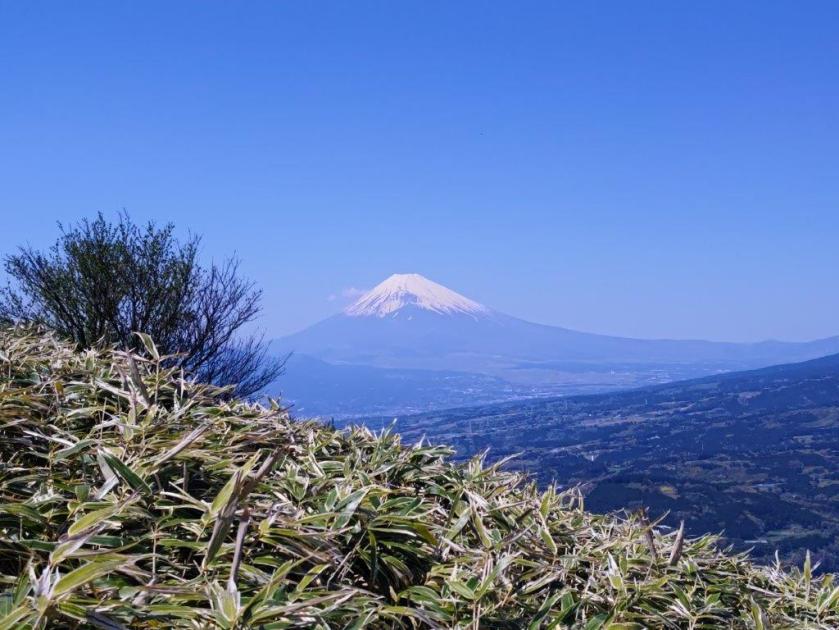
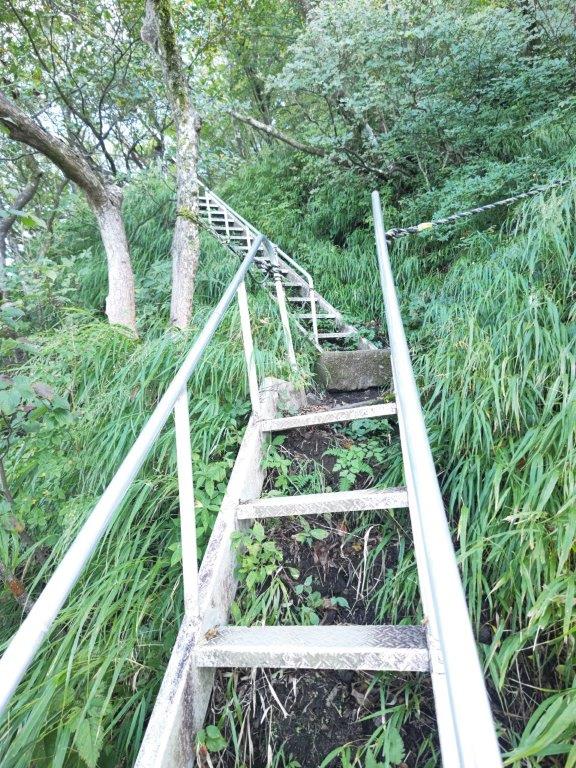
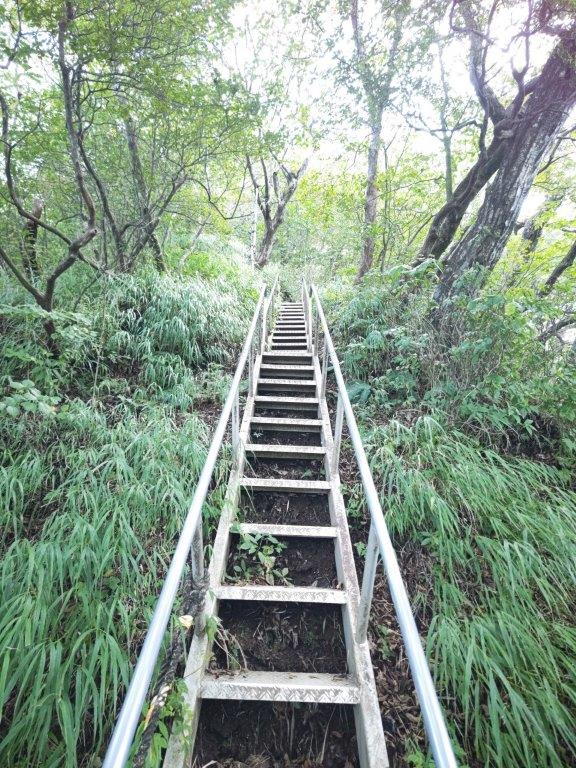
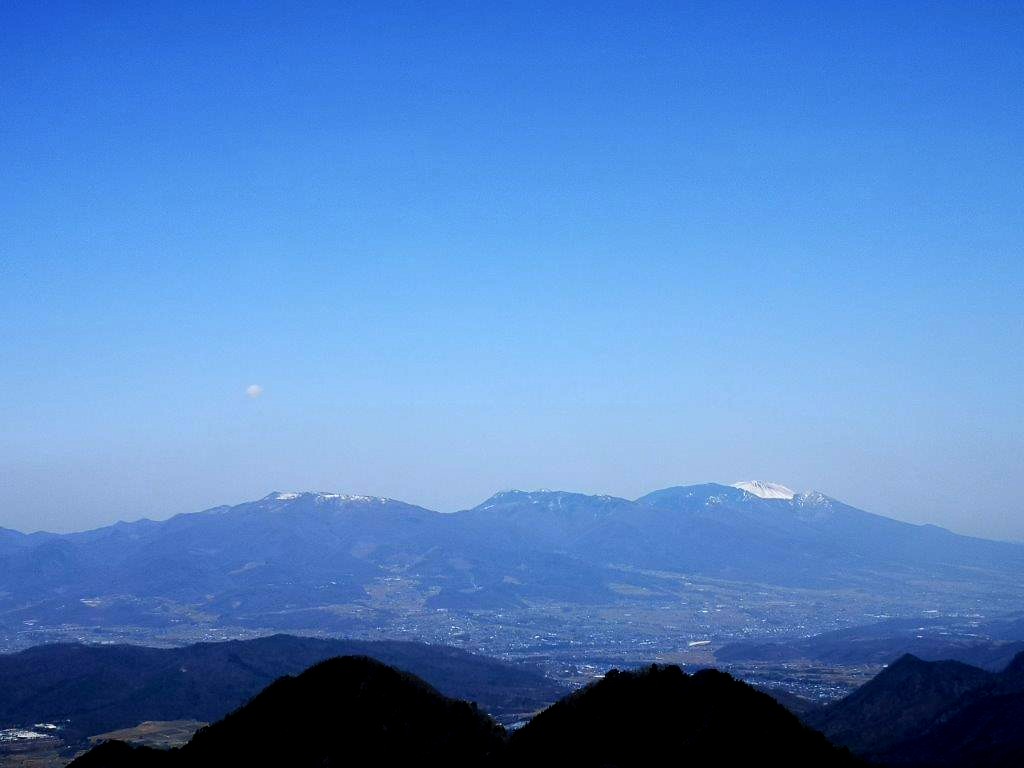
I gazed in wonder at the magical view of Mt Fuji rising above the pond. After a short break, I made my way back along the pond side to an intersection passed previously, and then up a steep path, equipped with rope for safety. The bamboo grass was much shorter now, and a panoramic view of the entire area was slowly emerging all around me. I turned around frequently to admire the view of Hakone volcano on the north side.

Mt Fuji and Kori Pond

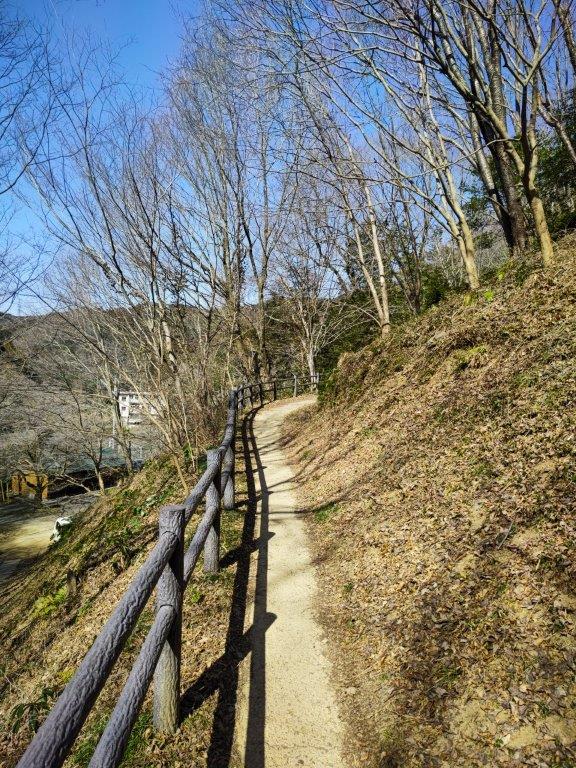
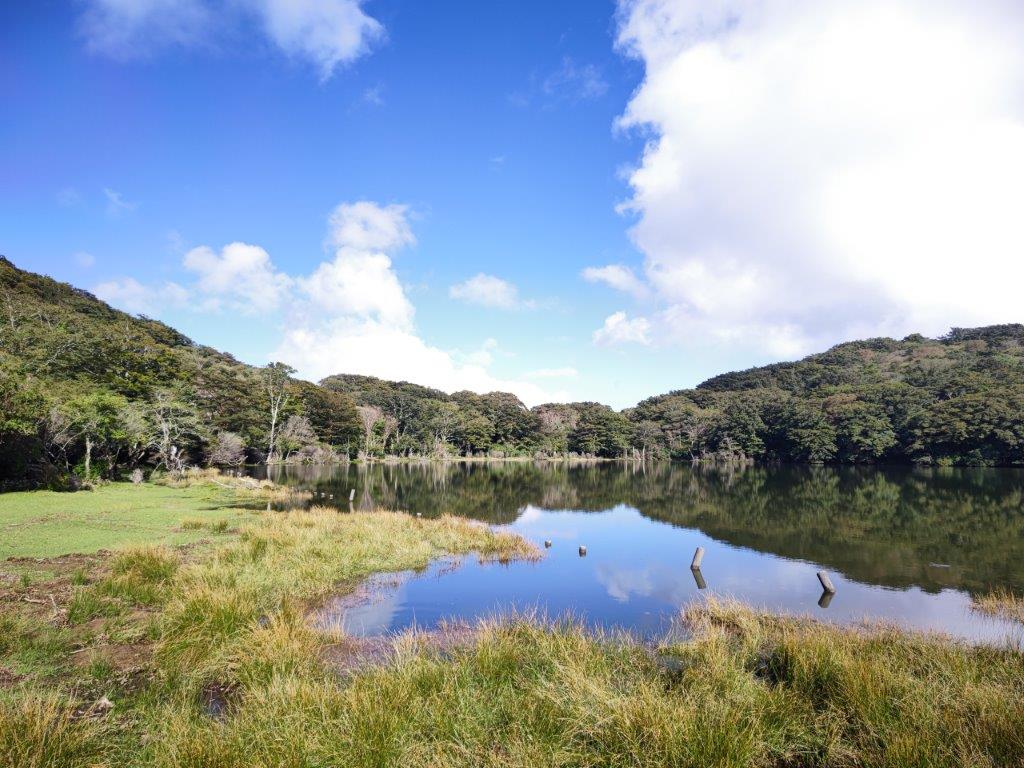
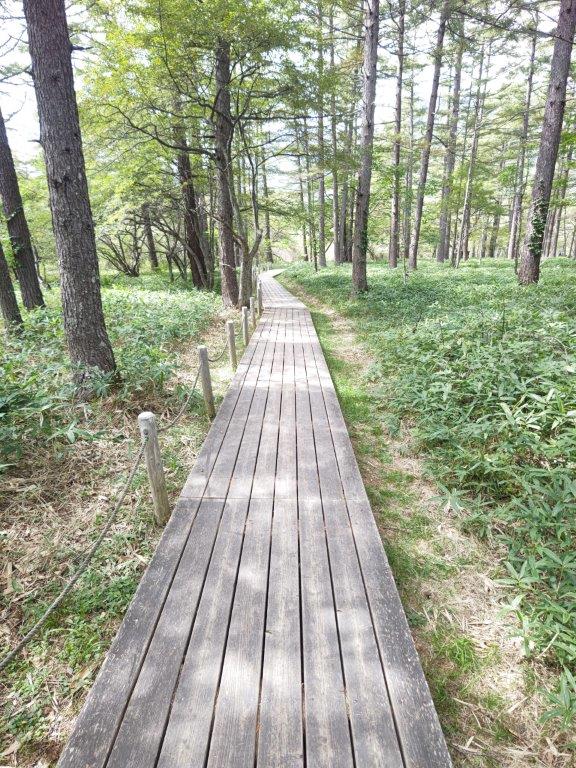
Trail Alongside Kori Pond

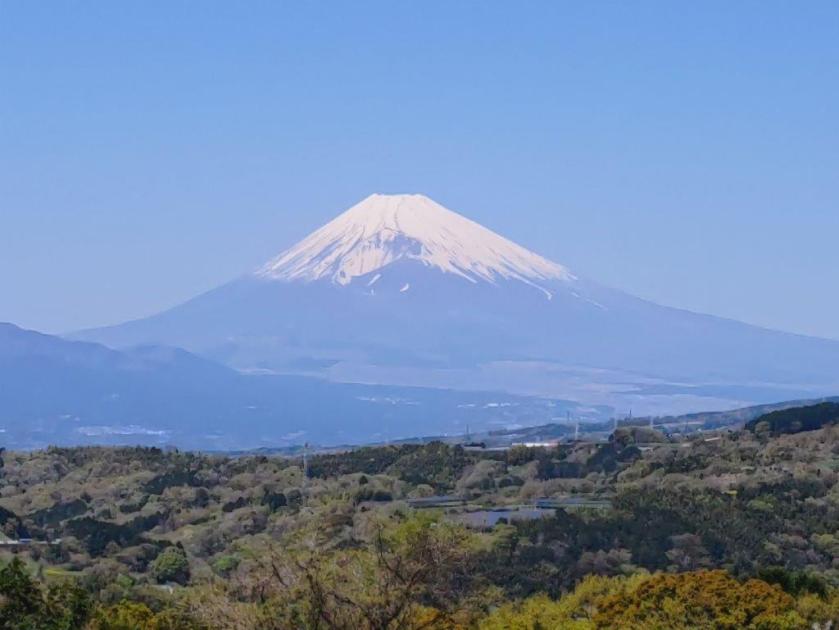
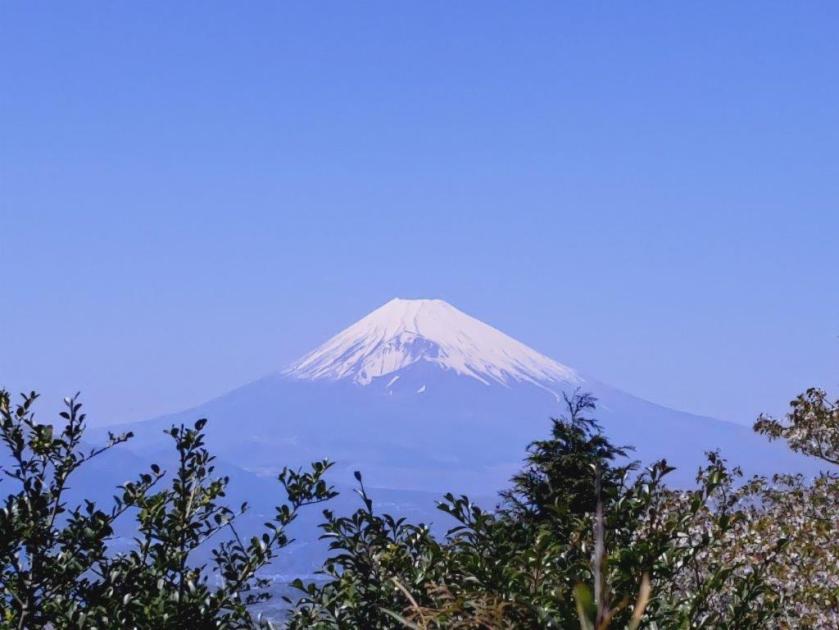
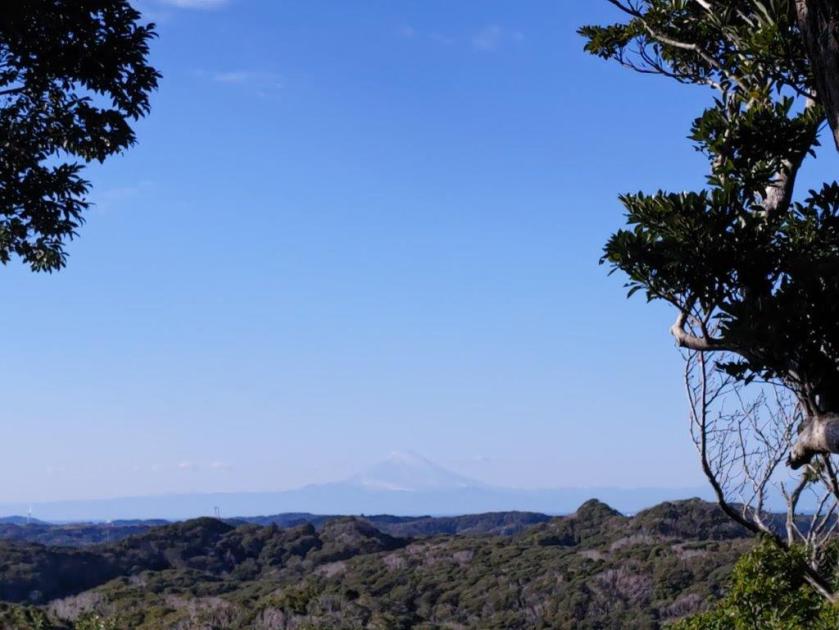
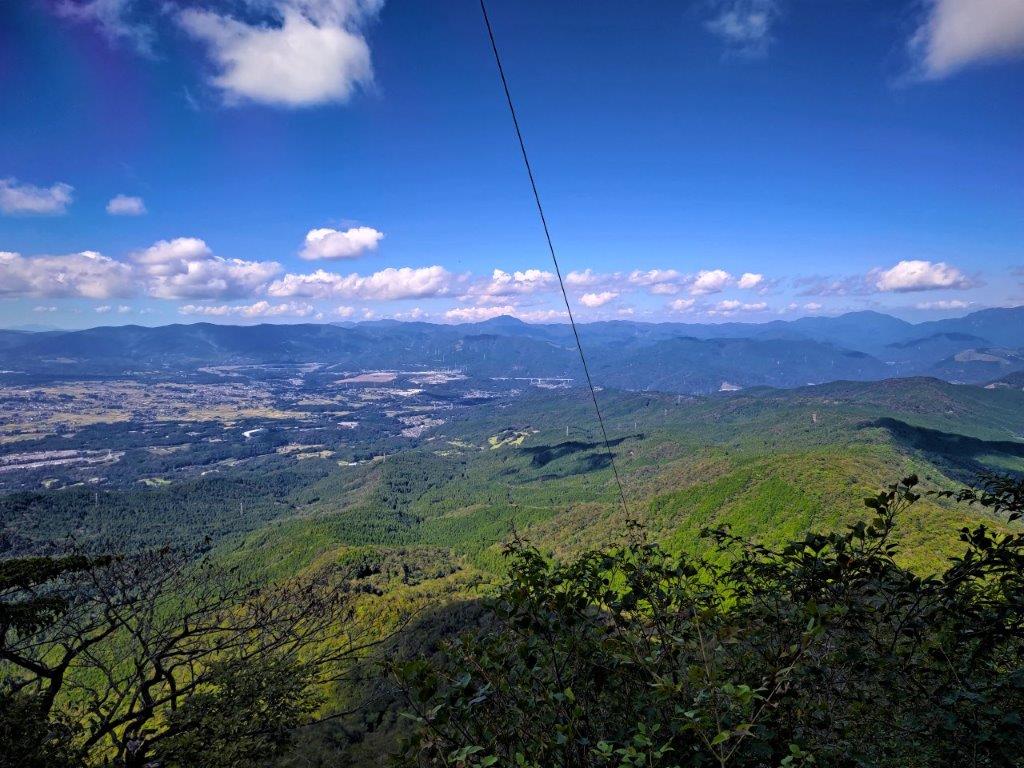
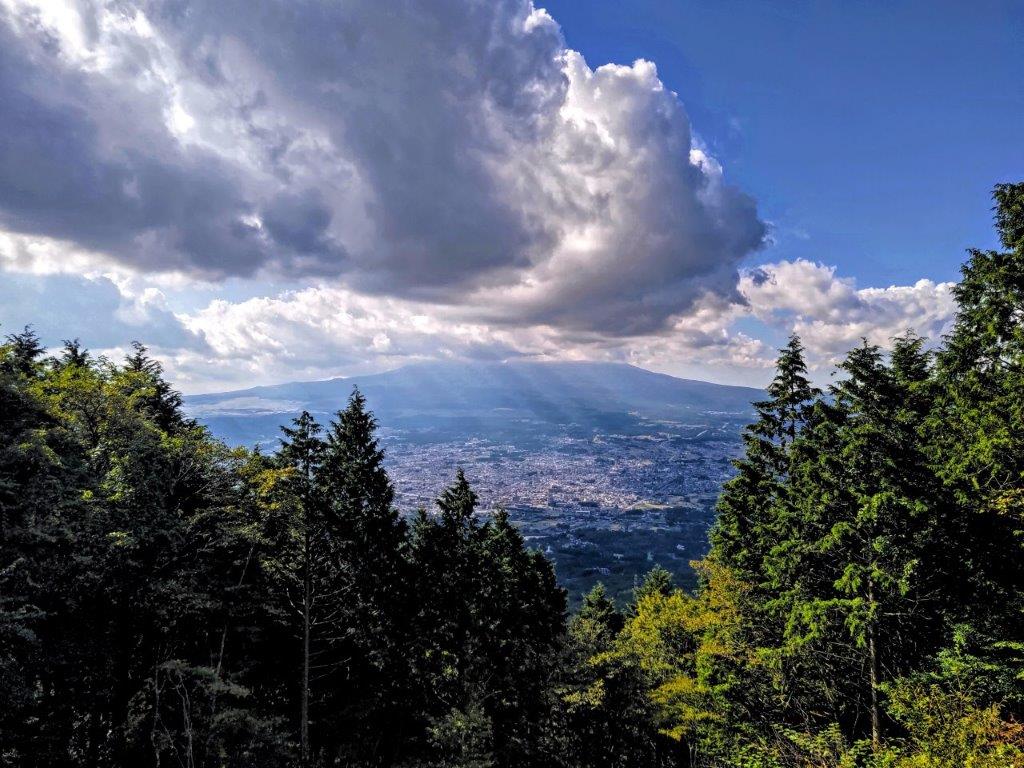
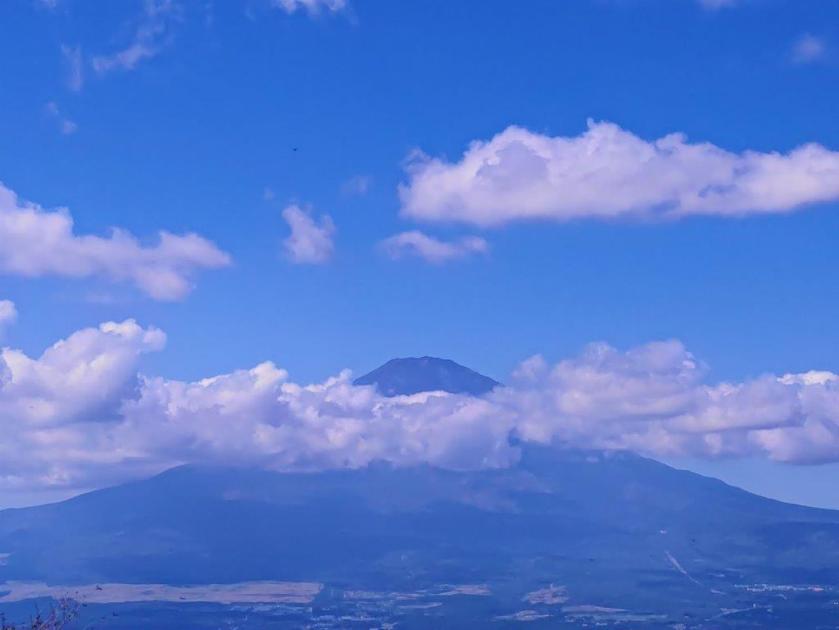
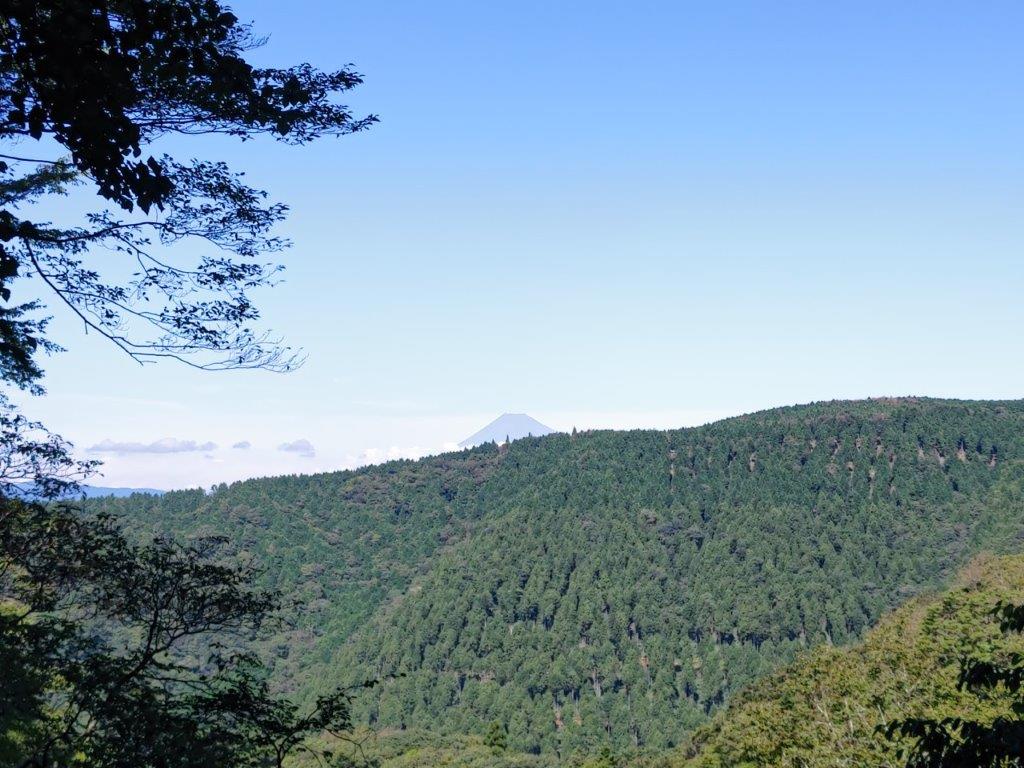
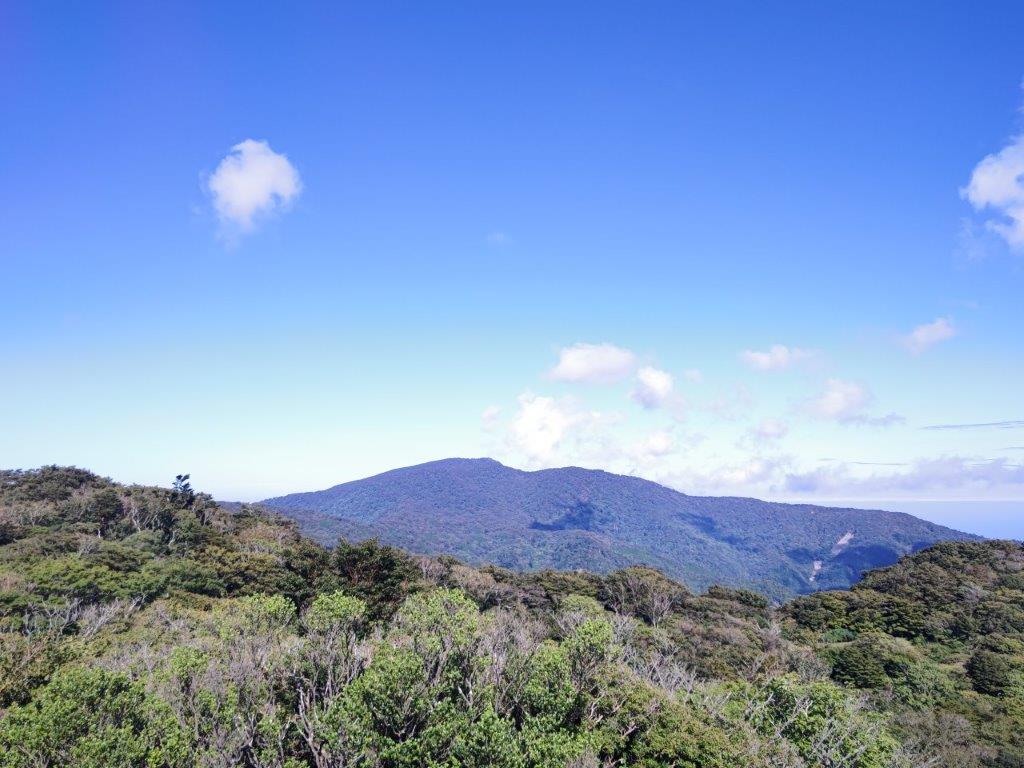
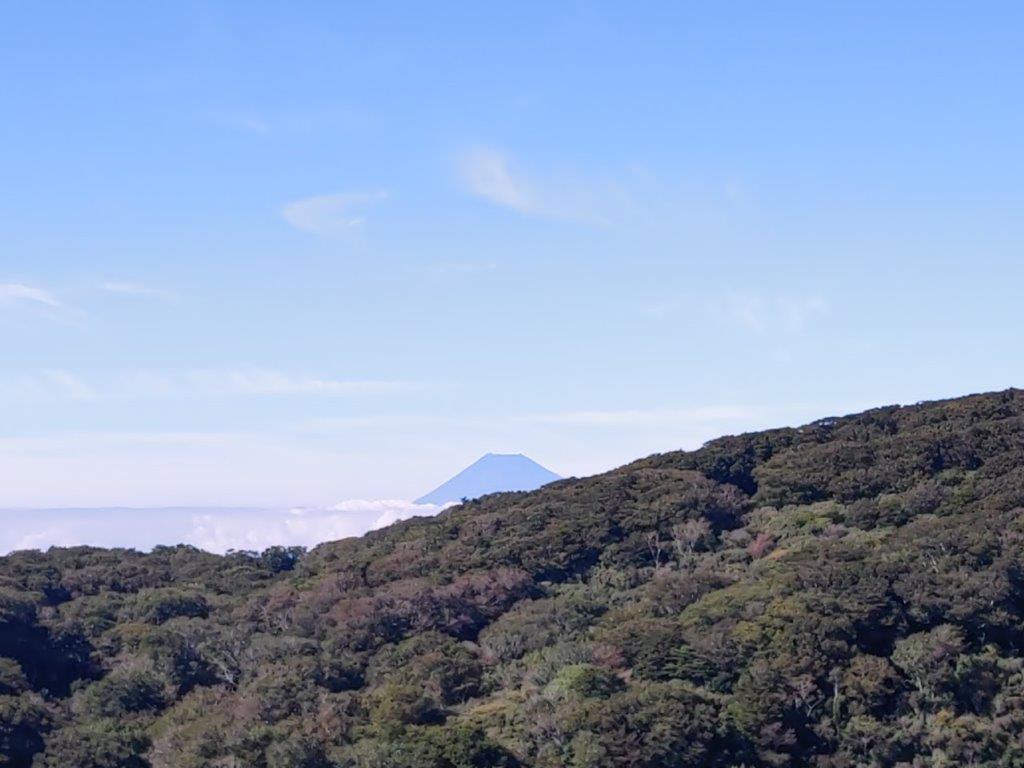
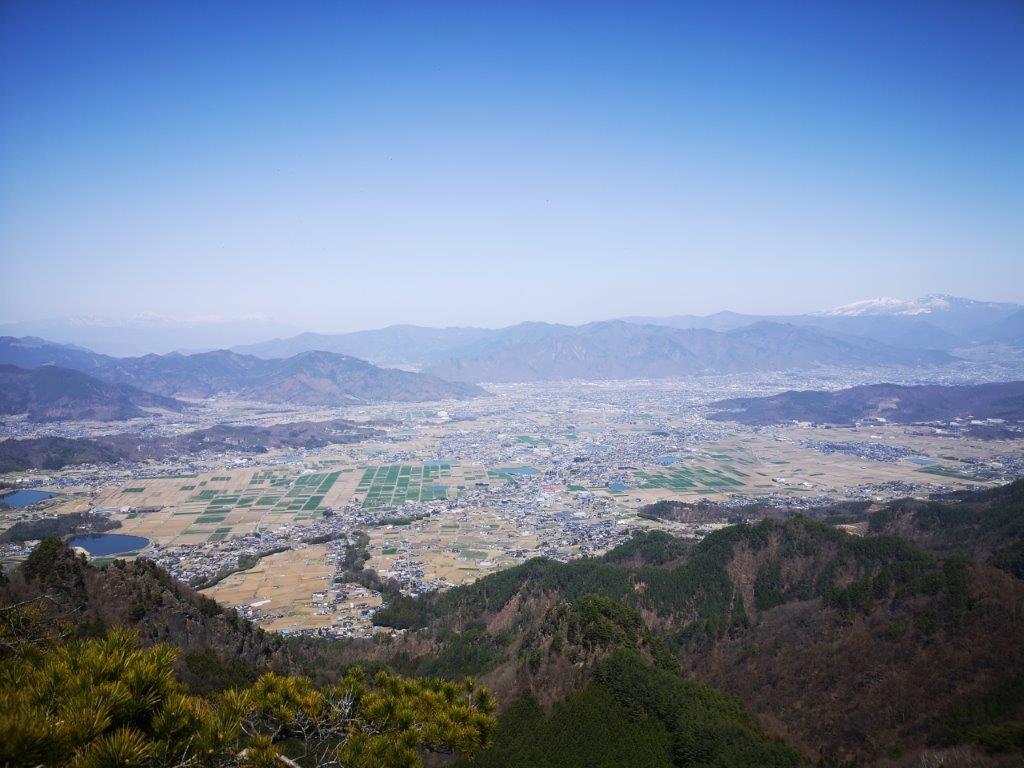
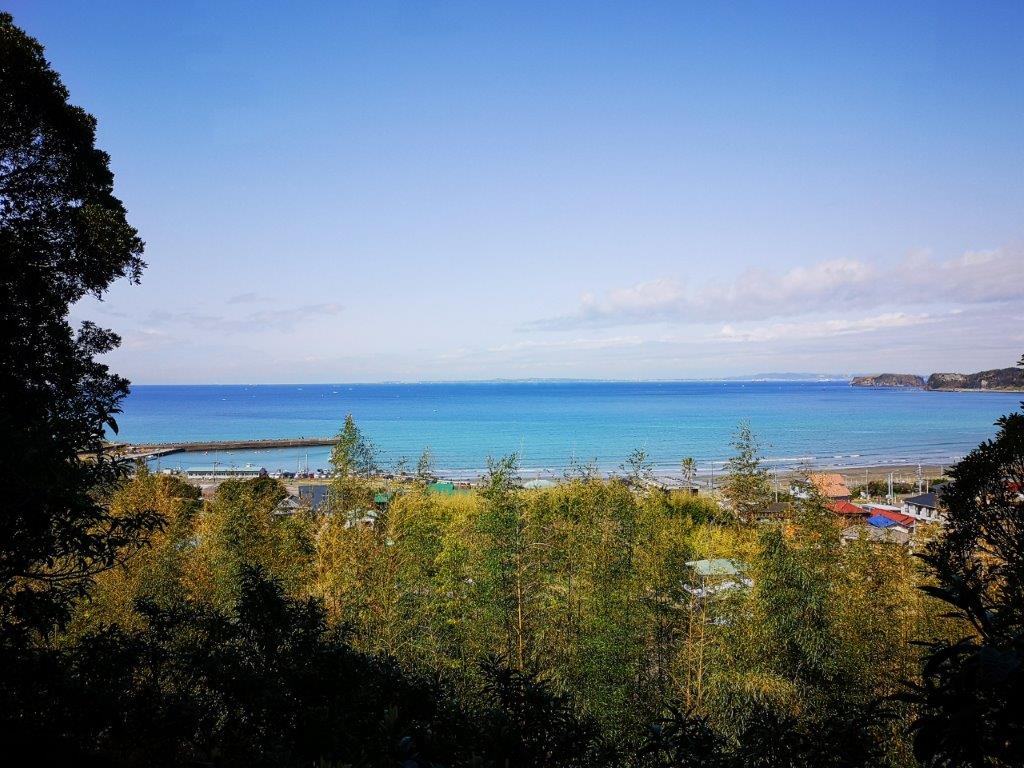
At 1pm, I reached the best view of the day: a single bench just a few minutes away from the Mt Kuro Second Viewpoint (玄岳第二展望台), which I had visited by car in the winter. Directly ahead was Mt Fuji, with Mt Ashitaka on its left, and Mt Hakone on its right; beyond was Suruga bay and the Minami Alps. Looking down, I could see the dark green lowlands stretch all the way to Numazu City.

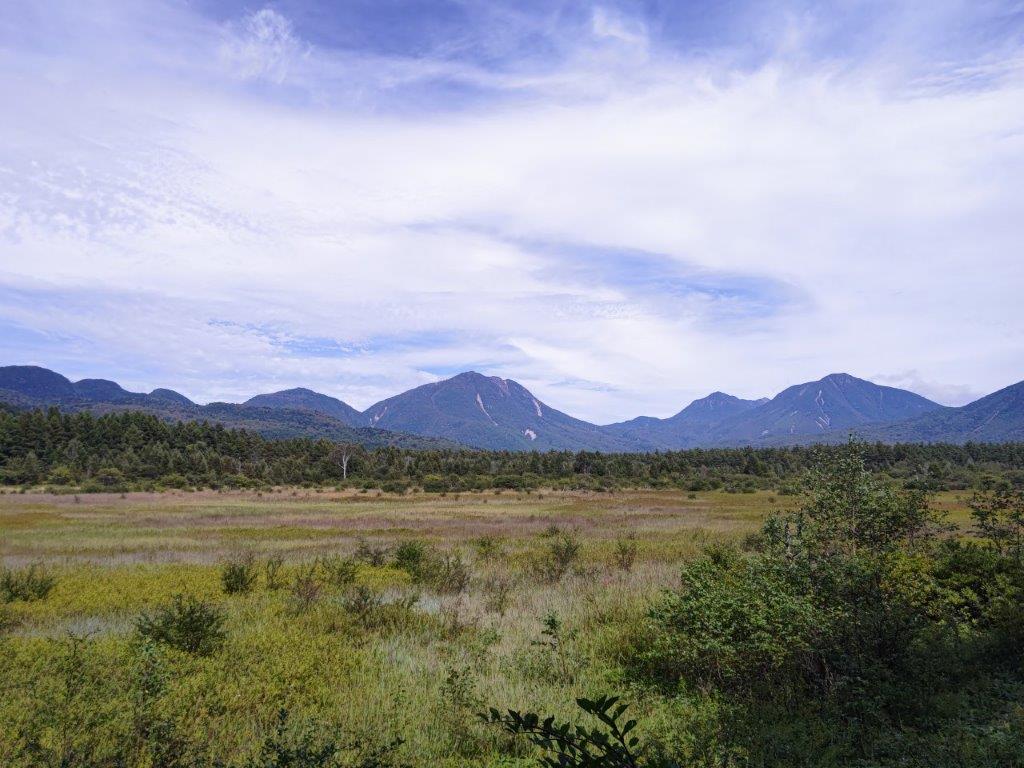
View of Hakone Volcano above Kori Pond
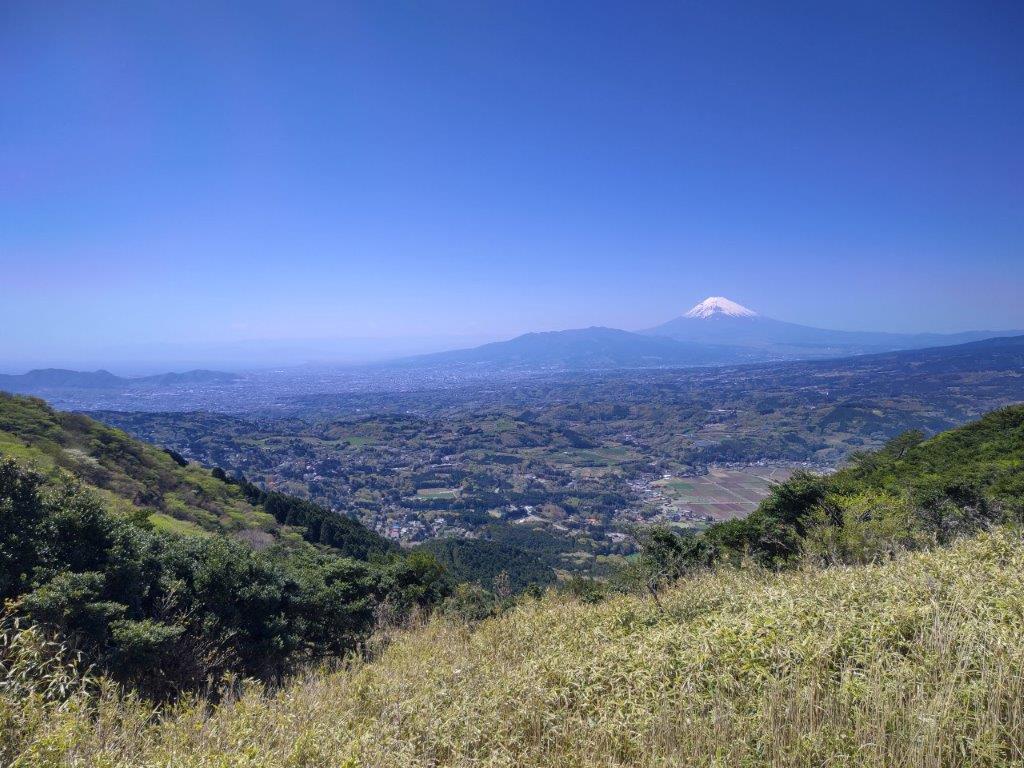
View of Mt Fuji, Mt Ashitaka (center) and the Numazu Alps (left)

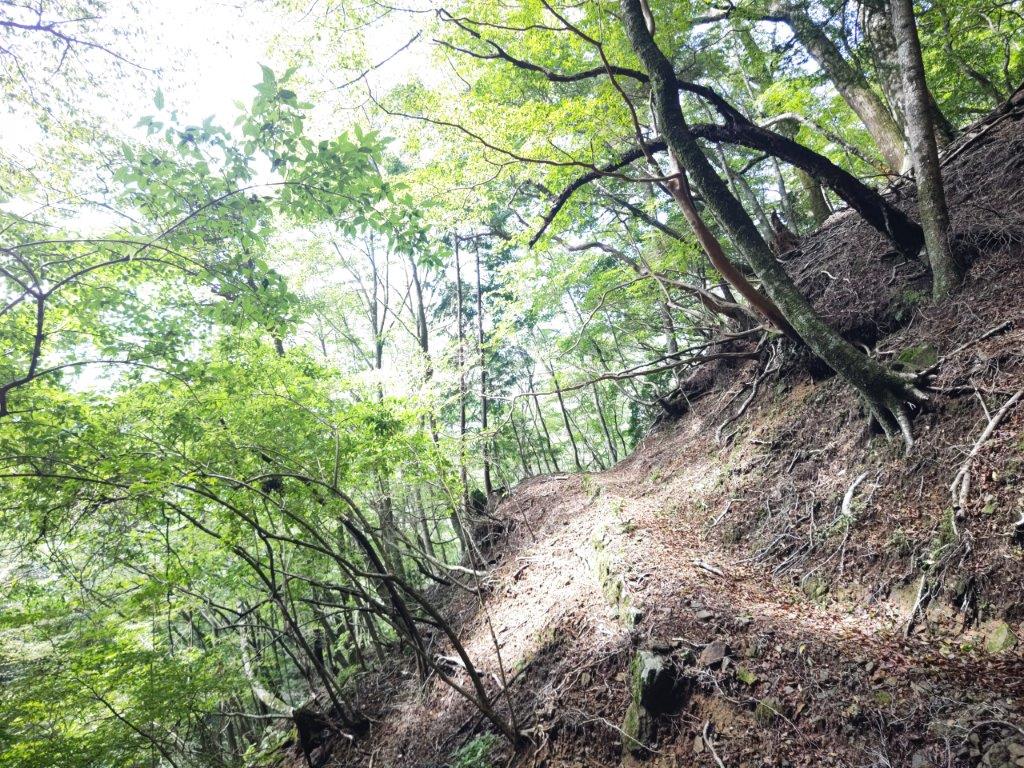
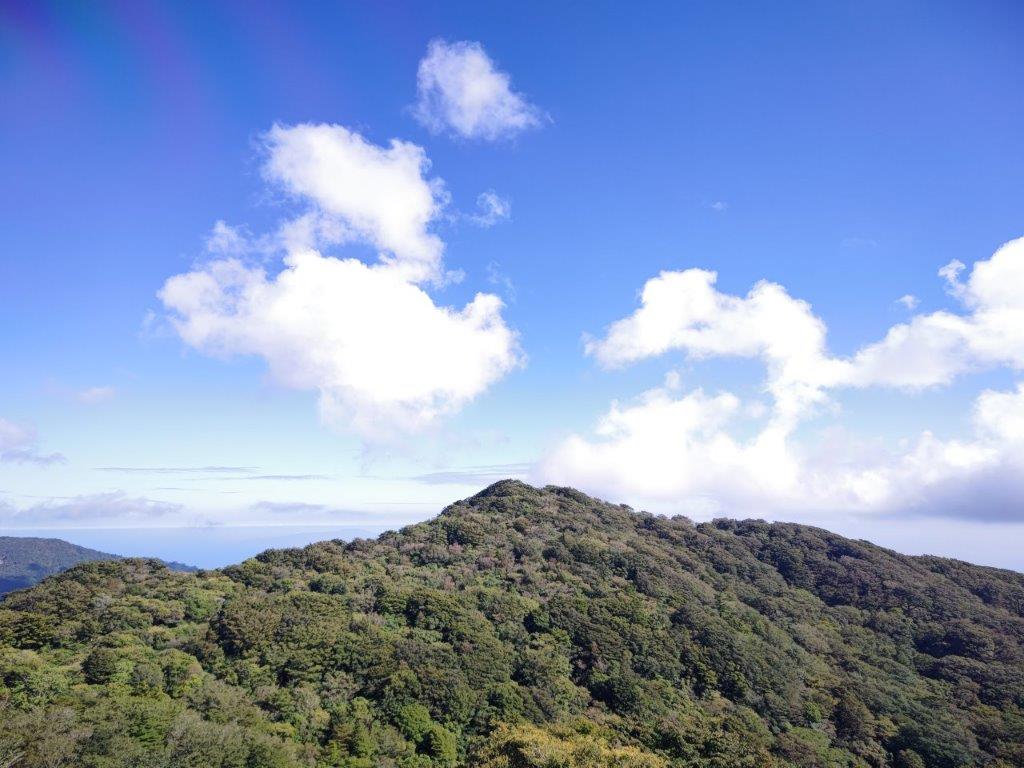
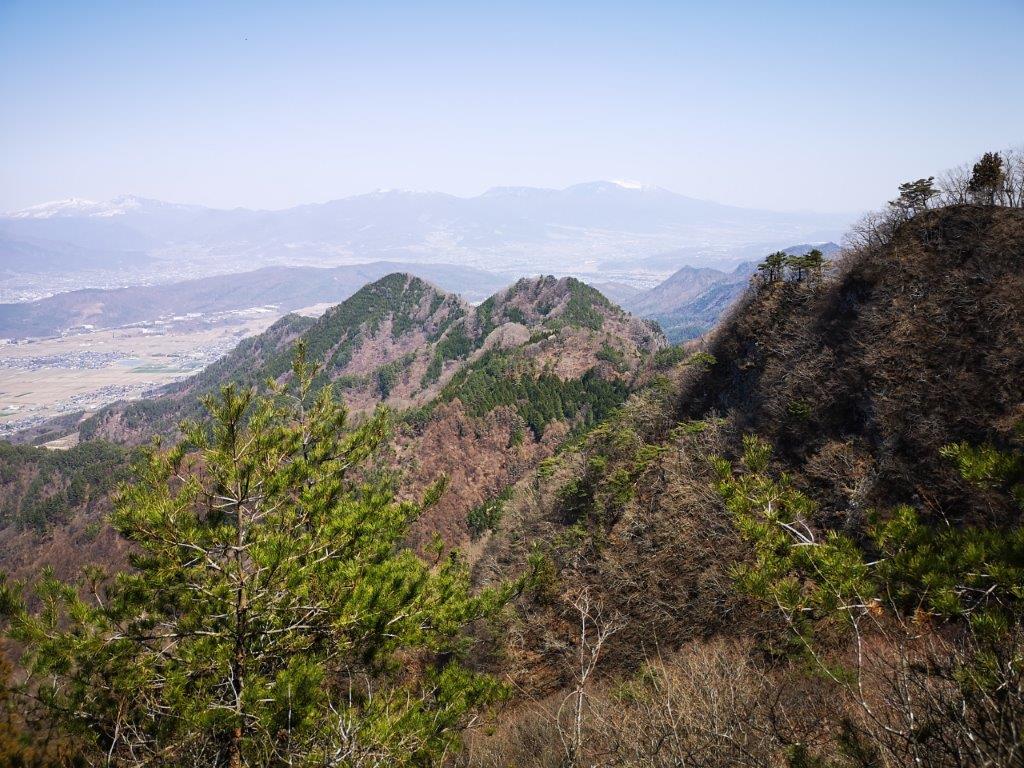
I waited for a break in the procession of roaring motorbikes before quickly crossing the skyline, and then proceeded up the final climb. As I made my way up the grassy, rounded summit, the view gradually opened up on the south side, and I could now see the Numazu Alps and the mountainous interior of Izu peninsula, culminating in Mt Amagi. At 1h30, I reached the flat top of Mt Kuro (玄岳 くろたけ kurotake), a Shizuoka 100 famous mountain.
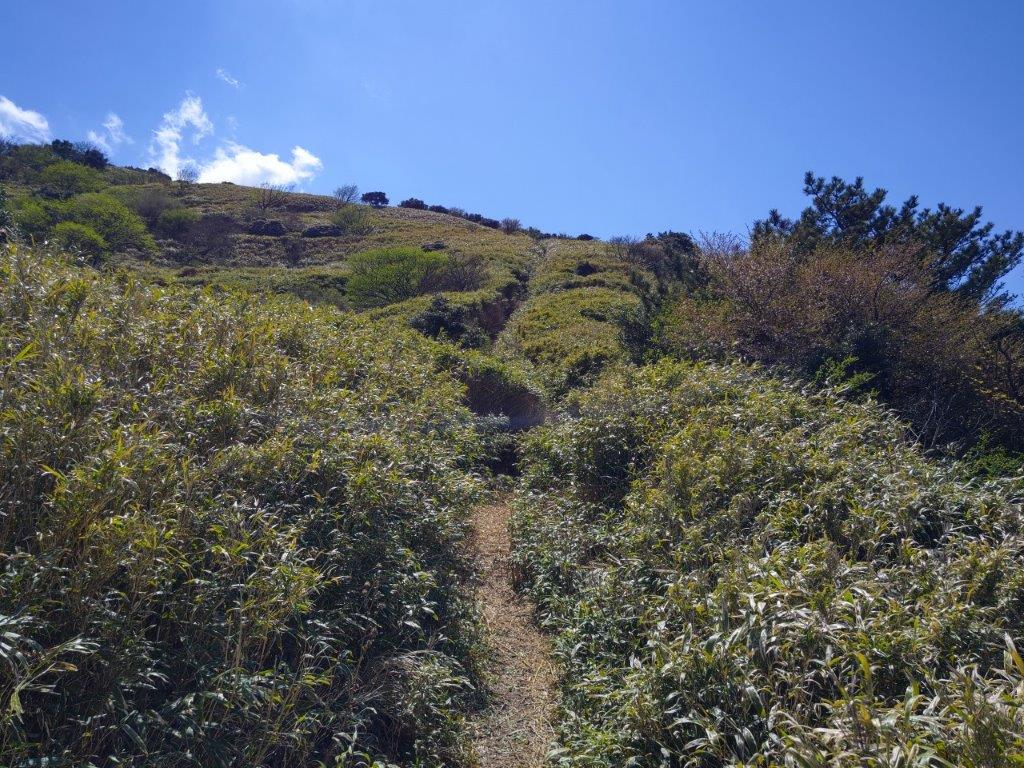
Final Climb to the Summit
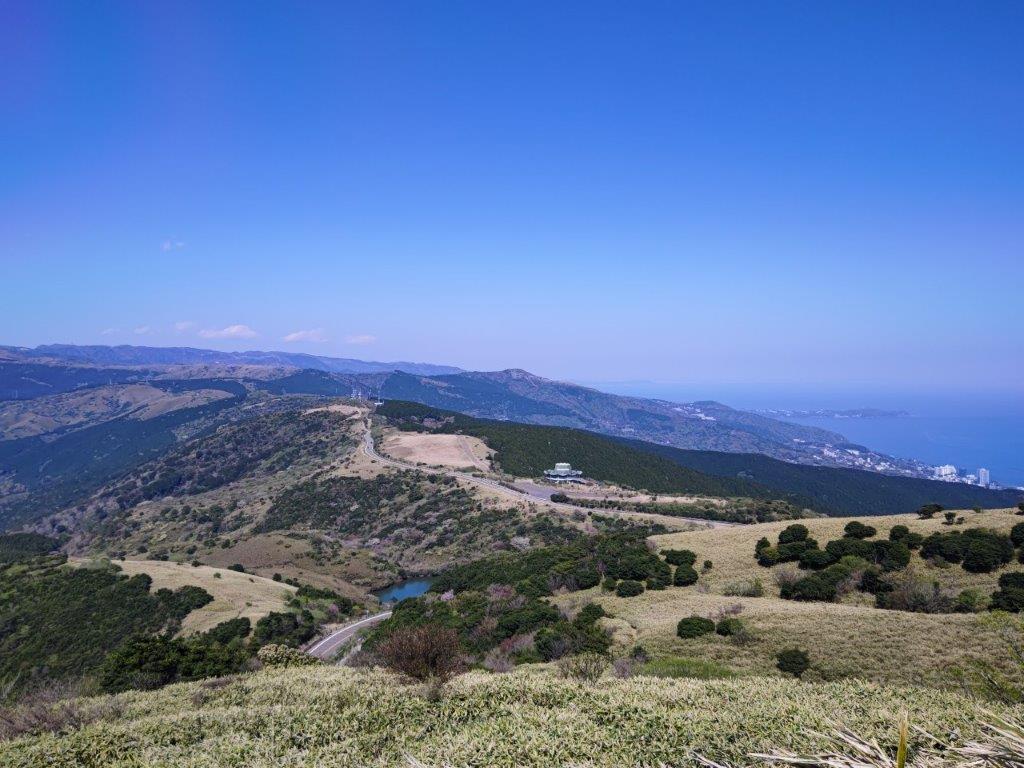
Looking Back at the Izu Skyline and Atami Resort

Curiously, the view was slightly less dramatic from the top, since I no longer had the soaring views looking down at the flat coastal area, nearly 800 meters below. I had the summit entirely to myself, most people preferring the drive the skyline and enjoy the views from the many parking areas along the way. I took a break for lunch, enjoying the picture-perfect view of Mt Fuji and the comfortable early spring weather. At 2pm, I headed down a path on the north side.
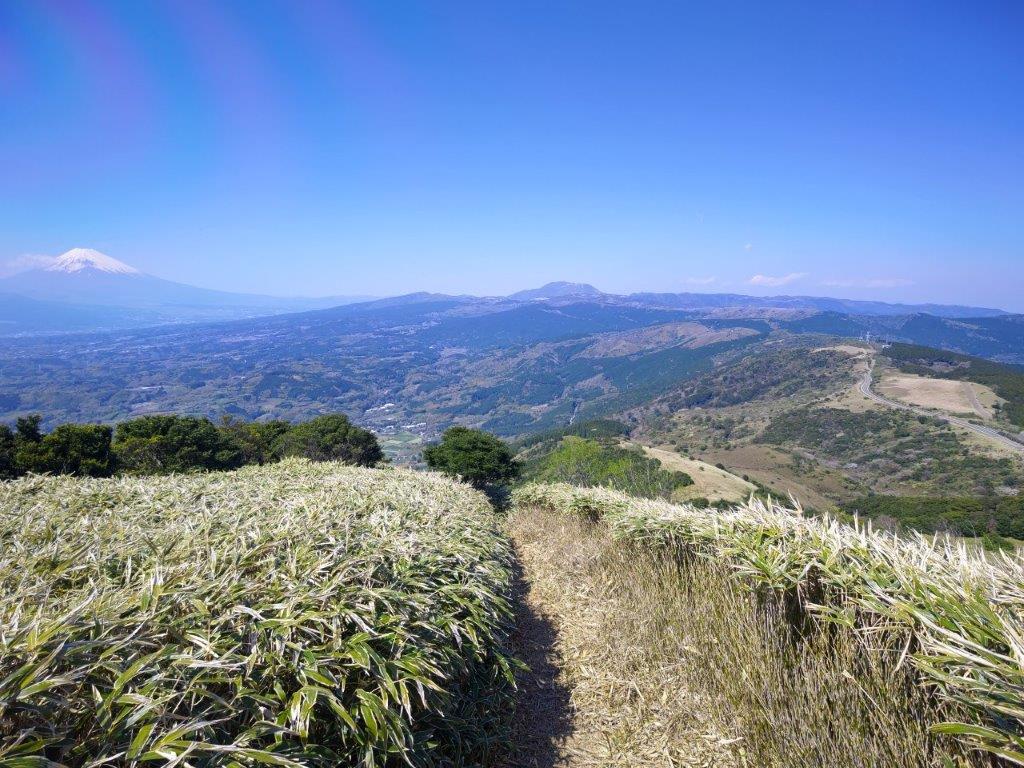
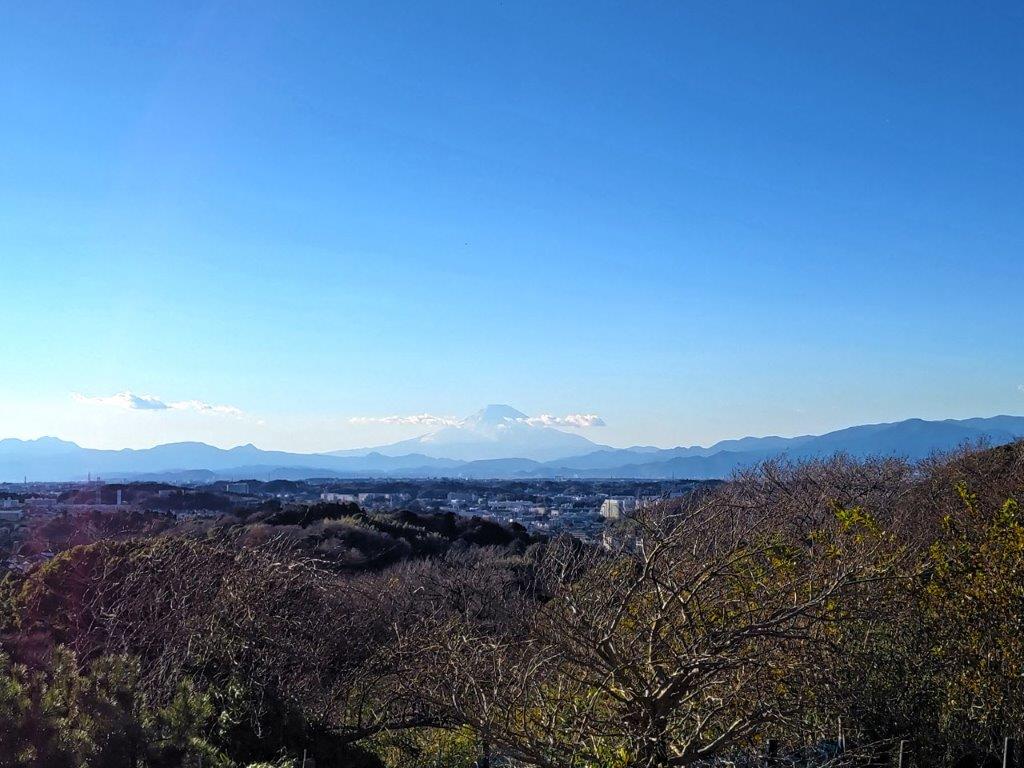
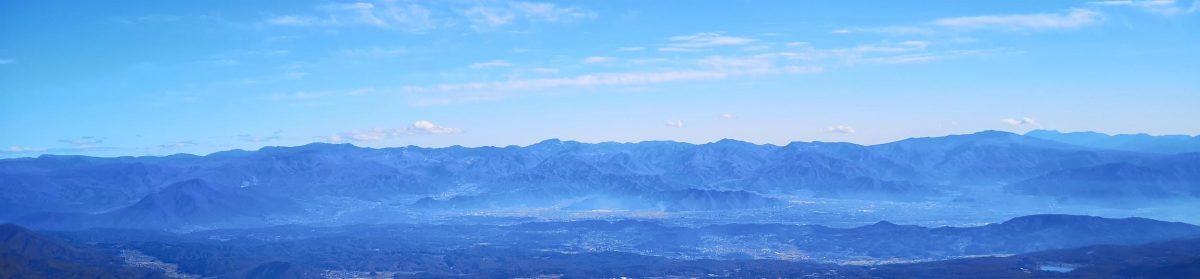
Panoramic View of the Fuji-Hakone-Izu Area
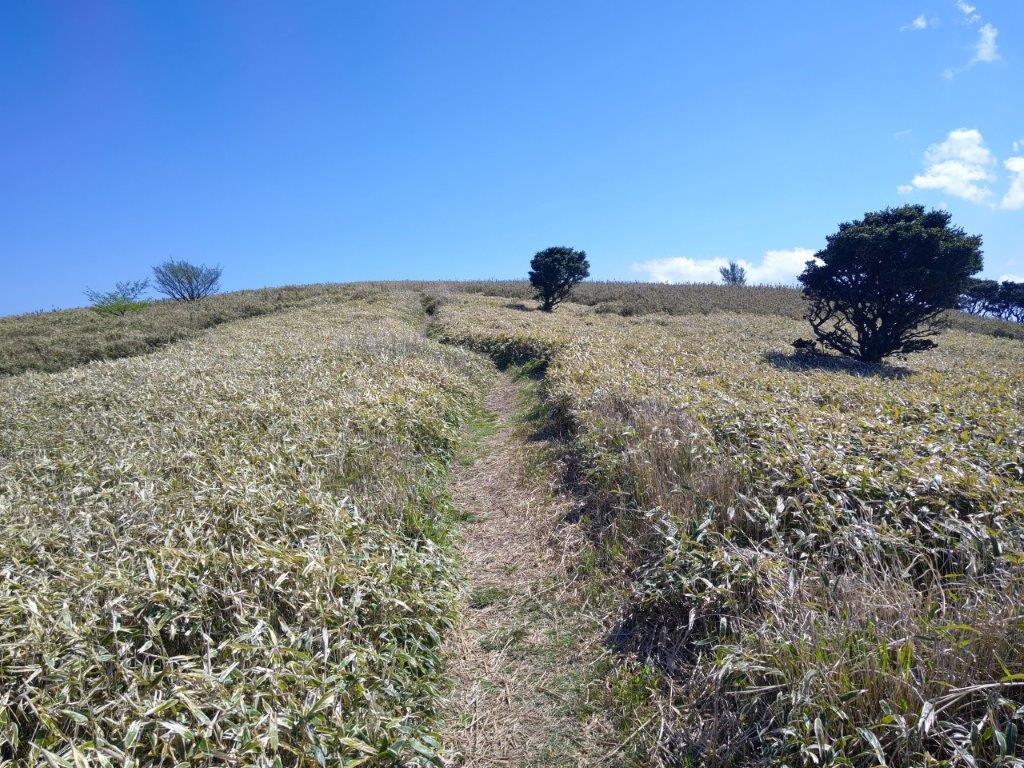
Nearly at the Top

As I walked down, I had a bird’s eye view of Atami resort and the coastline of eastern Izu. Here and there, yamazakura (mountain cherry blossom tree) in full bloom dotted the mountain side. The peace and quiet was often interrupted by the revving of engines; I picked up the pace so I could get to the quieter side of the mountain. I tarried a short while in a spot with plenty of asebi (Japanese Andromeda flower; by 2pm, I was following a trail down through mixed forest.

View of Mt Fuji and Hakone

Heading Down to Atami

I savoured the silence and relished in the new green of spring surrounding me in all directions. Just before 3pm, after passing a bamboo forest, I reached a steep downhill road at the edge of a town, which I followed into the valley, till it merged with a wider road with a bus stop. Once back at Atami station, I boarded the shinkansen for the lightening fast 45-minute trip back to Tokyo.

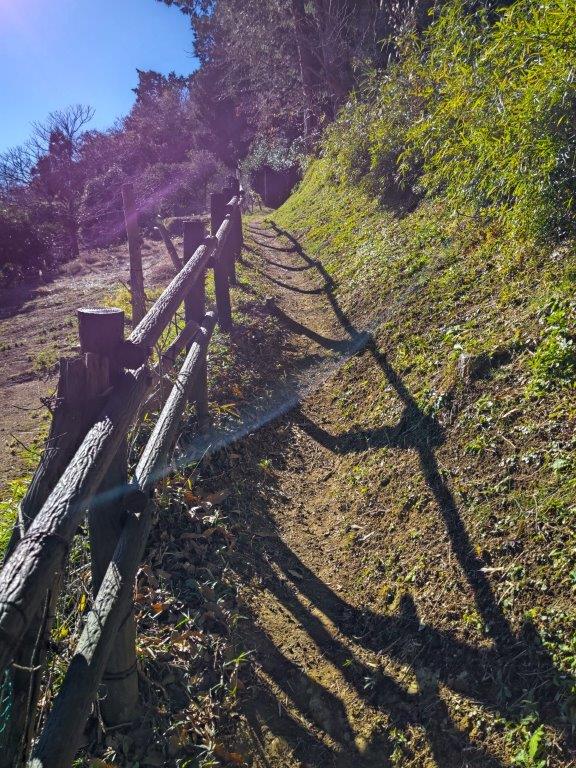
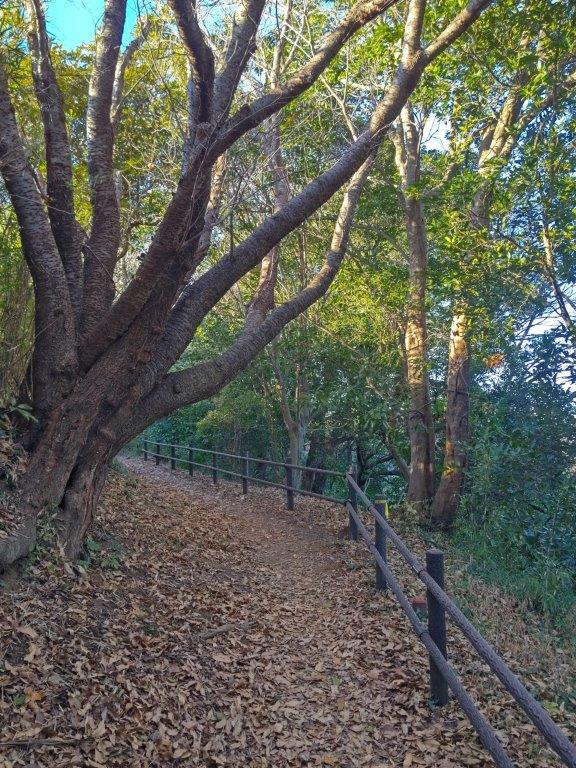
Easy Hiking Through Mixed Forest
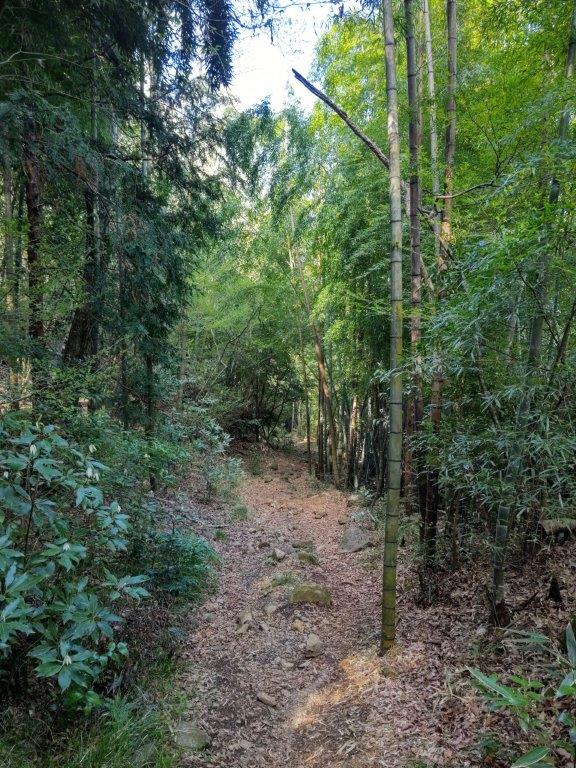
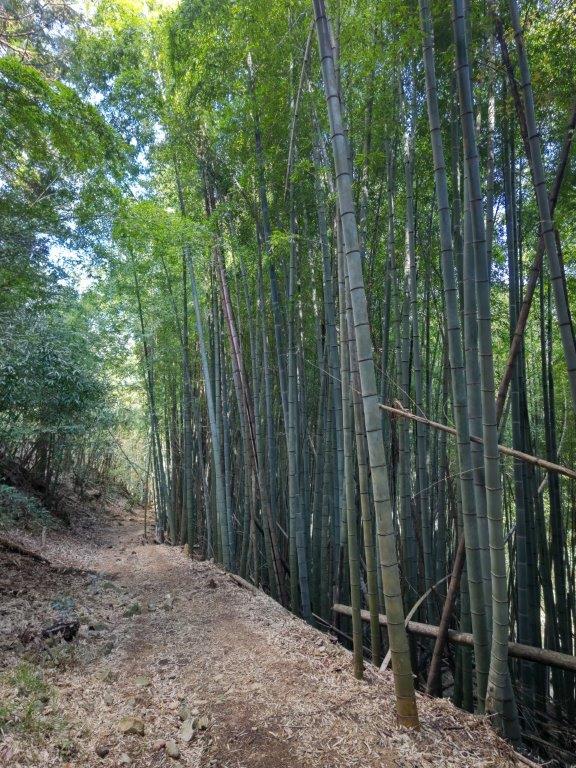
Bamboo Forest at the End of the Trail

In December 2022, I drove along the Izu Skyline between Atami and Mt Amagi and was impressed by the many viewpoints on both sides. It was a good season to drive there since the weather was clear and not too cold, and there was relatively little traffic. In the future, I’d like to do it in reverse so that I can better enjoy the views of Mt Fuji.

View of Kori Pond from the Izu Skyline (Dec 2022)

View of Atami from the Izu Skyline (Dec 2022)

I was very satisfied with the hike mainly because of the great views but also because of the near total absence of other hikers. If I were to redo it, I would probably go by car and start from the Mt Kuro viewpoint, since it’s possible to do a loop hike with all the views.

Watch a video of the Mt Kuro Hike

See the View from the Izu Skyline (December 2022)
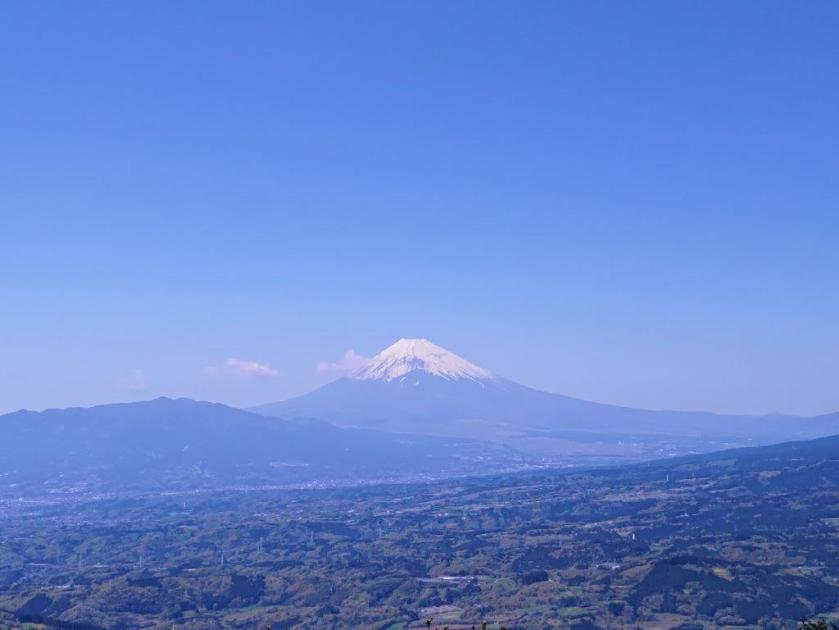
See a slideshow of other pictures from the Mt Kuro Hike
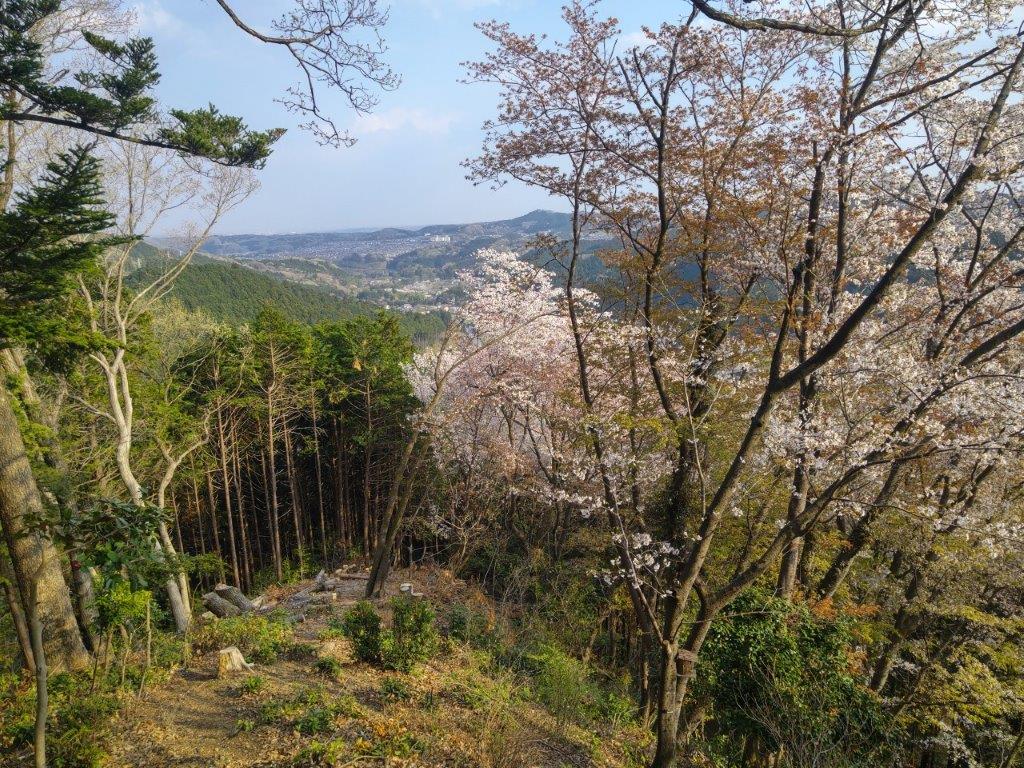
Mt Monomi (375m), Mt Sukari (435m), Mt Fukazawa (350m) & Mt Atago (250m), Moroyama Town and Hanno City, Saitama Prefecture, Saturday, April 1st, 2023

I wanted to do a hike close to Tokyo to enjoy the cherry blossoms in full bloom. I decided to go to Oku-musashi and climb Mt Monomi for a second time. The first time, I had done a roundtrip from Mt Hiwada; this time, I would do a traverse from Lake Kamakita to Musashi-Yokote Station. I could get to the start of the trail by taking the Tobu line to Higashi-Moro station, then walk to the Moro Town Hall, from where I could catch the “Moro Bus Yuzu-go 1” to the lake; for the return, I would use the Seibu-Chichibu line. Once again, the forecast called for sunny weather and comfortable temperatures, and so I was looking forward to a relaxing spring hike close to home.

Trail between Shukuya Waterfall and Mt Monomi

View from the top of Mt Sukari

I was greeted by a flurry of pink petals as I got off the yellow mini-bus at Kamakita Lake just after 11am. After enjoying the “sakura” trees in full bloom, I set off along the Shukuya-Kamakita Hiking Route (宿谷鎌北湖ハイキングコース), arriving at Shukuya Waterfall (宿谷の滝) around noon. I was impressed by the wild beauty of this river valley, especially since it was so close to Tokyo. I followed the river upstream, sunlight streaming through the treetops. I soon arrived at the Shukuya small waterfall (宿谷小滝), a local power spot. After charging up, I left the river behind, and continued up a steep ridgeline.

Cherry Blossoms next to Kamakita Lake

A secret cherry blossom spot close to Tokyo

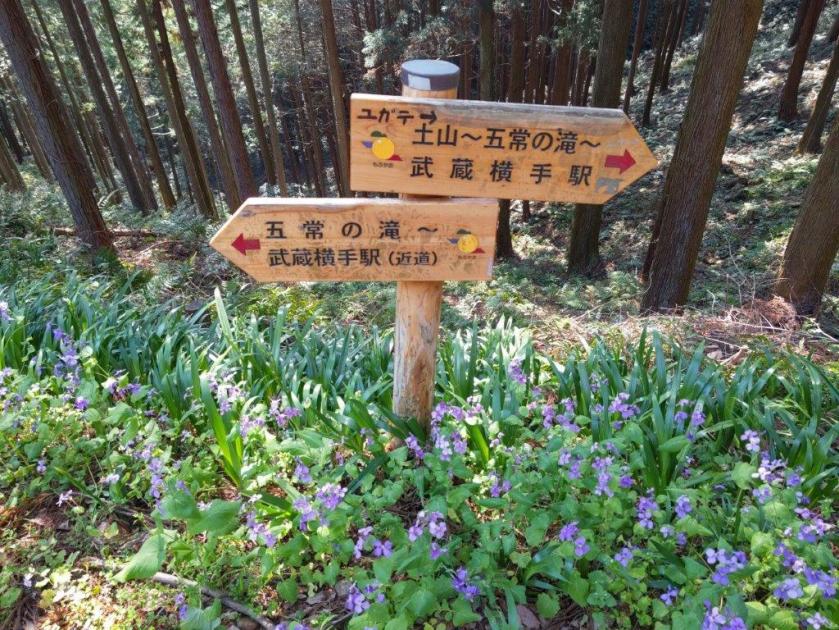
I had my first views of the day after reaching an area cleared of trees, near the top part of the ridge. At 1pm, after crossing a road, I arrived at the top of Mt Monomi (物見山 ものみやま monomi-yama), almost completely in the trees. After a short break, I turned right onto a wider trail through the cedars, and soon reached a crossroads at Kitamukijizo (北向地蔵), intersecting with my previous hike in the area. I continued along the Oku-Musashi Green Line for a while, before taking a trail on the right, passing the top of Mt Kannon-ga-take (観音ヶ岳 425m), and then arriving at the nearby summit of Mt Sukari (スカリ山 すかりやま) around 1h30.

Trail above Kamakita Lake (left) Shukuya Waterfall (right)

Hiking the Shukuya-Kamakita Lake Trail

The green hills of Oku-Musashi stretched away on the north side, and the Kanto Plain extended into the distance on the east side. Trees blocked the views in other directions, but provided some welcome shade as I sat down on a bench for a late lunch. Afterwards, I retraced my steps to Kitamukijizo and headed along a mostly level path for Musashi-Yokote station. At 2h30, I passed by the minor summit of Nishi-Omine (西大峰 390m), completely in the trees, and just before 3pm, reached the top of Mt Fukazawa (深沢山 ふかざわやま fukazawa-yama), its name meaning “deep stream”, although no water could be seen or heard.

Viewpoint along the way to Mt Monomi

View of the Kanto Plain from Mt Sukari

I had a view of some “yamazakura” or Mountain Cherry Trees in full bloom, growing on the forested summit, while taking a short break on a solitary bench. Since leaving the Green Line, I had seen no other hikers and was able to fully enjoy the peace and quiet of the surrounding forest. After a short steep descent, I passed by the minor summit Mt Suisho (水晶山 266m), also completely in the trees, and a little later, passed under a crossing of two electrical power lines, a modern kind of power spot.

Hiking near Nishi-Omine (left) Hiking near Mt Suisho (right)

Hiking near Mt Fukuzawa

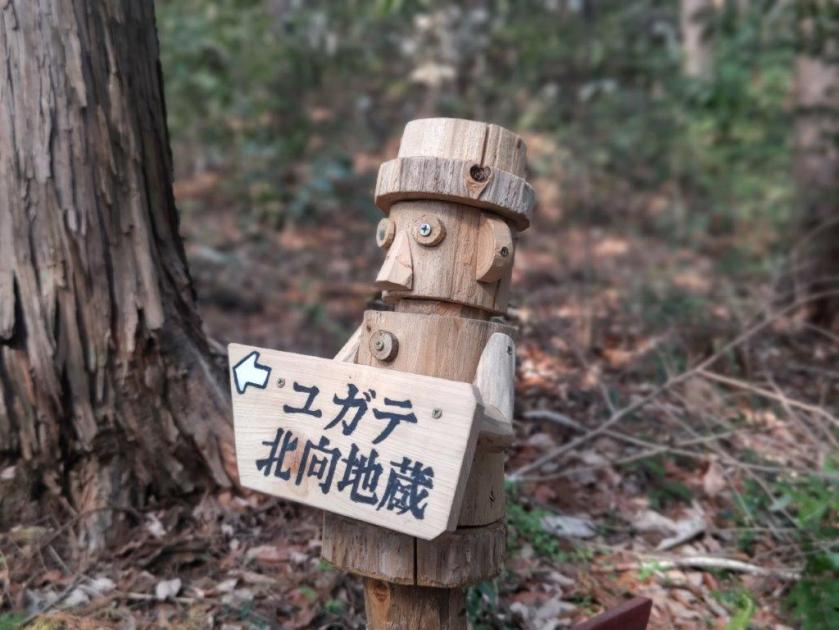
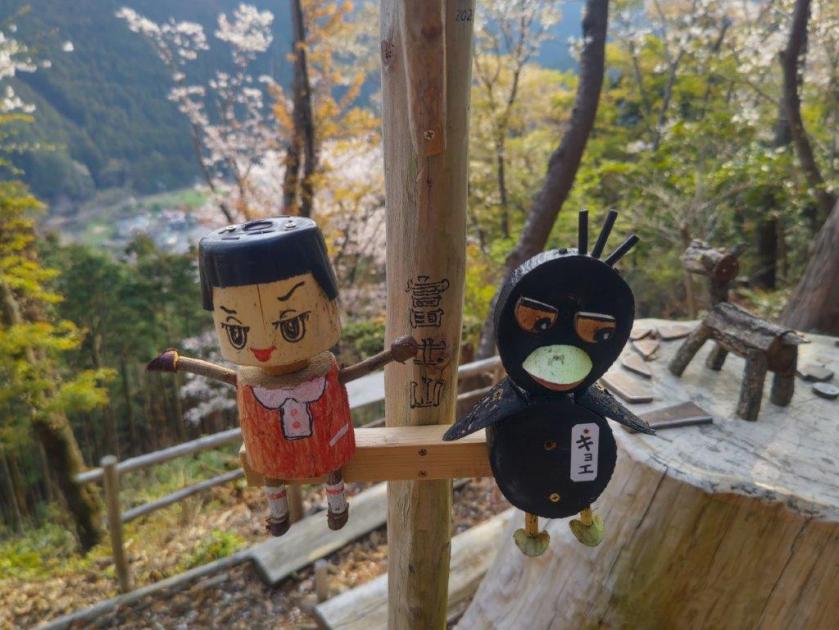
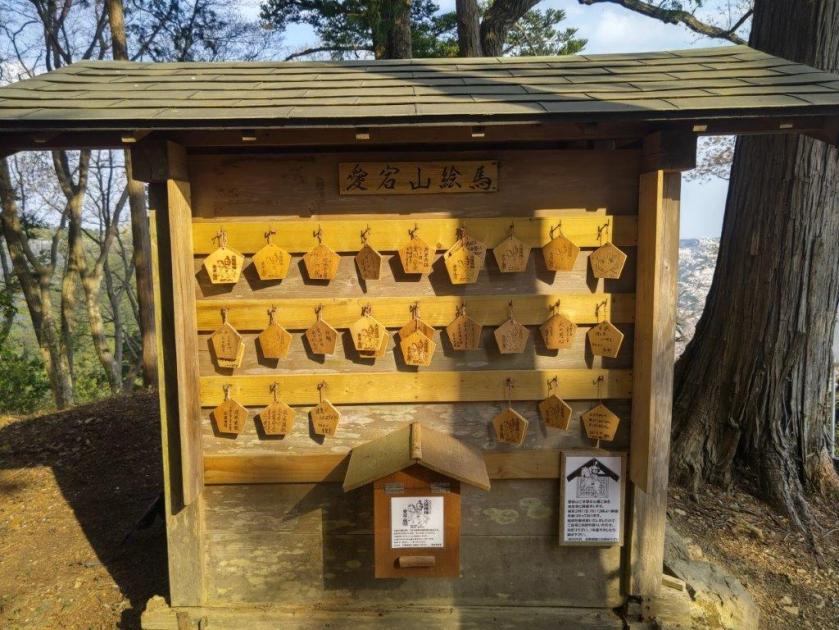
I was charmed by the many carved wood figures placed above the signs along this little known, but well-maintained trail. At 3h30, I reached the final summit of the day, Mt Atago (愛宕山 あたごやま atago-yama), also the location of a small shrine. However its most stunning aspect were the many cherry blossoms trees in full bloom on the valley side. Beyond, I could see Hanno City on the south side, and Mt Kamado across the valley on the west side. A couple of wood-carved binoculars supposedly allowed one to see the Tokyo Sky Tree and Mt Fuji, although today they were simply invisible.

View towards Hanno from Mt Atago

View of Mt Kamado from the summit of Mt Atago

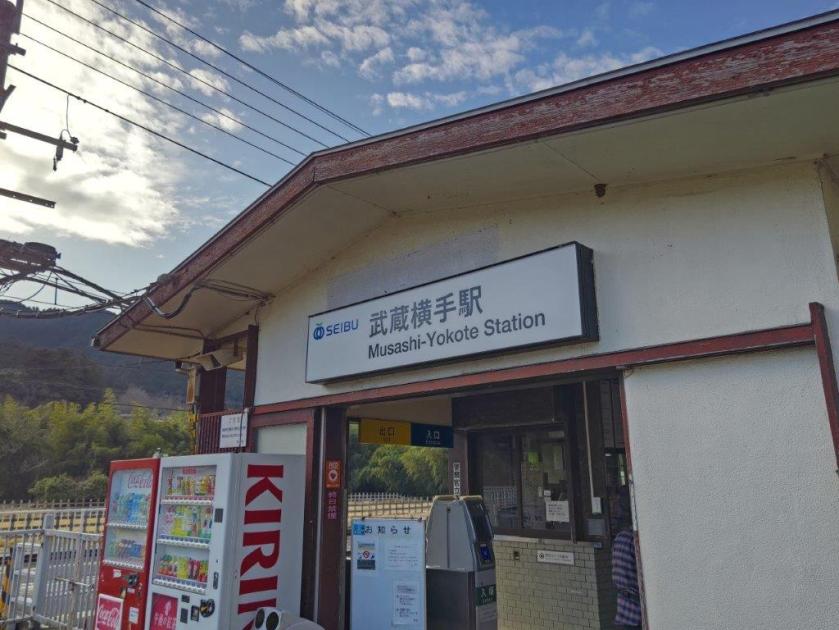
After one last look at the carvings, golden in the late afternoon sunlight, I headed downhill along a steep path through cedar forest. At 4pm, I reached Chonen-ji Temple (長念寺) at the base of the mountain and next to the busy Hanno-Chichibu road. After crossing Koma river, I took a shortcut along a back lane to Musashi-Yokote station; there I boarded the Seibu-Chichibu line for the short ride to Hanno station, where I transferred to the Laview limited express for the comfortable 40-minute ride back to Ikebukuro.

Afternoon light shining on the Mt Atago Shrine

Cherry blossom trees at the end of the hike

This hike took me about five hours, but could have been shortened by one hour if I had skipped the roundtrip to Mt Sukari. I was glad to have discovered a great trail next to the Koma valley, and that I was able to do it while the cherry blossoms were still at their best. Since it’s so close to Tokyo, I hope to be able to do redo it one day in the autumn.

See a Video of the Mt Monomi, Mt Sukari, Mt Fukazawa & Mt Atago Hike

See a slideshow of more pictures of the hike

Hitorizawa & Segami Community Woods Hiking (highest point 130m), Yokohama City, Kanagawa Prefecture, Tuesday, December 27, 2022

This was my 3rd hike in the southern part of Yokohama city. This wooded, hilly area offers some of the best hiking close to Tokyo and is well-suited for short winter walks. I had already hiked through the Yokohama Nature Sanctuary, the Kanazawa Nature Park, as well as the Kanazawa, Segami and Kamariya woods; this time, I wanted to explore the Hitorizawa woods on the northeastern side, and check out some more trails in the Segami woods.
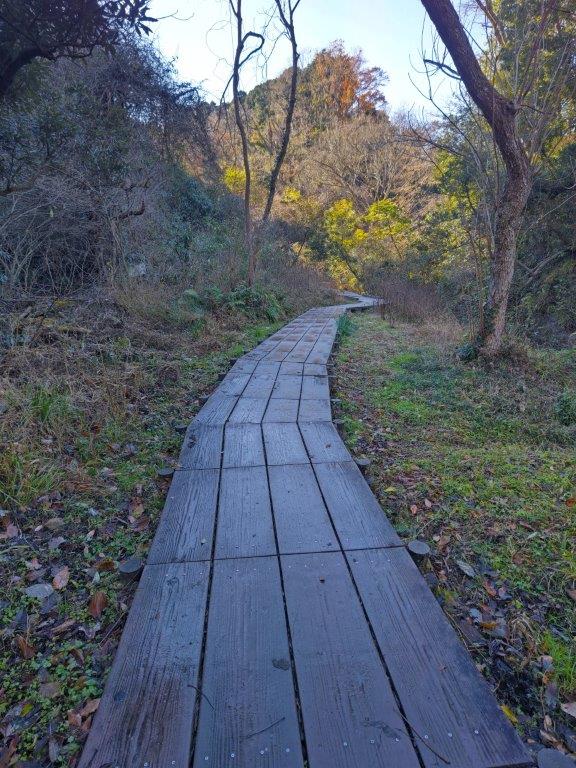
Sunny spot at the start of the Hitorizawa trail

I would take a bus from Yokodai station on the Negishi line to the trailhead; rather than finish at Konandai station on the same line, I could take another bus to Ofuna station on the convenient Shonan-Shinjuku line, less than an hour from Ikebukuro. Although I wouldn’t be summiting any mountains, I could expect a view of Mt Fuji from Isshindo plaza at the mid-way point. I was looking forward to a short relaxing walk through the woods on a sunny winter day.

Nearing the Nabana rest area (left) / Hitorizawa creek (right)
After getting off the bus on a busy road near Hitorizawa Shrine (氷取沢神社), I followed the signposts through some backstreets, reaching the start of the trail Hitorizawa Community woods trail (氷取沢市民の森ルート) at 1pm. At the top of a staircase, I was pleased to discover a wide, level path leading through the forest. I soon reached the first viewpoint of the day at the Nabana rest area (なばな休憩所) above a road and a toll gate. Looking southeast, I could see the low-lying Miura peninsula, and behind, Mt Kano and Mt Nokogiri on the Boso peninsula.

Wooden causeway near Oyato plaza (left) / Climbing made easy (right)

I continued along the path as it descended into a small valley. I soon arrived at a bridge over the Hitorizawa creek (氷取沢小川) and a junction: the path on the left led to Kanazawa zoo, and the one on the right followed the creek back to the bus store. I went straight, and after going through some fields and under a highway bridge spanning the valley, arrived at Oyato Plaza (おおやと広場). I was now walking on wooden causeway along a cool, shaded valley, parallel to the creek.

View of Mt Fuji from Isshindo Plaza

Very soon, I was back on a trail leading up through the woods, but still easy to walk thanks to the use of wooden logs. At 2h30, I left the Hitorizawa woods and arrived at Isshindo Plaza (いっしんどう広場 130m), the highest point of the hike. As on my two previous hikes, Mt Fuji, Hakone and the Tanzawa mountains were clearly visible on the west side. After enjoying a late lunch, I followed the ridge trail (尾根道) south, towards the sun.

View south towards Kamakura

After a few minutes, I turned right, down the hillside, and passed the Bato-no-oka rest area (馬頭の丘休憩所 meaning “horse head”). Although I was at the edge of the city, the rooftops of the houses visible above the trees, I could hear, and sometimes see, squirrels scampering along the trees branches in the late afternoon sun. At 3h30, I reached a junction before the Uma-no-se rest area (馬の背休憩所 meaning “horse back”), and took the smaller branch to the right.

Following the ridge trail (left) / Between the horse’s head and back (right)

I followed the winding trail as it descended into another wooded valley inside the Segami Community Woods (瀬上市民の森), the sun now only reaching the top ridge. At the base of a staircase, I finally arrived at the peaceful Segami pond (瀬上池). From there, I followed a dirt road alongside the Segami creek (瀬上小川) through a habitat for dragonflies and fireflies, although none could be seen in this season. At 4h30, just as the sun was setting, I reached the bus stop for Ofuna station next to the Hongo bus depot, from where it was short train ride back to the city center.

The peaceful Segami lake near the end of the hike

See a short video of the Hitorizawa Creek

Mt Takatsuka (216m), Minamiboso City, Chiba Prefecture, Tuesday, December 20, 2022

This is a hike from my mountains of Chiba guidebook. Although it can be done as a day trip, by walking one hour from Chikura station on the Uchibo line, I decided to drive from Tokyo and spend the night at Nojima cape, the southernmost point of the Boso peninsula; from there, it was a short drive to a parking near the trail entrance. I had done many hikes on the Boso peninsula, but it would be my first to hike in Minami-Boso.

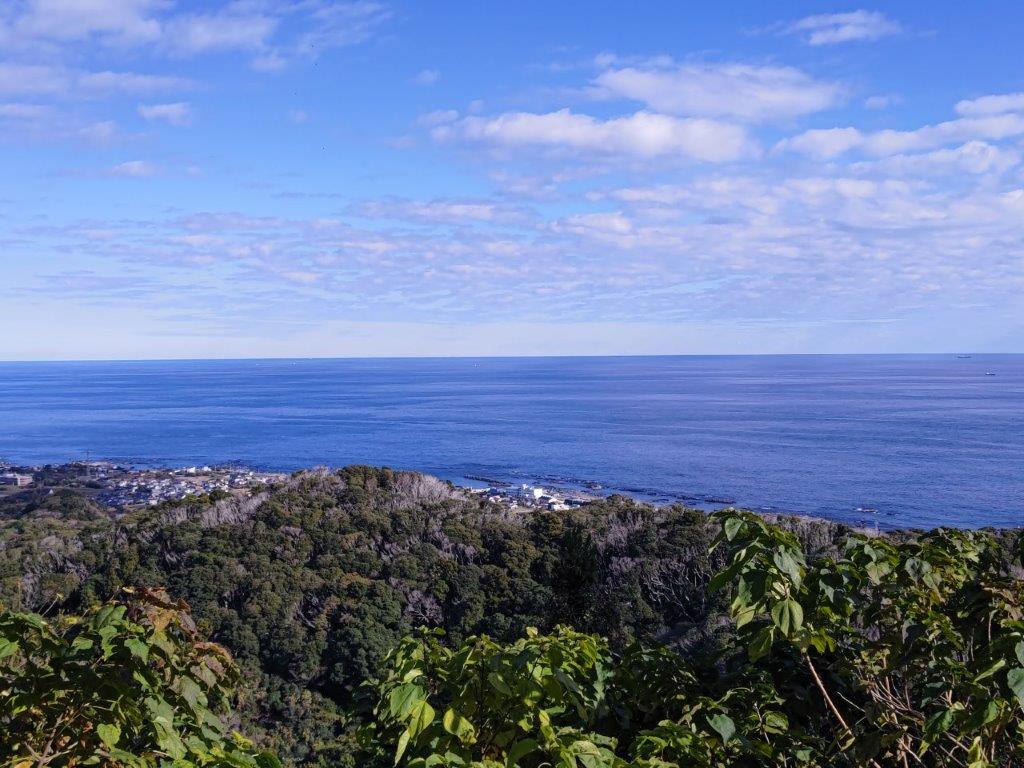
View of the Pacific from the summit

Walking to the trailhead through the fields

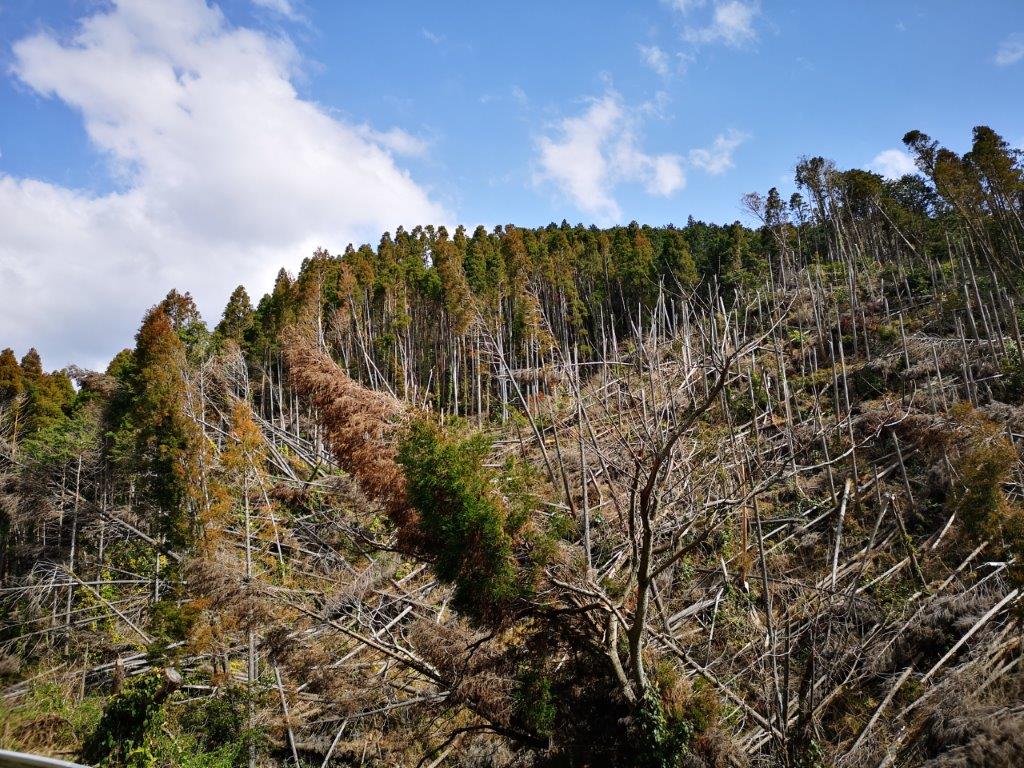
I had been wanting to climb this low peak for several years, but had to be patient since the hiking trail was closed for a while after the powerful typhoons of 2019; online reports showed that the path was now more or less back to normal. After heading straight up the mountain, I go down following the ridgeline, and then walk back through the countryside. The weather was supposed to be sunny and so I was looking forward to new views in a new area.

View of the forested ridge through a break in the trees

Late autumn leaves on the summit

I drove along the Pacific coast under the late morning sun to the nearby Nanbo Chikura Bridge Park Parking (南房千倉大橋公園), from where it was a 20 minute walk to the trailhead next to a temple. At 1230, I started up a series of steps, following the winding path through the evergreen forest of Japanese stone oaks (マテバシイ matebashii). Very soon the trail became level and the forested summit ridge appeared through a break in the trees.

Fantastically shaped trees along the summit ridge

Summit shrine (left) / Valley bottom lake (right)

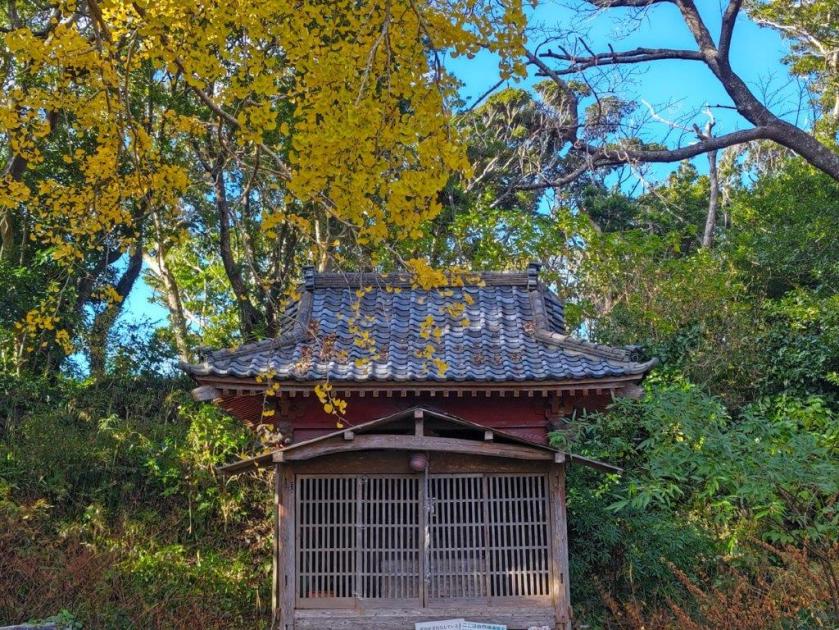
A little further, I passed under a stone Shinto gate at the top of a flight of steps, looking like the entrance to some long-lost ruin. I then made my way up a steep, muddy path, being careful not to slip, and at 1pm, emerged onto the flat summit of Mt Takatsuka (高塚山 たかつかやま takatsukayama), a kanto 100 famous mountain; the summit marker, wrecked by the typhoon, and had yet to be replaced and was nowhere to be seen.

Shinto gate at the mountain base (different from the one on the mountain itself)

Temple at the base of Mt Takatsuka

I was surprised to see a towering oak above a tiny shrine, its yellow trees still clinging on at the very end of autumn. On one side was a bench in the sun, with a view of the Pacific ocean, the perfect spot for lunch on a cool day. Before heading down, I explored a path behind the shrine building leading to a view point from where I could make out the faint outline of Mt Fuji. Once back down at the stone gate, I took a small path on the left side.

Mt Takatsuka in the late afternoon sun

Heading back through the fields

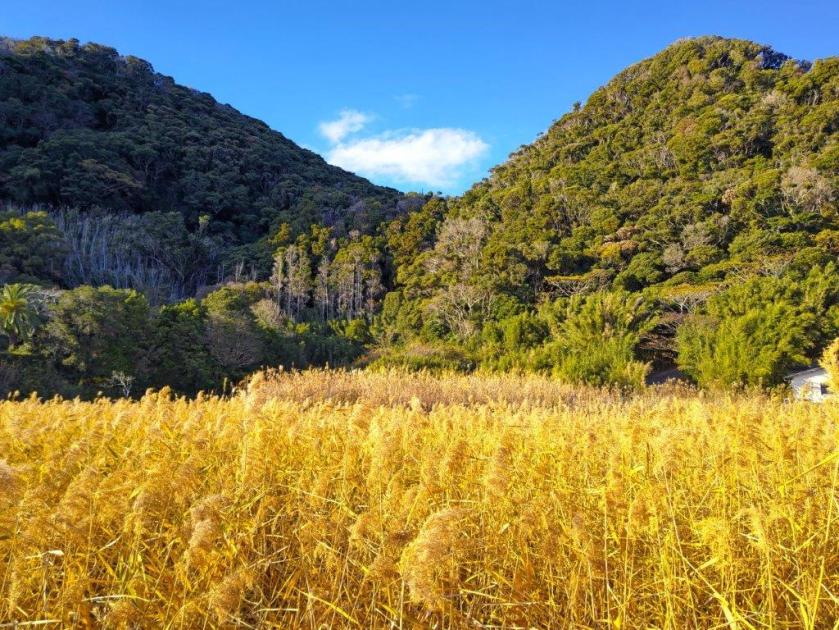
I marveled at the fantastic shapes of the tall trees as I followed the ridgeline northeast, here and there broken branches sill on the ground. The path descended gradually into a quiet, forested valley and ended at a peaceful lake, next to a paved road. After enjoying this magical spot, I walked down the road to the base of the mountain. From there, I followed a footpath through fields, golden in the late afternoon sun, past the starting point of the hike, and arrived back at my car just after 3pm.

See the views of the Mt Takatsuka hike

Slideshow of more photos from the Mt Takatsuka hike

Mt Kintoki (1212m), Minami-Ashigara City, Kanagawa Prefecture, Saturday, October 1st, 2022 [Yuhi Waterfall to Otome Pass route]

Hiking in the Fuji-Hakone-Izu National Park

富士箱根伊豆国立公園

I was looking for a hike close to Tokyo, high enough to escape the late summer heat and strenuous enough to maintain my regained form. I decided to revisit a mounatin I climbed ten years ago, which I could traverse north to south via a different route that would include a famous waterfall, as well as views of Mt Fuji. The trail up from Ashigara in Kanagawa, connected by local bus from Matsuda station, had been closed for a while due to typhoon damage; however looking online, it seemed to be in use again. I also saw that the final section was quite steep, a good test of my current physical ability. The trail down ended at a hot spring near Gotemba in Shizuoka, connected to the station by shuttle bus. The weather was supposed to be mostly sunny and warm, with few clouds and little wind, ideal conditions conditions for hiking. I was looking forward to climbing a familiar mountain via a new, challenging route and getting some good views of Mt Fuji in the autumn.

Mt Fuji before it got engulfed in the clouds

Yuhi waterfall, a famous purification spot

A cloudy cover still lingered in the early morning sky, as I rode the Odakyu Romance limited express train to Shin-Matsuda station. There, I boarded a full bus and rode it all the way to Jizodo (地蔵堂), the last stop. I had been there once before on my Yamabushi-daira hike. This time, I continued on foot along a small paved road up a pleasant, green valley. The sun was now shining above, and although it was only 9h30am, it already felt quite warm; despite that, the cosmos flowers were out, a sure sign of autumn.

A 23 meter drop (left) Climbing up the Ashigara Pass trail

Moth spotted near the start of the hike

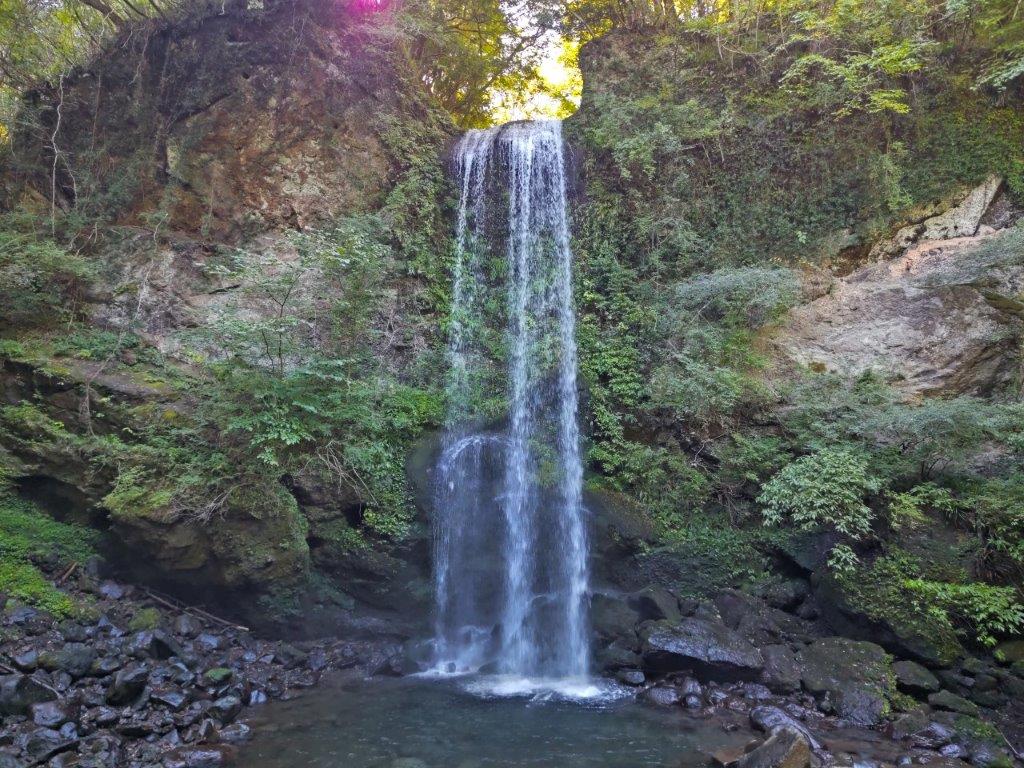
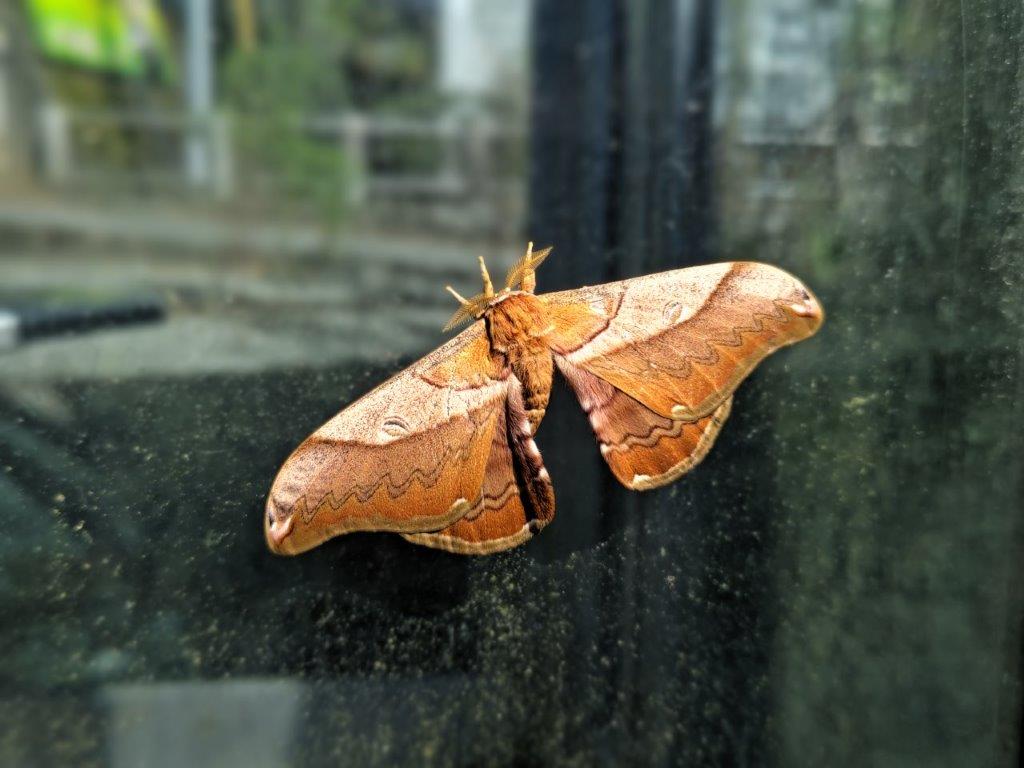
I was delighted to spot a beautiful yellow moth on a phone booth, possibly a Japanese silk moth. At 10am, I reached the entrance for the short trail to the waterfall, next to a campground. A few minutes later, I was standing in front of the thundering Yuhi waterfall (夕日の滝). The water falls from a height of 23 meters, and apparently it’s a popular place for people to stand under to get purified. At 10h30, I started up the Kintoki trail (金時コース), a gently climbing trail through cedars. After passing an open shelter, the trail went up a shady valley next to a mountain stream.

Easy hiking along the Ashigara Pass trail

The summit of Mt Kintoki, a tough climb via the north side

I was happy to be walking next to a river again, the rushing water like music to my ears. The rocky terrain made it difficult to see the path, but pink ribbons attached to branches, as well as the occasional signpost, led the way. At 11am, the trail left the river and went up a steep ridge. I met no one along this section, adding to the sense of peace and quiet. Half an hour later, after getting a glimpse of today’s summit through a gap in the trees, I reached a level dirt road, also the Ashigara Pass Trail (足柄峠コース). I turned left, and 3o minutes later, arrived at a viewpoint of Mt Fuji.

Mt Fuji slowly disappearing into the clouds

The western part of the Tanzawa mountains

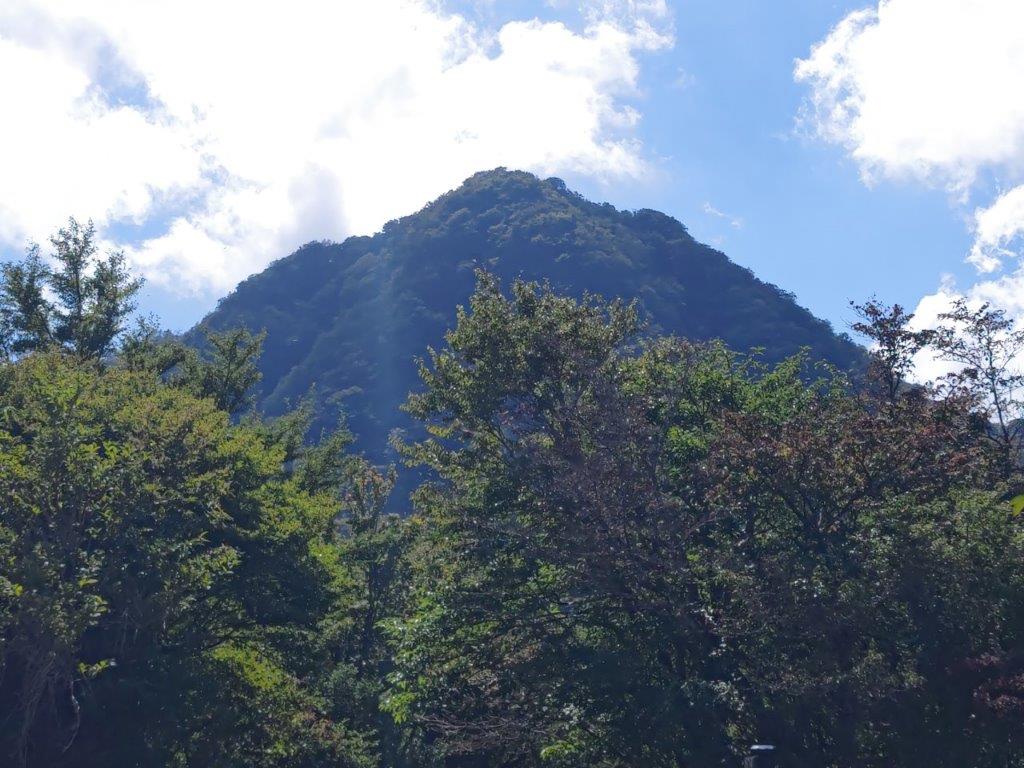
I was lucky that the summit was free of clouds; just a few minutes later some clouds rolled in and refused to budge for the rest of the day. According to my map I was at the remains of the Inohara Fort (猪鼻砦跡 962m), a few stone blocks making a good place to sit and have an early lunch while enjoying the view. Directly ahead loomed the triangular-shaped summit of today’s mountain, looking steep and menacing. I soon set off again, the path now climbing straight up the mountain side, equipped with ropes and ladders for safety.

Lots of ladders to assist the hiker

Mt Hakone at the center of Hakone Volcano

I was surprised to find such a thrilling ascent so close to Tokyo; halfway up, the view through the trees to the northwest made me feel like I was hanging from a cliff. To the left, Mt Fuji was now completely in the clouds, to the right, I could see the green Tanzawa mountain range. I met several people on their way down, and had to find “passing spots” to let them by. At 1pm, I emerged onto the top of Mt Kintoki (金時山 きんときやま kintoki-yama). I had a fantastic view of the entire Hakone area; beyond the outer caldera, I could see Mt Ashitaka, Suruga bay, and a big cloud where Mt Fuji was supposed to be. As on my previous visit, the summit area was fairly crowded so I quickly moved on.

Viewpoint between Mt Kintoki and Mt Nagao

View of Mt Fuji and Gotemba city from Otome Pass

I made my way down a steep path through forest, counter-clockwise along the outer caldera rim, and now inside the Hakone part of the Fuji-Hakone-Izu National Park. Half an hour later, I passed the flat summit of Mt Nagao (長尾山 1150m), surrounded by trees. After some more descending I arrived at Otome Pass (乙女峠 1004m). From a small wooden observation platform, I could see the lower half of Mt Fuji and Gotemba city spread out around its base. At 3pm, I reached a bus stop next to Otome Tunnel; I hopped on the next bus and got off at the nearby Fuji Hakkei no Yu. After a relaxing hot spring bath, I took the shuttle bus to Gotemba station, where I boarded the Odakyu Fujisan limited express for the 100-minute trip back to Shinjuku.

See and hear the sounds and sights of the Yuhi waterfall and Mt Kintoki hike

Hatcho Pond (1170m), Izu City, Shizuoka Prefecture, Sunday, September 25, 2022 [Mt Amagi Hike]

Hiking in the Fuji-Hakone-Izu National Park

富士箱根伊豆国立公園

I wanted to use the Shinkansen for this hike, since a typhoon had dashed my silver week Tokyo Wide Pass plans. I decided to use the Tokaido shinkansen, not covered by the pass, to do a hike on Mt Amagi on the Izu peninsula. It had been five years since my last time there; it would also allow me to make a 4th consecutive visit to a National Park. Looking at my hiking map, I saw that I could hike up the west side to a lake and a viewpoint, and then return via a different path. I would ride the high speed train from Tokyo station to Mishima, and then transfer to the Izu-Hakone line which I would ride to Shuzenji; there, I could hop on a bus for Amagi Tunnel; I would return the same way. The typhoon had brought record rain to the area but online information showed no disruption to public transport; I hoped the trails would be intact as well, since the weather was supposed to be blue skies and warm temperatures. I was looking forward to a nice forest hike and a great view from its highest point.

Hatcho Pond from the observatory

Hatcho Pond on Mt Amagi

It was a beautiful day as I rode the shinkansen from Tokyo station. After arriving at Mishama station, I transferred to the nearly empty Izu-Hakone line; it was an exciting ride along a pretty river valley through green hills. I got off at Shuzenji, the end of the line, and boarded an equally empty bus, finally getting off at the Amagi Pass bus stop (天城峠 あまぎとうげ) just before 11am. I had been here before and so I was familiar with the short hike up to the pass, which I reached less than thirty minutes later.

First view of Mt Fuji

Trail leading to Amagi Pass (left) Beech tree along the trail (right)

I had my first glimpse of Mt Fuji soon after turning left onto a level trail hugging the mountain side. Very soon, the trail took a right turn and went up some logs steps taking me to the ridgeline. Here I found the pathlovely forest harder to follow; eventually it descended back to a level path following the mountain contour. I had another good view of Mt Fuji before reaching a swollen stream rushing down the mountain and cutting straight through the path. After hopping across, I soon arrived at a second ridge, leading to another level path, now heading north.

One of the more level sections of the hike

Looking towards the Aosuzudai viewpoint and the Pacific ocean

I reached a rushing stream interrupting the quiet of the forest. The path turned east and became hard to follow again; I was relieved each time I spotted a wooden signpost. A little after 1h30, I reached the entrance of the Nobori Gyoko trail (上り御幸歩道). Before heading to the viewpoint, I made a short detour to another viewpoint called Aosuzudai (青スズ台), from where I was able to see the ocean and Toshima island; the rest of the view was hidden by high bushes. I soon turned back and a little after 2pm, arrived at the Hatcho Pond observatory (八丁池見晴台) at the top of a metallic staircase.

Mt Amagi, a Japan hundred famous mountain

On the left, the path flooded by the lake

I had a fantastic 360° panoramic view of the center of Izu peninsula: directly below on the north side was Hatcho pond (八丁池) with Mt Fuji behind it; stretching eastwards was the gentle summit ridge of Mt Amagi, a Japan 100-famous mountain; looking south, I could see the Aosuzudai viewpoint and the Pacific ocean; westwards was Mt Chokuro, its summit in the clouds. I felt lucky that the sunny weather had continued the whole day with just a few cumulus clouds floating in from the ocean side. I had the observatory to myself, so I had a late lunch while admiring the views. Half an hour later, I descended to the lake shore.

Some clouds coming in from the south

A gentle descending trail through lovely a forest

I was surprised to see that the path around the lake was flooded. I managed to get to the other side by walking through the forest and reached the entrance of the Kudari Hatcho trail (下り八丁歩道), a little before 3pm. It descended gently through a stunning forest; I passed several huge beech trees, their branches twisting in fantastic shapes, and I could truly feel that I was walking within the Izu part of the Fuji-Hakone-Izu National Park. The path was hard to follow once again; I was relieved when I eventually got to a level wide path going straight through the forest. After merging with a forest road, the trail headed south, before arriving at a sunny junction at the edge of a cedar forest.

Walking through the Japanese beeches

A giant beech (left) towering cedars (right)

I enjoyed the change in the surrounding vegetation, as well as the extra sunlight filtering through the smaller cedar tree canopies. The path started to descend quickly and soon the sun was lost behind a ridgeline. A little past 4pm, the rocky trail suddenly merged with a small stream; I was glad I had good hiking boots. After about ten minutes of “river walking”, I emerged onto a paved road. From there, it was another half an hour to the Suishochi-shita bus stop (水生地下), which I reached ten minutes before my bus was due. After arriving at Shunzenji statiom, I had a quick hot bath at the nearby Hyakuwarai no yu hot spring before riding the Izu-Hakone line to Mishima station, where I transferred to the shinkansen for the 40-minute ride back to Tokyo.

See the views up and down Mt Amagi’s west side

Oku-Nikko hike (highest point 1460m), Nikko City, Tochigi Prefecture, Saturday, September 17, 2022 [Monkeys]

Hiking in the Nikko National Park 日光国立公園

I was eager to continue my tour of the national parks close to Tokyo. I had last visited Oku-Nikko a little over a year ago, so it seemed like a good choice; I also expected a dip in the crowds between the summer vacation and the Autumn colours season. Looking at my hiking map, I combined some trails northwest of Lake Chuzenji into a loop hike, and although it included no mountains, I hoped it would be more challenging than just a walk in the woods. The area is also the heart of bear territory, with nearly one hundred sightings so far in 2022, so I would need to make sure to pack my bear bell. I would ride the now familiar Nikko limited express from Ikebukuro to Tobu-Nikko, and there switch to a Tobu bus for Yumoto-Onsen, getting off at Akanuma at the edge of the Senjogahara Marshland; the hike would end at the nearby Ryuzu Falls. The weather was supposed to be sunny, with high clouds appearing in the mid-afternoon; the temperatures and humidity were also supposed to be lower, which I hoped would create the ideal conditions for a hike at an average elevation of 1400m. I was looking forward to a nice forest hike, and maybe even catching a glimpse of some animals in the wild.

View of Mt Nantai from Senjugahama

Walking next to Odashirogahara

I left Tokyo under cloudy skies, but fortunately, the sun was shining once I got off the limited express at Tobu-Nikko station. At 11am, I was standing under a light blue sky, opposite Akanuma-Chaya (1390m 赤沼茶屋) at the edge of the Senjogahara Marshsland (戦場ヶ原), ready to start my hike. First, I headed down the “Nature Study Path” (戦場ヶ原自然研究路), the main route leading through the marsh and crowded with other hikers; I soon left it to follow a trail over a wooden bridge and through the forest, a trail I had done previously in the winter on cross-country skis.

First view of Mt Nantai from the Senjogahara Nature Study Path

A mix of walkways (left) and hiking trails (right)

At once, I was able to relax and enjoy the surrounding nature as few people ventured this way. After going through a gate in a deer fence, I reached another intersection where I turned right, onto a wooden walkway. I was now walking among tall larches and silver beeches, the autumn colours would probably be wonderful around this area, and soon reached the edge of Odashirogahara (1408m 小田代ヶ原), a smaller, lesser-known marshland. I turned left at the next intersection, following the contour of the marsh, eventually reaching a viewpoint of the Nikko mountains.

View from the start of the loop around Odashirogahara

View of the mountains of Oku-Nikko

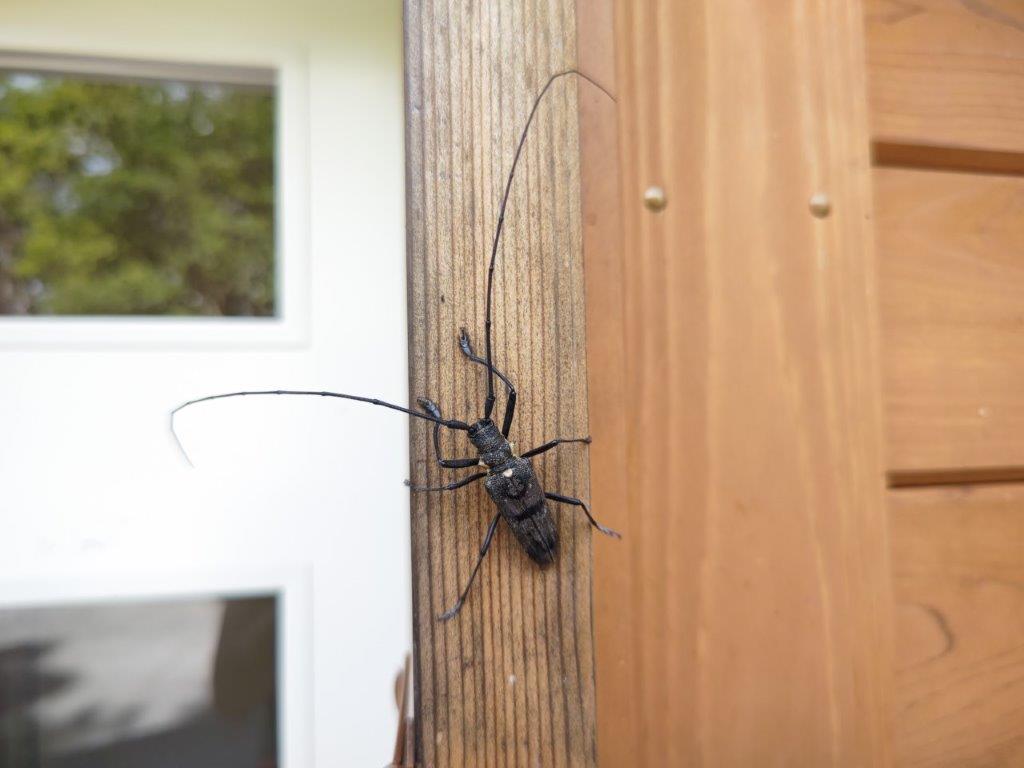
I was impressed by the sight of these majestic peaks rising above the green-brown marsh. From left to right, I could distinguish Mt Taro, Mt Nyoho, Mt Omanago and Mt Nantai, all free of clouds. It was nearly 1pm so I sat down for lunch at one of the picnic tables. Afterwards, I went to check out the nearby stop of the low-emission bus (低公害バス) that runs through the area I was exploring on foot. On the way, I spotted a longhorn beetle making a difficult ascent of the restroom building (see video). A little after 1pm, I set off again, this time along the bus road, going over Yumihari Pass (1433m 弓張峠), and then re-entering the forest via a path on the right.

This part of the hike is bound to be very crowded in the autumn season

From left to right: Mt Taro, Mt Nyoho, Mt Omanago and…

From this point, I enjoyed a solitary ramble through a beautiful forest. This was the best part of the hike, but it was also bear territory, so I tried not to linger. After crossing a bridge over a river, the trail abruptly went up the mountain side, reaching the highest point of the hike, before becoming level again, and finally descending to the valley floor. A little after 2pm, I was again walking on a paved road and soon arrived at another bus stop. It definitely felt weird to see a bus pass by in the middle of a forested valley in the Nikko National Park. Here, I turned right onto a wide, straight track through a larch forest, and half hour later, reached Sainoko Lake (1295m 西ノ湖).

…at the very right, Mt Nantai

A kind of longhorn beetle having trouble with the polished wood

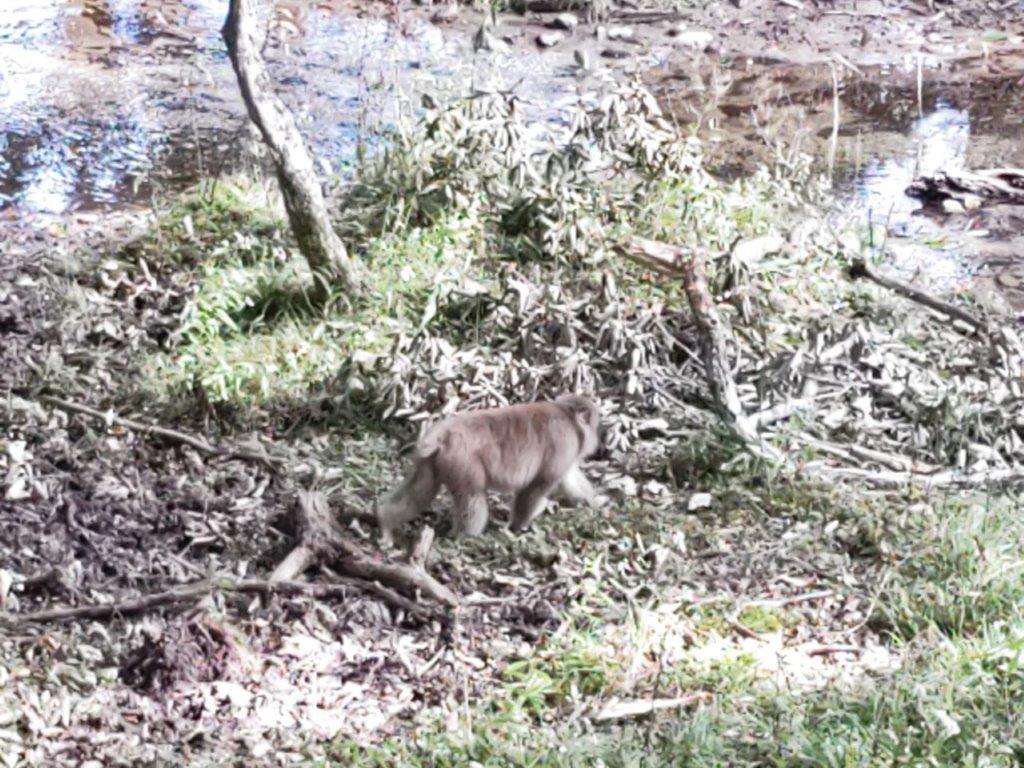
I was surprised to see that the lake was a lot smaller than it appeared on the map. I had somehow fallen behind schedule, so I didn’t have time to cross the wide sandy beach, formerly the lakebed, to reach the shore of the tiny expanse of water. I had the second half of my lunch on a bench and made my way back to the main trail, heading east at a fast pace through a forest of tall oaks. I suddenly heard a high-pitched shriek and noticed movement near the river on the right side. I moved to the edge of the trail, keeping in mind the signs warning hikers not to leave the trail, and saw a troupe of monkeys foraging for food along the river.

Sunny forest in bear territory

The smaller than expected Sainoko lake

I was delighted to be able to observe wild monkeys for the second time in a month. They weren’t as indifferent as the Shiga-Kogen ones, taking note of my arrival, but not as fearful as the ones I saw near Mt Tsurugatoya, soon resuming their quest for food, a couple even turning over stones in the river in search of some river-dwelling treat (the reflection of the sunlight on the water surface made it hard to film). I wanted to keep on watching them but I had to keep moving if I wanted to catch my bus back. A few minutes later, I reached Senjugahama (1276m 千手ヶ浜) at the western edge of Chuzenji lake, also visited on my previous Oku-Nikko hike.

The furthest pier at Senjugahama

A peaceful place after the crowds have left for the day

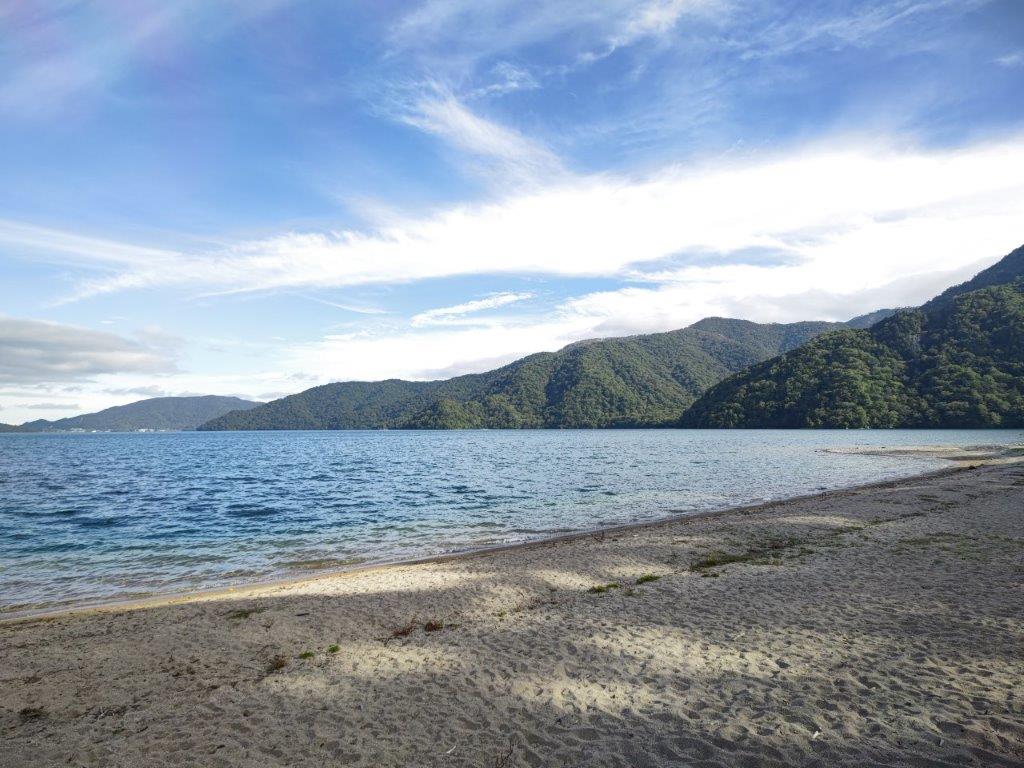
This time I could fully appreciate its tranquil atmosphere and the stunning view of Mt Nantai rising above the blue lake waters, as both the last boat and last bus had already left, and I was the last person around. After a few minutes of contemplation, I went left, following the path I had taken last year, but in reverse. I quickly passed the turn-off for Mt Taka, continuing straight ahead. It was nearing 4pm and some altostratus clouds had started to spread from the south, a sign of the approaching typhoon; inside the forest it was already dark, except for breaks in the trees letting in the slanting sunshine. The trail went up and down, accommodating the rocky nature of the shore.

The last part of the hike followed the lake shore

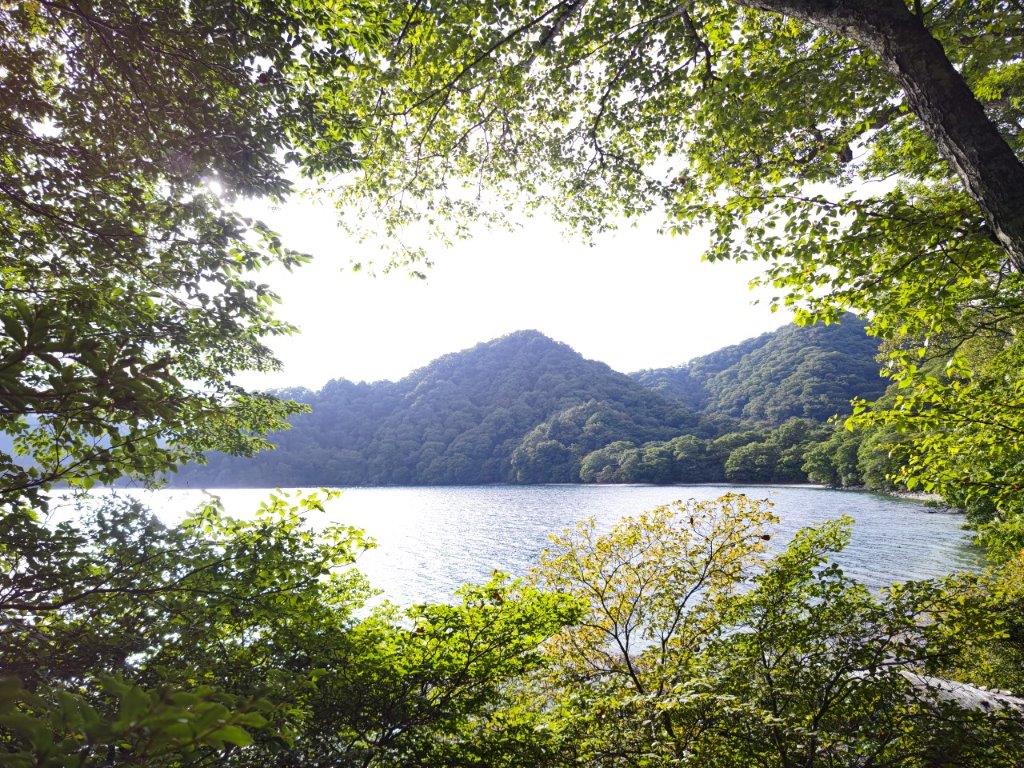
Once of the several views through a gap in the trees

I was glad for the exercise on a hike with no ascents. After a final view of the lake from the top of Akaishi Rock (1312m 赤石), reachable thanks to a brand new wooden staircase, I finally emerged at Shobugahama (12297m 菖蒲ヶ浜), arriving at the bus stop ten minutes before the bus for Tobu-Nikko, nearly five hours after setting off. Although I had considered this an easy hike, the many ups and down made me quite tired at the end. I got to the station one hour later, just in time for the 90-minute ride to Kita-Senju on the Tobu Spacia limited express. In the end, I hadn’t seen or heard any bears (or sign of them), but getting to see monkeys close up was just as rewarding.

See the marshlands, forest, lakes and creatures of Oku-Nikko

Monkey looking for food between Sainoko and Senjugahama

Shiga-Kogen & Mt Asahi (1524m), Yamanouchi Town, Nagano Prefecture, Sunday, September 4, 2022 [Monkeys]

Hiking in the Joshin-Estu Kogen National Park

上信越高原国立公園

After a two-month break, I was looking for an easy hike to get back in shape. I also wanted to visit a national park for a total immersion in nature. Shiga-Kogen, last visited two years ago, seemed like the ideal choice, since it had mostly level hiking trails passing next to small lakes, as well as a minor summit. I could get there by taking the shinkansen to Nagano city, then ride the “snow monkey” limited express to Yudanaka, and finally board a bus for the last leg of the trip. For the return, I would catch the same bus but from a slightly lower elevation. The weather was supposed to be sunny with some clouds; hopefully the sun would have the upper hand. I knew that Yudanaka is famous for its snow monkeys bathing in hot water in winter; in summer, however, they tend to roam further away, so I thought I might catch a glimpse of them along the way.

View of Biwaike and the peaks of Shiga-Kogen from Mt Asahi

Clouds slowing vanishing above Tanohara Marshland

I rode the Hokuriku shinkansen under blue skies, enjoying the views of the mountains surrounding the Kanto Plain. After getting off at Nagano station, I boarded the limited express for the one hour ride to Yudanaka, where I switched to a surprisingly empty bus for Shibutoge (渋峠); a little before 11h30, I finally got off at Kidoike Pond (木戸池 1620m, meaning “Wooden Door Pond”). After getting ready, I set off on a wooden walkway next to the lake side, but very soon made a sharp right up a short slope, leading to the top of a grassy rise.

Kidoike at the start of today’s hike

Looking back at Tanohara Marsh

I enjoyed a fantastic view of two peaks emerging from the clouds and a wide grassy area directly below; I felt I had made the right choice by visiting Shiga-Kogen (志賀高原) and the Joshin-Etsu National Park (上信越高原国立公園) on my first Autumn hike, even though at the moment, the lower sections were still in the mist. I made my way down to Tanohara Marsh (田ノ原湿原 1610m), and followed another wooden walkway to the forest on the other side; after crossing a road and descending along a rocky trail, I reached Sankakuike Pond(三角池 1630m, meaning “Triangle Pond”), a little after noon.

Blue sky reflected in Sankakuike

Shiga Lake Hotel reflected in Hasuike

As I approached the lake, I marveled at the reflection of blue sky and fluffy white clouds on the perfectly still water surface, the low clouds having temporarily parted. I continued along the gently undulating path through thick forest and soon arrived at Kami-no-koike Pond (上の小池 1570m), a lot smaller than the two previous ones. At 12h30, I was walking the length of the narrow Nagaike Pond (長池 1584m, meaning “Long Pond”) while observing the mad dance of the dragon flies.

Today’s mountain, Mt Asahi

Caution: monkey crossing

I took a while to enjoy its mysterious atmosphere: wisps of cloud drifting with the breeze down the opposite slope, creating ripples on the water surface. I crossed another road and arrived at Shimo-no-koike Pond (下の小池 1610m), the smallest pond so far, covered in bright green water plants. Next, I emerged on a steep slope near the top of a chairlift (Shiga-Kogen is also a ski resort). At the bottom, I passed through a tunnel and found myself at Hatsuike Pond (蓮池 1490m, meaning “Lotus pond”). I walked over to the nearby Ariake-no-oka Observatory where I had a view of Mt Terakoka and Higashi-Tateyama.

Sky and clouds reflected in Ichinuma

Monkey enjoying the pond view

At the other end of the lake, I was mesmerised by the reflection of the white facade of Shiga Lake Hotel. I popped into the nearby Shiga Kogen Yama no Eki (志賀高原山の駅), a mountain roadside station, to check their flower chart. I crossed the road once more, and after descending through the forest, reached Biwaike Pond (琵琶池 1390m), the largest lake so far. Through a gap in the trees, I had my first view of today’s mountain, a flattish peak rising above the opposite shore. I was hoping to have lunch there, it was already 2pm, but before that, I passed by Ichinuma Pond (一沼 1410m), the prettiest pond of the day.

Mt Ura-Shikakogen (left) and Mt Ura-Shigakogen (right)

Last pond of the day, Mizunashiike

As I approached, I was surprised to see a monkey squatting on the wooden walkway, and then two more relaxing in a tree above. In total, I spotted about a dozen, eating various plants, as well as water lily leaves; one brave monkey even went for a dip in the cold water. After they had all left, I resumed my hike up a pleasant path through a forest of Japanese white birch (白樺 shirakaba). A little before 3pm, I reached the summit of Mt Asahi (旭山 あさひやま asahi-yama). It was mostly in the trees, but on the east side the valley bottom was faintly visible; on the west side, I could see Biwa lake, as well as Mt Shiga, Mt Terakoya and Mt Higashi-Tate.

Japanese Monkshood, one of the many flowers of Shiga-Kogen

View of sun rays passing through clouds from near the bus stop

After enjoying the best view of the day, I retraced my steps to a junction I had passed earlier, and took the left branch. I soon emerged from the forest, crossed a road for the last time, and followed a grassy path to the tiny Mizunashiike Pond (水無池 1470m meaning “Pond without water”), the last and lowest pond of the day. I saw some purple bell-shaped flowers, called Yama-Torikabuto (ヤマトリカブト Japanese monkshood). I followed the trail around the marsh, reaching the road and the bus stop just before 4pm. After getting back to Yudanaka, once more on an empty bus, I caught the “Snow Monkey” to Nagano where, after enjoying some local sake inside the station, I boarded the shinkansen for the 90 minute ride back to Tokyo.

See the ponds and monkeys of Shiga-Kogen

Mt Tokko (1266m), Ueda City, Nagano Prefecture, Sunday, April 10, 2022

My last hike to the Ueda area had been less than 6 months ago, but I wanted to enjoy the views of Nagano again during the last clear days of early spring. I would climb a mountain south of Bessho Onsen, a famous hot spring resort, easily accessible from Tokyo by Shinkansen and local train; from the station, I could catch a local bus to the start of the trail. My guidebook recommended a five-hour loop hike combining two of the three trails on the mountain. On top of blue skies all day, the weather was supposed to be unseasonably warm, meaning that I could dress lightly. I was looking forward to getting views of the snow-covered North Alps, as well as enjoying a relaxing hot spring bath at the end.

View north from Daruma-iwa

Mt Tokko during plum blossom season

I didn’t see a single cloud in the sky on the 70-minute shinkansen ride to Ueda, where I switched to the Bessho line. Half an hour later, I got off at the charming Bessho Onsen station (別所温泉), the last stop on the line. Fresh off the platform, I was greeted by two ladies dressed in kimonos, who kindly directed me to the bus stop behind the station, marked by a bright red sign. A ten-minute ride on a light blue bus brought me to Chuuzenji Temple (中禅寺) at the foot of today’s mountain, and a ten-minute walk up a paved road led me to a fence with a gate, and the entrance of today’s hike.

Some sun filtering through the cedar trees on the way up

View east of Azuma-yama and Asama-yama

I spent a few minutes studying a beautiful and detailed hand-drawn map of the path to the top, displayed in front of the fence, before passing through it and heading into shady cool cedar forest. Although it was only 10h30, I was already feeling quite warm. I followed to a small stream and soon reached Fudo waterfall (不動滝). I left the stream behind, and after passing through a patch of camphor trees still bare of needles, made my way up a steep switchback path, some sections lined with rope to assist the unsteady hiker.

Mt Asama without its characteristic plume of smoke

The Japanese North Alps still in their winter coat

At 11h30, I had my first views of through the leafless trees; it felt odd to be in short sleeves surrounded by a winter landscape. A few minutes later, I reached the top of the ridge where I turned left. Pine trees were growing here and there and the air was filled with birdsong. After a short scramble, I arrived at Daruma Rock (だるま岩), an oval shaped rock, protruding from the mountain side like a pimple. Hidden behind was a rocky platform with a wide view of the valley. In the distance, I could see the white peaks of the North Alps, Togakushi highland, Mt Azuma, and Mt Asama, for once without its distinctive plume of smoke.

Mt Komayumi with the North Alps in the background

A solitary pine tree at the summit with Mt Tateshina on the far right

After enjoying the wide views, the best of the day, I set off again. I soon arrived at a junction, where I turned left, and after one last climb, reached the top of Mt Tokko (独鈷山 とっこさん tokko-san) just after noon. To the north, I had similar views as before; to the south, I could now see Mt Tateshina and the Utsukushi-ga-hara plateau. Even though I was over 1000 meters high, it still felt too hot to sit in the sun. Fortunately, a lone pine tree provided some shade, so I sat down for lunch. At 1pm, I made my way back to the junction, and followed the Miyazawa trail (宮沢コース) for a few meters, before taking the right branch for the Sawayamaike trail (沢山池コース).

Following the Sawayamaike Trail

Looking out on the southern side of Mt Tokko

This trail was surprisingly hard to follow; I frequently had to stop to look for strips of pink ribbons indicating the way. Occasionally, I passed white signposts stuck to trees, reassuring me that the narrow ridge I was following was indeed a hiking path. I had no views and saw no one as I followed the undulating ridge westwards. At 2pm, I turned right, down a narrow valley through which flowed a small stream. The path was still faint and in rather bad condition, forcing me to step carefully and continue to hunt for signs of the route.

Walking along the valley near the end of the hike

View of Joshinetsu-kogen from Shitakuike

About an hour later, I reached a deserted road at the end of the trail, which I then followed to the right. I was soon walking through the Nagano countryside in early spring mode, plum trees in full bloom. To my right, I had a side view of Mt Tokko, and I could appreciate the ridge I had followed after lunch. I stopped by Shitakuike pond (舌喰池) to admire the view of the mountains of Joshinetsu highland. Since it was only a couple of kilometers back to the station, I decided to walk, and was rewarded with seeing Japanese pheasants hunting for food next to the road (see video). I was back at the station with enough time for a hot bath at the modern Aisome no Yu (あいそめの湯) before my 4h30 train back to Ueda, where I caught the high-speed train for Tokyo.

See the sights and hear the sounds of Mt Tokko

Kinone Pass (171m) and Reisui Peak, Minamiboso City, Chiba Prefecture, Sunday, March 20, 2022

I definitely wanted to make one more trip to Chiba this year before the warmer weather arrived. Leafing through my guidebook, I selected a loop hike on the Tokyo bay side of the Boso peninsula. Although it was on the short side, access was straightforward as I could ride the Sasanami limited express there and back. The weather forecast was supposed to be sunny in the morning and cloudy in the afternoon. I was looking forward to getting some good sea views and wondered whether I would get a view of the Mt Fuji on the other side of the bay.

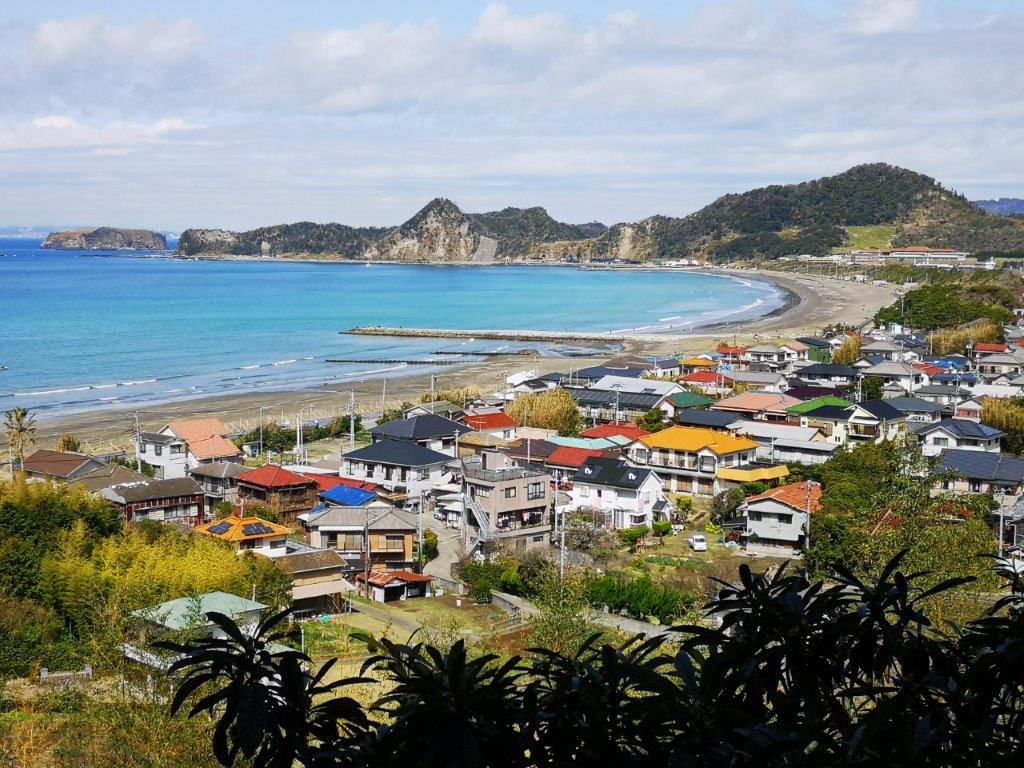
The yellow, red, blue of the beach house roofs

I had my first glimpses of Tokyo Bay from my train seat, ninety minutes after boarding the limited express in Akihabara; it was amazing to think that one of the biggest cities of the world was located on the opposite side. I got off at Iwai station just before 10am, and headed south on a busy road before turning left onto a quiet lane through the countryside. Next, I turned right onto a path parallel to the railway tracks, squeezed between the bay and the hillside. Half an hour later, I reached the entrance of Takasaki park (高崎公園) and continued straight on the slowly rising path.

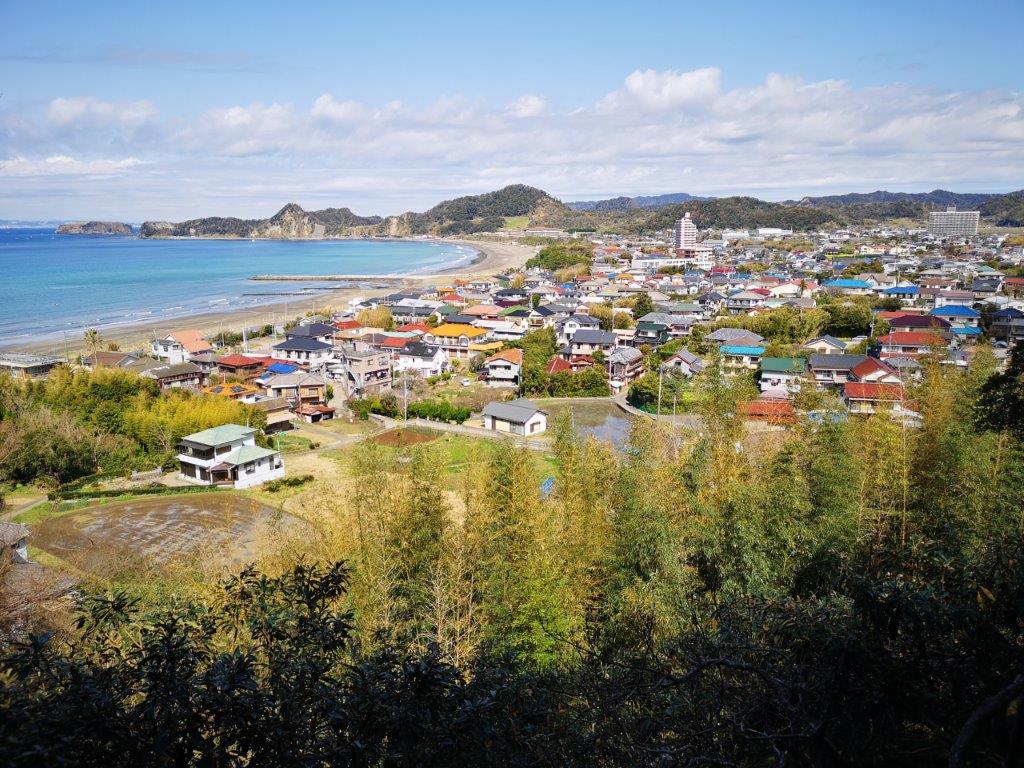
View of Iwai bay from Takasaki Park

Navigating some course obstacles on the way

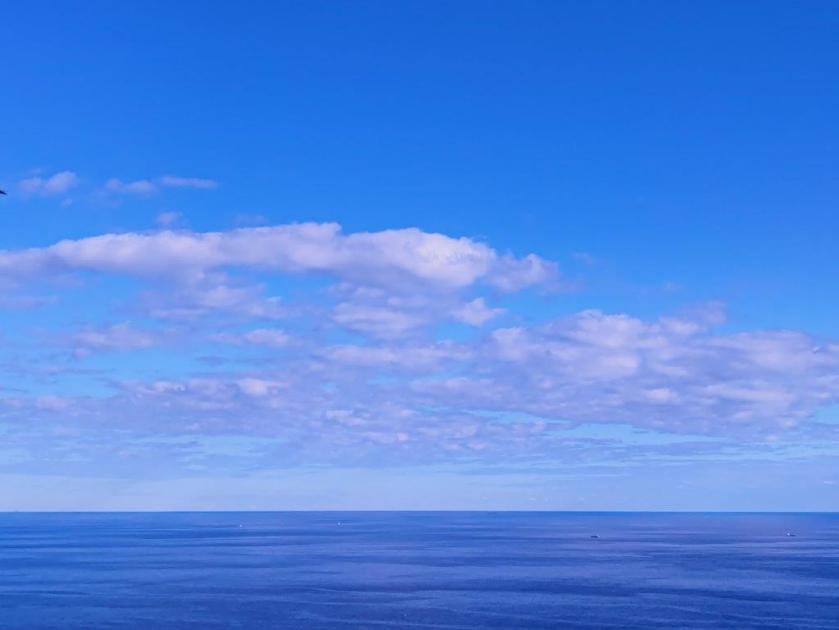
I was soon high enough to get a view of the colorful beach house rooftops. I turned left onto a curving log staircase, and at 11am, reached a viewpoint at the top of the park. I could see the dark blue waters of Tokyo and Sagami bays, with the outline of the Miura peninsula beyond; directly below, was Iwai bay, its light blue waters contrasting with the green forested ridge on the north side. As much as I strained my eyes, I could not spot Mt Fuji, normally visible to the northwest according to an illustrative sign board. After a short break, I headed back to the park entrance.

Panoramic view from Reisui peak

Yellow flower fields on the way to the Mt Harada highway

I turned right onto a road leading away from the blue sea and into the hills. I eventually reached the entrance of the hiking path on the left. It was a peaceful trail, through beautiful nature; occasionally I had to duck under a fallen tree, a reminder of the powerful typhoons from 2019. A little after 11h30, I reached Kinone Pass (木ノ根峠 きのねとうげ kinone-touge), its name meaning “tree root”. Despite being a pass, it’s one of the hundred low mountains of Boso; looking back, I had a view of Iwai bay framed by the vegetation. According to my guidebook, I could get a better view a little further east along the ridge.

Exiting the tunnel into a forested valley

These trees were probably knocked down by the 2019 typhoons

The trail was faint, but thanks to pink ribbons attached to branches, I emerged from the trees onto Reisui Peak (冷水ピーク), just before noon, and was rewarded with a panoramic view to the north: as before, I could see the two bays, Miura peninsula and Iwai beach; in the distance, I could now make out the skyscrapers of Yokohama, but Mt Fuji was still hidden; straight ahead, the ragged top of nearby Mt Nokogiri was visible. I sat on a lonely bench to enjoy an early lunch with a view. After, I went down the same way, and followed a road to a tunnel, the start of the “Harada-yama Sawayaka Gaidou” (原田山さわやか街道), built on top of an old highway.

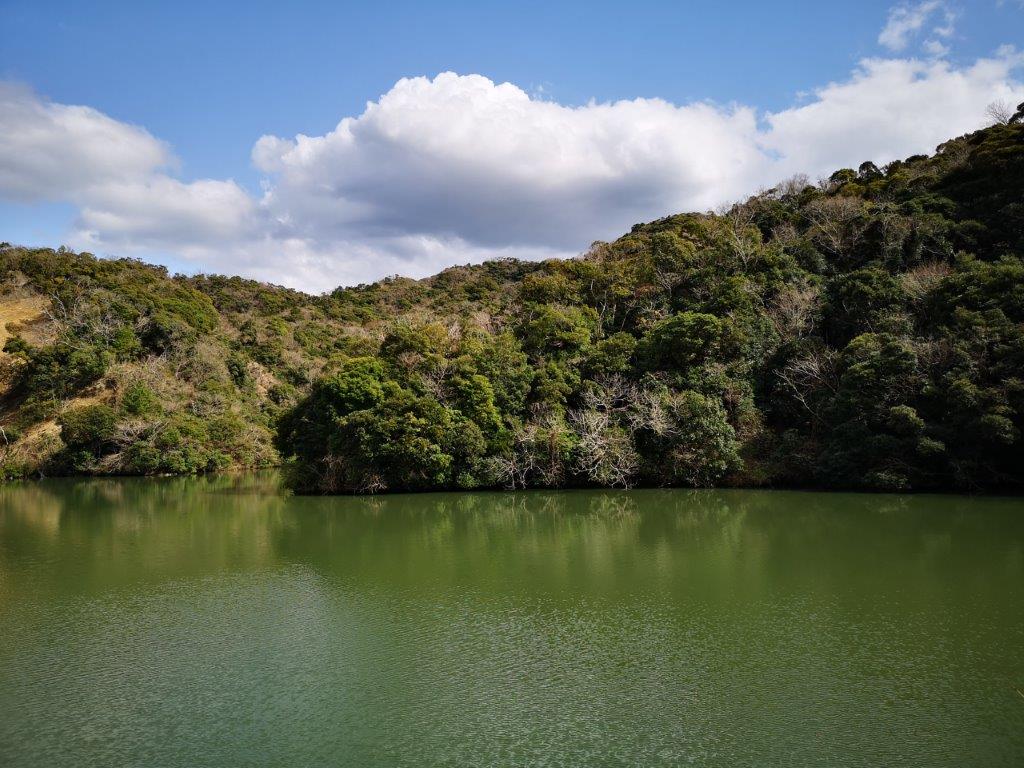
The peaceful Iwabu lake

I was stunned by the sight of a picturesque, forested valley as I emerged from the unlit tunnel. I walked on a road with no traffic and passed through two more dark tunnels (see video). At 2pm, I reached Iwabuko Lake (岩婦湖 iwabuko), at the bottom of a slope lined with cherry blossom trees, their buds still firmly closed. The quiet of the lake was punctuated by birdsong coming from the trees on the opposite shore; a fisherman drifted across the lake on an inflatable floating device. I found a rocky spot near the water and enjoyed the rest of my lunch. From the lake it was another 30 minutes back to the station, where I caught the limited express for the 2 hour ride back to Tokyo.

See the views of Iwai bay, walk the dark tunnels of Mt Harada and listen to the birds of Iwabu lake