Mt Hakkai (Mt Yakushi 1654m), Minamiuonuma City, Niigata Prefecture, Monday, September 24, 2018

Famous for its brand of sake, Mt Hakkai is a sacred peak and one of the three Echigo Mountains. The summit ridge has several summits, the highest ones being rated as dangerous.

Find Japan Hiking Maps on Japanwilds and subscribe to our newsletter

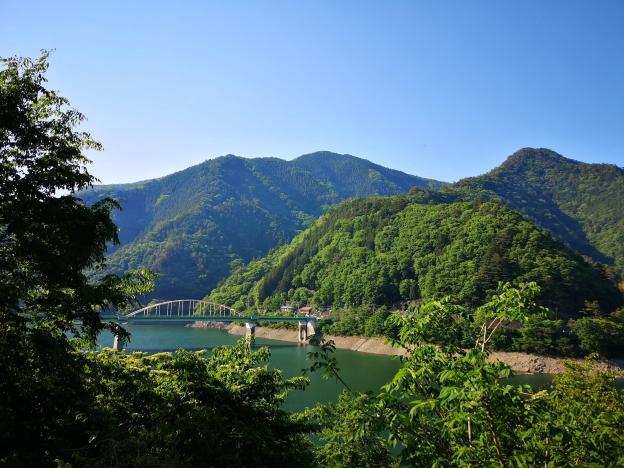
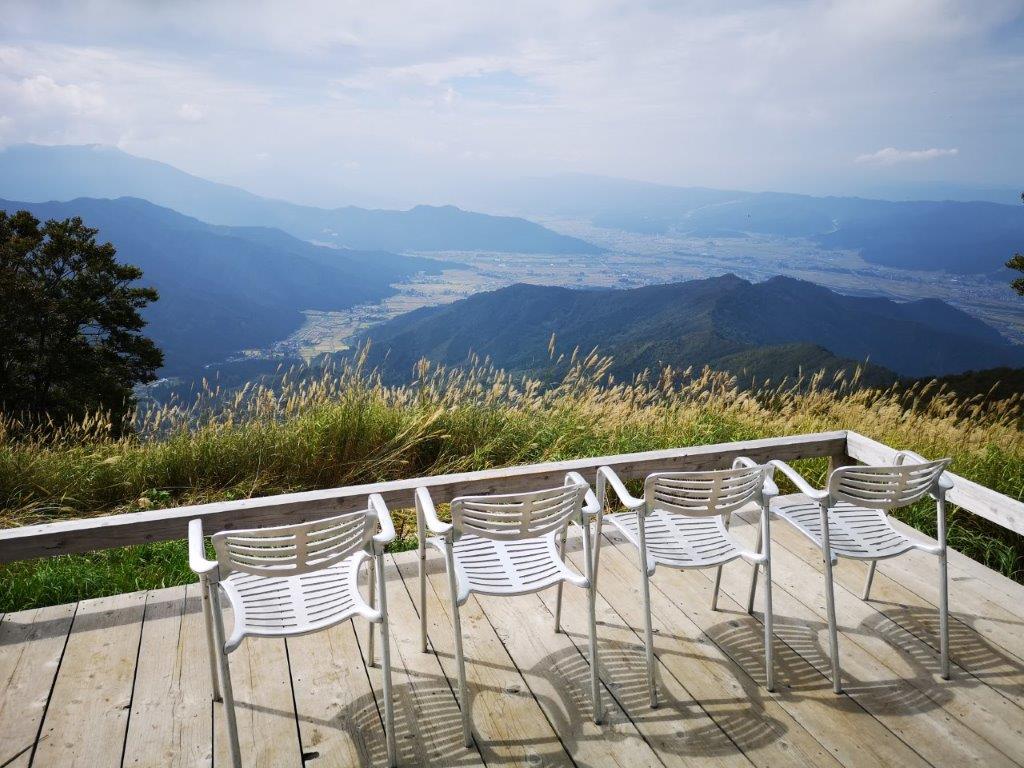
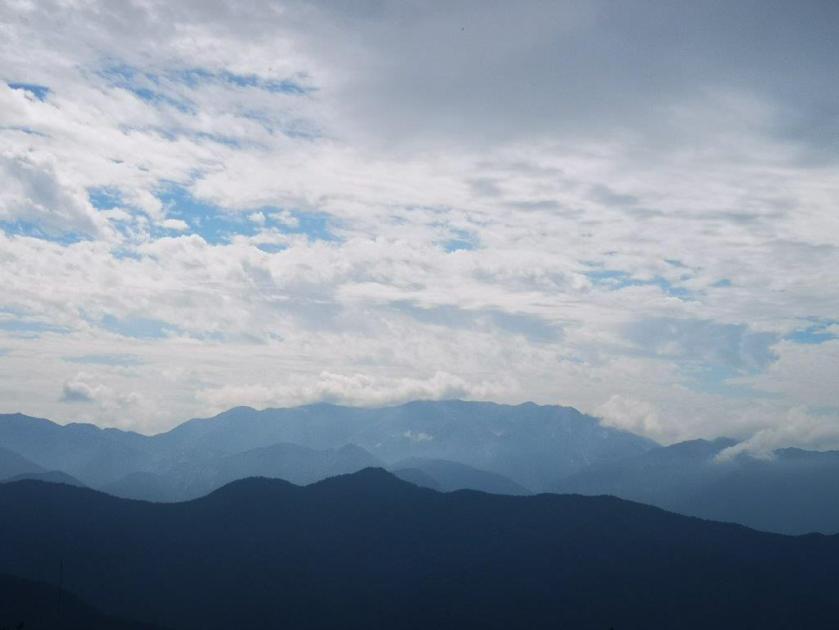
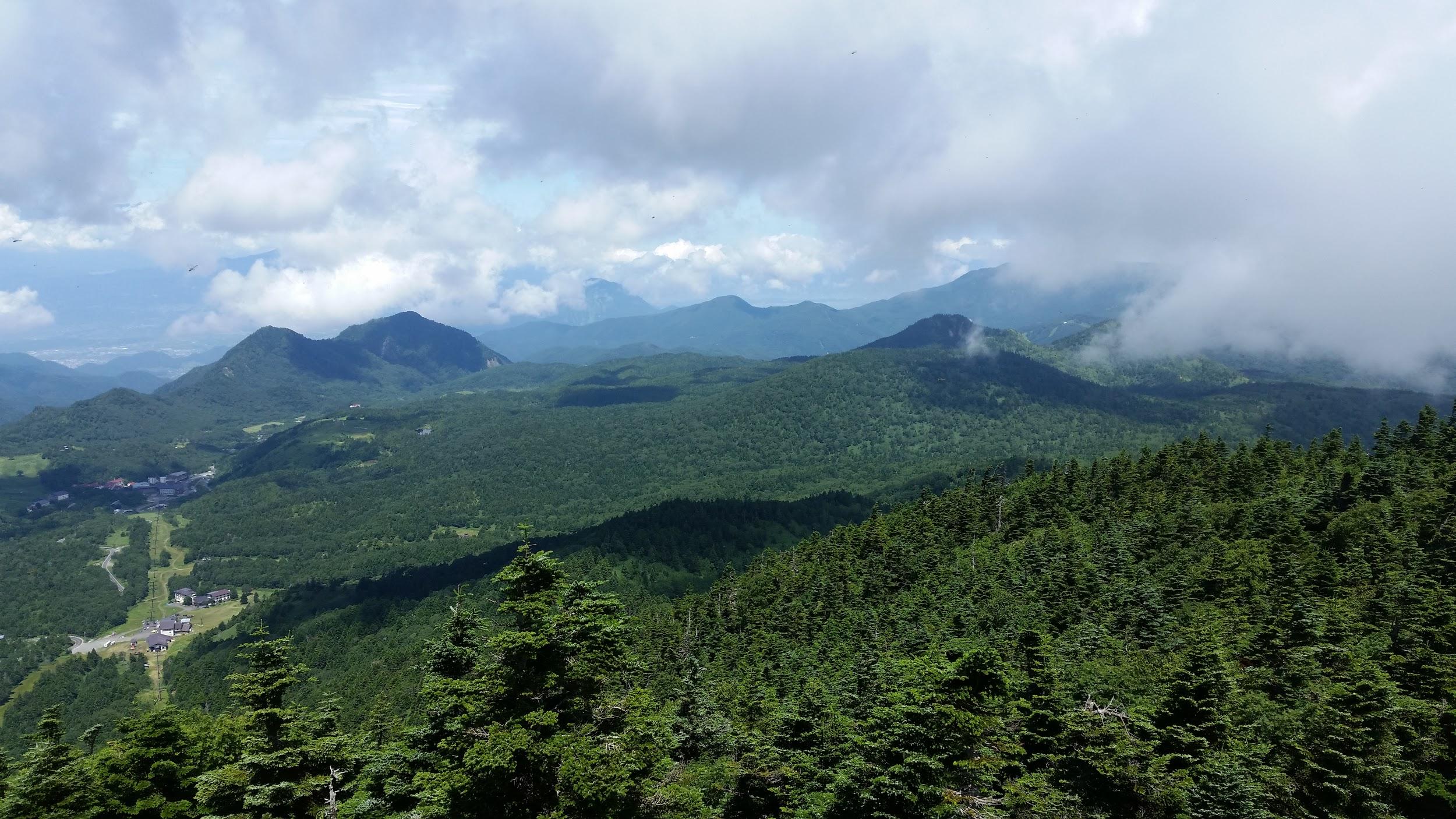
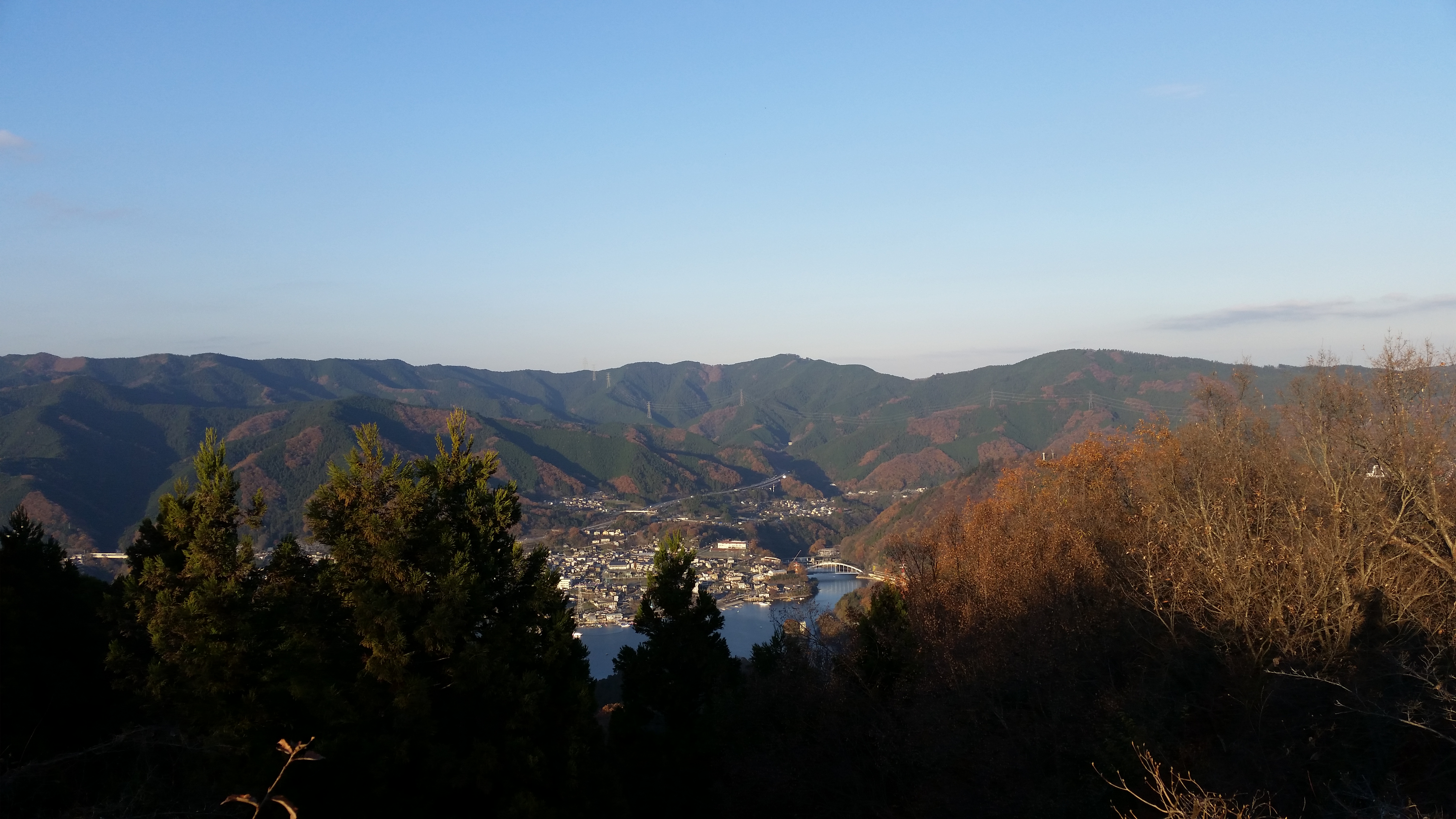
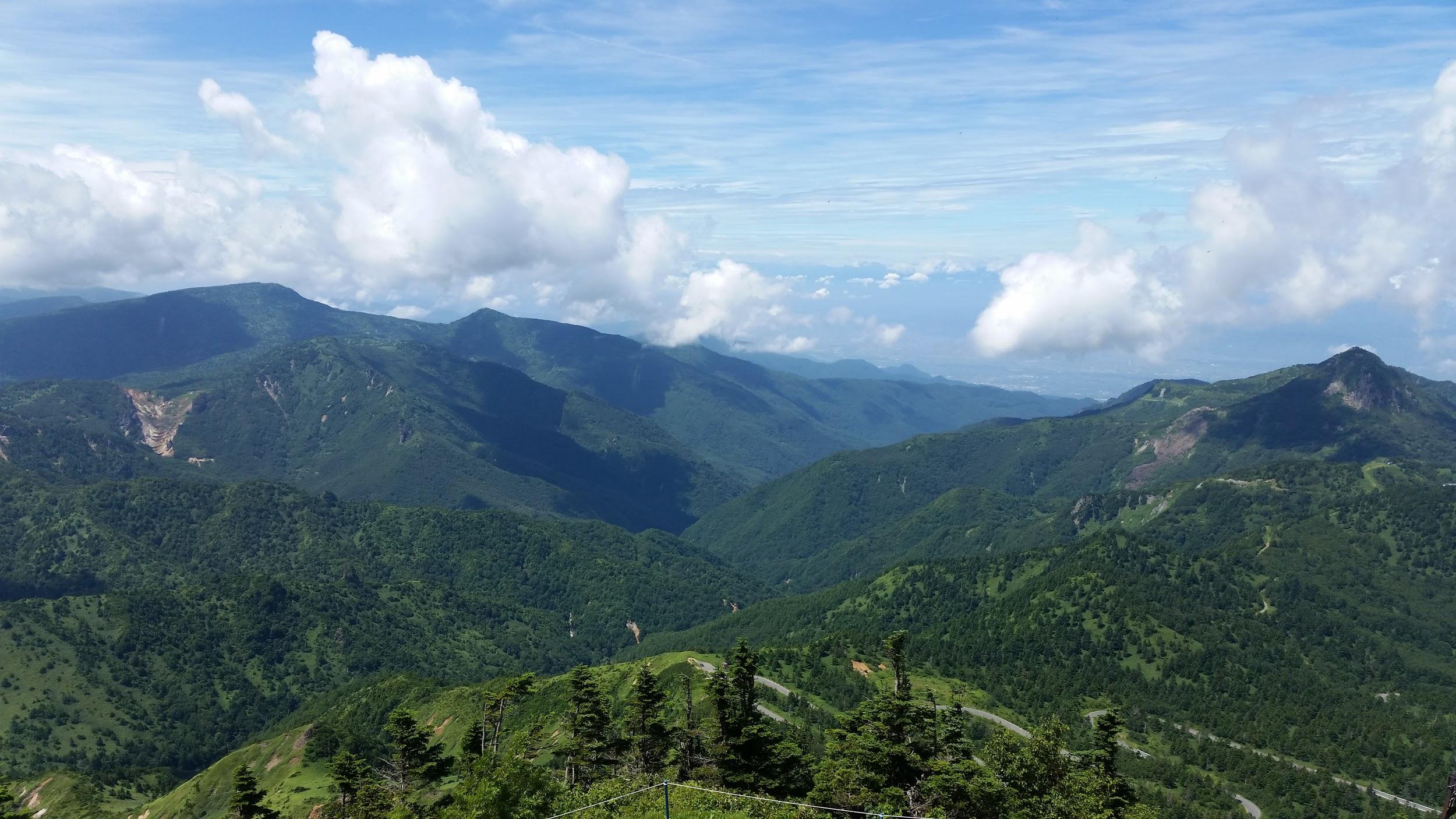
View South from the Top of the Ropeway

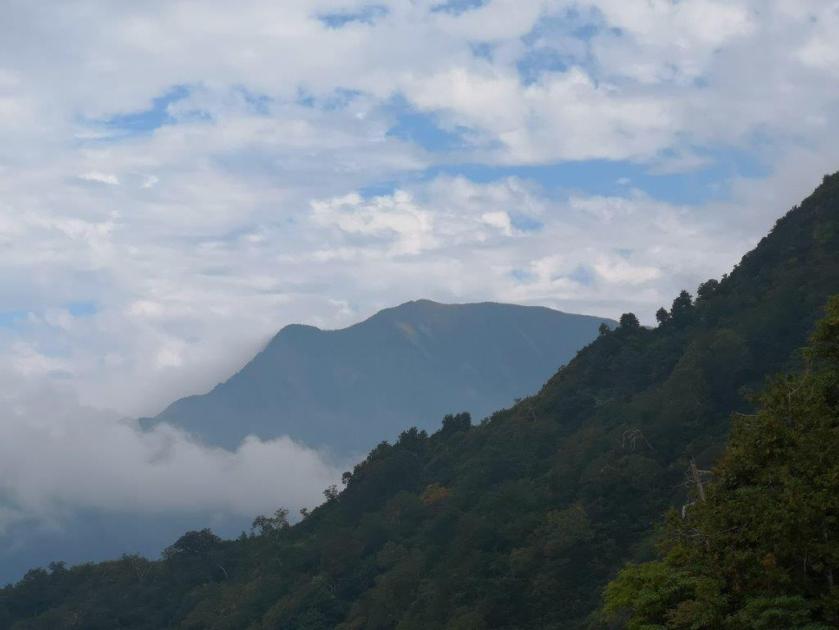
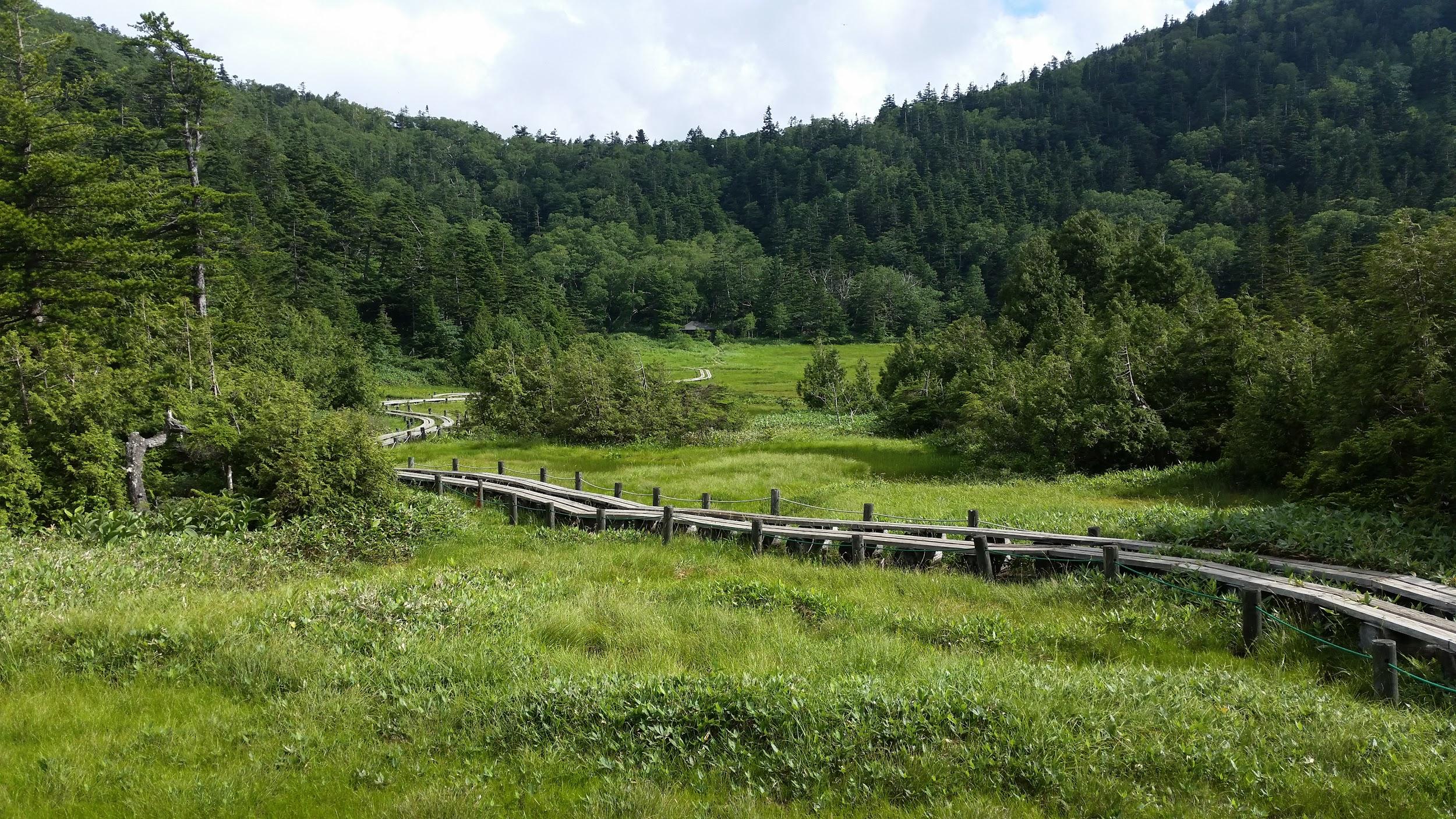
This one broke the record for the furthest day hike from Tokyo – 175 km! I was less than 50 km from the Sea of Japan although I couldn’t see that far because of the poor visibility. I arrived in Niigata prefecture under the sun but the clouds rolled in with surprising speed and most of the day was spent under grey skies. Even the ragged top of Mt Hakkai (八海山 はっかいさん hakkai-san), a 200 famous mountain of Japan, soon disappeared in the mist.

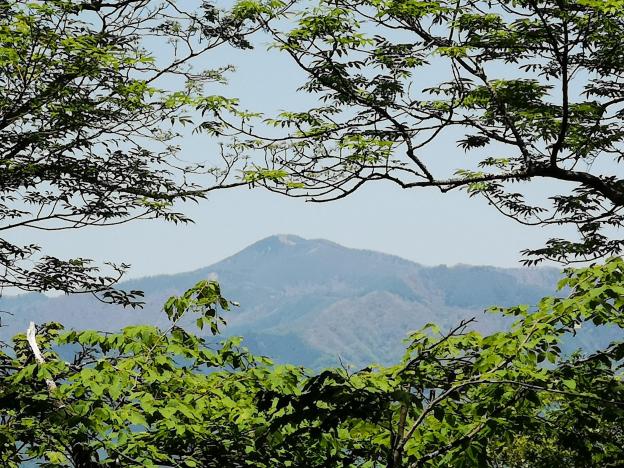
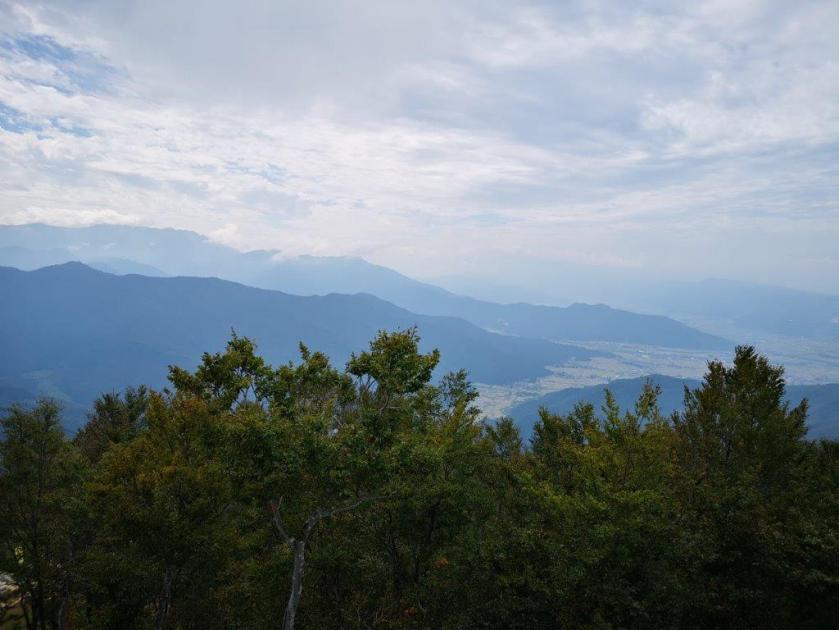
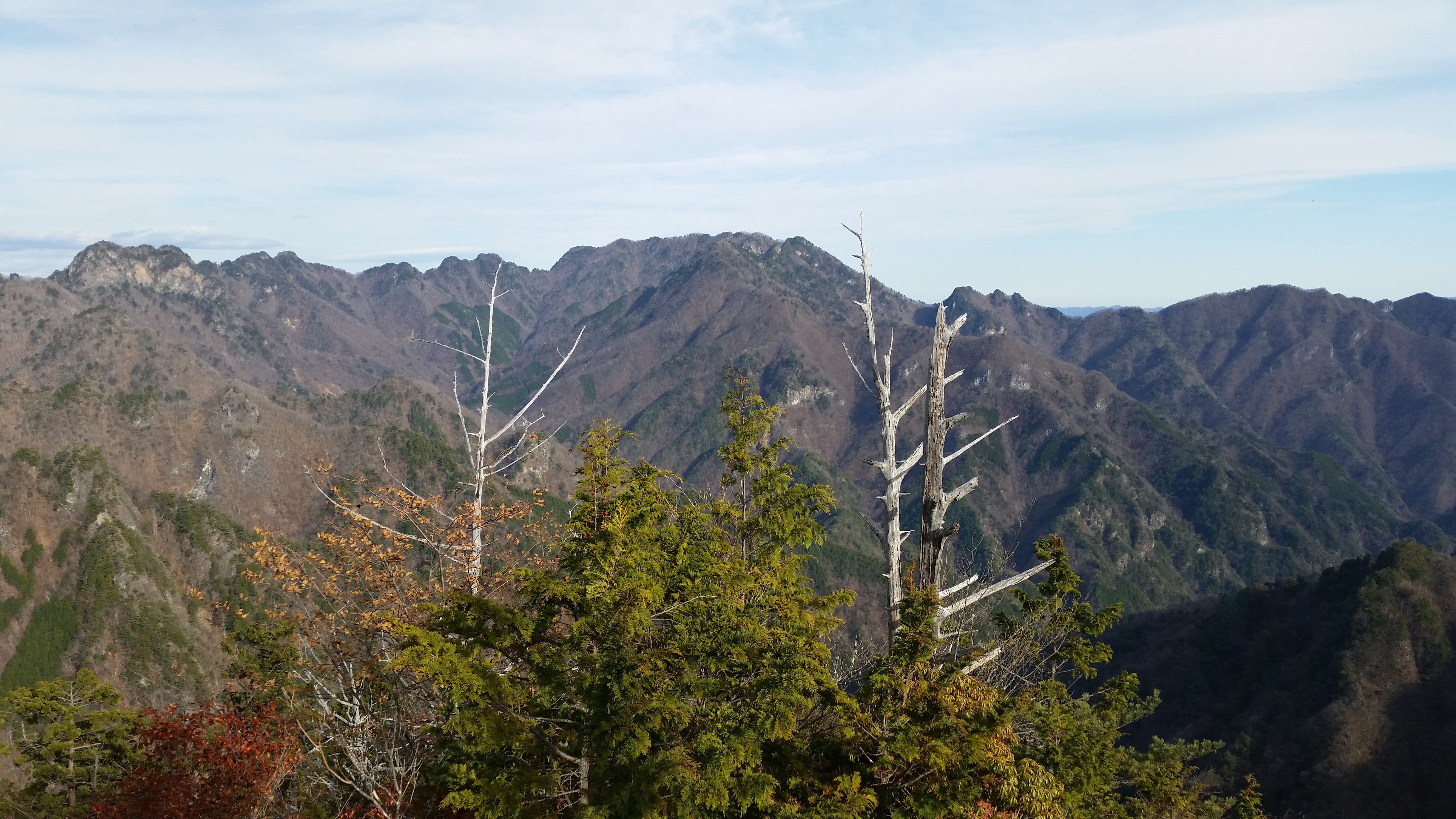
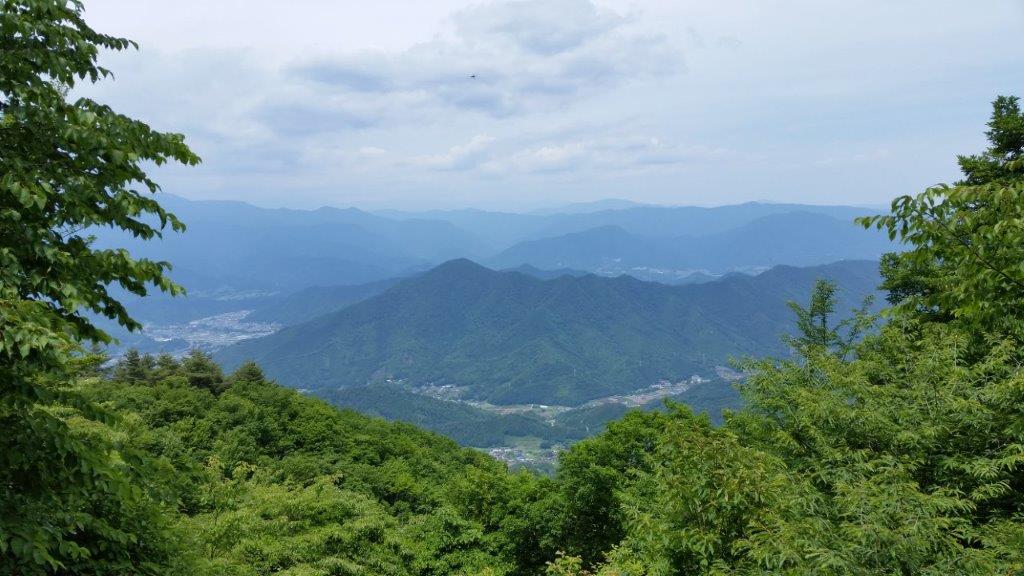
View North of the Mountains of Niigata

After taking the shinkansen to Echigo-Yuzawa, I boarded a local train to Muikamachi station. The town is fairly rundown and would benefit from a facelift. I got on a bus to the Mt Hakkai ropeway – I was the only passenger. Even the parking lot was depressingly empty. We were perhaps a dozen people to board the ropeway. I was pretty relieved that I didn’t have to wait in line. The view from the wooden viewing platform (1120m) was quite impressive – I guess the lack of people was due to the poor weather forecast, although it never rained.

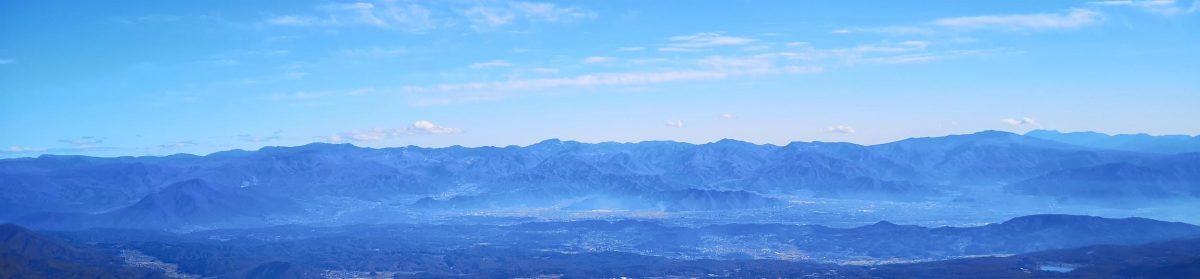
View Northeast of Mt Echigokoma

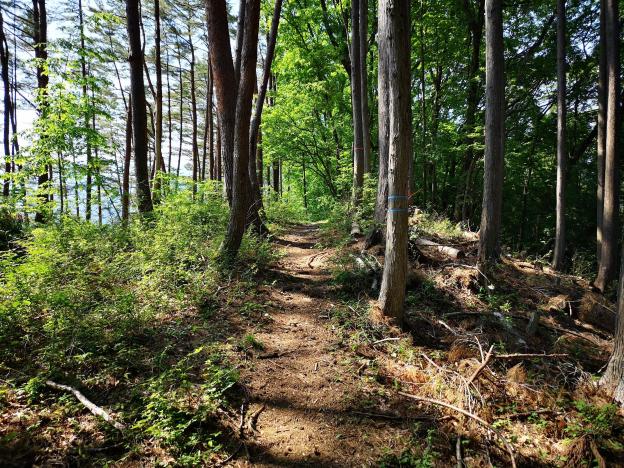
The hike itself wasn’t anything special – up and down the same path, alternating flat and climbing bits. There were some good views East of Mt Echigokoma, and Mt Tanigawa to the North. There wasn’t enough time to go all the way to the highest point (入道岳 1778m). Perhaps it was a good thing because it is rated as somewhat dangerous on my map – lots of steep bits with chains and ladders. Before turning around, I had a glimpse of Senbonhinoki Hut (千本檜小屋), perched just below the main summit ridge, through a gap in the mist.

Senbonhinoki Hut through the Mists

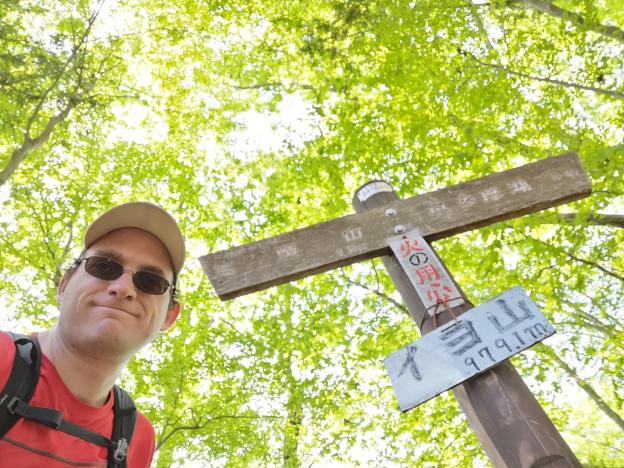
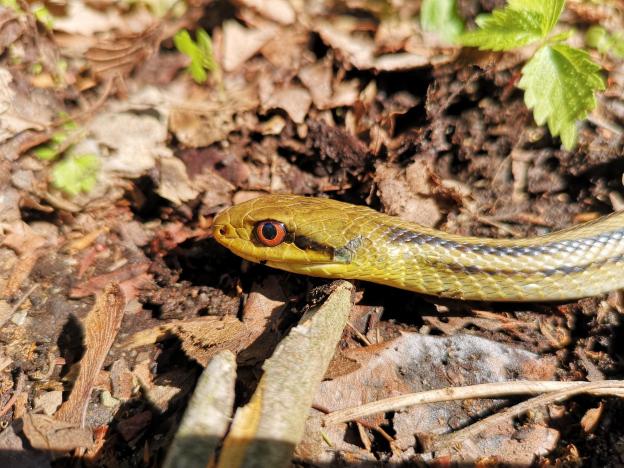
The clouds blocked most views from my turning back point, the top of Mt Yakushi (薬師岳 やくしだけ yakushi-dake) but there was a consolation prize in the form of some early autumn colours. I also saw three snakes which is always exciting. On the way back, I had a quick hot spring bath and bought some local sake, both inside Echigo-Yuzawa station, before hopping on the shinkansen for the ride back to Tokyo.

Heading Back to the Ropeway

Watch a Video of the Hike

See a Slideshow of More Pictures of the Hike

Mt Asamakakushi (1757m), Takasaki City, Gunma Prefecture

For this hike, I drove a rental car from Takasaki city to a small parking area near the entrance of the trail to the mountain. Starting from an elevation of 1450m at 11am, the hike to the top took only one hour. Although the top of Mt Asamakakushi 浅間隠し, meaning “Hidden Asama” was similar to that of my previous hike, it was a lot colder, since I was further North.

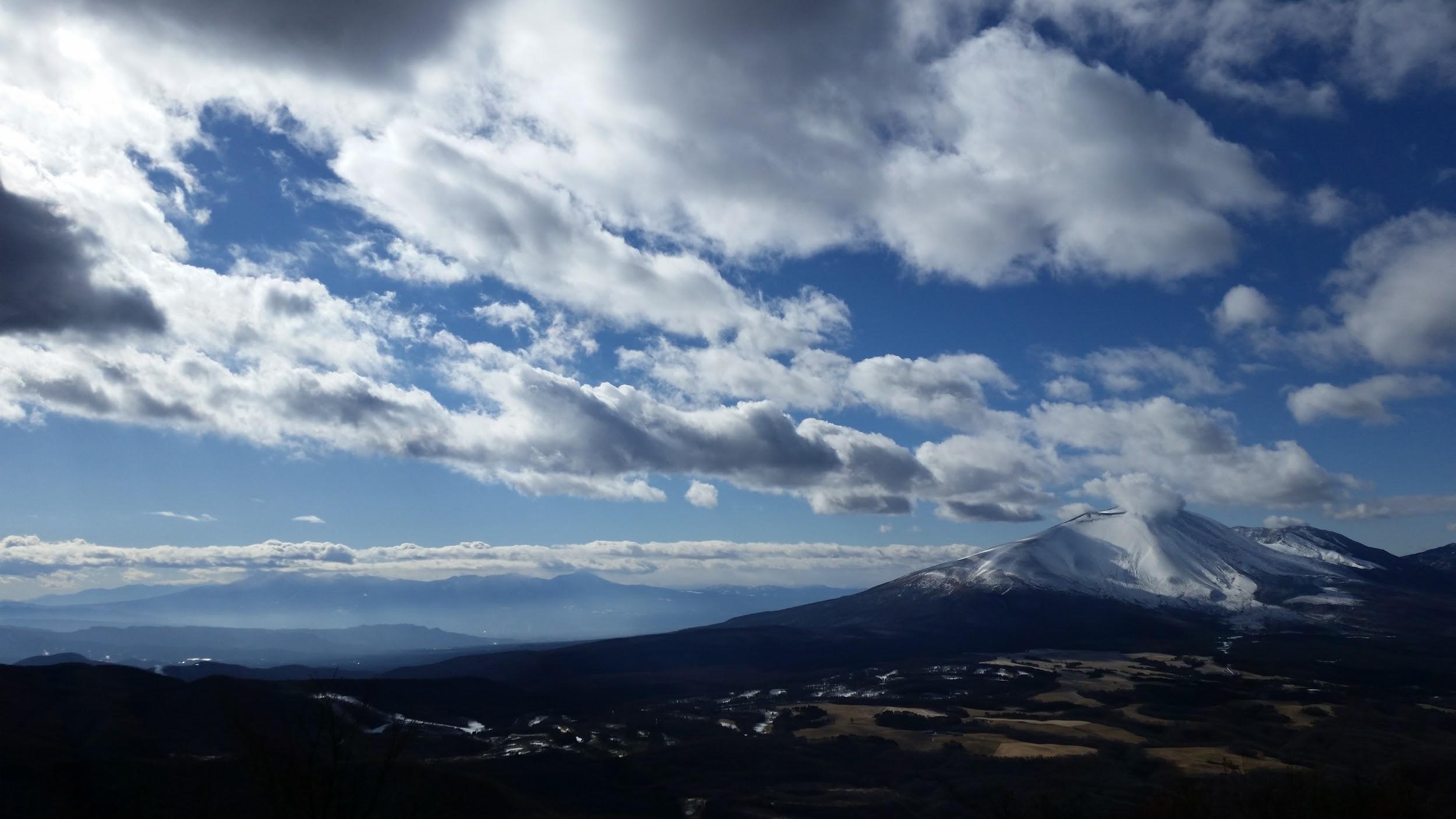
Yatsugatake in the background

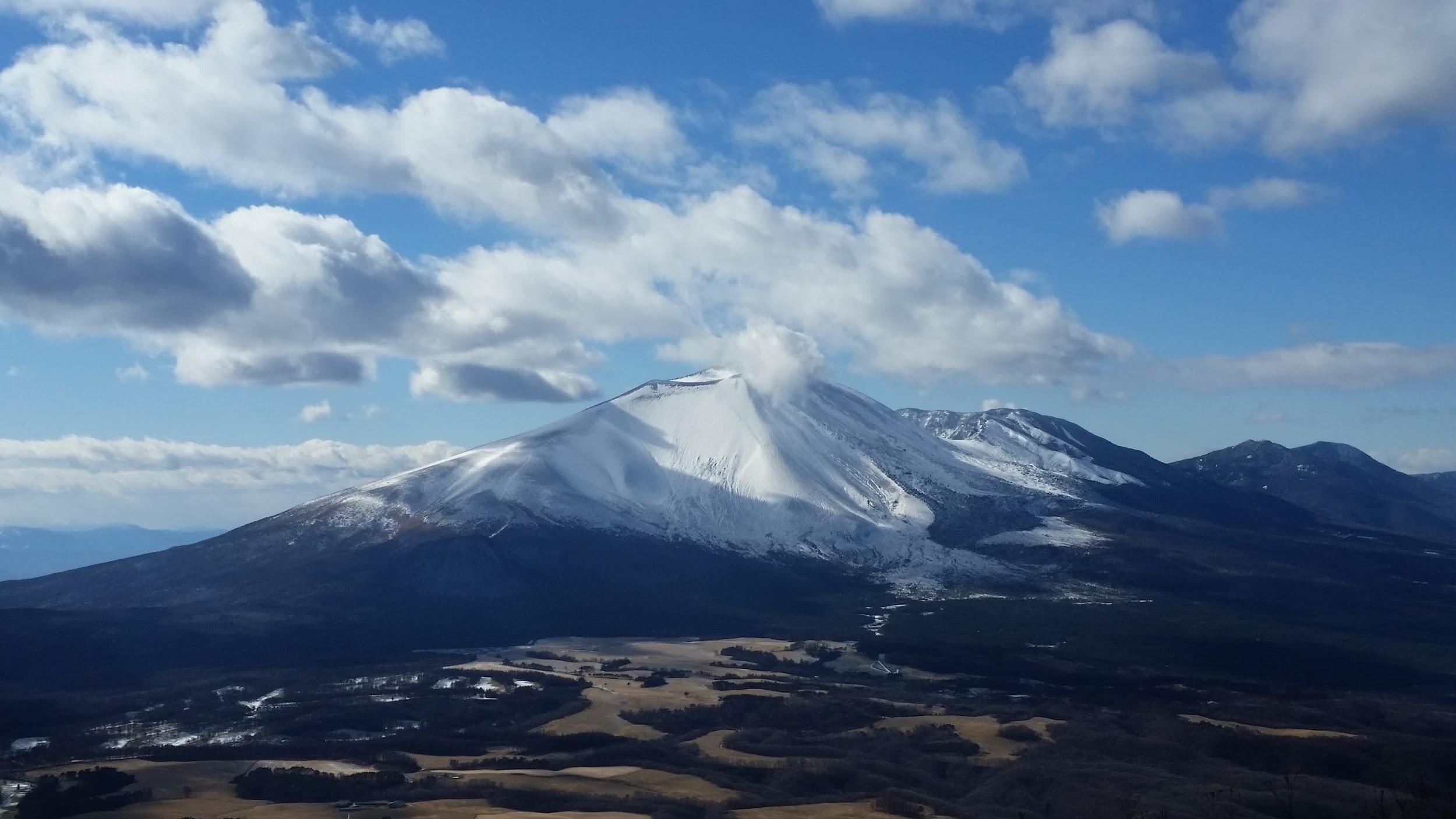
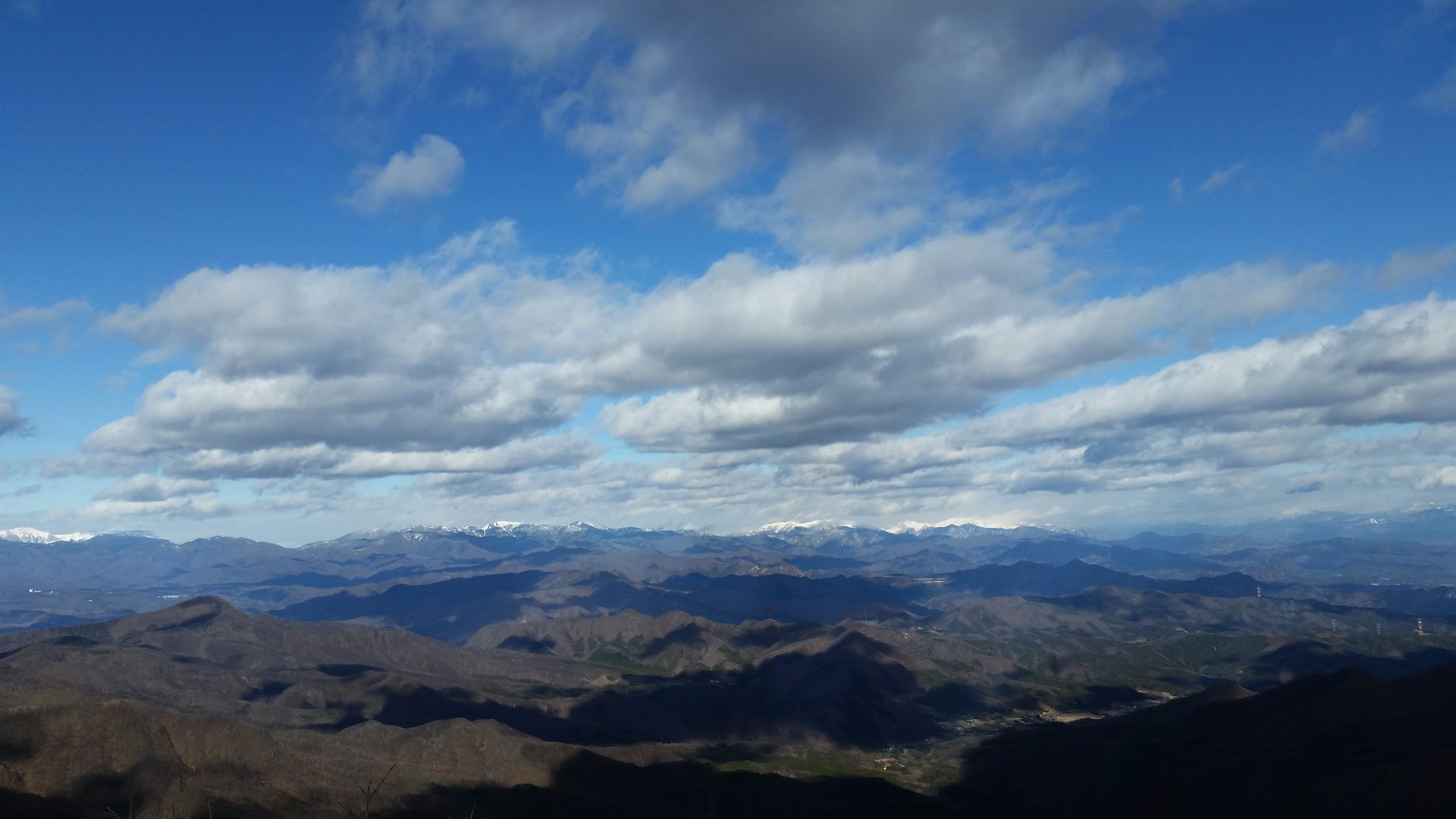
The view of snow covered Asamayama to the West was breathtaking. I could also see the entire Joshin-Estsu mountains forming the Northern edge of the Kanto plain; there are just too many mountains to list here. Southwards, I could make out the Yatsugatake range, Karuizawa and the Oku-Chichibu mountains. Finally the three holy mountains of Gunma – Myohgi, Haruna and Akagi – were all visible in the same panorama.

The Joshinetsu mountains

After an hour taking pictures and eating lunch in near freezing temperatures, I made my way down the same way I had come up. Once back to the car, I drove to the onsen at Hamayu Sanso at the base of the mountain. I got there just before 2pm and I was able to warm myself up, before driving back to Takasaki station.

20171209_121926

Mt Settou (1736m), Mt Junigadake (1683m) Kawaguchiko Town, Yamanashi Prefecture

I had already hiked parts of the Misaka mountains – the mountainous area between Mt Fuji and the Oku-Chichibu mountains (for example Mt Ou to Mt Oni). However, I had never hiked the central part, between Kawaguchi and Saiko lakes. I decided to approach from Ashigawa valley on the North side, and finish at lake Saiko, on the South side. I took the Chuo line to Isawa Onsen station, and then the bus to the farmer’s market in Ashigawa 芦川. I had a very good impression of the place since they offered me free tea while I got ready for my hike!

The Fujikyu bus from Isawa Onsen to Ogossoya (the Ashigawa farmer’s market) was discontinued in 2024. Access is now via car, or by bus from Kawaguchiko Station. However, since 2024, a free shuttle bus runs on weekends between Ogossoya and Suzuran.

Kawaguchiko City surrounded by nature

I started out after 10am, and walked along the road for about 20 minutes to the start of the trail, which then went straight up the side of the mountain, through trees completely bare of leaves. I reached Oishi pass (1515m) 大石峠 around noon. I had been there once before when hiking from Mt Kuro further to the East. This time I turned right and continued Westards along the ridge.

Kofu valley and beyond the Oku-chichibu mountains

The hiking path went up and down a wide ridge through beautiful evergreen forest. I had occasional views of Mt Fuji to my left, lake Kawaguchi behind me, and the Ashigawa valley to my right. I soon reached the top of Mt Settou 節刀ヶ岳 the third highest mountain along the ridge, after Mt Mitsumine and Mt Oni. From there I could see all the way to the Southern Alps, and the Kofu valley.

Against the sun, looking back towards Minobu

After admiring the view, I started to head down towards Saiko lake. Soon, I had to negotiate a slightly tricky bit involving some rocks and chains. After that, I arrived at the top of Mt Junigadake 十二ヶ岳 which translates simply as “Peak 12”, from where I had some more great views of Mt Fuji ahead of me. I now had two options. The path to the left was an exciting ridge including suspended bridges. Alternatively, I could head straight down to Izumi no Yu, a hot spring on the side of Saiko Lake. Since it was already 3pm, I decided to head down, and leave the exciting ridge for another hike.

The Furthest Mountain, Mt Nanten (1483m), Chichibu City, Saitama Prefecture, Saturday November 25, 2017

20171125_135627

Hiking in the Chichibu Mountains 秩父山地

Less than 100km away from the capital as the bird flies and smack in the middle of the Oku-Chichibu mountains of Saitama prefecture, lies Mt Nanten 南天山 1483m. Despite its relative closeness, accessing the start of the trail requires patience and a desire to explore new places.

Last Saturday, I rose at 6h30, got a seat on the Seibu line Red arrow limited express leaving around 7h30 from Ikebukuro station, hurried to catch the transfer to the Chichibu railway in the Seibu-chichibu station and got off at the last station, Mitsumineguchi at about 9h15.

Unfortunately the bus connection wasn’t ideal and I had to potter around for 45 minutes for the bus for Nakatsugawa 中津川, also the last stop and one hour away, making my arrival time a little past 11am. However I wasn’t there yet. I still needed to walk 30 minutes along a road which eventually turned into a dirt road, till I finally got to the entrance of the mountain trail, leading up a small river valley cleaved into the side of the mountain.

20171125_123044
The path crossed a stream several times over narrow wooden bridges

After removing my inner layer, fixing my bear bell onto my bag and having a quick bite, I was officially ready to start up the mountain, a little before noon or nearly six hours after getting up. Fortunately, unlike my previous trip the week to Okutama the week before, the further I progressed the less people there were – just one other passenger on the bus who got off before the end. This was probably because the autumn leaves season was already over.

20171125_130744
First views of the highest peaks of the Okuchichibu Area

The valley I walked up following a small stream was one of the most beautiful I’ve ever seen. I could only imagine what it must look like in the spring or the autumn. There was a fair amount of stream crossing along fairly new wooden bridges and the path goes up and down the side of the valley, making for a good warmup. Halfway up the valley, I came upon the spectacular Hojirushi waterfall 法印の滝. Even if you don’t climb to the top, it is well worth walking 20 minutes to check it out.

20171125_121912
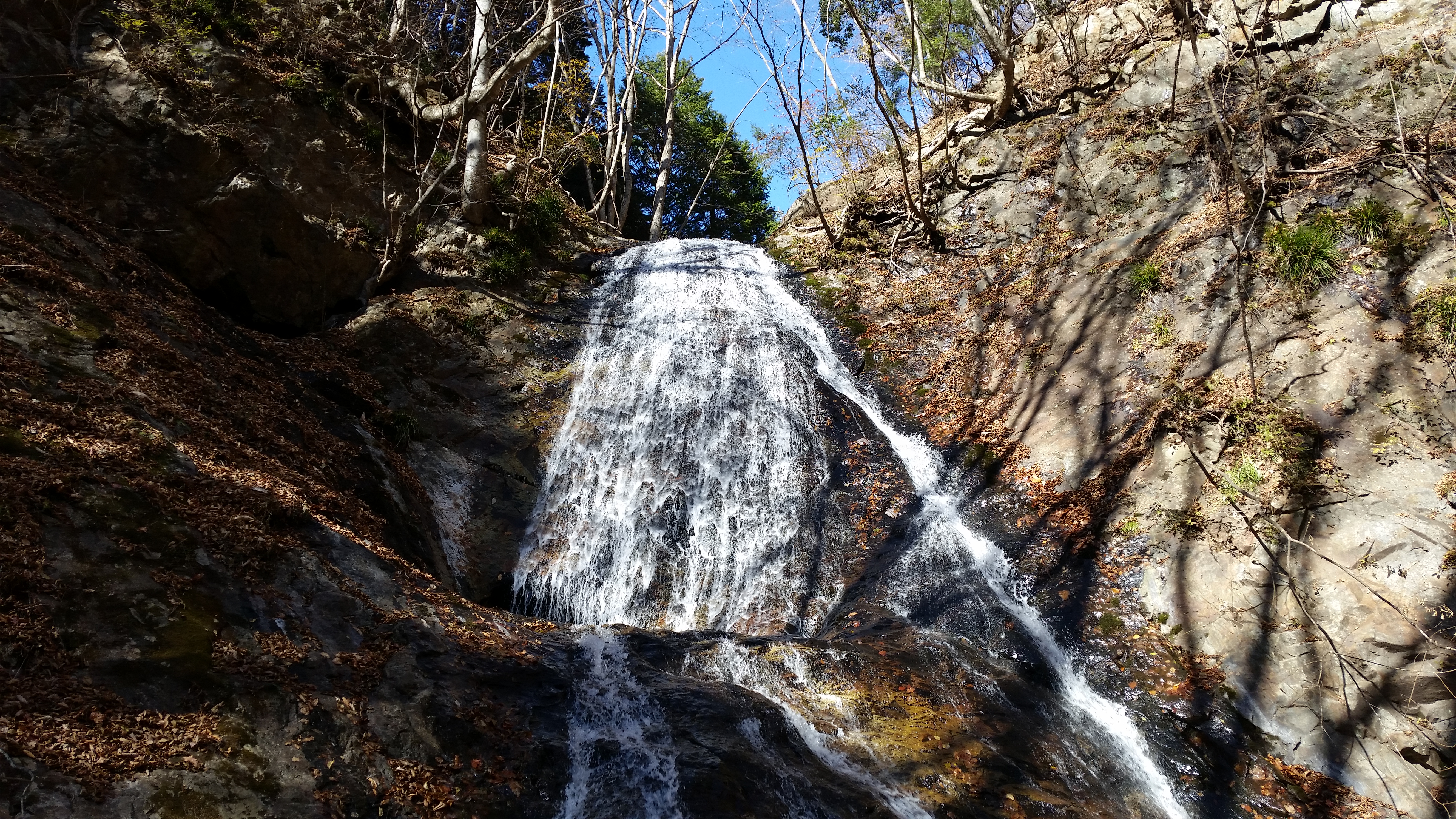
The Hojirushi waterfall along the Kamakura River

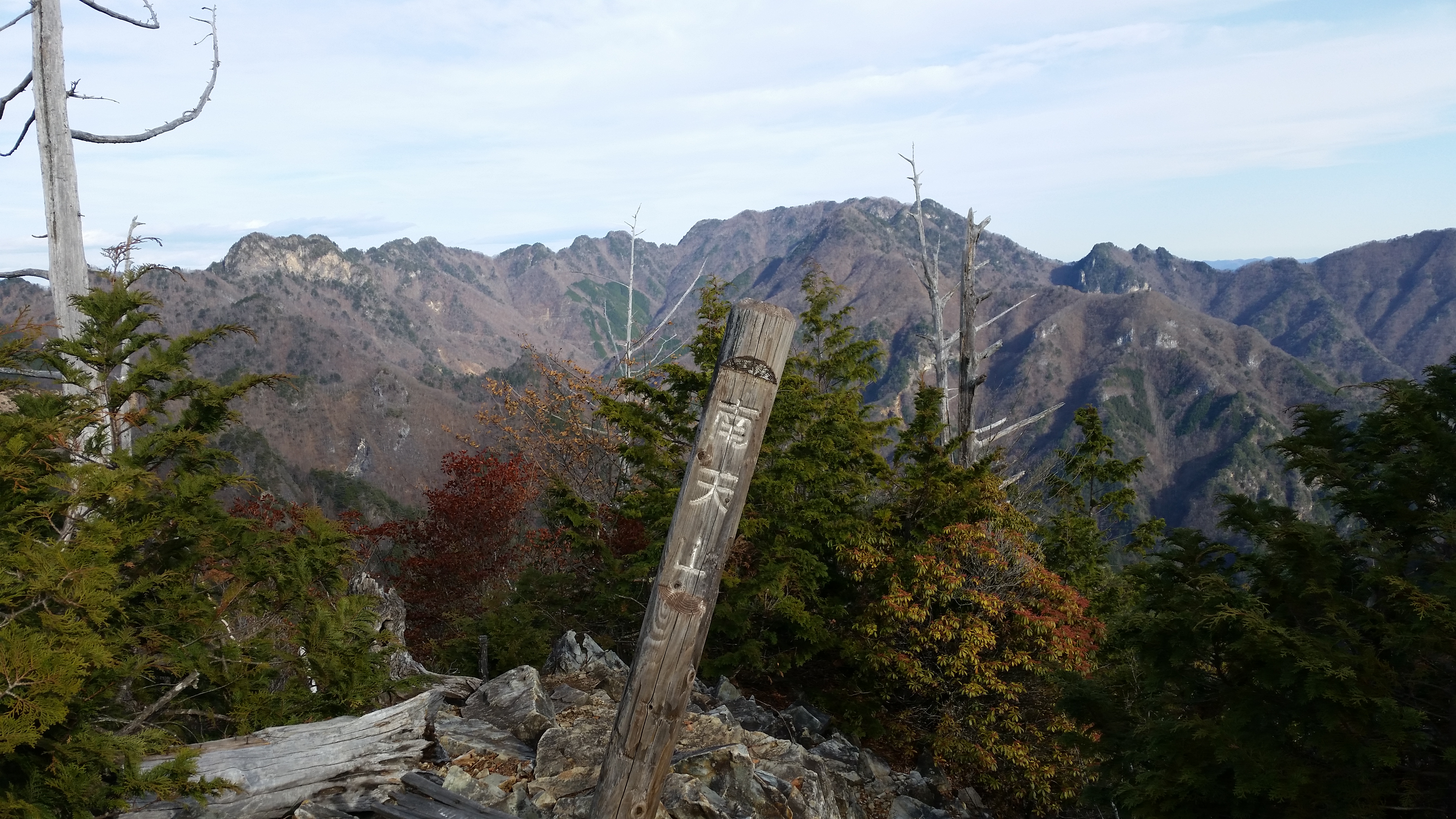
Twenty minutes further upstream, a zigzagging easy to walk path on the left takes you up to the top ridge where you progressively make your way to the highest point. The last part gets rather rocky and feels rather wild – hard to believe that you are in Saitama, especially when you reach the top and see nothing but mountains in all directions. Directly opposite one could see the massive bulk of Mt Ryokami and in the background Mt Asama already covered in snow,

I headed down a little after 2pm down another zig-zagging path and then joined up with the previous stream valley and legged it back to the road. I was able to take a quick bath before getting on the return bus a little after 4pm. This bus, the last one of the day, took me directly to Seibu Chichibu station in about 90 minutes where after a thirty minute wait, I got the next Red arrow limited express back to Ikebukuro, arriving at 8pm, taking me only a little less time than on the way there.

20171125_135325
The summit marker of Mt Nanten with Mt Ryokami in the background

Enjoy the contrast between the rushing water and the silent summit


Overcoming travel trouble in Okutama

Mt Shishigura (1288m), Okutama Town and Tabayama Village, Tokyo & Yamanashi Prefectures, Sunday November 19, 2017

20171119_105526

Hiking in Okutama 奥多摩

Yesterday I went for a hike in the Okutama area, starting from the Western edge of Okutama lake at  Miyama Bridge 深山橋, going up Mt Shishigura 鹿倉山 1288m (not Shikakura as the Kanji suggests), and ending up at the Nomekoiyu のめこい湯 hot spring.

However it isn’t about the hike itself that I wish to write but rather about getting to and back from the area in the general. The trouble with Okutama is that it mostly sits within the Tokyo prefecture, one of the most populated areas in the world, and thus the trains and buses are packed, especially during the autumn foliage season.

Fortunately when I went out there on a whim yesterday (bad weather threatened my preferred options), I was able to sit all the way there and back. Seeing that the total travel time was nearly 5 hours, I feel that this considerably enhanced my experience, and it only required a little planning and some luck.

First, I turned up at Shinjuku station 20 minutes before the scheduled departure time of the direct train to Okutama and positioned myself first in line at the appropriate spot on the platform (indicated by an overhead sign). The train pulls in ten minutes early since it starts from Shinjuku so the rest of the waiting time is spent sitting comfortably.

After arriving in Okutama, I got off as quickly as possible and lined up for the bus. Despite the crowds it only took me a few minutes since I had previously charged my Pasmo with a generous amount of money and skipped the bathroom. Once out of the station I swooped onto the first bus attendant I saw to confirm where I should line up for my bus (the one for Kosuge no Yu 小菅の湯). I had perhaps a dozen people ahead of me but I still managed to snag one of the last seats.

On the return, I sacrificed some bath time in order to get to the bus stop ten minutes early. I was third in line which doesn’t necessarily guarantee a seat since the bus starts further up the valley. When the bus turned up, the line behind me had grown to a dozen people and there were only about 5 seats left. My gamble had paid off and I got a good seat too, one with space for my long legs.

There was some traffic on the way back and I was worried that I would miss the last direct train back to Shinjuku but thanks to the experienced driver we got to the station with time to spare. Repeating the same strategy as in the morning (move quickly, well-charged pasmo, skip bathroom break) I got a good seat on the train and the return was as smooth as one could hope for. Obviously these tricks only work if you are hiking by yourself or maybe as a pair (or you have good bladder control).

20171119_131529
Mt Odake, one of the three famous peaks of the Okutama area

As for the hike itself, it was the kind I like. Steep ascents at the beginning, gently sloping ridge line in the middle, alternating views of forest and mountains, and a good wide path for most of the descent. I only crossed a small group of people during the whole hike. Unfortunately I can’t recommend this hike since at times the trail was hard to find / follow and the last part of the trail had somewhat collapsed and was difficult to walk. I hope they repair it soon and also put up more trail makers.

One final note: the Nomekoi Hot spring is only 300 yen but at present the rotemburo (outside bath) is closed for construction. However the inside bath has a high wooden slanting roof which gives it a traditional feel so it is definitely worth taking a bath there.

20171119_131007
The long ridge leading to the summit of My Kumotori (on the left), the highest point in the Tokyo prefecture, as seen from the ridge below the top of Mt Shishigura.


Mt Yokote (2307m) & Mt Shiga (2037m), Yamanouchi Town, Nagano Prefecture

I did this hike with my mother who was visiting Japan for a couple of weeks. Since it was quite far from Tokyo, we rented a car in Takasaki, and spent the night in a traditional Japanese inn, or “ryokan”, in Kusatsu Onsen. The next morning was sunny, but by the time we had made our way all the way up to Yugama Lake 湯釜 the clouds had rolled in. We admired the light blue colour of the crater lake, but gave up on climbing Mt Kusatsu-Shirane. I had climbed it before in the clouds, and had little interest in doing it again in similar conditions.

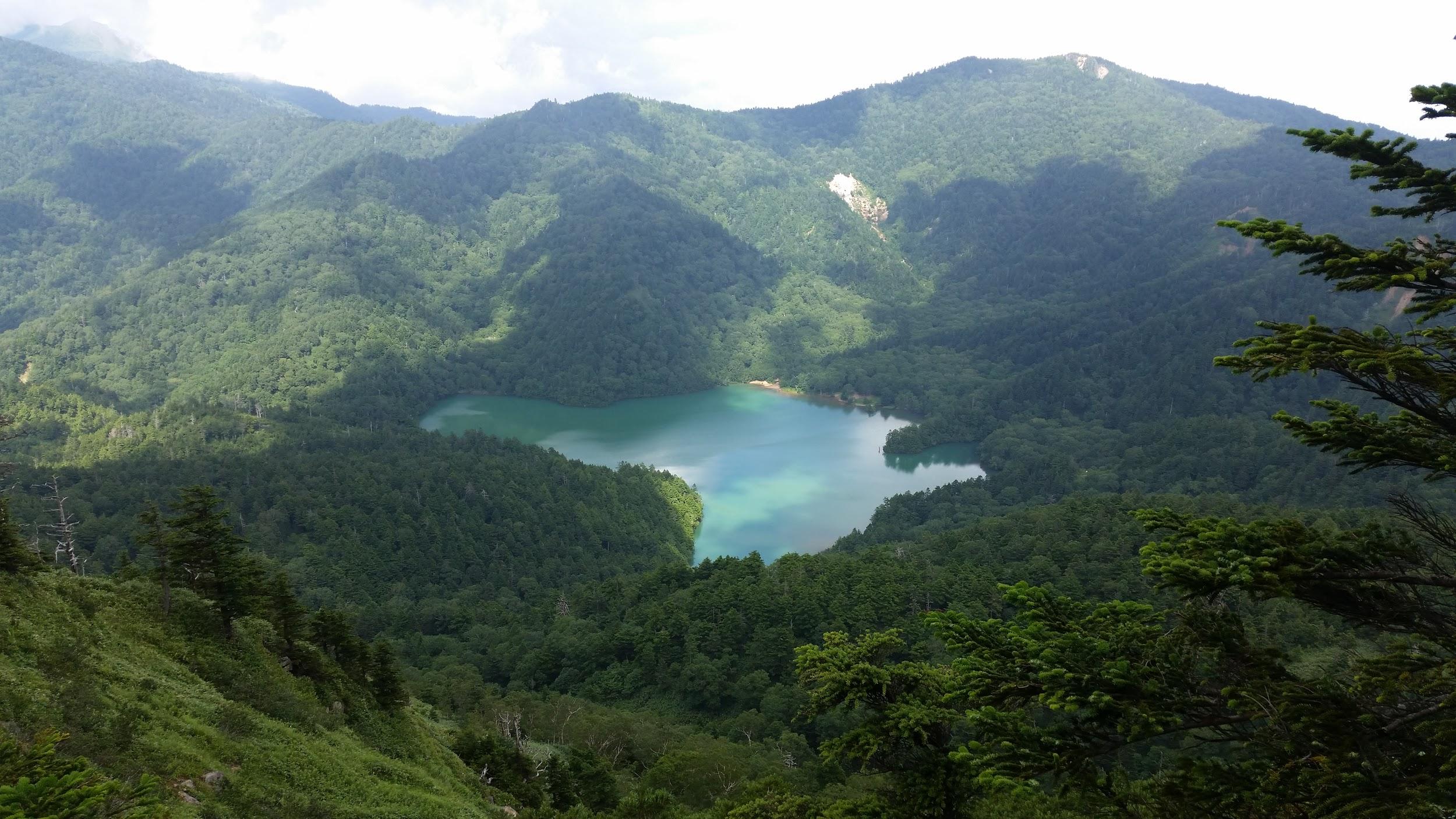
A beautiful crater lake

We drove on to Yokoteyama Ropeway which took us to the top of Mt Yokote 横手山. We got some nice views of Shiga Highland 志賀高原. Fortunately, the Nagano side was still free of clouds. We finally arrived at Kumanoyu (meaning the bear’s bath) where we left the car. We were now firmly inside Nagano prefecture. Another short ropeway took up to the start of the hike. Luckily, the weather was holding up. The first part was quite level. At one point the path went through some very high bamboo, higher than our heads, and I was worried about bears. So I reached into my bag to retrieve my bear bell only to realise that I had left it in the car!

View from the top of Mt Yokote

Soon the path started to climb. It was steep, with big rocks and protruding tree roots, making progress slow. The path slowly wound up the side of the mountain. We saw few people, and thankfully no bears. We reached the top of Mt Shiga 志賀山 just before 2 pm. A little way past the summit, there were some good views of Onuma-ike Lake below. The whole hike is inside the Joshin Etsu Kogen National Park and is very wild and beautiful.

The area of our hike – Mt Shiga is in the clouds on the right

We climbed down via a different path, spotting various small ponds on the way. Finally, after passing through a shinto gate or “torii”, we reached the base of the cone-shaped Mt Shiga. The next part involved walking along an elevated walkway through marshlands – much easier than the rocky path down the mountain! The final part back to the ropeway was along a wide and level path through the forest.

Onuma Lake in the middle of Shiga Highland

Since it was getting late, we decided not to take a bath at Kumanoyu, and leave right away. No sooner had we set off, that a dark shadow dashed across the road – it was a bear cub. It disappeared into the bushes opposite. We waited a bit for a mother bear, but she was nowhere to be seen. In any case the place certainly deserves its name!

Elevated walkway through the marshland 

On the way back, we stopped briefly for some photos at the marker for the highest national road in Japan at 2172m high. The drive down to Kusatsu onsen was through thick mist. We had a bath at the Sainokawara open-air bath, one of the biggest in Japan. After we were done, it started raining really hard, but we managed to get back to Takasaki safe and sound, a little after nightfall.

Hiking up and down Mt Shiga

Mt Koshutakao (1120m), Mt Tanayokote (1305m) & Mt Otaki (1362m), Koshu City, Yamanashi Prefecture, Saturday January 7, 2017

Situated on the Eastern side of the Kofu basin in Japan’s wine country, Mt Koshu-Takao is a technically easy but fairly long day hike, especially if one continues to Mt Tanayokote and Mt Otaki further up the ridge. The highlight is the panoramic view of Mt Fuji and the Southern Alps from various spots along the mostly bare ridgeline. Make sure to drop by the hot spring on top of “Budo no Oka”, and also indulge in some wine tasting before heading back.

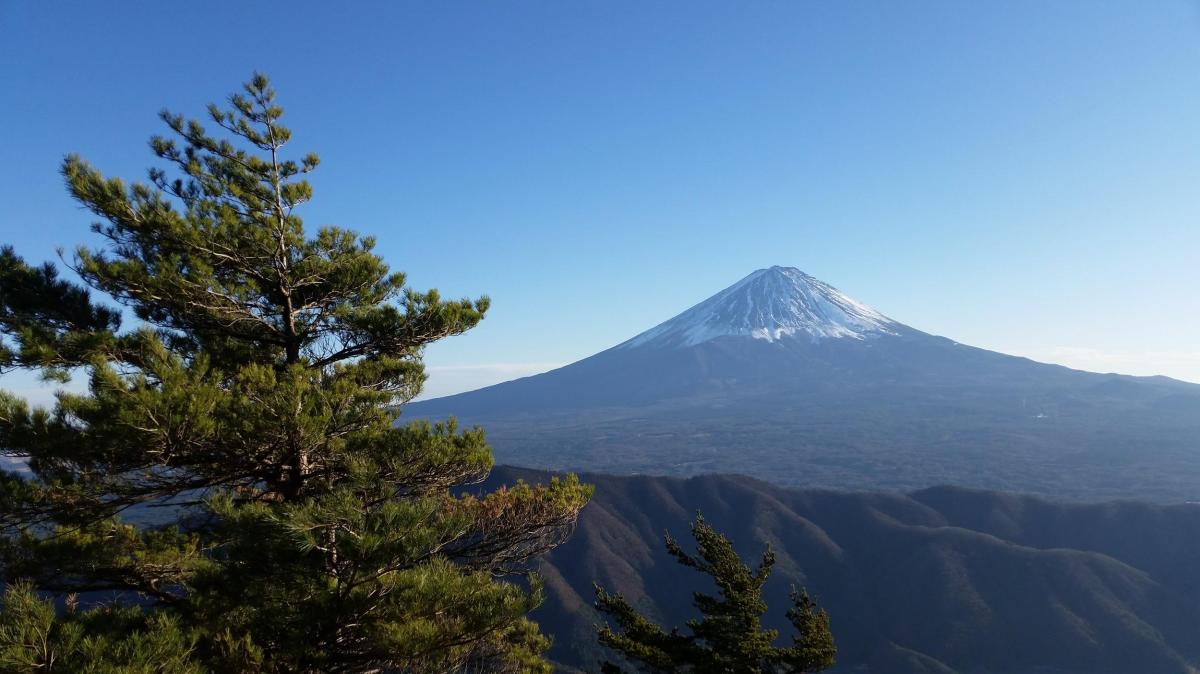
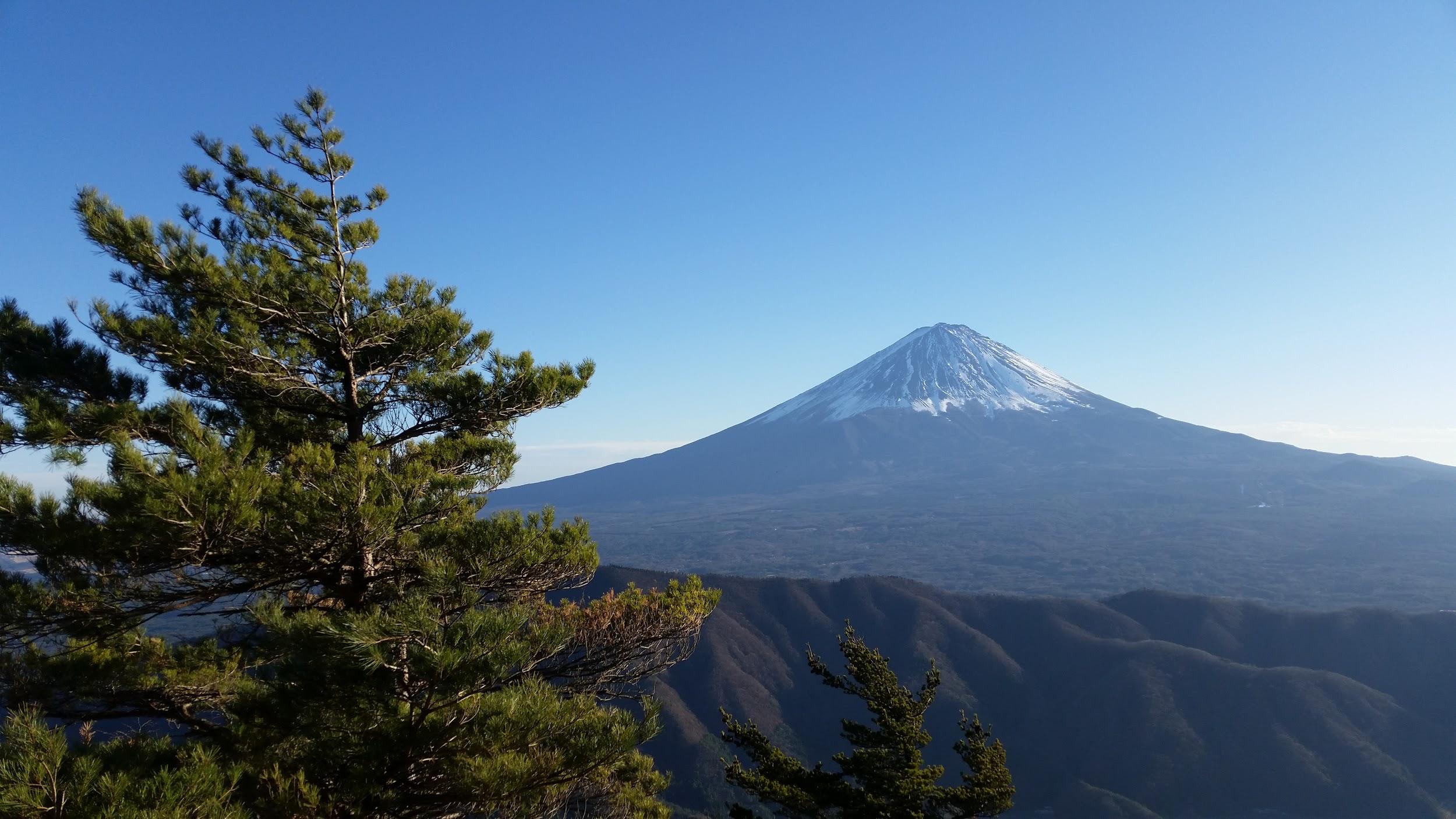
Mt Fuji can be seen from many Spots along the Hike

This was an amazing station to station hike I had been saving for a day I couldn’t be bothered to look up bus times. I just regret I hadn’t hiked up Mt Koshu Takao (甲州高尾山 こうしゅうたかおさん koushuutakao-san) sooner: from the pictures in my guidebook, it looked like a dull up and down slog, but after gaining enough elevation, the views of the Mt Fuji and the South Alps were out of this world. Not only did I have clear weather but I also got to see a “sea of mist” covering the lower elevations.

The South Alps, with the three Shirane Mountains in the Middle

The surrounding scenery was a nice mix of subalpine and alpine, lots of pines and open grassy spaces, despite the fact that I was always below the 1500m mark. The hike follows an undulating ridgeline which goes all the way to Daibosatsurei, although part of the trail is rough and unmarked (GPS recommended). I made it all the way to Mt Tanayoko (棚横山 たなよこてやま tanayokoteyama), a 100 famous mountain of Yamanashi, and Mt Otaki (大滝山 おおたきやま ootaki-yama); this last summit was completely in the trees.

The summit of Mt Takayokote

Just a couple of hours by train from Shinjuku on the Chuo line, Katsunuma-budokyo station feels like a completely different world. From there, it took me less than an hour to walk to the trail entrance at Daizenji (大善寺). For the return, I went down a forested valley on the west side, past the picturesque shinto shrine Otakiyama Fudoson Okumiya (大滝山不動尊奥宮), as well as a waterfall, frozen in this season.

Sideways View or Mt Takaokoshu from Budo no Oka


Beyond that, the path becomes a road which you need to hike for 90 minutes back to the station. I was fortunate enough to be picked up by somebody on the way down (there is a parking area near the shrine); they even dropped me off at Tenku no yu hot spring close by the station. By the way, this onsen is on the top of a small hill and has some great views of the wide plain that forms the central part of Yamanashi prefecture.

Watch a Video of the Hike
Mt Sekirou (702m) or the Other Takao
Last Saturday, I finally made it back to Mt Sekirou 石老山 (702m) for the 3rd time. I wrote about this mountain in an earlier blog post and at the time I had to cut short the loop hike because of a sudden snowstorm. I had promised to update the post once I managed to complete it but so much time has passed since then – four years – that I think it warrants a new post. Another reason I’d like to write about it again is that as the title suggests, it has many things in common with nearby Mt Takao. However unlike Takao, there aren’t as many people.

First it all it has relatively easy access.  Although it requires a bus ride from Sagamiko 相模湖 which is the next station from Takao station, buses depart on average twice an hour all day long. I didn’t even check the bus timetable in advance this time and the bus left within ten minutes of arriving at the station. The best thing is not to fret about the bus and just focus on getting to Sagamiko station at a reasonable time for hiking. Additionally, the bus ride to the entrance of the trail – the bus stop is conveniently called 石老山入口  entrance to Mt Sekirou – takes only about ten minutes so standing is not an issue.

The trail is fairly well marked – there is also a big board with a map at the start – so you don’t really need to bring your own map although I always recommend getting one   At one point (just after the temple) the trail splits in two but this isn’t an issue since both trails join up again 30 minutes later. I recommend the right branch since the views are better (sakura michi さくら道 on the signs). If you decide to descend via the same route, rather than the loop trail as described below, you could take the other branch on the way down.

20161203_123725
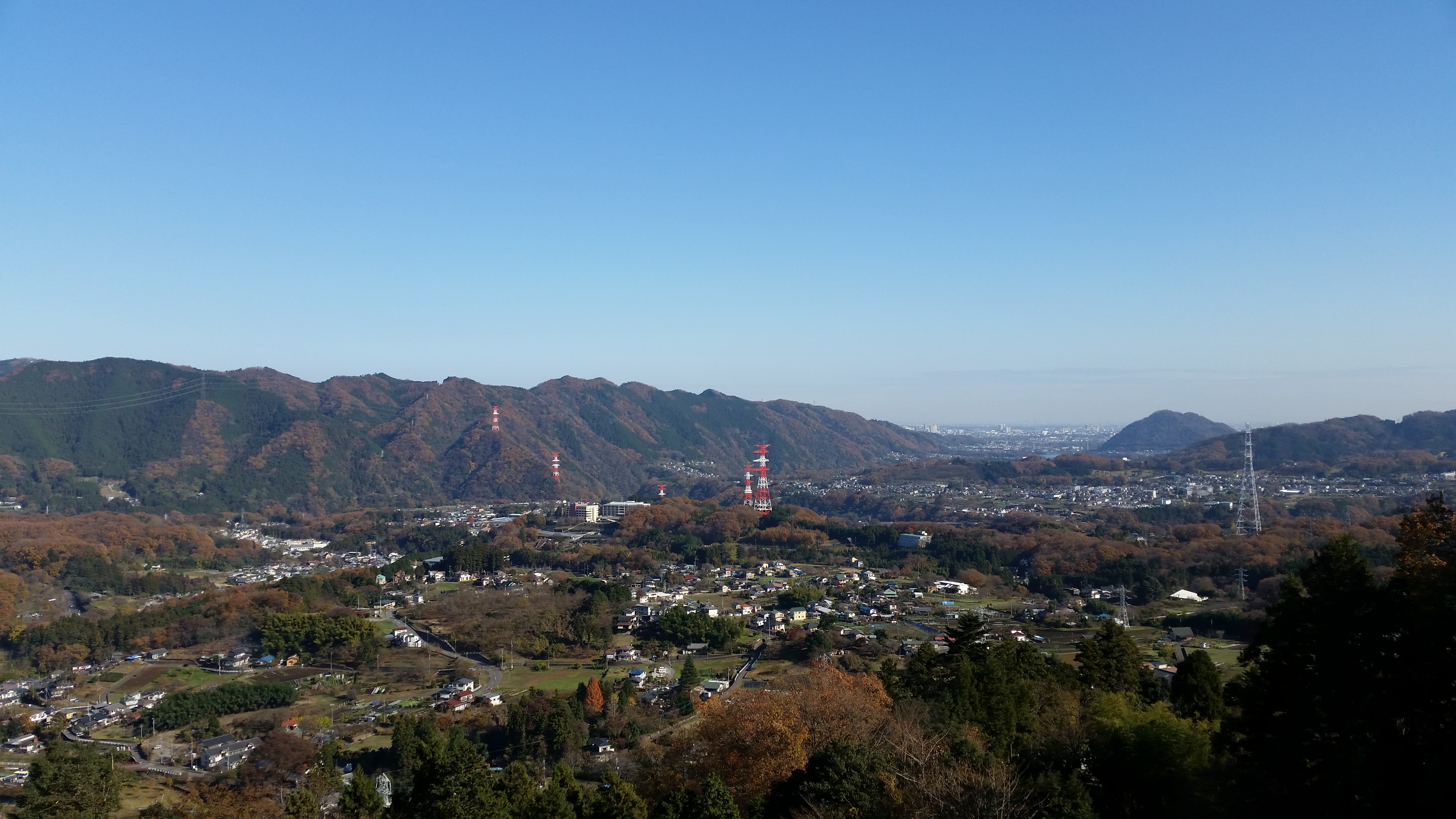
View of Mt Takao from the Sakura path

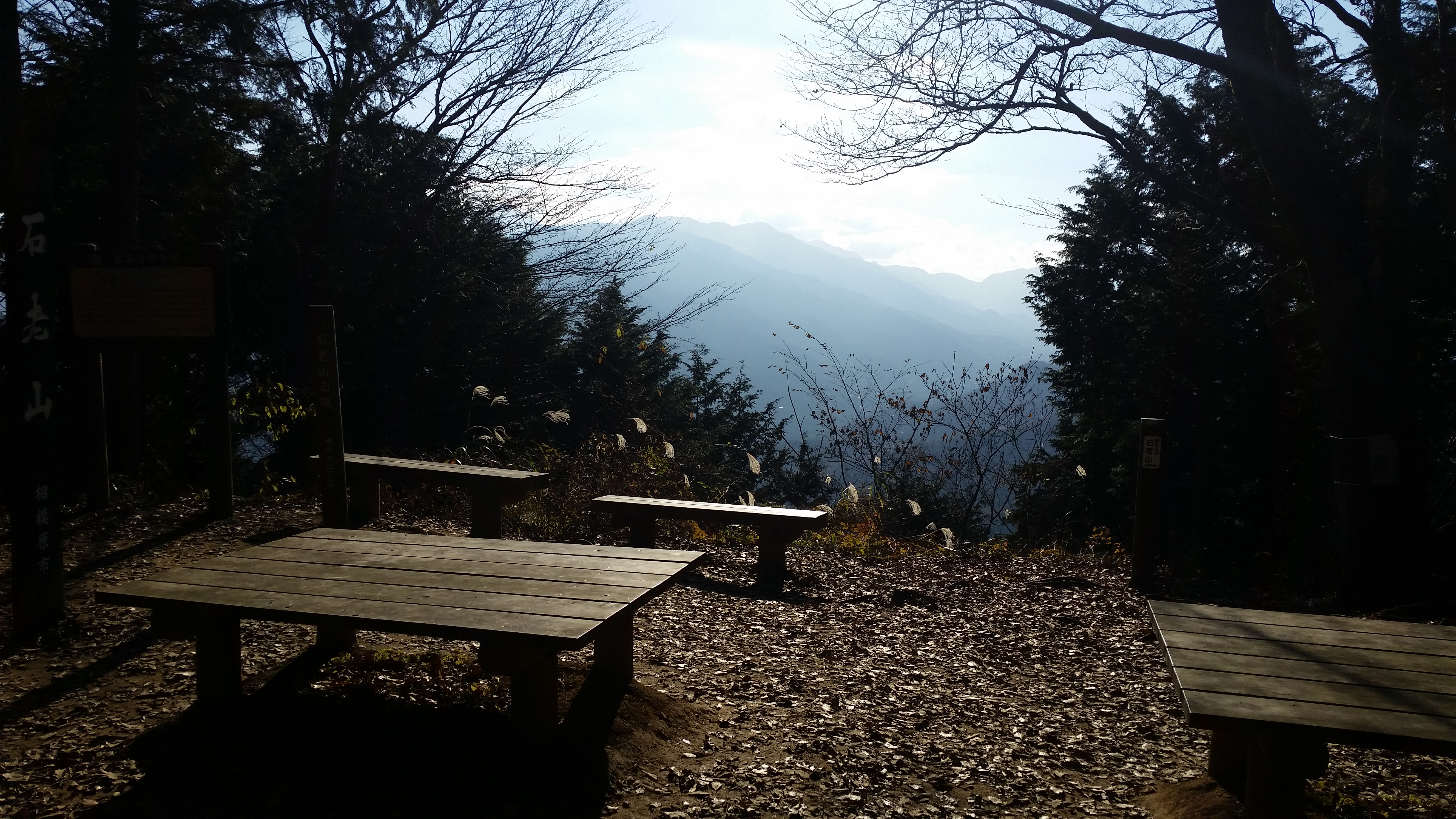
There are several wooden seating platforms where you can eat lunch on the summit and a good view of Mt Fuji as well as Mt Omuro in the Tanzawa range. We had a late start on Saturday so we only got there at 1h30 and we had the summit to ourselves. The path for descending is to the right. This is the one I opted not to take last time because of the weather. After a hundred meters or so there is a split and in order to complete the loop hike, you need to go right again.

20161203_140438
The empty summit

The path is very pleasant, generally wide and not too steep. There are however a couple of steep rocky parts which should be descended cautiously. After an hour or so, and a few up and downs, there is an observation platform. It has a nice view of the long ridge that includes Mt Takao and Mt Jimba. After that it’s about 30 minutes of downhill to get back to the road. The path follows a valley with a small stream that can be pretty dark and gloomy towards the end of the day. At times the trail is fairly rocky and difficult to walk, not unlike the part leading to the temple when going up.

20161203_153223
View from the observation platform

After reaching the road it takes another 20 minutes or so to get back to the bus stop. Overall, including a one-hour lunch break and walking at an average pace, the entire hike shouldn’t take more than 5 hours. During that time we saw less than two dozen hikers. Before heading back, I would recommend taking advantage of the very nice Ururi hot spring that is just across the road inside the Pleasure Forest amusement park.

The only two areas where Mt Takao wins against Mt Sekirou is 1) the number of attractions – Takao has several temples, a beer garden, a funicular, a chairlift and a monkey park 2) the numbers of trails up and down the mountain.

As of October 2020, the trail around Kenkyoji Temple (顕鏡寺) is still closed due to trail damage due to last year’s Typhoon 19 / Hagibis – it’s not possible to reach the summit of Mt Sekiro via this route. No reopening date has been set yet. Please check the Sagamiko Tourist Association website for future updates. 

Mt Imakura (1470m) & Mt Nijurokuya (1297m), Tsuru City, Yamanashi Prefecture, Saturday, June 11, 2016

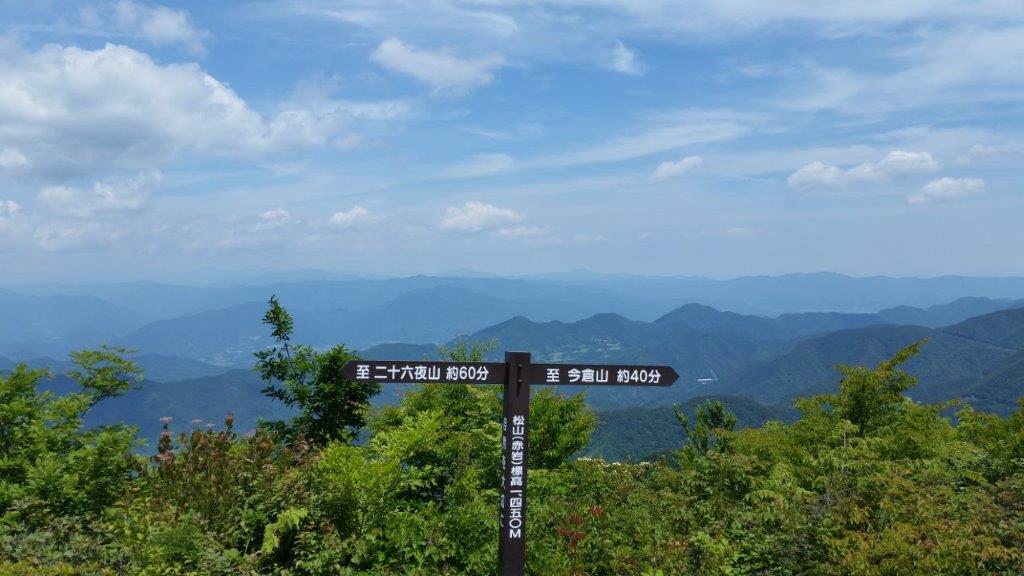
Although the rainy season had already started, the weather stayed good all day. I took a bus from Tsurushi station on the Fujikyu line, all the way to the Michizaka Zuido Iriguchi bus stop. From there, it was a steep but short climb to the top of Mt Imakura (今倉山), completely surrounded by trees, although I had some glimpses of Mt Fuji on the way up. I then headed west along the ridgeline, descending steeply at first.

The hike ends in the Valley below

There were some great views of Mt Fuji and the surrounding mountains from Akaiwa (赤岩) and Mt Nijurokuya (二十六や山). After that last peak, the path curved to the north. I headed downhill first through forest, then through pleasant countryside, finally arriving at Tsuki-machi no Yu hot spring. After a refreshing soak in the outdoor bath, I made my way to the nearby basho-tsukimachinoyu bus stop for the short ride back to Tsurushi station.

A good hike for “fuji spotting” – Mt Shakushi is on the right

Mt Amakazari (1963m), Otari Village, Nagano Prefecture, Monday, October 26, 2015 [Map Available]

Hiking the hundred famous mountains of Japan 日本百名山

Hiking in the Myoko-Togakushi Renzan National Park

妙高戸隠連山国立公園

雨飾山 (あまかざりやま amakazariyama)

Download a map of the Mt Amakazari hike

This map was developed for Japanwilds with the Hokkaido Cartographer

Find more Japan hiking maps on Avenza

View north from the summit of Mt Amakazari