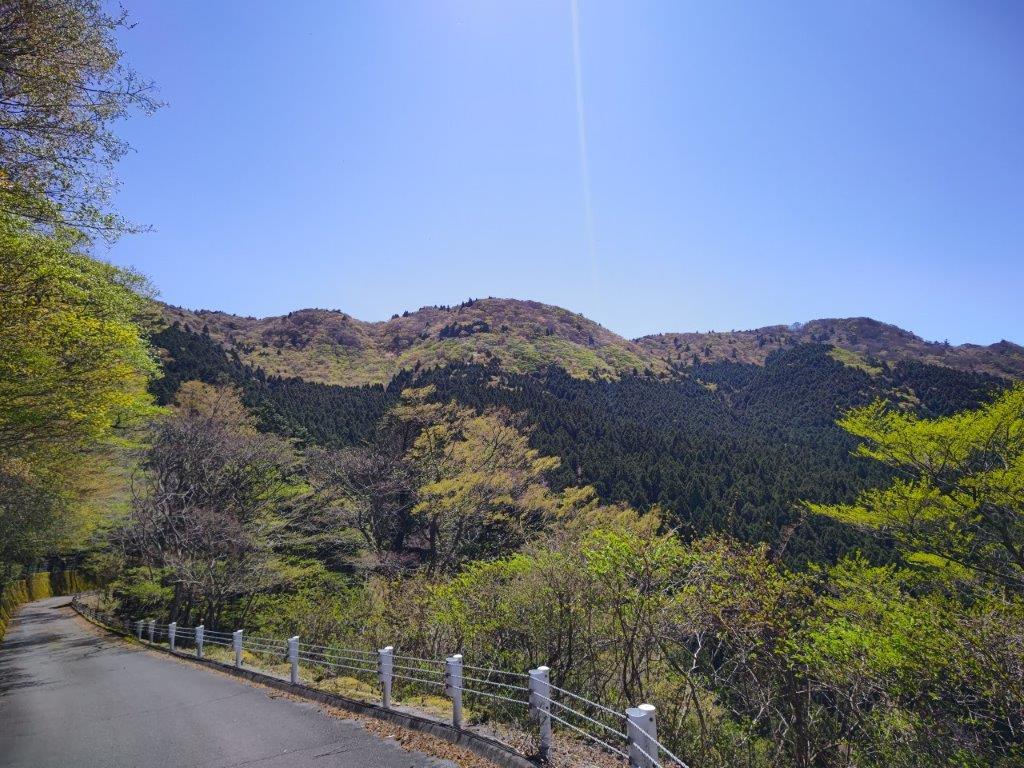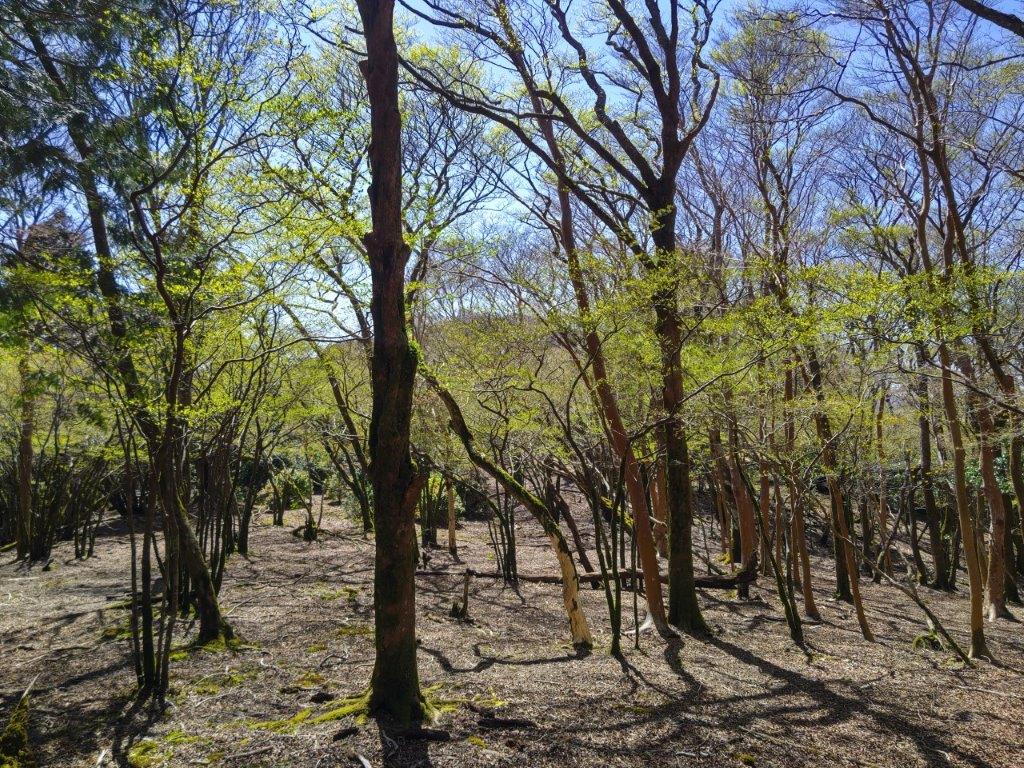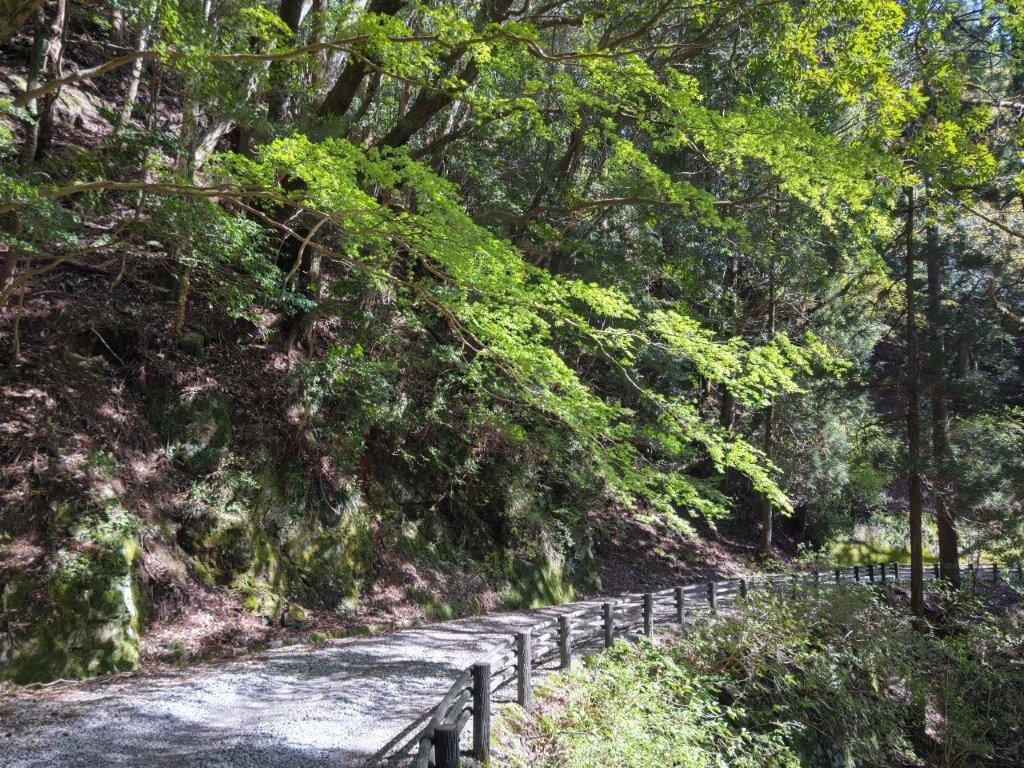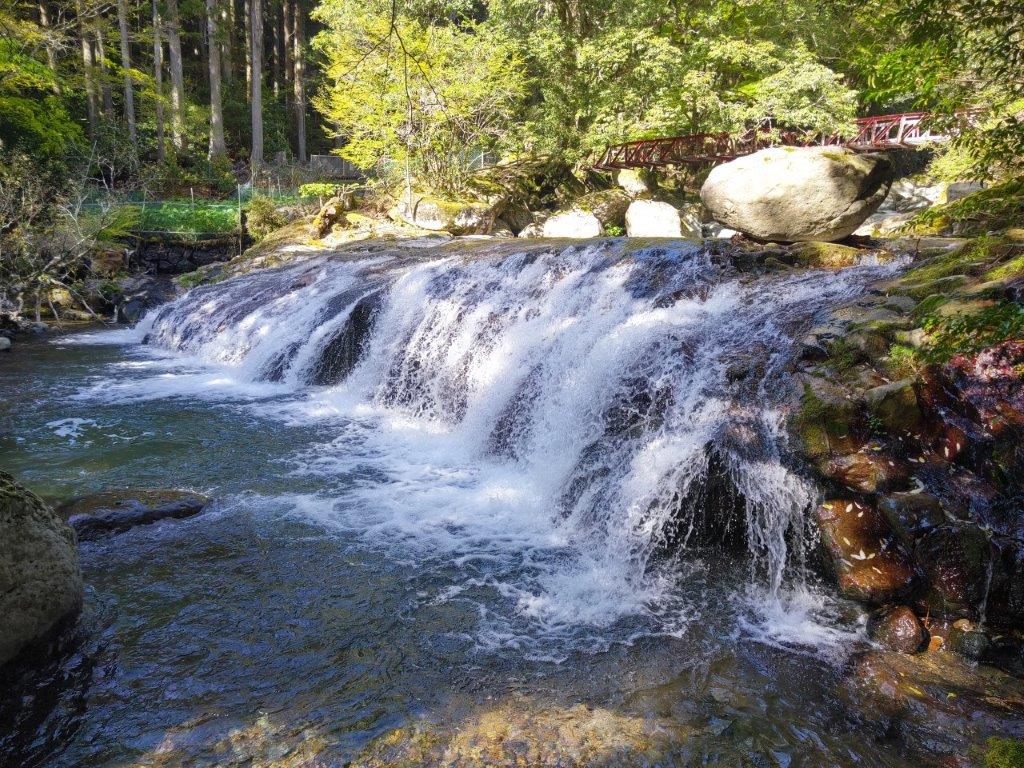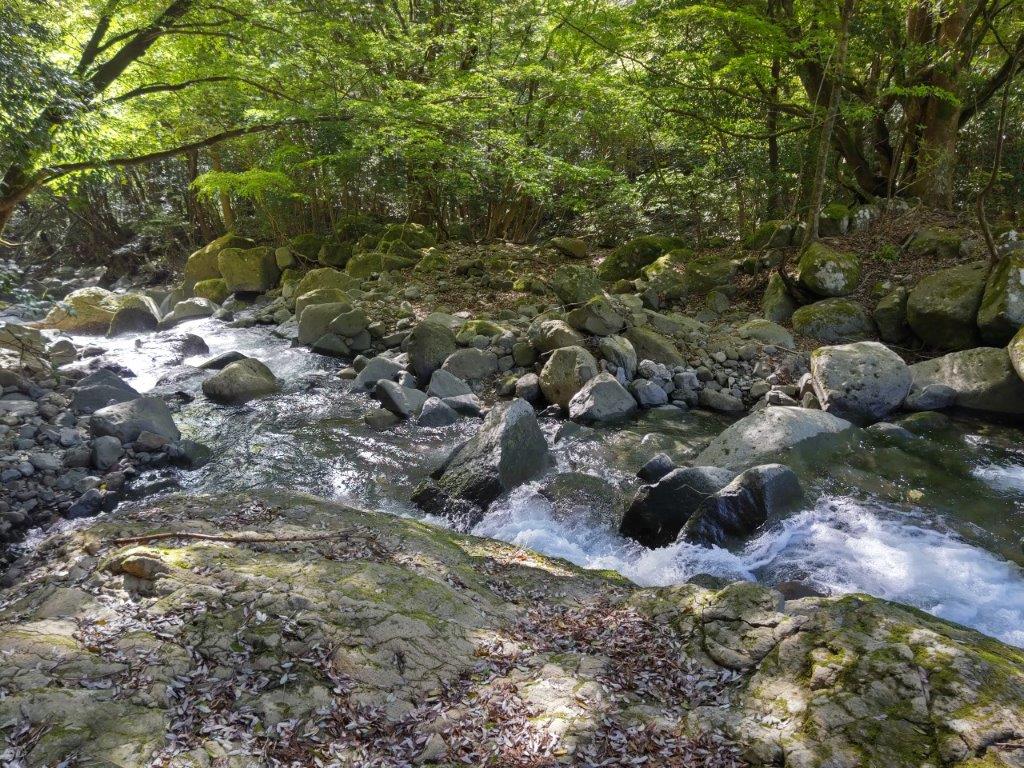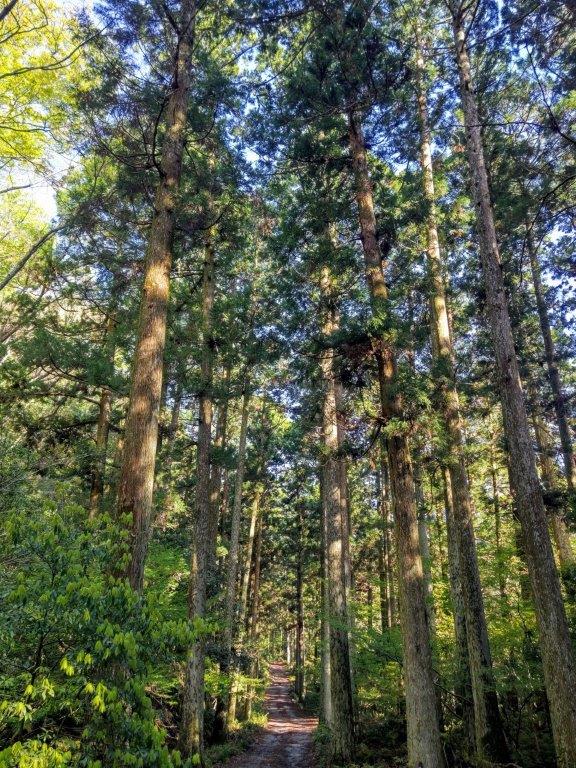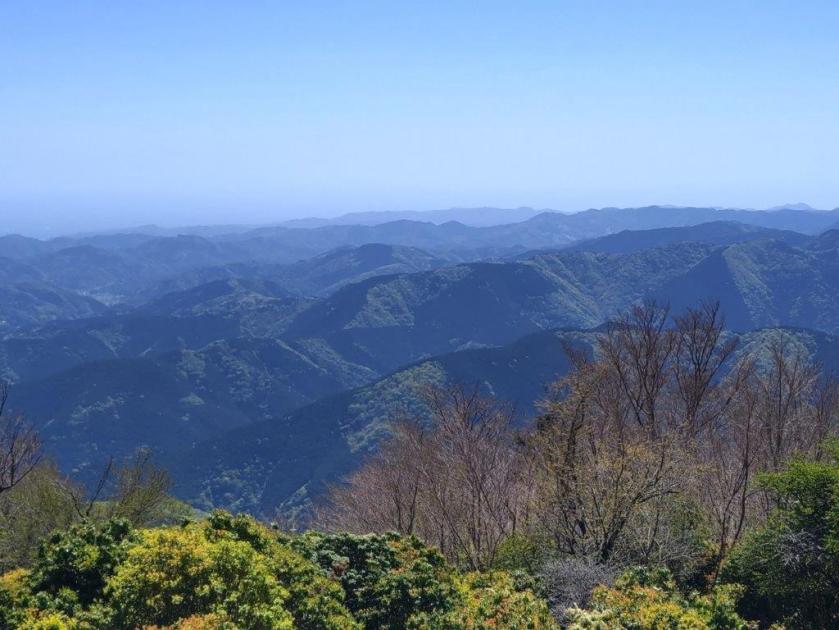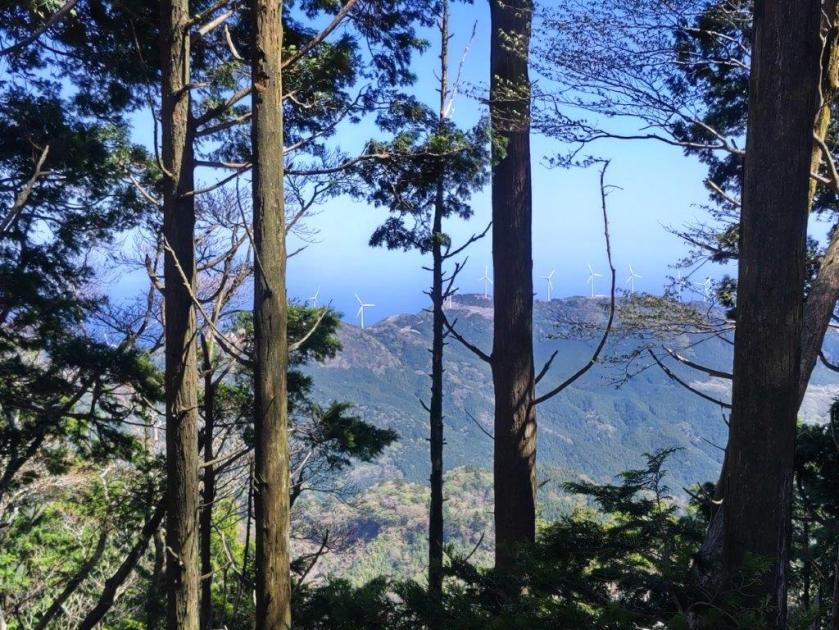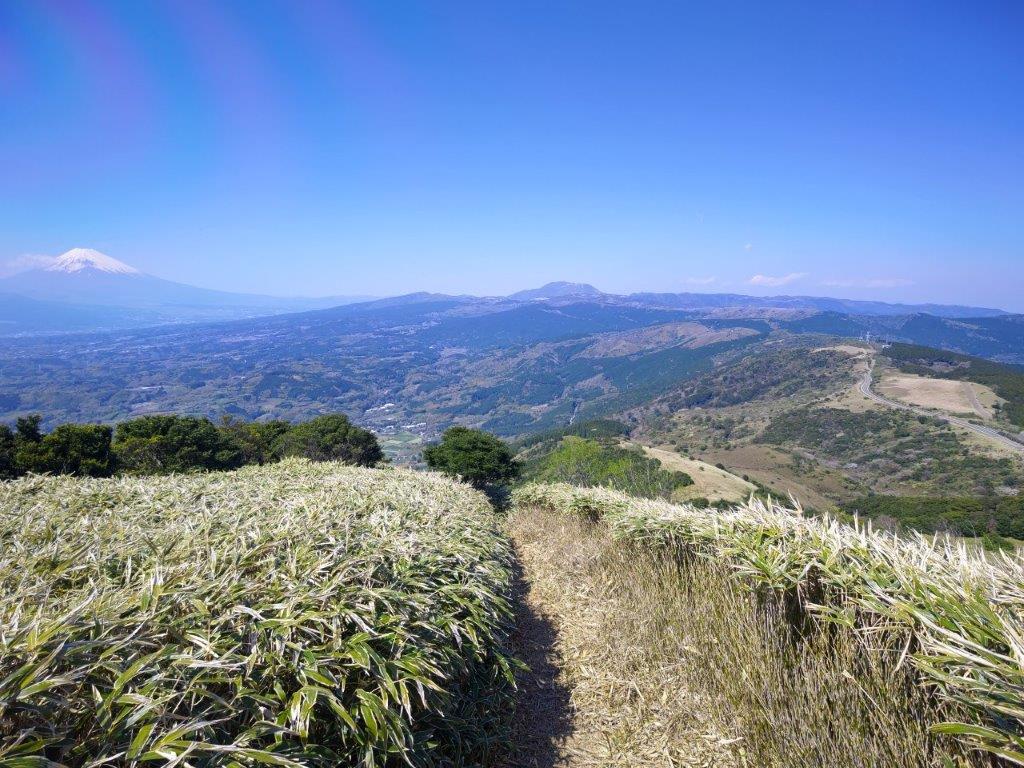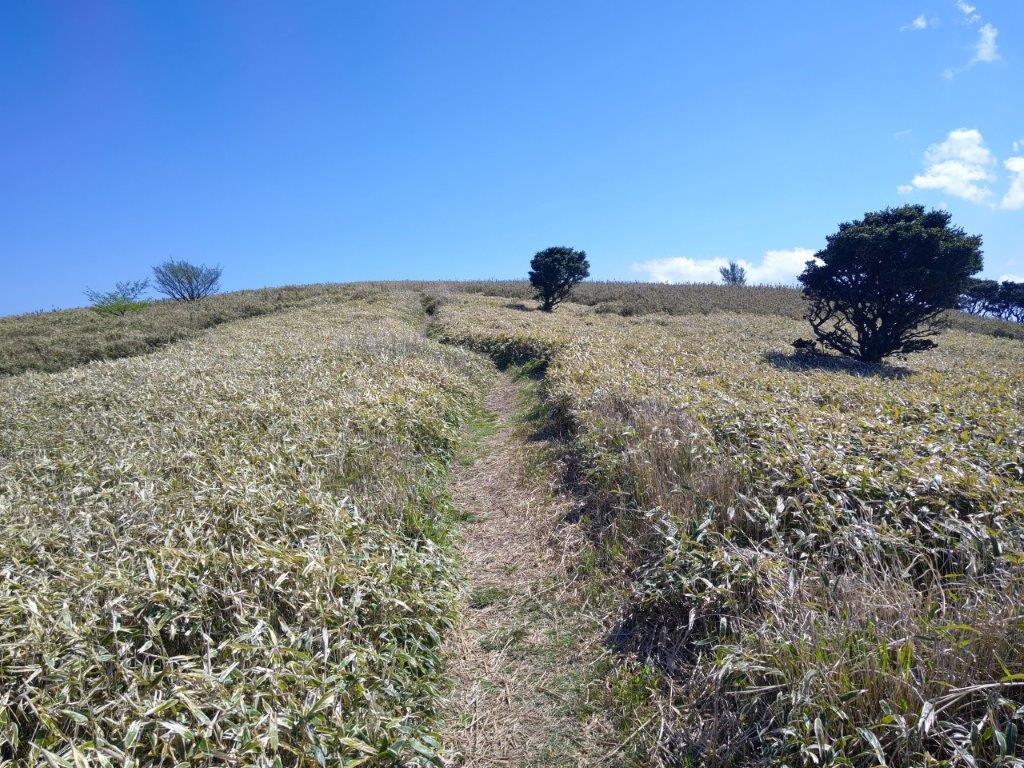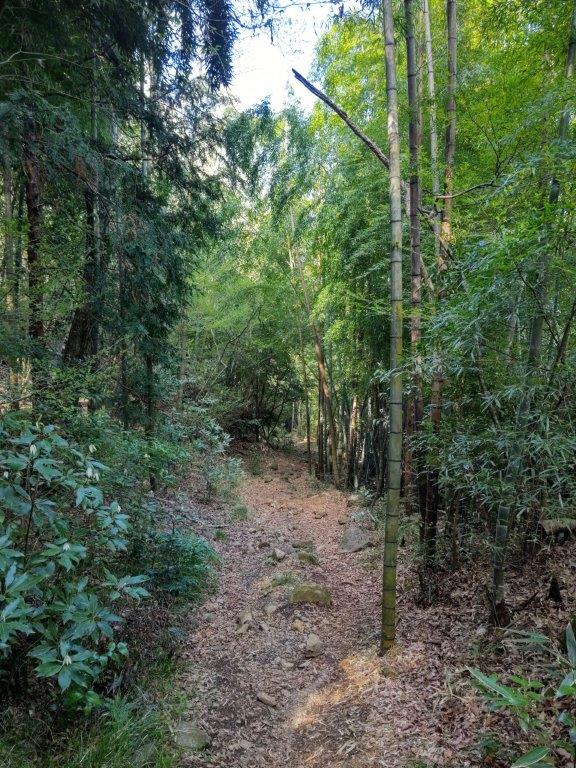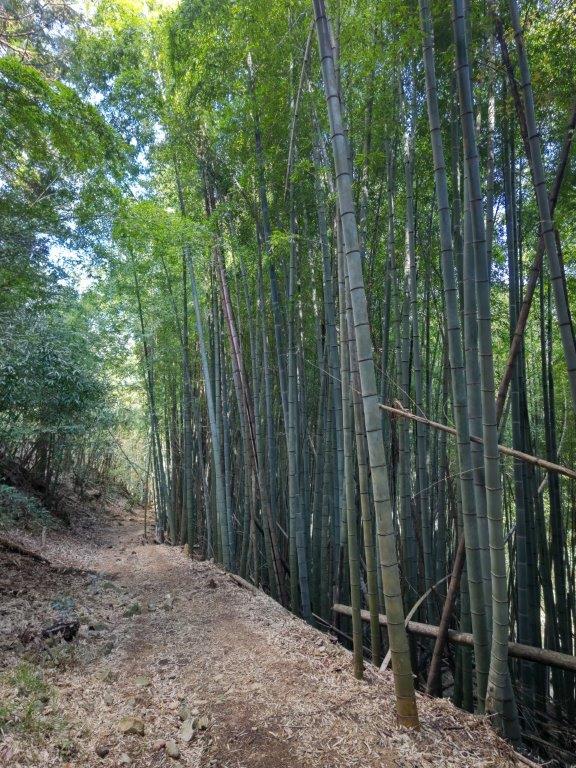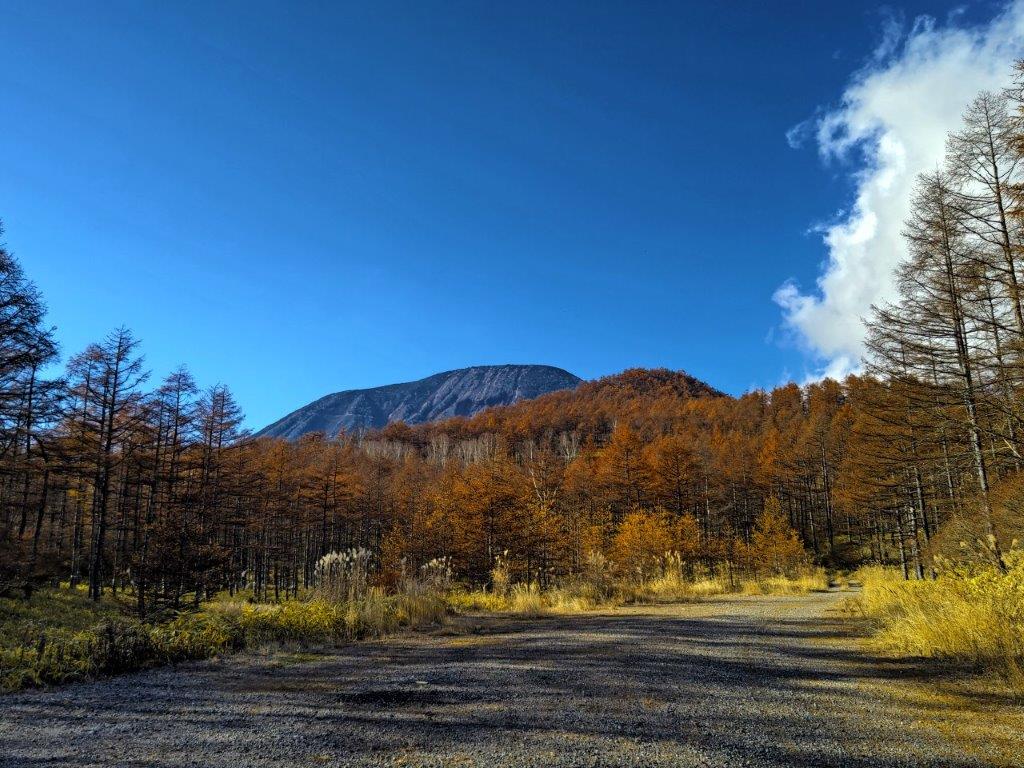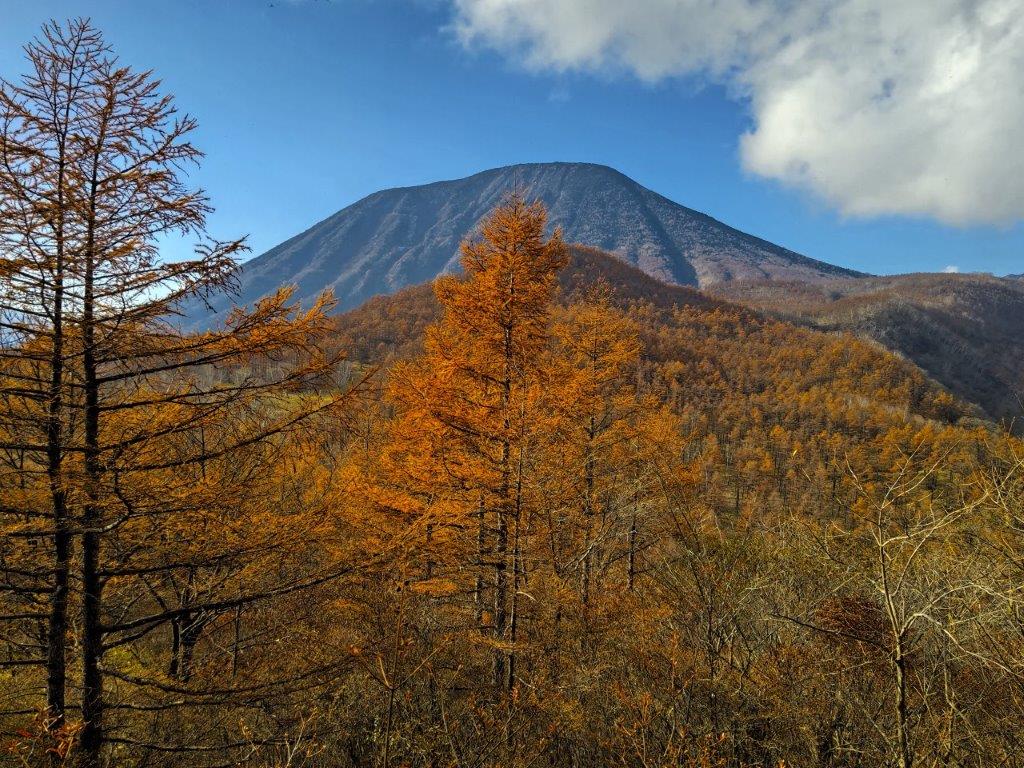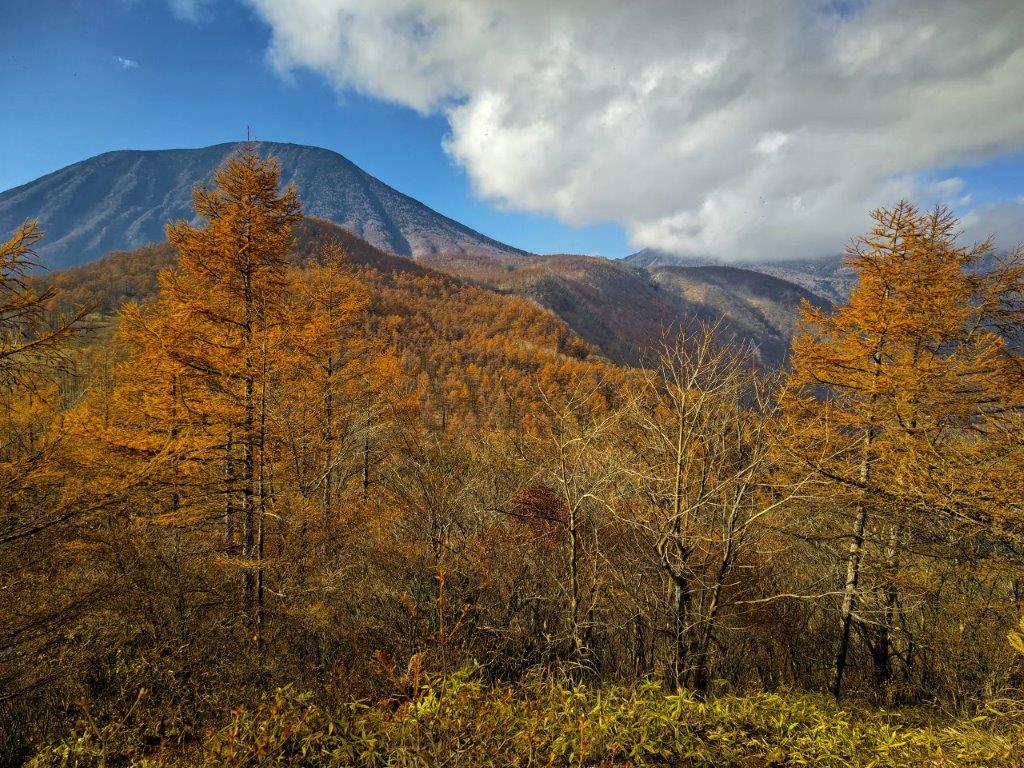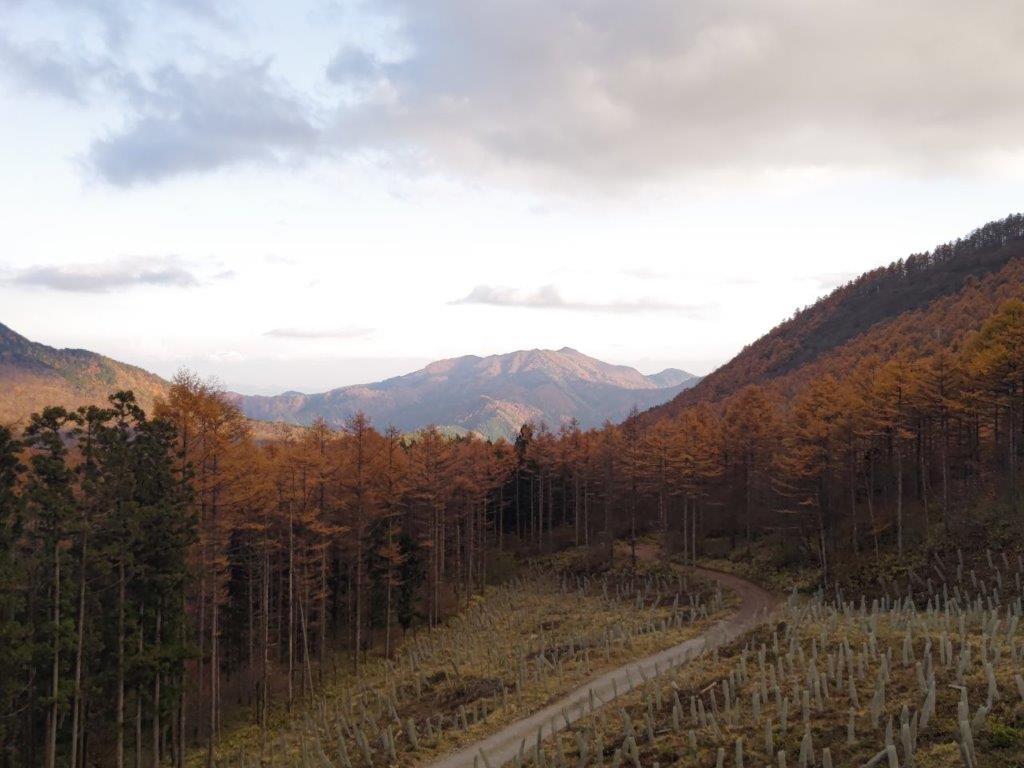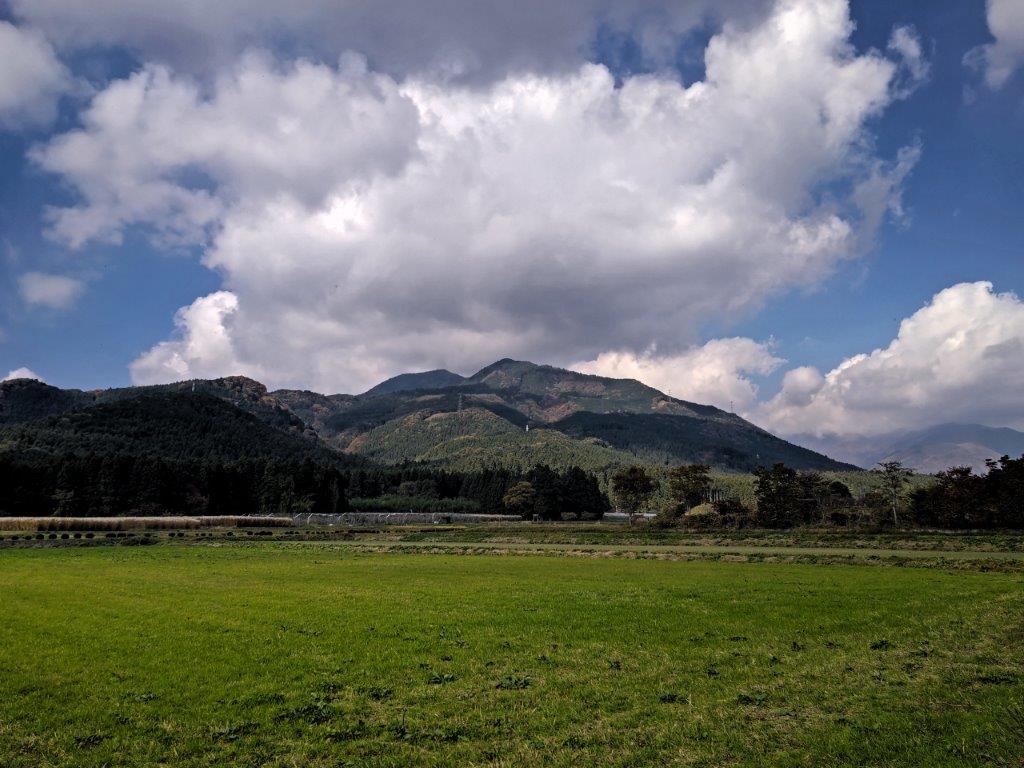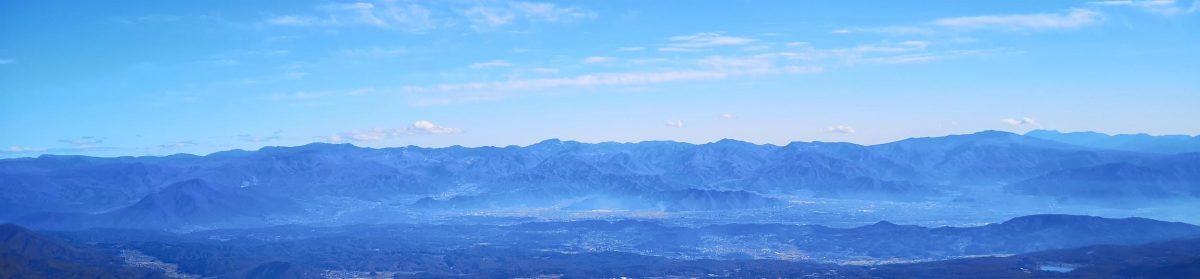
Mt Mitsumochi (1248m), Yaita City, Tochigi Prefecture, Saturday, August 3, 2024

I wanted to do at least one summer hike this year, as it had been 5 years since my previous one. I decided to visit Mt Takahara, a 200-famous mountain climbed during Golden Week 2018. This time, I would not head to the highest point, but instead hike on the high plateau that likely inspired the name of this ancient stratovolcano. Looking through my newly purchased “150 Best Tochigi Mountains” guidebook, I found a short and easy loop hike passing by a minor summit at the edge of the plateau, ideal for a hot August day.

Hiking on Mt Takahara and in the Nikko National Park

高原山  日光国立公園

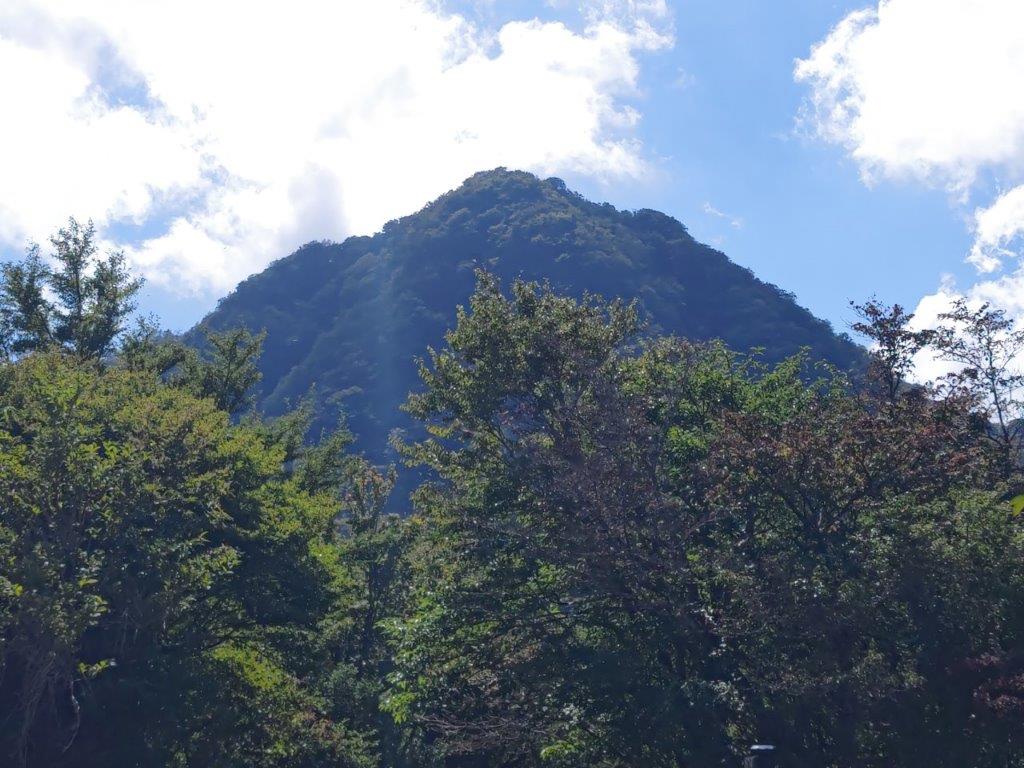
I would get to the trail entrance by car from Utsunomiya since no buses run all the way to the plateau. As the hike was relatively short, I could stop at a restaurant on the way for an early soba lunch. The weather was supposed to be mostly sunny, and less hot and humid than the previous weeks, although thunderstorms still threatened. The path was through a beech and oak forest, with a view of the Kanto Plain at the halfway point; after a one month break, I was looking forward to a relaxing stroll in nature and getting a nice view .

For subscribers, read this Blog Post on Hiking Around Tokyo for a better viewing experience and the latest updates

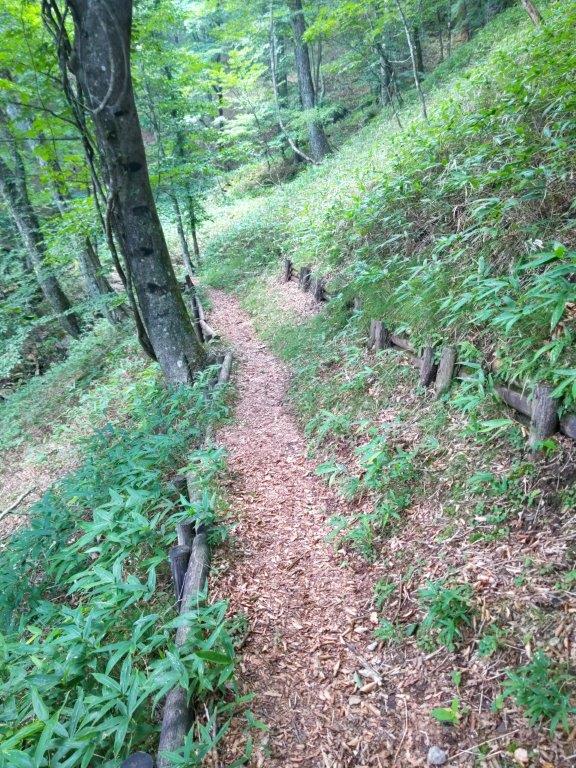
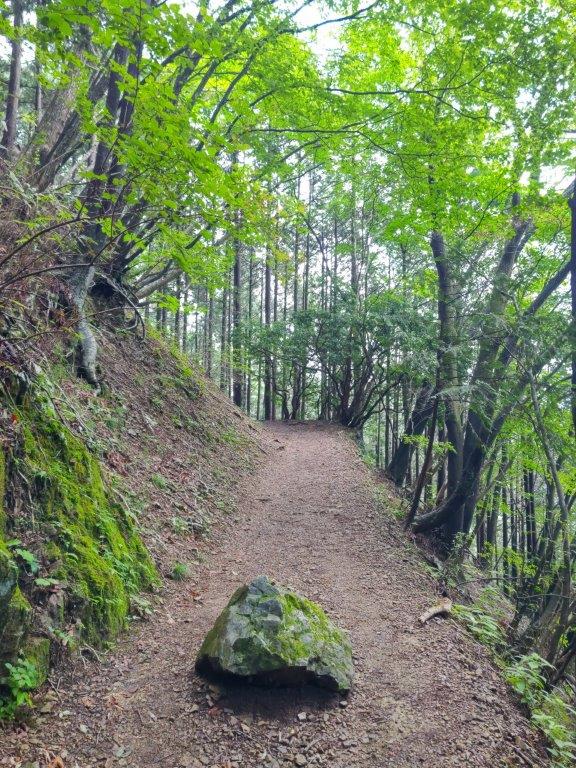
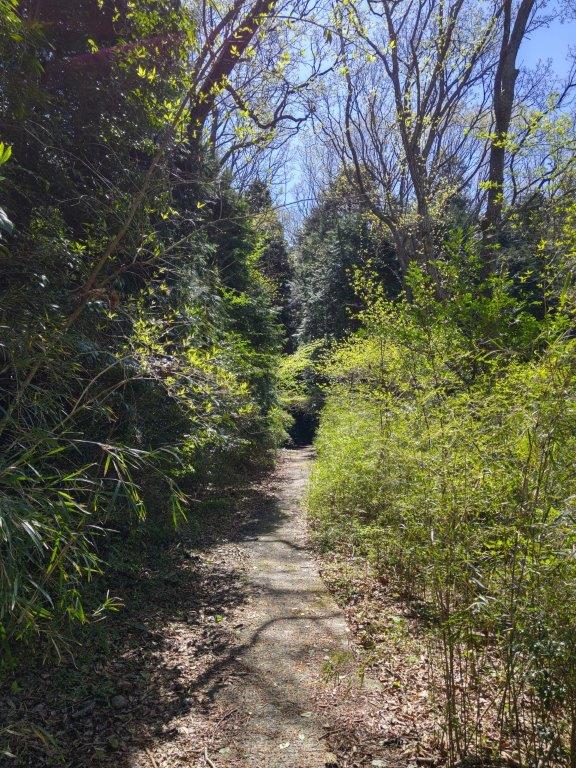
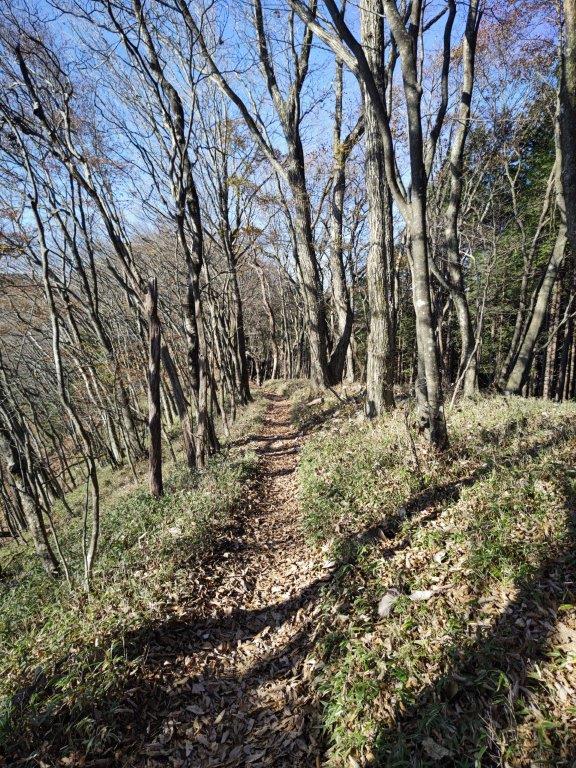
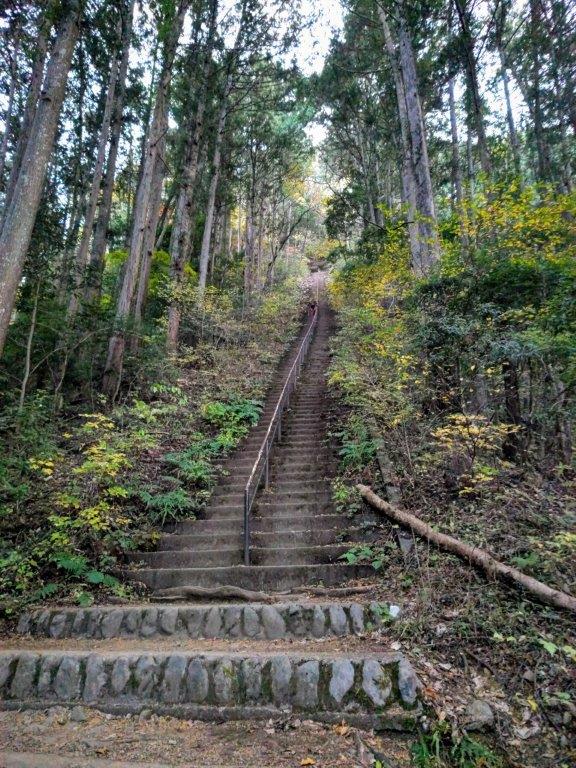
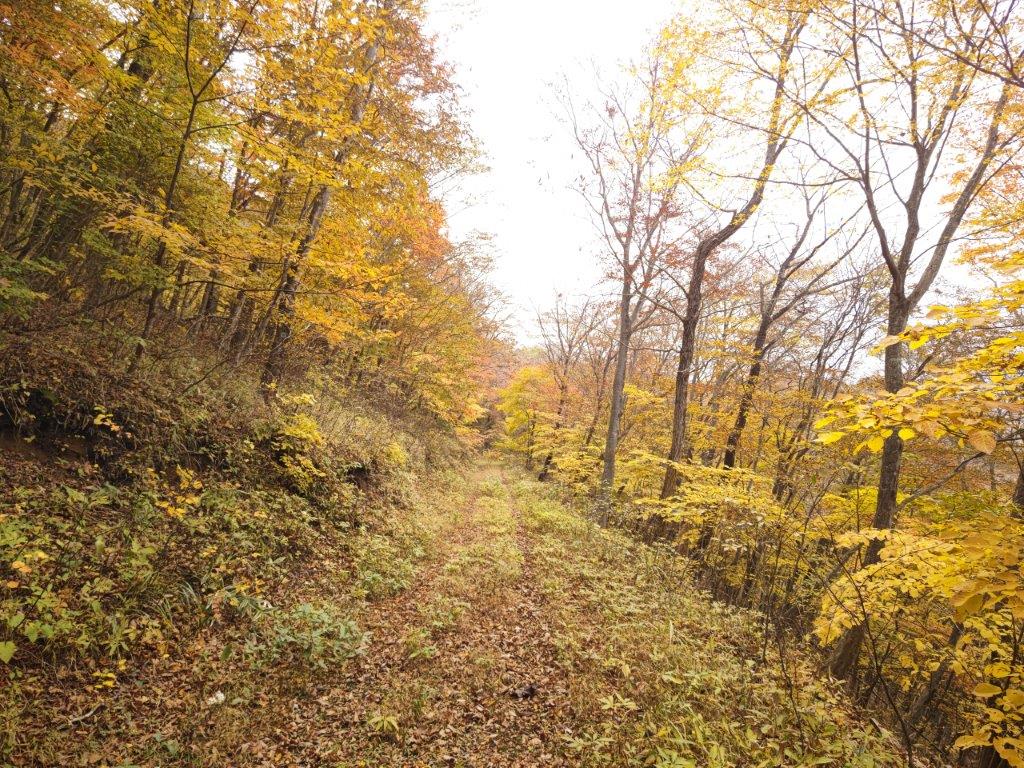
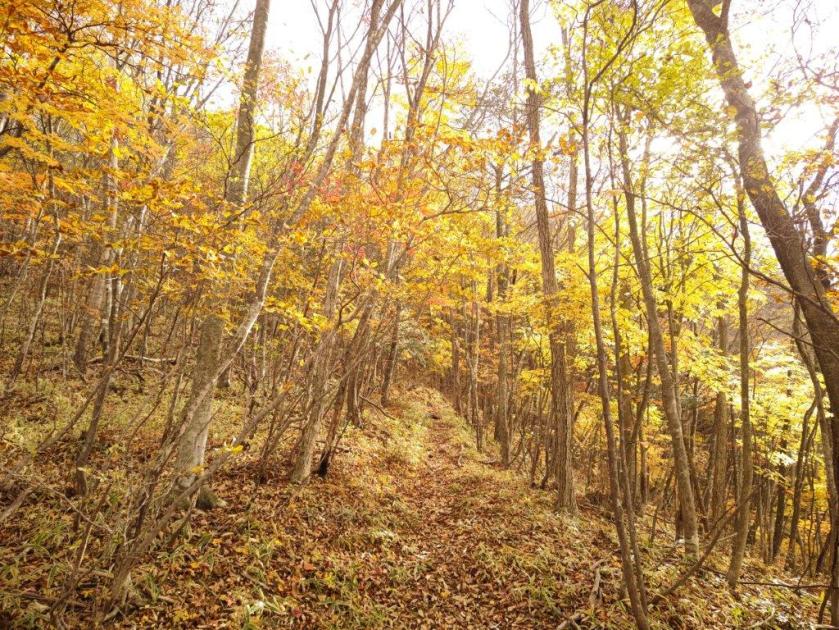
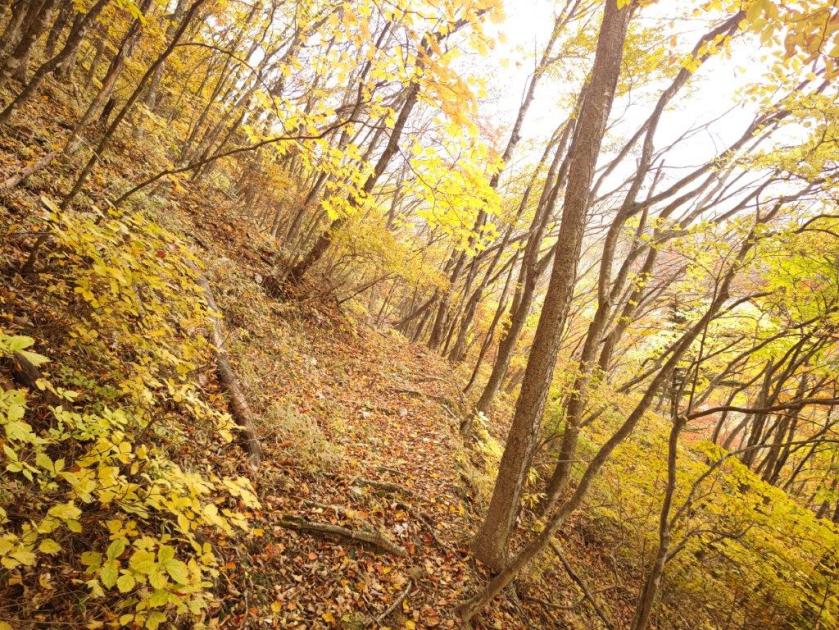
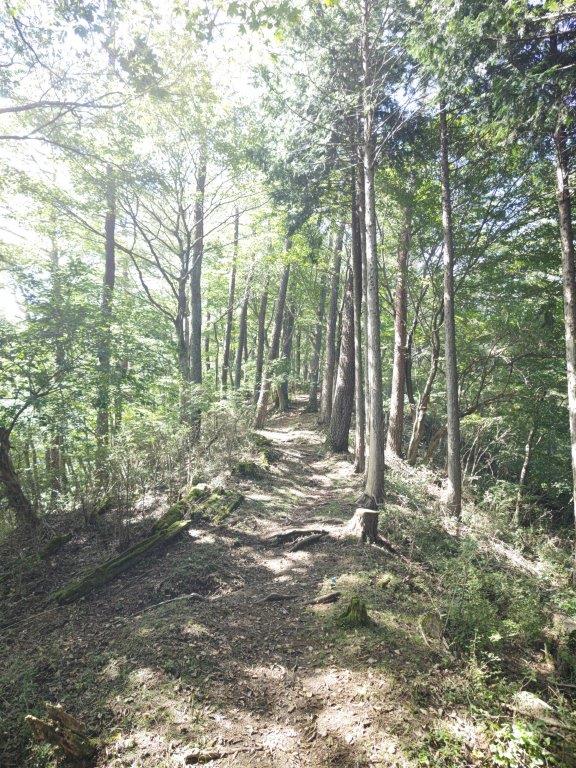
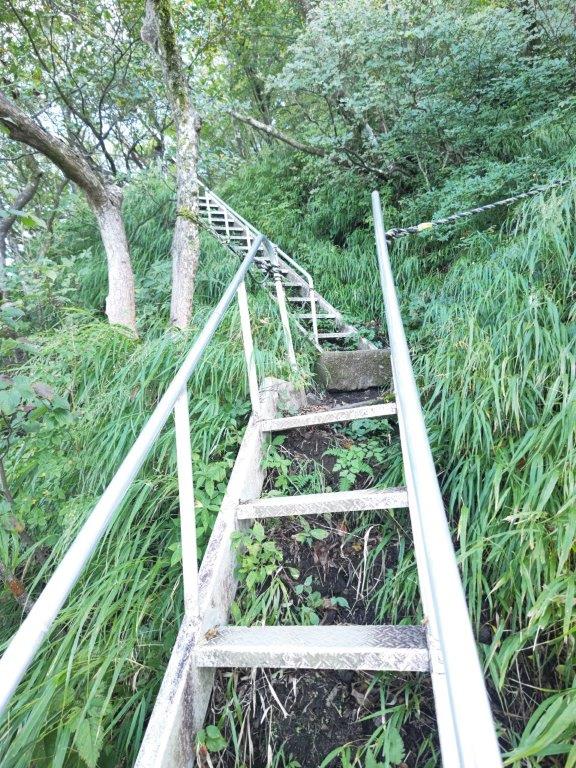
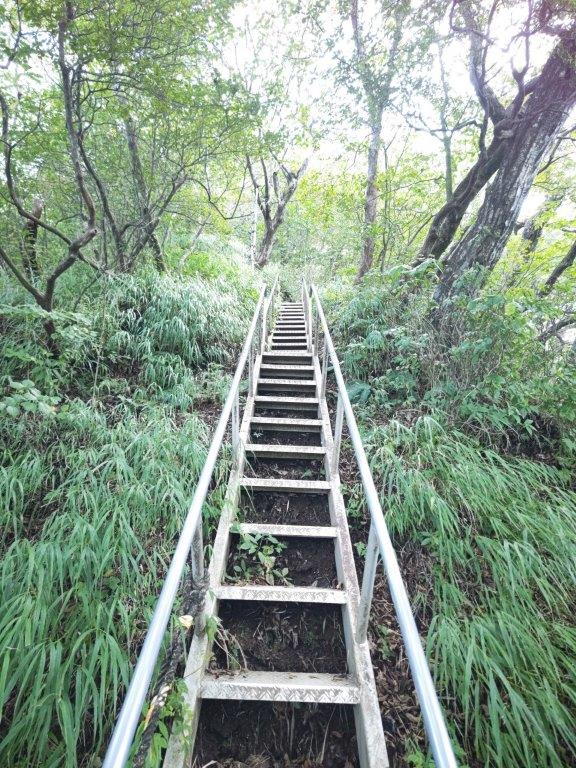
Steps at the Start of the Hike (left) Level Path for Most of the Way (right)
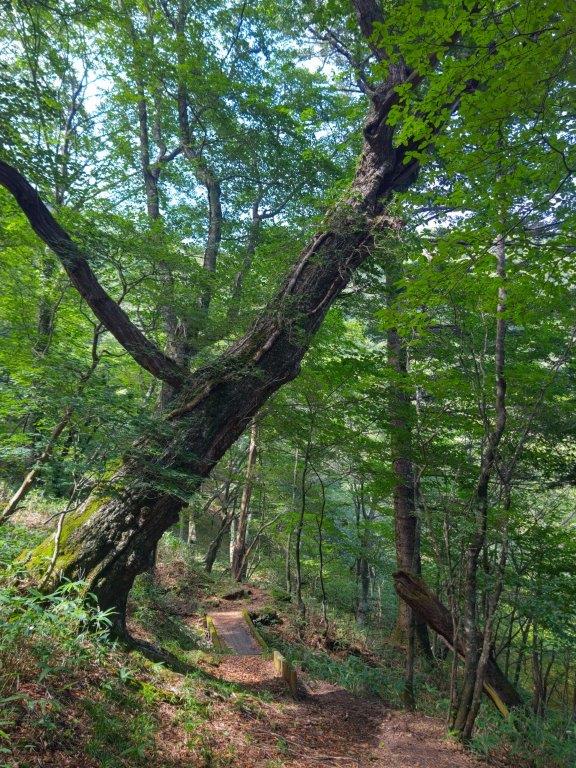
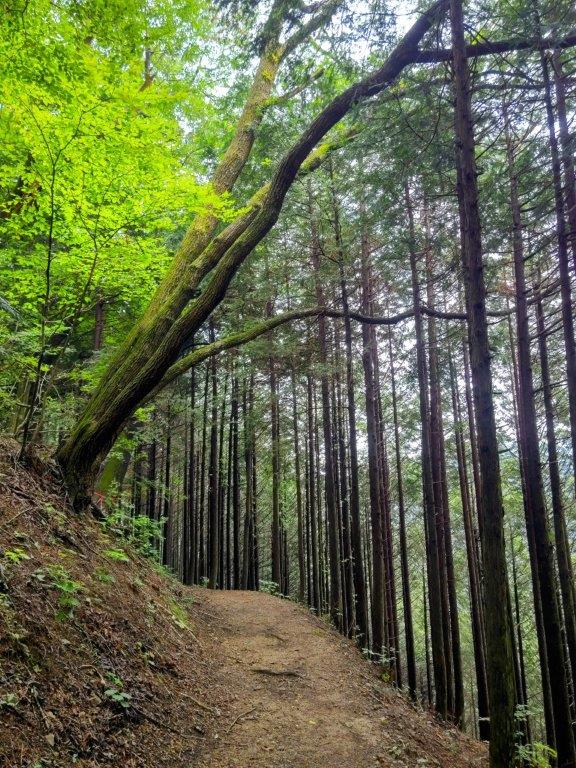
Looking Back at a Leaning Oak (left) Mistumochi Observation Tower (right)

At 10am, it already felt very hot under the sun as I walked through the streets of Utsunomiya towards my share car. After a one-hour drive, I arrived at Dattan Soba Juan (ダッタン蕎麦 寿庵) as it opened at 1130, and was lucky to snag the very last table. After a delicious meal of handmade soba and the biggest kakiage ever, I set off again, driving up a winding road through thick forest, arriving at the Omamadai Parking (大間々台) on Happogahara (八方ヶ原) at 1h30. I was surprised to see few cars, probably because the mountain is more popular in the spring and autumn months.
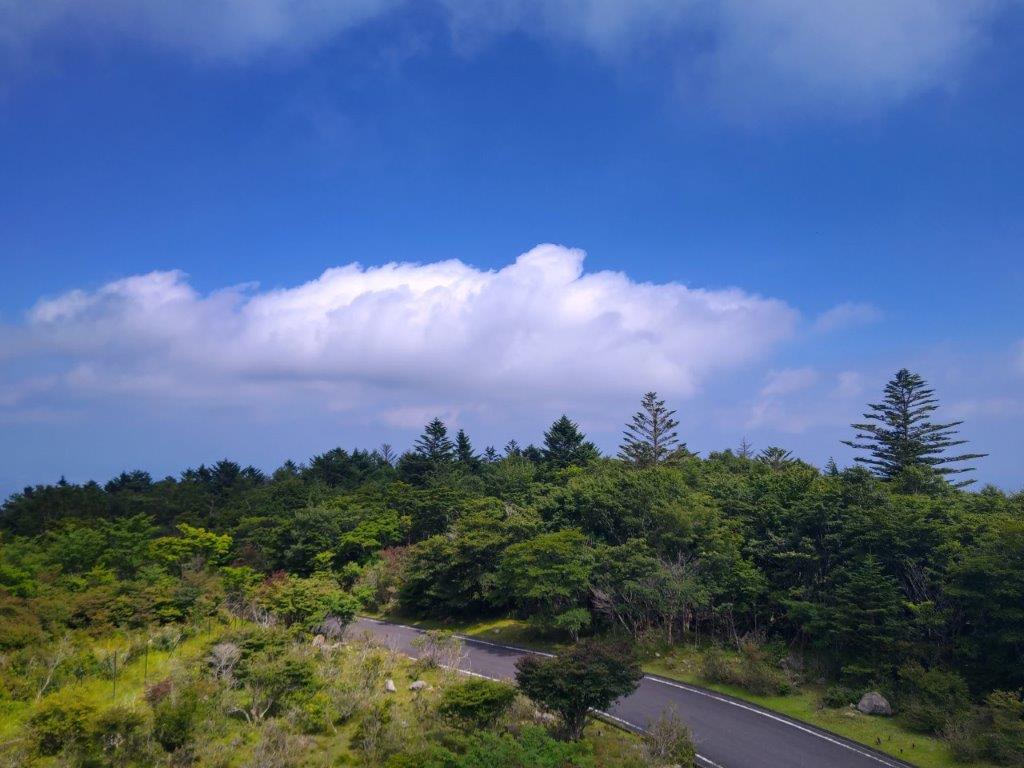
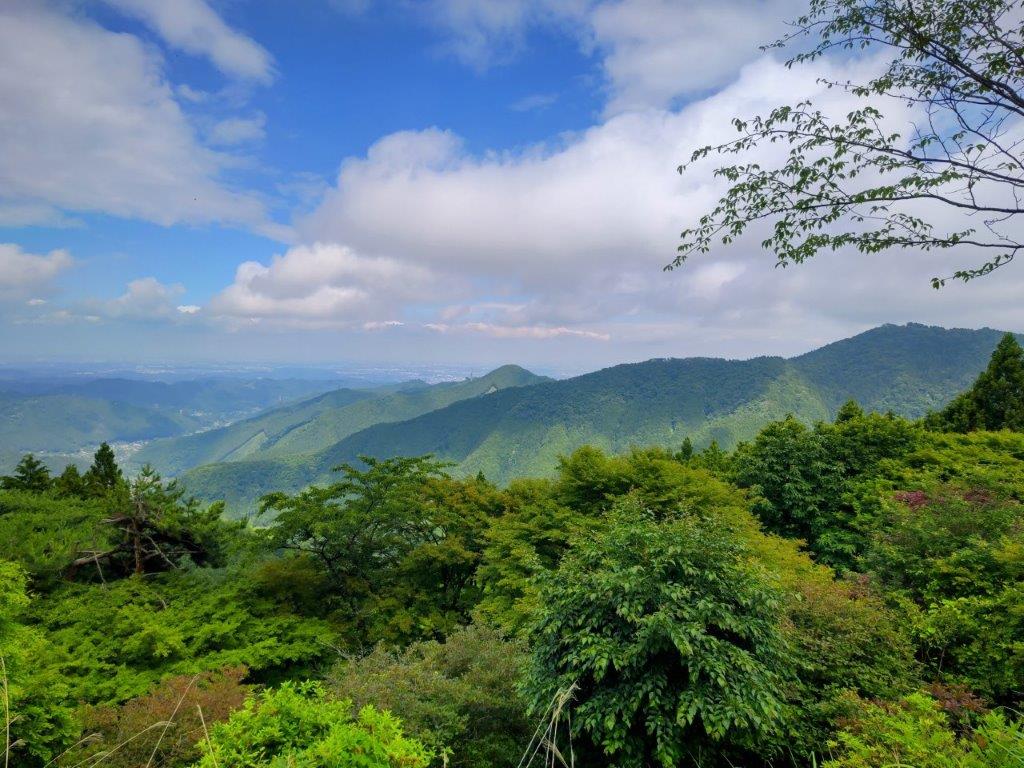
View of Forest and Clouds from the Omamadai Observation Tower
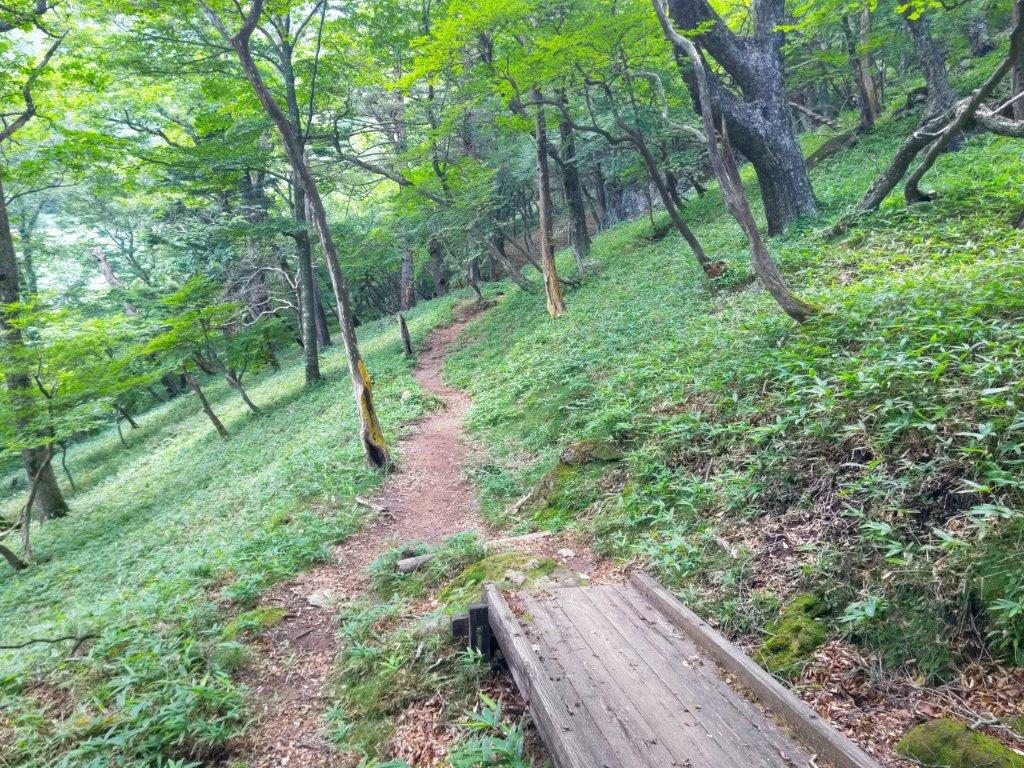
Mostly Gentle Slopes on this Hike

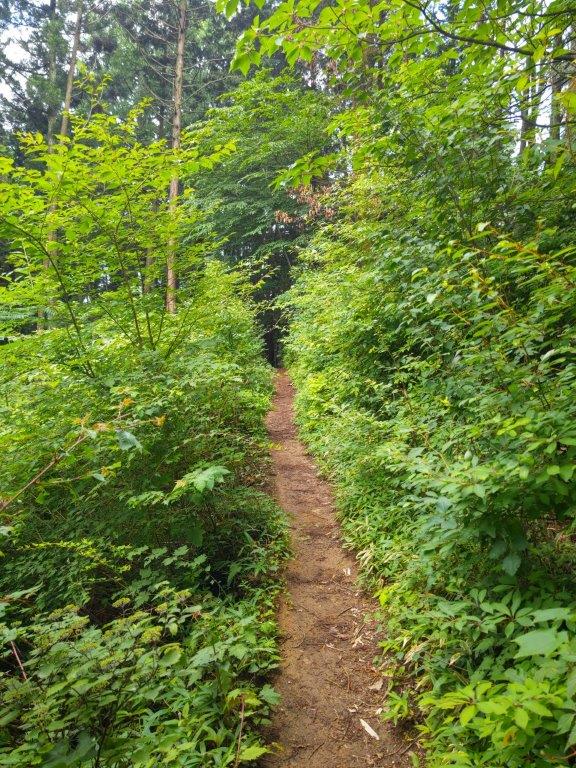
I was amazed by all the dragon flies buzzing around, using my car antenna as a handy perch. At 1280m, it felt cooler than the low-lying plain, although at nearly 25°C it was still above my comfort zone for physical activity. I checked out the view from the parking Observation tower, but Mt Shaka, the highest point of Mt Takahara, was hidden by a thick layer of clouds. I located the start of the Yashio Route (やしおコース), branching left from the main trail up the mountain; for a short while it headed down before becoming level. It felt refreshing to be walking under the tree shade inside the Nikko National Park; I met few people although insects were out in great numbers.
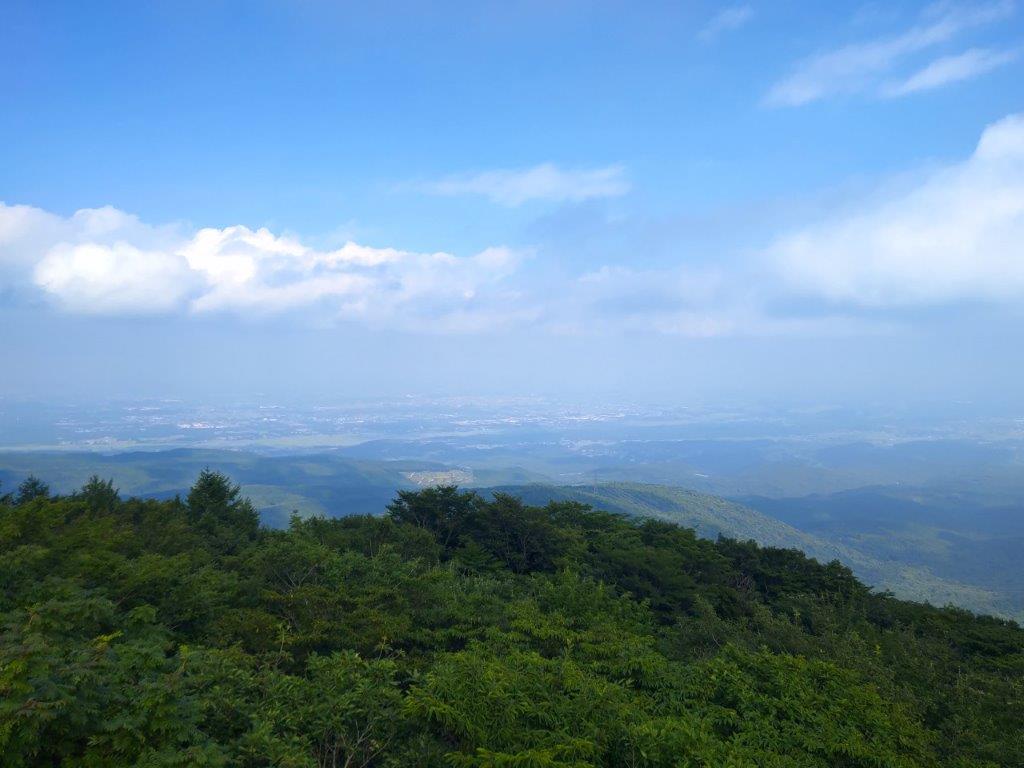
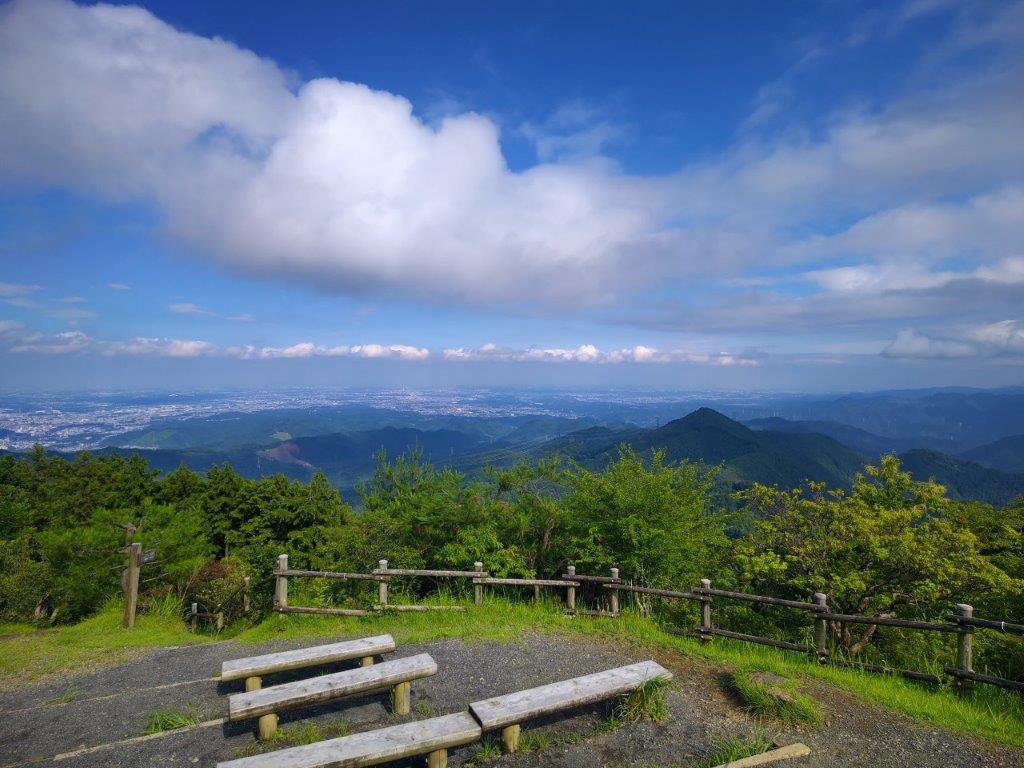
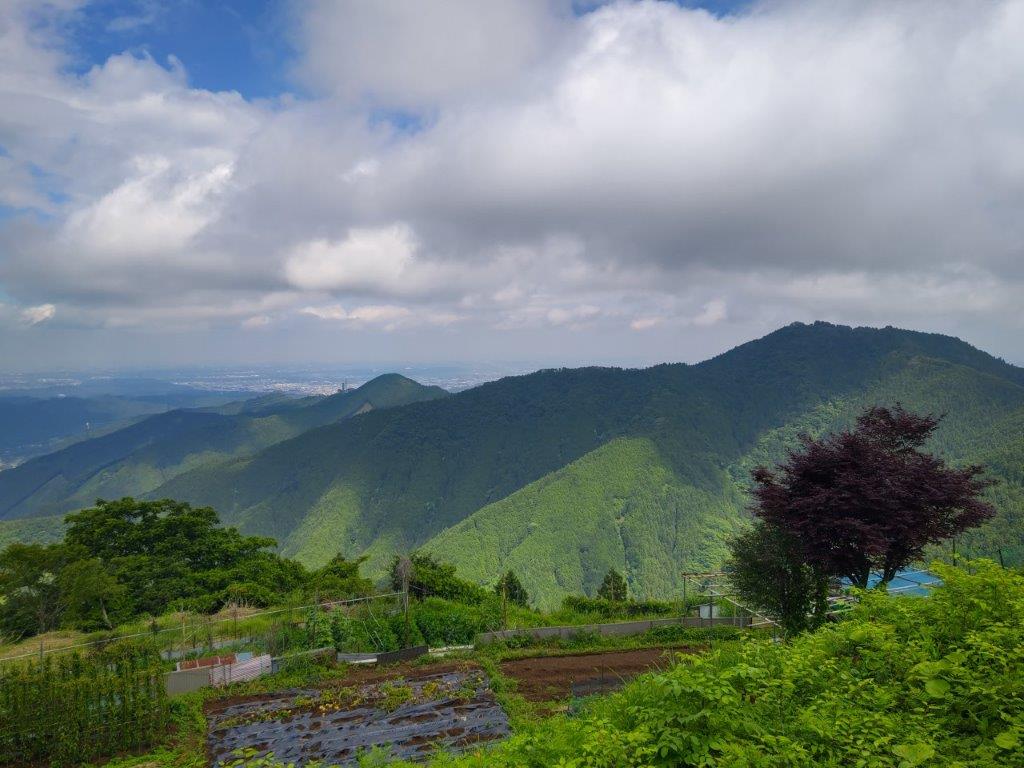
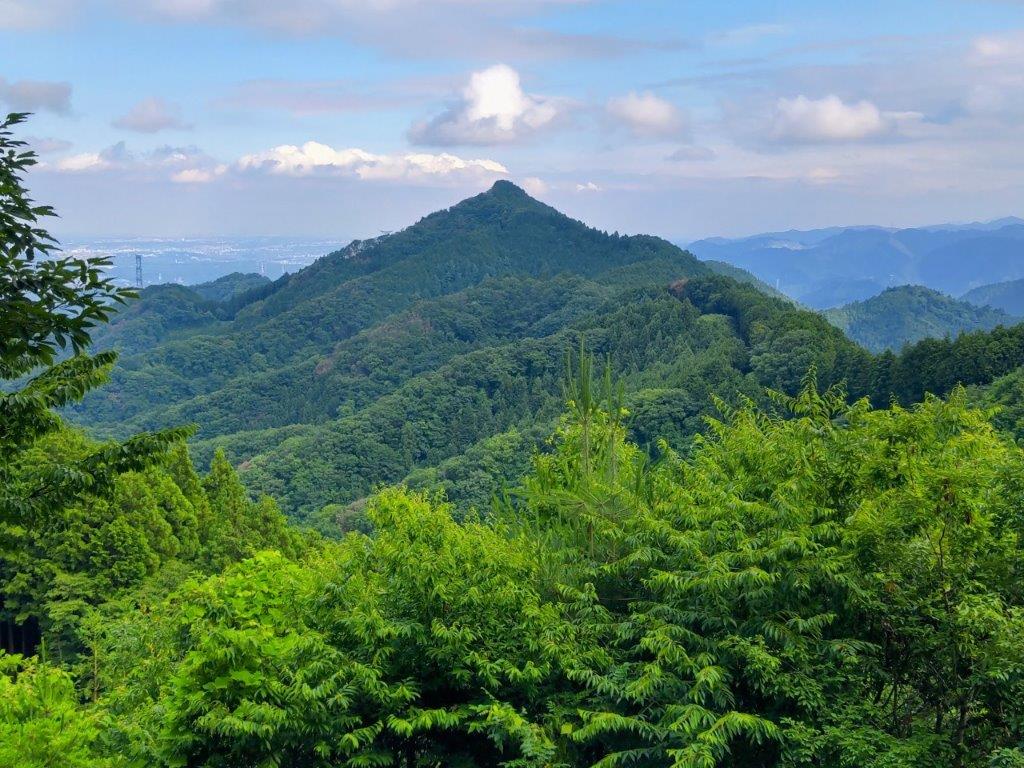
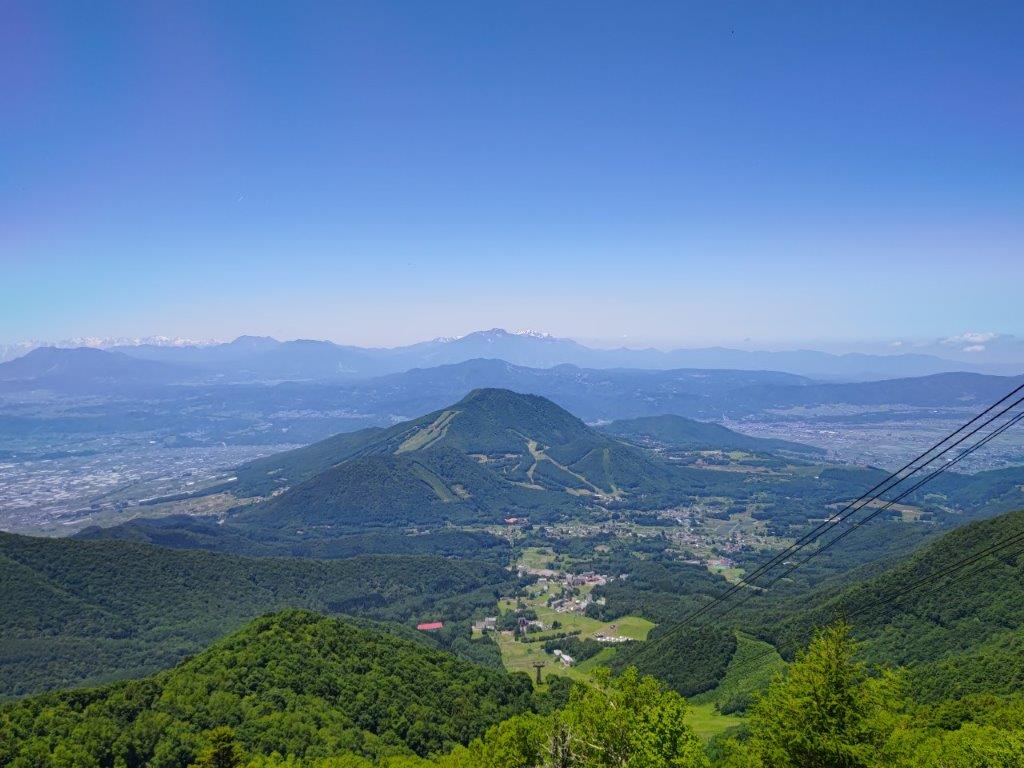
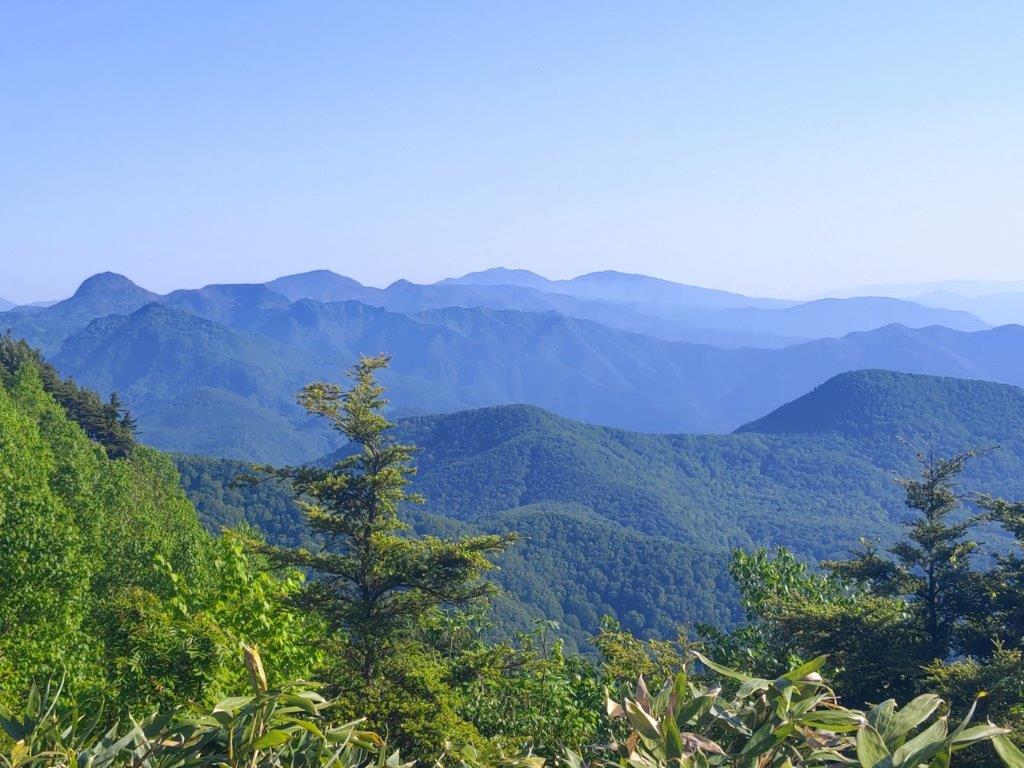
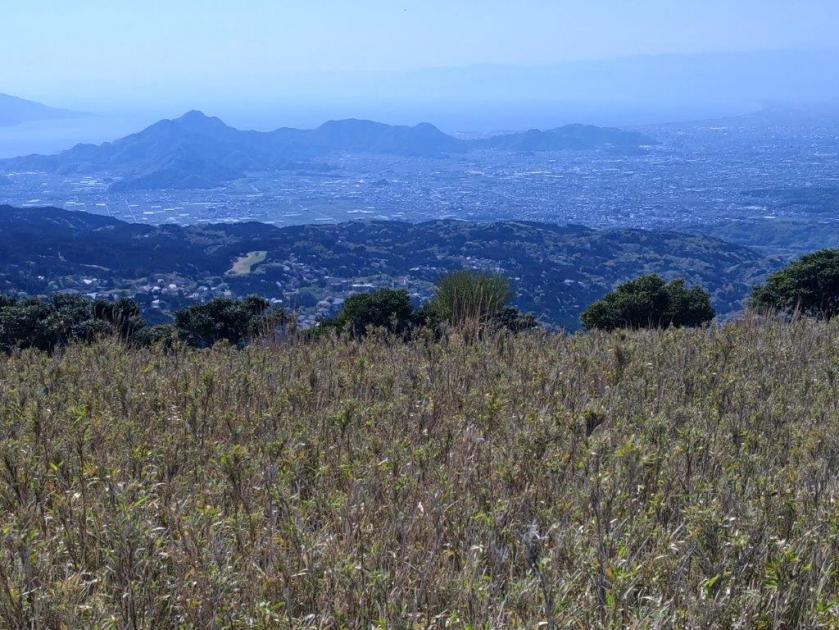
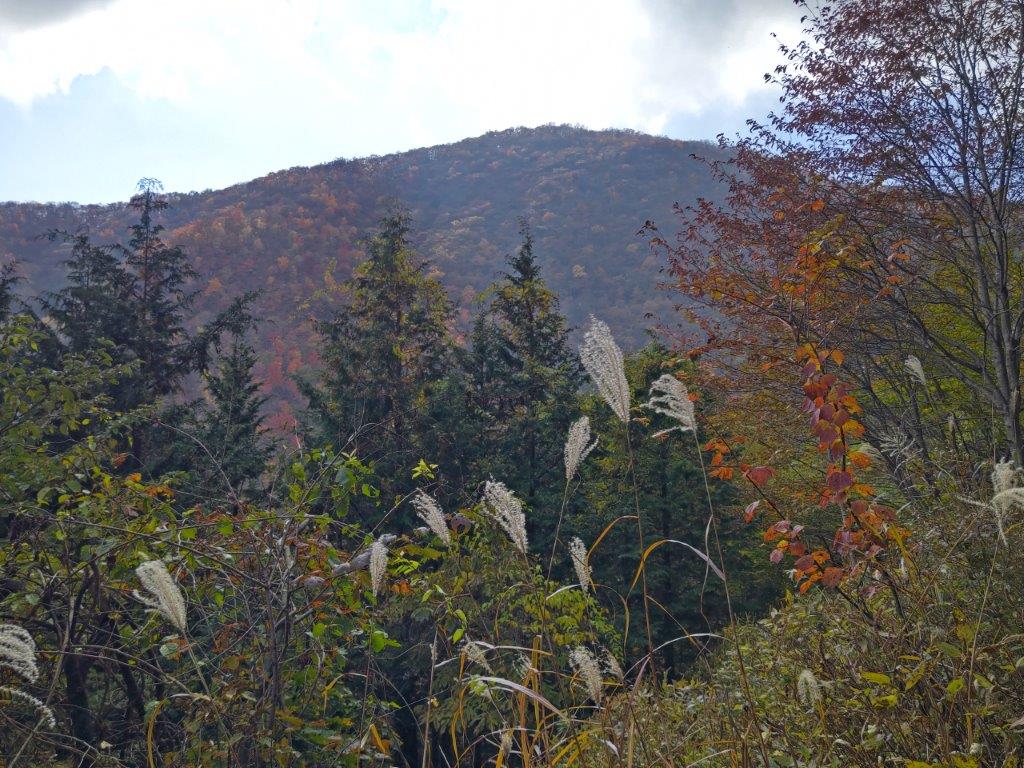
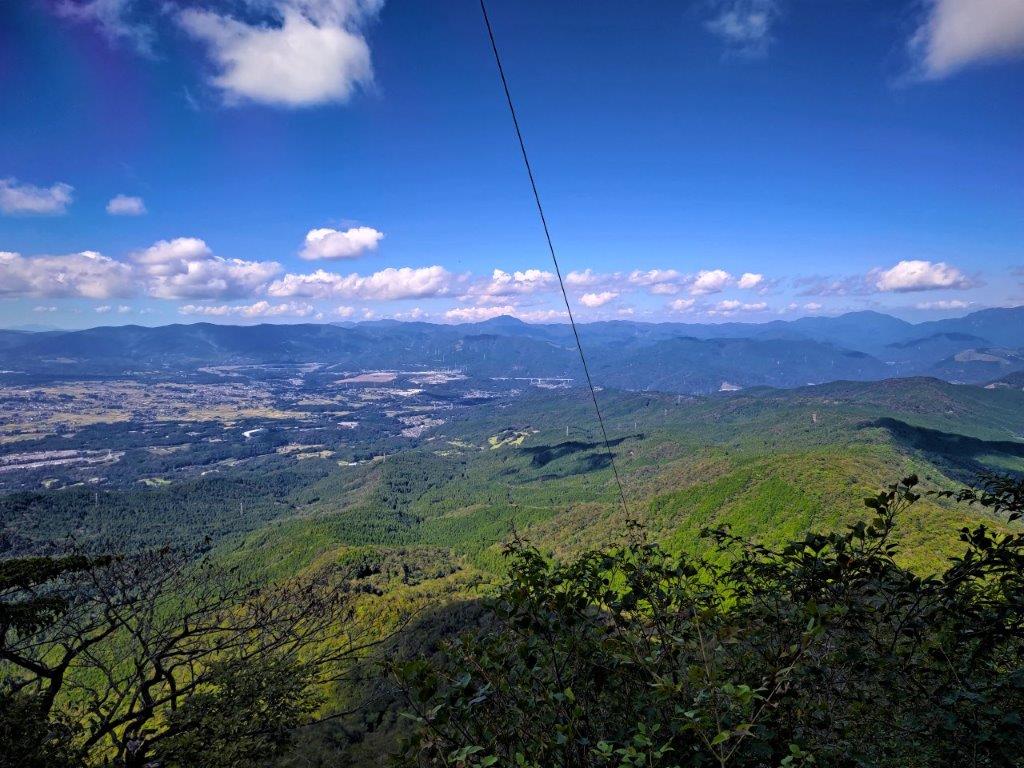
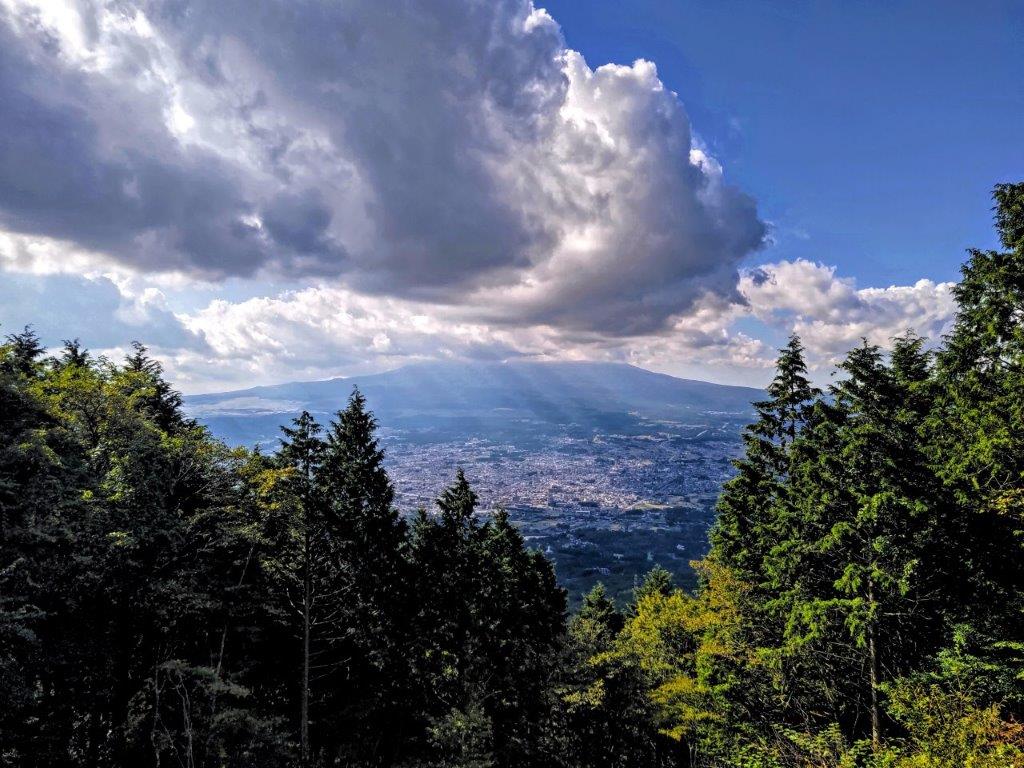
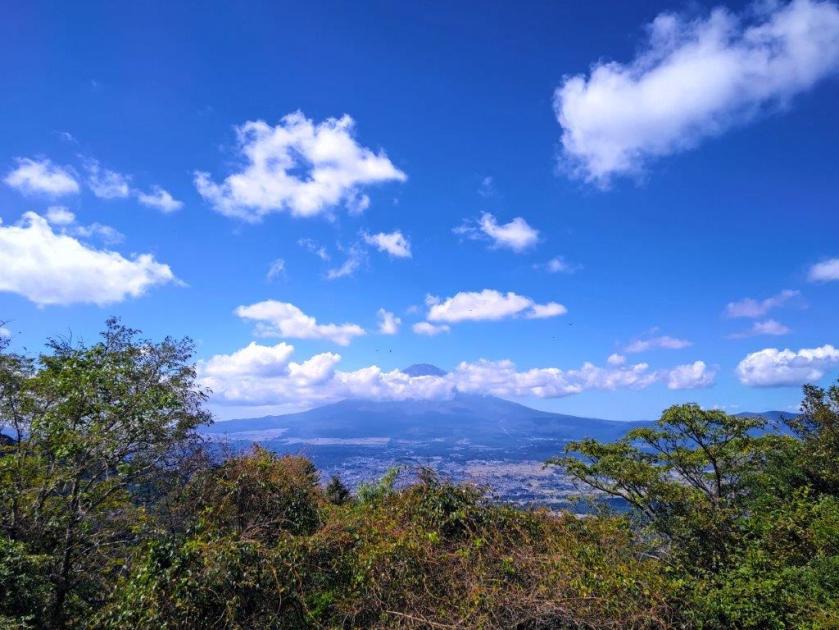
View of the Kanto Plain from the Mt Mitsumochi Observation Deck

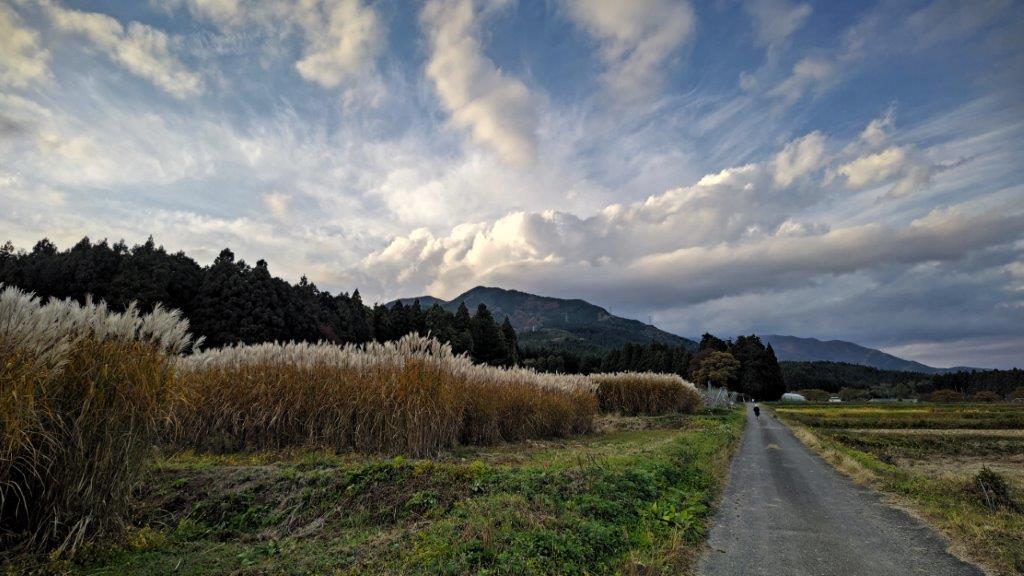
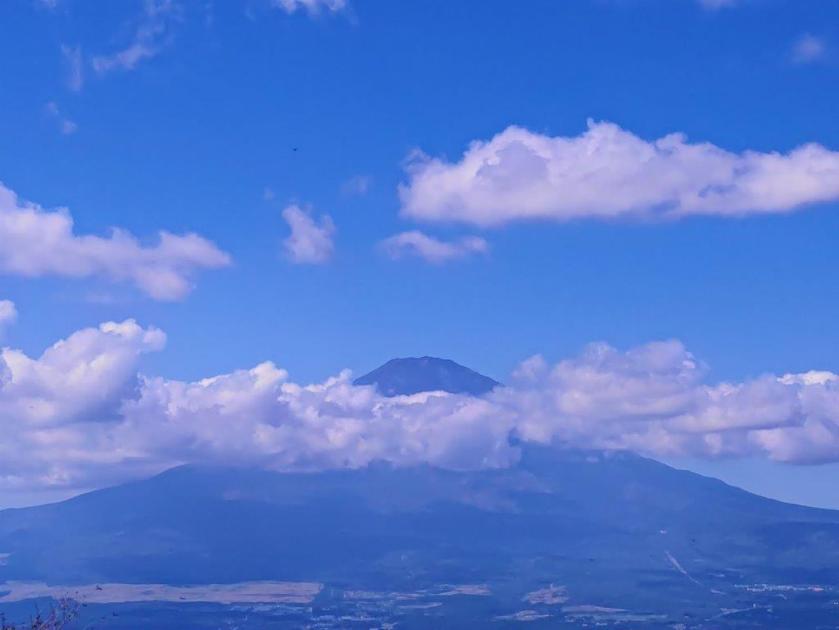
Cumulus Cloud Floating through the Summer Sky

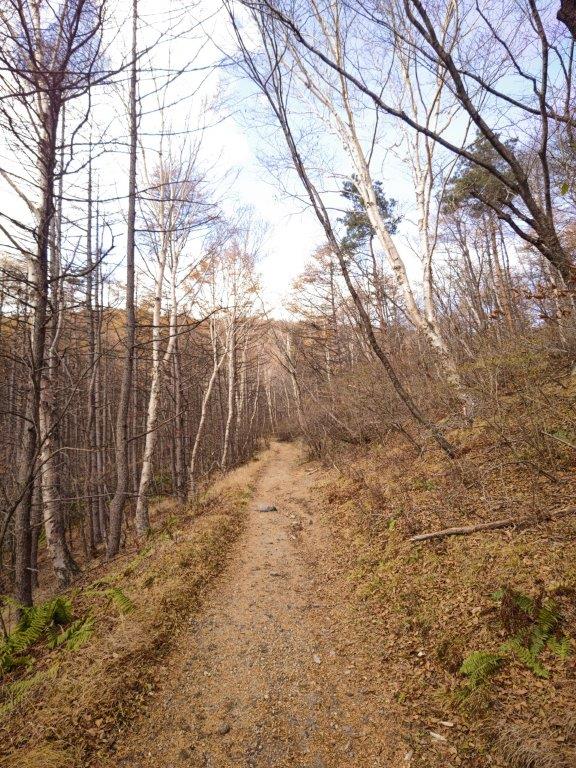
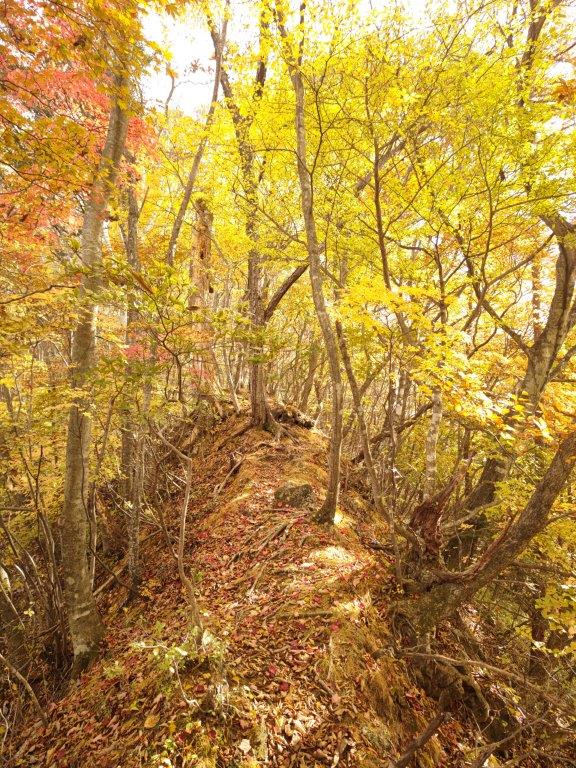
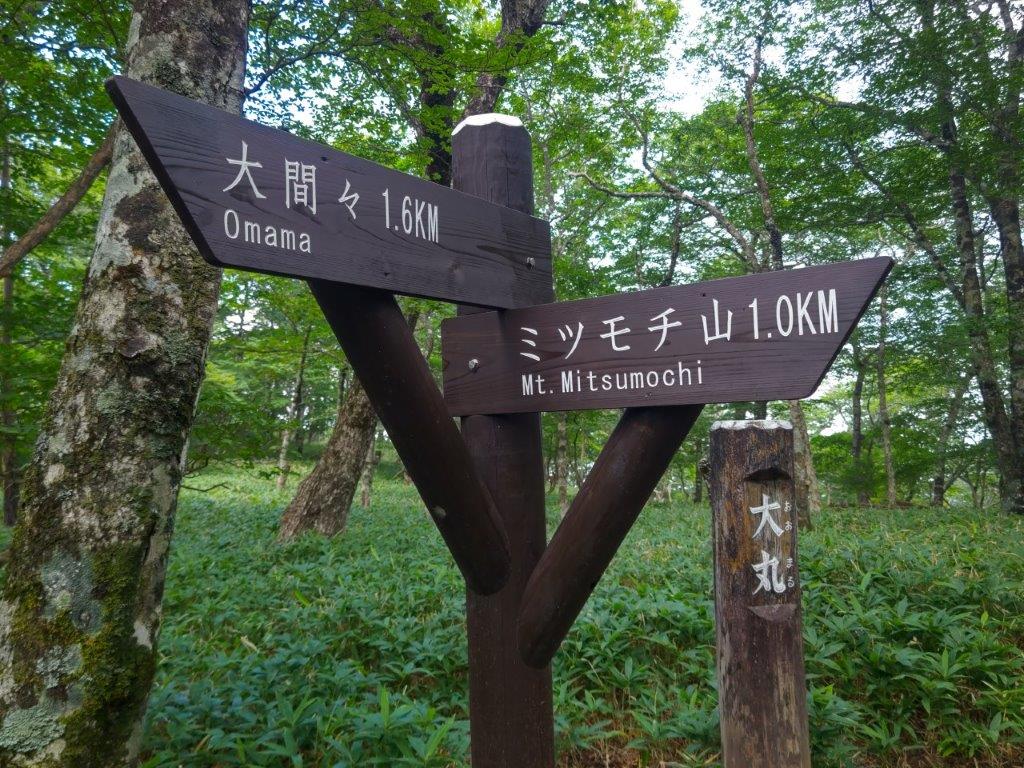
I was interested in the many bilingual information boards along the trail, allowing me to learn more about the surrounding nature, although they didn’t prepare me for the discovery of a brown toad sitting in the bamboo grass (I spotted one more at the summit). After a short climb, I reached a new-looking wooden observation tower a little before 2pm, also the top of Mt Mitsumochi (ミツモチ山 mitsumochi-yama). From the top of the tower, I gazed upon the Kanto plain below, the view probably more impressive in the cooler days of Spring and Autumn. After a short break, I continued along the Aozora trail (青空コース meaning “blue skies”), a wider track circling clockwise back to my starting point.
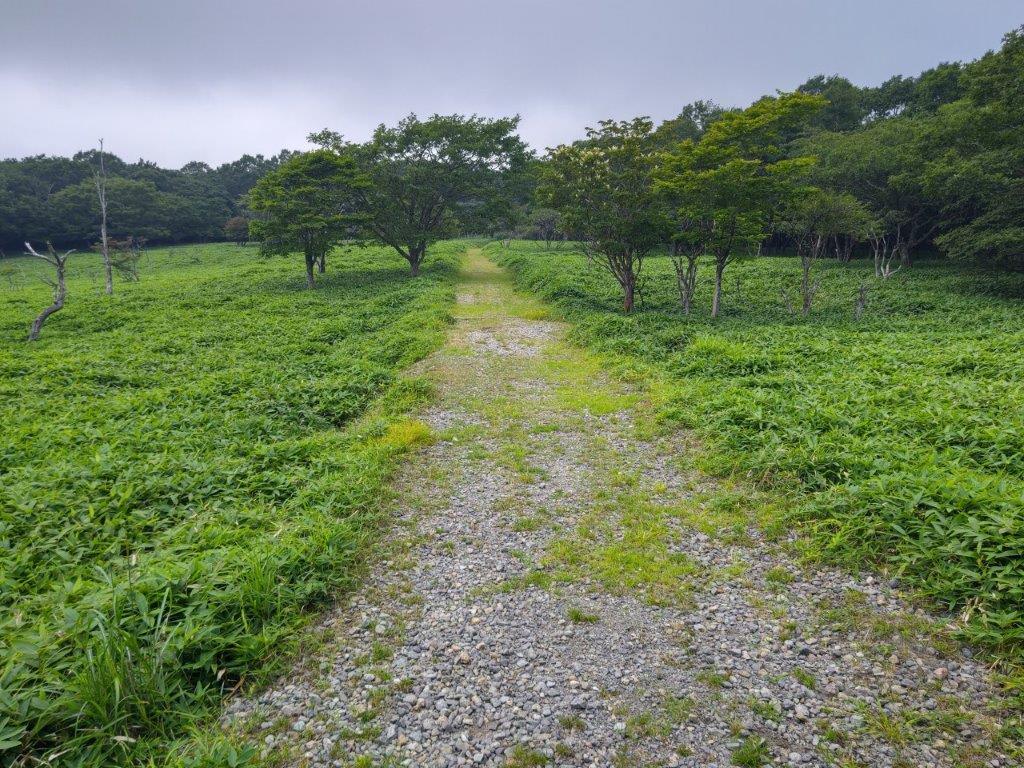
Open section along the Aozora Route

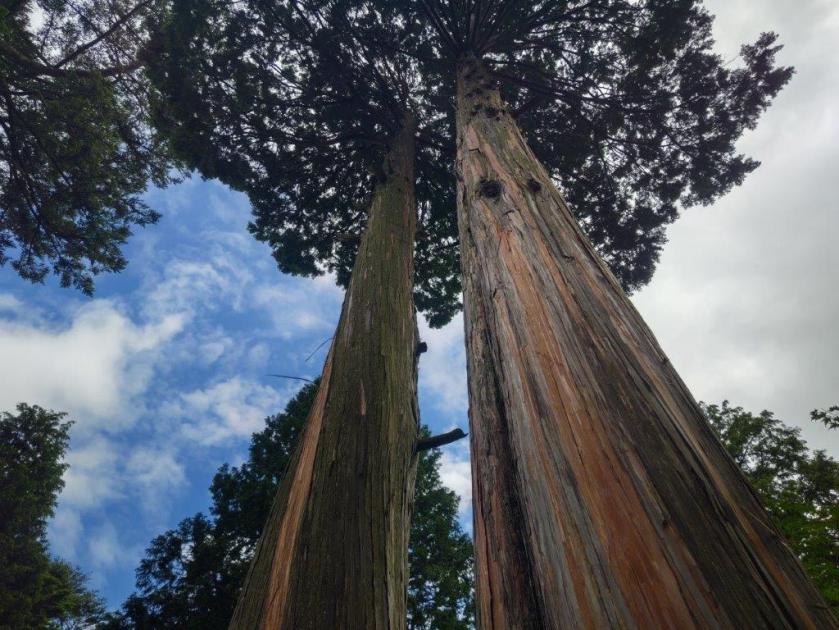
Passing Between Three Beeches

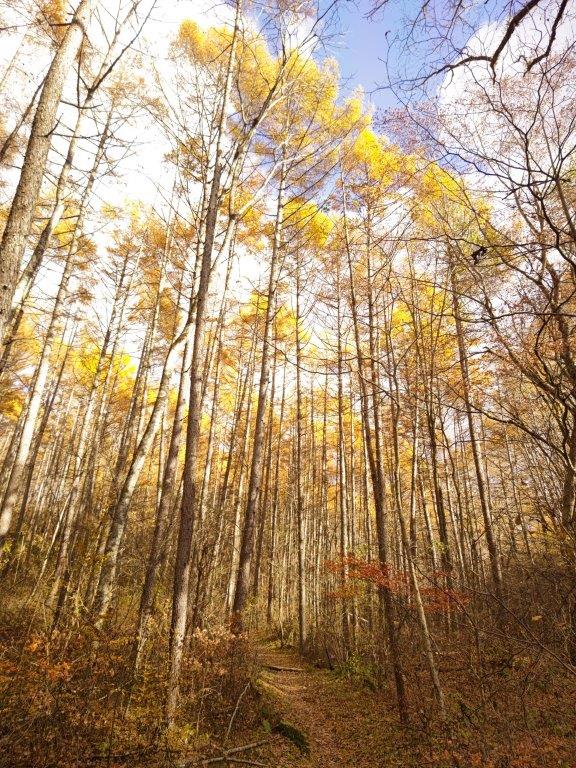
I soon figured out that the trail name referred to the sky now visible through the trees overhead, rather than to any panoramic views. Fortunately, thick clouds had spread over the entire sky shielding me from the blazing sun; on the other hand I was now worried about thunderstorms. I picked up the pace, and after passing through an open grassy space, the trail climbed gently, merging with the main trail at 3pm, near an old wooden shinto gate. At one point, a startled deer jumped out of the trees, dashed across the trail and dived into the forest on the other side. Soon after, I was back at the parking lot, and after checking out the Yama-no-eki Takahara, drove back to Utsumomiya station where I boarded the shinkansen for the short ride back to Tokyo.
Mt Hinode (902m) & Mt Aso (794m), Tokyo Prefecture, Ome City & Hinode Town, Saturday, June 29, 2024

I was looking for another afternoon hike to make the most of the longer days of June. I also wanted to include a river section as it had rained a lot recently. I decided to head to Mt Mitake and follow the Kanto Fureai no Michi to Mt Hinode last visited ten years ago. From there I would follow a ridgeline to a minor peak I had to yet to climb; according to online reports, it had a wide view on the east side. I’d then follow the Shiraiwa-Taki hiking trail westwards to Shiraiwa waterfall, a short distance from the end of the trail. If time allowed, I could drop by nearby Tsuru Tsuru Onsen for a wash and a soak before heading back.

Hiking in the Chichibu-Tama-Kai National Park

秩父多摩甲斐国立公園

Hiking in Okutama 奥多摩

Hiking the Kanto Fureai no Michi 関東ふれあいの道

To get to Mt Mitake, I’d ride the Chuo line from Shinjuku, change to the Ome lime in Tachikawa, change again to the Okutama line in Ome, and get off at Mitake station, a short bus ride from the Mitake cable car. For the return, I’d ride the bus from the hot spring to Musashi-Itsukaichi station, then take the Itsukaichi line to Tachikawa and finally transfer to the Chuo line for Shinjuku. The weather was supposed to be cloudy with temperatures in the mid-twenties. I hoped the higher humidity would still allow for comfortable hiking. I was looking forward to exploring new trails, getting some good views and seeing lots of rushing water.

For subscribers, read this Blog Post on Hiking Around Tokyo for a better viewing experience and the latest updates

Fureai no Michi past Mitake Village (left) on the way to Mt Hinode (right)

Mt Hinode Trail Before the Summit (left) and Past the Summit (right)

It was a cloudy day as I rode the train from the tall, shiny skyscrapers of Shinjuku to the low, green hills of Ome. As I had left around noon, I was rewarded with sitting space on the trains, as well as on the cable car shuttle bus and the cable car itself, my first time to be comfortably seated after half a dozen trips to the area. It was also my first time to visit in June, the green of spring in full swing, white and purple Hydrangea (ajisai) lining the road.

Trail between Mt Hinode and Mt Aso (left) Shiraiwa-Taki Hiking Trail (right)

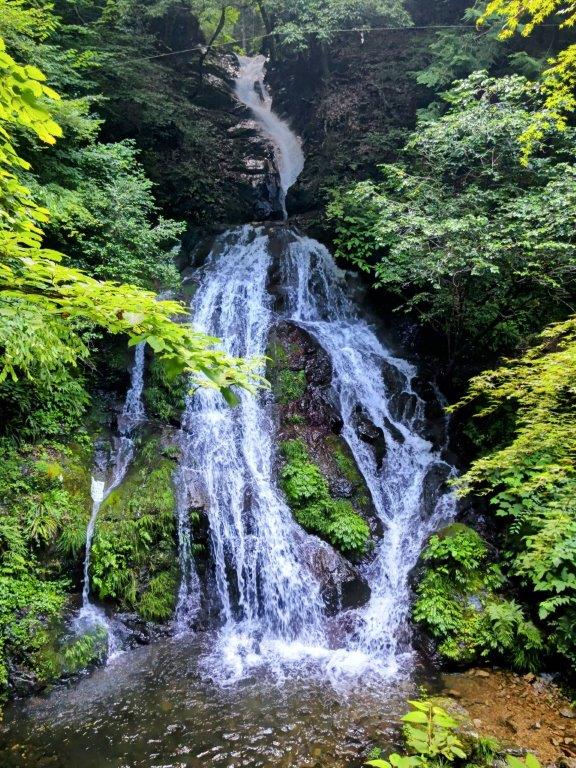
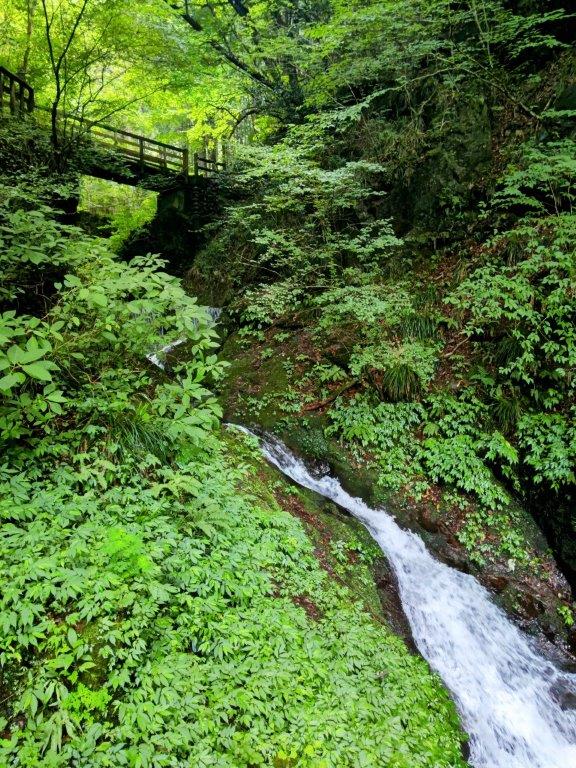
Falls (left) and Wooden Walkway (right) along the Shiraiwa-Taki Hiking Trail

It felt pleasantly cool felt as I exited the cable car top station just before 2pm. I was relieved that few people had chosen to visit in the rainy season. After getting ready and checking the view of today’s two peaks from Mitakedaira, I made my way up some steps to an observation deck from where I had a slightly better view of the area. I decided to make a quick detour via Ubuyasu Shrine (産安社), a peaceful spot with some impressive cedars, reminding me that I was inside the Chichibu-Tama-Kai National Park. I then headed down a different path taking care not to slip, the ground still wet from yesterday’s rain, arriving at the Mitake Visitor Center at 2h30, also the junction with the Kanto Fureai no Michi.

View of Mt Aso (left) and Mt Hinode (right) from Mitakedaira

View of Mt Aso (left) and Mt Hinode (right) from the Observation Deck

I suddenly felt quite warm as the sun had came out from behind the clouds. After crossing Mitake Village, I found myself on a level path through cedars, arriving at a junction past a Shinto gate at 3pm. I took the left path heading up the mountain side, and less than half an hour later, arrived at the top of Mt Hinode (日の出山 ひのでやま hinodeyama), a Tokyo 100 famous mountain, the name translating as “sunrise mountain”. Looking north, I could see the Okutama Mountains, and to the south, the Tanzawa mountains; straight ahead was the Kanto Plain and Tokyo.

Steps leading to the Observation Deck and Ubuyasu Shrine

View of Tokyo and Kanto Plain from the top of Mt Hinode

I was slightly worried about rain as thick clouds had appeared on the west side, hiding the summit of Mt Mitake. After a break, I set off down a steep trail on the south side, the descent made easier by log steps. Just before 4pm, I reached a T-junction: to the left was the shortest path for Tsurutsuru onsen, favoured by the few remaining hikers; however, I turned right, now following a narrow path, with views of the triangular summit of today’s next mountain on the left side through gaps in the vegetation; I soon left the Fureai no Michi as it descended into the valley on the right. At 4h30 I was standing on the top of Mt Aso (麻生山 あそうさん aso-san), feeling quite sweaty despite the short climb.

View of the Triangular Summit of Mt Aso

Second Viewpoint of Mt Aso

I was stunned by breathtaking view of the Kanto plain, the east side completely free of trees and mountains. I was a little behind schedule so instead of taking a breather on one of the several benches, I headed west, now following the Shiraiwa-Taki Hiking Trail (白岩滝ハイキングコース). As I walked down a dark valley, I could hear the bark of deer but never saw any. Very soon, I was walking beside a small charming stream, my hopes for the day fulfilled. A little after 5pm, I arrived at a trail junction, where I went right, sticking close to the rushing water. I passed several small falls before arriving at a point where the trail had collapsed.

View of Mt Mimuro from Asodaira

Trail leading to Shiraiwa-no-Taki Waterfall

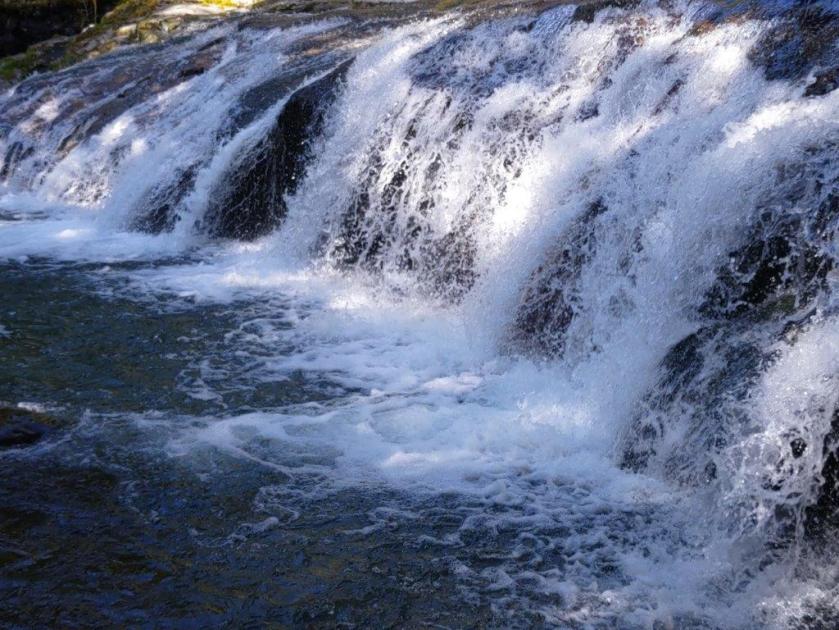
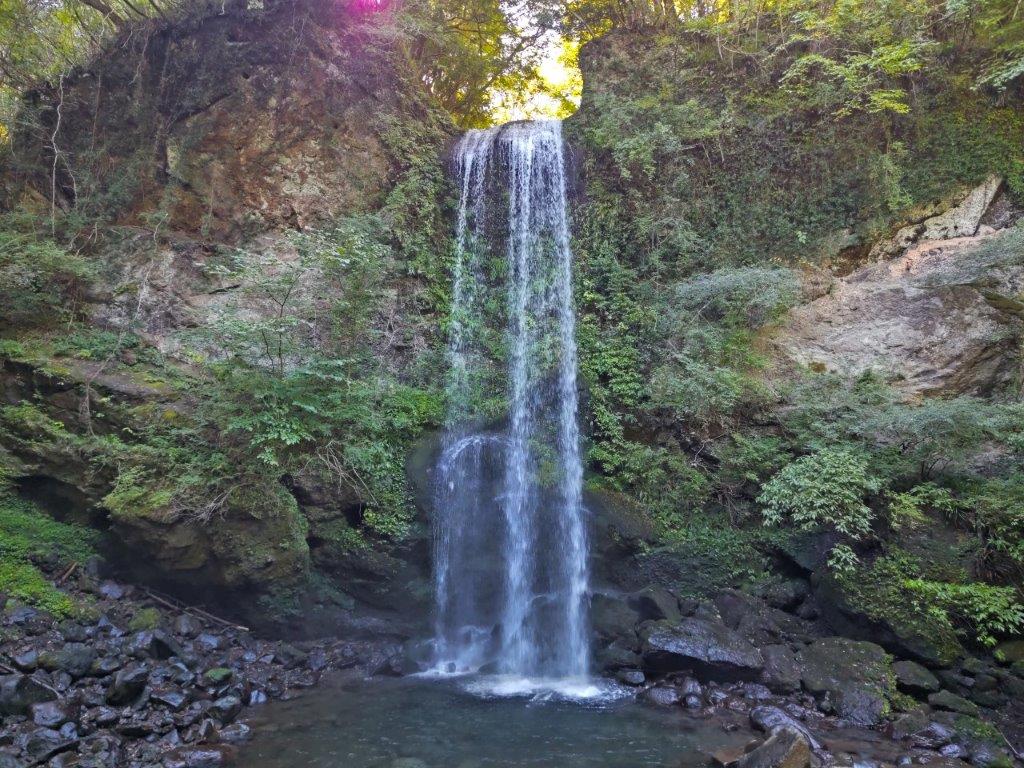
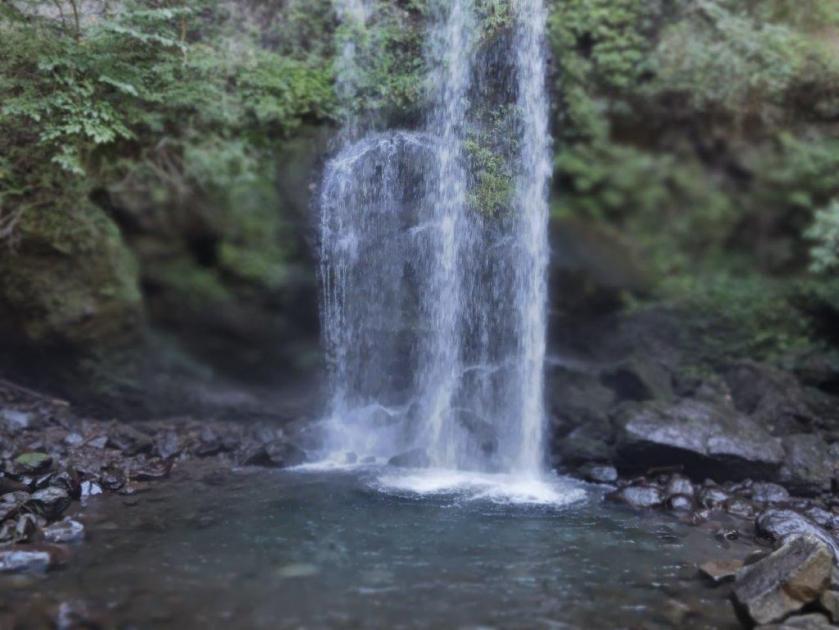
I thought I’d have to turn back but then noticed some rope leading down into and then up and out of the jumble of rocks and sand. Proceeding carefully and using the rope, I safely crossed to the other side and was soon walking again on a normal, but slippery trail. Shortly after, I arrived at the highlight of the hike, Shiraiwa waterfall (白岩ノ滝 shiraiwa-no-taki). The path took me right next to the falls, the sound water roaring in my ears; at the base, I crossed a bridge and made my way to a an observation platform on the opposite side.

Preliminary Waterfall near the Collapsed Part of the Trail

View of Shiraiwa Waterfall from the Observation Platform

I gazed in wonder at the thundering falls, wondering how much of the water was due to the recent rainfall. I was also amazed I had the place entirely to myself, although this may have been due to the late hour. I eventually pulled myself away from the view, and at 6pm, arrived at a bus stop at the end of the trail. After a short wait I boarded a bus for the short ride to Tsurutsuru Onsen, at the end of the line. After a refreshing bath, I boarded the bus again for the 30 minute ride to Musashi-Itsukaichi station where I boarded the 8pm train, finally arriving back in Shinjuku about an hour later.

See a video of the Mt Hinode Hike

Watch the Video of the Hike on YouTube

See a Slideshow of More Pictures of the Hike

Mt Yakebitai (2009m) & Mt Ryuo (1900m), Yamanouchi Town, Nagano Prefecture, Saturday, June 17, 2023

Read this Blog Post on Hiking Around Tokyo

I wanted to make another trip to Shiga Highland since I had such a great hike there last year. I had been planning to use the Ryuo ropeway for a while, but needed good weather to justify the expense. I had my chance after a typhoon passed over East Japan, bringing clear blue skies in its wake. My hiking map from ten years ago showed a trail between the ropeway and the Oku-Shiga ski resort; however, it was absent in future versions. Looking at online reports, I saw that a trail still existed and that I could do a roundtrip to the highest point, although it was hard to tell the duration. I would take the shinkansen to Nagano and then the Nagano Dentetsu line to Yudanaka; there, I could catch a free shuttle bus to the base of the ropeway. For the return, I had to make sure to catch the last ropeway at 5pm. It was supposed to be quite hot, but hopefully it wouldn’t affect me much, since the hike would be mostly above 1800 meters. I was looking forward to visiting a new part of Shiga Kogen and getting some great views on a clear day.

Hiking in the Joshin-Estu Kogen National Park

上信越高原国立公園

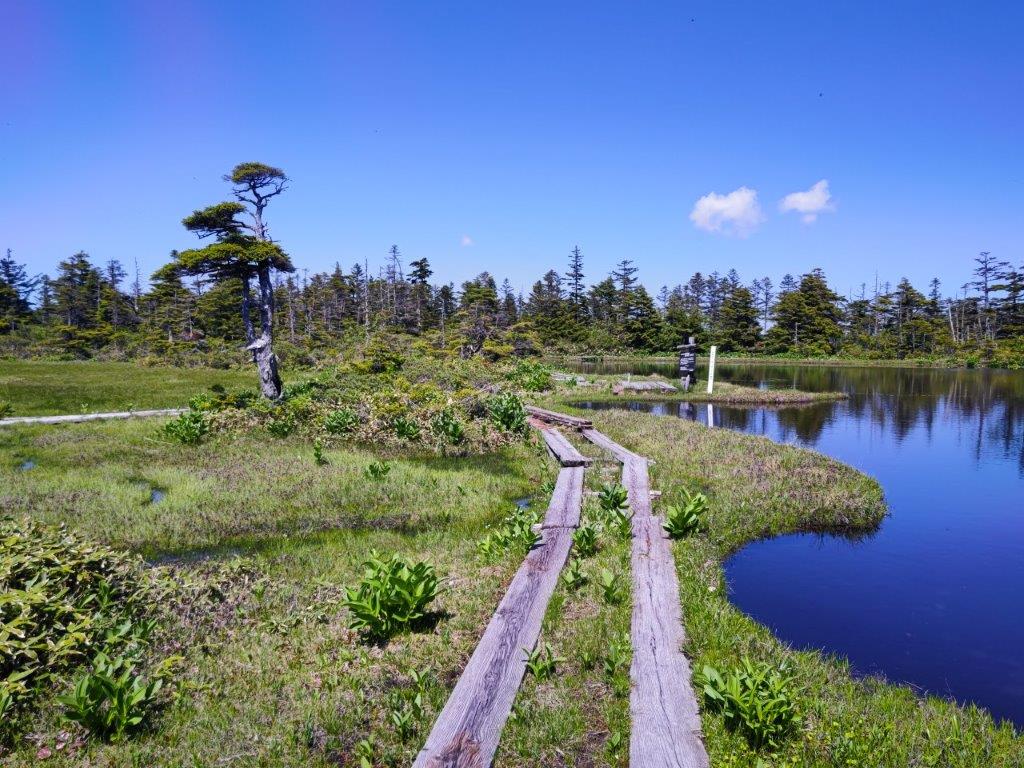
Chigoike Wetland, near the top of Mt Yakebitai

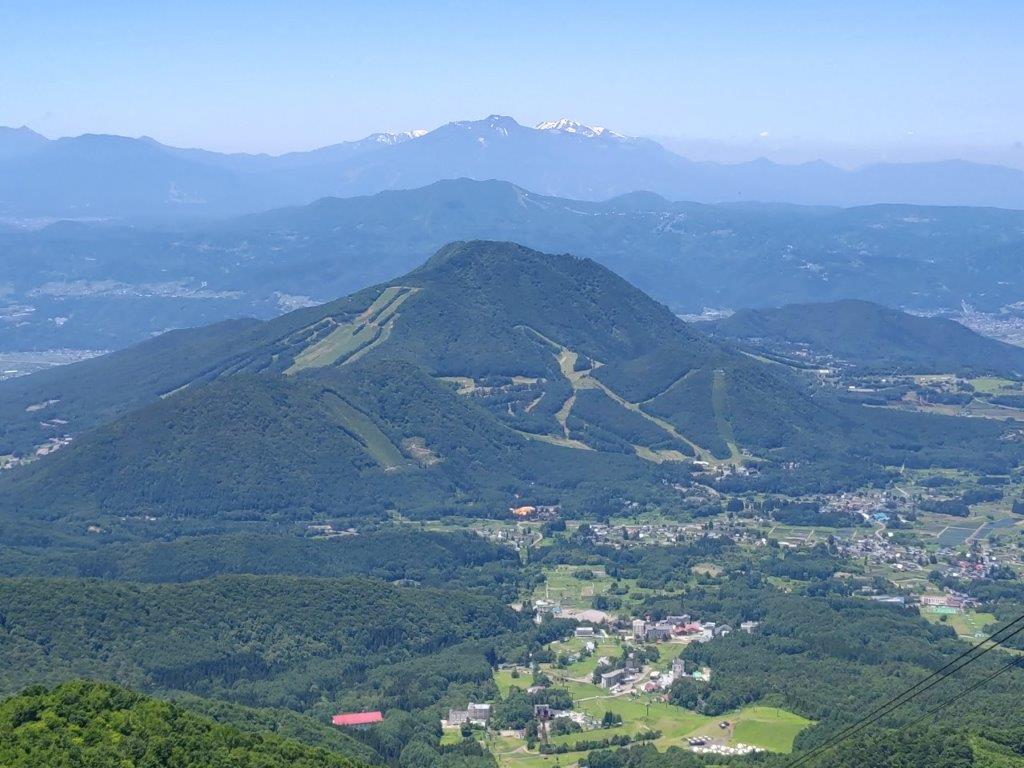
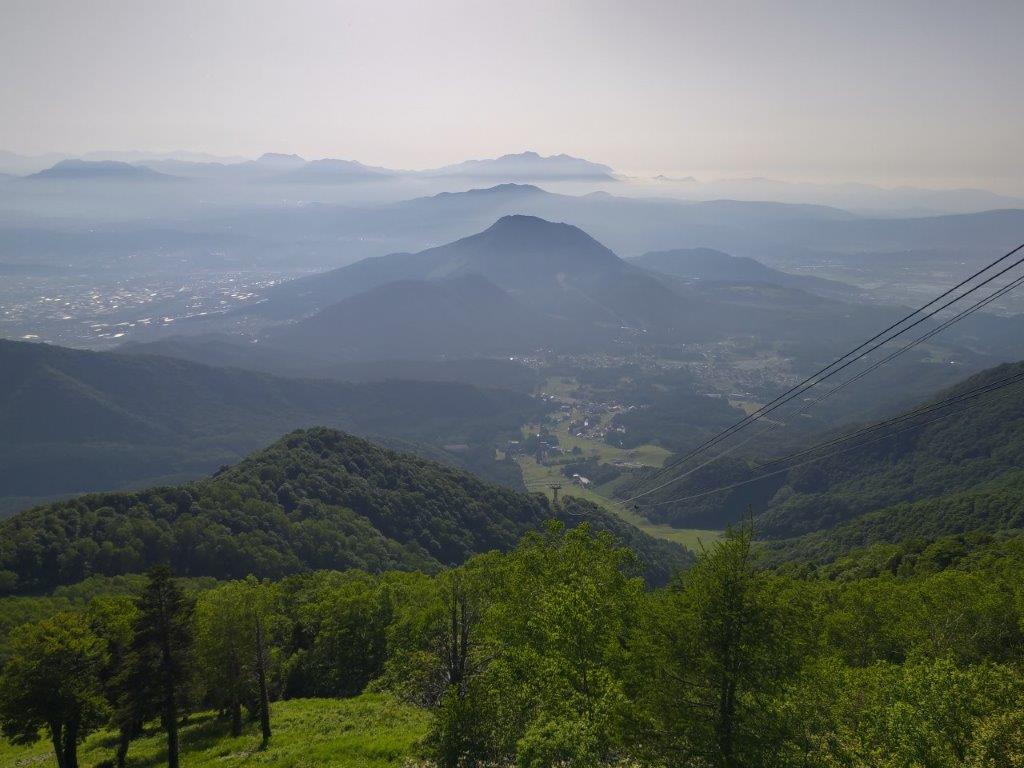
View of Togakushi Kogen from Sora Terrace

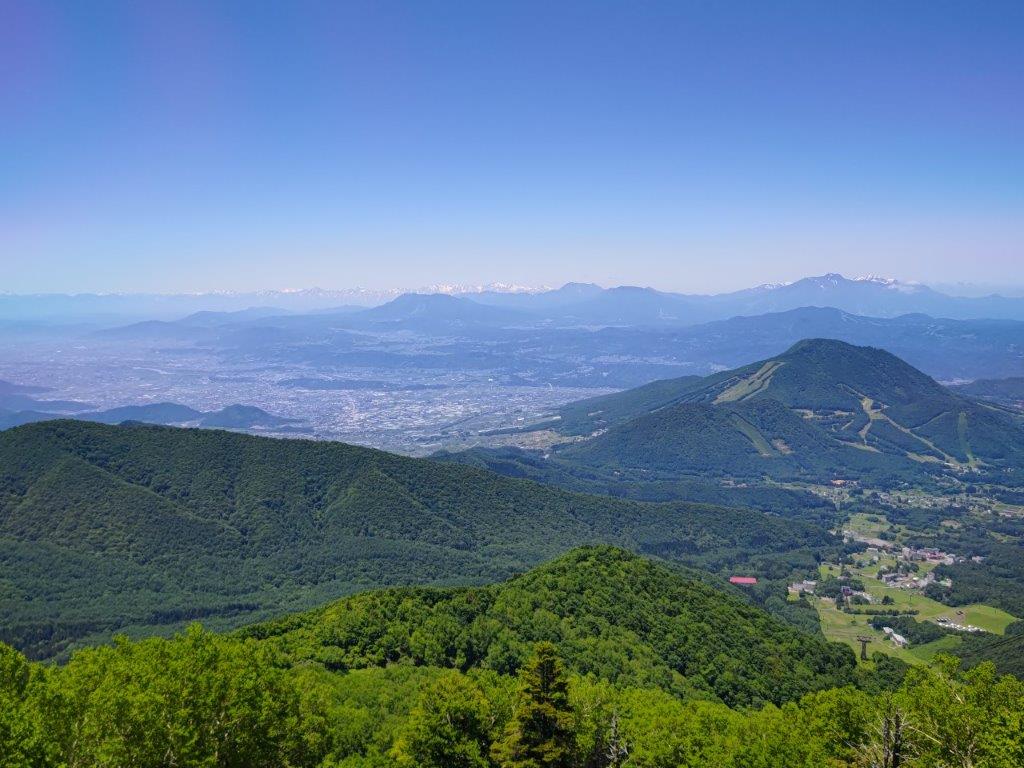
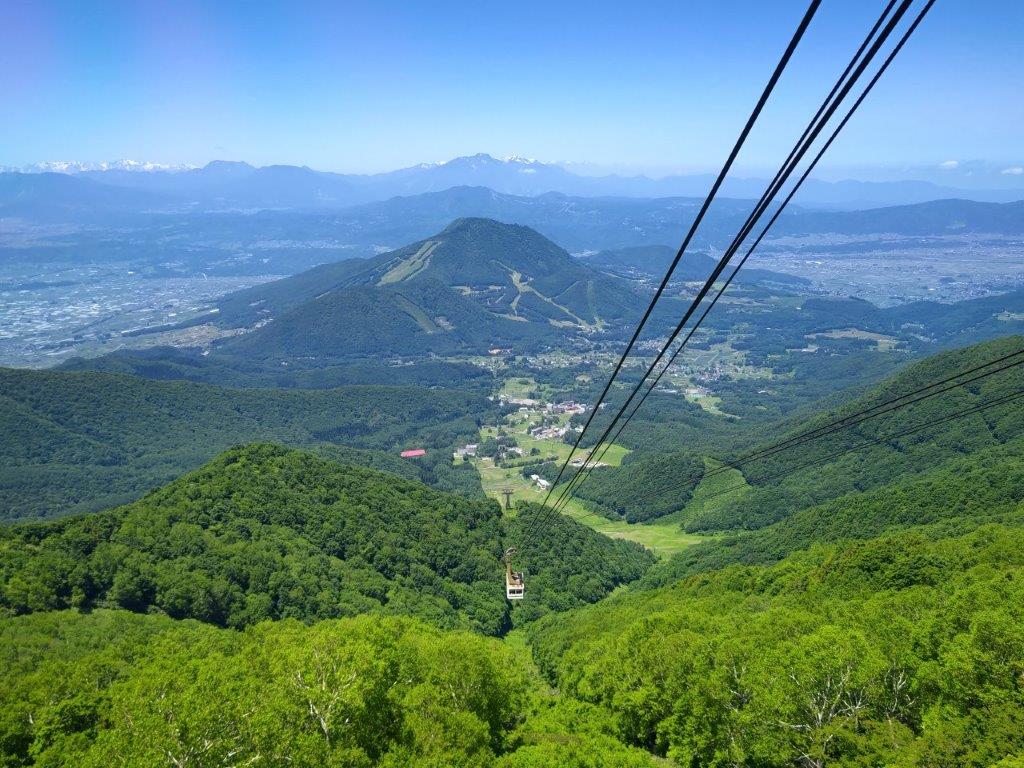
It was the perfect day as I rode the shinkansen to Nagano, where I caught the limited express “Snow Monkey”, arriving at Yudanaka around 1030. I was one of the few people to board the minivan, departing opposite the station, for the half an hour ride to the ropeway, located in the North part of Shiga-Kogen. At 1130, I finally reached Sora Terrace at the top of the ropeway, where I had a sweeping view of the mountains of Nagano, completely free of clouds. In the background, was the entire range of the North Alps, the highest peaks still covered in snow. In the foreground, was Togakushi Highland and its many volcanoes: Mt Takatsuma, Mt Iizuna, Mt Kurohime, Mt Myoko, and its highest peak crowned in white, Mt Hiuchi; closer still was Mt Madarao, climbed in the summer and skied in the winter; directly opposite was Mt Kosha, a summit I hope to climb soon.

View towards Nagano

View of the Ryuo Ropeway

I was surprised by how warm it felt, even though I was 1770 meters high. After admiring the view, I set off just before noon. First, I followed a gently climbing ski slope through the forest, wide enough to be out of the shade; I was feeling pretty hot and wondered if I had enough water. I soon reached the start of a short loop through the Ryuo summit wetland (竜王山頂湿原), along a wooden walkway on the left side. It took about ten minutes, but gave me a close look at the natural beauty of the Joshin-Etsu Kogen National Park. I resumed my hike and soon made my way up a steeper slope, eventually reaching a (closed) restaurant at the top of the Ryuo ski resort.

The North Alps still covered in snow

Close to Far: Mt Kosha, Mt Madarao and Mt Myoko

Turning around, I had a view of the North Alps framed by pines, as well as the round top of Mt Yakebitai, to be climbed on the return. I soon located the start of the trail on the right side: although there were no signposts, pink ribbons were attached to trees at regular intervals; thick forest on both sides made the use of a GPS device superfluous. The path descended into a broad valley, completely hidden from the outside world; above the trees, I had my first view of today’s highest peak. Very soon, I was climbing up a steep slope, sweating a lot in the heat; I had to use my head net to keep out the many insects. A little before 1pm, the slope leveled and a wooden walkway suddenly appeared.

A short loop through the Ryuosancho-Shitsugen

Looking back at the summit of Mt Ryuo

I soon arrived at a stunningly beautiful pond, chigoike wetland (稚児池湿原); although it was shown on my map, I hadn’t expected anything like this. I had also arrived at the summit of Mt Yakebitai (焼額山 やけびたいやま yakebitaiyama). After some lunch, I dropped my pack and did tour of the wetland, following the walkway counterclockwise. On the west side, Mt Kurohime and Mt Myoko rose majestically from the edge of the grassy wetland. On the east side, I emerged from the forest onto another ski slope, looking totally different from the time I was there on skis.

The summit of Mt Yakebitai, across the hidden valley

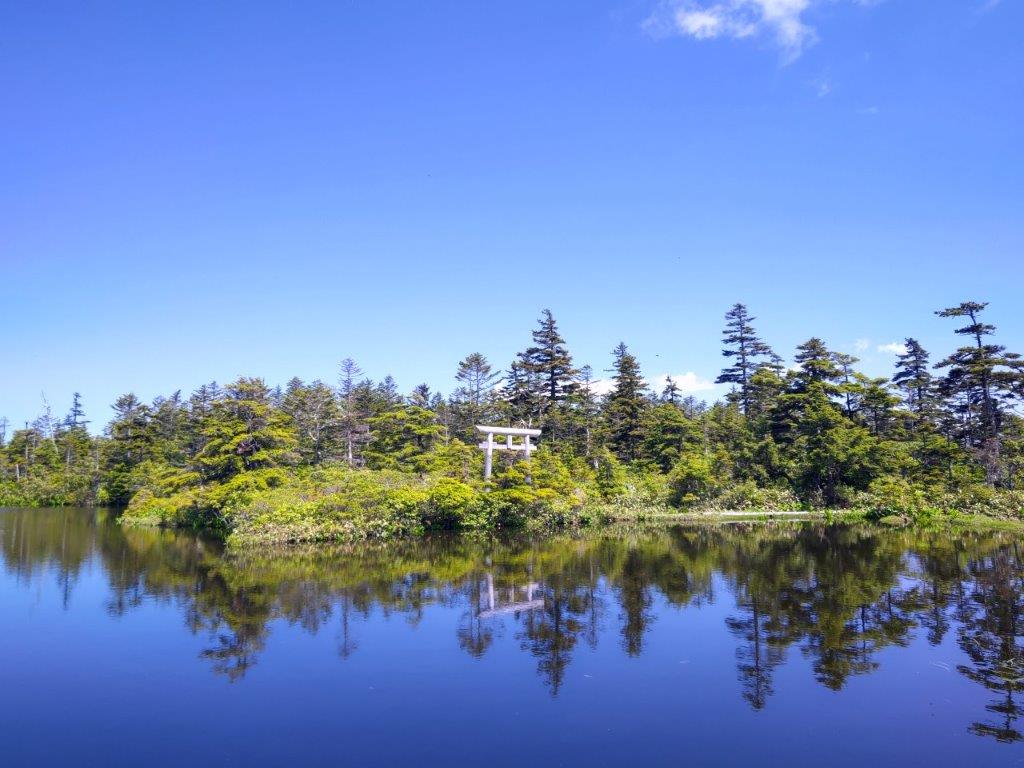
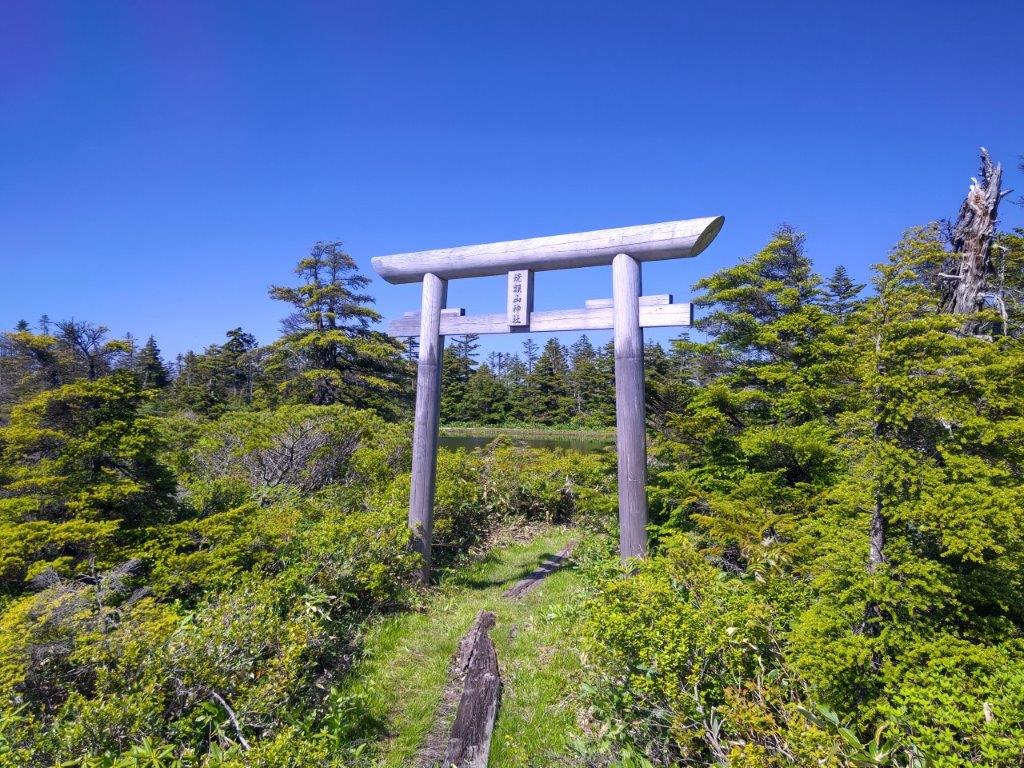
Wooden Shinto Gate at Chigoike Wetland

I had another amazing view, this time of the mountains of Niigata, many of them yet to be climbed. From left to right, I could see Mt Torikabuto, Mt Naeba, Mt Shirasuna and Mt Iwasuge, its side view resembling a ship. It was already 2h30 so I quickly completed the loop, passing near a small shrine and its wooden “torii” (Shinto Gate), looking quite magical among the pines, next to the pond. A little before 3pm, I set off for the return, reaching the top of Mt Ryuo (竜王山 りゅうおうさん ryuuousan) less than an an hour later. Sadly the path to the summit was overgrown by vegetation and view of Shiga Kogen to the south was mostly hidden by trees. I could only stay a few minutes till swarms of insects forced me to retreat.

Mt Kurohime and Mt Myoko rising from the wetland

Top of the Oku-Shiga Ski Resort

I was absolutely astounded that the trail I used on the return was not better known. I had frequent views on the left side through breaks in the vegetation. Fortunately I was ahead of schedule, so I could take my time. After the peaks of Shiga Kogen, including Mt Kasa, Mt Kusatsu-Shirane and Mt Azumaya, I also had a magical view of Mt Kosha, Mt Madarao and Mt Myoko, lined up and shrouded in the afternoon haze. I arrived back at the ropeway just before 4h30, relieved that I had made it back with time to spare. Once back at Yudanaka, I regretfully had to skip the hot spring next to the station, as I wanted to catch the last limited express for Nagano, where I then hopped onto the shinkansen for the 90 minute ride back to Tokyo.

View of Shiga-kogen from the path between Mt Ryuo and the ropeway

Magical view of Mt Kosha, Mt Madarao and Mt Myoko

I was glad I was able to complete the roundtrip to Mt Yakebitai as a daytrip from Tokyo, in less than 5 hours at a relatively fast pace. I was also pleased to discover the beautiful Chigo Pond; I couldn’t believe I had it totally to myself. It’s a total mystery why the trail has been abandoned and this place isn’t better known. I was also surprised that the ropeway itself didn’t have more people, although the rainy season might have something to do with this. From the pond, I found a signposted trail heading down into Oku-Shiga, so I hope I can return to do it one day.

Watch a Video of the Mt Yakebitai and Mt Ryuou Hike

Watch the Video of the Hike on Youtube

Watch a Slideshow of More Pictures of the Hike

Noborio (1056m) & the Odoriko Trail, Kawazu Town, Shizuoka Prefecture, Sunday, April 16, 2023

During my Shimoda trip, I was reminded of the Odoriko Trail in Kawazu, inspired by the Dancing Girl of Izu novel. Although I was interested in hiking its entire length (18.5 km), I also wanted to climb a summit in the area. I had found a nearby peak in my mountains of Shizuoka guidebook, which I could combine with part of the Dancing Girl Trail. Apparently the upper part of the trail was hard to follow, so I would need to rely on my phone GPS to stay on track; on the other hand, the Odoriko trail was supposed to be well signposted and easy to follow. After riding the Shinkansen to Mishima, and then a local train line to Shuzenji, I would take a bus to a stop just past the Amagi Pass Tunnel, and then walk up a road towards Hatcho Pond to the trail entrance. After reaching the summit and heading back along the same path, I would follow the Odoriko Trail to Kawazu Nanadaru, or the 7 waterfalls of Kawazu, from where I could catch the same bus back to Shuzenji. The weather was supposed to perfect all day so I was looking forward to a relaxing hike in a familiar area.

Hiking in the Fuji-Hakone-Izu National Park

富士箱根伊豆国立公園

First glimpse of Noborio

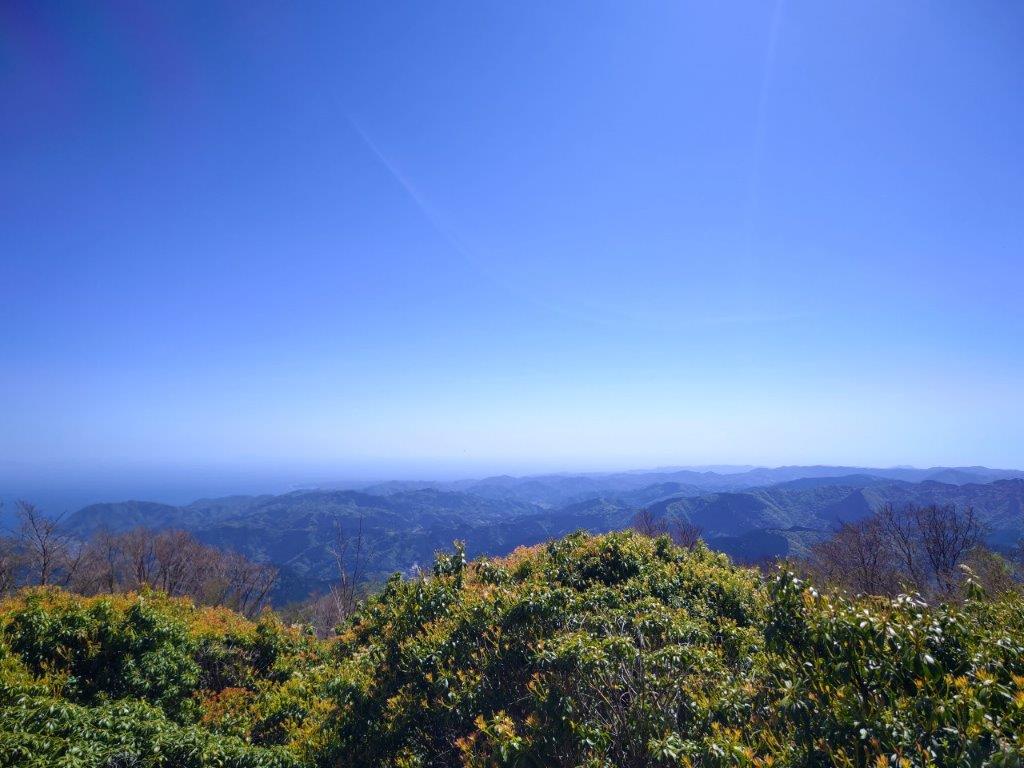
View of the Izu Peninsula from near the Summit

It was a blue-sky spring day as I rode the empty bus up towards Amagi Pass tunnel. The stop was next to a parking with an open shelter, so I could sit down and get ready for my hike. At 11am, I headed up some steps through the forest and soon reached a minor road, part of the Odoriko trail. There, I turned left, and after a few minutes, arrived at Nikai Waterfall (二階滝). It was hard to see it well even with the observation deck, so I quickly moved on, reaching Kanten bridge and the road for Hatcho Pond shortly after.

Past Kanten Bridge (left) Under the Cedars (right)

View of Noborio from the Road to Hatcho Pond

It was an enjoyable walk, alongside a rushing river, surrounded by trees covered in new green, and occasionally passing under tall cedars swaying in the spring breeze. Just before noon, at a bend in the road, I had my first views of today’s peak, at the end of an undulating ridgeline, part of Amagi Volcano. Shortly after, I spotted a signpost for the start of the trail on the right. After crossing the river on a small wooden bridge, I headed straight up the mountain through the cedars, and upon reaching a pass, turned right along the wide ridgeline.

View of the Noborio Summit Ridge

River Crossing near the Trail Entrance

From this point, the trail became faint, requiring me to rely on my phone GPS. The wind started to blow in gusts, and although the sun was shining directly above, it actually felt a bit chilly. From time to time, I had glances of the Pacific ocean through the cedars on the east side; further on, I had a glimpse of Mt Fuji, through trees still bare of leaves to the west. A little before 1pm, I reached the top of Noborio (登り尾 のぼりお), a 100 famous mountain of Shizuoka. It was completely in the trees, but a short distance from the summit marker, I found a viewpoint on the southeast side.

Some Trail-finding needed along the Ridgeline

View of Kawazu and Eastern Izu

I had an stunning view of southeastern Izu, rows of green ridges ending at the Pacific ocean. Directly below, I could see the Kawazu Nadadaru Loop Bridge, close to the end of today’s hike; far away to the south, I could make out the top of Mt Nesugata. After a break, I headed back the same way, faster now, since I knew the way. I enjoyed the peace and quiet of the surrounding forest, within the confines of the Fuji-Hakone-Izu National Park; no other hikers had ventured along this lonely ridgeline. At 2pm, I was back on the road, and half an hour later, was finally walking along the Odoriko Trail, the road soon turning into a wide gravel path.

Walking the Odoriko Trail

Hiraname Falls along the Odoriko Trail

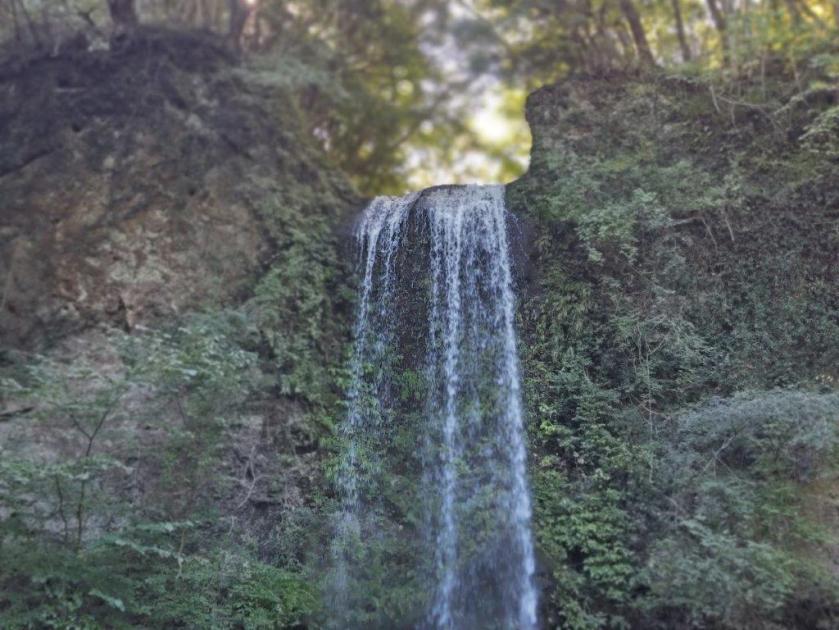
It was a pleasant ramble in the shade, welcome on a warm day, the path lazily hugging the valley side. Suddenly, the trail turned right, crossed the Shuzenji-Kawazu road, and after a short descent through the forest, arrived at the impressive Hiraname Falls (平滑の滝) on the Kawazu river. It was a little past 3pm and I was right on schedule, so I stopped for a break in this sunny, secluded spot. I soon set off again and crossed a wooden bridge, passing above fenced wasabi fields along the river. The next part was more adventurous, following the steep valley side along metal walkways and wooden staircases. At 4pm, I was walking on a straight path under towering cedars.

Kawazu River from the Odoriko Trail

Nameless Waterfall along the Kawazu River

It felt like I was walking down an ancient avenue, perhaps the part of the hike that most reminded me of the Dancing Girl of Izu story. After rounding a bend, I arrived at the top of a long wooden staircase taking me down to Saruta Depth (猿田淵), a deep pool of water on the Kawazu river, a foretaste of the seven falls to come. Further downstream, I reached a junction for the thundering Kama-daru fall (釜滝). I only had a little time before my bus back and since I had seen all 7 falls on a previous trip, I erred on the side of caution. I turned left, up the steps leading out of the deep valley, arriving at the bus stop at 4h30. Two hours later, I was back in Mishima, a one hour ride with the Kodama shinkansen back to Tokyo.

Walking the Odoriko Trail between Kaname Falls and Kawazu

Walking down to Saruta Depth

The whole hike took less than 6 hours, which is about as long as one could hope for considering the the distance and travel time from Tokyo. If I had been a bit faster, I could have walked past the seven waterfalls, about 1km, and caught the bus further down the road; it would have brought the total tally of waterfalls on the hike to ten. The hike up and down the Noborio ridge was a pleasant surprise; it’s hard to imagine one getting lost on the short section without a proper trail, but the GPS ensured it went smoothly. Another surprise is that I saw no other hikes all day, even along the Odoriko trail. I hope to return one day to explore the other half, through the Old Amagi tunnel (headlight required) although I doubt I will get to see as many falls as today.

Watch a Video of the Mt Noborio and Odoriko Trail

See a Slideshow of More Pictures of the Hike

Mt Kuro (798m), Kannami Town and Atami City, Shizuoka Prefecture, Sunday, April 9, 2023

I found out about this peak along the Izu skyline while researching my trip to Shimoda, and resolved to climb it on a future hike. Looking at my map, I saw I could traverse from west to east, starting from the side closest to Mishima city, and ending on the Atami side. It seemed like a relatively short hike, but I knew the views would be amazing on a clear weather day. I would take the shinkansen to Atami, then transfer to the Tokaido line for a couple of stops to Kannami station, and there board a Tokai bus to a stop just a short distance on foot from the trailhead. At the end, I could catch a bus back to Atami station from near the trail entrance. The forecast called for blue skies all day, and so I was looking forward to some Mt Fuji views along a relatively easy hike.

Hiking in the Fuji-Hakone-Izu National Park

富士箱根伊豆国立公園

View between Kori Pond and the Mt Kuro Viewpoint

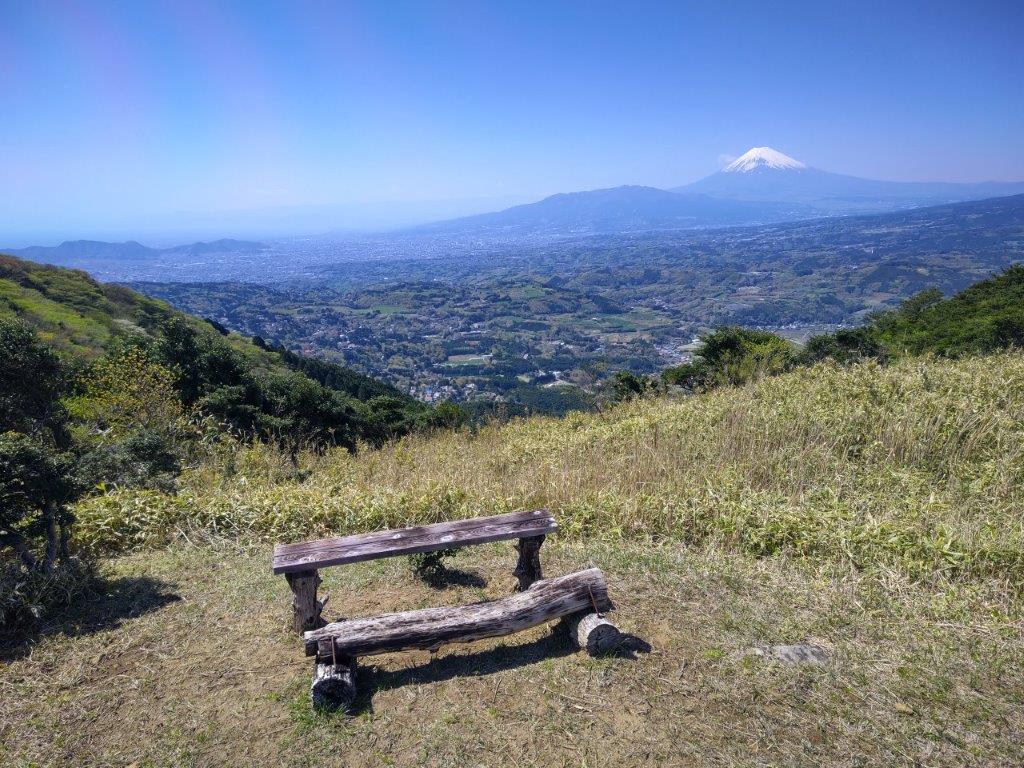
Bench with a view close to the Mt Kuro Viewpoint

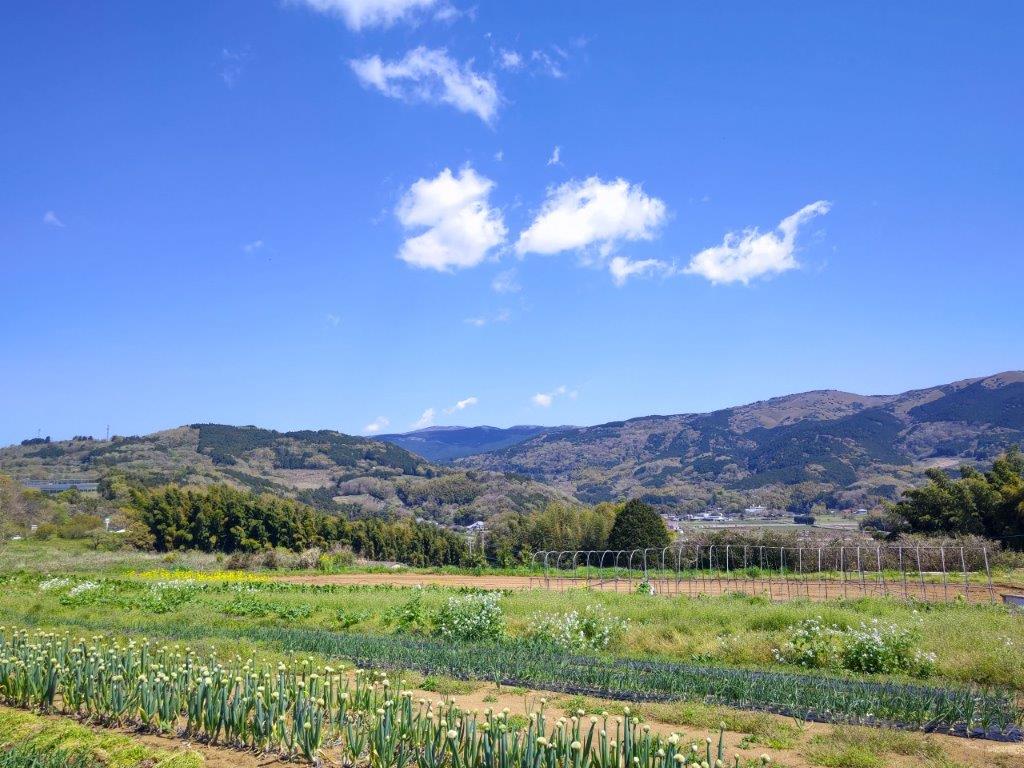
I enjoyed the view of the the cherry blossoms in full bloom while I waited for the bus at Kannami station. After a short ride, I got off at a stop in the middle of the fields, opposite an “honor system” vegetable stand, and after getting ready, set off along quiet country lanes, a little before 11am. I was in high spirits, excited to explore an area I had never been to before.

View of the Izu Skyline from near the Tanna Fault

Cherry Blossoms in Full Bloom near the Trail Entrance

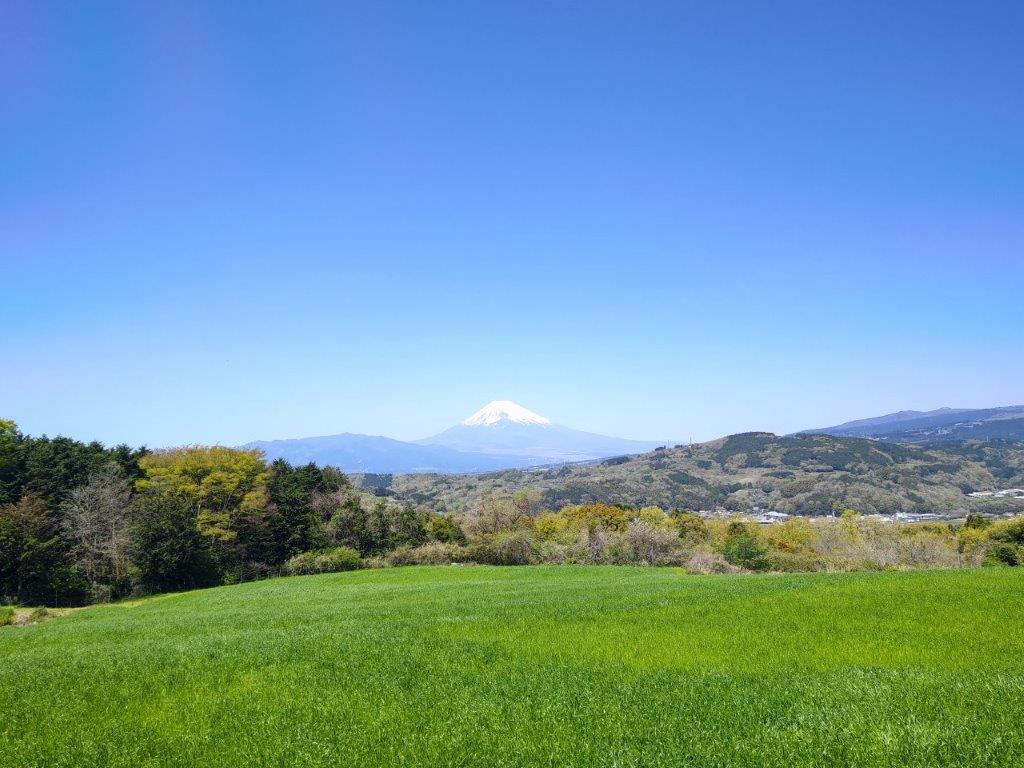
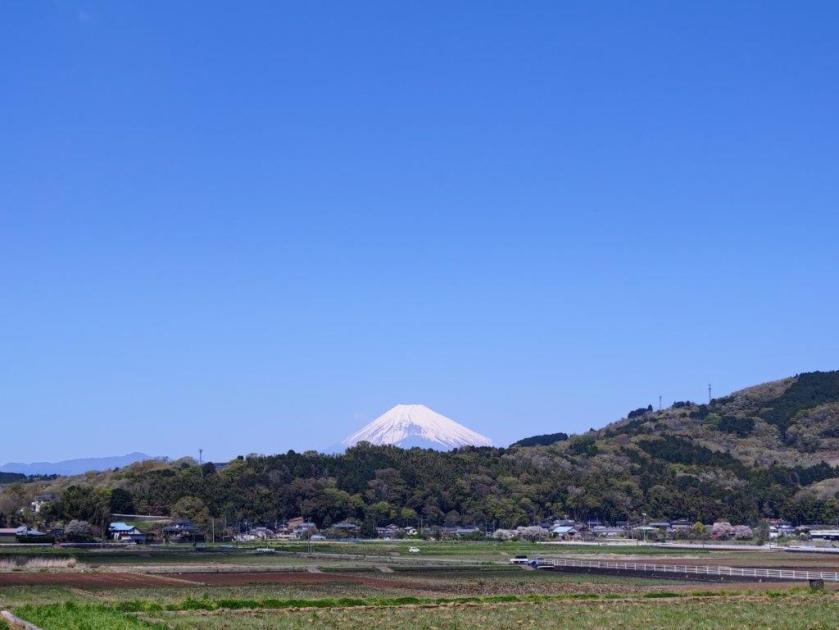
On my left, I had a view of the green, undulating ridgeline along which ran the Izu skyline and which I would soon be climbing; behind me, was Mt Fuji, still wearing its snowy winter coat. I soon passed through Tanna Fault park (丹那断層公) commemorating a massive earthquake that hit the area nearly 100 years ago, a sobering reminder of nature destructive power.

Green Meadows and White Volcanoes

Sun & New Green (left) Tall Cedars & Shade (right)

Later, I passed some green meadows, reminding me of Switzerland, except for the solitary yaezakura (“double-layered cherry blossom tree”) in the foreground and Mt Fuji in the background. At 11h30, I reached the trail entrance, and after climbing through mixed forest, towering cedars, and finally a bamboo grass tunnel, I reached Kori pond (氷ヶ池), located under a curve of the Izu skyline.

Rocks on the Trail (left) Through the Bamboo Tunnel (right)

First Glimpse of the Summit

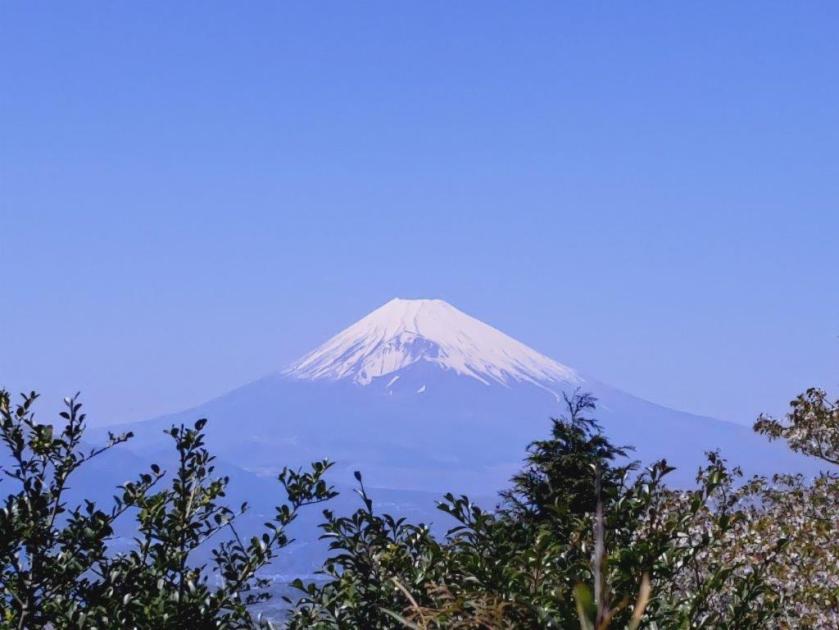
I gazed in wonder at the magical view of Mt Fuji rising above the pond. After a short break, I made my way back along the pond side to an intersection passed previously, and then up a steep path, equipped with rope for safety. The bamboo grass was much shorter now, and a panoramic view of the entire area was slowly emerging all around me. I turned around frequently to admire the view of Hakone volcano on the north side.

Mt Fuji and Kori Pond

Trail Alongside Kori Pond

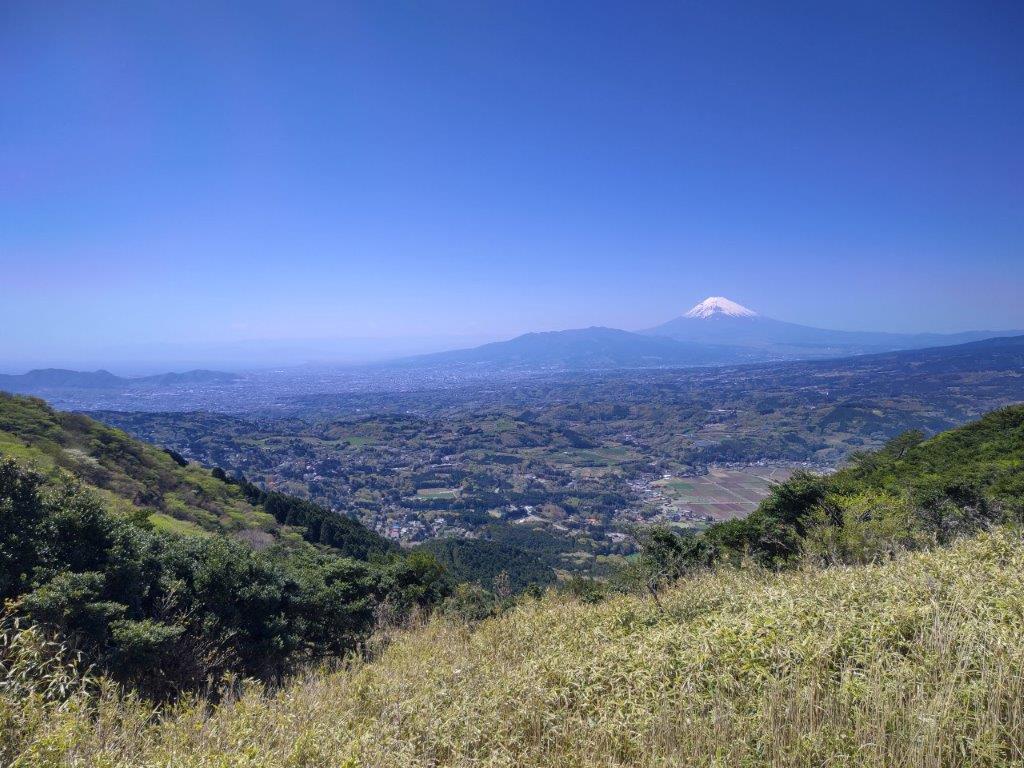
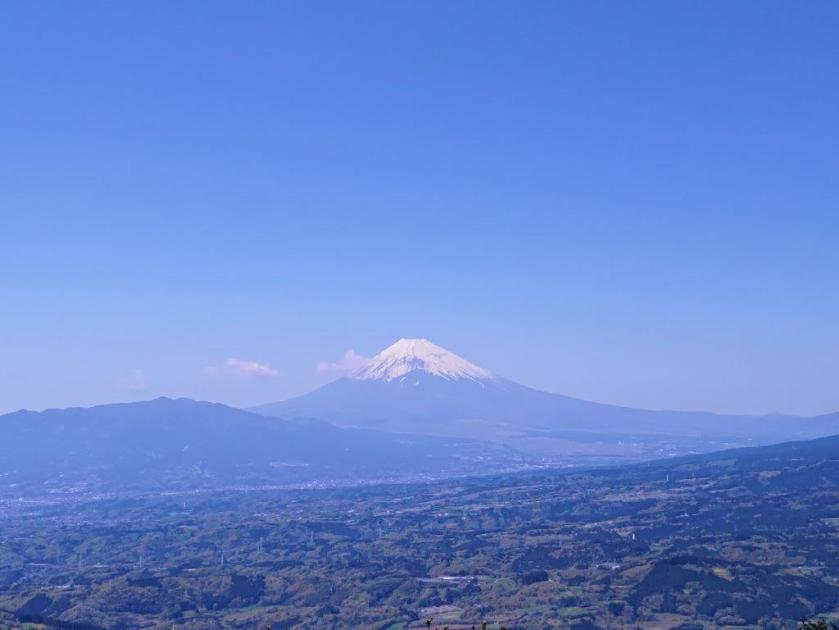
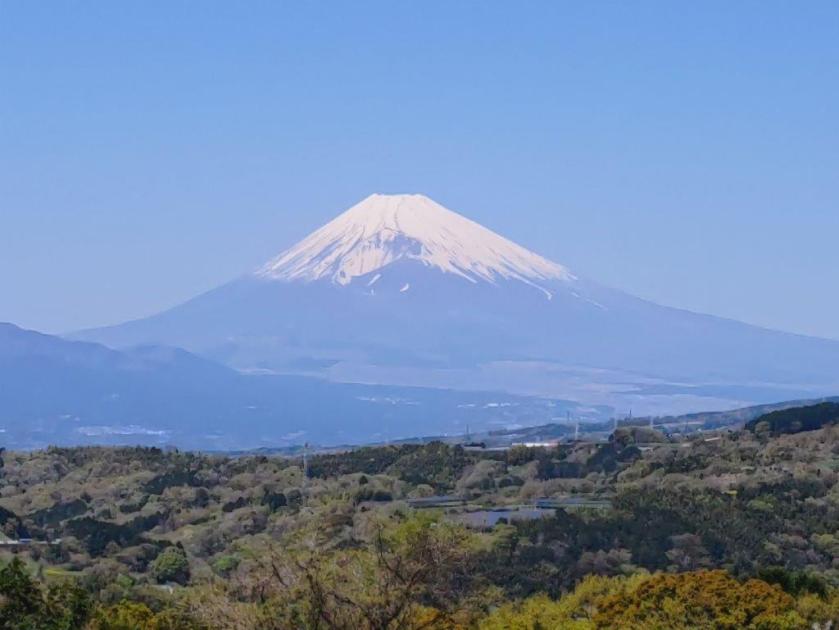
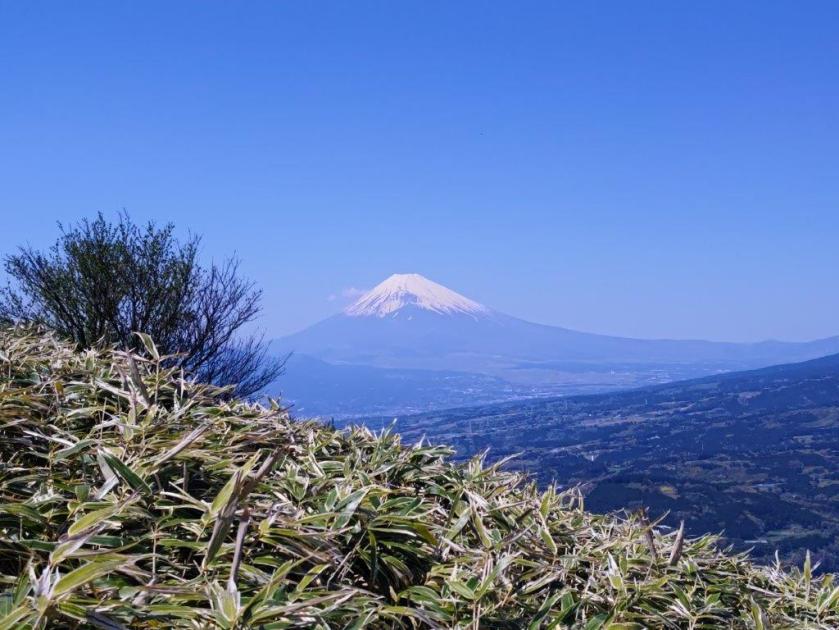
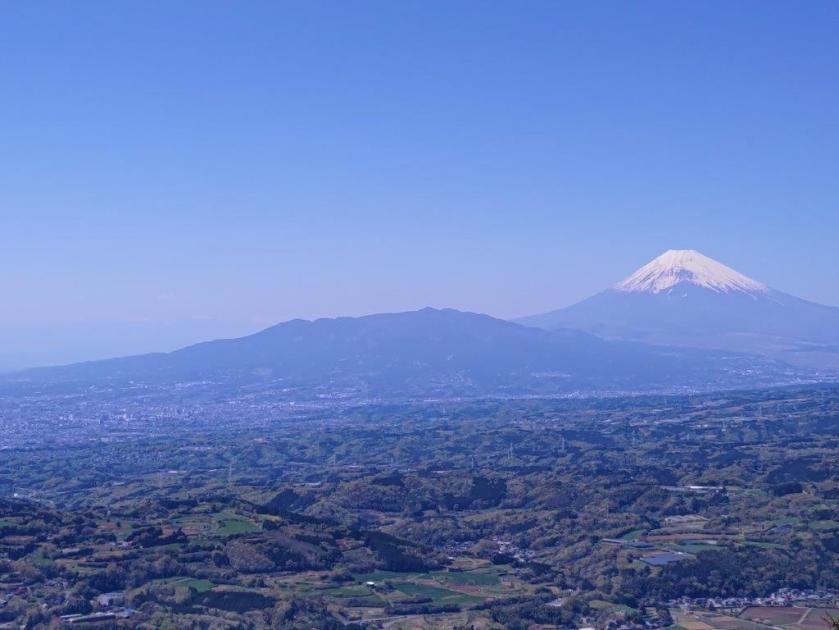
At 1pm, I reached the best view of the day: a single bench just a few minutes away from the Mt Kuro Second Viewpoint (玄岳第二展望台), which I had visited by car in the winter. Directly ahead was Mt Fuji, with Mt Ashitaka on its left, and Mt Hakone on its right; beyond was Suruga bay and the Minami Alps. Looking down, I could see the dark green lowlands stretch all the way to Numazu City.

View of Hakone Volcano above Kori Pond

View of Mt Fuji, Mt Ashitaka (center) and the Numazu Alps (left)

I waited for a break in the procession of roaring motorbikes before quickly crossing the skyline, and then proceeded up the final climb. As I made my way up the grassy, rounded summit, the view gradually opened up on the south side, and I could now see the Numazu Alps and the mountainous interior of Izu peninsula, culminating in Mt Amagi. At 1h30, I reached the flat top of Mt Kuro (玄岳 くろたけ kurotake), a Shizuoka 100 famous mountain.

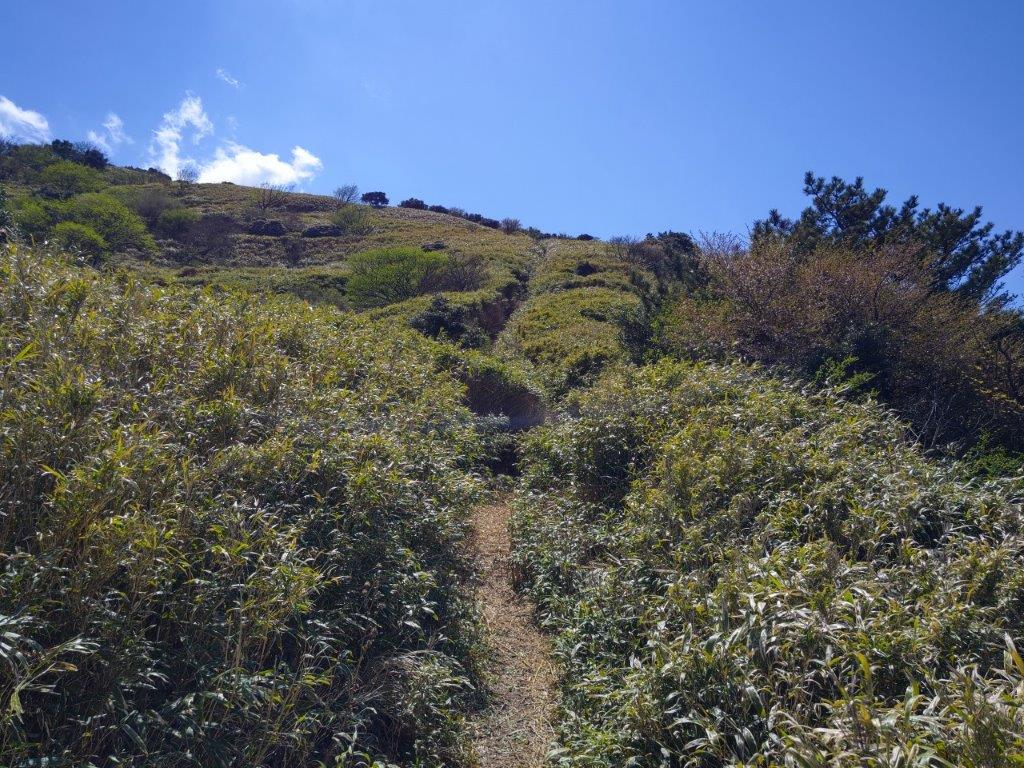
Final Climb to the Summit

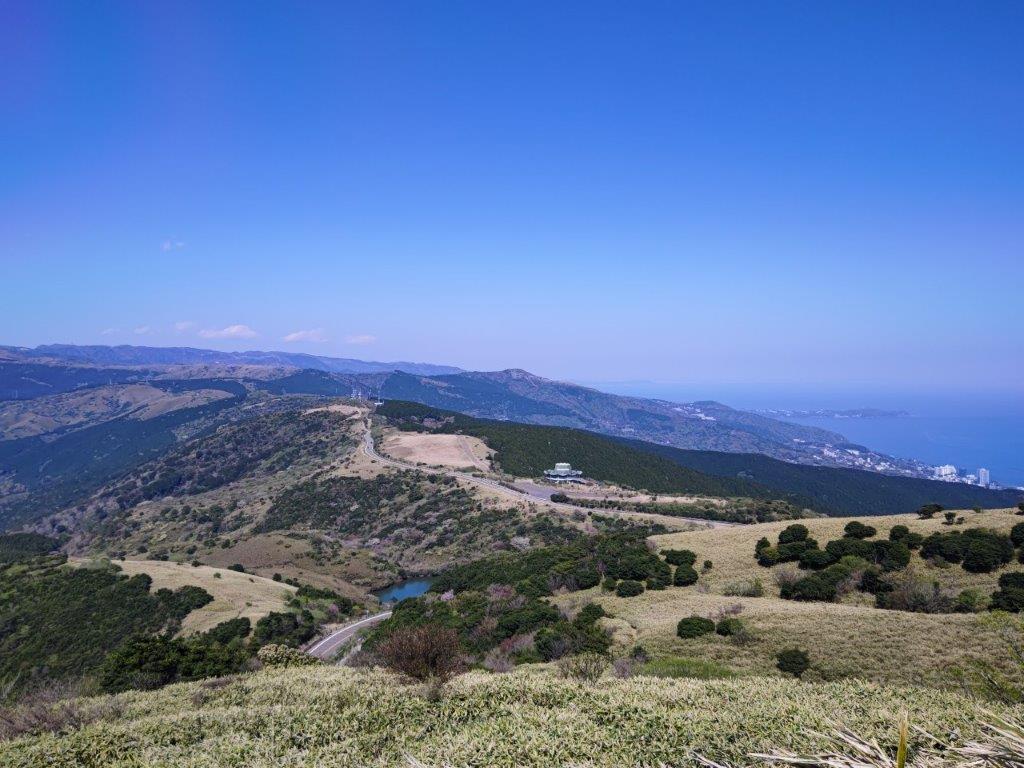
Looking Back at the Izu Skyline and Atami Resort

Curiously, the view was slightly less dramatic from the top, since I no longer had the soaring views looking down at the flat coastal area, nearly 800 meters below. I had the summit entirely to myself, most people preferring the drive the skyline and enjoy the views from the many parking areas along the way. I took a break for lunch, enjoying the picture-perfect view of Mt Fuji and the comfortable early spring weather. At 2pm, I headed down a path on the north side.

Panoramic View of the Fuji-Hakone-Izu Area

Nearly at the Top

As I walked down, I had a bird’s eye view of Atami resort and the coastline of eastern Izu. Here and there, yamazakura (mountain cherry blossom tree) in full bloom dotted the mountain side. The peace and quiet was often interrupted by the revving of engines; I picked up the pace so I could get to the quieter side of the mountain. I tarried a short while in a spot with plenty of asebi (Japanese Andromeda flower; by 2pm, I was following a trail down through mixed forest.

View of Mt Fuji and Hakone

Heading Down to Atami

I savoured the silence and relished in the new green of spring surrounding me in all directions. Just before 3pm, after passing a bamboo forest, I reached a steep downhill road at the edge of a town, which I followed into the valley, till it merged with a wider road with a bus stop. Once back at Atami station, I boarded the shinkansen for the lightening fast 45-minute trip back to Tokyo.

Easy Hiking Through Mixed Forest

Bamboo Forest at the End of the Trail

In December 2022, I drove along the Izu Skyline between Atami and Mt Amagi and was impressed by the many viewpoints on both sides. It was a good season to drive there since the weather was clear and not too cold, and there was relatively little traffic. In the future, I’d like to do it in reverse so that I can better enjoy the views of Mt Fuji.

View of Kori Pond from the Izu Skyline (Dec 2022)

View of Atami from the Izu Skyline (Dec 2022)

I was very satisfied with the hike mainly because of the great views but also because of the near total absence of other hikers. If I were to redo it, I would probably go by car and start from the Mt Kuro viewpoint, since it’s possible to do a loop hike with all the views.

Watch a video of the Mt Kuro Hike

See the View from the Izu Skyline (December 2022)

See a slideshow of other pictures from the Mt Kuro Hike

Mt Odake (1267m), Okutama Town, Tokyo Prefecture, Saturday, November 19, 2022 [Mitakesan Station to Okutama Station]

Hiking in the Chichibu-Tama-Kai National Park

秩父多摩甲斐国立公園

I had hiked this mountain during my first year in Japan, following a route from my hiking in Japan Lonely Planet guidebook. Over the years, I had redone portions of it but not the peak itself. I had originally planned to do the entire route again last summer, but the weather never cooperated; this time, the forecast called for blue skies, little wind and pleasant autumn temperatures.

View towards the Kanto plain from Mitakedaira

I only had faint recollections of the hike, and no blog post, but since it’s a popular, well-trodden trail, I found plenty of information online to refresh my memory. One aspect I could recall was that it was long walk with some steep, rocky sections; fortunately, I was feeling relatively fit and nimble after 3 consecutive hikes.

Mt Nabewari, not part of today’s hiking route

I also knew it would be crowded, especially the first part around Mitake shrine. However, I wanted to go on the weekend to take advantage of the direct train from Shinjuku, a minor comfort to make up for the lack of limited express trains on the JR Ome line. I was looking forward to redoing a classic Tokyo hike inside the Chichibu-Tama-Kai National Park.

A 60-metre high cedar (left) Hiking in the sun past Okunoin (right)

It was a beautiful, slightly chilly autumn day as I rode the “Okutama Holiday Rapid” through western Tokyo. I had arrived early in Shinjuku to make sure I could sit during the 80-minute trip to Mitake, arriving there at 9am. I boarded a Nishitokyo bus for the short ride to the base of the Mitake Tozan Railway. I tried to be quick but could only get on the second bus, added to help with the weekend crowds. I had better luck on the cable car, ending up with a front view for the ascent.

View of Mt Gozen (foreground) and Mt Mito (background)

I had a wonderful view of the Kanto plain, past some fiery larches, from Mitakedaira (御岳山平) next to the Mitakesan top station. It was nearly 10h30, so I quickly moved on, skipping the many steps to the Mt Mitake summit, climbed twice before. I soon arrived at the Nagaodaira viewpoint (長尾平展望台), a couple of minutes off the main trail, from where I could observe the Akigawa river valley. By 11am, I was back on the main trail.

Mt Fuji, clearly visible from the summit

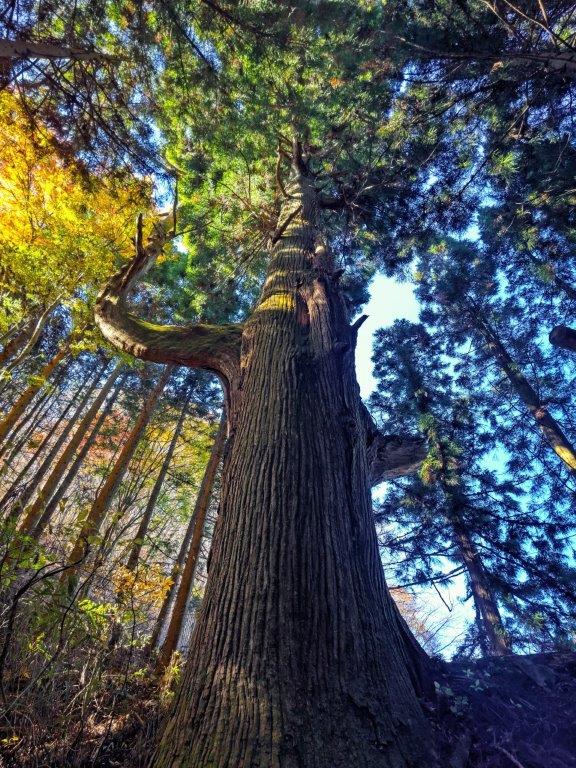
I continued along the wide, easy-to walk path, following the mountain side. I stopped briefly to gaze up at the 60-meter high “Tengu-no-koshikake” Cedar (天狗の腰掛け杉), and also glimpsed a “Kamoshika”, navigating the steep forested slope below. After Okunoin (奥の院), the path started to climb, merging with the ridgeline around 11h30. After some small ups and downs, I reached the start of the rocky section just before noon.

A steep descent aided by steps

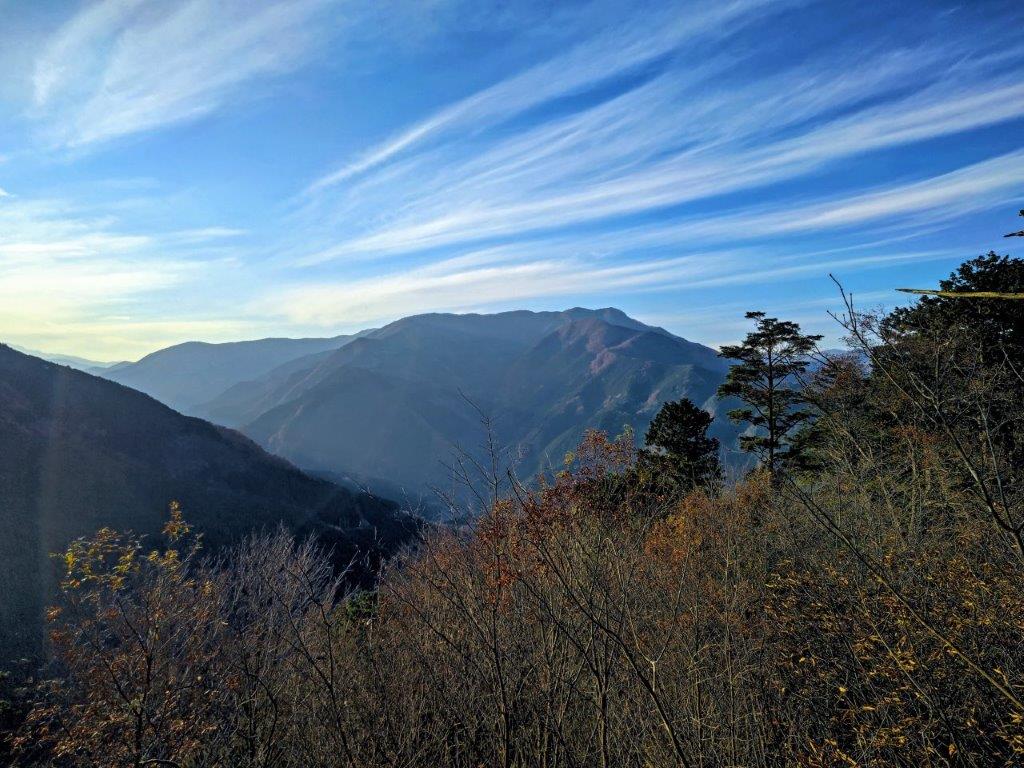
I carefully navigated this section, using the fixed chains for support, occasionally waiting for people ahead of me. Past the rocks, I ducked under a Shinto gate, part of the Odake Shrine (大岳神社) and started up the steep summit climb. A little after noon, I was standing on top of Mt Odake (大岳山 おおだけさん oodakesan meaning big peak). From the top of this famous 200-mountain, I had a sweeping view of the Okutama and Tanzawa mountains, with Mt Fuji in the middle. After about an hour, I headed down the other side.

View of Mt Takanosu on the way down to Okutama town

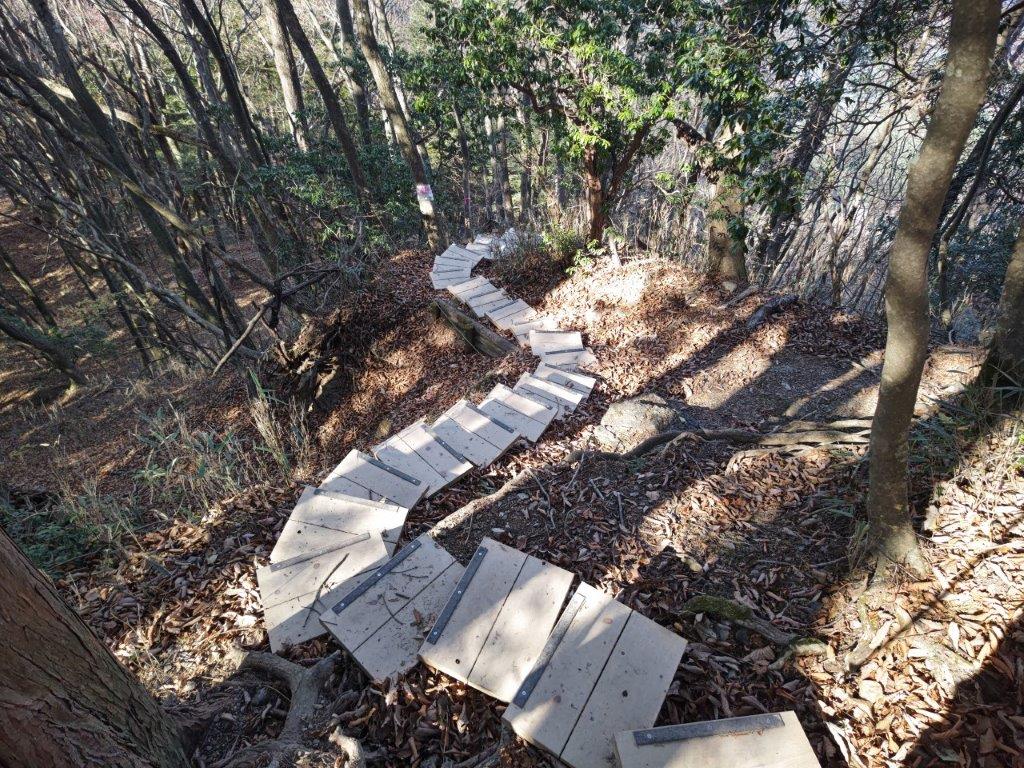
I could enjoy the peace and quiet of the surrounding forest as I saw few people on the descent. The path alternated between level and steep sections, the latter made easier thanks to steps, chains and the occasional short ladder. A little after 2pm, I reached the top of Mt Nokogiriyama (鋸山), surrounded by the trees. An hour later, through a gap in the pines, I had a spectacular view of Mt Takanosu. After a short break, I resumed my descent, quickening my pace as I wanted to be down before dark.

The path alternated between level and steep sections

I was relieved when the path became easier to walk, descending rapidly through the dark forest. At 4pm, just as the sun was dipping below the mountains, I arrived at a small shrine on top of Mt Atago (愛宕山). I took a minute to admire the nearby five-story pagoda, before tackling the final stretch, consisting of a long, steep staircase. I carefully walked down the mossy, narrow steps in the gathering gloom. At 4h30 I emerged onto a road near a bridge across the Tama river. After walking to Okutama station a few minutes away, I hopped on the direct train for the 90-minute ride back to Shinjuku.

Autumn leaves and afternoon sun (left) A long, steep staircase (right)

See the autumn views along the Mt Odake hike

See a slideshow of some more pictures of the Mt Odake hike

Mt Tanze (1398m), Nikko City, Tochigi Prefecture, Saturday, November 12, 2022 [Map Available]

Hiking in the Nikko National Park 日光国立公園

I chose a beautiful sunny autumn day for this hike from my mountains of Tochigi guidebook. I had been keeping it for the autumn, since it was mostly along a forest road and required dry conditions. I used the Nikko limited express to get to Tobu-Nikko directly from Ikebukuro.

Get a Map of the Mt Tanze Hike

This map was developed for Japanwilds with the Hokkaido Cartographer

Find more Japan Hiking Maps on Avenza

Mt Nantai, a 100 famous mountain of Japan

Road walking, enhanced by the autumn colours

A short bus ride from Nikko station brought me to the trail entrance, ten minutes past the Toshogu shrine. I followed a forest road up the mountain side via a series of zigzags, spotting several “kamoshika“, or Japanese Serow, along the way. It took about an hour an a half to reach “numa no daira” (沼の平) in the midst of the orange larches.

Resplendent colours in the autumn sun

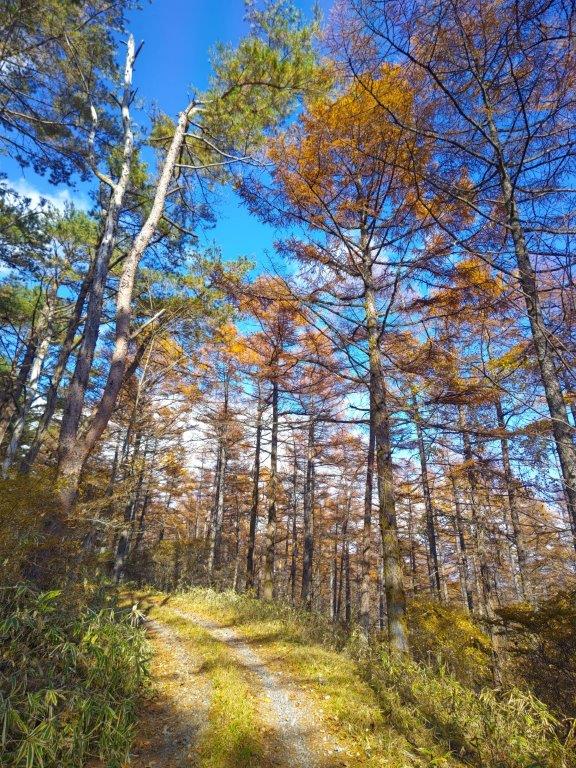
Pine trees could be found higher up the mountain

I continued hiking through the beautiful forest of the Nikko National Park, and reached a junction at 12h20, where I turned left. I walked along the gently sloping dirt road as it continued its zigzag up the mountain, enjoying views of Oku-Nikko on the west side, and scaring the occasional “kiji” or Japanese pheasant.

View from the near the start of the summit trail

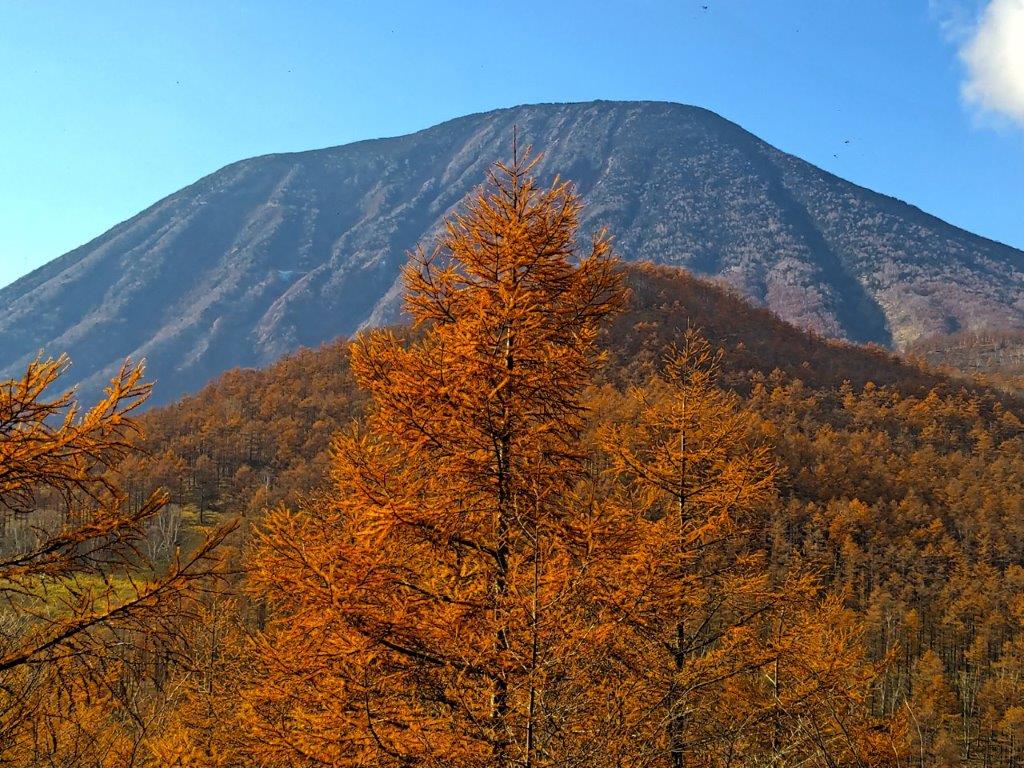
Fiery larch in front of Mt Nantai

After about an hour, I reached a fantastic viewpoint of Mt Nantai, towering above fiery larches. After some searching, I found the trail entrance for the final climb to the summit, a ten-minute scramble through thick vegetation. At 1pm, I was standing on top of Mt Tanze 丹勢山(たんぜやま tanzeyama). It was completely in the trees, so I quickly retraced my steps to a viewpoint of Mt Nantai and Mt Nyoto, and sat down on some rocks for a quick lunch.

Mt Nyoho (right) in the clouds

The mountains of Nikko

Feeling satisfied with the views, I walked back the same way, but went left at the junction, following an alternate route down the mountain. The switchback forest road quickly descended into a deforested valley bottom, offering good views to the west of Mt Nakimushi. It was already 3h30 and most of the valley was already in the shadows. I crossed two bridges, surprised a deer at a bend in the road, and finally emerged from the forest into a residential area at 4h30.

Looking west, Mt Nakimushi

Autumn colours could be seen along the entire hike

After enjoying the setting sun, I decided to walk back to Tobu-Nikko station, less than an hour away, to avoid the usual traffic jams around the Toshogu. There, I boarded a Revaty limited express for the 90-minute ride back to Tokyo. Although most of the hike was along forest roads, I saw no other hikers, and was rewarded with beautiful autumn colours and glimpses of wild animals along the way.

See the beautiful autumn colours of the Nikko area

Mt Koasama (1655m) & The Shinano Nature Trail, Karuizawa Town, Nagano Prefecture, Saturday, November 5, 2022

Hiking with the Tokyo Wide Pass

Hiking in the Joshin-Estu Kogen National Park

上信越高原国立公園

View towards the Nishi-Joshu mountains

Autumn colours were at their peak on the Shinano Nature Trail

This was the second of two hikes using the Tokyo Wide Pass. On the first trip, I went to Shiobara. This time, I decided to visit the Karuizawa area; I created my own hike, since I couldn’t find anything suitable near a shinkansen station in my hiking books. I would ride a bus to the east side of Mt Asama, go up and down a small protrusion there (I did one on the south side during Golden week), and then follow the Shinano Nature Trail back to the outskirts of Karuizawa town; on the way, I would pass by the Shiraito Falls. It was my first time to visit Karuizawa in November, and although I was concerned about crowds, I was looking forward to seeing its beautiful autumn colours.

View of Mt Hanamagari (left) and Mt Myogi (right)

View of Mt Asamakakushi (left) and Mt Haruna (center)

It was overcast and cold when I reached the start of the trail near Mine-no-Chaya (峰の茶屋) at 11am, after a 30 minute bus ride from the station. At 1400m high, autumn was already over. I followed a gently rising trail through leafless birches up the side of the miniature volcano. Very soon, I was scrambling up the exposed, rocky summit cone, and just before noon, I was standing on top of Mt Koasama (小浅間山 こあさまやま koasamayama). The name means “little Asama” and turning around, I could see the much bigger summit cone of Mt Asama opposite, its tip already covered with specks of snow.

View of the eastern side of Mt Asama from Mt Koasama

Trail for Mt Koasama (left) / The Shinano Nature Trail (right)

I had a glorious view of the surrounding forest, forming a multicolour patchwork of red, orange and yellow. To the south, I could see the mountains of Nishi-Joshu fading into the midday haze, although the jagged top of Mt Myogi was clearly visible. After enjoying the panoramic view, I retreated to the relative warmth of the forested lower section. By 1pm, I was at the start of the Shinano Nature Trail (信濃路自然歩道 shinanoji shizen hodo), just a few minutes from the base of the mini-volcano. It felt even colder than before, and I was surprised to see a few snowflakes float down from the sky.

Yellow larches along the Shinano Nature Trail

A relaxing hike along the side of a river valley

I followed a well-maintained and easy to hike trail through a wintry white-birch forest (白樺 shira-kaba), and after descending a series of log steps, reached the the Shiraito Falls (白糸の滝 shiraito-no-taki, meaning “white thread”). There were quite a few people here so I didn’t linger. I continued along the trail, as it followed the side of a narrow river valley, occasionally crossing the water over small wooden bridges, the sound of rushing water always in the background.

The Shiraito falls, the highlight of the Shinano Nature Trail

Walking next to a river (left) / Walking among the autumn leaves (right)

I was surrounded by towering yellow larches, and it felt like autumn had suddenly returned. At 3pm, I took a break at Ryugaeshi no taki (竜返しの滝), a few minutes off the main trail. As the hiking path gradually descended, the trees regained their colours and the sunlight burst through the clouds. I met few other hikers, and after another hour of relaxing and peaceful hiking, arrived at the Mikasa (三笠) bus stop. There, I caught a bus just after 4pm for the short ride back to Karuizawa station, where I boarded the shinkansen for the one-hour trip back to Tokyo.

See the views from the top of Mt Kosama and along the Shinano Nature Trail

See a slideshow of more photos of the hike

Mt Yasuto (1151m), Nasu-Shiobara City, Tochigi Prefecture, Thursday, November 3rd, 2022 [Map Available]

Hiking in the Nikko National Park 日光国立公園

Hiking with the Tokyo Wide Pass

View of Mt Yasuto near the start of the hike

River crossing near the start of the hiking trail

Get a Map of the Mt Yasuto Hike

This map was developed for Japanwilds with the Hokkaido Cartographer

Find more Japan Hiking Maps on Avenza

The weather was supposed to be good for the 3-day period starting with Culture Day, a national holiday in Japan, so I decided to buy a Tokyo Wide Pass. For my trip I decided to climb a mountain from my Hiking in the Tochigi mountains guidebook located between Shiobara and Nasu mountain, inside the Nikko National Park. Apparently the previous emperor also climbed it at one time. I rode the shinkansen to Nasu-Shiobara station where I transferred to a local train for Nishi-Nasuno, the next station on the line; there, I caught a bus for Agripal Highland which I reached a little before 11am.

Beautiful autumn colours below the summit ridge

Stunning momiji tree just before the steep climb to the top

I had some good views of today’s mountain as I walked 40 minutes along country lanes to the trail entrance. I followed a well-maintained, but poorly signposted trail up the side of the mountain. At 1pm, the trail connected with the end of a forest road, which I would later follow on the way down. For now, I followed the trail through a stunning forest of yellow, orange and red leaves. After climbing a steep slope, roped for safety, I arrived at the narrow top of Mt Yasuto (安戸山 やすとやま yasutoyama), a Tochigi 100 famous mountain, just before 2pm, a peaceful place surrounded by trees.

More colours along the undulating ridgeline

A peaceful trail through the forest

The trail continued along the undulating ridgeline and eventually, a little before 3pm, merged with the forest road, which I followed for about half an hour, before leaving it for an easy-to-miss hiking trail on the left side. It took another half an hour of relaxing hiking to reach Takahachimangu shrine (鷹八幡宮) at the foot of the mountain; supposedly, there was a viewpoint along the way but I completely missed it. From there, it was a short walk through the fields back to the roadside station at Agripal Highland, which I reached at around 4pm.

Merging with the forest trail below the summit

Walking through the fields back to the bus stop

The amazing autumn colours more than made up for the lack of views on this hike. Moreover, I didn’t see a soul on the trail, apart from a small brown frog hiding among the fallen leaves. After catching the bus back to Nishi-Nasuno, I had a quick soak at the nearby Nogi Onsen before heading back to Nasu-Shiobara for the 90-minute shinkansen ride back to Tokyo.

Watch a video of the autumn colours on the Mt Yasuto hike

View a slideshow of some more photos of the Mt Yasuto hike

Mt Kintoki (1212m), Minami-Ashigara City, Kanagawa Prefecture, Saturday, October 1st, 2022 [Yuhi Waterfall to Otome Pass route]

Hiking in the Fuji-Hakone-Izu National Park

富士箱根伊豆国立公園

I was looking for a hike close to Tokyo, high enough to escape the late summer heat and strenuous enough to maintain my regained form. I decided to revisit a mounatin I climbed ten years ago, which I could traverse north to south via a different route that would include a famous waterfall, as well as views of Mt Fuji. The trail up from Ashigara in Kanagawa, connected by local bus from Matsuda station, had been closed for a while due to typhoon damage; however looking online, it seemed to be in use again. I also saw that the final section was quite steep, a good test of my current physical ability. The trail down ended at a hot spring near Gotemba in Shizuoka, connected to the station by shuttle bus. The weather was supposed to be mostly sunny and warm, with few clouds and little wind, ideal conditions conditions for hiking. I was looking forward to climbing a familiar mountain via a new, challenging route and getting some good views of Mt Fuji in the autumn.
Mt Fuji before it got engulfed in the clouds

Yuhi waterfall, a famous purification spot

A cloudy cover still lingered in the early morning sky, as I rode the Odakyu Romance limited express train to Shin-Matsuda station. There, I boarded a full bus and rode it all the way to Jizodo (地蔵堂), the last stop. I had been there once before on my Yamabushi-daira hike. This time, I continued on foot along a small paved road up a pleasant, green valley. The sun was now shining above, and although it was only 9h30am, it already felt quite warm; despite that, the cosmos flowers were out, a sure sign of autumn.

A 23 meter drop (left) Climbing up the Ashigara Pass trail

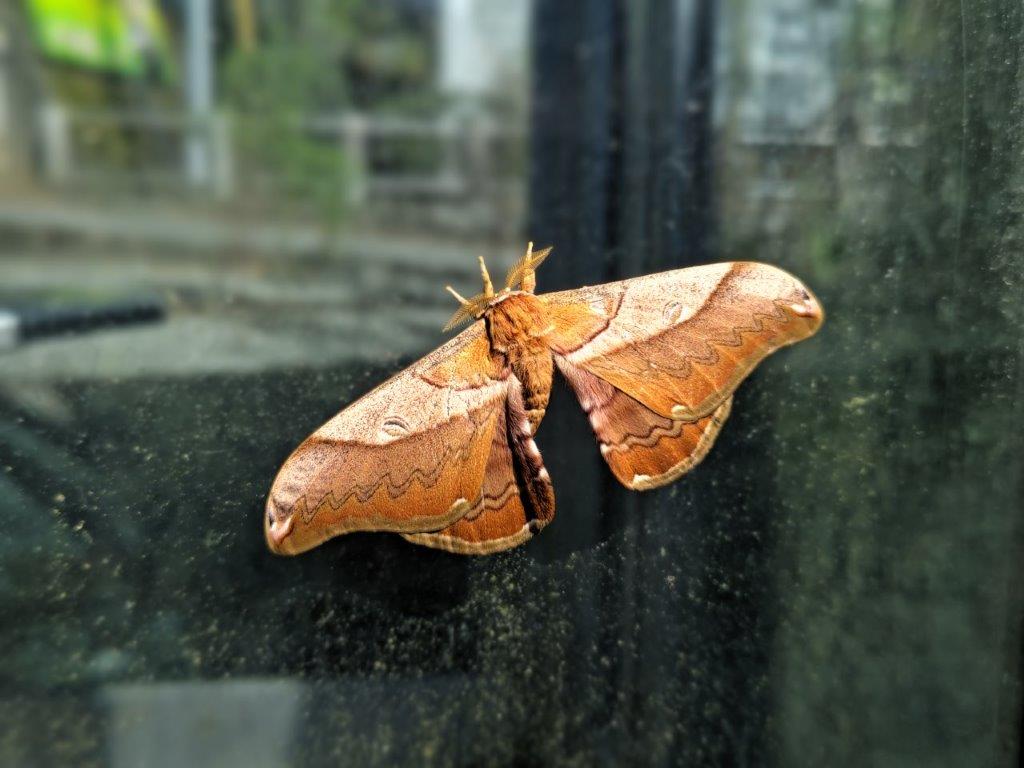
Moth spotted near the start of the hike

I was delighted to spot a beautiful yellow moth on a phone booth, possibly a Japanese silk moth. At 10am, I reached the entrance for the short trail to the waterfall, next to a campground. A few minutes later, I was standing in front of the thundering Yuhi waterfall (夕日の滝). The water falls from a height of 23 meters, and apparently it’s a popular place for people to stand under to get purified. At 10h30, I started up the Kintoki trail (金時コース), a gently climbing trail through cedars. After passing an open shelter, the trail went up a shady valley next to a mountain stream.

Easy hiking along the Ashigara Pass trail

The summit of Mt Kintoki, a tough climb via the north side

I was happy to be walking next to a river again, the rushing water like music to my ears. The rocky terrain made it difficult to see the path, but pink ribbons attached to branches, as well as the occasional signpost, led the way. At 11am, the trail left the river and went up a steep ridge. I met no one along this section, adding to the sense of peace and quiet. Half an hour later, after getting a glimpse of today’s summit through a gap in the trees, I reached a level dirt road, also the Ashigara Pass Trail (足柄峠コース). I turned left, and 3o minutes later, arrived at a viewpoint of Mt Fuji.

Mt Fuji slowly disappearing into the clouds

The western part of the Tanzawa mountains

I was lucky that the summit was free of clouds; just a few minutes later some clouds rolled in and refused to budge for the rest of the day. According to my map I was at the remains of the Inohara Fort (猪鼻砦跡 962m), a few stone blocks making a good place to sit and have an early lunch while enjoying the view. Directly ahead loomed the triangular-shaped summit of today’s mountain, looking steep and menacing. I soon set off again, the path now climbing straight up the mountain side, equipped with ropes and ladders for safety.

Lots of ladders to assist the hiker

Mt Hakone at the center of Hakone Volcano

I was surprised to find such a thrilling ascent so close to Tokyo; halfway up, the view through the trees to the northwest made me feel like I was hanging from a cliff. To the left, Mt Fuji was now completely in the clouds, to the right, I could see the green Tanzawa mountain range. I met several people on their way down, and had to find “passing spots” to let them by. At 1pm, I emerged onto the top of Mt Kintoki (金時山 きんときやま kintoki-yama). I had a fantastic view of the entire Hakone area; beyond the outer caldera, I could see Mt Ashitaka, Suruga bay, and a big cloud where Mt Fuji was supposed to be. As on my previous visit, the summit area was fairly crowded so I quickly moved on.

Viewpoint between Mt Kintoki and Mt Nagao

View of Mt Fuji and Gotemba city from Otome Pass

I made my way down a steep path through forest, counter-clockwise along the outer caldera rim, and now inside the Hakone part of the Fuji-Hakone-Izu National Park. Half an hour later, I passed the flat summit of Mt Nagao (長尾山 1150m), surrounded by trees. After some more descending I arrived at Otome Pass (乙女峠 1004m). From a small wooden observation platform, I could see the lower half of Mt Fuji and Gotemba city spread out around its base. At 3pm, I reached a bus stop next to Otome Tunnel; I hopped on the next bus and got off at the nearby Fuji Hakkei no Yu. After a relaxing hot spring bath, I took the shuttle bus to Gotemba station, where I boarded the Odakyu Fujisan limited express for the 100-minute trip back to Shinjuku.

See and hear the sounds and sights of the Yuhi waterfall and Mt Kintoki hike