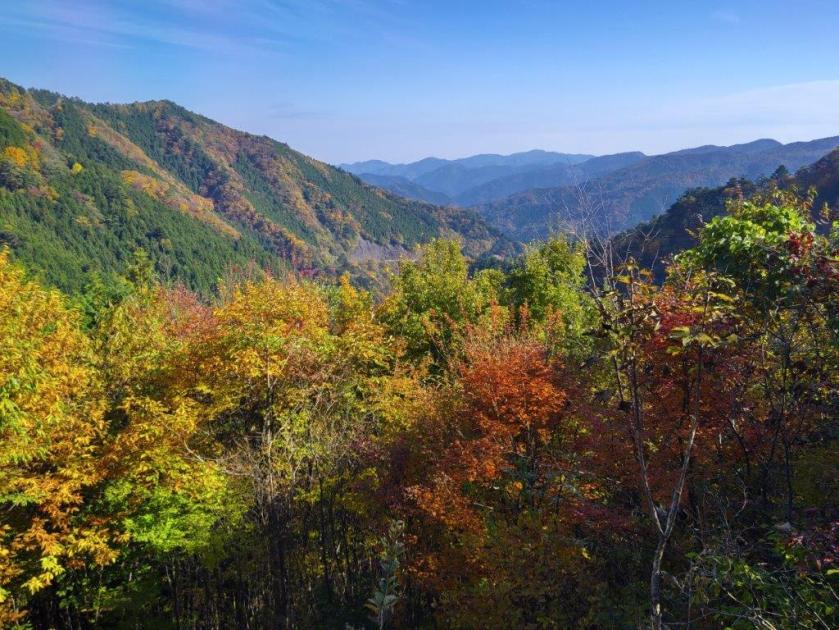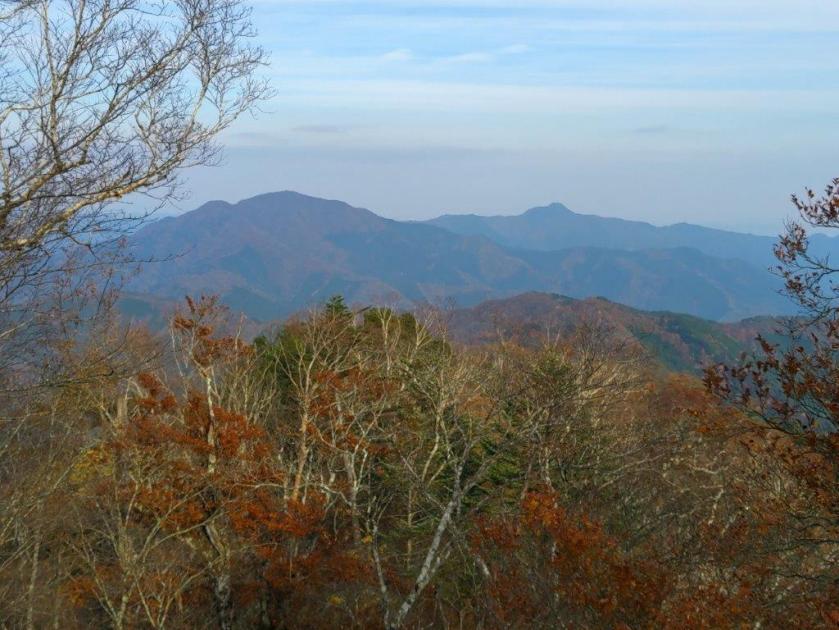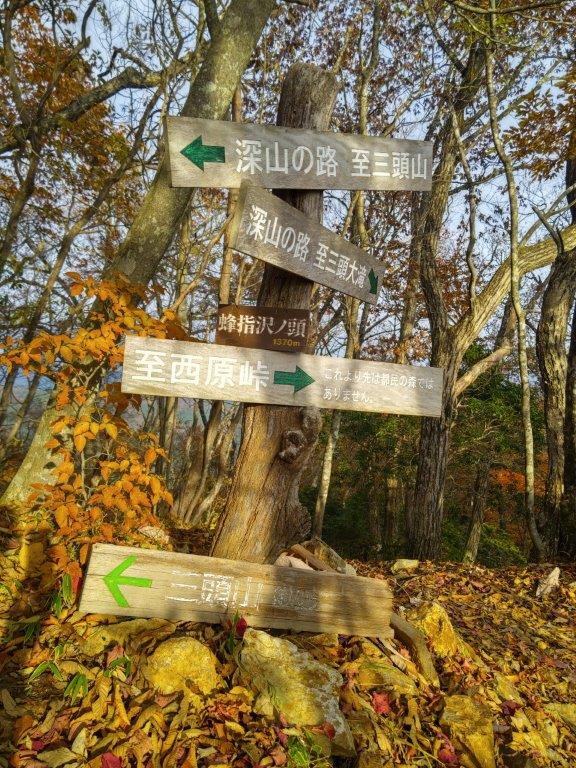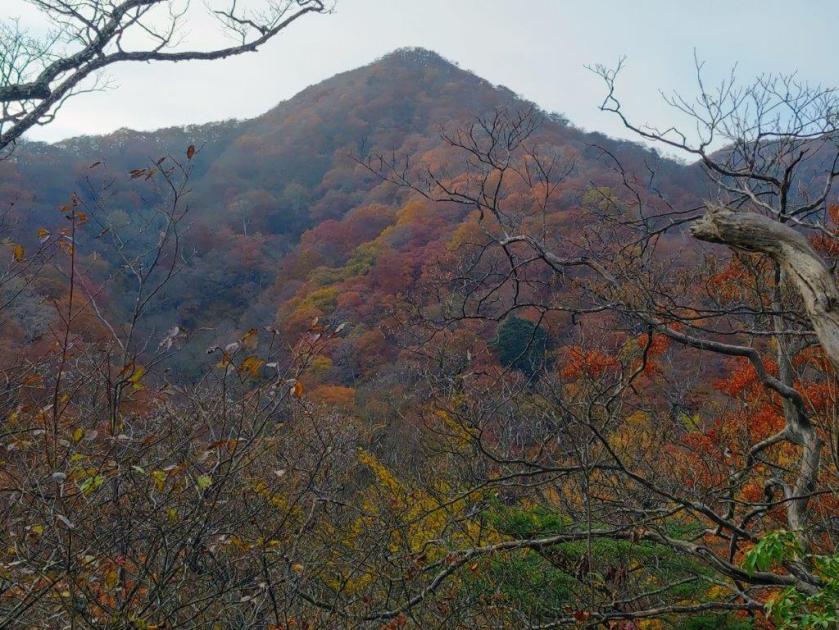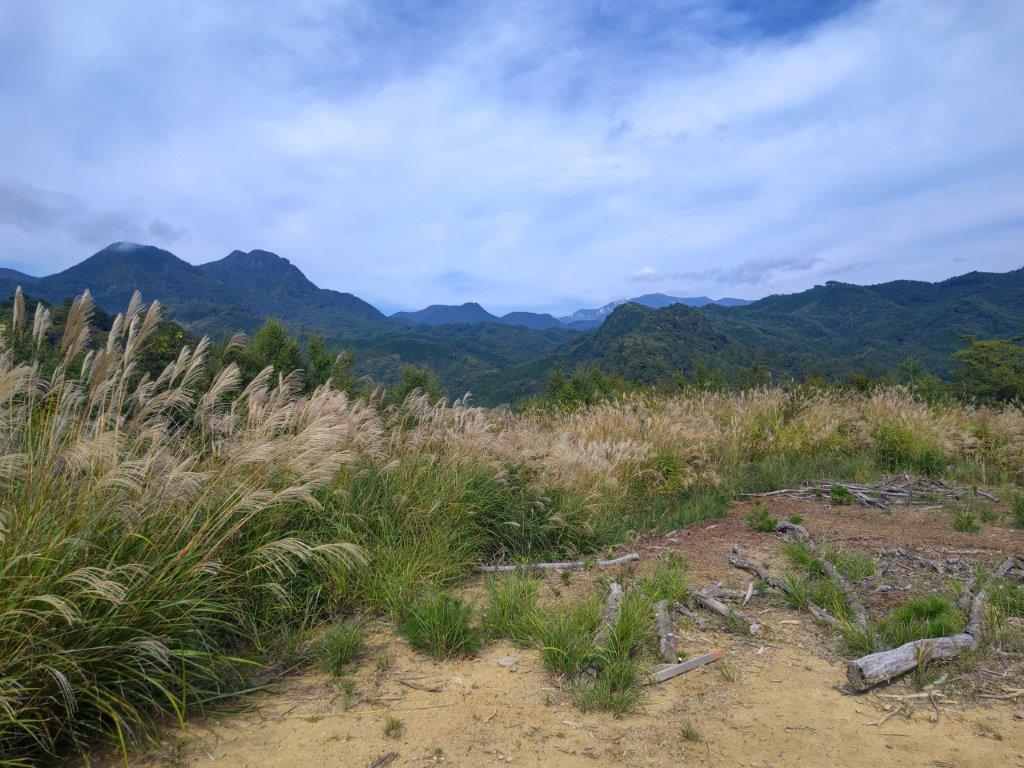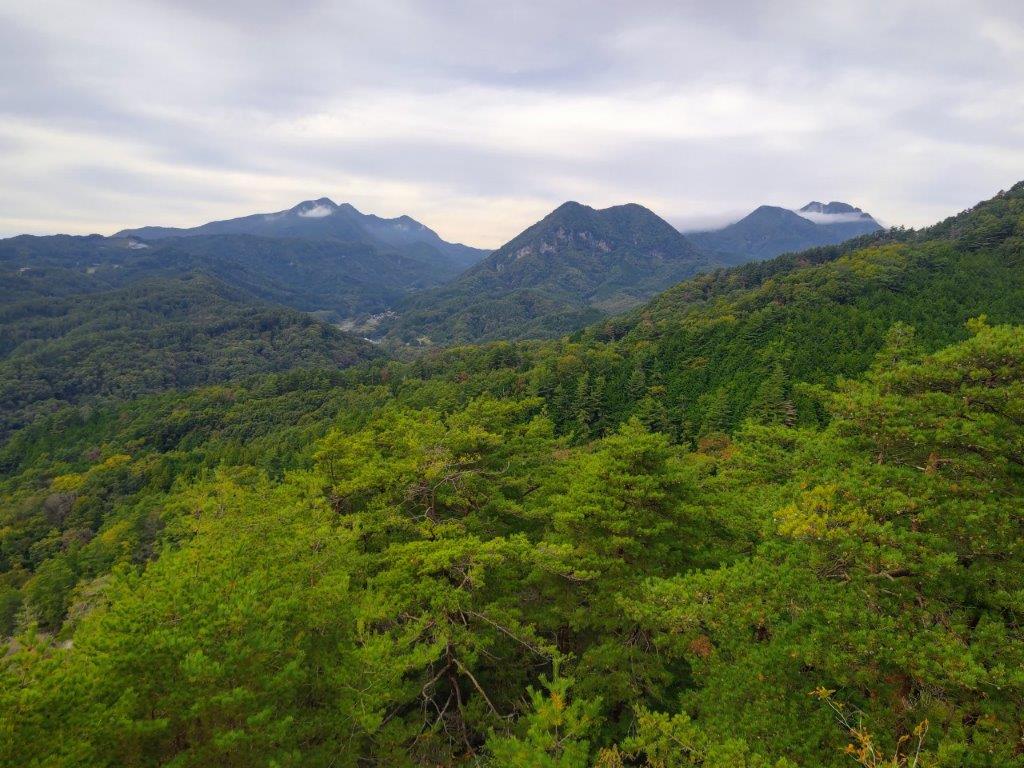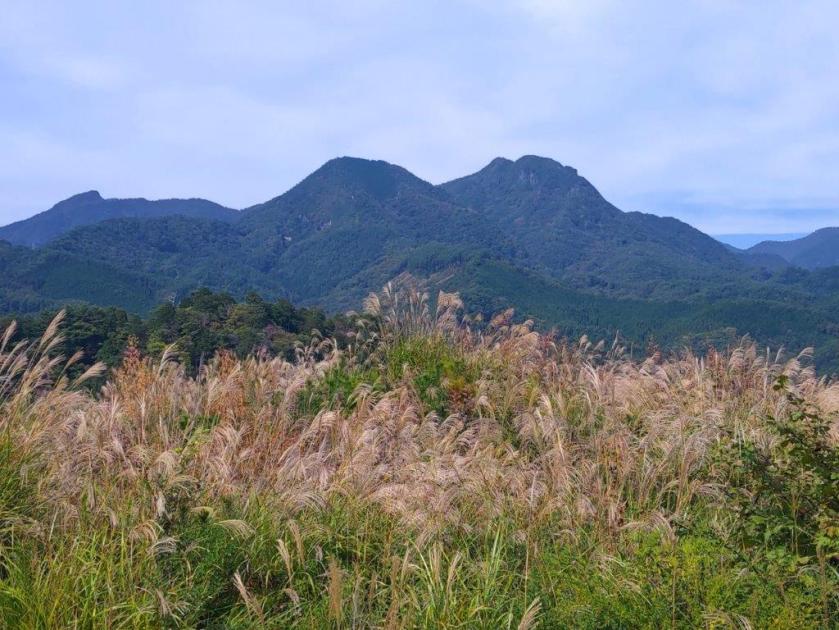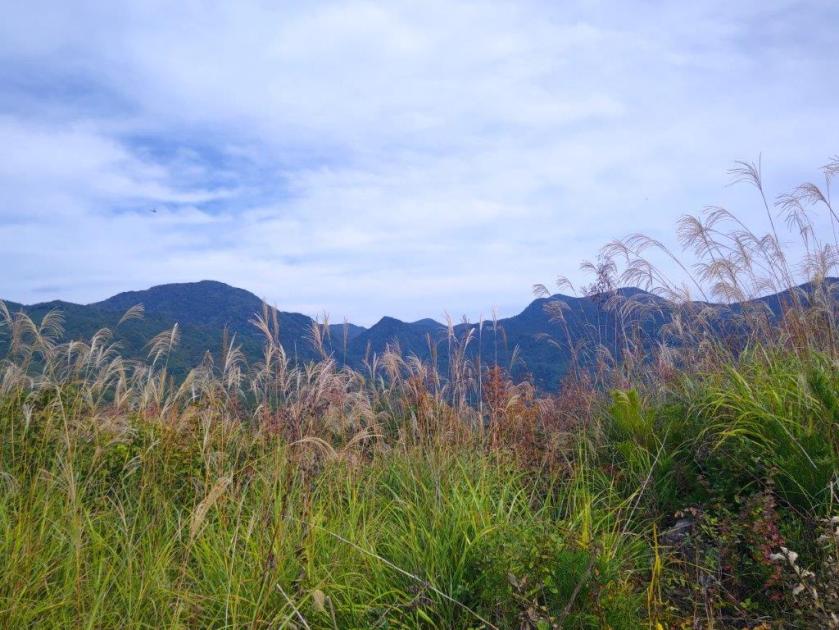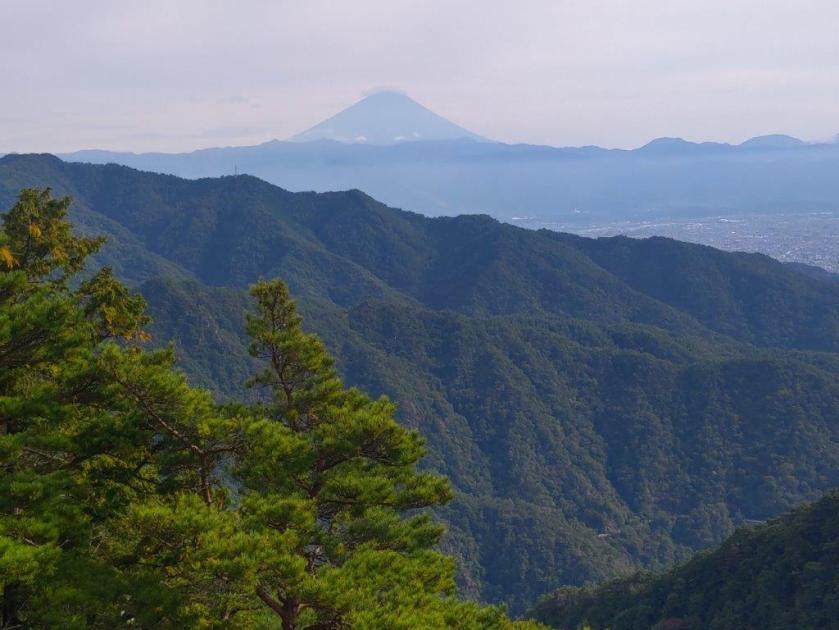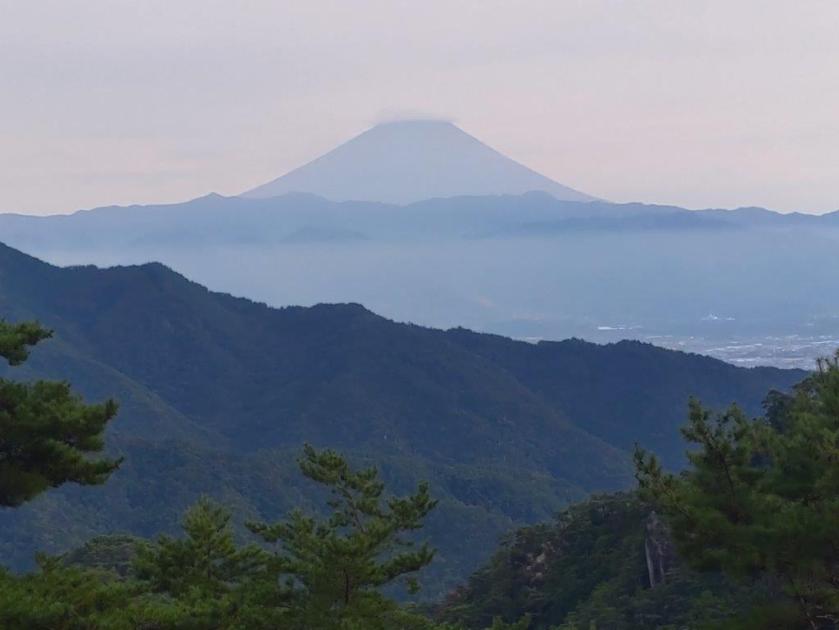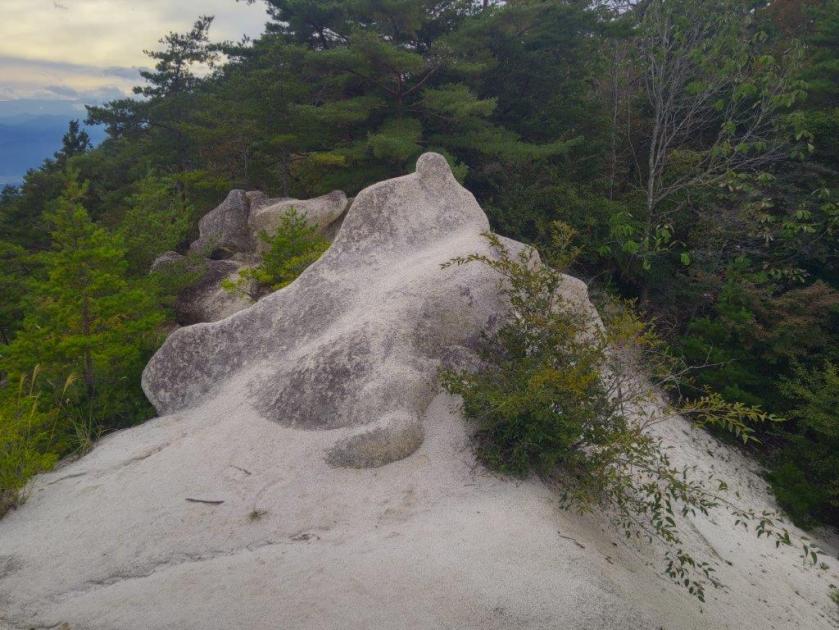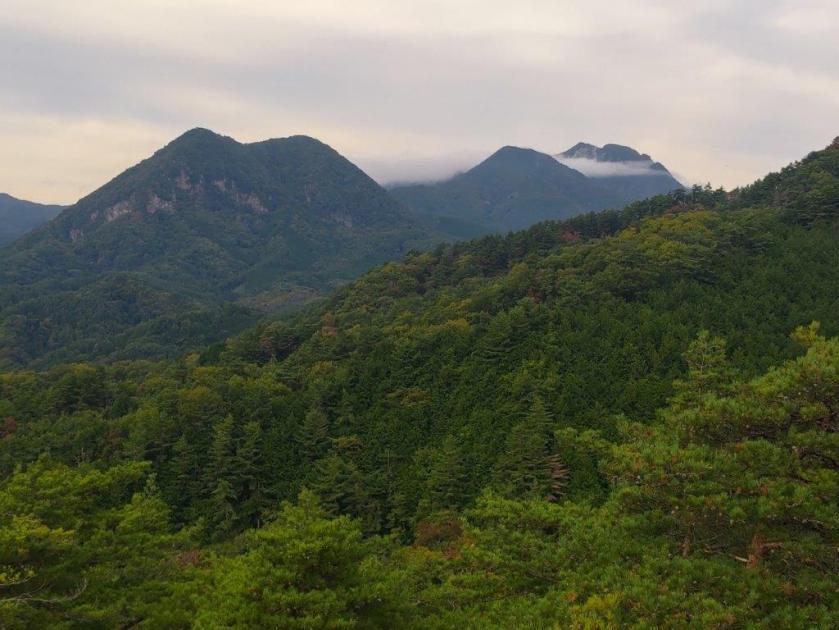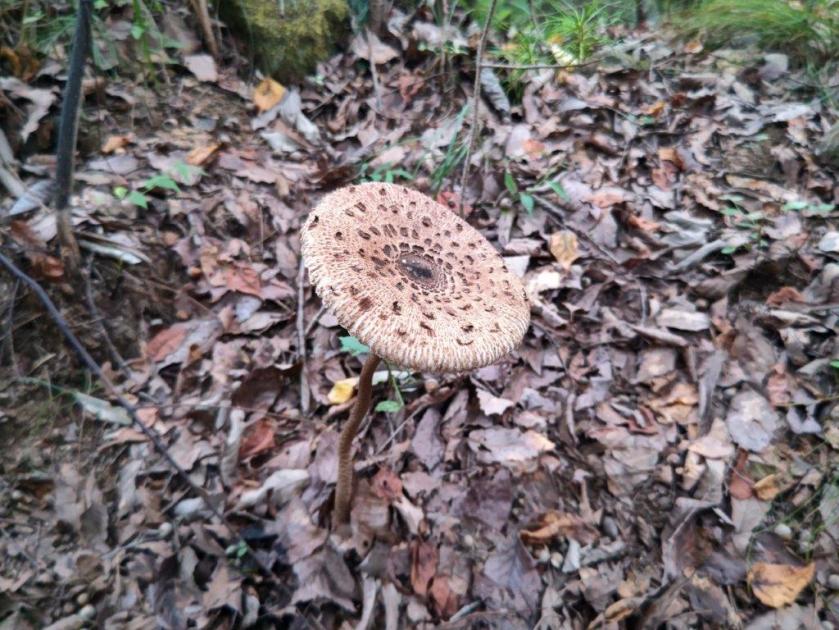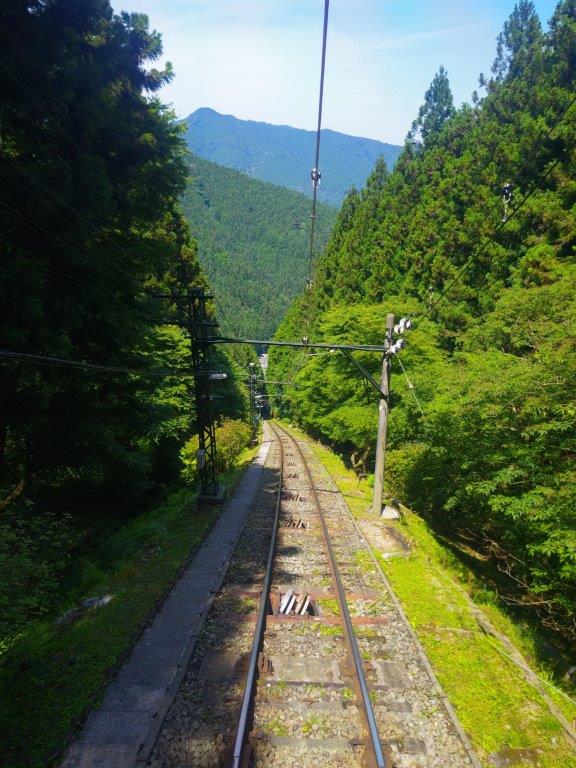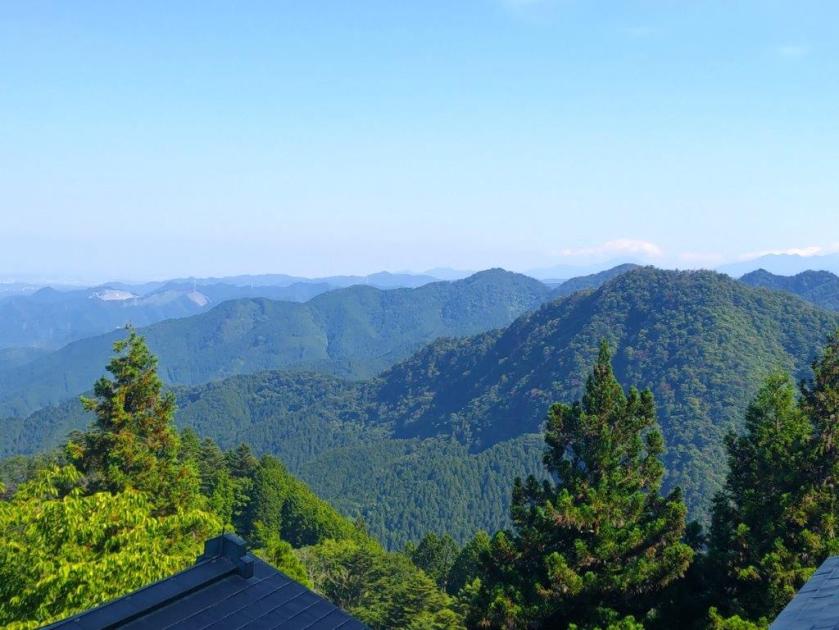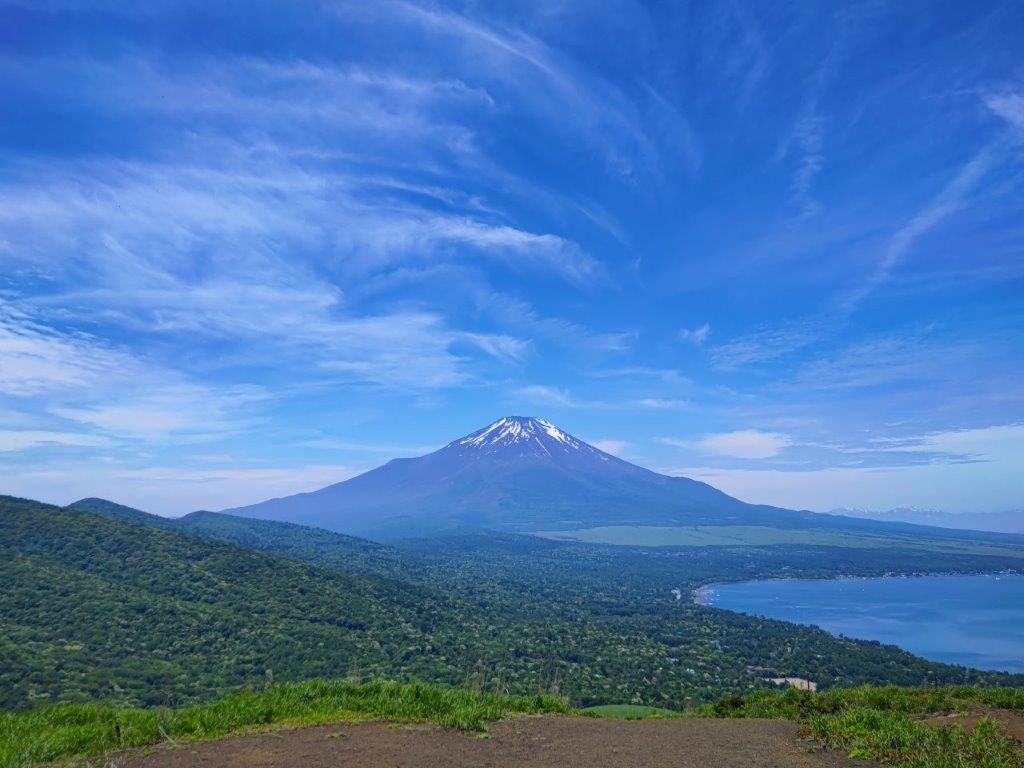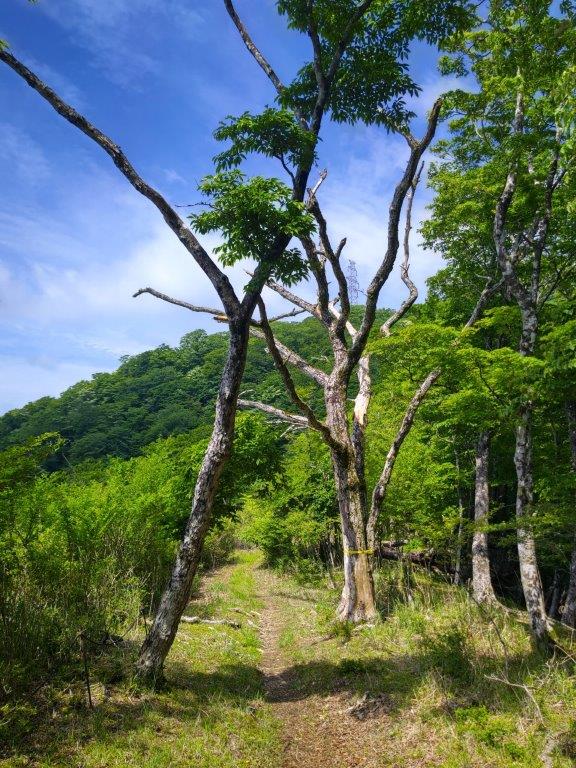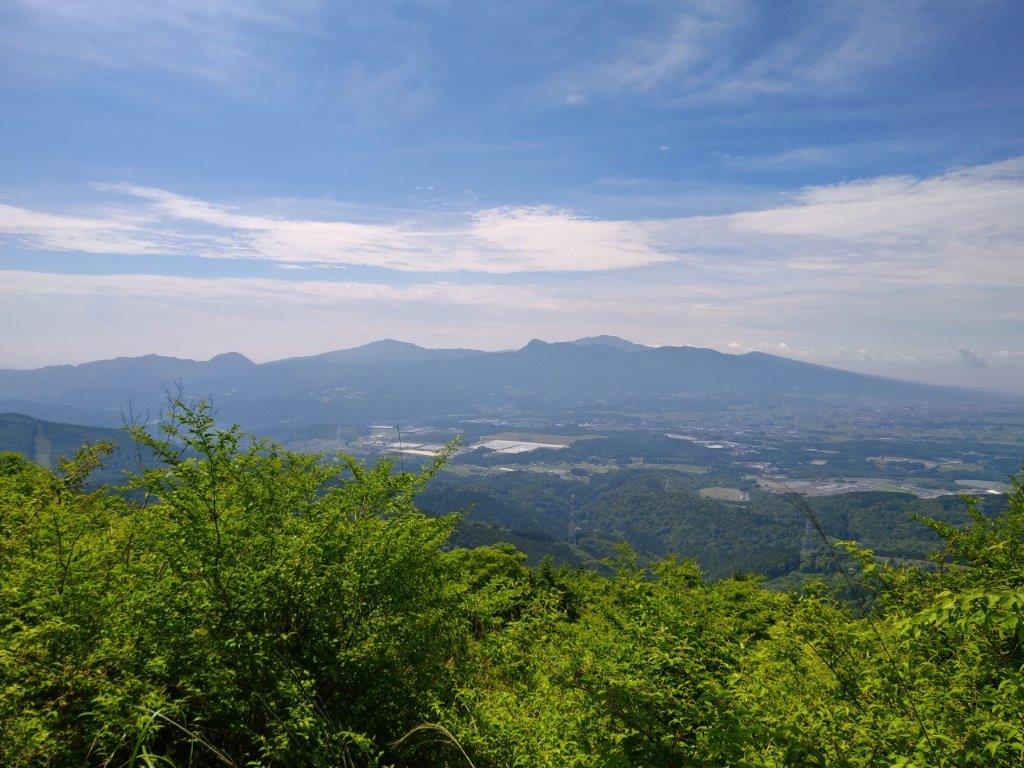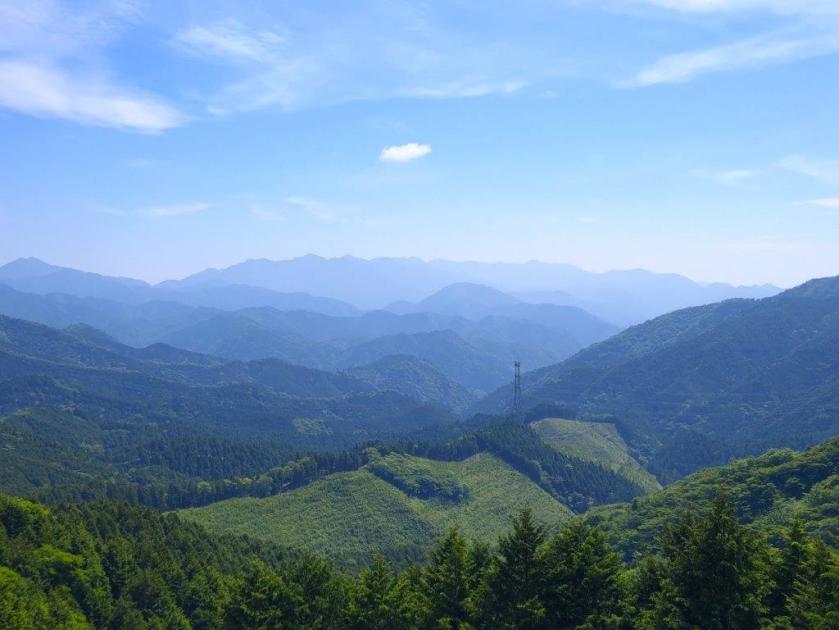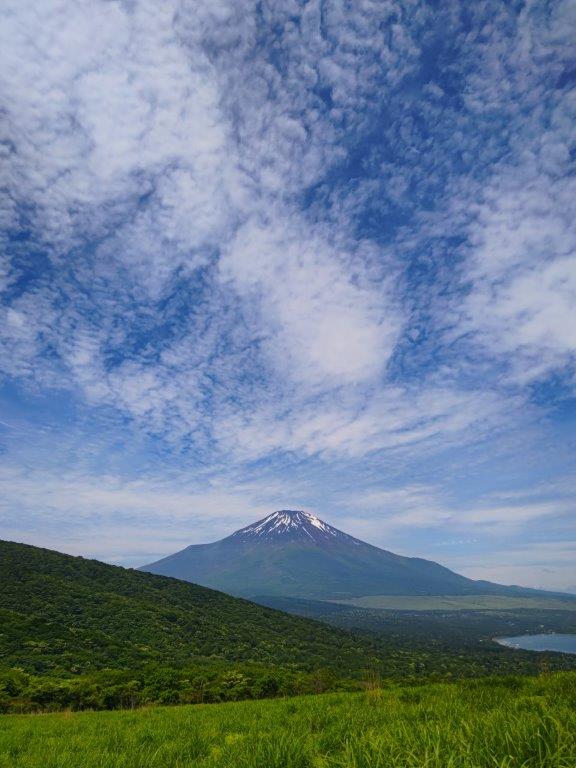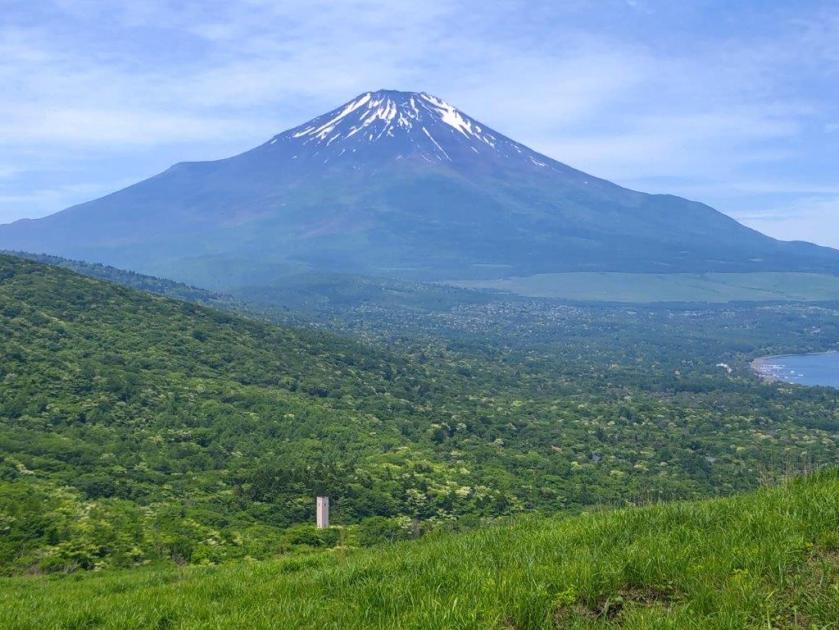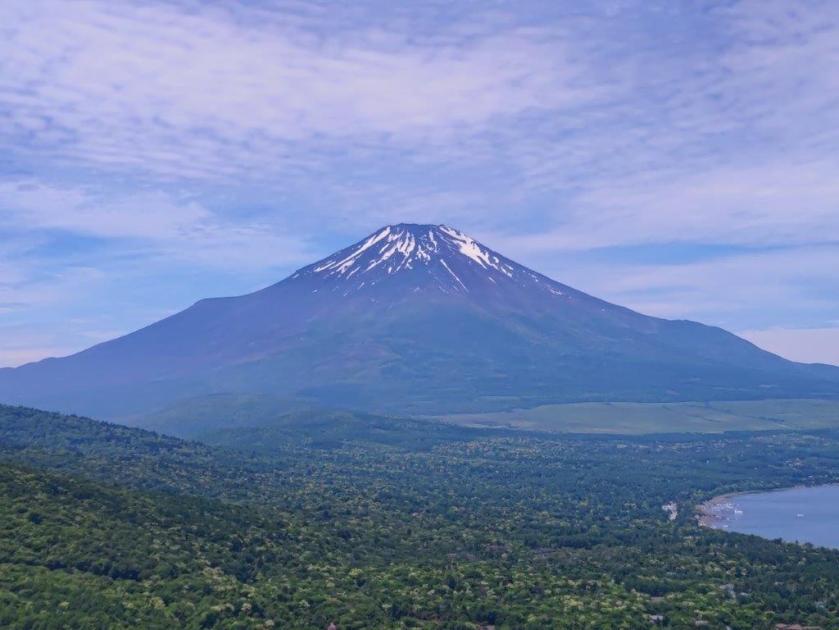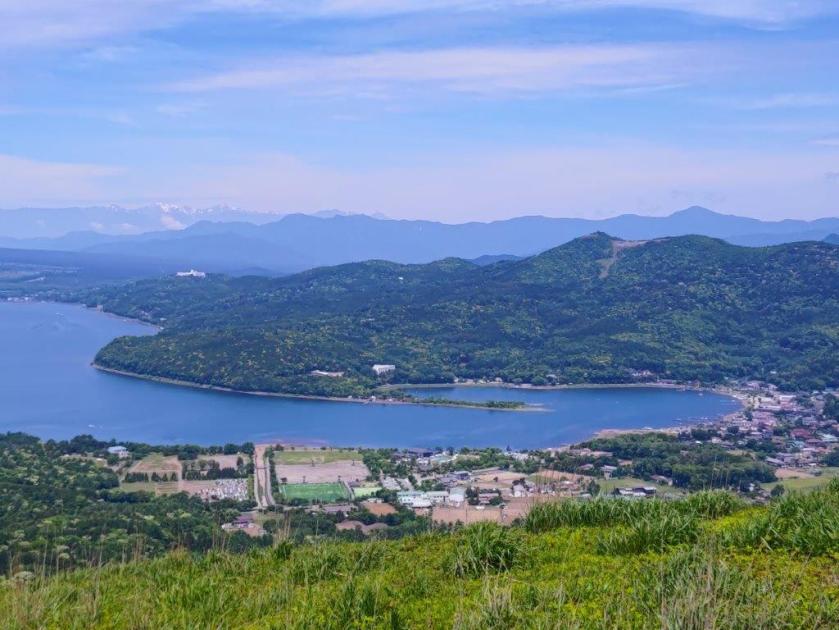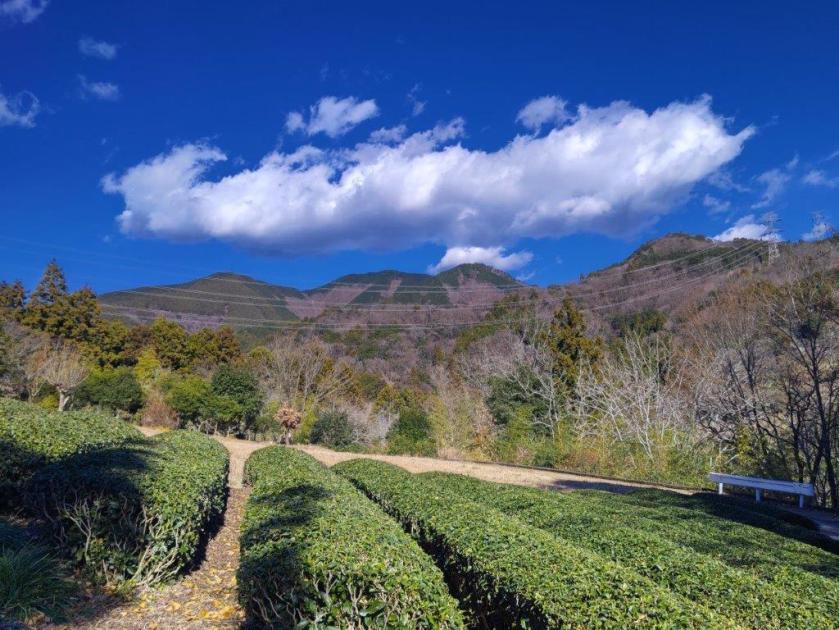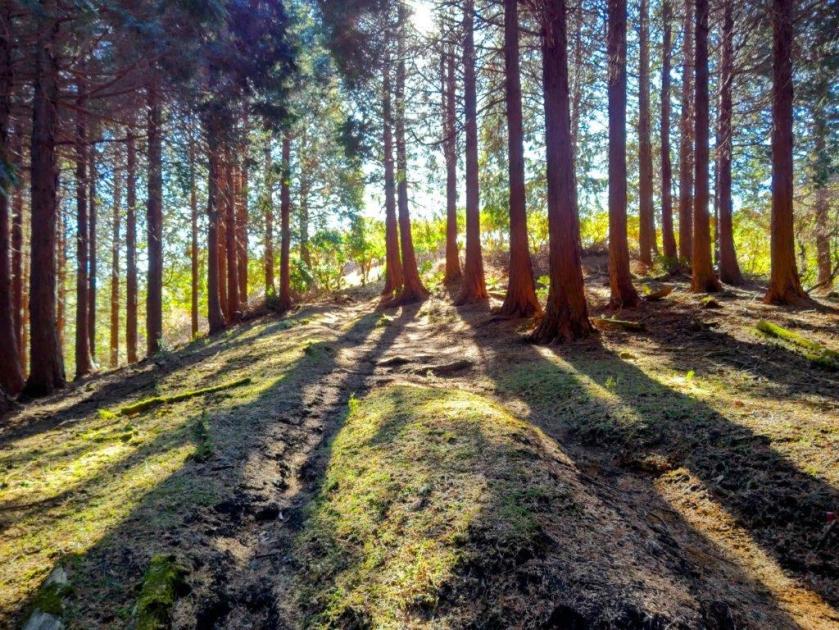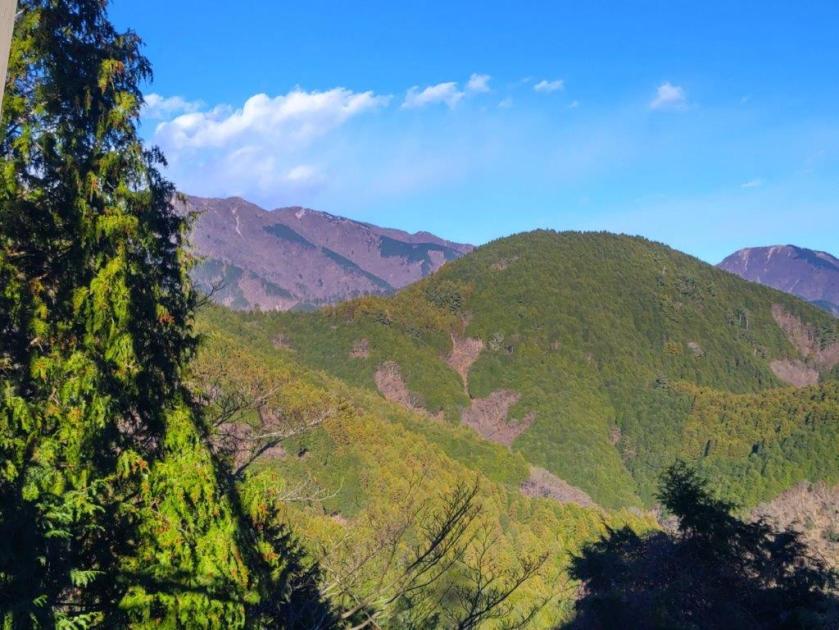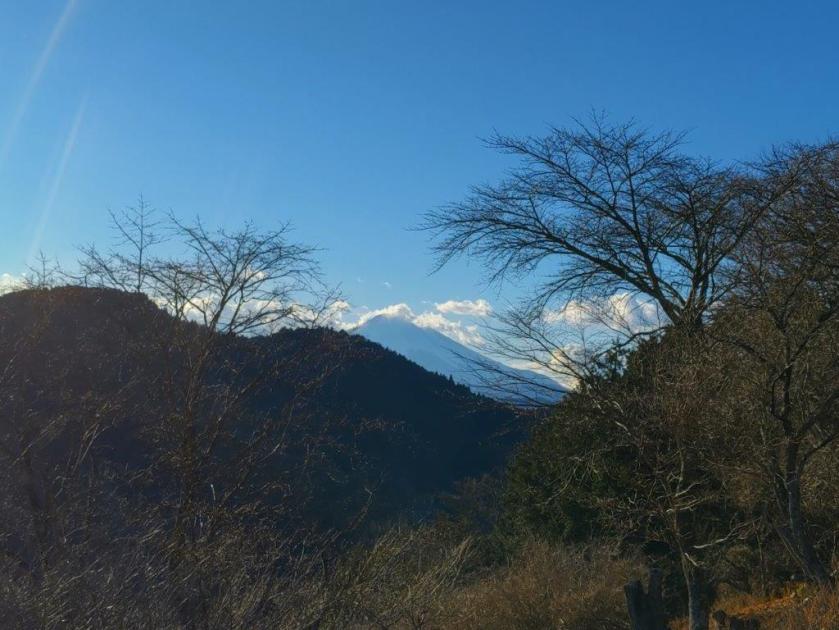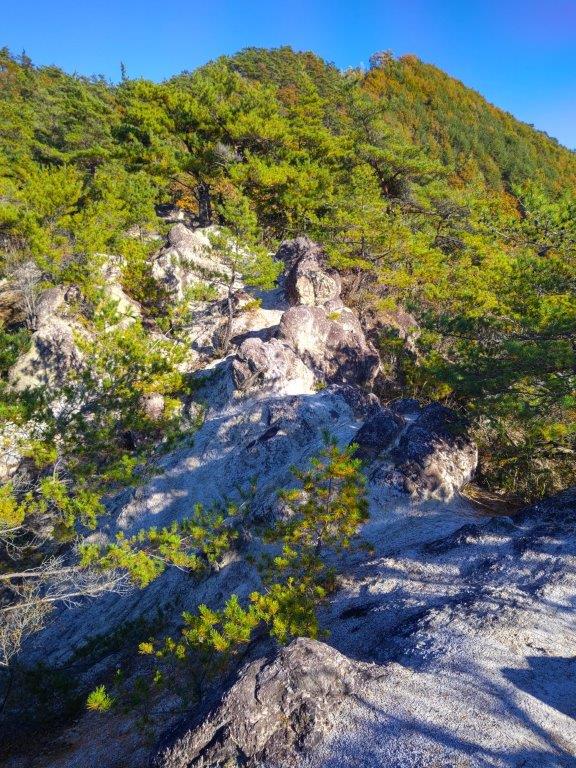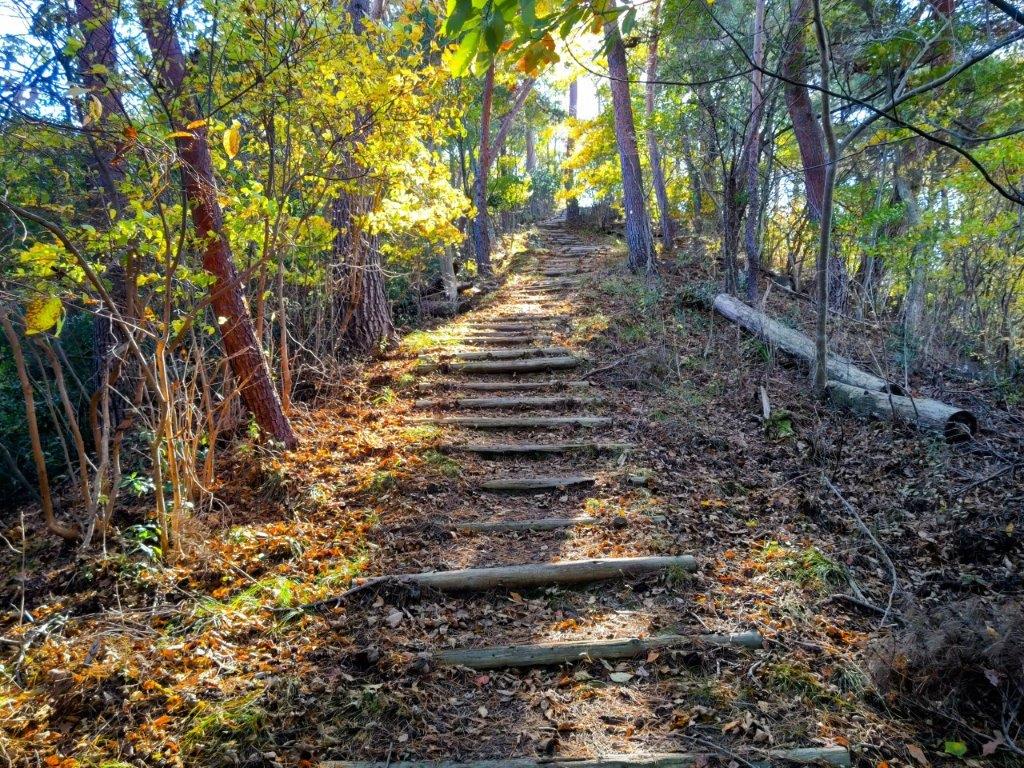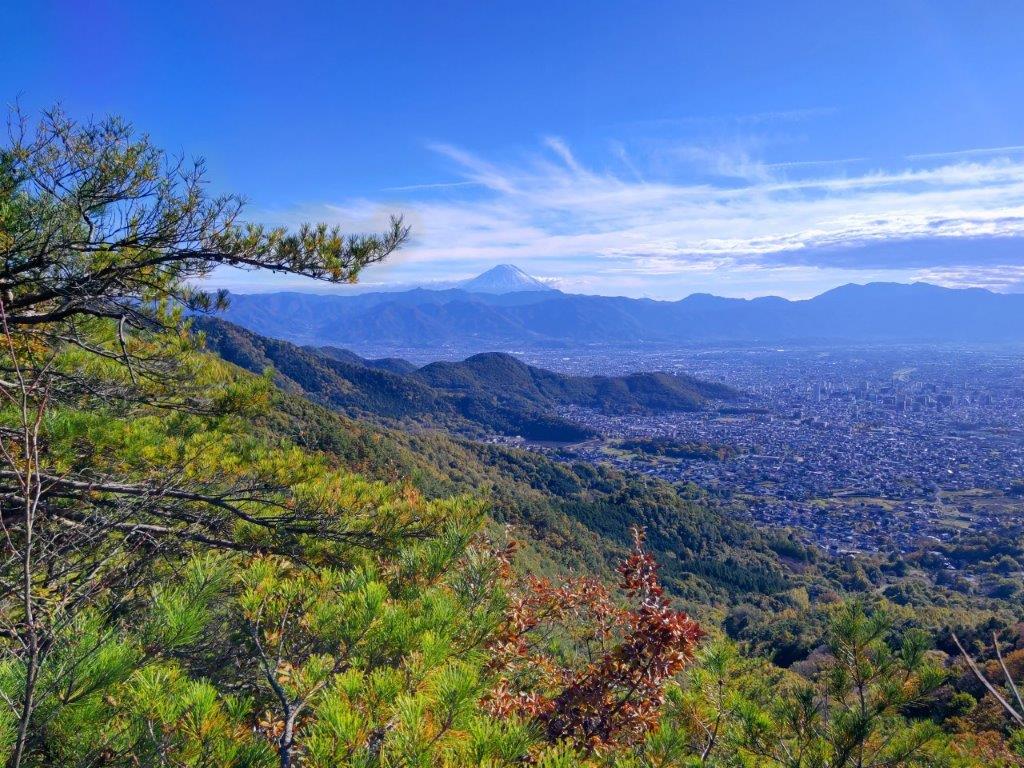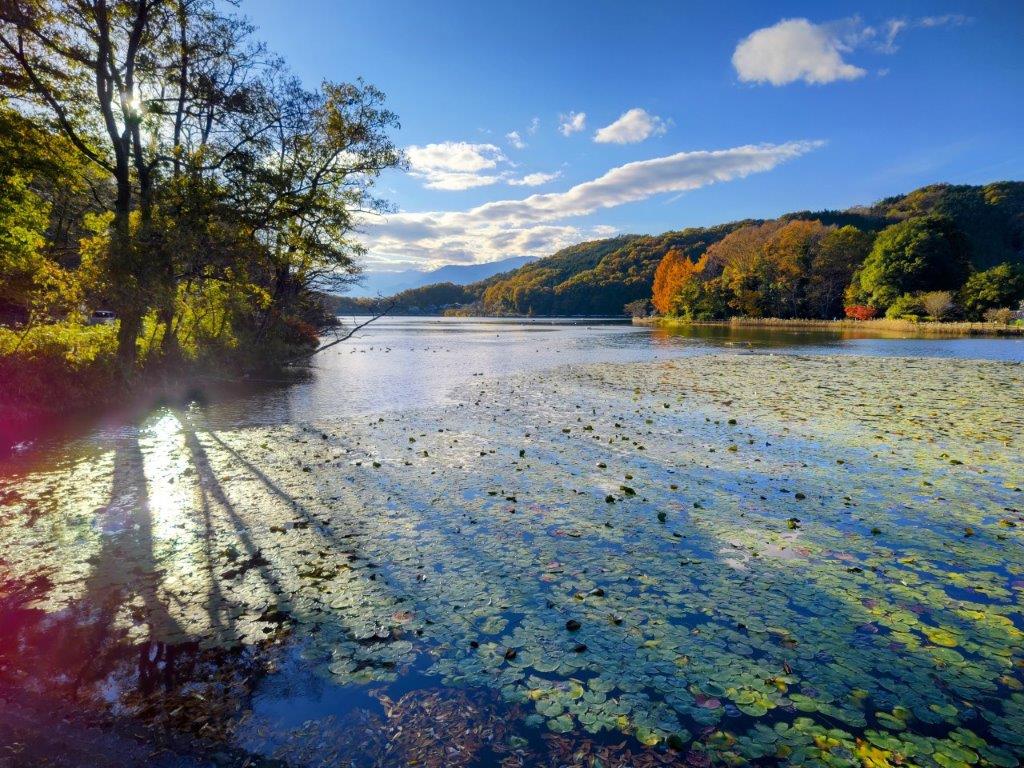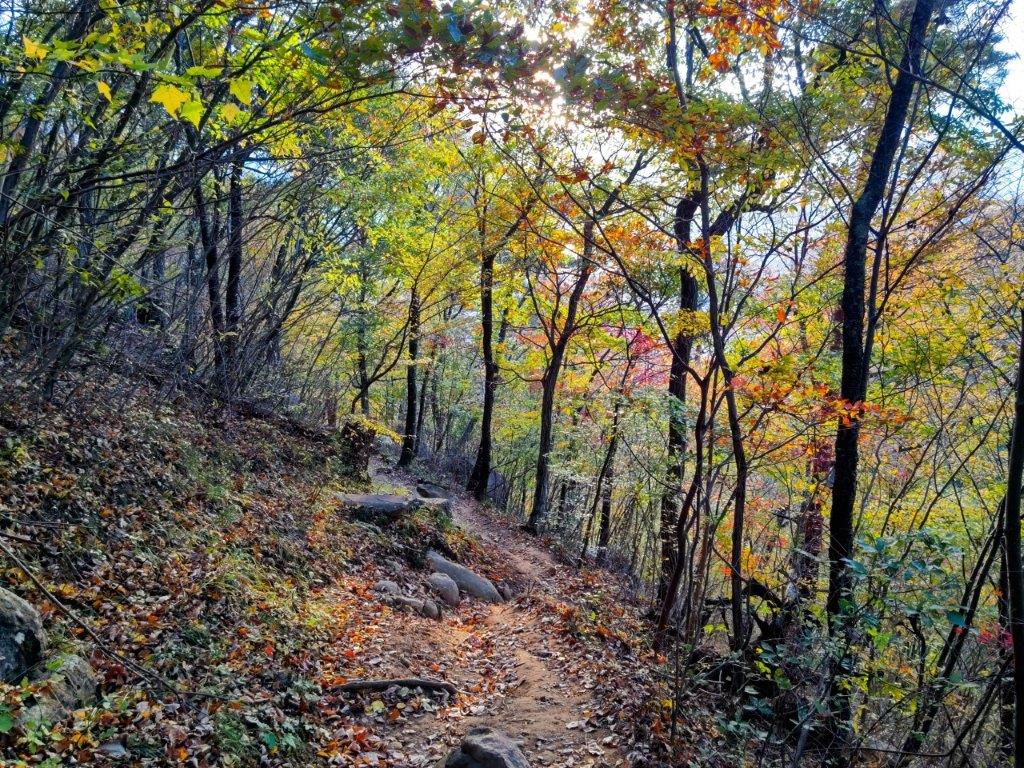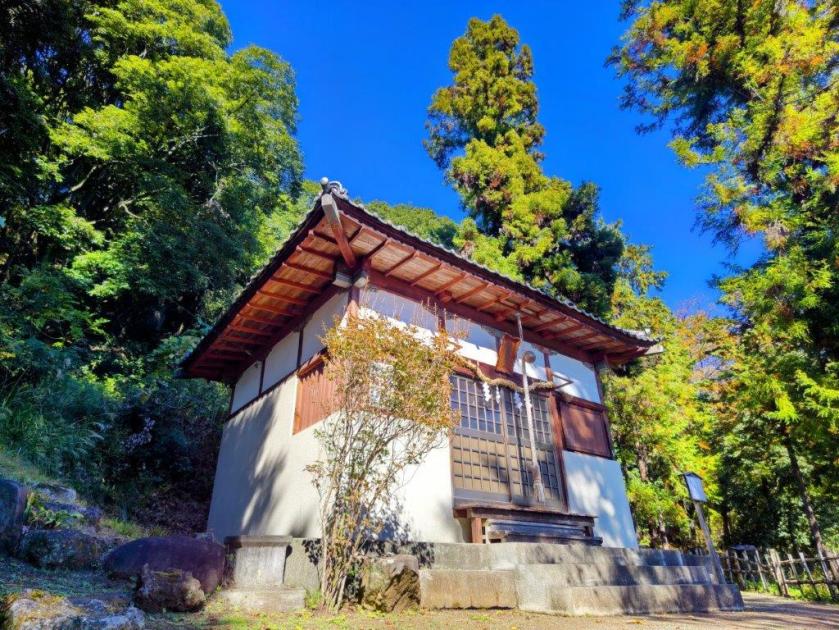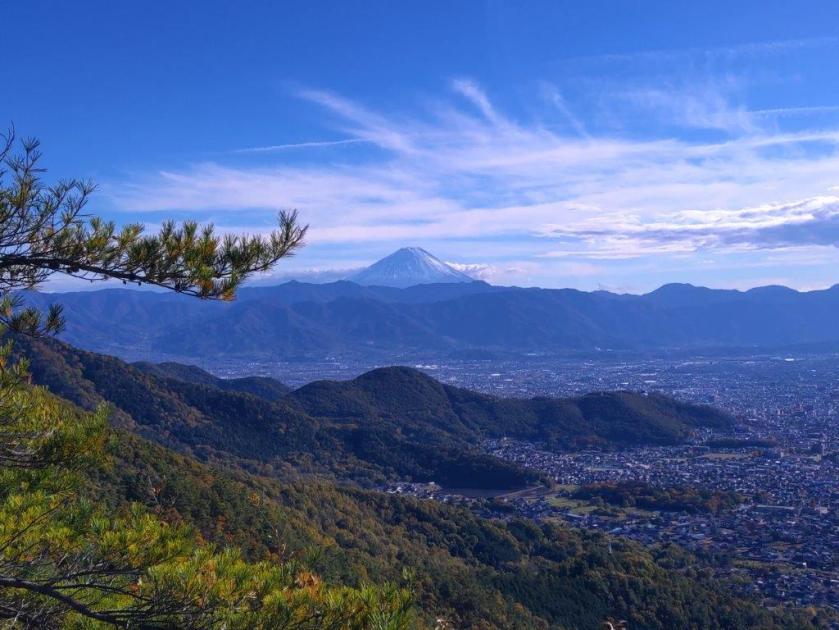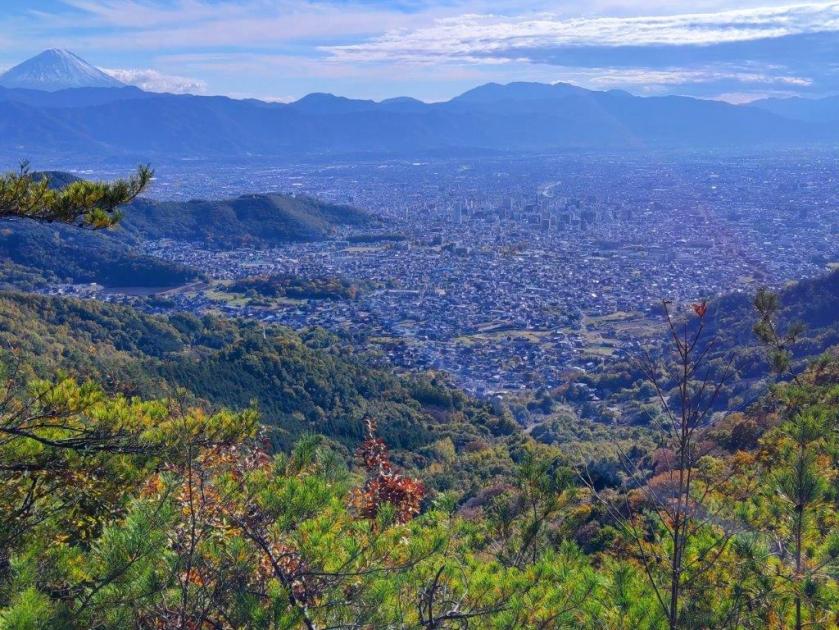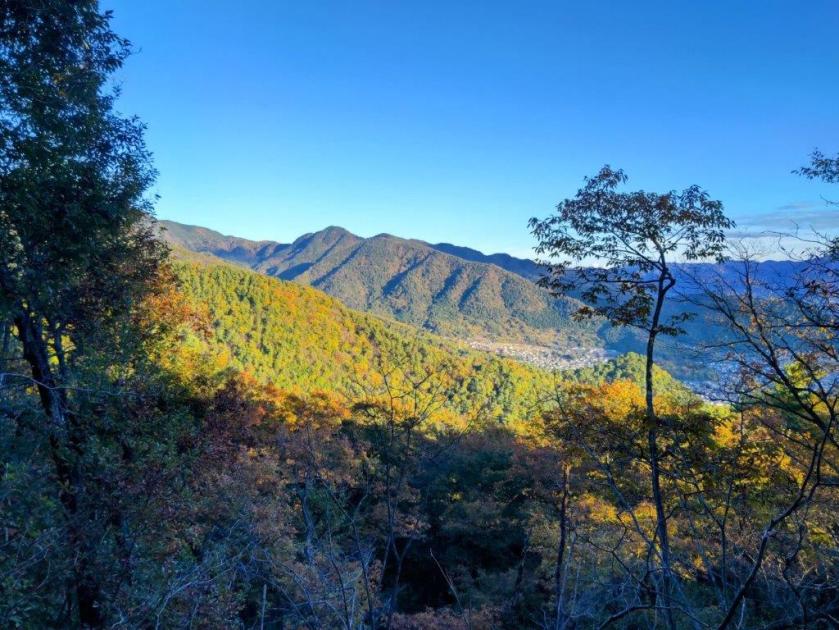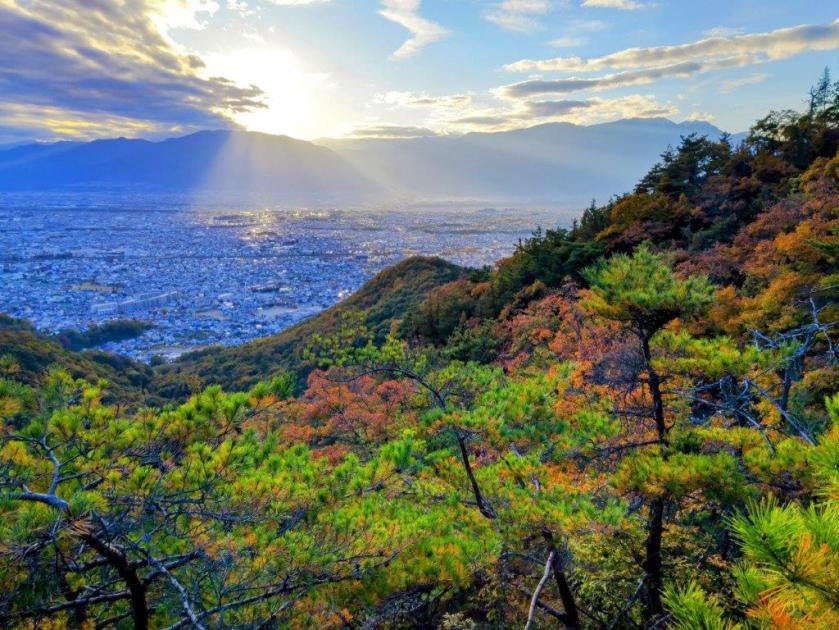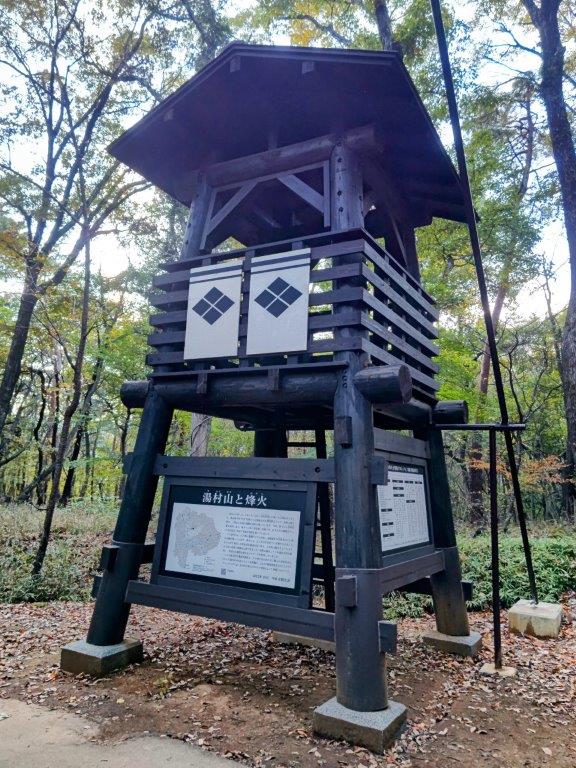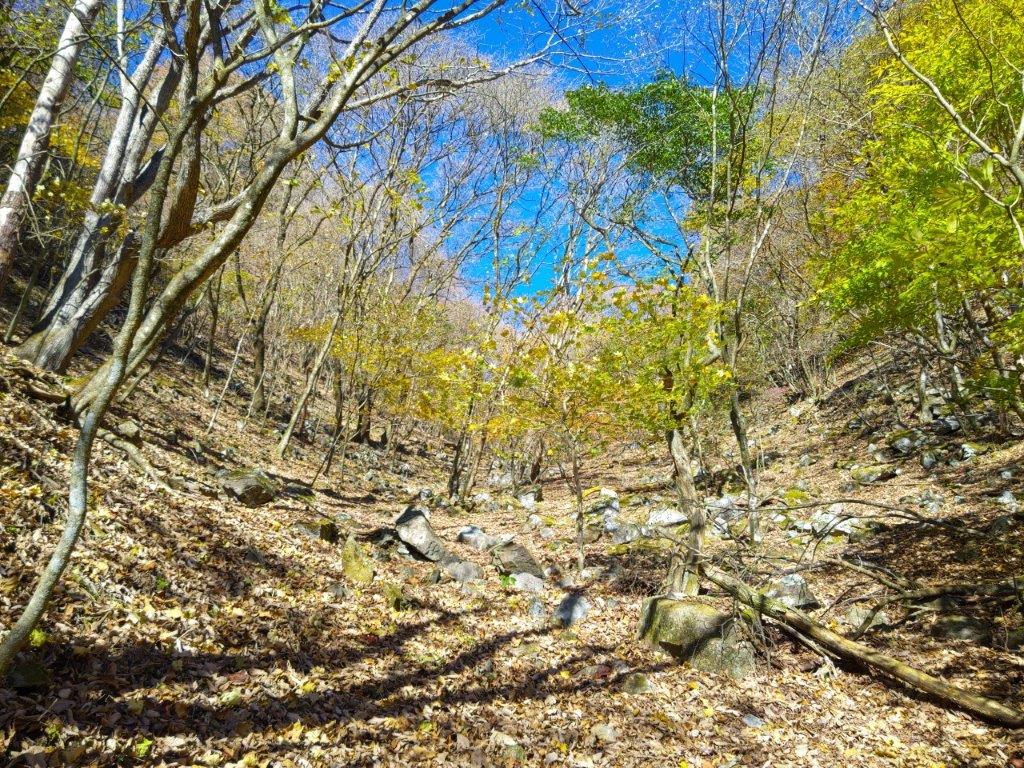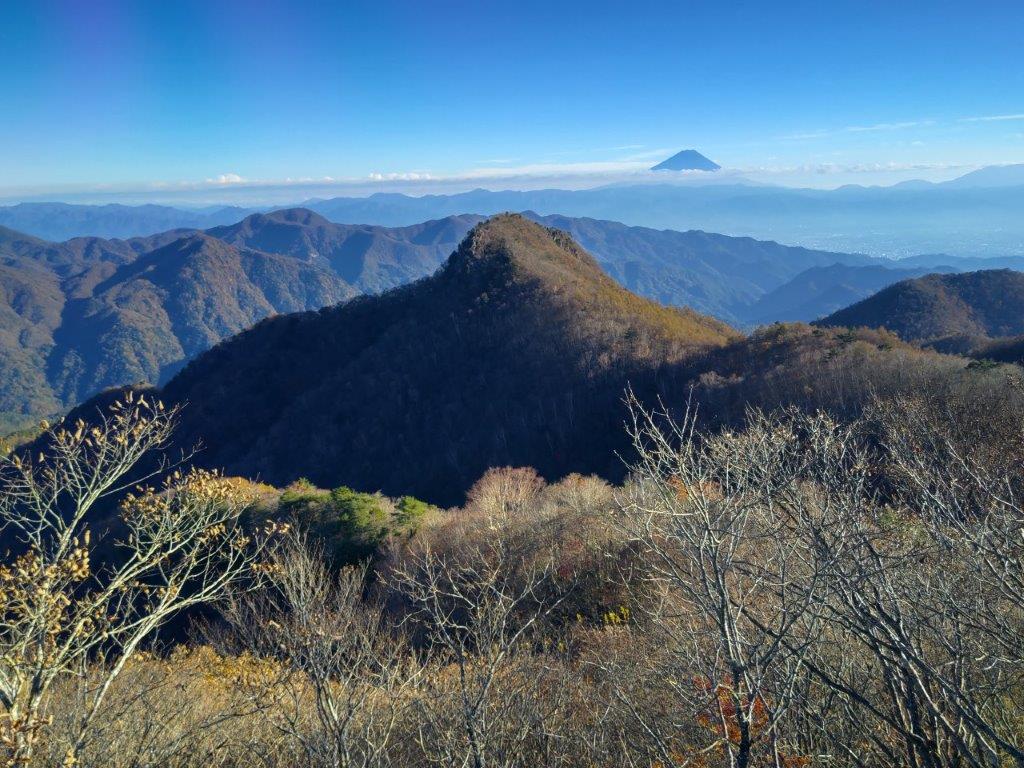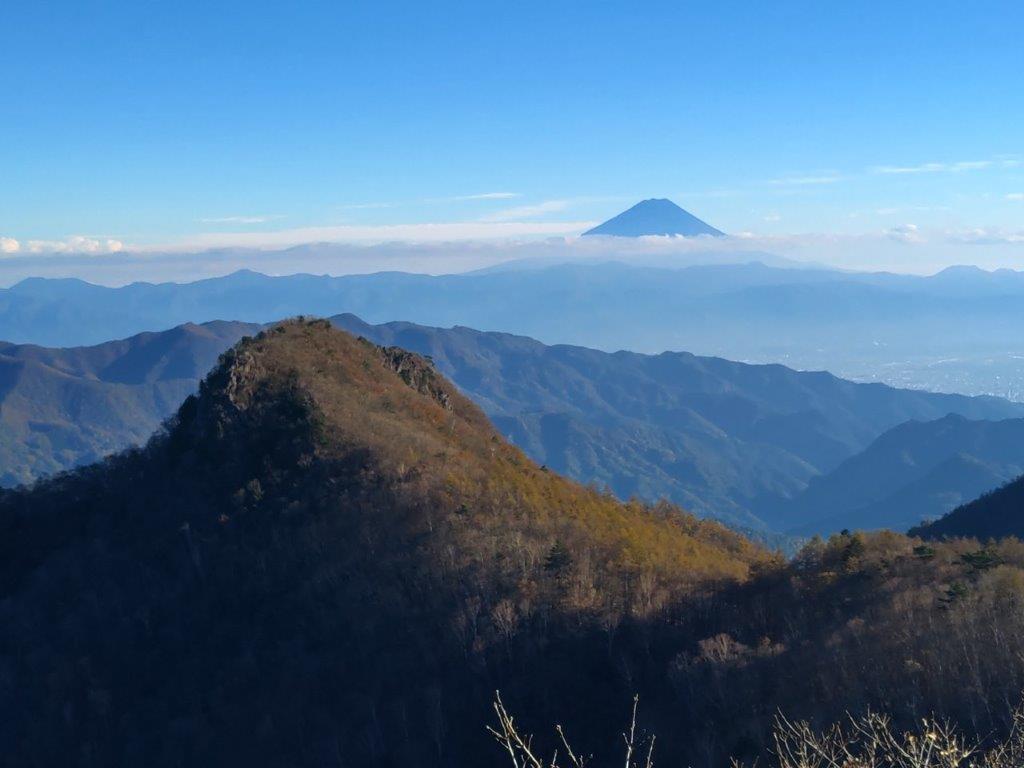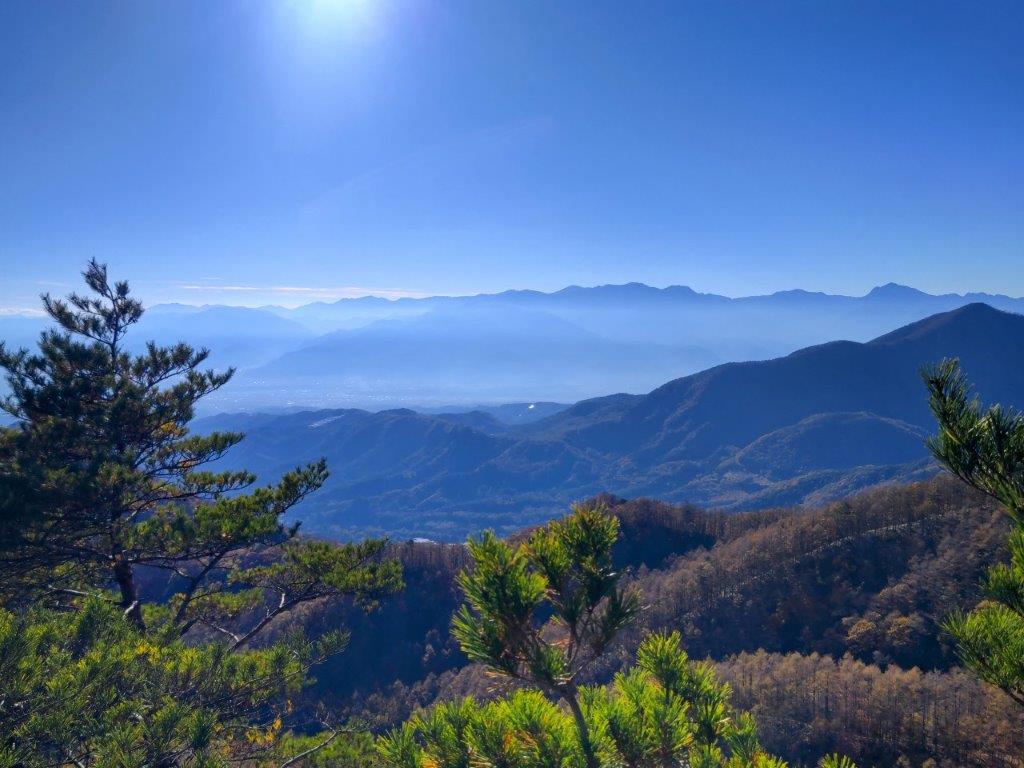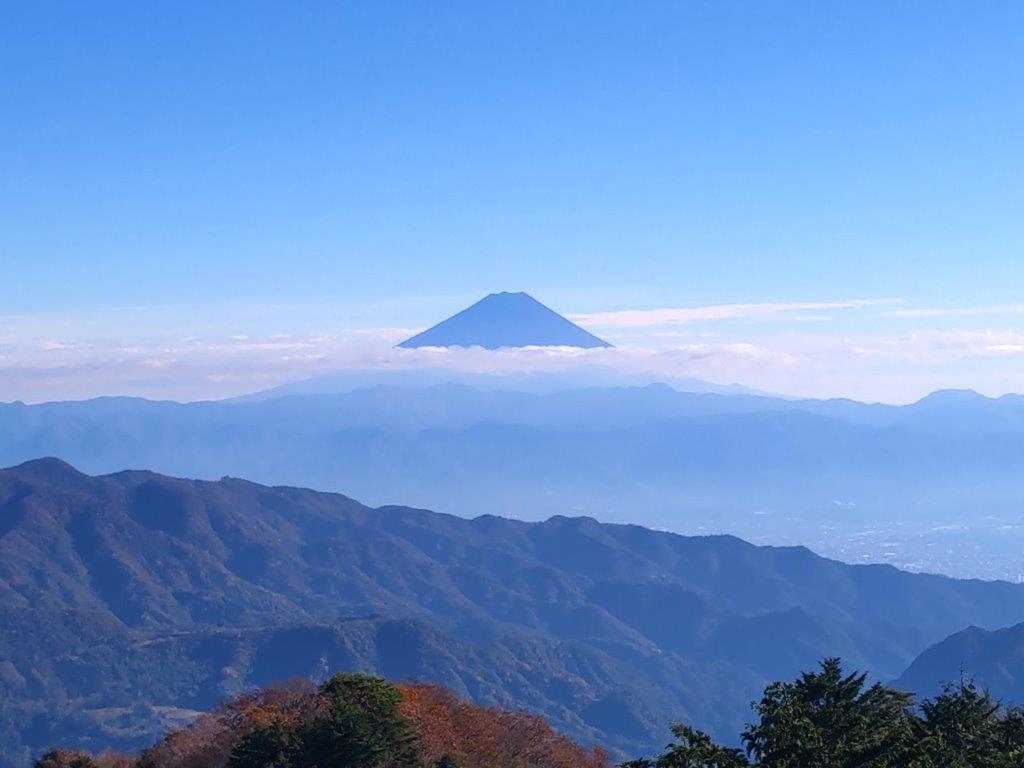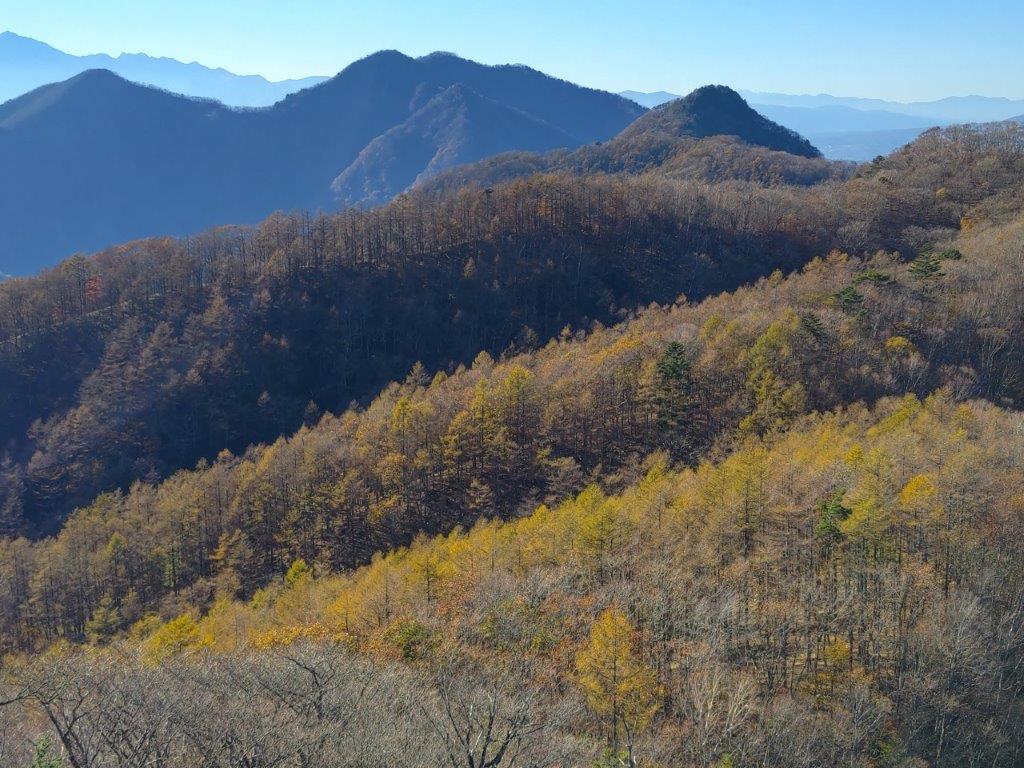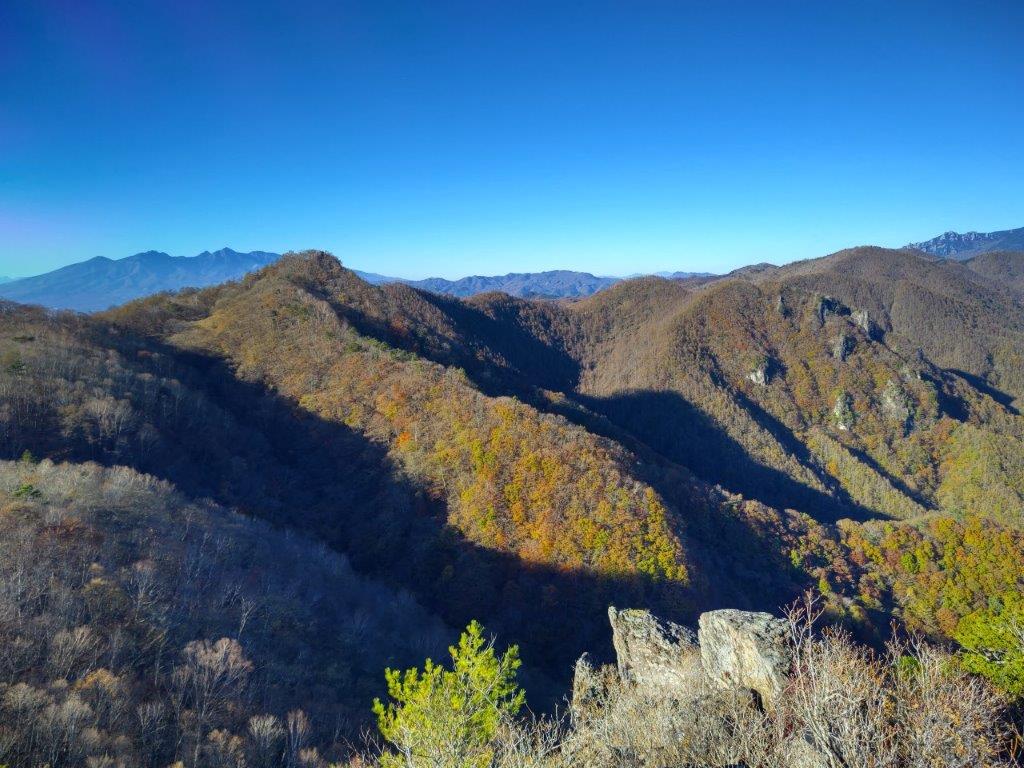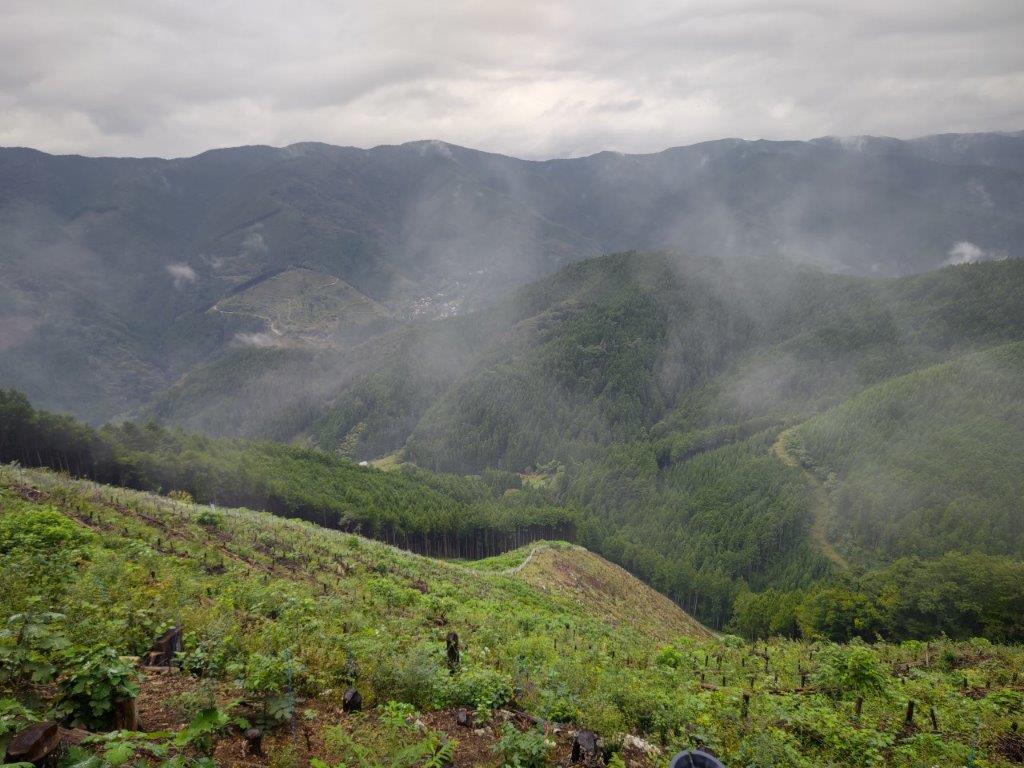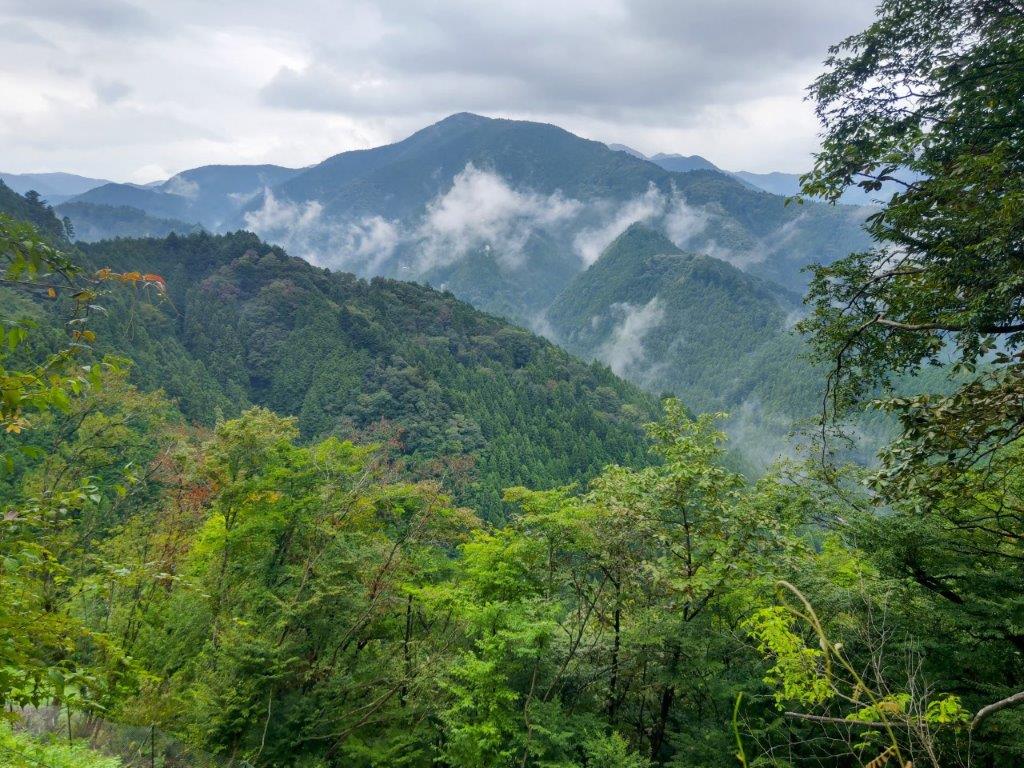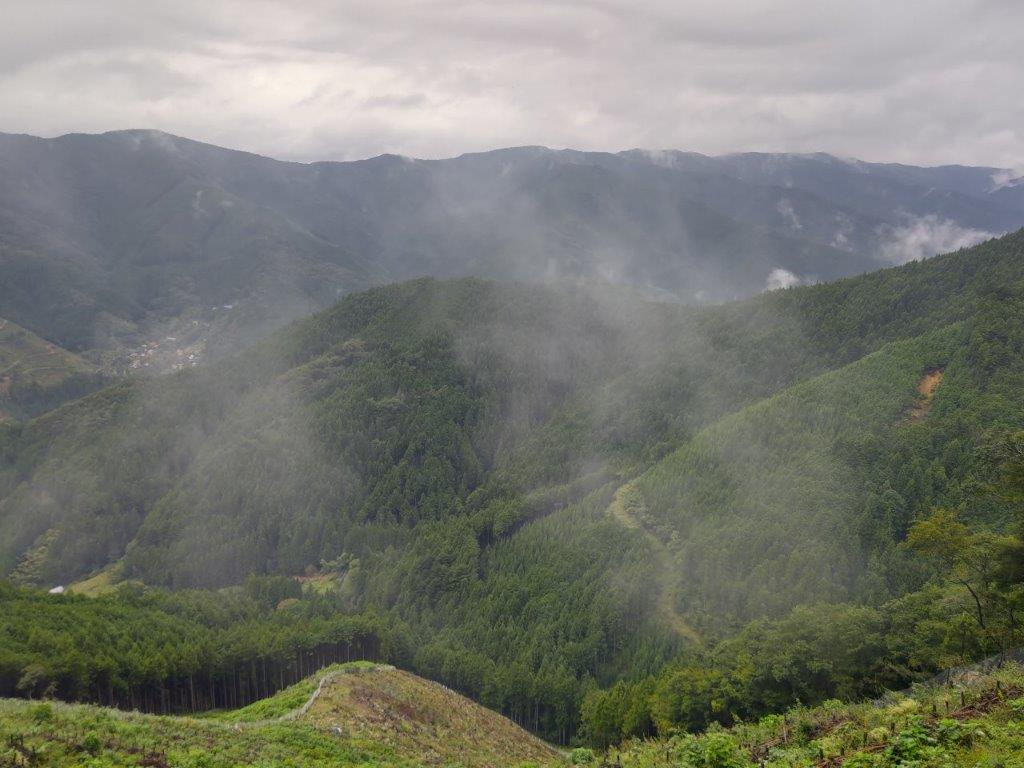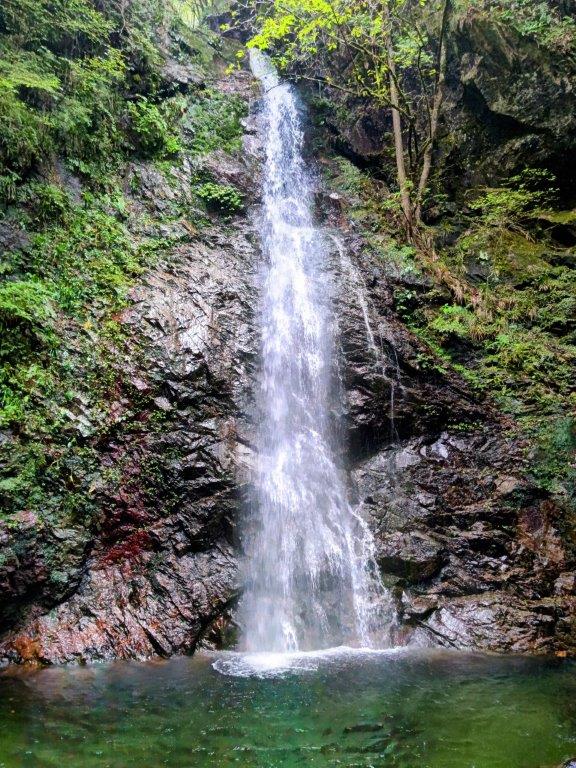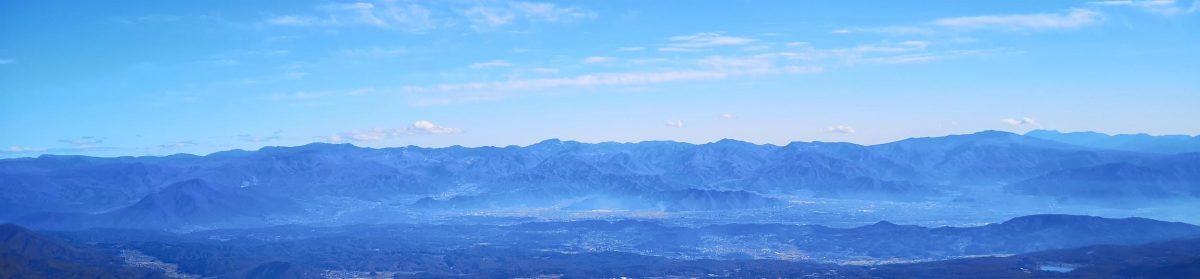
Mt Kuro (1793m) & Mt Hafu (1674m), Fuefuki City, Yamanashi Prefecture, Sunday, November 16, 2025

I had climbed these mountains in December 2013 from the Kawaguchiko side. I wanted to hike them again but from the Fuefuki side; I also wanted to try out our Japanwilds Kuro-dake Map for Avenza. Finally, I was interested in riding the free shuttle bus between the Ashigawa Agricultural Products Market “Ogossoya” and the Suzuran-gunseichi Parking Lot; it started running last year to reduce traffic due to the nearby Fujiyama Twin Terrace. However, the bus I had used on my previous trip to the area from Isawa Onsen had been discontinued, so I ended up renting a car from Kofu city instead and skipping the shuttle entirely.

Hiking inside the Fuji-Hakone-Izu National Park

富士箱根伊豆国立公園

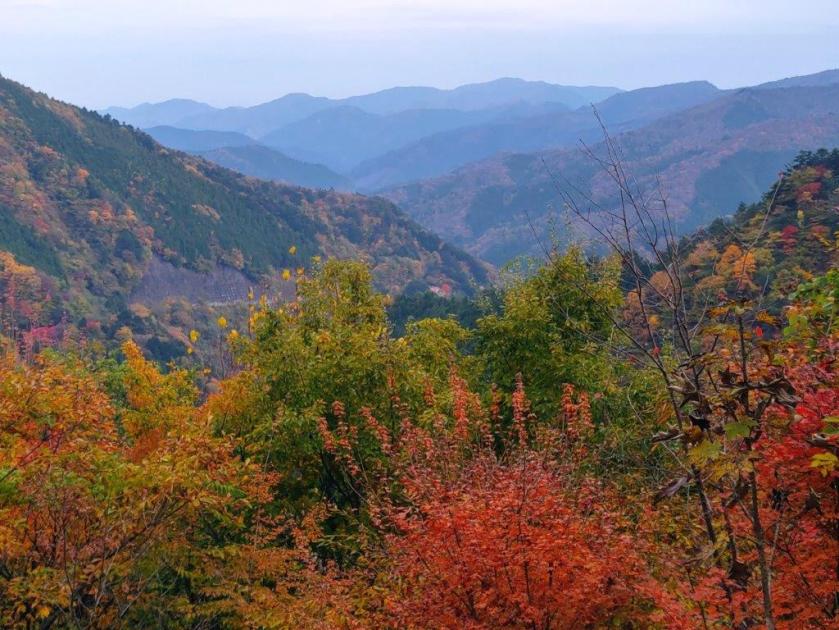
From the parking lot, I could take the most direct route up Mt Kuro, and after checking out the view from the nearby observation point, follow the ridge westwards past Mt Hafu and then down to Shindo Pass, also the location of the Fujiyama Twin Terrace. From there, I would again take the most direct route back to the parking. If time allowed, I could drop by Kamiku no Yu onsen on the way back. The weather was supposed to be sunny but near freezing at higher elevations. I hoped to get some good views of Mt Fuji and also catch the last of the Autumn colours.

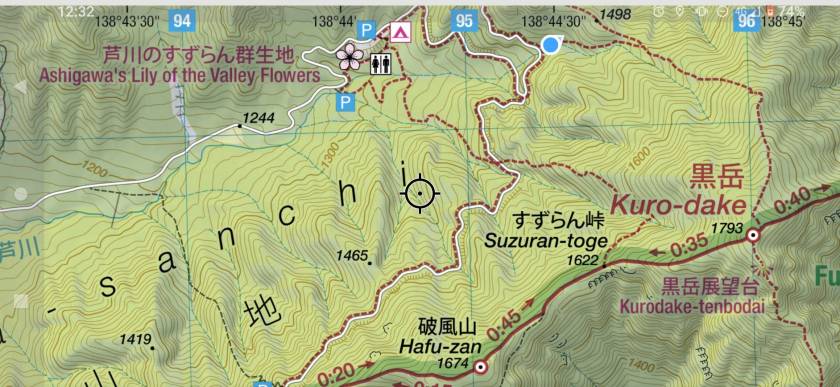
Get a map of the Mt Kuro hike

This map was developed for Japanwilds with the Hokkaido Cartographer

Find more Japan hiking maps on Avenza

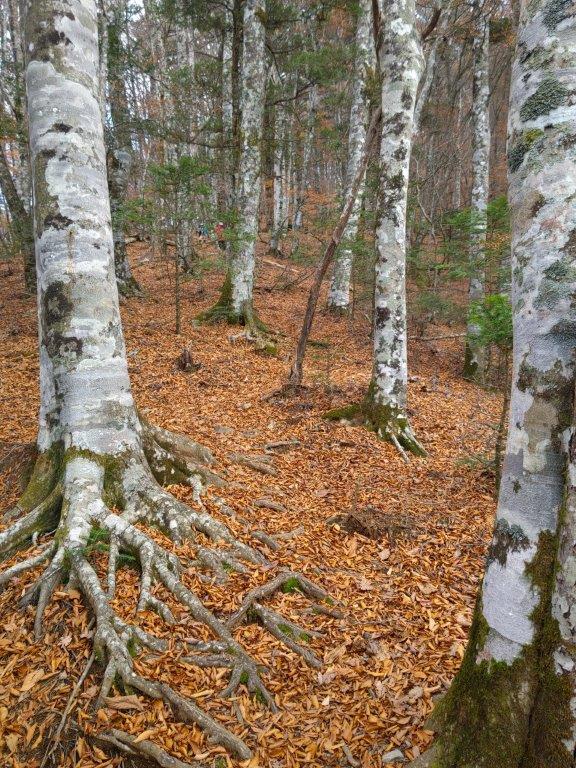
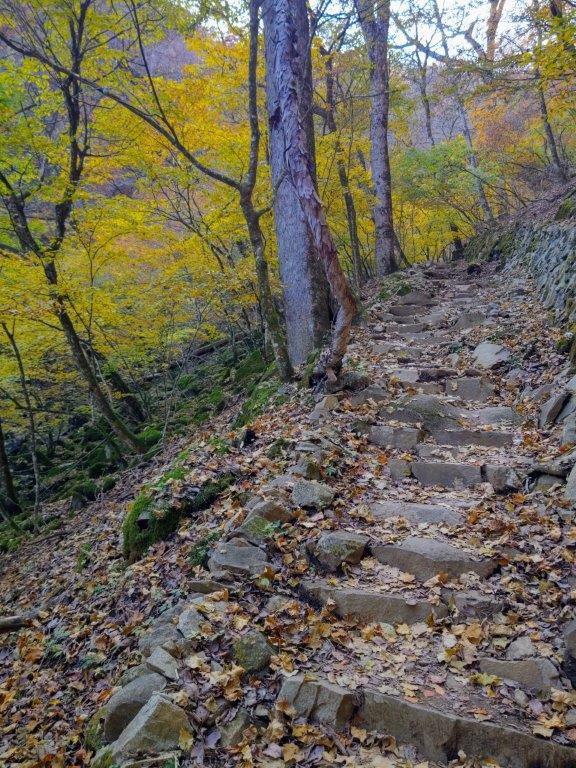
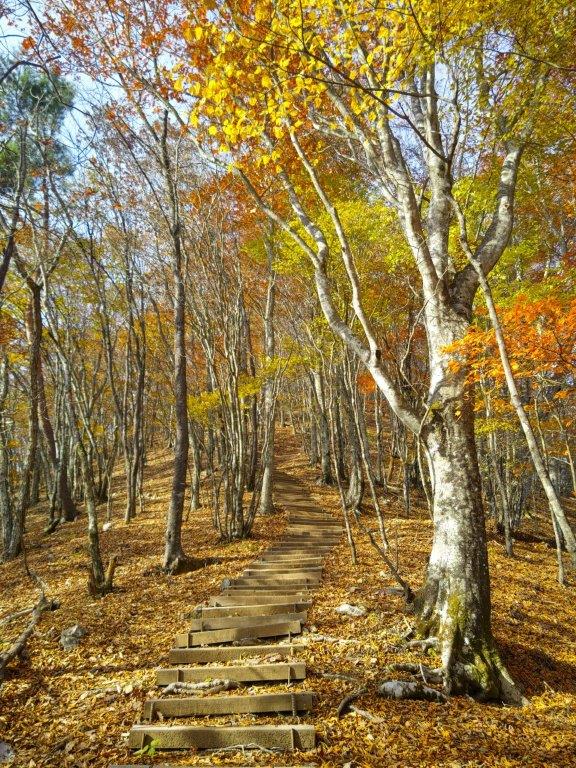
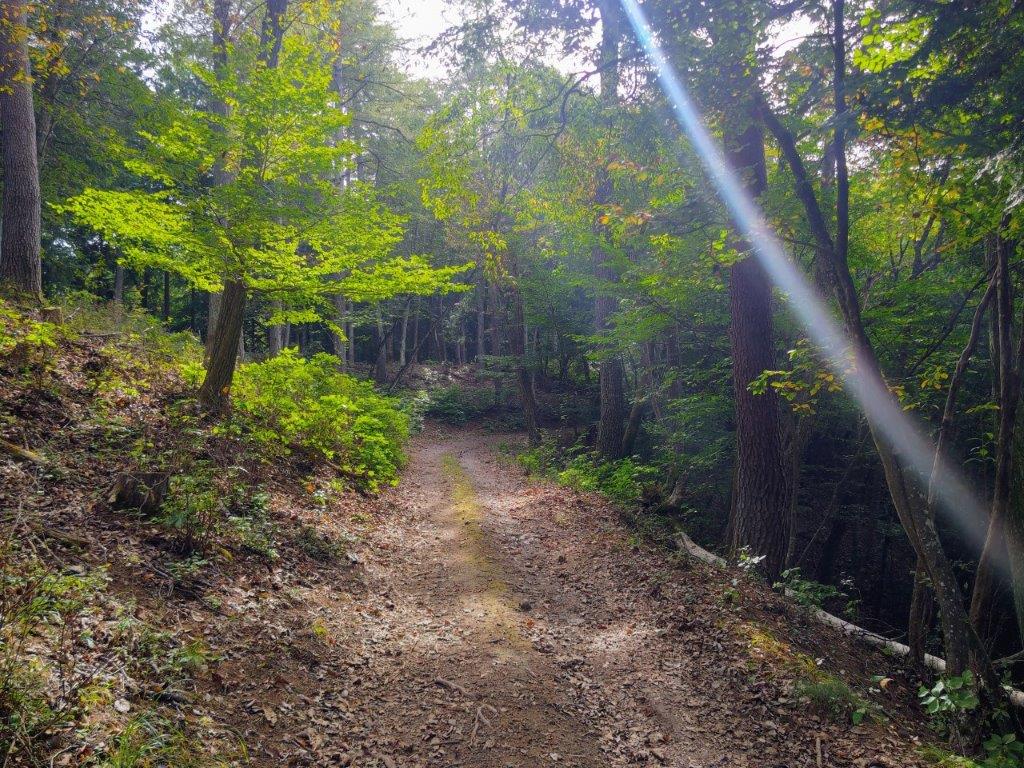
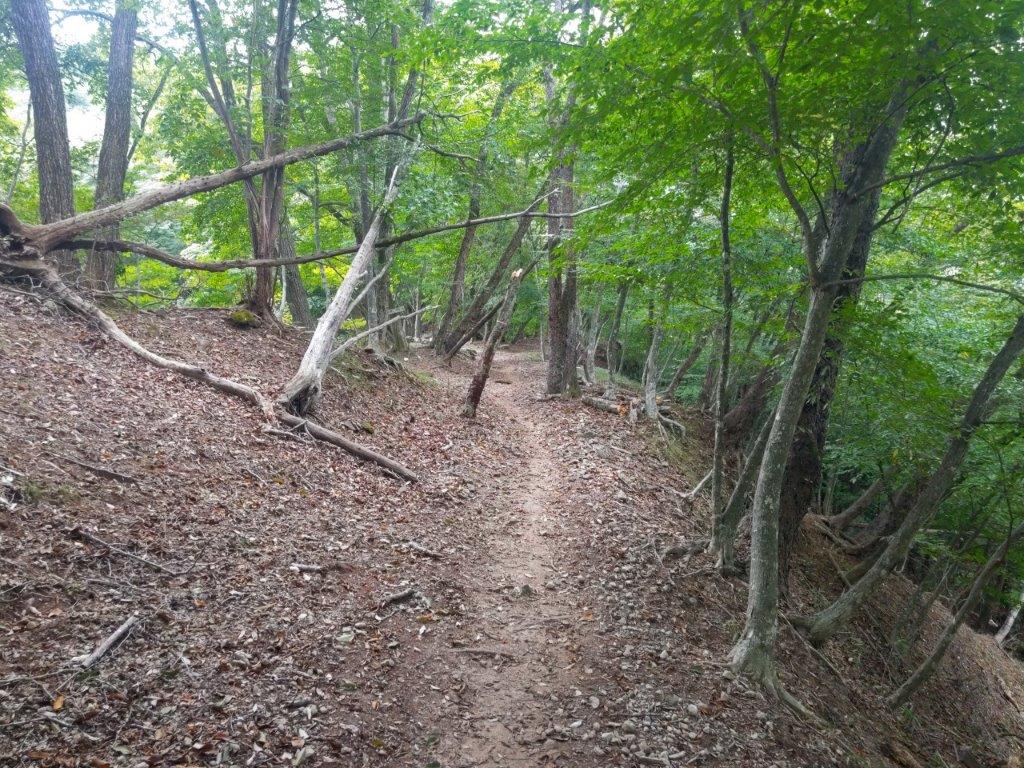
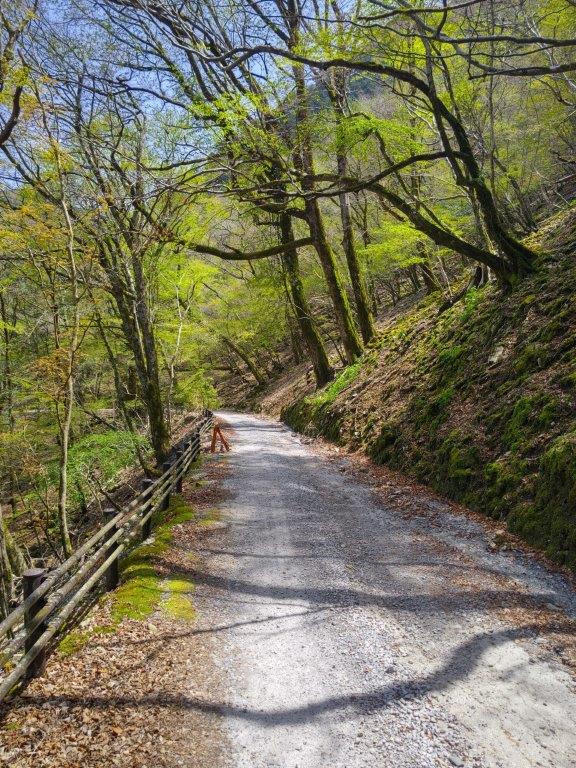
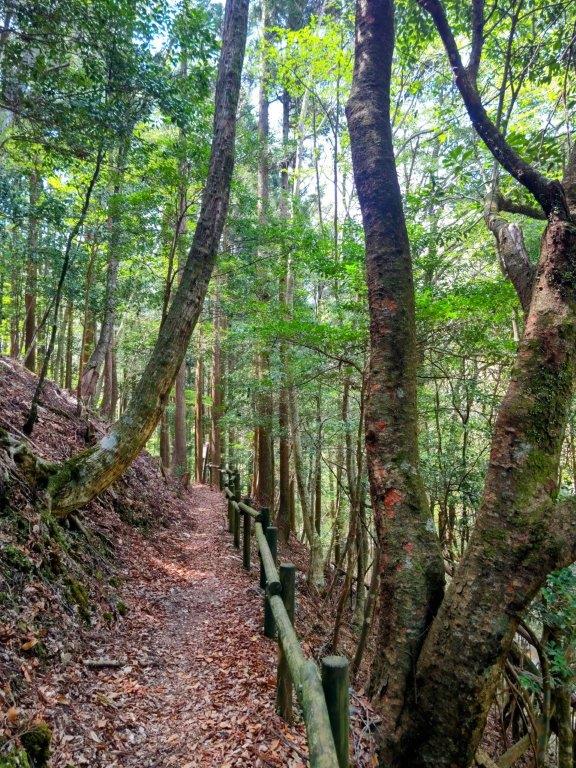
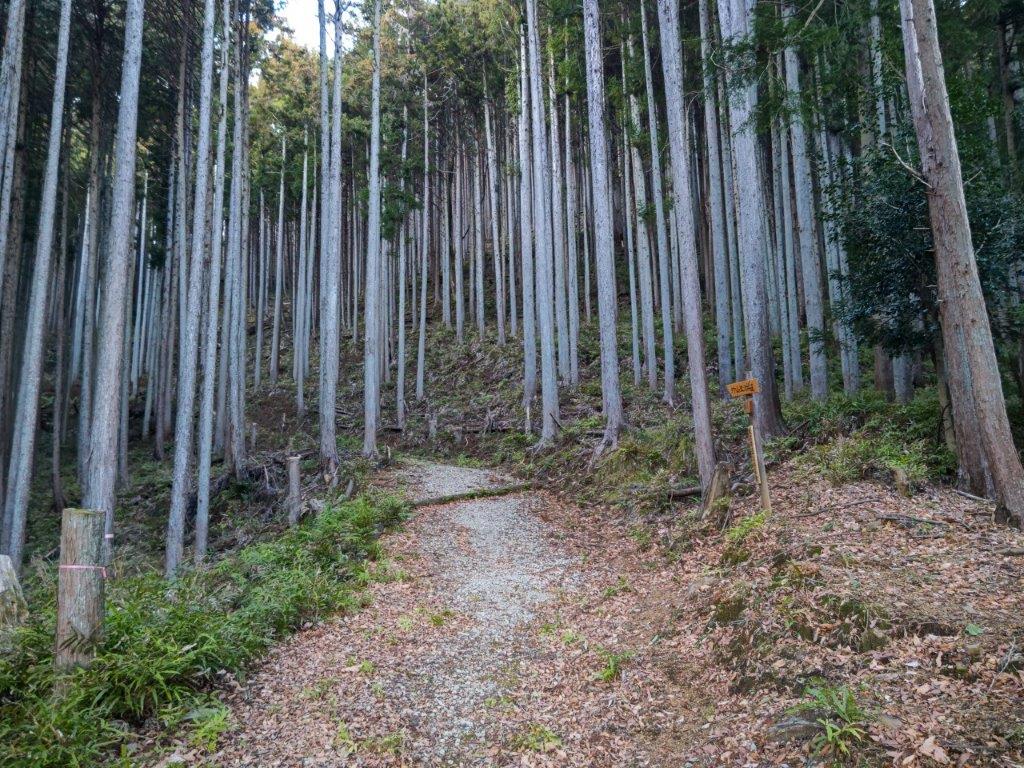
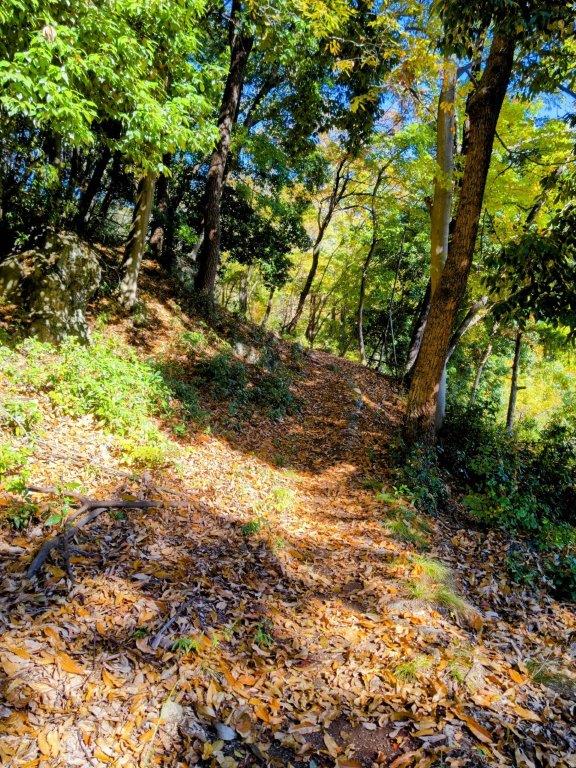
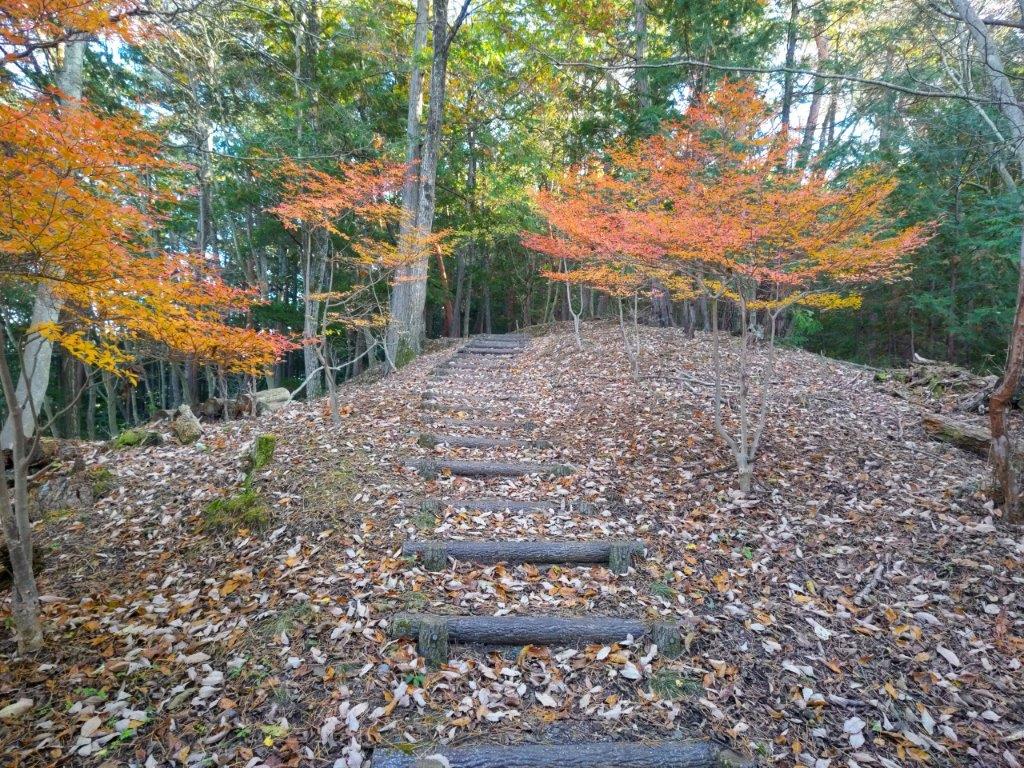
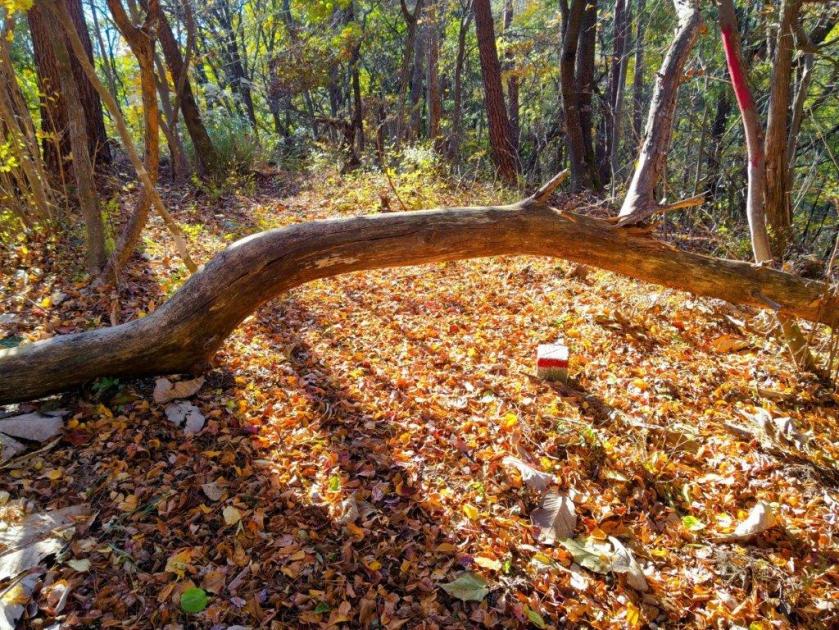
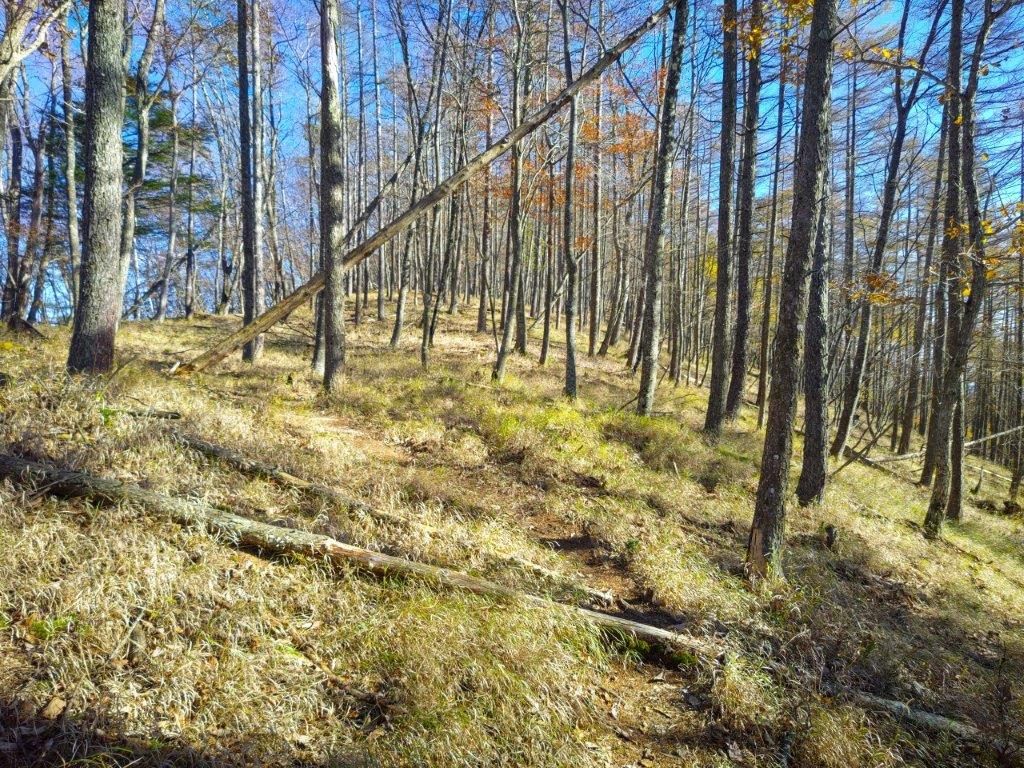
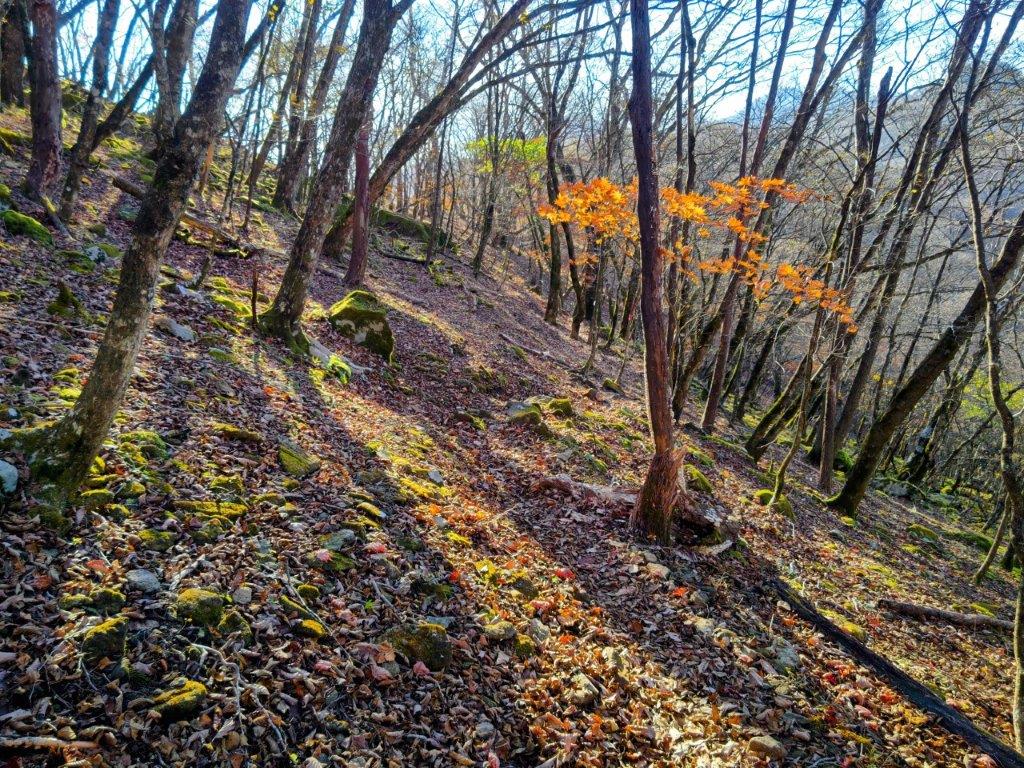
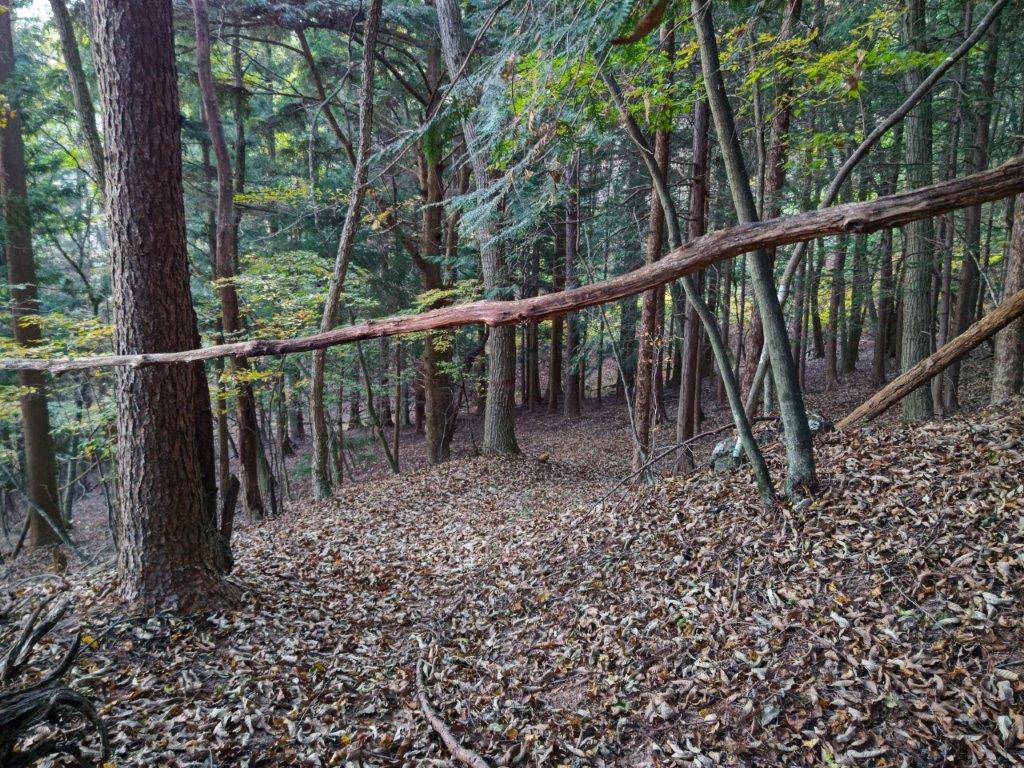
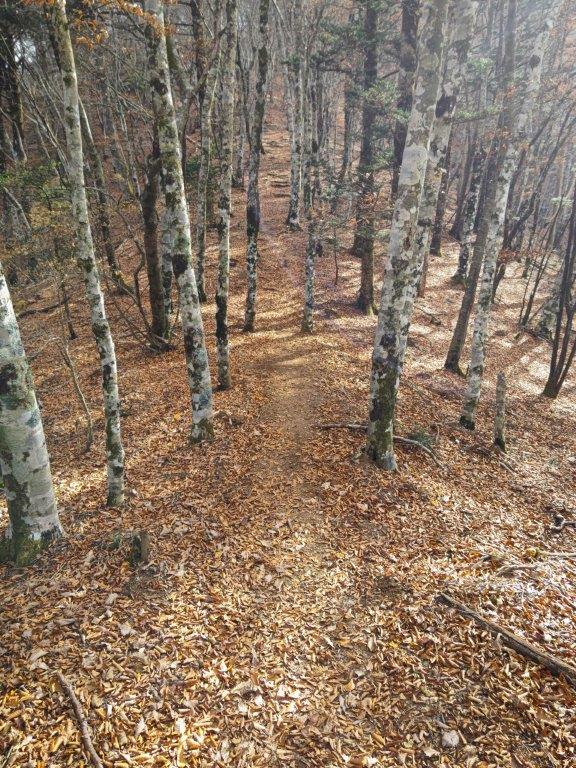
Fallen Leaves (left) and Beeches (right) at the Start of the Hike
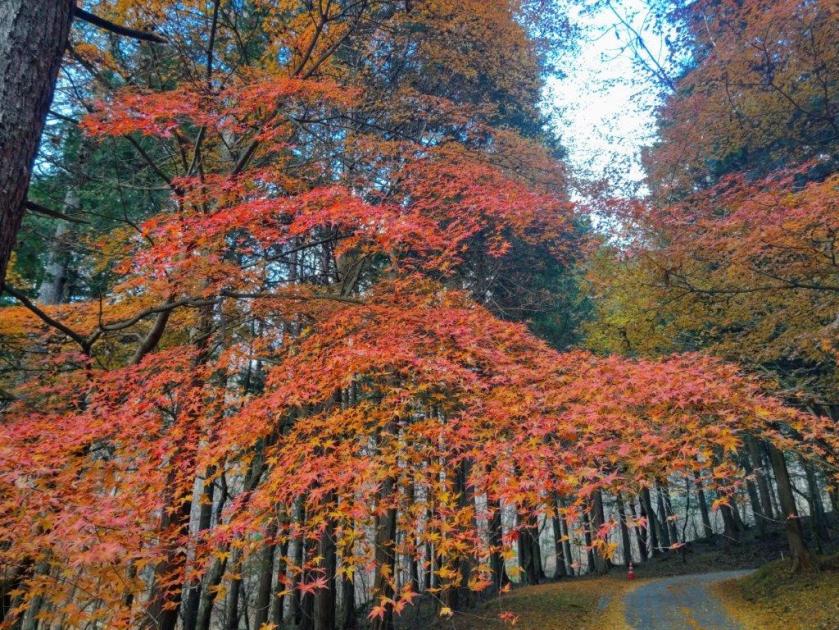
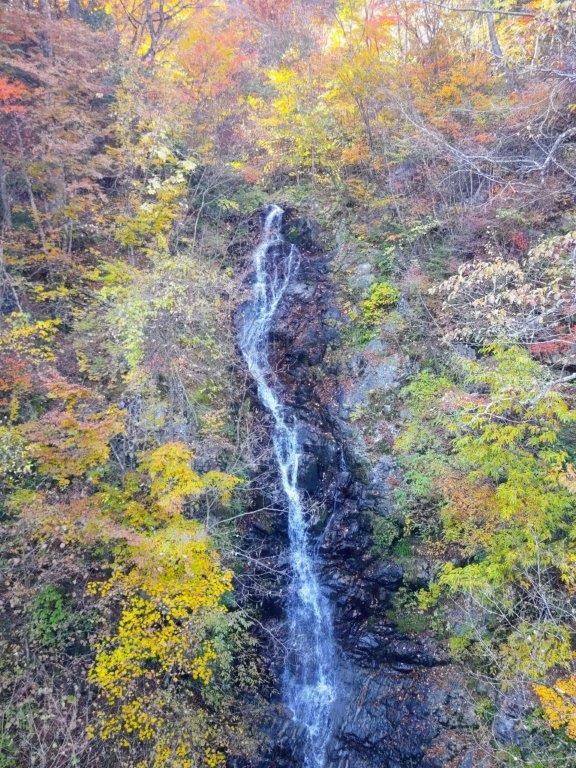
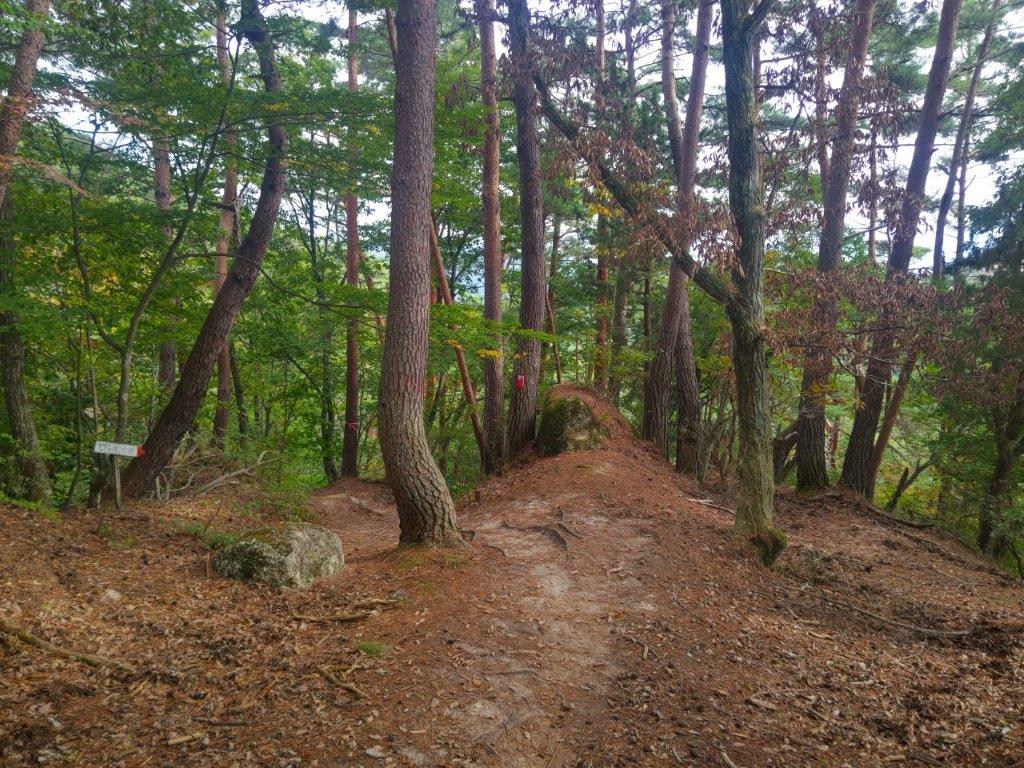
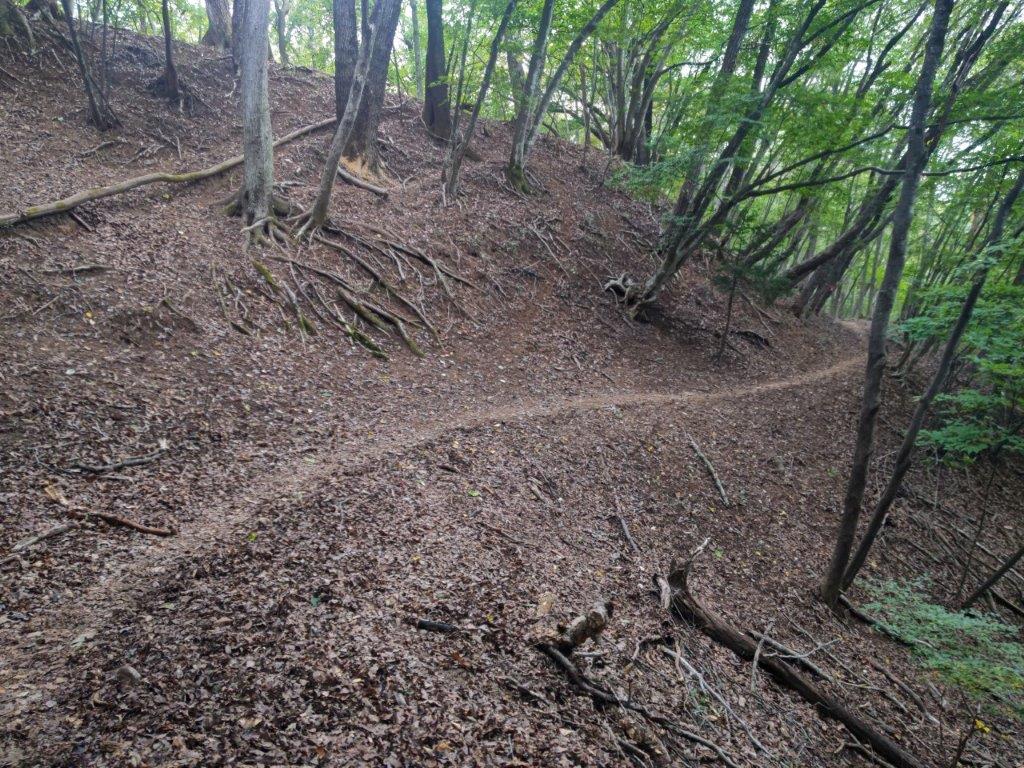
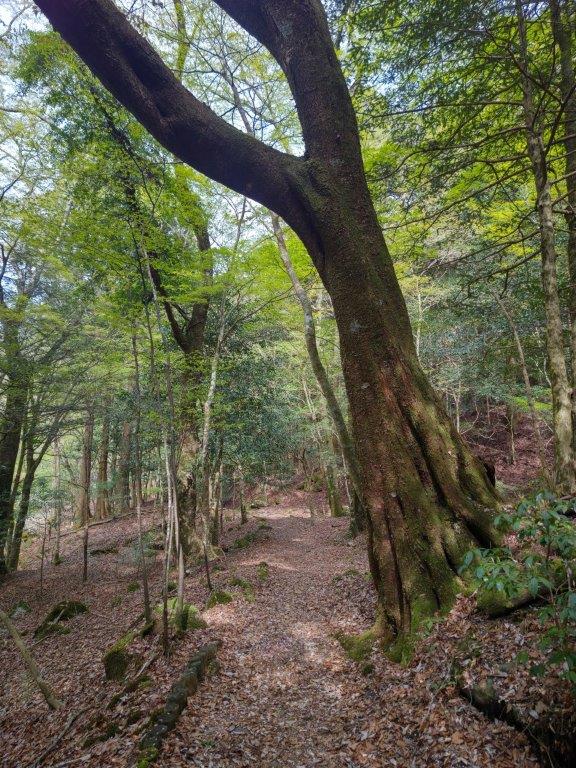
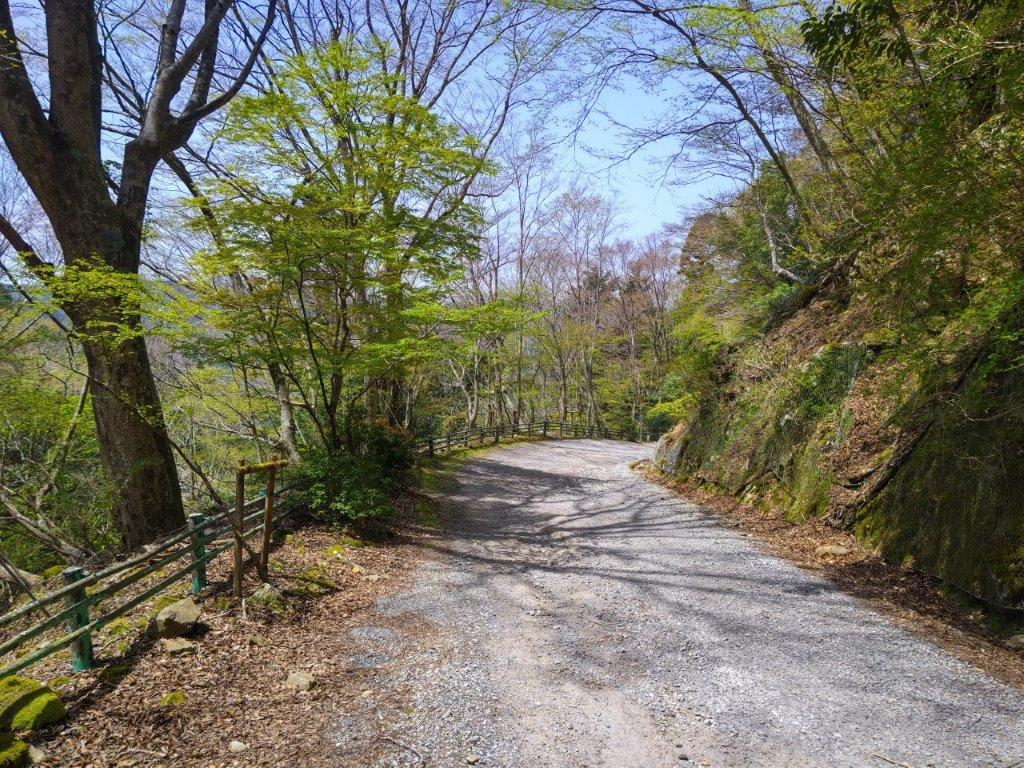
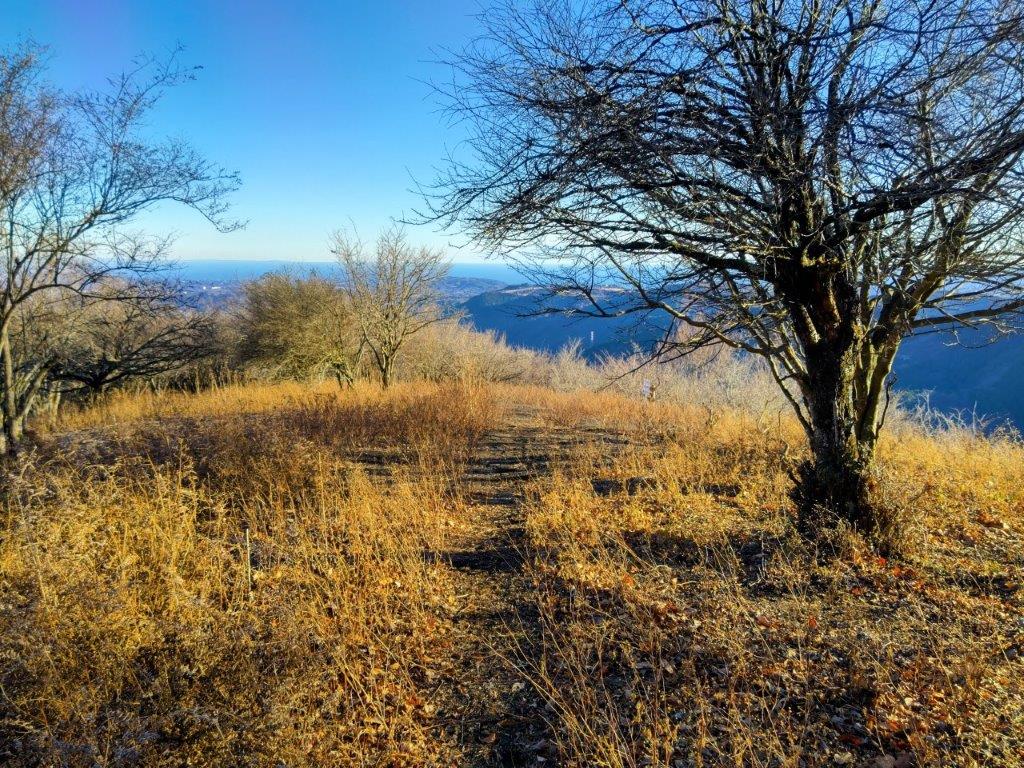
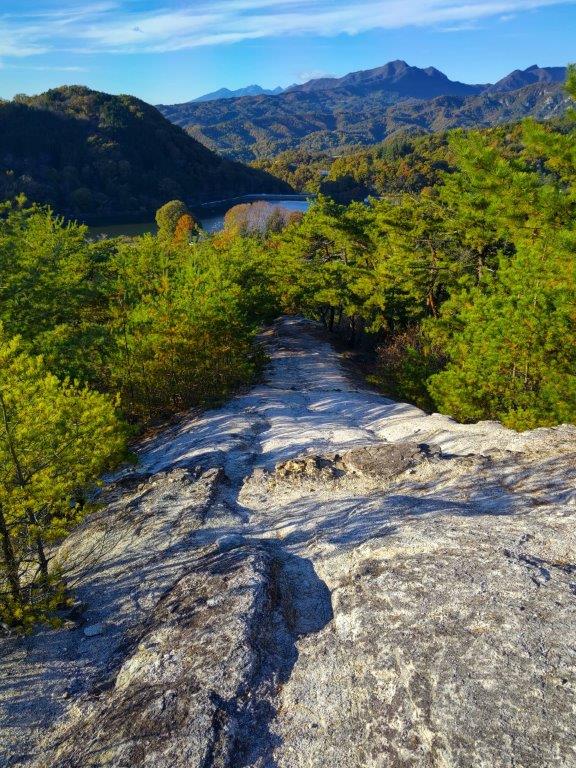
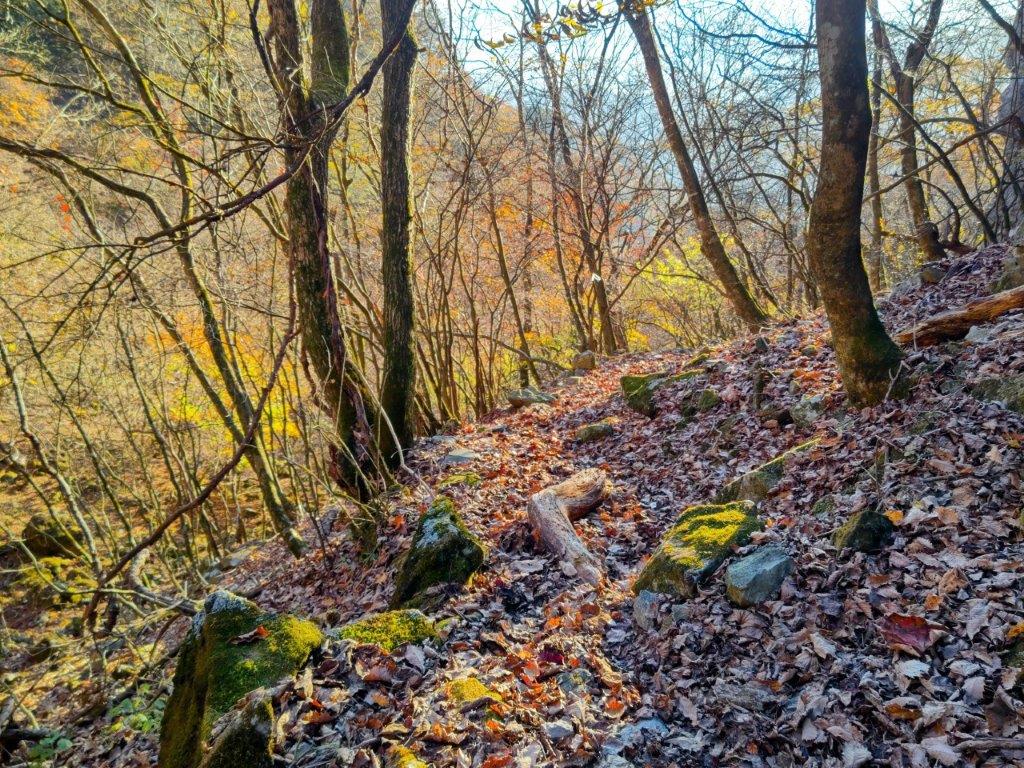
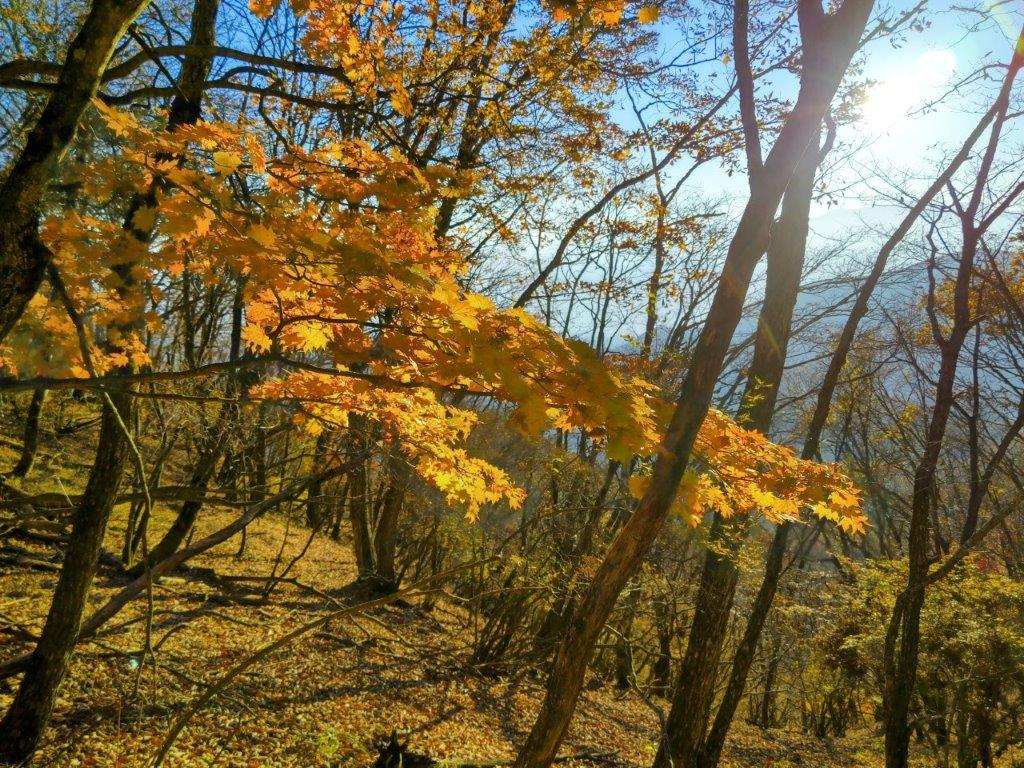
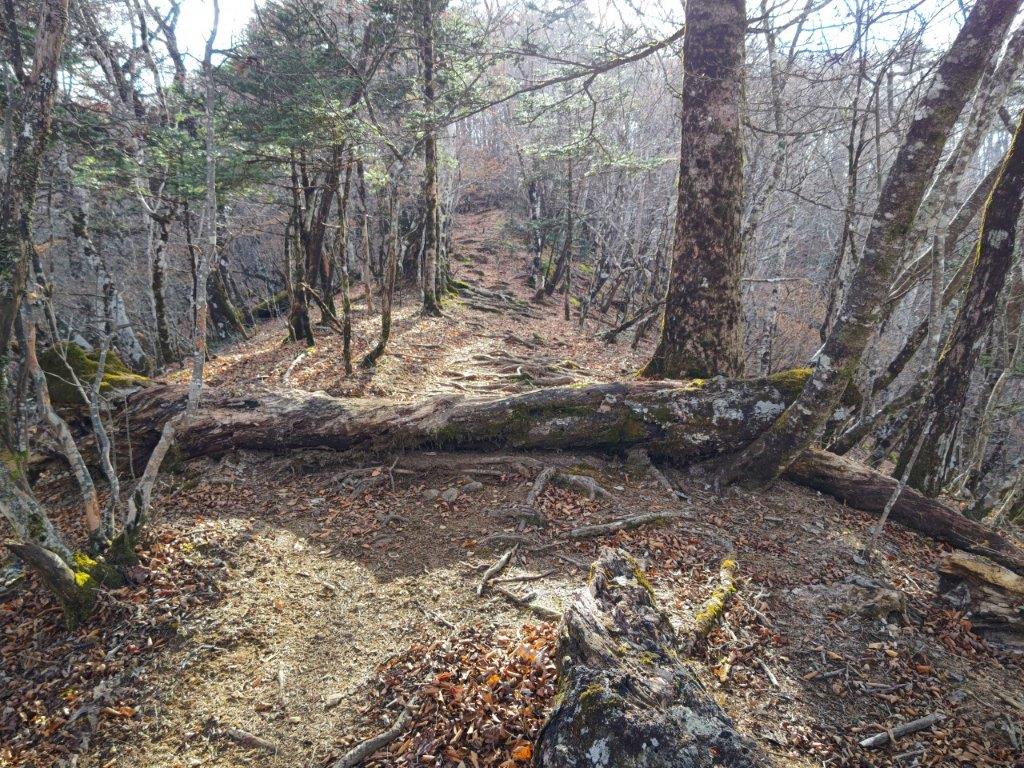
Trail near the Top (left) Autumn Colours at the End of the Hike (right)

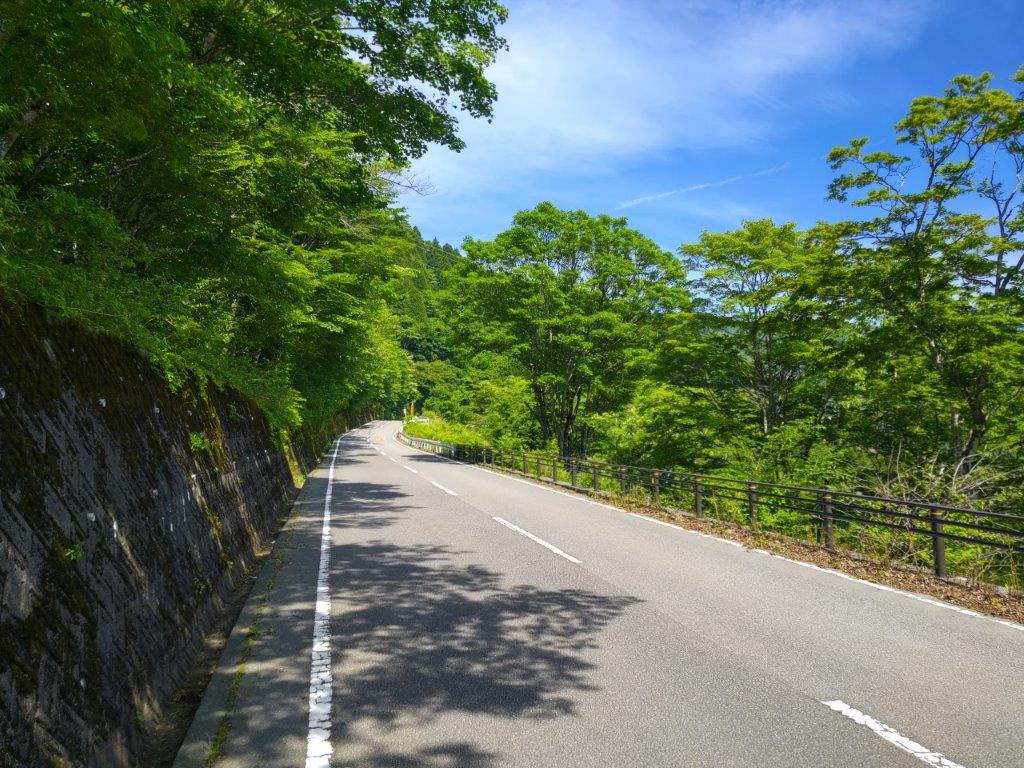
It was a blue sky day as I drove southwards from Kofu station towards the Misaka Mountains (御坂山地). After following a narrow road along the Ashi river valley, I arrived at the Lily of the Valley Flower Colony Parking Lot (すずらん群生地駐車場) just after 11h30. I had to use a smaller parking for hikers since the main one, a little further down the road, was reserved for people using the Twin Terrace Bus. A little after noon, I set off along a faint path starting from the parking lot. After passing a second parking for hikers and crossing a small bridge over a dry riverbed, I arrived at an electric fence beyond which was the start of a well-defined walking path.
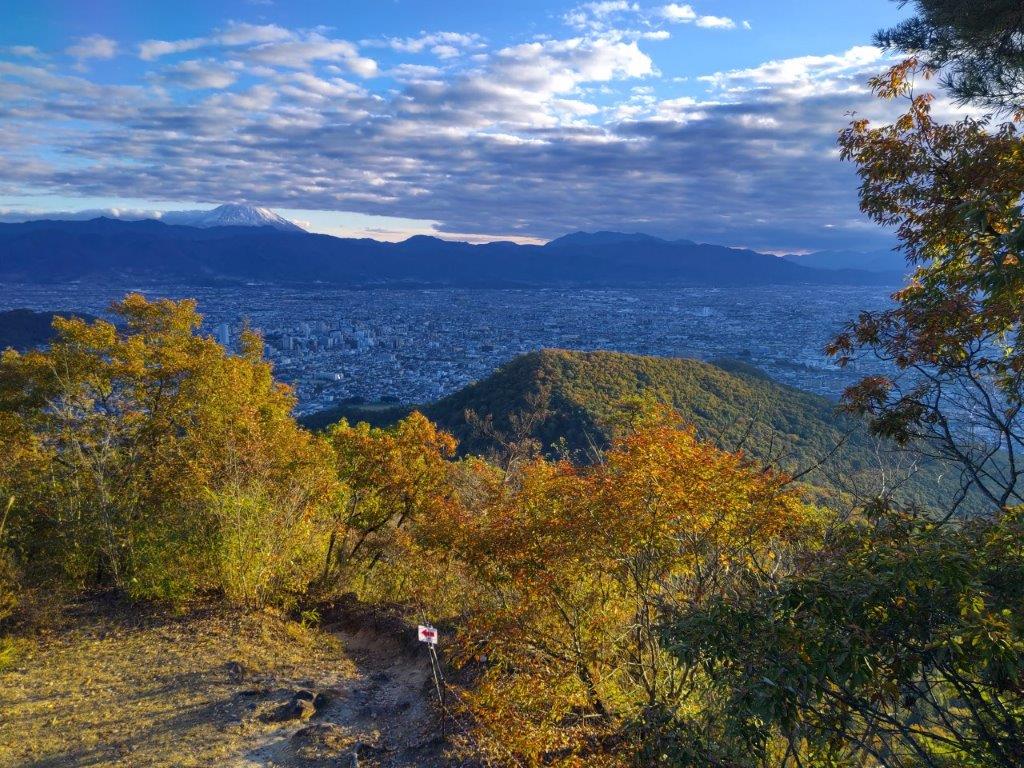
Last Rays of Sun near the Summit of Mt Kuro

Trail near Mt Hafu

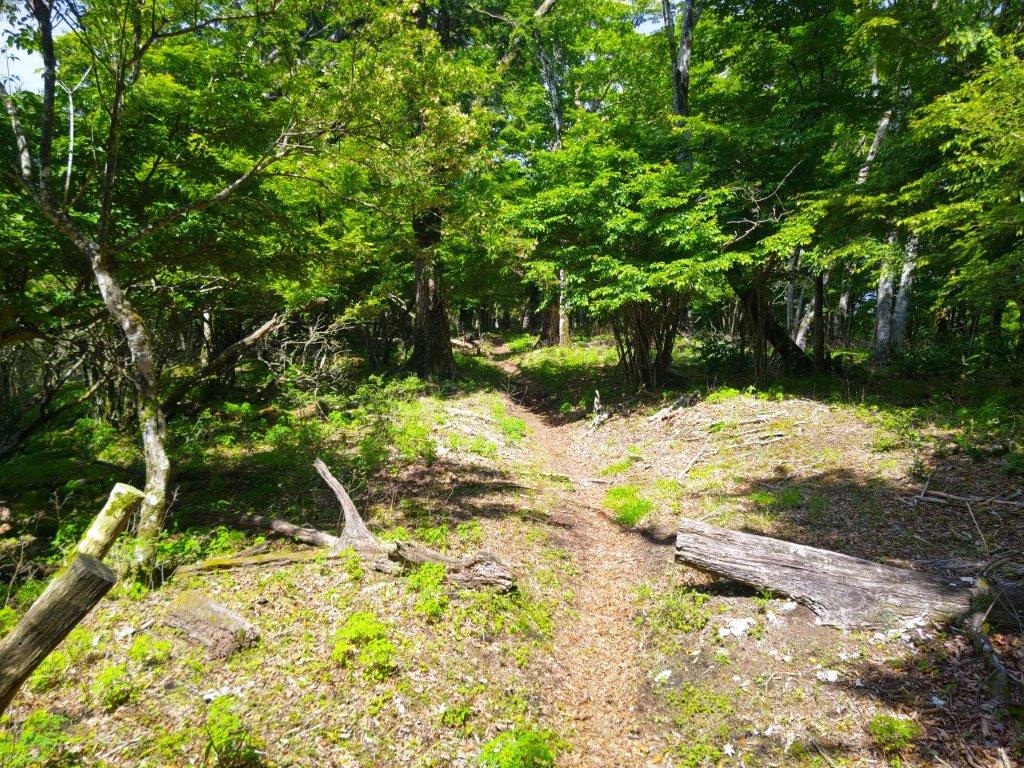
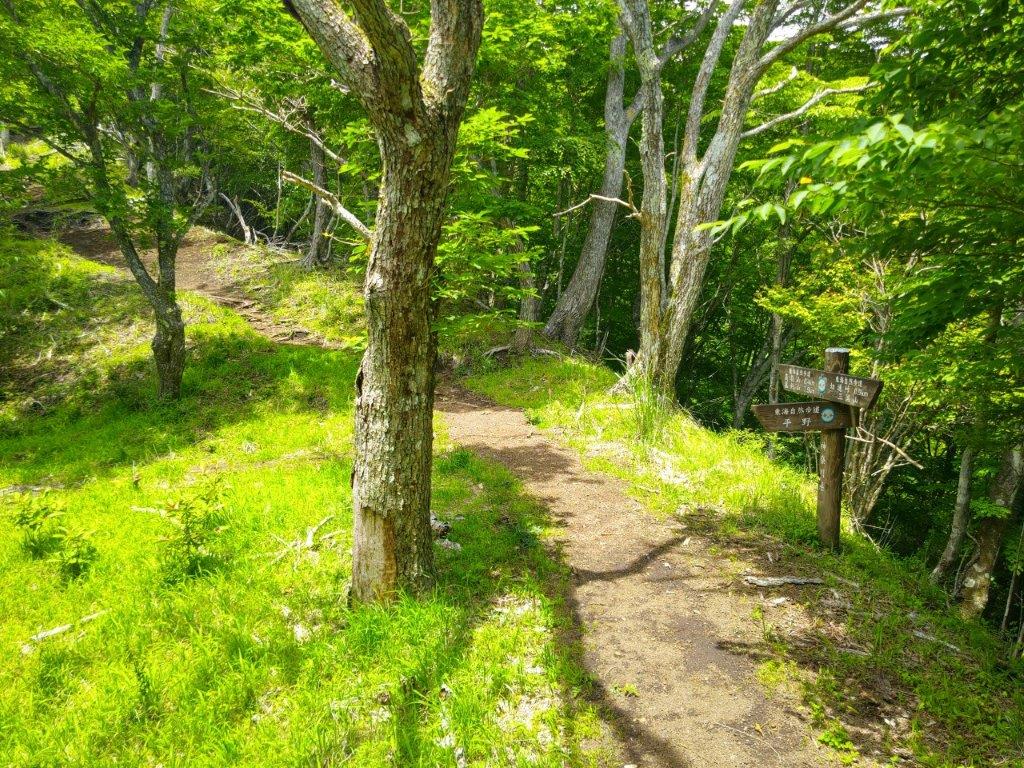
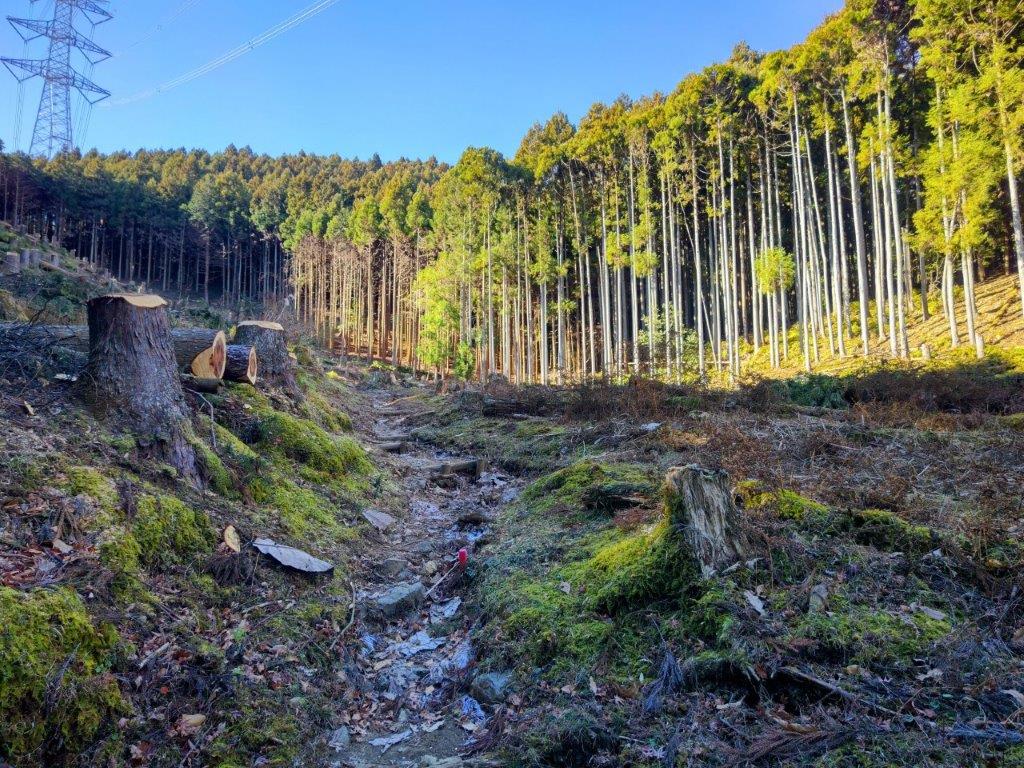
I found myself walking among tall beeches, their tops already bare of leaves, drawing attention to their white trunks. After recrossing the dry riverbed, I reached a paved road where I turned right and soon passed the gated entrance for the road for Fujiyama Twin Terrace, closed to private cars. A little further, I arrived at a sign for today’s mountain, pointing to a faint trail heading up the left side of the dry riverbed. Here, I was glad I could see my position on the Japanwilds digital map since the trail was at times hard to follow. At 1pm, I turned right onto a ridge, the path merging with a signposted trail leading to the summit.

Sun Rays Filtering through the clouds

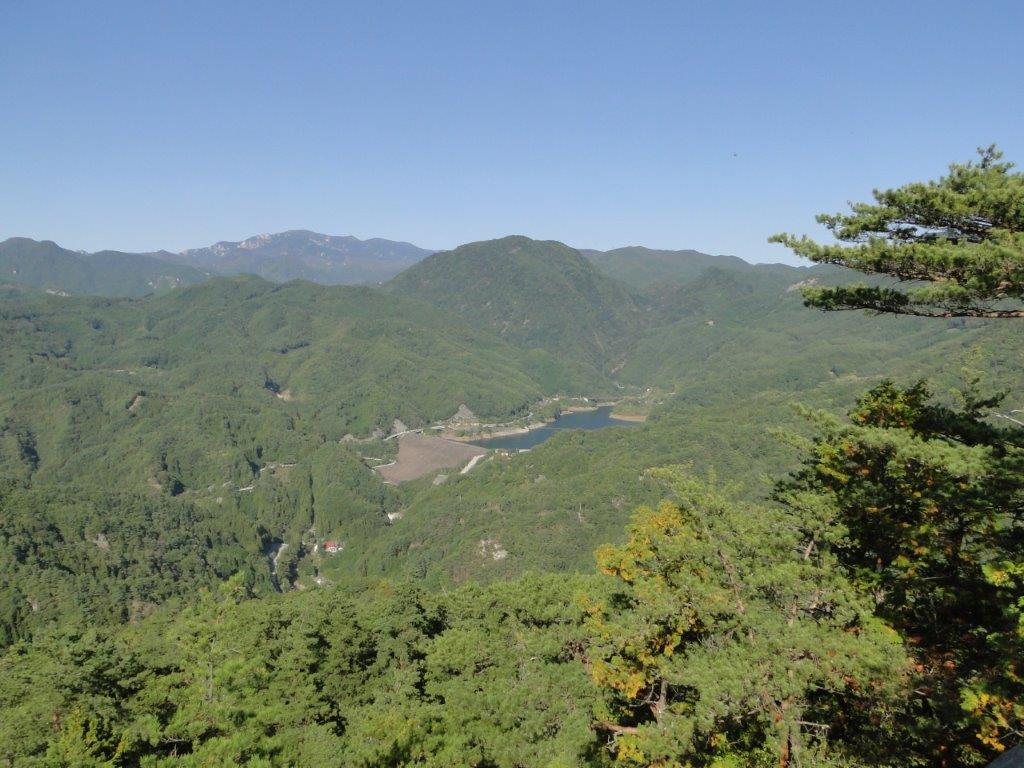
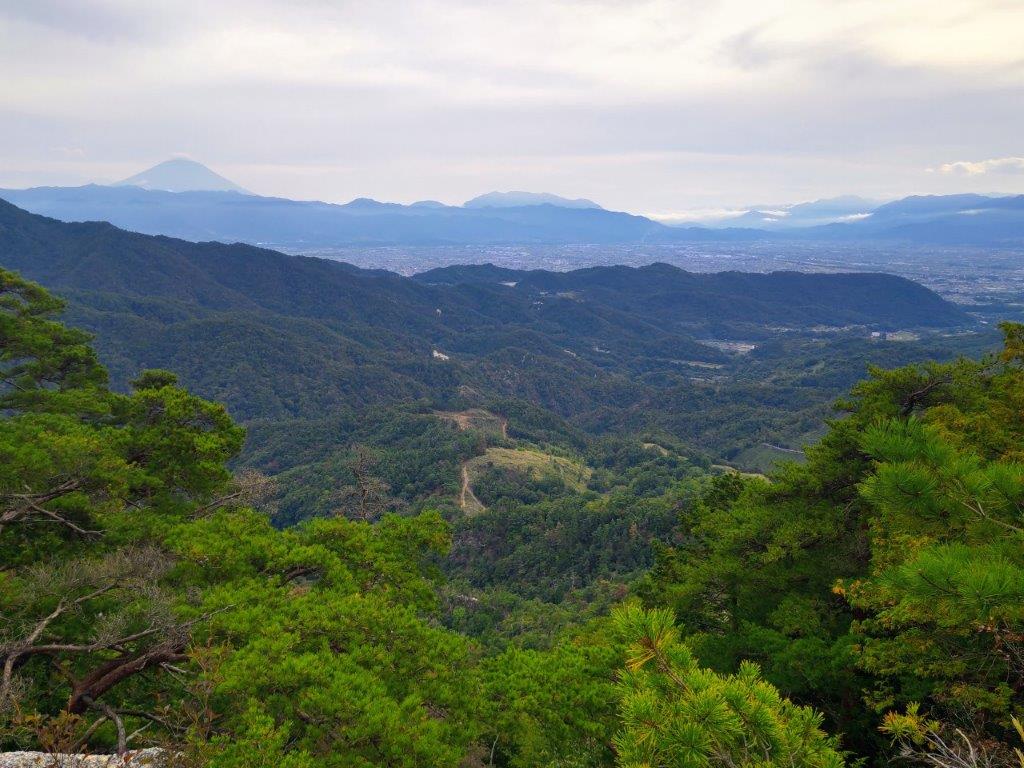
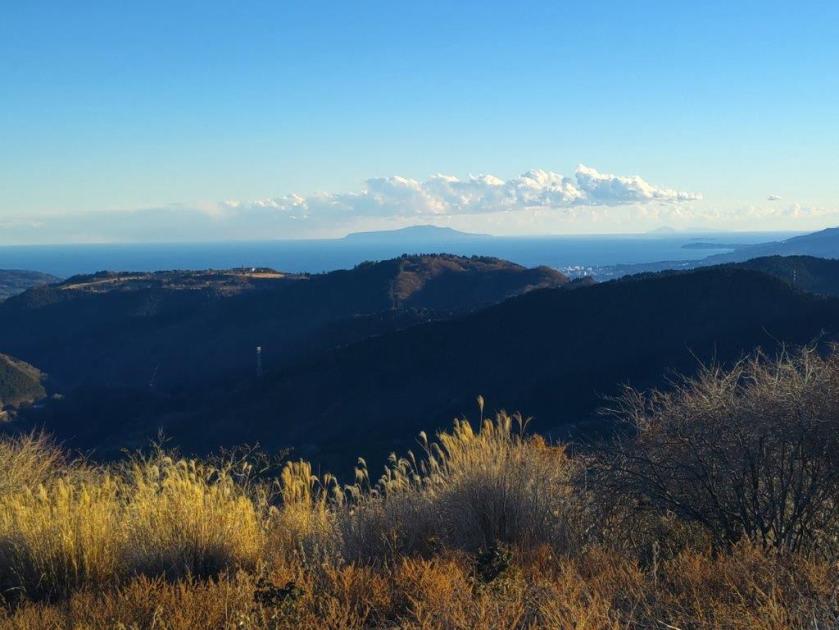
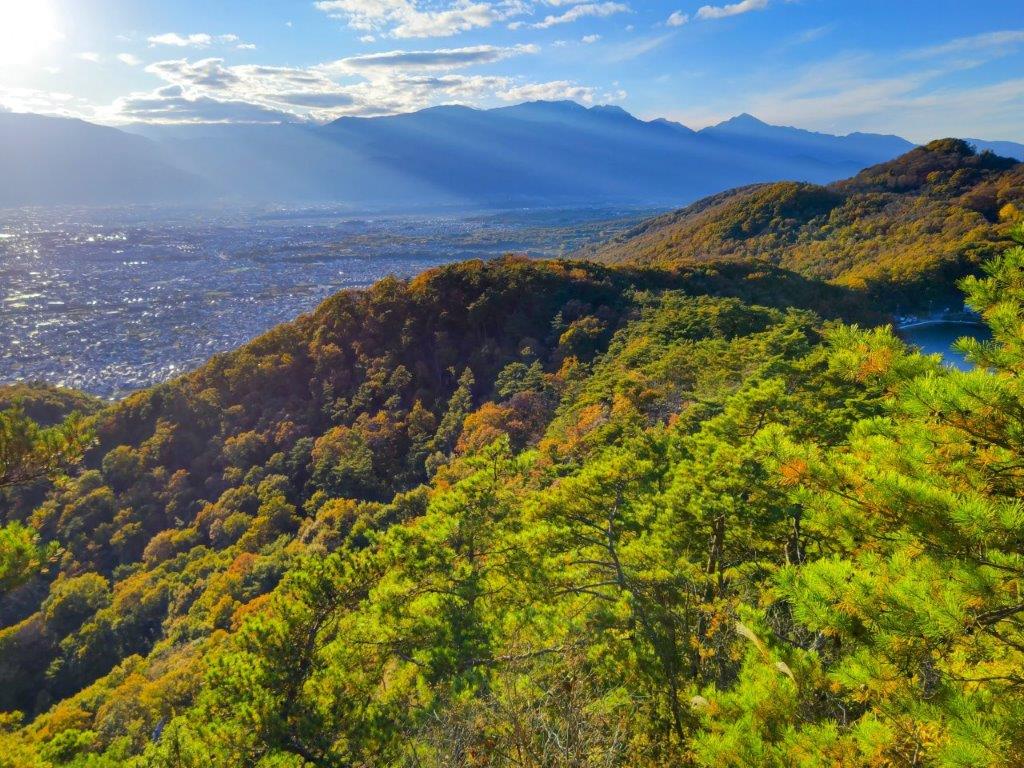
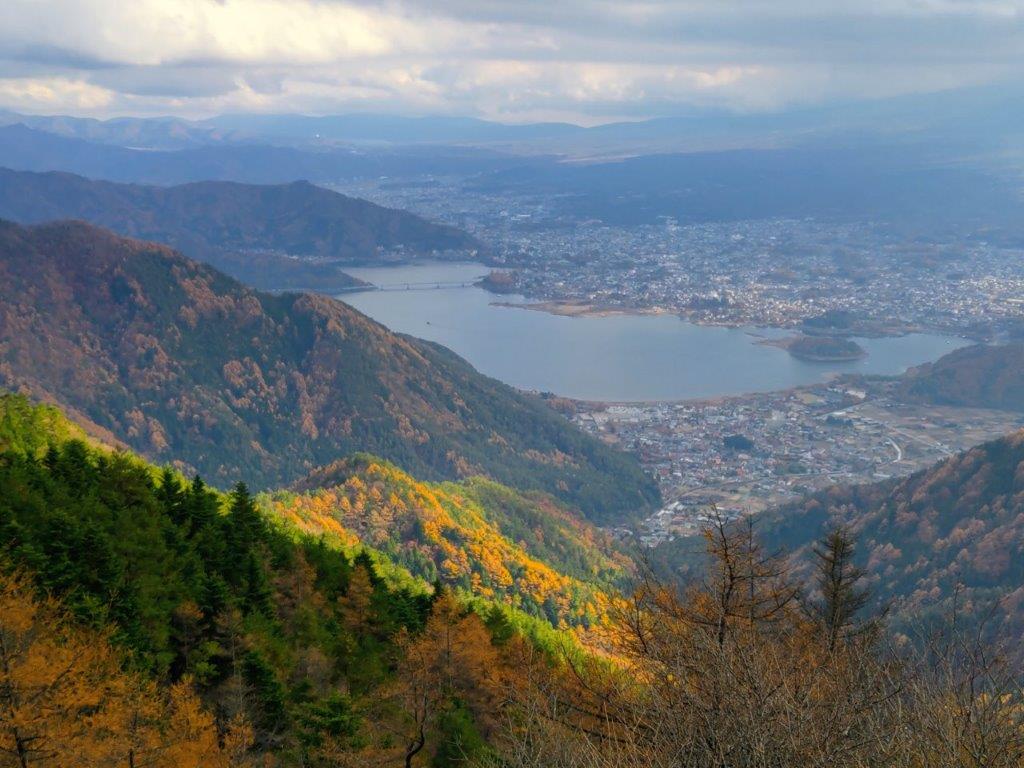
View of Kawaguchiko Lake from below Mt Hafu

I made good time up the steep trail allowing me to stay warm in the frigid temperatures. I was above 1000 meters and Autumn was already well over, the white beeches providing most of the scenery; a sign indicating told me I was inside a 100 famous forest of Yamanashi. The trail gradually became less steep, giving me a chance to catch my breath without having to take a break. After a couple of turns, I suddenly came upon the summit of Mt Kuro (黒岳 くろだけ kuro-dake meaning “Mt Dark”), the highest peak of the Misaka mountains and a 300 famous mountain of Japan. It was completely in the trees so I dropped my pack and headed for the observation point a few meters to the right, hoping to get a glimpse of Mt Fuji.

First Terrace of Fujiyama Twin Terrace
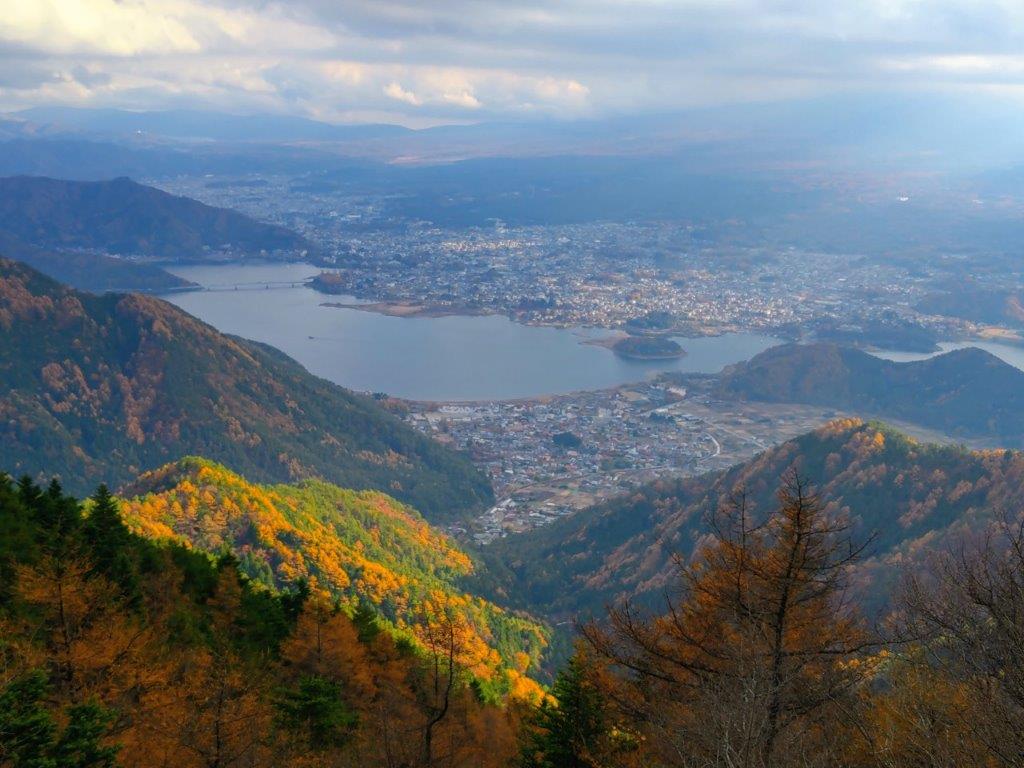
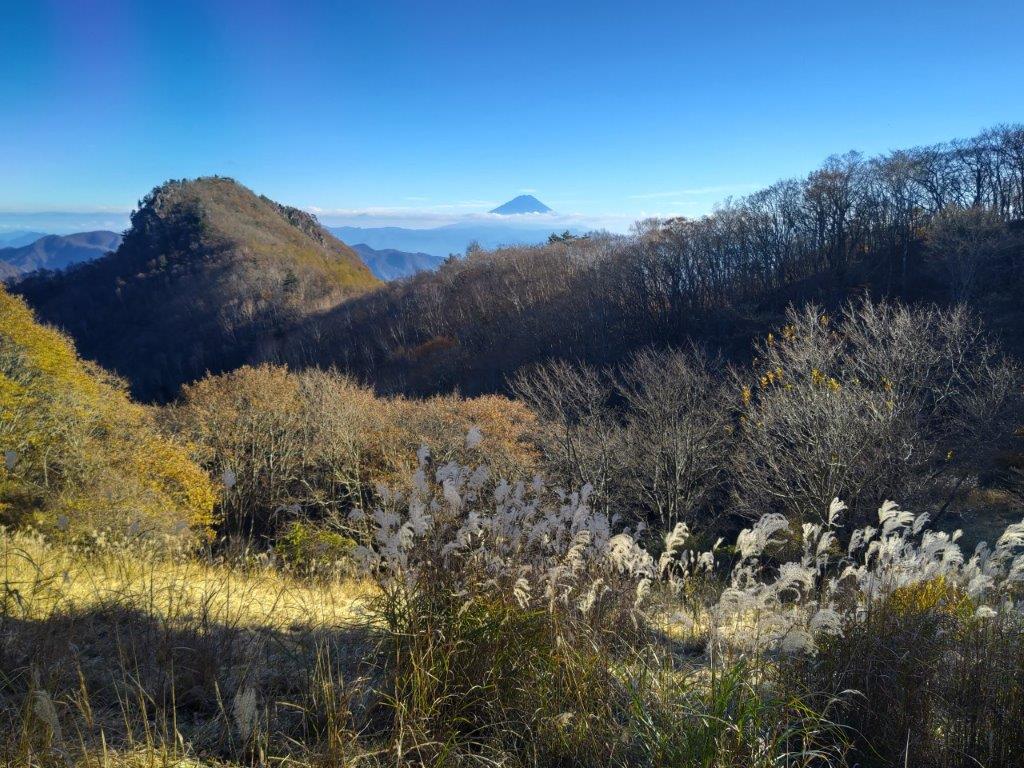
Autumn Leaves Catching the Sun from the First Terrace

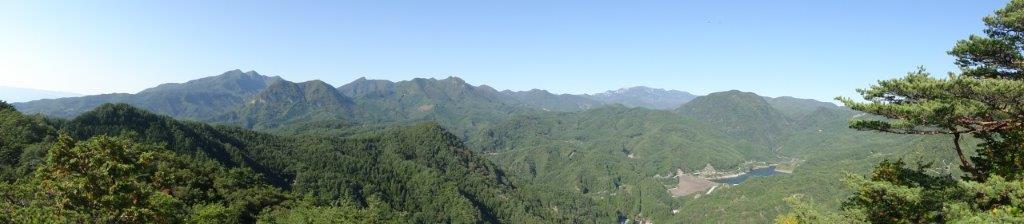
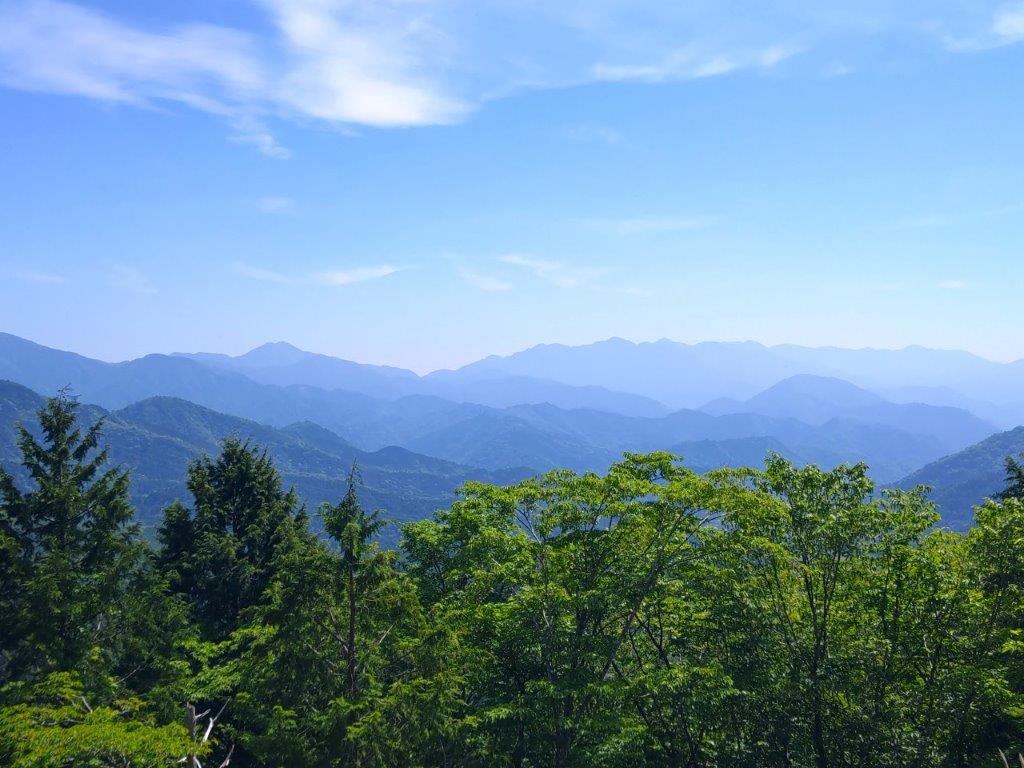
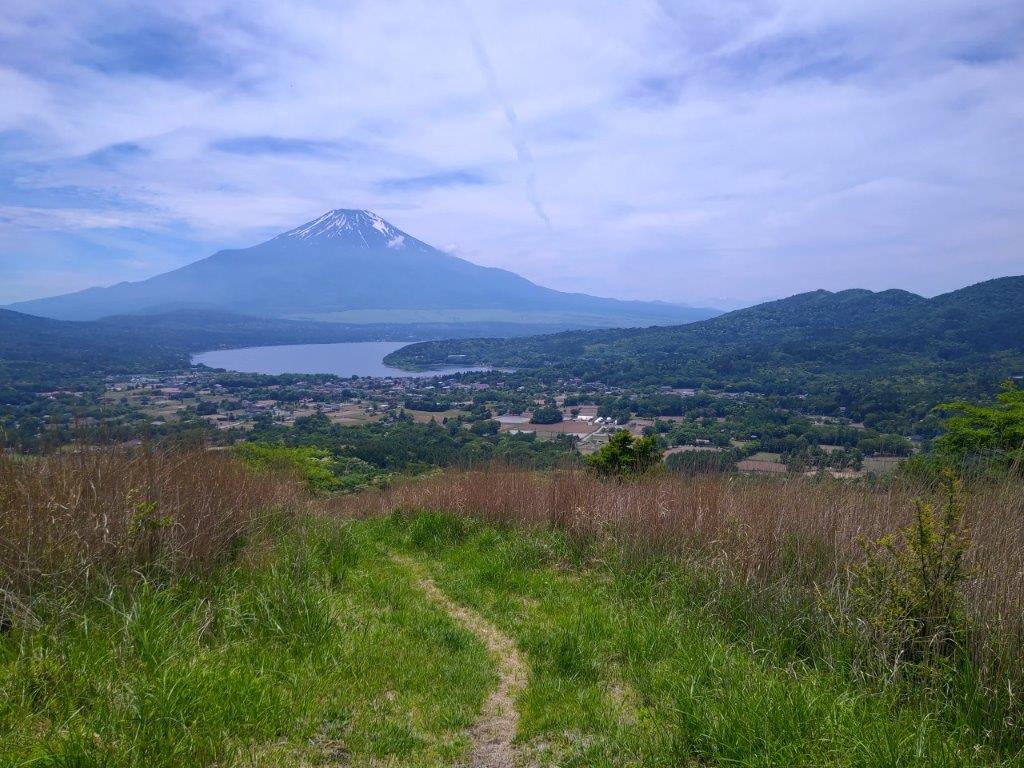
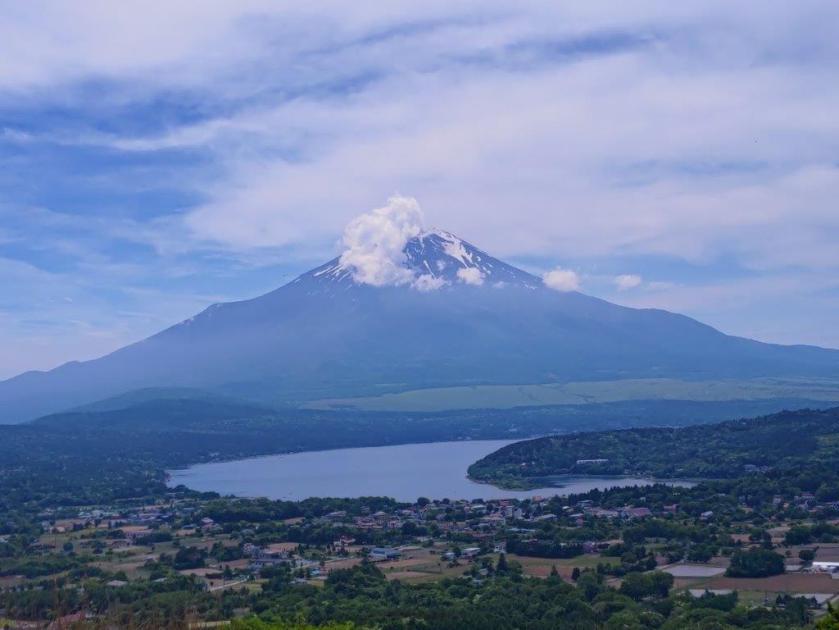
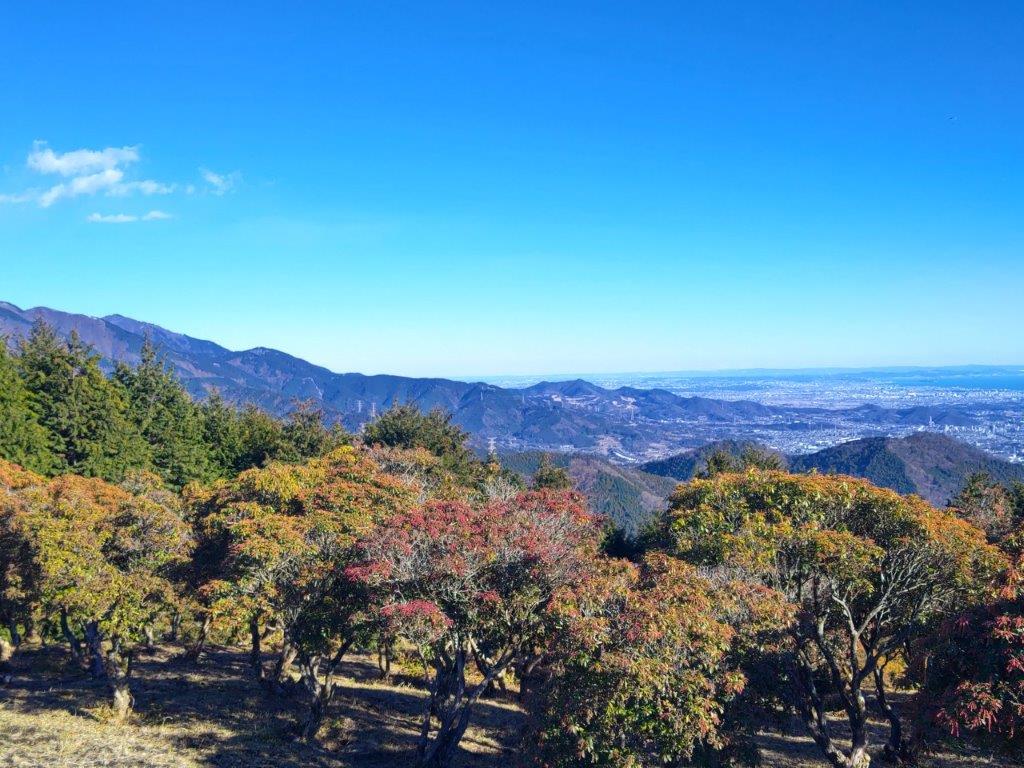
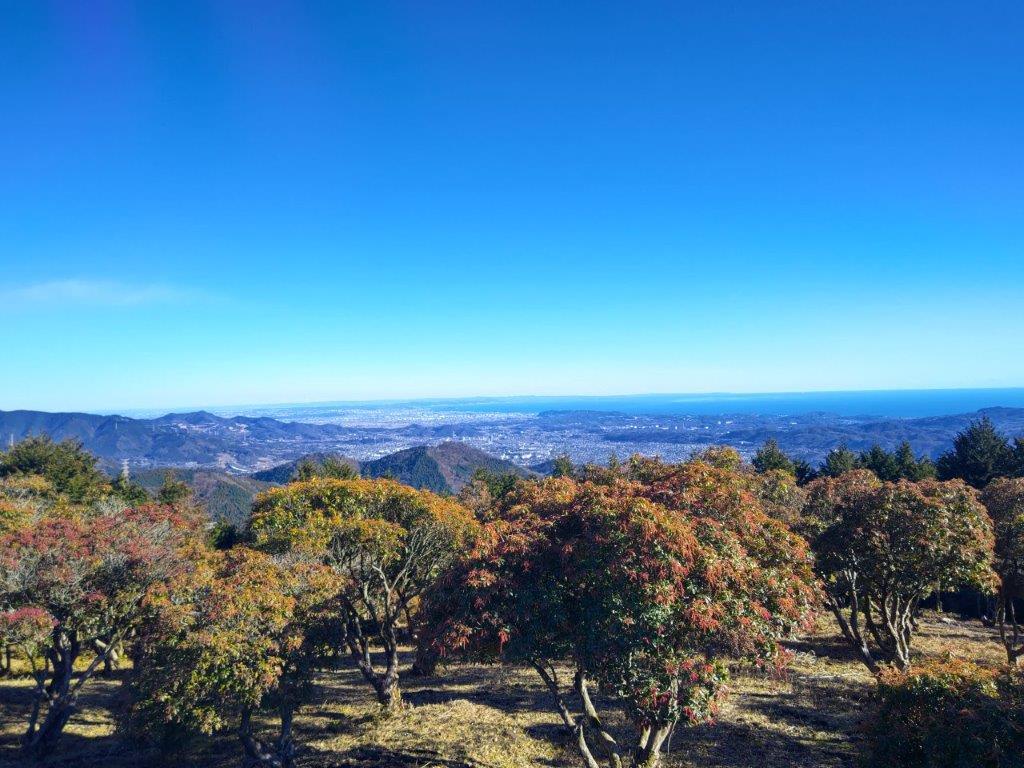
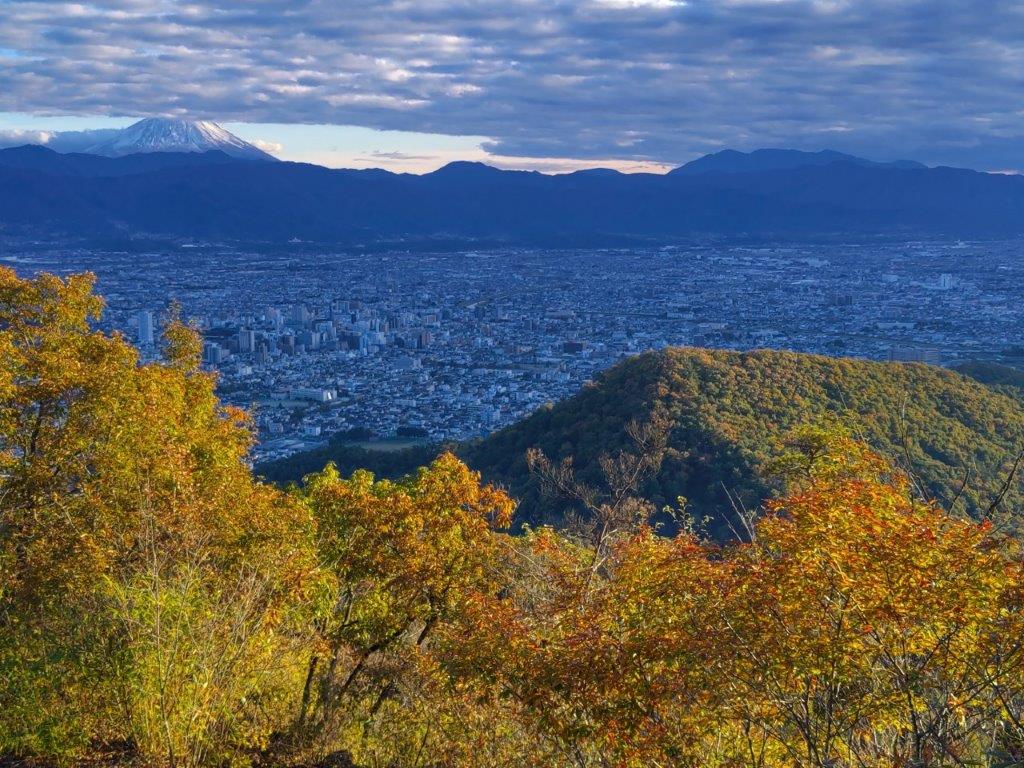
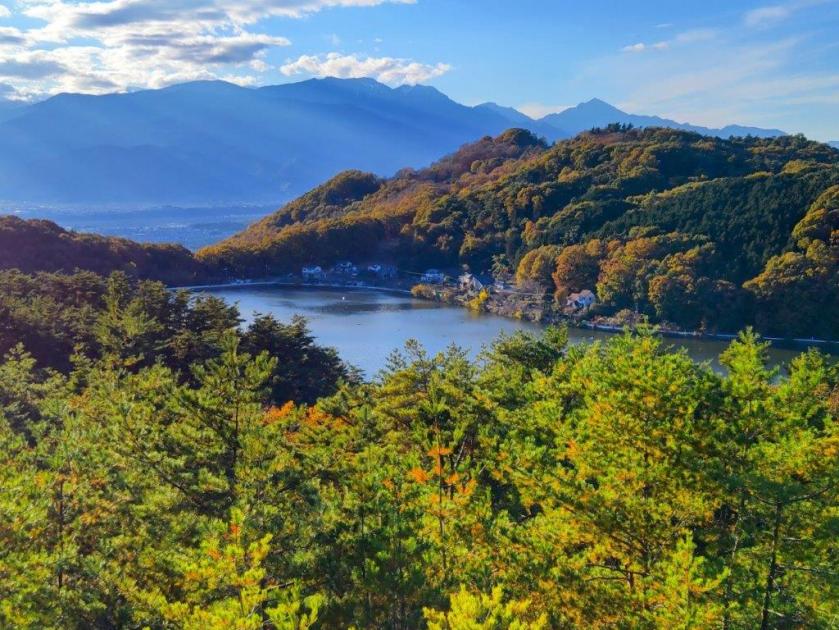
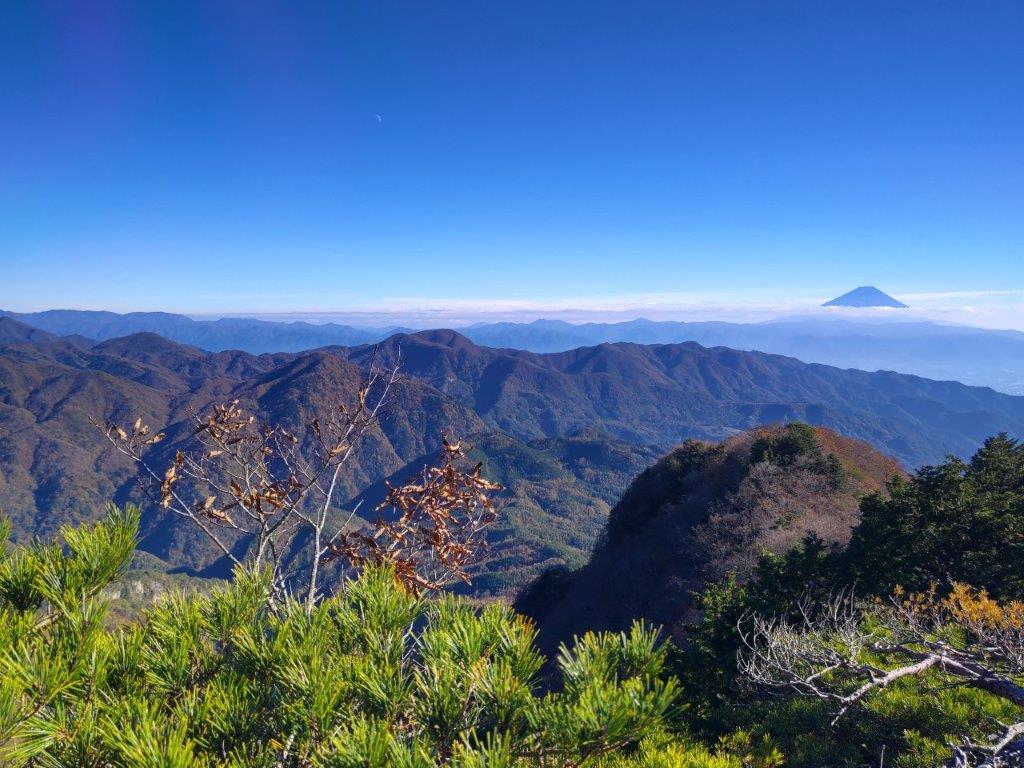
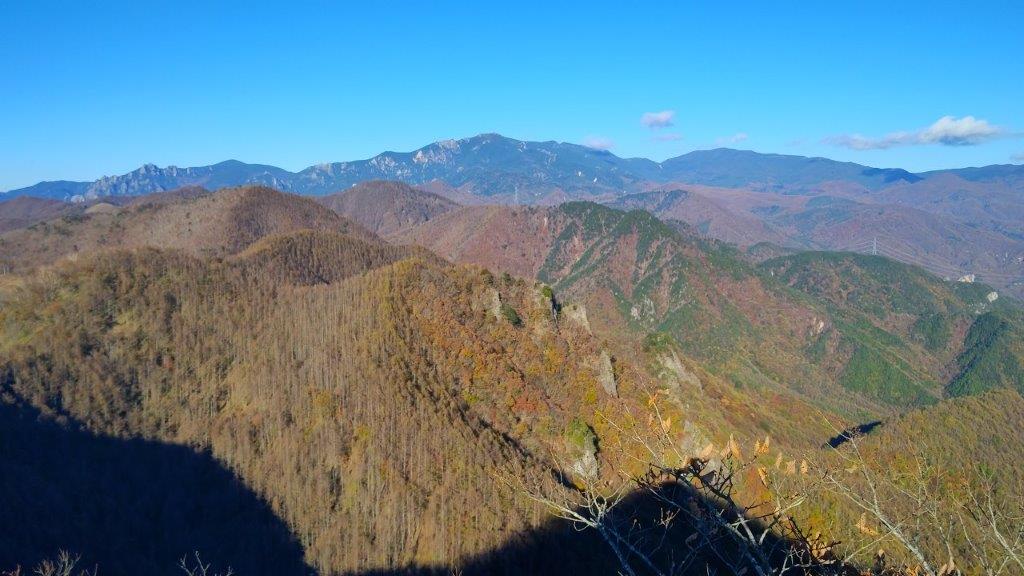
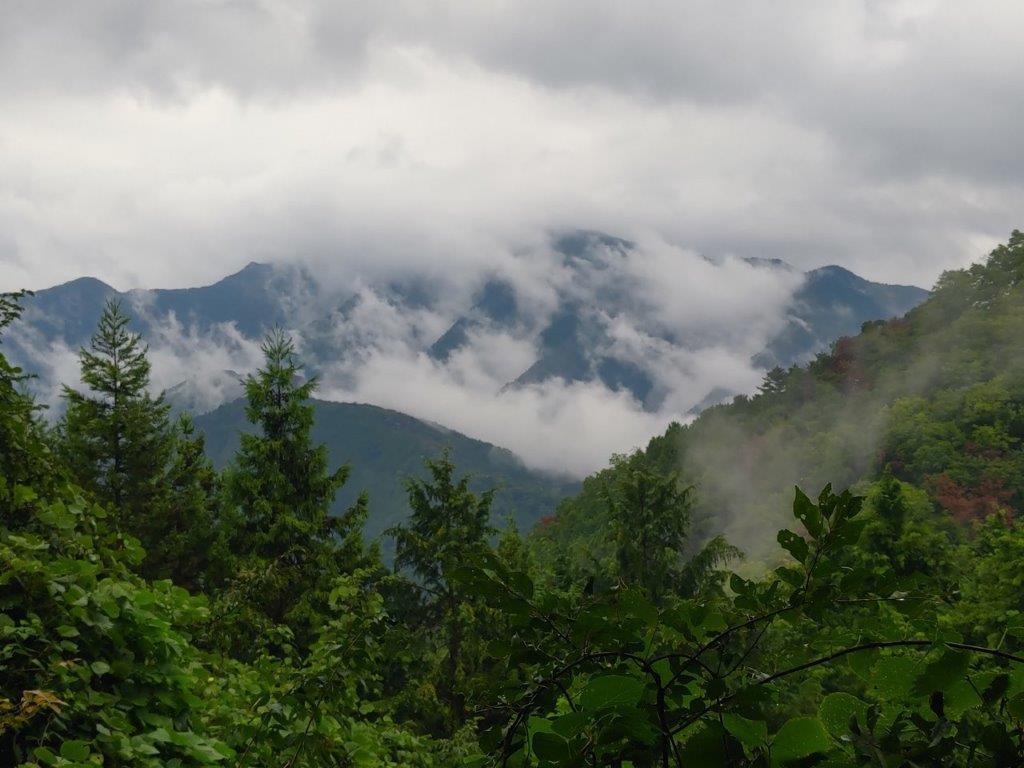
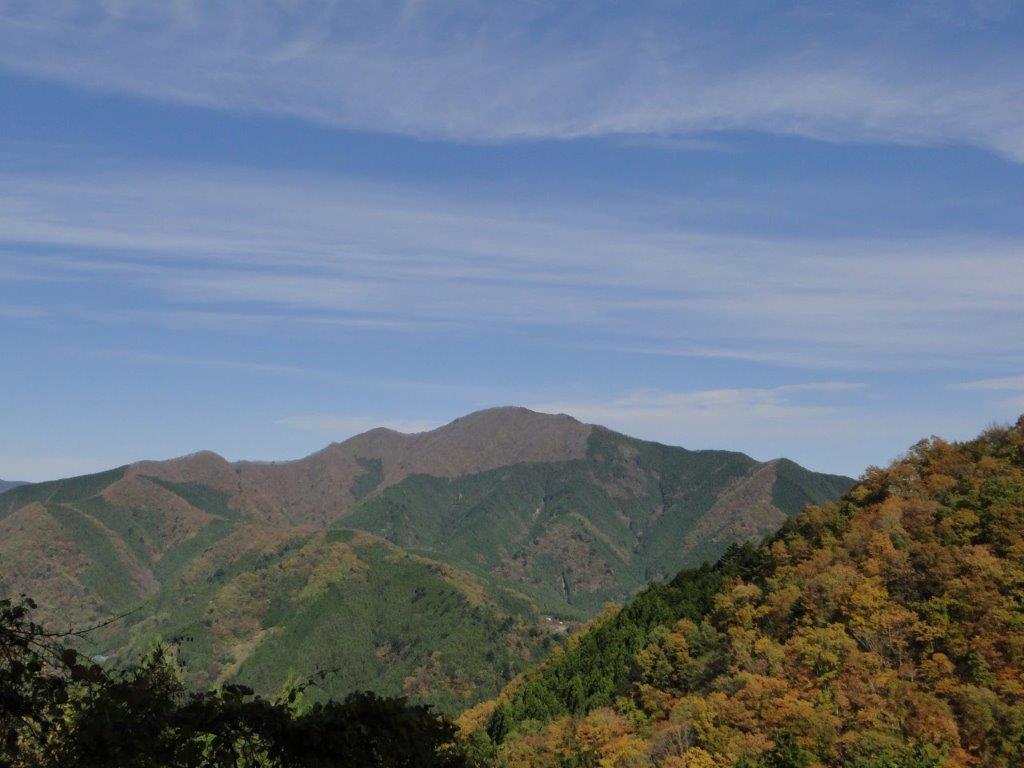
I was surprised to see that thick clouds had rolled in during my ascent, completely hiding Mt Fuji from view. According to the other hikers, I had missed Japan’s iconic volcano by only a few minutes. Looking down, I still had a view of Kawaguchiko lake extending east to west along the base of the mountains. On the right side, I could see Mt Ou and Mt Setto, two other main peaks of the Misaka mountains. I decided to skip my planned lunch break and immediately head to the next summit, in hope that the clouds would have cleared by then. I retraced by steps and headed down a steep path on the west side; beyond Suzuran Pass (すずらん峠), the path became level and easy to walk.

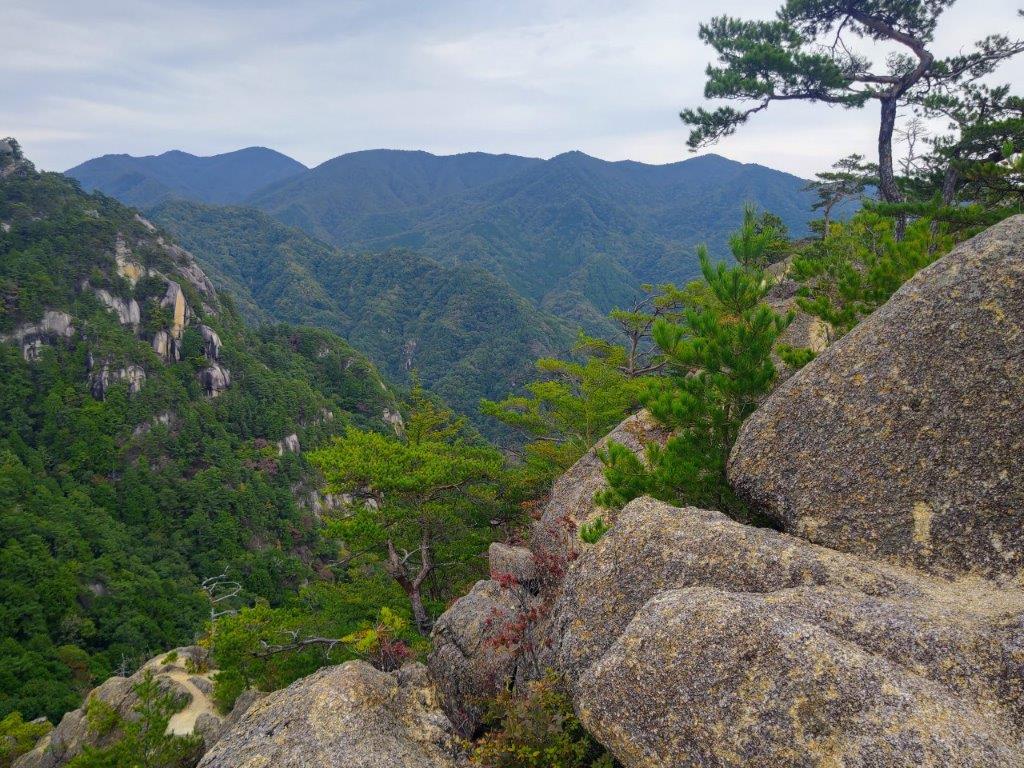
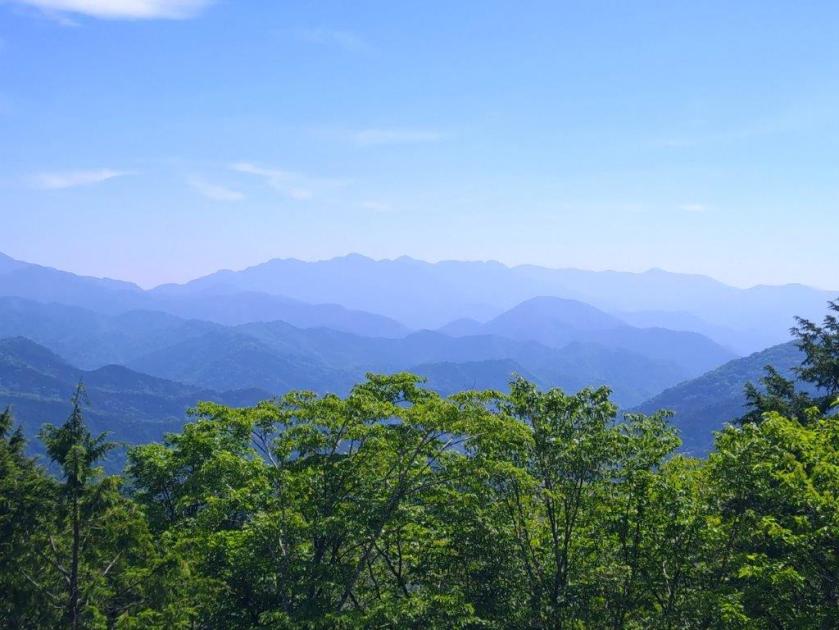
In the Distance, Mt Shakushi and Mt Mishotai
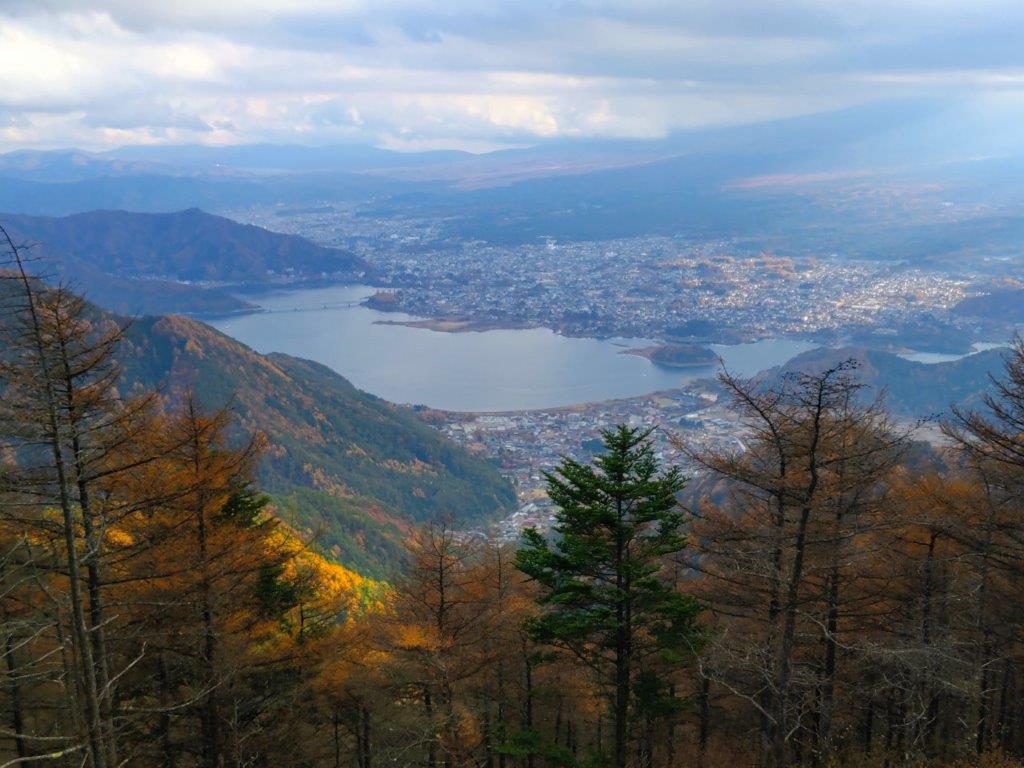
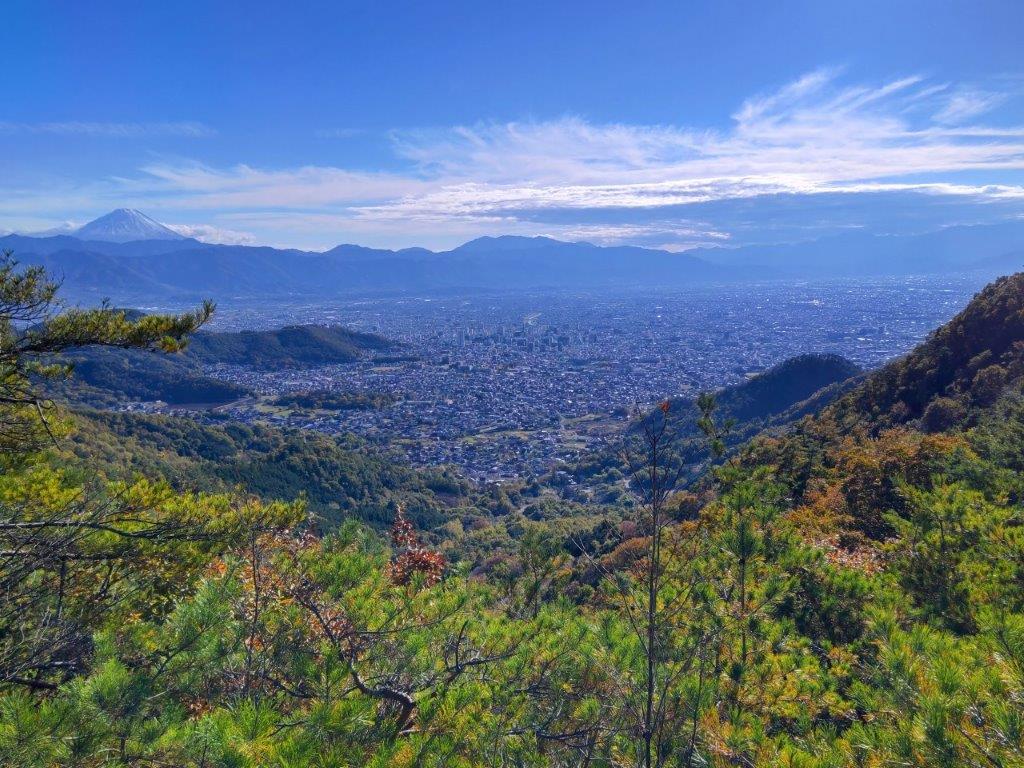
View of Kawaguchi City and its Lake from the 2nd Terrace

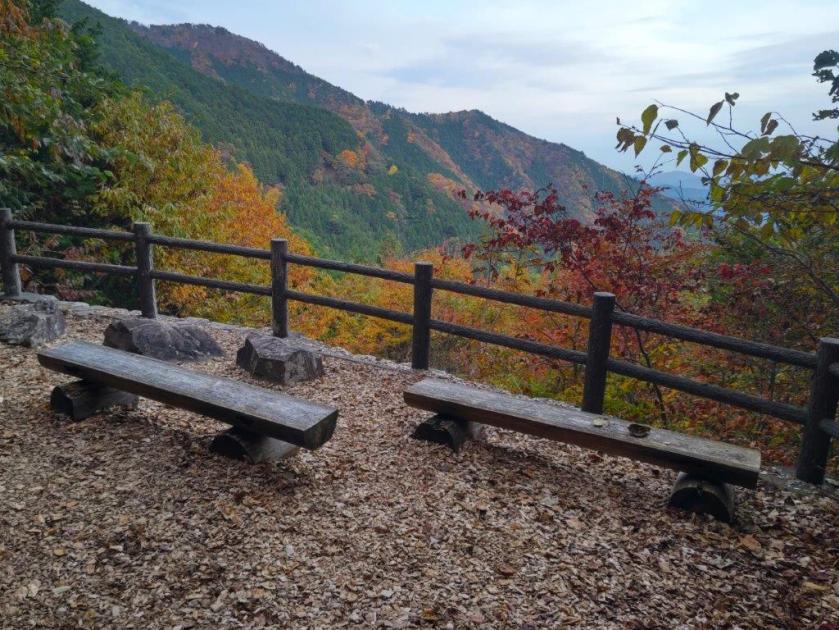
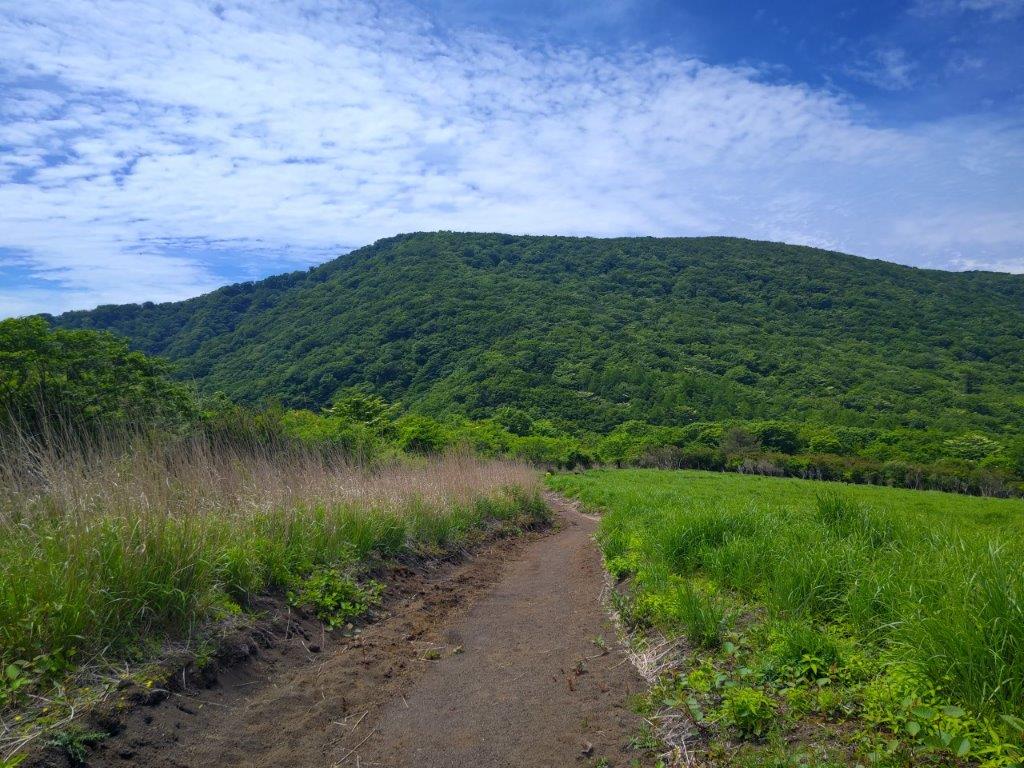
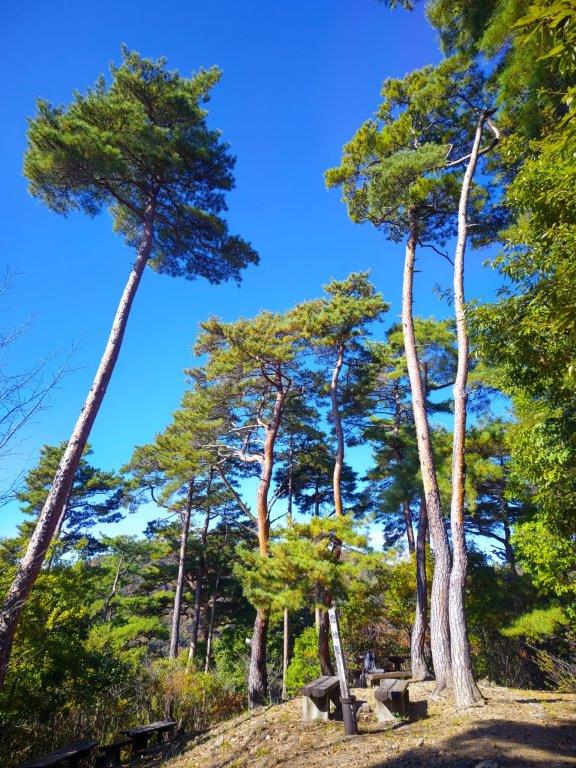
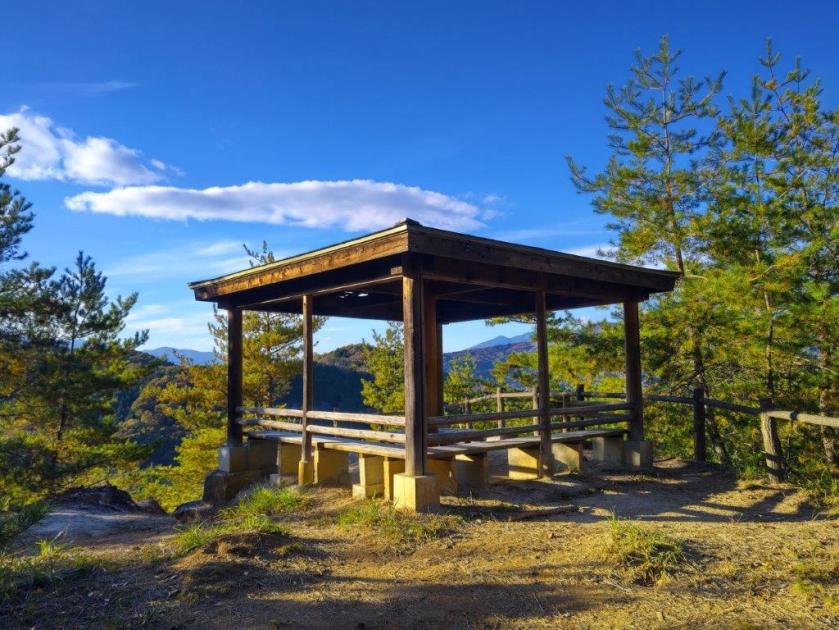
This was the most peaceful and pleasant part of the hike, surrounded by pines masking all sounds and views. I soon passed the summit of Mt Hafu (破風山 はふうざん hafu-zan), only noticeable by its summit marker doubling as a signpost. A short way down the west side was another viewpoint of the Fuji Five Lake area. It was past 2pm so I settled down for a late lunch. Although the clouds were still in, sun rays filtering through the gaps created a magical scenery. At 2h30 I set off again, and soon after passing another viewpoint on the left side, I came upon the first terrace of Fujiyama Twin Terrace at Shindo Pass (新道峠). Opened in July 2021, it was accessible via a short bus ride from the Suzuran Gunseichi parking (a fee is charged each way), and thus was filled with about a dozen sightseers.

Second Terrace of Fujiyama Twin Terrace

Mt Fuji on a Clear Day (Dec 2013 Photo)

I was stunned by the view of the golden larches covering the foothills, enhanced by the late afternoon sun rays, although Fuji was still stubbornly in the clouds. I made my way to the first terrace, just a few meters away; it was deserted of people, tall pines slightly in the way of the perfect view. It was nearly 3pm, a couple of hours before dark, so I gave up on seeing Japan’s highest mountain and headed down via a paved road, moving to the side once to let the bus pass. Fifteen minutes later, I turned left onto the trail from Suzuran Pass; after descending through dark cedars, I reached a small road the second parking for hikers.

Autumn Leaves near the End of the Hike

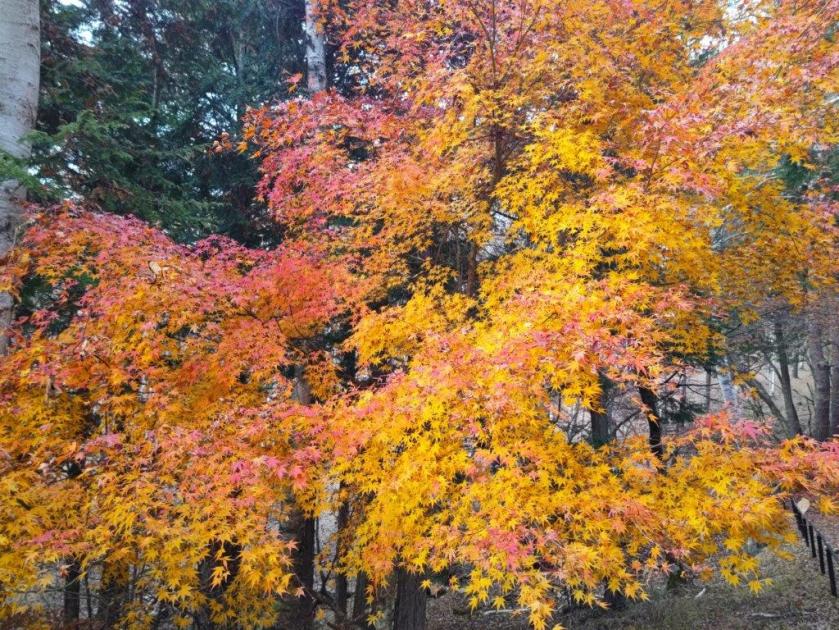
A multicolour Japanese Maple Tree

During this part, I finally got a close up view of some beautiful Autumn leaves. A little after 3h30, I arrived back at my car, the last one left in parking area. I drove a short distance to Kamiku-mo-yu, which I reached just before sunset, and after a refreshing hot bath, got back behind the wheel for the return trip to Kofu. Although I experienced a “shy Fuji” today, I was glad I could do a hike in the Fuji area, somewhat of a challenge nowadays due to the high number of overseas visitors. I’d like to return one day and try another hike, but this time starting from Fujiyama Twinterrace.

Watch a Video of the Hike
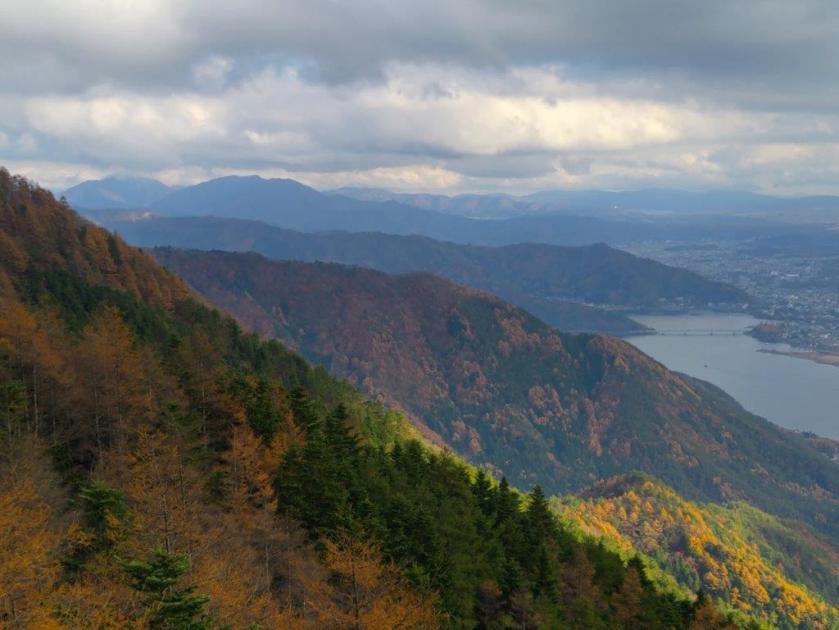
See More Pictures of the Hike

Mt Mito (1531m) & Mt Osawa (1524m), Hinohara Village, Tokyo Prefecture, Saturday, November 8, 2025

I had been up Mt Mito twice before, in 2010 and 2018, but felt it was time to revisit this 300 famous mountain of Japan inside the Chichibu-Tama-Kai National Park and the Hinohara Tokyo Citizens’ Forest. I wanted to walk though beautiful forest, see some more Autumn colours, as well as explore new trails close to the capital; with luck, I’d also get a view of Mt Fuji from the summit. Looking at my map, I decided to go up the Otaki and Buna Paths, as I did in 2018, but descend via a new route, the Miyama Path; I’d pass another summit on the way, and end up on the Otaki Path again for the last leg back.

Hiking in the Chichibu-Tama-Kai National Park

秩父多摩甲斐国立公園

To get to the start of the hike, I’d ride the Ome line to Hajima and change to the Istukaichi line for the short ride to Musashi-Itsukaichi station. From there, I’d board an express bus for the one-hour trip to Tokyo Citizen’s Forest, the end of the line. I decided to catch the mid-morning bus and take the last one of the day back, meaning I’d need to finish well on time today. The weather was supposed to be clear in the morning turning cloudy in the afternoon. I hoped I’d be able to get some views before the sun vanished and that it wouldn’t be too cold on top of one of Tokyo’s highest peaks.

Start of the Hike (left) Above Otaki Waterfall (right)

Stone Steps (left) and Log Steps (right) on the Beech Path

It was a sunny day as I rode the Green Car through the suburbs of Tokyo. After arriving at Musashi-Itsukaichi station just before 11am, I made my way to the head of the line for the Tomin no mori (東民の森) express bus. Thanks to the bus being only half-full, most hikers having taken the early morning one, I had views on the left and right of the Autumn colours along the Akigawa river, as the bus crossed several bridges on the way up the narrow valley.

Ascending (left) and Level Sections (right) along the Beech Path

Takimi Bridge (left) Mito Otaki Waterfall (right)

I was lucky to spot some monkeys along the road, on the opposite side of the ridge from Hossawa falls where I had spotted them on my 2020 hike. There was little traffic in the middle of the day, allowing the bus to arrive ten minutes before schedule, at 1235. I set off almost immediately to get the most out of the sunny weather, passing many people wrapping up their hike. Within a few minutes I was walking along the “Big Waterfall” Path (大滝の路 ootaki-no-michi), also called the Forest Therapy Road (森林セラピーロード shinrin-serapi-rodo), a wide, level trail through mixed forest. Very soon, I reached a viewpoint on the left side.

Start of the Forest Therapy Road

Viewpoint of the Akigawa Valley from the Otaki Path

I was glad to get a view of the Autumn colours under the blue sky, high thin cirrus clouds announcing an imminent weather change. Directly ahead was the long ridge leading to Sengenrei opposite was the ridge for Mt Maruyama; in the far distance, I could make out the 3 mountains of Tokura (戸倉三山). A sign indicated that the elevation was 1078m, meaning I had about 500 meters to climb. I set off again and at 1pm, arrived at Takimi bridge (滝見橋), a wooden suspended bridge, opposite Mito-otaki (三頭大滝), a 30-meter high waterfall.

Beech Path below the Summit

View of Mt Odake (left) from the Observation Deck

The stream of falling water surrounded by vivid Autumn foliage was more impressive than I had remembered. I spent a few minutes enjoying the view before retracing my steps back to the trail, the other end of the bridge leading nowhere. I soon reached a junction where I took the right branch, the start of the Beech Path (プナの路 buna-no-michi); the left branch was the end of the Miyama Path where I hoped to arrive later on. The rocky path, possibly an ancient road, climbed steadily, crossing a stream several times over man-made stone bridges.

Going Down via the Miyama Path

Autumn Colours on the Miyama Path

I was glad to be walking alongside rushing water since it had been nearly 6 months since my last river hike. I kept up the fast pace, and after reaching a couple of benches at Mushikari Pass (ムシカリ峠), turned right up a series of log steps for the final part of the climb. The beeches here were stunning, with their white trunks and orange leaves. I soon passed a sign for 1500 meters, my fast climbing speed protecting me against the near freezing temperatures. Just after 2pm, I arrived at the Mt Mito West Peak (三頭山西峰 1524m). Mt Mito translates as “three tops” since it is formed of 3 separate peaks. Looking south through a gap in the trees, I could see the top crater of Mt Fuji poking above the clouds; looking north, I could see the prominent peak of Mt Takanosu directly ahead; further away and slightly to the left was Mt Kumotori.

Few People on this Adventurous Trail

Trail before Mito Otaki Waterfall

I suddenly felt very cold, the forecasted clouds having filled most of the sky; after bundling up, I headed down a trail on the west side but soon found myself climbing again. In quick succession, I passed the central and highest peak of Mt Mito (三頭山 みとうさん mitou-san) and the Mt Mito east peak (三頭山東峰 1527m), both completely in the trees; beyond was an Observation Point, a wooden deck on the north side of the mountain. Here I dropped my backpack for a late lunch with a view. I could see Mt Gozen and Mt Odake, the Autumn leaves in the foreground slightly muted by the overcast sky. At 2h30, feeling chilled, I shouldered my pack, retraced my steps to Mushikari Pass, and continued straight, following the ridgeline southwards, past the Mt Mito Emergency Hut (三頭山避難小屋). At 3pm, I reached the top of Mt Osawa (大沢山 おおさわやま oosawa-yama), Mt Fuji now hidden in the clouds but Mt Mishotai and Mt Kuki both clearly visible.

Takimi Bridge and Otaki Falls

Red Japanese Maple on the Forest Therapy Road

I headed downhill through a deep, quiet forest, now following the Mountain path (深山の路 miyama-no-ro), the only person to venture along it at this late hour. After some level ridge walking, I turned left at a junction, leaving the route of my 2010 hike. From this point it was mostly downhill, through mixed forest in resplendent Autumn colours, interspersed with solitary pines. Around 3h30, I passed a rocky clearing with a view of the triangular summit of Mt Mito on the north side. About 30 minutes later, the path crossed a stream, and after following it for a short while, merged with the Otaki Path. Since I was ahead of schedule, I had time to check out the waterfall again and also drop by the Shinrinkan (森林官 Forest Building) before hopping on the bus for Musashi-Istukaichi station. Light traffic allowed the bus to arrive early again, giving me ample time to buy some local sake before boarding the train for the train ride back to Tokyo.

Watch a Video of the Hike

See More Pictures of the Hike
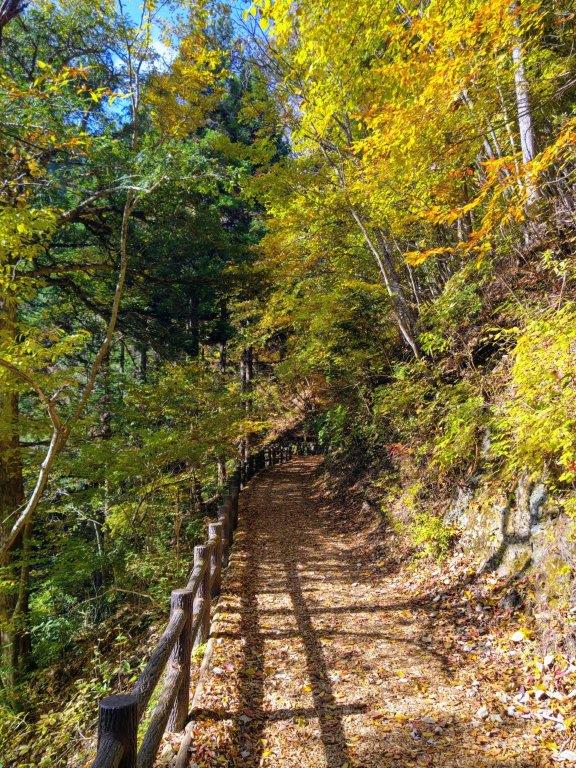
Mt Rakanji (1058m) & Mt Shirosuna (920m), Kofu City, Yamanashi Prefecture, Sunday, October 12, 2025

I had been up Mt Rakanji once before when I visited Shosenkyo in October 2013. Back then, I drove from Kofu and used the ropeway, since the main purpose was to explore the spectacular Mitake-Shosenkyo gorge. I was reminded of this interesting peak when I saw it from Mt Shiro last year. Looking at my Mountains of Yamanashi guidebook, I found a relatively easy hike traversing this mountain from north to south, including another peak I had never climbed. As an added bonus, I’d also be able to check out the nearby Kanazakura Shrine.

Hiking in the Chichibu-Tama-Kai National Park

秩父多摩甲斐国立公園

To get to the start of the hike, I’d take the Chuo line limited express to Kofu, and then ride a bus to Shosenkyo, getting off at the end of the line. From there, I’d follow a paved road on foot for another 30 minutes to get to the trail entrance. For the return, I’d catch the same bus, two stops up the line at the entrance of the gorge. I planned to get off at Yumura Onsen, on the bus route and inside Kofu city, for a quick hot spring bath at Yumura Hotel before catching the train back.

Trail before the the Top of the Ropeway (left) Trail for Mt Rakanji (right)

Stone Steps & Chains on Mt Rakanji (left) View from Mt Shirosuna (right)

The weather was supposed to be clear in the morning and overcast in the afternoon, with temperatures approaching 30° in the Kofu basin, unusually high for the season. I hoped it would feel cooler up the mountains; I also hoped I’d be able to get a glimpse of Mt Fuji and the South Alps before the clouds rolled in; finally, since the Autumn leaves were only due next month, I was counting on smaller crowds than usual. I was looking forward to a relaxing early Autumn hike in a familiar area.

Shinto Gate at the Entrance of Kanazakura Shrine

View of the Oku-Chichibu Mountains near the Start of the Hike

It was a cloudy morning as I left Tokyo but after entering the Kofu Basin, I was greeted with blue skies and a view of the South Alps, still clear of snow. I arrived at Kofu station just after 10am, and after standing in line waiting for the “Green Line” (グリーンライン), felt lucky to be seated on the crowded bus for the fifty-minute ride to Shosenkyo-Takiue, five minutes on foot from the Shosenkyo ropeway (昇仙峡ロープウェイ). After observing hoverflies busily nectaring at purple Asters and Jorogumo spiders hungrily eating their prey, I set off along the Shosenkyo Line road and away from the various tourist attractions surrounding Sengataki station (仙娥滝駅) at the base of the ropeway. A little before noon, I arrived at a shrine entrance at a bend in the road.

View of Mt Kenashi (left) and the South Alps (right)

Start of the Dirt Road for Mt Rakanji

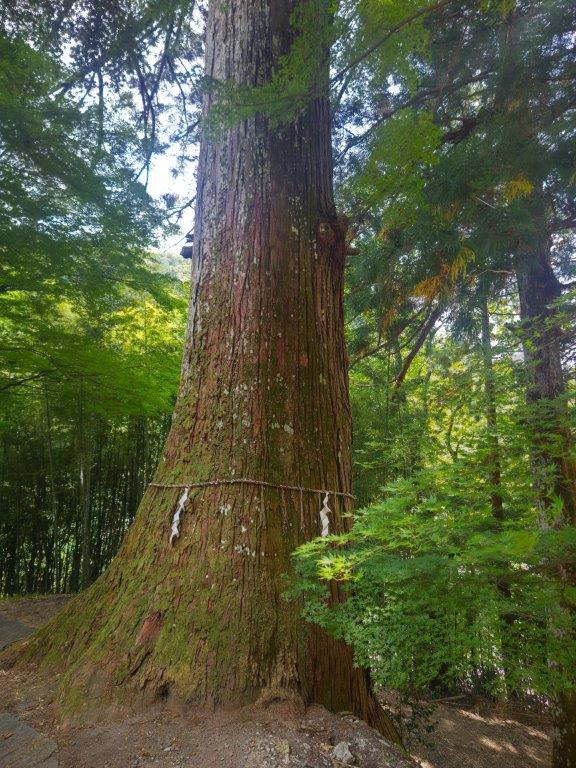
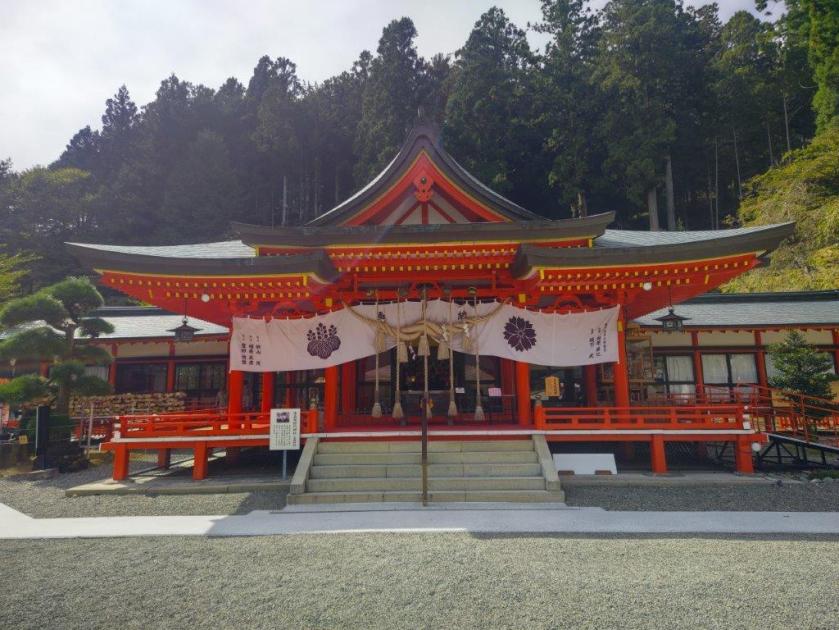
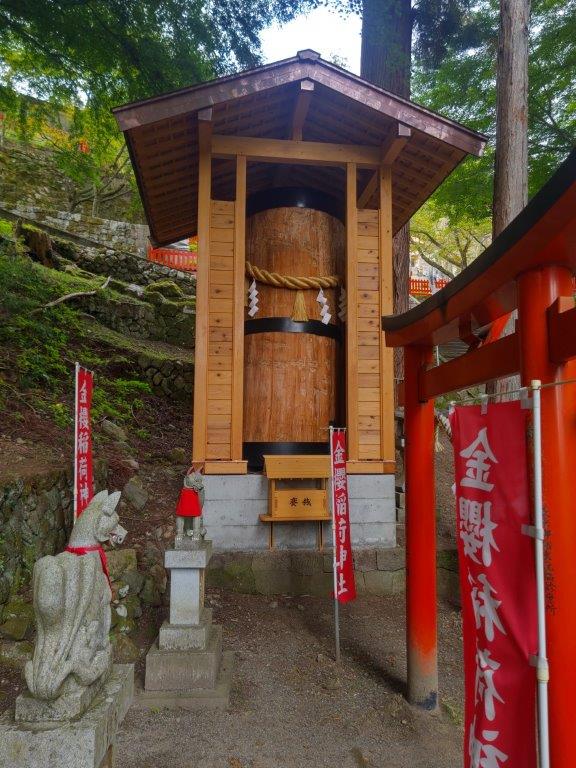
I was impressed by the bright red Shinto gate (“torii”), surrounded by colourful pennants flapping in the breeze, and also by several towering cedars at the top of a steep flight of steps. A small sign propped at the base of one of them indicated it was part of the 100 trees of historical interest in Yamanashi prefecture, although I couldn’t tell whether it was taller than its neighbours. At the top of another flight of steps, I reached the main building of Kanazakura Shrine (金桜神社), another striking bright red structure. On the opposite side was a gravel path with an enticing sign for a nearby viewpoint of Mt Fuji.

Wooden Walkway on the Way to Mt Rakanji

View of Kurofuji (left) and Mt Kinpu (right)

I couldn’t resist making the short round-trip, especially since the sun was shining and the trail seemed easy to walk. After a 10-minute walk through tall cedars, I arrived at an open space with a view of Mt Fuji framed by pines to the south; looking north, I could make out the broad summit ridge of Mt Kinpu, recognisable by the manmade boulder formation protruding from its highest point. After a short break to enjoy the peaceful surroundings, I retraced my steps to the base of the shrine, and a short distance away, turned right up a road signposted for today’s mountain. After a few bends, I reached the end of the paved road and entered an open space with a view to the northeast.

Forest Road along the Level Ridgetop

Mt Kaya (left), Mt Tachioka (center) and Kurofuji (right)

I was glad to get such a wide view so soon on the hike. On the left side, I could see Kurofuji, its cone-shaped summit not visible from this angle, and on the right side, was Mt Kinpu again, its rocky flanks now visible from this higher elevation. I followed a path for a few minutes westwards and off the main trail, to get a view of the South Alps, hazy blue in the far distance and with golden yellow Japanese Pampas grass (“susuki”) in the foreground. I made my way back through the “susuki” field and turned right up a dirt road. I soon reached a cleared area at the edge of the forest with a view on the north and east sides.

Mt Fuji from near the Panorama-dai Station (2013 photo)

Mt Kinpu and Lake Nosen from the Panorama-dai Viewpoint (2013 photo)

I was pleasantly surprised to get such a wide view on this side of the mountain, which now included Mt Tachioka at the very left and Lake Nosen at the very right. Mt Kinpu rose prominently in the background, the second highest peak in the Chichibu-Tama-Kai National Park and a 100 famous mountain of Japan. Since it was nearly 1h30, I found a suitable tree stump to sit on for a late lunch break. As forecast, the clouds had spread across the sky from the south, providing some welcome shade on a warm Autumn day. I set off again along a winding track sticking close to the level ridgeline, and just before 2pm, exited the forest just below the Panorama-dai Station (パノラマ台駅) of the Shosenkyo ropeway.

Mt Fuji (left) and Mt Kenashi (right) on the way to Mr Rakanji

Mt Shirosuna from Mt Rakanji

I sped through the sightseeing spots around the ropeway and up the trail for today’s first peak, taking care in the rocky sections and making good use of the safety chains; luckily, the thin pre-autumn leaves crowds meant I could make good time, and at 2h30, I reached the summit of Mt Rakanji (羅漢寺山 らかんじやま rakanjiyama) also known as Mt Yasaburo (弥三郎岳 やさぶろうだけ yasaburoyama), a famous 100 mountain of Yamanashi. I took a moment to enjoy the alpine-like scenery of white smooth rocks and pine trees, as well as the 360° view from the top; Mt Fuji now had a cloud perched on its summit crater in lieu of snow. I then retraced my steps back to the ropeway area and headed down a half-hidden path on the south side.

South View from the Top of Mt Rakanji

Between Mt Fuji and Mt Kenashi lies Kofu City

I was happy to leave the crowds behind although I now found myself walking all alone through forest in the middle of the afternoon. Fortunately the path was easy to follow, and at 3pm, I arrived at the turn-off on the left side for today’s next peak. It took me about ten minutes of climbing to reach an exposed rocky area with a view of the ridge leading to Mt Rakanji. A few more minutes brought me to another such place but with a view southwards of Mt Fuji and the Kofu basin. Finally, after a couple more minutes of walking through the smooth white boulders and gnarly pines, I arrived at the top of Mt Shirosuna (白砂山 しろすなやま shirosunayama), aptly translated as white sand mountain.

Trail below the Shosenkyo Panorama-dai Station

Trail for Mt Shirosuna

I was delighted to get a view of the peak I had been standing on a short while ago, allowing me to appreciate its steep and rugged shape. I had now fallen behind schedule so I retraced my steps to the main trail without a break. It took me just 15 minutes to reach another turn-off, this time to the right. A few seconds later, I reached the Mt Shiro (白山 900m) viewpoint, a minor peak with a view of the South Alps, now partially hidden by clouds, as well as the Kurofuji Volcanic group, its highest peaks wrapped in mist. I continued on my way, following the level path through mixed forest as it hugged the mountain side, the late afternoon gloom gradually increasing.

View of the Kofu Basin on the way to Mt Shirosuna

Alpine” Scenery near the Top of Mt Shirasuna

I wondered if I’d reach the base before sunset, quite early at this time of the year. I picked up the pace and around 4pm I reached a junction: the Furusato Nature Observation Trail (ふるさと自然観察路) which I had been following since the ropeway went right; however, I went down the left trail, leaving the ridgeline. Interestingly the signage around this point was a lot more polished than before even though I was far from any sightseeing spots. I also saw no other hikers during this section, possibly because most people planned to visit next month when the Autumn colours would be at their peak.

White Sand Rock near the Top of Mt Shirasuna

Mt Rakanji from the Top of Mt Shirosuna

I felt relief when I popped out of the dark forest onto a paved road. About a hundred meters further the trail dived back into the forest, but I could now hear the sound of a busy road in the valley below. At 4h30, I passed through a wildlife gate next to a spooky abandoned building, and arrived back on the Shosenkyo Line Road and Nagatoro Bridge (長潭橋), beyond which was the Shosenkyo Entrance bus stop. Including the one-hour Shrine visit the entire hike had taken 5 hours, and could have been extended with a walk up the gorge at the start.

A Level Trail Hugging the Mountain Side

The Kurofuji Volcanic Group from Mt Shiro

Sunset was still half an hour away but the sun had already vanished behind the mountain ridges casting the valley bottoms into premature darkness. It took just twenty-minutes on a mostly empty bus to reach Yumura Onsen; after a refreshing hot bath, I caught a city bus for the ten-minute ride to Kofu station, from where it was a 90-minute comfortable ride on the limited express train back to Tokyo.

Watch a Video of the Hike

See More Pictures of the Hike

Mt Mitake (929m) & Mt Hinode, (902m), Ome City & Hinode Town, Tokyo Prefecture, Sunday, June 22, 2025


I had hiked Mt Hinode one year ago but wanted to return for several reasons. First, the recently introduced “green cars” on the Chuo and Ome lines, would make the ride there and back more comfortable; next, the Mitake ropeway would allow me to start hiking from a higher elevation, essential in this season; finally, I could wash off the sweat at Tsuru Tsuru onsen conveniently located near the end of the trail. This time I’d include the summit of Mt Mitake and descend via the shorter Mt Hinode Hiking Trail.

Hiking in the Chichibu-Tama-Kai National Park

秩父多摩甲斐国立公園

Near the Start (left) Near the End (right) of the Ropeway

To get there, I’d ride the JR Ome line from Shinjuku station to Ome station, and change to the JR Okutama line for the 15-minute ride to Mitake station. There, I’d catch a bus for the short trip to the base of the Mitake Ropeway. For the return, I’d ride the bus from Tsuru Tsuru Onsen to Musashi-Itsukaichi station and take the JR Itsukaichi line to Tachikawa. There, I’d transfer to a “green car” on the JR Chuo line for the thirty-minute ride back to Shinjuku.

Hiking in Okutama 奥多摩

Hiking the Kanto Fureai no Michi 関東ふれあいの道

Bench at Fuji-mine Park (left) Steps up Mt Mitake (left)

The weather was supposed to be sunny but quite hot. I decided to leave late in the morning and start hiking in the early afternoon to avoid the time when the sun is highest in the sky; I’d also reach the onsen in the late afternoon, a good time for a relaxing bath and perhaps an early dinner afterwards. I hoped the high temperatures, as well as the Tokyo prefectural elections held the same day, would reduce the number of people who usually visit this popular Tokyo hiking spot.

Find Japan Hiking Maps on Japanwilds and subscribe to our newsletter

Kanto Plain from Mitake Shrine

Mt Hinode from Mitakesan Station

It was a shock to the system to step out of the air-conditioned train into thirty-something degrees outside Mitake station. Surrounded by the mountains of the Chichibu-Tama-Kai National Park it was hard to believe how hot it was but I hoped the temperature would be more bearable six hundred meters higher up, at the top of the ropeway. The five-minute walk between the bus stop and Takimoto station (滝本駅), the ropeway base station, was particularly tough, a steep paved road directly under the sun.

Riding the Mitake Ropeway

View East from the Top of the Mitake Ropeway

Thankfully few people boarded the ropeway. I got a good spot at the back of the car allowing me to enjoy the view as the ropeway gradually gained altitude. It felt less hot at the top station but I knew that the temperature would still continue to rise. At 2pm, I set off through Fuji-mine Park (富士根園地), a green oasis above the ropeway, mostly deserted on this hot day. Half an hour later, I reached the Mitake Visitor Center (都御岳ビジターセンター) where I examined the exhibits and chatted with the friendly staff, glad to be in a cool space for a short while. After setting off again, now on the Kanto Fureai no Michi, I soon reached the turnoff for the first mountain of the day.

Mt Hinode from the Entrance of Fuji-mine Park

View East from the Entrance of Fuji-mine Park

After making my way up a steep slope and then through a street lined with souvenir shops, I reached a stone “torii” and the first of the several flights of steps leading to the top of this sacred mountain. I questioned the wisdom of going up on the hottest day of the year so far, but it had been 11 years since my last visit and I wanted to refresh my memory of this popular sightseeing spot. At 3pm, I arrived at the red and gold Mitake Shrine (御岳神社), where I had a view of the Okutama mountains on the south side. Slightly behind the main shrine building was the summit marker of Mt Mitake (御岳山 みたけさん mitake-san), a Kanto 100 famous mountain. I was so focused on climbing in the heat that I missed the demons carved into the stone steps.

View South from Mitake Shrine

Open Shelter at the Top of Mt Hinode

I was surprised to have the summit to myself as most people seemed to turn back at the shrine. The small auxiliary shrine on this side of the flat summit area seemed to be undergoing some renovation work, blue tarp somewhat spoiling the mystical shrine scenery. It was my third visit, and I had always thought it was completely in the trees, so I was glad to discover that a gap between the cedars allowed for a view of a conical-shaped peak on the west side (possibly Mt Nabewari). I descended back to the junction with the Kanto Fureai no Michi and headed in the direction of Mt Hinode.

View of the Tanzawa Mountains from Mt Hinode

View South from Kuromo Rock

I saw very few people during the next section of the hike, although I did count one cat and one domestic goat. At the top of some log steps I emerged from the shade of the forest onto the sunny summit of Mt Hinode (日の出山 ひのでやま hinode-yama), my fourth time on this Tokyo 100 famous mountain. The view was better than last year, mostly blue sky in all directions. Since it was past 4pm, I retreated to the benches on the east side, out of the sun at this time of the day, for a late lunch break. By now I was starting to feel the effect of the heat so I soon continued my hike. I made my way down some steep log steps, and then turned left onto the Mt Hinode Hiking Trail (日の出山ハイキングコース), a gently descending path on the south side of the mountain.

Mitake Shrine (photo from 2014)

Mitake Shrine (photo from 2014)

I had the final view of the day from Kuromo Rock (クロモ岩) from where I could see a section of the Shirataki Hiking Trail I had taken last June. After passing the junction with the New Mt Hinode Hiking Trail, which mostly follows a paved road, the trail reentered the forest. After a thirty minute descent in semi-darkness through a dense cedar forest, I was relieved to reach a paved road and be back in the daylight; by now the sun was low enough so that the valley was entirely in the shade. At 5h30, I arrived at Tsuru Tsuru onsen, where I made sure to take a nice cold bath, a necessity after hiking on such a hot day. After a light meal and a cold beer, I boarded the bus waiting outside the hot spring facility for the short trip to the train station.

Watch a Video of the Hike

See a Slideshow of More Pictures of the Hike (including 2014 ones)

Mt Teppogi (1291m) & Mt Takazasu (1174m), Oyama Town & Yamanakako Village, Shizuoka & Yamanashi Prefectures, Saturday, June 7, 2025

I found out about this mountain in one of my guidebooks. I had hiked Mt Ishiwari and Mt Mikuni, north and south of it respectively, but never the section in-between. Looking at my map, I saw that I could traverse from Myojin Pass in Shizuoka to Yamanaka lake in Yamanashi. For the first part, I’d follow my 2019 hike but I’d skip Mt Mikuni, entirely in the trees, by following a road to Mikuni Pass. From there, I would head north, passing 3 peaks, before heading down into the Fuji Five Lake Area; Once I reached the end of the trail, I’d follow another road and end the hike at Ishiwarinoyu hot spring.

Hiking in the Fuji-Hakone-Izu National Park

富士箱根伊豆国立公園

Start of the Hike (left) Road for Mikuni Pass (right)

Trail for Mt Teppogi (left) Trail for Mt Takazasu (right)

To get to the start of the hike, I’d ride the first “Mt Fuji” limited express from Shinjuku to Suruga-Oyama, and there catch a Fujikyu seasonal bus for Myojin Pass. For the return, Google Maps suggested going through Kawaguchiko, but I knew from past experience that the Fuji excursion limited express trains would be fully booked far in advance. Instead, I decided to use a taxi to get to Asahigaoka where I could catch a bus for Gotemba station and ride the last “Mt Fuji” limited express back to Shinjuku. The weather was supposed to clear in the morning, turning cloudy in the afternoon, in tune with my early start and early finish plan. I was looking forward to a hike far from Tokyo and hoped I’d get a view of Mt Fuji before it vanished in the clouds.

Find Japan Hiking Maps on Japanwilds and subscribe to our newsletter

View of Hakone from near Myojin Pass

Trail between Myojin Pass and Mt Mikuni

The sun was already high in the sky at 7am as the limited express made its way through Tokyo. After getting off at Suruga-Oyama station at 8am, I hurried to the bus stop but still found myself standing for the 3o-minute ride to the pass, as many people had arrived just before me on the local train. Surprisingly, I had the trail mostly to myself after starting out from Myojin Pass (明神峠 900m) at 9am, since most people first headed to nearby Mt Yubune (I had done the same 6 years ago).

Road leading to Mikuni Pass

View of the Tanzawa Mountains

I soon had a view on Mt Ashitaka and the Hakone mountains through the trees on the left side. It was already quite warm but fortunately most of this section was in the tree shade. At 9h30, I reached a paved road beyond which the trail for Mt Mikuni rose steeply through the forest. A signpost with a small metal figure of Kintaro perched on top told me I was at the halfway point between the Myojin and Mikuni passes. I turned right onto the paved road, now entering Kanagawa prefecture.

Looking ahead at Mt Teppogi

Looking back at Mt Mikuni

Almost immediately, I got a view of the Tanzawa mountains on the right side, my first time to see them from this angle. Further along, the view was lost behind trees; I picked up the pace to get this boring section quickly behind me, unexpectedly busy with cars and motorcycles. Half an hour later, I reached a huge parking lot at Mikuni Pass (三国峠 1164m), completely filled with cars; apparently this is a popular spot for hiking and escaping the early summer heat. Here, I left the road and turned right onto a trail, now entering Yamanashi prefecture as well as the Fuji-Hakone-Izu National Park.

First View of Mt Fuji above Mikuni Pass

The Climbing Season Starts Soon

After a few minutes, I had my first Fuji view of the day, as I left the forest for a grassy area that continued all the way up the mountainside. Mt Fuji was mostly bare of snow with only a few white streaks around the summit crater, the climbing season less than a month away. I headed up the dirt path as it went straight up, getting steeper and steeper, passing several people on their way down. The grassy surroundings, due to past volcanic eruptions, offered plenty of wonderful views of the Fuji Five Lake Area. Less than half an hour after leaving Mikuni Pass, I reached the summit of Mt Teppogi (鉄砲木ノ頭 てっぽうぎのあたま teppougi-n0-atama also known as Mt Myojin 明神山), marked by a stone shrine; instead of “Mt” the Japanese name uses “head”, an apt description of the wide and slight rounded summit area.

Heading straight up Mt Teppogi

View of Mt Fuji and Yamanaka Lake

The panoramic view was stunning, one of the best I had seen in a while; I was glad I had woken up early today to travel so far. The high-altitude clouds that had appeared one hour ago were getting blown away by high-altitude winds, creating fantastic patterns in the sky above Fuji. On the south side was Mt Mikuni, covered in green forest; looking west, I could see Mt Fuji and Yamanaka Lake with the white peaks of the South Alps visible in the distance; to the north was Mt Ishiwari, with behind it, Mt Mitsutoge and Mt Mishotai, left and right respectively. It was too early for a lunch break, only 11am, so after enjoying the view, I set off again.

View from the Summit of Mt Teppogi

A Popular Spot to See Mt Fuji

The path headed straight down, through thick forest covering the east side. I moved quickly with no views to distract me, and half an hour later, passed Kiridoshi Pass (切通峠 1050m), after which the path started to climb gently. The trees thinned, allowing some green grass and blue sky to gradually reappear. I was now walking along the Tokai Nature Trail (東海自然歩道), which I had last followed just 6 months ago. As the noon chime started to play through the valley, I arrived at Mt Takazasu (高指山 たかざすやま takazasu-yama). The view on the west side, beyond dried stalks of pampas grass (“susuki“), was similar to the previous one, although with more clouds. Since it was noon, I sat on the shaded side of a wooden platform for an early lunch break.

Mt Ishiwari (Center), Mitsutoge (back left) & Mt Mishotai (back right)

Clouds Spreading through the Sky

After setting off again, I found myself walking through more thick forest, along a mostly level path; although I was deprived of views in all directions, I was glad to be in shade at the hottest time of the day. Very soon, I reached the third and final summit of the day, Fujimisaki-daira (富士岬平 1170m); this time, the “Mt” was replaced by “plateau”, indicating its relatively small prominence along the ridgeline. By now, puffs of cloud were covering the highest part of Mt Fuji, giving it kind of retro hairstyle. After a short break, I headed down a path on west side, leaving behind the Tokai Nature Trail.

Mid-morning Blue Skies

Grass Reappearing below Mt Takazasu

The path was steep and eroded making this descent the toughest part of today’s hike. Fortunately, I soon reached a road leading through an area of mostly deserted villas. I always enjoy walking past holiday homes, trying to imagine what it must be like to spend a summer weekend there. I eventually reached a main road where I turned left. After a 15-minute walk, I reached the entrance to the hot spring and was disappointed to find out that it was closed. Apparently they were doing some temporary renovations, which wasn’t the case when I first planned the hike a few weeks ago. I was confident I could find some alternative and marched on under the hot sun to the Yamanakako Hirano tourist office.

View from Mt Takazasu

The Clouds have Reappeared

I was delighted when the lady from the tourist office told me there was a a hot spring hotel just down the street that accepted day trippers. Although it didn’t have an outdoor bath, I was happy to be able to wash off the sweat and change into some fresh clothes. At 2pm, I had the bath to myself, with a view of the ridge I had just hiked on the west side. One hour later, a taxi dropped me off at the Asahigaoka bus terminal. Although, the bus for Gotemba showed up late, typical for the Fuji Five Lake area, I still arrived at the station with plenty of time to spare, and a little before 5h30, I boarded the limited express for the comfortable ride back to Shinjuku.

Trail between Mt Takazasu and Fujimisaki-daira

Mt Fuji in the Clouds

In total this hike took about 5 hours, with little ascending and descending, although including travel time, it was nearly a 14-hour outing. This was mainly because I took a longer way back to avoid the masses of tourists heading back from Kawaguchiko, and also because of my preference for limited express trains and post-hike hot spring baths. Catching the seasonal bus to Myojin Pass was also a great way to get to the area, although it requires a very early departure (in my case, 6am); in this case I was rewarded with great views that I may not have gotten with a later departure. Hopefully, I can redo this hike, or a variant, in a different season when the Ishiwariyu hot spring is open.

Watch a Video of the Hike

See a Slideshow of More Pictures of the Hike

Odoriko Trail (highest point 719m), Izu City, Shizuoka Prefecture, Saturday, April 19, 2025

I wanted to visit the Izu Peninsula again since it had been a year and a half since my last hike there. I decided to explore the other half of the Odoriko trail (踊子山道), south of Amagi Pass, hoping that in this season I could finally catch the new green of Spring. Looking at my map, I saw that, although there were no summits along the way, the trail included several interesting sights: the Old Amagi tunnel, Namesawa Gorge, Tarosugi Cedar and Joren Falls.

For subscribers, read this Post on Hiking Around Tokyo for a better viewing experience and the latest updates

Hiking in the Fuji-Hakone-Izu National Park

富士箱根伊豆国立公園

To get to the start of the hike, I’d ride the shinkansen from Tokyo to Mishima, and there, change to the Izuhakone railway Sunzu line. At Shuzenji, I’d board a Tokai bus for Kawazu, and get off at Nikai waterfall, just past Amagi pass. For the return, I could catch a bus for Shuzenji from Joren Falls. If time allowed, I could get off at Yugashima onsen and drop by Kajika no Yu, a public bathhouse. The weather was supposed to be sunny but warm for the season, and I hoped I could keep cool walking under the tree leaves and next to rushing water.

Find Japan Hiking Maps on Japanwilds and subscribe to our newsletter

Taro Cedar (left) Joren Falls (right)

Upper (left) & Lower (right) Namesawa Gorge

The start of the hike was the same as when I climbed Mt Noborio a couple of years ago. After checking out Nikai Waterfall (二階滝), the amount of water seemingly the same as before, I continued past the entrance of the Kanten forest road (寒天林道), and after about 30 minutes of mostly level walking along a paved road, I reached the entrance to the Old Amagi Tunnel (旧天城トンネル), just past 1130. Built in 1905, and nearly half a kilometer long, it’s one of the 100 famous road sections in Japan.

See a Slideshow of pictures of the Trail

Fortunately, the tunnel was equipped with some lighting (not always the case) and I didn’t need to use my headlight, which I had brought just in case. Still, it was dark enough to feel a little spooky, on top of the steady drip-drip of water from the ceiling. Once out of the tunnel, I continued along a gravel road, now heading slightly downhill. Everywhere I looked, the new green was in full effect, with even some mountain sakura in full bloom dotting the opposite ridge. A little past noon, I arrived at Suishhochi (水生地), a place I had been through before on my way down from Hatcho Pond.

Walking between Kanten Forest Road and the Old Amagi Tunnel

Entrance of the Old Amagi Tunnel

Since today was a leisurely hike and I had ample time till my return bus, I decided to make a short round trip to Namako rock (なまこ岩). Although the rock itself was nothing special, I enjoyed the walk up and down the narrow valley, alongside a rushing stream, surrounded by moss-covered rocks and mitsumata flowers (ミツマタ), slightly past their prime. At 1pm, I reached the Suishochi parking lot and headed down some steps leading from the road to a trail next to a river. I had good views of the fast-flowing water on the left side, bright green wasabi fields covering the opposite bank. After a short while, I crossed the river over a metal bridge. The trail then headed into the forest and hugged the steeped forested mountain ridge. At 1h30, I came to a wide-open space called Yuyu-no-mori (遊々の森).

Walking through the Old Amagi Tunnel

Walking between the Old Amagi Tunnel and Suishochi

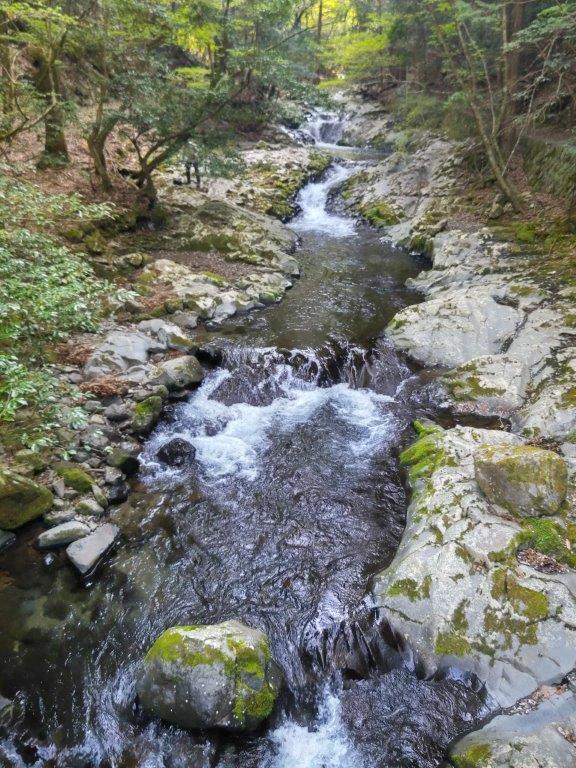
Since there was a bench in the shade of a towering cedar tree in one corner, I decided to take a break for lunch. Opposite was a rusty old train on display, a reminder of a time when a railway ran through the valley; behind me, I could hear the rushing water of the river; on my right, I could see the white bell-shaped flowers of the “Dodan Tsutsuji” (ドウダンツツジ) bobbing in the breeze. At 2pm, I set off again. I soon recrossed the river, and was once again walking along its right bank, arguably its best side, occasionally stopping to admire small waterfalls, slowing the rapid flow of water. As I had expected it remained pleasantly cool, despite temperatures being in the high twenties.

View of the River from the First Crossing

Following the Right Bank of the River

This was probably the best part of the today’s hike. The trail was well-maintained and easy to follow, thanks to the numerous and easy to spot “Odoriko Trail” signposts, as well as the detailed information boards. I was surprised to see few other hikers, probably because it was still early in the season. At 2h30, after crossing another bridge, I arrived at the start of Namesawa Gorge (滑沢渓谷). Here I made another round-trip up a hiking trail on the left side. It criss crossed a road a few times, but mostly followed a tributary stream. Here I spotted someone flying a drone over the gorge, most likely getting some spectacular footage.

Small Bridge along the Odoriko Trail

Third Bridge Crossing over the River

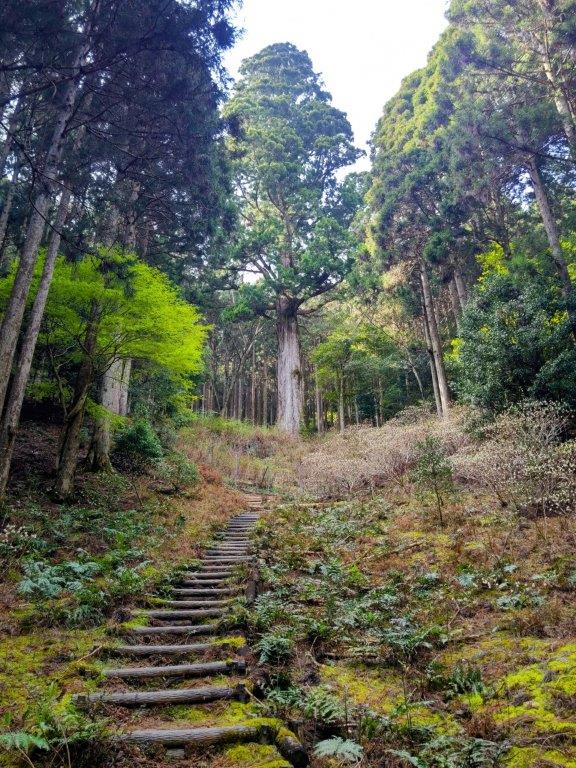
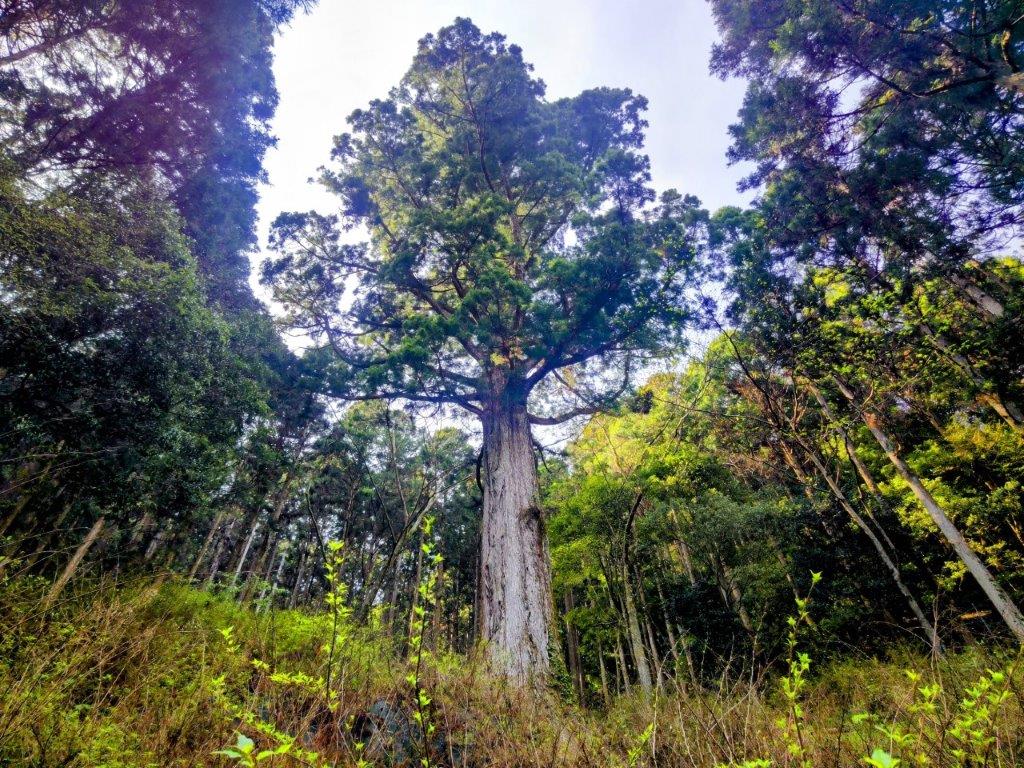
By this time of the day, the valley, oriented north-south, was in the shade. However, as I made my way up the mountain side, some sunlight finally filtered over the east ridge, lighting up the frothing water in a spectacular manner. After a while the trail merged with a forest road, and soon after, I reached my objective, Tarosugi (太郎杉), a giant cedar, 450 years old and 53m high. It’s also one of the 100 famous trees of Japan (3rd highest in the list, the highest being a tree in Akita, 58m). It stood to the right of the trail, in a small clearing at the top of a log staircase.

Wasabi Fields between Namesawa Gorge and Tarosugi

Looking up at Tarosugi

I was totally stunned by the view of this ancient giant, the effect amplified by looking up at it from below, as well as no other tree in the vicinity coming close to its majestic height. I had already visited the giant cedars in Yakushima, but there, every tree towers above you and it’s hard to grasp how tall they really are. On the way up, I had been wondering if it would be worth it, and I was definitely very happy I had made the effort. Although the tree was surrounded by a fence, it was possible to walk around it, and thus I could check out this marvel of nature from every angle. Once done, I legged it back to the entrance of the gorge, as I had now fallen slightly behind schedule. A little past 3pm, I reached the roadside station Amagi-goe (道の駅 天城越え) where I crossed the road.

Rapids along Namesawa Gorge

One of the Few Mountain Views of the Hike

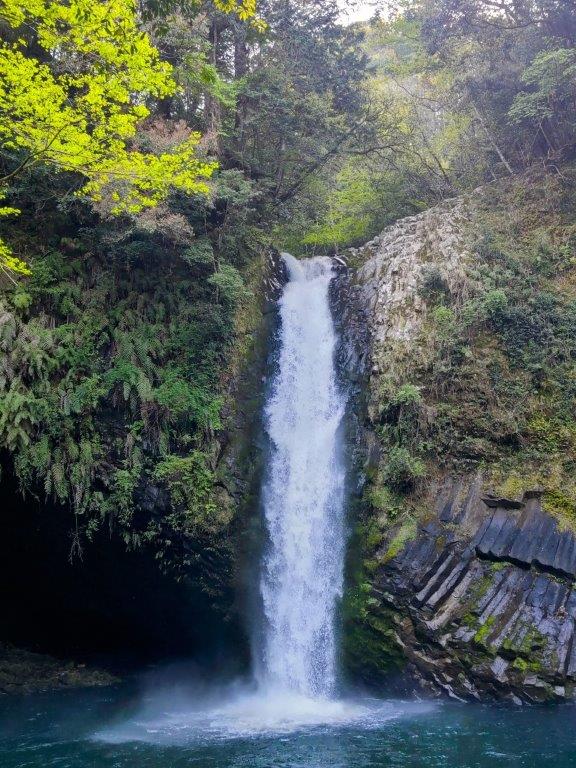
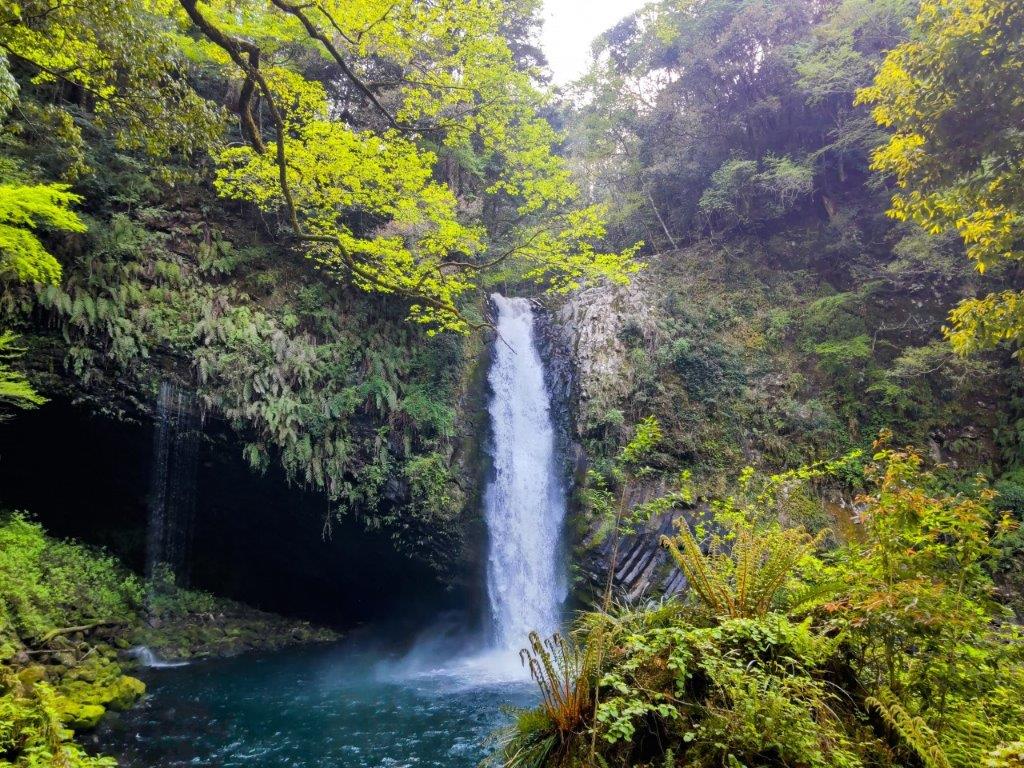
The final part of the hike followed a path up and down through forest before reaching a paved road at the top of a wooden staircase, a calming stroll after an exciting moment. The road led me through a somber cedar forest and then through a residential area. The elevation had dropped from over 700m around the pass, to about 300m, and for the first time today, I felt quite hot under the afternoon sun. I arrived back at the main road just before 4pm, and after recrossing it, headed down a long flight of steps. At the base of the steps, past yet another wasabi field, I arrived at the last highlight of the day, Joren Falls (浄蓮の滝), 25 meters high and the largest waterfall on Mt Amagi, as well as one of the 100 famous waterfalls of Japan.

Wooden Staircase near the End of the Hike

Joren Falls Surrounded by the New Spring Green

I admired the thundering water, as it crashed into a blue-green pool, surrounded by bright green leaves, and then made my way back up the steps. It was a short bus ride, followed by a short walk to Kajika-no-yu (河鹿の湯) in Yume-ga-shima Onsen (島温泉郷) , and although there was no outside bath, I had the indoor pool mostly to myself. I caught another bus closer to the public bath and at 5h30, I was back at Shuzenji station. There, I boarded the anime-themed train for the half an hour ride back to Mishima, from where it was less than an hour by shinkansen to Tokyo station.

Watch a Video of the Hike

Watch the Video of the Hike on YouTube

See a Slideshow of More Pictures of the Hike

Mt Shidango (758m) & Mt Take (710m), Matsuda Town, Kanagawa Prefecture, Saturday, January 11, 2025

I wanted to do another hike in the Tanzawa mountains, winter being the best time to explore the area. Looking through my guidebook, I found a couple of nearby mountains I had yet to climb, along a river valley north of Matsuda station. The summit of the first peak was out of the trees; the second was in the forest, but with a viewpoint below it on the east side. Combining the two, I expected the hike to take about 4 hours, meaning I could leave mid-morning and take advantage of the “Mt Fuji Romancecar”, the only limited express train to stop in Matsuda.

For subscribers, read this Post on Hiking Around Tokyo for a better viewing experience and the latest updates

Hiking in the Tanzawa-Oyama Quasi-National Park

丹沢大山国定公園

To get to the start of the hike, I’d ride the Odakyu “Fuji-san” limited express from Shinjuku to Matsuda station, and from there, ride a Fujikyu bus to the last stop on the line. For the return, I’d catch the same bus several stops before the end of the line, and then ride the “Fuji-san” back to Tokyo. Apparently Mt Fuji can be seen from both summits, and since the weather was supposed to be sunny all day, I was looking forward to getting a second chance at my first Fuji sighting of 2025.

Find Japan Hiking Maps on Japanwilds

Paved road between Yadoriki and the Wildlife Gate

Powerline Clearing on the Way to Mt Shidango

It was a relaxing ride under light blue skies to Matsuda station. After getting off the train just before noon, I made my way to a bus stop in front of the nearby Shin-Matsuda station. I was surprised to find myself at the back of a line of teenagers, on their way to play a football match in the same place I was headed. Half an hour later, we all got off the bus in Yadoriki (寄). Leaving them to their ball game, I crossed a bridge over the Nakatsu River and followed signs for today’s mountain, past tea fields and up a steep road ending at a wildlife gate at the edge of the forest; beyond it was the start of the hiking trail.

View of Mt Kobo from Mt Shidango

View of Shonan Bay from Mt Shidango

I was glad to be walking through the forest, the cool shade contrasting sharply with the warm sun from moments before; walking up a series of log steps, I soon warmed up again. I soon reached a clearing allowing for the passage of a power line. Beyond it, I resumed my walk under the dark cedars. One hour after setting off, the path suddenly went straight up the mountain side, gnarly tree roots forming natural steps, and just before 2pm, I broke through the trees to reach a small shrine, also the top of Mt Shidango (シダンゴ山 しだんごやま shidango-yama), named after a hermit (“sennin“) called Shidagon who lived on this mountain top about 1300 years ago.

View of Mt Shidango on the Way to Mt Take

Fuji Viewing Platform below Mt Take

I was surprised to be the only person on the summit, since other nearby peaks usually have a lot of traffic. On the east side was the long ridgeline starting from Mt Oyama and ending at Mt Kobo, where I’d been one week ago. Directly ahead to the south was Sagami Bay. In between, I could make out the Miura Peninsula, and beyond it in the far distance, the Boso peninsula. On the west side, sandwiched between the next mountain and puffy clouds, I could see the white snows of Mt Fuji. The flat summit had a seating platform so I settled down for a late lunch with a view. At 2h30, I set off down some log steps, again under the cedars, heading westwards, and soon reached a paved road closed to traffic and hugging the mountain side. Here, ignoring a metal staircase heading straight up the opposite slope, I turned left along the road.

Mt Tono & Mt Oyama from near Mt Take

Walking through a Thicket of “Aburachan”

It was nice to walk on a level road for a short while, with views occasionally popping up on the east side through gaps in the vegetation. At 3pm, I reached the start of the trail for today’s second mountain. From this point, all signposts were in double, old wooden ones and newer metallic ones, provided by a local association. I appreciated how they felt the need to have sturdier and more functional signs while at the same time keeping the more fragile original ones. From this point, I also saw many warnings about leeches, as well as small salt containers (attached to most signposts) for their disposal (actively encouraged). I followed a path southwards and soon reached an electric pylon at the base of a steep slope.

The Tanzawa Mountains from the Mt Take Observation Platform

Mt Shidango (front), Mt Hiru (left), Mt Nabewari (middle), Mt Tono (right)

I took a few minutes to enjoy the unexpected view provided by the passage of the powerline. On the east side was Mt Fuji again, perfectly aligned with the next pylon; on the west side was the rounded green top of Mt Shidango. Behind, I could see Mt Tono to its left, and Sannoto to its right; in the far distance, I could just make out the pointy summit of Mt Oyama. After a little more climbing, I reached the top of Mt Take (タケ山 たけやま take-yama), another peak without Chinese characters. It was completely in the forest, one ray of sunlight fortuitously lighting up the summit marker (the wooden one). I soon moved on and reached blue skies at the edge of the forest.

Mt Tono (left) & Sannoto (right)

Sannoto (left), Mt Oyama & Mt Kobo (right)

Looking up, I could see the full moon, already high in the sky. Walking a little further, I reached a wide viewpoint on the east side: the Mt Take Fuji Viewing Platform (タケ山富士見台). Looking excitedly to my right, the east side, I could see Mt Fuji now mostly free of clouds but against the sun at this time of the day. To its left, I could see the Hakone mountains, reaching all the way to Sagami Bay. On the west side, I had an excellent view of Sannoto and Mt Odake. To the south, under huge puffy clouds, was Oshima island; beyond, in the far distance, I could make out Toshima and Nijima islands. I took a short break on a bench to enjoy the view, as well as the late afternoon sun, before continuing on my way.

Hadano & Isehara Cities

Descending through “Aburachan” Shrubs

I was now walking inside a thicket of bare shrubs, affectionately called “Aburachan” in Japanese (February spicebush in English). The trail was vanishingly faint under a carpet of dead leaves but fortunately I soon popped into another clearing with another wide view on the east side: the Mt Take Observation Platform (タケ山展望台), where I had the best view of the day. On the west side, I had a spectacular vista of the Tanzawa mountains, from Mt Hiru, its highest point, all the way to Mt Oyama, with the full moon hanging above; Mt Nabewari was also visible, directly behind Mt Shidango. Further south, Hadano and Isehara cities spread out on each side of Mt Kobo. As before, the Shonan Bay, Oshima island and the Hakone mountains could be seen on the south side, only Mt Fuji now missing from the panorama.

Descending under the Cedars

End of the Mt Take Trail

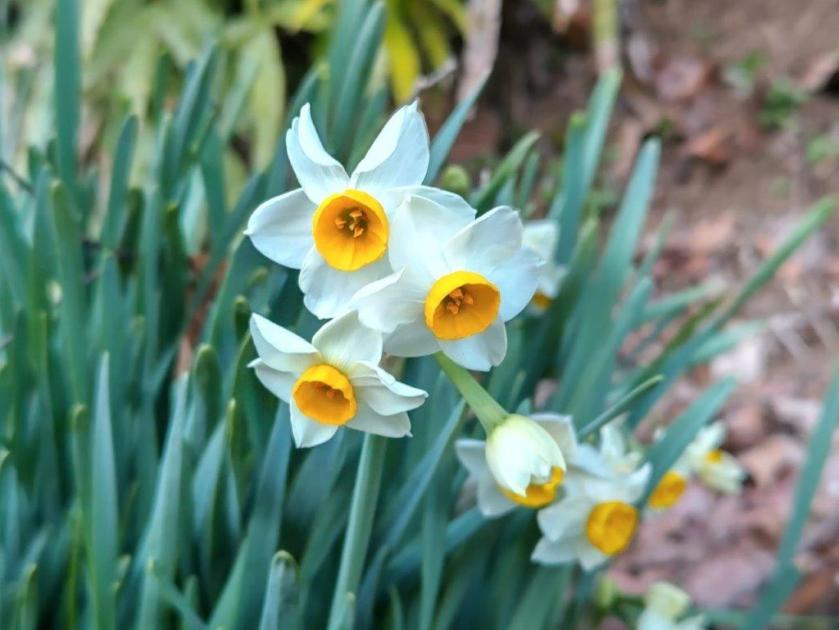
I was once again the only person to enjoy this glorious view, partly because it’s on a local trail but also partly due to the late time of the day. It was nearly 4pm so I set off at a quick pace down a switchback trail, first through another “Aburachan” thicket, coloured orange in the late afternoon light, then through a dark forest of tall cedars. Half an hour later, I reached a small park at the end of the trail, here and there “suisen” (daffodils) in full bloom. From this point, I followed a road along a terraced river. At the confluence with the Nakatsu river, I turned left, and after crossing a bridge, with one last view of a pink-tinged ridgeline on the north side, reached a wooden bus shelter. When the bus arrived, I was reunited with the soccer team from before; luckily I was able to sit, and a little after 5pm, was back at Matsuda station. There, I boarded the Romancecar limited express for the 80-minute ride back to Shinjuku.

Watch a Video of the Mt Shidango Hike

Watch the Video of the Hike on YouTube

See a Slideshow of More Pictures of the Hike

Mt Komatsu (514m), Mt Shiro (640m) & Mt Yumura (446m), Kofu City, Yamanashi Prefecture, Saturday, November 23, 2024

I was looking for another hike in Yamanashi before the arrival of the snow. I also wanted to stay relatively low since the temperatures had plummeted since the previous week. Looking at my map, I spotted a group of suitable mountains just north of Kofu. I had already done a great hike on the northeast side so I was keen to explore the area more. I saw that I could make an open loop passing by several viewpoints, including an interesting rock formation and a lake, within a reasonable amount of time.

Hiking in the Chichibu-Tama-Kai National Park

秩父多摩甲斐国立公園

To get to the start of the hike near Suwa Shrine, I’d ride the Chuo limited express to Kofu station, and from there, ride a bus to a stop within walking distance of the shrine. I’d finish the hike at Yumura Onsen in northwest Kofu, and after a hot spring bath, ride a bus back to the station. The weather was supposed to be clear but cold. I hoped I could get some good views of the surrounding mountains, including Mt Fuji, and still catch the Autumn leaves at their best.

For subscribers, read this Blog Post on Hiking Around Tokyo for a better viewing experience and the latest updates

Find Japan Hiking Maps on Japanwilds

Start of the Hike near Suwa Shrine (left) Tall Pines on Mt Komatsu (right)

Exposed Rocks above Kinsu-toge (left) Autumn Colours near Chiyoda Lake (right)

It was a cloudless, blue-sky day as I stepped off the limited express in Kofu station at 10am. I boarded a local bus, the driver even kindly confirmed my destination, and after a short ride, I got off at a stop still within the confines of the city. A few minutes of walking brought me to the foot of the mountains, and after a short climb, I arrived at Hizakutsu-suwa Shrine (膝屈諏訪神社). It was just after 11am as I passed under the stone shinto gate next to an impressive yellow gingko-tree.

Trail below Mt Shiro (left) Trail past Mt Hosenji (right)

Path for Mt Yumura (left) Flagstones for Yumura Castle Ruins (right)

Turning around, I was rewarded with a view of snow-capped Fuji. I made my way to the white shrine building surrounded by tall cedars, and after taking a few minutes to adjust my gear, set off along a level trail at the far end of the shrine grounds. I soon emerged from the trees onto a sports field, and after crossing a busy road, followed a residential street up the mountain side to a staircase below the trail entrance. This section has no signposts and I had to rely entirely on my phone GPS.

Log Steps Leading to the Top of Mt Komatsu

Walking the Takeda no Mori Promenade

I was surprised to see that the trail was partly overgrown, a sign that it was little used in this season; I was even more surprised to notice spiders again, a sign of their resilience to cold weather. Once the path started to climb, the trail became better defined; I saw the first signpost of the day upon reaching a wide path along the top ridge. I turned right, and after climbing a series of log steps, arrived at the top of Mt Komatsu (小松山 こまつやま komatsu-yama), the promised view mostly blocked by vegetation.

Heading up to Kinsu-toge

The exposed rocks of Mt Awayuki

I was tempted to take a break at one of the sunny summit picnic tables but since it was barely noon, I decided to press on. Even though the mountain name means “little pine”, it was home to some very tall red pines, one of the 100 famous forests of Yamanashi. I went back down the steps and followed the ridge northwards, soon merging with the Takeda Forest Promenade (武田の森遊歩道 takeda-no-mori-yuhodo named after Takeda Shingen, a famous feudal lord from the Sengoku era), an ancient road connecting Wada and Iwado passes; I had already walked the latter part on my Mt Yogai hike. I strolled along the wide, level path as it followed the mountain side eastwards through the forest.

First view of the day near Kinsu-toge

Mt Fuji, the Misaka Mountains and the Kofu Basin

From time to time, I waved a stick to clear the stubborn spider webs that were too low to duck under, their occupants groggily moving out of the way. Shortly before 1pm, I left the promenade and turned left onto a wide path leading up the mountain side, the webs now thankfully gone. I soon reached Kinsu Pass (679m 金子峠) where I had a view of Mt Fuji between a gap in the trees. I now rejoined a hiking trail, and continued eastwards, soon arriving at a group of white-coloured rocks, called “Exposed Rocks of Mt Awayuki” (702m 淡雪山の露岩 あわゆきやまのつゆいわ), similar to the scenery one can find at the nearby Shosenkyo. It was also the highest point of today’s hike.

Mt Kaikoma from the Exposed Rocks

Afternoon Light at Chiyoda Lake

I felt lucky to have such a spot all to myself. Above the pines on the south side, I had a fantastic view of Mt Fuji and the Kofu basin. To the west, I could see Mt Kaikoma, also known for its white rocks, and the long summit ridge of Mt Houou. After taking a few minutes to explore and take photos, I selected a suitable rock to sit on for a lunch break. A little after 2pm, I headed back to Kinsu Pass, and followed the ridge westwards. Here the trail became faint and I had to rely on my phone GPS and the occasional pink ribbon. After a short descent, I reached a proper trail which soon turned into a road through a residential area; at 3pm, I arrived at the edge of Chiyoda lake.

Autumn Colours on the way to the Mt Shiro Viewpoint

Chiyoda Lake from the Mt Shiro Viewpoint

I was dazzled by the reflection of sunlight on the blue water surface and green water plants. I headed up log steps surrounded by red and orange leaves, happy to be back on a hiking trail. After a short climb, I reached an open shelter at the Shiroyama Viewpoint (白山展望台). Directly below was Chiyoda lake; to the west, I could the see the outline of Mt Houu against the fast sinking sun; looking north, I spotted Mt Kaya and the Kurofuji volcanic group, with the white rocks of Shosenkyo in the foreground and the peaks of Yatsugatake in the background. I still had a little way to go to the next summit, so after a short break, I set off again. The up and down trail was easy to follow, and at 3h30, I reached the Hachioji shrine (八王子神社) at the top of Mt Shiroyama (白山 しろやま), meaning “white mountain”.

View of Kofu from the top of Mt Shiro

Dark Clouds and Yellow Leaves from Mt Shiro

I was stunned by the view of fleecy clouds spreading from the snowy slopes of Mt Fuji, casting shade over Kofu city’s urban sprawl; luckily, the light still reached the surrounding slopes, lighting them up in gold. I quickly admired the view of the South Alps on the other side of the shrine, before moving on, picking up the pace as I wanted to get down before dark. I descended a steep, sandy trail, the rocky outcroppings and gnarly pines along the way feeling quite typical of the Chichibu-Tama-Kai national park. I was delayed by two more superb viewpoints, the setting sun creating a striking contrast of light and shade, before reaching a level trail, now in the shade. At 4pm, I passed the minor summit of Mt Hosenji (539m 法泉寺山 ほうせんじやま), completely within the trees.

The Tip of Mt Fuji hidden by the Clouds

The South Alps from the Top of Mt Shiro

I was suddenly walking on flagstones (“ishidatami), a reminder that today’s last summit was also the location of Yumura castle (湯村城), although only some stone foundations remain today; I had to be careful not to miss my step, especially since the visibility was starting to fade. After a short descent, I reached a fire beacon (“noroshi“), a recent reconstruction of one of the many that used to exist during the Edo period, creating an ancient communication system. One final effort brought me to the open shelter at the top of Mt Yumura (湯村山 ゆむらやま yumura-yama), meaning “hot spring village”.

Sun Setting behind Mt Houou

Trail between Mt Shiro and Mt Yumura

I had one last view of Mt Fuji, its top half truncated by a layer of grey clouds. It was 4h30, so I sped back to the fire beacon and headed down a switchback trail on the west side, occasionally taking the well-worn short cuts between the bends. I was relieved to reach Yumura Onsen (湯村温泉) before it was completely dark, arriving at Yumura Hotel just before 5pm. After a refreshing hot spring bath, I caught a bus for Kofu station, where I boarded the limited express for the 90-minute ride back to Shinjuku.

Easy to Follow Trail below Mt Shiro

Last View of the day from Mt Yumura

This hike ended up taking 6 hours, a bit longer than planned, mainly because of the superb views along the way. The section around Mt Shiro was especially stunning, and I’d like a chance to redo in lighter conditions. It deserves to be better known, and it’s a mystery why I saw no other hikers the whole day. In the future, I’d also like to climb Mt Kata (片山) on the other side of Chiyoda lake and also explore more of the Takeda Forest Promenade towards Yogai Onsen. Before that, I definitely want to revisit the white rocks of nearby Shosenkyo.

Watch a Video of the Mt Shiro Hike

Watch the Video of the Hike on YouTube

See a Slideshow of more Pictures of the Hike

Kurofuji (1633m) & Mt Masugata (1650m), Kai & Kofu Cities, Yamanashi Prefecture, Saturday, November 9, 2024

I wanted to do another hike in the mountains of Yamanashi, as well as get some more views of Mt Fuji; I also wanted to go driving one last time before the mountains roads closed for winter. I decided to head to the southwestern Oku-Chichibu mountains, last visited in 2017 when I climbed Mt Kaya. Last year, I had planned, but not done, a hike in that area, a roundtrip to two neighbouring peaks of the Kurofuji volcanic group. They were featured in my guidebook but with a different route up the northeast side that was no longer used; for my hike, I’d go up and down the same route via Hatcho Pass on the southwest side.

For subscribers, read this Blog Post on Hiking Around Tokyo for a better viewing experience and the latest updates

To get to the trail entrance, I’d take the Chuo line limited express to Kofu, and then, since Kai city buses only run to the area on weekdays, drive a share car to a parking spot near Kurofuji Farm. The weather was supposed to be sunny with mild temperatures, usual for this time of the year. As to the mountain name Kurofuji (“black Fuji”), apparently when seen from its neighbour peak on the north side, it looks like a dark version of Mt Fuji (also visible in the background). I was looking forward to seeing this effect with my own eyes, as well as enjoying the autumn colours, which I hoped would now be at their best.

Hiking in the Chichibu-Tama-Kai National Park

秩父多摩甲斐国立公園

Autumn Colours and Blue Sky just below Hacho-toge

Larches and Grass on the way to Kurofuji

It was a perfect autumn day as I arrived in Kofu around 10am. After locating my share car, it took about an hour to drive to the small parking area near the start of the hike. After getting ready, I finally set off just as the noon chime was ringing. After walking past Kurofuji Farm, I left the paved road for a signposted trail on the right. I soon found myself walking up a narrow valley along a mountain stream, the rushing sound of water soothing the mind. At one point, I saw a white deer skull on the ground. After crossing the stream on a flimsy log bridge, I passed a couple of hikers heading down, the only other people I saw on today’s hike.

View of Mt Fuji from the South Side of Kurofuji

Southwest Oku-Chichibu with Mt Obina (center)

I was surprised by how quickly the trail became hard to follow; even with my phone GPS, I found myself off the path a couple of times. Fortunately, since it simply followed the valley all the way to the top of this ancient crater, I was soon back on track. About an hour after setting off, I reached a steeper, rockier area, a sure sign that was nearing the rim. The beautiful scenery of yellow leaves with a blue sky background slowed me down a bit, but at 1h30, I reached Hacho-toge (八丁峠) where I turned right along a well-trodden and gently rising trail, mixed forest giving way to tall larches.

Mt Magari (left), Yatsugatake (back) & Mt Masugata (right) from Kurofuji

Mt Mizugaki (left), Mt Kinpu (center) & Mt Kokushi (right) from Kurofuji

This was perhaps the nicest part of the hike, the evenly spaced larches and grassy terrain giving an impression of wide open space, even though the trees had already lost most of their needles. I was reminded that I was now inside the western edge of the Chichibu-Tama-Kai National Park. After a short while, I was again climbing through bare trees and over rocky terrain, and at 2pm, reached the summit of Kurofuji (黒富士 くろふじ), a hundred famous mountain of Yamanashi. I could see the South Alps and Mt Kaya to the southwest, but the other directions were blocked by trees. My guidebook mentioned that a better view could be had just below the highest point so I headed down a path on the south side leading to a superb viewpoint at the top of a cliff.

Kurofuji (left) and Mt Fuji (right) from the trail for Mt Masugata

Yatsugatake (left) and Mt Meshimori (right) from Mt Masugata

I carefully sat on a rocky ledge with a small, gnarly pine at my back, keeping a safe distance from the edge. From my perch, I could see Mt Fuji directly ahead; against the sun, it appeared as a black triangle, and I couldn’t tell whether the first snow of the season had fallen. To its right, were the Central Alps, and to its left were the Oku-Chichibu mountains, Mt Obina being the sole recognisable peak. After a short lunch break, I retraced my steps, and followed the summit ridge to another breathtaking viewpoint on the north side, on top of some large rocks protruding from the mountain side.

Mt Kinpu from Mt Masugata

The Oku-Chichibu Mountains from the top of Mt Masugata

Standing on top of one of these rocks, I was astounded by the golden colours covering the mountains sides directly below, patches of grey indicating that the leaves were already past their peak at this elevation. I could see Mt Magari and Mt Marugata, and between them, Yastugatake in the far distance. Turning to the north side, I could see some of the highest summits of the Oku-Chichibu mountains: Mt Mizugaki, Mt Kinpu and Mt Kokushi. Amazingly, the area in-between has almost no hiking trails and few access roads, one of the few wild places in the Tokyo area. I was starting to fall behind schedule so I pulled myself away from the view and headed back the same way; I soon arrived at the intersection for today’s next peak, where I turned right. As I walked up the grassy path, Kurofuji suddenly came into view on the right side.

“Black Fuji” view from the Summit of Mt Masugata

Kurofuji with Mt Fuji in the background

I was excited to already have a view of “black fuji” even before reaching the second summit; viewed from the north side, the conical shape of Kurofuji was nearly entirely in the shade. To its right, I could see the top of Mt Fuji popping up through the clouds; in foreground, golden “susuki” swayed in the light breeze. I continued at a fast pace up the switchback trail, and at 3pm, reached the base of a huge rock. A quick scramble up some natural steps brought me to the narrow, flat top of Mt Masugata (升形山 ますがたやま masugata-yama), the name meaning shaped like a “masu” (a square wooden box used for drinking sake), an apt description for this summit.

Late Afternoon Light just before Hatcho Pass

Late Atfernoon Light just after Hatcho Pass

I was glad to have the summit to myself, as there wasn’t much space on top of the “masu“; I could also enjoy the breathtaking 360° view in perfect silence. To the west was Mt Yatsugatake; on the north side, I could see Mt Kinpu; and finally, turning southwards, was the view of Kurofuji with Mt Fuji in the background. It was only partially dark; perhaps a different time or season is needed for a full blackout. It was now 3h30, so I carefully got off the “masu” and quickly made my way back to Hacho Pass and then down the steep valley. The Autumn colours were even more beautiful in the late afternoon light and the trail was easier to follow on the return even after the sun had dipped below the ridgeline. Shortly before recrossing the stream, I spotted a white antler on the ground, to complement the skull I saw on the way up. At 4h30 I was back at my car, and by 5pm, I was on my way back to Kofu city just as it was getting dark.

Watch a video of the Kurofuji Hike

Watch the Video of the Hike on YouTube

See a Slideshow of More Pictures of the Hike
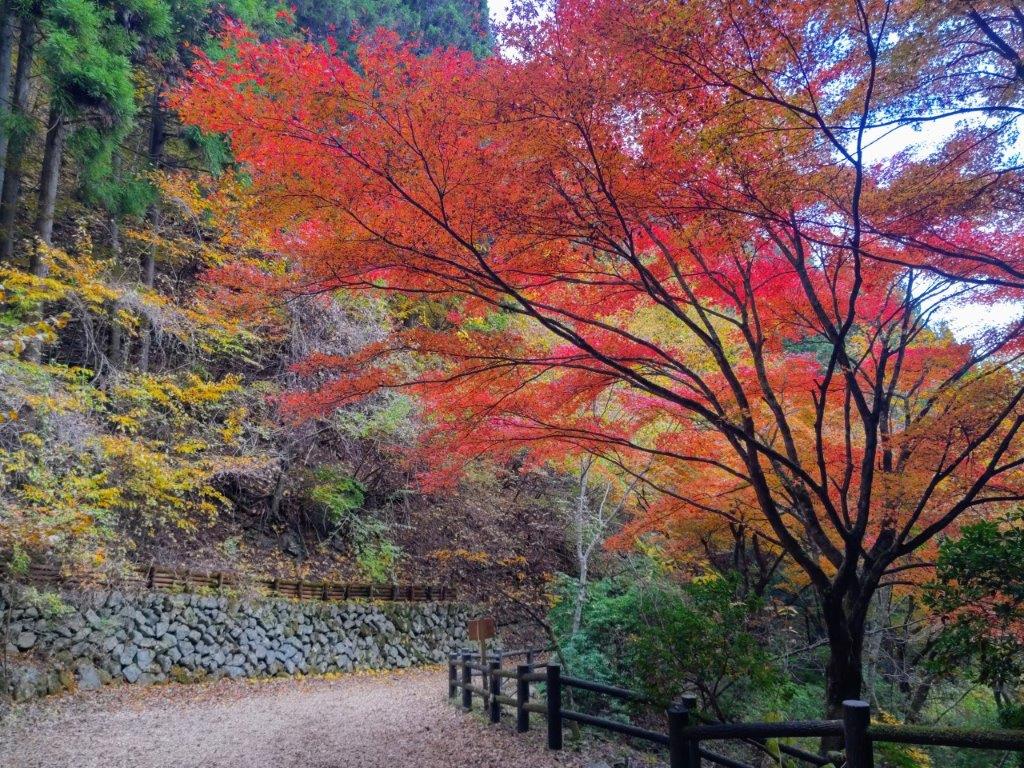
Sengenrei (903m), Hinohara Town, Tokyo Prefecture, Sunday, September 30, 2024

I was looking for an easy hike close to Tokyo for a misty early autumn day. I had done this long ridgeline twice before, each time on sunny days in the late autumn, so I was familiar with this views; this time, it seemed I’d get to experience a different aspect of the mountain. To reach the start of the hike, I’d take JR local lines to Musashi-Itsukaichi station and from there catch the 9am Nishi-Tokyo bus, for the one-hour ride to the trail entrance.

Hiking in the Chichibu-Tama-Kai National Park

秩父多摩甲斐国立公園

Hiking the Kanto Fureai no Michi 関東ふれあいの道

For the most part I’d follow a level trail along the Kanto Fureai no Michi, ending at Hossowa Falls, about a thirty minute bus ride back to the station. Some rain was supposed to fall throughout the day but I hoped it would just be light drizzle instead of a heavy downpour. On the bright side, this meant I could expect less people on this trail and so I was looking forward to a relaxing ramble through a familiar area.

For subscribers, read this Blog Post on Hiking Around Tokyo for a better viewing experience and the latest updates

Lots of clouds at the start of the hike

Same view but in good weather (2014 photo)

Light rain started to fall as soon as I got off the bus at the Sengen Ridge Trailhead (浅間尾根登山口); fortunately the bus shelter kept me dry while I got ready. At 10am, I started up a switchback trail leading to the top of the Sengen Ridge. Soon after setting off, the rain stopped, although I could still get wet from the tall grass lining the path. Darks clouds hang overhead but as expected I had the trail mostly to myself.

View South of the Mito-Jimba Ridgeline

Looking down at Hinohara Town

At 1130, I reached a viewpoint on top of an area cleared of trees; through the slowly lifting mist, I could see the ridgeline connecting Mt Mito and Mt Jinba. This deforestation was relatively new as I had no recollection of seeing it 4 years before; I passed several more such areas on the way. Soon after, I spotted the first mushrooms of the year, shaped as parasols; the ground was strewn with chestnut burrs (“igaguri“), both signs of the approaching autumn season.

View North of Mt Gozen

Misty Panorama from Sengenrei

At noon, light rain started to fall again, so I bypassed the true summit, taking a detour on the north side, soon arriving at the Sengen Ridge Rest Area, its most important feature being an open shelter. It was the perfect time to take a lunch break. After 30 minutes the rain stopped and I made my way to the observation deck on the lesser summit of Sengenrei (浅間嶺 せんげんれい), a Kanto 100 famous mountain, where I enjoyed a misty panorama. At 1pm, I continued on my way, now on the Kanto Fureai no Michi. After a slippery descent, I turned right at a crossing, and followed a path hugging the north side of the ridge.

Sunny View from the top of Sengenrei (2014 photo)

View North of Mt Odake (2014 photo)

I had several wide views of the misty foothills on the other side of the valley from the top of some more clearings, although the highest points were hidden in the clouds. A little before 2pm, I headed down a rocky river valley, spotting a toad along the way, trying its best to blend in next to a mossy rock. It was only past Tokisaka pass (時坂峠), that I started seeing the first “Jorogumo” spiders of the day, forcing me to wave my stick in front of me to clear the way of hard to spot webs.

View North of Mt Gozen (2014 photo)

Hossowa Falls at the end of the hike

I had almost reached the end of the hike when it started to rain again, this time harder than before. I picked up the pace, arriving at the parking lot at 3pm. I sped up and down the well-maintained path for the falls, my 3rd visit overall, Hossowa waterfall (払沢の滝) looking quite impressive this time, thanks to the more than average rainfall this year. I made sure to buy a box of tofu donuts from nearby Chitoseya before heading to the shelter to wait for the bus back to Musashi-Itsukaichi station, which I reached at 5pm and from where it was a one hour ride back to Shinjuku.

Watch a Video of the Sengenrei Hike

Watch the Video of the Hike on YouTube
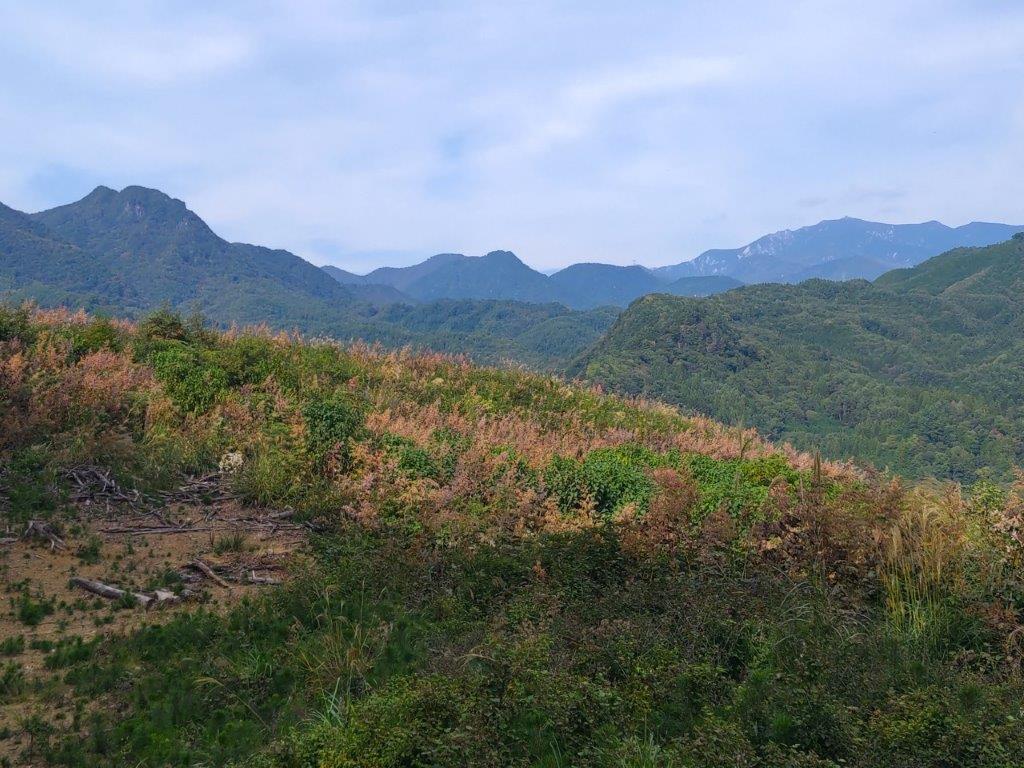
See a slideshow of more photos of the hike