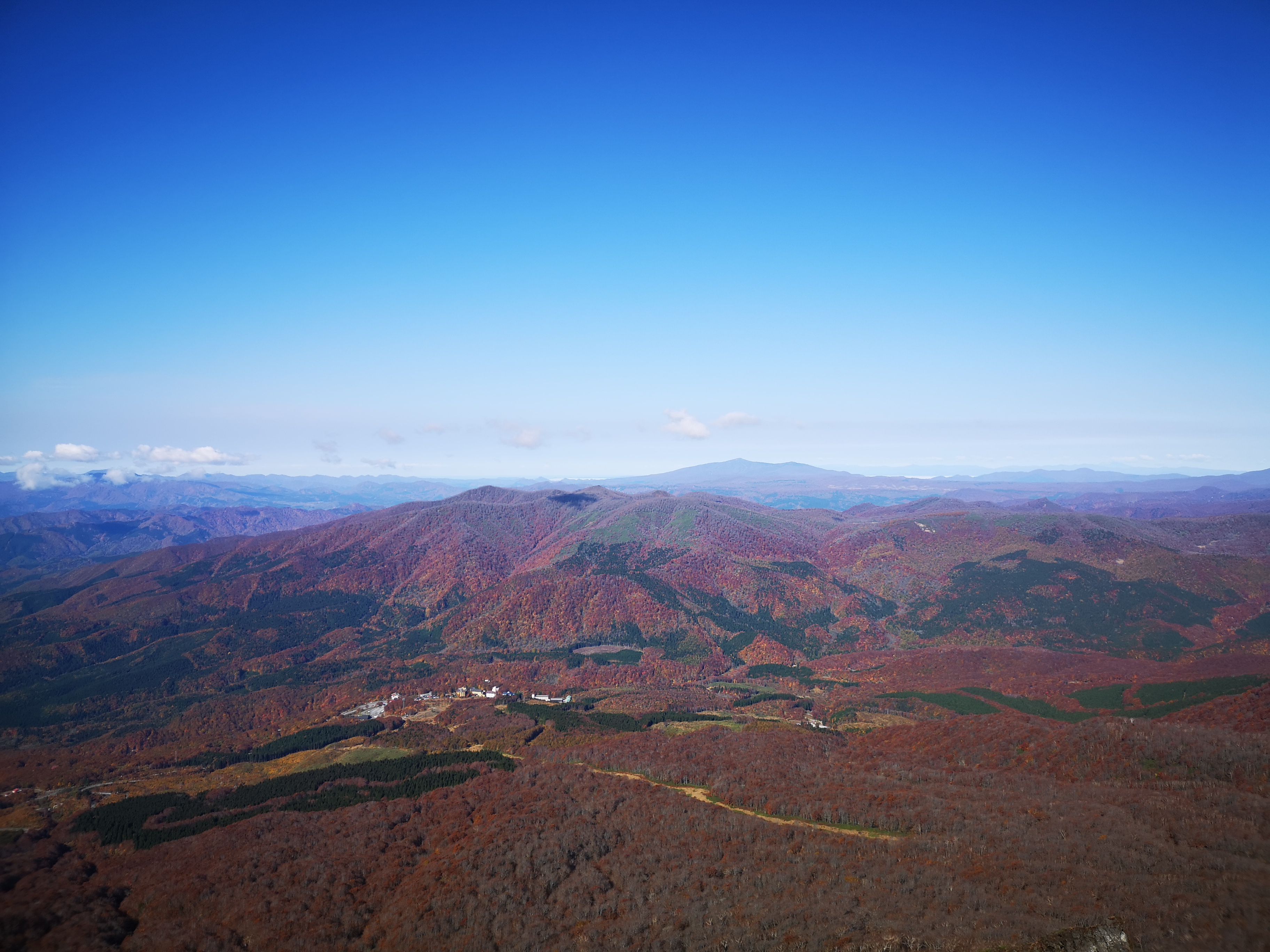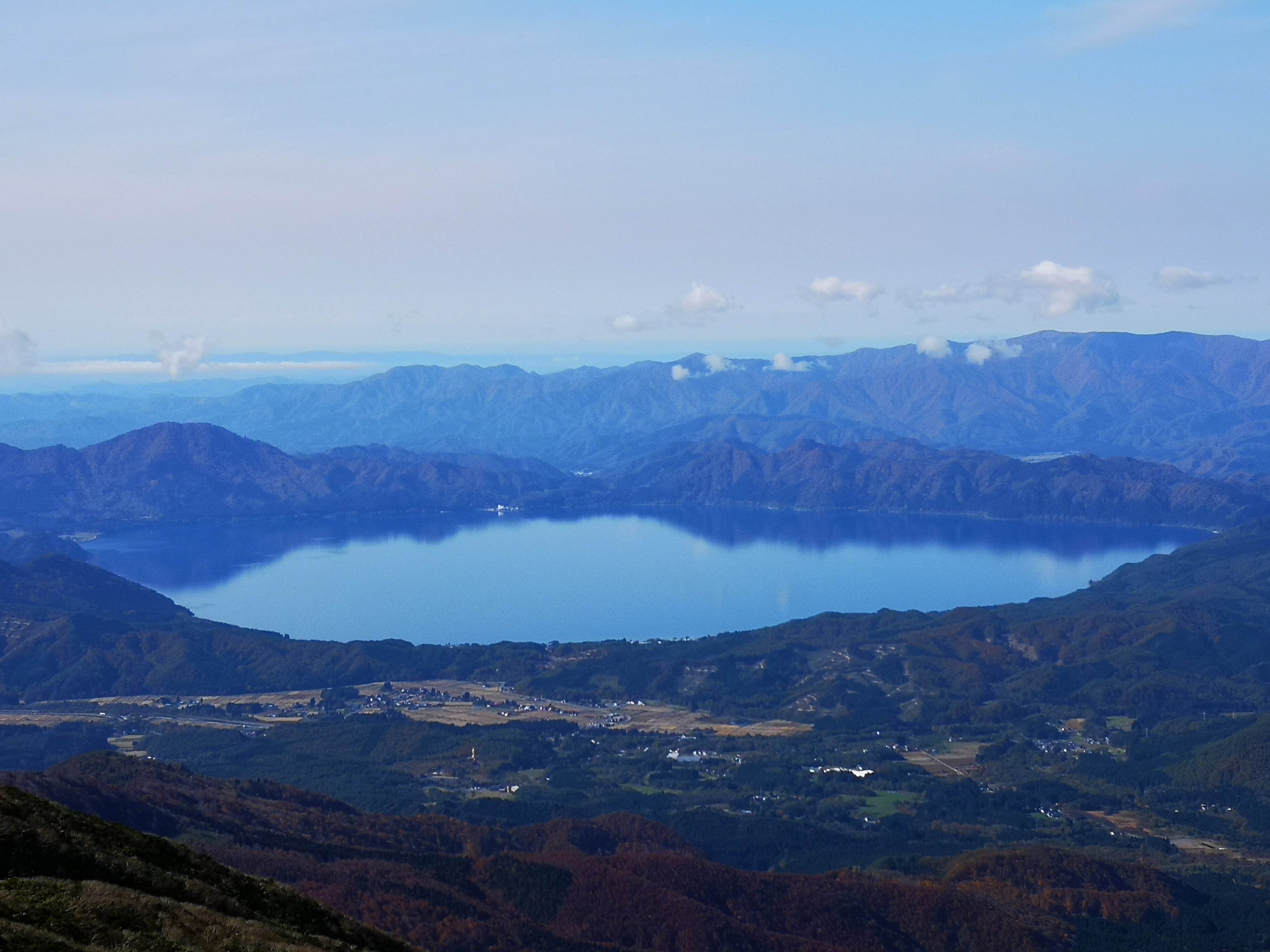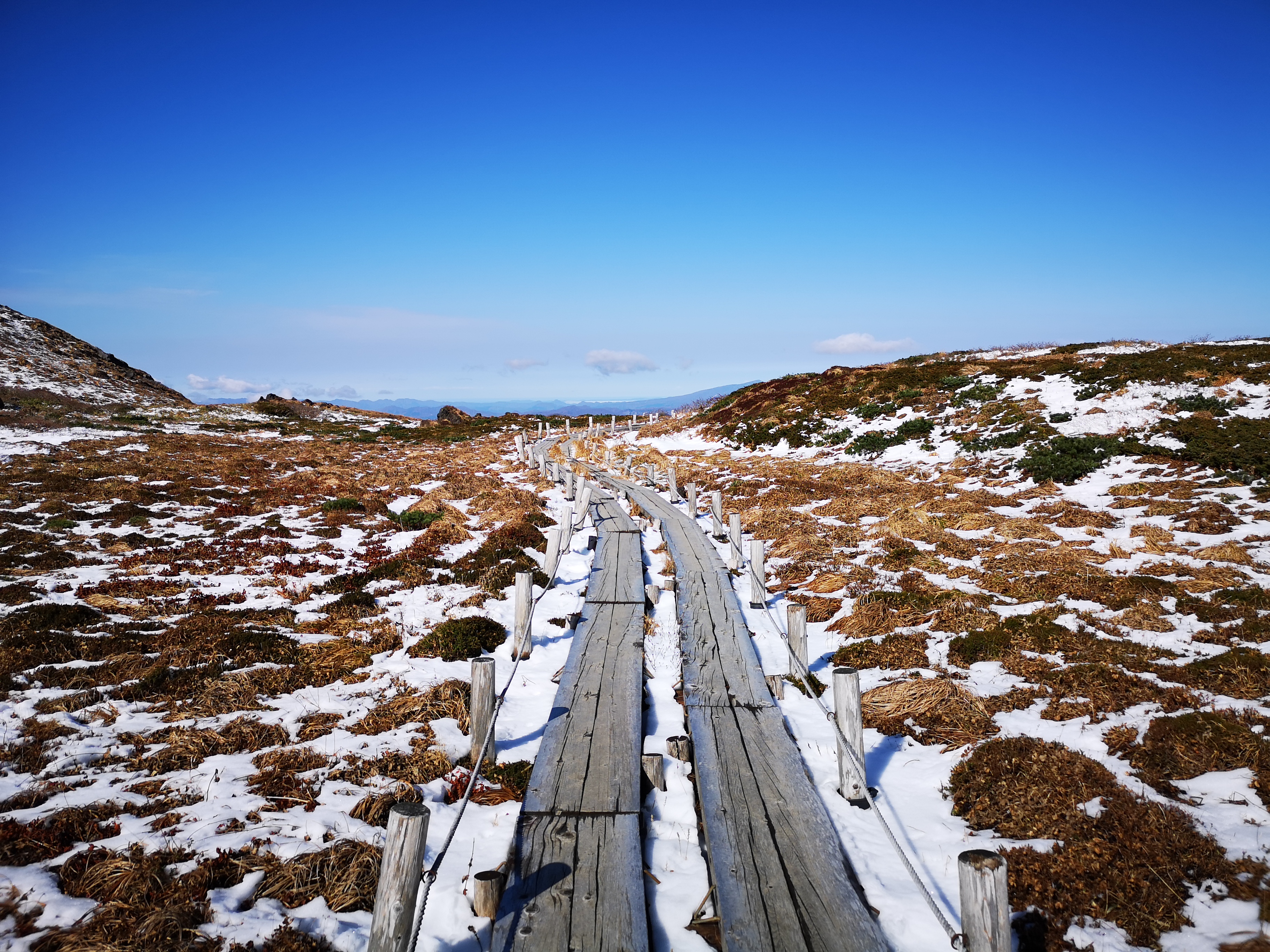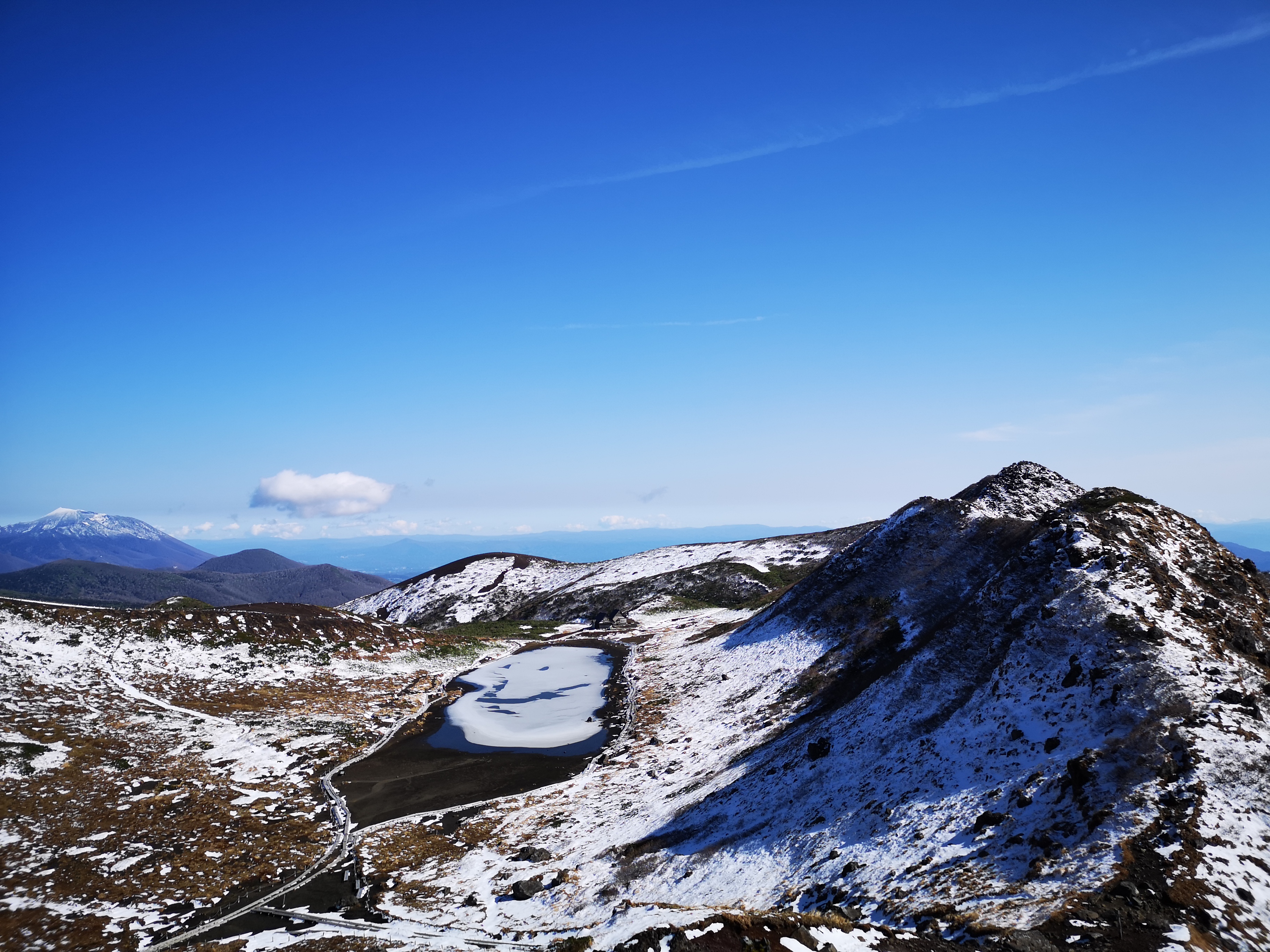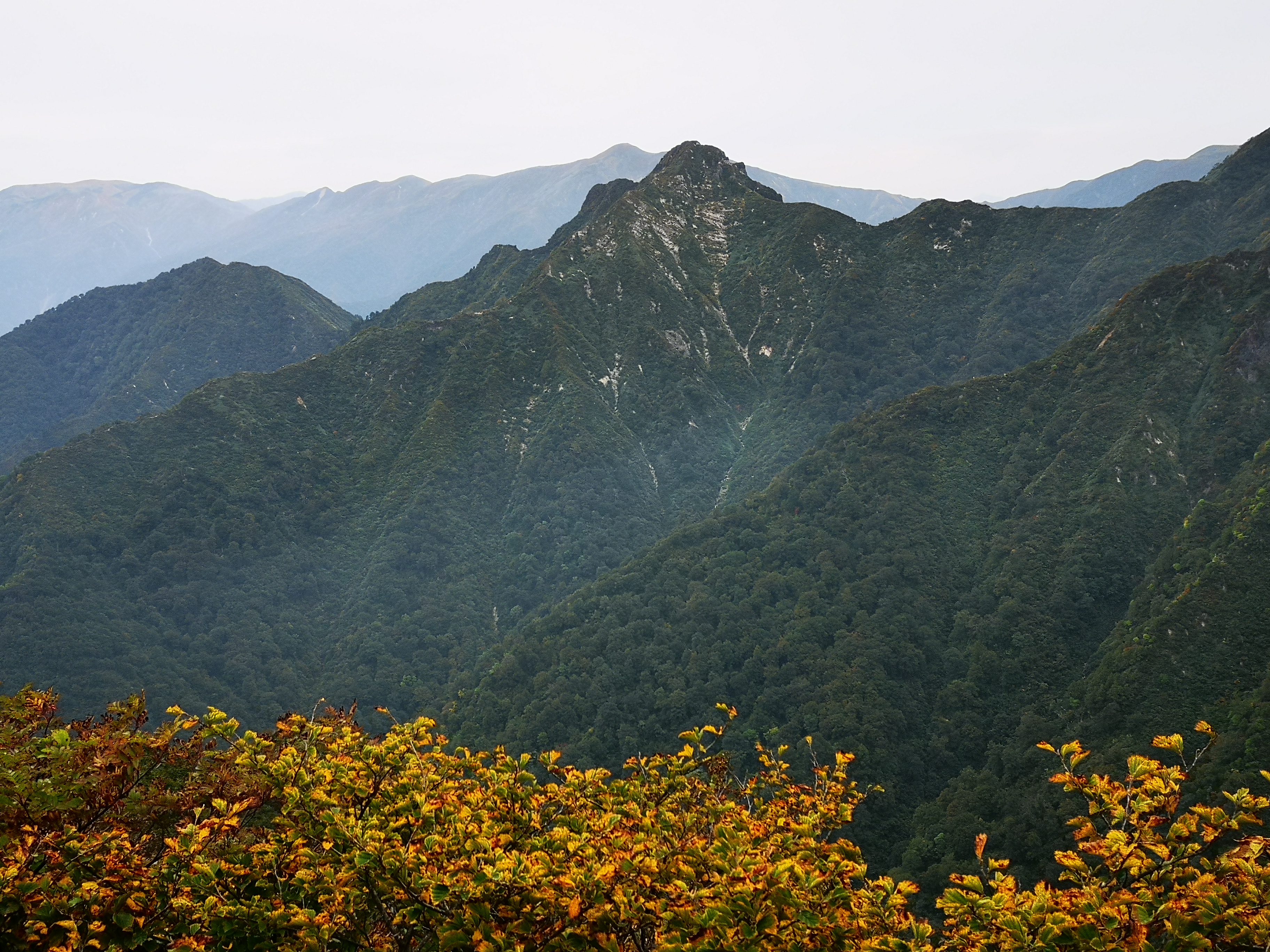
Hiking in Tohoku: Mt Kurikoma (1626m), Miyagi Prefecture, October 2020

On October 16th, JR East introduced the JR East Welcome Rail Pass 2020. For just 12000 yen, I could travel for 3 consecutive days in Kanto, Nagano, Niigata and the whole of Tohoku, including the use of the shinkansen. My first thought was: “How many mountains can I climb thanks to this?” The second was: “Can I do them as day trips from Tokyo?” Up to now I had been mostly limited to the Kanto area, but now, thanks to the shinkansen, my strike zone had been considerably expanded. For this first mountain, I had to leave Tokyo before 6am to catch the 9am bus from Ichinoseki station on the Tohoku shinkansen line, nearly 400 kilometers North of Tokyo. I had 6 hours to complete the hike, which seemed more than enough. I would even have time for a hot bath at Sukawa Onsen (須川温泉) near the start of the hiking trail. I didn’t have a hiking guide book for Miyagi prefecture, so I relied on Wes Lang’s description of the route. The weather forecast seemed good: some clouds, some sun, and most importantly, no rain. I was ready for my first hike in Miyagi prefecture.

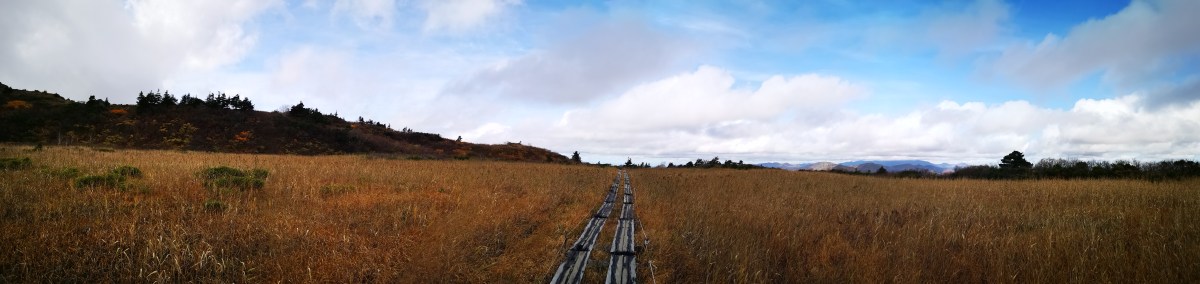
Crossing Nagorigahara Marsh

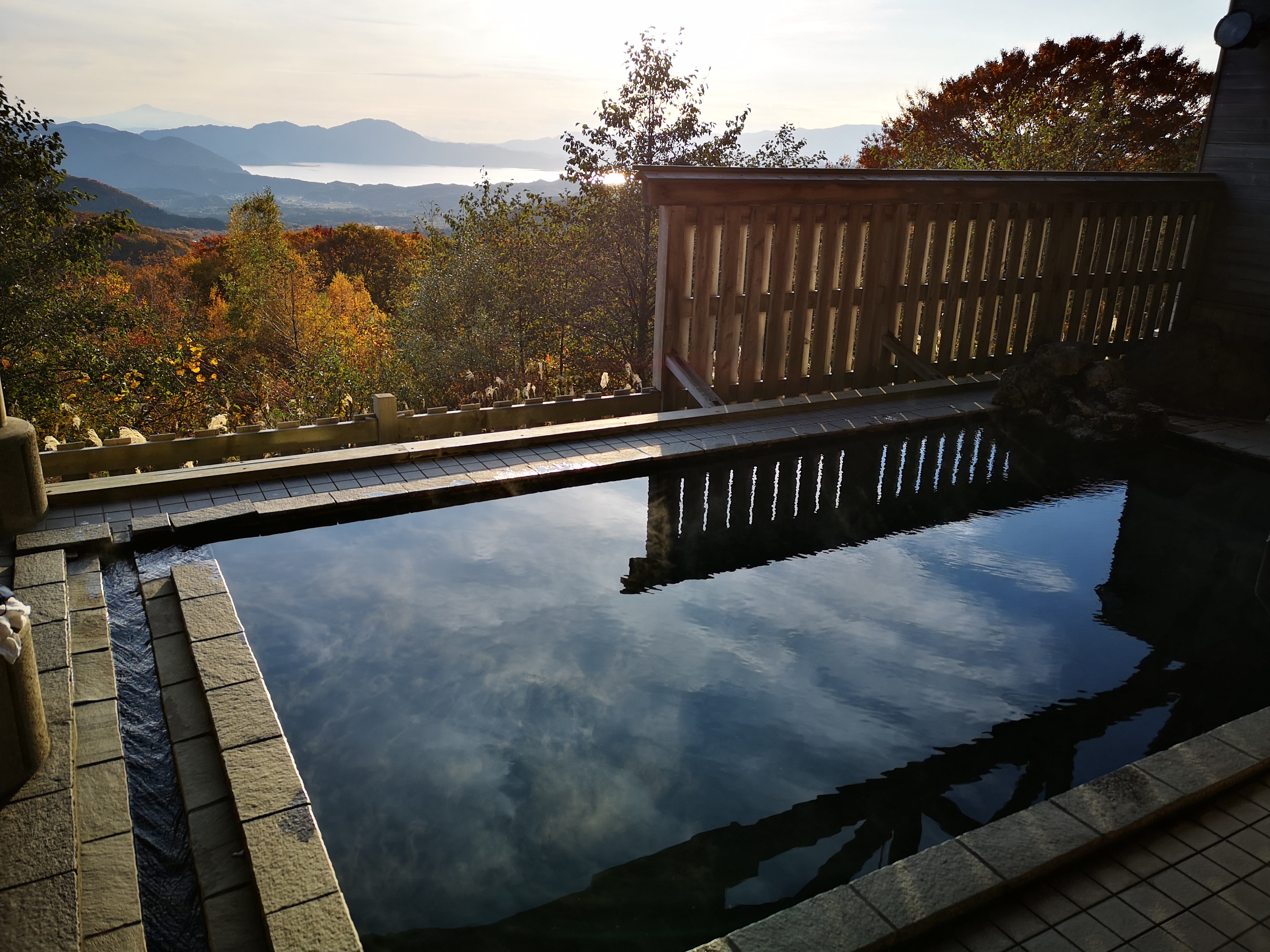
Sukawa Onsen’s big rotemburo

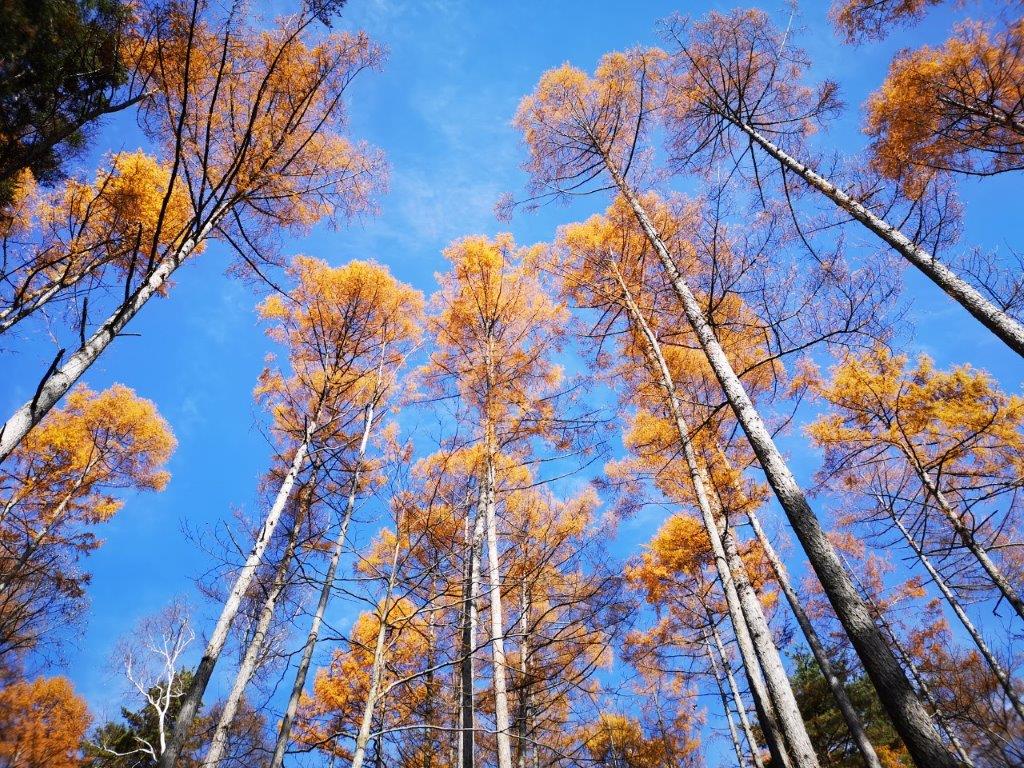
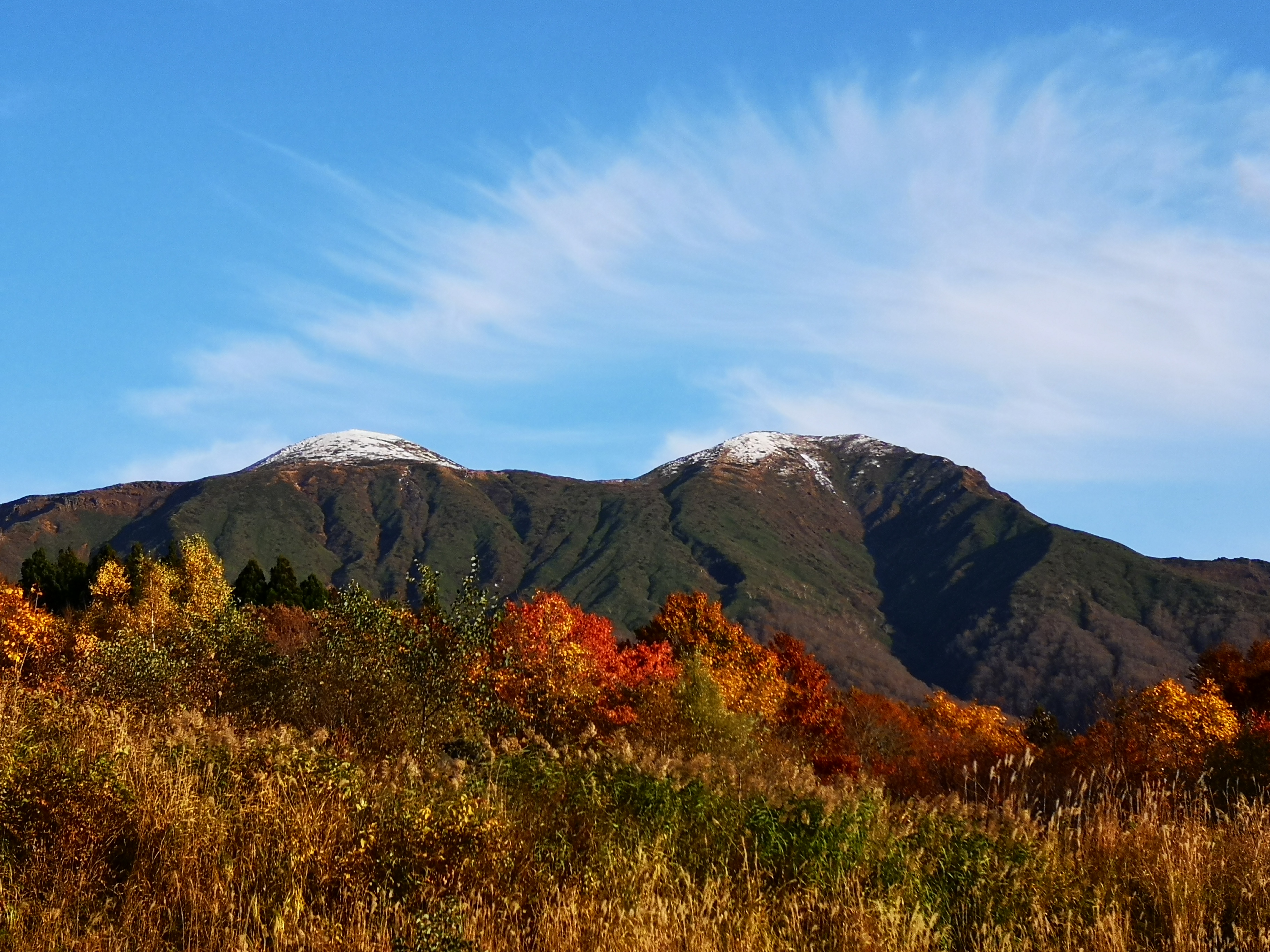
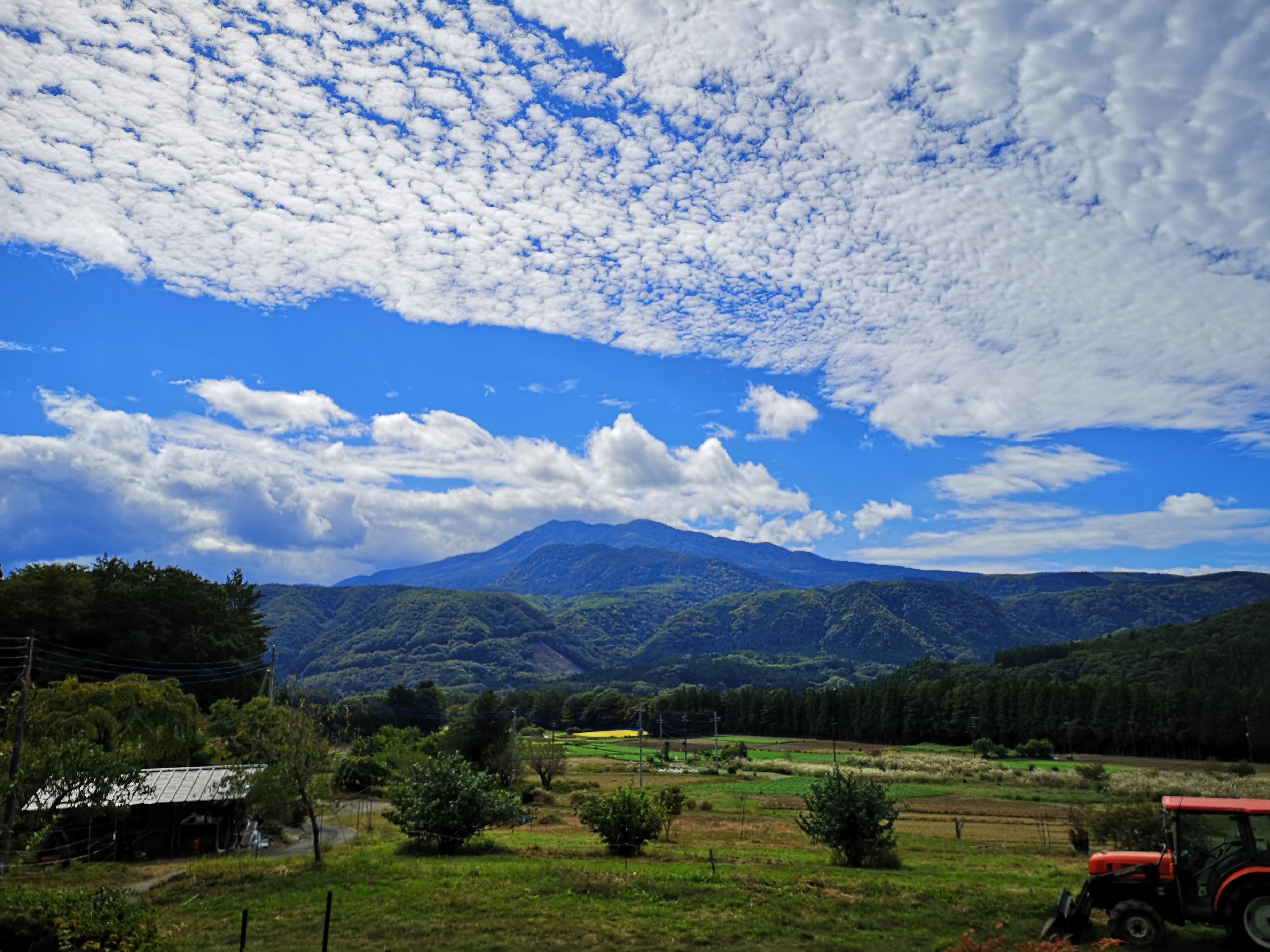
There was some construction going on in front of the bus stop at Ichinoseki station, and I wasn’t sure where to stand in line for the bus. In the end, there was just one other passenger, also a hiker, so there was ample seating space for the ninety-minute trip. The ride from the valley up to Sukawa Onsen at 1100 meters was spectacular: even though the clouds were in, the autumn colours were still at their peak. After getting off the bus at 10:30, I had a quick look around in the visitor center, which would certainly be closed by the time I finished my hike. They had an interesting collection of stuffed wildlife, including several bears. Directly opposite was an outdoor bath, one option for the after-hike soak. Just beyond, a hot water stream rushed down the mountain side, creating puffs of steam (see video), reminding me that today’s mountain was also an active volcano.

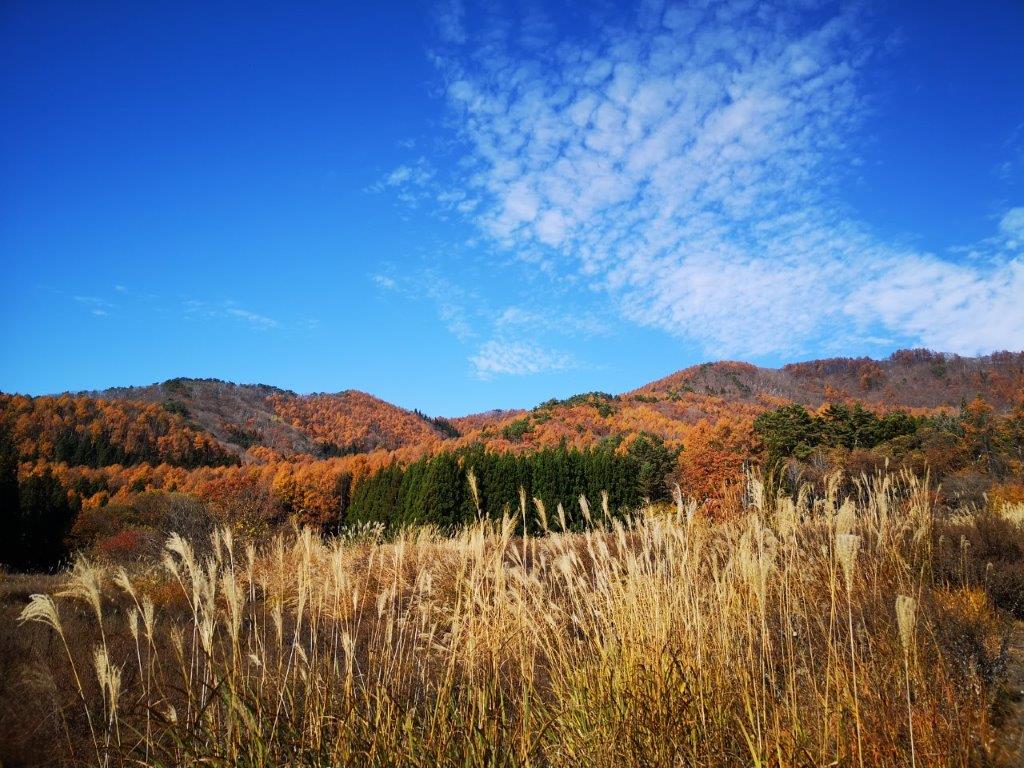
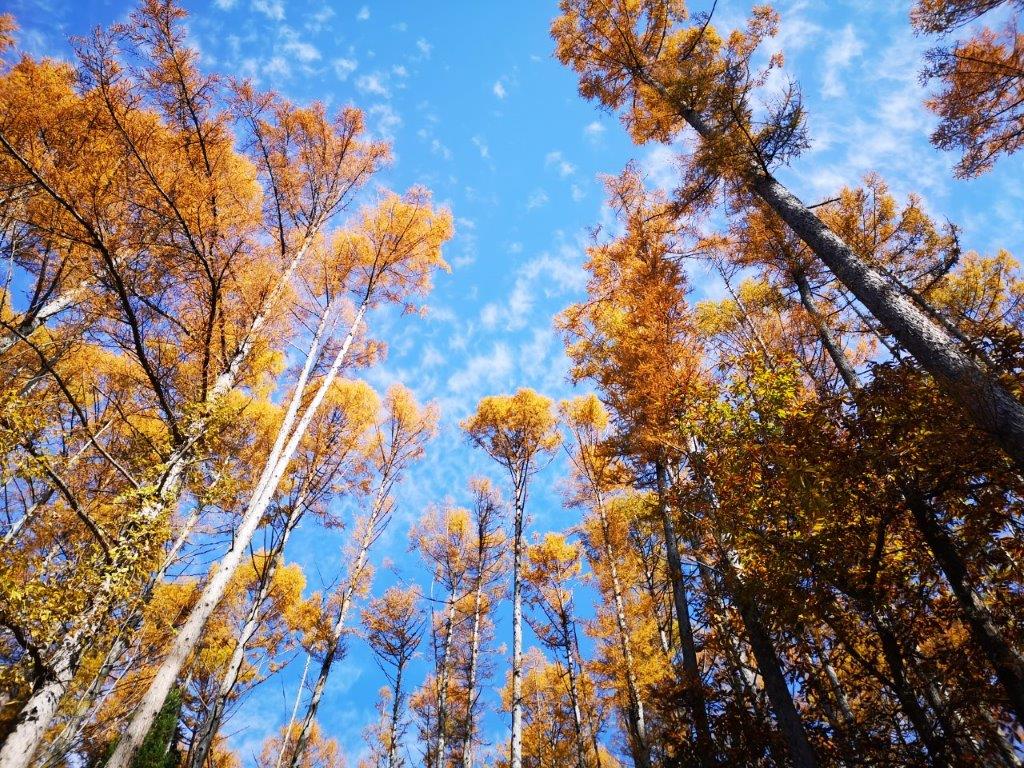
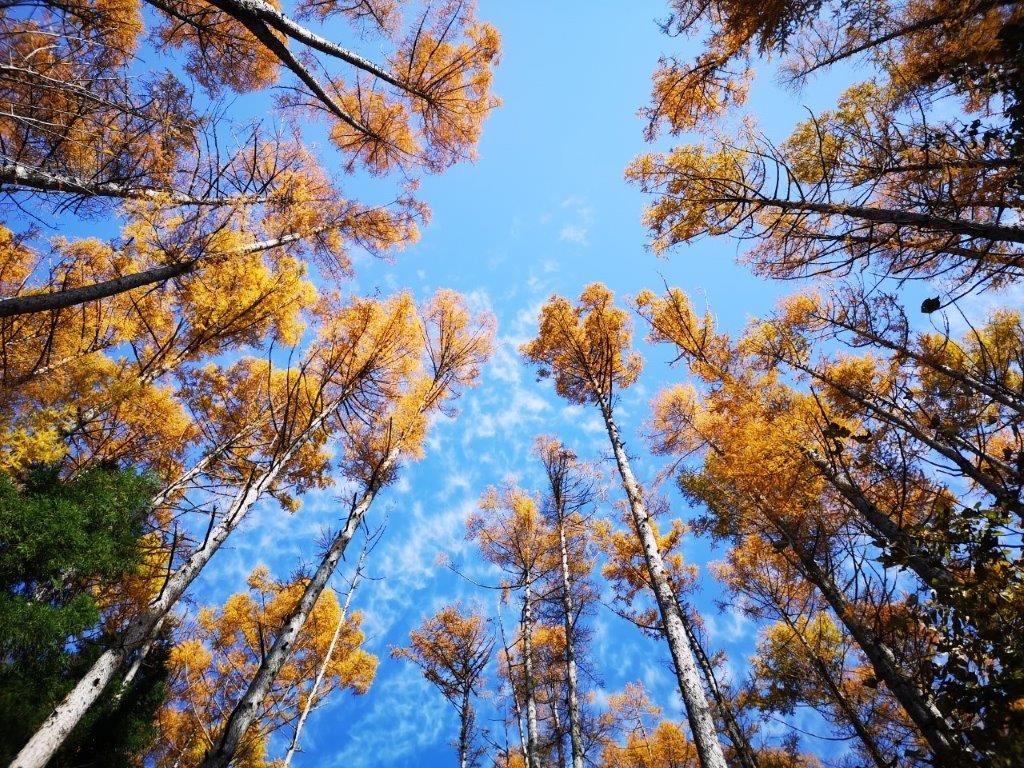
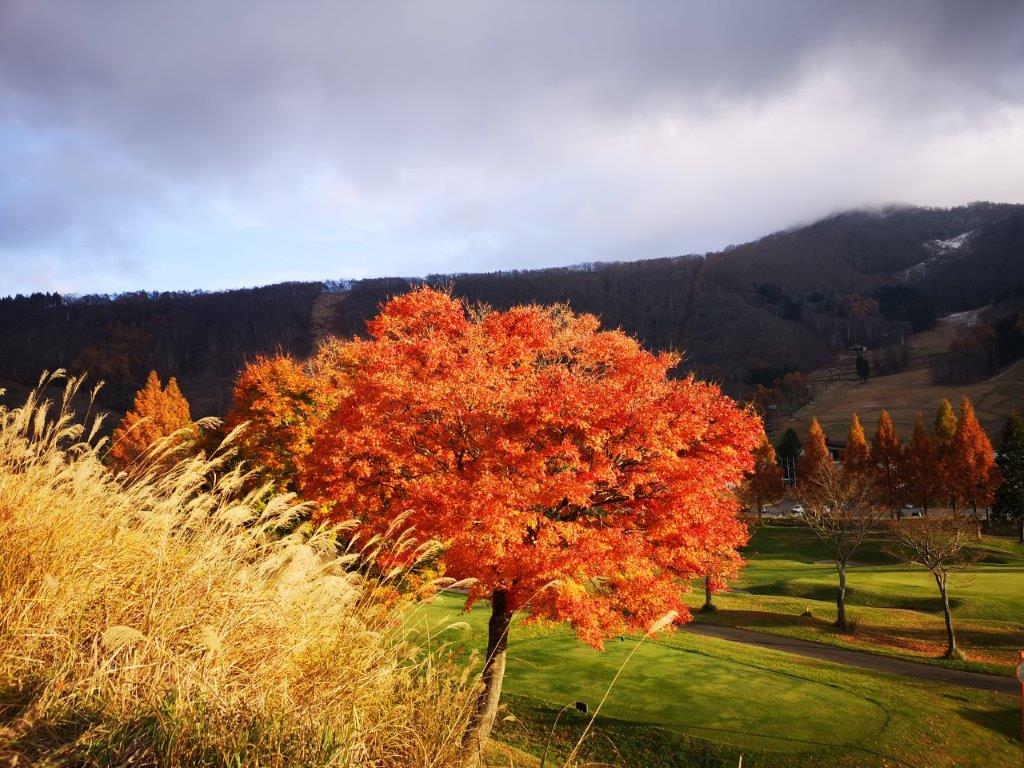
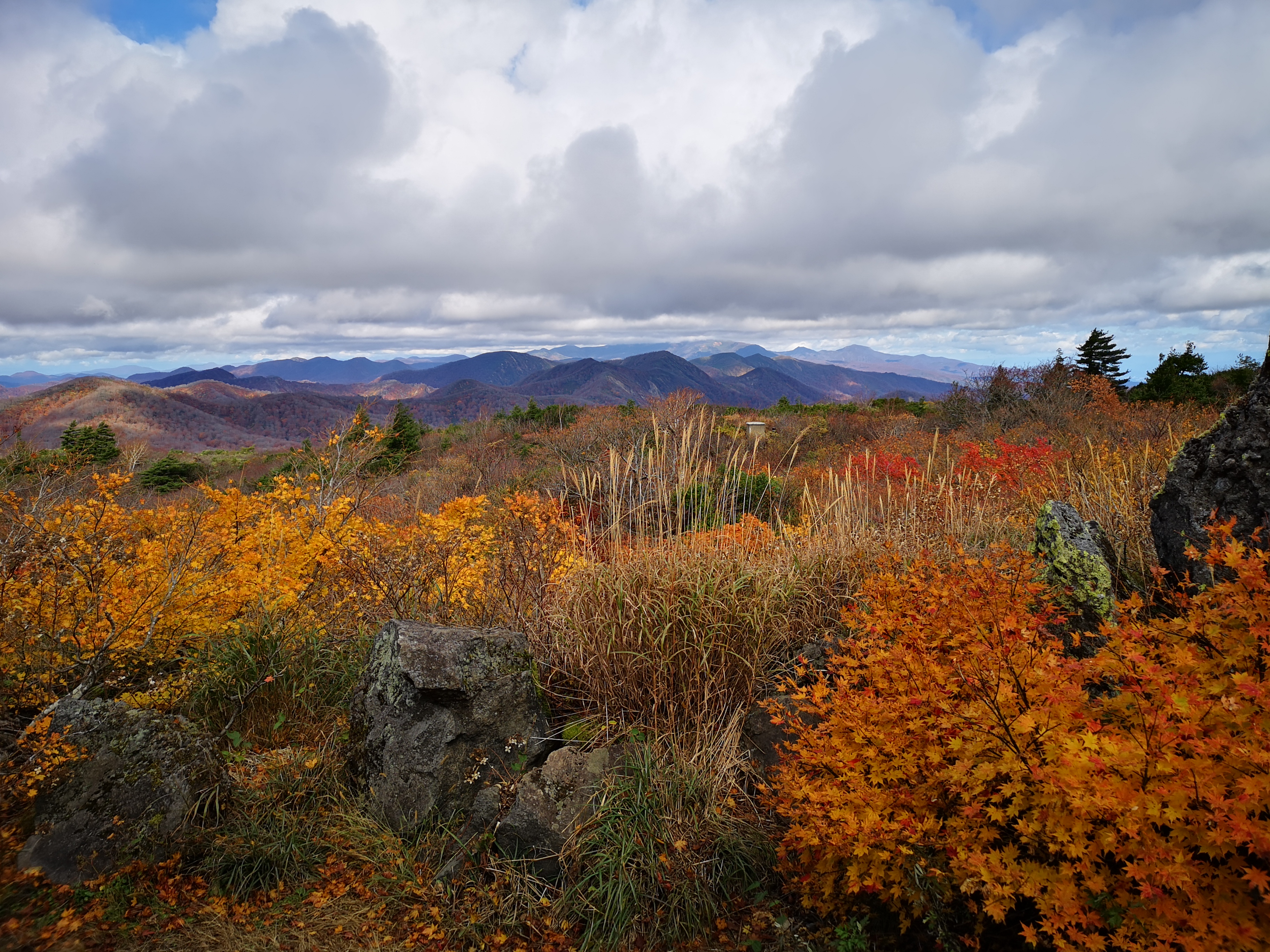
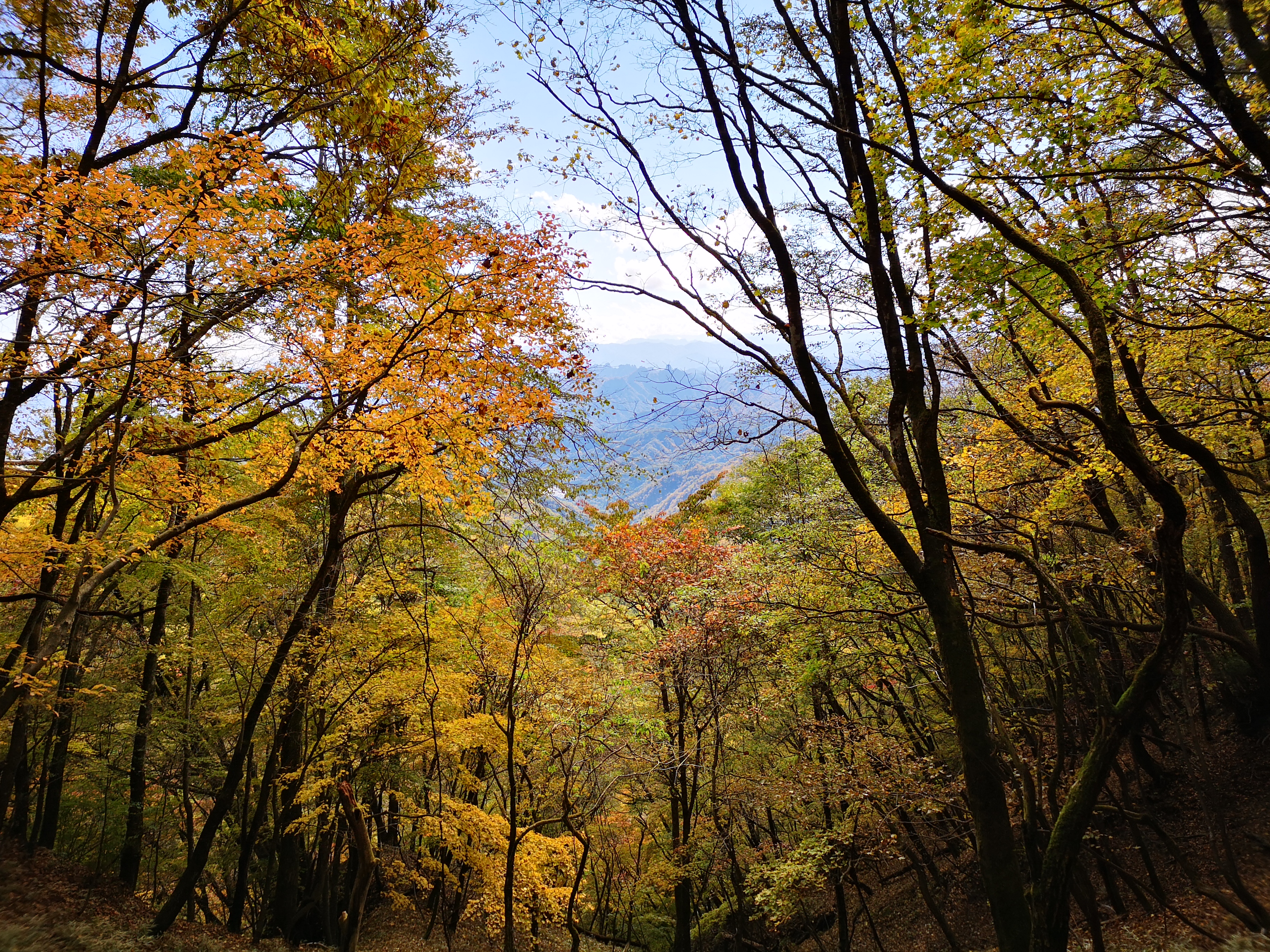
Autumn colours were still at their peak

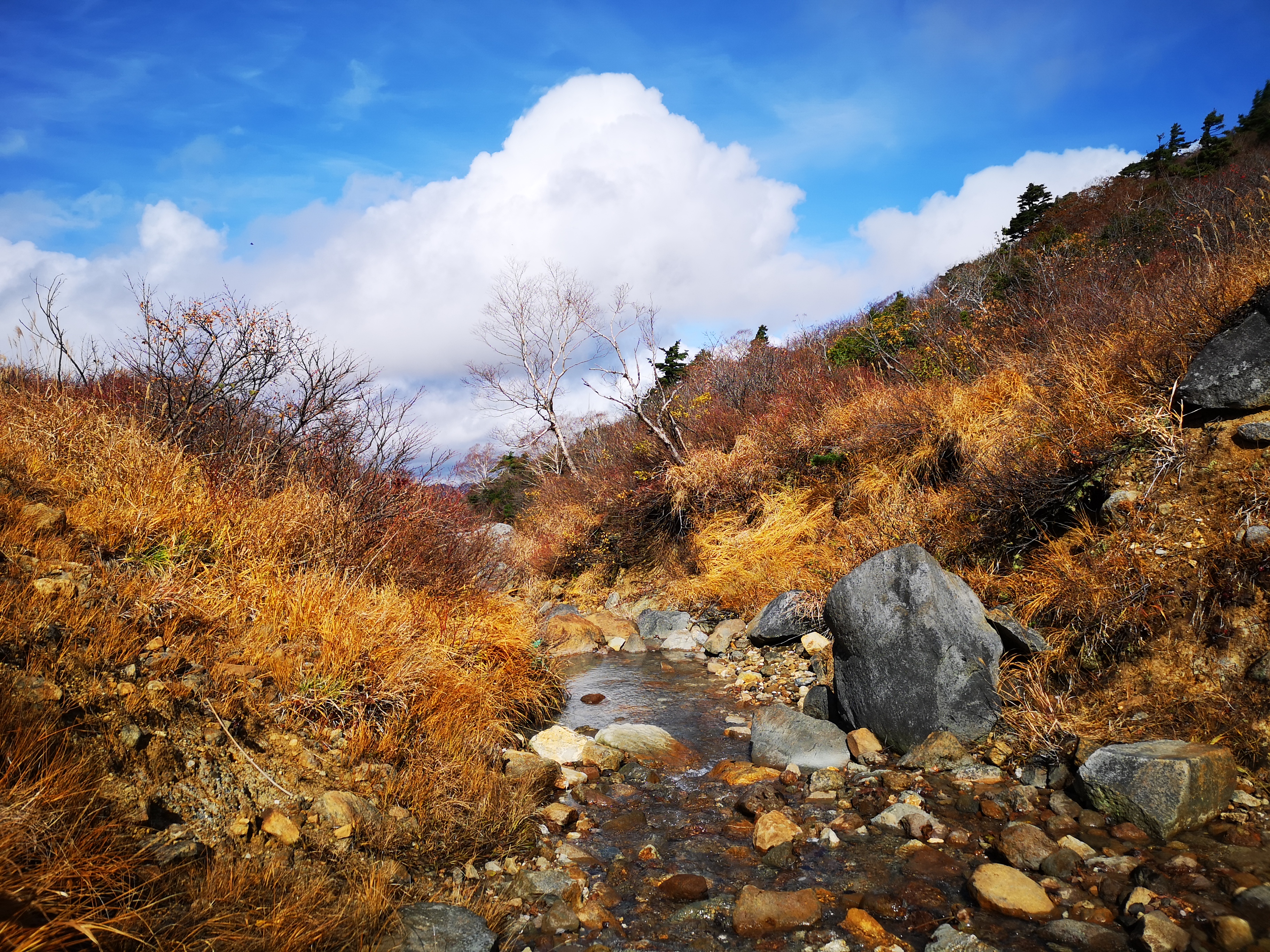
One of the several streams on the mountain

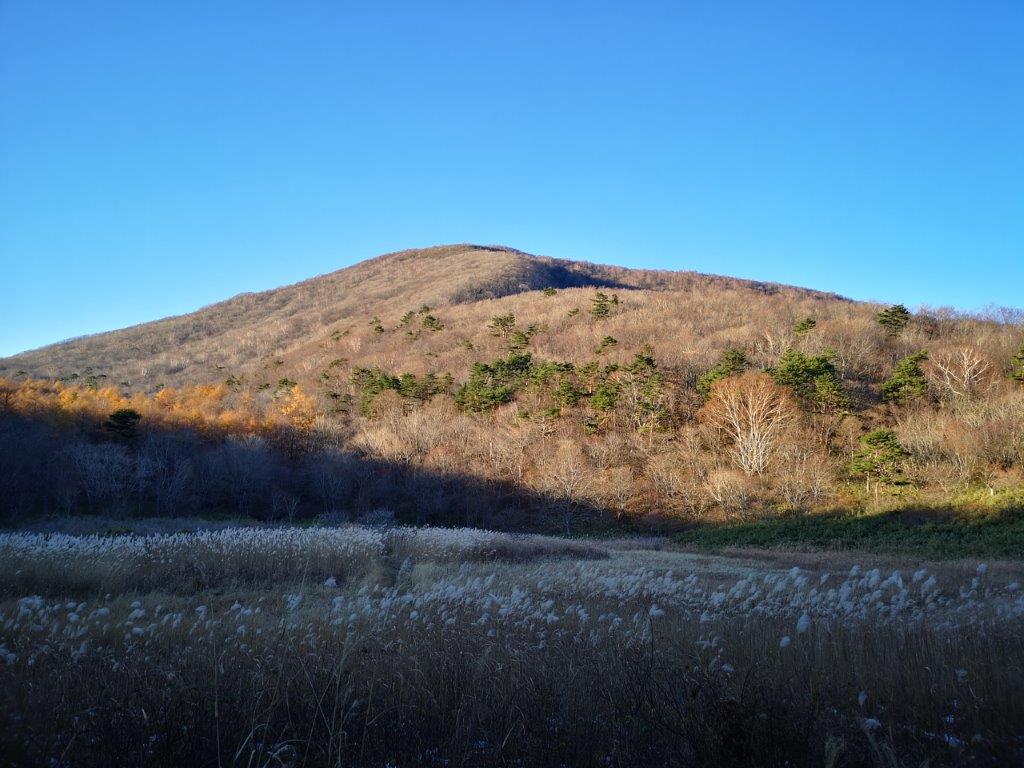
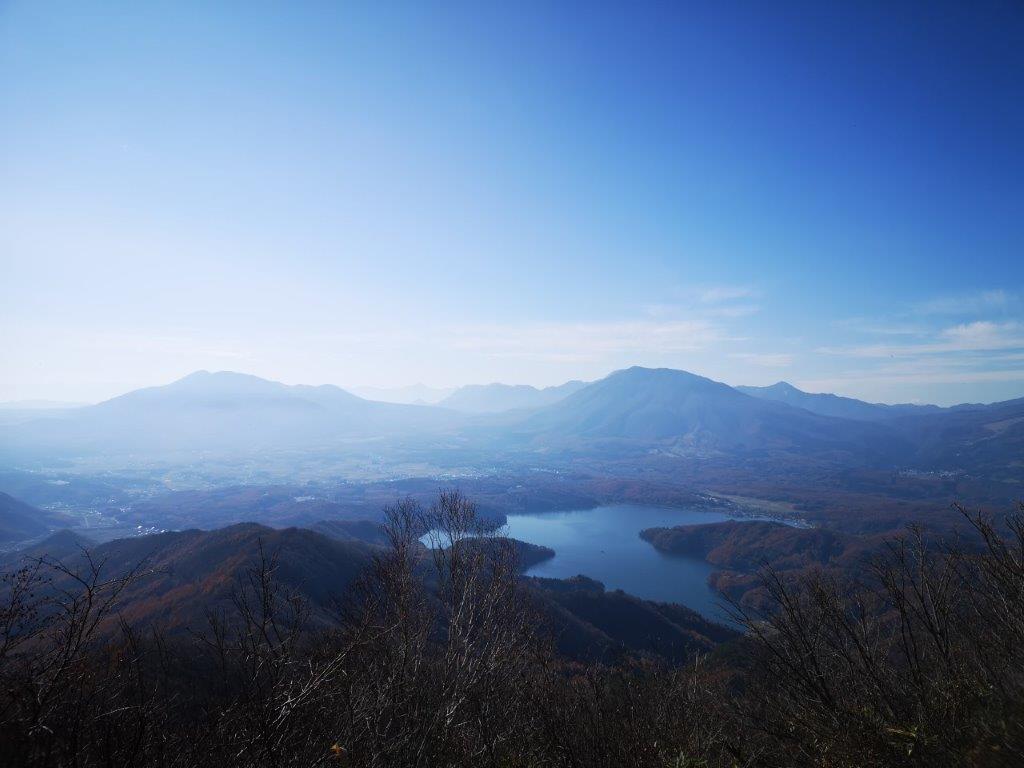
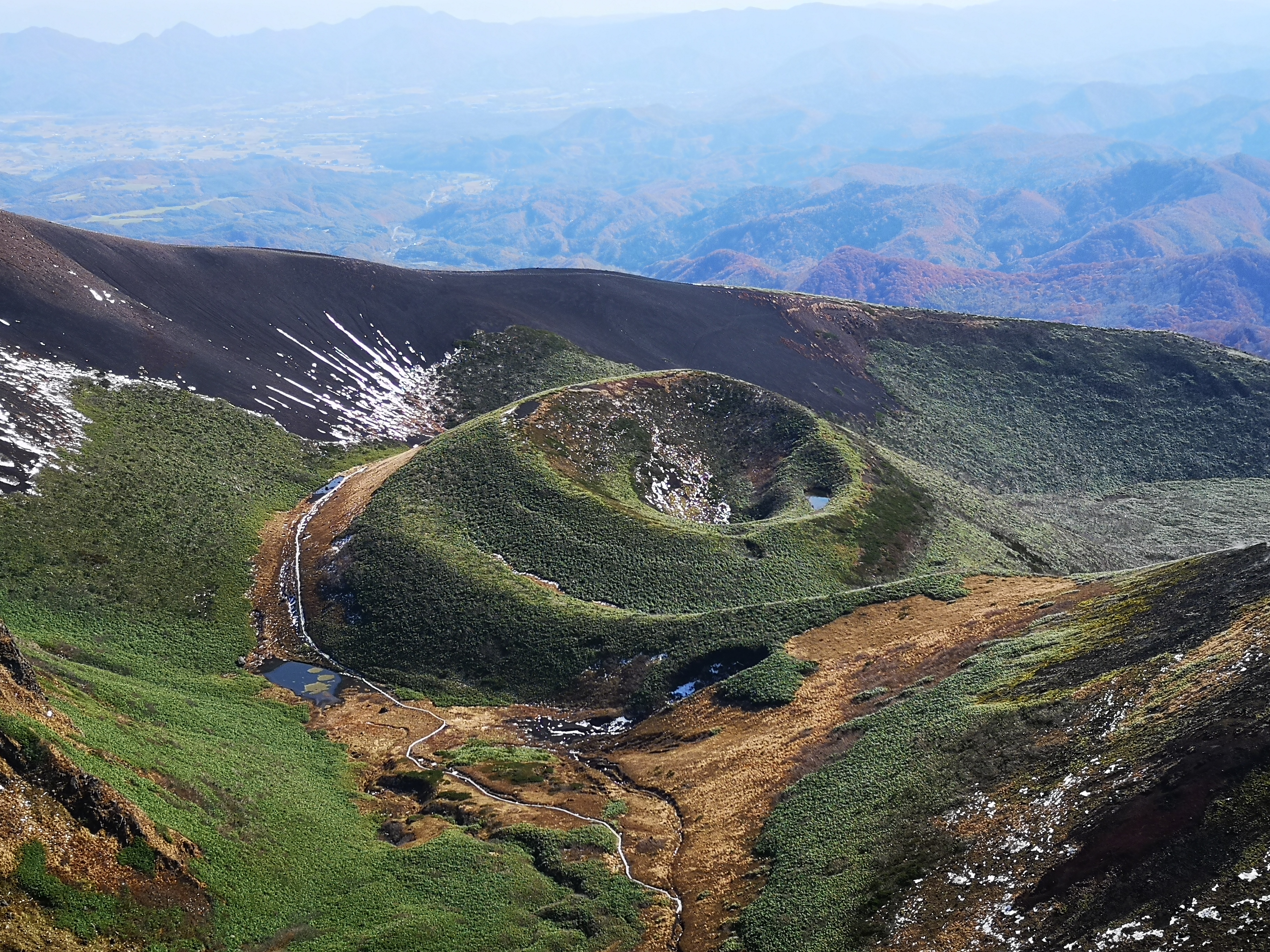
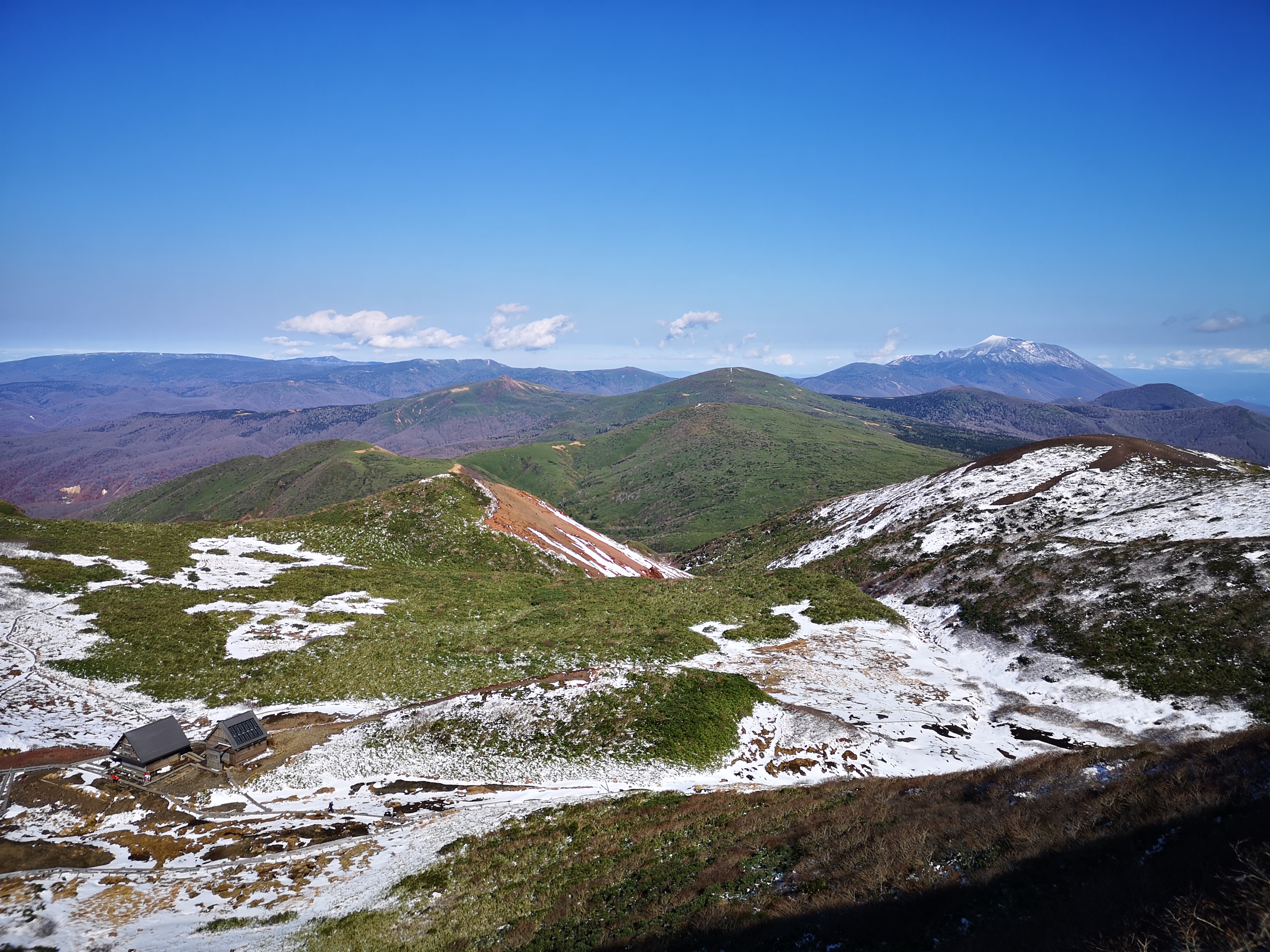
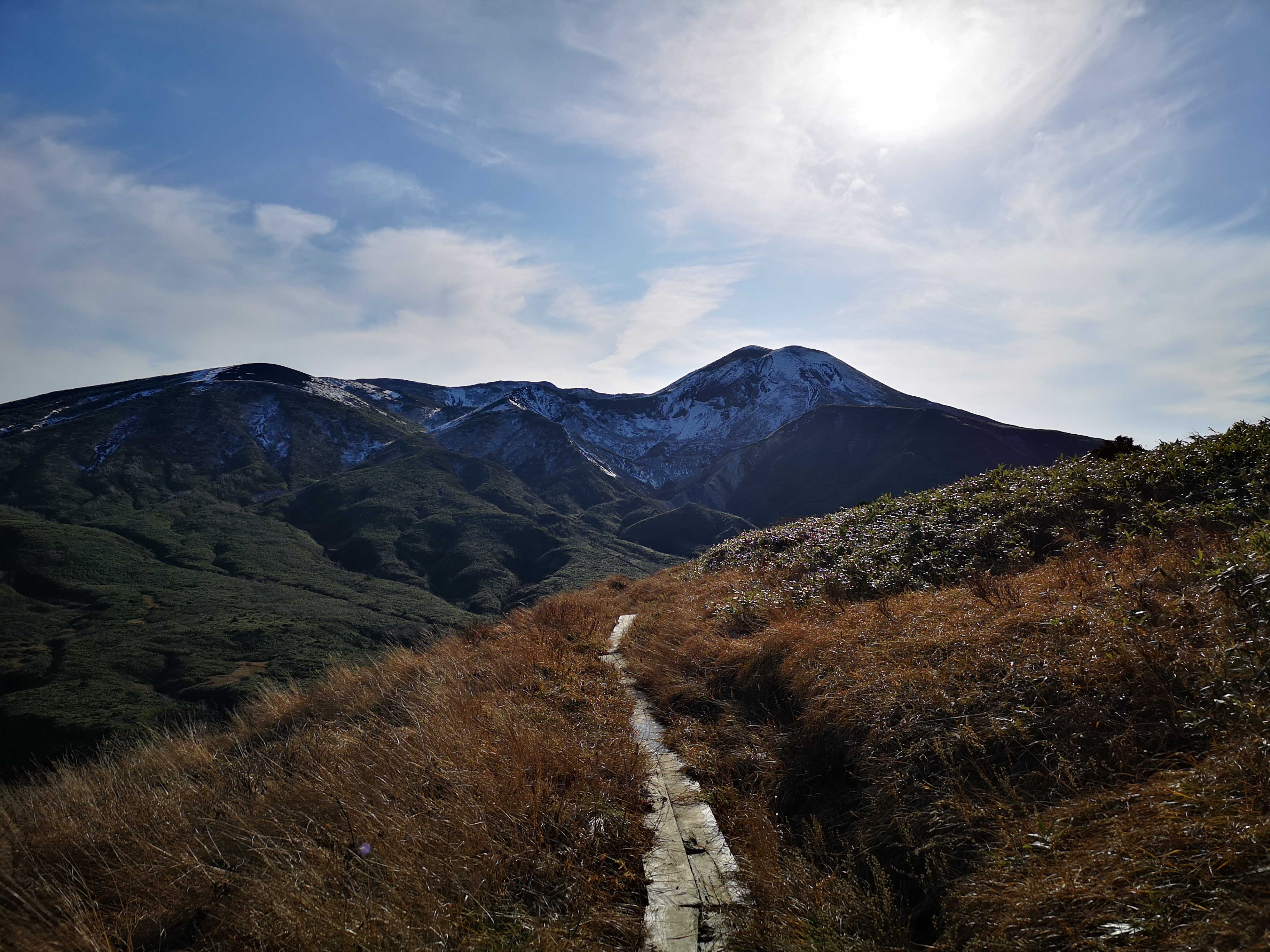
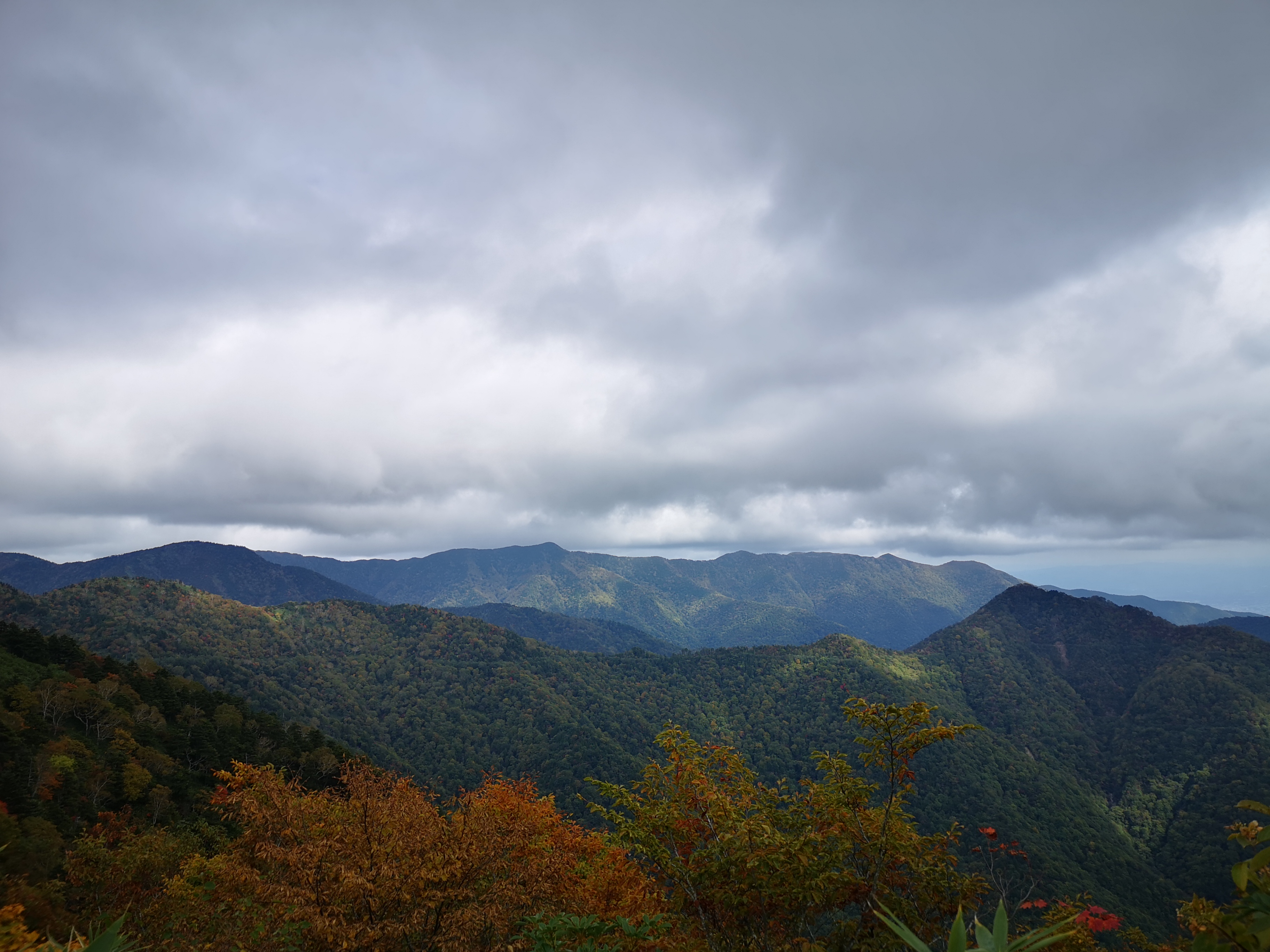
I reached the start of the hiking path at the top of some stone steps, and very soon I had some good views of the mountainous area to the North. This time, I was inside the Kurikoma Quasi-National Park (栗駒国定公園) and it seemed very wild and devoid of human activity. Around 11h30, I arrived at Nagorigahara marsh (名残ヶ原), crossed via a wooden walkway like in the Oze marshlands. The weather continued to be mostly overcast, with occasional sunny spells, and I was worried that the summit would be in the clouds. I passed the junction for the most direct route up to the summit, currently closed due to high levels of volcanic gas. I was now back on a muddy hiking trail. After crossing several streams, the trail started to climb. Soon I was above the trees, and there were good views north and east.

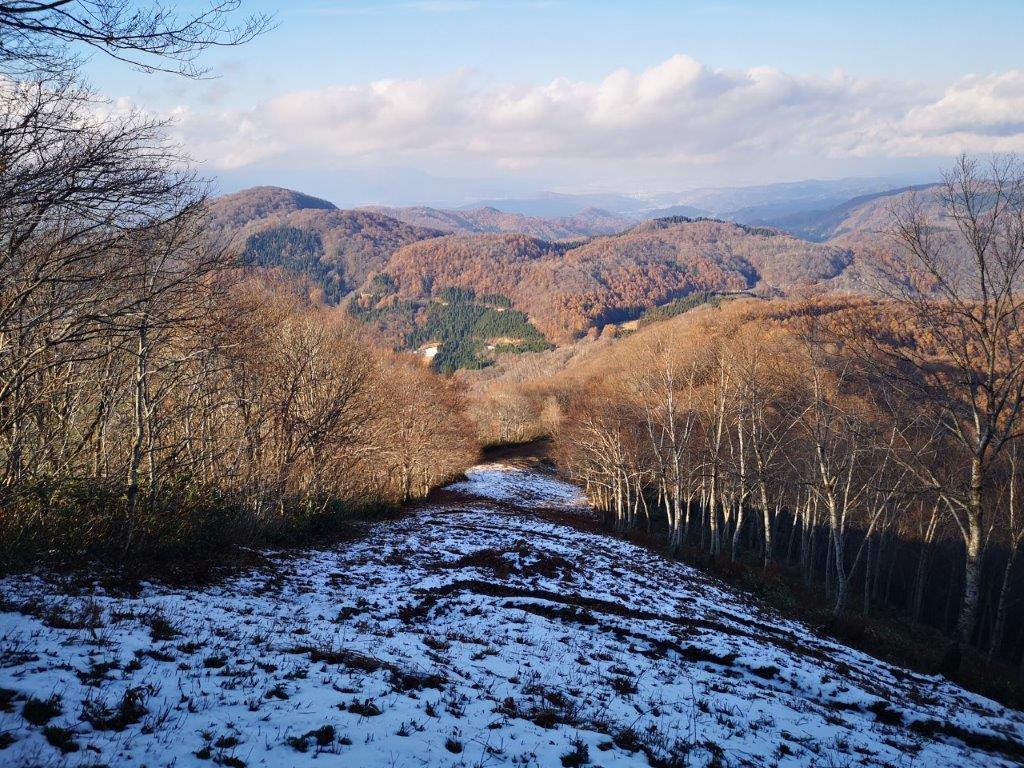
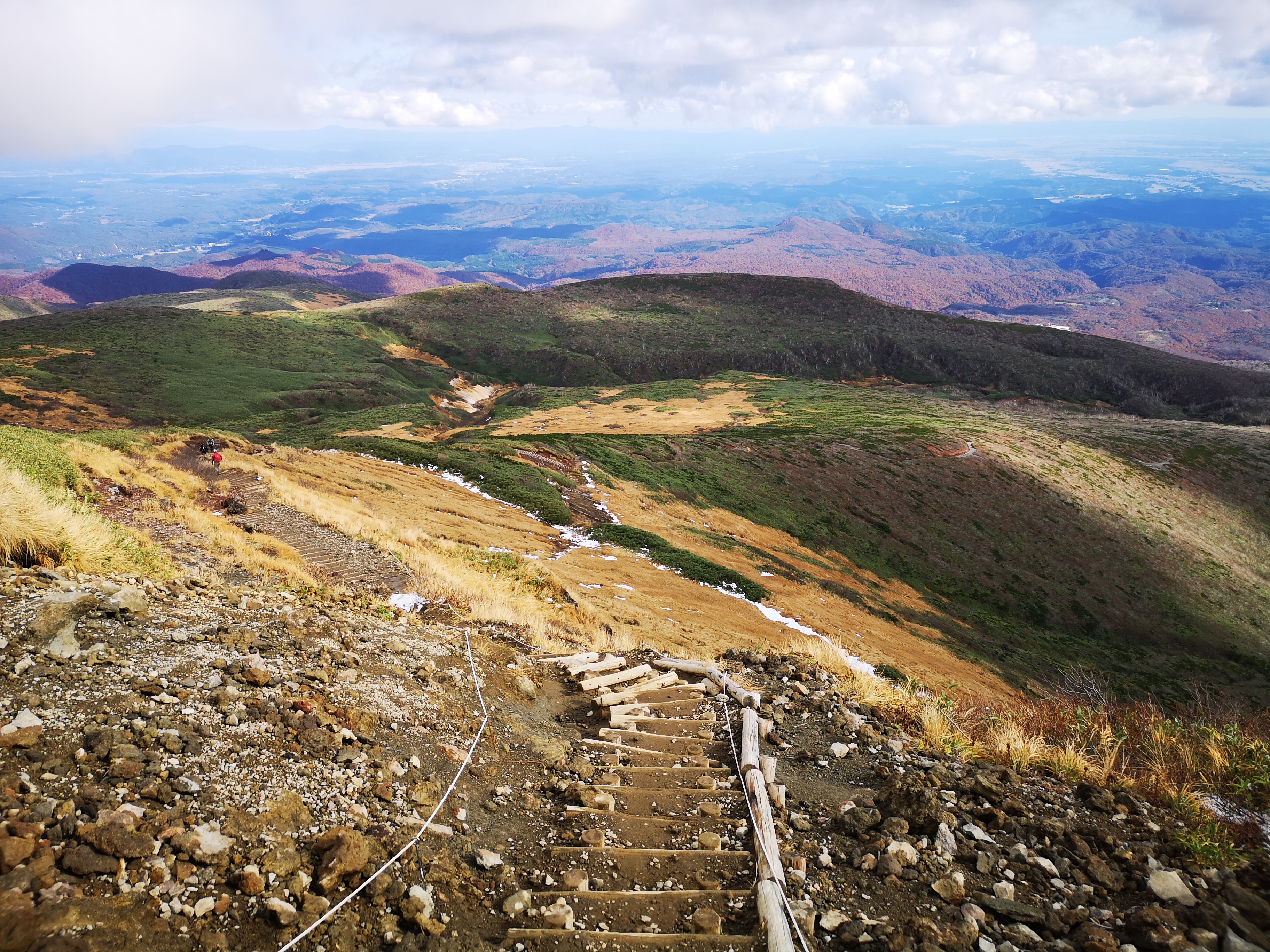
Path leading down to Kurikoma highland in Miyagi

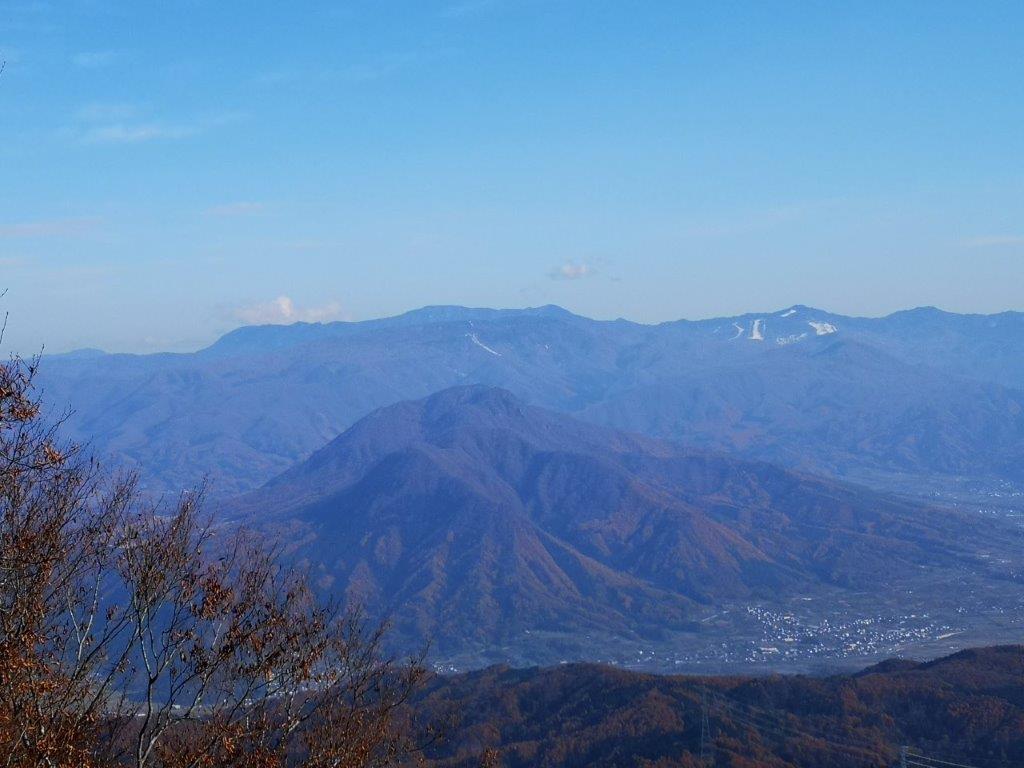
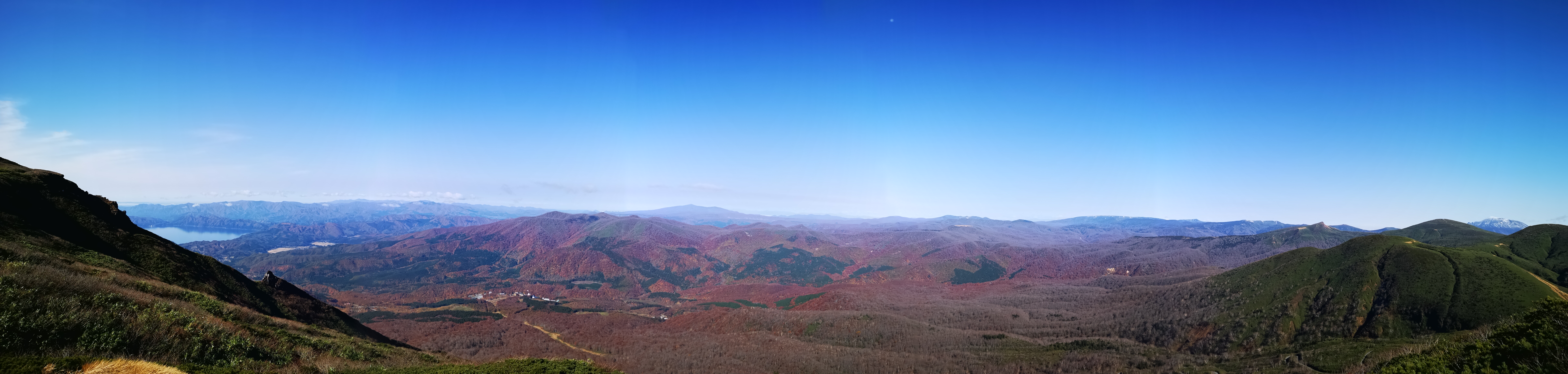
View North towards Iwate

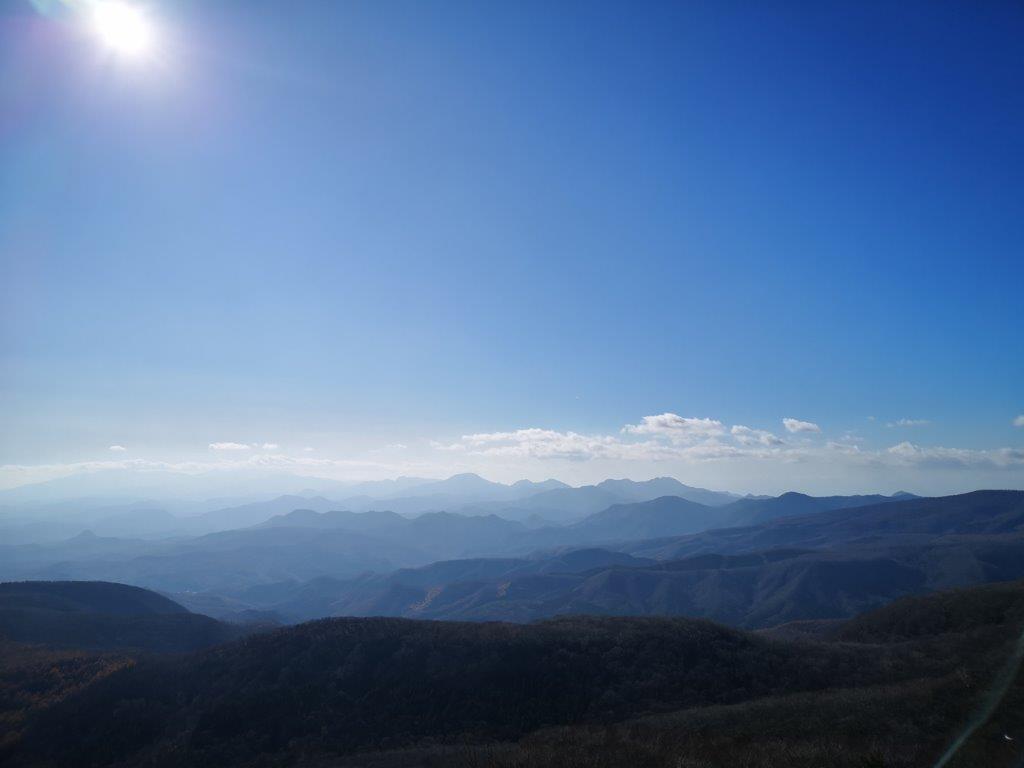
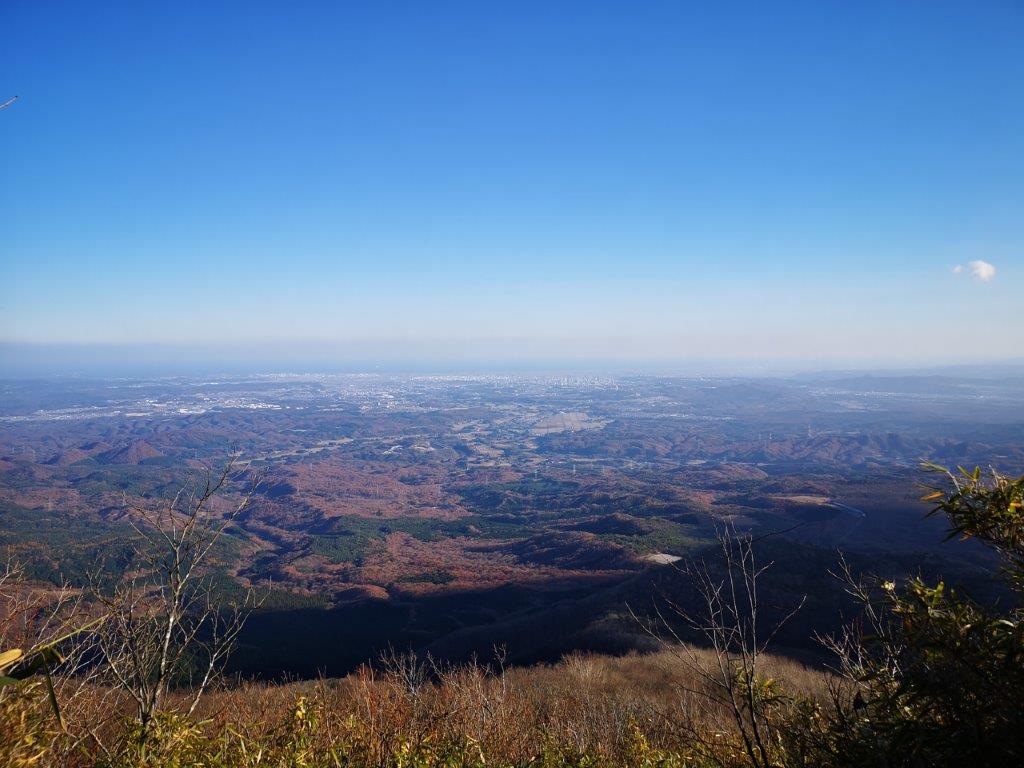
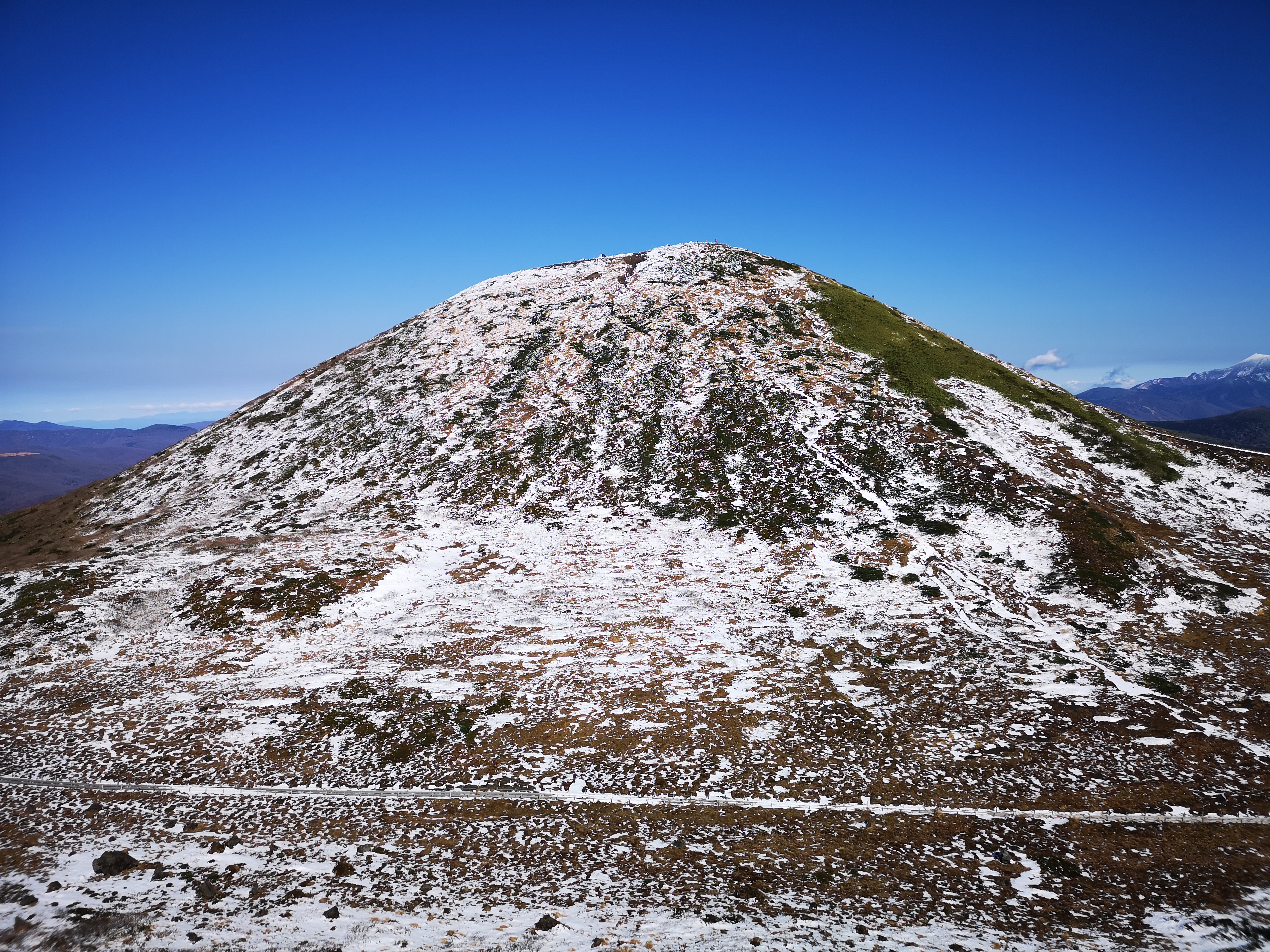
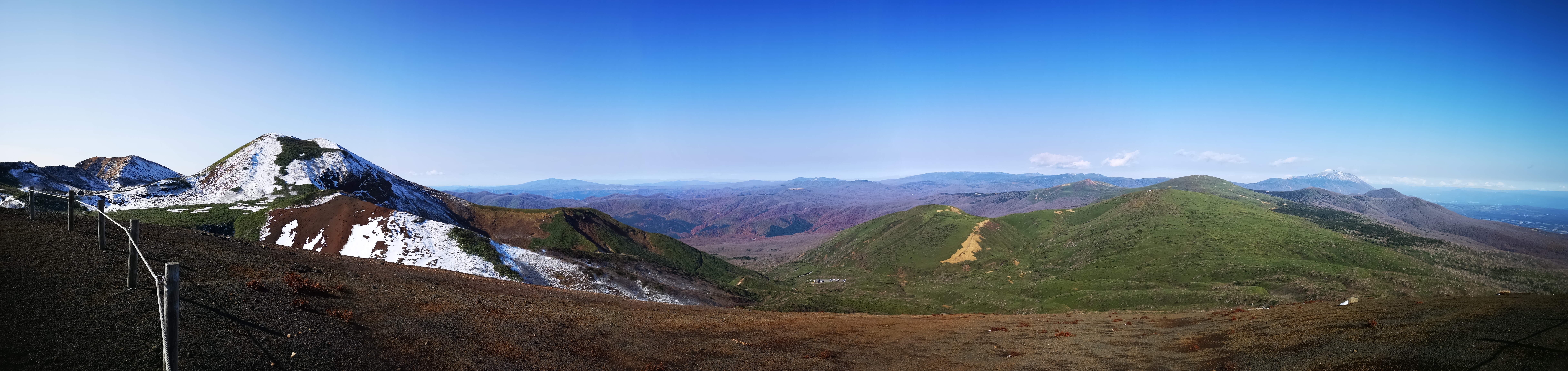
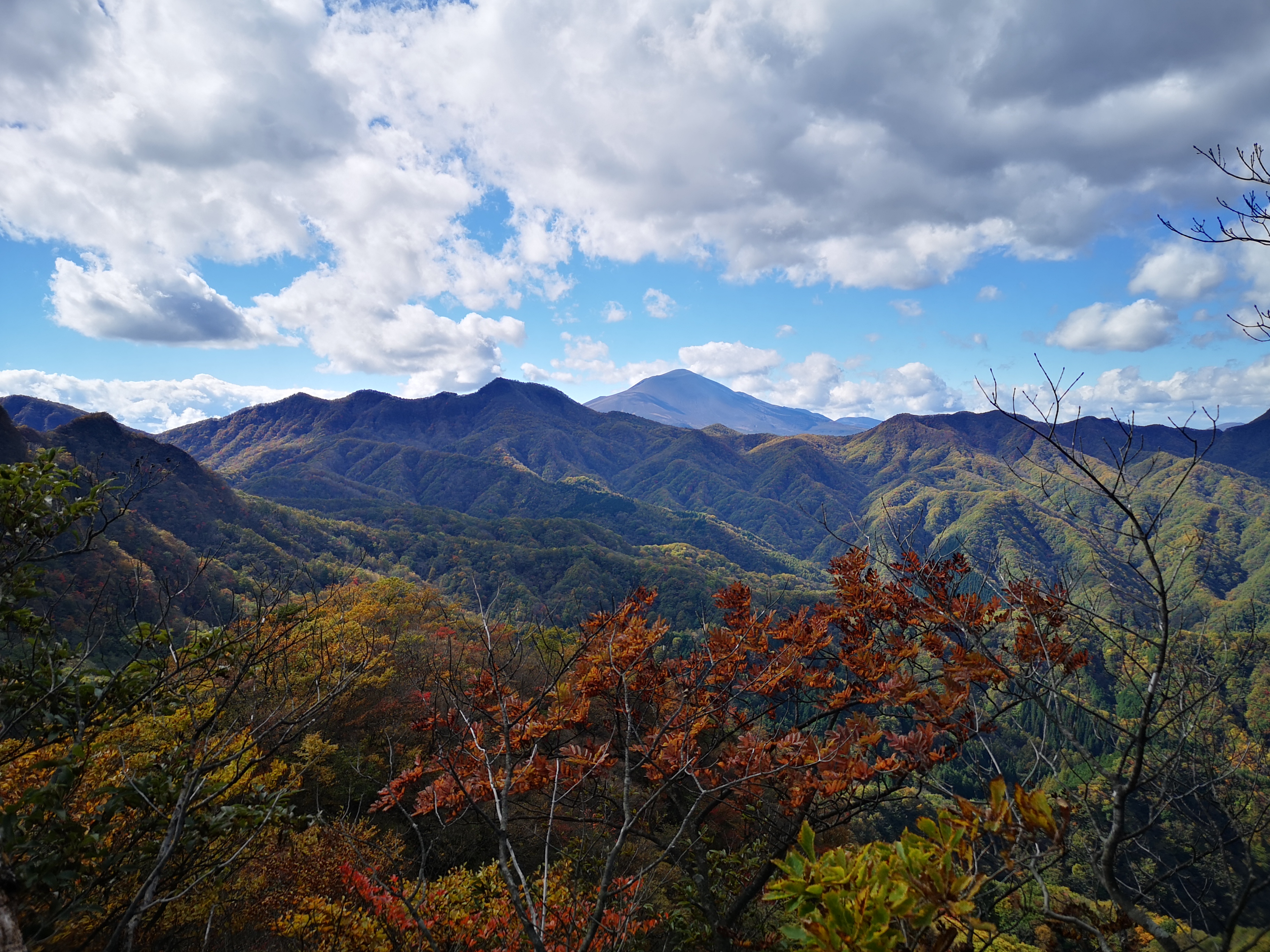
Around 12h30, I reached the final climb to the summit. There were patches of snow here and there, but none on the trail itself, which was a relief, since I hadn’t brought crampons. At 1pm, I was standing on the top of Mt Kurikoma (栗駒山 くりこまやま kurikomayama), one of the 200-famous mountains of Japan. I was surprised to see several other hikers; apparently the trail on the other side from Kurikoma Highland (car access only) is more popular. Miyagi prefecture stretched away beneath me to the east; south and north were many mountains I couldn’t identity since I wasn’t familiar with the area. No sooner had I finished lunch that the mist arrived. There were no more views and it was suddenly very cold. It was nearly 2pm and heading down at once seemed like a good idea.

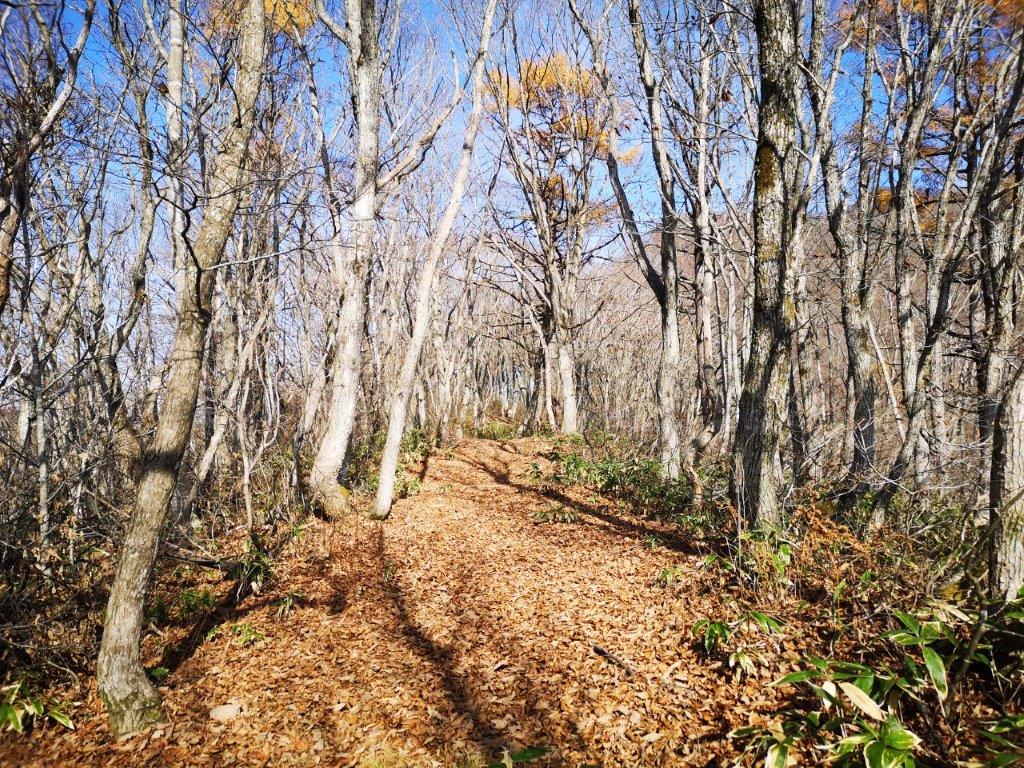
Different path on the return through the marshland

The changing room at Kurikoma Sanso

I descended the same way as before but turned left in the marshland so that I could return via a different route. It took me through an area with white sand that reminded me of my hike on Kozushima island. I was back at Sukawa onsen at 3h30 and had an hour before the return bus. I decided to take a bath at Kurikoma Sanso a few minutes down the road inside Akita prefecture, since it had an outdoor bath with a view of the valley. It was a good decision since the bath was nearly empty at this time and it was very relaxing. Afterwards, I caught the 4h30 bus back to Ichinoseki station, with the same hiker as on the way there. At the shinkansen station, I hopped on the Tohoku shinkansen for the 2h30 high-speed ride back to Tokyo.

Tokuwa River Valley, Yamanashi City, Yamanashi Prefecture, October 2020

I was looking for a good river walk and apparently the nearby Yamanashi prefecture had many of those. I had to give up my first two choices because the river trails were damaged during the massive typhoons of 2019. Fortunately, my third option, near the entrance to the trail for Mt Kentoku, seemed promising. It was a short hike, and although it was possible to go by bus, I chose to hire a car instead. That way, I could have lunch at a soba restaurant on the way there, and drop by a hot spring facility on the way back. The weather forecast was perfect: sunny and warm for this time of the year. However, I had to be careful not to start hiking too late, since the sun sets early at the end of October, and even earlier in the mountain valleys. I wanted to see the sunshine reflected on the water and the autumn leaves, at least for part of the hike. The only thing that made me uneasy was the possibility of crowds along the trail – how well known was this river valley among the hiking community?

Hiking in the Chichibu-Tama-Kai National Park

秩父多摩甲斐国立公園

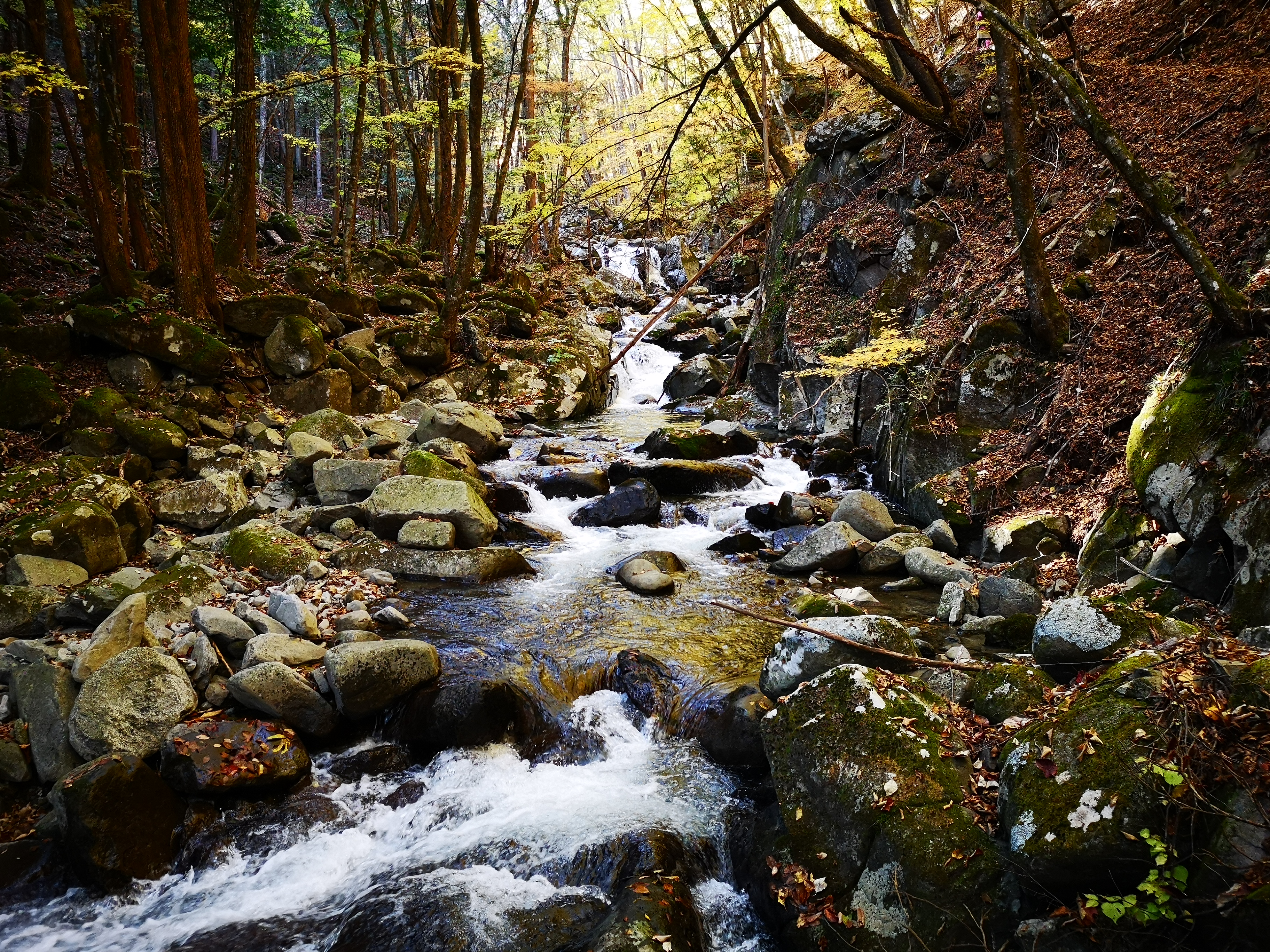
One of the river’s many level stretches

…and some of the sudden drops!

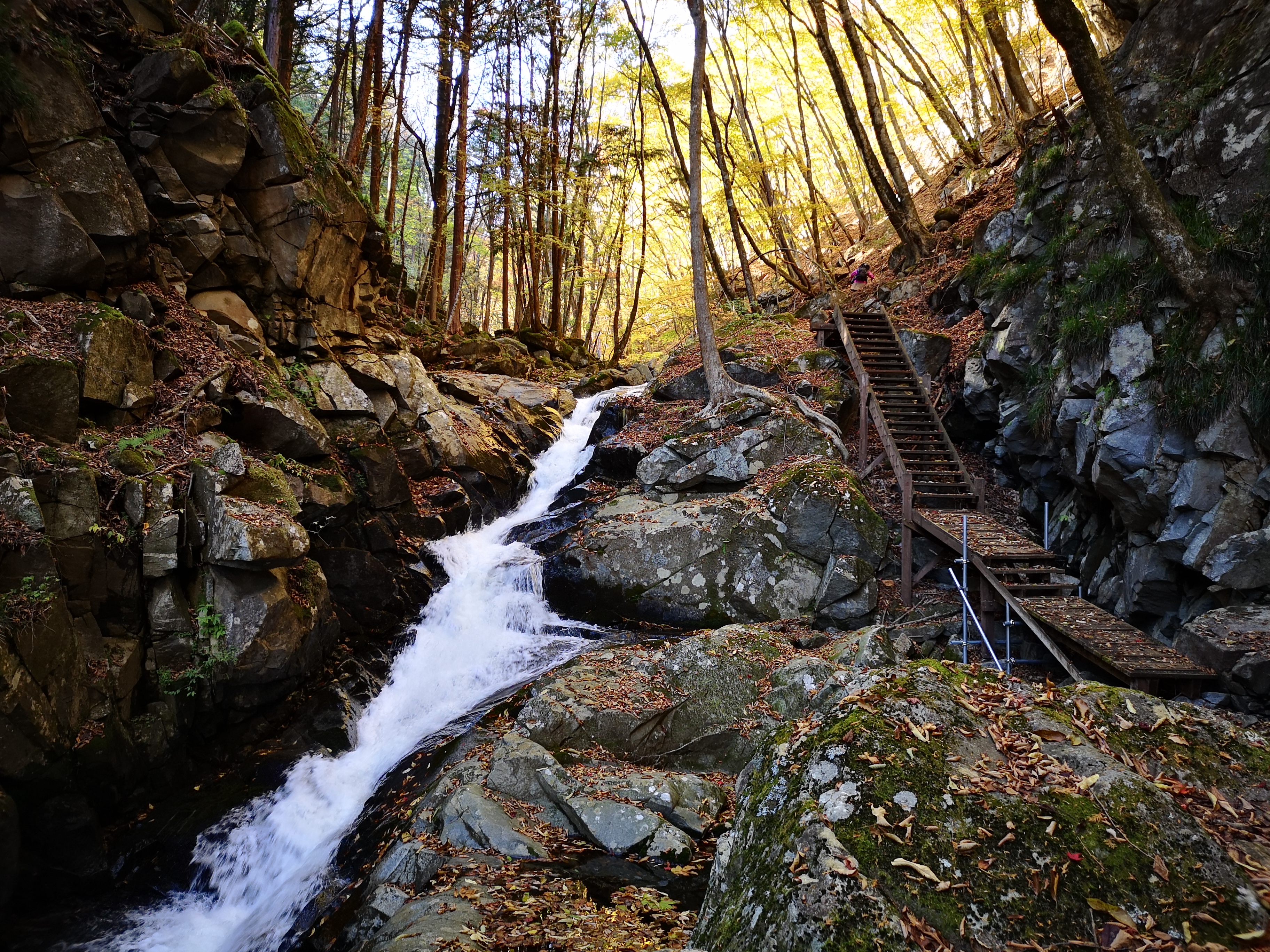
I arrived in Kofu after a comfortable train ride on the Chuo line limited express, and used a rental car to drive 45 minutes to the parking lot near the entrance of the trail up Mt Kentoku (乾徳山). On the way, I dropped by Soba Maru (そば丸) for an early soba lunch. From the parking, it was a thirty minute-walk, first on a paved road, and then on a forest road, to Muso waterfall (夢窓の滝 meaning dream window waterfall), and the start of the hiking trail. I was immediately struck by the beauty of the river, one of the best I’ve ever hiked. First, there was no concrete road running next to it (something frequent here). Next, it seemed relatively unscathed by the 2019 typhoons. Finally, there were many excellent views as the river alternated between long flat stretches and sudden drops.

Sunlight reflected on the water surface

…and on the autumn leaves

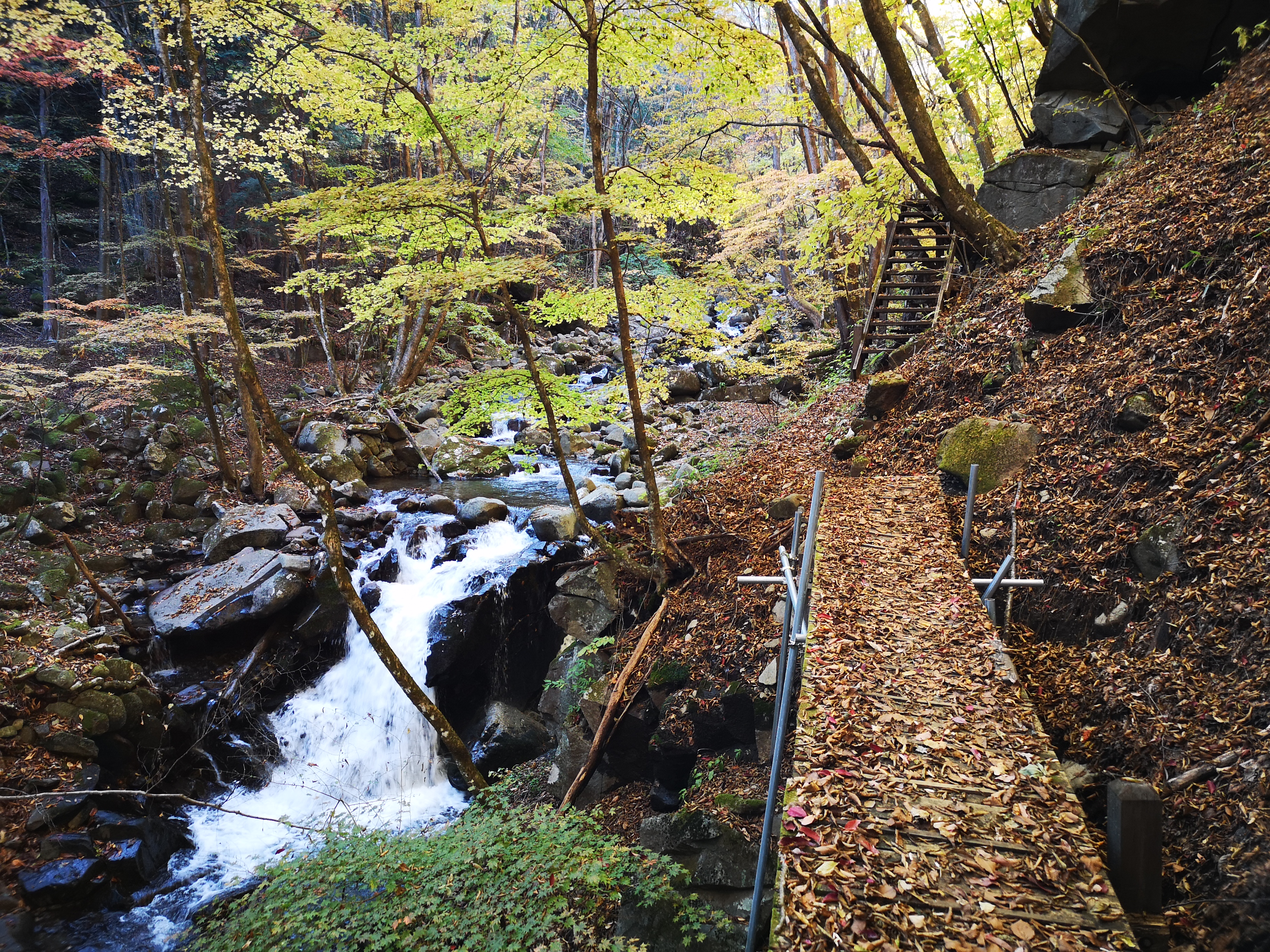
I decided to have a closer look at the impressive Muso waterfall by walking down a short metal staircase leading to the river side. I had to be extra careful not to slip on the rocks – I didn’t want to get too close! After walking back up, I entered the Tokuwa River valley hiking trail (徳和渓谷コース tokuwa-keikoku kosu). For the first twenty minutes, the trail stayed close to the forest path, occasionally merging with it. Then it suddenly dipped, crossed the river over a wooden bridge, and went up the opposite side. I was pleasantly surprised by how well maintained the trail was and by the near total absence of other hikers. By now, it was nearly 2pm, so it was likely that most people had already come and gone (I had passed a few on the way). Luckily the river valley was still bathed in the autumn sunshine, and the interplay of golden leaves and sparkling water was dazzling.

The start of the hike had many viewpoints next to the river

One of the many small waterfalls dotting the valley

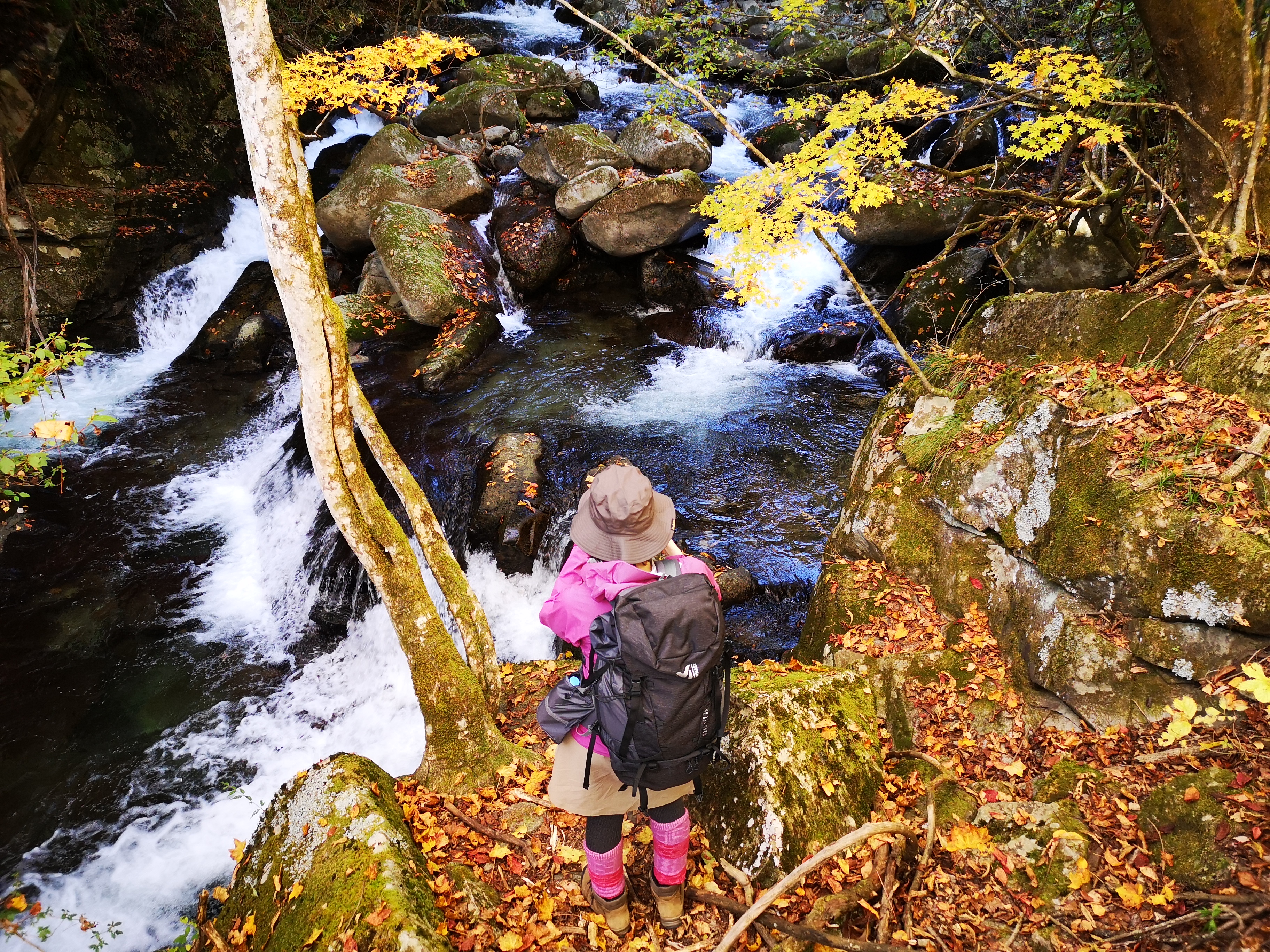
The river views kept on getting more and more spectacular. I was now hiking alongside the western branch of the upper Tokuwa river. I passed four small waterfalls, as the path climbed the rocky right bank via a series of wooden steps. According to my map, I was just inside the southern part of the Chichibu-Tama-Kai National Park. Around 2h20, I reached the highest point of the hike, around 1200m, near Yanagi waterfall (柳滝 meaning willow waterfall). The Tokuwa river continued further but here the path made a U-turn and headed back. I was walking on a level path following the mountain side; below on the right was the river, a white line snaking through the trees. After a few minutes, the trail descended sharply along a ridge, the river disappearing from sight but still heard. I soon arrived back at the wooden bridge, just after a double waterfall, and before the merging of the east and west branches of the river.

The rockier sections were equipped with wooden steps

Many close-up views thanks to the wooden walkways

It was almost 3pm and I was nearing the end of my short hike. I quickly walked back along the forest road, now in the shade, and arrived at my car at 3h30. By now, the entire valley was in the shadow; it was getting cold and nearly everyone had already left. I drove 15 minutes to Hayabusa onsen for a quick hot bath, and then back to Kofu station. As I settled down into my reserved seat for the train ride back to Tokyo, I felt satisfied that I had caught the sunshine and the autumn leaves, and that I hadn’t been caught up in any crowds while hiking this secret river valley.

Travel up and down the Tokuwa river valley

Ken-no-mine (1429m) and Mt Tsunoochi (1393m), Takasaki City, Gunma Prefecture, October 2020

I first spotted these two mountains while hiking Mt Hanamagari in January 2016. Before I could attempt them, there were a couple of things I needed to figure out. First, the trail between the two peaks was a dotted line on my map. After checking online reports by other hikers, apart from being super steep, it didn’t seem to be dangerous. Next, as usual, access was a real headache. My guidebook recommended going by car and hiking up and down from Hamayu Sanso (I had stopped there for a bath once after climbing Mt Asamakakushi). However, I felt it would be more exciting to do a traverse instead. I would take a taxi from Yokokawa station to the parking area for Kirizumi onsen and finish at Hamayu Sanso on the other side. The main drawback was that there were no buses back to Takasaki on the weekend (only on weekdays, strangely enough). I resolved to skip the hot bath, and walk ten kilometers from the end of the hiking path to the closest bus stop, a place called Gonda. I just hoped that I would make it in time for the last bus of the day at 4pm, or I would be stuck there. The weather forecast was good, and the autumn leaves would still be at their peak up in the mountains.

Hiking in the Joshin-Etsu-Kogen National Park 上信越高原国立公園

In the middle, Mt Tsunoochi, and on the right, Kennomine (photo: January 2016)

After getting off at Yokokawa station for the second time this month, I was alarmed to see no taxi waiting outside (I hadn’t reserved one). I called the taxi company, and they said they would send a car over at once. Along the way, the driver pointed out the Shinkansen tracks, exiting the side of the mountain before quickly reentering it on the other side. I had hoped to see one zip by above us, but no luck. The taxi dropped me off at the parking below Kirizumi Onsen (霧積温泉). At 10am I was ready to start hiking. First I followed the path leading to the hot spring hotel. Twenty minutes later, after merging with a forest road, I turned right onto the hiking trail.

The trail hugged the south side of the ridge

The trail rose gradually through the autumn forest and soon reached a fork. The main trail for Mt Hanamagari went left, but today’s mountain was along the right branch. The trail crossed a flat area and became faint; I had to find my way following the pink ribbons attached to the tree branches. I soon reached the main ridge separating Annaka and Takasaki cities. The next section turned quite adventurous. The path followed the top of the ridge for a short while, then, as the ridge narrowed, dropped slightly, and cut across the south side, staying just inside the Joshin-Etsu-Kogen National Park. There were some ravines to the right; at one point, the path hugged the base of a cliff, and I used the chains attached to the rocky face to keep my balance. Views were sparse, but the autumn leaves were stunning. There was no other hikers and I enjoyed the silence of the forest.

Mt Asamakakushi from Kennomine

The ridge widened and welcomed the path back. I made my way up a short slope and at 11h30, I had my first views of the day. Opposite was Mt Asamakakushi, and to the left was Mt Hanamagari, with Mt Asama looming behind. In the background, I could make out the peaks of the Joshin-Etsu, still free of snow. There were more clouds on this side and the mountains played hide and seek in the shadows making it difficult to get good photos. I walked a couple of minutes along the ridge, and reached what I judged to be the summit of Ken-no-Mine (剣の峰 けんのみね kennomine) – the summit marker was broken in half, and the mountain name was illegible. I decided to continue without a break. The next section was the dotted section on the map, and I was keen to get it behind me.

The autumn leaves were at their peak

At first, this steep slope didn’t seem like a big deal. I rushed down, occasionally grabbing tree branches to keep my balance. Soon the terrain became so steep that the trail simply vanished. Once again I had to rely on the pink ribbons. They were spaced far apart, and the path didn’t simply go straight down: it twisted and turned, around boulders, over bundles of tree roots, down narrow gullies, and roped sections followed roped sections. I had to stop several times and carefully scan the the whole mountain side to pick up the trail. The last thing I wanted to do was head down the wrong way and have to climb back up. Although the path was dotted on the map, I was surprised that anyone would dare turn this into a hiking path. My guide book suggested going up and down this trail, and I was thankful for having chosen the traverse instead.

Mt Hanamagari, left, with Mt Asama behind and on the right

At noon, it was with relief that I reached the pass between the two mountains. I was now back on a proper hiking path. I would do a roundtrip to the next peak, before heading down the mountain. It took me about twenty minutes of steady climbing, through a festival of autumn colours, to reach the top of Mt Tsunoochi (角落山 つのおちやま tsunoochi-yama), a name that could be roughly translated as “dropped antlers mountain” – I didn’t see any. The summit area was narrow, covered in trees and bushes, and included a small shrine and shinto gate. If I stood near the highest point, I could get a good view of the whole of northern Gunma, all the way to Mt Tanigawa and Mt Hotaka. The view to the south wasn’t as good, but I could still make out the Kanto plain through the trees.

The mountains of Northern Gunma

One glance at the time told me that I would have to keep my lunch break short. I had a little over 3 hours to get off the mountain, and walk ten kilometers to the bus stop. After taking all the necessary photos, I retraced my steps to the pass. There, the trail doubled back along the steep side of Ken-no-Mine. I saw some impressive cliffs, and had to tackle a couple more chain-lined sections. Soon I was walking down a broad river valley through beautiful forest. Even though I was no longer inside a National Park, I felt this part could have been included. Suddenly, I was off the trail. I walked back for a few minutes, and thanks to the pink ribbons, found the path again, along a dried-up rocky river bed. Thirty minutes after leaving the summit, I reached the end of the hiking trail.

Hiking down in the late afternoon

From there, I walked down a forest road for another half an hour before I reached a prefectural road. It was an enjoyable walk that I did at a fast pace, crossing a beautiful mountain stream several times. One of the reasons I opted to walk to the bus stop was that according to my hiking map, there were good views along the road. I wasn’t disappointed. It also said there were monkeys in the area, but I didn’t get to see any this time – perhaps a good thing since I didn’t have much time to spare. After about an hour an a half of fast walking I reached the bus stop a few minutes before the bus was due. I had to change buses once on the way to get to Takasaki, with a one hour wait in-between. Luckily, the bus arrived early, and I was able to catch the previous bus, meaning I got back to Tokyo earlier than expected – always welcome after a long hike!

Mountain view from the prefectural road

Hiking the Nakasendo: Usui Pass to Yokokawa Station & Megane Bridge, Gunma Prefecture, October 2020 [2023 Map Available]

I had hiked this Gunma section of the Nakasendo (中山道) in January 2015 using the Tokyo Wide Pass; it’s less well-known than the section in the Kiso valley. I thought it would be interesting to redo it in a different season. First, the autumn leaves would be at their peak around the start of the hike. Next, I hoped that in the warmer weather I would be able to see monkeys along the way. I also wanted to add a side trip to the nearby Megane Bridge. Finally, I was looking forward to using the hot spring near the end of the hike, which was closed on my last visit . Instead of taking the Shinkansen to Karuizawa, I decided use a combination of train and bus, longer but cheaper; then, to make up for the later arrival, I would take another bus up to Usui Pass instead of walking. The forecast was cloudy with a hope for sun, but apart from Usui Pass, there were few views along the way.

Buy a Map of the Nakasendo Hike and Request a Free Nakasendo Hiking Guide by Email

This map was developed for Japanwilds with the Hokkaido Cartographer

Find more Japanwilds hiking maps on Avenza

Hiking in the Joshin-Etsu-Kogen National Park

上信越高原国立公園

View from Usui Pass (photo taken in January 2015)

The trip to Karuizawa went smoothly: I had good views of Mt Myogi from the train, and saw some nice autumn colours from the bus. From Karuizawa station, I walked to the bus stop of the Red Bus (赤バス aka basu), a small seasonal sightseeing bus. There were few passengers and I was able to enjoy the view from the front of the bus as it zipped through old Karuizawa, and then zoomed up a narrow mountain road to Usui Pass (see video). The clouds were in and the view wasn’t great; in consolation there was a resplendissant Japanese maple tree in orange and red. I finally set off on the Old Nakasendo Highway (旧中山道 kyu-nakasendo) around 12:30.

River crossing along the Nakasendo

After an eroded downhill section, I crossed a small stream, and then followed a narrow level path till it merged with a wider trail heading down again. It was around here that my map reported monkey sightings, so I kept my eyes open and ears peeled. During the Meiji area there also used to be a village around here, and here and there its remains could be seen, making this part of the hike somewhat spooky. Past a rusting bus on one side of the path, and a rotting house on the other side, I heard strange noises coming from the treetops. At first I thought they were monkey noises, but it turned out to be some kind of bird call. I got lucky a little further. After going a little off the trail to investigate some suspicious noises, I stumbled upon a troop of monkeys moving through the forest. Unlike the ones from Okutama lake, these ones were shy and scattered at once, except for a large male, coolly walking away through the trees (see video).

The path followed the natural folds of the mountain

After the excitement of seeing monkeys (second time this year), I resumed my hike along this Edo period highway. The road became level again, and offered glimpses of mountain ridges and river valleys left and right. There were occasional white signs in Japanese, explaining various natural and historical landmarks. Most of this hike was inside the Joshin-Etsu-Kogen National Park and the surrounding nature was wild and beautiful. Soon the road narrowed and turned into a hiking path again; it started to twist and turn, following the natural folds of the mountain ridge as it slowly descended into the valley. For a short while, I walked above a mountain stream tumbling down a small narrow valley. I took a moment to observe a large butterfly return obsessively to a curiously shaped-flower, and feed greedily on its nectar (see video).

A butterfly enjoying a nectar lunch

At 2h30, I finally arrived at a small rest house. I remembered it well from my previous visit. The guest book, slightly moldy despite it’s plastic casing, was still there, sadly devoid of English entries since spring this year. I found my old entry from 5 years ago and added a fresh one. The path turned rocky and started to descend in a series of switchbacks. On my winter hike I had good views of Mt Myogi and Yokokawa town around here; now, however, the view was blocked by tree leaves. Around 3pm, I reached the base of the mountain, and arrived at the modern road connecting Karuizawa and Yokokawa. On the other side and down some steps, I found myself on the “Apto Road” (アプトの道) that went through a tunnel under the road. This pedestrian road is named after the “Abt system”, a rack system, used by the old Usui line to transport passengers up the mountain side to Karuizawa from the middle of the Meiji era till 1963.

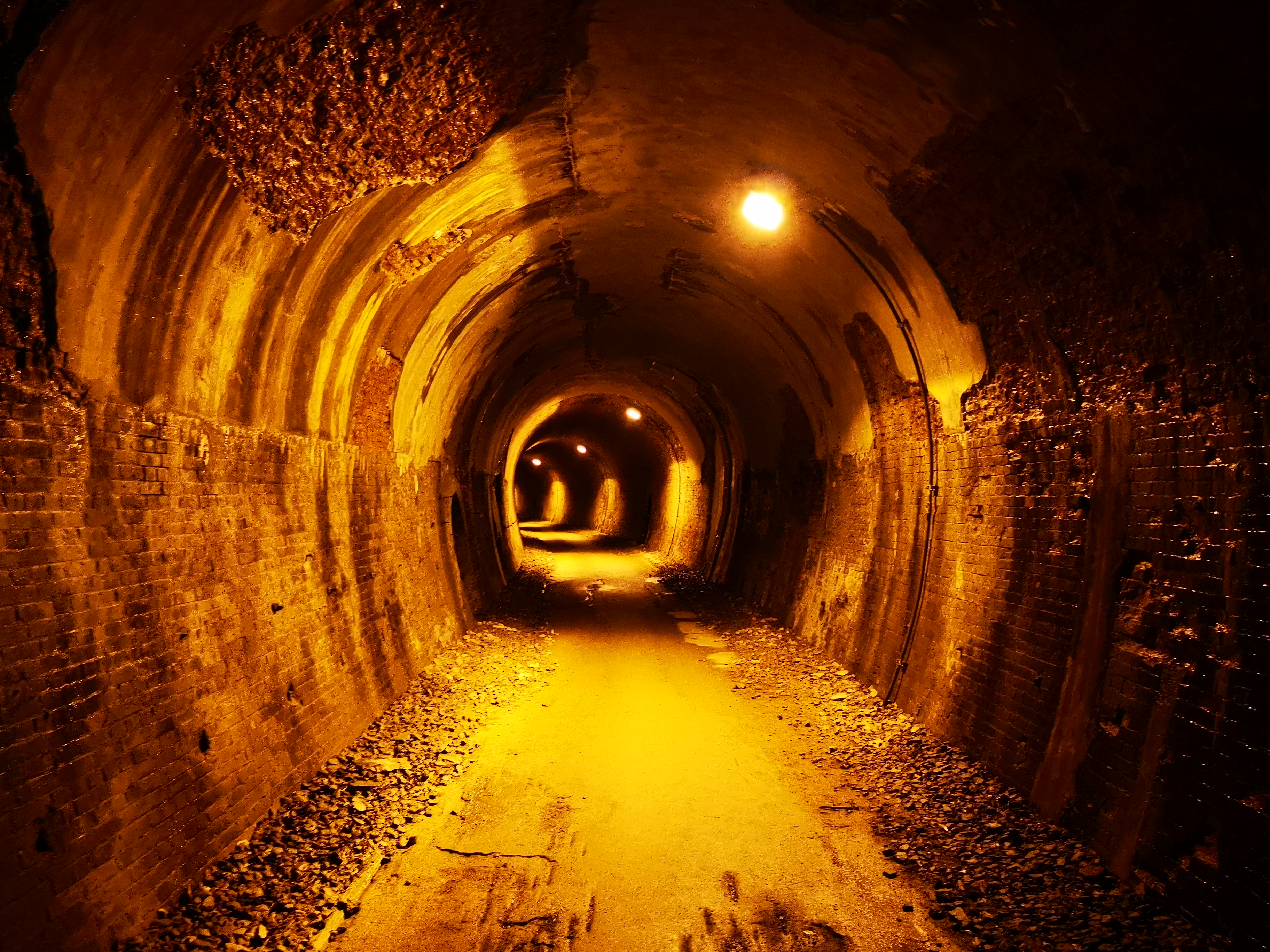
Tunnel number five along the “Abuto Road”

It was getting late but I decided to stick to my plan of exploring this road. Keeping to the day’s theme, it passed through several tunnels, some pitch black and some glowing orange from the interior lighting. Half an hour later at the end of the longest one, I arrived at the highlight of the day, Megane bridge (めがね橋 megane-bashi), the longest brick arch bridge in Japan. It was wonderful to walk on this marvel of Meiji era engineering. Apparently the autumn colours are spectacular here, but I was a couple of weeks early. Past the bridge, the road ducked into yet another dark tunnel. It was possible to continue a few more kilometers to an abandoned railway station, but it was getting late, and I decided to head back. The road ran straight and slightly downhill to Toge-no-yu hot spring which I reached in less than half an hour.

Megane Bridge, one of the wonders of the Meiji Era

After a speedy hot bath, I was ready to continue. By now it was 5h30 and already pitch dark outside. It had also started to drizzle. I was still 3 kilometers from the train station. I had walked it before – the road was straight and paved so there was little risk of getting lost or hurt. I briefly considered calling a taxi, but what better way to finish a spooky hike than a walk in the dark past an abandoned railway station? On the way, I discovered that my headlight only worked intermittently. I hurried past the disused Maruyama station building on the left, a darker shadow among the shadows. At 6pm, I passed the closed Annaka Tourist information office, and was finally walking under street lights. I reached the still-in-use Yokokawa station, well in time for the return train to Takasaki and Tokyo.

The old Maruyama train station (photo taken in January 2015)

Ride the Red bus through Karuizawa up to Usui Pass

From mountain streams to wild monkeys, the Nakasendo has lots to offer

Mt Hiruga (1848m), Nasushiobara City, Tochigi Prefecture, October 2020

This was a fairly remote mountain situated 150 kilometers directly north of Tokyo. Fortunately, the bus times lined up with the train times, so this hike could be done as a long daytrip. This time, I wasn’t concerned about the weather: the forecast announced sun, then clouds, followed by rain after nightfall. My main concern was whether I could complete an 8h30 hike, according to my guidebook, in six hours. If it took me any longer, I would be forced to take a longer and more inconvenient route back to Tokyo. Finally, I was hoping that I would still be able to see some beautiful autumn colours.

Hiking in the Nikko National Park 日光国立公園

View below the summit before the clouds rolled in

After getting off at Kami-Miyorishiobara-Onsenguchi Station (long name but characteristic of the area), I boarded the diminutive “Yu~ bus” for the short ride to the start of the trail. I was the sole passenger; the conductor was friendly and chatted with me about my plans for the day. The start of the hike was along a small road; I saw famers harvesting rice, and also rescued a praying mantis from a precarious position (see video). Around 10am, I was finally on the hiking path. After a short climb, I reached a level forest road which I followed for about 15 minutes. The sun was shining and I had some good views on the right side.

View of Mt Takahara from the entrance of the hiking trail

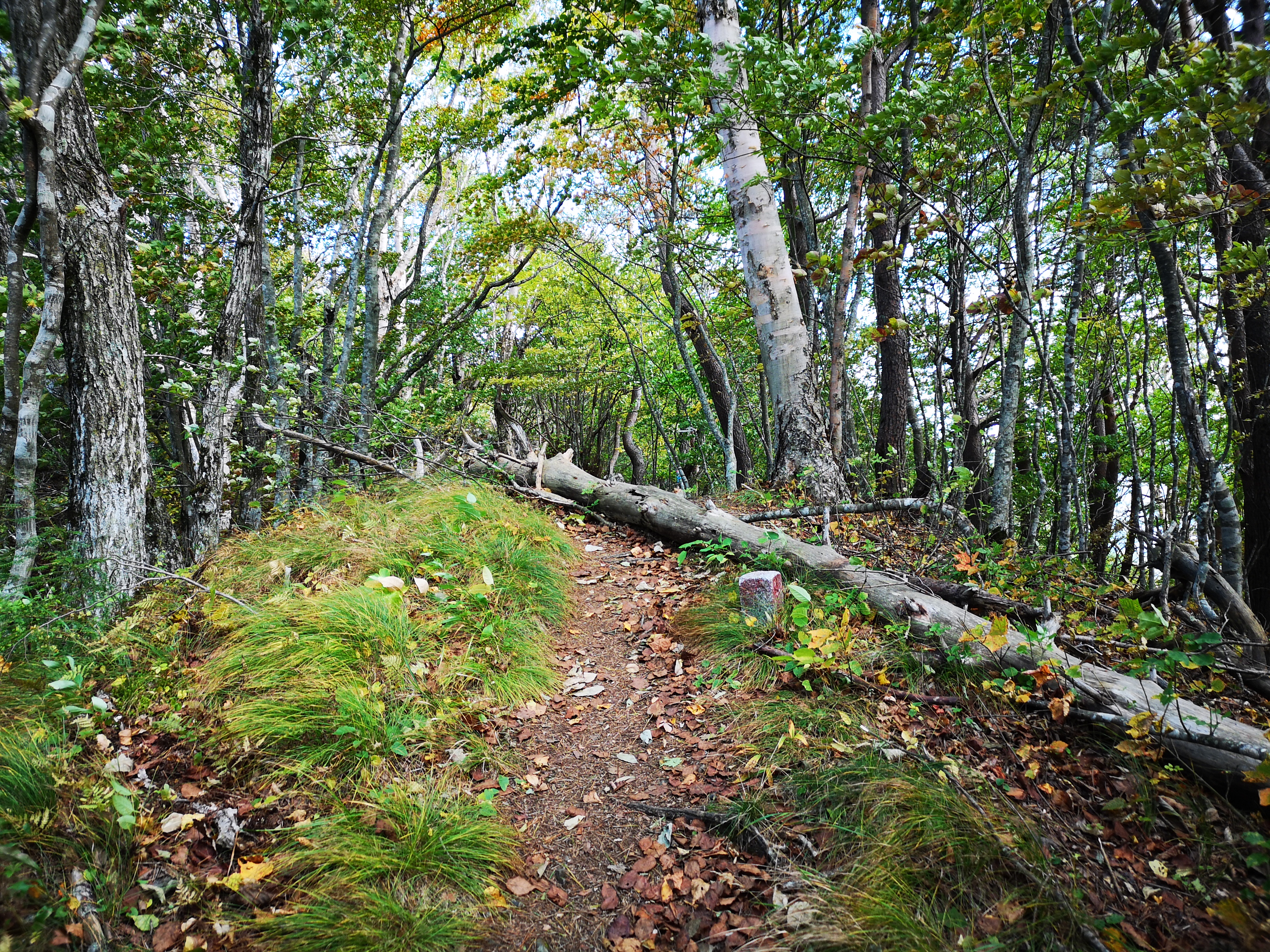
Just before 11am, I reached the end of the forest road and was back on the hiking trail. It went up and down through mixed forest. At times, the trail was faint and I had to be careful not to lose it. It was very peaceful and there were no other hikers. Half an hour later, I reached the start of a long climb. Another half an hour later and 400 meters higher, I was hiking through a very different kind of forest. On my map it was called “Asunaro no mori” (アスナロの森 – Thujopsis forest, a kind of conifer). The path, following a ridge as it curved northwest to northeast, was mostly flat, allowing me to enjoy the surrounding vegetation. At one point, I had a glimpse of the summit through a break in the trees.

Shinto gate on the trail

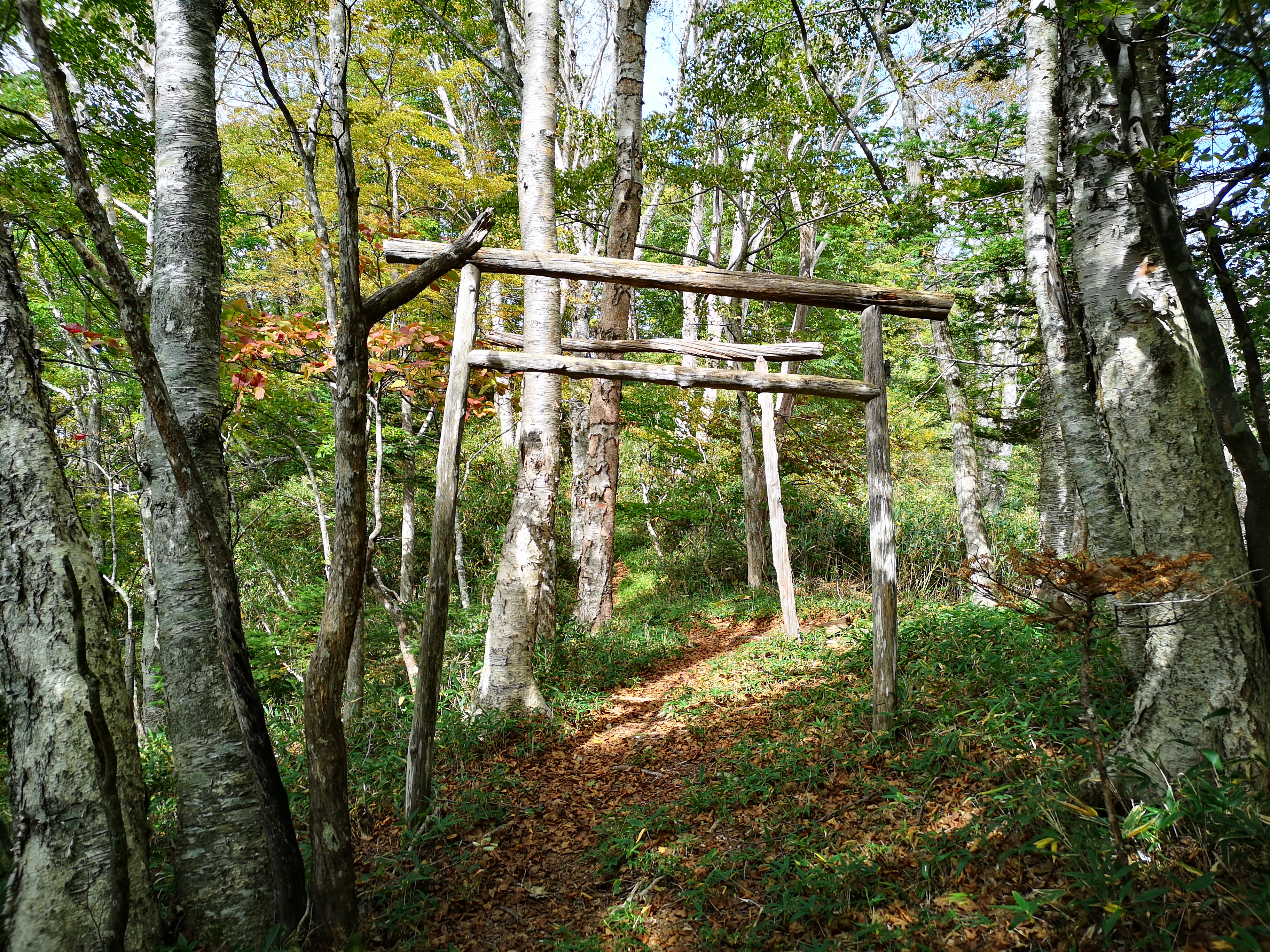
Around noon, I passed under a solitary Shinto gate, placed on the trail for no apparent reason. From here, the trail started to edge upwards again, and the conifers made way to beech trees. This section was incredibly beautiful, the trees trunks twisting themselves into interesting shapes; although I was near the top of the mountain, I felt like I was walking through a wood in the countryside. I was, after all, hiking at the very edge of the Nikko National Park. Around 12:30, the path got steeper, and I thought I was reaching the top, but fifteen minutes later, I emerged onto a shoulder with a view of the summit, still some way ahead. This pattern repeated itself a few more times, during which I passed another hiker on his way down. The sky had become overcast. On the bright side, the autumn colours were still on full display.

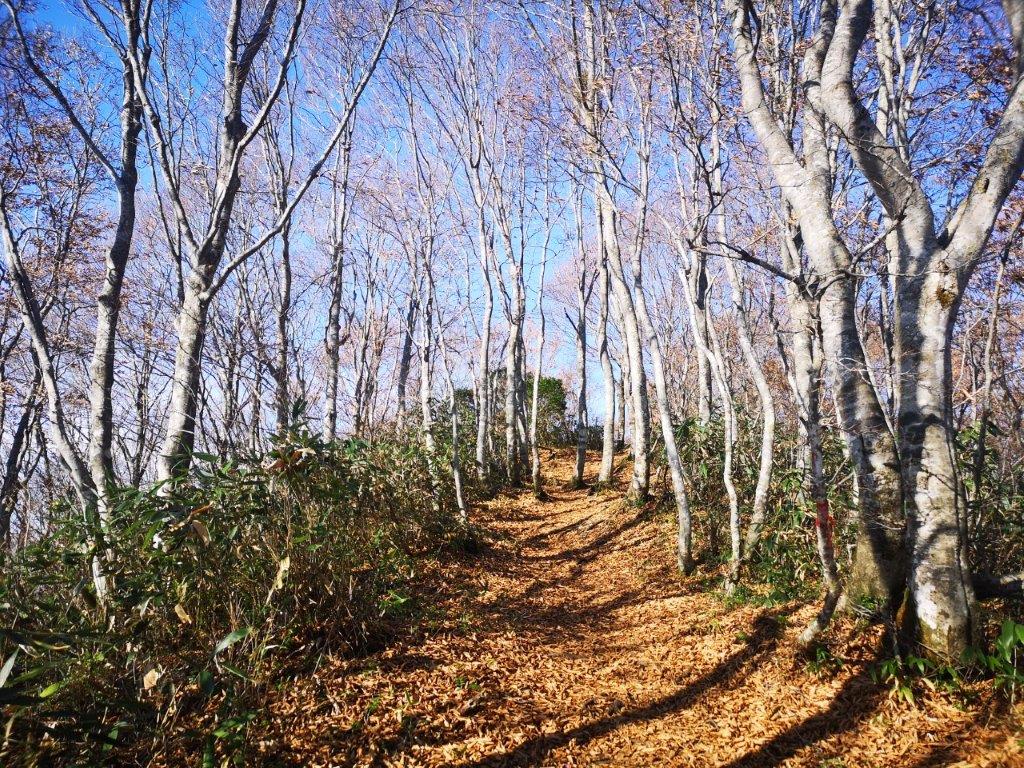
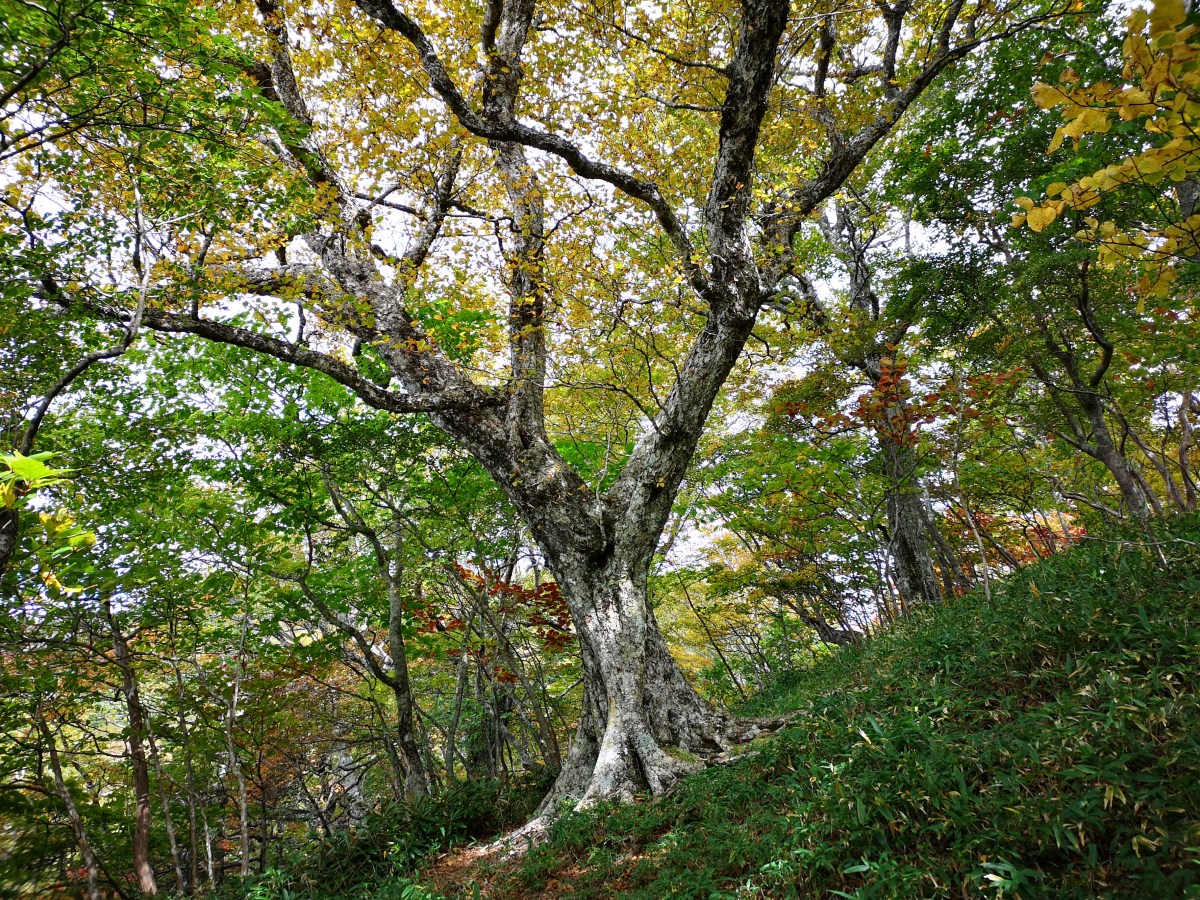
Hiking among the beech trees

At 1pm, I finally reached the top of Mt Hiruga (日留賀岳 ひるがたけ), a Kanto hundred famous mountain, just as the mist was rolling in. I had a brief glimpse of the view before the world turned white. I had a quick lunch next to the summit shrine, and then started to descend the same way. It had taken me three hours to reach the top, so I had ample time to get down. However, if I got down early enough, I would be able to take a hot bath before the long trip back. The path was easy to walk so I was able to run most of the way. The forest was eerily quiet, save for the occasional barking of deer, and gloomy; it felt like it could start raining at any moment. I reached the trail entrance a couple of hours later, and thirty minutes later I was at Hana no Yu. After a quick, but satisfying bath, I hopped onto the empty bus for the train station. As I entered the station building, it started to rain, so I counted myself doubly luckily that I finished the hike on time and dry!

Watch the Praying Mantis Rescue video (1:08 minutes)

Mt Morai (1717m), Sakuho Town, Nagano Prefecture, Monday, October 5th, 2020

Having climbed Mt Ogura in 2018, I had wanted to do another hike in the same area, between Yatsugatake and Western Gunma. After checking my Nagano guidebook, I found the perfect candidate just ten kilometers to the north. I attempted it last year, but had to abort at the last minute because of poor weather (I visited Picchio in Karuizawa instead). Since access was with the Komi line via Saku-Daira, I needed to use the Tokyo Wide Pass. The weather on my chosen day was dubious, so I decided to delay my departure by a couple of hours to take advantage of sunnier weather forecast to arrive in the afternoon. Since it was a short hike, and I had planned to use a taxi to get to the start of the trail, a late start wouldn’t be an issue. So once again, my number one concern was the weather – would I get clear skies on my second attempt on this faraway mountain?

Panoramic view from the summit

I arrived at Haguroshita station at the rather late hour of 11am. The sky was still overcast but I was feeling optimistic. The taxi driver told me that the current Emperor, an avid hiker, had once climbed this mountain. The last kilometer of the road, including the parking area, was closed due to road repair, and so I expected to see no one else on the mountain today. The first part of the hike followed a forest road parallel to a river. The surrounding forest was wild and undisturbed, and it felt wonderful to be hiking in Nagano prefecture. I was occasionally startled by sudden noises coming from the forest – falling chestnuts, not a bear stepping on a branch. A little after noon, I reached the official start of the hiking trail. Looking up, I could see wide patches of blue sky.

Forest road at the start of the hike

One of the 100 giant trees of Japan

The trail climbed slowly through the dark and peaceful forest. It took me about half an hour to reach a giant Japanese Horse Chestnut tree (トチノキ tochinoki). It’s one of the hundred giant trees in Japan (I had last encountered one in Ibaraki earlier this year). After checking out this impressive giant tree, I continued on my way. For the first time while hiking, I spotted several daddy long-legs spiders (see video at the end). There were many fern plants on the ground, a nice change from bamboo grass. The path was getting steeper and steeper, and soon it became a series of switchbacks. I was quickly gaining altitude, and thirty minutes later I popped onto a ridge. I was greeted with a blast of cold wind, and I had to take a short break to add a layer of clothing.

Steep climbing among the ferns and birch trees

Hard to believe that the top is only minutes away

After only a few minutes of fast walking along the wooded ridge, I reached the rocky top of Mt Morai (茂来山 もらいさん moraisan) a little before 2pm. Above my head was a nice surprise – beautiful blue sky, as I had hoped. I dropped my pack and enjoyed the views. Spreading beneath me eastwards, were the low mountains of Nishi-Joshu (western Gunma). Straight ahead was the flat top of Mt Arafune, and to the right, was the serrated top of Mt Myogi. Southwards, I could see Mt Ogura, and behind it, the pointy top of Mt Kinpu. South-West, I could just make out the outline of the South Alps. Northwards was the populated valley of Saku. However, the summits of both Yatsugatake and Asamayama were still in the clouds. After spending a full hour on the summit, I started to head down.

Blue skies!

Dark clouds lingered above Mt Yatsu

I retraced my steps to where I had joined the ridgeline earlier, and continued straight. The path soon dived down the other side of the mountain. At times, it was faint and hard to follow, and I had to slow to check the way carefully. After a steep descent, the path leveled, and became easier to walk as it followed a small river. It took me just thirty minutes to descend all the way to the parking lot on the other side of the mountain. However, it was another hour and a half walk, first along a forest road, then a paved road, back to the station. The first part was along a river through beautiful forest; the second part went next to yellow rice fields ready for harvest (and a few already harvested), with good views of Mt Morai. I got to the small unmanned Kaize station at 5pm, fifteen minutes before the train arrived to take me back to Tokyo.

Caution: video features spiders!

Mt Morai with a banana hairstyle

Mt Daigenta (1598m) & Mt Nanatsugoya (1675m), Yuzawa Town, Niigata Prefecture, Saturday, October 3rd, 2020 [Map Available]

I had this mountain in my sights for the past two years. Located in the North-Eastern corner of the Joshin-Etsu Kogen National Park, there were three challenges that had to be overcome to climb this peak. First, since it’s over 150 km north of Tokyo, the climbing season is shorter (from June to October); next, shinkansen access is required for a daytrip: finally, the hiking time was nearly 8 hours, so I needed to be in good physical condition. I was feeling good at the start of October, and so, despite the cloudy forecast, I decided to buy a Tokyo Wide Pass, and attempt the “Matterhorn of Joshu”, as it’s known in the area. I hoped that the steep pyramid-shaped top wouldn’t give me too much trouble, and also that I would get to see some nice autumn colours.

Hiking in the Joshin-Etsu Kogen National Park 上信越高原

Get a map of the Mt Daigenta hike

This map was developed for Japanwilds with the Hokkaido Cartographer

Find more Japan hiking maps on Avenza

The Matterhorn of Joshu

The shinkansen enabled me to reach Echigo-Yuzawa station before 8am and catch the first bus to the start of the trail. Even though it was a Saturday, the bus was empty, most people having gone by car. It took me another half hour of road walking to reach the real start of the hiking trail at 9am. Soon after, I arrived at a bridgeless river crossing. I had to step from stone to stone for about ten meters, using a rope to keep my balance. In case of heavy rain, my guidebook recommended taking off one’s shoes and crossing barefoot. Fortunately, the water level was low today. Recently, I’ve seen several damaged bridges, so perhaps it’s a smart thing to dispense with one altogether.

Some blue patches in the morning

The Daigenta River

Following the river upstream, I soon reached a junction, where I continued straight; if all went well, I would return via the path on the right at the end of the hike. The path was mostly level except for a section equipped with a ladder. It took me ten minutes to reach a second bridgeless river crossing. This one was was shorter – I just needed to step over a gap between two big boulders. The river was beautiful here, so I decided to take a short break. I was glad I did, because the next section was thirty minutes of non-stop steep climbing. It was lined with ropes, which I used to pull myself up, and save some leg power. I don’t think I’ve ever encountered such a long section of uphill before!

Straight up!

First views and autumn colours

At ten thirty, I reached a short flat section, and had my first glimpse of the summit area through the trees – it looked deceptively close. After some more steep climbing, I was walking along the top ridge. Here, the trail climbed gradually and was mostly above the trees; I had good views of the dark green mountains surrounding the river valley; turning around, I could see the flat light green rice fields of Niigata prefecture. The path was getting rockier and steeper, and the view more and more dramatic; I was nearing the base of the triangular summit. I passed a mother and daughter team coming down; they had planned to go down the other side, but after one look at the path, had wisely decided to turn back.

Up the left ridge and then down the center

Great views looking back

At 11h30, I was standing on the flat, narrow top of Mt Daigenta (大源太山 だいげんたさん daigentasan). I kept my break short since I was worried about getting off the summit. My guidebook said that although it was steep, there was no risk, as long as one moved carefully. I tend to move quite quickly, but here I took my time, using the two sets of chains whenever possible, and managed to get through this part safely. By noon, I was at the lowest part of the saddle, and started to climb up towards the next peak. Here, the autumn colours were at their best. I started to have glimpses of the Tanigawa range ahead, playing hide and seek in the clouds. The bamboo grass was really tall around this point, and made walking difficult. Occasionally, I stopped to look back at Mt Daigenta. From this side, it really did look like the top of the Matterhorn.

Looking South towards Gunma prefecture

Mt Asahi, a mountain I have yet to climb

It took me nearly an hour to reach the top of Mt Nanatsugoya (七ツ小屋山 ななつごややま nanatsugoyayama). To the South was Mt Daigenta and Yuzawa Town. Looking East, I could see the long ridge connecting Mt Makihata with Mt Asahi. Directly in front, was Mt Tanigawa, resembling a dark fortress. Far away to the West, I could see the flat top of Mt Naeba emerging from the clouds. The wind had started to blow and it was getting cold. There was no one else around and it was pretty lonely. I was only half-way through the hike, and I had to pick up the pace, otherwise I would miss the bus back. I half-walked, half-jogged along the mostly flat trail, and covered a two-hour section in less than an hour. I took a short break to enjoy the last panoramic views before heading down. Some parts of the descent had been eroded, and had to be be navigated slowly. The path made a lot of switchbacks, and it seemed to take forever to reach the river at the bottom of the valley.

Wonderful hiking under the clouds and above the trees

Walking in the shadow of Mt Tanigawa

I finally arrived at the junction I had passed at the start of the hike and in no time I was back at the first river crossing. Here I met up with the mother and daughter combo I had seen earlier. The daughter was just about to start crossing. Knowing that I couldn’t wait around if I wanted to catch the bus, I excused myself and went ahead. Since she was already holding the rope, I used my walking stick to steady myself, and crossed without hesitation. Minutes later I was back on the road, and I arrived at the bus stop just after 3h30, about seven hours after setting out, and a few minutes before the return bus. Back at Echigo-Yuzawa station, I had time to tale a hot bath and do some Japanese sake tasting, before hopping back on to the shinkansen for the one hour trip back to Tokyo.

Walking the top of Joshu

The second half of the hike was mostly flat

Watch a video of the Mt Daigenta hike including the two river crossings

Mt Hayachine (1917m), Hanamaki City, Iwate Prefecture, Wednesday, October 21, 2020 [Map Available]

Every year, I try to make at least one hiking trip to northeastern Japan. In 2020, I was able to visit the area several times thanks to the now discontinued JR East Welcome Rail Pass. On this first trip of the season, after climbing Mt Iwate on the first day, the next day I headed south to tackle the prefecture’s second highest peak. As on the previous day, I went by car, the only option, since the bus to the trailhead had already stopped running for the year. It was just as well because of the 4 trails leading to the summit, the ones from Kadoma and Kawaranobo were currently closed, and the one from Take was too long for a daytrip, meaning that a traverse of the mountain was out of the question. I was happy to go up and down the same trail, although I would have to be extra careful on the rocky section fitted with a long ladder just above the 5th station. The clear autumn weather was supposed to continue for another day, although strong wind and some clouds were expected in the afternoon. I was looking forward to seeing the great views from the summit, as well as catching the last of the autumn colours around the mountain base.

Hiking in the Hayachine Quasi-National Park 早池峰国定公園

Download a map of the Mt Hayachine Hike

This map was developed for Japanwilds with the Hokkaido Cartographer

Find more Japan hiking maps on Avenza

Looking westwards from the halfway point

Heading down in the afternoon

I left Morioka city just after sunrise on a cloudless day and arrived at the Kawaranobo (河原の坊) parking area a couple of hours later. The last few kilometers were along a narrow road surrounded by beautiful autumn colours; since it was a weekday, I met no other cars coming in the other direction. After getting ready, I walked up the road to Odagoe (小田越) and the start of the trail. I arrived there just on time to witness the removal of the portable toilets (see video), a strong hint that the hiking season was nearly at its end.

Hiking above the treeline

The ropes help the hikers stay on the trail

At 9h30, I stepped onto a wooden walkway leading into the forest in the heart of the Hayachine Quasi-National Park (早池峰国定公園). The path soon started to ascend; half an hour later, I emerged from the trees into an alpine landscape of rocks and ground-hugging creeping pine; turning around, I had a good view of Mt Yakushi (薬師岳), the other main peak of the quasi-national park. The path was easy to follow with good signposts, the sides roped off to prevent hikers from straying in case of a whiteout.

The biggest challenge: the long ladder!

More relaxed hiking close to the summit

I had impressive views of the long valley running east to west, thanks to the perfect weather and absence of trees. I reached the rocky area just before 11am and made my way carefully up the long metal ladder. Shortly after, I reached the the flat summit ridge. I turned left, and ten minutes later, I was standing on the top of Mt Hayachine (早池峰山 はやちねさん hayachine-san), a 100 famous mountain of Japan. Since it’s the highest peak in the whole area, I had a bird’s eye view of the mountains of Iwate prefecture in all directions. To the northwest, 50km away, I could make out the triangular outline of Mt Iwate.

View from next to the summit hut

The views were quite different on the way down

The wind had started to blow and low clouds rolled in overhead. After exploring the summit area, I found a sheltered spot to sit down for an early lunch. At 12h30, I headed back along the top ridge, and continued past the trail junction to a viewpoint on the east side, just beyond a rocky outcrop. I had a fantastic view of autumn colours below, occasionally lit up the sun, now playing hide and seek in the clouds. At 1pm, I started to head down the same way, once again tackling the ladder section with great care.

Climbing down with care

Mt Yakushi, opposite, is also part of the Hayachine quasi-national park

The views of the valley in the afternoon were even more impressive, although it was now mostly overcast; below the top ridge, the wind had abated and the conditions were ideal for a more leisurely pace. One hour after starting the descent, I reached the tree line, and I was back at my car before 3pm. On the way back, I made a brief stop to see the views of Hayachine lake (早池峰湖). I was back at Morioka by 5pm, and after returning the car, I hopped on the shinkansen for the two-ride back to Tokyo.

See the views from the top of Mt Hayachine

Mt Iwate (2038m), Hachimantai City, Iwate Prefecture, Tuesday, October 20, 2020

Every year, I try to make at least one hiking trip to northeastern Japan. In 2020, I was able to visit the area several times thanks to the now discontinued JR East Welcome Rail Pass. On this first trip of the season, I rode the shinkansen 450 kilometers to Morioka city, where I spent the night. The next day, I would drive to the eastern side of the volcano, and go up and down the Uwabo Trail, one of the 7 trails leading up to summit crater. Going by bus would allow for a traverse, but would also require an overnight stay at a hut. According to the forecast, the weather was supposed to be mostly clear and not too windy, perfect conditions, since the top part was completely exposed. I was feeling fit and ready for the big climb and descent, and was looking forward to seeing the panoramic views from Iwate prefecture’s highest peak.

Hiking in the Towada-Hachimantai National Park

十和田八幡平国立公園

The summit crater of Mt Iwate

Looking down at Onawashiro Lake

I could see the conical shape of Mt Iwate just 20 kilometers away, from the bridge over Kitakami river, on the way to pick up my car. A little after 8am, I parked on the forest road behind Uwabo shrine (上坊神社). Looking straight ahead, I could already see the flat crater summit above the trees. I quickly set off on the well sign-posted Uwabo Trail (上坊コース). Shortly after entering the forest, I came upon a huge bear bell and gave it hearty gong. I followed the path straight up the volcano side through a beautiful forest, and at 10am, reached Tsuruhashi junction (ツルハシ分れ), where it merged with the Sunabashiri trail (砂走コース).

First close-up view of the volcano

Below the crater

I had my first views of the flat valley to the east, giving me a preview of what to expect higher up. I followed the now level trail as it headed north, hugging the volcano side and passing under some ghostly white beech tree branches, already bare of leaves. At 10h30, the tree cover suddenly disappeared; I could see the summit crater again, a dark outline against the mid-morning sun. A few minutes later, I reached the comfortable-looking Hirakasafudo emergency hut (平笠不動避難小屋). From here the views widened, the vegetation mostly consisting of creeping pine; northwards, I could see the Hachimantai plateau, covered with thick forest.

Looking north towards Hachimantai

Walking the crater rim

I started to climb the steep, inner crater, the path heading straight up under the high sun, the low vegetation gradually replaced by volcanic rock and sand. I could now see the tear-shaped Onawashiro lake (御苗代湖), encircled by trees and enclosed by the outer crater; beyond, views of the Towada-Hachimantai National Park extended northwards. After reaching the rim, I turned left for the final, gentler climb to the highest point. A little after 11am, I was standing on the summit of Mt Iwate (岩手山(いわてさん iwate-san), a Japan 100 famous mountain. Huge clouds floated past overhead, blocking the view of Akita to the west.

The top of Mt Iwate, like a different world

Completing the tour of the crater

Looking east, however, was like looking out of the window of a plane, the buildings and roads of the flat plain barely discernable, 1500 meters below. I made my way around the crater rim in a clockwise direction, enjoying the desert-like views, and at 12h30, I started my descent. One hour later, I was back at the Tsuruhashi junction, and by 3pm I was back at my car. Before heading to my hotel in Morioka, I dropped by the Yakehashiri-no-Yu (焼け走りの湯) for a well-deserved hot spring bath.

See the views from the top of Mt Iwate volcano

Mt Mae-Kesamaru (1878m), Midori Town, Gunma & Tochigi Prefectures

I climbed the highest peak of this mountain two years ago in June, the “back peak”. I had planned to climb the lower “front peak” last year but it kept on getting postponed. At just 100 km from Tokyo, it’s closer than many other peaks I’ve easily climbed as day trips. However, the trail entrance is a two-hour drive from the closest city. Apart from the long drive, the hike itself seemed straightforward, going up and down the same way. The front and back peaks used to be connected by a trail, but over time it has “weathered” and it’s now officially closed. The weather was supposed to be good, but since I would be hiking inside the Nikko National Park, I knew the weather could be changeable. For the effort of going to the same mountain, I was hoping I would get a different view from last time.

Hiking in the Ashio Mountains 足尾山地

The Southern section of the Nikko National Park

I arrived at Maebashi station around 8h30 and was on the road by 9am. Once I arrived in the Watarase river valley, there were fewer cars and I enjoyed the drive. Just before Sori station, I turned left up a narrow mountain road. The road was in rather bad condition, with potholes, fallen rocks and branches on the road, and I had to drive really slowly till the parking lot next to the trail entrance (elevation 1200m). It was 11am and there were three ladies enjoying a break at the resthouse. I asked them whether they had just come down the mountain; they told me they were volunteers who cleaned the parking toilet. They offered me some snacks, and then drove off.

Turning around, Mt Akagi

A nice ridge walk, not easy to find in the area

Twenty minutes later, I started up the staircase at the start of the hike. After a short climb, the path leveled as it followed a narrow ridge. The thick forest blocked out the sunlight, and the trail was faint and hard to follow. I was soon back in the sun after one side of the ridge became a grassy slope, giving me a great profile view of today’s mountain. Turning around, I saw Mt Akagi where I was hiking less than two months ago. As I climbed, the grassy slope got steeper and steeper, but soon I was back in the forest and on a level track.

The Ashio mountains, beautiful and hard to reach

From left to right: Mt Sukai, Mt Nikko-Shirane and Mt Koshin

A little past noon, I reached a wooden lookout tower and a marker for the Kanto Fureai no Michi. The tower was disappointing as the view was mostly blocked by trees – not really surprising since it was built 25 years ago. However I was alarmed to see lots of big dark clouds gathering on the other side of the ridge; there was no time to dawdle. Luckily the next section was mostly flat. At a clearing I passed the turnoff for the emergency hut; there were many rock cairns, and it felt a bit spooky. Further on, there was another clearing filled with rock cairns. It was odd to see so many of them since the trail was well below the tree limit and there was no risk of getting lost.

Walking through the birch trees

Withered pine trees near the top

After some gently climbing, I reached the top of Mt Komaru 1676m (小丸山 komaruyama). The clouds had temporarily moved away, and I had an excellent view of the Ashio mountains (足尾山地) stretching northwards all the way to Mt Koshin, Mt Sukai and Mt Nikko-Shirane to the North. After a short break, I continued along the path, going down for a bit, and then past a very dodgy emergency yellow-coloured shelter – it would have to be a very big emergency for me to stay there! the path then climbed again, through a forest of white-barked birch trees. I soon reached the base of a very steep climb below the summit. Grabbing ropes, rocks and branches, I pulled myself up and up. It wasn’t dangerous, but it was quite a workout.

Below, a great hiking area closer to Tokyo

Stretching into the distance, the Kanto Plain

After the path flattened and started to curve around the round summit, I was rewarded with sweeping views to the West. I could see the low mountains of Southern Tochigi and Eastern Gunma, the Kanto plain and Mt Akagi. Since the Kanto plain is flat and wide, it felt like being on a plane. At 2pm I was standing on the top of Mt Mae-Kesamaru 1878m (前袈裟丸山 maekesamaruyama). The view from the summit marker was so-so, but moving through the trees towards the start of the closed trail for Mt Ato-Kesamaru, gave me a much better view. Straight ahead was the other Kesamaru mountain; to the right were the Ashio mountains and the Nikko National Park; to the left the mountains of Northern Gunma. Maybe it was due to climbing in a different season, but I felt that the views on this Kesamaru mountain were better.

Looking at “back Kesamaru” from “front Kesamaru”

Autumn is around the corner

I started down at 2h30. I was anxious to get to my car as soon as possible; I wanted to get back to Maebashi before dark. Also, since I was heading back the same way, I knew I was alone on the mountain. Actually, I was wrong; once I reached the grassy slope close the parking area, I saw, and heard, several deer jumping through the forest. After observing and listening to the deer, I moved on, and was back at my car less than 2 hours after leaving the top. It was still sunny; I was relieved that the weather had held all day. I drove back the same way, and got back to Maebashi station around 6h30 before it got completely dark. I caught the train for Takasaki, and then jumped on the direct train for Tokyo.

Mt Mae-Kesamaru in the late afternoon sun