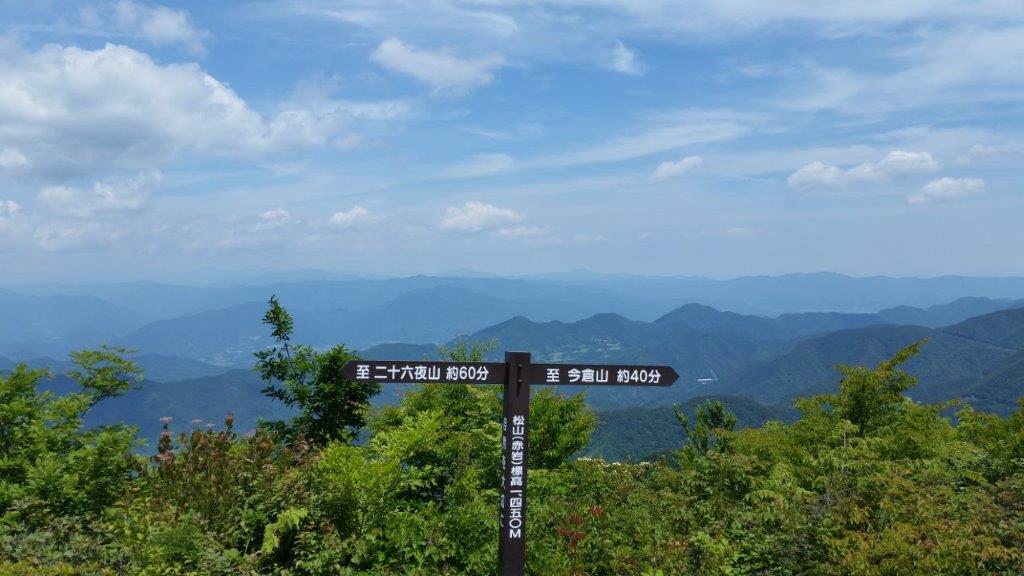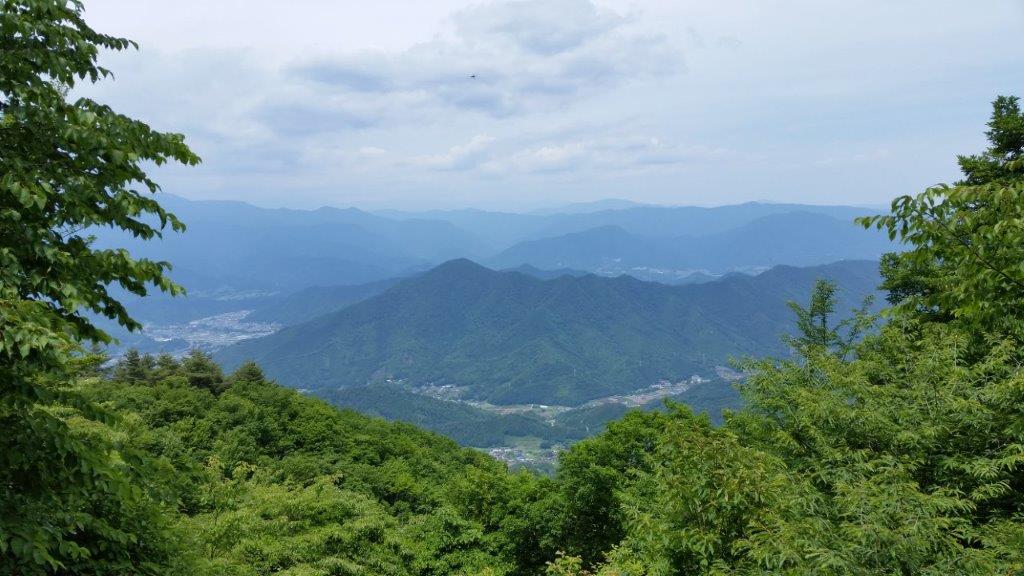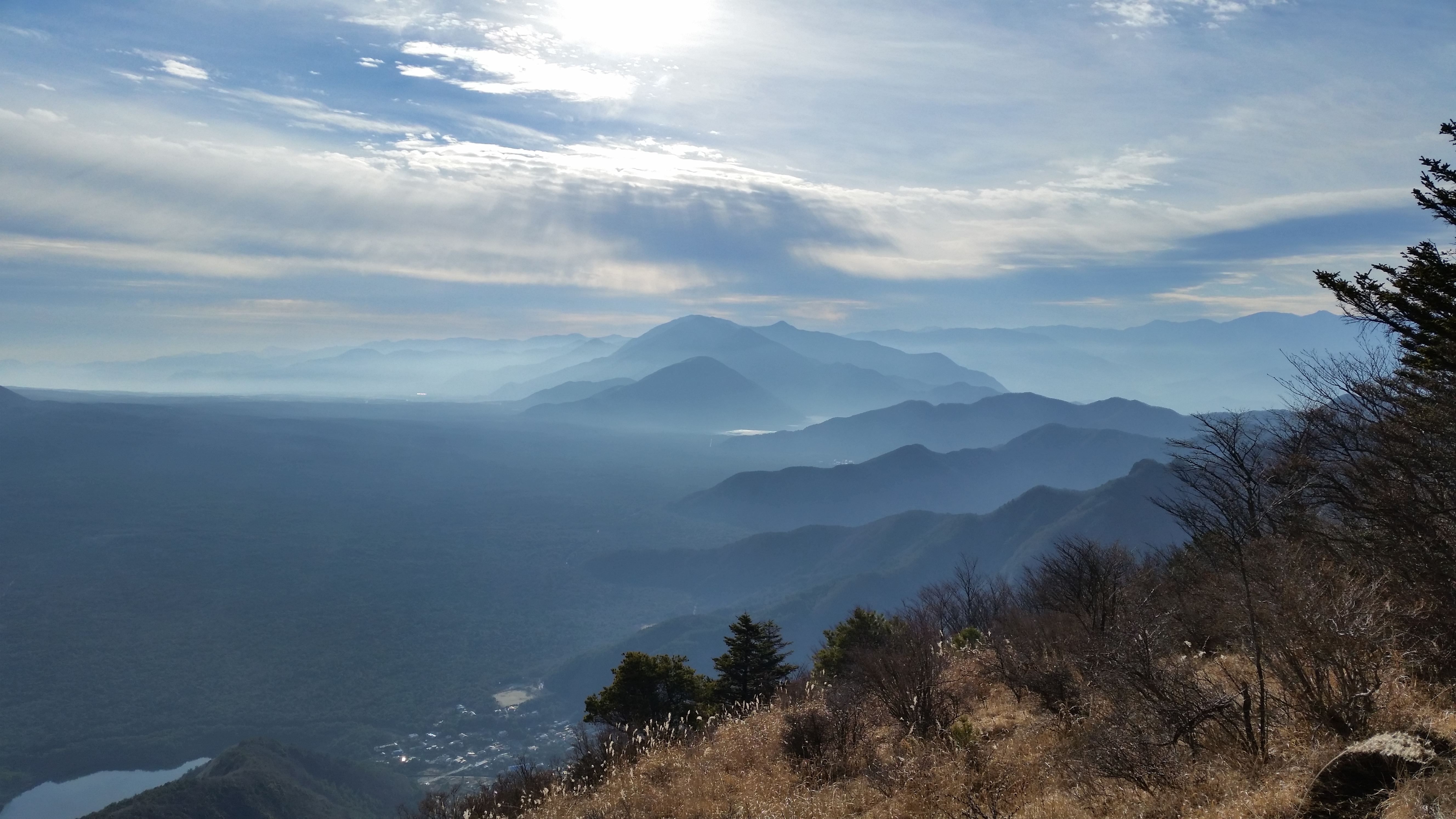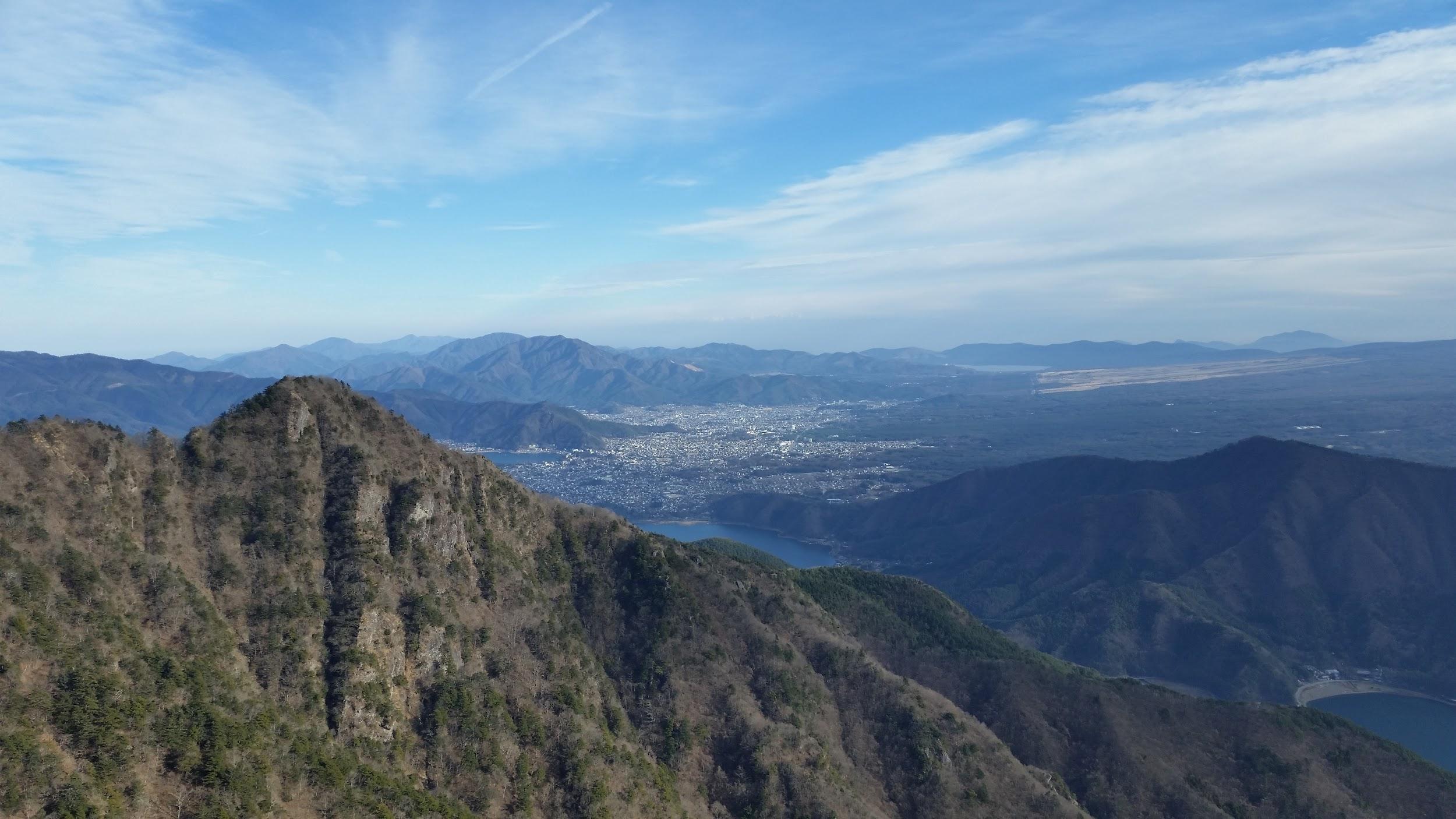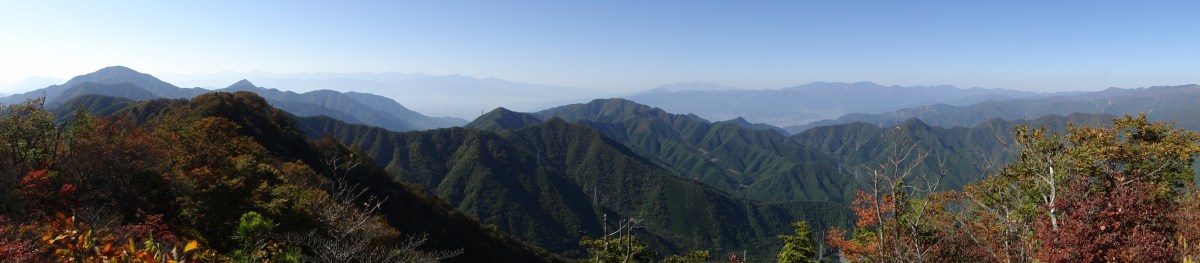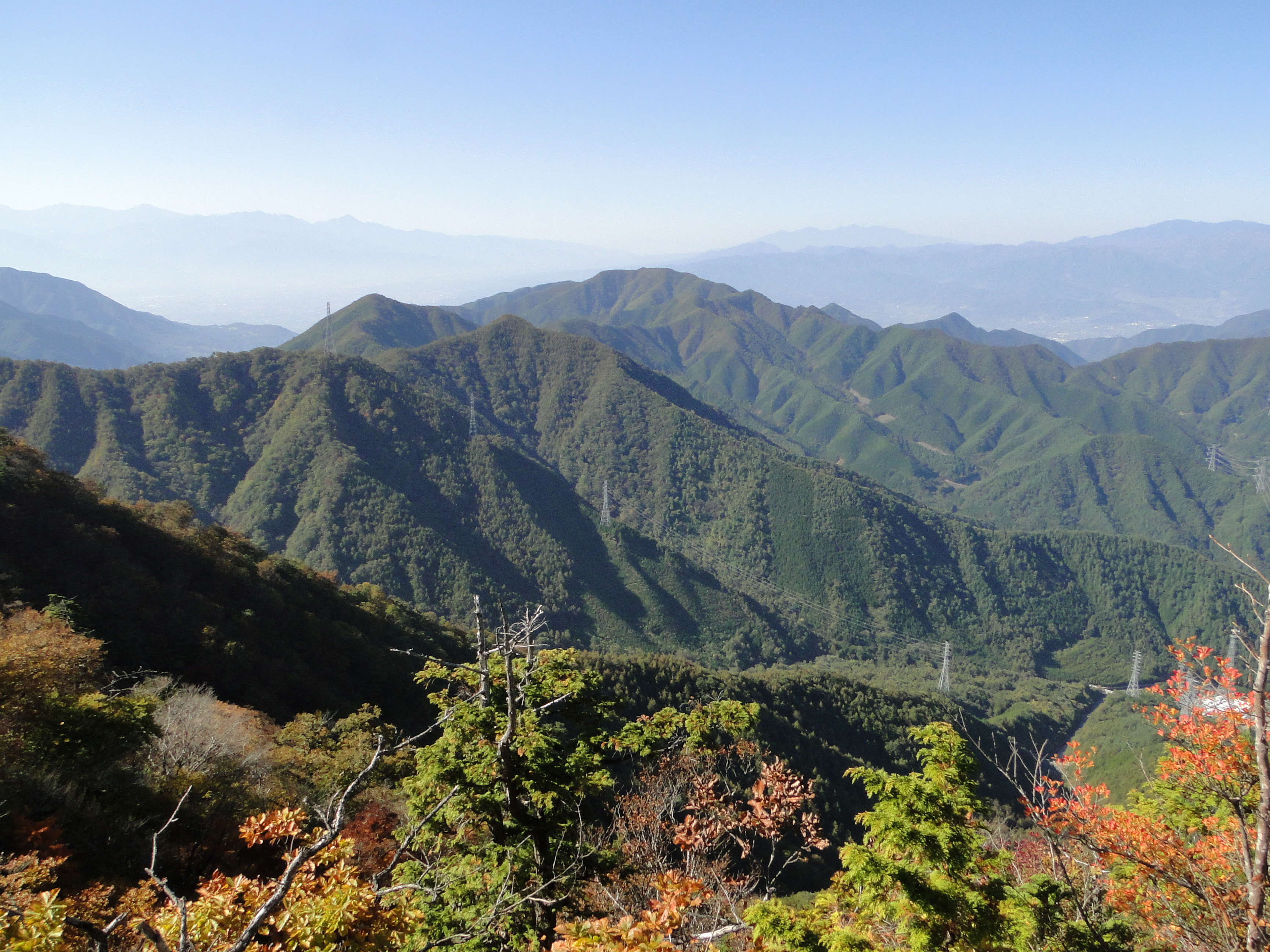
Mt Kenashi (1964m), Mt Ama (1771m), Fujinomiya City, Shizuoka Prefecture

Mt Kenashi is a famous mountain but not part of the original one hundred. It is part of the famous two hundred mountains, which isn’t too shabby considering that there are thousands of mountains in Japan. It sits opposite Mt Fuji and thus has some excellent viewpoints of Japan’s most famous volcano. Consequently, there are quite a few people climbing this mountain.

Hiking in the Fuji-Hakone-Izu National Park

富士箱根伊豆国立公園

HOW TO GET THERE: The biggest drawback is that this mountain is tough to get to from Tokyo. You will need to shell out 5000 yen to take the Shinkansen from Tokyo station to Shinfuji station in Shizuoka (about an hour), and then put down another 1300 yen for the bus to the Asagiri Green Park entrance (also about an hour). To take your mind of all this spent money, there are great views of Mt Fuji along the way.

Fortunately the way back is slightly cheaper. At the end of the hike you can catch the same bus taken in the morning and get off in Kawaguchiko. From there, you have a choice between a local train or the limited express back to Shinjuku. The latter is more expensive and only runs a few times a day. Alternatively, you can take a bus to Shinjuku station for less than 2000 yen. However if you are going back on a weekend, beware of traffic jams. You could also take this way to go there but you would end up at the start of the hike half an hour later, and to trains heading out to the Mt Fuji can be packed (less so so on the way back).

Get a Map of the Mt Kenashi Hike

This map was developed for Japanwilds with the Hokkaido Cartographer

Find Japan Hiking Maps on Japanwilds

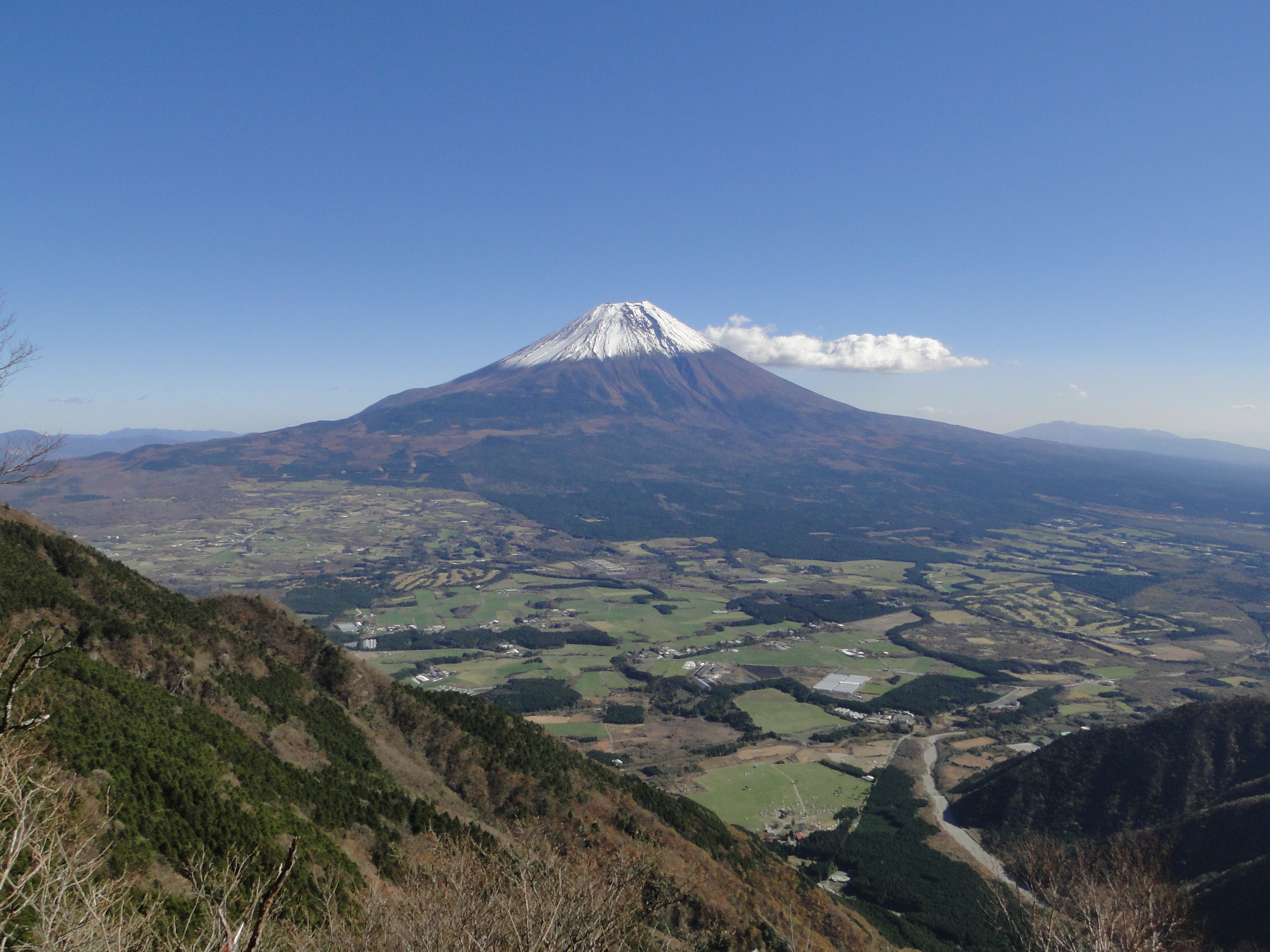
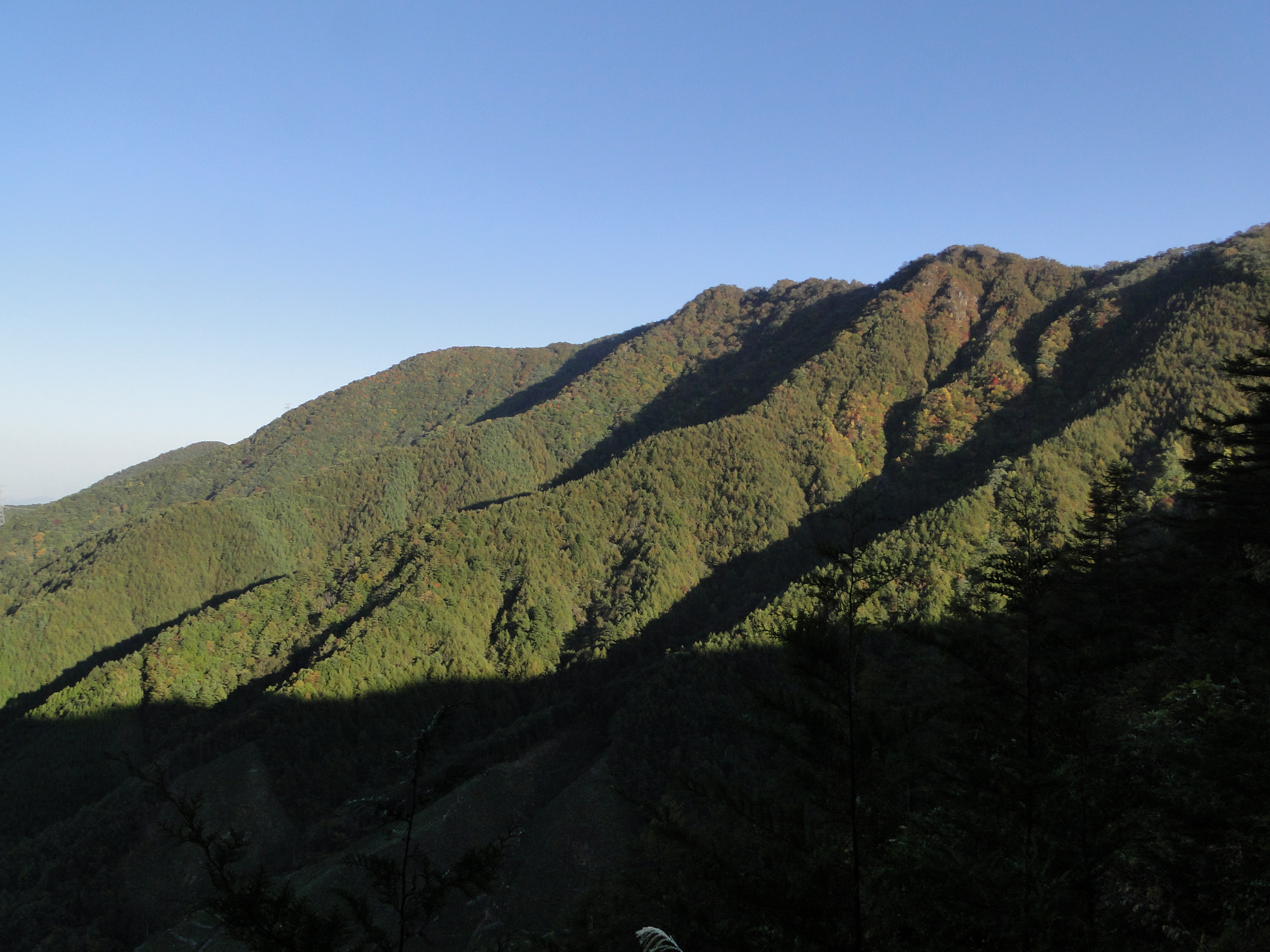
THE ROUTE: Once again I was the only person to get off the bus; it seems that most people come here by car. I had to walk along a flat road for about half an hour to reach the base of the mountain and the start of the hiking trail. The view of Mt Kenashi towering above me was impressive; I wondered if I really was going to be able to manage this long and steep 1000+ meter climb. On the way I passed a wide and grassy camp site on my right with some excellent views of Mt Fuji. I definitely want to camp here some time in the future.

At the end of the long asphalt road I turned left following the signs for Mt Kenashi. Eventually I entered the forest, passed numerous parked cars, and started climbing along a rock path. There were two main paths up Mt Kenashi. I chose the shorter one so that I would have enough time to take the long ridge route down. The path was divided into 10 stations each marked with a sign, similar to the Mt Fuji stations. I passed quite a few people going up and down the mountain. The weather was sunny and not too cold for a November day, although judging from the absence of leaves higher up, it seemed that autumn was already finished on this mountain.

Mt Kenashi with the camp site at its base

As expected the climb was seemingly endless. Similar to when I was climbing Mt Takanosuya in the mist, the top ridge always seemed to be out of reach, always just beyond my level of vision. Every time the path became level, and I thought I was finally there, it would surprise me by rising steeply again. I was slowly getting higher than the rest of the ridgeline, and it felt like I was ascending some kind of spire.

At last I reached a small rocky outcrop, marked as a viewpoint of Mt Fuji. I decided to have an early lunch there, not because I was especially hungry, but because the view was fabulous; there was a comfortable unoccupied sitting spot, and there was no guarantee of something similar at the summit. However I only got past my first sandwich when I was forced to flee because of a group of hikers that talked loudly behind me while taking photos of the view.

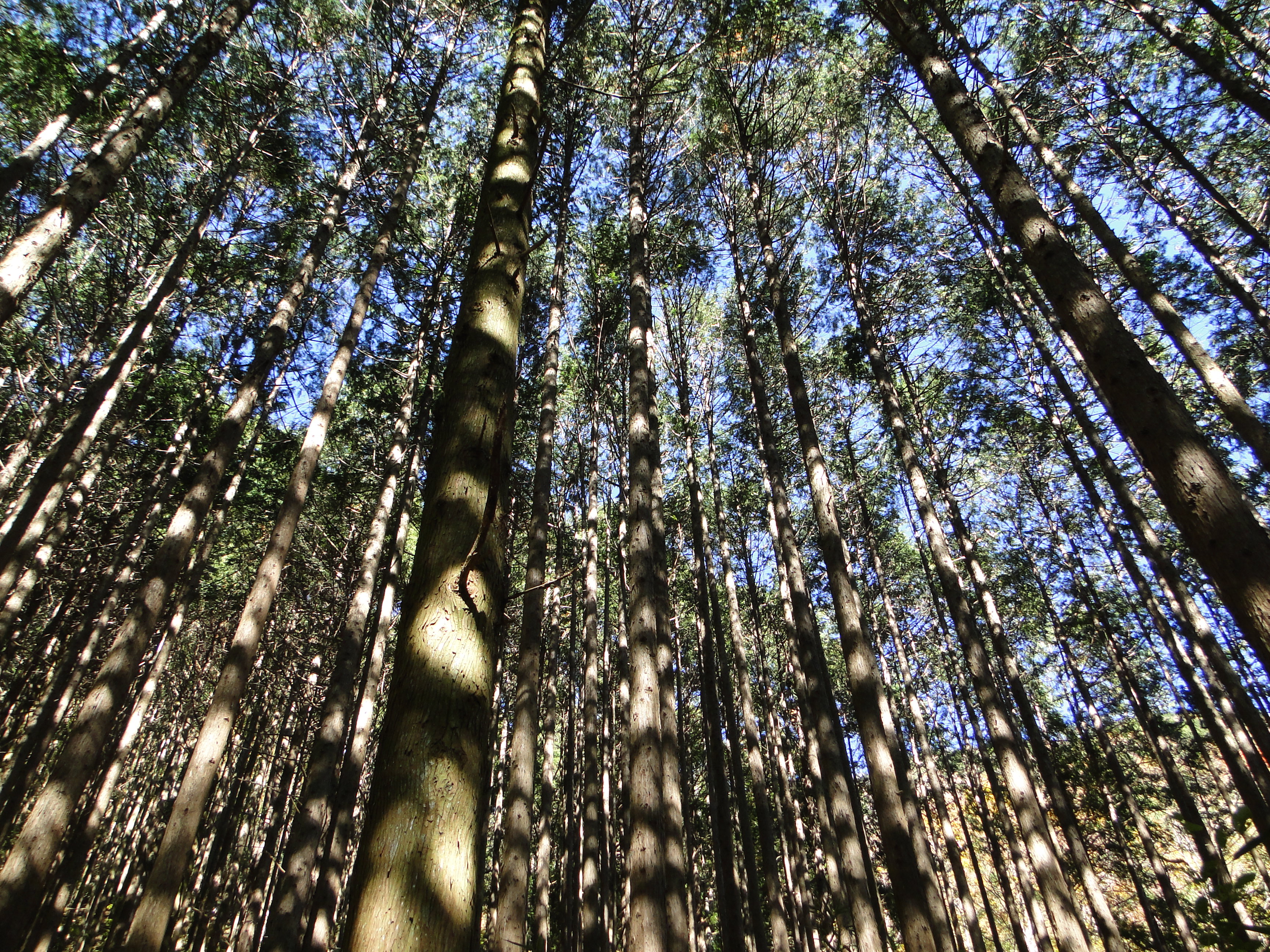
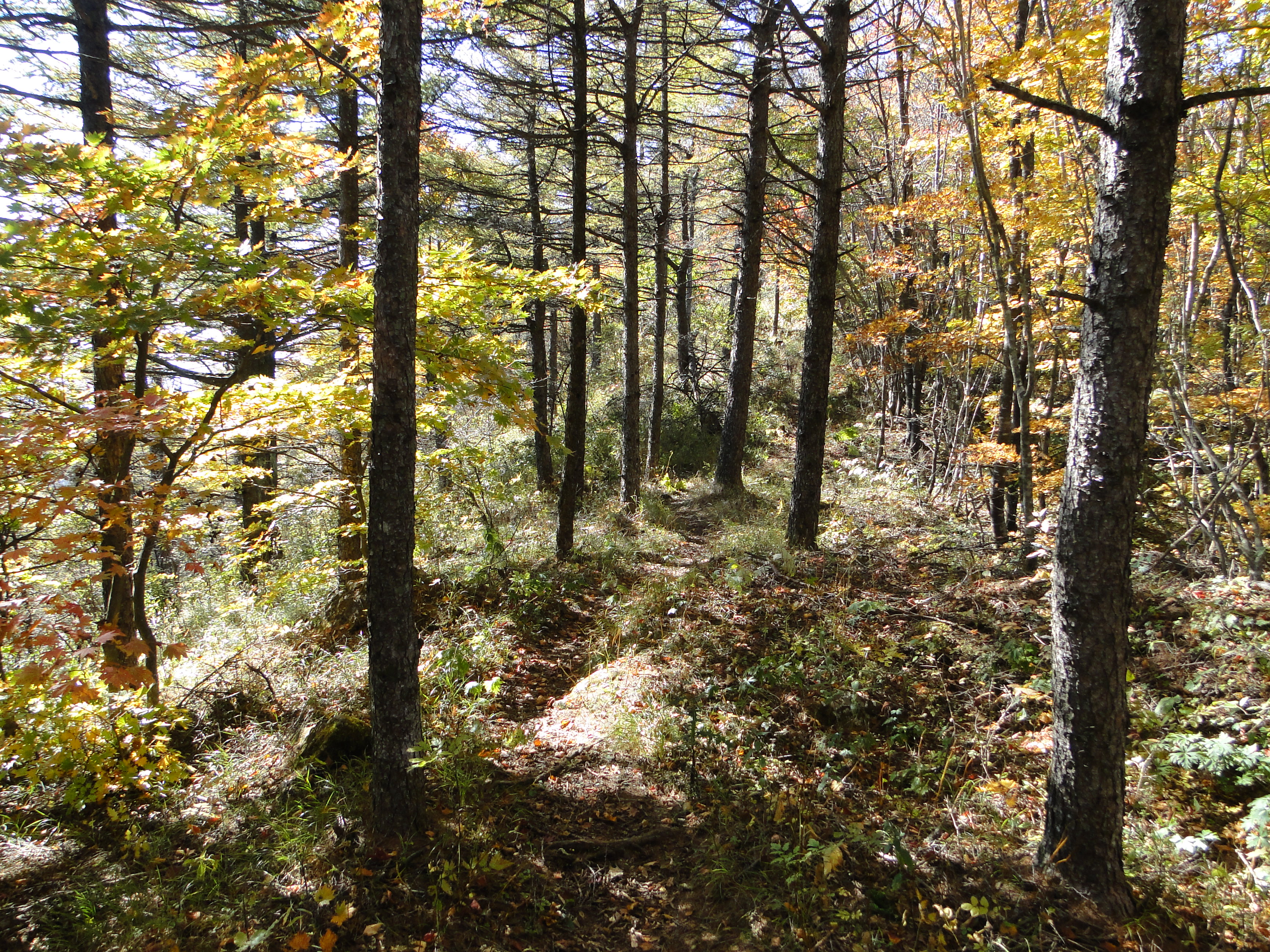
Pine tree forest at the base of Mt Kenashi

From this point I reached the top ridge quite quickly. I overtook a lady hiker for the second time, who couldn’t figure it out how that was possible (she hadn’t seen me taking my lunch break on the rocky outcrop earlier on). From there, on it was an easy stroll to the summit of Mt Kenashi (毛無山 kenashiyama – means hairless mountain). Interestingly, just by stepping onto the ridge, the temperature dropped to near freezing. At nearly 2000m, winter had arrived.

As expected, there were plenty of people at the summit. I still managed to find a decent spot to sit down and finish my lunch. Unfortunately, the view of Mt Fuji wasn’t as good from here. However, before I could tuck in, a friendly hiker told me (in good English) that if I continued ten more minutes along the ridge line, I would reach a much better spot for lunch with a 360 view, including Mt Fuji and the Southern Alps. That seemed like a very attractive proposition, so after having him take the obligatory photo of me and the summit marker, I set off for this perfect lunch spot.

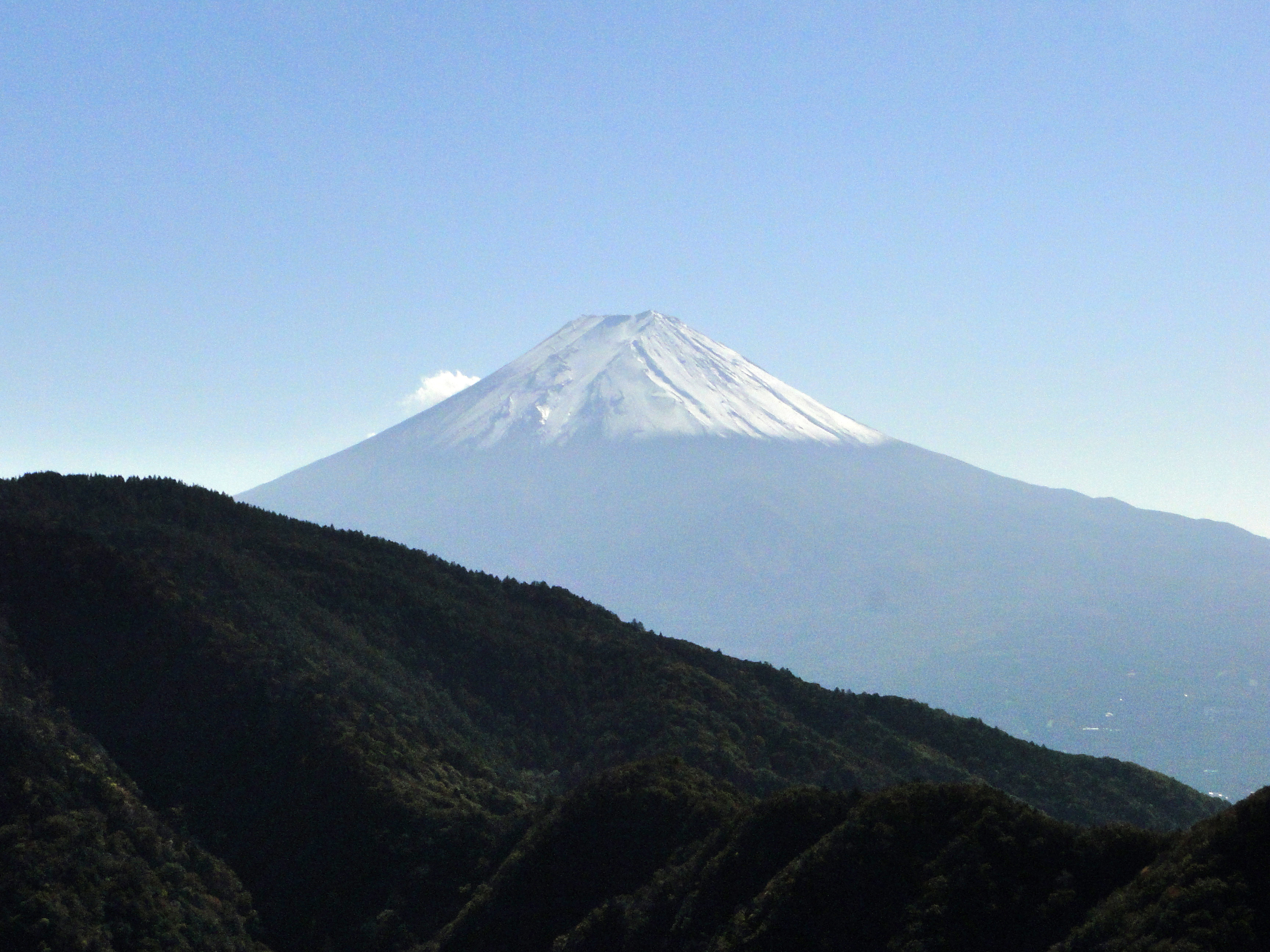
The first view of Mt Fuji before the summit

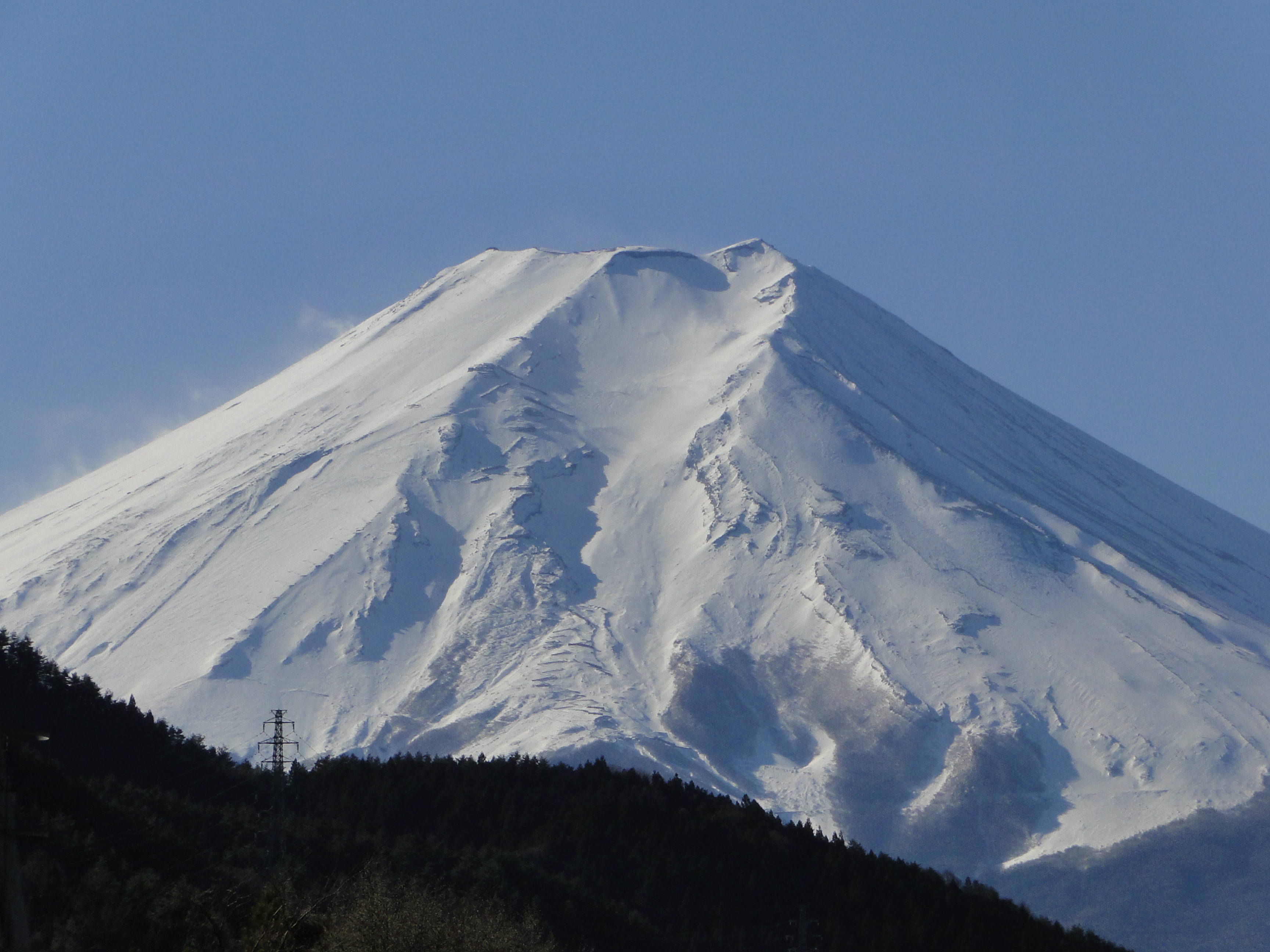
Sadly, I never found it, and one hour later I reached the next summit, Mt Ama (雨ヶ岳 amagadake), the last viewpoint before going down the mountain, and last chance for a (late) lunch. I was lucky I had eaten something before reaching the top, since I wasn’t able to find any good sitting spots with a view along the ridge. Even when I had a 360 degree view, the bamboo grass on either side was just too high to sit down comfortably. I guess the other hiker had walked the ridge in other seasons when the grass hadn’t been so high. The ridge was a mix of cold and shady forested sections, and warm and sunny  grassy sections. The views of Mt Fuji were the best I had ever seen since the sun was behind me; I could make out all the details of the snowy rocky summit area. There were also far less people walking the ridge, since most people, having come by car, had  to go up and down Mt Kenashi the same way.

I found a rectangular block of stone perfect for sitting. moved it into the sun and sat down to enjoy the rest of my lunch while examining Mt Fuji. However, I couldn’t stay too long however since I had a bus to catch. Soon I could see lake Motosuko on my left but too many branches in the way meant that I couldn’t get a good picture.  Oddly enough I had the same kind of experience going down as when going up. Three times I thought I had reached the lowest point between 2 peaks only to discover that the path dipped further down.

Picture perfect view of Mt Fuji along the ridge

Finally I reached the flat part between two peaks and at another viewpoint of Mt Fuji, I saw the escape path for the bus stop leading down to the right. Here I met a male hiker on his way up. He told me that he was going to camp at the top of the mountain so that he could see the sun rising above the summit crater of Mt Fuji the next day, also called Diamond Fuji. It’s something I have never been able to see, but at the same time I don’t think I want to put in some much effort.

After a short while I reached a junction for the Tokai Nature trail. I had to jog along the last flat portion of the way, and I finally reached the bus stop with less than five minutes to spare. The bus back was empty at first but filled up quickly at the next stop. Despite that it was an enjoyable ride since you could see Mt Fuji from time to time.

CONCLUSION: A difficult but rewarding hike with fantastic views up a famous mountain that will see the crowds melt away during the second part.

Ask for a hiking map for Mt Kenashi

View to the South

Mt Shakushi (1597m), Fujiyoshida City, Yamanashi Prefecture [MAP AVAILABLE]

The main reason to climb Mt Shakushi, a Yamanashi 100 famous mountain, is to enjoy the fantastic view of Mt Fuji from the summit; there are no mountains in-between, just fields and forest surrounding Oshino village below. The hike is mostly along a ridgeline, with several smaller peaks along the way. Although I was hiking in the middle of November, there were few autumn colours.

HOW TO GET THERE: Take the limited express for Kawaguchiko station, and get off one stop before the end at Mt Fuji / Fujisan station (used to be Fujiyoshida station till 2010). This convenient but pricey train will get you to Fujiyama in time for the bus for Oshino village. It’s also possible to take a combination of local trains, but the connection won’t be as good. I was the only person on the bus – I guess everyone else had gone to see the autumn colours around Kawaguchiko lake.

Get a map of the Mt Shakushi hike

This map was developed for Japanwilds with the Hokkaido Cartographer

Find more Japan hiking maps on Avenza

THE ROUTE: From the bus stop, I headed along a road with Mt Fuji to my back. After crossing a couple of small streams I started seeing signs for the entrance to the hiking  trail. Very soon I walking along a dirt road surrounded by beautiful forest; it felt very different from hiking trails closer to Tokyo, especially since there was no-one else around. Eventually I overtook a family of five who had come by car.

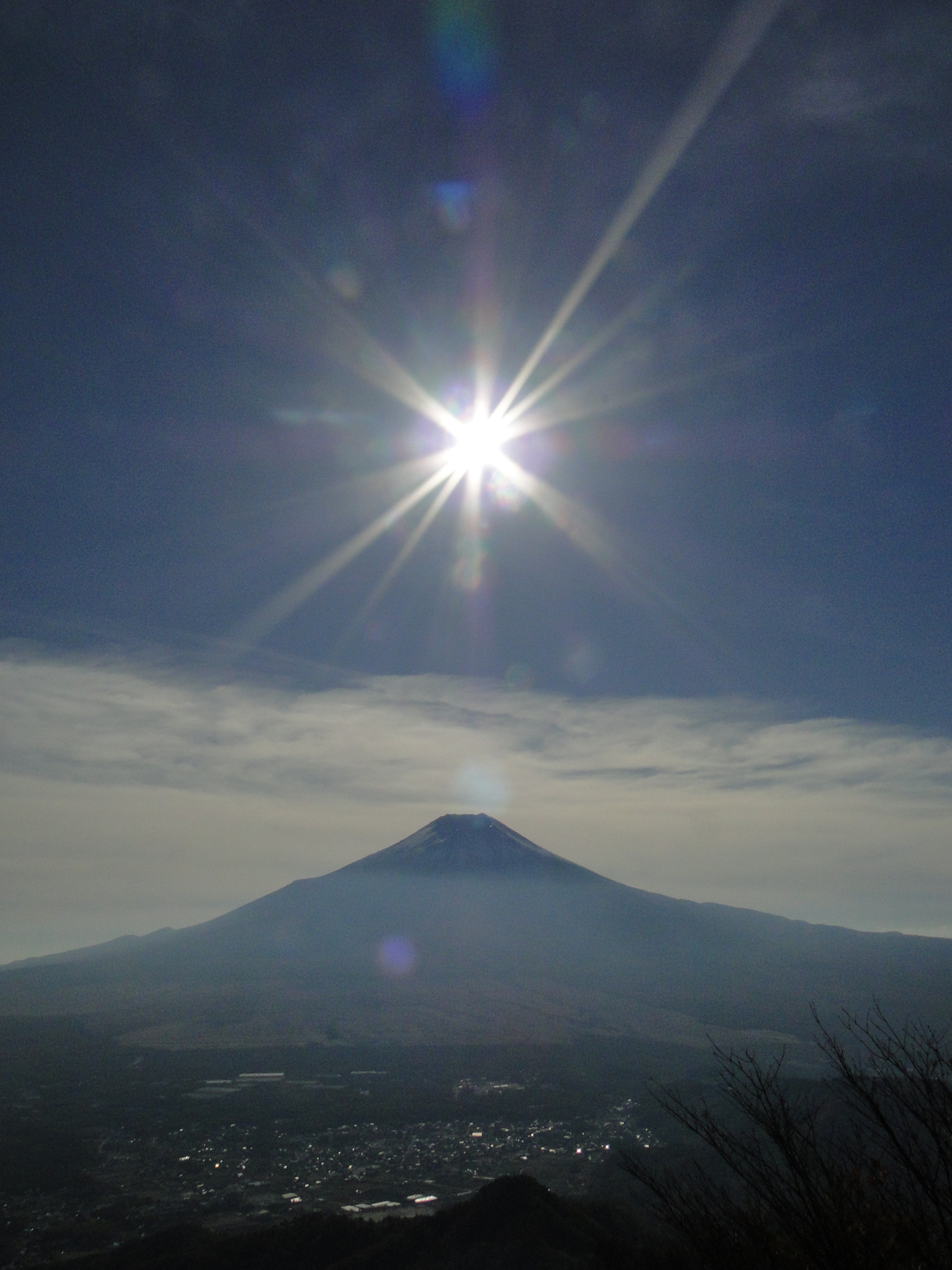
The sun was perfectly aligned above Mt Fuji

After climbing steadily for a while, I reached a pass where I turned left up the main ridge. I soon reached a rocky roped section, with a nice view of Mt Fuji to the side. After the obligatory snapshots, I continued towards the summit. After a while, I arrived at a junction, from where it was a short round-trip to another summit called Mt Shishidome 1632m 鹿留山 (shishidome-yama). Since there was no view, I decided to skip it and continue on my way. The path was now slightly downhill.

A good day for paragliding

Suddenly I came upon the perfect lunch spot – a lonely rock with a stunning view of Mt Fuji. Even though I was a short way from the summit, I decided to stop for lunch; the final part was mostly flat, and peaks can be surprisingly crowded even when there seems to be no one else on the mountain. Occasionally other hikers would stopped behind me to admire the view, but overall it was a very enjoyable lunch. Not only could I see Mt Fuji in front of me, but also the South Alps  (some of the highest peaks were already covered in snow) and lake Yamanaka. Eventually I managed to pull myself away from the view and reach the summit.

Mt Mitsutoge to the West

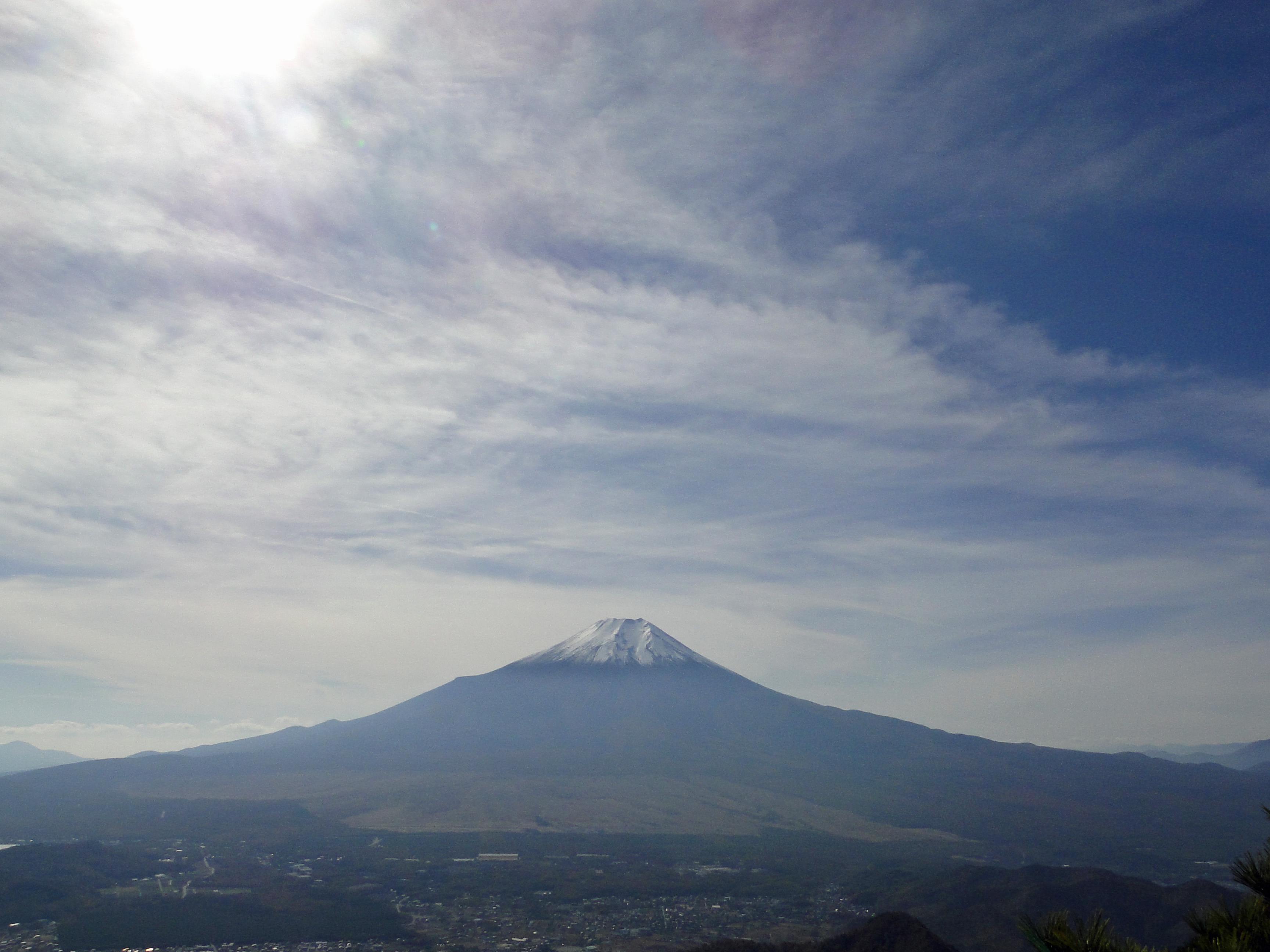
The top of Mt Shyakushi (杓子山 shakushi-yama) has a couple of benches, and interestingly enough, a bell to scare away bears. I was so busy taking photos of Mt Fuji, I completely forgot to ring it! I was glad I had already taken my lunch break – the sun was moving behind Mt Fuji, and the side facing me was slowly becoming a dark outline. It looked like the sun would set exactly behind the cone, a phenomenon called Diamond Fuji. Unfortunately, there was no way I could stay till sunset, even though it was nice and warm in the autumn sun.

View of Mt Fuji while descending

I hurried down the trail, quickly reentering the forest and losing the Mt Fuji views. I soon passed a jump-off spot for paragliders, just above Ozasu Pass (大権首峠). On the right was the forest road leading to Fudoyu, however I continued straight ahead. After some up and down, including a couple of rocky sections, I arrived at the top of Mt Takasazu (高座山 1304m). A short, steep descent brought me to the top of a wide Japanese Pampas (“susuki”) grass field. Walking along the top edge, I had many dramatic views of the outline of Mt Fuji, against the slowly sinking sun. At 4pm, just as it was getting dark, I was finally back in Oshino village where I caught a bus for Fujisan station.

Ask for a hiking map for Mt Shakushi

Honjagamaru (1631m), Otsuki City, Yamanashi Prefecture

This 100 famous mountain of Yamanashi would deserve a place among the 200 or 300 famous mountains of Japan. It offers a challenging climb and a wide view from the top, including Mt Fuji and the South Alps. The trail is also easily accessible on foot from Sasago station on the Chuo line. Funnily enough, it’s not called a “yama” (mountain), but a “maru” (circle).

HOW TO GET THERE: Take the Chuo line from Shinjuku station and get off at Sasago station a couple of stops past Otsuki station. Don’t do like me: fall asleep and miss your stop. I was lucky to be able to get off two stations later, and catch a train back within ten minutes – there are only about 2 trains an hour out there.

Ask for a hiking map for Honjagamaru

THE ROUTE: From Sasago station’s sole exit, walk up the road on the right. Within 50 meters you will reach a T-Junction. This was probably the most confusing part of the hike, since the hiking sign clearly points to the left, whereas my map indicated a right turn. According to the map the left trail was a hard to follow route to another summit on the same ridge. Since it was published 3 years ago, things may have changed.

I decided to go right anyway, and after walking along a dirt road for about 15 minutes, I was relieved to spot a sign for the trail entrance, pointing to a dirt trail going up the mountain on the left. I set off along it with renewed confidence, only to reach an unmarked branching barely ten meters further. The left branch followed the bottom of the valley, and the right one went literally straight up the mountain side.

The beautiful ridge line path

Having already lost a significant amount of time by missing my station, and locating the trail entrance, I followed my gut instinct and went right. I guessed that the paths would probably join up later, as it often happens when you encounter an unmarked branching. They never did, and for the time being it was a mystery.

I quickly discovered that my chosen path was extremely steep – so steep that a couple of times I had to kick in the dirt with the tip of my hiking shoes to get a grip. The path was also very faint; I was starting to wonder whether it was the right choice after all when suddenly I saw a pink ribbon attached to a low branch, the unofficial trail marker throughout the area. The climb to the first shelf was intense, and left me gasping my breath at an electric pylon. After that it was easier going. The surrounding forest was beautiful and felt quite wild.

Some autumn colours

There was another confusing part about an hour after I started climbing, when the path disappeared into some dense vegetation, some sort of grass that had grown out of control. There wasn’t a clear path leading around it, so in the end I picked up a stick and literally beat a path through it myself. I finally emerged onto a road on the other side, as predicted by my map, and thus confirming that I was on the right path.

After the road, there was another very steep dirt path requiring more kicking. Eventually big rocks and boulders started appearing on either side of the path, a sure sign I was approaching the summit ridge. At last, I reached a minor summit 1377 meters high, but there wasn’t much of a view, so I soon continued along the ridge line.  After a while I got to see some beautiful autumn colours, looking amazing with the blue sky in the background.

More autumn colours

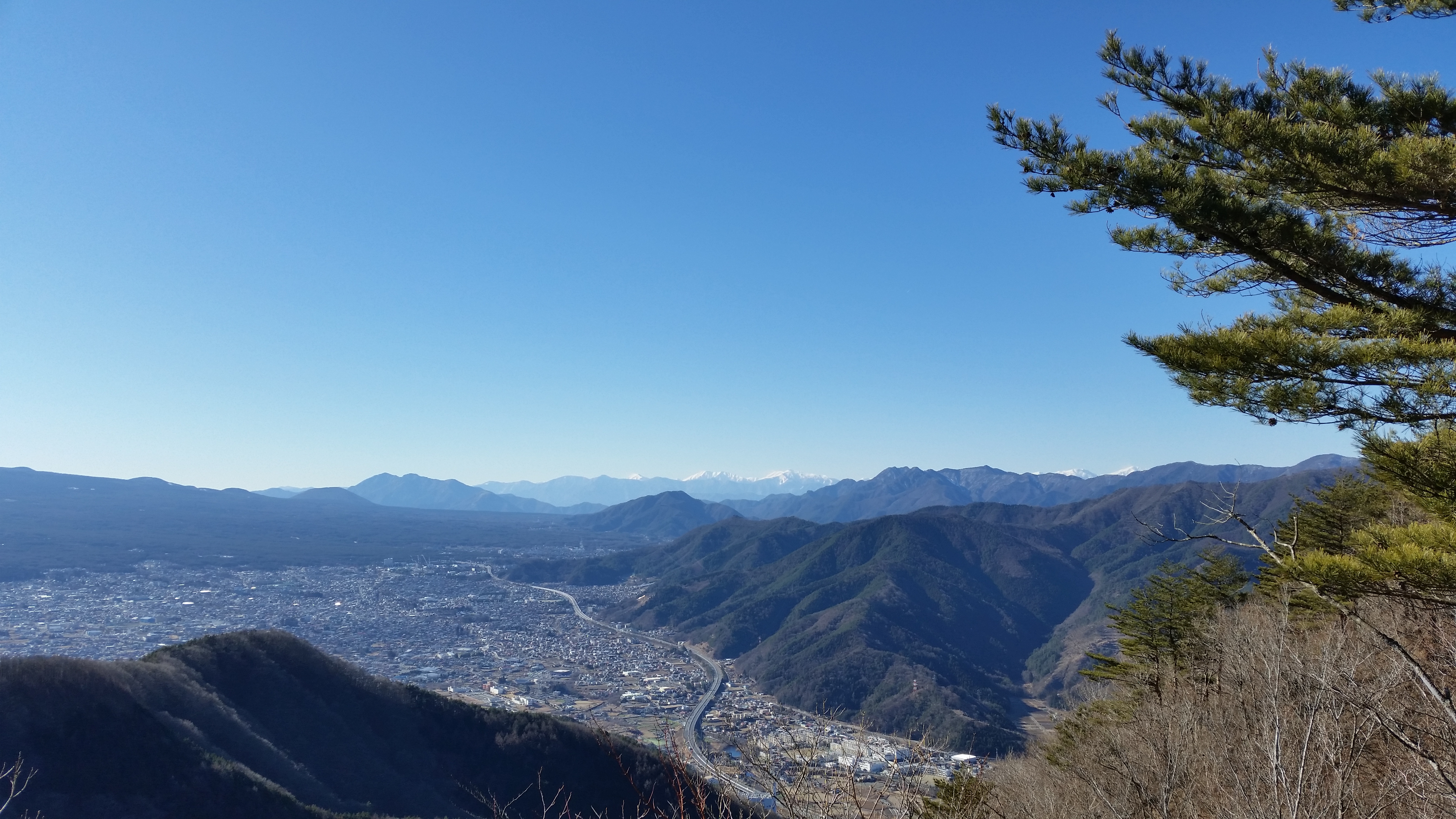
Finally I started getting some glimpses of Mt Fuji. After confirming with a descending hiker that the summit had a clear view of Mt Fuji, I hurried along till I reached the summit of Honja-ga-maru 本社ヶ丸, and a stunning view. To the south was glorious Mt Fuji, so close I felt could touch it; in front and to the left was Mt Mitsutoge, a 200-famous mountain; to the West were the South Alps; to the North were Yatsugatake and the mountains of the Chichibu-Tama-Kai national park; the view to the East was hidden by trees. I found a good sitting spot on a rock with a view of Mt Fuji, and had by lunch.

After lingering as long as I dared, I started downhill, continuing along the ridge. There were several more excellent viewpoints on the way. The surrounding rocky scenery felt very wild. On the way, I scared away a family of partridges. At one point, there was a path leading down to Sasago station to the right. I ignored it since I intended to follow the ridge lime for some more time before heading down.

Mt Fuji in the autumn

Just after that there was another tricky part – the path switches back and goes down the opposite side of the mountain. This is the path to Mt Mitsutoge. Shortly after you go under the trees, there is small path leading right and following the ridge again. The sign has fallen down so it is easy to miss. At the fork for Mt Haccho (八丁山 haccho-yama), I turned right to get off the mountain. The round-trip to the top of this mountain takes barely 15 minutes, but I had to drop it since I had lingered too long at the summit, and was in a hurry to get down before it got dark.

View south from the top

A little further there was yet another tricky part. A little before Onna-zaka Pass (女坂峠 onnazaka-toge), there was a path to the right for Sasago station that wasn’t on the map. The route through 女坂峠 was longer and involved an up and down, whilst this new route was more direct. Actually, we were 3 hikers hesitating at this sign. In the end, as evening was arriving quickly, we all chose caution over adventure, and took the fastest route back to the station. Unfortunately, it was also probably the least beautiful option as it descended quickly through secondary forest. As a consolation, it did offer some nice views of Honja-ga-maru and the surrounding peaks.

Honjagamaru from near the end of the hike

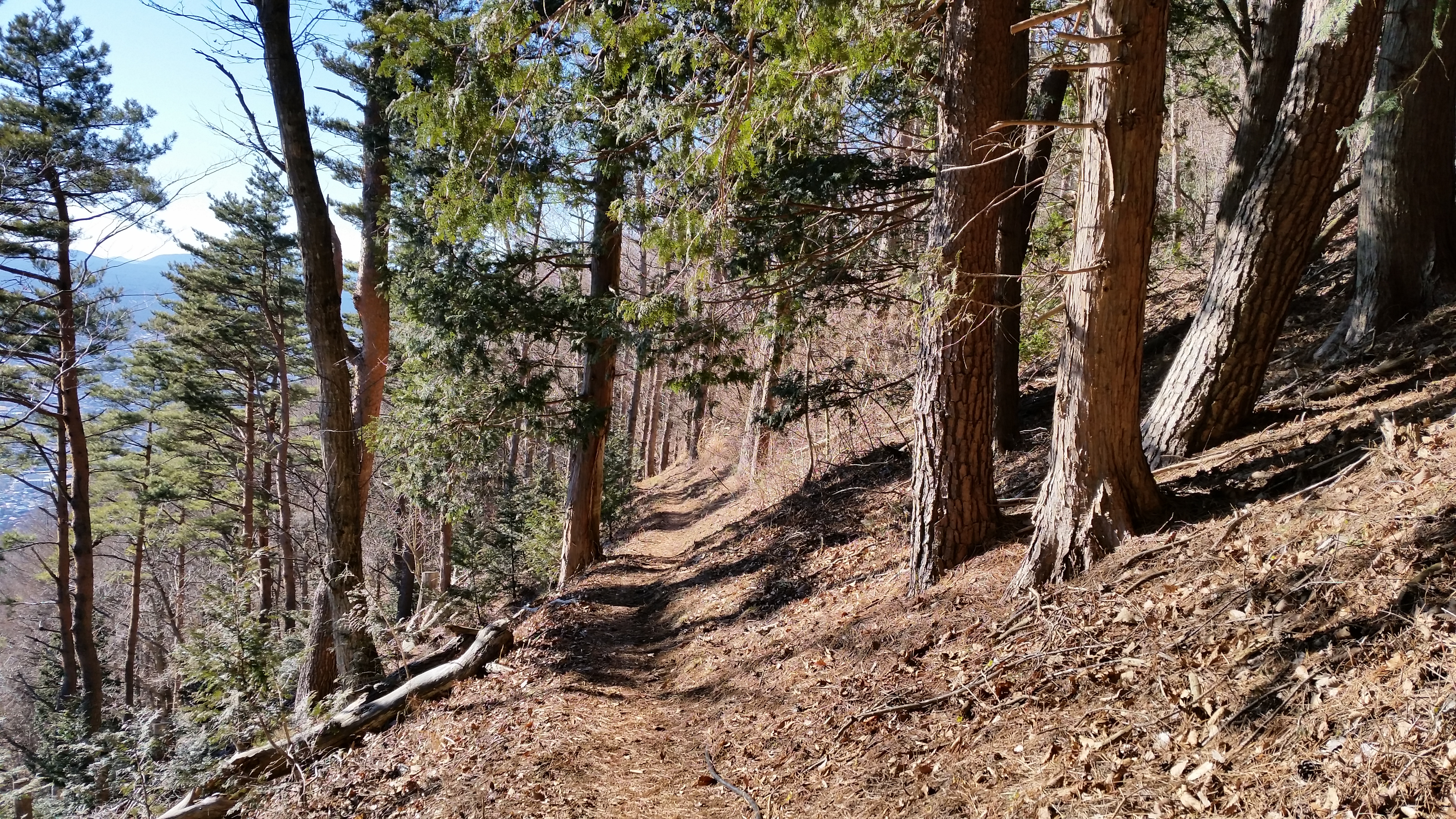
Finally after going back and forth through some newly planted pines trees, the path joined up with the official map path. This was the path to the station I had ignored earlier. I was glad I had taken the ridge line path on the way up, since it was truly beautiful with many views. Soon after, the road became paved, and it was a pretty boring 40 minute-walk to the station. According to the map there was supposed to be a bath near the end of the hike. However the locals told me it had closed.

CONCLUSION: Strongly recommended if you are looking for a station to station quiet hike in beautiful forest with great views within 2 hours from Tokyo. The main drawbacks are some navigational difficulties and no onsen at the end.

Ask for a hiking map for Honjagamaru

Mt Kita (3193m), Mt Aino (3189m), Mt Notori (3026m) & Mt Shiomi (3047m), Yamanashi, Nagano and Shizuoka Prefectures, September 2010 [Map Available]

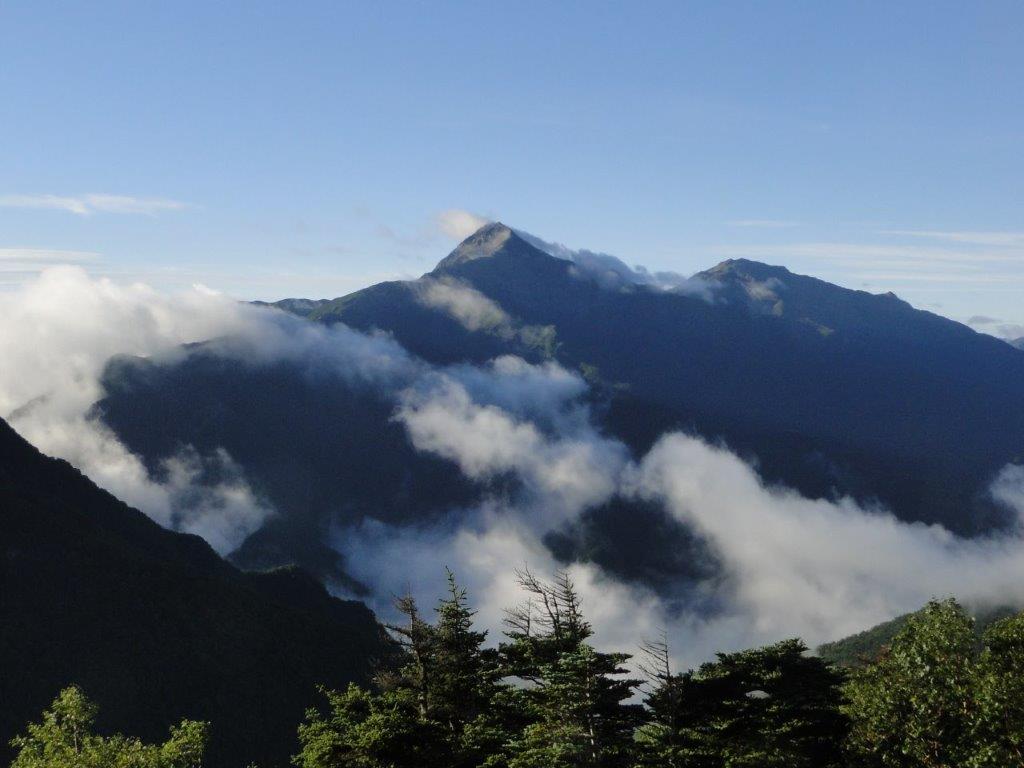
Mt Kita seen from Mt Kaikoma

Hiking the hundred famous mountains of Japan 日本百名山

Hiking in the Minami Alps National Park 南アルプス国立公園

北岳 (きただけ kitadake)

間ノ岳 (あいのだけ ainodake)

農鳥岳 (のうとりだけ noutoridake)

塩見岳 (しおみだけ shiomidake)

Download a map of the Mt Kita hike

This map was developed for Japanwilds with the Hokkaido Cartographer

Find more Japan hiking maps on Avenza

Mt Omuro (1587m) & Mt Kanyudo (1418m), Sagamihara City, Kanagawa Prefecture

These mountains are located in the Western half of the Tanzawa mountains, and harder to access than those in the Eastern half like Mt Tanzawa and Mt Oyama. I  rode the bus from Shin-Matsuda station for over an hour, past Tanzawa lake, all the way to the last stop, the Nishi-Tanzawa Visitor Center 西丹沢ビジターセンター, a great starting or ending point for hikes in the area. It was the second week of November, which was rather late in the season; the autumn colours had already crept down the mountain sides into the valley. I was told by the staff at the visitor center to start heading down by 1pm at the latest, to avoid getting caught in the dark.

Hiking in the Tanzawa Mountains

丹沢山地

Ask for a hiking map for Mt Omuro

In the back hidden in the clouds is Mt Fuji

I set off at 10am under blue skies. The first part of the hike was along a small road that followed the river valley past a couple of camping sites. At the first junction, I headed right – I would be descending via the left junction. Here I finally entered the hiking trail proper, also part of the Tokai Nature Trail 東海自然歩道. I followed a narrow valley alongside a rocky river. Looking up, I could admire autumn colours in all directions. After an hour of climbing, I reached a pass, an Emergency hut, and the first views. However by now, grey clouds had rolled in hiding the ridgelines.

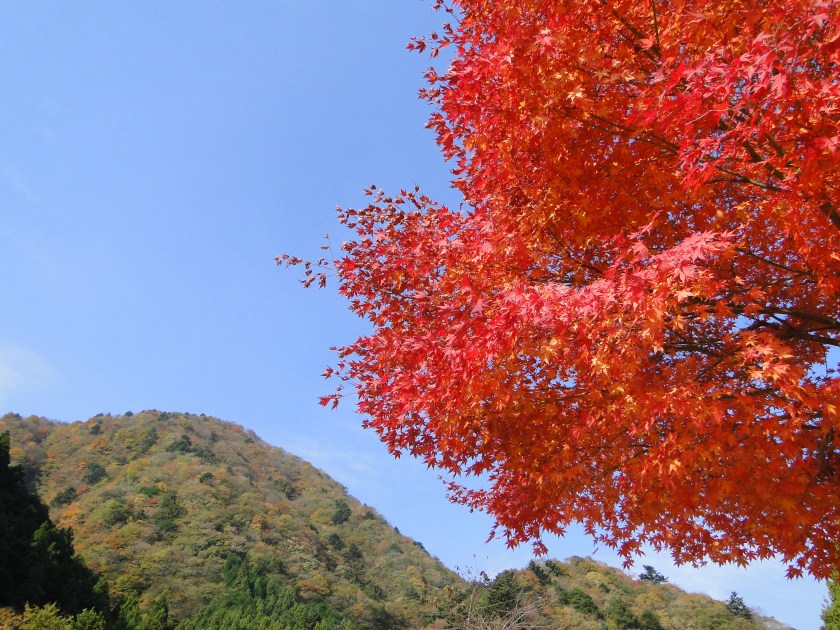
The brilliant red of the “momiji” tree

Climbing up through a “koyo” tunnel

I still needed another hour an hour of tough climbing to reach the summit of Mt Omuro (大室山 oomuroyama), a 100-famous mountain of Yamanashi and the 3rd highest peak of the Tanzawa mountains. Here, the trees were already bare of leaves, a strong hint that winter was just around the corner. I was now mostly above the clouds that had gathered on the Southern side, with just a few milky strands of mist left. I had great views North of Doshi Valley and the Doshi Sankai mountains. Since it was nearly 1pm, I had a quick lunch, and made my way Westwards along the ridgeline to the next peak Mt Kanyudo (加入道山 kanyuudouyama).

Mist and leafless trees near the summit

Doshi valley and Doshi mountains

There was another emergency hut here, but fortunately I still had enough time to descend safely.  Soon, I was walking on a wooden path alongside a beautiful mountain stream with a carpet of colourful fallen leaves on both sides. Suddenly the path and the stream parted ways. A few minutes later, I caught a glimpse of an impressive waterfall to my right. By now the clouds had disappeared and the blue skies were back. The sun had already disappeared behind the mountain ridge behind me. I emerged into a river valley with rocky banks, which I crossed several times on small wooden bridges, and finally got back to the visitor center by 4pm.

Easy walking on the way down

Ask for a hiking map for Mt Omuro

Mt Kumotori (2017m), Tokyo, Saitama & Yamanashi Prefectures

Mt Kumotori is the highest point of Tokyo prefecture, first climbed in December 2006, and then again in December 2013 and 2015, staying in the summit hut each time. The purpose of my last 2 visits was for Hatsuhinode. The 2 main trails leading to the summit start from Okutama Lake in Tokyo and Mitsumine Shrine in Saitama and can be reached by bus from Okutama and Chichibu stations respectively; both are best done with an overnight stay in the summit lodge. The panoramic view of the Okutama and Chichibu mountains, as well as Mt Fuji, is definitely worth the effort of the lengthy ascent. Due to its relatively high elevation, the summit area has snow and ice in the winter months and crampons are recommended if climbing in that season.

The Long Ridge Leading to Mt Kumotori on the Okutama Side

Hiking in the Chichibu-Tama-Kai National Park

秩父多摩甲斐国立公園

雲取山 くもとりやま kumotori-yama

Japan 100 Famous Mountain 日本百名山

Mt Fuji at Dusk from the Top of Mt Kumotori

Request a Hiking Map for Mt Kumotori

Mt Nokogiri (329m), Kyonan Town, Chiba Prefecture

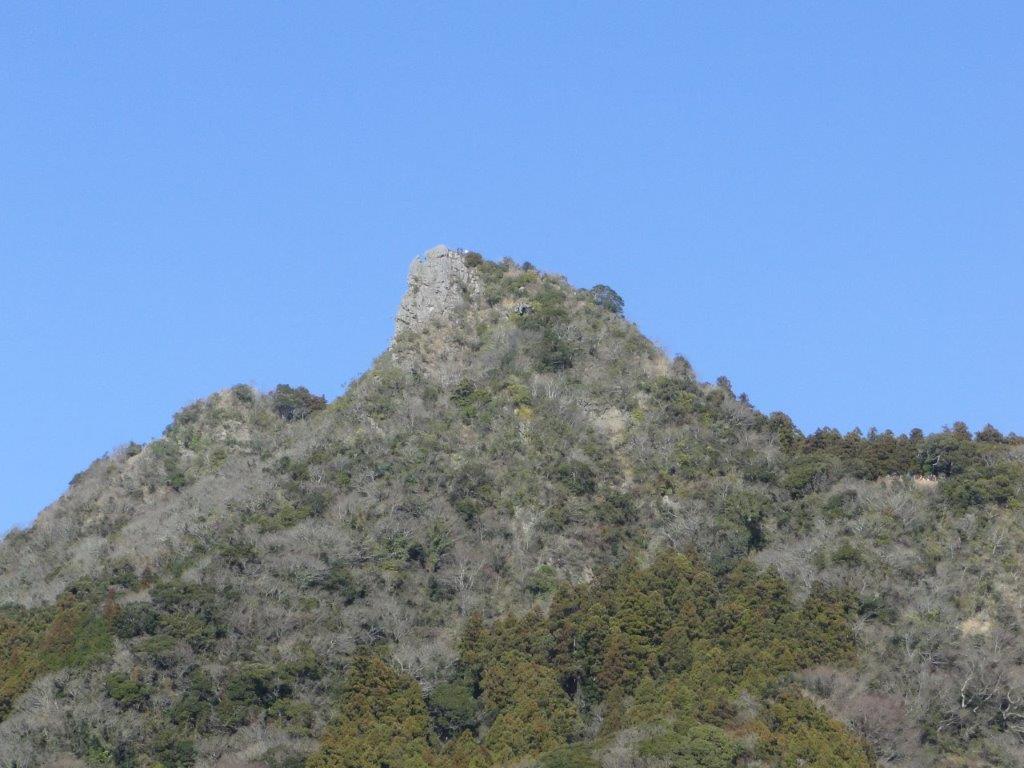
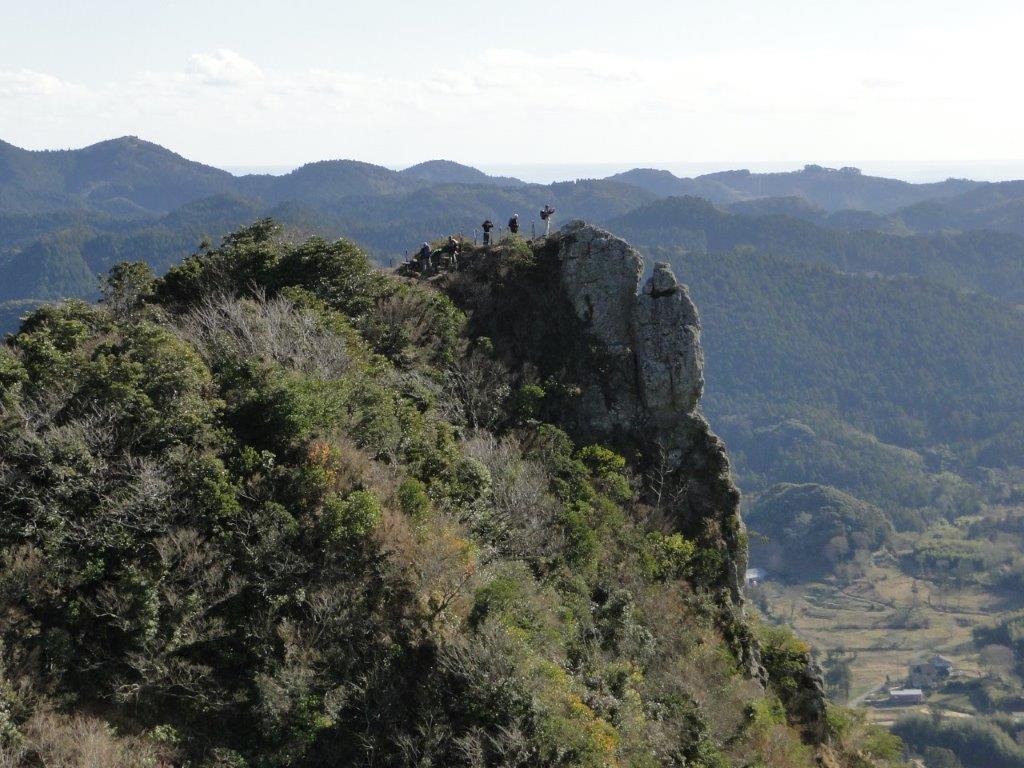
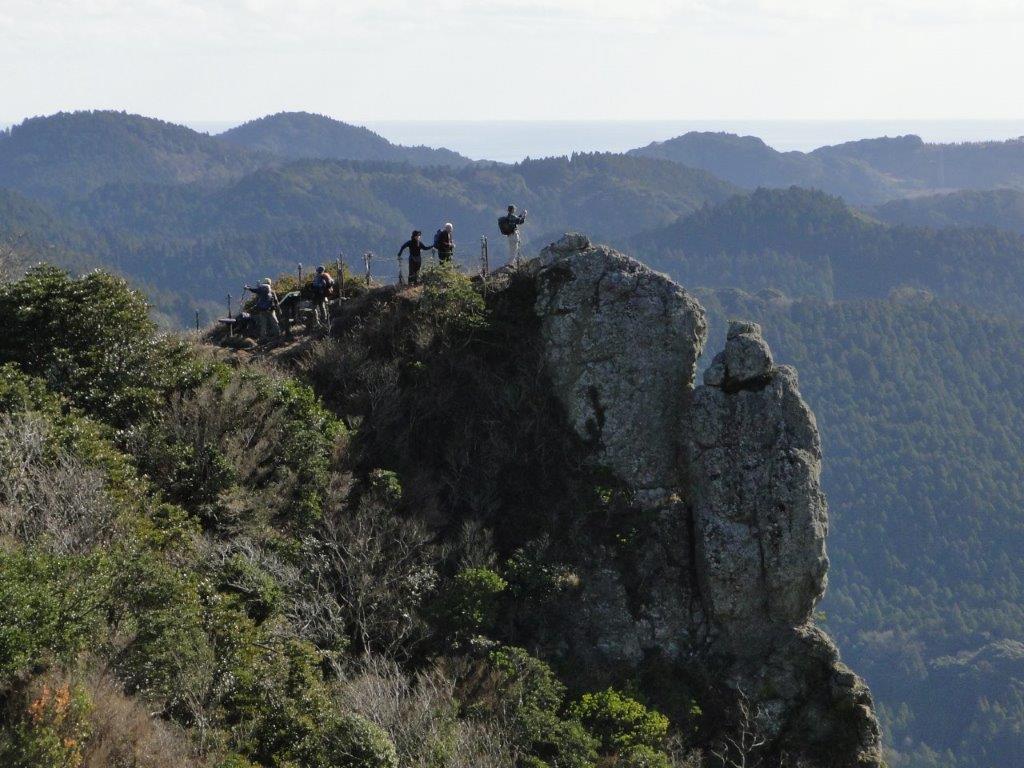
Mt Nokogiri (鋸山 のこぎりやま nokogiriyama), literally “Saw Mountain”, due to its jagged summit, is a popular sightseeing spot situated on the Tokyo side of the Boso peninsula. In the Edo period, it used to be a quarry, which explains its smooth cliffs below the top ridge. It can be reached from Hama-Kanaya station on the Sazanami limited express (about 2 hours from Shinjuku), or by using the Tokyo Bay ferry from Kurihama on the Miura peninsula, Kanagawa prefecture (40 minutes each way).

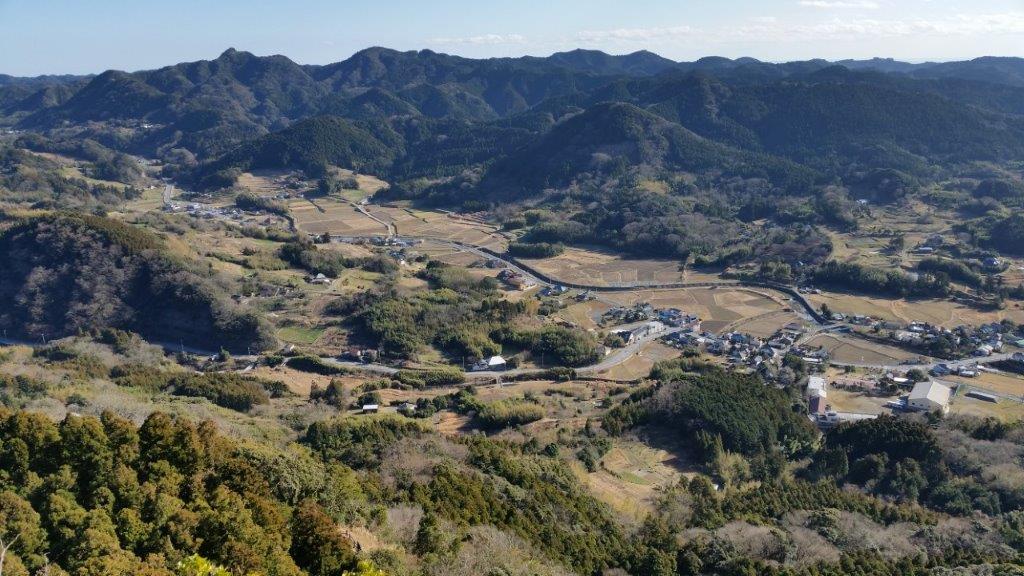
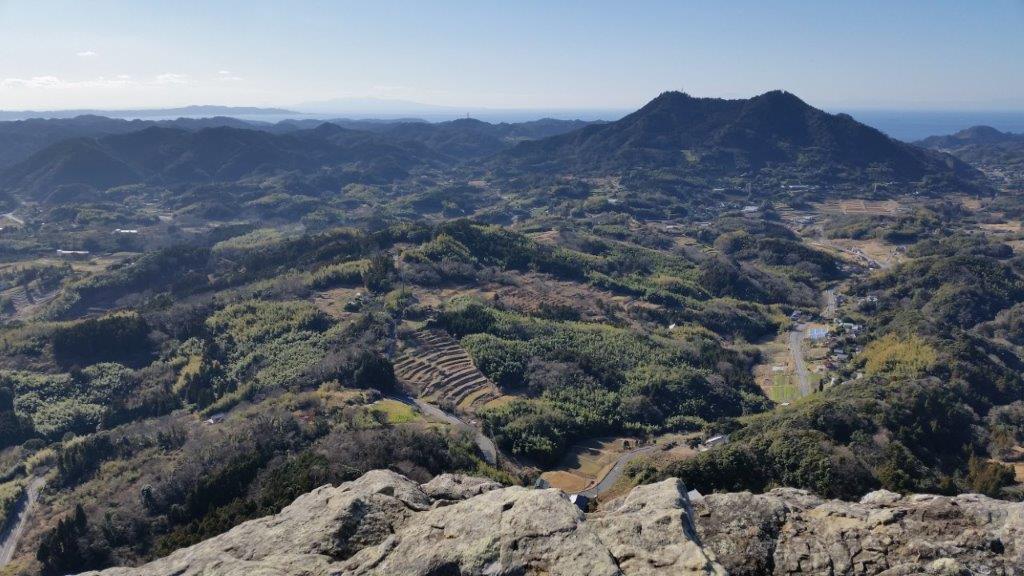
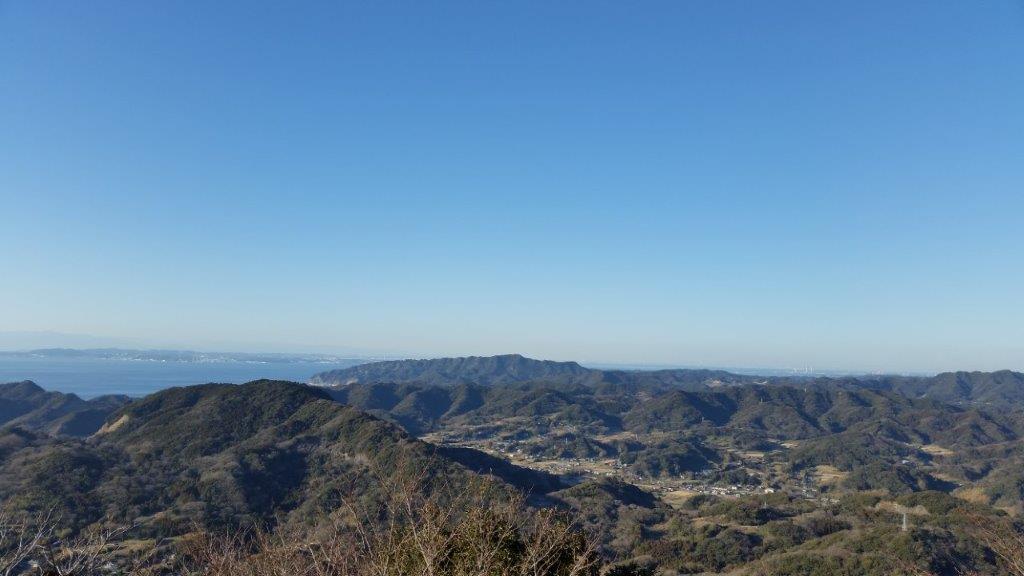
View south of Minami-Boso from the top of the ropeway

View of the Kanaya ferry port

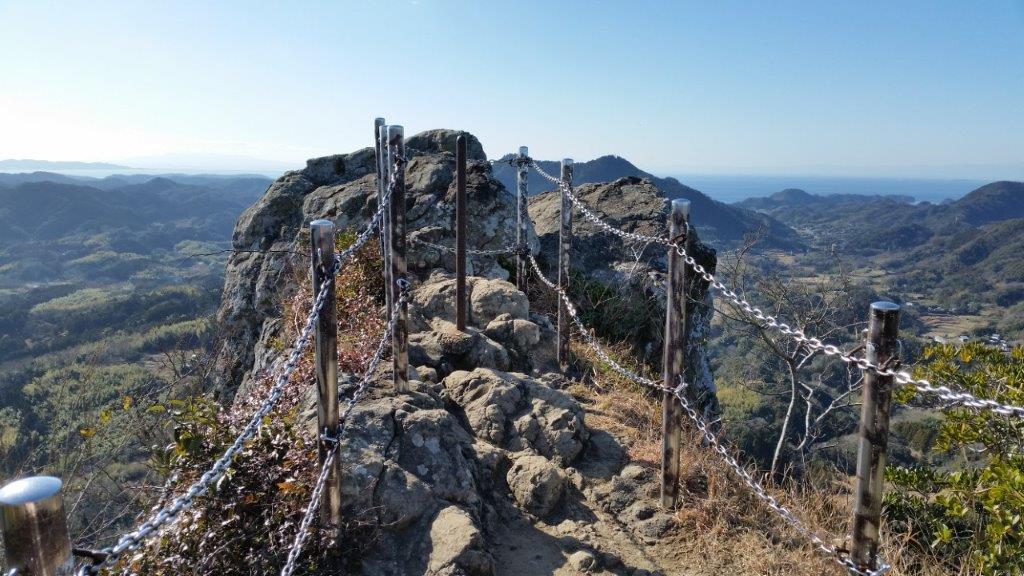
Most visitors prefer to take the Nokogiriyama ropeway up, and then make the roundtrip along the ridgeline to the observatory at Jigoku Nozomi (地獄のぞみ), meaning ” A peak into hell”, a ledge of rock overhanging a cliff. Looking west, one can gaze upon Tokyo bay and Mt Fuji in the distance. Although an entrance fee is required, it also gives access to Nihon-ji temple (日本寺) and the Nihon-ji Daibustu (日本寺大仏), both worthwhile sights on the south side of the mountain.

A peak into hell, the highlight of a visit to Mt Nokogiri

Kannon carved into the cliffside

For those wanting more exercice, it’s possible to walk down to the base of the ropeway on the north side via the Kangetsudai trail (観月台コース), also part of the Kanto Fureai no Michi. On the way, you’ll pass by the impressive Haykushaku-Kannon (百尺観音), carved into the cliffside. For a longer hike, it’s possible to start from Hota station and approach via the Ura-Nokogiri trail (裏鋸コース, the Nokogiri back trail), leading around the back of the mountain and over its highest point. Whichever option you choose, Mt Nokogiri makes a fun and interesting daytrip from Tokyo.

See the views of Mt Nokogiri

Mt Tsukuba (877m), Tsukuba City, Ibaraki Prefecture

Mt Tsukuba was one of the first mountains I climbed in Japan; its also one of the mountains I’ve been up the most. The shrine at its base is about a 40 minute bus ride from Tsukuba station, itself a 45-minute train ride from Akihabara station with the Tsukuba Express. The mountain is best known for the interestingly shaped rocks below the summit area. The view of the Kanto plain from the top is stunning, and on clear days, even Mt Fuji can be seen. A cable car and a ropeway can shorten the hike for those who’s rather just walk up or down. After the hike it’s possible to take a hot both at one of the several Onsen hotels clustered around Tsukuba Shrine.

Hiking in the Suigo-Tsukuba Quasi-National Park

水郷筑波国定公園

Tsukuba-san (筑波山 つくばさん)

Nyoto-san 女体山 (877m) & Nantai-san 男体山 (871)

Japan 100 Famous Mountain 日本百名山

Climbed in December 2006, November 2009, November 2010, February 2013

View North from the top of Mt Tsukuba

Request a Hiking Map for Mt Tsukuba