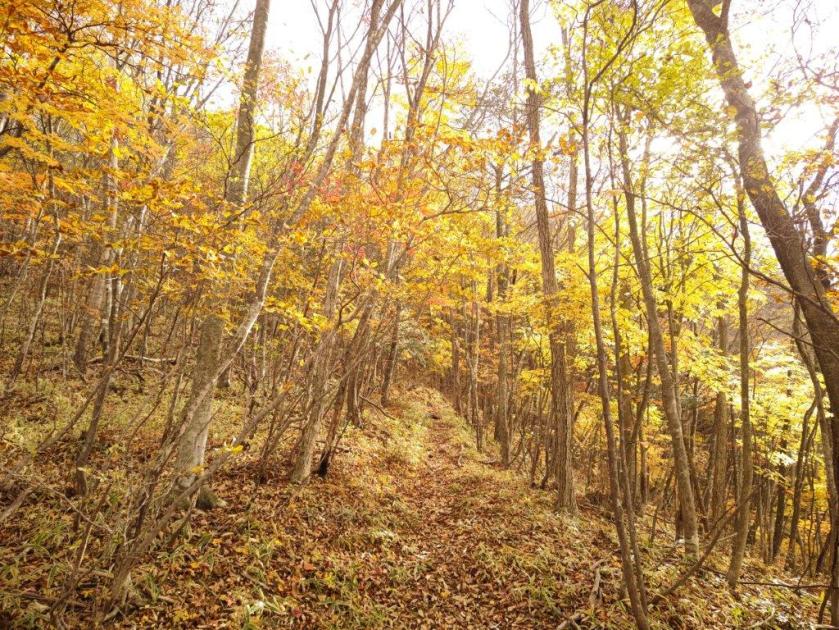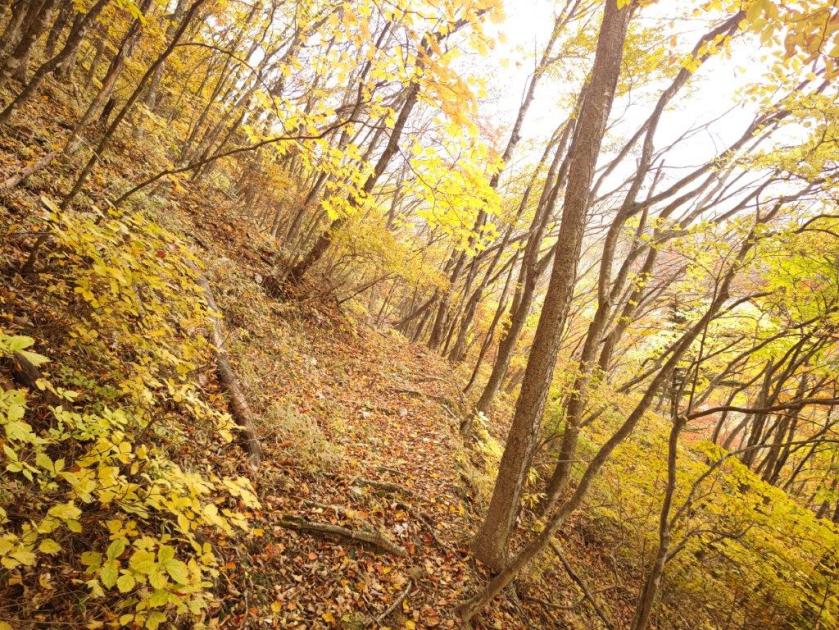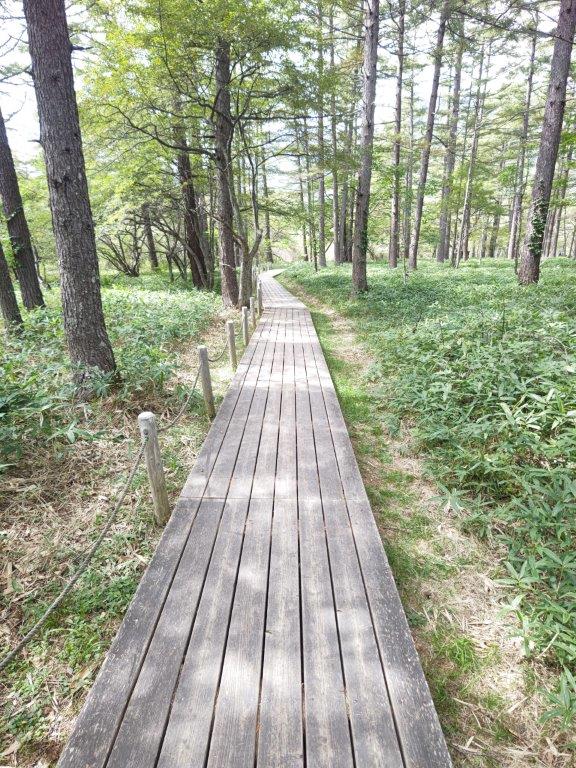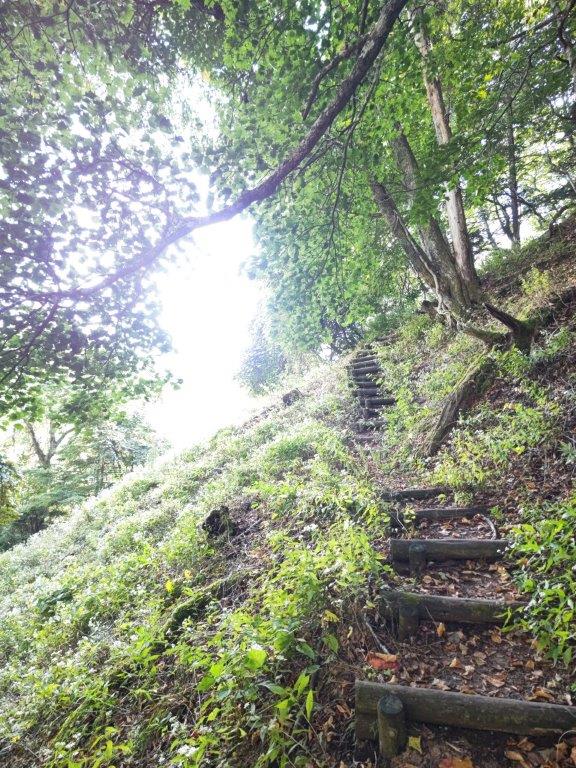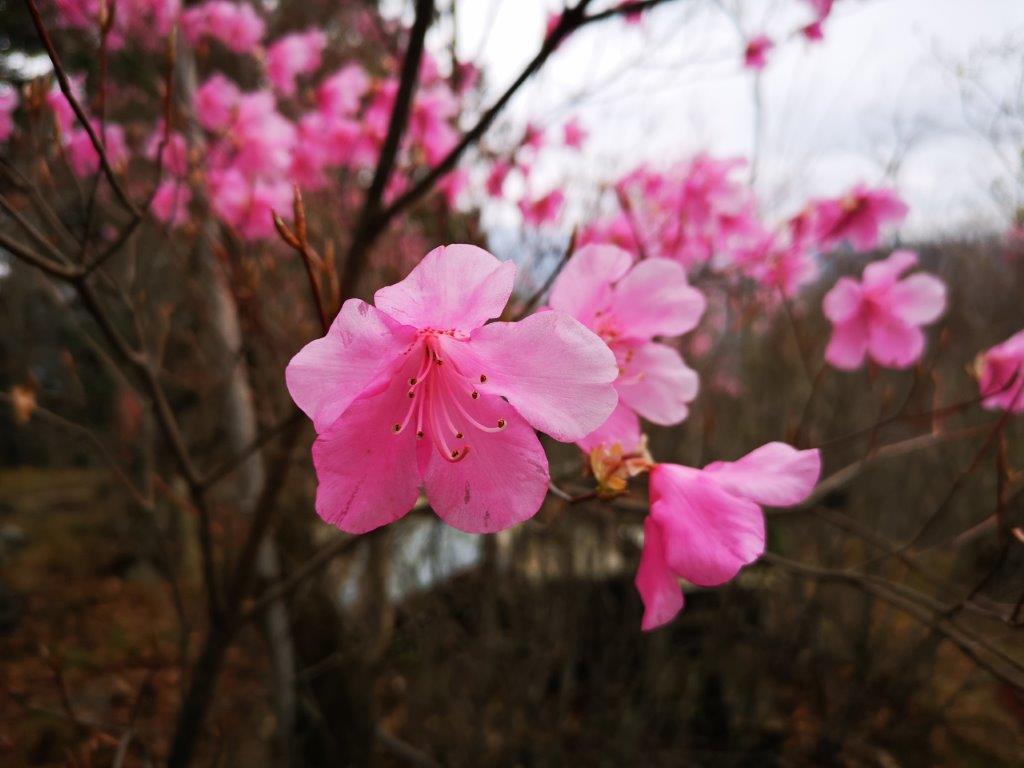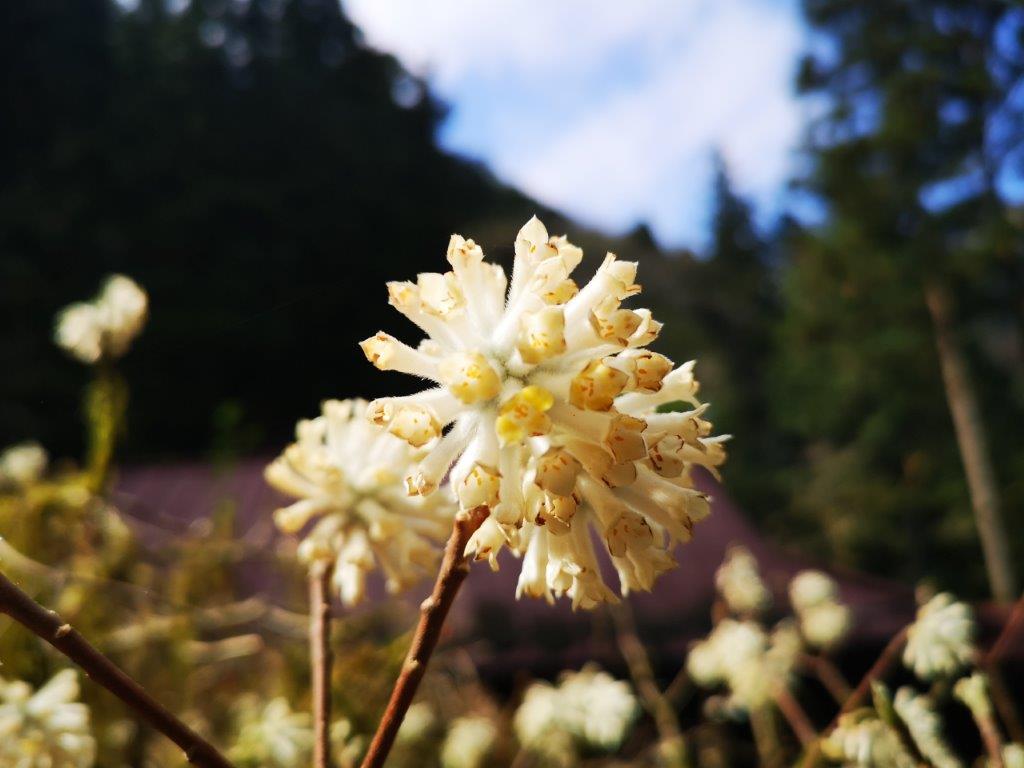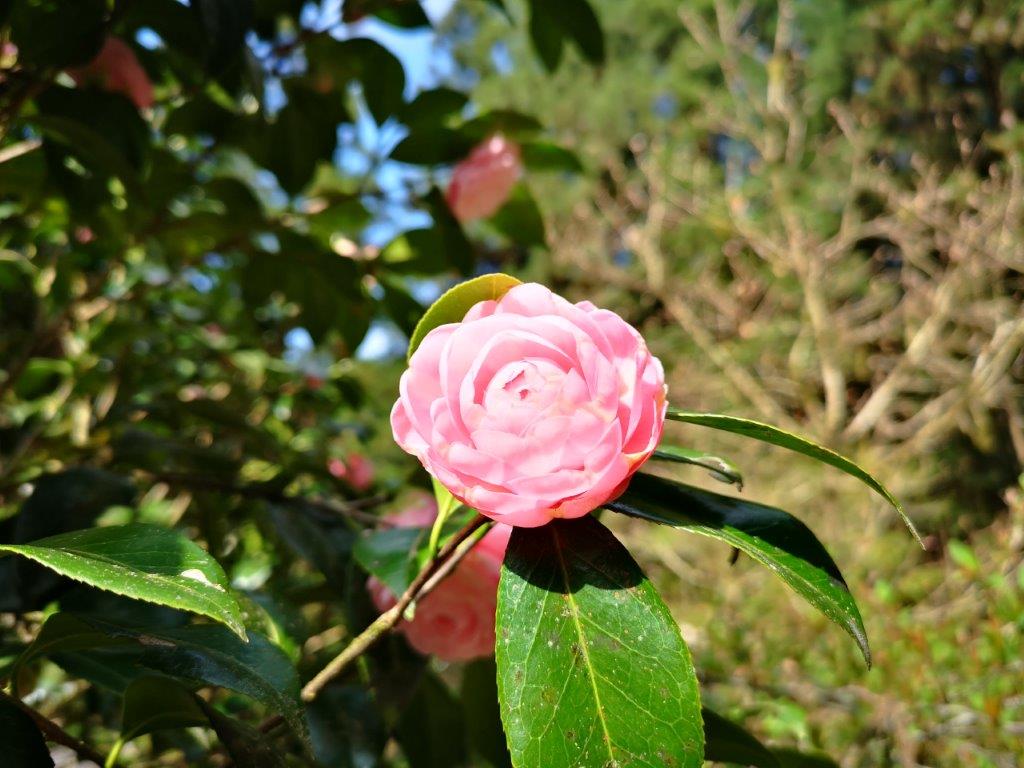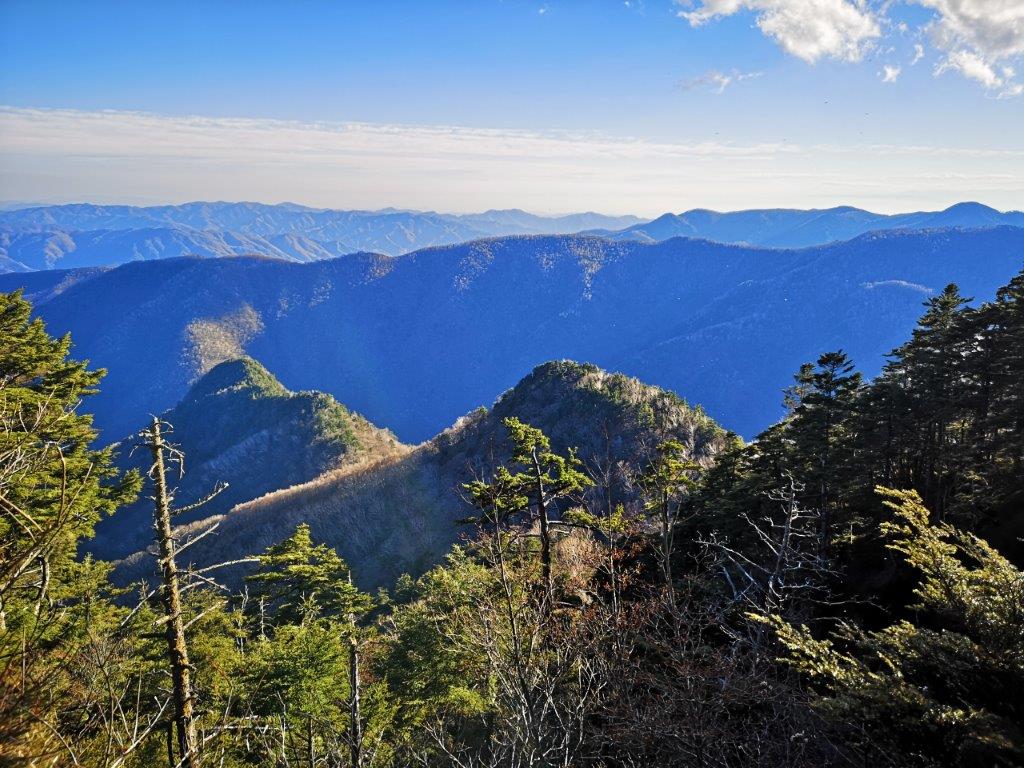
Sakura Pass (268m), Tochigi City, Tochigi Prefecture, Saturday, January 21, 2023

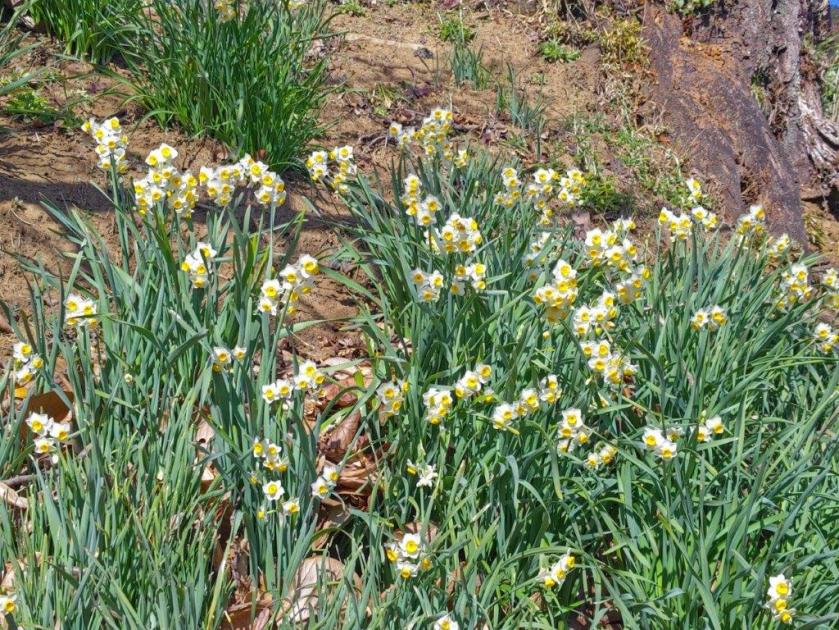
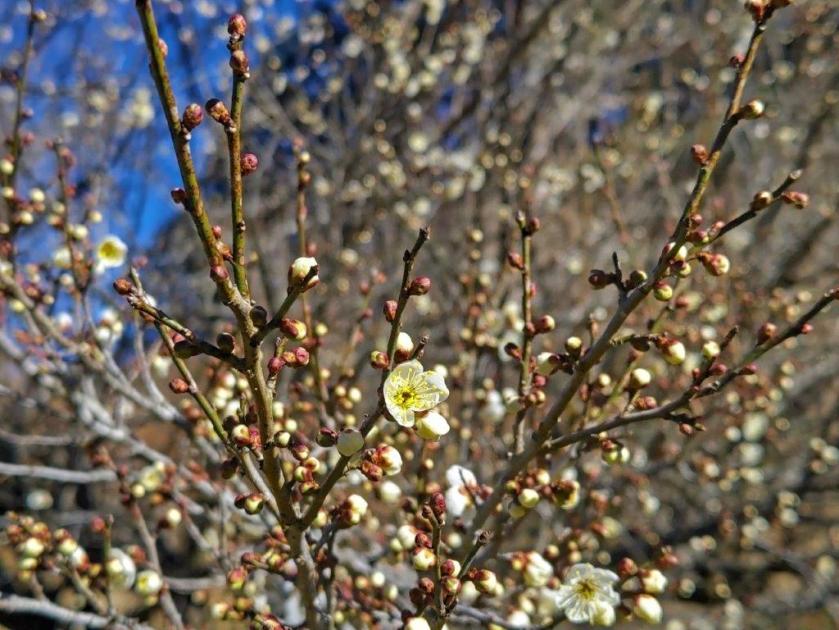
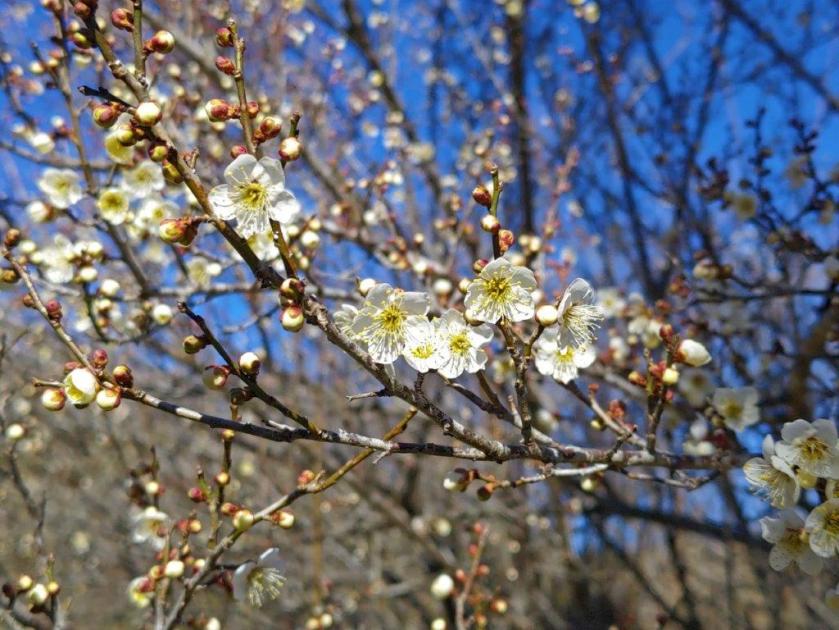
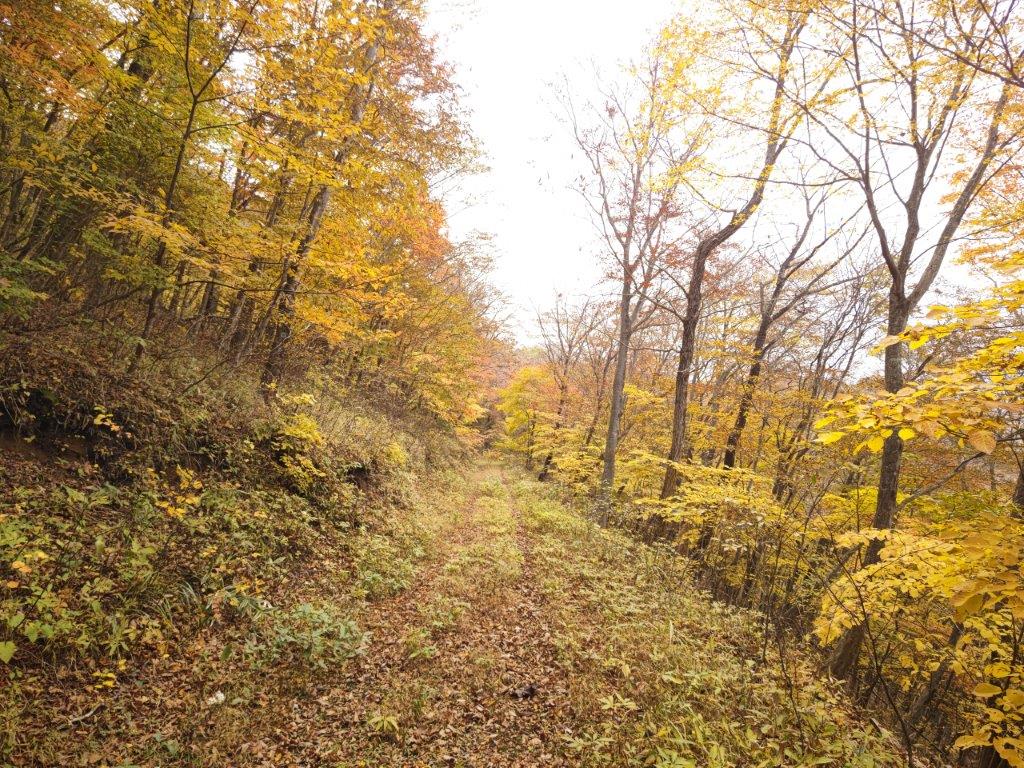
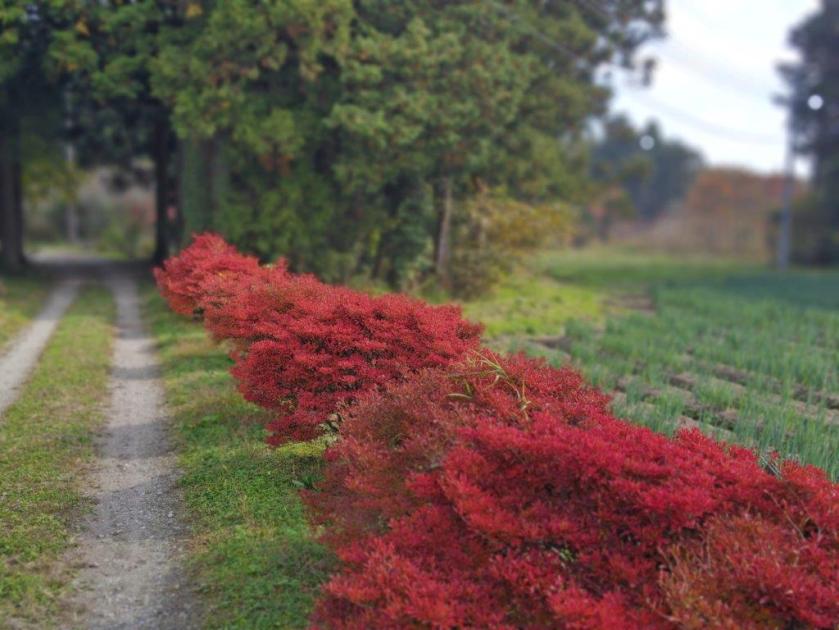
I passed by this spot while hiking Mt Ohira and Mt Teruishi in 2017, and was impressed by its wild beauty at the edge of the Ashio mountains. Since it’s also the intersection with the Fureai no Michi, I felt sure I would return one day. The trail had been damaged during the powerful typhoons of 2019, but was now open again. I had done the previous section of the Fureai no Michi, while hiking Mt Karasawa and Mt Suwa in 2018, so I decided to take a bus from Iwafune station on the Ryomo line, to a stop close to Murahi Shrine, at the end of that hike. From there, I planned to walk to Tochigi station, 15 km away. I was looking forward to revisiting the area after several years via a new route, and hoping to see some plum blossoms and other winter flowers along the way.

Hiking the Fureai no Michi ふれあいの道

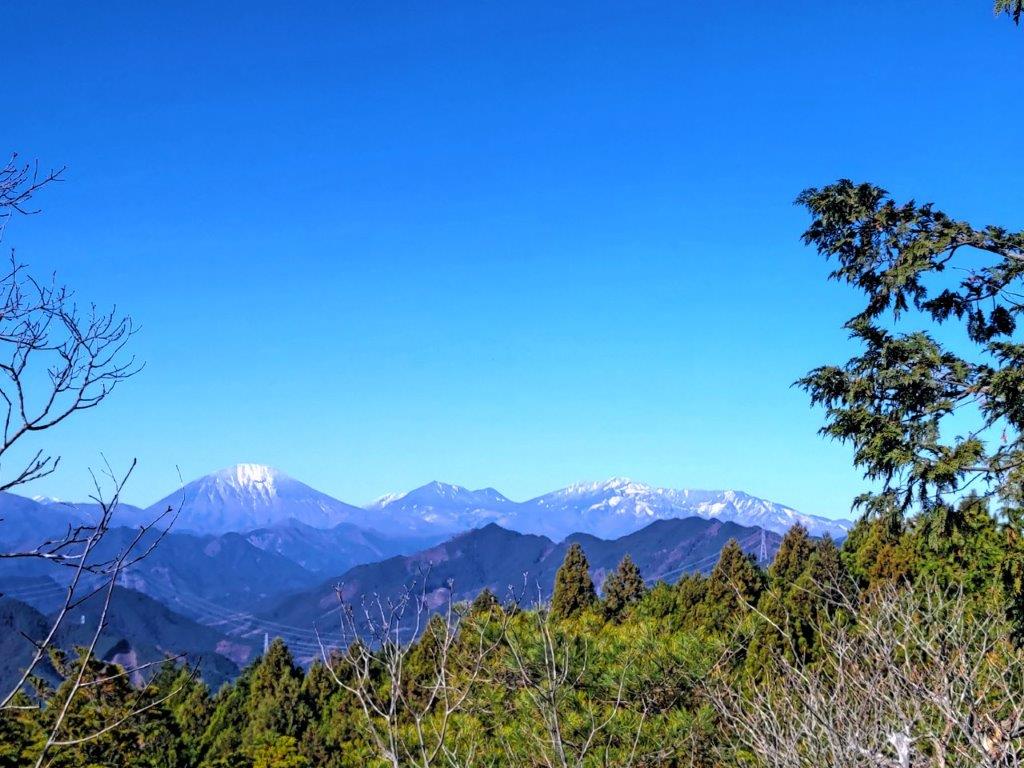
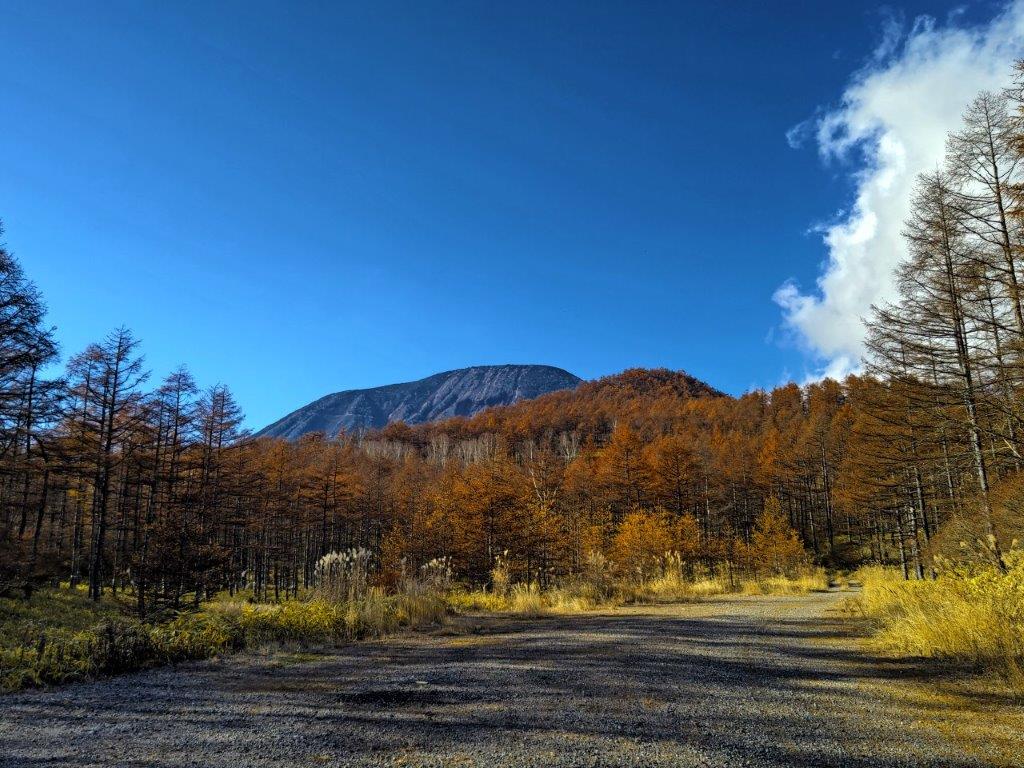
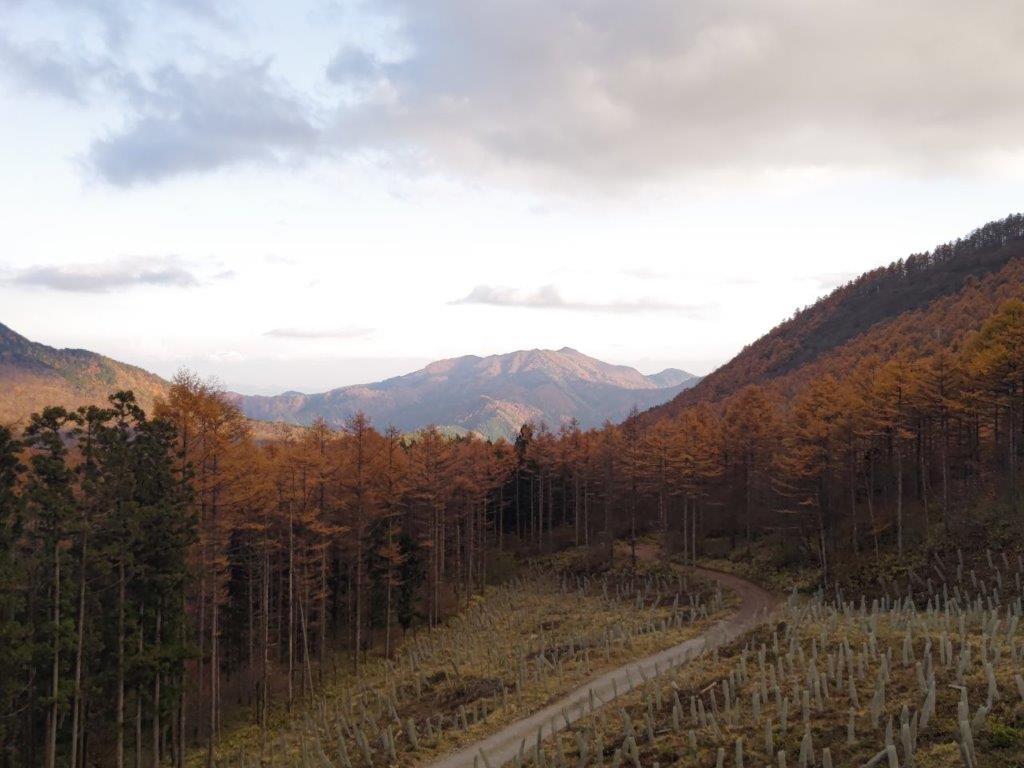
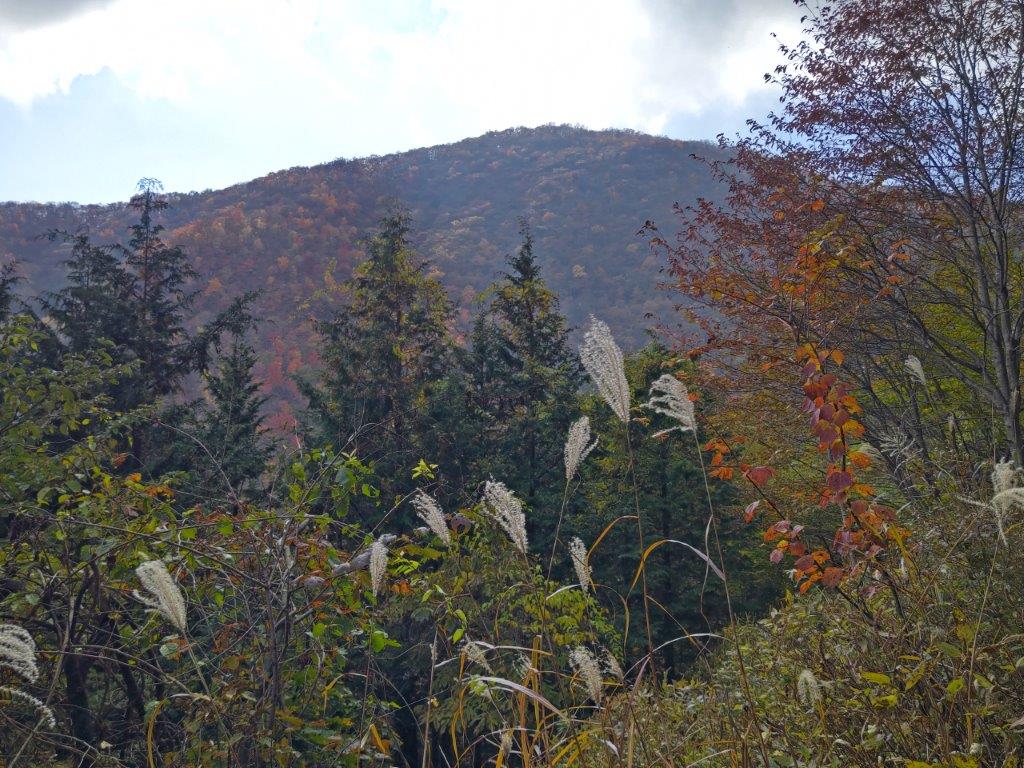
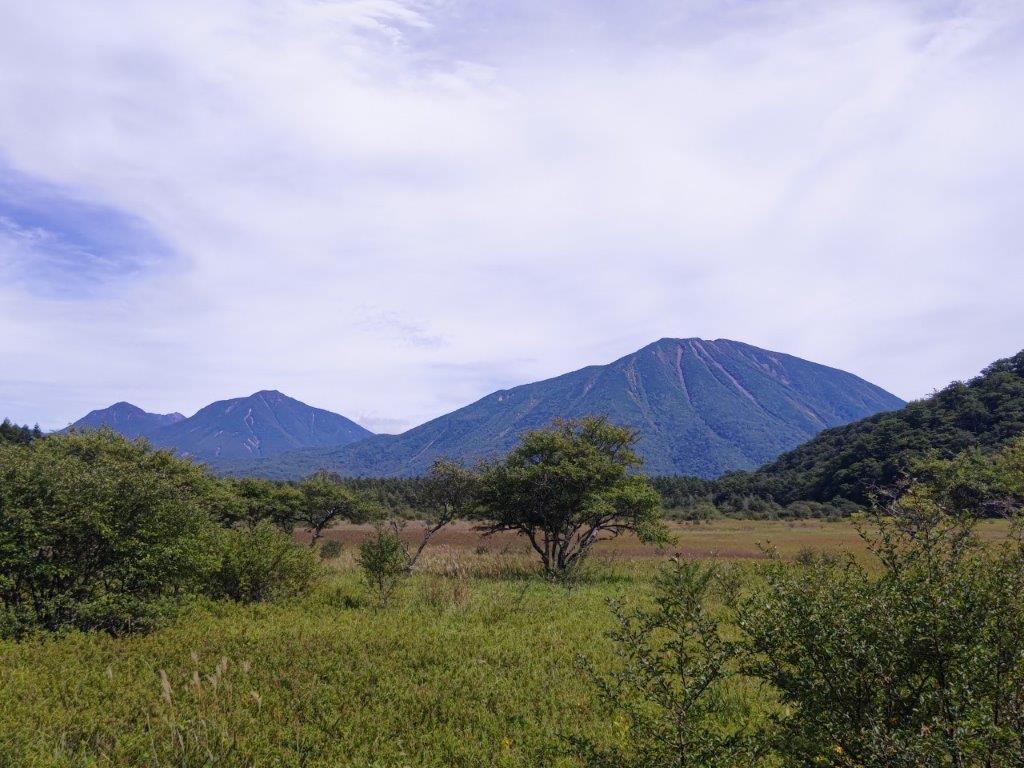
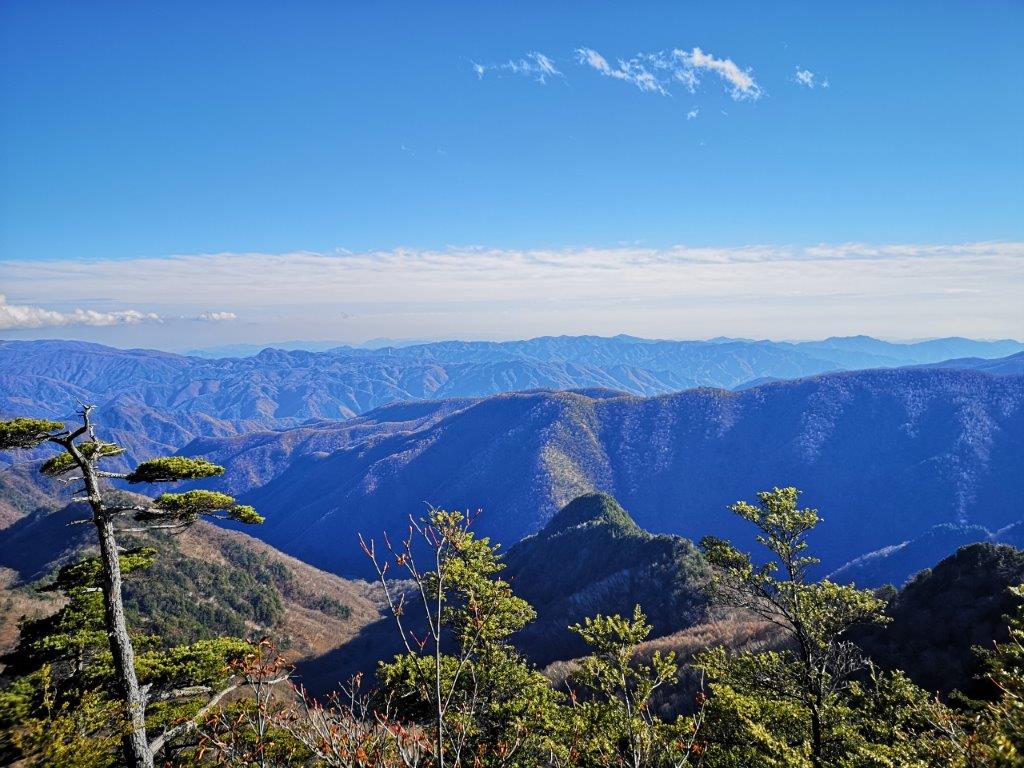
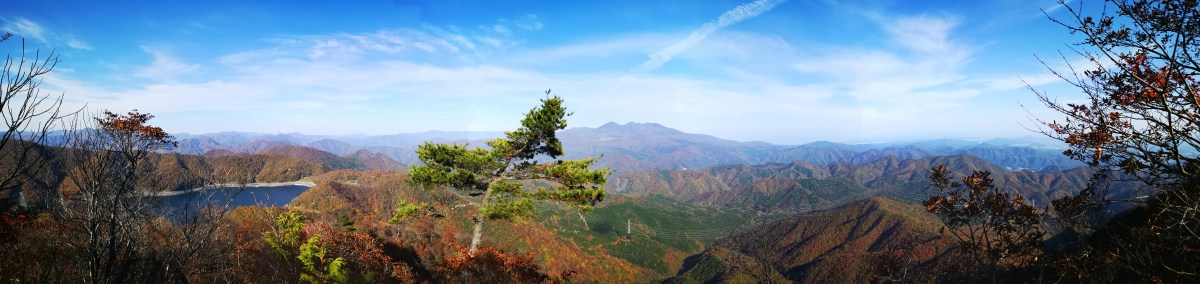
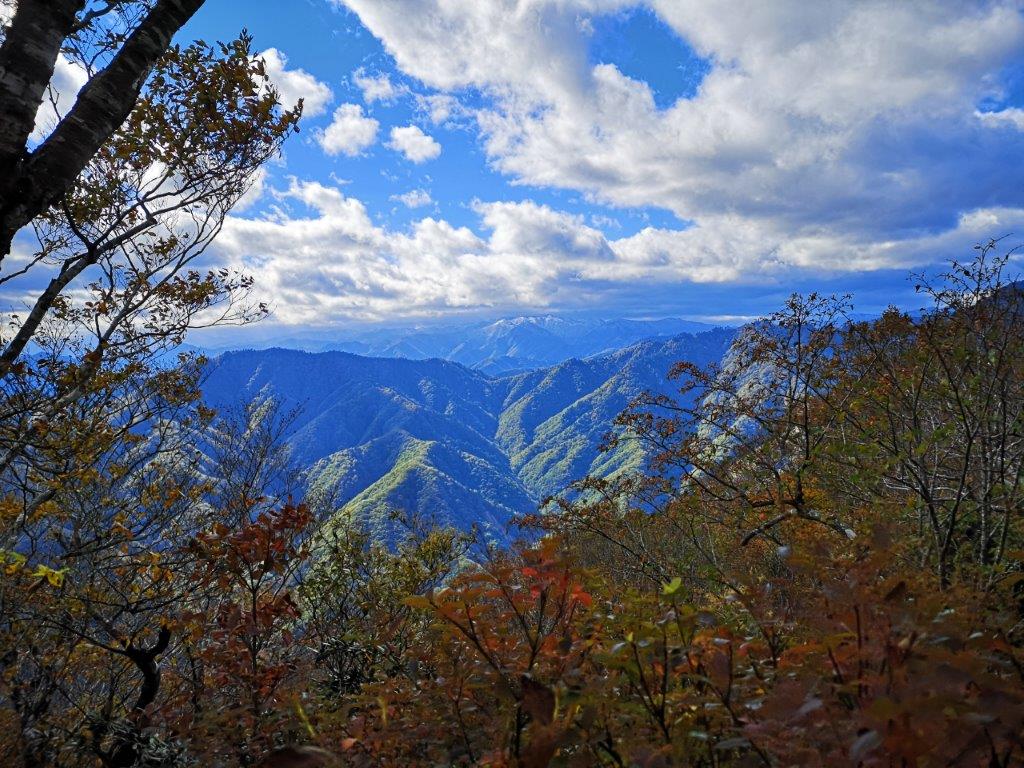
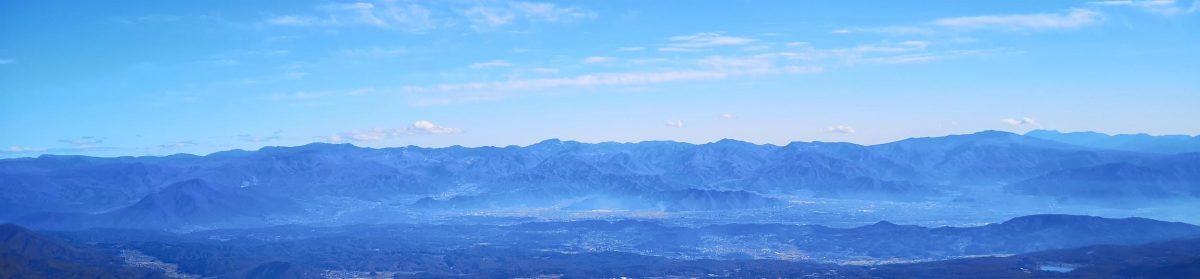
View of the mountains of Tochigi and Gunma from Sakura Pass

The weather was sunny but very cold at 9am, as I waited for the minibus outside Iwafune station. It took nearly an hour to reach a bus stop in the middle of the fields, from where I walked up a road running through a golf course, eventually merging with the Fureai no Michi. At 10h30, I reached the top of a hill and continued along the road down the other side, reaching the head of a valley soon after.

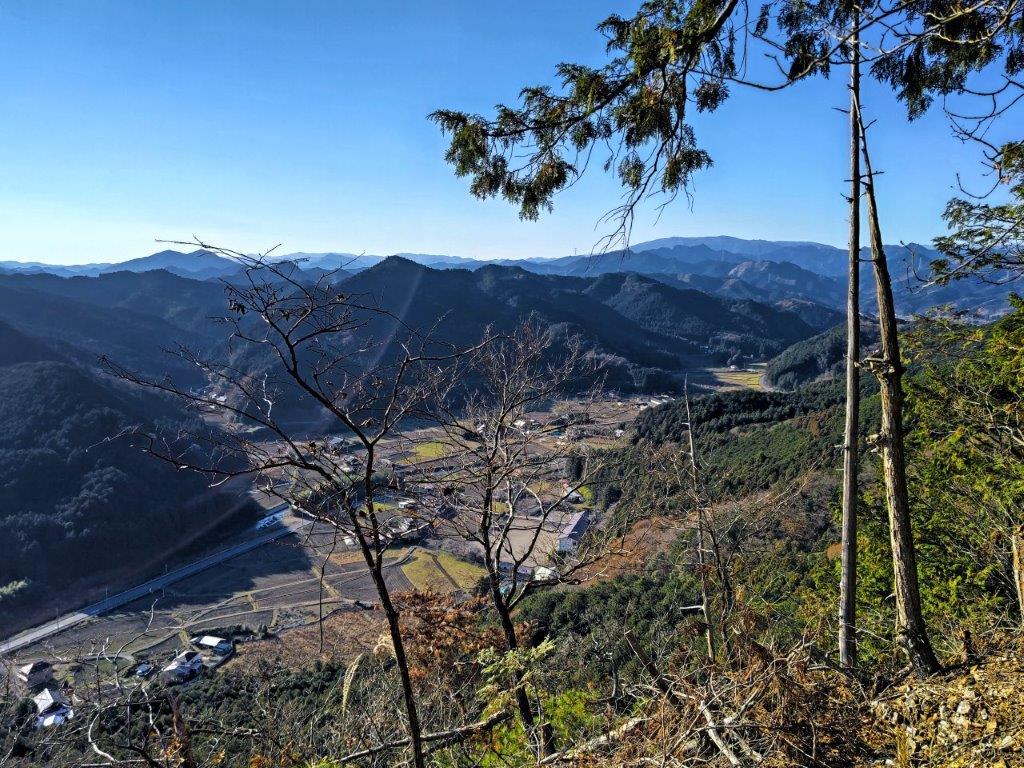
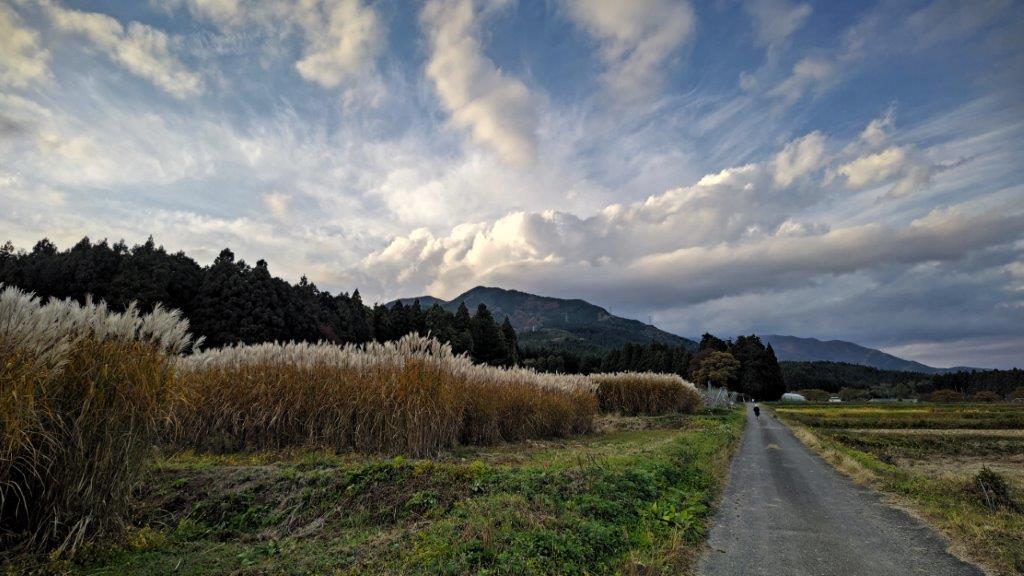
Start of the valley leading to Sakura Pass

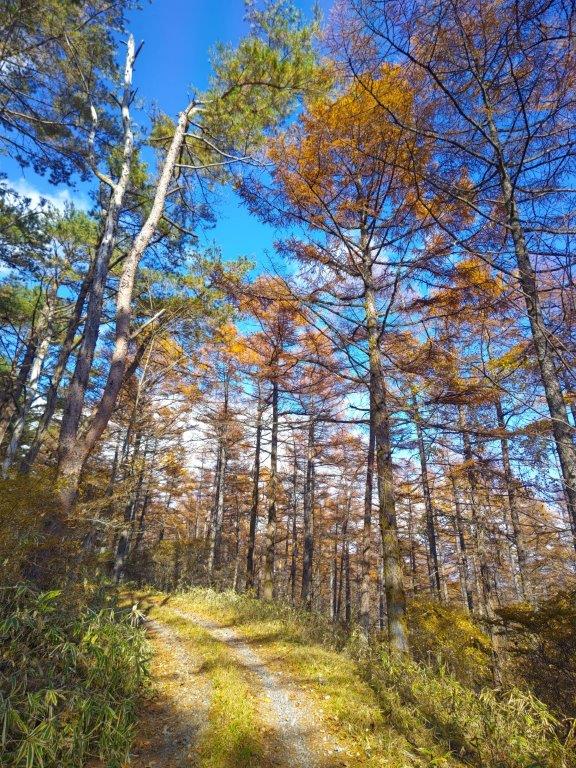
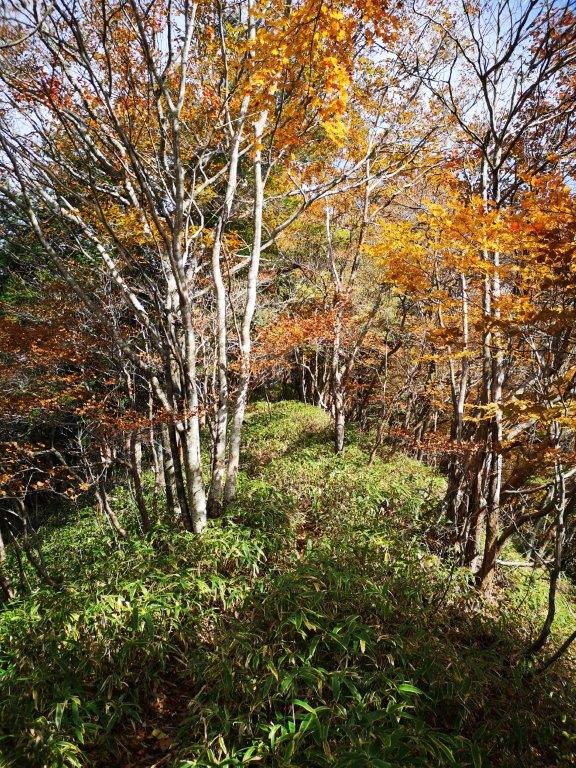
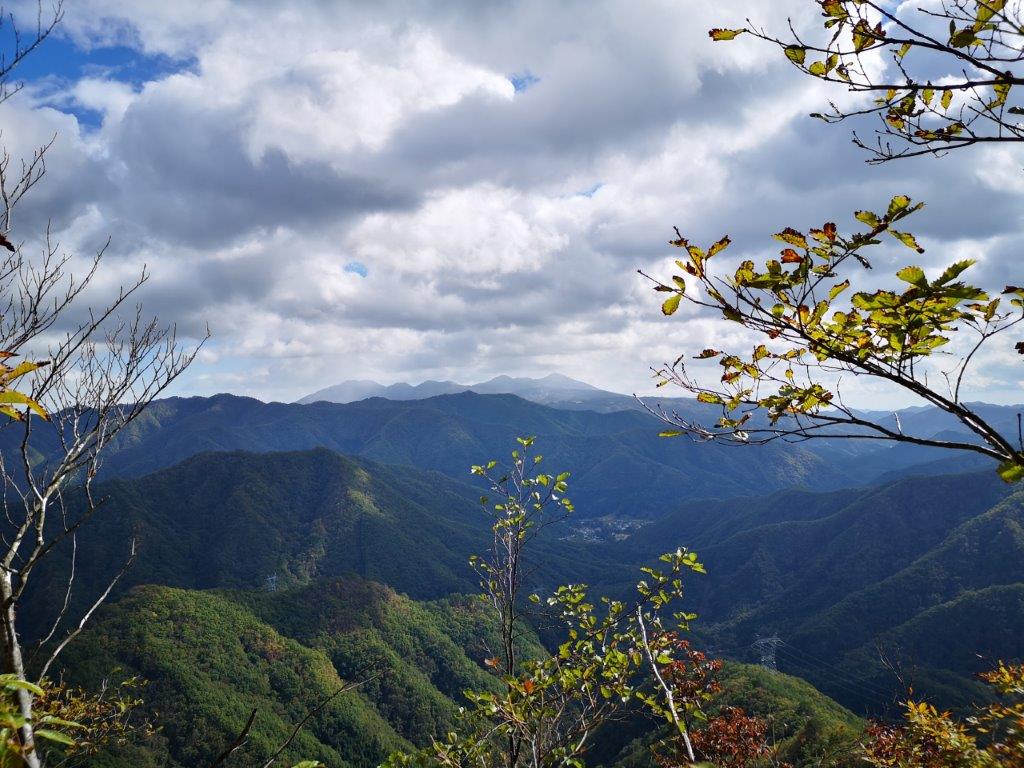
I was delighted by the surrounding bucolic landscape, and tried to imagine what it would look like in spring. A little after 11am, after passing some early plum blossoms, I reached a trail near a series of small lakes. First, it rose gradually through the cedars, then more steeply up some wooden log steps through the bamboo grass, before arriving at the intersection at Sakura Pass (桜峠 さくらとうげ sakura-toge). Turning around, I could see Mt Suwa in the foreground, with Mt Akagi rising behind, its highest peaks covered in snow.

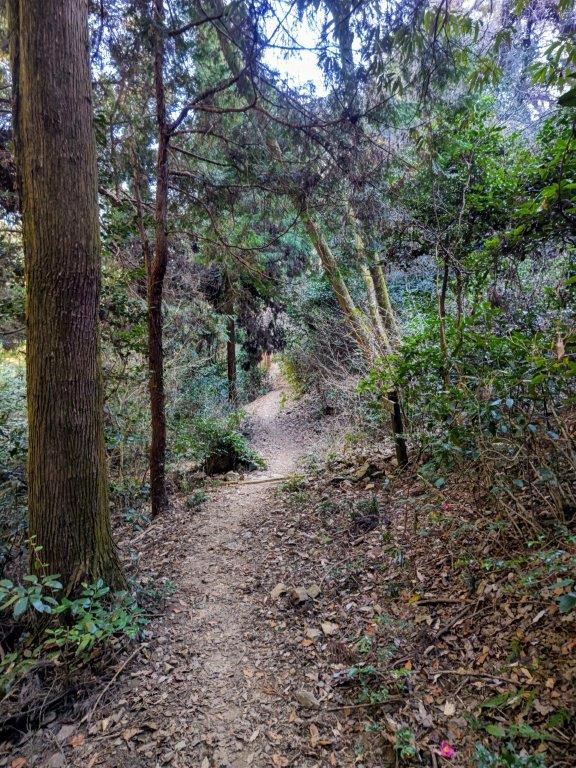
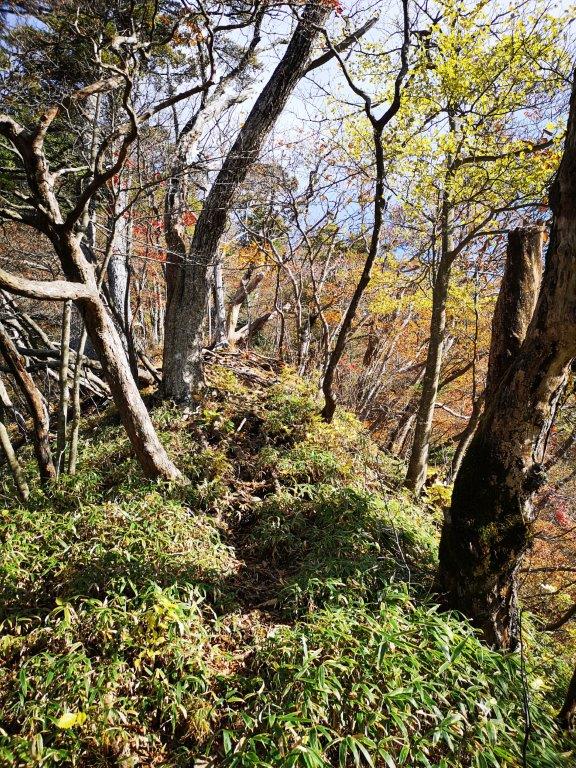
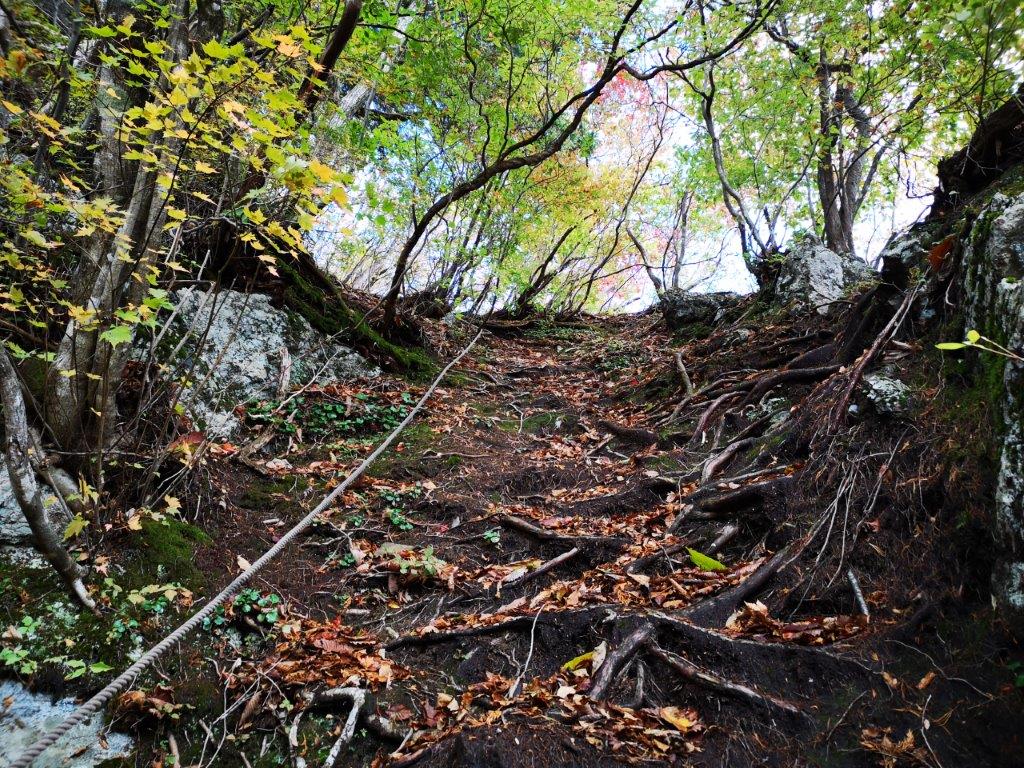
Climbing towards the pass (left) Descending from the pass (right)

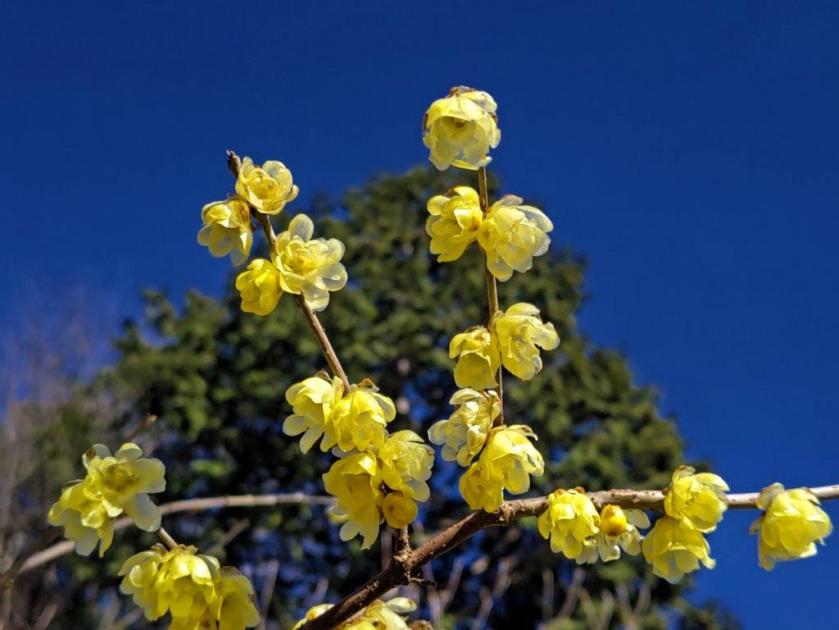
I followed a pleasant path through the woods down the other side of the pass, arriving at Seisuiji Temple just before 1230, its many suisen (daffodils) and robai (Japanese Allspice) swaying in the wind that had started to blow; to the right, the Kanto plain stretched southwards. The next section was mostly level, through the forest at the base of Mt Teruishi. A little after 1pm, I reached Daichuji Temple, towering cedar trees lining the approach to the main building.
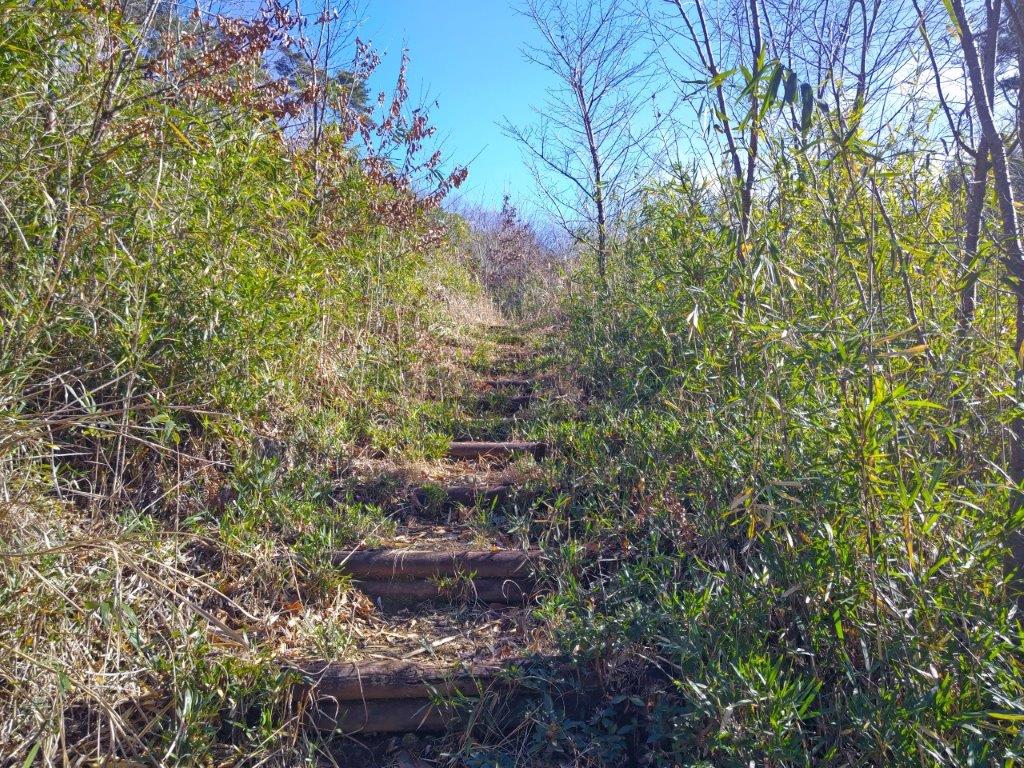
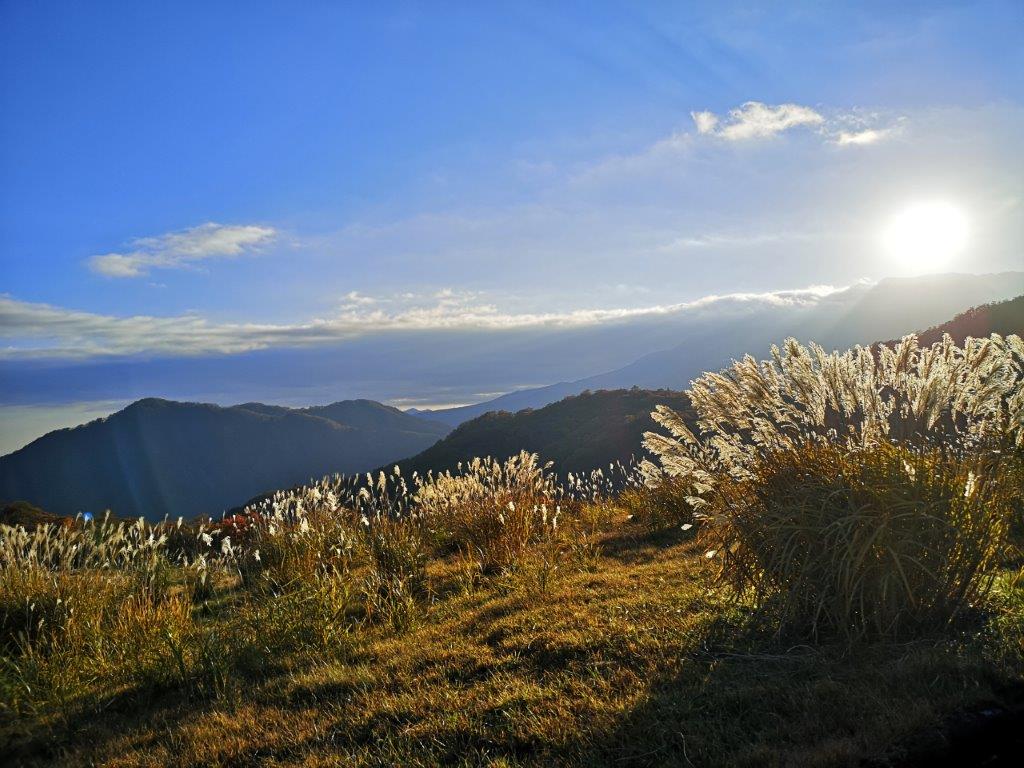
Final steps before reaching Sakura Pass
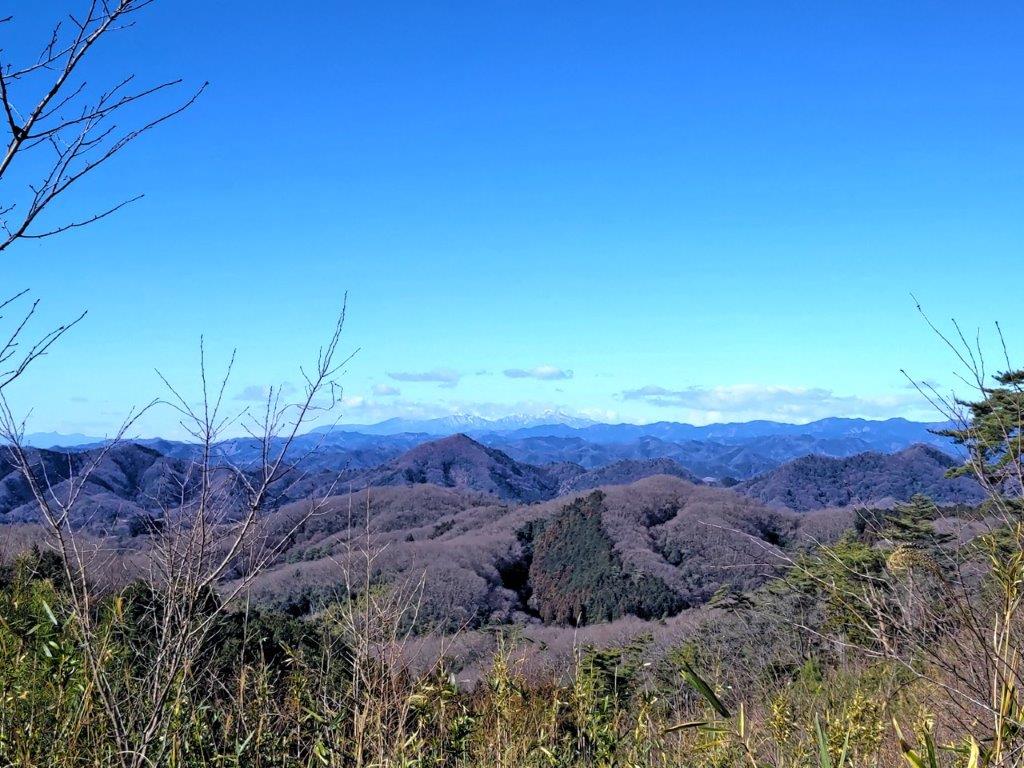
Snow on Mt Akagi in the background

I now headed up a steep, rocky path near the back of the temple, a shortcut, as the Fureai no Michi made a loop via Ohirashita station. Half an hour later, I reached Ohirasan Shrine. I had been here before when I climbed Mt Ohira, so I soon moved on. A little further, I arrived at another part of the shrine I hadn’t been to before, from where I had a view of Mt Kogashi, Mt Takahara and Tochigi city on the east side.
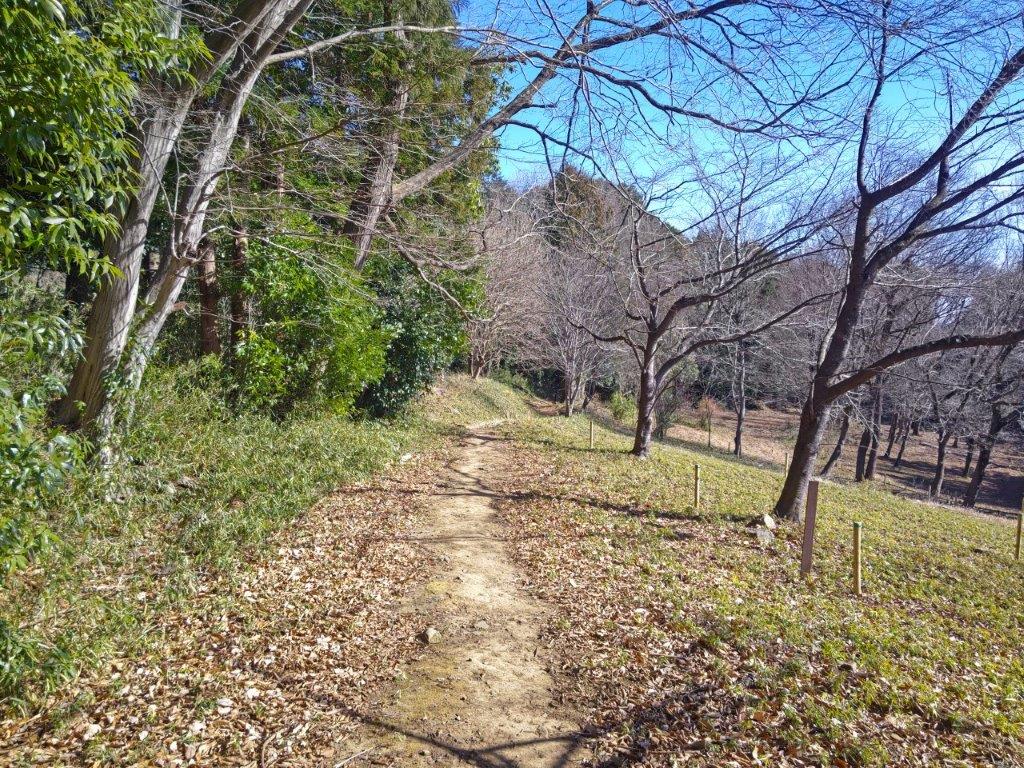
Level trail between Seisuiji and Daichuji Temples
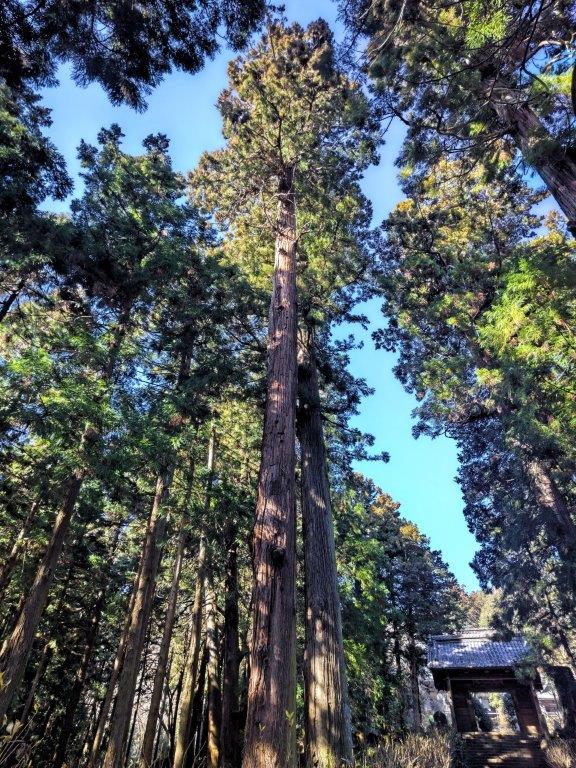
Towering cedars at Daichuji Temple

I was once again walking on a quiet path, back on the Fureai no Michi, heading down the forested mountain side. A little before 3pm, I reached the western edge of Tochigi city. I noticed a soba shop along the way and decided to check it out since it was still early. I was glad I did, since it had a terrace so I could enjoy my meal, a generous serving of soba noodle and a giant, crunchy Kakiage, with a view of Mt Tsubasa and the Ogodo Alps in the east.

Looking through the gate into the main compound of Daichuji Temple
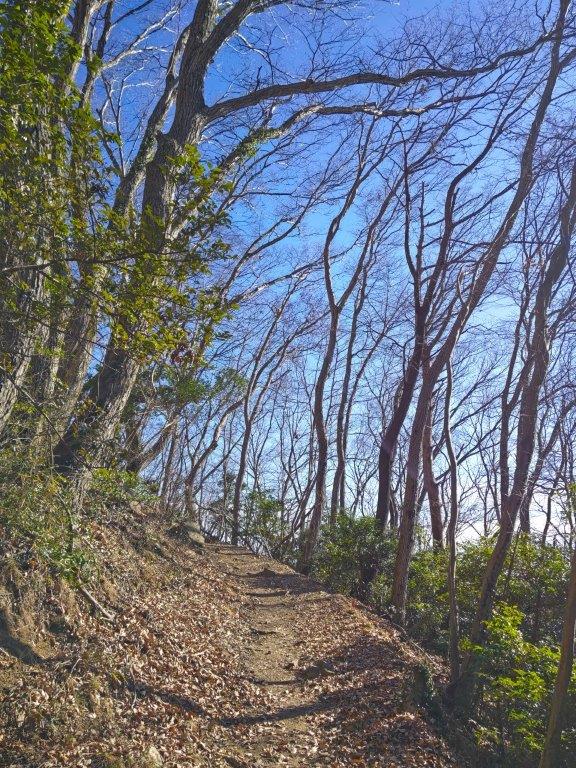
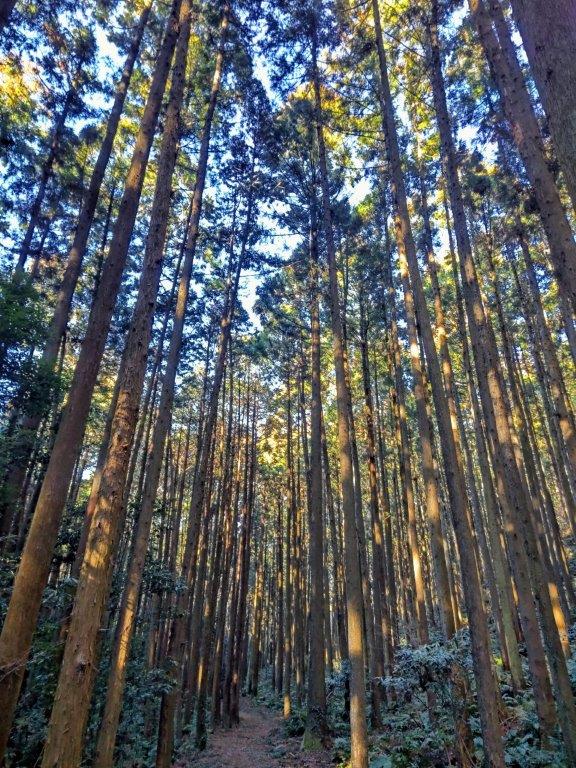
Walking up to Ohira-jinja (left) Walking down from Ohira-jinja (right)

I was also lucky to see a picture taken by the owner just this morning of the sun rising directly behind the highest point, that happens just once a year (“Diamond Tsubasa”). At 4pm, I set off again and after crossing Nagano river, reached Kinchaku Park, also known as Mt Kinchaku (80m). From the top, I had a view of Mt Nantai and Mt Nyoho on the north side, Mt Tsubasa on the east side, and Mt Ohira, against the setting sun, on the south side.
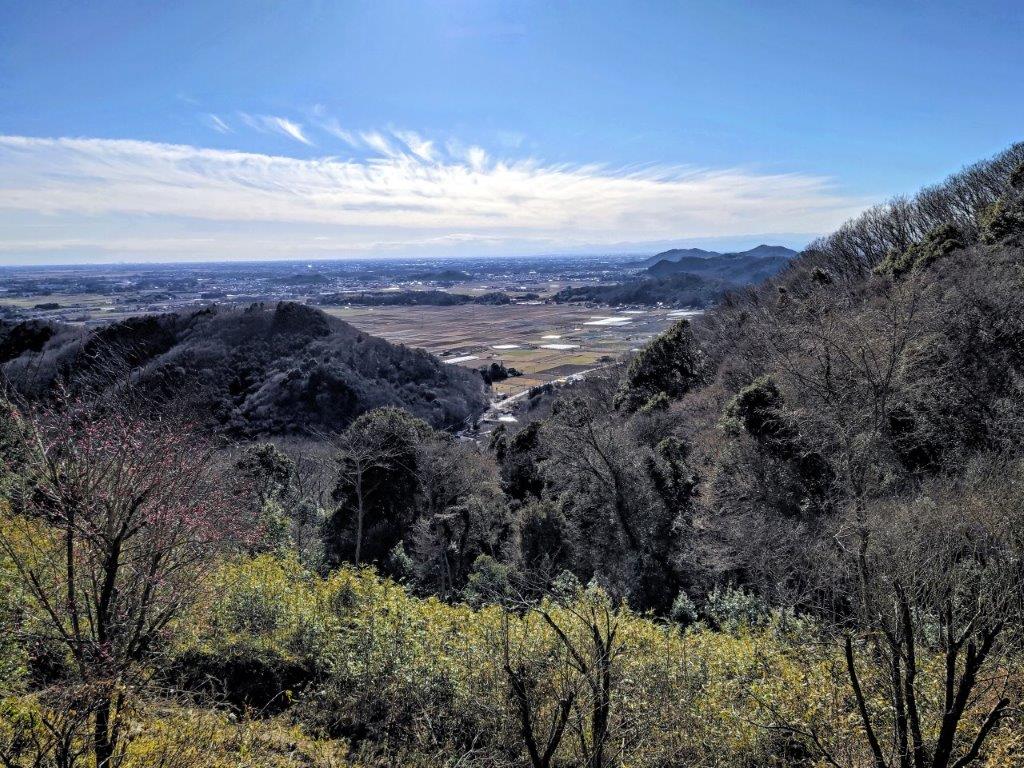
View of the Kanto plain from Ohira-jinja Shrine
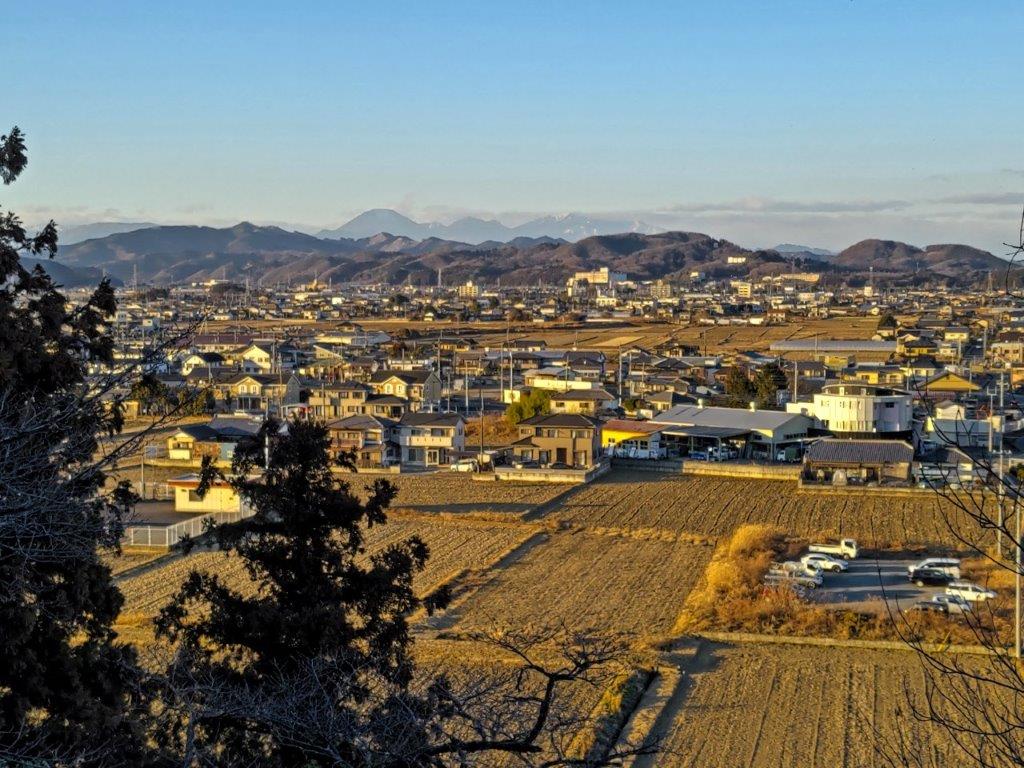
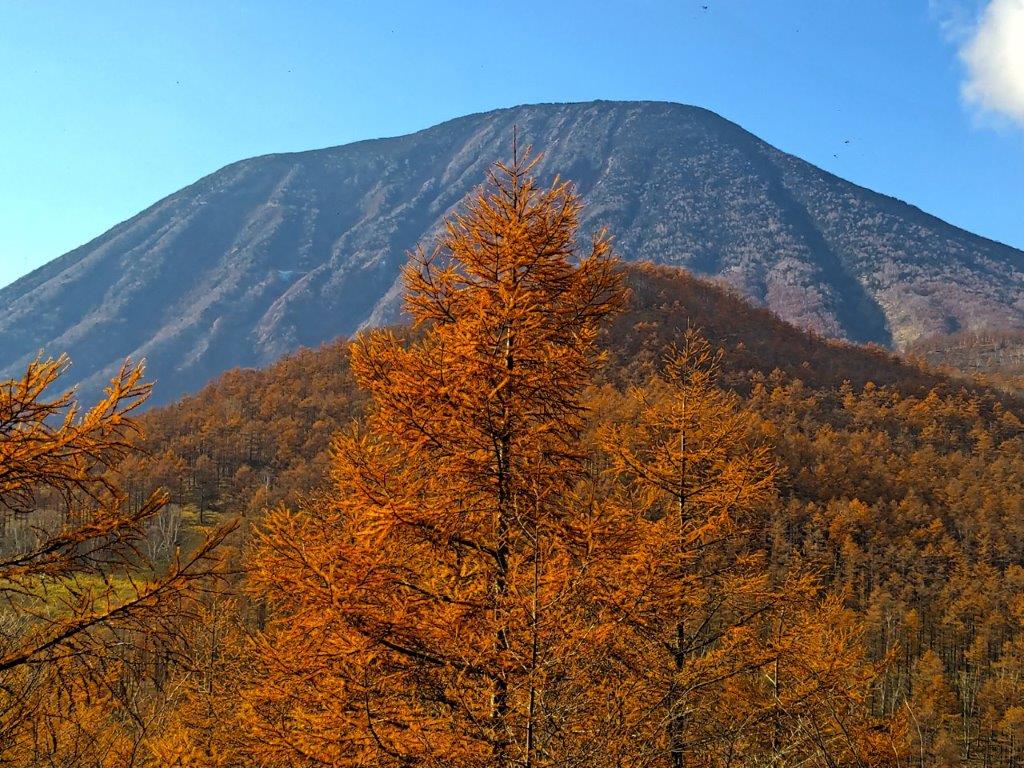
View of Mt Nantai from Mt Kinchaku

The sky was lit up in orange when I finally reached Tochigi station around 5pm. There, I boarded a Tobu limited express for the one hour ride back to Tokyo. With a total time of 7 hours, this was one the longest hikes I had done in a while, although it was mostly level, with two relatively short climbs. This was one of the better sections of the Fureai no Michi, as roughly half was along hiking trails, with several viewpoints and interesting shrines and temples along the way.

See the video of the Sakura Pass hike
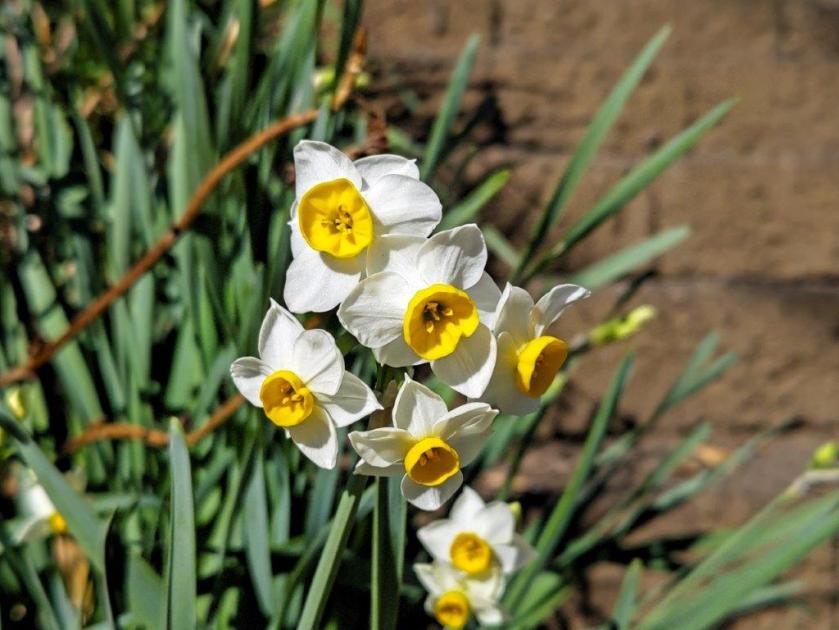
See a slideshow of more pictures of the Sakura Pass hike

Mt Futamata (570m), Kanuma City, Tochigi Prefecture, Saturday, December 10, 2022 [Map Available]

I found this hike in my mountains of Tochigi guidebook. Although easily accessible by bus from Kanuma station, I hadn’t done it before since it was only 3 hours long. However, I had a vacation coming up in the next few days and since I didn’t want to do anything too strenuous, I decided to give it a try. I planned to follow the route in my guidebook, traversing the mountain from east to west. I had done several hikes from Kanuma before, so I was familiar with the area. The weather forecast was typical for December around the Tokyo area: blue skies and mild temperatures.

Get a Map of the Mt Futamata Hike

This map was developed for Japanwilds with the Hokkaido Cartographer

Find more Japan Hiking Maps on Avenza

View eastwards from near the north summit

It was a sunny winter day as I rode the Nikko limited express to Kanuma station, where I boarded a bus for the short ride to the base of today’s mountain. While walking to the parking near the trailhead, I passed a nice-looking cafe called Chiki, still closed at this time, and an unattended jam stand; I couldn’t resist buying a small pot of blueberry jam, made with locally picked berries, inserting the money into a small box attached to the stand.

View southwards from near the north summit

View of the Oku-Nikko mountains from the south summit

A little after 10am, I started up the trail, following a stream, and soon turned right up the Shimozawa trail (下沢コース). A steep switchback path through the forest led to the ruins of Shimozawa castle (下沢城跡 368m) where I had view north of the other side of the valley through a gap in the trees. The path then descended for a while to Fudo rock (不動岩) before heading up again. Around 11h30, I arrived at an area clear of trees around a small white building that served as a TV antenna.

View of Yokone highland from the south summit

The rocky summit of Mt Kogashi from the south summit

Looking south-east, I could see summit of Mt Tsukuba, poking through the haze on other side of the Kanto plain. A short distance away was the north summit (北峰 kita-mine) of Mt Futamata (二股山 ふたまたやま futamata-yama), a Tochigi 100-famous mountain, from where I had a great view of Mt Kogashi, directly to the east. The path dived down a steep ridge, so I decided to backtrack a few meters, and take a detour path on the west side., soon rejoining the main trail at a saddle between the two summits.

Viewpoint of the Ashio mountains from below the south summit

A newly created trail along the southern ridge

I turned right, up a steep rocky path, and a little after noon, arrived at the south summit (南峰 minami-mine) of Mt Futamata. To the north, I could see the snow-capped peaks of Oku-Nikko: Mt Nantai, Mt Taro and Mt Nyoho; on the west side was Yokone Highland (横根高原). I continued along the trail, heading downhill for a short while till I reached another viewpoint. From here, I could see the Kanto plain spreading to the south, and the Ashio mountains extending westwards.

View through the trees from the new ridge trail

There were several viewpoints on the west side

After a short break, I retraced my steps back to the North summit and followed a trail on the west side. I had planned to descend via the Shimokuga trail (下久我コース) but it was no longer in use. Instead, I followed signs for a new trail leading to Kazono (加園), created in June 2022, and simply called the “Ridge” trail (尾根コース one-kosu). The path was faint, but thanks to the frequent signposts, and my phone GPS, I was able to follow it without hesitation, along the narrow, southern ridgeline.

A quiet view spot above the Arai river valley

Traditional house at the end of the trail

I was pleased to have stumbled onto a longer hike, adding about 2 hours to the original time; I was the only one on the trail, enjoying the sun through the bare trees, and the occasional views on the west side. Around 2h30, the path turned left, descending in zig zag under towering cedars. Soon after, I was walking along the bottom of a quiet valley, the surrounding forest bathed in the late afternoon sun. A little before 3pm, I arrived at a road, a couple of kilometers south of my original route. After a short wait, I caught a bus back to Kanuma station, where I boarded the Tobu Revaty limited express for the comfortable ride back to Tokyo.

See the views along the Mt Futamata hike

Mt Tanze (1398m), Nikko City, Tochigi Prefecture, Saturday, November 12, 2022 [Map Available]

Hiking in the Nikko National Park 日光国立公園

I chose a beautiful sunny autumn day for this hike from my mountains of Tochigi guidebook. I had been keeping it for the autumn, since it was mostly along a forest road and required dry conditions. I used the Nikko limited express to get to Tobu-Nikko directly from Ikebukuro.

Get a Map of the Mt Tanze Hike

This map was developed for Japanwilds with the Hokkaido Cartographer

Find more Japan Hiking Maps on Avenza

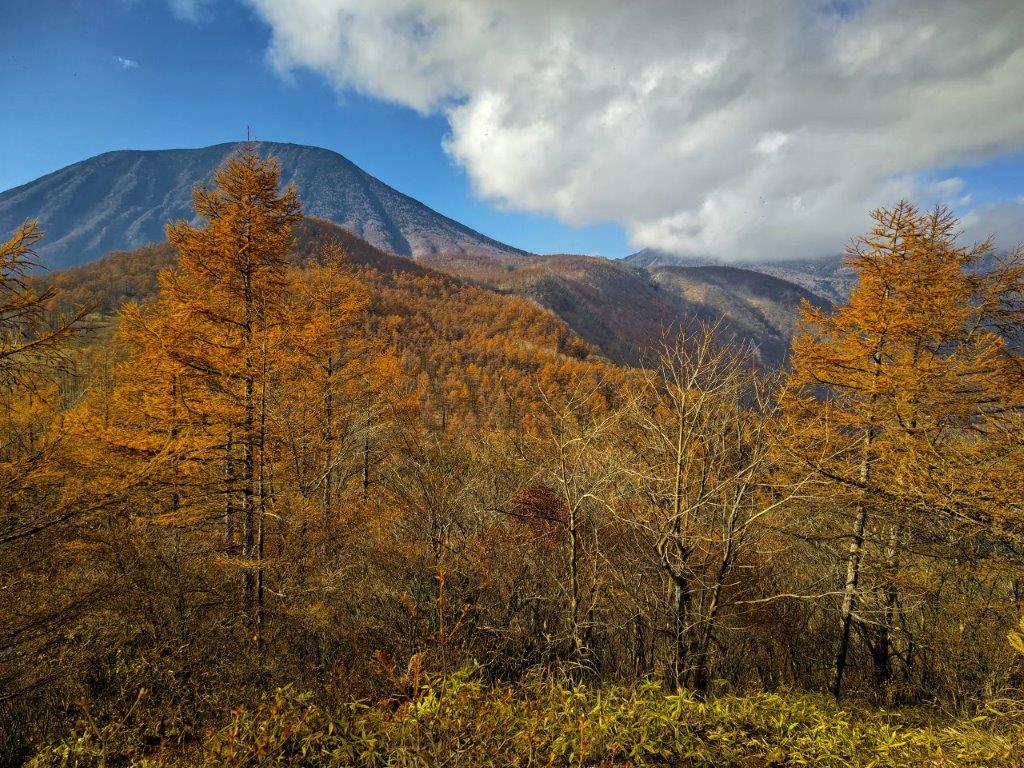
Mt Nantai, a 100 famous mountain of Japan

Road walking, enhanced by the autumn colours

A short bus ride from Nikko station brought me to the trail entrance, ten minutes past the Toshogu shrine. I followed a forest road up the mountain side via a series of zigzags, spotting several “kamoshika“, or Japanese Serow, along the way. It took about an hour an a half to reach “numa no daira” (沼の平) in the midst of the orange larches.

Resplendent colours in the autumn sun

Pine trees could be found higher up the mountain

I continued hiking through the beautiful forest of the Nikko National Park, and reached a junction at 12h20, where I turned left. I walked along the gently sloping dirt road as it continued its zigzag up the mountain, enjoying views of Oku-Nikko on the west side, and scaring the occasional “kiji” or Japanese pheasant.

View from the near the start of the summit trail

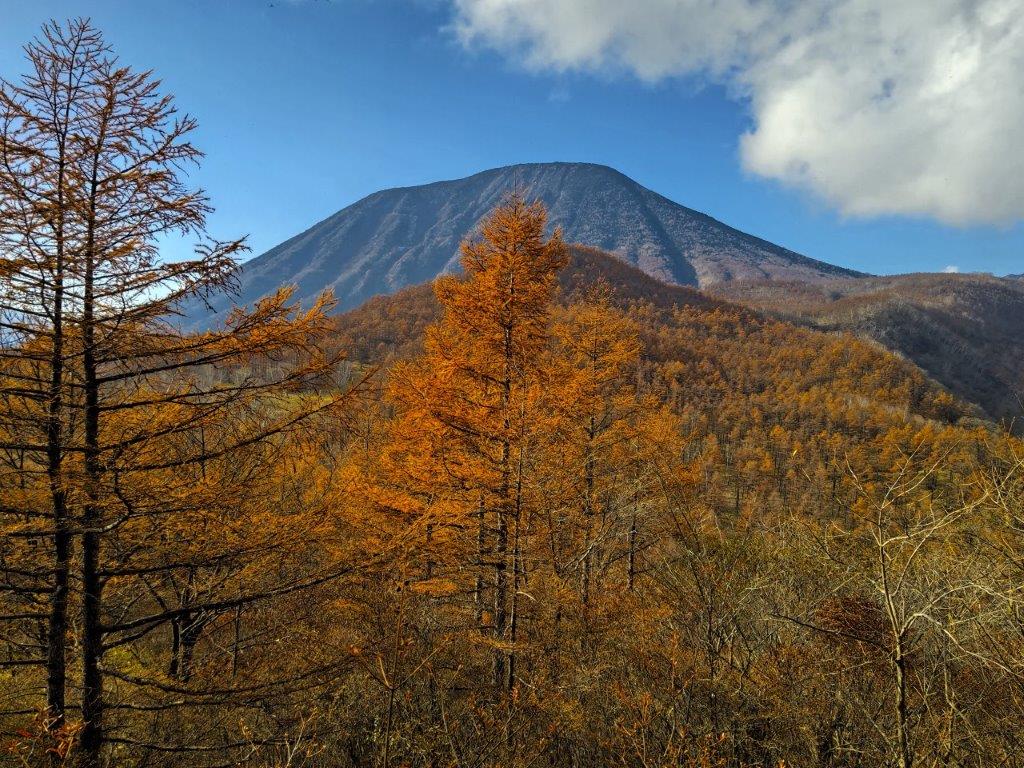
Fiery larch in front of Mt Nantai

After about an hour, I reached a fantastic viewpoint of Mt Nantai, towering above fiery larches. After some searching, I found the trail entrance for the final climb to the summit, a ten-minute scramble through thick vegetation. At 1pm, I was standing on top of Mt Tanze 丹勢山(たんぜやま tanzeyama). It was completely in the trees, so I quickly retraced my steps to a viewpoint of Mt Nantai and Mt Nyoto, and sat down on some rocks for a quick lunch.

Mt Nyoho (right) in the clouds

The mountains of Nikko

Feeling satisfied with the views, I walked back the same way, but went left at the junction, following an alternate route down the mountain. The switchback forest road quickly descended into a deforested valley bottom, offering good views to the west of Mt Nakimushi. It was already 3h30 and most of the valley was already in the shadows. I crossed two bridges, surprised a deer at a bend in the road, and finally emerged from the forest into a residential area at 4h30.

Looking west, Mt Nakimushi

Autumn colours could be seen along the entire hike

After enjoying the setting sun, I decided to walk back to Tobu-Nikko station, less than an hour away, to avoid the usual traffic jams around the Toshogu. There, I boarded a Revaty limited express for the 90-minute ride back to Tokyo. Although most of the hike was along forest roads, I saw no other hikers, and was rewarded with beautiful autumn colours and glimpses of wild animals along the way.

See the beautiful autumn colours of the Nikko area

Mt Yasuto (1151m), Nasu-Shiobara City, Tochigi Prefecture, Thursday, November 3rd, 2022 [Map Available]

Hiking in the Nikko National Park 日光国立公園

Hiking with the Tokyo Wide Pass

View of Mt Yasuto near the start of the hike

River crossing near the start of the hiking trail

Get a Map of the Mt Yasuto Hike

This map was developed for Japanwilds with the Hokkaido Cartographer

Find more Japan Hiking Maps on Avenza

The weather was supposed to be good for the 3-day period starting with Culture Day, a national holiday in Japan, so I decided to buy a Tokyo Wide Pass. For my trip I decided to climb a mountain from my Hiking in the Tochigi mountains guidebook located between Shiobara and Nasu mountain, inside the Nikko National Park. Apparently the previous emperor also climbed it at one time. I rode the shinkansen to Nasu-Shiobara station where I transferred to a local train for Nishi-Nasuno, the next station on the line; there, I caught a bus for Agripal Highland which I reached a little before 11am.

Beautiful autumn colours below the summit ridge

Stunning momiji tree just before the steep climb to the top

I had some good views of today’s mountain as I walked 40 minutes along country lanes to the trail entrance. I followed a well-maintained, but poorly signposted trail up the side of the mountain. At 1pm, the trail connected with the end of a forest road, which I would later follow on the way down. For now, I followed the trail through a stunning forest of yellow, orange and red leaves. After climbing a steep slope, roped for safety, I arrived at the narrow top of Mt Yasuto (安戸山 やすとやま yasutoyama), a Tochigi 100 famous mountain, just before 2pm, a peaceful place surrounded by trees.

More colours along the undulating ridgeline

A peaceful trail through the forest

The trail continued along the undulating ridgeline and eventually, a little before 3pm, merged with the forest road, which I followed for about half an hour, before leaving it for an easy-to-miss hiking trail on the left side. It took another half an hour of relaxing hiking to reach Takahachimangu shrine (鷹八幡宮) at the foot of the mountain; supposedly, there was a viewpoint along the way but I completely missed it. From there, it was a short walk through the fields back to the roadside station at Agripal Highland, which I reached at around 4pm.

Merging with the forest trail below the summit

Walking through the fields back to the bus stop

The amazing autumn colours more than made up for the lack of views on this hike. Moreover, I didn’t see a soul on the trail, apart from a small brown frog hiding among the fallen leaves. After catching the bus back to Nishi-Nasuno, I had a quick soak at the nearby Nogi Onsen before heading back to Nasu-Shiobara for the 90-minute shinkansen ride back to Tokyo.

Watch a video of the autumn colours on the Mt Yasuto hike

View a slideshow of some more photos of the Mt Yasuto hike

Oku-Nikko hike (highest point 1460m), Nikko City, Tochigi Prefecture, Saturday, September 17, 2022 [Monkeys]

Hiking in the Nikko National Park 日光国立公園

I was eager to continue my tour of the national parks close to Tokyo. I had last visited Oku-Nikko a little over a year ago, so it seemed like a good choice; I also expected a dip in the crowds between the summer vacation and the Autumn colours season. Looking at my hiking map, I combined some trails northwest of Lake Chuzenji into a loop hike, and although it included no mountains, I hoped it would be more challenging than just a walk in the woods. The area is also the heart of bear territory, with nearly one hundred sightings so far in 2022, so I would need to make sure to pack my bear bell. I would ride the now familiar Nikko limited express from Ikebukuro to Tobu-Nikko, and there switch to a Tobu bus for Yumoto-Onsen, getting off at Akanuma at the edge of the Senjogahara Marshland; the hike would end at the nearby Ryuzu Falls. The weather was supposed to be sunny, with high clouds appearing in the mid-afternoon; the temperatures and humidity were also supposed to be lower, which I hoped would create the ideal conditions for a hike at an average elevation of 1400m. I was looking forward to a nice forest hike, and maybe even catching a glimpse of some animals in the wild.

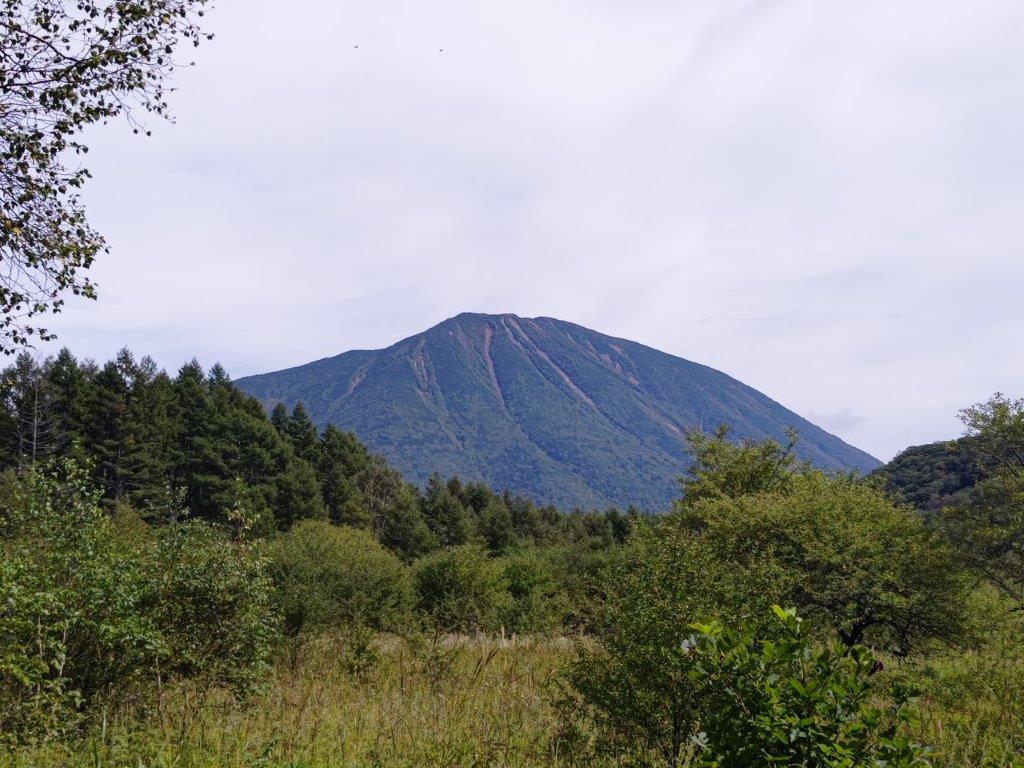
View of Mt Nantai from Senjugahama

Walking next to Odashirogahara

I left Tokyo under cloudy skies, but fortunately, the sun was shining once I got off the limited express at Tobu-Nikko station. At 11am, I was standing under a light blue sky, opposite Akanuma-Chaya (1390m 赤沼茶屋) at the edge of the Senjogahara Marshsland (戦場ヶ原), ready to start my hike. First, I headed down the “Nature Study Path” (戦場ヶ原自然研究路), the main route leading through the marsh and crowded with other hikers; I soon left it to follow a trail over a wooden bridge and through the forest, a trail I had done previously in the winter on cross-country skis.

First view of Mt Nantai from the Senjogahara Nature Study Path

A mix of walkways (left) and hiking trails (right)

At once, I was able to relax and enjoy the surrounding nature as few people ventured this way. After going through a gate in a deer fence, I reached another intersection where I turned right, onto a wooden walkway. I was now walking among tall larches and silver beeches, the autumn colours would probably be wonderful around this area, and soon reached the edge of Odashirogahara (1408m 小田代ヶ原), a smaller, lesser-known marshland. I turned left at the next intersection, following the contour of the marsh, eventually reaching a viewpoint of the Nikko mountains.

View from the start of the loop around Odashirogahara

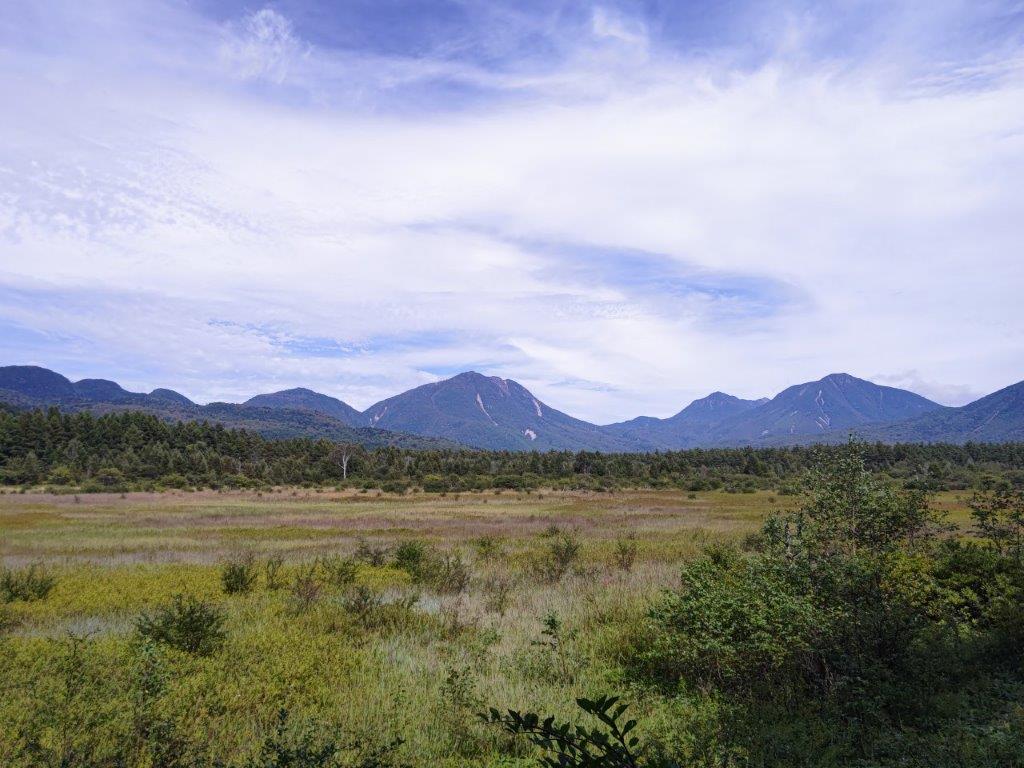
View of the mountains of Oku-Nikko

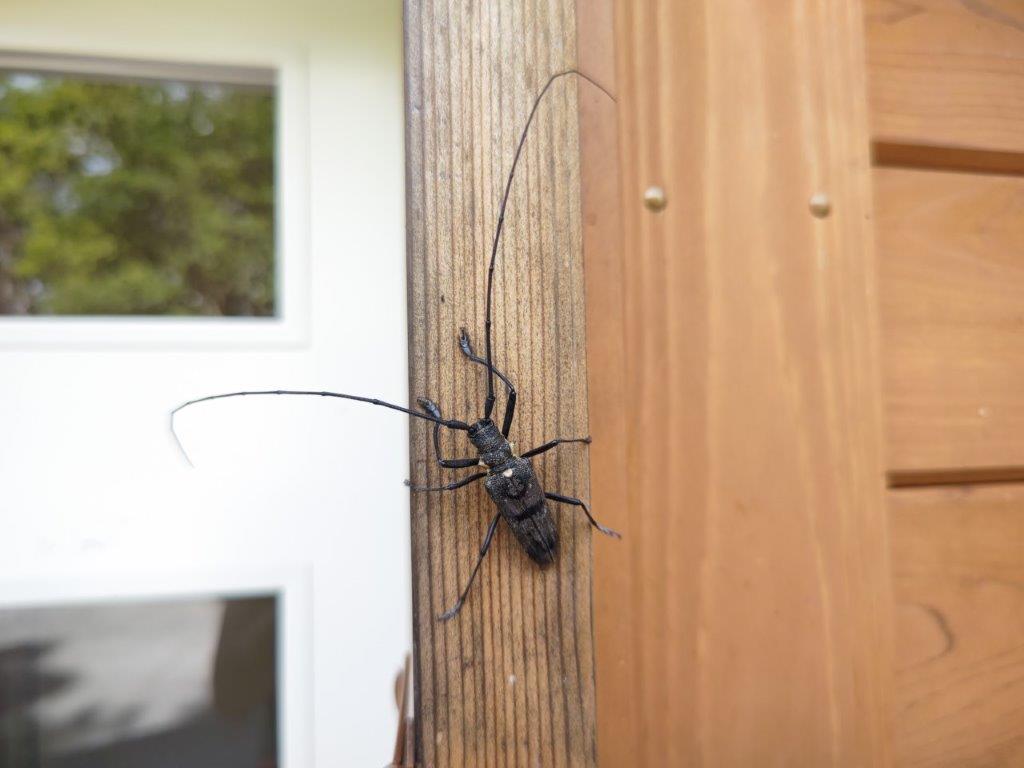
I was impressed by the sight of these majestic peaks rising above the green-brown marsh. From left to right, I could distinguish Mt Taro, Mt Nyoho, Mt Omanago and Mt Nantai, all free of clouds. It was nearly 1pm so I sat down for lunch at one of the picnic tables. Afterwards, I went to check out the nearby stop of the low-emission bus (低公害バス) that runs through the area I was exploring on foot. On the way, I spotted a longhorn beetle making a difficult ascent of the restroom building (see video). A little after 1pm, I set off again, this time along the bus road, going over Yumihari Pass (1433m 弓張峠), and then re-entering the forest via a path on the right.

This part of the hike is bound to be very crowded in the autumn season

From left to right: Mt Taro, Mt Nyoho, Mt Omanago and…

From this point, I enjoyed a solitary ramble through a beautiful forest. This was the best part of the hike, but it was also bear territory, so I tried not to linger. After crossing a bridge over a river, the trail abruptly went up the mountain side, reaching the highest point of the hike, before becoming level again, and finally descending to the valley floor. A little after 2pm, I was again walking on a paved road and soon arrived at another bus stop. It definitely felt weird to see a bus pass by in the middle of a forested valley in the Nikko National Park. Here, I turned right onto a wide, straight track through a larch forest, and half hour later, reached Sainoko Lake (1295m 西ノ湖).

…at the very right, Mt Nantai

A kind of longhorn beetle having trouble with the polished wood

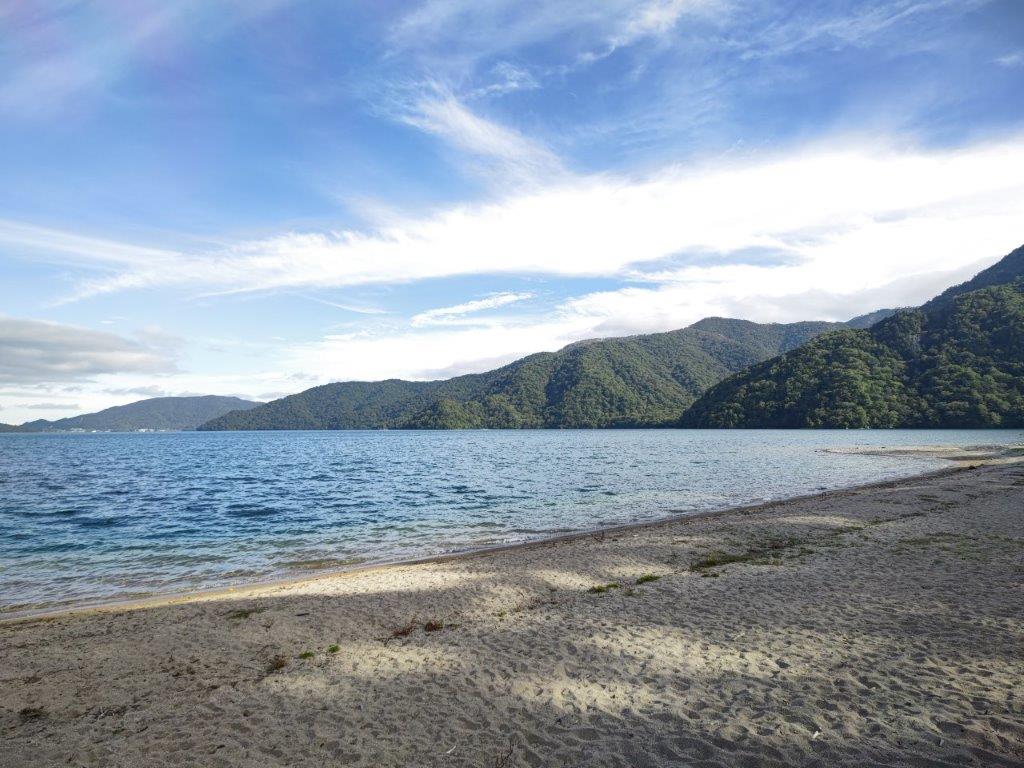
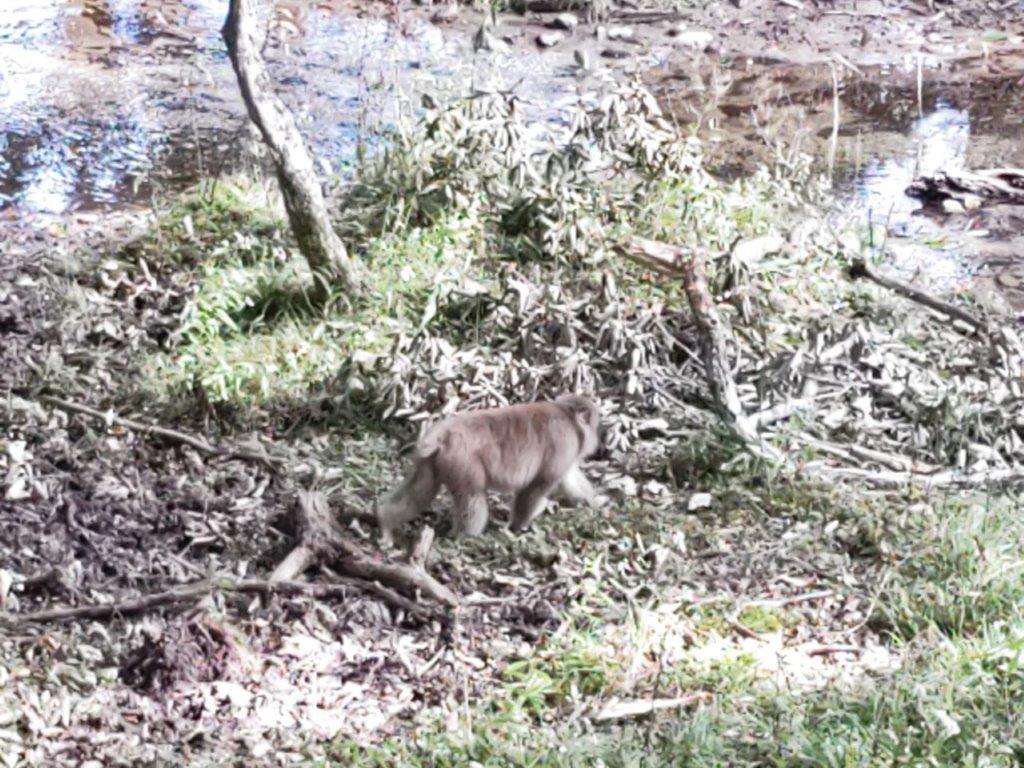
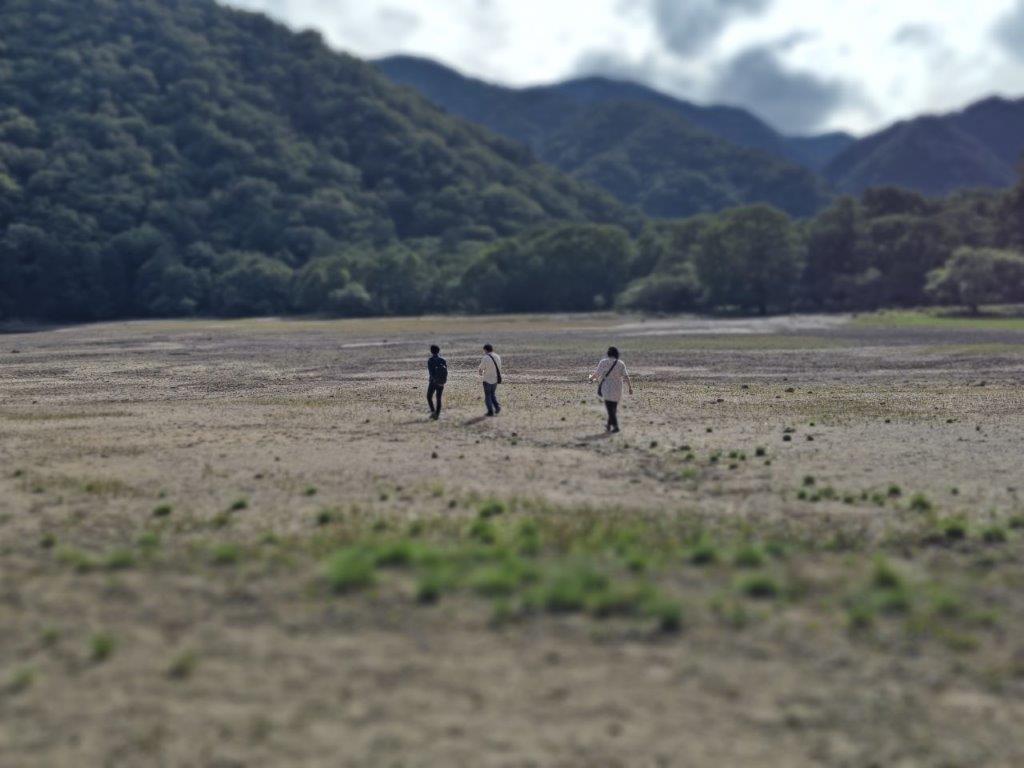
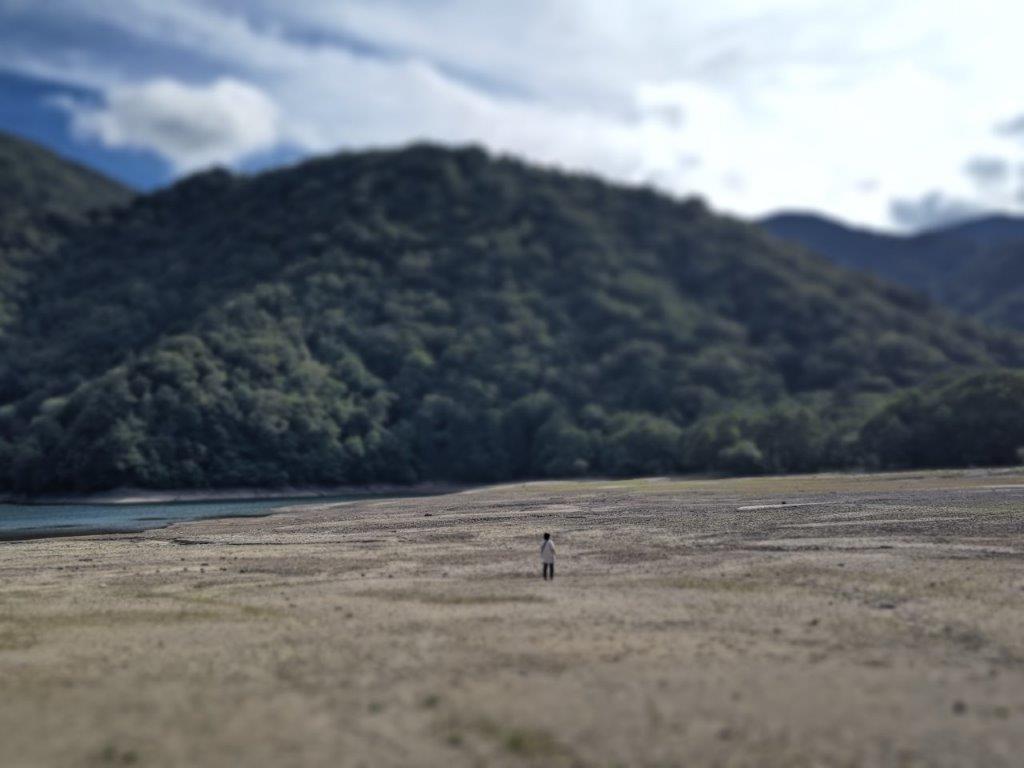
I was surprised to see that the lake was a lot smaller than it appeared on the map. I had somehow fallen behind schedule, so I didn’t have time to cross the wide sandy beach, formerly the lakebed, to reach the shore of the tiny expanse of water. I had the second half of my lunch on a bench and made my way back to the main trail, heading east at a fast pace through a forest of tall oaks. I suddenly heard a high-pitched shriek and noticed movement near the river on the right side. I moved to the edge of the trail, keeping in mind the signs warning hikers not to leave the trail, and saw a troupe of monkeys foraging for food along the river.

Sunny forest in bear territory

The smaller than expected Sainoko lake

I was delighted to be able to observe wild monkeys for the second time in a month. They weren’t as indifferent as the Shiga-Kogen ones, taking note of my arrival, but not as fearful as the ones I saw near Mt Tsurugatoya, soon resuming their quest for food, a couple even turning over stones in the river in search of some river-dwelling treat (the reflection of the sunlight on the water surface made it hard to film). I wanted to keep on watching them but I had to keep moving if I wanted to catch my bus back. A few minutes later, I reached Senjugahama (1276m 千手ヶ浜) at the western edge of Chuzenji lake, also visited on my previous Oku-Nikko hike.

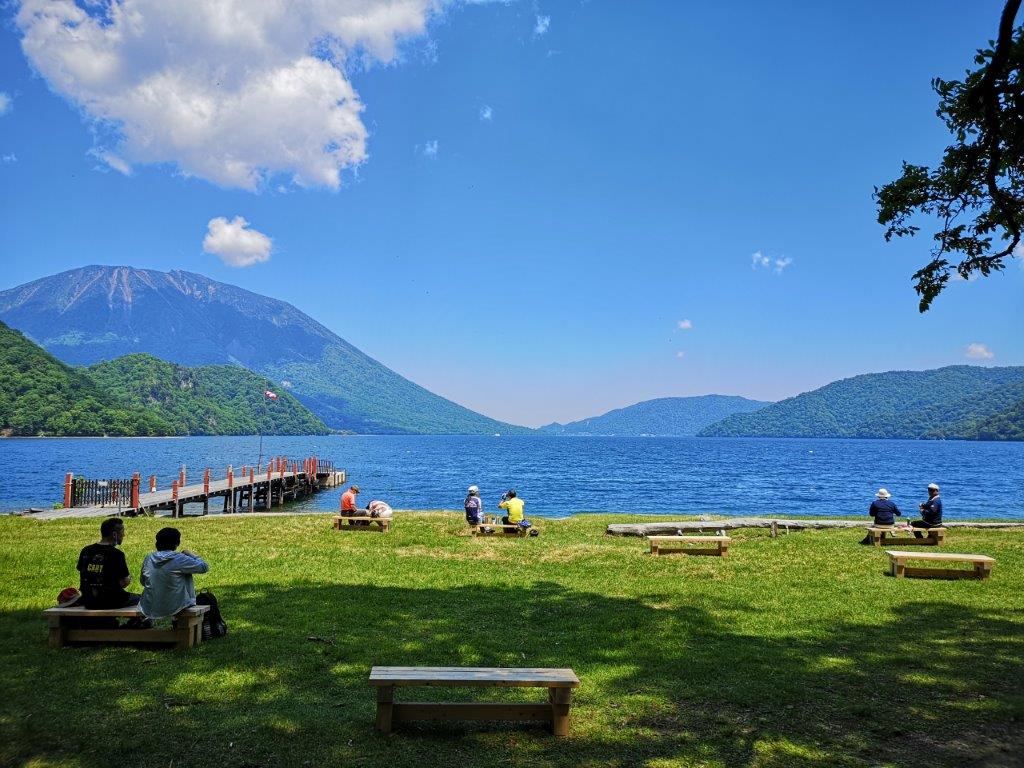
The furthest pier at Senjugahama

A peaceful place after the crowds have left for the day

This time I could fully appreciate its tranquil atmosphere and the stunning view of Mt Nantai rising above the blue lake waters, as both the last boat and last bus had already left, and I was the last person around. After a few minutes of contemplation, I went left, following the path I had taken last year, but in reverse. I quickly passed the turn-off for Mt Taka, continuing straight ahead. It was nearing 4pm and some altostratus clouds had started to spread from the south, a sign of the approaching typhoon; inside the forest it was already dark, except for breaks in the trees letting in the slanting sunshine. The trail went up and down, accommodating the rocky nature of the shore.

The last part of the hike followed the lake shore

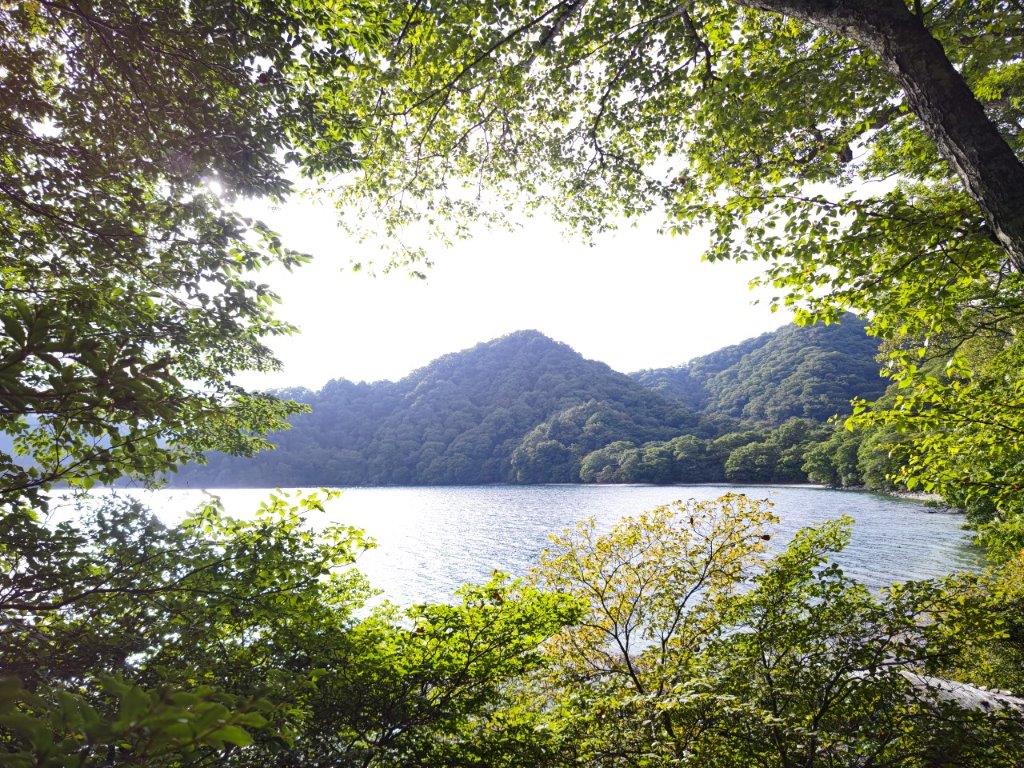
Once of the several views through a gap in the trees

I was glad for the exercise on a hike with no ascents. After a final view of the lake from the top of Akaishi Rock (1312m 赤石), reachable thanks to a brand new wooden staircase, I finally emerged at Shobugahama (12297m 菖蒲ヶ浜), arriving at the bus stop ten minutes before the bus for Tobu-Nikko, nearly five hours after setting off. Although I had considered this an easy hike, the many ups and down made me quite tired at the end. I got to the station one hour later, just in time for the 90-minute ride to Kita-Senju on the Tobu Spacia limited express. In the end, I hadn’t seen or heard any bears (or sign of them), but getting to see monkeys close up was just as rewarding.

See the marshlands, forest, lakes and creatures of Oku-Nikko

Monkey looking for food between Sainoko and Senjugahama

Mt Ozaku (879m) & Mt Gassan (890m), Kanuma City, Tochigi Prefecture, Sunday, April 17, 2022 [Map Available]

I had been wanting to climb the first peak for several years, one of the few remaining from my list of the Kanto hundred famous. I kept on postponing it, since the hike went up and down rocky sections fitted with ladders and chains, and thus required dry weather and a good level of fitness. The stars lined up in mid-April, and I decided to grab the small window of opportunity. To get there, I would need to take a taxi to the start of the trail, since the morning bus left too early for the train from Tokyo. After the short loop hike described in my mountains of Tochigi guidebook, I would have ample time to catch the early afternoon bus back. I was looking forward to visiting one of my favourite hiking spots and experiencing what seemed like an exciting trail.

Get a Map of the Mt Ozaku Hike

This map was developed for Japanwilds with the Hokkaido Cartographer

Find more Japan Hiking Maps on Avenza

Looking at Gassan from Ozaku-yama

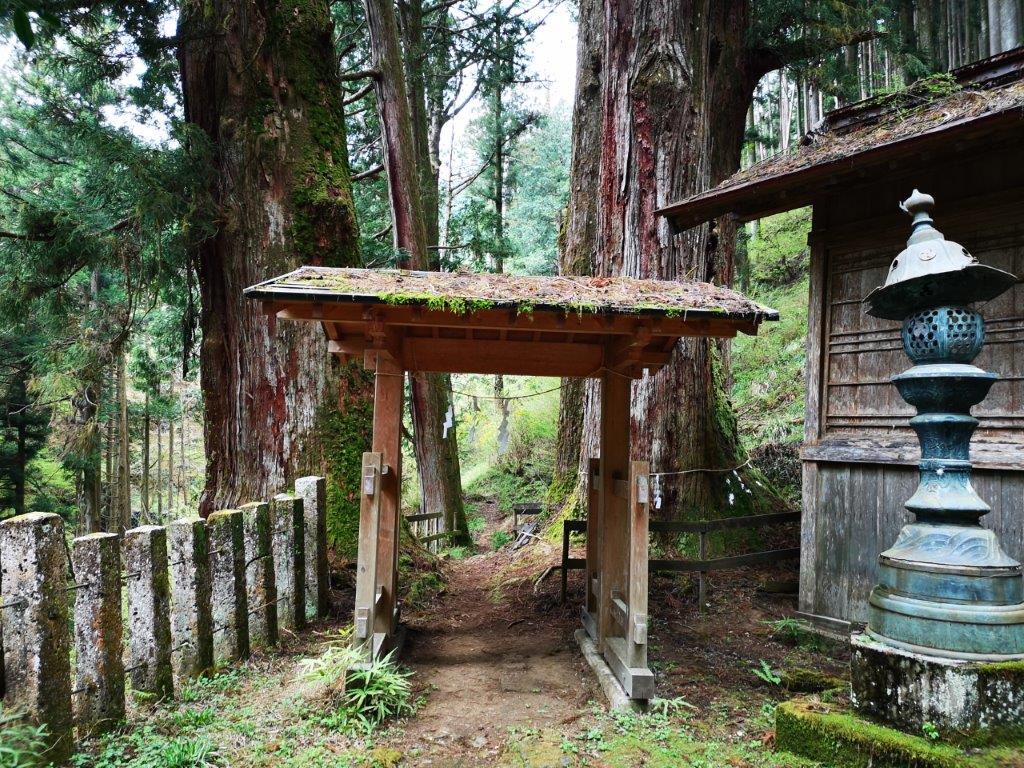
The sky was disappointingly grey as I left Tokyo on the Nikko line limited express, although patches of blue started to appear as I approached Shin-Kanuma station at 9am, giving me reason to hope; however, the clouds reasserted themselves during the twenty minute taxi ride to the entrance of the Kasosan Shrine (加蘇山神社). I followed a small road for about 15 minutes to the shrine itself, perched on top of a long flight of stone steps. I spotted the trail on the left, past a small wooden gate topped with tuffs of green moss, with towering cedar trees on each side.

Steps leading to Kasosan Shrine

The start of the trail

I walked along a level path surrounded by the new green of spring, here and there yellow Japanese buttercups adding touches of yellow. I passed the small “kiyotaki” waterfall (清滝), and after some gentle climbing, reached a small rest house, next to the slightly bigger “ryugataki” waterfall (竜ヶ滝). A little further, the trail split in two: I took the left branch as it included the trickier sections best tackled on the ascent; later on, I would descend via the right branch. The path suddenly became steep and rocky, and required more careful walking. I arrived at a second rest house just before 11am where I took a break.

Kiyotaki waterfall and Japanese buttercups

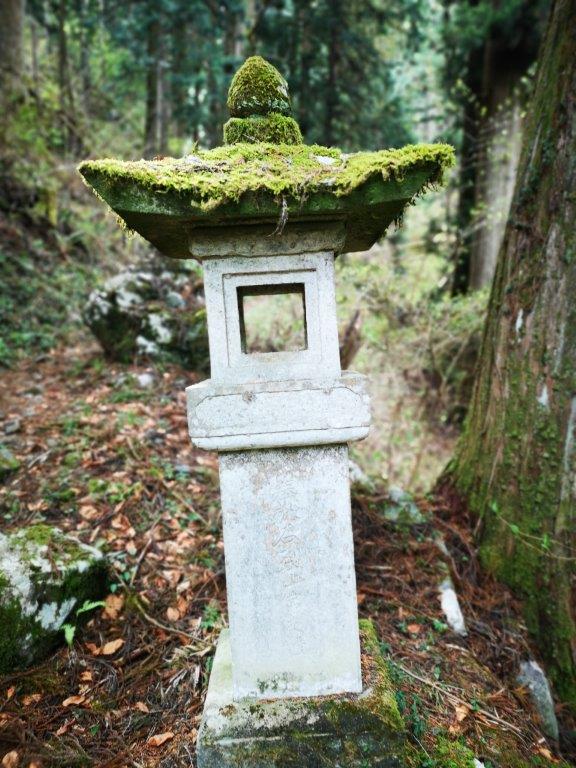
Ryugataki waterfall (left) stone lantern along the trail (right)

Before me rose a long rocky face fitted with a pair of parallel chains. Even though I had seen pictures beforehand, it seemed amazing that a path led straight up. After securing my pockets and tightening the straps of my bag, I proceeded with caution, as the surface, still damp from the morning dew, was slippery. At the end of the chained section, a long steel ladder led to a oku-no-miya (奥ノ宮), a tiny, off-trail shrine, hidden under a rocky crop. After a quick investigation, I continued along the main trail, as it cut around the rocky face to the south, wisely avoiding the direct approach.

Rocky section fitted with chains on the way up

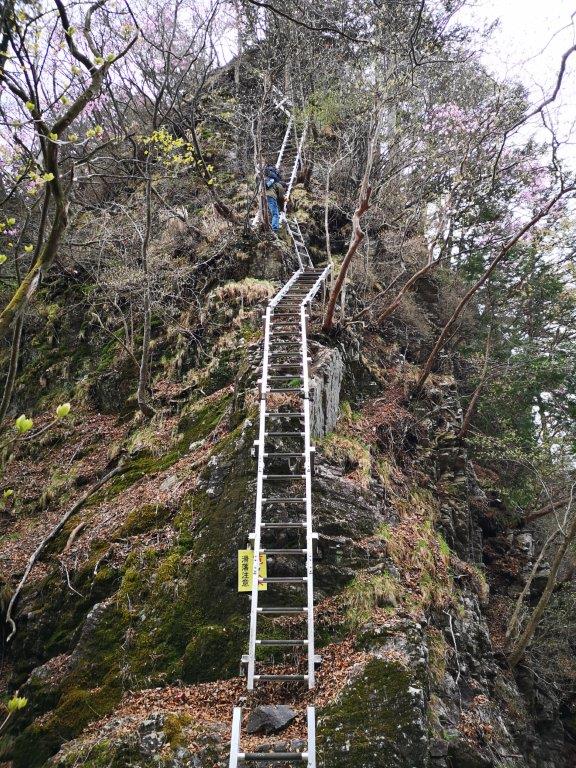
A more dangerous section fitted with ladders

The chains and ladders soon reappeared, and there was even a short bridge along a narrow ridge with steep drops on each side. All this equipment seemed new and securely fastened, and for a while, I could enjoy the thrilling aspect of walking along the side of a rocky cliff, the thick vegetation masking the views and providing a false sense of security. Here and there, I could see pink rhododendron (“shakunage“), the flowers being in bloom precisely at this time of the year. At 11h3o, I reached the ridge top with a sense of relief and a few minutes later, I was standing on top of Higashi Kennomine (東剣ノ峰) where I had a view of today’s first summit directly north.

Shakunake near the top (left); ladder between east and west kennomine (right)

View to the west near the summit of Mt Ozaku

The next section was the scariest of the entire route: a long descent via a steep ladder. I moved slowly but steadily, always making sure to keep three points of contact at all times. At the base, after a short climb, I reached Nishi Kennomine (西剣ノ峰). There was a view on the east side, but today, all I could see was white. I continued down the other side and was faced with another series of ladders, less steep this time, at the bottom of which was yet another climb. Hoping this would be the last one, I charged off and in no time reached the top of Mt Ozaku (石裂山 おざくやま ozaku-yama meaning “split stone”), a Kanto 100-famous mountain. The only view was through a gap in the trees on the north side, through which I could see today’s next peak. The narrow summit was occupied by a large group, so I retreated to another spot with a view west, just a couple of minutes away.

Heading down a steep and rocky ridge

Lower down, walking alongside a rocky face

It felt chilly, almost as if winter was making an encore. I sat down for a quick lunch before resuming my hike. At 1pm, I reached the summit of Mt Gassan (or Tsukiyama 月山, meaning “moon mountain”). It had a lichen-covered shinto gate, a bunch of shakunage flowers and an old thermometer attached to the summit sign, the mercury level showing just below the 10° mark. After a short break, I descended a steep rocky ridge, then turned right onto a switchback path through cedar trees. I reached another chain-fitted rocky bit, at the back of the large group I met on the summit. They graciously let me pass ahead of them; I had to be doubly careful not to make a false move in front of an audience.

A lonely Kamoshika enjoying the spring leaves

A rare sight, especially at such a low altitude

I was now walking through an impressive canyon, a rock face on my right and a small stream on my left. Eventually, it widened into a valley, the new green of spring reappearing at the lower altitude. Out of the corner of my eye, I spotted movement high on the opposite slope – a solitary “kamoshika” or Japanese serow, munching on the new leaves; I hadn’t seen one since Mt Kushigata, three years ago. After observing this rare and magical sight for a while, I moved on quickly; I was still on schedule, but couldn’t afford to miss the only bus of the afternoon. On the opposite side of the valley, I noticed scores of fallen trees, probably due to the powerful typhoons of recent years; looking up through the gap in the forest, I saw blue sky, at last.

Walking back to the trail entrance

Better weather at the end of the day

I carefully stepped on green moss-covered rocks to cross the stream I had been following, reaching the junction and the rest house I had passed earlier in the day. It was now 2pm and only half an hour to go, so I could complete the hike at a relaxed pace. I checked out a small pool of water next to the path and discovered dozens of tadpoles in the shallow water, also a rare sight, since I hadn’t seen any since 2019. I also saw some “mitsumata” flowers, last seen on Mt Ashitaka the previous year. I arrived safely back at the bus stop under blue skies, the day’s forecast finally coming true. At 3pm, I got on the small bus for Shin-Kanuma station, where I transferred to the limited express for the 90-minute ride to Tokyo.

See the sights of Mt Ozaku and Mt Gassan

The flowers of Tochigi in the spring

Mt Koshin (1892m), Nikko City, Tochigi Prefecture, Sunday, November 14, 2021

This mountain had been on my to-climb list for the past few years. I needed to go by car and be physically fit to be able to do it it as a daytrip; good weather was also a requirement to justify the expense of the trip and the effort of the climb. The drive from Nikko station and back seemed straightforward, although I would need to skip the after-hike hot spring bath if I wanted to be back before dark. The beautiful autumn weather was supposed to continue for a few more days. However, due to the higher elevation, I had little hope of seeing any autumn leaves. My only concern was about the trail itself, since it went through an extensive rocky area, equipped with ladders and chains; it looked fun but I needed to be careful. Finally, I was looking forward to hiking inside the southern part of the Nikko national park and seeing some great views.

View of Mt Sukai from near the summit of Mt Koshin

Koshin Lodge with the cliffs of Mt Koshin in the background

I arrived in Nikko around 9h30 under a mostly cloudy sky. By the time I reached my car, I noticed a blue patch slowly expanding from the east, and after I arrived at the Ginzan-Daira parking area (銀山平駐車場) a little after 11am, the sky was entirely blue above. At 1130, I was walking a long a flat road closed to traffic and hugging the mountainside above a steep river valley; one hour later I reached the red shinto gate at Ichi-No-Tori (一の鳥居) marking the start of the hiking trail.

The forest road leading to the start of the hiking trail

The first part of the trail was fairly easy to hike

I followed a beautiful mountain stream up a gently sloping path. On the way, I crossed a couple of wooden bridges and passed several huge rocks with various names. A little after 1pm, I reached Koshin lodge (庚申山荘), where most hikers spend the night, and then hike to Mt Sukai and back the next day. Rising dramatically behind it, I could see the cliffs through which somehow a trail led to the summit. I took a short break and set off again, reaching the rocky base about ten minutes later.

The trail followed a lively mountain stream

Climbing steeply from here

I was the only person on the trail so I resolved to be doubly cautious as I made my way up through the rocks. I was amazed that anybody would think of creating a path up what was almost a rocky cliff, and I would only recommend it to surefooted hikers. I moved quickly, soon reaching the cliff top and a view point from where I could see the low mountains of southern Tochigi. I continued through a thick pine forest along a gentler sloping trail. At 2pm, I reached the top of Mt Koshin (庚申山 こうしんざん koshinzan), a hundred famous mountain of Tochigi.

Halfway up the rocky area

Surefootedness is a must here

It was completely in the trees but after walking a few minutes along the ridgeline, I reached a break in the trees and a fantastic view. Directly opposite, I could see Mt Nokogiri and Mt Sukai. To the north was Mt Shirane and Mt Nantai. I was the only person enjoying this glorious panorama on a peaceful windless day. I wanted to stay longer but I needed to head back before it started to get dark. I went down the same way, although now it was mostly in the shade.

Gazing upon the mountains of Tochigi from above the cliffs

View of the Nikko national park from near the summit

It took me an hour a half to get back to the trail entrance. Since I was on schedule, I had a quick look at the nearby 7 waterfalls of Koshin (庚申七滝), although access to some of the falls was currently closed. I reached the parking area just before 4h30 and left soon after. As I drove along the Watarase river valley, I came upon a troop of monkeys crossing the road. I reached Nikko station at 5h20 and then hopped onto the Kegon limited express for the ninety-minute ride back to Tokyo.

Follow the mountain stream to the top of Mt Koshin

Mt Gassan (1287m), Nikko City, Tochigi prefecture, Saturday, October 30, 2021

I thought I should really do one more hike from the Aizu-Kinugawa train line before it got too cold and started to snow. Looking through my guidebook, I found a mountain I could reach by taking a bus from Kinugawa-Onsen and along a river valley hidden behind the sprawling mass of Mt Nyoho. Although it was a short hike and required some road walking to get to the start of the trail and back, I had never been to that area nor ridden that bus line before. I was worried about missing the last bus back, since it would be a long walk to the station. I also wondered whether the autumn leaves would finally be at their peak, since it had been so cold a week earlier. On the other hand, the weather was supposed to be a perfect with warmer temperatures and almost no wind. I was looking forward to getting some new views and seeing the first autumn colours of the season.

Autumn colours at the Kuriyama dam lake

Mt Gassan in the late afternoon sun

It was a beautiful autumn day as I rode the comfortable Nikko line to Shimo-Imaichi station, where I transferred to the local train for the short trip to Kinugawa-Onsen. I hadn’t been there for nearly ten years and I soaked up the atmosphere of this popular hot spring resort while waiting for my bus to leave. It was an exciting ride following the Kinugawa river valley and past Kawaji dam. Although today’s mountain was only six kilometers away, the bus traveled three times that distance as the road curved around to the back of the mountain.

View from the road leading to the entrance of the hiking trail

A perfect day for hiking

I got off the bus just past 11am and quickly set off up a small road through the forest and alongside a river. I soon reached a deforested area and after a series of switchbacks, I had my first views. I was stunned by the reds and oranges covering the mountain side directly opposite. Looking west, I could see what I thought was Kinu-Numa Swamp at the end of the river valley. I soon passed a cow barn with a bright red roof surrounded by pastures, both deserted at this time of the year. Looking up, I could see see see thin white strips of clouds spreading across the blue sky.

A cow barn belonging to Hikage Farm

Mt Nyoho, one of the Oku-Nikko mountains

Around 12h30, I reached a flat area with a view to the south and some more pastures: this was Hikage Farm (日蔭牧場 hikage-bokujo), just below Mt Meoto (夫婦山). It was a short and easy climb up this mountain, but it would have to be for another time, since I was on a tight schedule. On the west side, I could see the long ridge leading from Kirifuri Highland to the summit of Mt Nyoho. The road sloped down, and looking east through the trees , I could see the fiery red summit of today’s mountain. A few minutes later, I reached the start of Meoto Tunnel (夫婦トンネル).

Mt Meoto in its autumn coat

First view of Kuriyama Dam lake

It was a spooky five minute walk through this tunnel, fortunately closed to traffic (see video). I emerged back into the sunlight at the base of Kuriyama dam and I could now see the full shape of Mt Nyoho. I had never seen it from this direction before, and I was impressed by its massive size; it truly belongs to the 100 famous mountains of Japan. I continued along the level road and reached the start of the hiking trail at exactly one pm. I took a short break and then started up the narrow ridgeline path.

A narrow ridge path through bamboo grass

Mt Takahara and Hunter Mountain Ski Resort

After twenty minutes, I already had some excellent views of Mt Meoto, the colour of rust, and the blue Kuriyama Dam lake. I continued to climb through beautiful forest enclosed on three sides by the Nikko National Park. Ten minutes later, I reached the top ridge. I had a superb view of Mt Takahara directly west, through a break in the trees; I could make out patches of light green that would become the ski runs of Hunter Mountain in the winter. To the north, in the midst of a multitude of mountains, I spotted the elegant, subdued shape of Mt Shibakusa. Soon after, I reached the highest point of Mt Gassan (月山 がっさん meaning “Mt Moon”), a Tochigi hundred famous mountain.

Imaichi lake and the Kanto plain

Walking down to Kuriyama Dam Lake

Famous for its azalea flowers in the spring, all it offered now were bare branches hiding the view. However, just a few meters further, I reached the top of a small rocky area and a wide panorama. Stretching away towards the west were the low mountains of southern Tochigi. A vermillion ridge ended at Imachi dam and lake at the head of a green-brown valley leading into the Kanto plain. It was nearly 2pm so I sat down for a late lunch under the warm autumn sunshine. Although it was possible to descend the rocky area towards the lake, it wasn’t part of today’s route.

A peaceful walk along the shoreline

Sun setting on Mt Nyoho

Around 2h30, I made my way back along the top ridge and took the right path at a fork, heading north and down towards Kuriyama lake. At times the path was hard to follow because of the bamboo grass, but fortunately I could rely on the pink ribbons on the branches. I had glimpses of the lake through the trees, the surrounding forest bright yellow under the afternoon sun. I arrived at the peaceful lake shore thirty minutes later. Since I had a bus to catch, I quickened my pace and soon reached the road leading to the base of the dam, from where I made my way back through the tunnel and up to hikage farm.

Late afternoon at Hikage Farm

Same views but different lighting

It was past 3h30 and the sun was setting just above the highest point of Mt Nyoho. I walked down the road, now in the shade, the views of this morning looking different in the late afternoon sun. I reached the bus stop with a few minutes to spare. After a 45 minute ride, I got off at Kinugawa-Koen station around 5pm, one stop before Kinugawa-onsen, so that I could take a quick hot spring bath at Iwaburo (meaning “rock bath”). After a pleasant soak in the outdoor bath, I caught the local train for Shimo-Imaichi station, where I boarded the limited express “Kegon” for the ninety minute ride back to Tokyo.

See the red and orange colours of Mt Gassan

Mt Shibakusa (1341m), Nakamiyori, Tochigi Prefecture, Saturday, October 23, 2021

I really wanted to do more hikes along the Aizu-Kinugawa train line in northern Tochigi; although it’s directly connected to Tokyo via the Tobu limited express trains, so far I had only done a handful of mountains along it, the last one being Mt Hiruga, one year ago. Despite being completely surrounded by mountains and inside a national park, it has fewer hiking trails than the neighbouring Nikko area. Using my hiking guidebook, I located a suitable station-to station hike starting from Nakamiyori-onsen station with supposedly nice views. As this was just one stop before the one for Mt Hiruga, I was familiar with the way there (and back) and I could arrive early enough in the day to complete the hike before dark. The weather forecast was good: sunny but a little windy. It had been unseasonably cold the past week, and I wondered whether I would be able to see the first autumn colours of the year.

The expected autumn colours with unexpected snow

The weather was clear but the mountains were in the clouds, as I rode the Revaty limited express to Kinugawa Onsen where I transferred to the old-fashioned Aizu mountain express for the last leg of the trip, up a narrow gorge and through dark tunnels. Unfortunately, after exiting the last tunnel, I was greeted with cloudy skies and I could see water drops on the window panes. At 10h15 I was standing outside an unmanned station under a light drizzle. Looking west, I could see today’s mountain at the end of the valley, briefly lit up by the sun through a break in the clouds, giving me hope of better weather as I started out on my hike.

The first part of the hike was along a beautiful river

I followed a small road through a sleepy village and then along a picturesque river, till I reached Mitoshi Bridge (見通し橋). Around this point the rain let up and the sun started to break through the clouds from time to time. It seemed like the weather would clear up, although I wasn’t sure it would do so fast enough. At 11h30 I reached the start of the trail. The first part zigzagged up the mountain side and was easy to walk. Twenty minutes later, I reached an electric pylon. The sun had come out again, so I took off a layer and no sooner had I done it, the wind started blowing fiercely.

The steepest part of the hike around “oiwa”

Several minutes after the pylon I took a small steep path branching to the right and heading straight up the ridge. I was following a path through beech trees slowly curving northwards; although I was a few kilometers outside the Nikko national park, the surrounding forest was wild and beautiful. The wind was blowing in gusts, sometimes so strong that I worried that a branch would fall on my head. After some climbing, I reached the aptly named “Oiwa” (大岩), meaning big rock, at 12h30. There was a steep narrow corridor behind it equipped with a long rope, which I used to haul myself up.

View of Mt Takahara, with Nakamiyori nestled at its base

At the top of the rock, I took a short break to enjoy the view. I could see Mt Takahara as well as the valley and ridge I had just walked up. I only had a short way to go till the summit, so I decided to save lunch till then. The ridge stayed level for a short while before climbing steeply again. The ground was still wet from the recent rain and I had to be careful not to slip. I reached the narrow top of Mt Shibakusa (芝草山 しばくさやま shibakusayama, meaning “Mt Lawn”), a hundred famous mountain of Tochigi, a little past 1pm. I was impressed that the summit sign was in English. It was still too early for the autumn colours, although the leaves were starting to show hints of red.

Mt Arakai and it’s early winter coat

By now, the weather had recovered, although the wind was still blowing strongly. Looking northwest, I could see Mt Arakai, its summit covered with a dusting of snow. I was the only person on the mountain and it felt wonderful to be completely surrounded by mountains without any noise, except the occasional howling of the wind. After a quick lunch, I headed down. At 2pm, I was back at the “big rock”. I took a short break to enjoy the view some more. Going down the roped corridor required more care than going up; I applied the three point technique, always making sure I had three points of support before moving.

Looking back at Mt Shibakusa from Nakamiyori

One hour later I was back at the start of the trail. I noticed that the box for submitting hiking forms was actually an old fridge (it wasn’t in use anymore). While walking back on the road I spotted a praying mantis – I hadn’t seen one since my hike on Mt Hiruga, which made me think that the area was a good environment for this species. Shortly after, I spotted a buck bounding away from the road and into the forest. Half an hour later I was back at Nakamiyori and after a quick hot spring bath at Ojika-no-yu 男鹿の湯, I hopped onto the local train for Shimo-Imaichi station, where I transferred to the Kegon limited express for the 90 minute train ride back to Tokyo.

Listen to the wind blowing on Mt Shibakusa

Mt Taka (1668m) & the Chuzenji Lake Nature Trail, Nikko City, Tochigi Prefecture

Since climbing Mt Shazan last summer, I had been wanting to return and explore the shoreline of Chuzenji lake. Although circling the entire lake would be too long for a day hike, it was possible to do only the western and southern sides, away from the main road, and also include a small summit on the way. Since I visit Oku-Nikko nearly every year, I was familiar with the way there and back; I could use a bus to get to the start of the hike, and also for the return. My main concern was to finish the hike early enough so that I could get back to Nikko station in time for the last limited express back to Tokyo. The rainy season hadn’t arrived yet and blues skies were forecast for the entire Kanto area, so I was looking forward to exploring a new corner of “deep Nikko” in good weather.

Hiking in the Nikko National Park 日光国立公園

Sightseers taking a break at the western end of Chuzenji lake

The weather was as forecast and I could see Mt Nantai and Mt Nyoho from my seat on the Nikko line. At 9h30 I boarded a bus for Yumoto-Onsen; one hour later I got off at the Ryuzu falls (1355m above sea level), and just before 11am I set off on my hike. The surrounding forest was beautiful and the trail was well-maintained: it definitely felt like I were hiking inside a National Park. There were few views from the trail: I had a glimpse through the trees of Sengohara plain to the north and of Chuzenji lake to the south. The sound of buzzing insects was deafening; luckily I had brought repellent with me today.

Hiking inside the Nikko National Park

Hiking up Mt Taka

It took me less than an hour to reach the top of Mt Taka (高山 たかやま takayama). There was no view but it was grassy with several places to sit down. I took a short break and then continued down the other side. The path zigzagged down the steep terrain and ten minutes later I reached a pass and a junction. To the right was Sengohara; however, I headed left, down a wide, gently sloping valley alongside a small stream. Eventually, the valley flattened, and I was walking in the midst of some very tall trees.

The paradisiac shore of lake Chuzenji

Boarding deck at Senjugahama

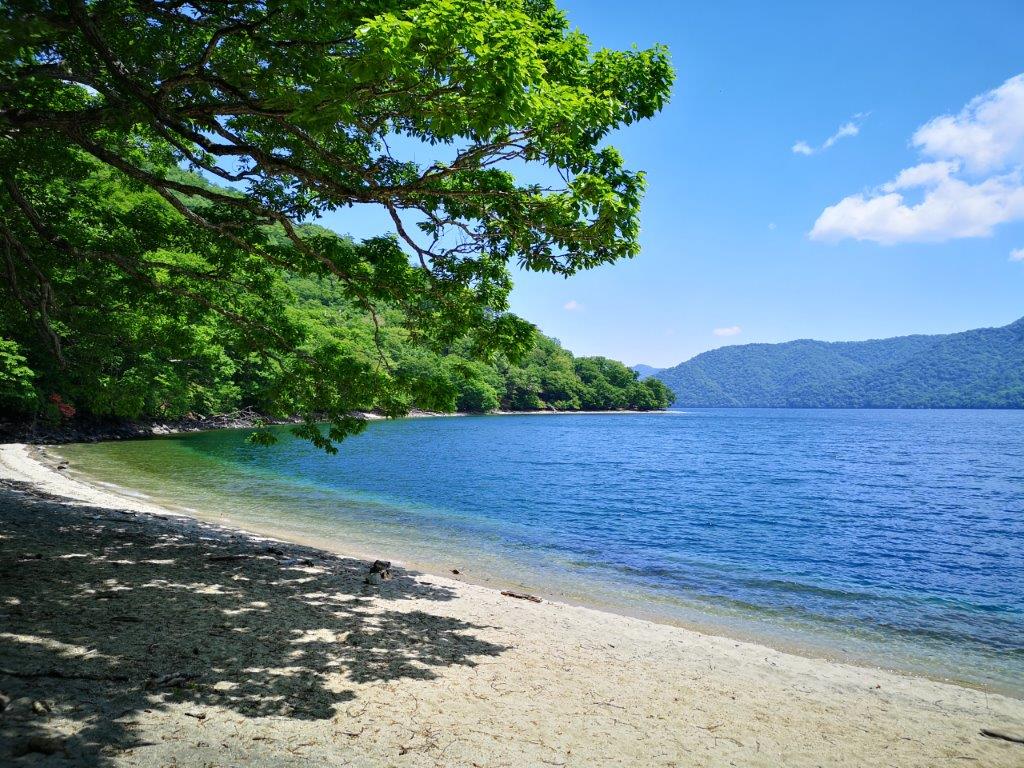
At 12h30 I reached the white sandy shore of Chuzenji lake. Under the blue sky, it felt like I was on a Pacific island. I continued along the shady path to the right, circling the lake counter-clockwise. Ten minutes later, I arrived at Senjugahama (千手ヶ浜), also accessible via boat and bus, which explained the number of people I saw there. I moved on quickly, enjoying the various views of the lake and Mt Nantai to the left. Twenty minutes later, after crossing a river on a small footbridge, I was back on a hiking trail with no one else around.

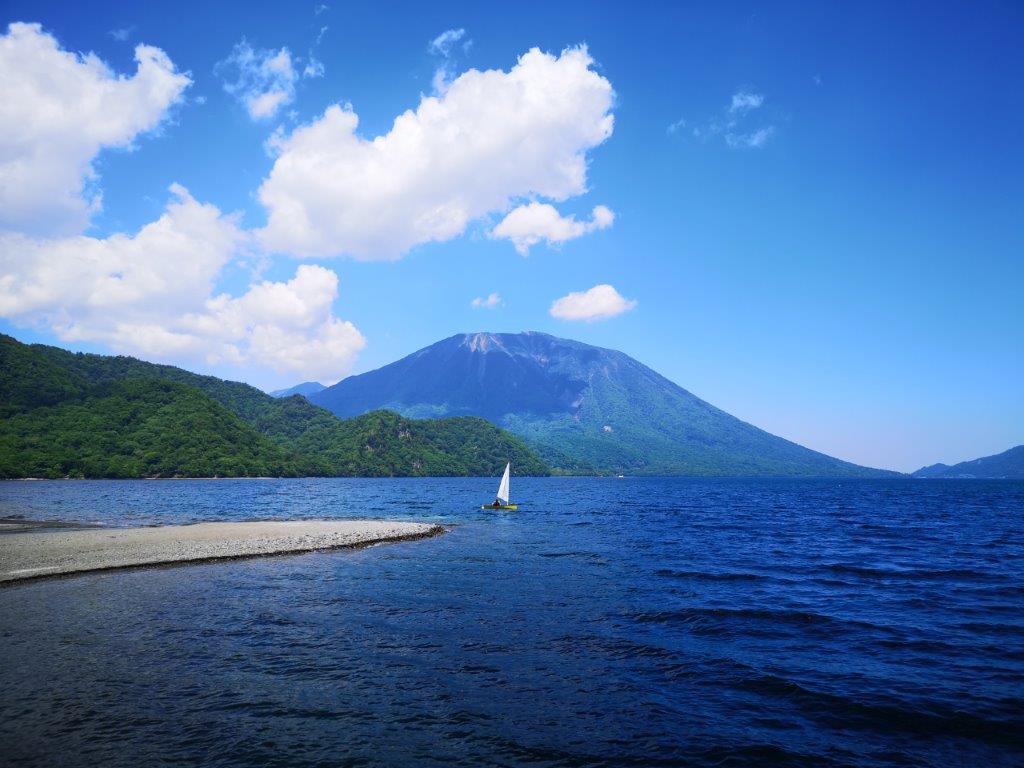
Sailing boat with Mt Nantai directly behind

Mt Taka from the southern side of Chuzenji lake

It took about three hours of solitary hiking through pleasant forest to reach the end of the hiking trail at the Italian Embassy Villa Memorial Park. During the first half, the narrow trail went up and down but also remained within sight of the lake. The second half was wider and flatter and I had to be careful not to lose the trail. I wasn’t sure till the final hour that I would make the bus, but it was with great relief that I got to the bus stop with ten minutes to spare. At 5pm, I was comfortably seated on the Tobu bus back to Nikko station, at at 6pm I was on the limited express for Asakusa station.

See the views along the Chuzenji Lake Nature Trail

One of the many view of Mt Nantai along the trail