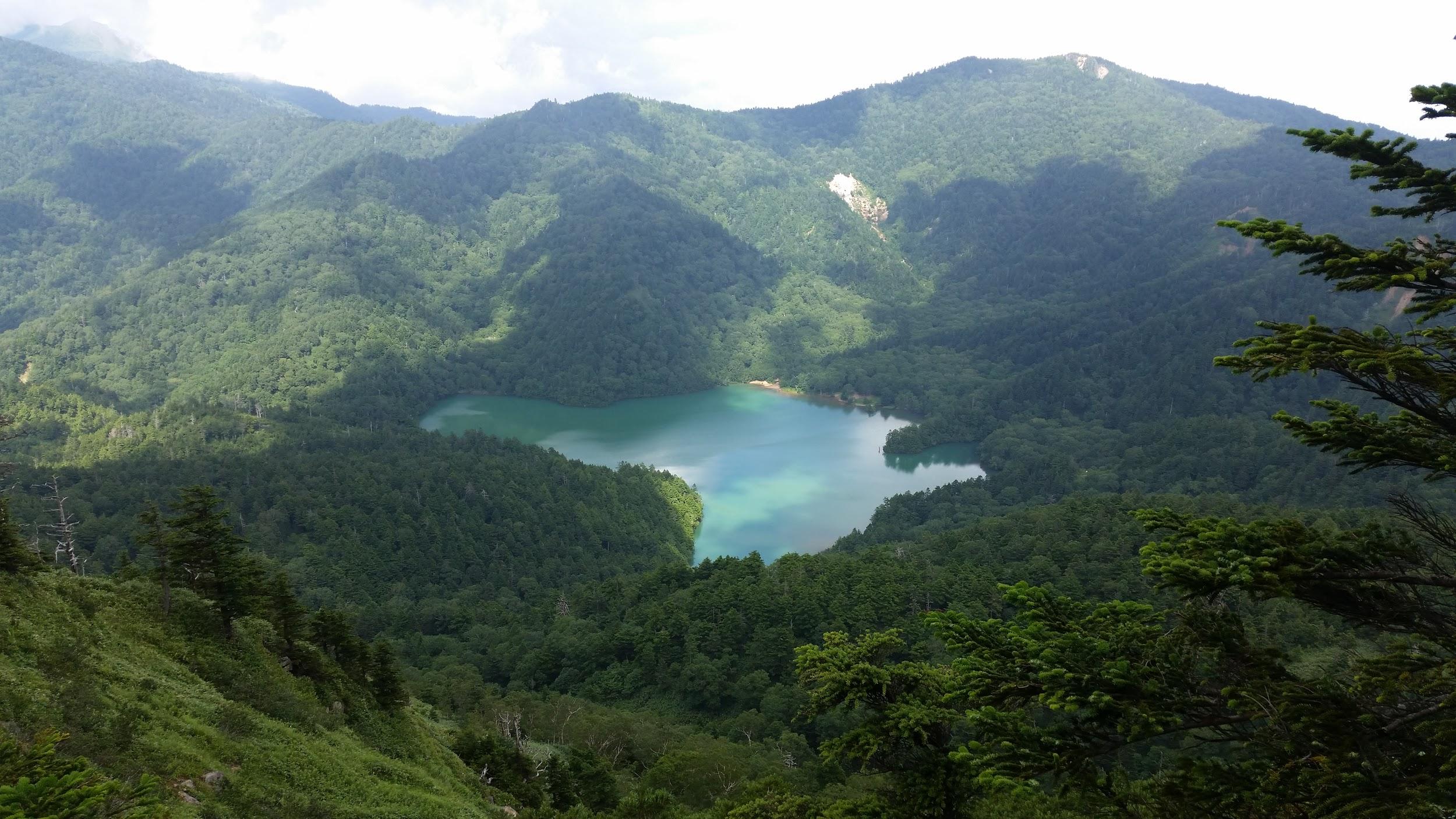
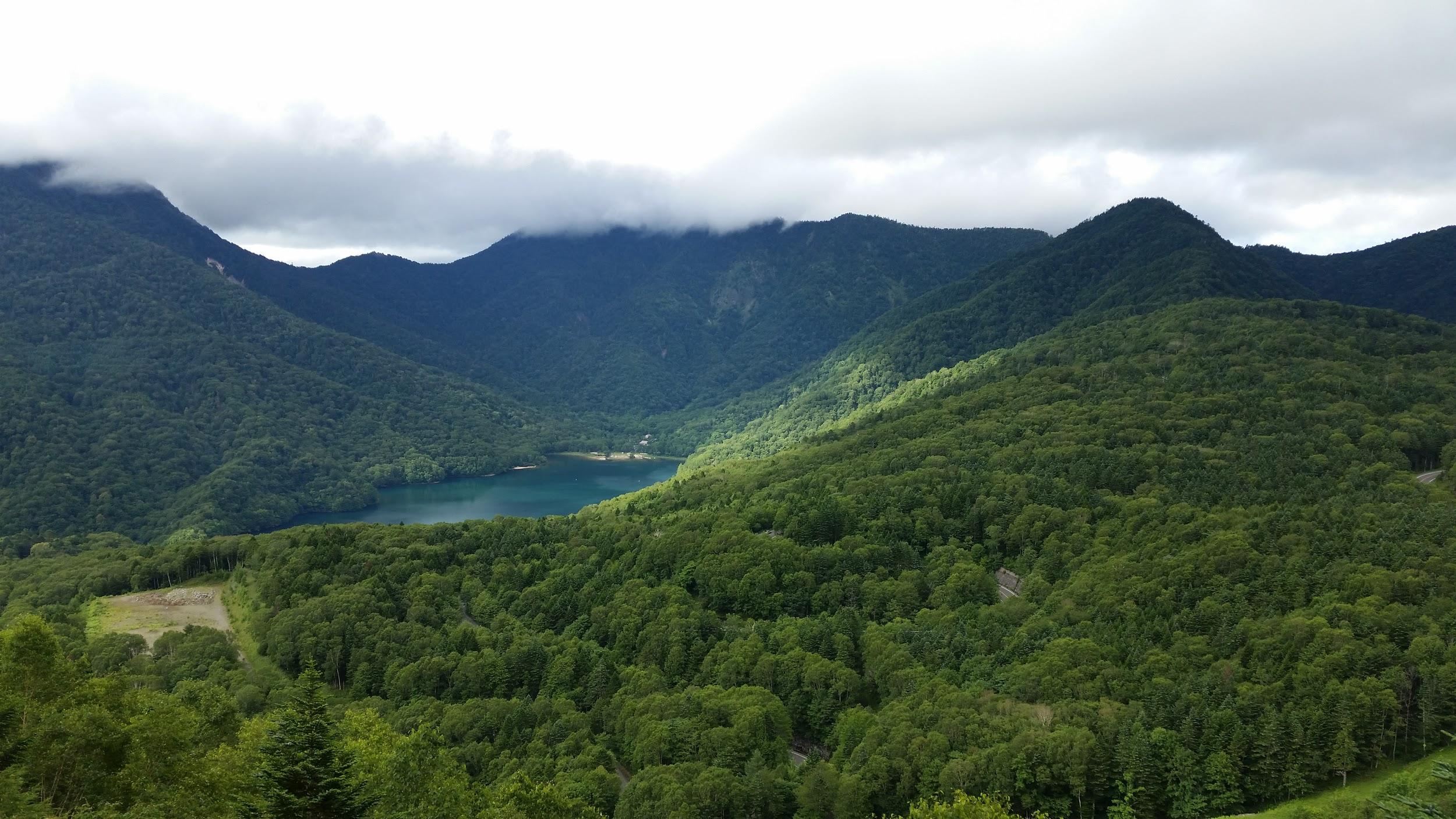
I did this hike with my mother who was visiting Japan for a couple of weeks. Since it was quite far from Tokyo, we rented a car in Takasaki, and spent the night in a traditional Japanese inn, or “ryokan”, in Kusatsu Onsen. The next morning was sunny, but by the time we had made our way all the way up to Yugama Lake 湯釜 the clouds had rolled in. We admired the light blue colour of the crater lake, but gave up on climbing Mt Kusatsu-Shirane. I had climbed it before in the clouds, and had little interest in doing it again in similar conditions.
A beautiful crater lake
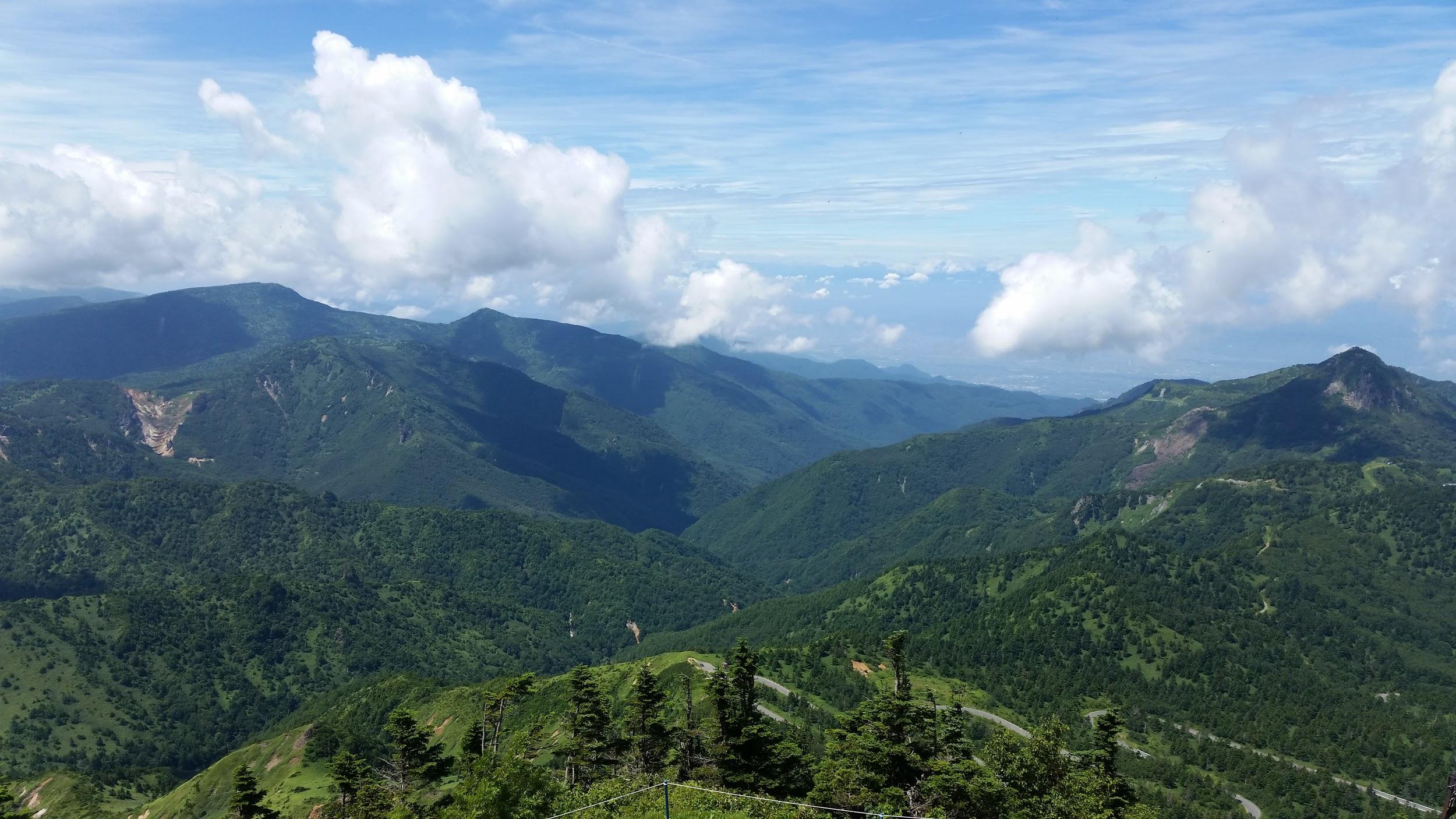
We drove on to Yokoteyama Ropeway which took us to the top of Mt Yokote 横手山. We got some nice views of Shiga Highland 志賀高原. Fortunately, the Nagano side was still free of clouds. We finally arrived at Kumanoyu (meaning the bear’s bath) where we left the car. We were now firmly inside Nagano prefecture. Another short ropeway took up to the start of the hike. Luckily, the weather was holding up. The first part was quite level. At one point the path went through some very high bamboo, higher than our heads, and I was worried about bears. So I reached into my bag to retrieve my bear bell only to realise that I had left it in the car!
View from the top of Mt Yokote
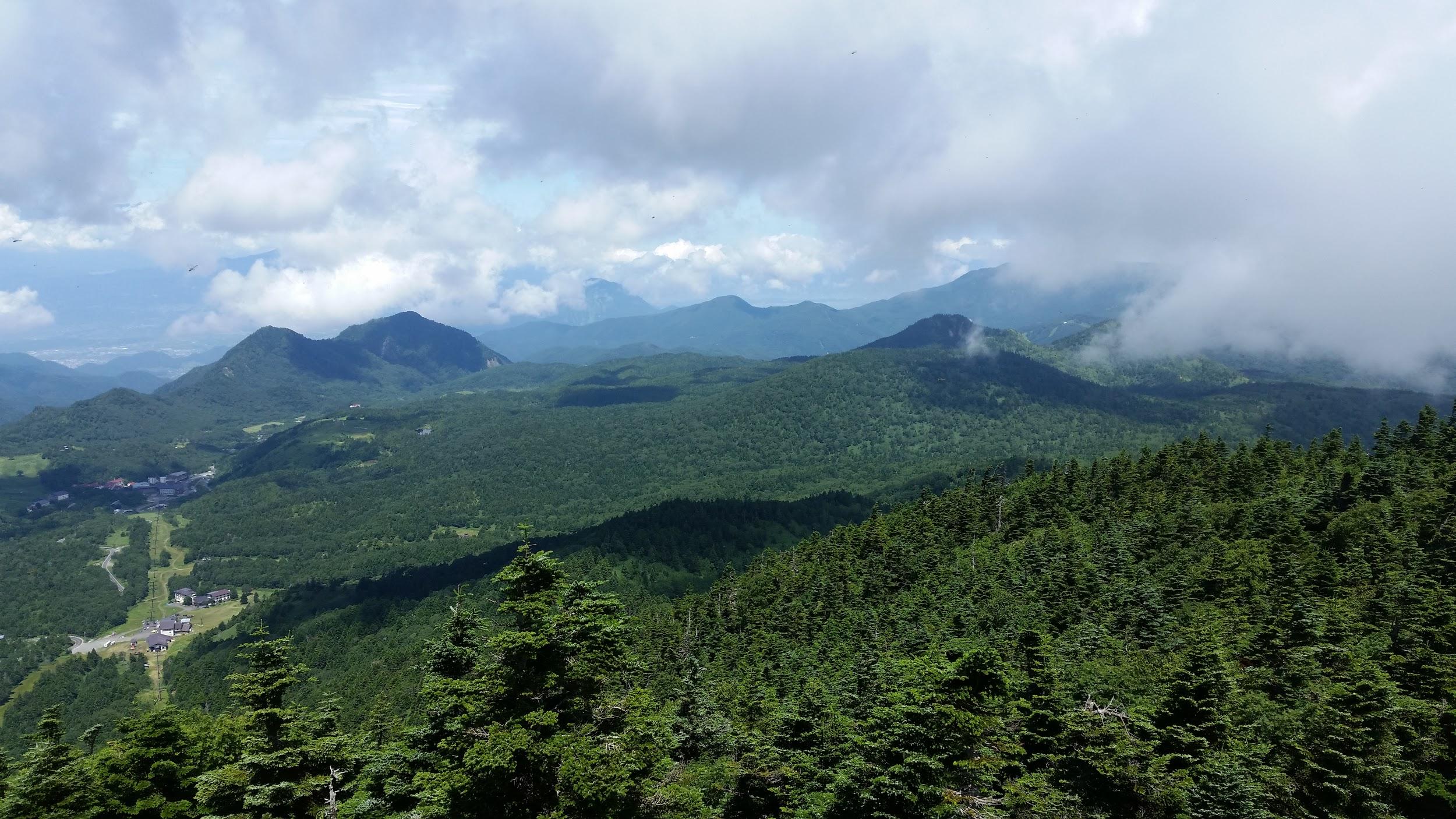
Soon the path started to climb. It was steep, with big rocks and protruding tree roots, making progress slow. The path slowly wound up the side of the mountain. We saw few people, and thankfully no bears. We reached the top of Mt Shiga 志賀山 just before 2 pm. A little way past the summit, there were some good views of Onuma-ike Lake below. The whole hike is inside the Joshin Etsu Kogen National Park and is very wild and beautiful.
The area of our hike – Mt Shiga is in the clouds on the right
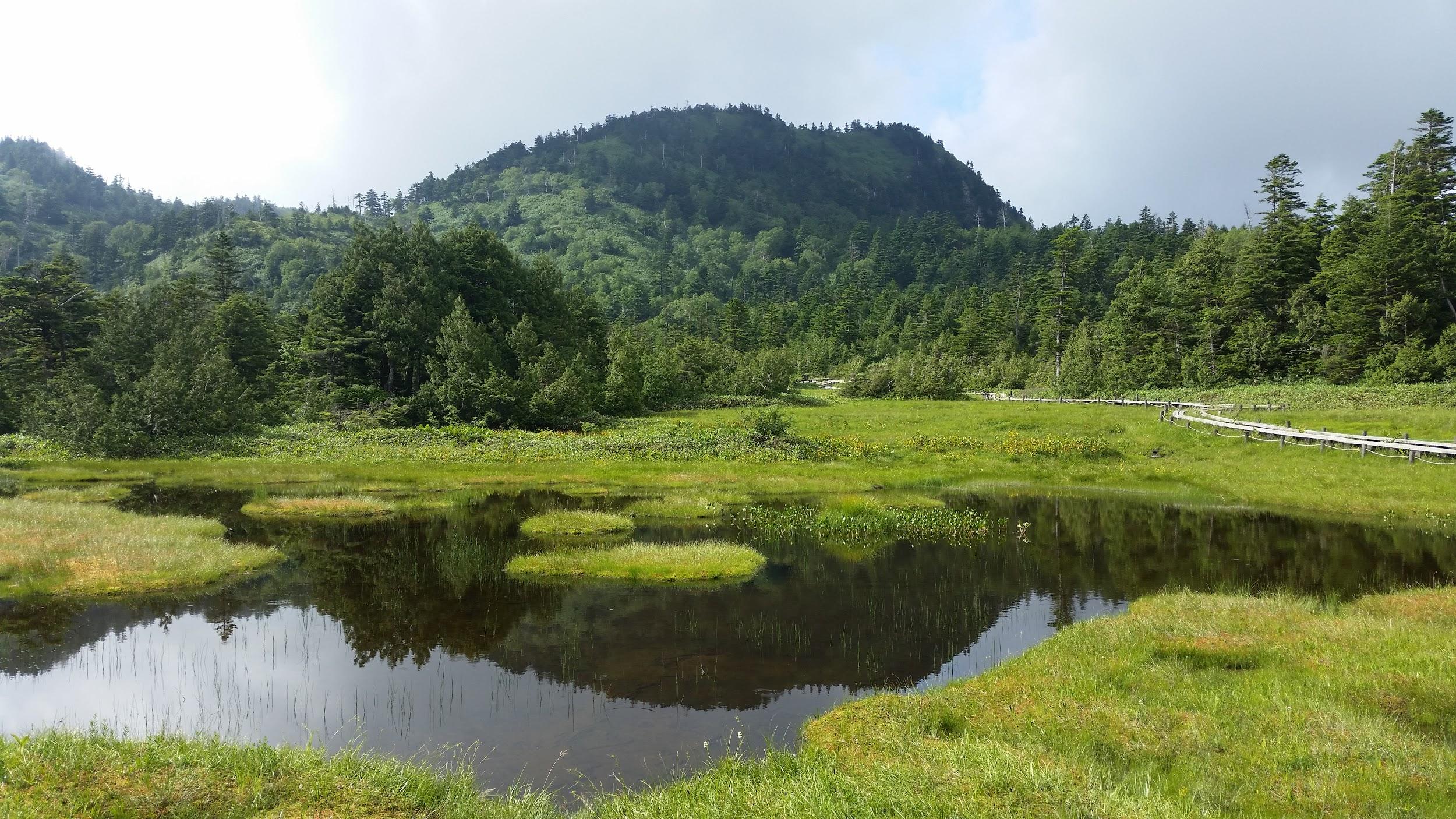
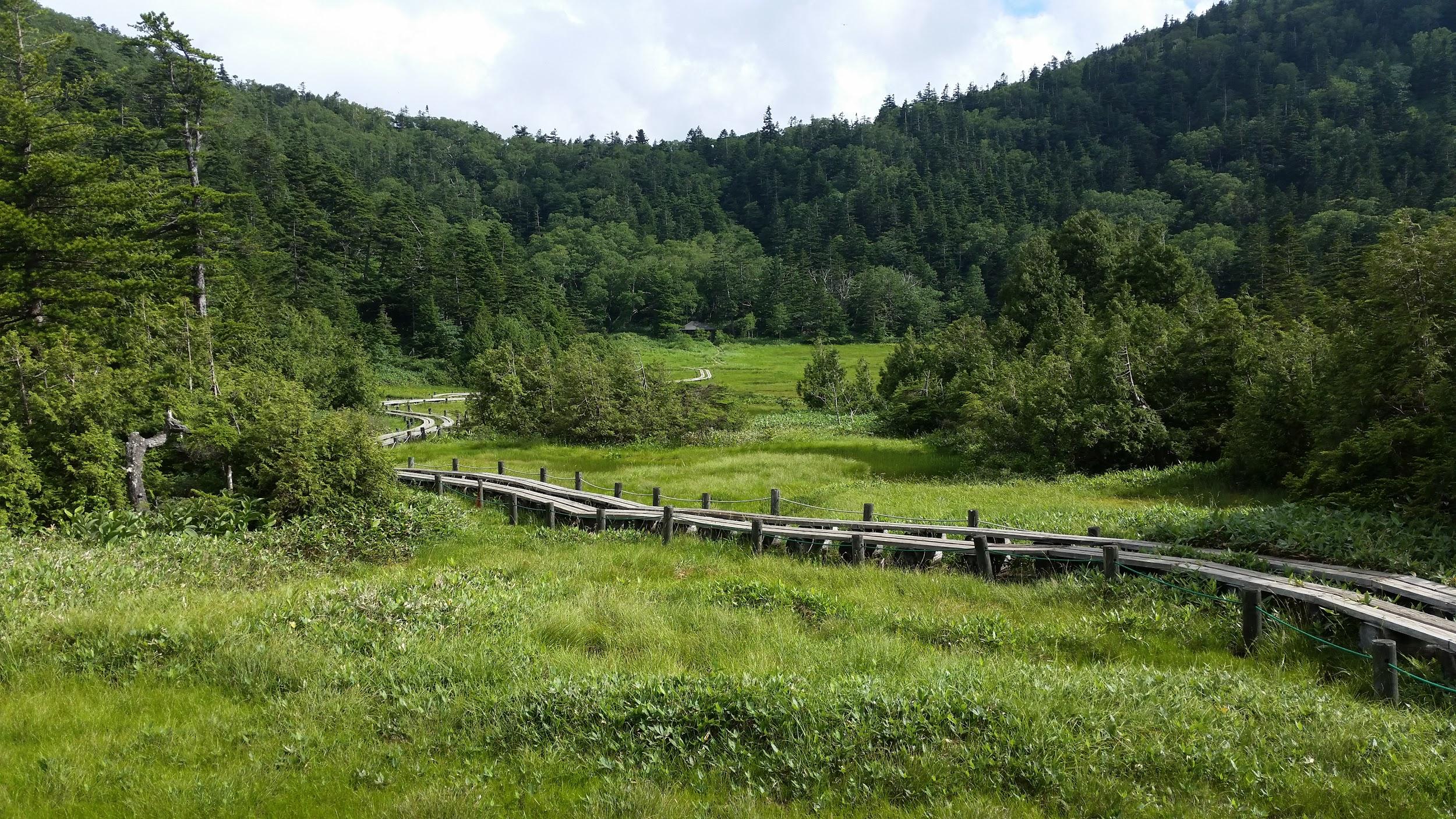
We climbed down via a different path, spotting various small ponds on the way. Finally, after passing through a shinto gate or “torii”, we reached the base of the cone-shaped Mt Shiga. The next part involved walking along an elevated walkway through marshlands – much easier than the rocky path down the mountain! The final part back to the ropeway was along a wide and level path through the forest.
Onuma Lake in the middle of Shiga Highland
Since it was getting late, we decided not to take a bath at Kumanoyu, and leave right away. No sooner had we set off, that a dark shadow dashed across the road – it was a bear cub. It disappeared into the bushes opposite. We waited a bit for a mother bear, but she was nowhere to be seen. In any case the place certainly deserves its name!
Elevated walkway through the marshland
On the way back, we stopped briefly for some photos at the marker for the highest national road in Japan at 2172m high. The drive down to Kusatsu onsen was through thick mist. We had a bath at the Sainokawara open-air bath, one of the biggest in Japan. After we were done, it started raining really hard, but we managed to get back to Takasaki safe and sound, a little after nightfall.
I did this hike with my mother who was visiting Japan for a couple of weeks. Since it was quite far from Tokyo, we spent the night at the Takasaki Dormy Inn Hotel, and the next morning, I drove to the Nikko-Shirane Ropeway. Even though it was a weekday, I was surprised by how few people there were, especially since it was the middle of the summer holidays. The place is mainly a ski resort in the winter so perhaps people aren’t aware that it also runs from June to October. I love ropeways and I keep on discovering new ones – it’s amazing how many there are in Japan!
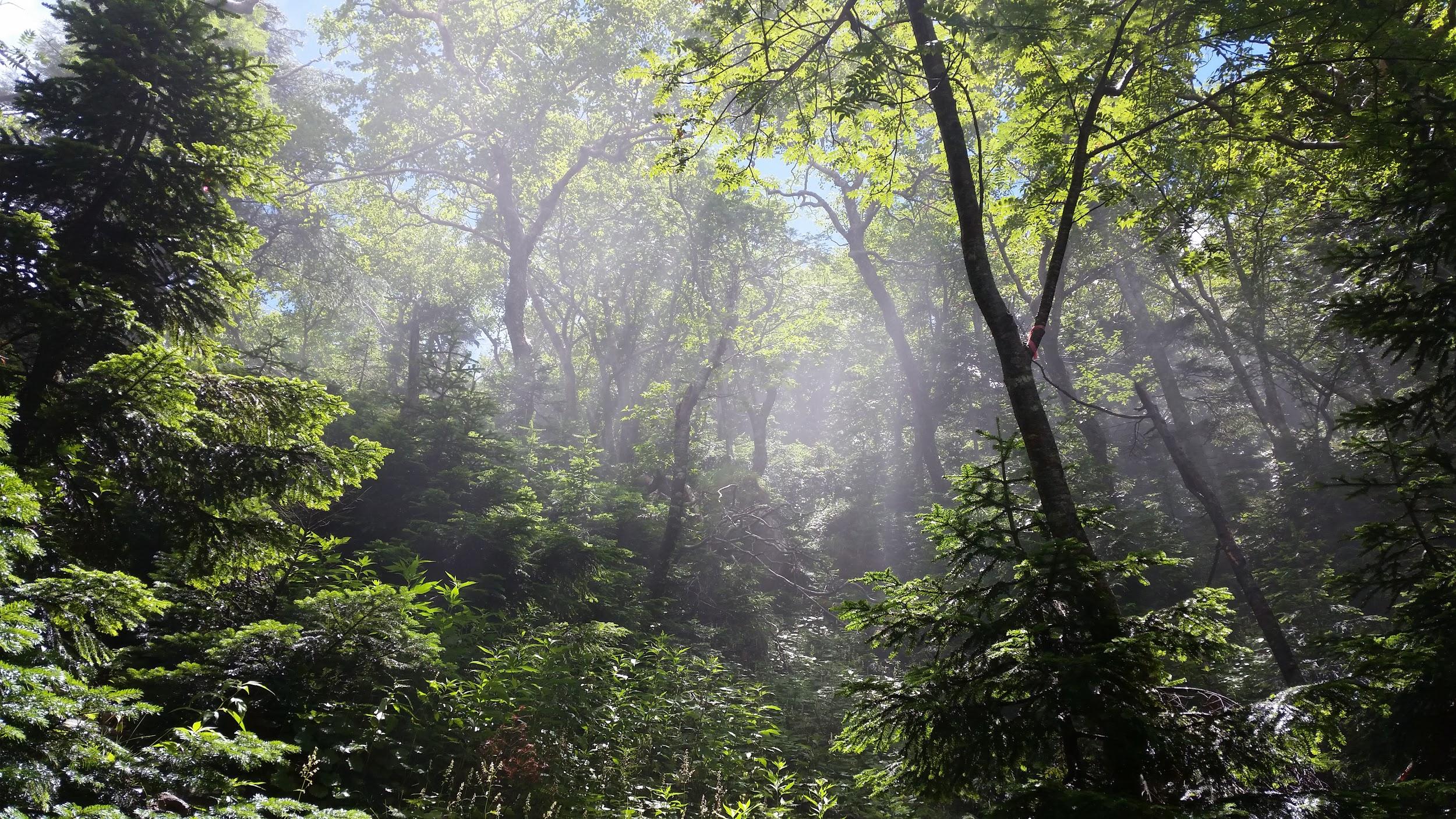
Sun shining through the forest
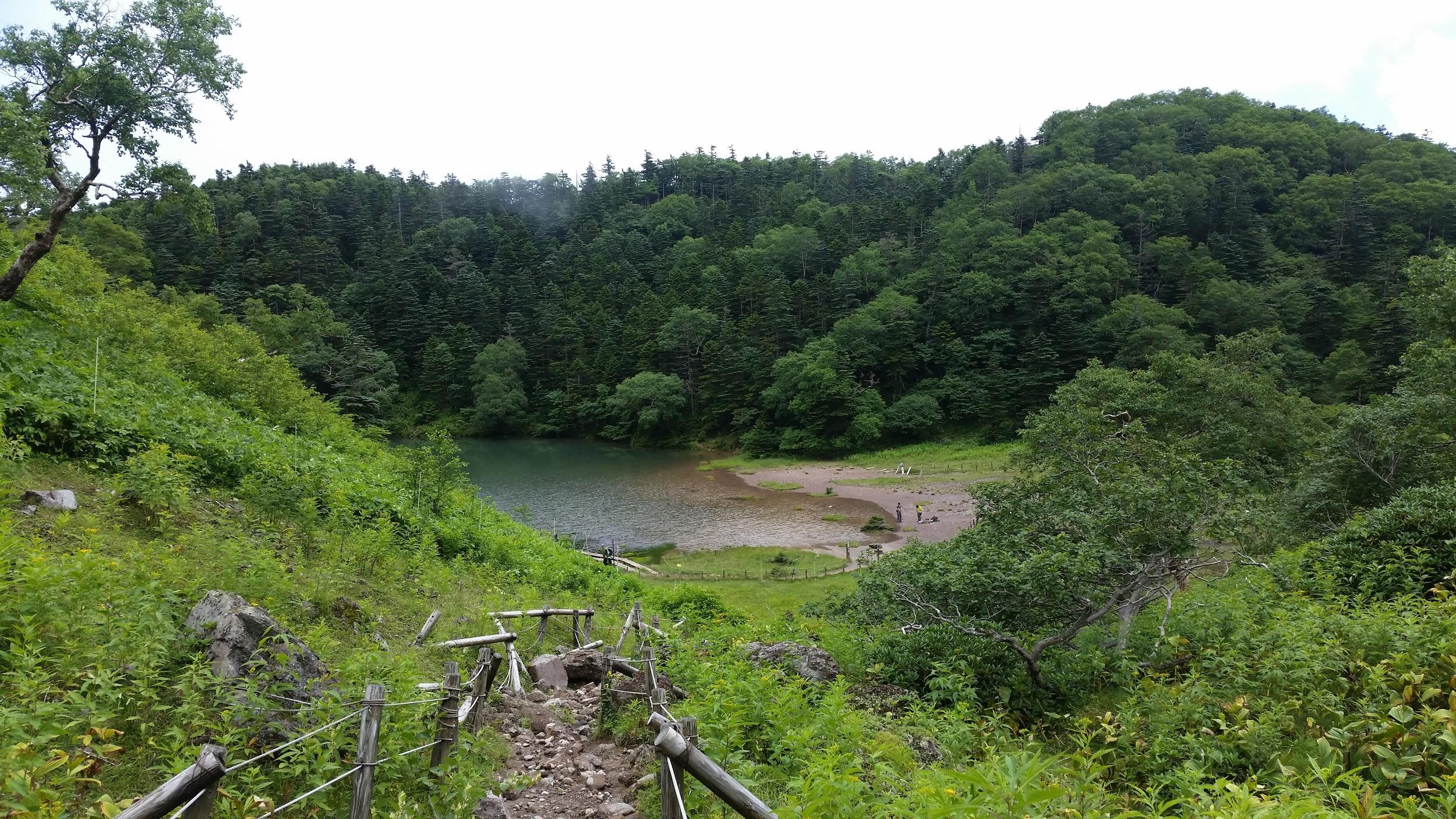
At the top of the ropeway, inside Nikko National Park and nearly 2000m high, the visibility wasn’t the best, and the views were a little disappointing. At least it was cooler than down in the valley. The hike started out on a fairly level trail through beautiful forest. After an hour or so, we had to climb steeply for a short while to reach the edge of a pond. Here I was able to look up towards the top of Mt Nikko-Shirane. I had been hoping to get my revenge, since it was in clouds when I climbed it several years ago. However, the top was in the clouds again, and another ascent seemed pointless.
Midaga Pond near the top of Mt Nikko-Shirane
We continued a little further and reached the edge of a crater with at the bottom, the beautiful Goshiki-Numa lake 五色沼 (which means five-colour lake). Since we had enough time, I decided we could descend to the shore of the lake and climb back up again. Unfortunately the descent was steep and rocky, and we regretted it a bit.
The Goshiki-numa lake, inside Tochigi prefecture
After enjoying the peace and quiet of the lake, we made our way back up to the edge of the crater via a different path, and then walked back the way we had come. At the pond, we passed a group of noisy school children who had come up a different path. We headed back down the steep path to the forest below, and at the bottom we took another trail that looped back to the top of the ropeway.
View of Maru-numa lake from the ropeway
Check out the views of Nikko-Shirane
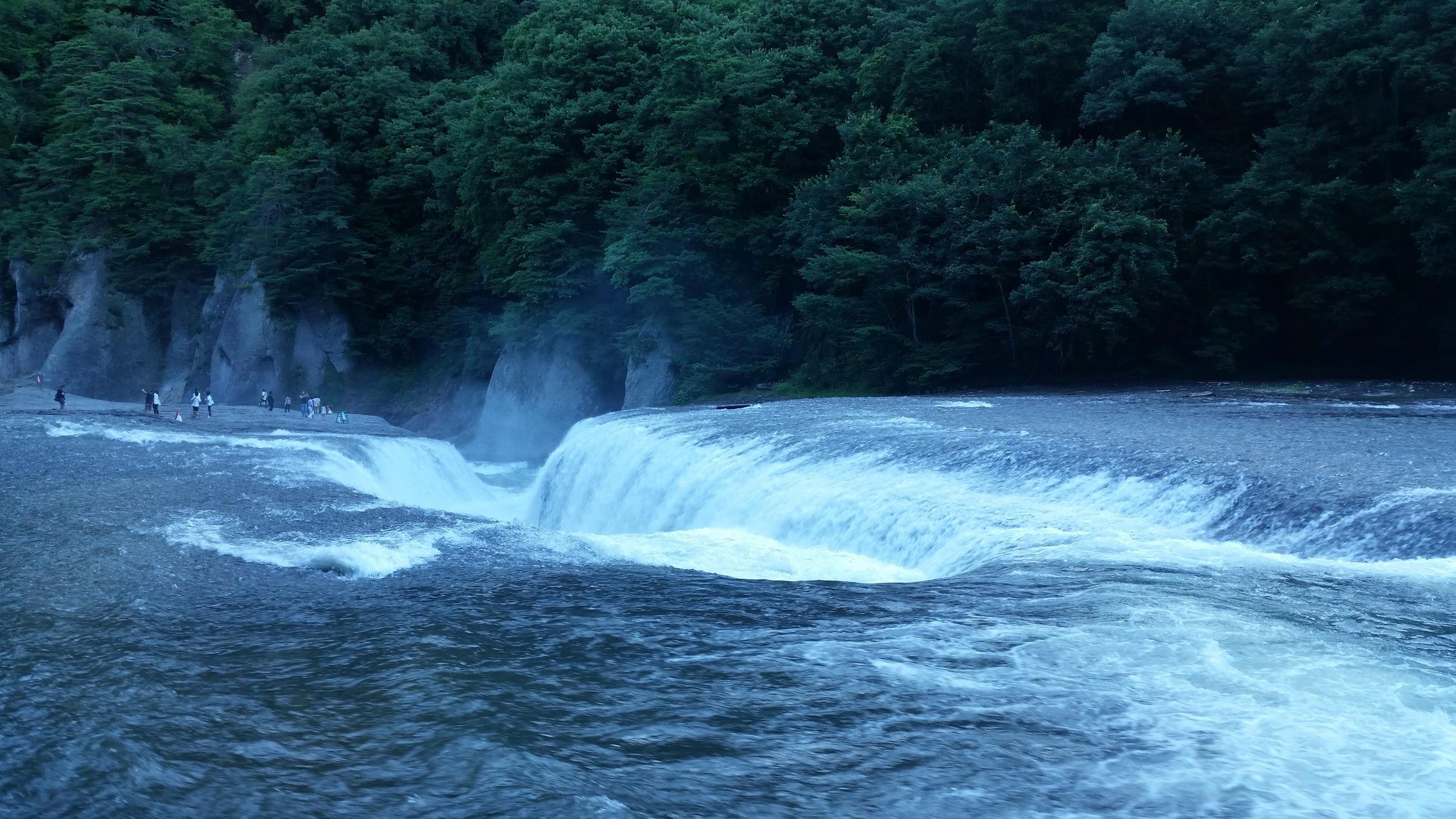
On the drive back to Takasaki we stopped at the very impressive Fukiware Waterfalls 吹割の滝 where we could walk along the river and the falls for a short way.
Next up is a list of low-altitude snow-free winter hikes in the areas to the West of Tokyo, mostly in the foothills of the Okutama and Chichibu mountains. Saitama especially has a multitude of short hikes that are suitable for the short cold winter days and this list is by no means complete.
Mt Takao 高尾山, Tokyo Prefecture
No need to introduce Mt Takao 599m – if you haven’t climbed it, head there first. You can go up one of the several direct routes, or one of the longer hikes circling North or South around the top of Mt Takao. The adventurous can continue West from the summit to Mt Kagenobu and even Mt Jimba (be prepared for some snow in that case).
PROS: Lots of trails to choose from, station to station hiking, lots of temples to check out
CONS: Crowds (especially school children), path erosion, somewhat cliche
Ome hills hiking trail 青梅丘陵 ハイキングコース, Tokyo Prefecture
These unassuming hills on the Eastern fringes of the Okutama moutain range follow the Ome line between Ome 青梅 and Ikusabata 軍畑 stations, climbing gradually to the highest point, Mt Raiden 雷電 at 494 meters. Since most of the trail is in the forest it can be a bit boring but it does make for a great workout and it is good for trail running if that is your thing (just make sure to give priority to the hikers!). There is a trail to the South of Ome station that would enable one to do a loop but I haven’t tried it yet.
PROS: Station to station hiking, well-worn and relatively easy trail to follow, Karakai castle ruins on the way (just the foundations though)
CONS: Lots of ups and downs, few views (although it’s possible to see the tip of Mt Fuji at one point), sometimes used by trail runners
View North towards Hanno and Okumusashi
Mt Hiwada 日和田山, Saitama Prefecture
Mt Hiwada 305m can be reached on foot from Koma station 高麗 on the Seibu Ikebukuro line (a couple of stops afte Hanno) and belongs to the Okumusashi area 奥武蔵 which is a kind of prelude to the Chichibu area 秩父. There are several paths going up and down and a small shrine on the top. It’s possible to follow the trail beyond the summit which leads to other minor peaks and a lake. My recommendation is to head to Mt Monomi 物見山 and then back the same way
PROS: Station to station hiking, good views of the Kanto plain and Mt Fuji from the top, length can be adjusted
CONS: Some road walking from the station, hike is on the short side unless one extends to Mt Monomi, Hiwada part can be a little crowded
Mt Fuji from the shrine near the top of Mt Hiwada
Yugate ユガテ and Mt Ogami 越上山, Saitama Prefecture
Yugate 290m, less than an hour from higashi agano station 東吾野, consists of 2-3 houses and some fields in the Okumusashi hills. There are a couple of benches and it makes a nice spot to stop for a break. Continuing further along a relatively wide and flat path, one eventually reaches Mt Ogami, 566m high. The return is done by heading down the opposite side to the Kuroyama bus stop 黒山 (to Ogose station 越生).
PROS: Easy path to hike, good picnic spot at Yugate, waterfall near Kuroyama
CONS: Some road walking, few views
Yugate in the spring
The 5 peaks of Kamanosawa 釜の沢五峰, Saitama Prefecture
This is a hike that I have discovered recently in the low hills that cross the wide valley containing Chichibu city, close to Ogano village 小鹿野. The highest point is 590 meters but lying quite a bit inland, a little snow is always a possibility (it was totally snow-free when I did it it January). There are some steep rocky bits (with chains to assist you) so it isn’t recommended for beginners. The views of the surrounding Chichibu mountains are fantastic and there is an interesting rock formation on the way called kamegadake 亀ヶ岳.
PROS: few people, some “exciting bits”, lots of panoramic views
CONS: bus required both ways, somewhat far from Tokyo, caution required along various steep drops along the way
Kamegadake
The Nagatoro Alps 長瀞アルプス, Saitama Prefecture
Another “Alps”, this time West of Nagatoro station 長瀞 on the Chichibu line, the highest point being Mt Hodo 357m. There is a ropeway, a small zoo and flower gardens (including cherry blossoms). The start point is actually the next stop, Nogami station 野上 but one can also start the hike further North as the there is a path that follows the ridge as it curves to the east following the railway line all the way to Mt Kanetsukido 鐘撞堂山 (incidentally a Kanto hundred famous mountain).
PROS: Station to station hiking, good views of Chichibu, hike can be lengthened or shortened
CONS: Crowds since the top is accessible via cable car, somewhat far from Tokyo, lots of the steps near the top of Mt Hodo
Stairs leading up to the highest point of the Nagatoro Alps
Winter is in full-swing and for those who are averse to hiking in freezing temperatures or snowy conditions, it’s good to know a few low-altitude spots for hiking. So without further ado, here is a list of hikes that I have done during the winter months (December to March) starting with areas South of Tokyo:
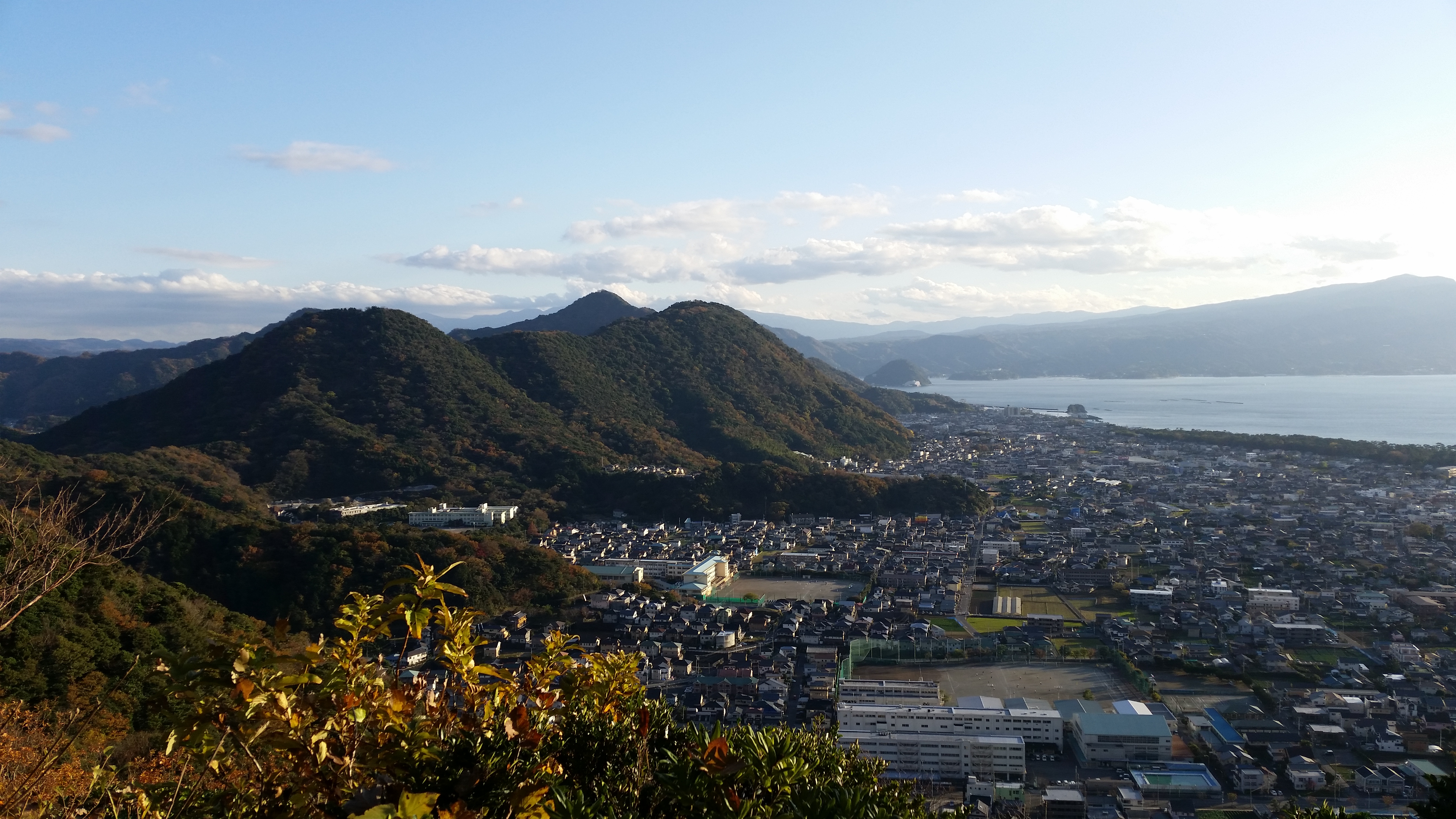
Numazu Alps 沼津アルプス, Shizuoka prefecture
With the highest point being 392m and located right next to Suruga bay, it’s safe to say that snow on the Numazu Alps is a rare affair. However the name “Alps” is well-deserved as there are lots of ups and down, some of which are surprisingly steep (nothing technical though).
PROS: Shinkansen Access, Mt Fuji and sea views, hike can be shortened or lengthened
CONS: Transport cost, Crowds (especially closer to Numazu city), lots of ups and downs.
Looking back at the highest point of the Numazu Alps, Mt Washizu
Mt Higane 日金山, Shizuoka Prefecture
Mt Higane starts at sea-level from Yugawara station and heads inland all the way up to 771m. The latter portions of the trail can have snow but this shouldn’t really be a concern since there are few steep sections. However caution is required when negotiating the icy steps when heading back down to Izuyugawara Onsen 伊豆湯河原温泉, a short bus ride from the station. There is a short cable car near the top of Mt Higane at Jukokkutoge 十国峠 at the bottom of which it is possible to catch a bus.
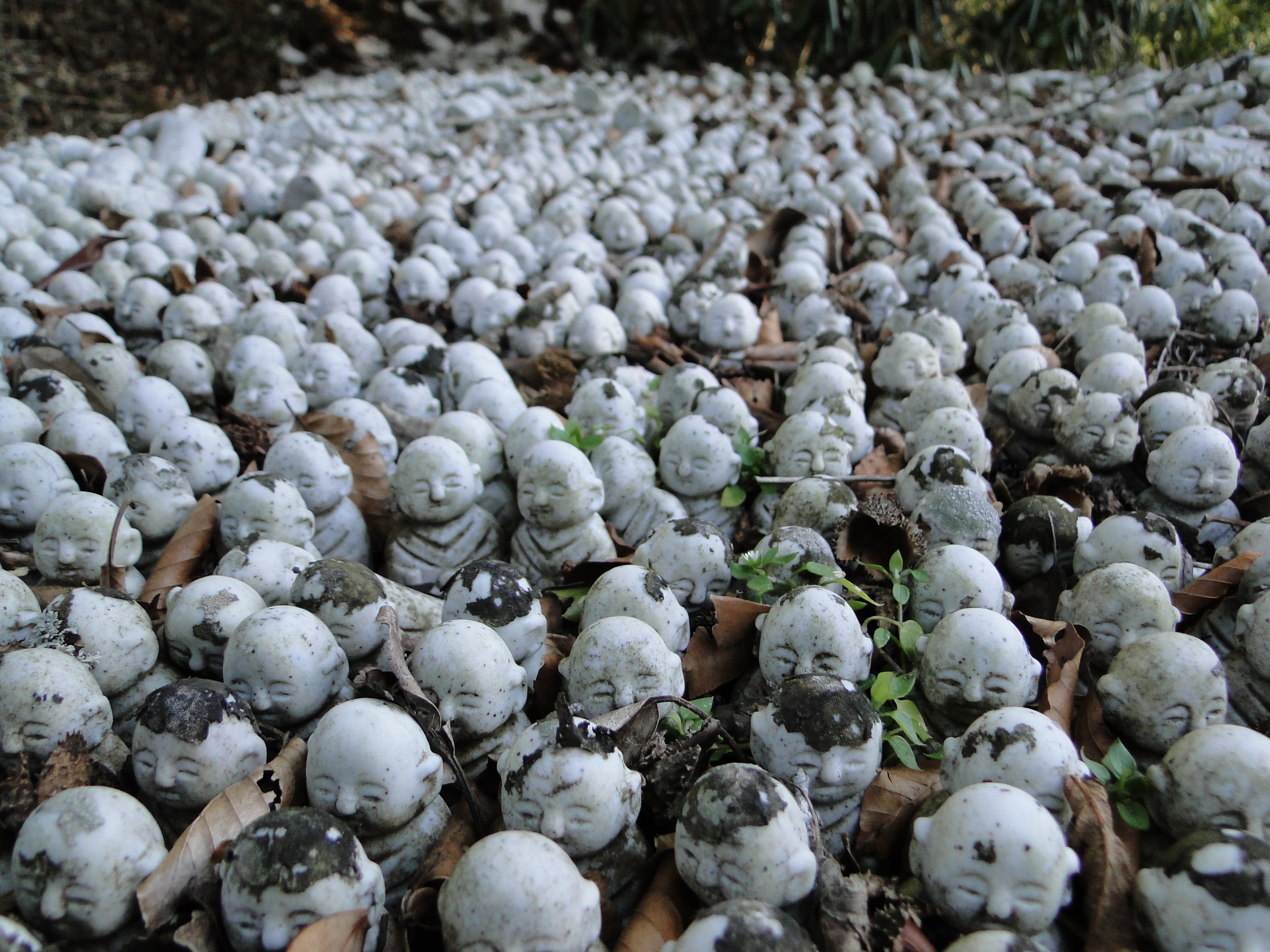
PROS: Nice Onsen at the end, great views of Mt Fuji, photogenic stone buddhas
CONS: Start of the trail is not well signposted, some portions are on the road, some snow on the higher portions
Miniature statues at Toukouji temple near Mt Higane
These 3 small mountains are located a little North of Mt Higane (described above) in the vicinity of Yugawara station 湯河原. The first 2 are best reached via a short bus ride but Mt Shiro is walkable from the station. They can be done separately or in combination. The highest point is Mt Nango at 610m but since they sit right on Sagami bay, snow is rare.
PROS: Multitude of paths, plum blossoms in February and March, good lunch / break spots at the top of Mt Maku (usually lots of people) and Mt Shiro (less people)
CONS: Crowded bus to the start of the trail during plum blossom season, trail up Mt Nango a little difficult to find, some road-walking when doing Mt Shiroyama
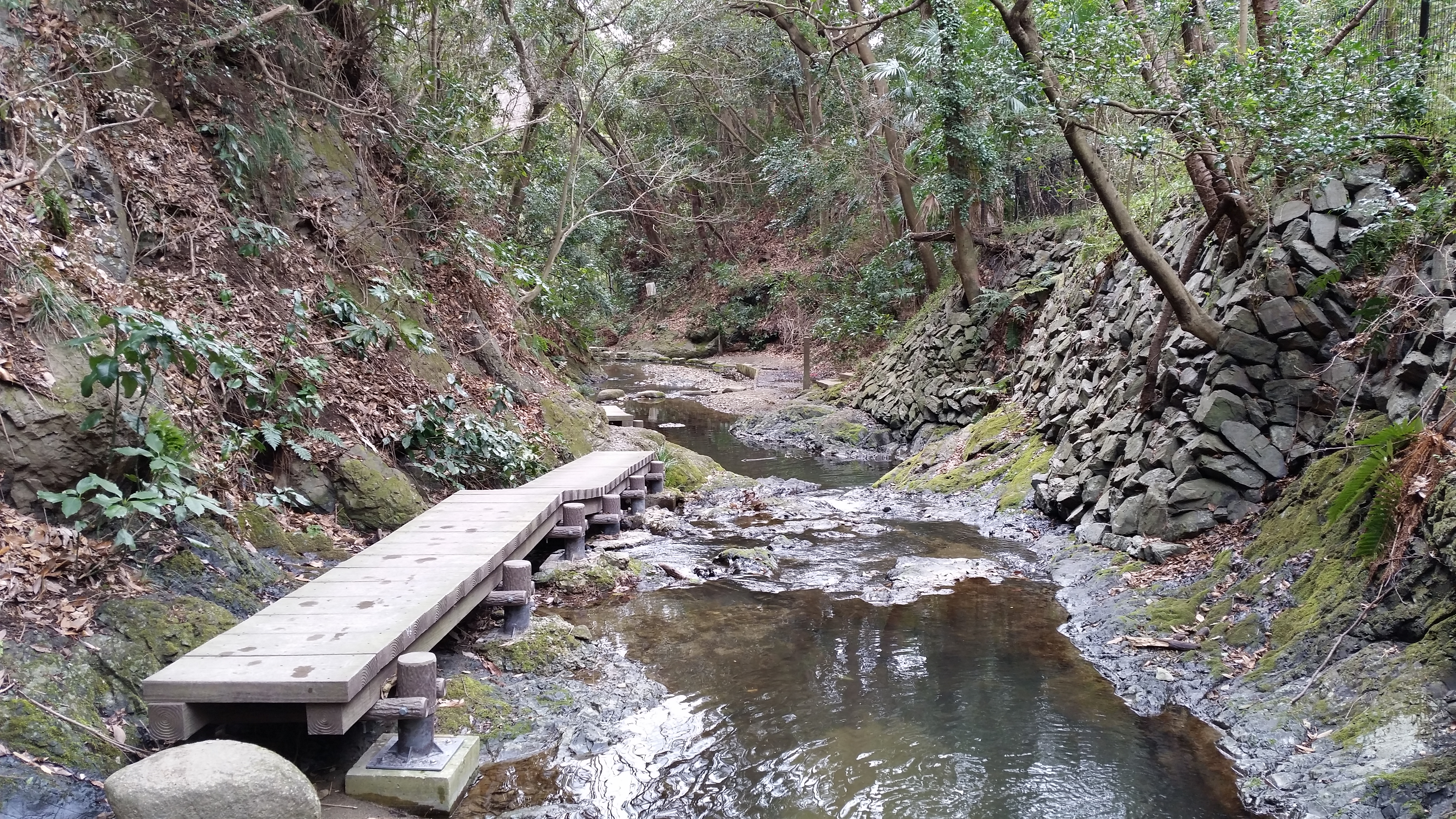
Mt Ogusu 大楠山, Kanagawa Prefecture
Mt Oogusu’s is known as the highest point of the Miura Peninsula 三浦半島 (due South of Yokohama) at 241m. It also happens to be a Kanto hundred famous mountain. So that’s already two good reasons to climb it!
PROS: Observation tower on the top, the lower part is along a river, can be done as a loop hike or a traverse from Kinugasa Station 衣笠 on the Yokosuka line
CONS: Not a full day hike (but possible to combine with other peaks on the peninsula), some road walking necessary, closeness to civilisation
Maeda River promenade at the base of Mt Ogusu
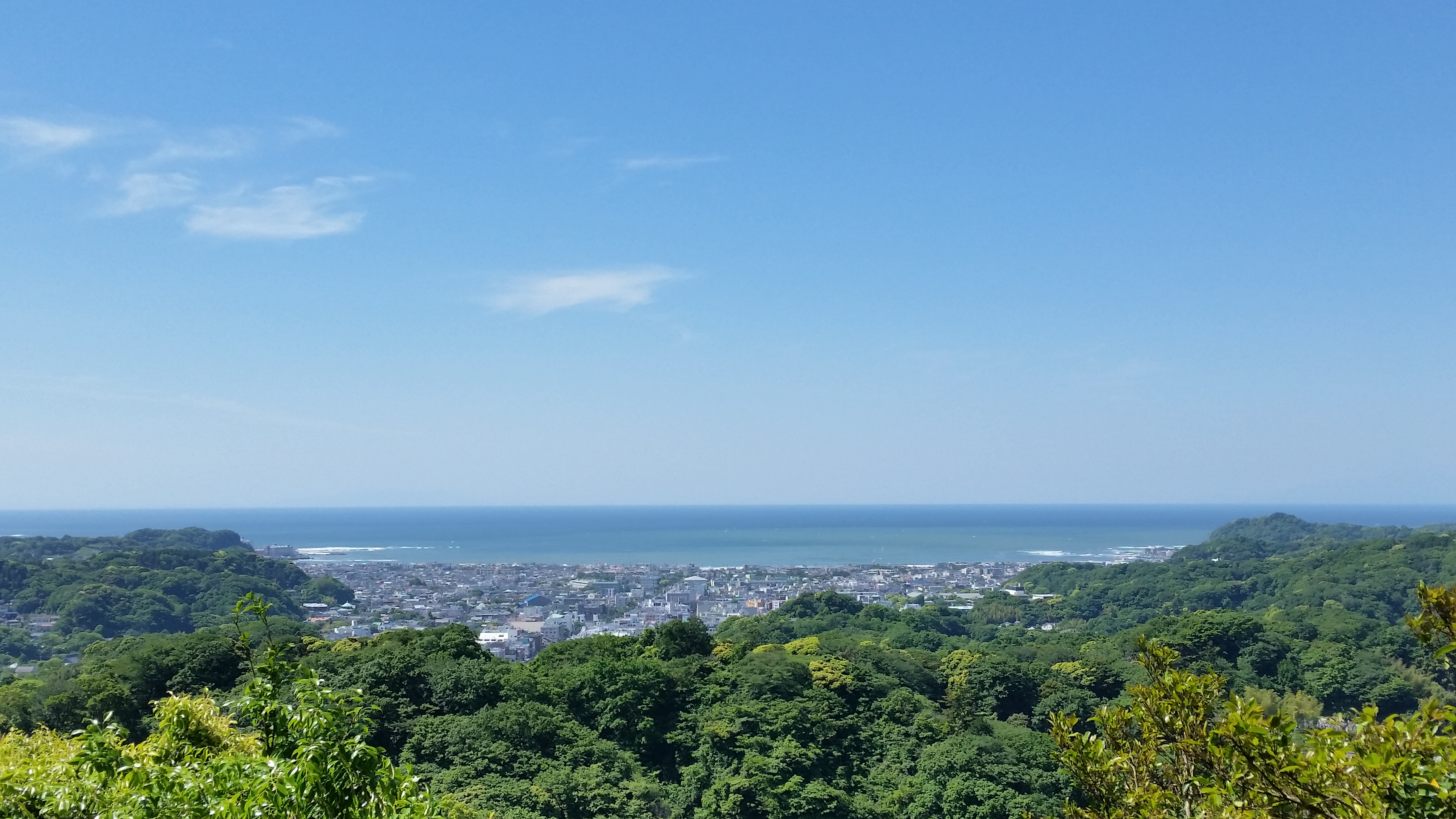
Tenen Hiking Trail 天園ハイキングコース, Kanagawa Prefecture
Topping out at 159m, Mt Oohirayama is the highest point of this trail just East of Kamakura City, and is virtually guaranteed to be snow free throughout winter. The trail is well trodden and most parts are fairly easy making it suitable for beginners. The hike starts and finishes at different temples in the area, accessible from Kita-Kamakura and Kamakura stations.
PROS: Station to station hiking, possible to combine with sightseeing (temples and Daibutsu), views of Mt Fuji and the sea
CONS: Can get crowded, not a full-day hike, surrounded by residential areas
View of Kamakura city and Sagami bay from near the top of Mt Ohira
Mt Zukkou 頭高山 and Mt Koubou 弘法山, Kanagawa Prefecture
Located right between Mt Oyama and the Shonan coast, these low hills make up the southern extremities of the Tanzawa mountain range. The highest point is Mt Zukkou at 303m and the entire trail is should be snow free throughout most of the winter. The hike starts from Shibuzawa station and ends at Tsurumaki onsen station, both on the Odakyu line. The hike can be split in two at Hadano station.
PROS: Station to station hiking, panoramic views of the Tanzawa mountain range on Zukkou part of the hike, observation tower on the top of Mt Koubou
CONS: Some road walking at the start, poor signposting on the Zukkou side, crowds around Mt Koubou
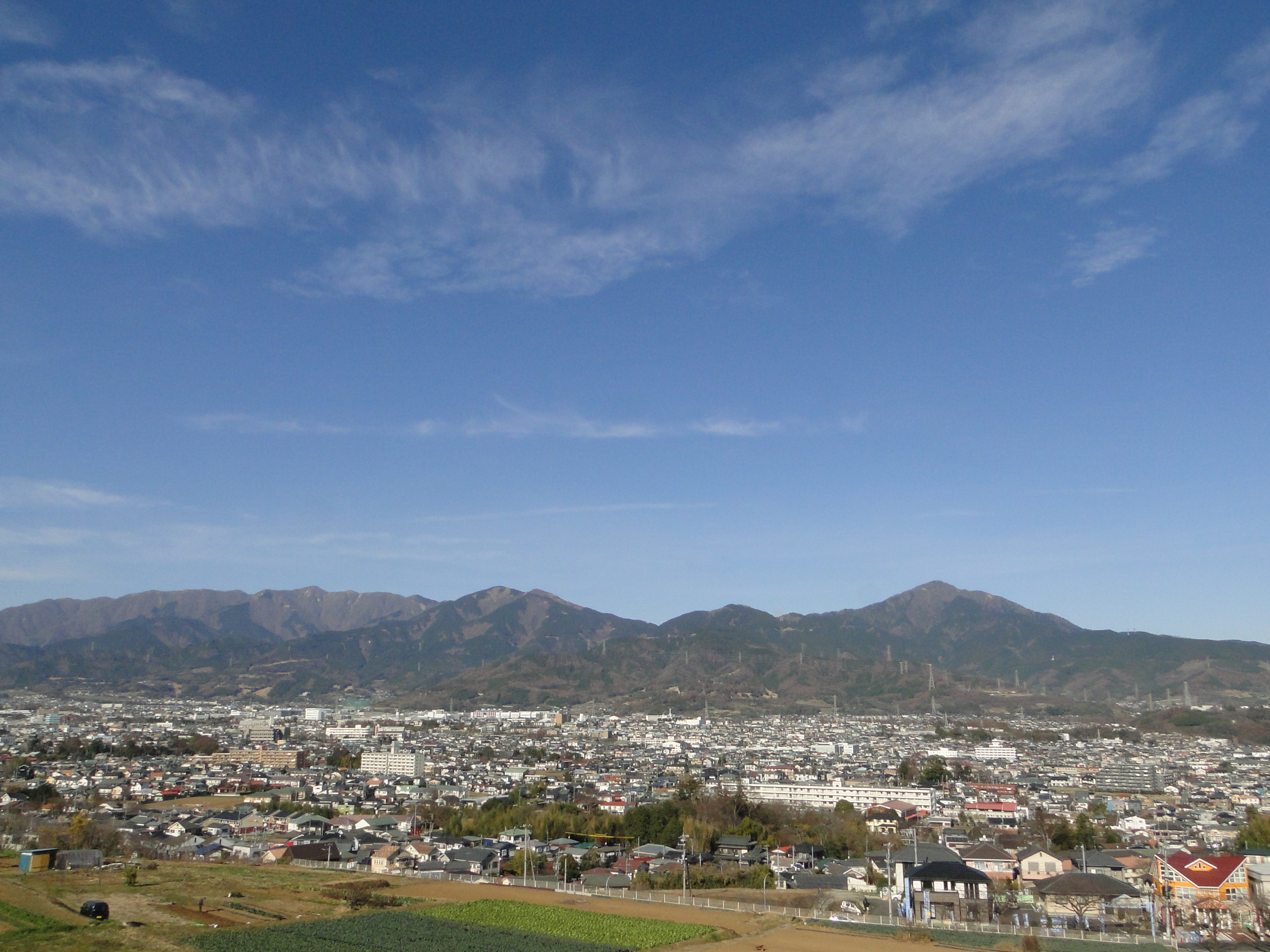
The Tanzawa mountain range – Mt Nabewari on the left, Mt Tono in the middle and Mt Oyama on the right
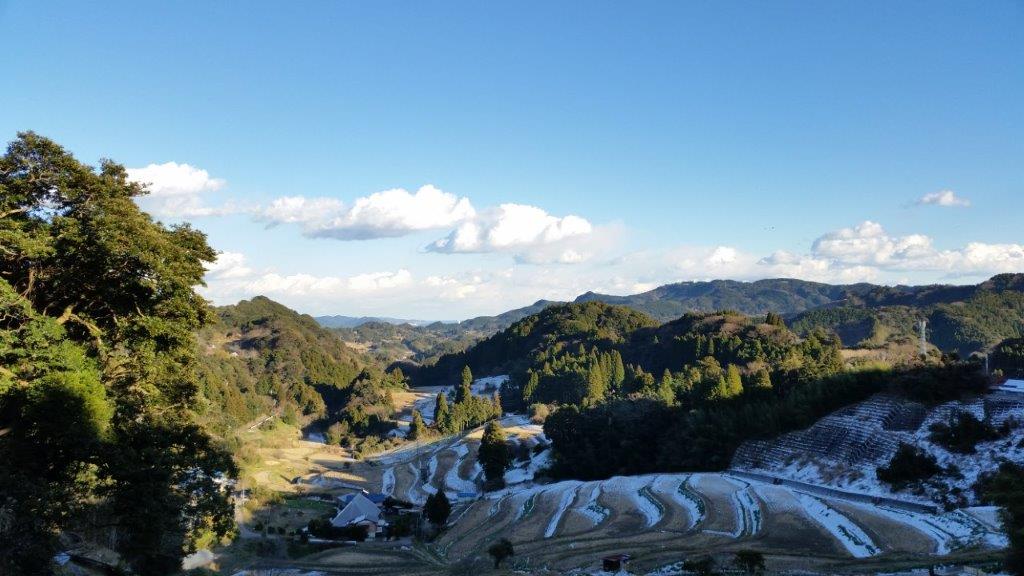
Located near the heart of the Boso peninsula, this intermediate-level loop hike perfect for the cooler days of Winter and early Spring. Along the way, one can get views of the Pacific Ocean, Tokyo Bay, the Miura Peninsula, Mt Atago, Mt Kano, Mt Iyo and Mt Tomi; the area is also known for its many flowers, especially daffodils (“suisen“) in January and cherry blossoms in April, as well as its terraced rice paddies (“senmaida“).
Terraced Fields on the East Side
If going by public transport, buses run infrequently between Sakuma Dam and Hotta station on the JR Uchibo so it’s important to confirm the timetable beforehand; depending on the season, one can take advantage of the Sazanami limited express from Shinjuku. If time allows, one can drop by at Waraku no yu for a hot bath before heading back.
Mt Tsumori from the Start of the Hike
The climb from the base to the top of Mt Tsumori (津森山 つもりやま tsumori-yama) was pleasant and the views eastwards towards Kamogawa town, the Pacific Ocean and Mt Atago were unexpectedly beautiful; closer by, rice terraces covered the mountain side.
Mt Atago from Mt Tsumori
After a short break at the summit, I made my way along a mix of hiking paths and roads to the frighteningly named Mt Hitobone (人骨山 ひとぼねやま hitobone-yama meaning “person’s bone”). Here the views were mostly of the hills towards the South and the West, with the outline of Mt Fuji visible against the late afternoon sun.
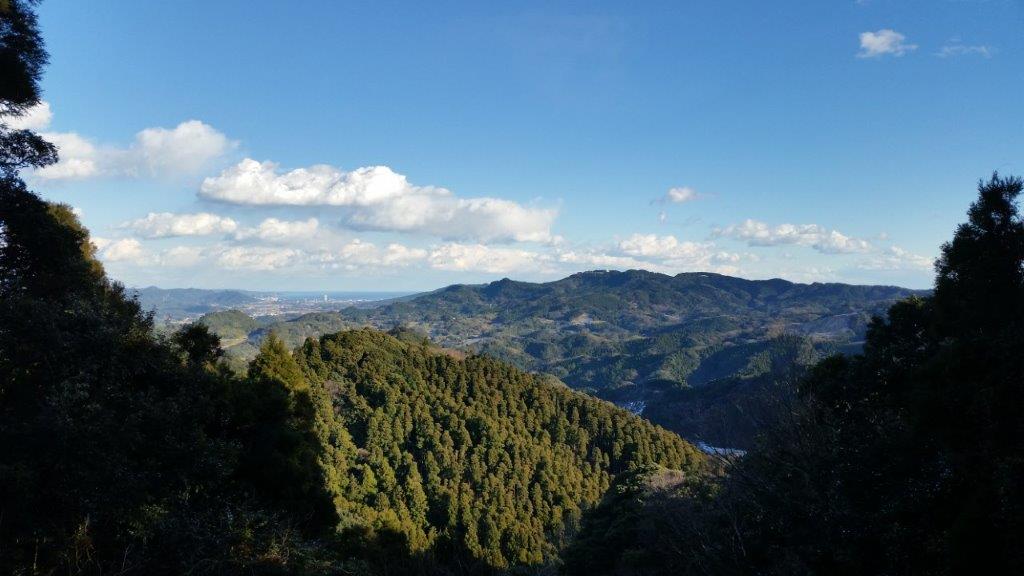
View of the Boso Mountains
After another break, I headed down and followed an adventurous trail through a marshland at the bottom of the valley – it was quite atmospheric in the late afternoon light. Eventually I emerged onto a road and arrived at lake Sakuma just as the sun was setting.
Situated on the Eastern side of the Kofu basin in Japan’s wine country, Mt Koshu-Takao is a technically easy but fairly long day hike, especially if one continues to Mt Tanayokote and Mt Otaki further up the ridge. The highlight is the panoramic view of Mt Fuji and the Southern Alps from various spots along the mostly bare ridgeline. Make sure to drop by the hot spring on top of “Budo no Oka”, and also indulge in some wine tasting before heading back.
Mt Fuji can be seen from many Spots along the Hike
This was an amazing station to station hike I had been saving for a day I couldn’t be bothered to look up bus times. I just regret I hadn’t hiked up Mt Koshu Takao (甲州高尾山 こうしゅうたかおさん koushuutakao-san) sooner: from the pictures in my guidebook, it looked like a dull up and down slog, but after gaining enough elevation, the views of the Mt Fuji and the South Alps were out of this world. Not only did I have clear weather but I also got to see a “sea of mist” covering the lower elevations.
The South Alps, with the three Shirane Mountains in the Middle
The surrounding scenery was a nice mix of subalpine and alpine, lots of pines and open grassy spaces, despite the fact that I was always below the 1500m mark. The hike follows an undulating ridgeline which goes all the way to Daibosatsurei, although part of the trail is rough and unmarked (GPS recommended). I made it all the way to Mt Tanayoko (棚横山 たなよこてやま tanayokoteyama), a 100 famous mountain of Yamanashi, and Mt Otaki (大滝山 おおたきやま ootaki-yama); this last summit was completely in the trees.
The summit of Mt Takayokote
Just a couple of hours by train from Shinjuku on the Chuo line, Katsunuma-budokyo station feels like a completely different world. From there, it took me less than an hour to walk to the trail entrance at Daizenji (大善寺). For the return, I went down a forested valley on the west side, past the picturesque shinto shrine Otakiyama Fudoson Okumiya (大滝山不動尊奥宮), as well as a waterfall, frozen in this season.
Sideways View or Mt Takaokoshu from Budo no Oka
Beyond that, the path becomes a road which you need to hike for 90 minutes back to the station. I was fortunate enough to be picked up by somebody on the way down (there is a parking area near the shrine); they even dropped me off at Tenku no yu hot spring close by the station. By the way, this onsen is on the top of a small hill and has some great views of the wide plain that forms the central part of Yamanashi prefecture.
![Mt Hakusan (2702m)& Mt Arashima (1523m), Ishikawa and Gifu Prefectures, September 2017 [Maps Available]](https://hikingtokyo.com/wp-content/uploads/2022/11/20170903_175823-1.jpg?w=1024)






![Mt Kiso-Koma (2956m), Komagane City, Nagano Prefecture, Wednesday, August 2, 2017 [Map Available]](https://hikingtokyo.com/wp-content/uploads/2022/06/dsc08362.jpg?w=1024)

![Mt Norikura (3026m), Takayama City, Nagano Prefecture, Tuesday, August 1, 2017 [Map Available]](https://hikingtokyo.com/wp-content/uploads/2022/06/dsc03740.jpg?w=1024)


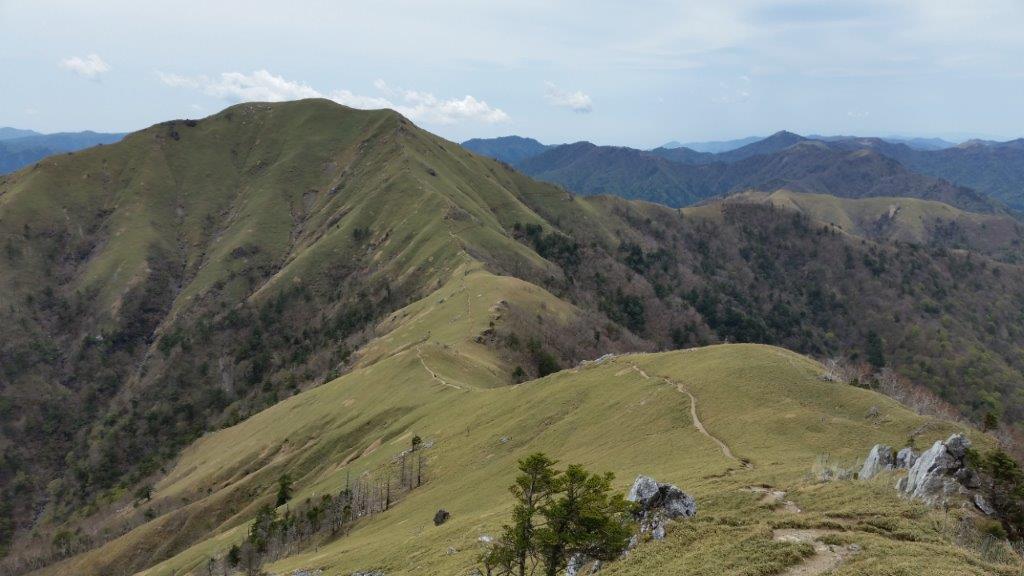
![Mt Tsurugi (1955m) & Mt Ishizuchi (1982m), Miyoshi & Saijo Cities, Tokushima & Ehime Prefectures, May 2017 [Maps Available]](https://hikingtokyo.com/wp-content/uploads/2023/04/20170516_131630.jpg?w=1024)






 Hiking Around Tokyo
You must be logged in to post a comment.