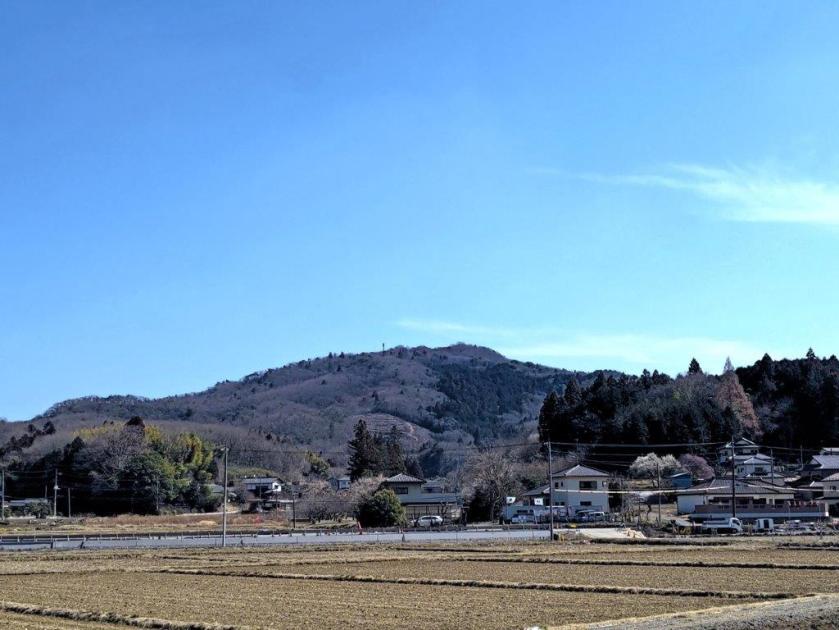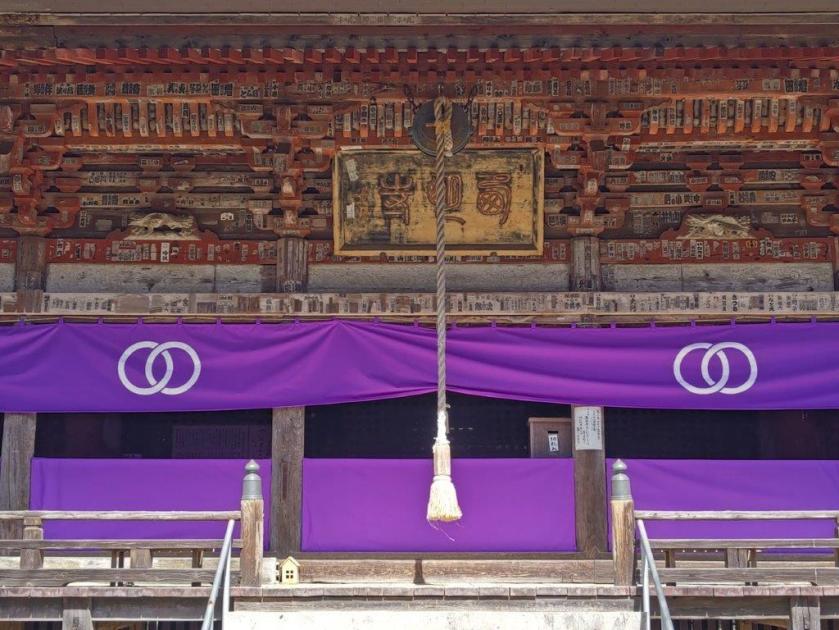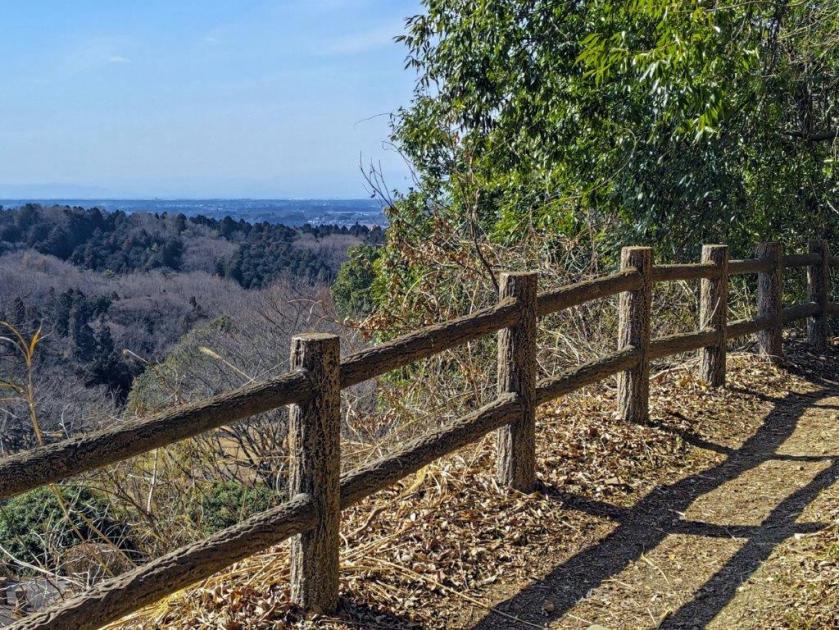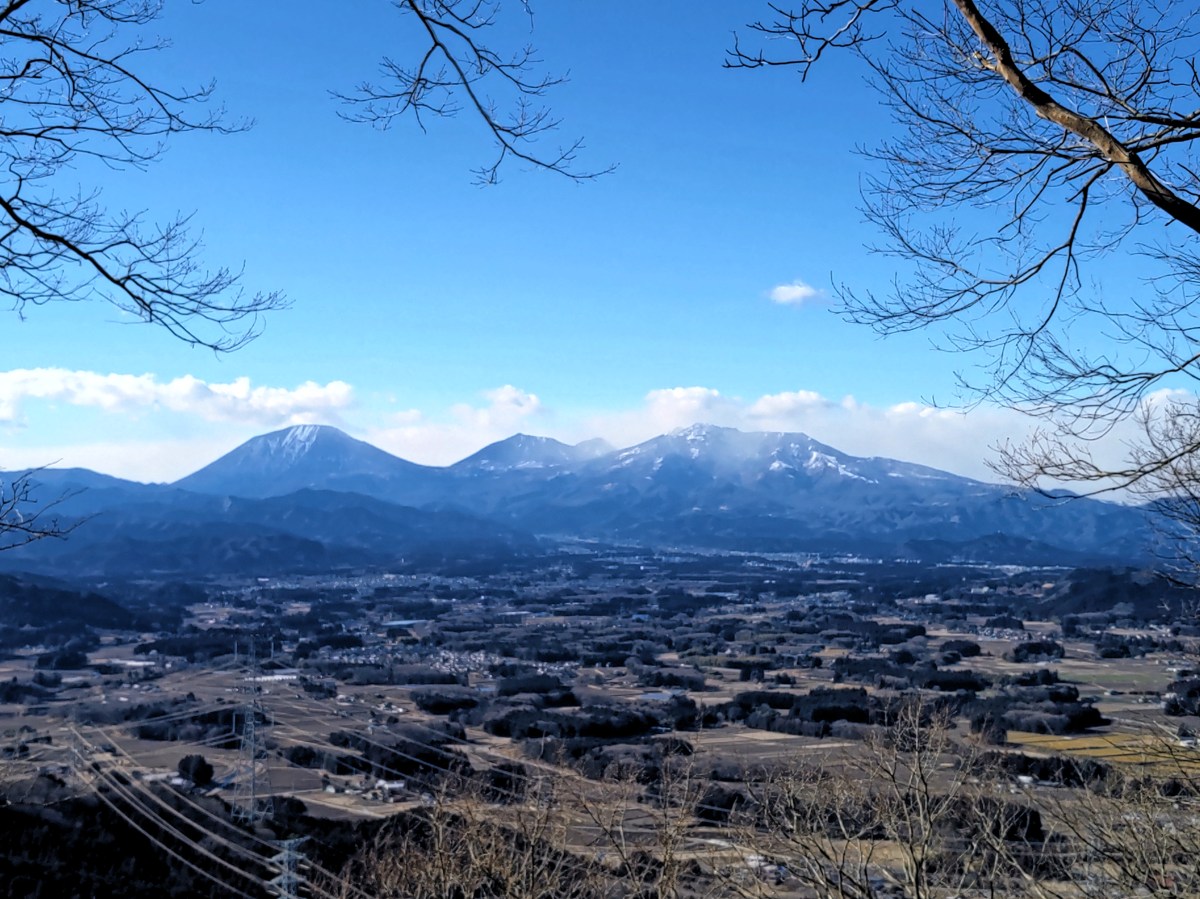
Mt Katsuro (1123m), Nikko City, Tochigi Prefecture, Sunday, April 27, 2025

Ever since climbing Mt Gassan, I had been hoping to do another hike along the Aizu-Kinugawa line, deep inside the Nikko National Park but well off the tourist trail. Looking through my guidebook, I found a suitable mountain, its trail entrance near a train station. Although the summit was in the trees and mostly up and down the same way, the path seemed to be well-maintained with no tricky sections; along the way, it was possible to get views of 3 different lakes.

For subscribers, please go to Hiking Around Tokyo to see the slideshows as they do not play in Gmail

Initially, I had planned to go in the Autumn since apparently the leaves are quite spectacular, but online reports of leeches in that season made me switch to Spring. While researching the itinerary, I was delighted to find out that Tobu railways was running an extra return train in the afternoons during Golden week, the “Skytree Train”; this gave me an extra hour to enjoy my time in a destination far away from Tokyo.

Hiking in the Nikko National Park 日光国立公園

Find Japan Hiking Maps on Japanwilds and subscribe to our newsletter

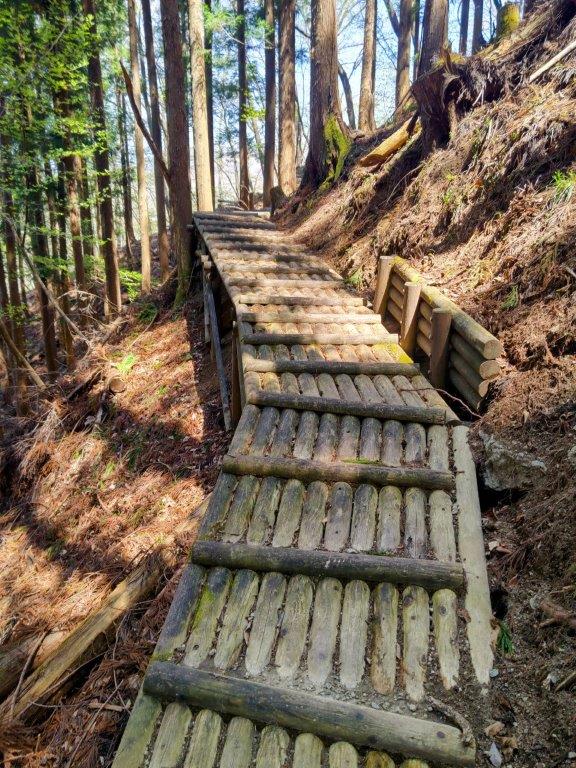
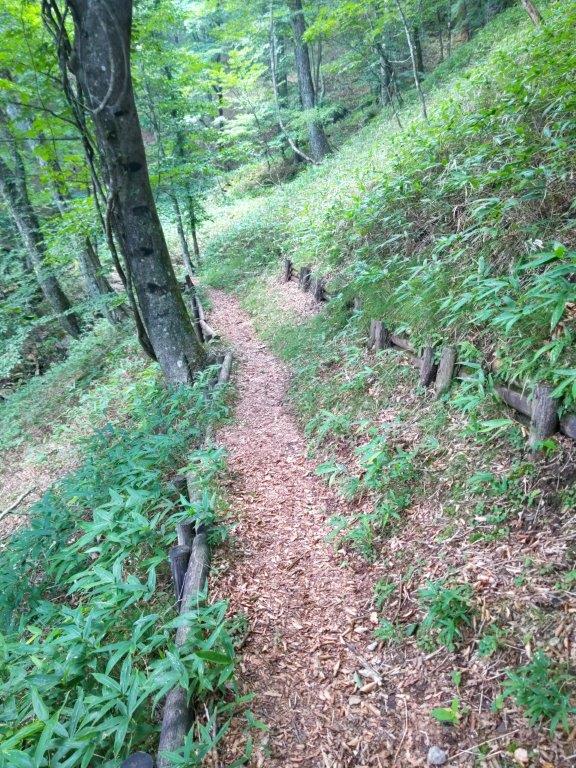
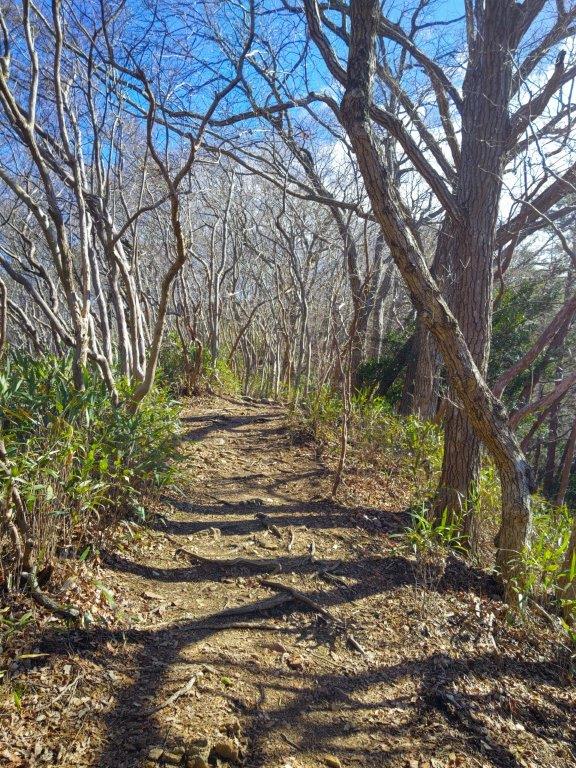
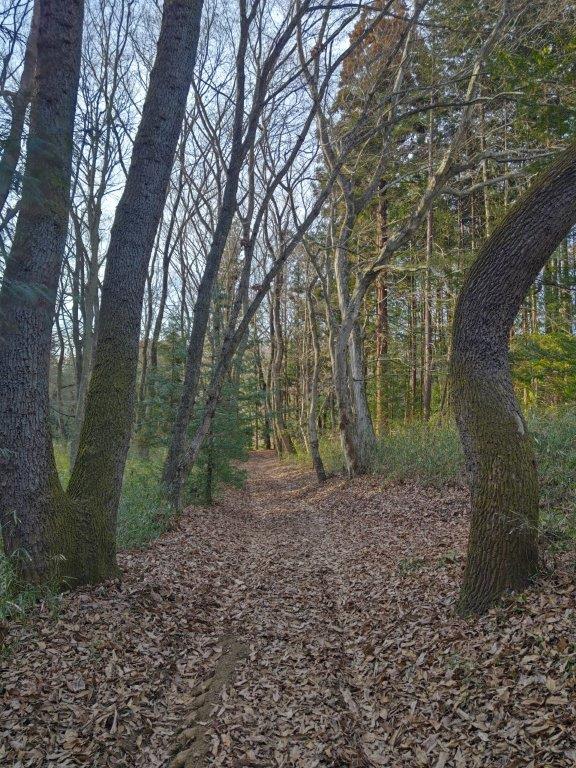
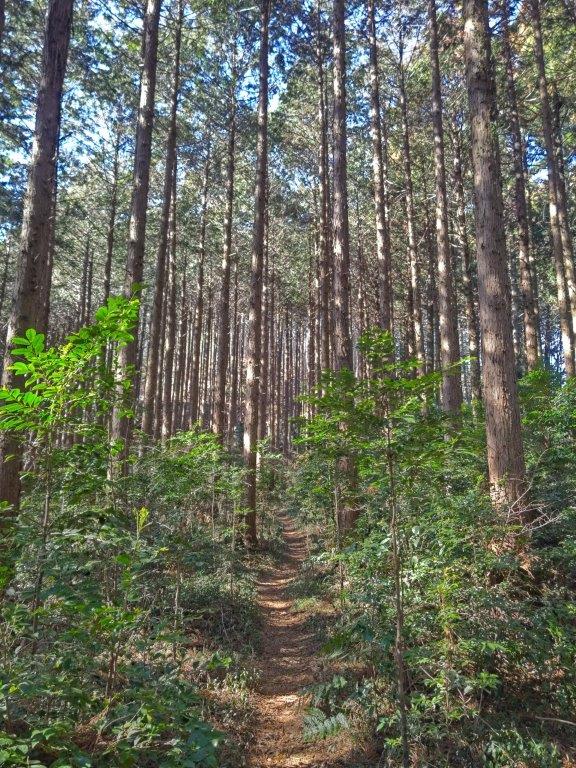
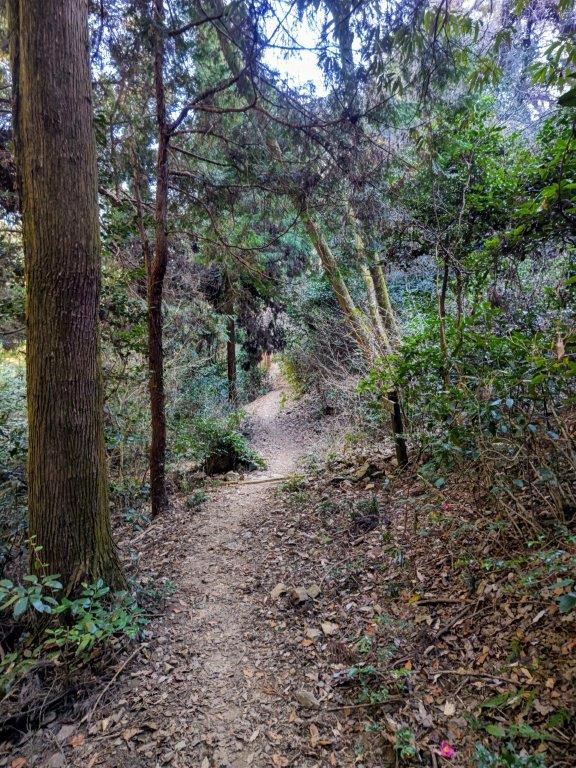
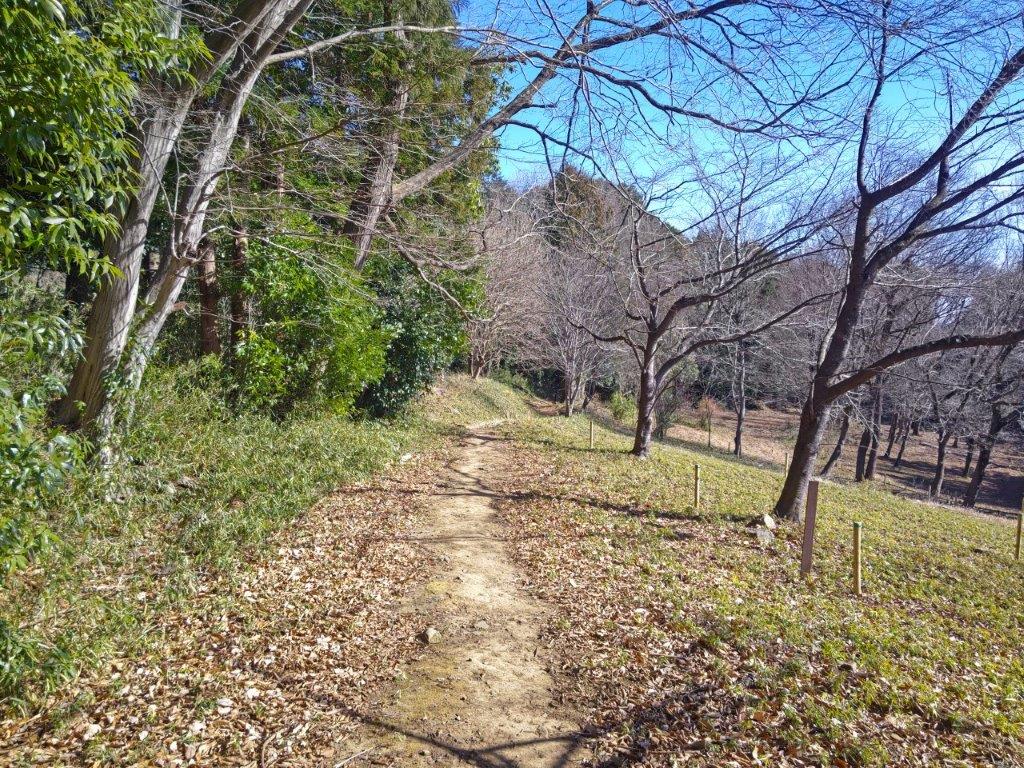
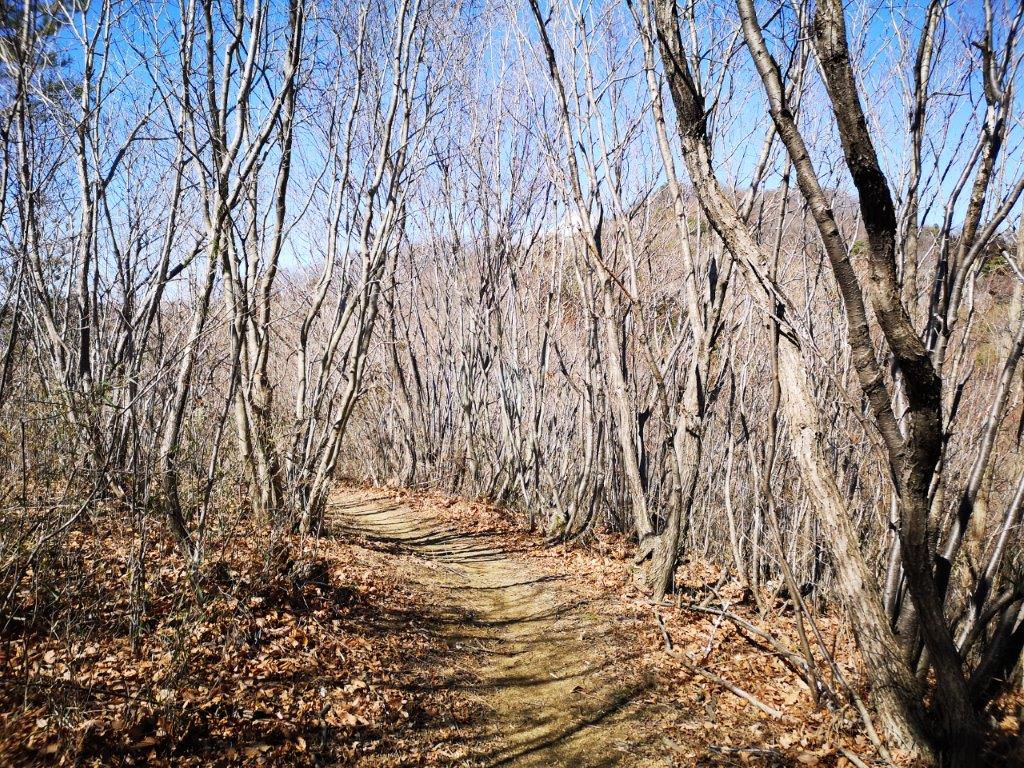
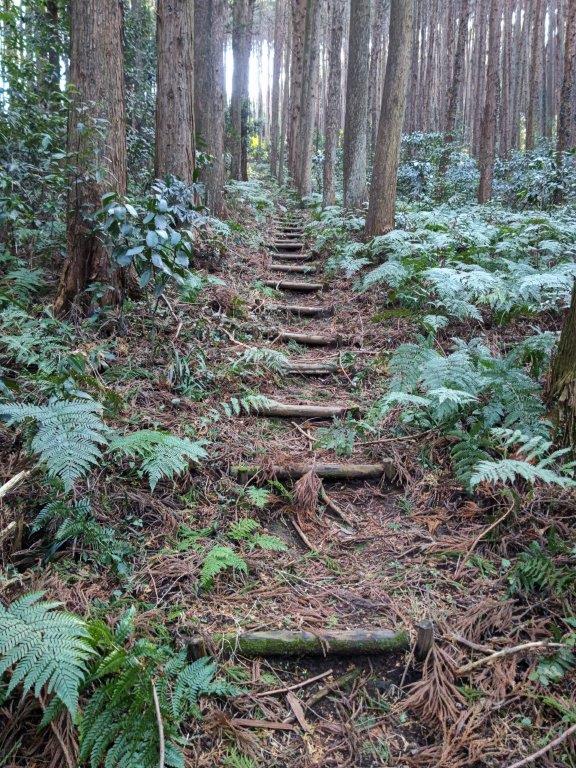
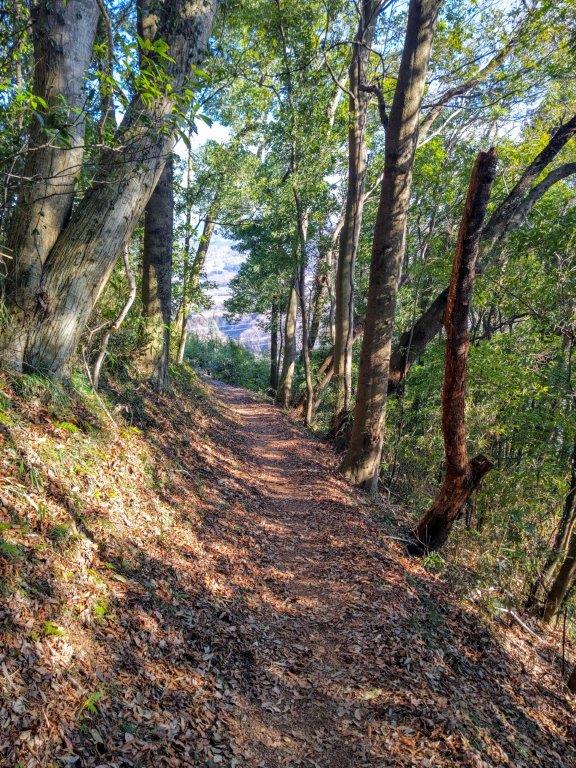
Start of the Hike (left) a Well-maintained Trail (right)

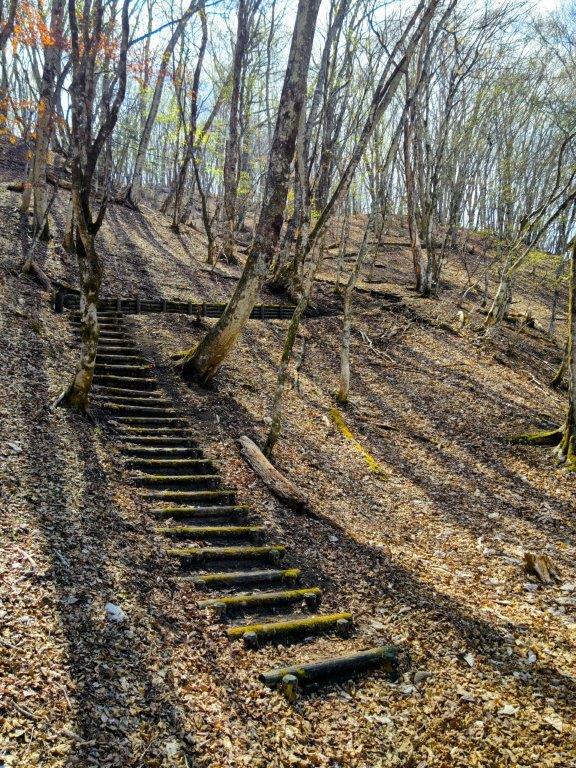
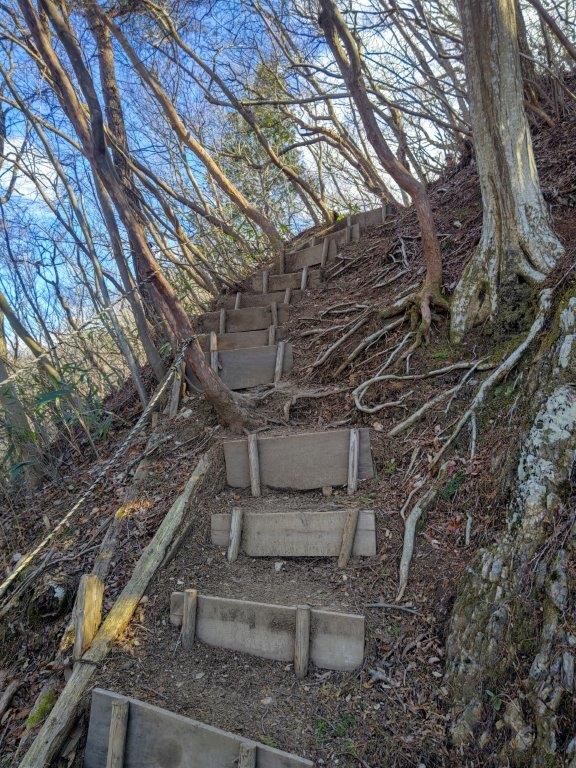
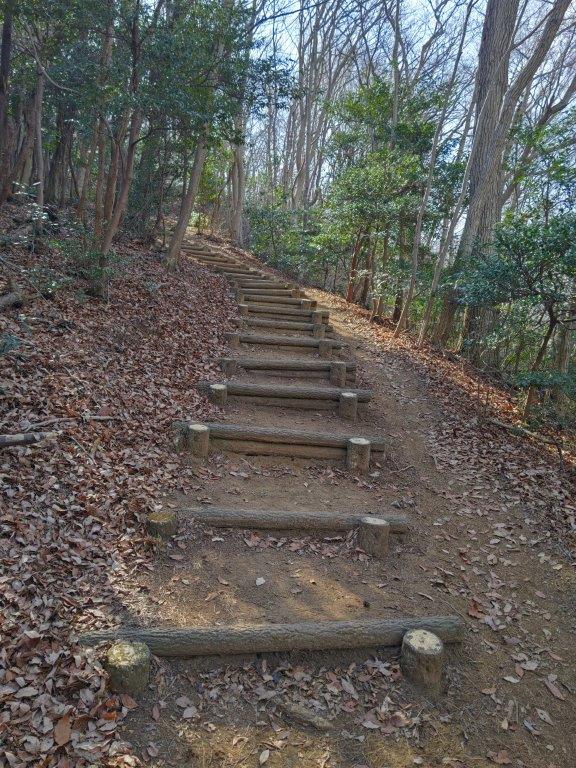
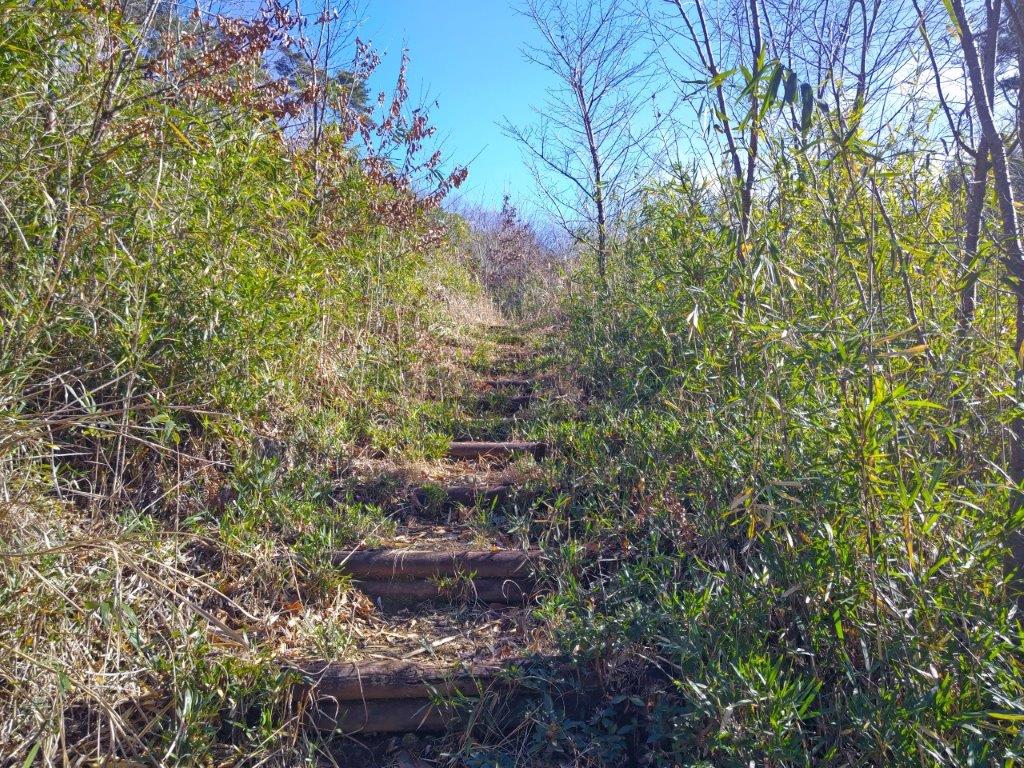
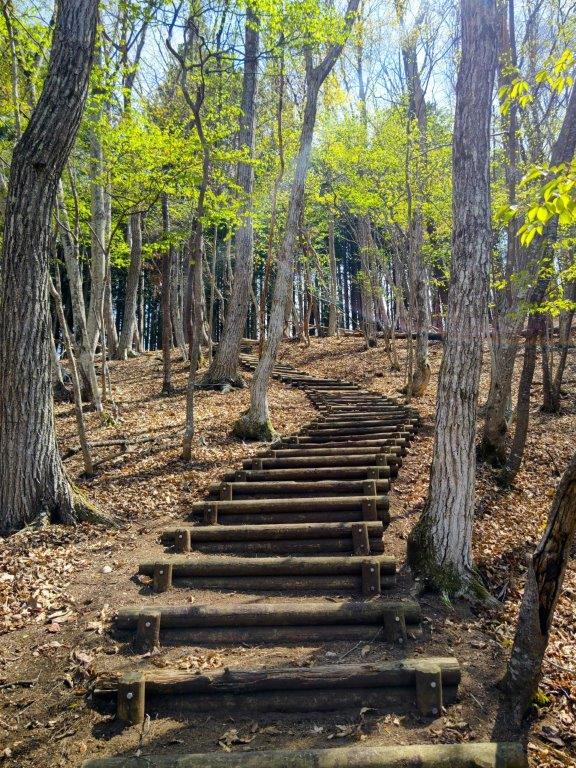
A Mix of Flat Sections (left) and Log Staircases (right)

To get to the start of the hike, I’d ride the Tobu limited express “Revaty” from Kita-senju directly to Yunishigawa-onsen, famous for its snow house festival in the winter. For the return, I decided to ride the Skytree train only as far as Shimo-imaichi, and then switch to the Revaty coming from Nikko, since looking online, I noticed that the latter had more comfortable seats.
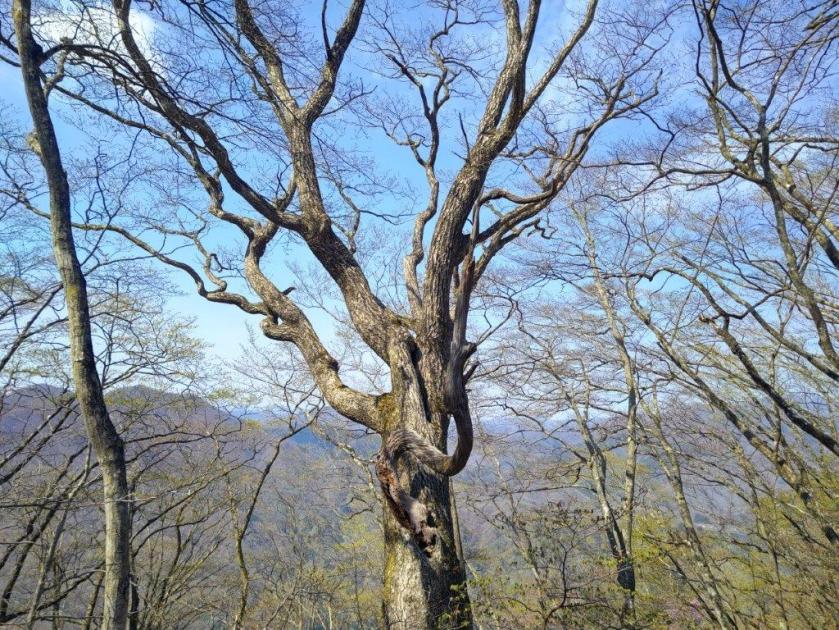
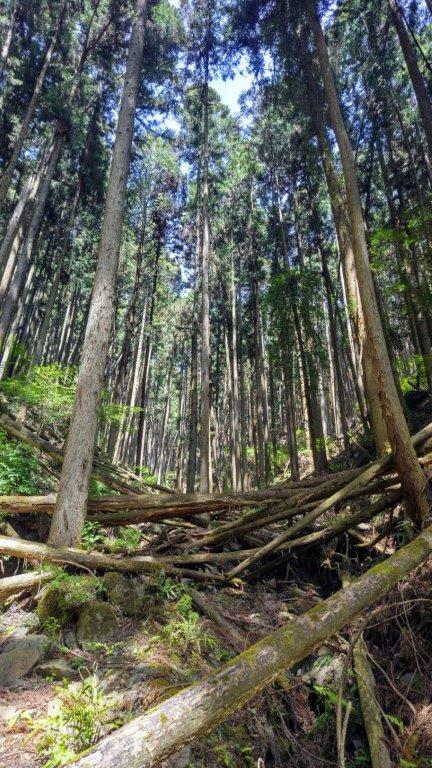
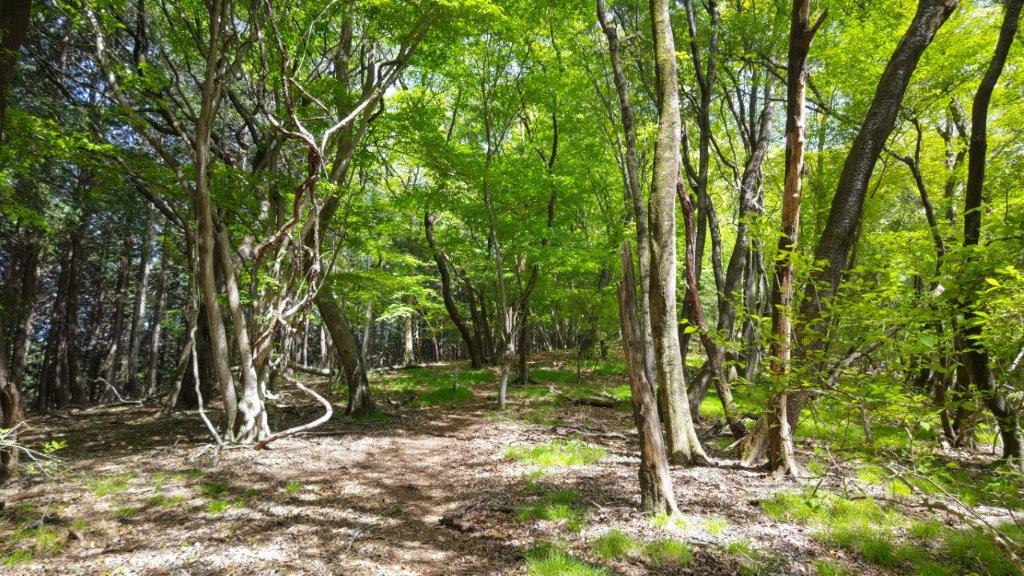
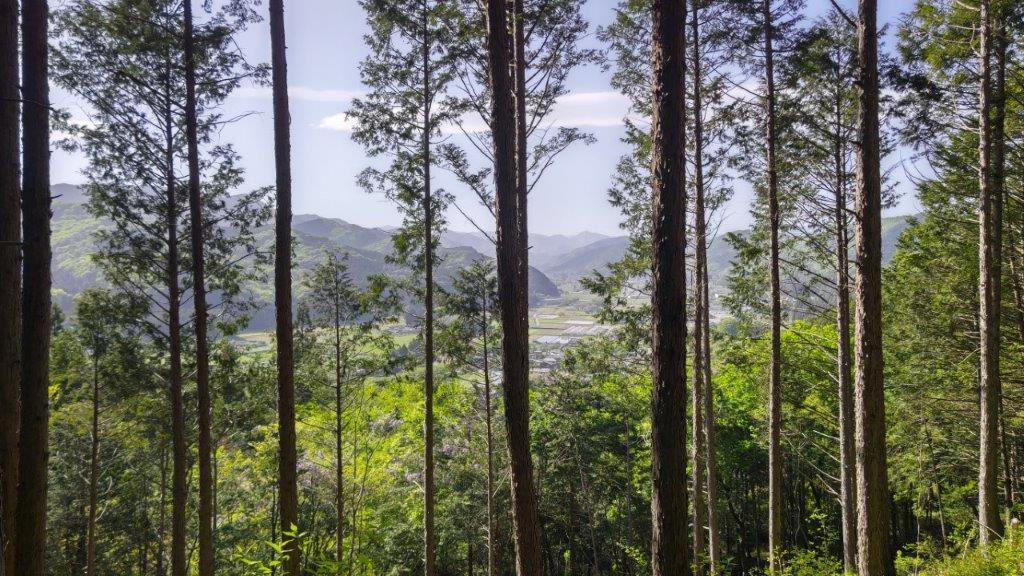
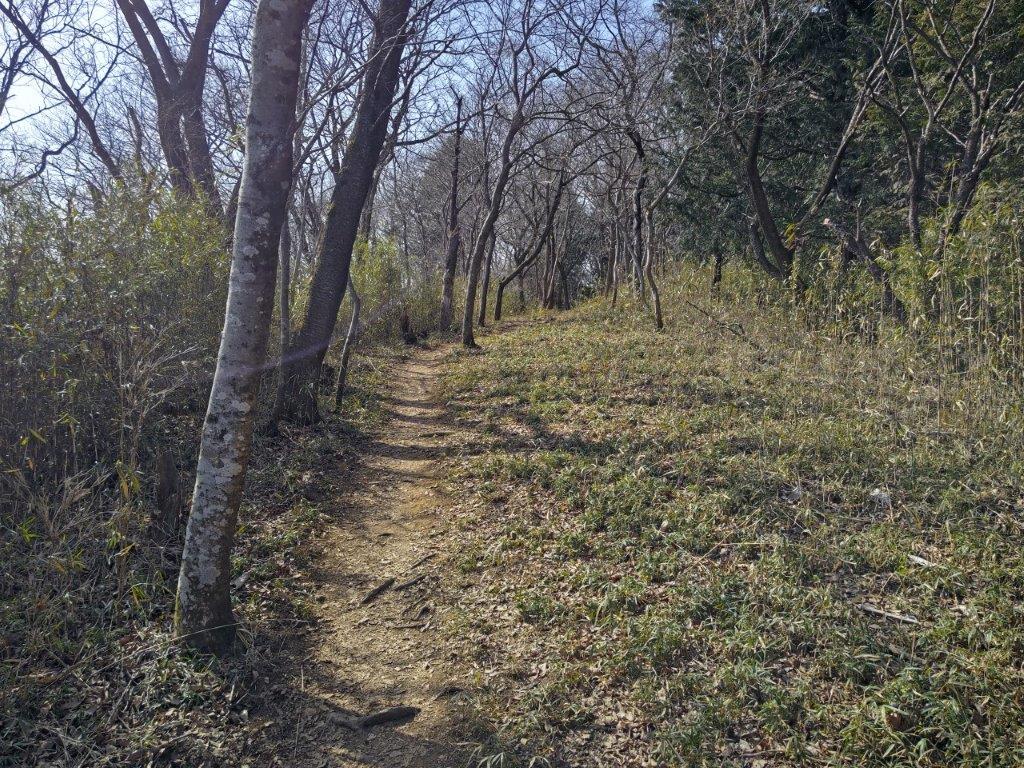
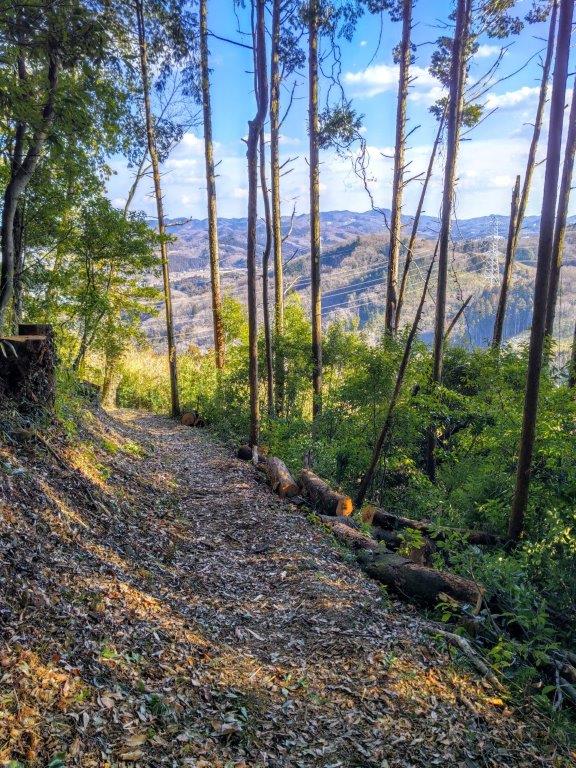
Spring Green Lower down (left) Bare Branches Higher up (right)

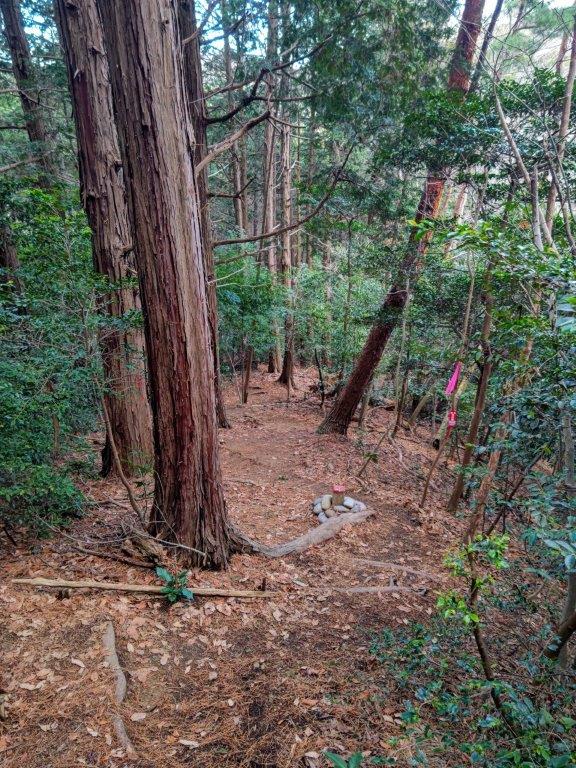
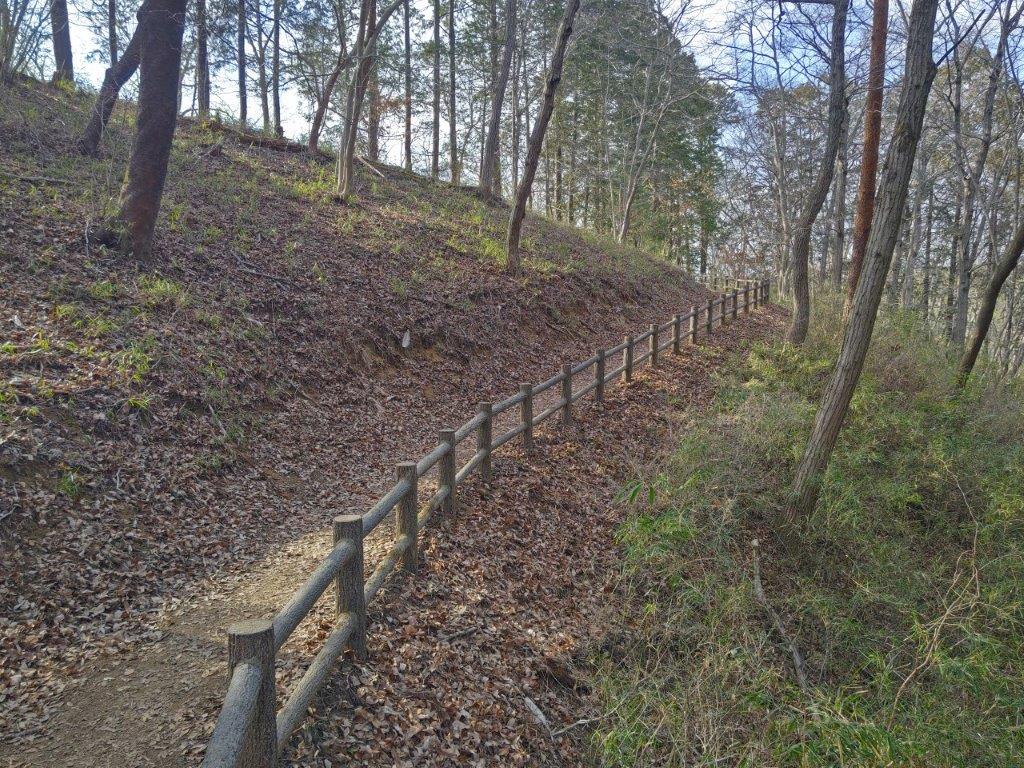
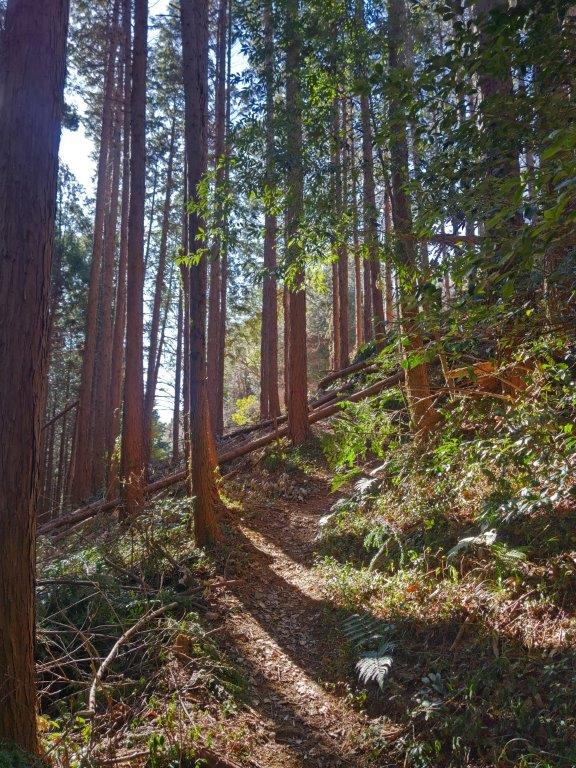
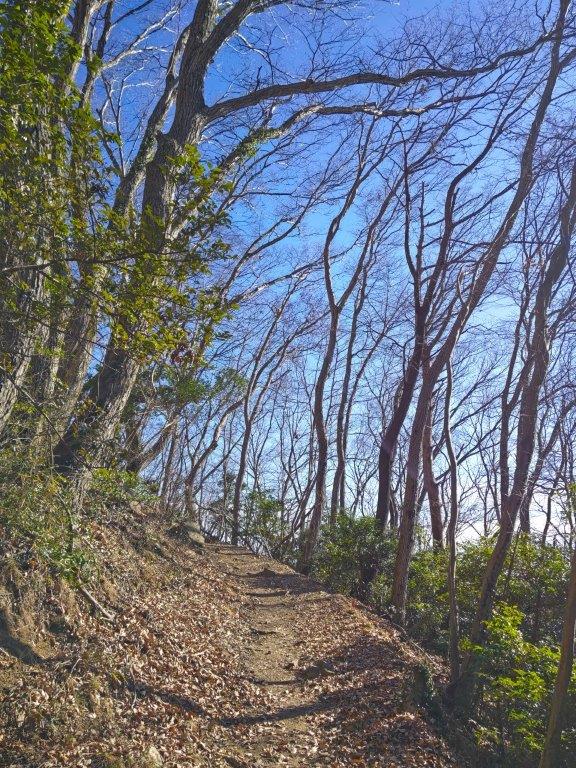
Below the Summit Ridge (left) Heading up to the Ridge (right)

The weather was supposed to be mostly sunny all day, with slightly cool temperatures, perfectly normal considering I’d be nearly 150 km north of Tokyo. If I finished on schedule, I could relax in a hot spring bath at Yunosato onsen on the 2nd floor of the roadside station connected to the train station. I was looking forward to revisiting the mountains north or Kinugawa after a 3 year interval, and curious to see whether the new green of Spring had finally arrived.

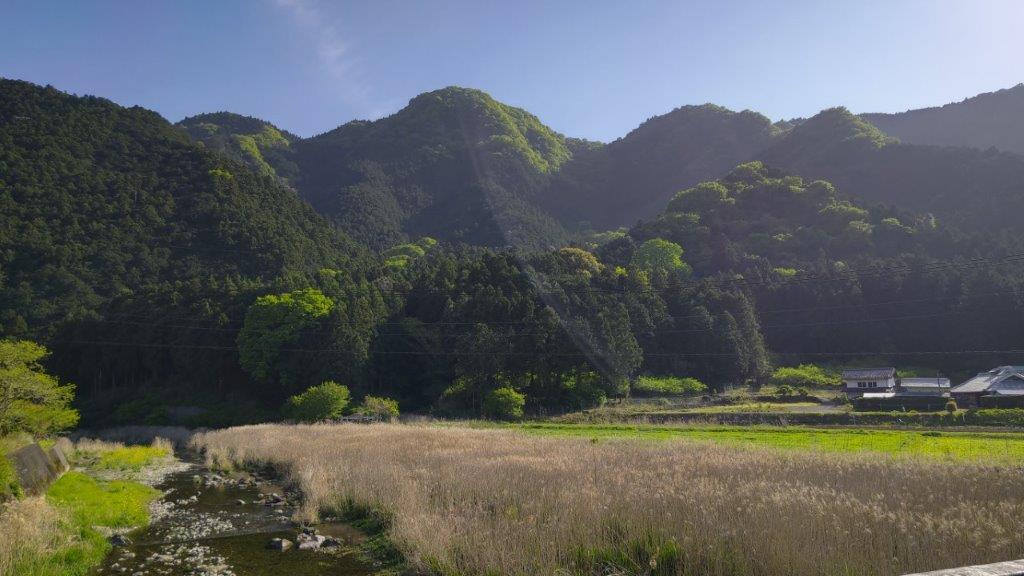
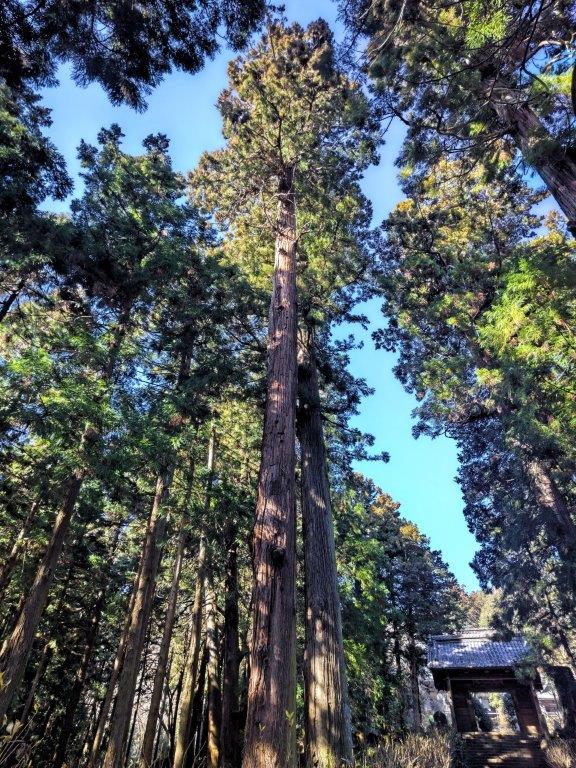
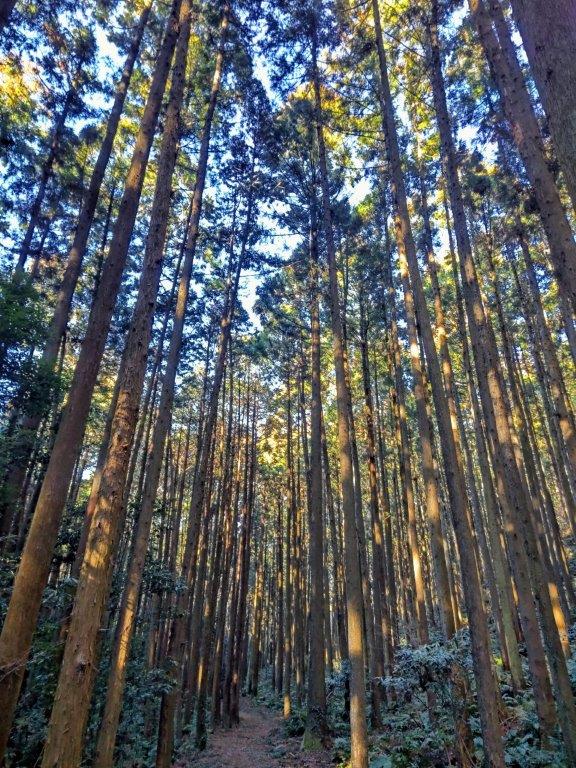
Spring Green at the Start of the Hike
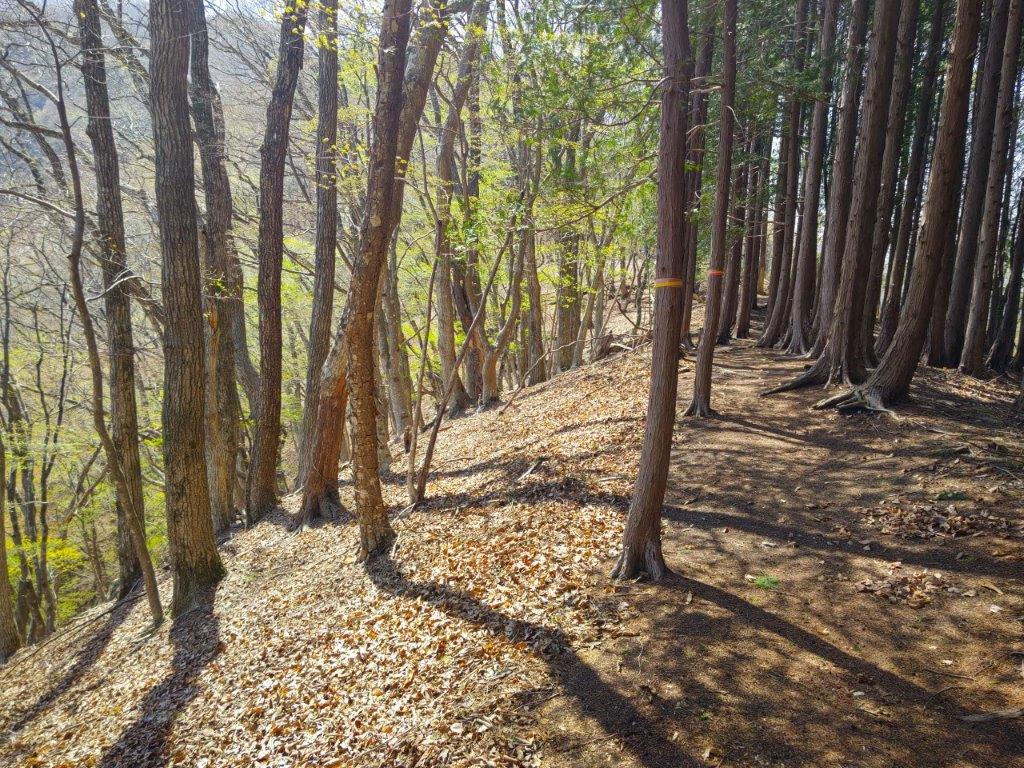
Ridgeline Leading to the Summit Area

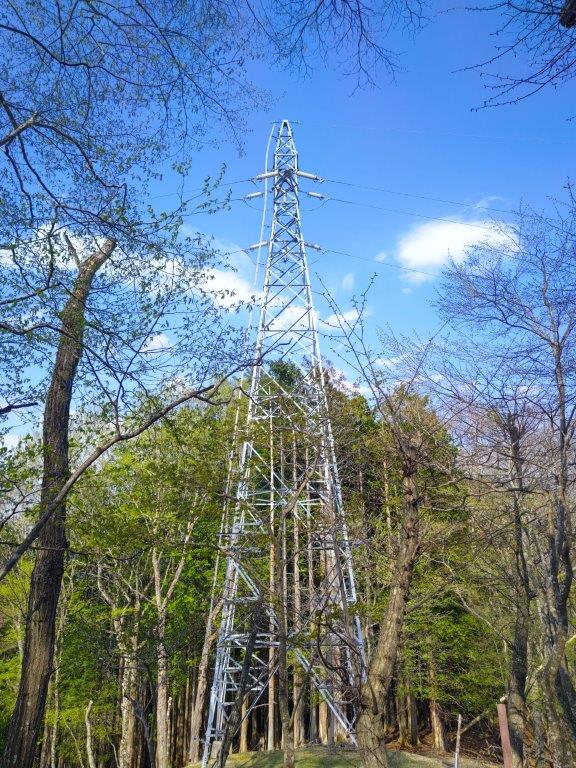
As I stepped off the train, I was surrounded by darkness, since Yunishigawa-onsen station (湯西川温泉駅) is located inside a tunnel running under today’s mountain. After riding an elevator to the surface, I got ready inside the Yunishigawa-onsen Roadside station, and at 12h30, started up the hiking trail at the far side of the parking area. After half an hour of climbing via a series of log staircases, I reached an electric pylon with views on both sides.

View South of Mt Takahara and Umijiri Bridge

Flat Section Half Way Up

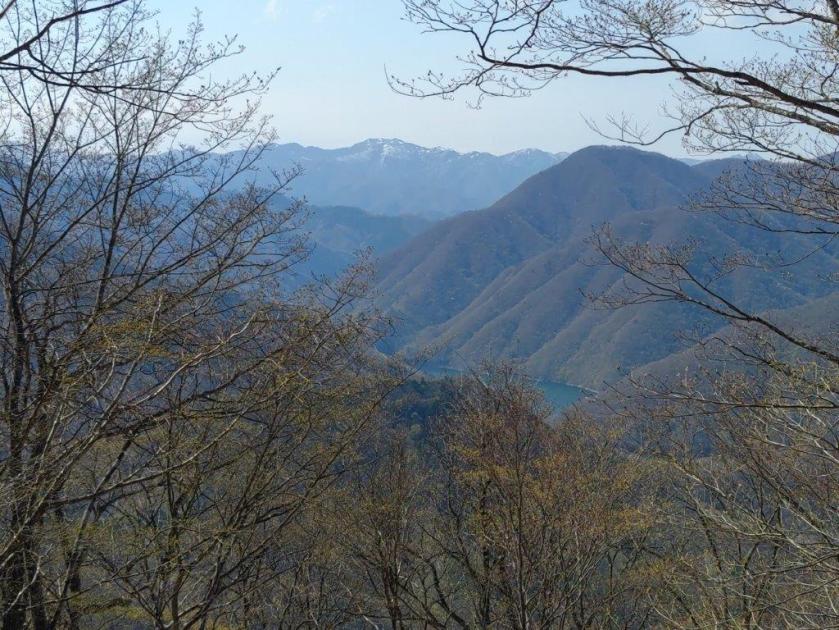
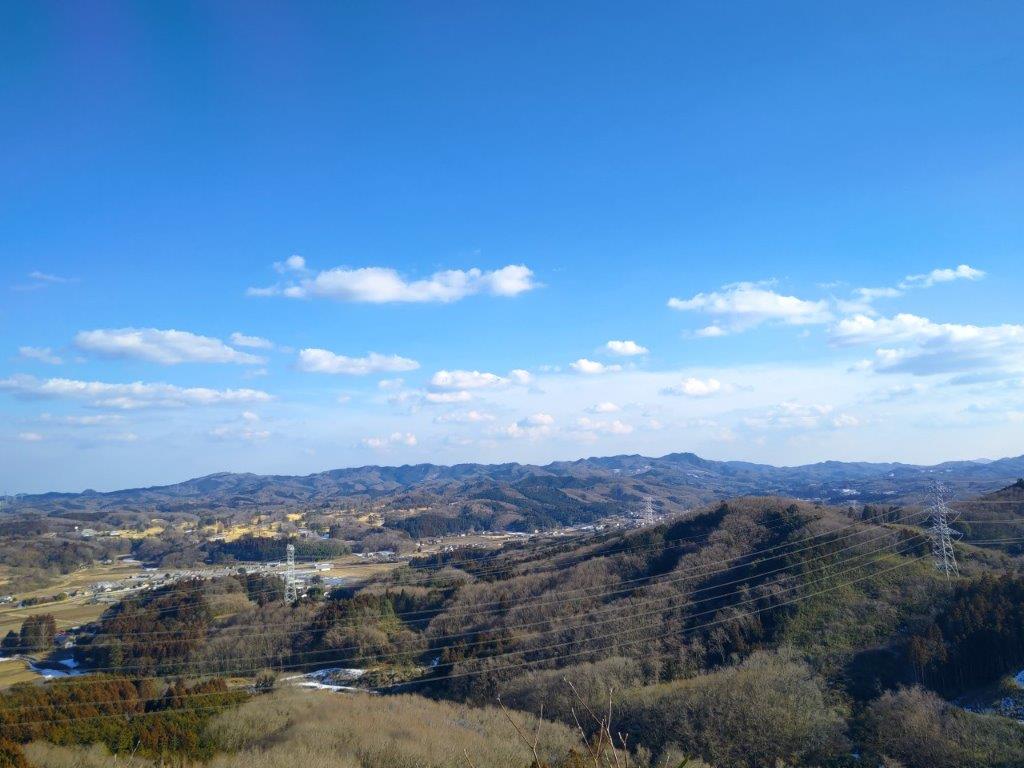
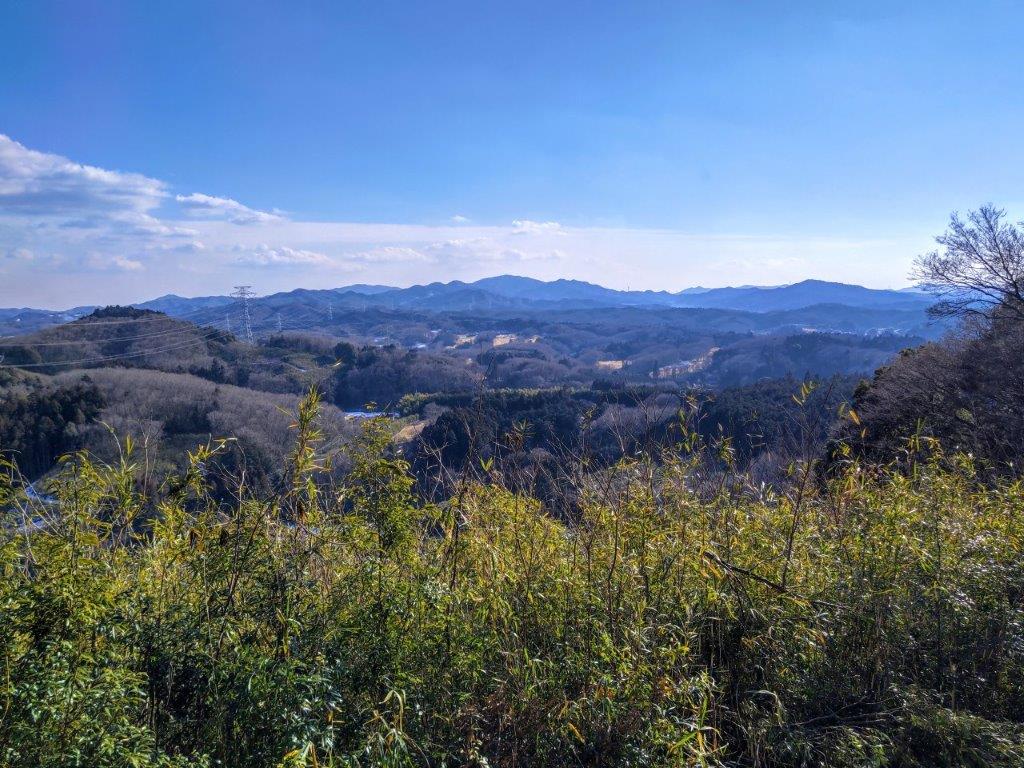
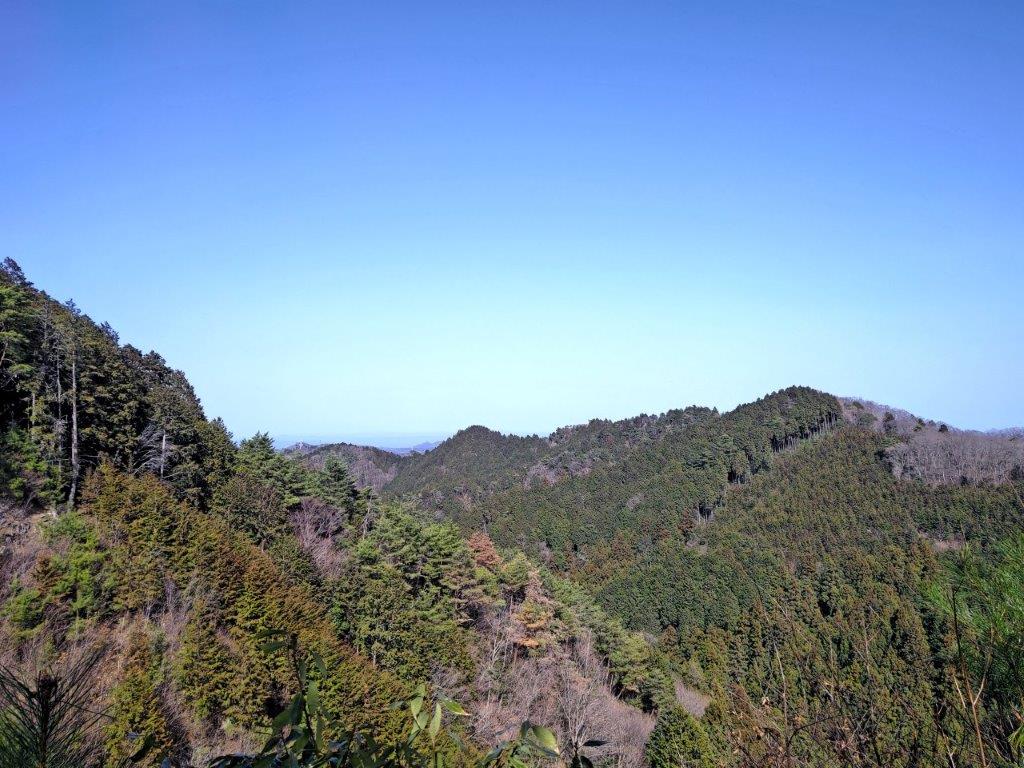
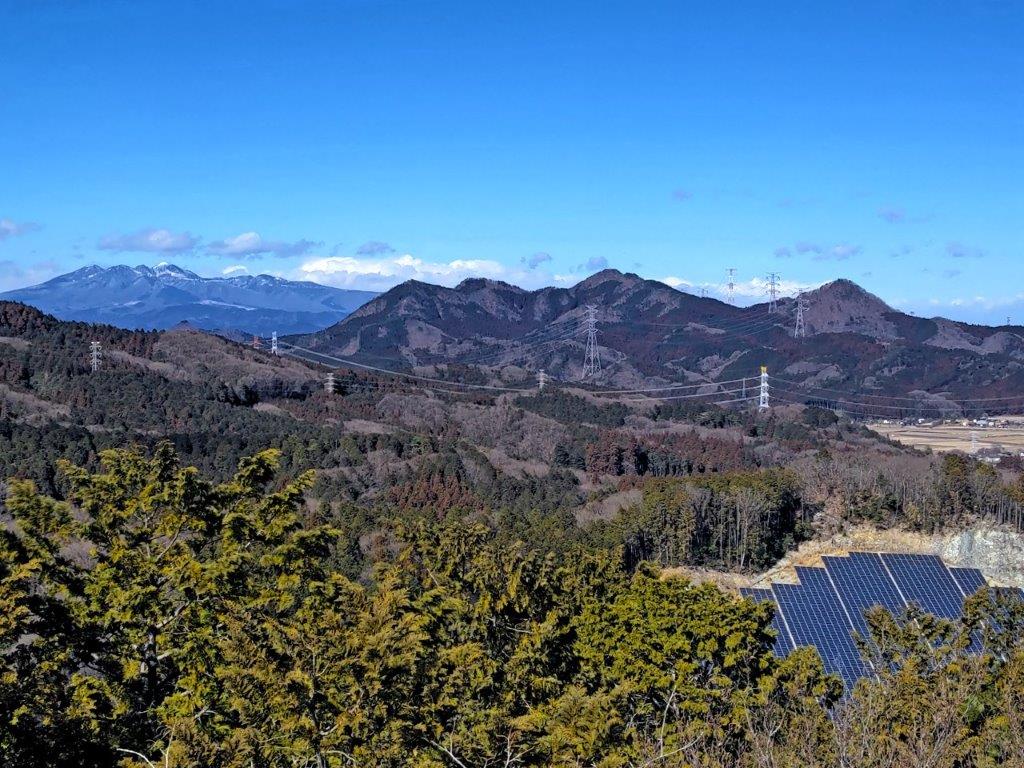
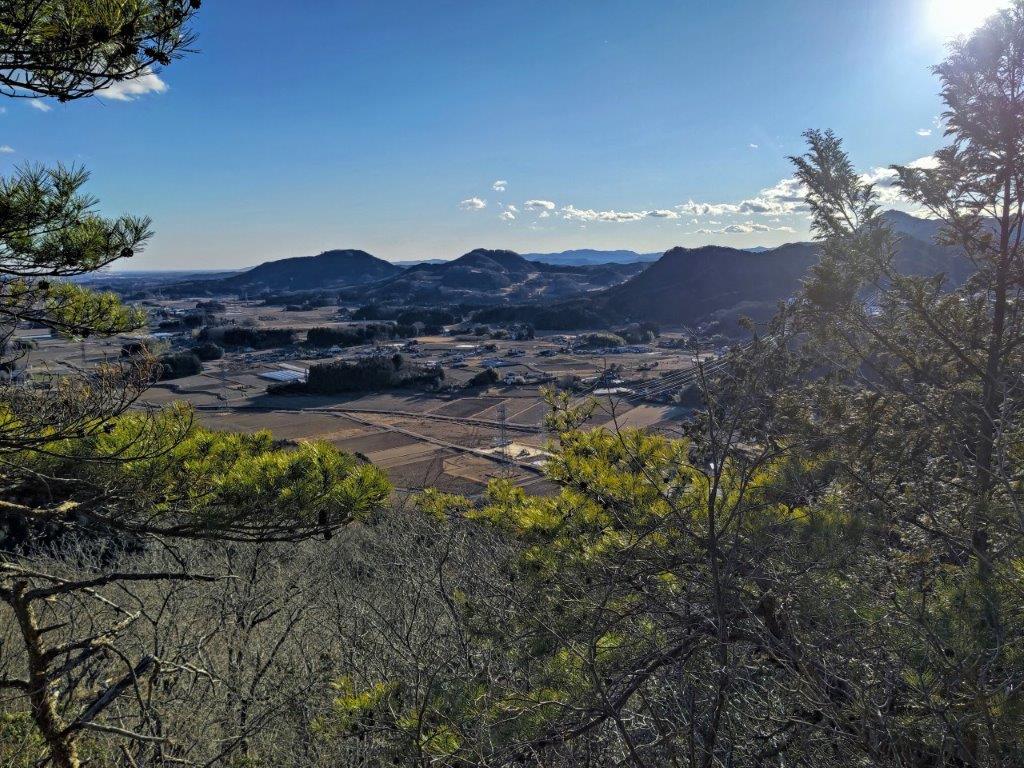
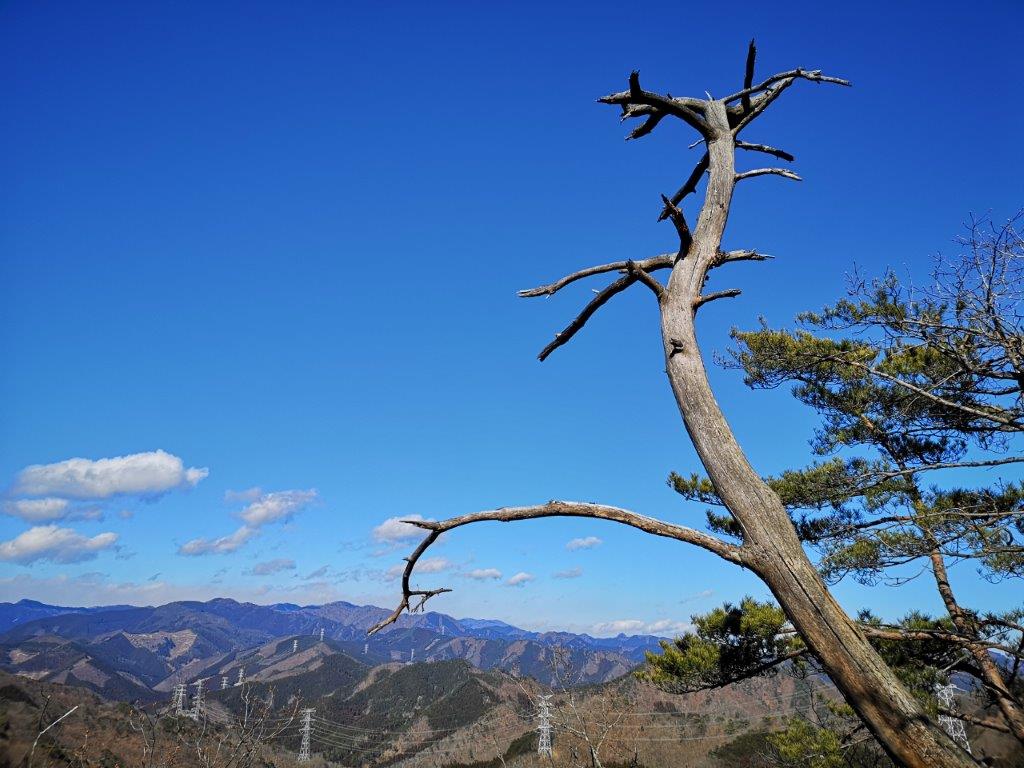
I was grateful to get a good view so early in the hike: looking south, I could see Umijiri Bridge spanning Ojika River, and in the back, Mt Keicho, one of the summits of Mt Takahara; on the north side, was Yunishikawa Lake, with Mt Takase rising behind it; in the far distance was Mt Arakai. I soon continue along a well-defined path, passing an open shelter on the left side. I was surrounded by the bright green of new Spring, but as I gradually gained altitude, I reentered an area of bare branches, creating fantastical shapes against the blue sky. Branches swaying in the light breeze created the only sounds, as birds had not yet returned from their migratory trips.

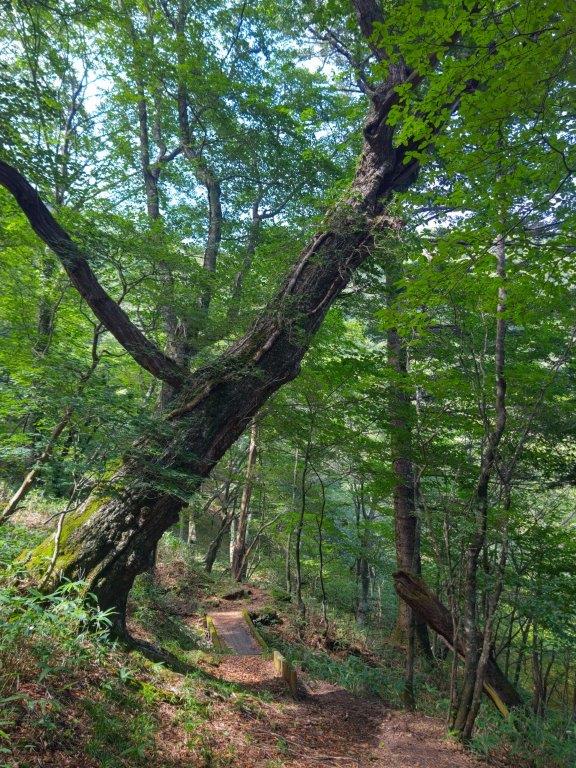
Walking under Leaning Trees

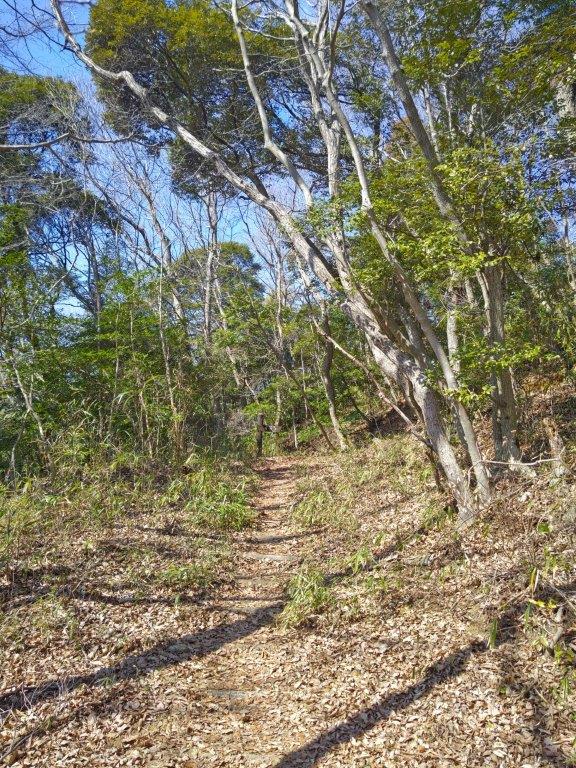
Walking along a Well-Defined Path

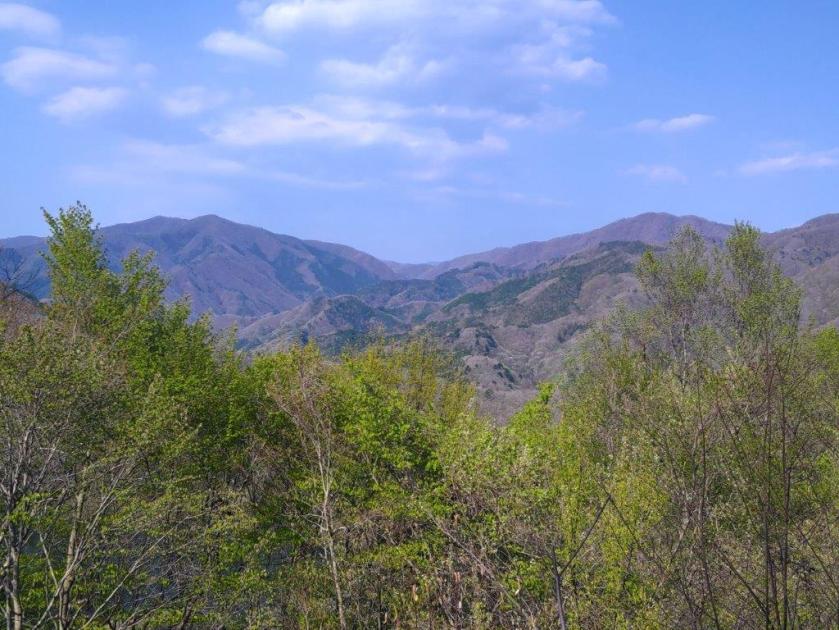
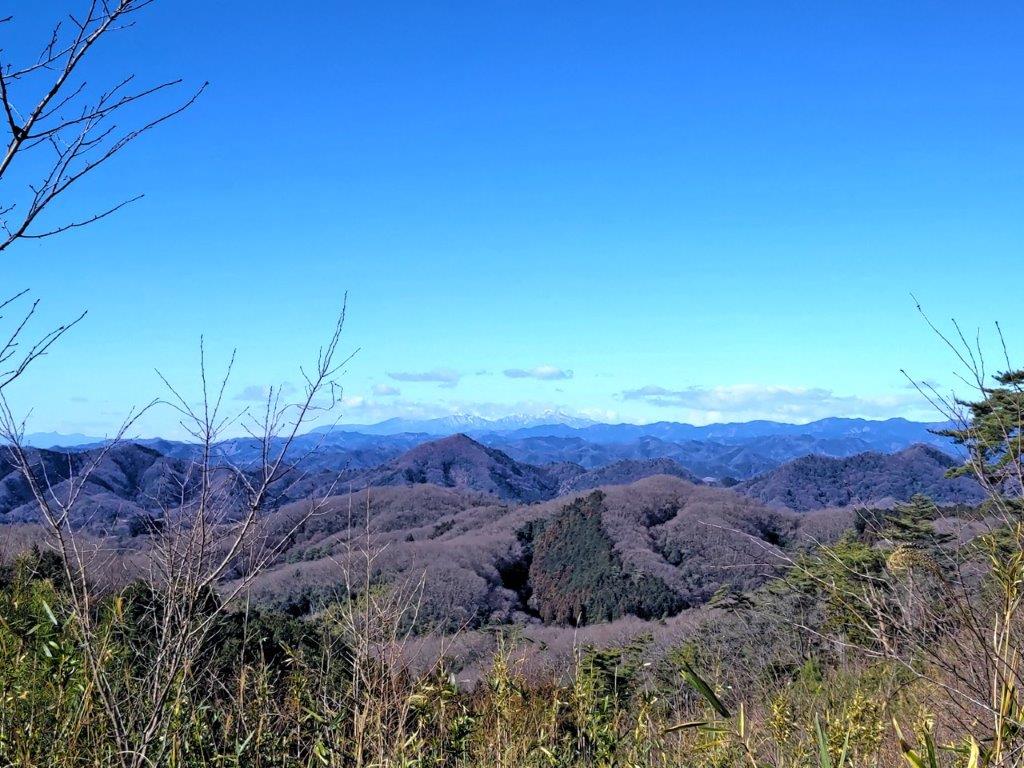
Here and there, I glimpsed distant snowy peaks through the branches, and was glad I had chosen to visit in this season. Although it was officially the start of the Golden Week, I saw only one other hiker on the mountain, perhaps because most people prefer to visit in May, when the whole mountain is covered in new green. At a bend on the east side, I glimpsed the white ski runs of Hunter Mountain, open till the end of Golden Week. I was now following a nearly level trail heading westwards through silent forest. Shortly after reaching the summit ridge, a view on the south side opened up above some green larches.

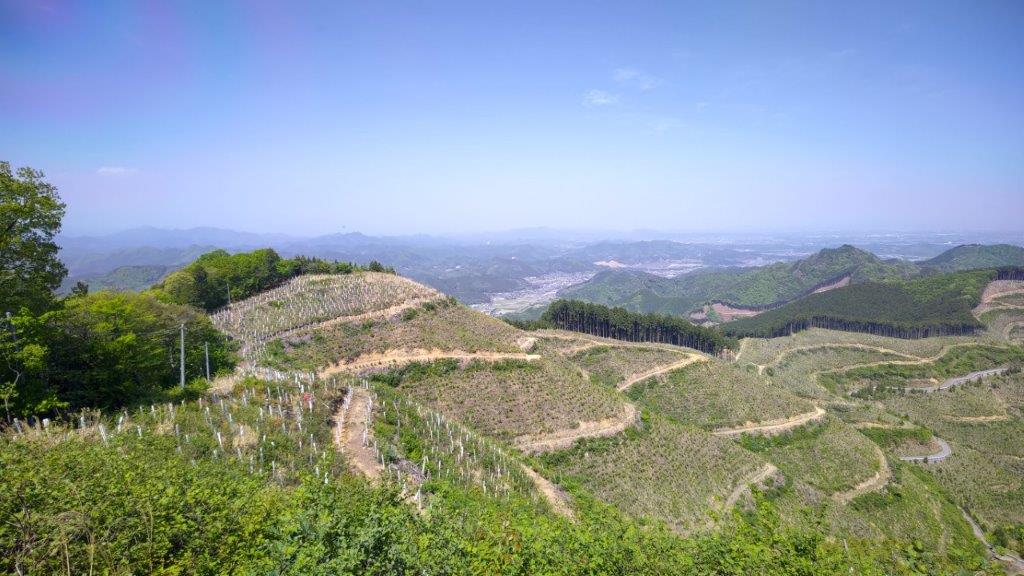
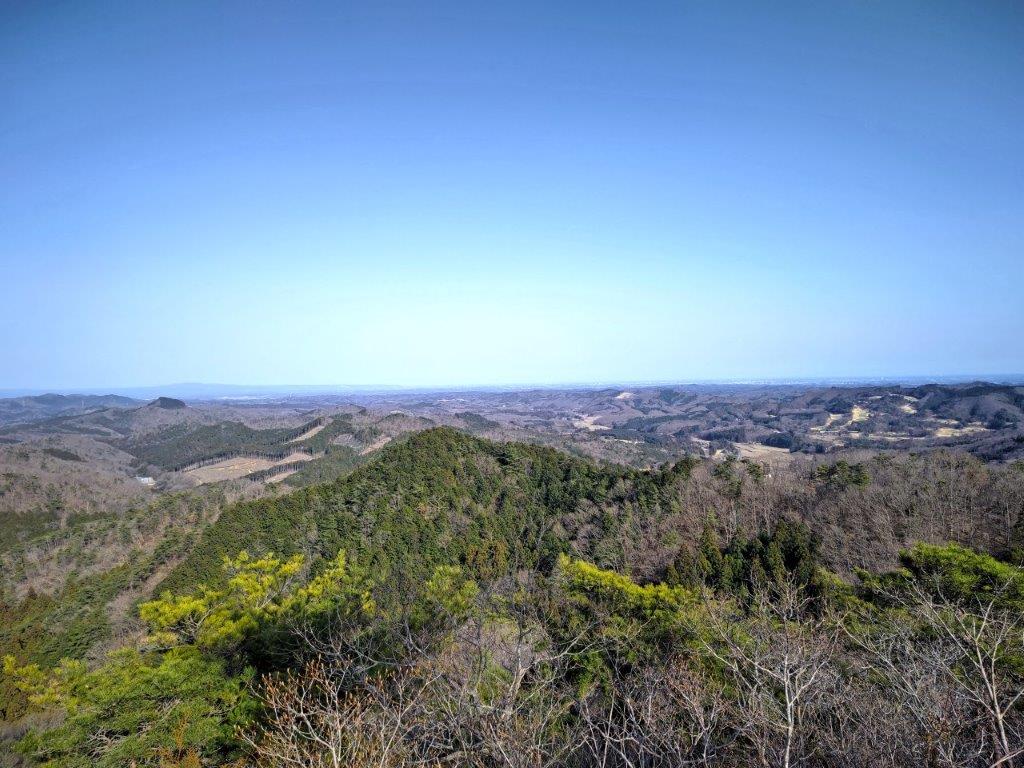
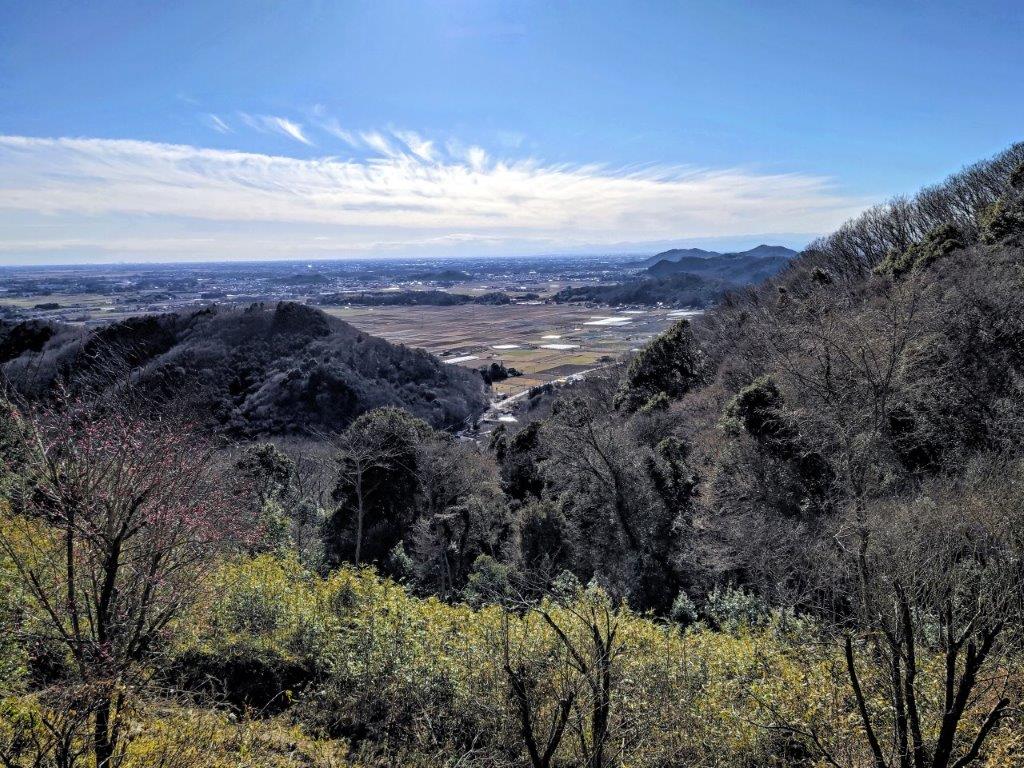
View South of the Tochigi Mountains

Nearly at the Summit

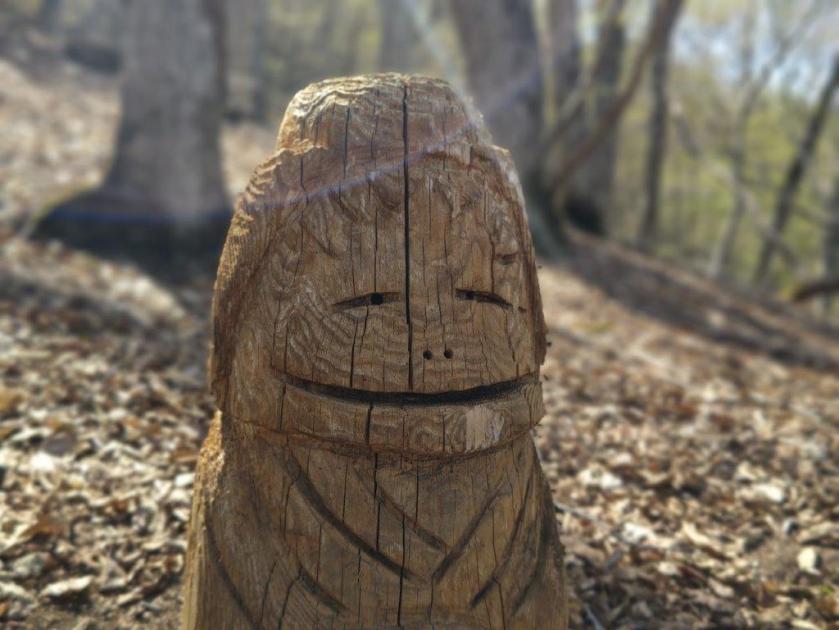
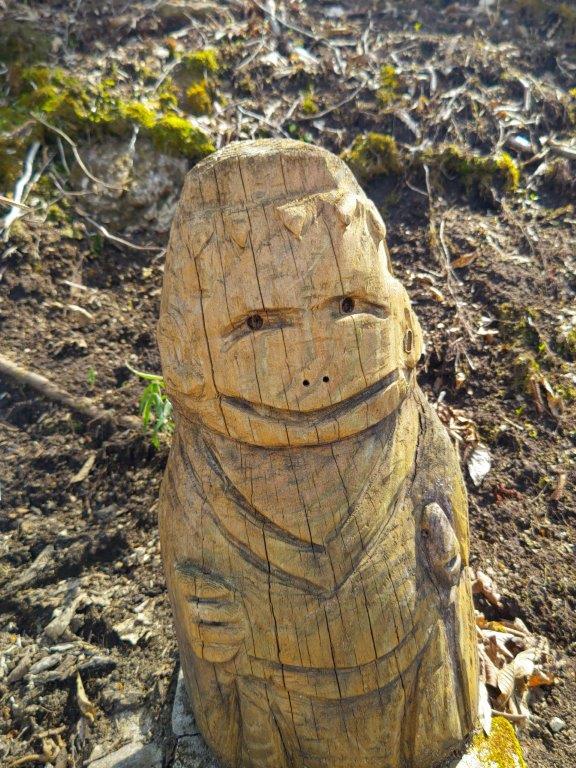
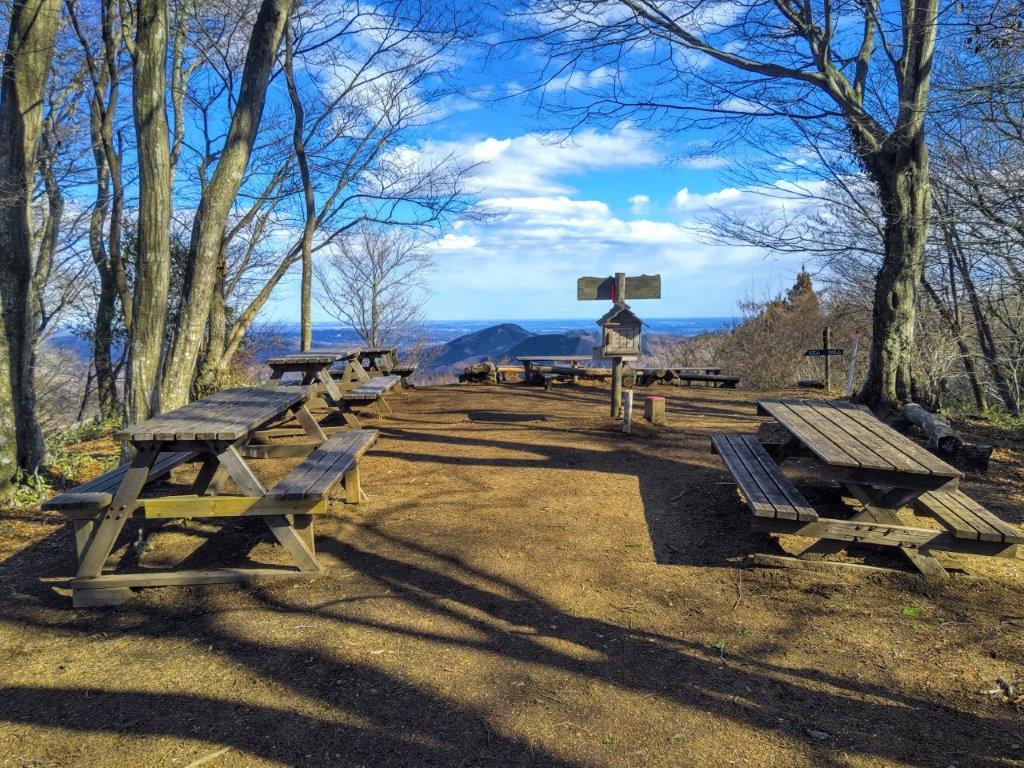
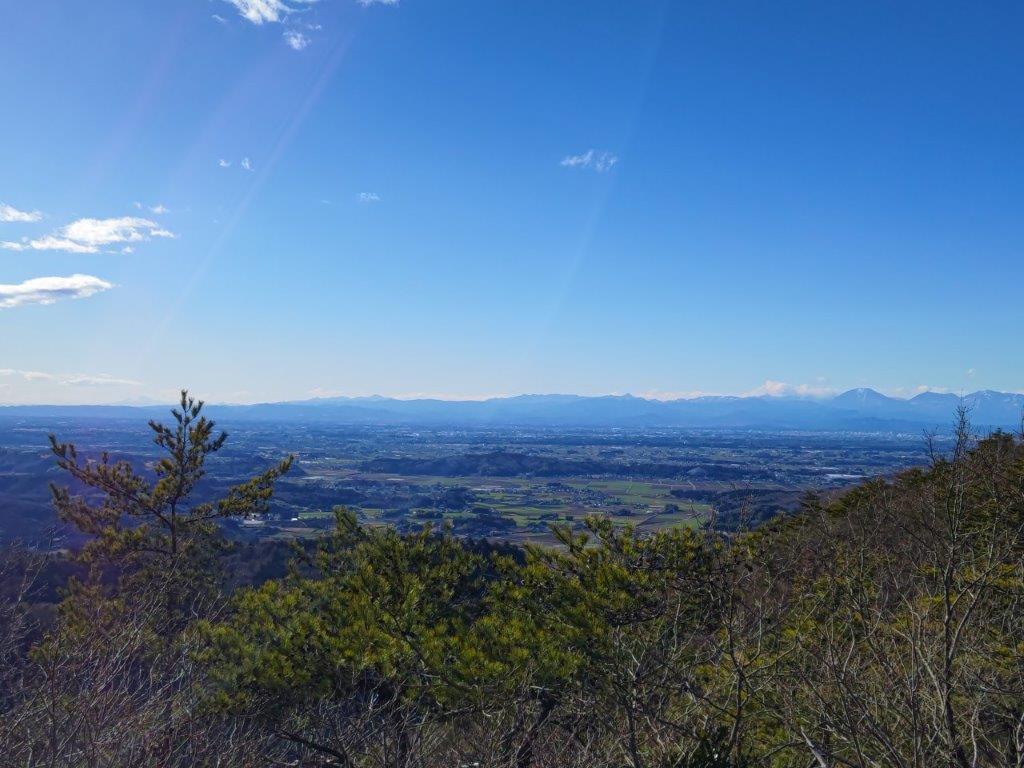
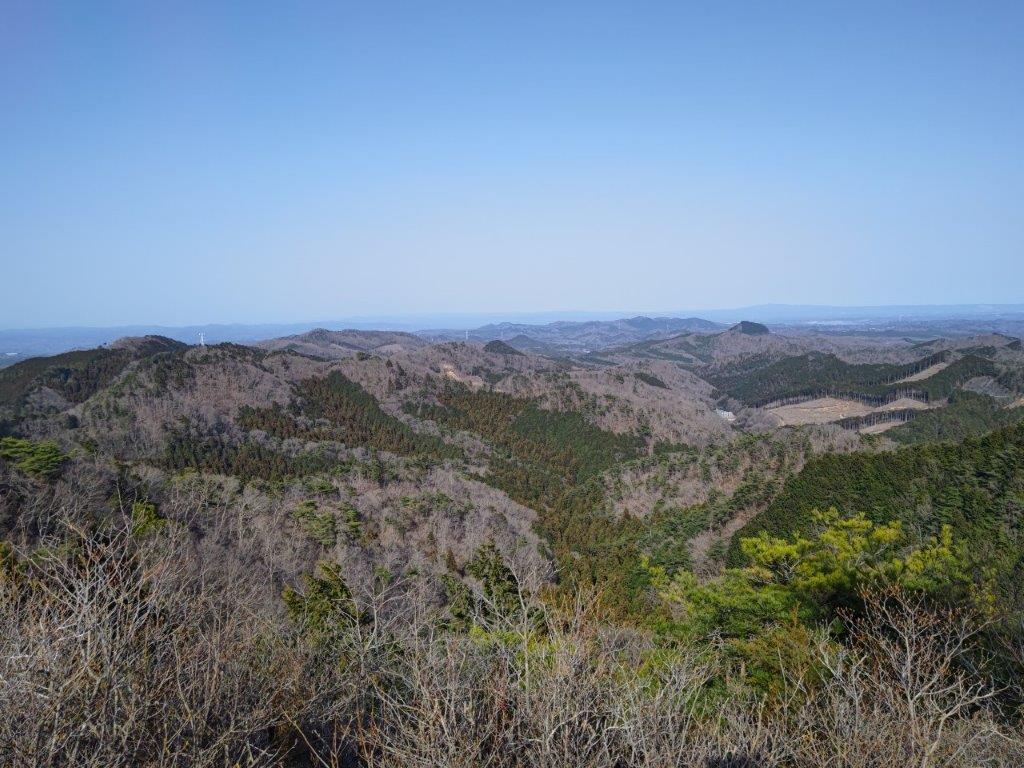
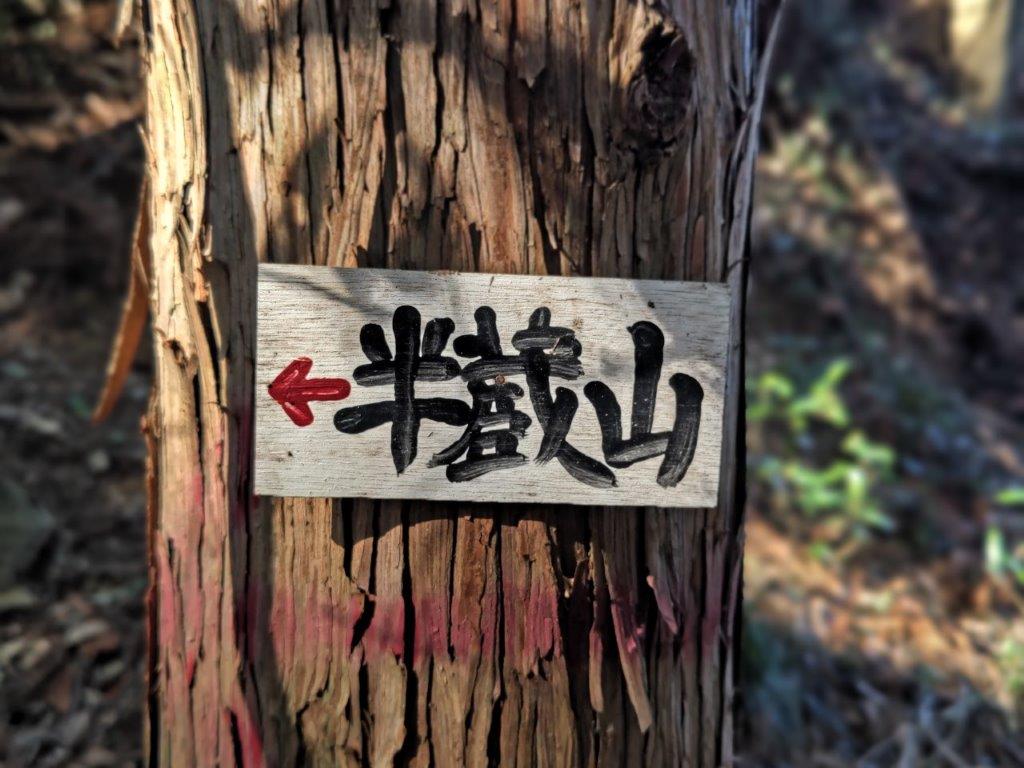
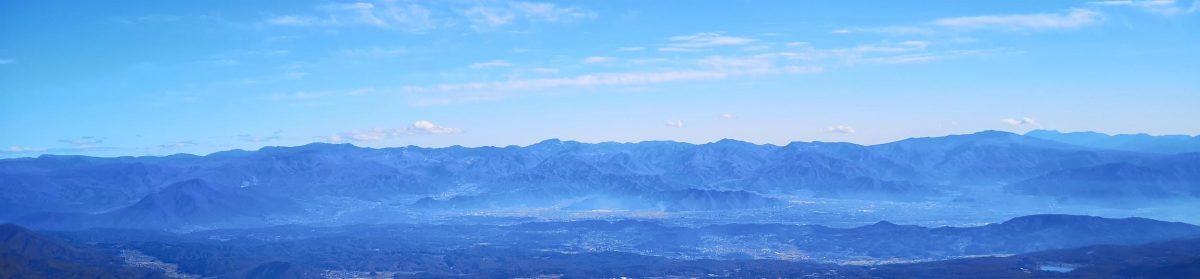
I took a moment to enjoy the view of the mountains of Tochigi, the only recognisable peak being Mt Gassan on the right side. One of the interesting aspects of this hike is the sight the of the wooden figures of the 7 Lucky Gods (“shichifukujin” 七福神) placed along the trail. I now passed Daikokuten (大黒天), the God of Wealth, one of the more popular ones. A few minutes later, just before 2pm, I reached an open shelter at the top of Mt Katsuro (葛老山 かつろうやま katsurou-yama), a 100 famous mountain of tochigi. Through the branches on the west side, I could see Mt Tashiro; on the north side, I had a double lake view, Yunishigawa lake on the left side, and Ikari lake on the right side; to the northeast, I had a good view of Mt Hiruga. I sat next to the statue of Jurojin (寿老人), the God of Longevity, for a late lunch.
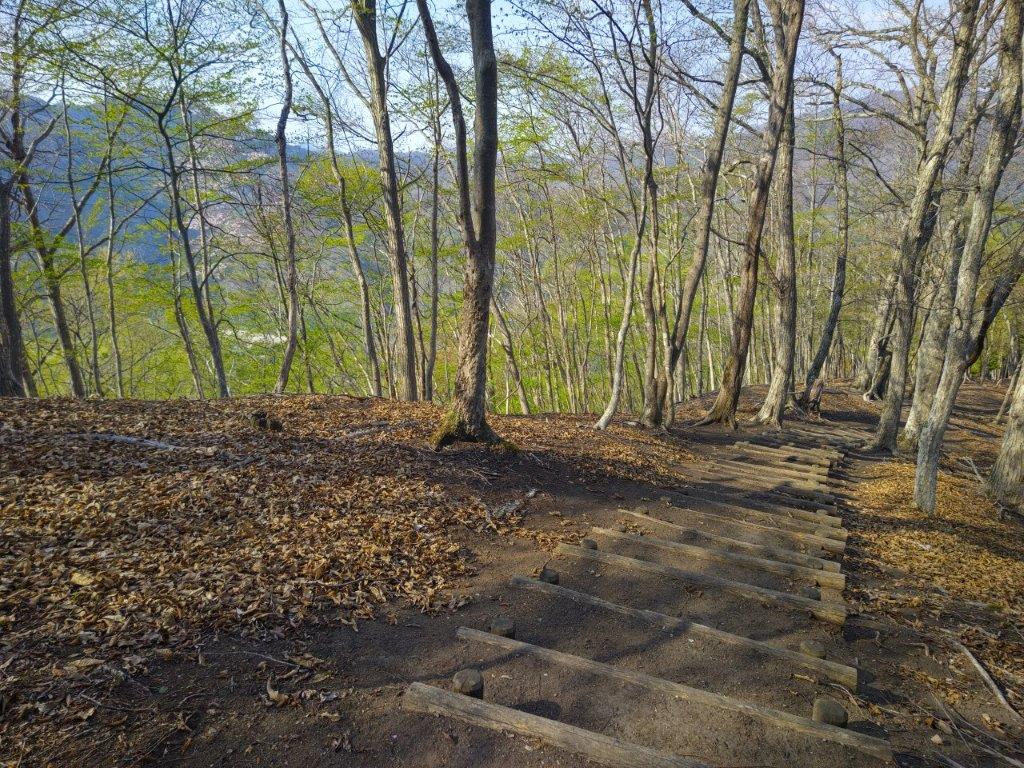
Log Steps above the First Shelter
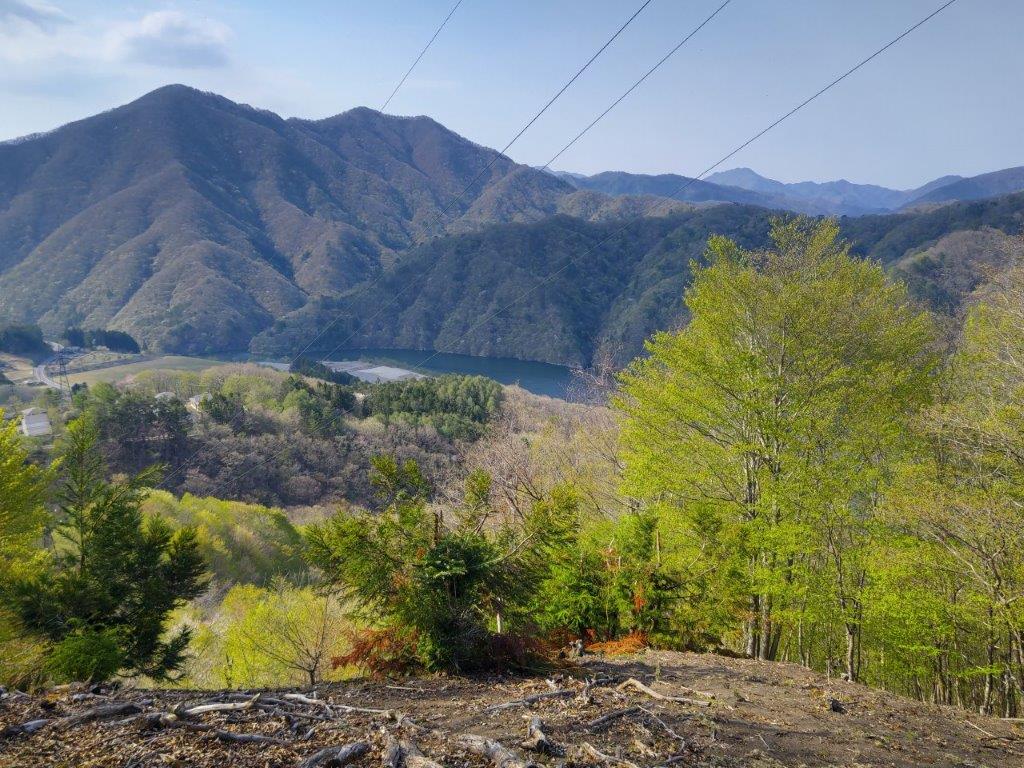
Mt Takase from near the Electric Pylon

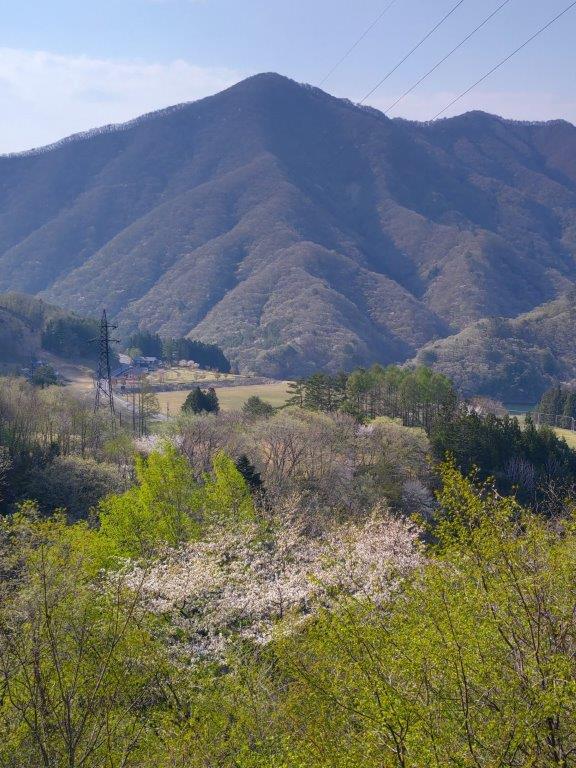
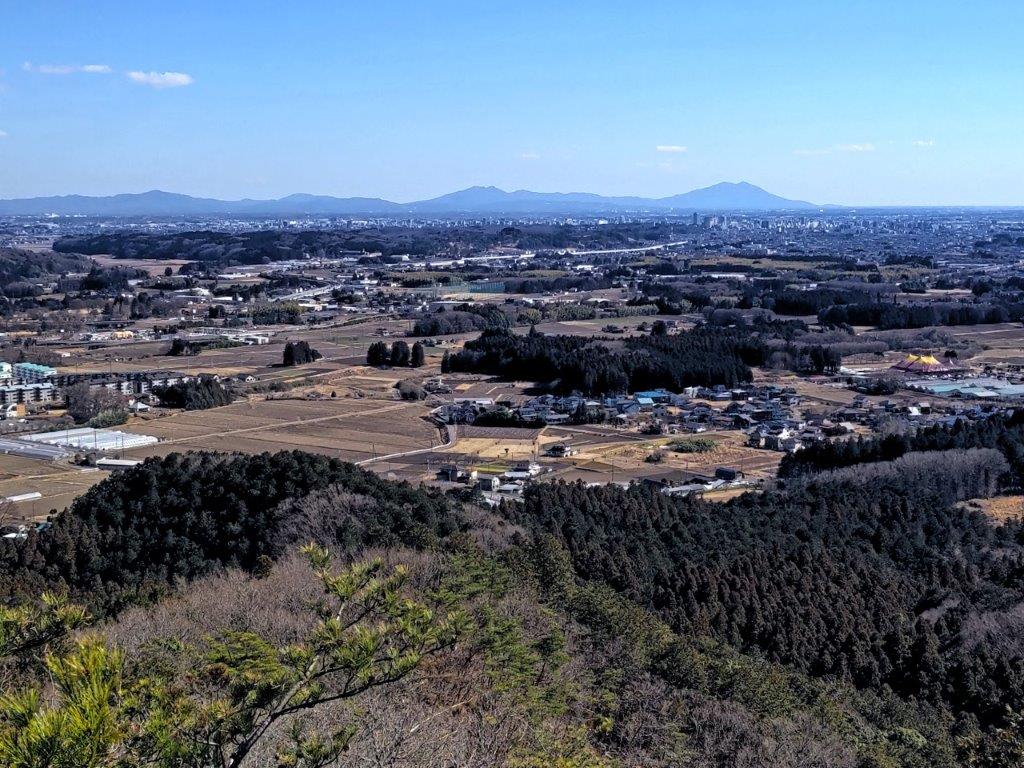
Afterwards, I decided to explore the ridge extending southwest as I was ahead of schedule. I was rewarded with glimpses of Yashio Lake and Mt Nyoho, one of the Oku-Nikko peaks. A little after 2h30, I started to head down the same way, spotting new details such as Magnolia flowers (“kobushi“) and mountain cherry trees (“yama-zakura“). Shortly after 3pm, I arrived back at the viewpoint at the electric pylon. Here, I turned left, for an alternative descent suggested by my guidebook. After heading down a short way, I reached another pylon, where I had a view of the foothills of Mt Takahara on the east side.
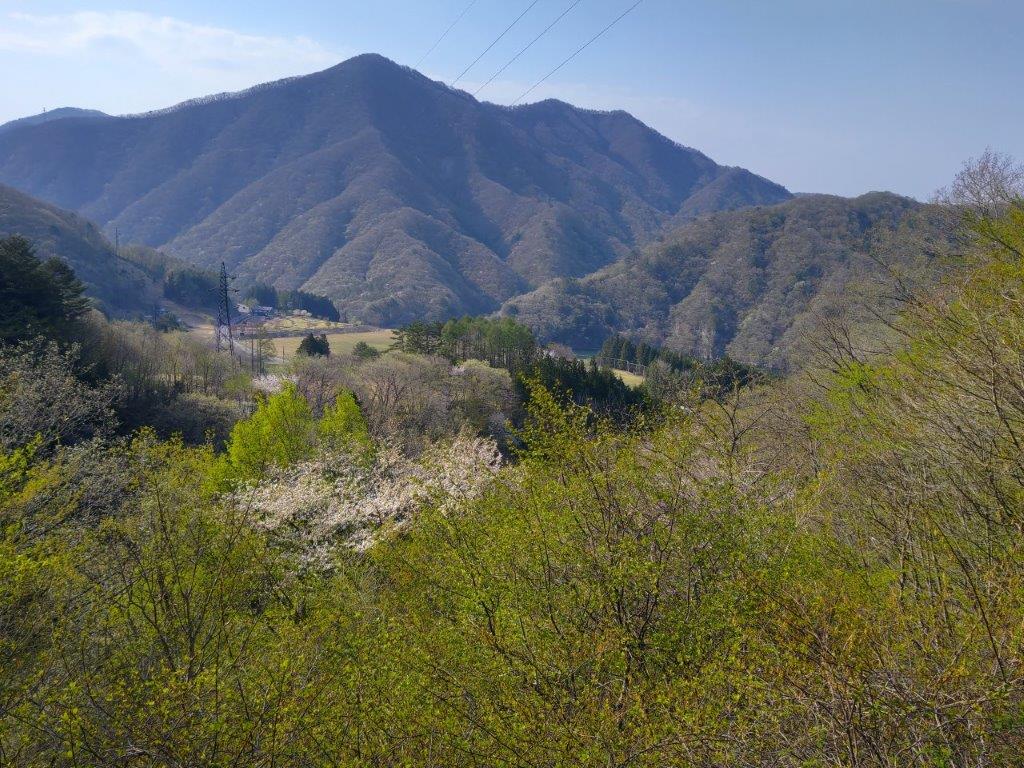
Mountain Sakura and Mt Takase

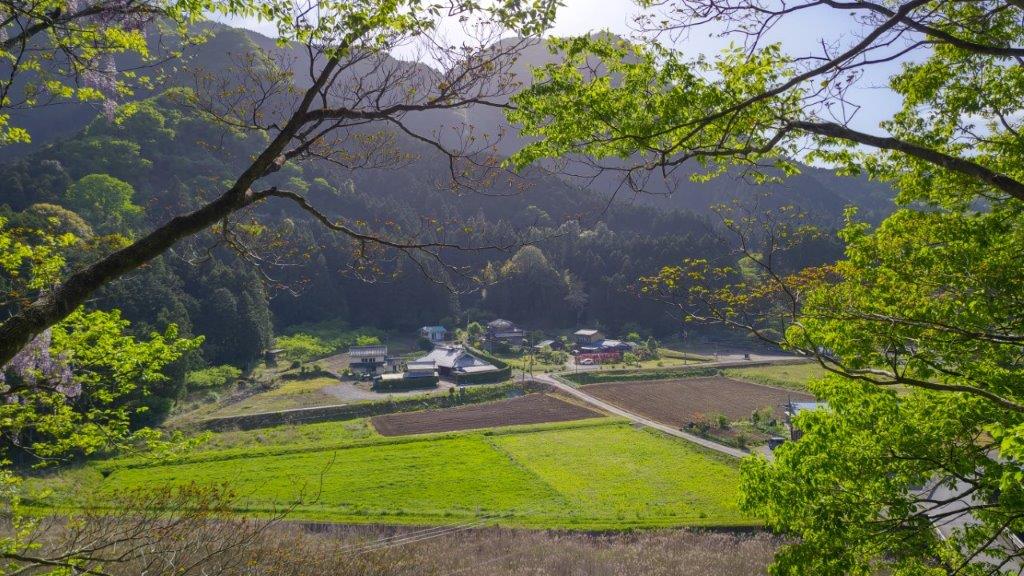
Yunishi River near Yunishigawa Station

Directly ahead on the north side, I had the best view of the day, Mt Takase and Yunishigawa Lake. The path became a little rough and I encountered the first and only tricky section of the day, a short but steep descent into a gully, thankfully roped for safety. After ascending the other side, I popped out onto a road next to Nishikawa-danchi, a group of houses on the mountain side. I then followed a road to its junction with a main road, where I turned right. After crossing a tunnel, I arrived back at the roadside station at 4pm, roughly one hour before my return train. I had a leisurely hot soak, practically by myself, and shortly after 5pm, I waited on the dark platform for the Skytree train to appear out of the darkness.

Watch a Video of the Hike

Watch the Video of the Hike on YouTube

See a Slideshow of More Pictures of the Hike

Mt Mitsumochi (1248m), Yaita City, Tochigi Prefecture, Saturday, August 3, 2024

I wanted to do at least one summer hike this year, as it had been 5 years since my previous one. I decided to visit Mt Takahara, a 200-famous mountain climbed during Golden Week 2018. This time, I would not head to the highest point, but instead hike on the high plateau that likely inspired the name of this ancient stratovolcano. Looking through my newly purchased “150 Best Tochigi Mountains” guidebook, I found a short and easy loop hike passing by a minor summit at the edge of the plateau, ideal for a hot August day.

Hiking on Mt Takahara and in the Nikko National Park

高原山  日光国立公園

I would get to the trail entrance by car from Utsunomiya since no buses run all the way to the plateau. As the hike was relatively short, I could stop at a restaurant on the way for an early soba lunch. The weather was supposed to be mostly sunny, and less hot and humid than the previous weeks, although thunderstorms still threatened. The path was through a beech and oak forest, with a view of the Kanto Plain at the halfway point; after a one month break, I was looking forward to a relaxing stroll in nature and getting a nice view .

For subscribers, read this Blog Post on Hiking Around Tokyo for a better viewing experience and the latest updates

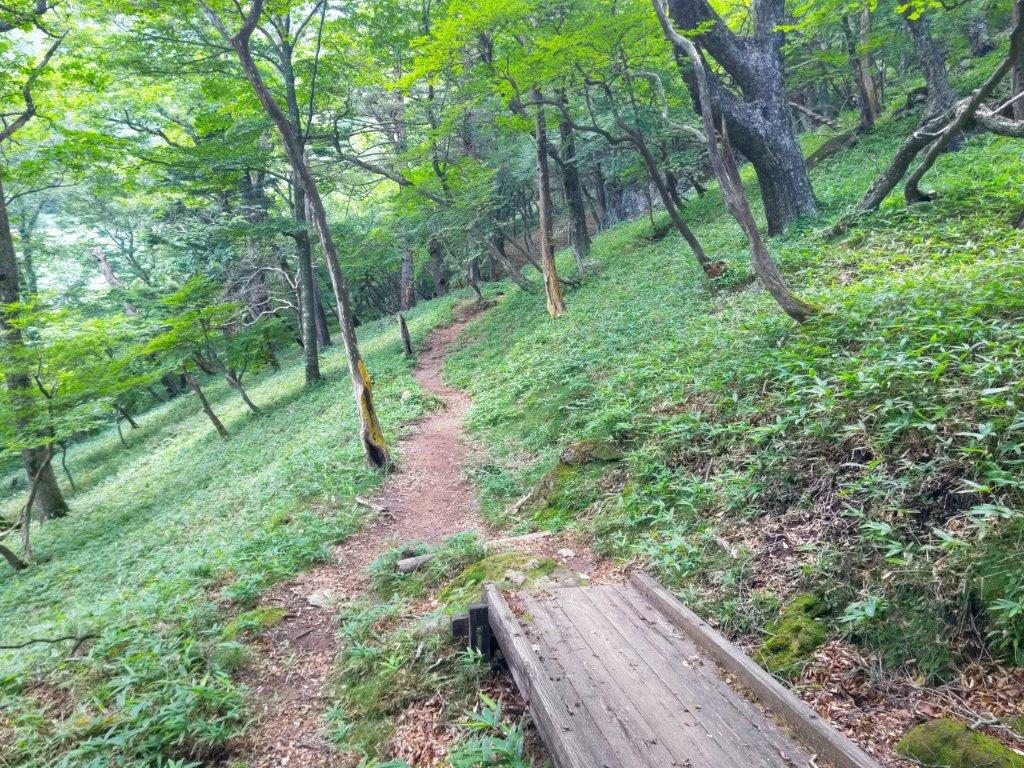
Steps at the Start of the Hike (left) Level Path for Most of the Way (right)

Looking Back at a Leaning Oak (left) Mistumochi Observation Tower (right)

At 10am, it already felt very hot under the sun as I walked through the streets of Utsunomiya towards my share car. After a one-hour drive, I arrived at Dattan Soba Juan (ダッタン蕎麦 寿庵) as it opened at 1130, and was lucky to snag the very last table. After a delicious meal of handmade soba and the biggest kakiage ever, I set off again, driving up a winding road through thick forest, arriving at the Omamadai Parking (大間々台) on Happogahara (八方ヶ原) at 1h30. I was surprised to see few cars, probably because the mountain is more popular in the spring and autumn months.

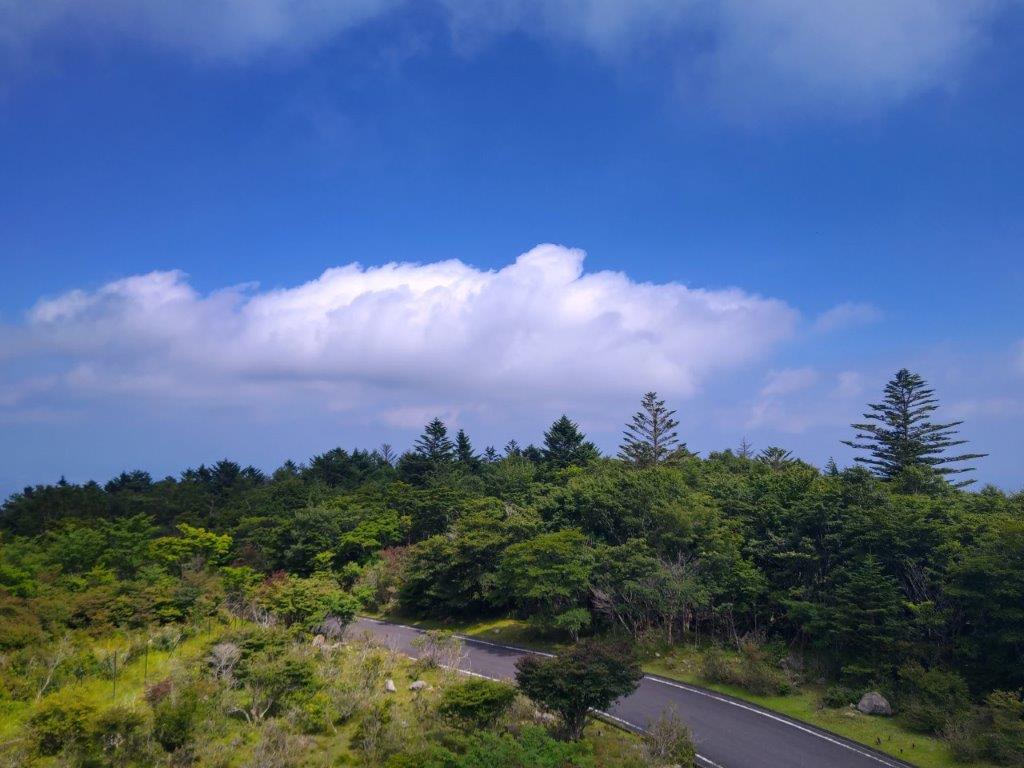
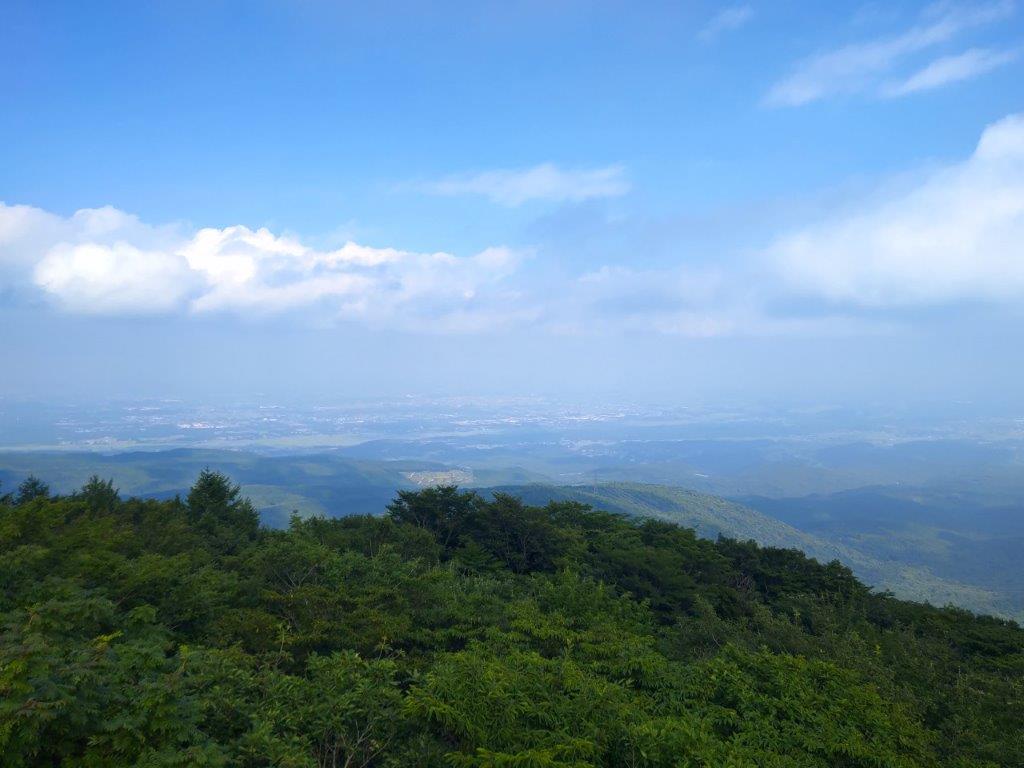
View of Forest and Clouds from the Omamadai Observation Tower

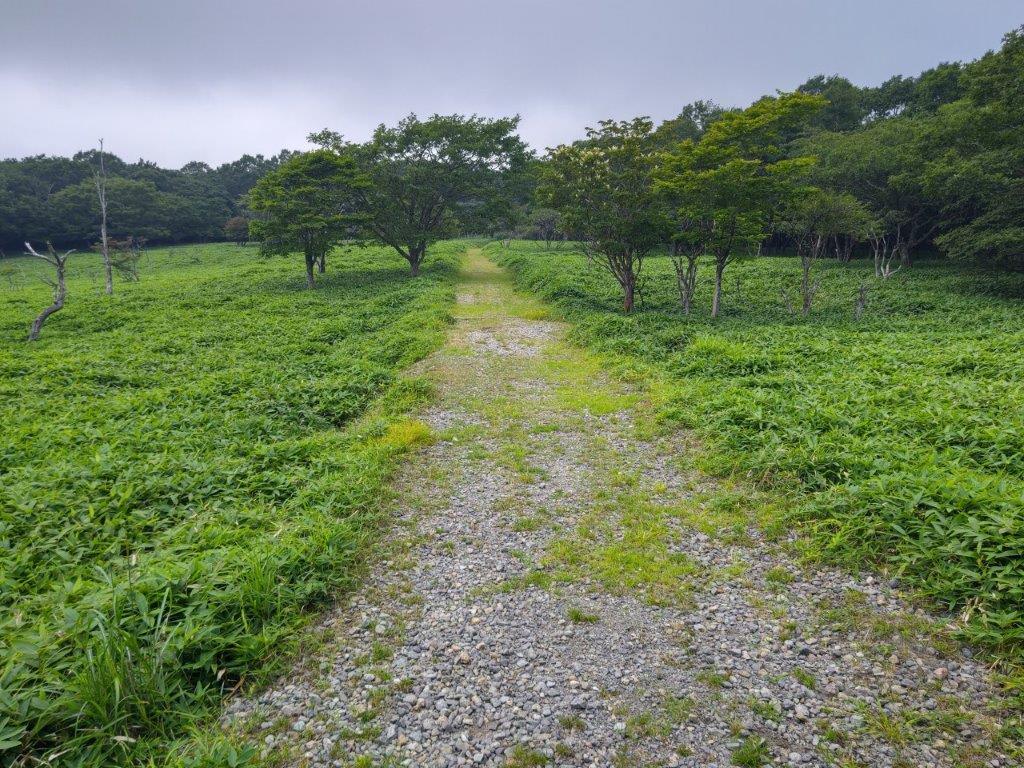
Mostly Gentle Slopes on this Hike

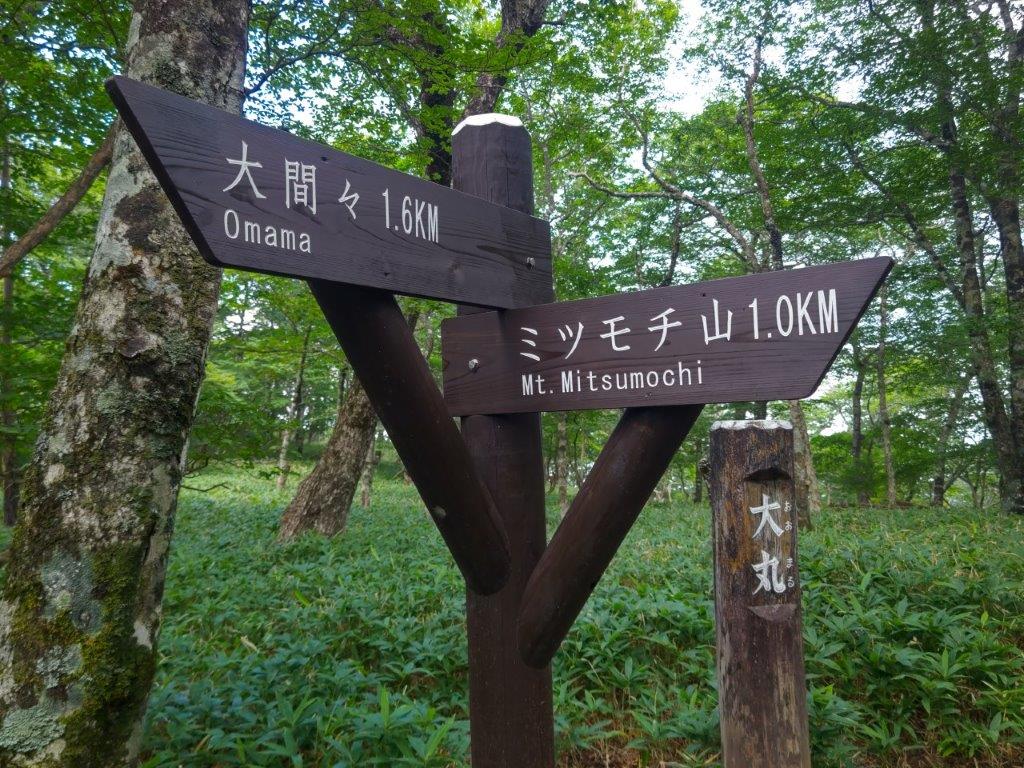
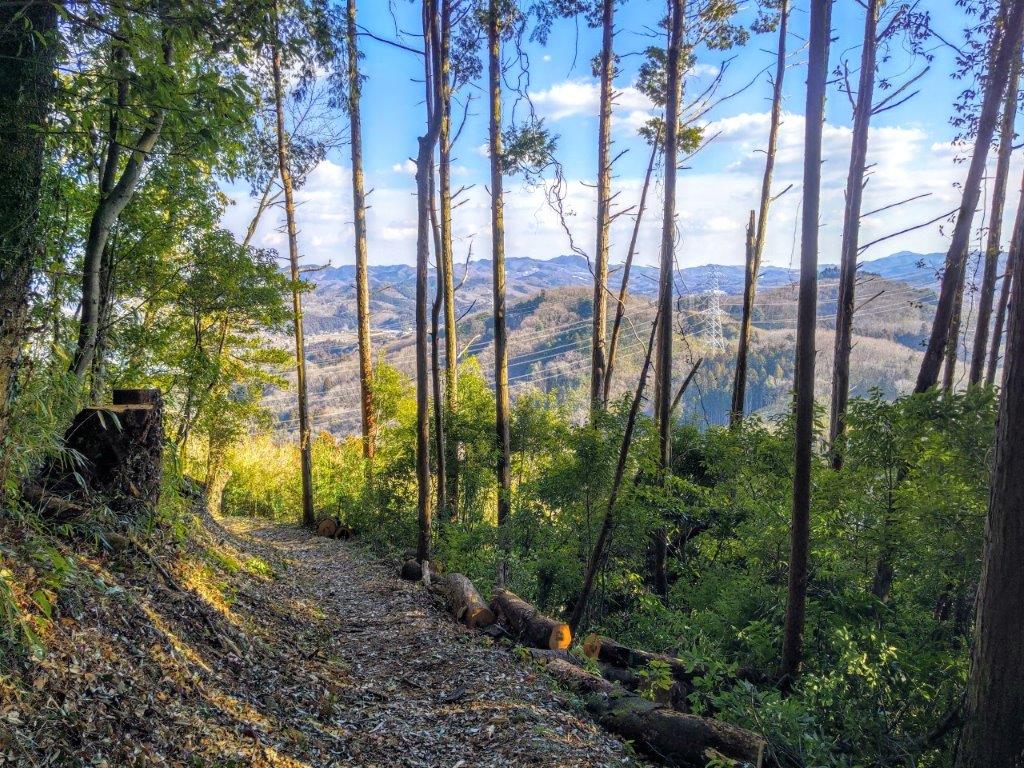
I was amazed by all the dragon flies buzzing around, using my car antenna as a handy perch. At 1280m, it felt cooler than the low-lying plain, although at nearly 25°C it was still above my comfort zone for physical activity. I checked out the view from the parking Observation tower, but Mt Shaka, the highest point of Mt Takahara, was hidden by a thick layer of clouds. I located the start of the Yashio Route (やしおコース), branching left from the main trail up the mountain; for a short while it headed down before becoming level. It felt refreshing to be walking under the tree shade inside the Nikko National Park; I met few people although insects were out in great numbers.

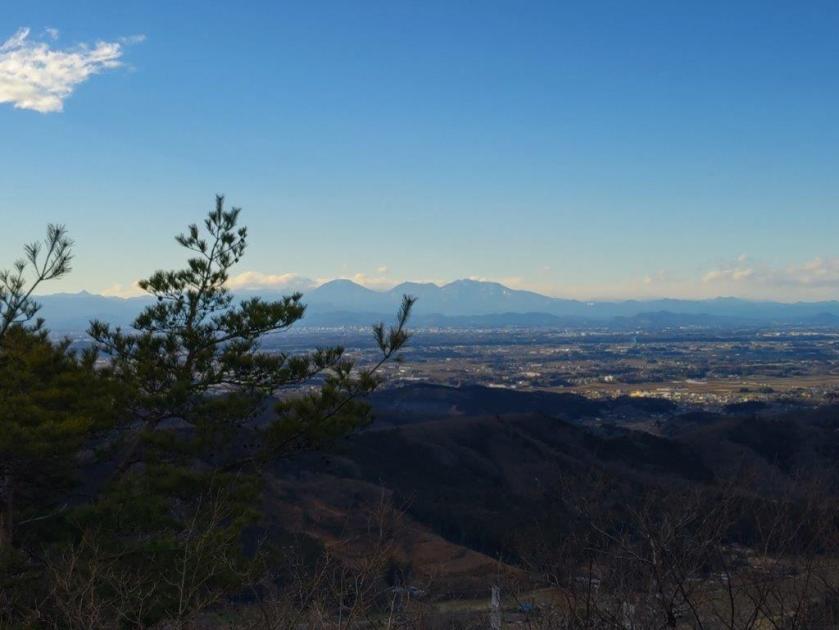
View of the Kanto Plain from the Mt Mitsumochi Observation Deck

Cumulus Cloud Floating through the Summer Sky

I was interested in the many bilingual information boards along the trail, allowing me to learn more about the surrounding nature, although they didn’t prepare me for the discovery of a brown toad sitting in the bamboo grass (I spotted one more at the summit). After a short climb, I reached a new-looking wooden observation tower a little before 2pm, also the top of Mt Mitsumochi (ミツモチ山 mitsumochi-yama). From the top of the tower, I gazed upon the Kanto plain below, the view probably more impressive in the cooler days of Spring and Autumn. After a short break, I continued along the Aozora trail (青空コース meaning “blue skies”), a wider track circling clockwise back to my starting point.

Open section along the Aozora Route

Passing Between Three Beeches

I soon figured out that the trail name referred to the sky now visible through the trees overhead, rather than to any panoramic views. Fortunately, thick clouds had spread over the entire sky shielding me from the blazing sun; on the other hand I was now worried about thunderstorms. I picked up the pace, and after passing through an open grassy space, the trail climbed gently, merging with the main trail at 3pm, near an old wooden shinto gate. At one point, a startled deer jumped out of the trees, dashed across the trail and dived into the forest on the other side. Soon after, I was back at the parking lot, and after checking out the Yama-no-eki Takahara, drove back to Utsumomiya station where I boarded the shinkansen for the short ride back to Tokyo.

Mt Amamaki (533m) & Mt Mitsutoya (433m), Mashiko Town, Tochigi Prefecture, Saturday, March 2, 2024

I wanted to revisit a mountain in Ibaraki I had climbed six years ago. According to my guidebook, a network of trails existed on the other side, in Tochigi, allowing me to create a loop hike. I could combine it with another peak on the same ridge. Since no buses run in the area, I would need to drive a car from Mito station, one hour away. The hike was on the short side, so I could get an early lunch at one of the many soba restaurants dotted throughout the countryside, and then start walking from the early afternoon. The weather was supposed to be mostly sunny but cold for the season, with temperatures slightly above freezing at the highest point. I was looking forward to visiting a hard to access, but rewarding hiking area close to Tokyo.

For subscribers, read this Blog Post on Hiking Around Tokyo for a better viewing experience and the latest updates

Walking the Summit Ridge (left) A well-maintained Trail (right)

Trail Before (left) and After (right) Mt Mitsutoya

I got a good look at the plum blossoms of Kairakuen Park in full bloom, as the Hitachi limited express approached Mito station just before 10am. Shortly after getting off the Kita-Kanto expressway, I reached Donjuan (呑珠庵) where I enjoyed one of the best soba lunches in a long while. After driving a little further, I arrived at the Okawado parking lot (大川戸登山口駐車場) and was finally ready to start hiking just before 1am. The weather was cloudier than forecast, although the sun was shining as I followed a forest road up a river valley and through a cedar forest.

Trail just below the Summit of Mt Amamaki

Summit of Mt Amamaki

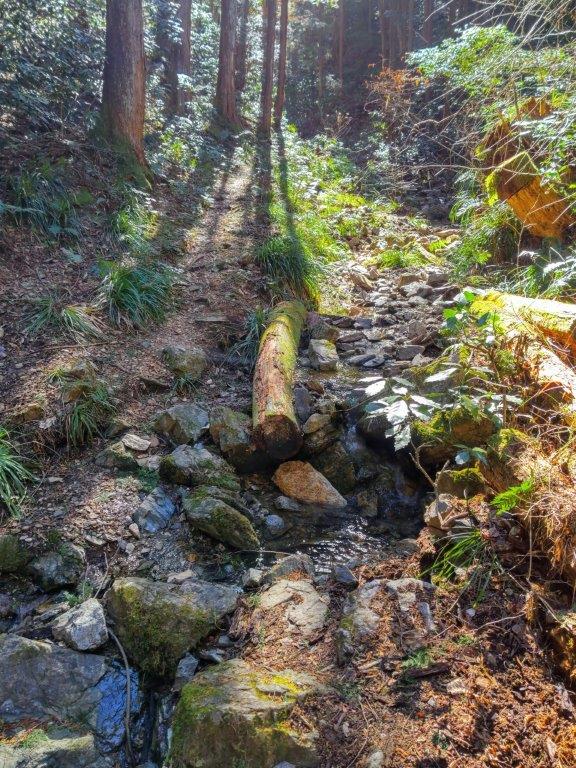
I was delighted to be hiking alongside a stream, the noise of the water rushing over rocks was like music to my ears. Eventually, the forest road turned into a rocky trail. Thirty minutes after setting out, I arrived at a fork where I turned right, onto the Mt Amamaki Ridge Route (雨巻山尾根コース). After a short, steep climb up a well-maintained path, I reached the ridgeline. There, I turned left, and after some gentle climbing surrounded by bare trees, arrived at the summit of Mt Amamaki (雨巻山 あままきやま amamaki-yama), a Tochigi and Kanto 100-famous mountain, a little after 2pm. On the west side, I could see Mt Takamine, Mt Bucho, and further away Mt Yakimori and Mt Keisoku.

View from the Top of Mt Amamaki

The Rounded Summit of Mt Bucho

I was surprised to find the summit completely deserted despite the nearly full parking lot at the base. I sat at one of the benches for a short break before heading back the same way. I continued past the top of the Ridge Route, now following the Mt Mitsutoya Ridge Route (三登谷山大根コース), a mostly level path through the trees. I soon reached a bench with a view of the Ashio mountains on the west side: I could see the highest peaks of Oku-Nikko, the pointy top of Mt Sukai, and the many summits of Mt Akagi. Another half an hour of walking brought me to one more viewpoint, this time on the south side. I could see the Ogodo Alps directly ahead, as well as Mt Tsukuba in the distance.

View West of the Ashio Mountains

Late Afternoon Sun and the Ogodo Alps

I was mesmerized by the colours of the late afternoon sun rays, piercing the clouds on the south side. Soon after, I arrived at Mt Mitsutoya (三登谷山 みつとやさん mitsutoya-san). Westwards, I could see the Oku-Nikko mountains, Mt Takahara and Mt Nasu; directly ahead, and much closer was Mt Takadate. After some descending, I turned right, off the ridge and into the valley through an evergreen forest, eventually rejoining the forest road taken earlier in the day. By now, the clouds had completely covered the sky, making the sun a distant memory. My car was almost the last one left, and by 5pm, I was on the road. At Mito station, I tried some local sake at Ibaraki Jizake Bar before boarding the limited express train for the comfortable ride back to Ueno.

Watch a Video of the Mt Amamaki Hike

Watch the Video of the Hike on YouTube

See a Slideshow of More Pictures of the Hike

Haga-Fuji (271m), Motegi Town, Tochigi Prefecture, Saturday, February 10, 2024

I wanted to explore more of the Kanto Fureai no Michi, its trails being well-suited for winter hiking. I decided to do a section between Motegi and Nanai stations in eastern Tochigi, mostly following back lanes through an area of low hills, at the southern edge of the Abukuma Plateau. It had snowed heavily a few days before so this felt like a safe choice. At the halfway point was another local “Fuji”, with supposedly good views from the top, although I hoped no snow would be left on the steep climb.

Hiking the Kanto Fureai no Michi

関東ふれあいの道

I would ride the Utsunomiya line to Oyama Station, and then the Mito line to Shimodate station. There, I would transfer to the private Mooka line (pronounced “mo-oka”) and get off at the last station. For the return, I could get catch a bus for Utsunomiya, and then ride the shinkansen back to Tokyo. The weather was supposed to be sunny and cold, but not freezing. I was looking forward to a relaxing station to station hike and getting some new views in a little-visited area.

For subscribers, read this Blog Post on Hiking Around Tokyo for a better viewing experience and the latest updates

Heading up (left) and down Haga-Fuji (right)

A Well-Maintained Trail on Haga-Fuji (left) with Views through the Trees (right)

It was a beautiful blue-sky day as I stepped off the train at Motegi just before 11am. I was surprised by how few people visit this charming riverside town in the hills, although it might be due to the winter season. I set off half an hour later and followed a promenade along the Sakasa river. On the way, I passed the quiet “Cat Store” (猫の雑貨屋), a small shop and cafe selling cat-related goods, and the busy “Motegi Roadside station” (道の駅もてぎ), from where I got a glimpse of the steam locomotive (SL) that runs on the Moka line on weekends.

Promenade along the Sakasa River

Walking through the Tochigi Countryside

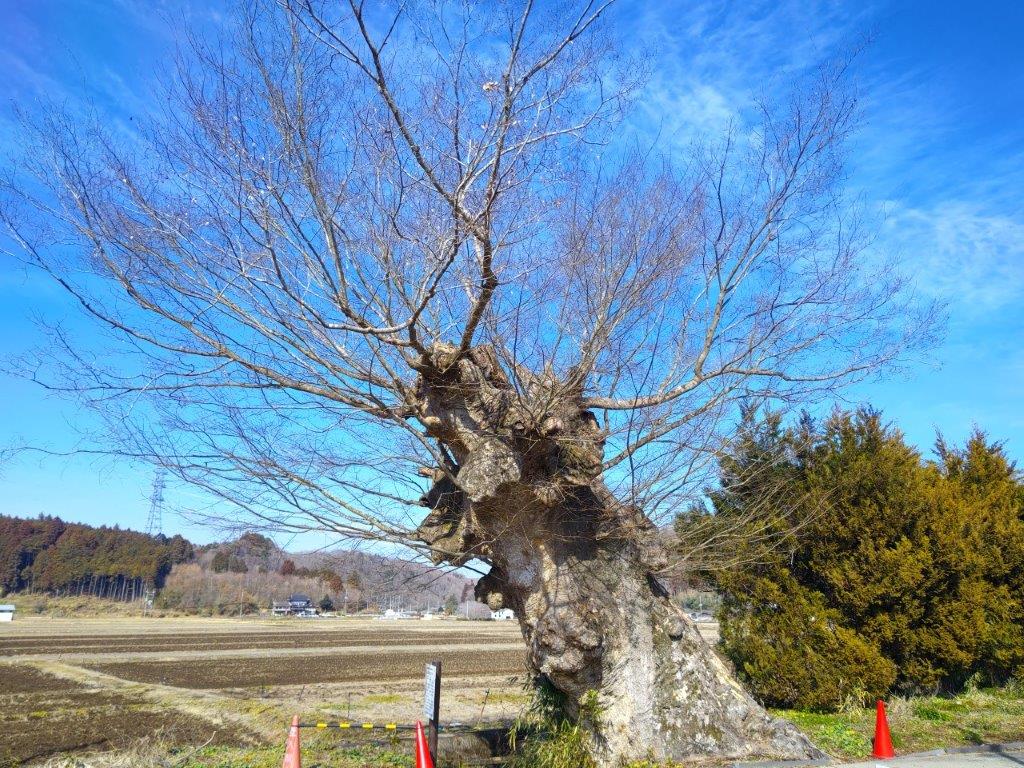
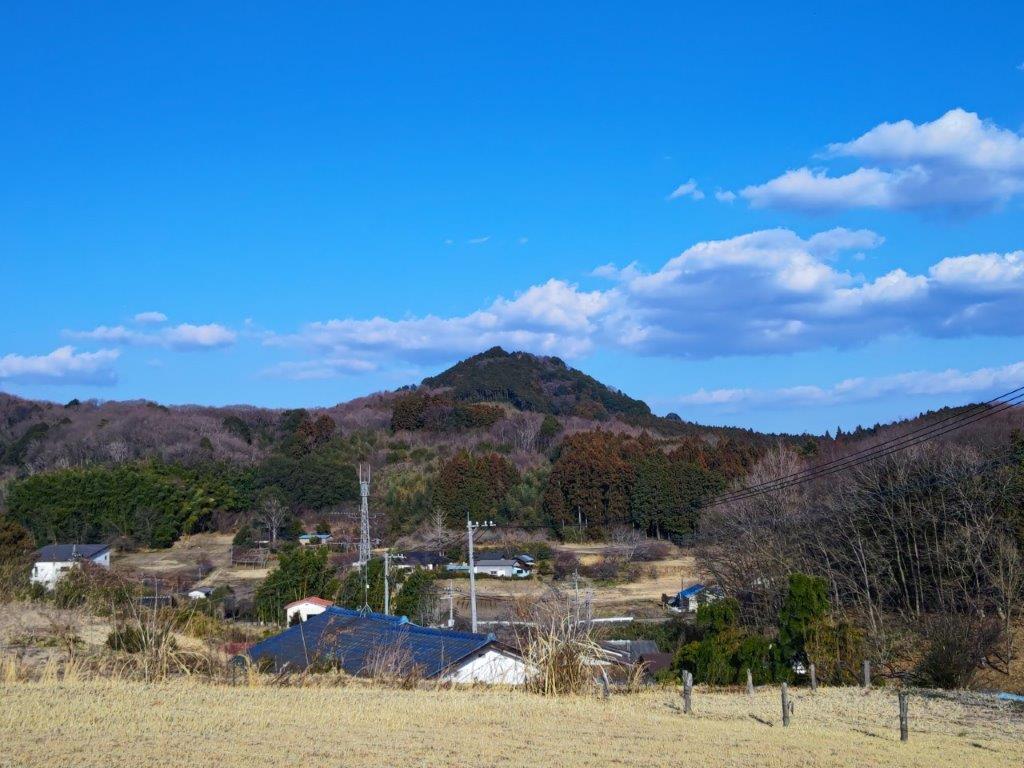
It was a day for sights in the sky: white herons taking off above the river, wispy cirrus clouds moving quickly overhead, a helicopter whizzing by, power lines spanning the sky between pylons, and even a couple of circling hang-gliders which I first mistook for birds of prey. After a short bit on a busy road, I crossed a bridge and left the Sakasa river for a short detour by Anraku-ji temple (安楽寺) and its 600-year-old Zelkova tree (“keyaki“), from where I had my first glimpse of the conical top of today’s mountain. Thirty minutes later, I passed some terraced rice fields, one of the 100 rural landscapes of Tochigi, still covered in snow. Soon after, I reached the entrance to the hiking trail on the left.

Mt Yakimori & Mt Keisoku from near the top of Haga-Fuji

Mt Amamaki & Mt Takamine from halfway down Haga-Fuji

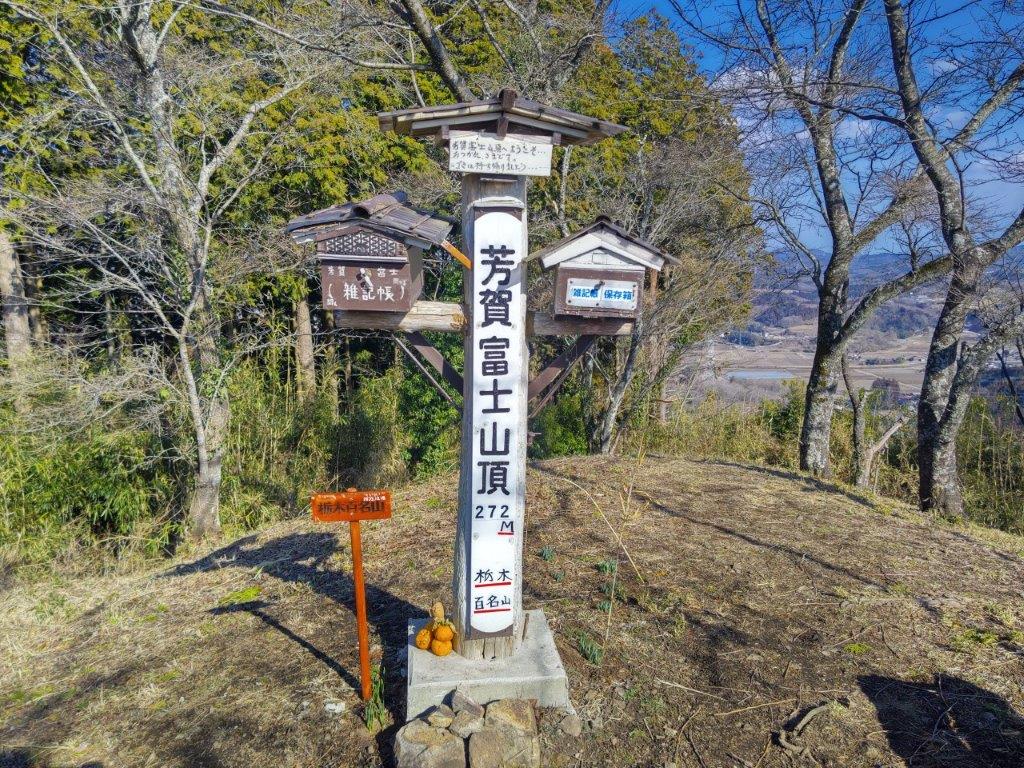
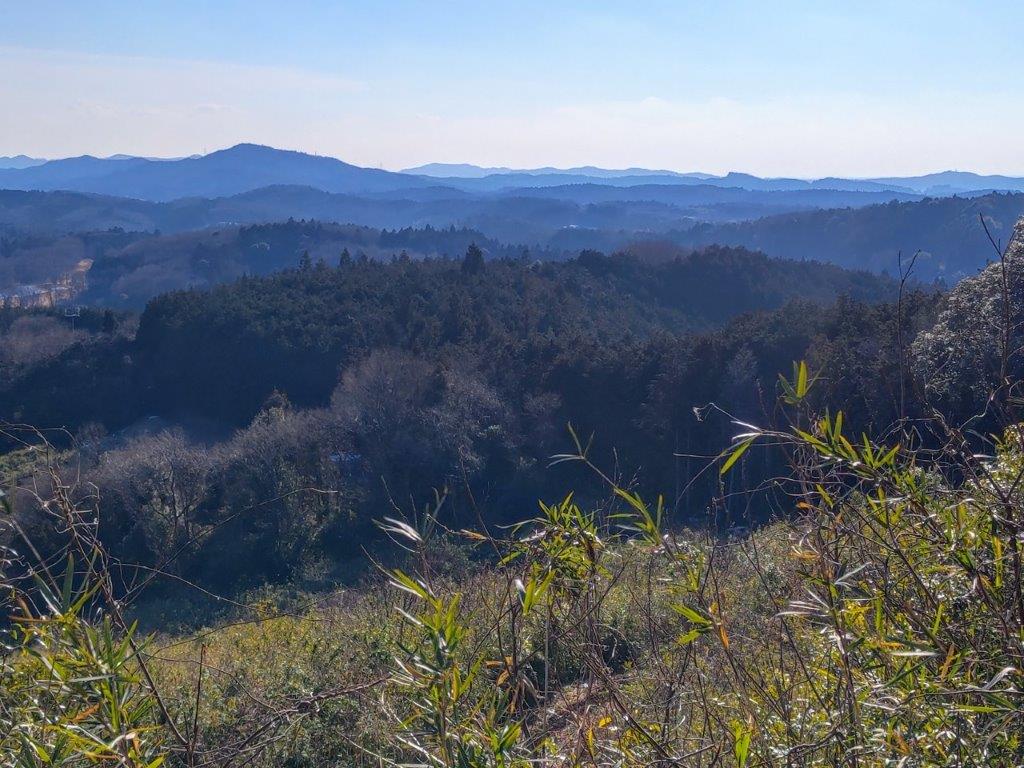
I was surprised to see the path covered in snow, with only one set of footsteps. Luckily, once it entered the forest, the snow all but disappeared. After a steep but short climb through cedars, I reached a dirt track with a wide view on the east side. I could see Mt Yakemori and Mt Keisoku, as well as the other Mt Fuji in the area. One final effort brought me to the highest point of Haga-Fuji (芳賀富士 はがふじ), a 100 famous mountain of Tochigi. The view was mostly blocked by trees; through a gap on the southwest side was a view of the real Fuji, although today it was lost in the haze. It was 2pm so I sat on one of the benches for a late lunch. After half an hour, I headed down a switchback trail on the south side.

Snowy Section of the Fureai no Michi

Looking back at Haga-Fuji

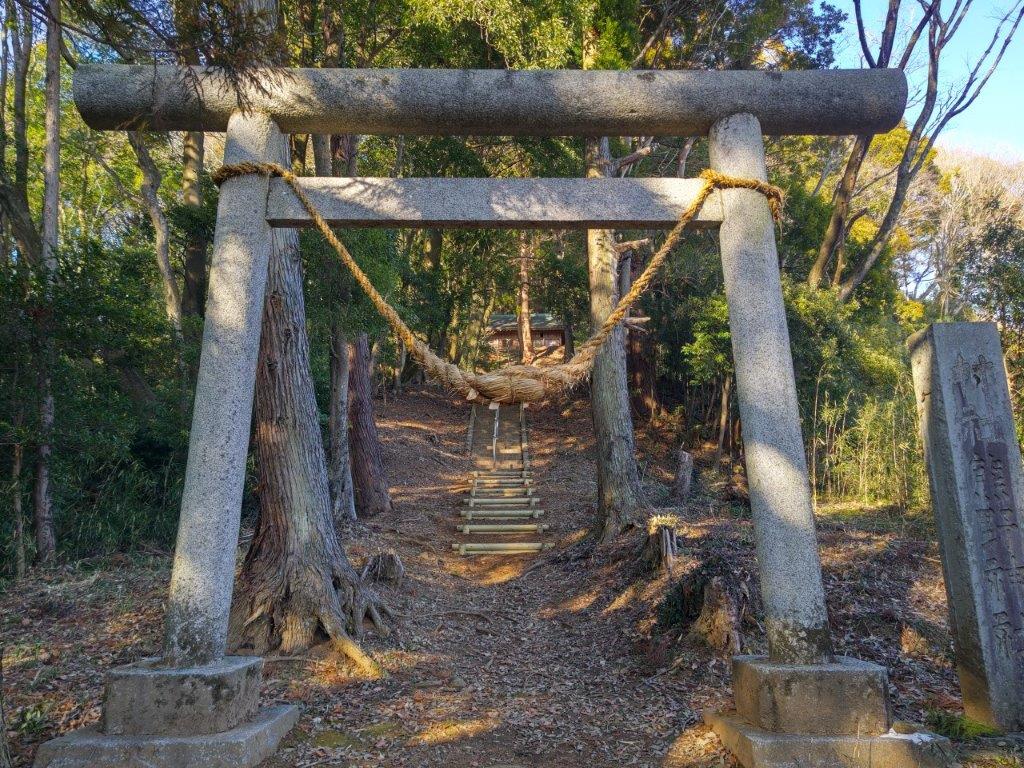
This was by far the most pleasant part of the hike. Halfway down and slightly off the trail, I had a view to the south of Mt Amamaki and Mt Takamine, as well as the Ogodo Alps. I soon reached the base, and after passing Kumano shrine and Anzen-ji temple (安善寺), was back on countryside lanes. Turning around at the top of a slope, I could admire the conical shape of today’s peak. Another hour of uneventful walking brought me to a bus stop near Nanai station; a little after 4pm I boarded the bus for Utsunomiya, where I hopped on the shinkansen for the short trip back to Tokyo.

View a Video of the Haga-Fuji Hike

Watch the Video of the Hike on Youtube

See a Slideshow of More Pictures of the Hike

Mt Yagura (599m), Kanuma City, Tochigi Prefecture, Saturday April 22, 2023

Exactly five years ago, I had climbed Mt Mitsumine, a hike recommended in my mountains of Tochigi guidebook. Looking at my hiking maps, I noticed another peak directly opposite, not featured in my guidebook. Further research showed that the trail wasn’t in optimal condition, but since I was eager to revisit the area, I thought I would give it a go. I would take the Nikko line from Ikebukuro to Tochigi station, and from there, a bus to the Hoshino Archaeological site. I would take the most direct way to the summit, up the valley, and then return via the longer ridge route on the north side. For the return, I could take the same bus and train back. The weather was supposed to be good once again, and I was looking forward to a peaceful hike and some good views.

View South from the Summit

Trail-finding needed during the Descent

Carp streamers were flapping in the spring breeze as I waited for the minibus bus outside Tochigi station around 1030; I was the only passenger for most of the one-hour ride. I had a quick look at the Jomon era huts of the Hoshino Archaeological site (星野遺跡), and admired the stunning view of Mt Mitsumine directly opposite, before setting off a little after 11h30. Shortly past the village, I entered the forest and soon reached the start of the trail, following a disused forest road.

Mt Mitsumine from near the Trail Entrance

Obstacle Course up the Mountain

I had to clamber over, and pass under, countless fallen trees, before the path left the narrow valley, and headed directly up a steep slope. I had rarely experienced such a challenging and adventurous start, and without my phone GPS to show me the correct way, it would have taken a lot more time. I was glad when I finally reached a flat area on the top ridge, refreshingly cool in the shade of the new green of spring.

Flat Area on the Ridgeline

Nearly at the top (left) TV Antenna on the Summit (right)

I was surrounded by bright red Azalea on both sides, as I followed the ridgeline southwards through the green forest. A little after 1pm, I reached the summit of Mt Yagura (谷倉山 やぐらさん yagura-san), a Tochigi 100 famous mountain. I dropped my pack next to the TV antenna, and went to enjoy the wide view on the other side: directly ahead, to the south, was the Kanto plain; on the east side, I could spot Mt Futamata in the distance.

View East towards Kanuma City

View West from the Summit

I was surprised to see that most of the trees on the south side had been cut down. I took a break for lunch, and at 2pm, retraced my steps past the spot I had joined the ridge, and from there continued northwards. After an up and down section, the path curved west and started to head down. Here again, the trail was hard to follow and I had to rely on my phone GPS. From time to time, I had glimpses of a flat valley and green hills on the north side through the trees. I saw no other hikers during the entire hike and it felt very peaceful.

Following the Ridgeline up and down

Walking down through the forest

I was nearly level with the base of the valley when the trail suddenly disappeared. After fighting my way through some thick bushes, I finally emerged onto a grassy path next shrine, just a few minutes from the bus stop. It was just past 3h30 and had a little time to cool down before catching the 4pm bus for Tochigi station, about an hour away from Ikebukuro by limited express.

Back in the Valley

Mt Mitsumine from the end of the Trail

Although this hike took only 4 hours, it could have taken longer without my phone GPS. It’s a shame that the trail sections near the start and finish are unmaintained and hard to find, although it does guarantee some solitary hiking. On the summit, I discovered an unmarked path following the southwest ridge, so it might be interesting to try that in the future, especially since it is relatively close to Tokyo.

Watch a Video of the Mt Yagura Hike

See a Slideshow of some more pictures of the Mt Yagura Hike

Mt Yakemori (420m) & Mt Keisoku (430m), Motegi & Shirosato Towns, Tochigi & Ibaraki Prefectures, Saturday, March 11, 2023

I had this hike in mind for a while, but since it could only be reached by car, it was low down on my list. I would follow the route described in my Mountains of Ibaraki guidebook: a loop hike, with short roundtrips to each peak, at opposite ends of the top ridge. These two mountains are situated near Mt Amamaki and Mt Takadate, on the Tochigi and Ibaraki border, halfway between Utsunomiya and Mito cities, their respective capitals. I decided to rent a car from the latter, about an hour’s drive to the parking on the east side. This way I could take the comfortable Hitachi limited express to Mito station and back. Since it was a relatively short hike, I could get an early lunch at a soba restaurant on the way. The weather was once again supposed to be sunny and I was looking forward to getting more views of the low mountains of the southern end of the Abukuma plateau.

Mt Keisoku (south peak) seen on the way to Mt Yakemori

View of the Abukuma Plateau from Mt Keisoku (north peak)

I was relieved that the parking lot was practically empty when I arrived at 1pm; according to the Google Maps, it’s always full in the morning, especially at this time of the year. After getting ready, I set off up a forest road through the cedars. I soon reached a switchback trail leading to Tarumi Pass (弛み峠) on the ridgeline. There, I turned left, heading west, towards today’s first peak.

Start of the hike (left) Below the south peak of Mt Keisoku (right)

Ridge trail leading to Mt Yakemori

As I followed the undulating ridge, I had glimpses through the fir trees of today’s other peak. After navigating the rocky trail round the base of Zazen Rock (座禅岩 meaning “Zen meditation”), I arrived at the summit of Mt Yakemori (焼森山 やけもりさん yakemorisan meaning “burnt forest”) from where I had a view of Mt Takamine to the southwest and the vast Abukuma Plateau stretching into the distance on the north side. At 2h30, after a short break, I headed back to Tarumi Pass.

View of Mt Keisoku from Mt Yakemori

View northwards of the Abukuma Plateau

I followed the sunny trail up a steep slope and soon reached a junction and a bench in the sun. A signpost indicated that this was the south peak of today’s second mountain; apparently Mt Fuji can be seen through the trees, but not today. I turned left, going down for a bit, and then up again through dark forest. At 3pm, I reached the north peak of Mt Keisoku (鶏足山 けいそくさん keisokusan meaning “chicken foot”), a Tochigi 100-famous mountain, and the exact same height as the south peak.

View northeast from Mt Keisoku

The outline of Mt Nantai can be seen on the right side

The summit was free of trees and offered a wide view on the north side. At this late hour, it was also free of people. I could make out the shape of Ibaraki’s Mt Nantai to the northeast, about 30km away. I followed the trail as it continued down the north side, and a few minutes later, I arrived at Tori-iwa (鶏岩 meaning “chicken rock”), where I had a view on the east side. I quickly made my way back to the junction on the south peak, and and continued along the main trail as it curved south and started to head down the mountain.

View to the southeast from Mt Keisoku

View on the way to Niwatori Rock

It was a pleasant descent through the winter forest, bathed in the late afternoon sun. After passing the minor summit of Mt Fuji-ga-hira (富士ヶ平 340m), marked by a small shrine, the trail became rockier and steeper, slowing my pace somewhat. At 4pm, I was back at the now completely deserted parking lot. I managed to get to Mito before sunset, where I boarded the limited express for the 90 minute ride to Tokyo.

View east from Niwatori Rock

Level trail leading to Mt Fuji-ga-Hira

This was another short hike with great views, ideal for the short and clear days of the Japanese winter. I found out afterwards that there’s a spot with many Mitsumata flowers on the north side of the mountain, that were in full bloom around the time of my visit, giving me a reason to return someday in the future.

See a video of the Mt Keisoku hike

Mt Takadate (301m), Mashiko Town, Tochigi Prefecture, Saturday, March 4, 2023

Hiking the Kanto Fureai no Michi

関東ふれあいの道

I wanted to explore some more of the Kanto Fureai no Michi since winter is the best season for walking these low-altitude trails. I found another promising section between Motegi Town and the Ogodo Alps that included a 1300-year old temple, a summit view, and a 20-meter high Observation Tower. It started from Mashiko station on the Moka line, requiring two transfers to get there from Central Tokyo: the first one at Oyama station on the Utsunomiya line and the second one at Shimodate station on the Mito line; for the return from Nanai, the next station on the line, I could take a bus directly to Utsunomiya station. Blue skies were forecast for the whole day, and so I was looking forward to a relaxing walk through the countryside and getting some nice views of Tochigi prefecture.

Hiking between Gongen Daira and Mashiko no Mori

View towards Nikko from the Mashiko no Mori Observation Tower

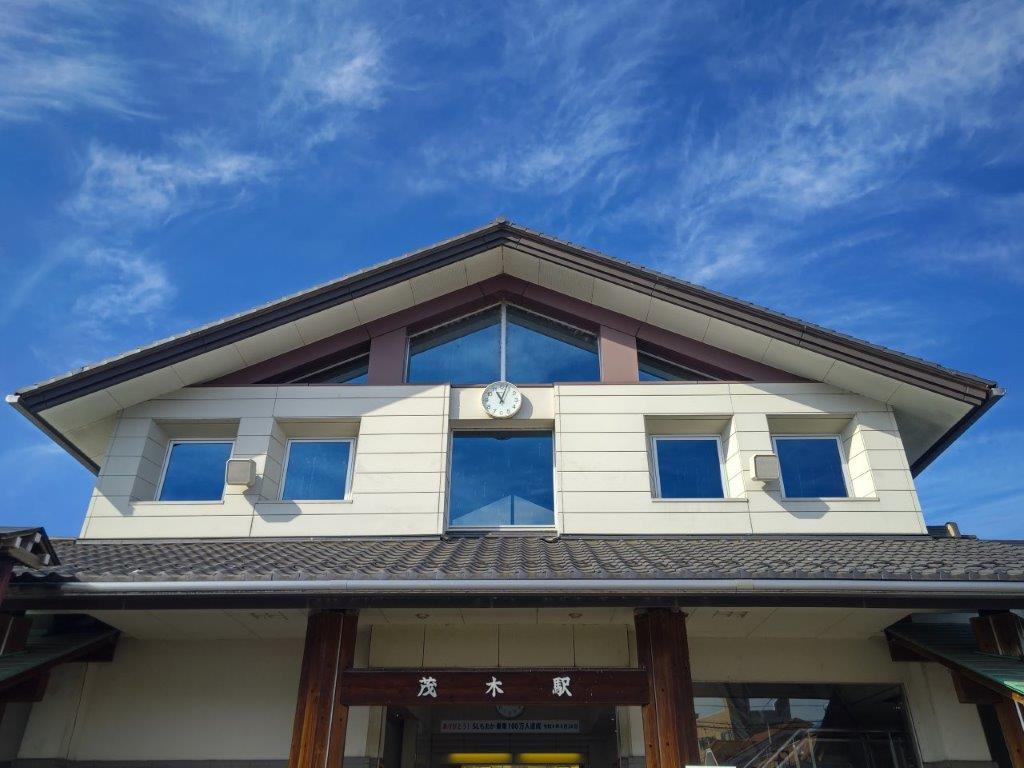
Some Japanese trains stations are quite ordinary and some are unique; Mashiko station belonged to the latter category with its soaring twin towers. I was one of the few passengers who got off there at 10am. Since today’s hike was on the short side, I enjoyed a cup of coffee at an outdoor table in front of the Mashiko Sightseeing Association. At 11am, I set off along the busy Mashiko Main Street; following the signs for the Fureai no Michi, I soon turned right onto a quiet country lane.

Saimyoji Temple Main Building

A peaceful temple on the mountain side

Soon I had views of today’s mountain on the left side, its low, rounded summit gently rising above the level rice fields. At 12h30, I reached Saimyoji Temple (西明寺) and the start of the hiking trail. I was the sole visitor and could fully enjoy the peaceful surroundings. Less than half an hour later, I reached the Gongen Daira (権現平), a grassy area with benches and a small concrete observation platform. It wasn’t the highest point, but had a view on the west side, so I sat on a bench and had an early lunch.

Approaching Gongen Daira (left) Descending from Gongen Daira (right)

View West from the Gongen Daira Observation Platform

The flat Kanto plain stretched away ahead of me, with the Nikko mountains faintly visible in the background; just a few weeks ago, I had been hiking the Fureai no Michi trail on the opposite side. After a short break, I moved on, and after a little climbing, arrived at the true summit of Mt Takadate (高館山 たかだてやま takadateyama), a Tochigi 100-famous mountain. It was completely in the trees so without delay, I continued along a trail down the other side of the mountain. After crossing a bridge over a road, I arrived at the Mashiko Forest Observation Tower.

Easy to walk trails through the forest

Mashiko no Mori Observation Tower (right) Walking to Nanai Station

I had a 360° panoramic view from the top of this wooden construction: to the south was Mt Takadate and Mt Amamaki; on the east and north sides, I could see the low hills of the Abukuma Plateau surrounding Motegi town; looking west, I had a wide view of the Kanto Plain and the mountains of Oku-Nikko. After enjoying the views, I made my way through the Mashiko forest, passing the Ajisai Suspension Bridge and ending at Suda pond. I then followed various lanes and roads, reaching Mashiko Pan Bakery at 3h3o.

View North Towards Motegi Station

Looking back at Mt Takadate

I was back on a pleasant hiking trail through the forest, a few minutes past the bakery. Just before 4pm, I emerged onto a road again, leading past Entsuji Temple (円通寺). From there, it was a short walk to Nanai station, which looked very utilitarian, the complete opposite of this morning’s station. I was surprised to discover that the Nanai-Eki-Mae (“front of Eki Station”) bus stop was actually 10 minutes away on foot. Fortunately, I arrived with time to spare and easily made it on time for the return bus at 4h30.

Ajisai Suspension Bridge in Mashiko no Mori

Walking in Mashiko no Mori Forest

I was once again surprised by how enjoyable it was to hike along the Fureai no Michi even though it doesn’t exclusively follow hiking trails. I passed many interesting sights along the way so it really felt like I was discovering the area. Since I took my time, the hike ended up taking about five hours which I felt was ideal considering that there was little up and down.

Watch a video of the Mt Takadate Hike
See a slideshow of some pictures of the Mt Takadate Hike
Mt Otadaki (338m), Mt Hanzo (502m) & Mt Fuji (338m), Utsunomiya City, Tochigi Prefecture, Sunday, February 26, 2023

I was looking for a low-elevation hike close to Tokyo, suitable for a cold winter day. Looking at my hiking maps, I found 3 minor peaks in a hilly area northwest of Utsunomiya city, between Mt Kogashi and the Utsunomiya Alps. It was up and down the same way, except for the last part, where I could return via a different path. I could take the Utsunomiya line to Utsunomiya station and from there, ride a bus to a stop, just 15-minutes on foot from the trailhead; for the return, I could catch a more convenient bus back to Utsunomiya from a nearby roadside station. Since there was a hot spring close to the trail entrance, I could enjoy a hot bath before heading home. I was looking forward to a relaxing hike and good views at the edge of the Kanto plain.
View South of Utsunomiya City and Mt Tsukuba from near the top of Mt Otadaki

View North towards Mt Takahara (left) and the Utsunomiya Alps (right)

It was a cold, beautiful day as I arrived at the trailhead just before 1am. After a short climb through the forest, I arrived at an impressive rock pillar. After a little bit of scrambling through a rocky section, fitted with a rope for safety, I was standing on Mt Otadaki (男抱山 おただきやま otadaki-yama). From the narrow summit, I had a 360° panoramic view: directly in front was the Kanto Plain, Utsunomiya City and Mt Tsubasa; turning around, I could see the Utsunomiya Alps, snow-capped Mt Takahara, as well as the highest point of today’s hike.

Start of the trail (left) Rock pillar near Mt Otadaki (right)

From left to right: Mt Amabiki, Mt Kaba, Mt Tsukuba

I was amazed by how quickly I could reach this spectacular viewpoint. After a short break, I carefully made my way down the other side of the rocky top. I followed the narrow trail till a junction, where I took the right branch downhill, and then continued along the mostly level trail through quiet, sunlit forest. Soon the path started to climb again, and around 2h30, passed by a huge rock, called Oiwa (大岩), standing firmly in the middle of the trees.

Mt Haguro (left) and Mt Hanzo (right)

View East towards the mountains of Ibaraki

I was surprised by how easy the final climb was, along a gentle sloping forest road through the cedars. Before I knew it, I was on top of Mt Hanzo (半蔵山 はんぞうさん hanzosan), completely in the trees. I decided to continue a few minutes to Hanzo Rock (半蔵岩) where I was rewarded with a grandiose view of the Nikko mountains to the north, half hidden by mysterious misty veils. It was nearly 3pm, so I sat down for a late lunch.

View south of the Kanto Plain

Hiking through the forest to Mt Hanzo

I felt extremely cold all of a sudden, as the wind started blowing from the north. I quickly retraced by steps to the summit and headed down the same way. Less than an hour later, I was back at the previous junction and took the trail on the right, up a short rocky section equipped with rope. At 4pm, I reached the top of Mt Fuji 富士山 ふじさん fujizan), from where I had a view of Mt Tsubasa to the southeast and Mt Kogashi to the west.

View of the Oku-Nikko mountains from Hanzo Rock

Mt Nantai (left), Mt Omanago (center) and Mt Nyoho (right)

It was a peaceful spot and I wanted to spend more time, but it was getting late and I needed to head down. The trail passed by several viewpoints on the west side before reaching the bottom of the valley and merging again with the start of the hike. At 4h30m I arrived at Tadaomi Onsen, just a few minutes from the trail entrance. After a relaxing hot spring bath , I walked to the nearby Michinoeki Utsunomiya Romantic Village to catch a bus back to Utsunomiya.

View of Mt Tsukuba from Mt Fuji (of Utsunomiya)

View South on the way down from Mt Fuji (Of Utsunomiya)

This was a relatively short hike, more than half of which was along the same trail, but the easy access, various viewpoints, beautiful forest with few hikers, and a convenient hot spring at the end made it totally worthwhile.

See a video of the Mt Otadaki, Mt Hanzo and Mt Fuji hike

Sakura Pass (268m), Tochigi City, Tochigi Prefecture, Saturday, January 21, 2023

I passed by this spot while hiking Mt Ohira and Mt Teruishi in 2017, and was impressed by its wild beauty at the edge of the Ashio mountains. Since it’s also the intersection with the Fureai no Michi, I felt sure I would return one day. The trail had been damaged during the powerful typhoons of 2019, but was now open again. I had done the previous section of the Fureai no Michi, while hiking Mt Karasawa and Mt Suwa in 2018, so I decided to take a bus from Iwafune station on the Ryomo line, to a stop close to Murahi Shrine, at the end of that hike. From there, I planned to walk to Tochigi station, 15 km away. I was looking forward to revisiting the area after several years via a new route, and hoping to see some plum blossoms and other winter flowers along the way.

Hiking the Fureai no Michi ふれあいの道

View of the mountains of Tochigi and Gunma from Sakura Pass

The weather was sunny but very cold at 9am, as I waited for the minibus outside Iwafune station. It took nearly an hour to reach a bus stop in the middle of the fields, from where I walked up a road running through a golf course, eventually merging with the Fureai no Michi. At 10h30, I reached the top of a hill and continued along the road down the other side, reaching the head of a valley soon after.

Start of the valley leading to Sakura Pass

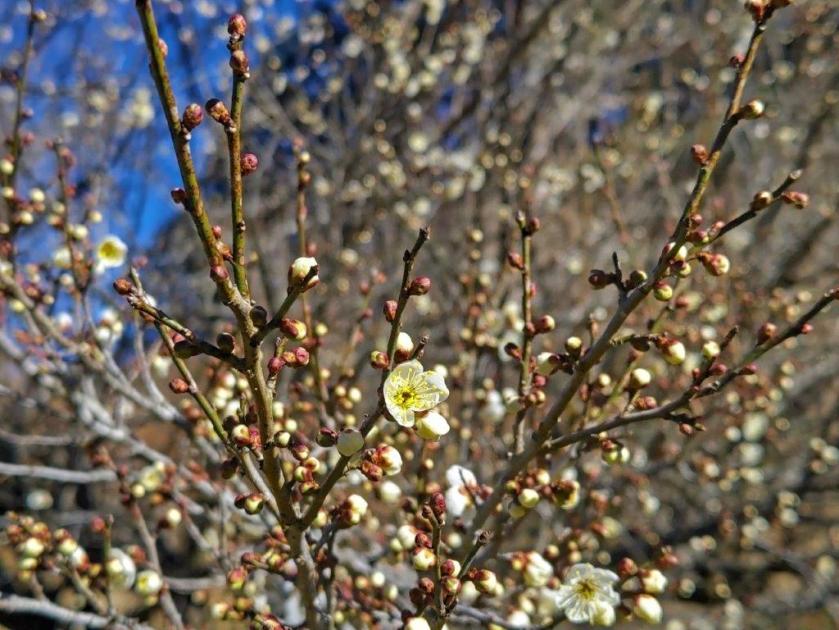
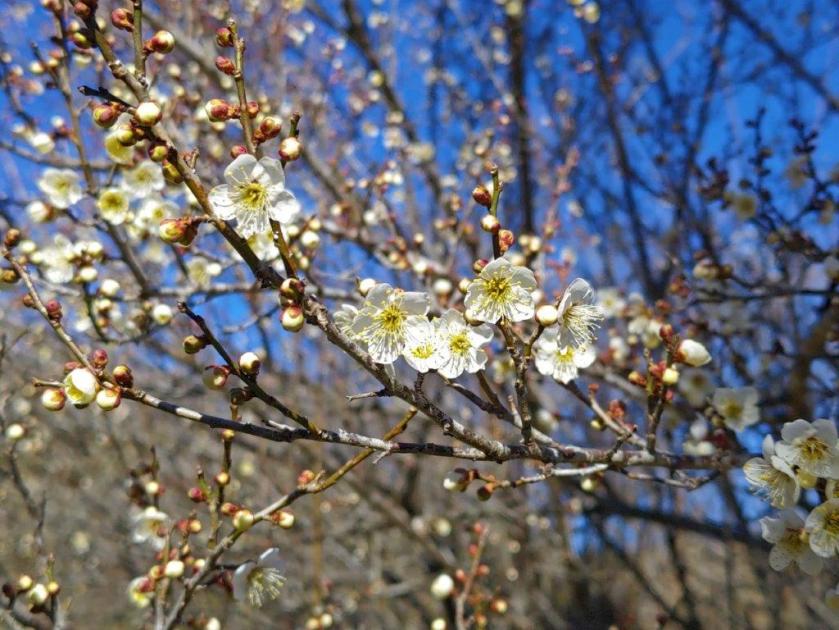
I was delighted by the surrounding bucolic landscape, and tried to imagine what it would look like in spring. A little after 11am, after passing some early plum blossoms, I reached a trail near a series of small lakes. First, it rose gradually through the cedars, then more steeply up some wooden log steps through the bamboo grass, before arriving at the intersection at Sakura Pass (桜峠 さくらとうげ sakura-toge). Turning around, I could see Mt Suwa in the foreground, with Mt Akagi rising behind, its highest peaks covered in snow.

Climbing towards the pass (left) Descending from the pass (right)

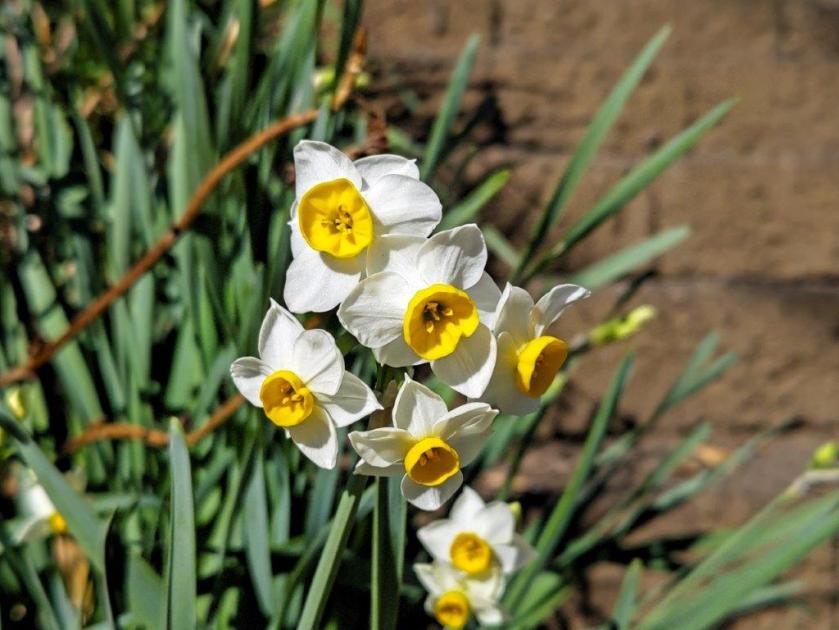
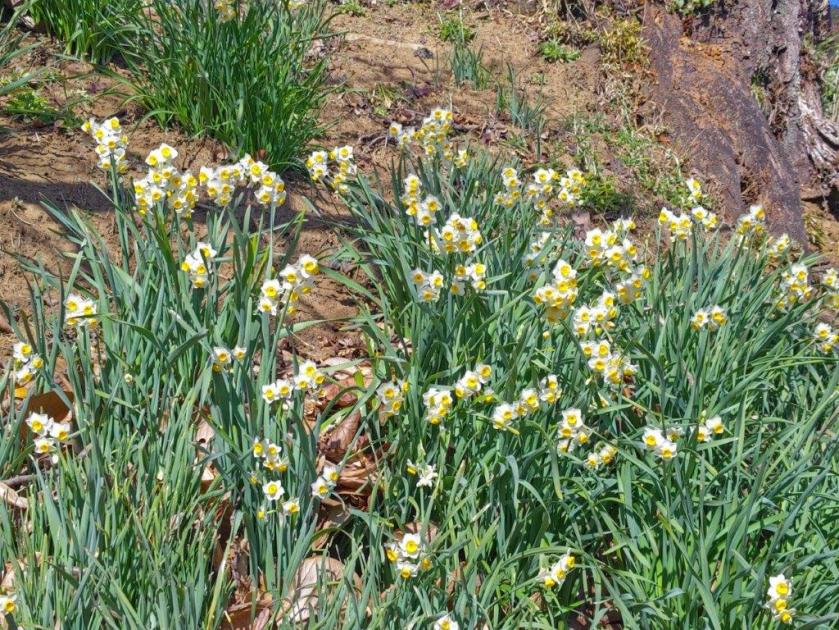
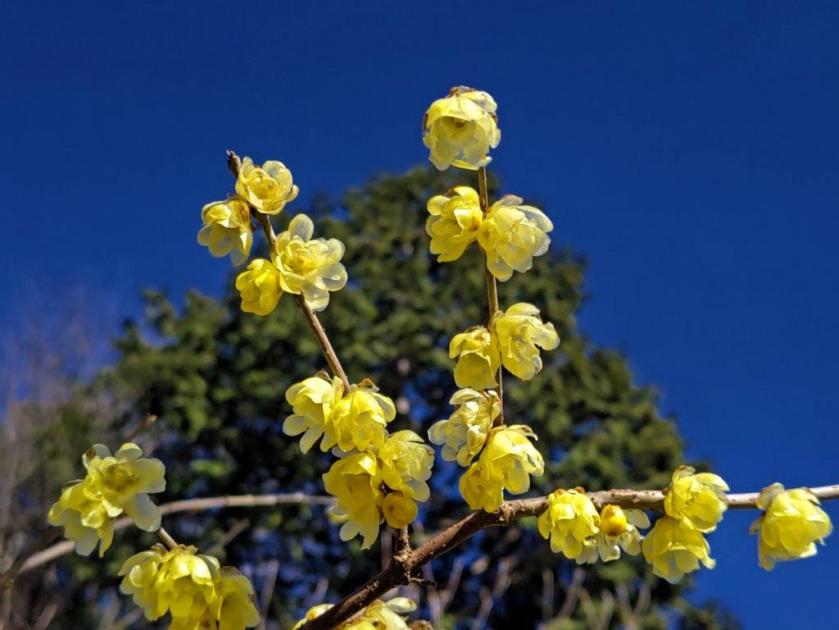
I followed a pleasant path through the woods down the other side of the pass, arriving at Seisuiji Temple just before 1230, its many suisen (daffodils) and robai (Japanese Allspice) swaying in the wind that had started to blow; to the right, the Kanto plain stretched southwards. The next section was mostly level, through the forest at the base of Mt Teruishi. A little after 1pm, I reached Daichuji Temple, towering cedar trees lining the approach to the main building.

Final steps before reaching Sakura Pass

Snow on Mt Akagi in the background

I now headed up a steep, rocky path near the back of the temple, a shortcut, as the Fureai no Michi made a loop via Ohirashita station. Half an hour later, I reached Ohirasan Shrine. I had been here before when I climbed Mt Ohira, so I soon moved on. A little further, I arrived at another part of the shrine I hadn’t been to before, from where I had a view of Mt Kogashi, Mt Takahara and Tochigi city on the east side.

Level trail between Seisuiji and Daichuji Temples

Towering cedars at Daichuji Temple

I was once again walking on a quiet path, back on the Fureai no Michi, heading down the forested mountain side. A little before 3pm, I reached the western edge of Tochigi city. I noticed a soba shop along the way and decided to check it out since it was still early. I was glad I did, since it had a terrace so I could enjoy my meal, a generous serving of soba noodle and a giant, crunchy Kakiage, with a view of Mt Tsubasa and the Ogodo Alps in the east.

Looking through the gate into the main compound of Daichuji Temple

Walking up to Ohira-jinja (left) Walking down from Ohira-jinja (right)

I was also lucky to see a picture taken by the owner just this morning of the sun rising directly behind the highest point, that happens just once a year (“Diamond Tsubasa”). At 4pm, I set off again and after crossing Nagano river, reached Kinchaku Park, also known as Mt Kinchaku (80m). From the top, I had a view of Mt Nantai and Mt Nyoho on the north side, Mt Tsubasa on the east side, and Mt Ohira, against the setting sun, on the south side.

View of the Kanto plain from Ohira-jinja Shrine

View of Mt Nantai from Mt Kinchaku

The sky was lit up in orange when I finally reached Tochigi station around 5pm. There, I boarded a Tobu limited express for the one hour ride back to Tokyo. With a total time of 7 hours, this was one the longest hikes I had done in a while, although it was mostly level, with two relatively short climbs. This was one of the better sections of the Fureai no Michi, as roughly half was along hiking trails, with several viewpoints and interesting shrines and temples along the way.

See the video of the Sakura Pass hike

See a slideshow of more pictures of the Sakura Pass hike

Mt Akayuki (620m), Ashikaga City, Tochigi Prefecture [Forest Fire]

Ashikaga is another area, just a dozen kilometers southeast of Kiryu, that is suitable for winter hiking. Here again, I had exhausted all the suggestions from my guidebook, but I was able to find a section of the “Kanto Fureai no Michi” nearby that would make a good hike. Starting several kilometers north of the city, it was the continuation of the hike I had done up Mt Gyodo in February 2018. There were no peaks on this route, and probably few views, but it ended at a shrine and an interesting rock formation. It seemed a little short, but after examining Google Maps, I discovered a hiking trail that led to Mt Akayuki which I had climbed in November 2018. From there, I could descend to Matsuda town and a bus stop. On my previous trip, I had missed out on that last part, so I was excited at the prospect of climbing this summit a second time.

Looking north, the mountains of Tochigi

I rode the comfortable Ryomo limited express to Ashikaga City, arriving there before 9am. The weather was sunny and I had good views of Mt Akagi to the north. As I boarded the bus, the driver told me that a certain hiking area was prohibited and pointed to a red sign at the front of the bus. Fortunately for me, it concerned Mt Ryogai (両崖山), the peak before Mt Gyodo, and a few kilometers away from my starting point. The fire, which had started just the day before, continued to burn for 3 weeks, unfortunately for the people of Ashikaga, and hikers and lovers of nature in general. From the bus, I could see smoke rising from the ridgeline; a helicopter flew by, releasing water from above.

In the center, smoke from the Ashikaga forest fire

Another helicopter carrying a load of water flew directly over me shortly after I got off the bus (see video). I walked up the narrow road and reached the start of the hiking trail just before 10am. At first, it followed a dirt road through the bottom of a small valley, before suddenly turning right up the mountain side. A few minutes later, I was walking north along a low wide ridge through the forest. The wind was blowing hard today and the cypress trees were swaying above me; I was worried about the fire, thinking it would be hard to put it out in such conditions. At 10h30 I reached the road at Umauchi Pass (馬打ち峠 meaning “hit the horse”).

Sunny conditions all day long

The signboard at the pass said that in ancient times you had to whip your horse to get it up the steep slope. I needed no such encouragement, but finding a bench at this spot, I sat down for a late breakfast. From now, the path gradually went up, but as I had expected, there were few views; at the same time, I was glad that the trees blocked out the cold wind. Half an hour later, I reached a nameless summit with a picnic table. Looking through the trees, I could see Matsuda town stretching south along the valley. After a short break, I continued down the other side, soon arriving at another road crossing.

A great place to hike in the winter

The path now climbed more steeply, but since the steepest sections had log staircases, it remained easy to hike. Thirty minutes later, I reached an area free of trees, and turning around, I had a good view southwards of the ridge I had walked so far. Beyond, I could still see smoke rising from the forest fire (see video). Facing east, I could look down on the Nagusa river valley. The path descended again and very soon I reached the Nagusa Itsukushima Shrine (名草厳島神社). A few minutes later, I reached the Nagusa Megalith Group (名草巨石群), several mossy boulders in the middle of a forest of towering cedar trees. This was also the end of the Fureai no Michi.

Itsukushima Shrine and one of the boulders of the Nagusa Megalith Group

I continued along a paved road as it zigzagged up the mountain. It took 20 minutes to reach a log staircase and the entrance to the hiking trail. Here the path was narrower, with more ups and downs. At one point, I had some good views to the north, although I couldn’t recognise any of the mountains. At 2pm, I reached the turnoff for the terrible path I had taken 2 years earlier. There was now a sign prohibiting entry because of the many fallen trees blocking the path. A few minutes later, I reached the top of Mt Akayuki (赤雪山 あかゆきやま akayukiyama meaning red snow). I sat down on a bench for a short break, facing the view to the east through a break in the trees.

View of the hills of Southern Tochigi

I admired the low hilly area of southern Tochigi while munching on my last onigiri. I then went down as fast as I could and arrived at a road next to Matsuda lake in just twenty minutes. Walking past the dam, I saw a bright red fire engine and a group of fire fighters spreading a bag used for transporting water. As I was walking down the road towards the bus stop, a helicopter flew by overhead; a few minutes later, it flew back with its load of water (see video). It seemed like the efforts to put out the fire were still continuing. I reached the bus stop at 3pm, and by 4pm, I was sitting comfortably again on the Ryomo limited express headed back to Tokyo.

See the view from the top of Mt Akayuki and video of the Ashikaga forest fire