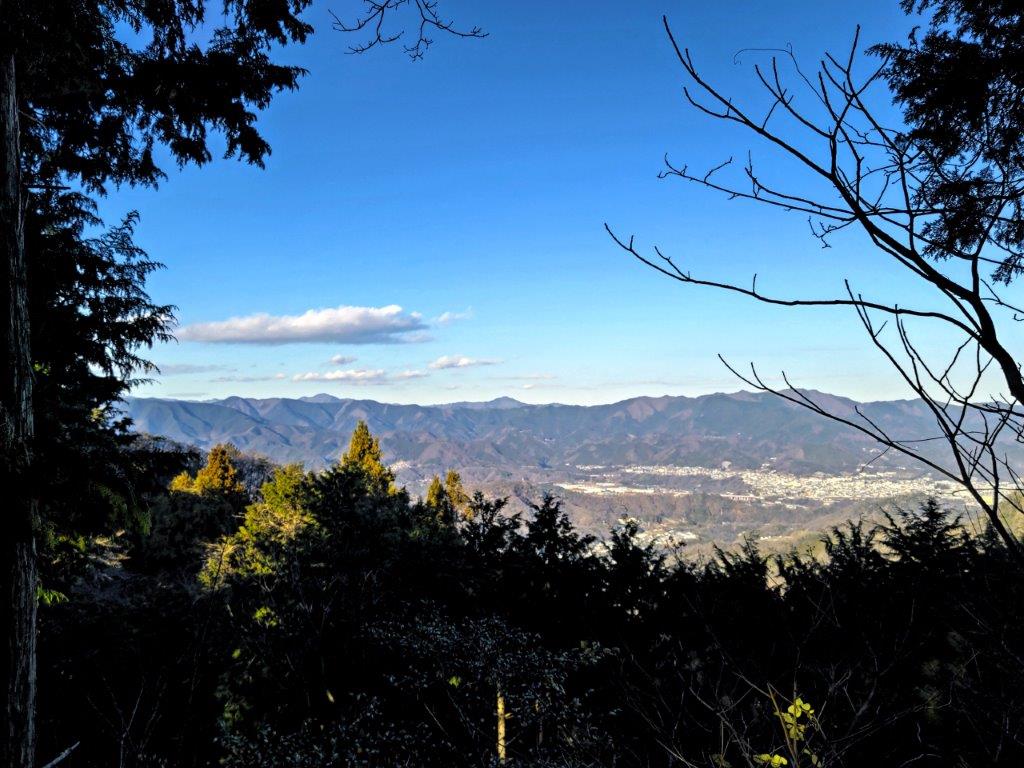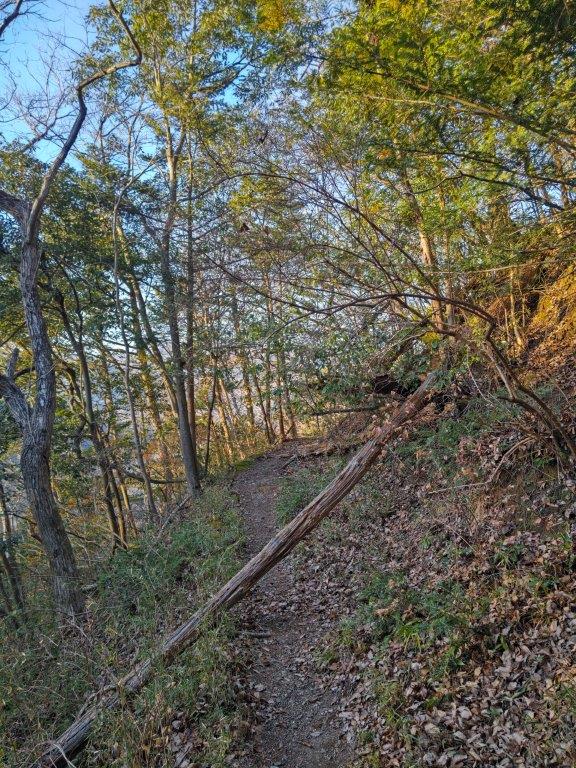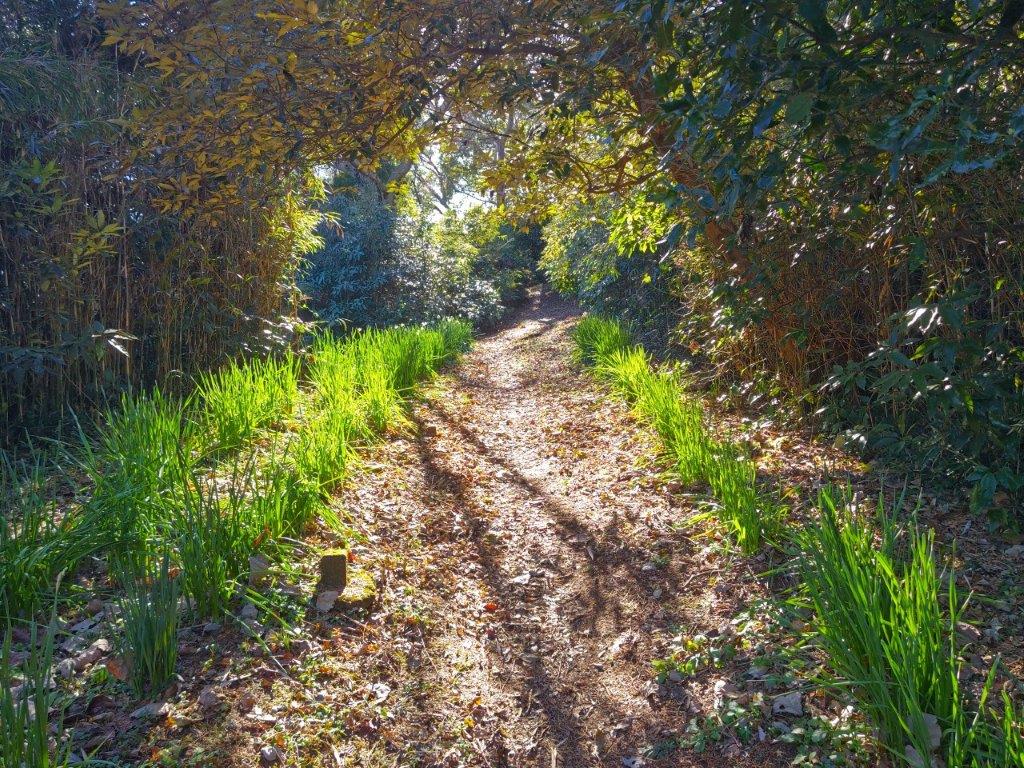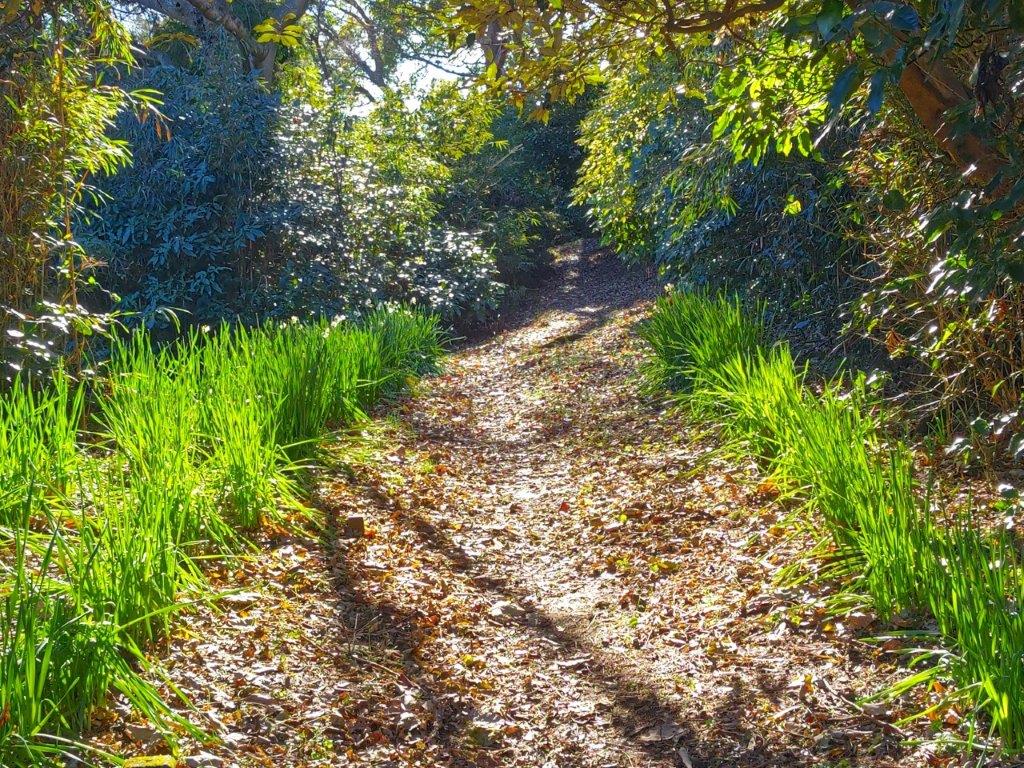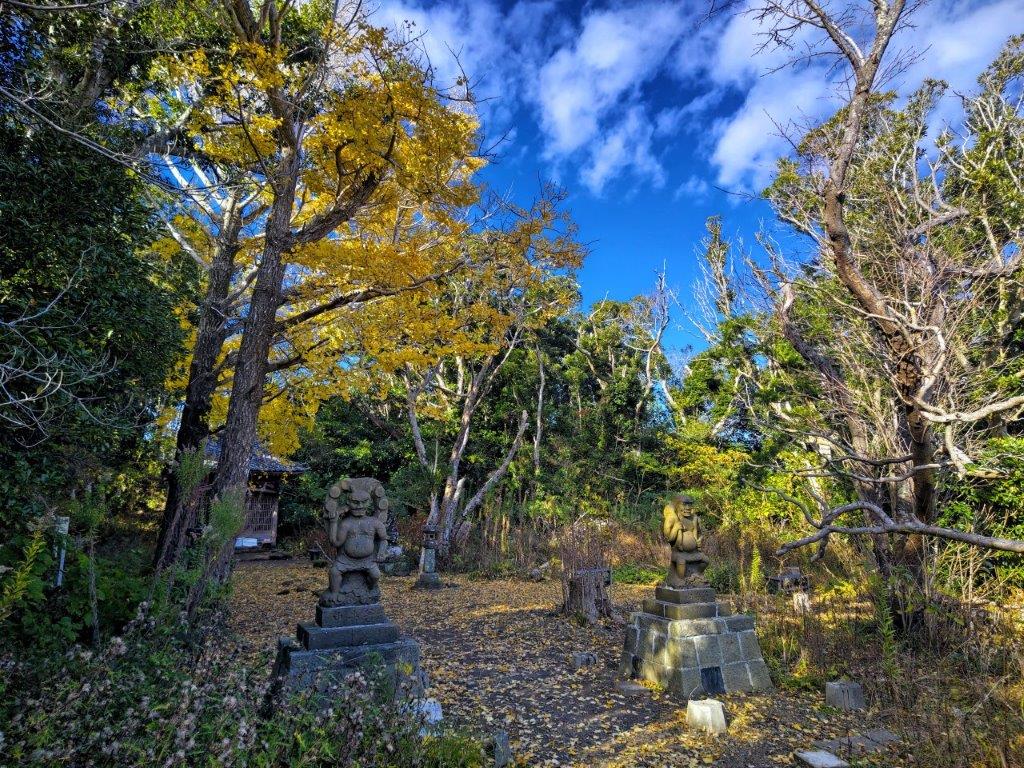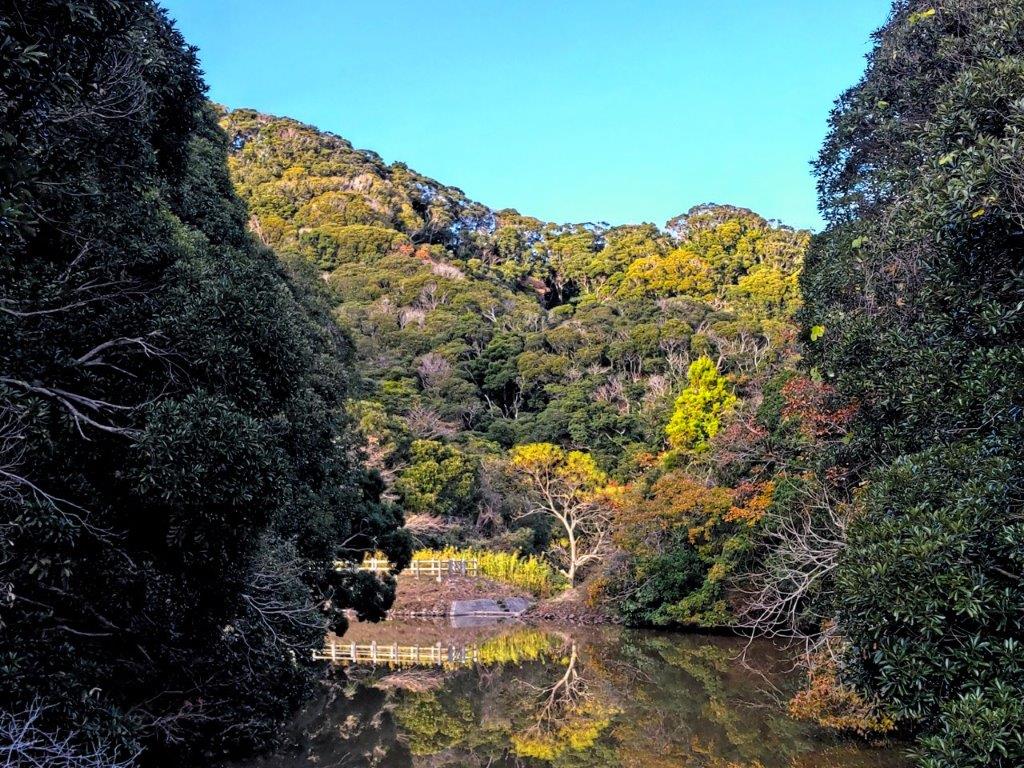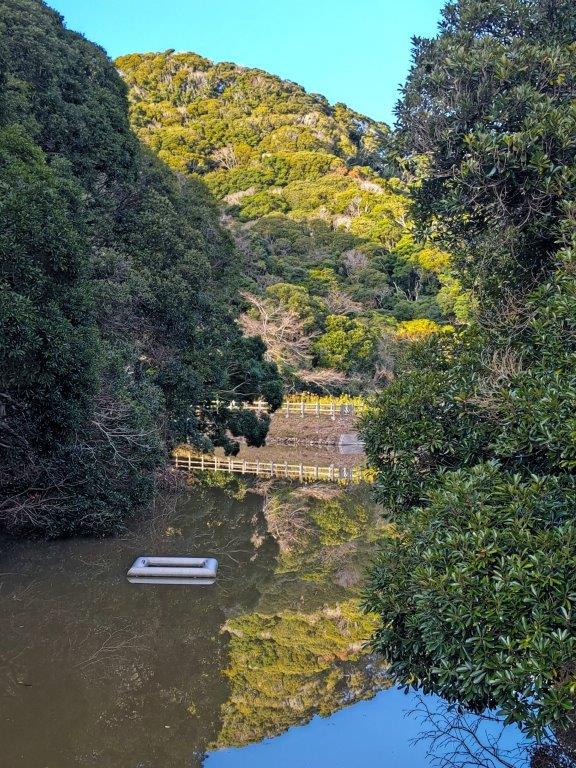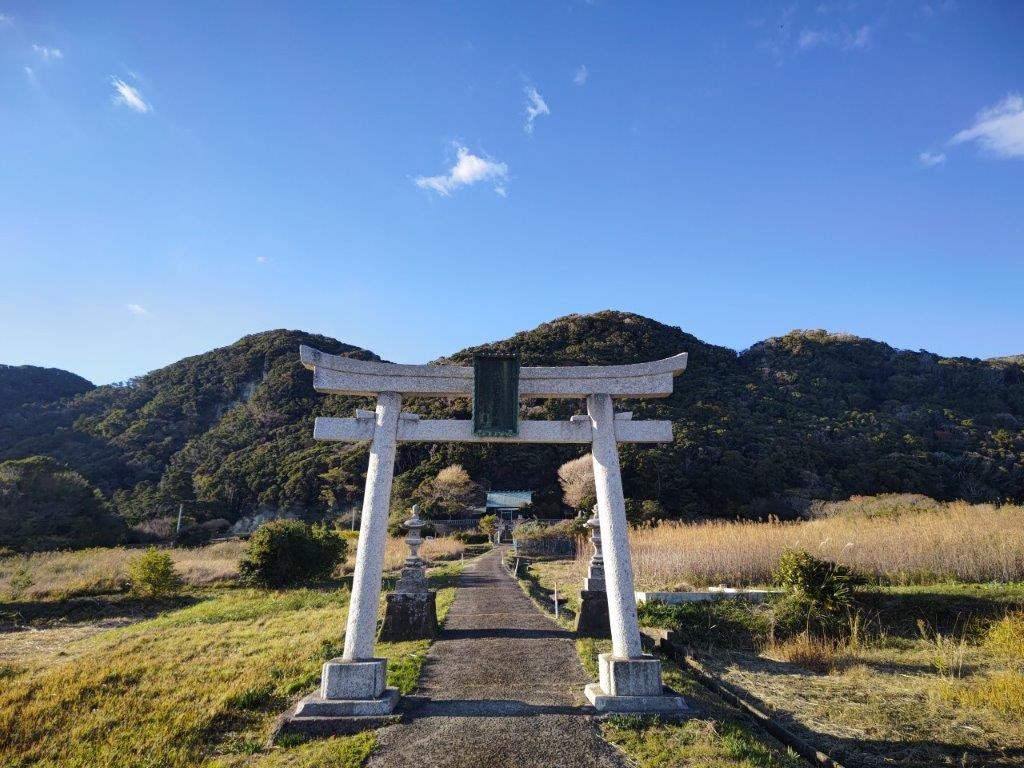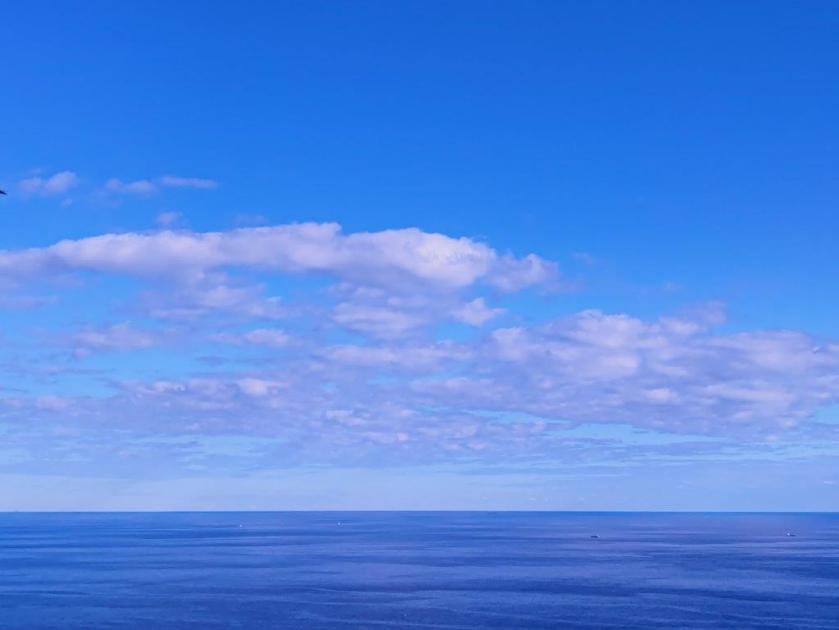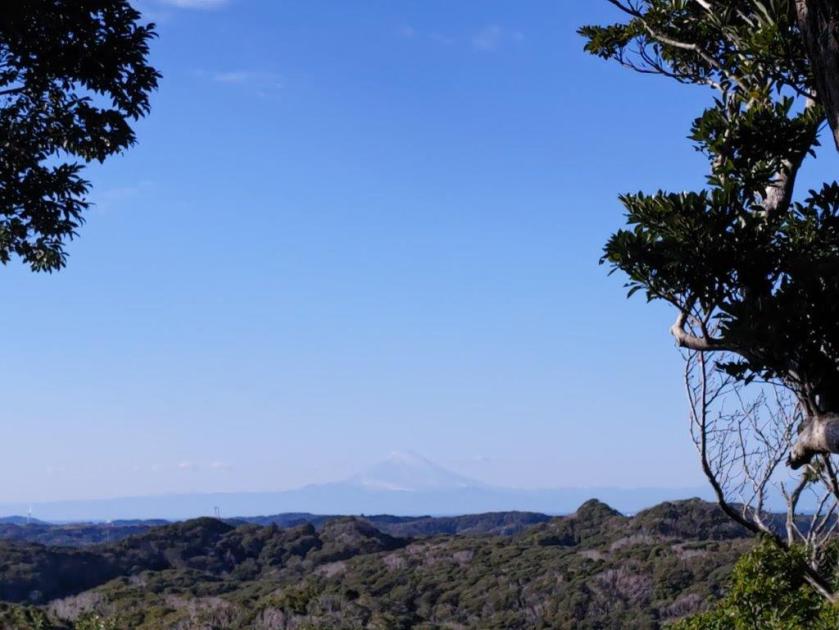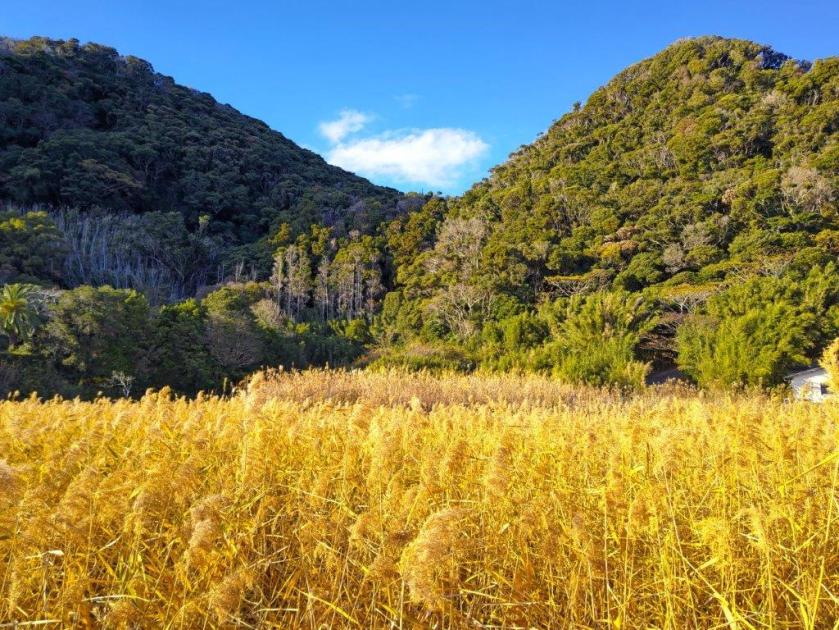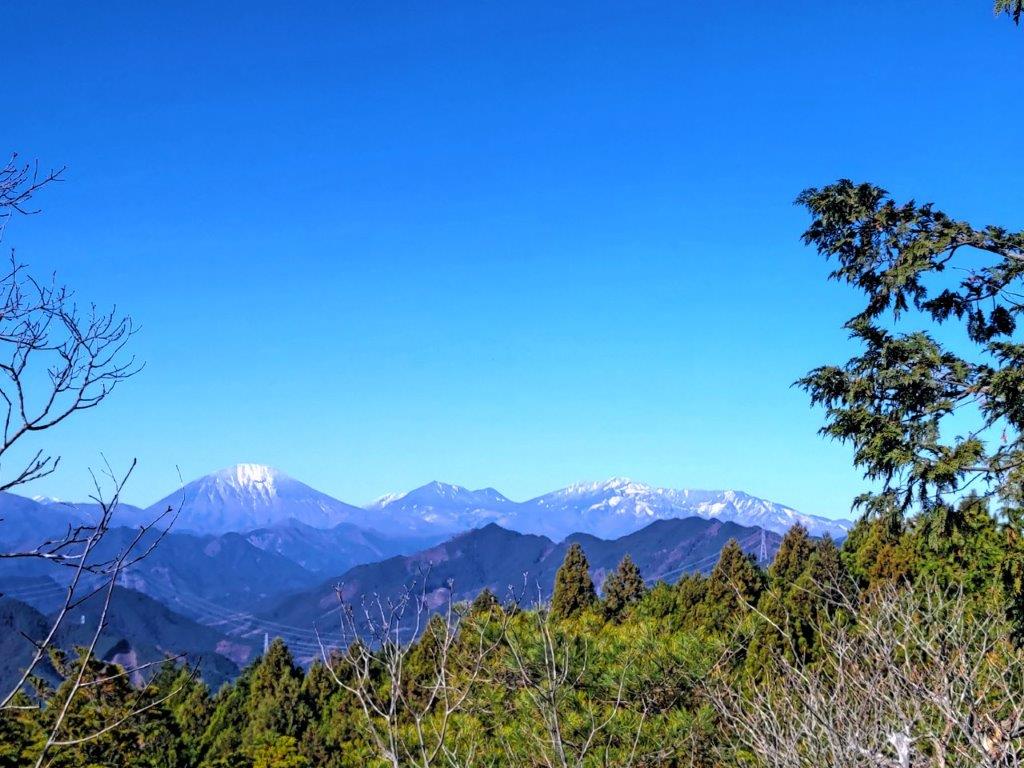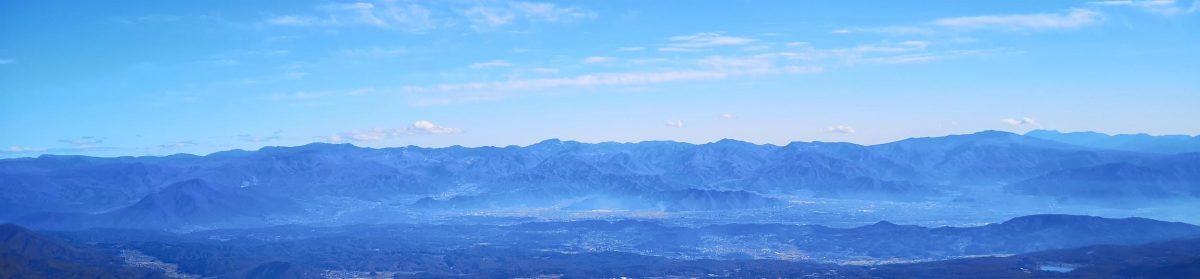
Mt Mido (878m), Shimonita Town, Gunma Prefecture, Monday, January 9, 2023 [Map Available]

After my Annaka to Annaka hike, I needed to find another mountain I could climb in the winter using the Tokyo Wide Pass. I decided to visit the Nishi-Joshu area, since my last hike there was nearly 3 years ago. I found a suitable peak in my mountains of Gunma guidebook, low enough to be still free of snow, and short enough so I could catch the mid-afternoon bus back. To give myself some extra time, I would get to Shimonita station an hour before the morning bus and take a taxi to the trailhead. Although the hike went up and down the same path, I could check out a couple of viewpoints on the way, as well as this peak’s claim to fame: two tall rock pillars perched on the mountain side. I was looking forward to revisiting Nishi-Joshu after a long interval and getting some new views of the area.

Hiking with the Tokyo Wide Pass

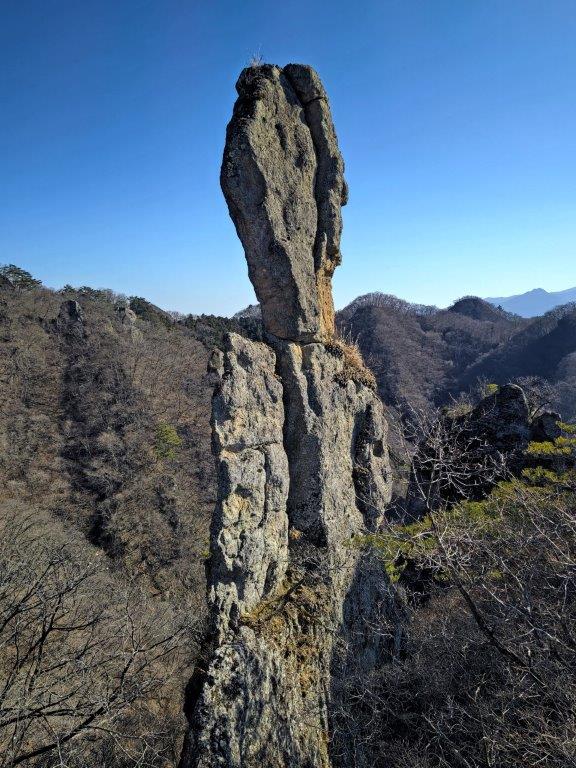
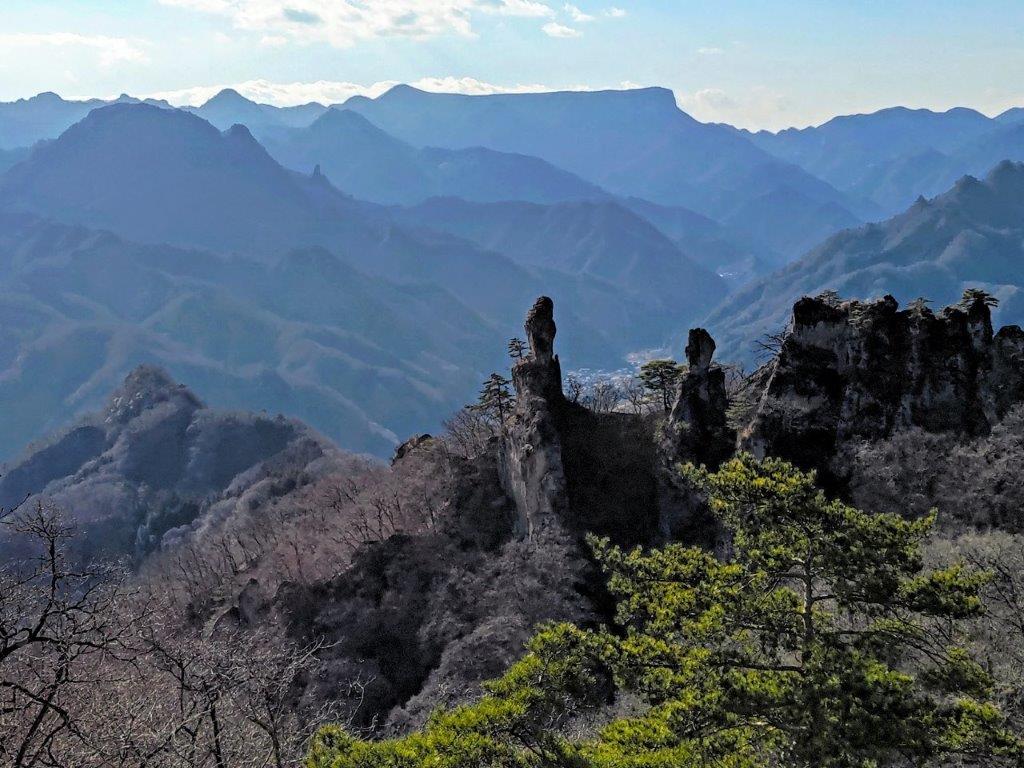
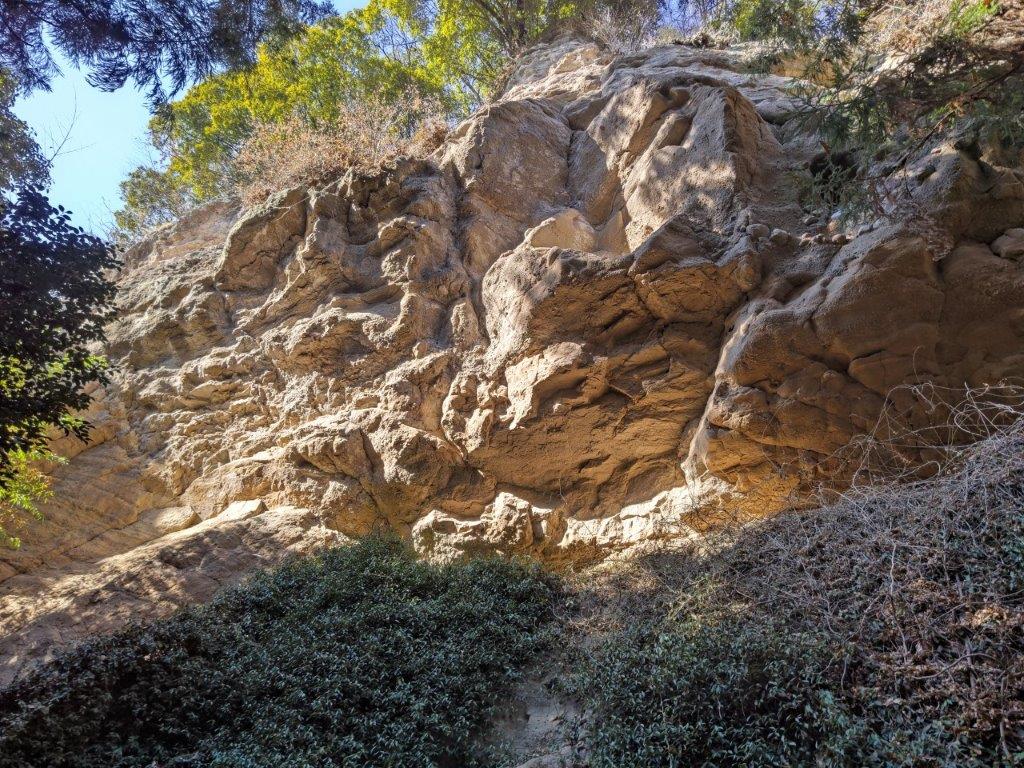
“Old Man Old Woman Rock” the highlight of the hike

Get a map of the Mt Mido hike

This map was developed for Japanwilds with the Hokkaido Cartographer

Find more Japan hiking maps on Avenza

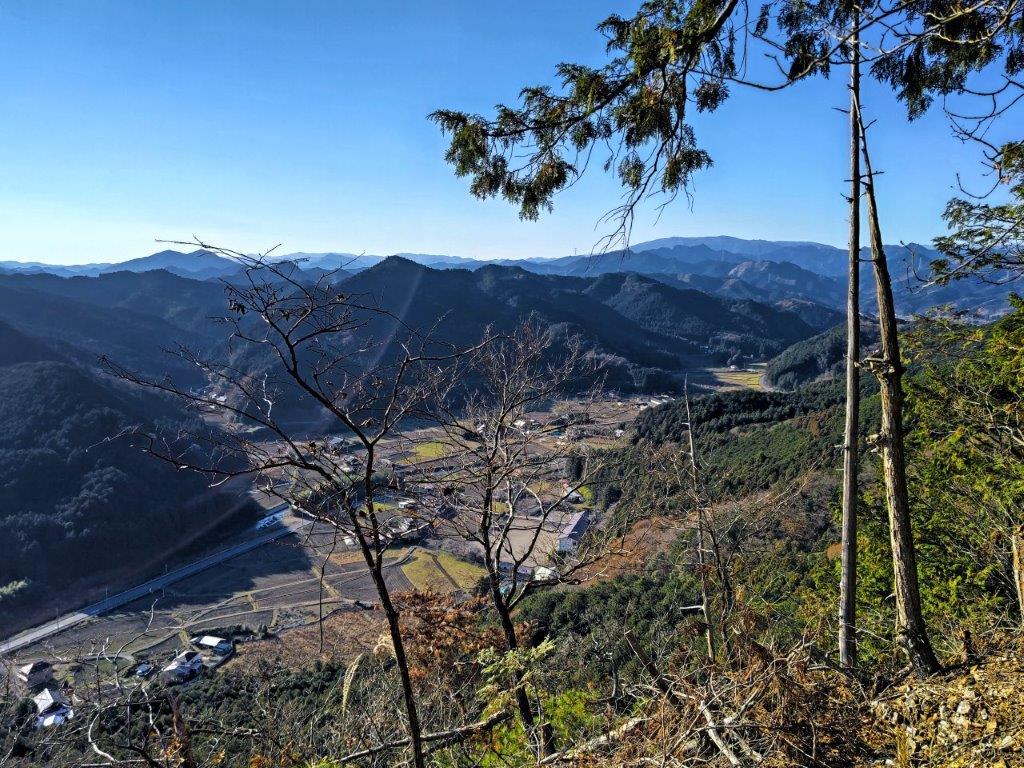
View of flat-topped Mt Arafune from Jijiiwa-Babaiwa

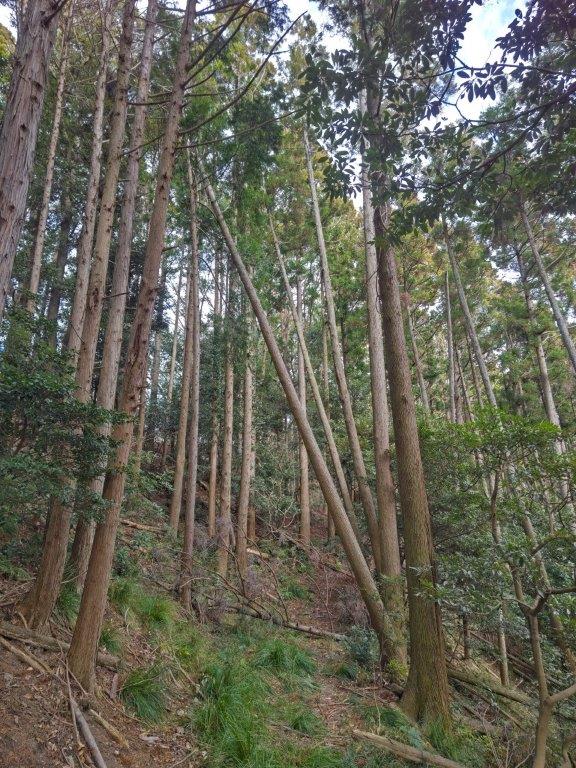
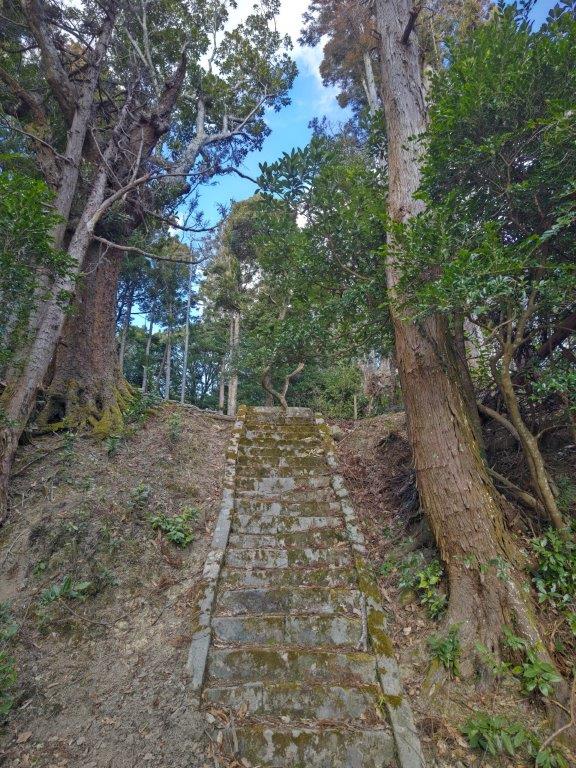
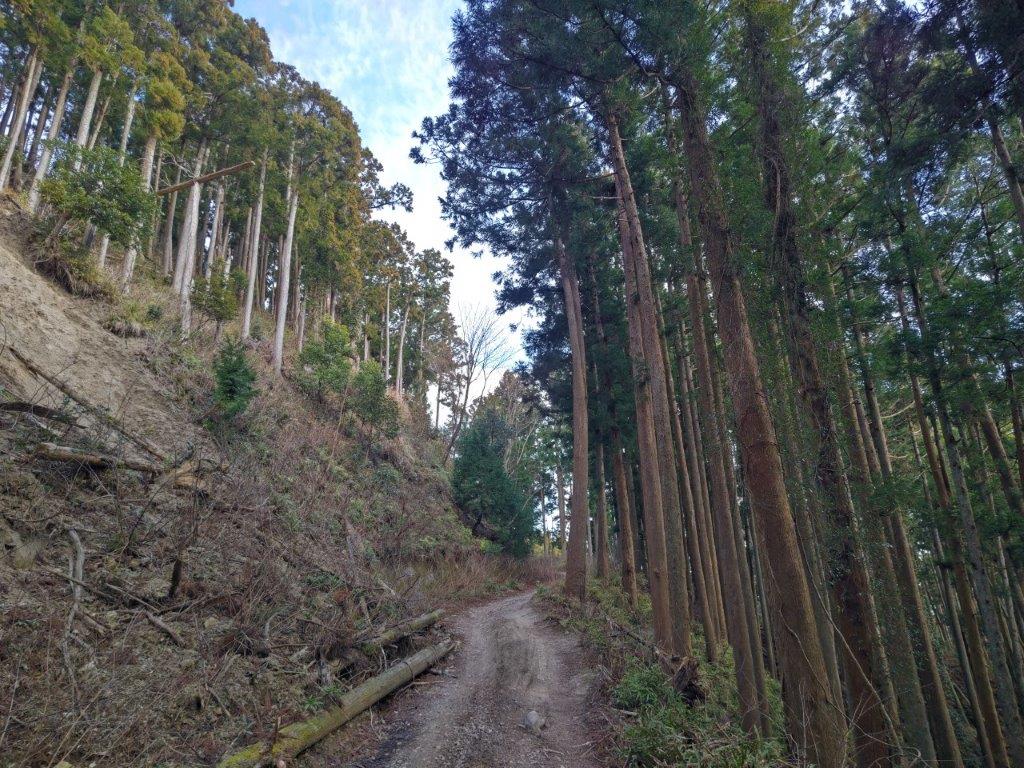
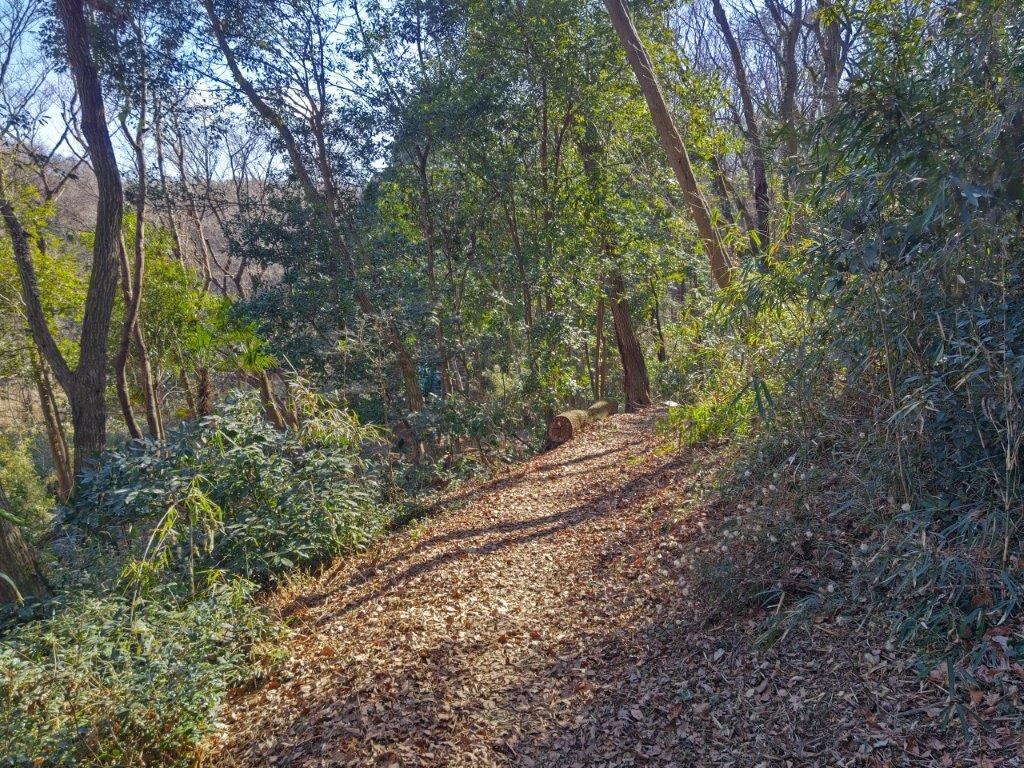
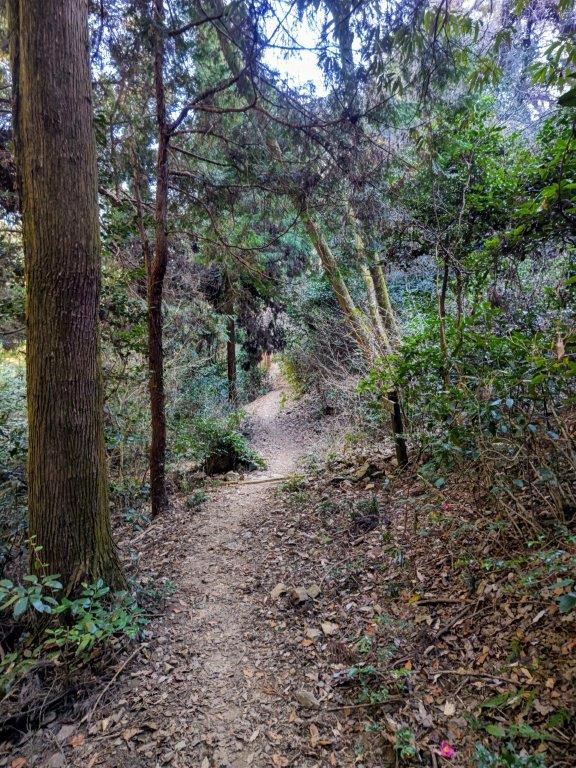
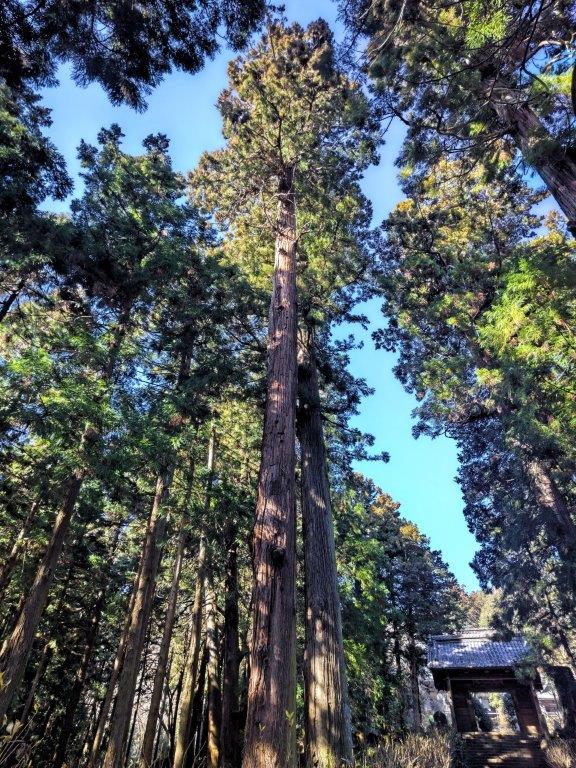
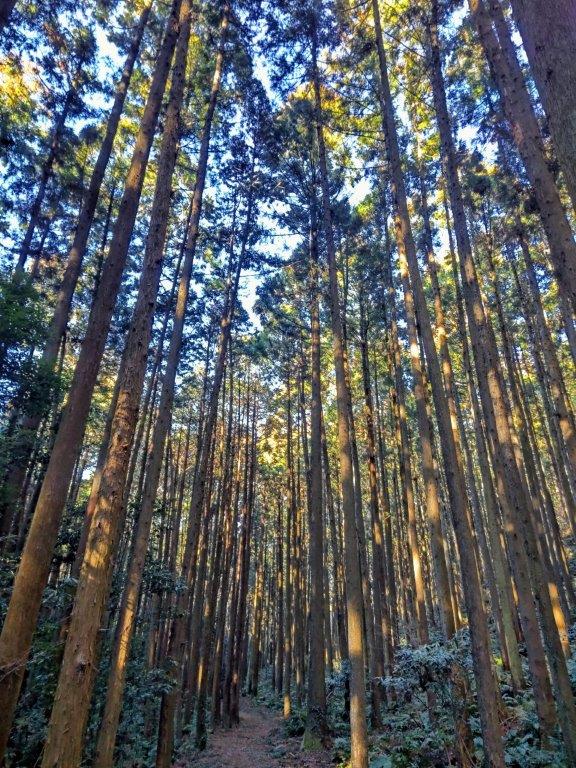
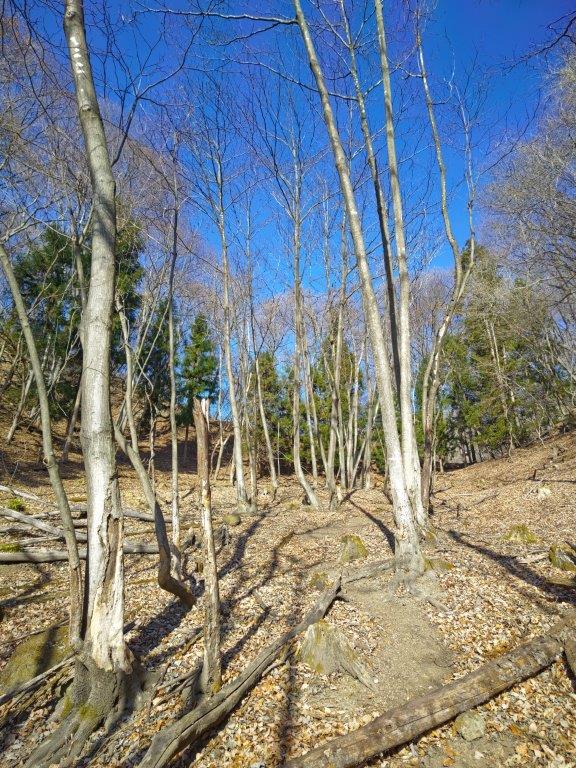
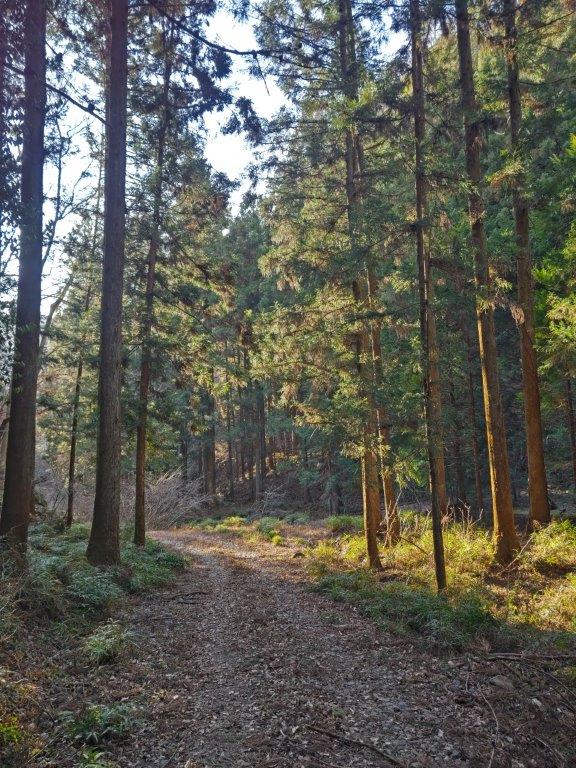
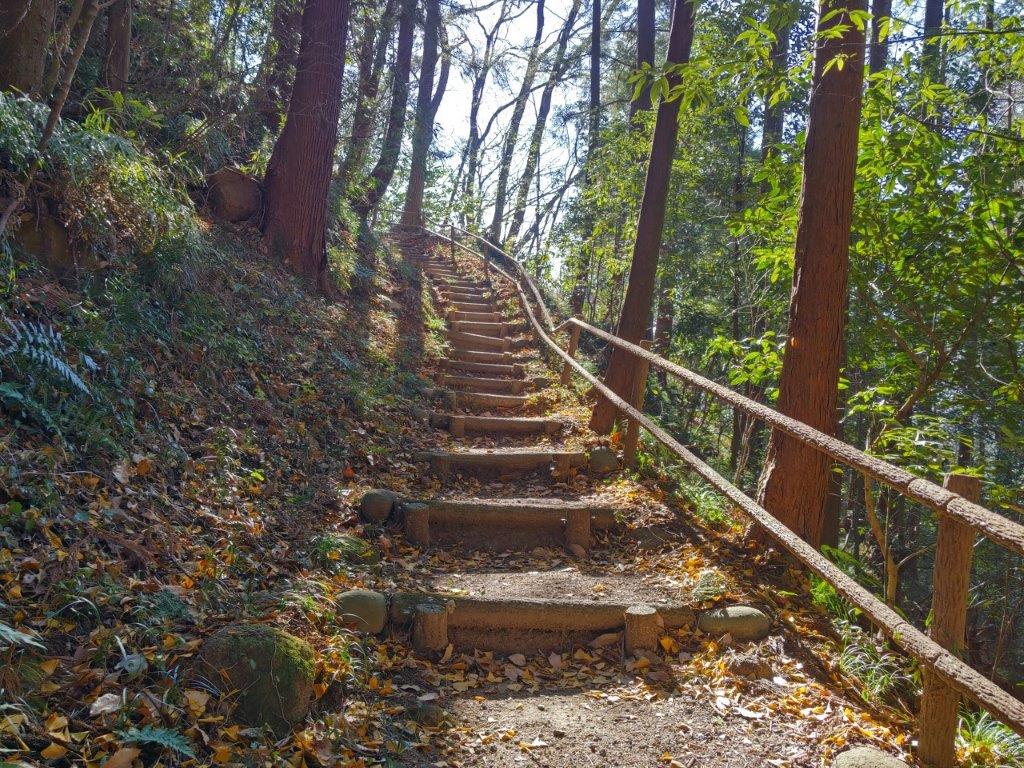
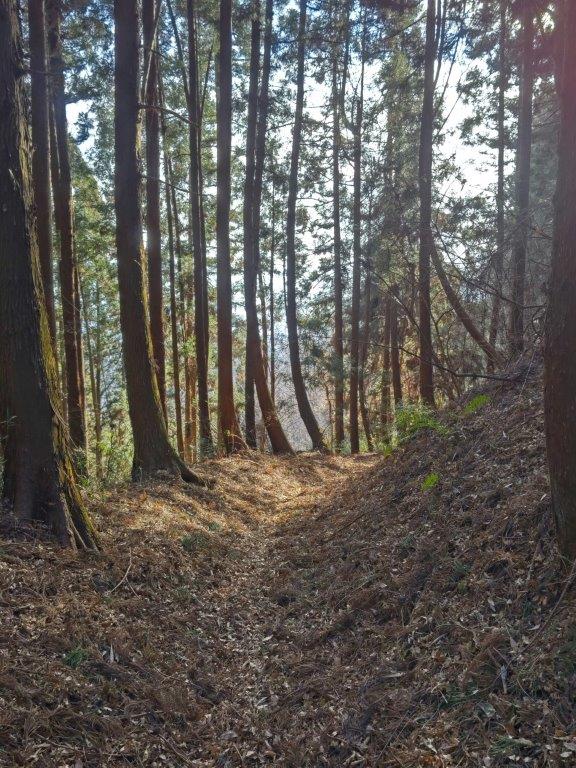
I rode the shinkansen to Takasaki on a sunny, cloudless day and then transferred to the Joshin line for Shimonita, arriving there a little after 10am. It took about ten minutes by taxi to reach the trail entrance, and after getting ready, I set off along a forest road through the cedars. I soon passed the end of the forest road, and by 11am, was walking up a rocky valley; I was finally starting to warm up, thanks to the sun, shining through the bare trees.

Walking among the cedars (left) Mi-n0-Taki waterfall (right)

View of Mt Myogi from the summit

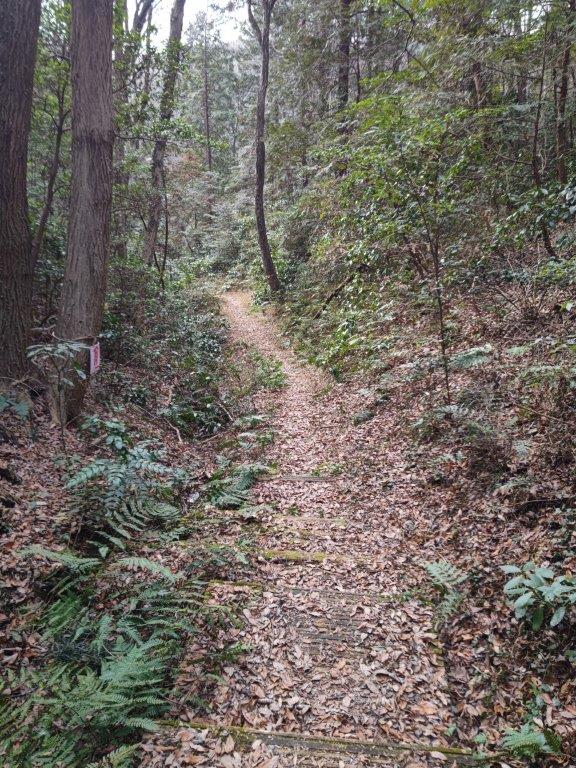
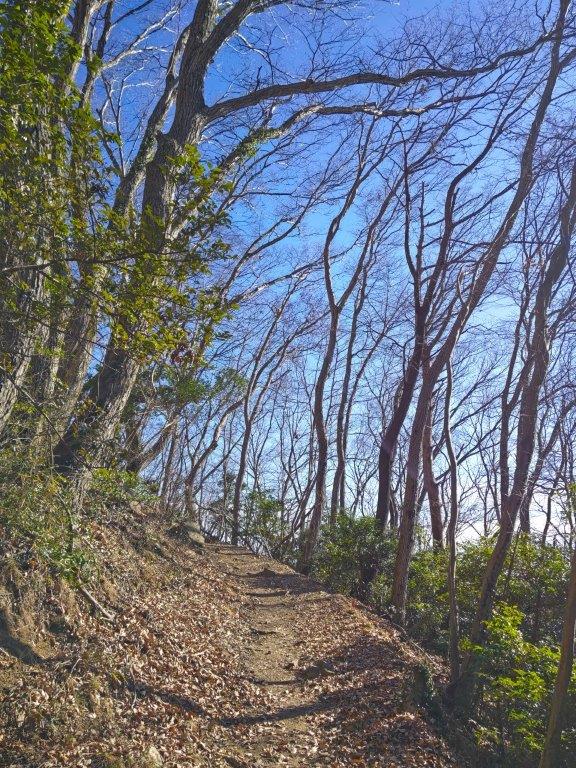
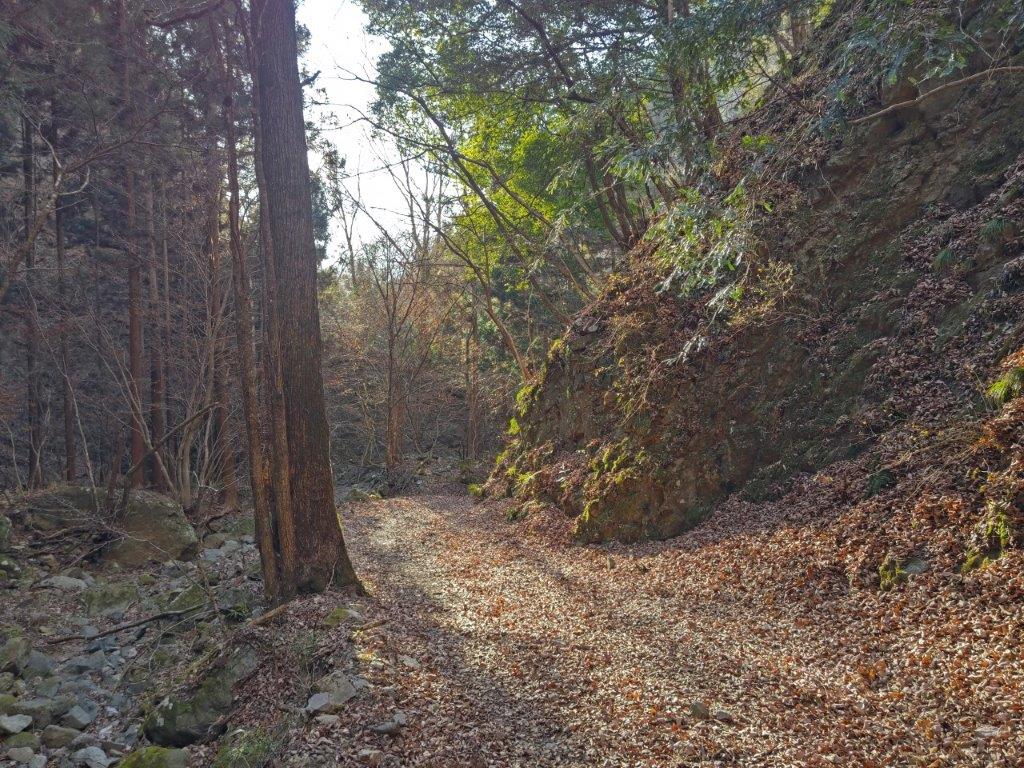
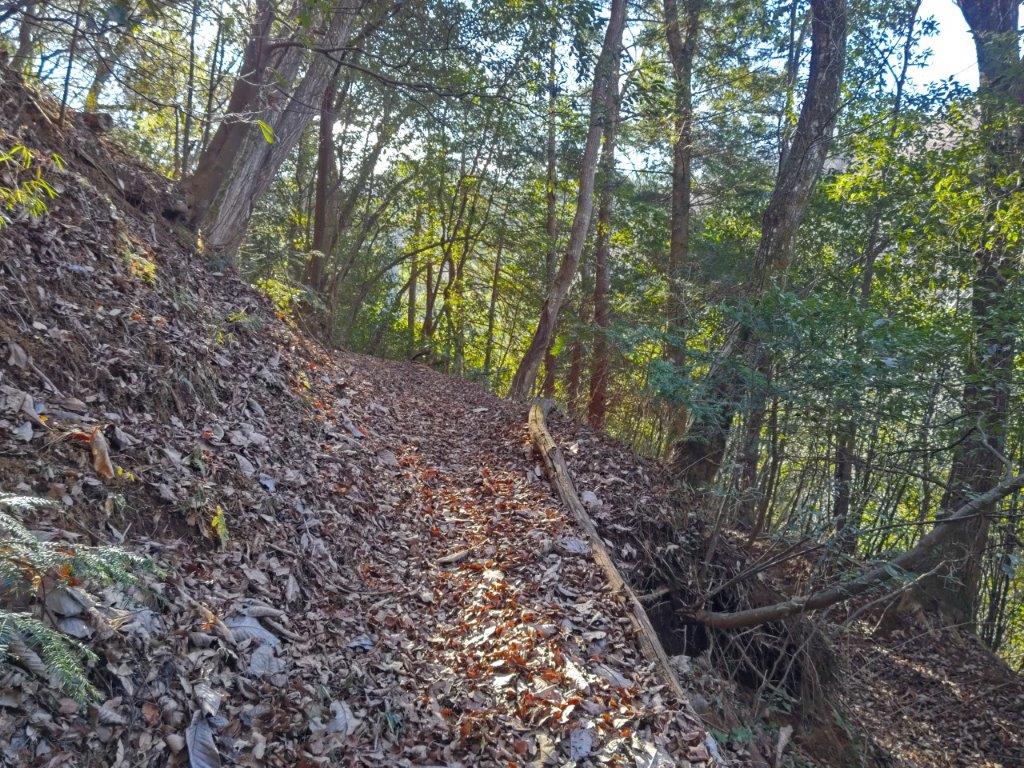
I was extra careful to check for hidden holes, the path being covered in a layer of dead leaves. At 11h30, I reached Mi-no-Taki waterfall, barely a trickle at this time of year. It was also the trickiest part of the hike, requiring a quick scramble up a rocky face, fitted with a rope for safety. Next, a short, steep climb brought me to an intersection at the top of the valley. Here, I dropped my pack and headed left for the short roundtrip to the first viewpoint.

Steep section at the top of the valley (left) Old Woman Rock (right)

Looking down at Jijiiwa-Babaiwa from the second viewpoint

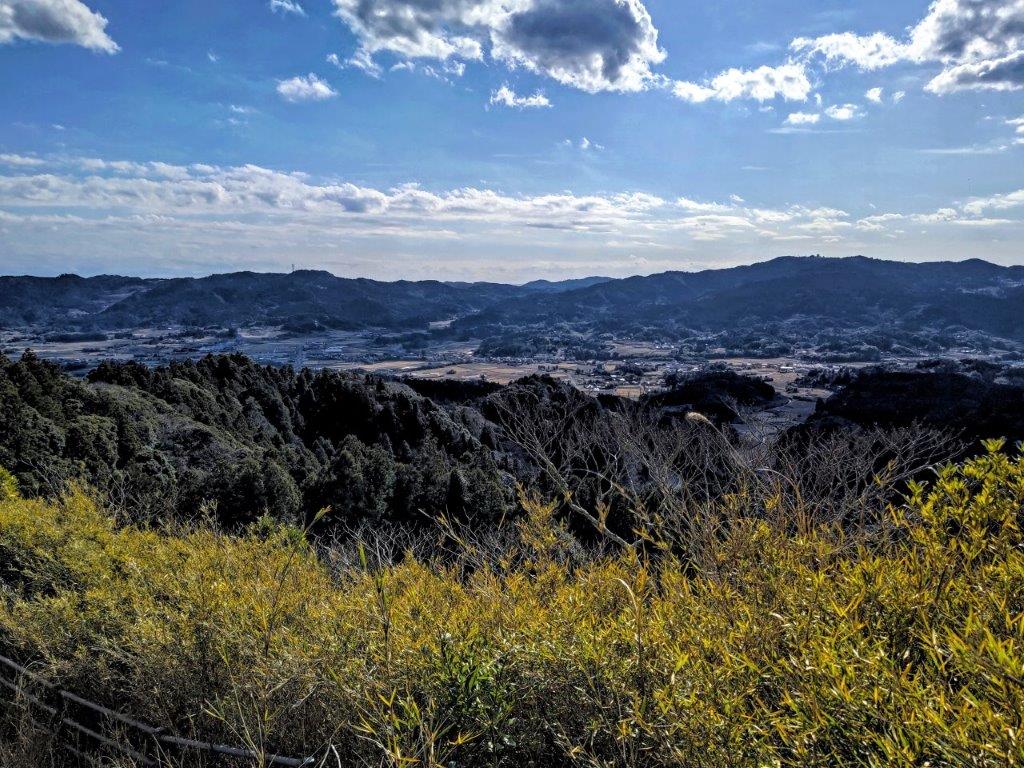
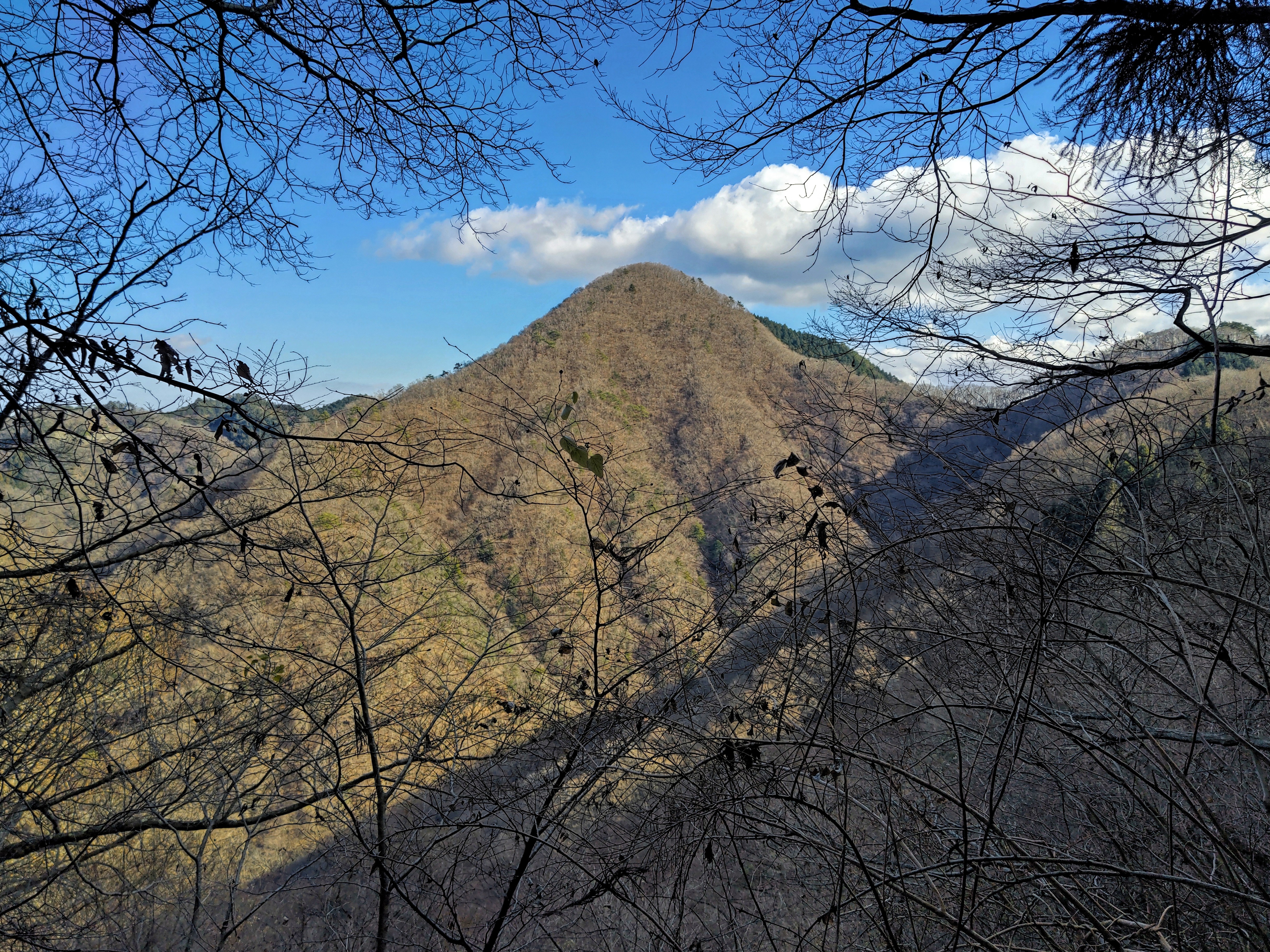
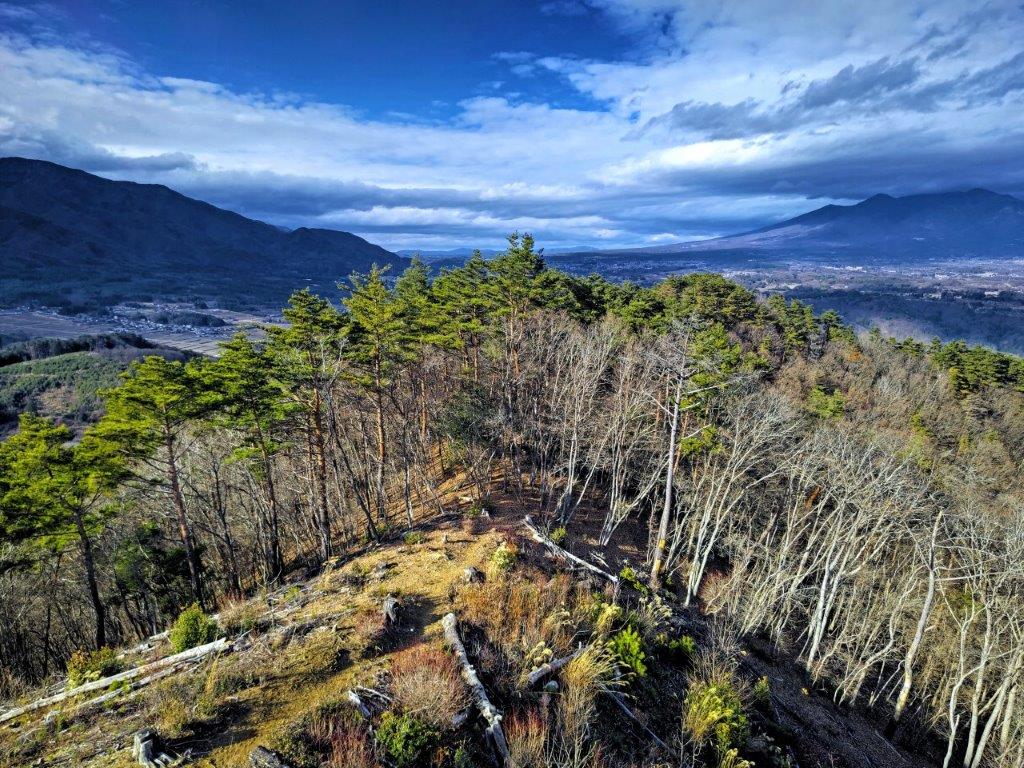
I followed a narrow ridge passing by the base of a rocky outcrop, and after a few minutes, reached a level, rocky ledge, opposite “Jjji-iwa Baba-iwa” (じじ岩ばば岩) meaning “Old man rock old woman rock”), two impressive stone pillars perched at the end of the ridge. Turning around, I had a bird’s-eye view of a deep valley, with flat-topped Mt Arafune in the background. Since it was nearly noon, I found a spot to sit and had an early lunch. After enjoying the view, I made my way back to the intersection and continued along the right branch.

Looking south towards the Mikabo Super forest road

View southeast of Mt Ogeta

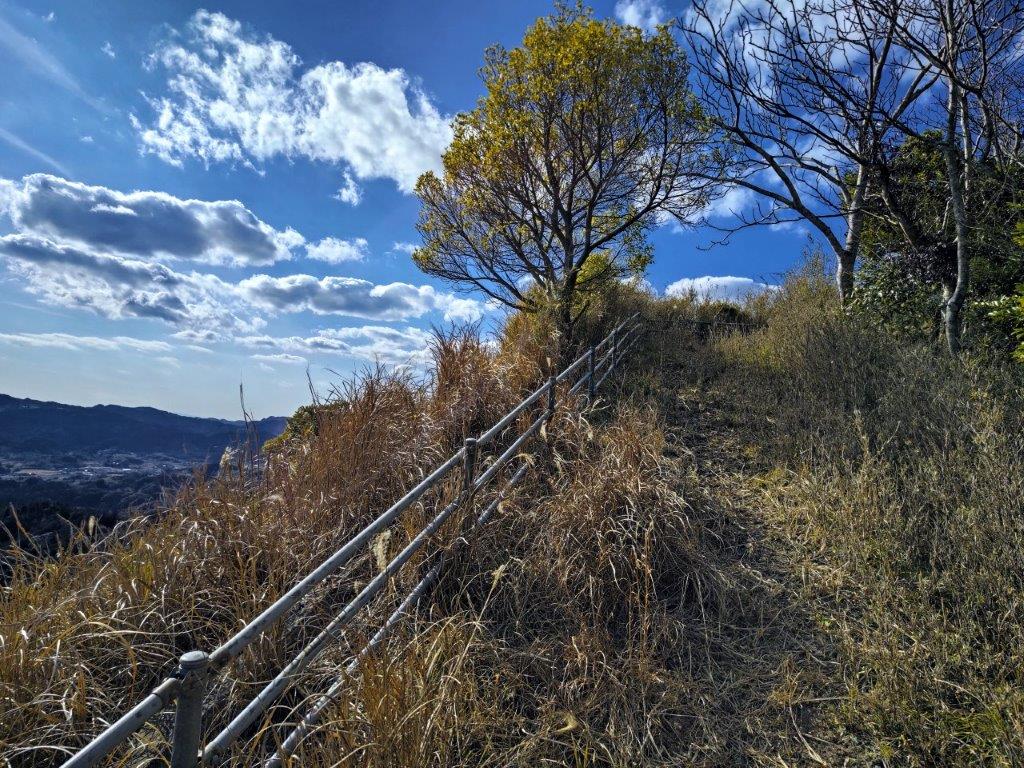
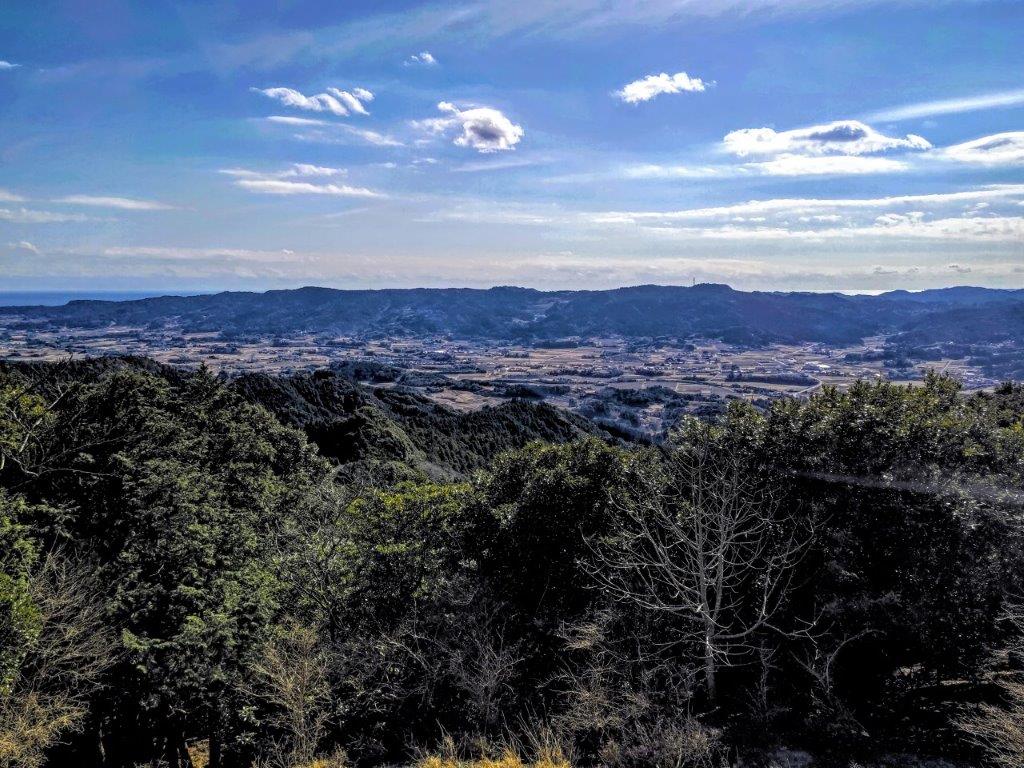
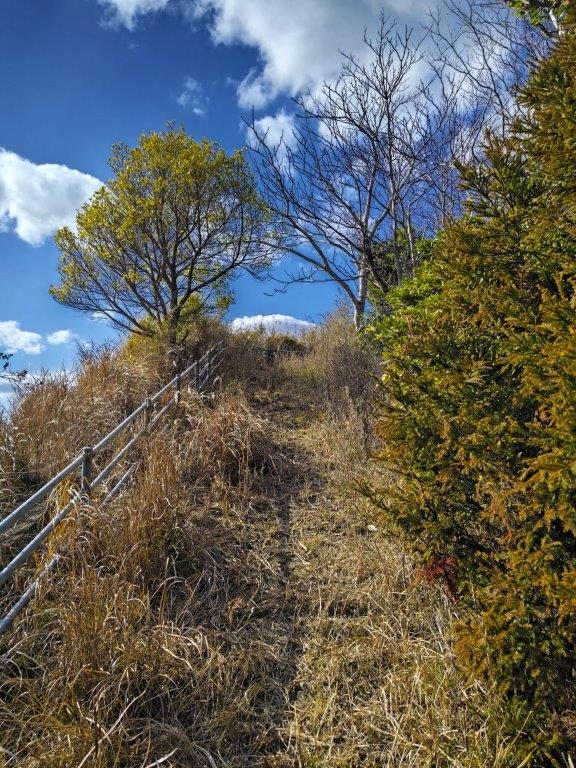
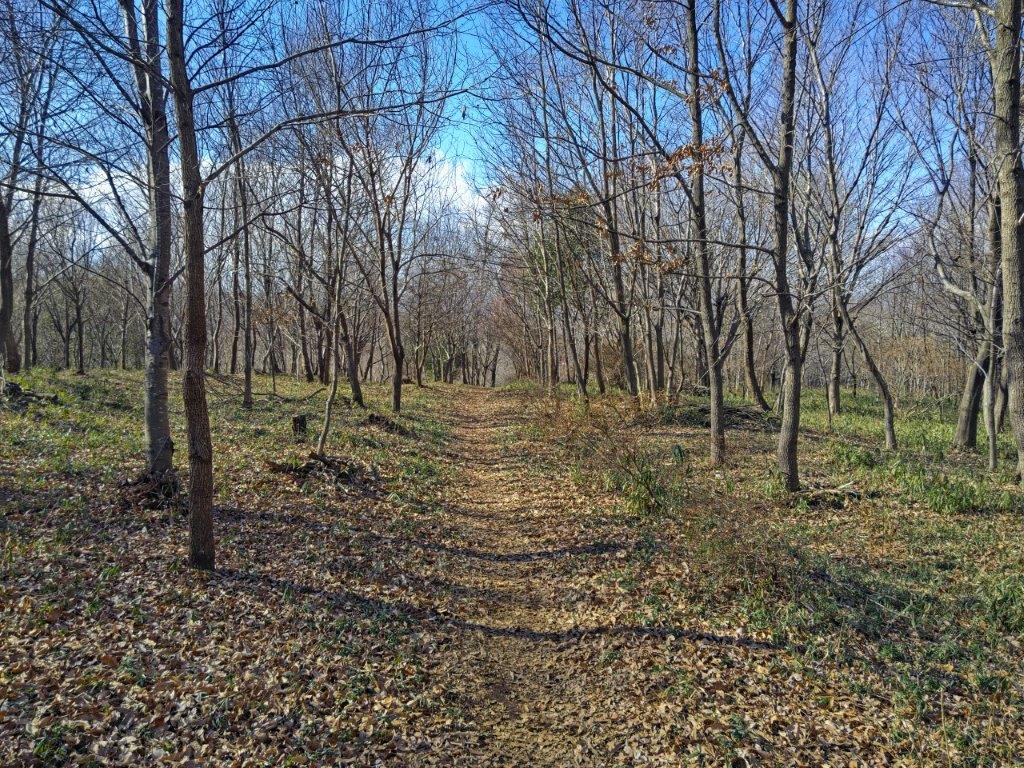
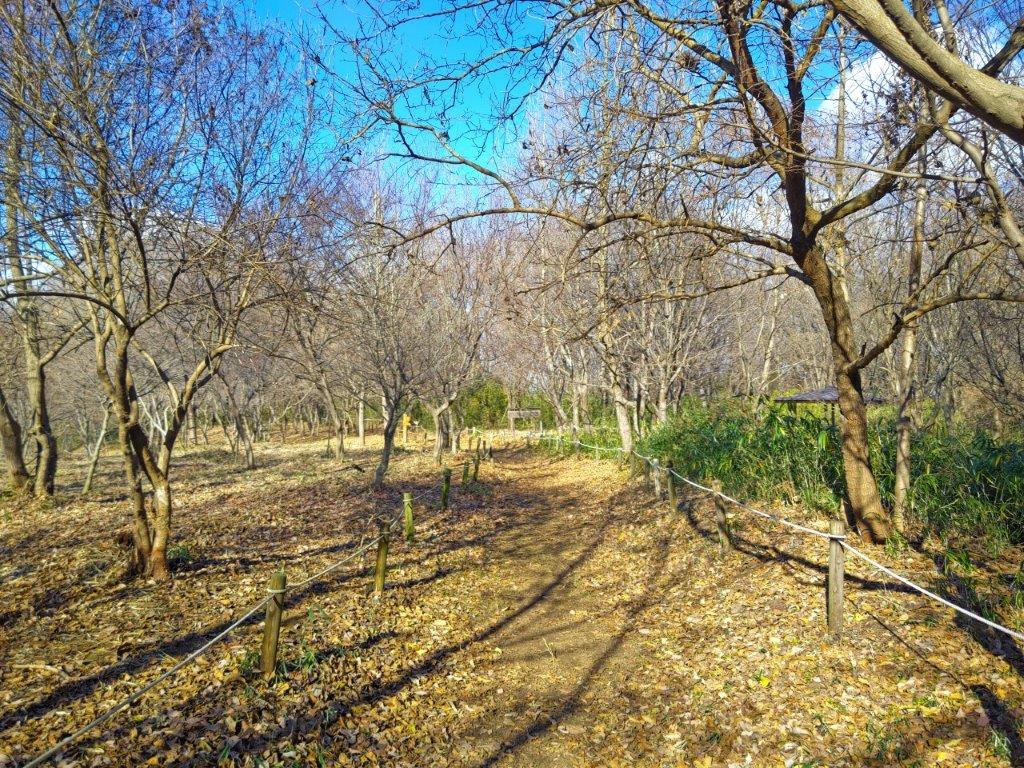
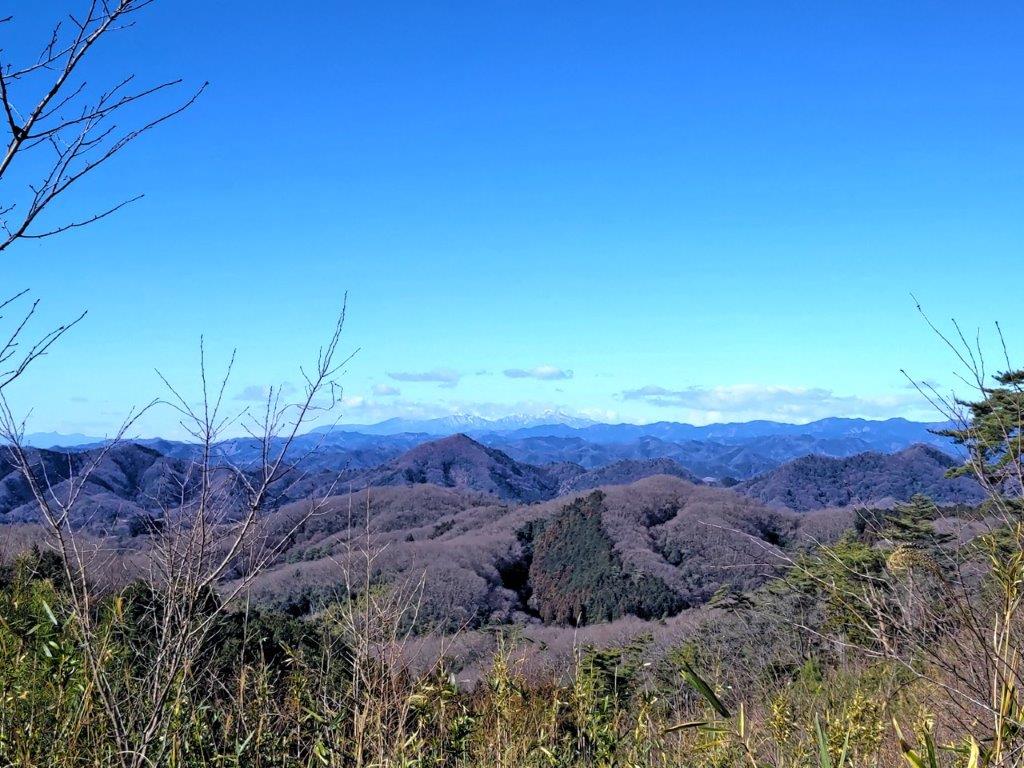
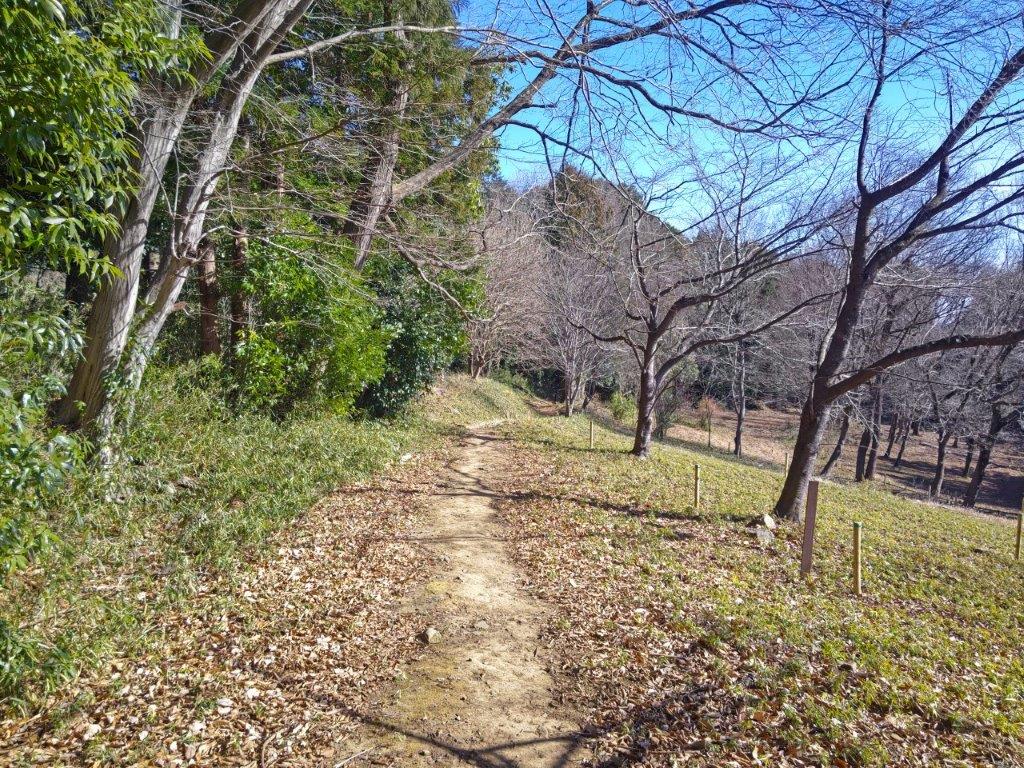
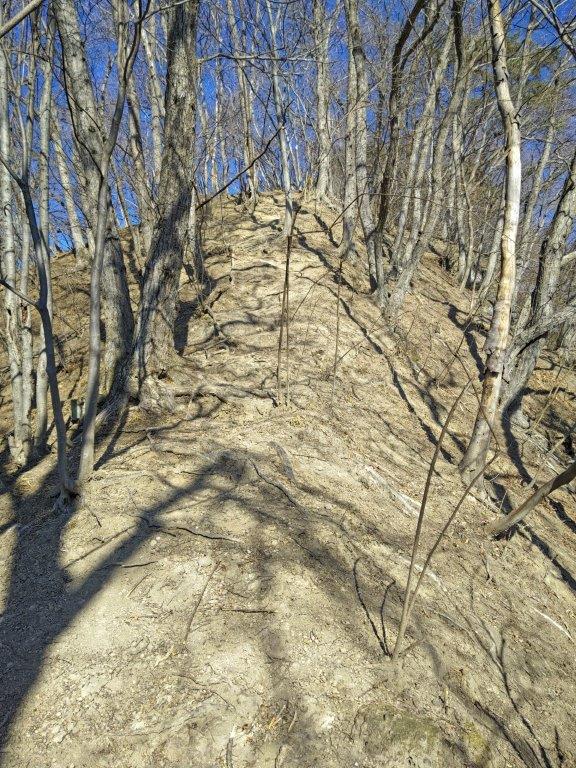
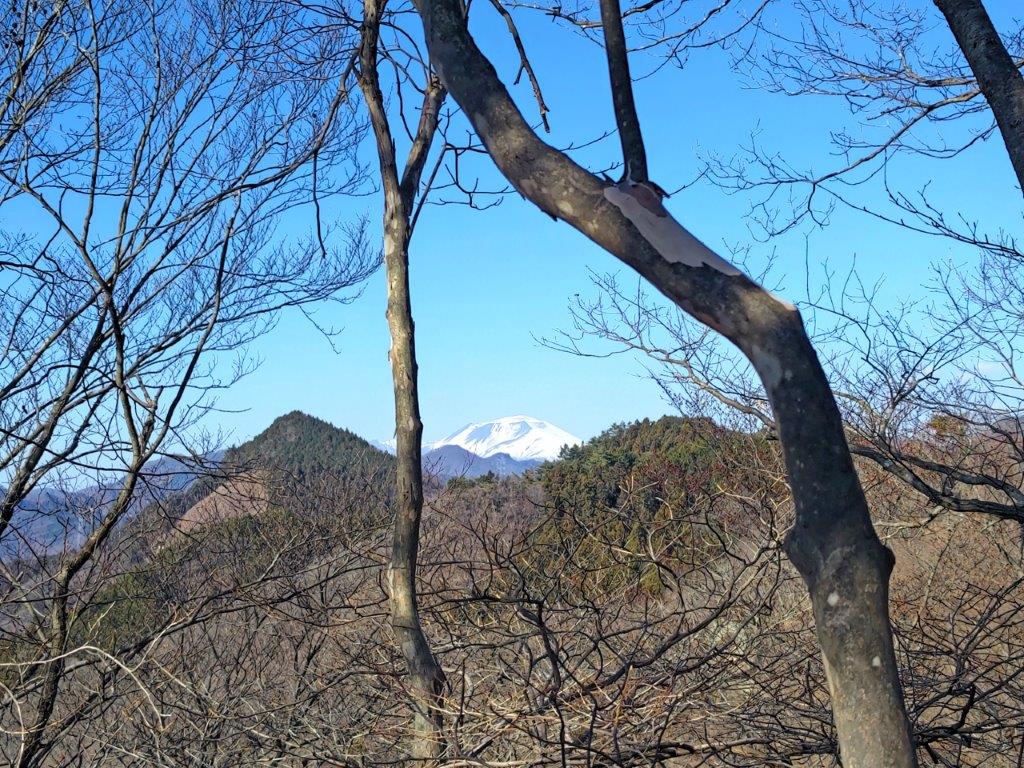
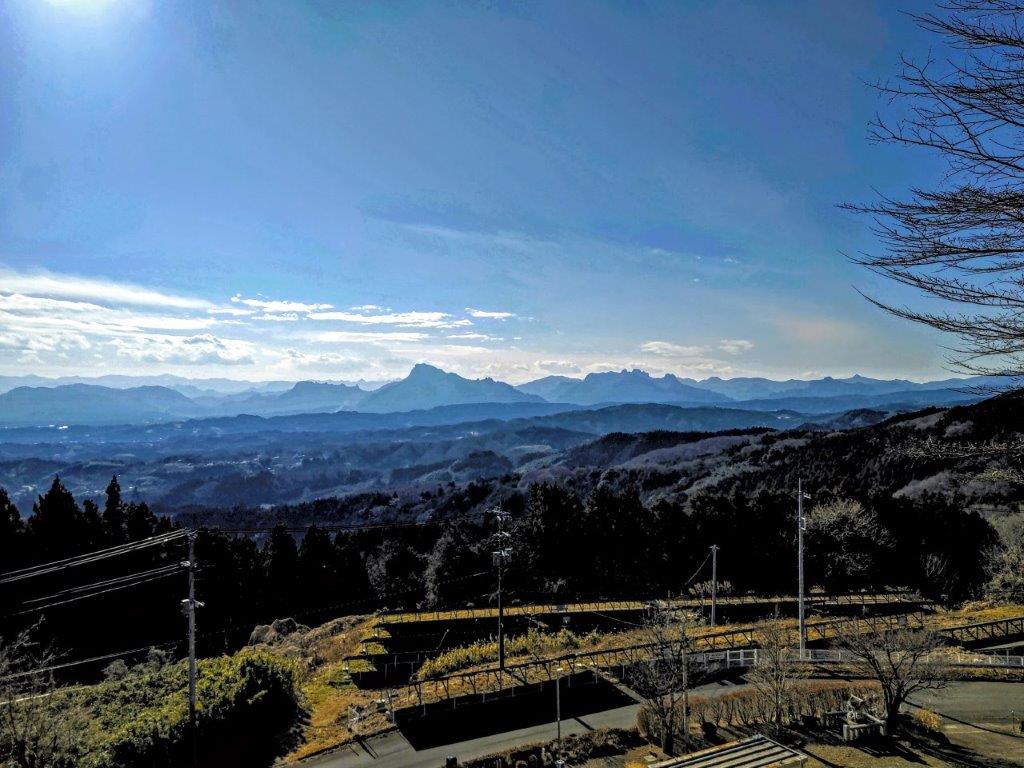
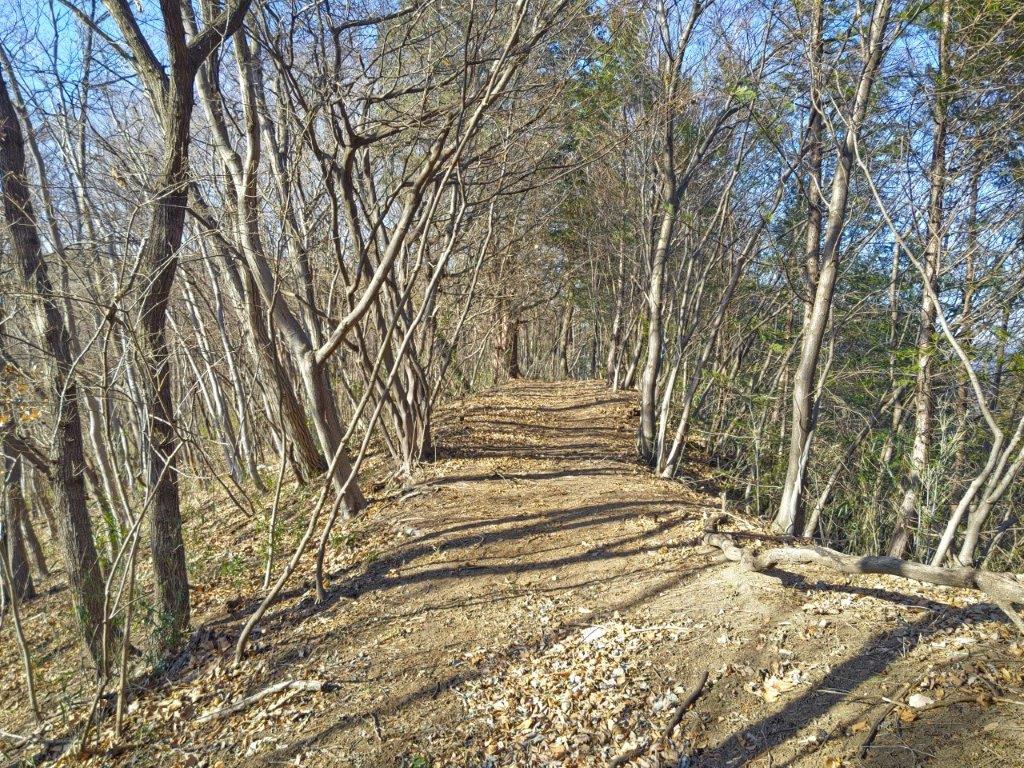
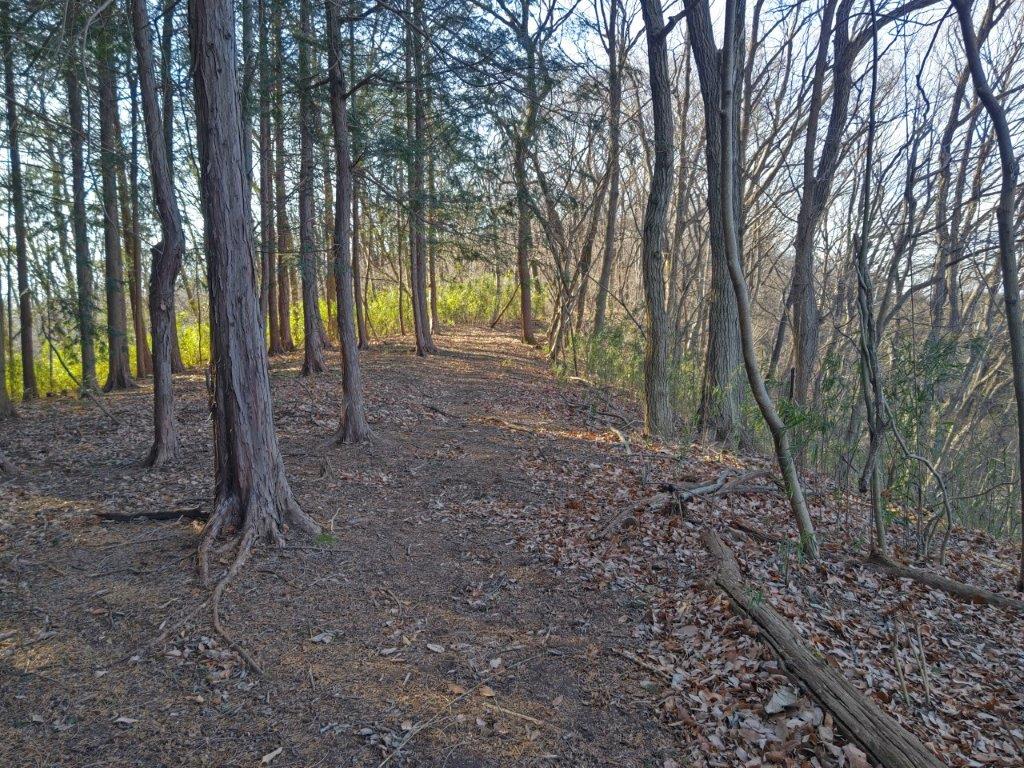
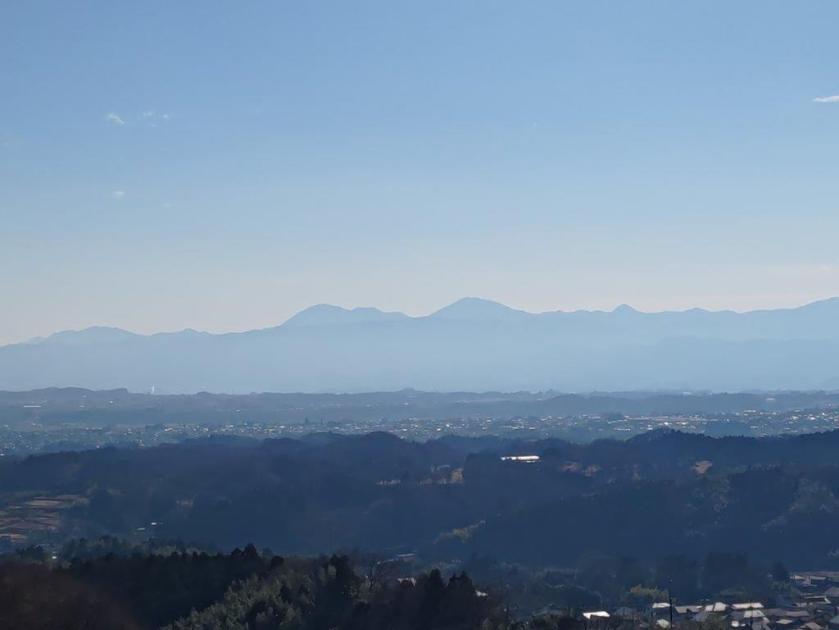
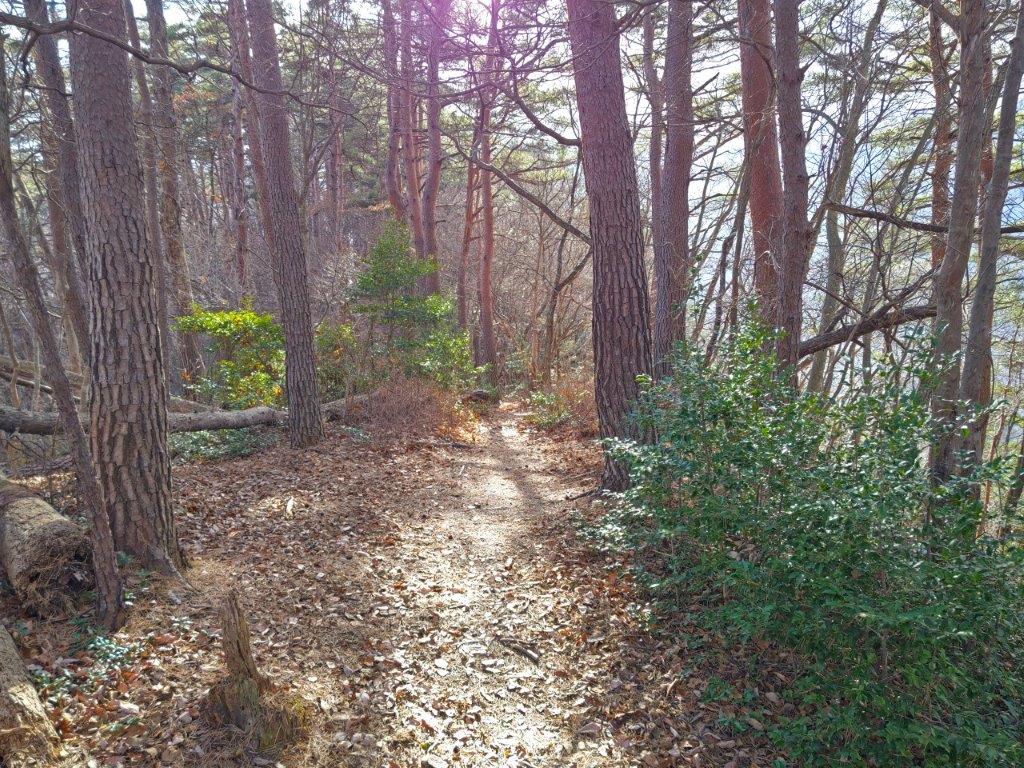
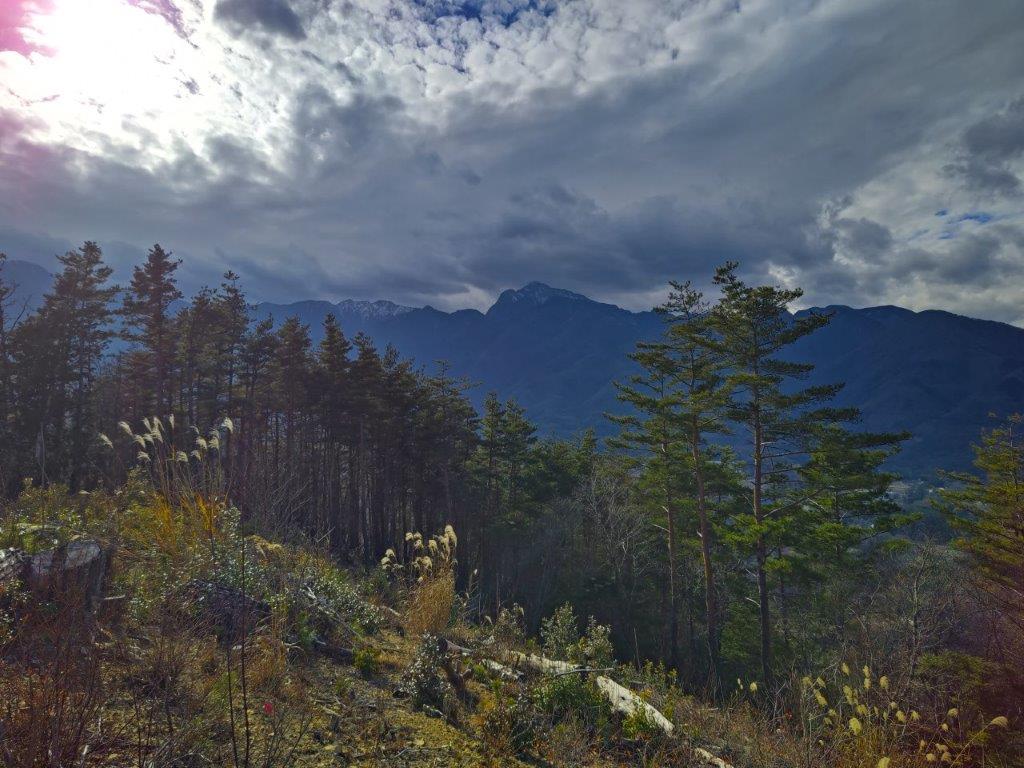
I was surprised by how dry everything was, dust flying up from the trail at every gust of wind. After some more climbing along the narrow, twisting ridgeline, I reached the summit of Mt Mido (御堂山 みどうやま mido-yama), a Gunma 100-famous mountain, a little before 1am. It was mostly in the trees, but I could make out the jagged summit of Mt Myogi, as well as the snowy top of Mt Asama, both on the north side. After a short break, I retraced my steps to a turn-off for the nearby “Jitoba-ura-tenbosho”, the rear viewpoint of the stone pillars.

Climbing the narrow ridgeline (left) Walking back along the forest road (right)

Late afternoon light filtering down into the deep valley

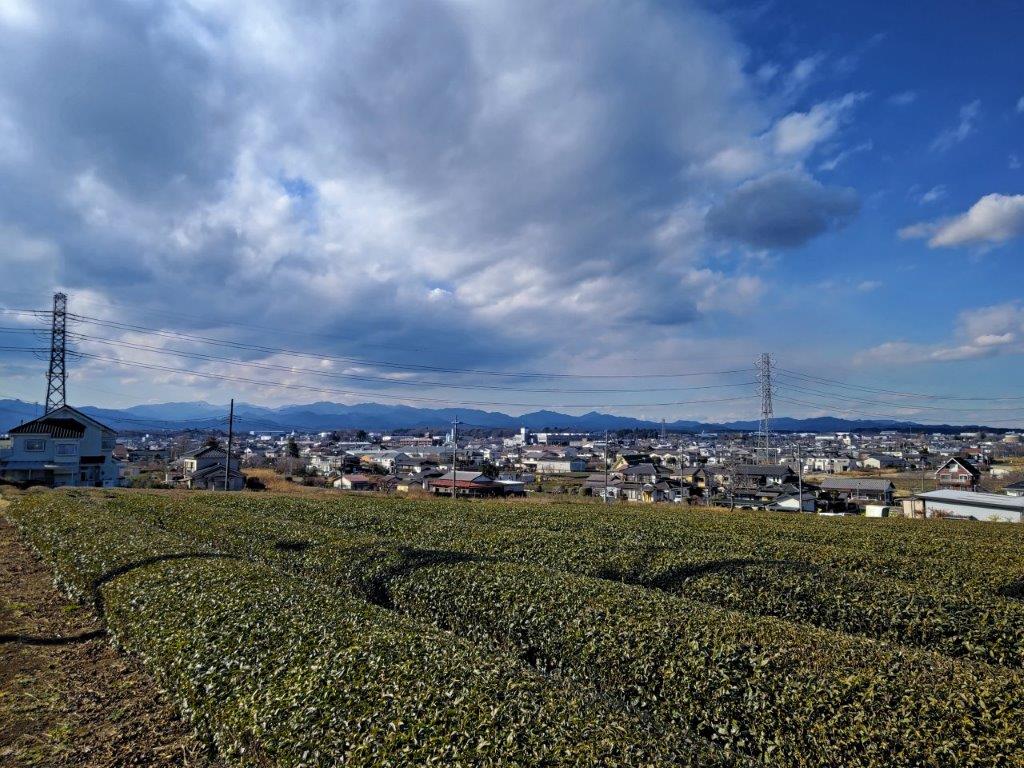
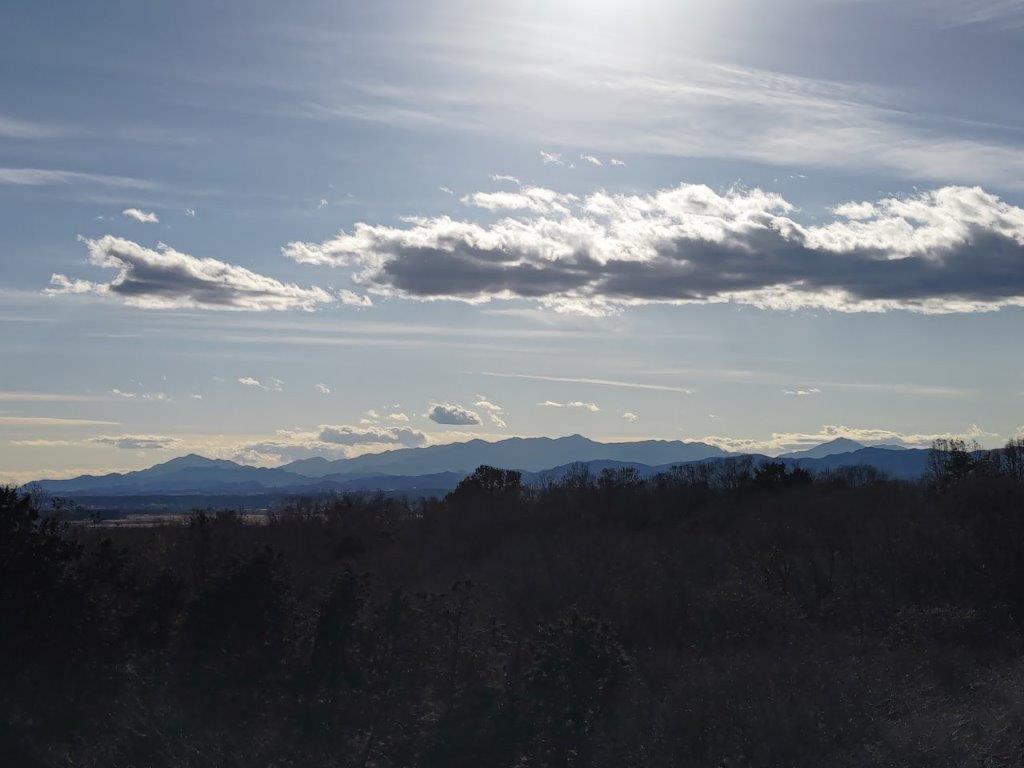
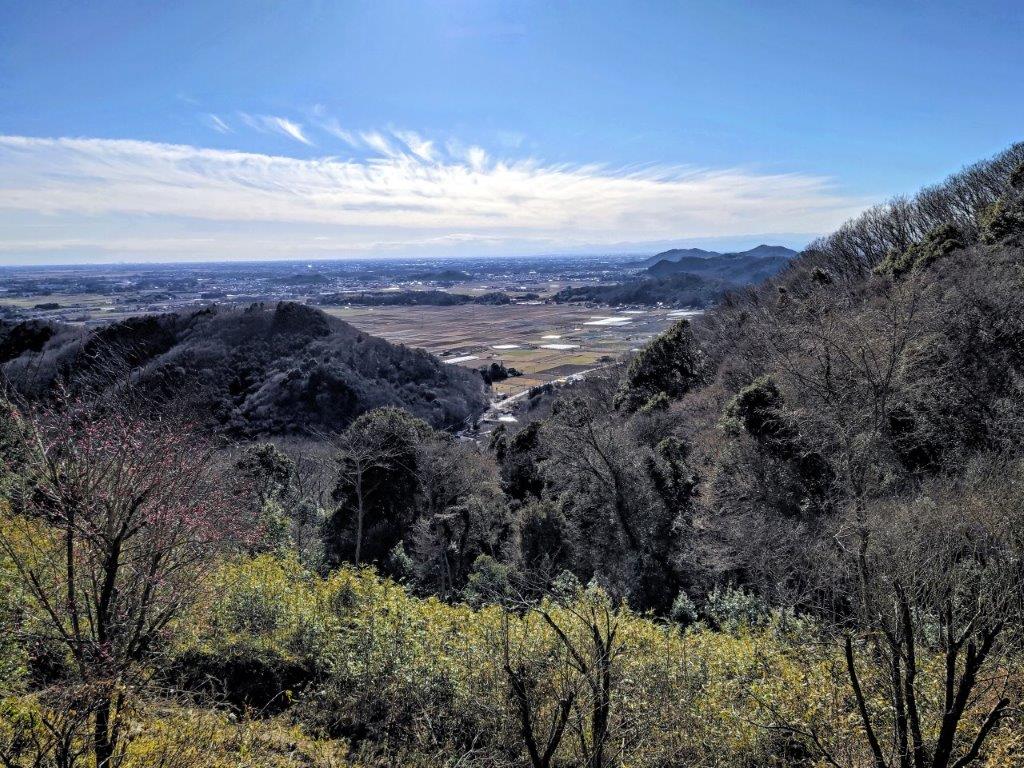
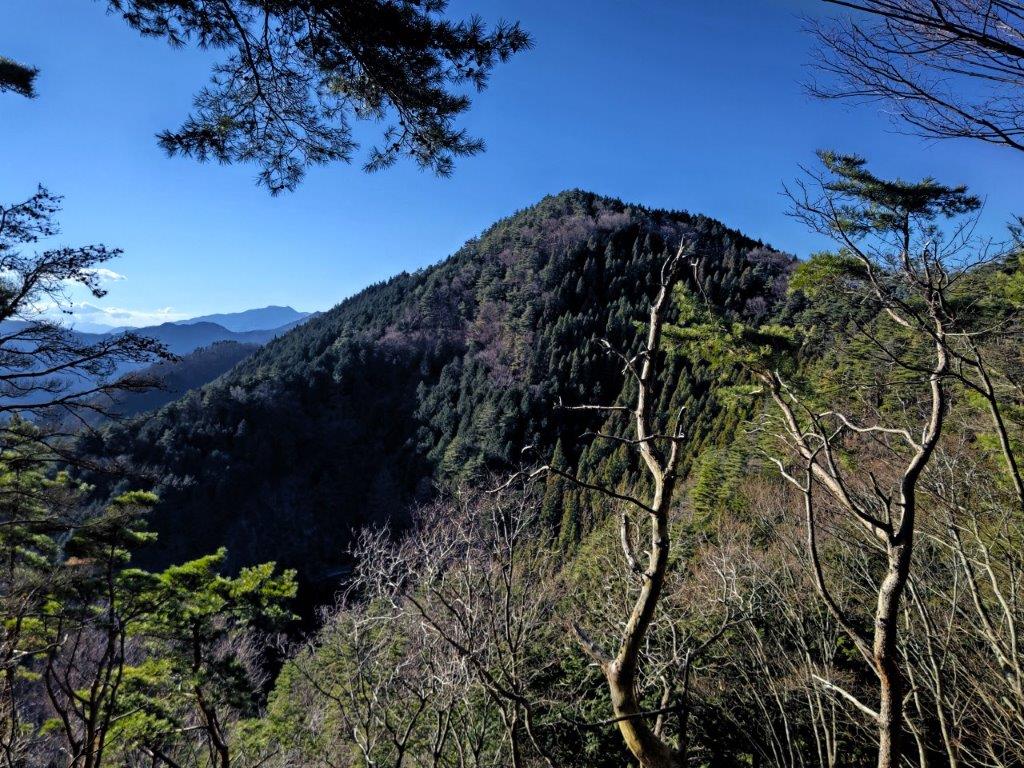
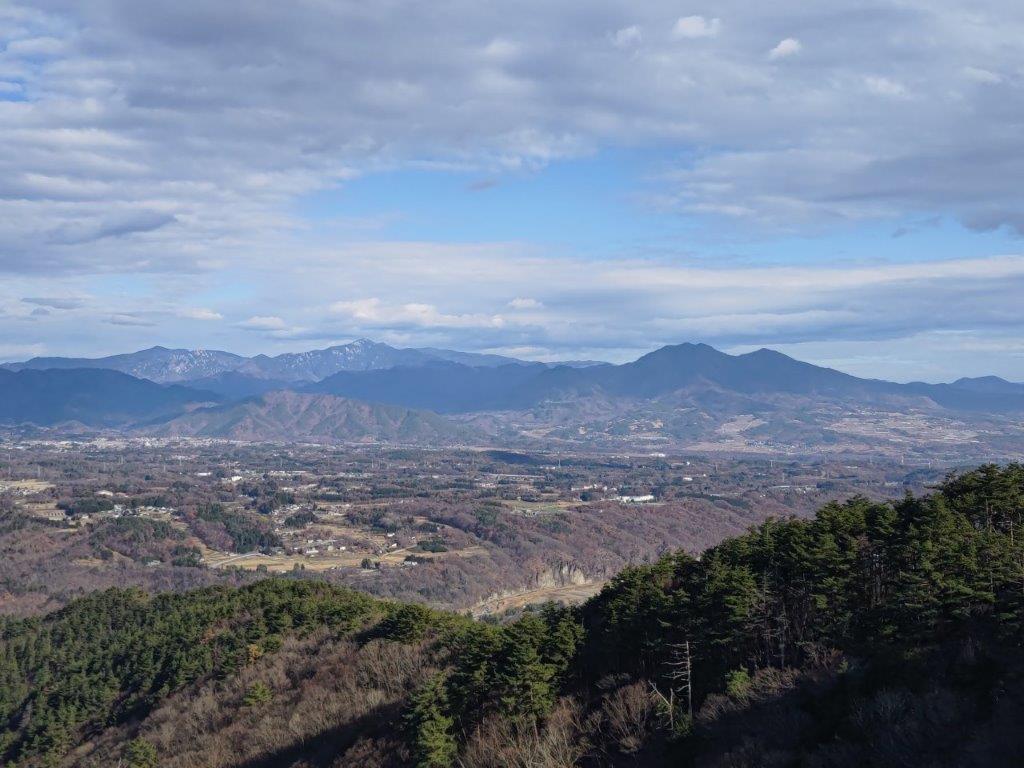
Standing next to a rocky outcrop, I had a fantastic view of “Jijiiwa-babaiwa”. I continued a little further to the end of the path, where I had a view of Mt Ogeta and the Kanto plain on the west side, and Mt Akaguna and the Mikabo Super forest road on the south side. I found a place to sit and finished the second half of my lunch. It was now past 2 pm so I quickly made my way back down the same way, carefully navigating the descent down Mi-no-taki waterfall, reaching the bus stop just in the time for the 3h30 bus. Back at Shimonita, I boarded the Joshin line for the one-hour trip back to Takasaki, where I transferred to the Shinkansen for Tokyo.

See a video of the Mt Mido hike

Mt Sekison (571m), Annaka City, Gunma Prefecture, Saturday, January 7, 2023

I wanted to use the Tokyo Wide Pass for the long first weekend of 2023. I searched my maps for some low-altitude mountains near a shinkansen station and finally found a series of minor summits, part of the Annaka Alps, north of Annaka-Haruna station, one stop from Takasaki on the Hokuriku line. I had often passed through this station on the way to and from Karuizawa, so I was glad for a chance to finally get off there. The hike through these hills was relatively short, but could be extended by following the Kanto Fureai no Michi, as it headed south from Mt Haruna. Upon reaching a road, I could catch a bus back to Annaka station on the Shin-Etsu line, therefore completing an “Annaka to Annaka hike” of my own creation.

Hiking with the Tokyo Wide Pass

Hiking the Kanto Fureai no Michi 関東ふれあいの道

Hiking the Annaka Alps 安中アルプス

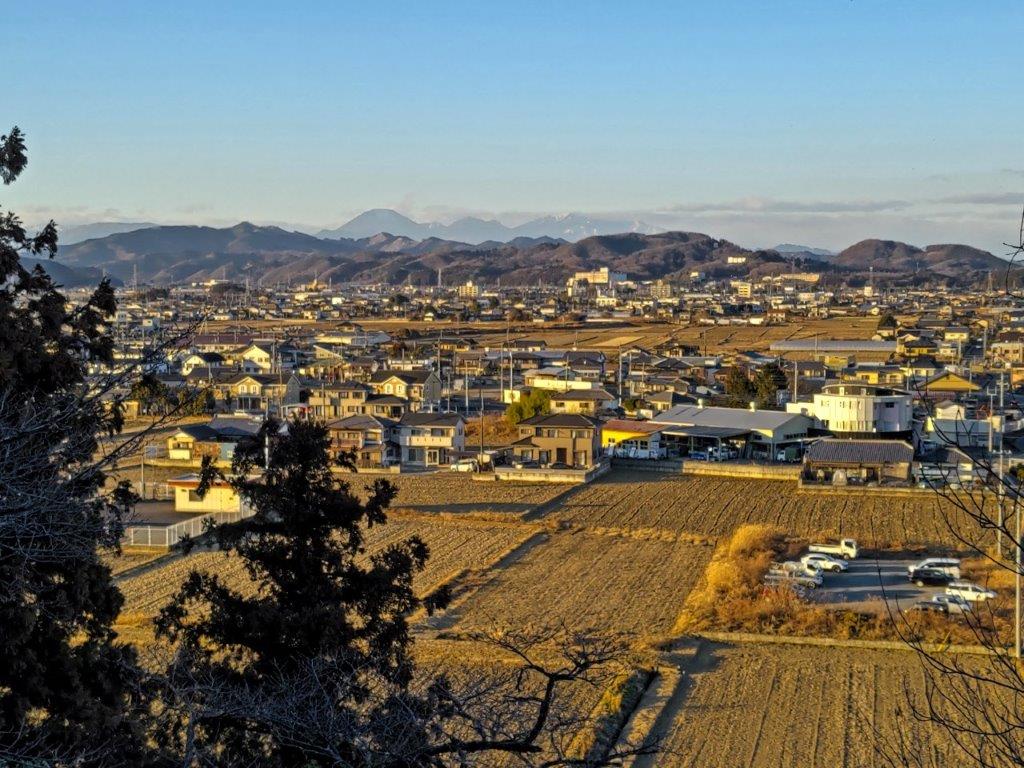
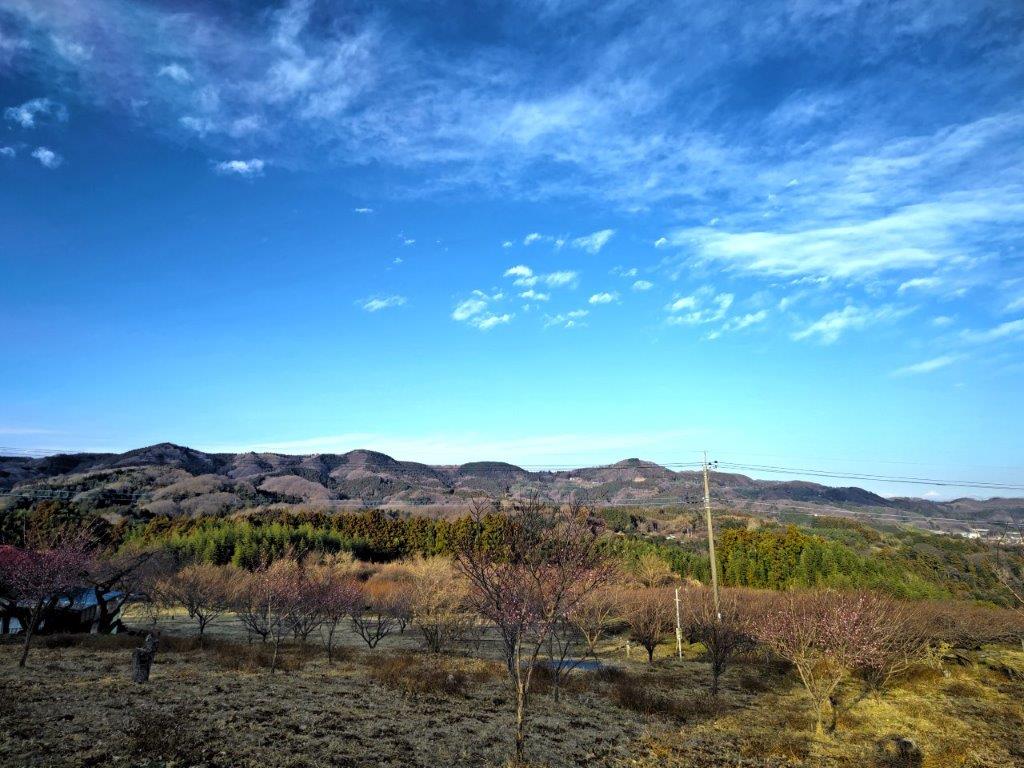
View of the hike from Kanbai Park

I reached the Annaka-Haruna at 11am on a sunny winter day and was stunned by the clear view of Mt Myogi from outside the station. Half an hour later, I was walking up a road on the north side, and soon spotted a signpost for a trail on the right. I followed a narrow path as it went through a bamboo forest, then merged with a forest road, before reaching a parking lot at the end of a paved road. On the other side, the trail continued up a series of log steps through beautiful forest.

View of Mt Myogi from Annaka-Haruna Station

Start of the trail leading to the “47 statues”

I suddenly found myself walking under a cliff, and felt nervous about rockfall, something I hadn’t expected on today’s hike. I had arrived at a historical site called “The statues of the 47 loyal retainers of Ako-Gishu” (赤穂義士四十七士石像), in memory of the 47 Ronin. After quickly confirming that there were indeed 47 statues along the base of the cliff, I set off again, up a steep trail winding around the back of the rocky outcrop.

A log staircase going up through sunny forest

The trail passes near the base of a rocky outcrop

As I neared the top, I stepped into a hole hidden by dead leaves and banged my knee on a rock; fortunately, it was more fright than harm. A few minutes later, I reached the summit of Mt Goten (御殿山 400m); it was completely in the trees so I soon moved on. I followed a mostly level trail through a dark cedar forest till it ended at a dirt road. Using my map, I quickly picked up the trail again, as it led to the top of a hill.

The hike alternated between sunny and shady sections

Hiking through the winter woods

I was now walking on a sunny level path, with glimpses of Mt Haruna on the north side, through leafless trees. At 1pm, I arrived at the summit of Mt Sekison (石尊山 せきそんさん sekison-san), a gunma 100-famous mountain, and rested on a bench with a narrow view to the south. After lunch, I followed a path down the other side, and after crossing a road, walked up the next hill. I soon passed the summit of Mt Toya (605m 戸谷山 とややま), in the trees, and headed down the other side, arriving at the Kanto Fureai no Michi at 2pm, where I turned left.

Most of the trail was easy to walk

The entire hill range is known as the Annaka Alps

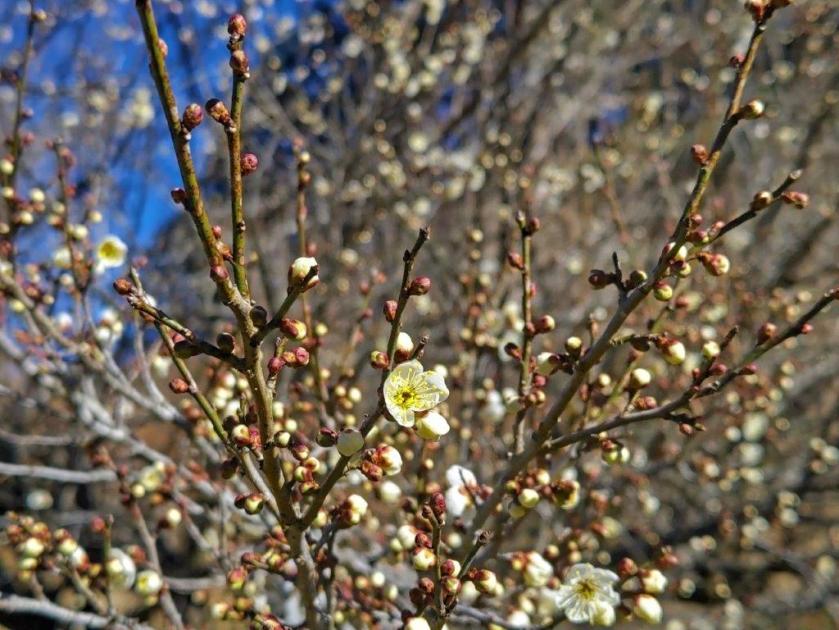
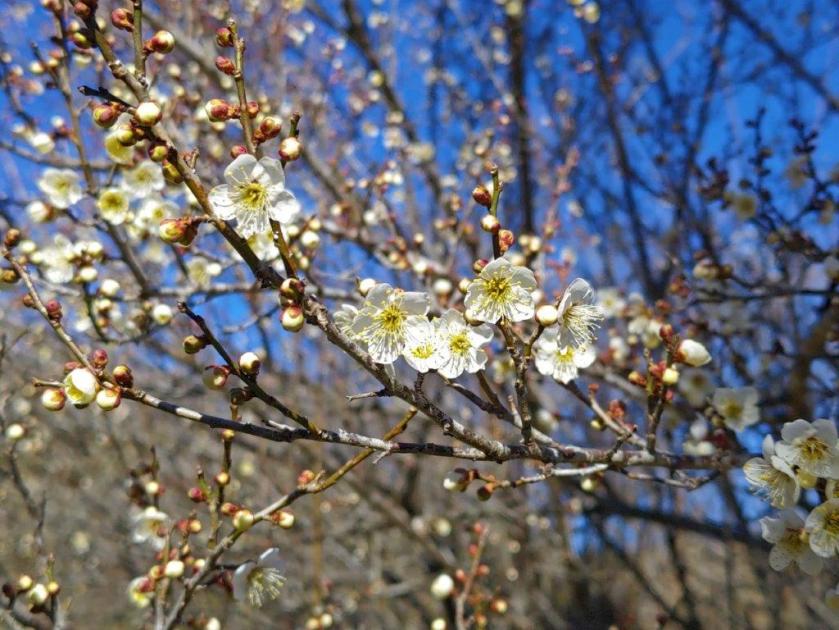
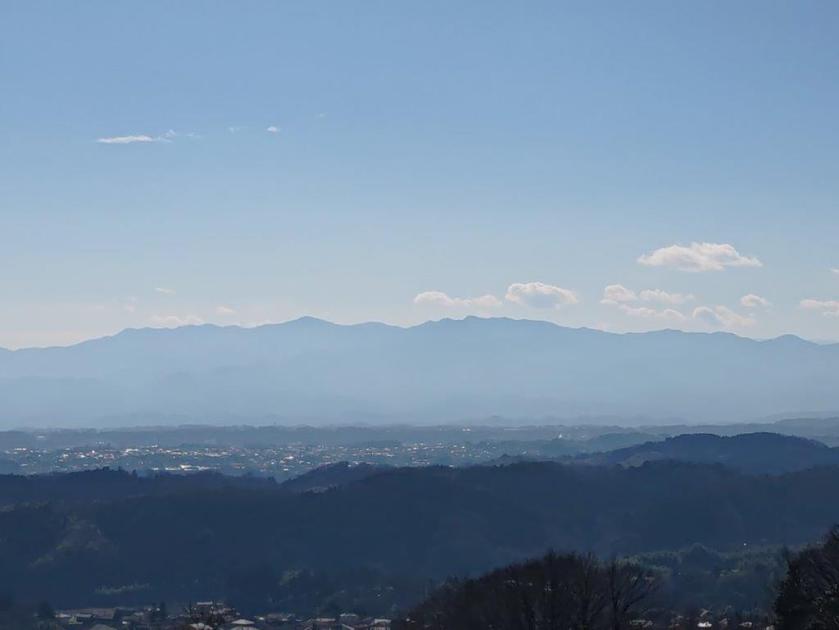
I followed a pleasant trail, downhill through sunny forest, with occasional views of the Joshu mountains, reaching a road and a bus stop at around 3pm. I decided to check out the Akima Plum Grove (秋間梅林), a short distance away. From the highest point of Kanbai Park (観梅公園), I was rewarded view of the hills I had just hiked, as well as some early pink plum blossoms. I followed a different path through the park back to the road. There, I got on a bus for Annaka station, just 3 stops from Takasaki station, from where I could catch the shinkansen for the 40-minute ride to Tokyo.

See the views along the Mt Sekison hike

See more pictures of the Mt Sekison hike

Mt Yadaira (860m), Otsuki and Uenohara Cities, Yamanashi Prefecture, Friday, December 30, 2022 [Map Available]

For my last climb of the year, I wanted to do a station to station hike close to Tokyo, and on local lines, since I was worried about the reduced, year-end bus schedules and holiday travelers. I had walked most of the entire ridge south of the Chuo line, but, earlier in the year, I found a JR East hiking map, reminding me of an unexplored section between Yanagawa and Shiotsu stations. With a total time of around 5 hours and a chance to spot Mt Fuji from the summit, it seemed ideal for the last outing of 2022.

Get a map of the Mt Yadaira Hike

This map was developed for Japanwilds with the Hokkaido Cartographer

Find more Japan hiking maps on Avenza

Hiking along the Chuo Line 中央線

The summit of Mt Yadaira, just before Terashita Pass

I arrived under cloudy skies at Yanagawa station around 10am. After getting ready, I set off for the trail entrance, past a bridge on the other side of the Katsura river valley, reaching it at 11am. The sun had come out by now and sunlight was shining through the trees. The path followed a narrow valley along a dried-up riverbed; I was walking in the shade, since the winter sun was now hidden by the steep mountain-sides.

View of the Katsura river

Start of the hiking trail

I found it challenging to walk on the layer of dead leaves that had piled up during the autumn: it was like walking through ankle-deep snow. I was able to follow the trail thanks to the presence of fixed ropes, even on the level sections. My stick, which I mainly use for descending, helped me keep my balance. When the path started to zigzag up the mountain side, I had to be doubly careful not to slip on the dead foliage.

First views through the winter trees

The steepest section of the hike (left) / Approaching the summit (right)

I was relieved to be back on a sunny, leaf-free path, a little after noon, after rounding a bend. Looking north through the bare trees, I had a view of the mountains on the north side of the Chuo valley. I followed the now easy to walk trail southwards, merging with the ridgetop trail at Terashita Pass (寺下峠), half an hour later. On the way, I had a view of the rounded top of today’s peak, the curving ridgeline making it look deceptively close.

View of the Tanzawa mountains

Closeup of Mt Hiru, the highest peak of Tanzawa

I next went up the steepest section of today’s hike, and soon reached the summit of Mt Marutsuzuku (763m 丸ツヅク山(まるつづくやま marutsuzukuyama). It was completely in the trees so I quickly moved on. Very soon, I arrived at a short rocky section, that required some scrambling. Halfway up, I turned around and got a glimpse of the Doshi mountains on the south side. Turning around again, I suddenly spotted a black thing, slowly rising above the bushes.

View of Mt Omuro through the pines

Sun on the ascent (left) / View of Mt Jinnohako (right)

I thought it was a bear, but it turned out to be a camera on a tripod. It belonged to the only person I met today; he had been so quiet, that I had no idea he was nearby. I continued past him, and shortly after, arrived at the summit of Mt Yadaira (矢平山 やだいろやま yadairayama). It was also surrounded by trees, but a little further along the trail, was a clearing with a view of the Tanzawa mountains on the south side. Directly opposite, was Mt Omuro, dark and dramatic against the afternoon sun; Mt Fuji was hiding in the clouds. Since it was 1h30, I sat on a tree stump for a short lunch break.

Looking back at Mt Marutsuzuku

The Kanto mountains from just below Shinochi Pass

I resumed my hike and had an impressive view of a pine covered, solitary peak through a gap in the trees, slightly off the main ridge. The summit could be reached via a short roundtrip, so I decided to check it out quickly. The top of Mt Jin-no-Hako (810m 甚之函山 じんのはこやま jinnohakoyama) was again in the forest, but midway up, I had a view west of today’s summit, with Mt Mitsutoge in the background. Back on the main trail, I soon reached Shin-Ochi Pass 新大地峠), just after 2h30, where I turned left and headed down the mountain.

Descending through the forest

The surrounding landscape was golden in the late afternoon sun

I soon had a stunning view of the Kanto mountains, the triangular summits of Mt Mito and Mt Odake clearly visible below the blue winter sky. I crossed a road and then followed a gently descending trail westwards through the forest. This was the most pleasant part of the hike, the surroundings golden and peaceful in the late afternoon sun, except for the regular tap tap of a solitary woodpecker.

Mt Ogi (left) and Mt Gongen (right) in the late afternoon light

Arriving at the end of the hike

Before the trail curved north, I had one last view of Mt Ogi and Mt Gonzen, framed by two tree trunks, their features highlighted by the late afternoon light. At 4pm, I emerged from the forest, onto a road through a village, just as the last rays of sun vanished from the valley. It took another 15 minutes to reach Shiotsu station, from where it was a one hour ride back to Shinjuku.

See a video of the Mt Yadaira hike

Hitorizawa & Segami Community Woods Hiking (highest point 130m), Yokohama City, Kanagawa Prefecture, Tuesday, December 27, 2022

This was my 3rd hike in the southern part of Yokohama city. This wooded, hilly area offers some of the best hiking close to Tokyo and is well-suited for short winter walks. I had already hiked through the Yokohama Nature Sanctuary, the Kanazawa Nature Park, as well as the Kanazawa, Segami and Kamariya woods; this time, I wanted to explore the Hitorizawa woods on the northeastern side, and check out some more trails in the Segami woods.

Sunny spot at the start of the Hitorizawa trail

I would take a bus from Yokodai station on the Negishi line to the trailhead; rather than finish at Konandai station on the same line, I could take another bus to Ofuna station on the convenient Shonan-Shinjuku line, less than an hour from Ikebukuro. Although I wouldn’t be summiting any mountains, I could expect a view of Mt Fuji from Isshindo plaza at the mid-way point. I was looking forward to a short relaxing walk through the woods on a sunny winter day.

Nearing the Nabana rest area (left) / Hitorizawa creek (right)

After getting off the bus on a busy road near Hitorizawa Shrine (氷取沢神社), I followed the signposts through some backstreets, reaching the start of the trail Hitorizawa Community woods trail (氷取沢市民の森ルート) at 1pm. At the top of a staircase, I was pleased to discover a wide, level path leading through the forest. I soon reached the first viewpoint of the day at the Nabana rest area (なばな休憩所) above a road and a toll gate. Looking southeast, I could see the low-lying Miura peninsula, and behind, Mt Kano and Mt Nokogiri on the Boso peninsula.

Wooden causeway near Oyato plaza (left) / Climbing made easy (right)

I continued along the path as it descended into a small valley. I soon arrived at a bridge over the Hitorizawa creek (氷取沢小川) and a junction: the path on the left led to Kanazawa zoo, and the one on the right followed the creek back to the bus store. I went straight, and after going through some fields and under a highway bridge spanning the valley, arrived at Oyato Plaza (おおやと広場). I was now walking on wooden causeway along a cool, shaded valley, parallel to the creek.

View of Mt Fuji from Isshindo Plaza

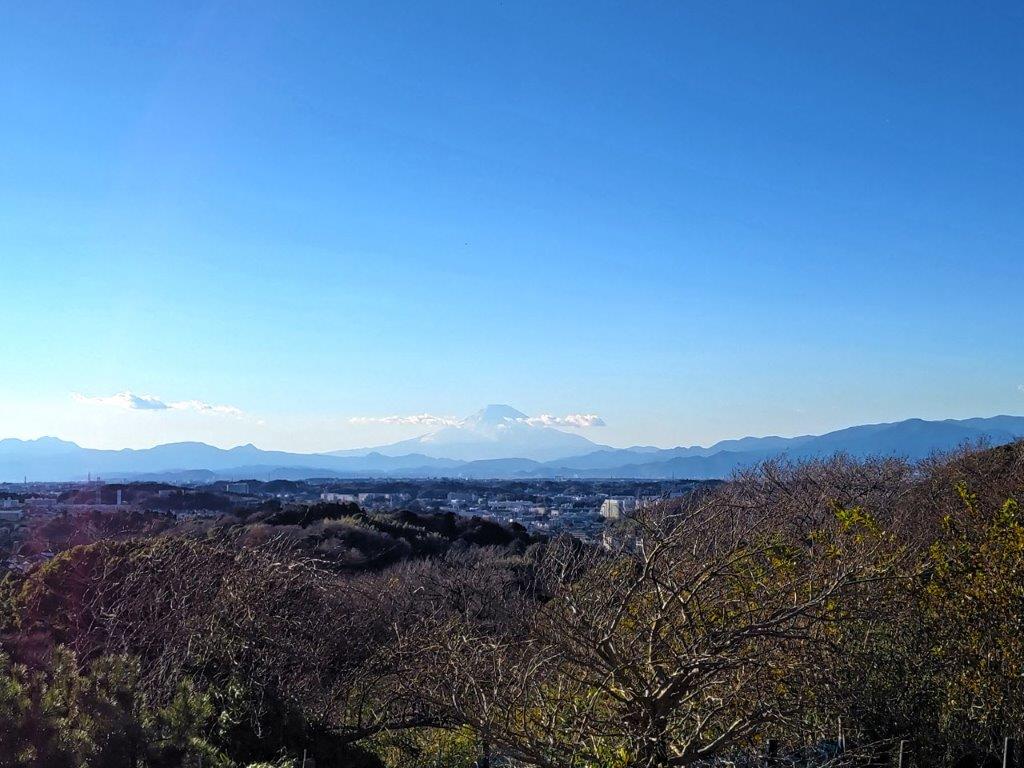
Very soon, I was back on a trail leading up through the woods, but still easy to walk thanks to the use of wooden logs. At 2h30, I left the Hitorizawa woods and arrived at Isshindo Plaza (いっしんどう広場 130m), the highest point of the hike. As on my two previous hikes, Mt Fuji, Hakone and the Tanzawa mountains were clearly visible on the west side. After enjoying a late lunch, I followed the ridge trail (尾根道) south, towards the sun.

View south towards Kamakura

After a few minutes, I turned right, down the hillside, and passed the Bato-no-oka rest area (馬頭の丘休憩所 meaning “horse head”). Although I was at the edge of the city, the rooftops of the houses visible above the trees, I could hear, and sometimes see, squirrels scampering along the trees branches in the late afternoon sun. At 3h30, I reached a junction before the Uma-no-se rest area (馬の背休憩所 meaning “horse back”), and took the smaller branch to the right.

Following the ridge trail (left) / Between the horse’s head and back (right)

I followed the winding trail as it descended into another wooded valley inside the Segami Community Woods (瀬上市民の森), the sun now only reaching the top ridge. At the base of a staircase, I finally arrived at the peaceful Segami pond (瀬上池). From there, I followed a dirt road alongside the Segami creek (瀬上小川) through a habitat for dragonflies and fireflies, although none could be seen in this season. At 4h30, just as the sun was setting, I reached the bus stop for Ofuna station next to the Hongo bus depot, from where it was short train ride back to the city center.

The peaceful Segami lake near the end of the hike

See a short video of the Hitorizawa Creek

Mt Takatsuka (216m), Minamiboso City, Chiba Prefecture, Tuesday, December 20, 2022

This is a hike from my mountains of Chiba guidebook. Although it can be done as a day trip, by walking one hour from Chikura station on the Uchibo line, I decided to drive from Tokyo and spend the night at Nojima cape, the southernmost point of the Boso peninsula; from there, it was a short drive to a parking near the trail entrance. I had done many hikes on the Boso peninsula, but it would be my first to hike in Minami-Boso.

View of the Pacific from the summit

Walking to the trailhead through the fields

I had been wanting to climb this low peak for several years, but had to be patient since the hiking trail was closed for a while after the powerful typhoons of 2019; online reports showed that the path was now more or less back to normal. After heading straight up the mountain, I go down following the ridgeline, and then walk back through the countryside. The weather was supposed to be sunny and so I was looking forward to new views in a new area.

View of the forested ridge through a break in the trees

Late autumn leaves on the summit

I drove along the Pacific coast under the late morning sun to the nearby Nanbo Chikura Bridge Park Parking (南房千倉大橋公園), from where it was a 20 minute walk to the trailhead next to a temple. At 1230, I started up a series of steps, following the winding path through the evergreen forest of Japanese stone oaks (マテバシイ matebashii). Very soon the trail became level and the forested summit ridge appeared through a break in the trees.

Fantastically shaped trees along the summit ridge

Summit shrine (left) / Valley bottom lake (right)

A little further, I passed under a stone Shinto gate at the top of a flight of steps, looking like the entrance to some long-lost ruin. I then made my way up a steep, muddy path, being careful not to slip, and at 1pm, emerged onto the flat summit of Mt Takatsuka (高塚山 たかつかやま takatsukayama), a kanto 100 famous mountain; the summit marker, wrecked by the typhoon, and had yet to be replaced and was nowhere to be seen.

Shinto gate at the mountain base (different from the one on the mountain itself)

Temple at the base of Mt Takatsuka

I was surprised to see a towering oak above a tiny shrine, its yellow trees still clinging on at the very end of autumn. On one side was a bench in the sun, with a view of the Pacific ocean, the perfect spot for lunch on a cool day. Before heading down, I explored a path behind the shrine building leading to a view point from where I could make out the faint outline of Mt Fuji. Once back down at the stone gate, I took a small path on the left side.

Mt Takatsuka in the late afternoon sun

Heading back through the fields

I marveled at the fantastic shapes of the tall trees as I followed the ridgeline northeast, here and there broken branches sill on the ground. The path descended gradually into a quiet, forested valley and ended at a peaceful lake, next to a paved road. After enjoying this magical spot, I walked down the road to the base of the mountain. From there, I followed a footpath through fields, golden in the late afternoon sun, past the starting point of the hike, and arrived back at my car just after 3pm.

See the views of the Mt Takatsuka hike

Slideshow of more photos from the Mt Takatsuka hike

Mt Futamata (570m), Kanuma City, Tochigi Prefecture, Saturday, December 10, 2022 [Map Available]

I found this hike in my mountains of Tochigi guidebook. Although easily accessible by bus from Kanuma station, I hadn’t done it before since it was only 3 hours long. However, I had a vacation coming up in the next few days and since I didn’t want to do anything too strenuous, I decided to give it a try. I planned to follow the route in my guidebook, traversing the mountain from east to west. I had done several hikes from Kanuma before, so I was familiar with the area. The weather forecast was typical for December around the Tokyo area: blue skies and mild temperatures.

Get a Map of the Mt Futamata Hike

This map was developed for Japanwilds with the Hokkaido Cartographer

Find more Japan Hiking Maps on Avenza

View eastwards from near the north summit

It was a sunny winter day as I rode the Nikko limited express to Kanuma station, where I boarded a bus for the short ride to the base of today’s mountain. While walking to the parking near the trailhead, I passed a nice-looking cafe called Chiki, still closed at this time, and an unattended jam stand; I couldn’t resist buying a small pot of blueberry jam, made with locally picked berries, inserting the money into a small box attached to the stand.

View southwards from near the north summit

View of the Oku-Nikko mountains from the south summit

A little after 10am, I started up the trail, following a stream, and soon turned right up the Shimozawa trail (下沢コース). A steep switchback path through the forest led to the ruins of Shimozawa castle (下沢城跡 368m) where I had view north of the other side of the valley through a gap in the trees. The path then descended for a while to Fudo rock (不動岩) before heading up again. Around 11h30, I arrived at an area clear of trees around a small white building that served as a TV antenna.

View of Yokone highland from the south summit

The rocky summit of Mt Kogashi from the south summit

Looking south-east, I could see summit of Mt Tsukuba, poking through the haze on other side of the Kanto plain. A short distance away was the north summit (北峰 kita-mine) of Mt Futamata (二股山 ふたまたやま futamata-yama), a Tochigi 100-famous mountain, from where I had a great view of Mt Kogashi, directly to the east. The path dived down a steep ridge, so I decided to backtrack a few meters, and take a detour path on the west side., soon rejoining the main trail at a saddle between the two summits.

Viewpoint of the Ashio mountains from below the south summit

A newly created trail along the southern ridge

I turned right, up a steep rocky path, and a little after noon, arrived at the south summit (南峰 minami-mine) of Mt Futamata. To the north, I could see the snow-capped peaks of Oku-Nikko: Mt Nantai, Mt Taro and Mt Nyoho; on the west side was Yokone Highland (横根高原). I continued along the trail, heading downhill for a short while till I reached another viewpoint. From here, I could see the Kanto plain spreading to the south, and the Ashio mountains extending westwards.

View through the trees from the new ridge trail

There were several viewpoints on the west side

After a short break, I retraced my steps back to the North summit and followed a trail on the west side. I had planned to descend via the Shimokuga trail (下久我コース) but it was no longer in use. Instead, I followed signs for a new trail leading to Kazono (加園), created in June 2022, and simply called the “Ridge” trail (尾根コース one-kosu). The path was faint, but thanks to the frequent signposts, and my phone GPS, I was able to follow it without hesitation, along the narrow, southern ridgeline.

A quiet view spot above the Arai river valley

Traditional house at the end of the trail

I was pleased to have stumbled onto a longer hike, adding about 2 hours to the original time; I was the only one on the trail, enjoying the sun through the bare trees, and the occasional views on the west side. Around 2h30, the path turned left, descending in zig zag under towering cedars. Soon after, I was walking along the bottom of a quiet valley, the surrounding forest bathed in the late afternoon sun. A little before 3pm, I arrived at a road, a couple of kilometers south of my original route. After a short wait, I caught a bus back to Kanuma station, where I boarded the Tobu Revaty limited express for the comfortable ride back to Tokyo.

See the views along the Mt Futamata hike

Mt Naka (888m), Hokuto City, Yamanashi Prefecture, Sunday, December 4, 2022

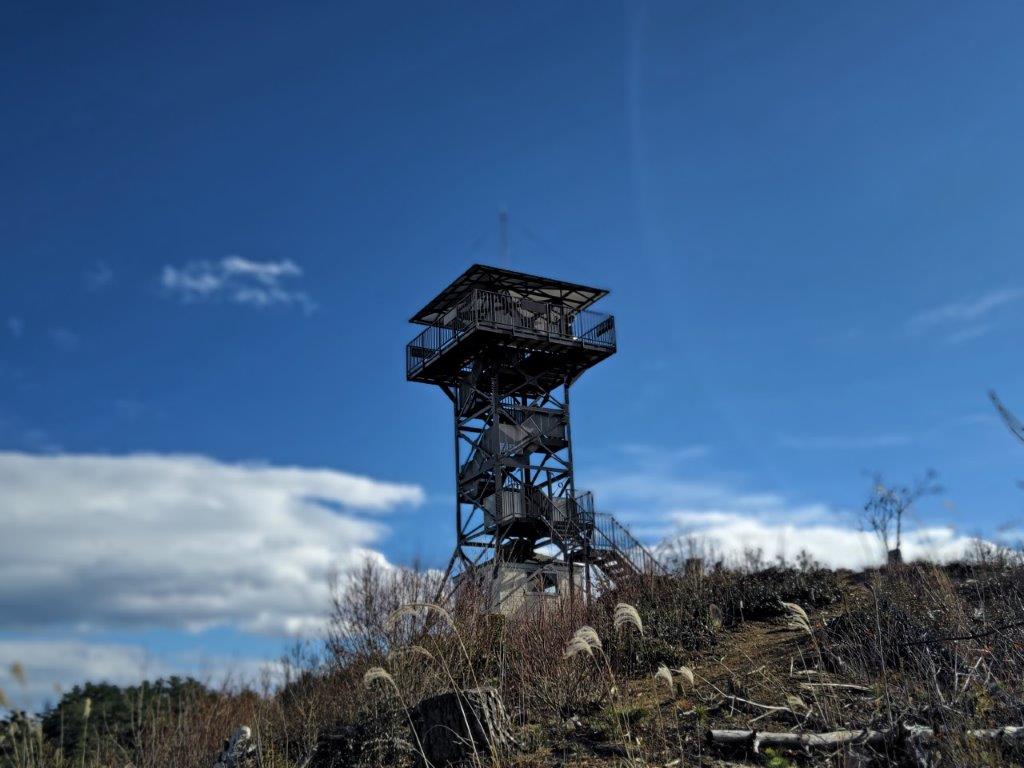
The observation tower at the top of Mt Naka

The summit of Mt Yatsu in the clouds

The starting point for this hike was a famous soba restaurant I had been meaning to visit for a while. Looking at my map, I found an easy loop hike nearby, ideal for the short, cold days of December: up and down a relatively low mountain, at the junction of two rivers, with an observation tower at the top. I was familiar with the area since I had hiked there twice before, once on Mt Amagoi and once on Mt Hinata. The forecast called for sun in the morning, with clouds rolling in from the afternoon; I was looking forward to the views of the mountains of Yamanashi before the weather went downhill.

A steep climb (left) Walking along the top ridge (right)

Walking among the pines

I rode the Chuo limited express to Kofu station and then drove an hour to Okina (翁), located in a hilly, wooded area, wild monkeys occasionally crossing the winding road. I arrived exactly at 11am, just ahead of the weekend lunch crowd. After a satisfying soba meal, I drove a short way to the free, and nearly empty, municipal parking lot of Dai-ga-harajuku (台ヶ原宿), an old post town on the Koshu Kaido Highway.

Dark clouds above the South Alps

Mt Kaikoma (left) and Mt Hinata and Mt Amagoi (right)

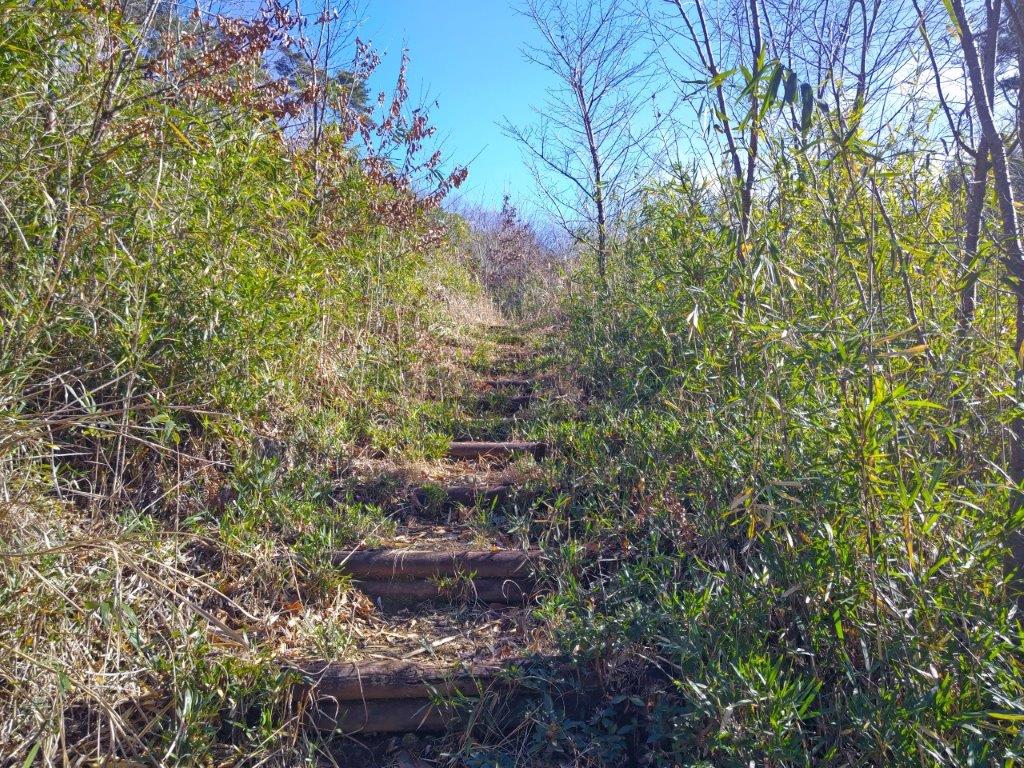
I set off a little after noon and followed a small road up the wooded mountainside, reaching Nakayama Pass (中山峠) just before 1pm. From there it was a steep, short climb up wooden log steps, the outline of the South Alps forming a dramatic backdrop. The path then followed the undulating ridge through a forest of red pines. At 1h30, I reached a clearing, in the middle of which stood the observation tower; although it was the highest point, the official summit was a little further along the ridge.

Looking down at the clearing at the base of the tower

A huge cloud perched on top of Mt Yatsu

From the tower, I was relieved to the see that most of the sky was still clear, although dark clouds had started to gather on the west side, giving Mt Kaikoma a menacing look. From its snow-freckled peak, a ridgeline extended northwards, ending at Mt Hinata, with Mt Amagoi lurking behind. On the north side was Mt Yatsugatake, with a huge cloud sitting on its head. To the east, the grey rocks of Mt Mizugaki and Mt Kinpu shone under the sun, while the twin peaks of Mt Kaya next to them were in the shade. Southwards, the white streaked cone of Mt Fuji was still clearly visible.

The mountains of Oku-Chichibu

Heading towards the official summit

Once I had finished enjoying the panoramic view, I continued along the top ridge, now heading eastwards, and 5 minutes later, arrived at the summit marker of Mt Naka (中山 なかやま nakayama, meaning “middle mountain”), completely in the trees. From there, the path descended through the forest, and half an hour later I reached a road at the base of the mountain. At 3pm, I was back at the parking lot. The clouds had finally filled the whole sky, throwing a gloomy chill on the afternoon.

Walking down through the forest

Nearing the end of a short hike

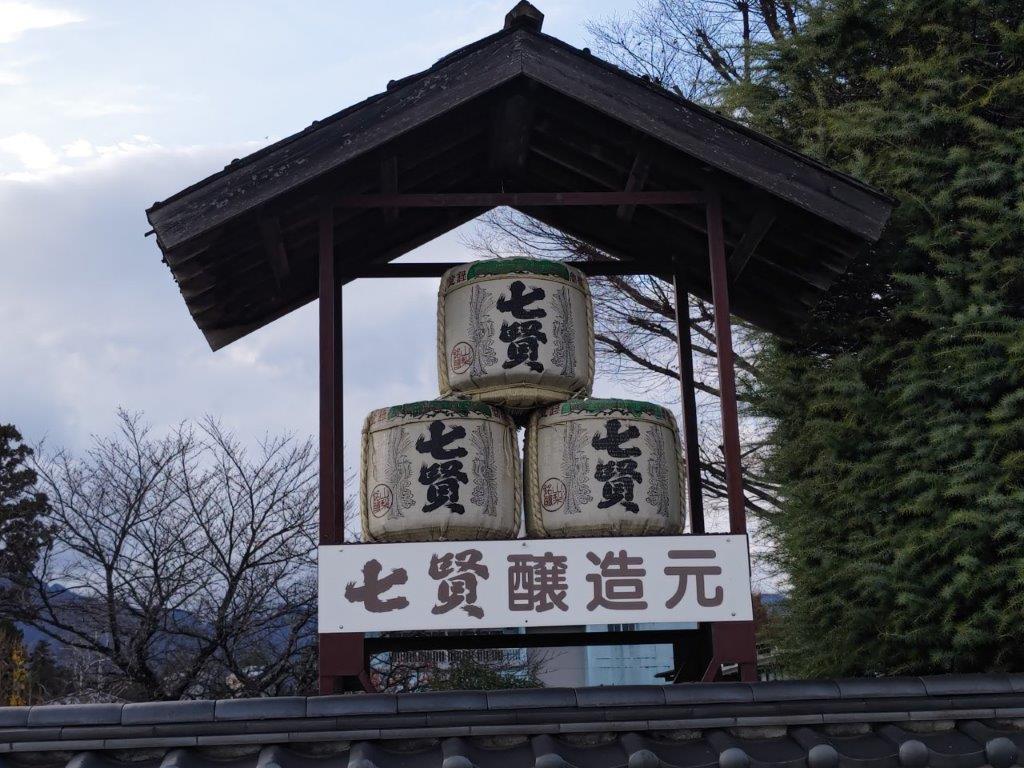
Since it was still early, I decided to check out the nearby Shichiken sake brewery shop. During the drive back, I enjoyed some fantastic views of Mt Fuji from the highway. After returning the car in Kofu, I boarded the limited express for the 90 minute ride back to Shinjuku.

See the views from the top of Mt Naka

Mt Izugatake (851m), Hanno City, Saitama Prefecture, Sunday, November 27, 2022

I had climbed this peak over ten years ago, starting at Shomaru station, passing by Nenogongen Tenryu-ji Temple and ending at Agano station. This time, I wanted to climb it again as a station to station hike on the north side, which would also include a section of the Kanto Fureai no Michi. I could also take advantage of the direct limited express to Nishi-Agano, the last one running during the autumn season.

View towards the Green line from above the Old Shomaru Pass

Doraemon’s “anywhere door”, near Shomaru station

It was a sunny autumn day as I rode the Seibu Laview from Ikebukuro. At Nishi-Agano, I transferred to the Seibu-Chichibu line for the one-station ride to Shomaru station. A little after 10 am, I set off on a paved road along a stream, and soon reached the start of the hiking trail under a massive, orange Japanese maple.

Hiking in the sun near Kame-iwa

Steps leading to Mt Gorin (left) Approaching Mt Kawagoshi (right)

I followed the narrow path as it wound up the mountain side through a dark cedar forest. Just after 11am, I passed Kame-iwa (かめ岩), now walking in the sun; soon after, I arrived at Mt Okura (大蔵山 720m), a minor peak surrounded by trees. Here, I turned left, following the ridge; after climbing some log steps, I reached the top of Mt Gorin (五輪山 770m, meaning 5 rings), also within the forest. A little beyond, I stopped at junction, below the summit of today’s mountain.

Autumn colours near the summit of Mt Izugatake

View of the Kanto plain from just below the summit

I chose the gently sloping right branch, skipping the steep, rocky path of the other approach; I had already done my first time up this peak. A little before noon, I reached the summit of Mt Izu (伊豆ヶ岳 いずがたけ izugatake). Through the trees on the east side, I could see the low hills of Oku-Musashi, and beyond the Kanto plain; on the west side, the snowy top of Mt Asama was visible in the distance. After a short break lunch, I went back the same way.

A trail marker for the Kanto Fureai no Michi

Easy walking along the ridgeline

I followed the gently undulating ridgeline, the bare forest surrendering occasional glimpses of forested hills. I was now walking on the well-maintained Kanto Fureai no Michi. At 1pm, I reached a teahouse at Shomaru Pass (正丸峠) where I had a view of the valley leading to Shomaru station. I crossed the road, rejoining the hiking trail, and passed an arbor, the surrounding view mostly blocked by the trees.

Hiking between the Shomaru and Old Shomaru passes

Steps leading to Mt Shomaru (left) Steps leading to the Old Shomaru pass

I continued on the relaxing, easy trail, the autumn sun now below the treetops; I passed the minor peaks of Mt Shomaru (正丸山 785m) and Mt Kawagoshi (川越山), and at the bottom of a long series of log steps, arrived at the Old Shomaru Pass (旧正丸峠), just before 2pm. Here, I turned right, leaving the Kanto Fureai no Michi, heading into the forest and down the mountain. After crossing a road, the trail ran alongside a small stream.

Last autumn colours of the season under a rocky outcrop

Approaching the end of the hiking trail

I passed by some trees in beautiful autumn colours, at the base of a rocky outcrop, probably the last time to see autumn leaves while hiking this year. At 3pm, I exited the forest and followed the road back to the nicely-designed Shomaru station, just a short distance away. There, I boarded the local train for the one-stop ride to Nishi-Agano and then transferred to the limited express for the one hour ride back to Ikebukuro.

See a video from the Mt Izugatake hike

Mt Odake (1267m), Okutama Town, Tokyo Prefecture, Saturday, November 19, 2022 [Mitakesan Station to Okutama Station]

Hiking in the Chichibu-Tama-Kai National Park

秩父多摩甲斐国立公園

I had hiked this mountain during my first year in Japan, following a route from my hiking in Japan Lonely Planet guidebook. Over the years, I had redone portions of it but not the peak itself. I had originally planned to do the entire route again last summer, but the weather never cooperated; this time, the forecast called for blue skies, little wind and pleasant autumn temperatures.

View towards the Kanto plain from Mitakedaira

I only had faint recollections of the hike, and no blog post, but since it’s a popular, well-trodden trail, I found plenty of information online to refresh my memory. One aspect I could recall was that it was long walk with some steep, rocky sections; fortunately, I was feeling relatively fit and nimble after 3 consecutive hikes.

Mt Nabewari, not part of today’s hiking route

I also knew it would be crowded, especially the first part around Mitake shrine. However, I wanted to go on the weekend to take advantage of the direct train from Shinjuku, a minor comfort to make up for the lack of limited express trains on the JR Ome line. I was looking forward to redoing a classic Tokyo hike inside the Chichibu-Tama-Kai National Park.

A 60-metre high cedar (left) Hiking in the sun past Okunoin (right)

It was a beautiful, slightly chilly autumn day as I rode the “Okutama Holiday Rapid” through western Tokyo. I had arrived early in Shinjuku to make sure I could sit during the 80-minute trip to Mitake, arriving there at 9am. I boarded a Nishitokyo bus for the short ride to the base of the Mitake Tozan Railway. I tried to be quick but could only get on the second bus, added to help with the weekend crowds. I had better luck on the cable car, ending up with a front view for the ascent.

View of Mt Gozen (foreground) and Mt Mito (background)

I had a wonderful view of the Kanto plain, past some fiery larches, from Mitakedaira (御岳山平) next to the Mitakesan top station. It was nearly 10h30, so I quickly moved on, skipping the many steps to the Mt Mitake summit, climbed twice before. I soon arrived at the Nagaodaira viewpoint (長尾平展望台), a couple of minutes off the main trail, from where I could observe the Akigawa river valley. By 11am, I was back on the main trail.

Mt Fuji, clearly visible from the summit

I continued along the wide, easy-to walk path, following the mountain side. I stopped briefly to gaze up at the 60-meter high “Tengu-no-koshikake” Cedar (天狗の腰掛け杉), and also glimpsed a “Kamoshika”, navigating the steep forested slope below. After Okunoin (奥の院), the path started to climb, merging with the ridgeline around 11h30. After some small ups and downs, I reached the start of the rocky section just before noon.

A steep descent aided by steps

I carefully navigated this section, using the fixed chains for support, occasionally waiting for people ahead of me. Past the rocks, I ducked under a Shinto gate, part of the Odake Shrine (大岳神社) and started up the steep summit climb. A little after noon, I was standing on top of Mt Odake (大岳山 おおだけさん oodakesan meaning big peak). From the top of this famous 200-mountain, I had a sweeping view of the Okutama and Tanzawa mountains, with Mt Fuji in the middle. After about an hour, I headed down the other side.

View of Mt Takanosu on the way down to Okutama town

I could enjoy the peace and quiet of the surrounding forest as I saw few people on the descent. The path alternated between level and steep sections, the latter made easier thanks to steps, chains and the occasional short ladder. A little after 2pm, I reached the top of Mt Nokogiriyama (鋸山), surrounded by the trees. An hour later, through a gap in the pines, I had a spectacular view of Mt Takanosu. After a short break, I resumed my descent, quickening my pace as I wanted to be down before dark.

The path alternated between level and steep sections

I was relieved when the path became easier to walk, descending rapidly through the dark forest. At 4pm, just as the sun was dipping below the mountains, I arrived at a small shrine on top of Mt Atago (愛宕山). I took a minute to admire the nearby five-story pagoda, before tackling the final stretch, consisting of a long, steep staircase. I carefully walked down the mossy, narrow steps in the gathering gloom. At 4h30 I emerged onto a road near a bridge across the Tama river. After walking to Okutama station a few minutes away, I hopped on the direct train for the 90-minute ride back to Shinjuku.

Autumn leaves and afternoon sun (left) A long, steep staircase (right)

See the autumn views along the Mt Odake hike

See a slideshow of some more pictures of the Mt Odake hike

Mt Tanze (1398m), Nikko City, Tochigi Prefecture, Saturday, November 12, 2022 [Map Available]

Hiking in the Nikko National Park 日光国立公園

I chose a beautiful sunny autumn day for this hike from my mountains of Tochigi guidebook. I had been keeping it for the autumn, since it was mostly along a forest road and required dry conditions. I used the Nikko limited express to get to Tobu-Nikko directly from Ikebukuro.

Get a Map of the Mt Tanze Hike

This map was developed for Japanwilds with the Hokkaido Cartographer

Find more Japan Hiking Maps on Avenza

Mt Nantai, a 100 famous mountain of Japan

Road walking, enhanced by the autumn colours

A short bus ride from Nikko station brought me to the trail entrance, ten minutes past the Toshogu shrine. I followed a forest road up the mountain side via a series of zigzags, spotting several “kamoshika“, or Japanese Serow, along the way. It took about an hour an a half to reach “numa no daira” (沼の平) in the midst of the orange larches.

Resplendent colours in the autumn sun

Pine trees could be found higher up the mountain

I continued hiking through the beautiful forest of the Nikko National Park, and reached a junction at 12h20, where I turned left. I walked along the gently sloping dirt road as it continued its zigzag up the mountain, enjoying views of Oku-Nikko on the west side, and scaring the occasional “kiji” or Japanese pheasant.

View from the near the start of the summit trail

Fiery larch in front of Mt Nantai

After about an hour, I reached a fantastic viewpoint of Mt Nantai, towering above fiery larches. After some searching, I found the trail entrance for the final climb to the summit, a ten-minute scramble through thick vegetation. At 1pm, I was standing on top of Mt Tanze 丹勢山(たんぜやま tanzeyama). It was completely in the trees, so I quickly retraced my steps to a viewpoint of Mt Nantai and Mt Nyoto, and sat down on some rocks for a quick lunch.

Mt Nyoho (right) in the clouds

The mountains of Nikko

Feeling satisfied with the views, I walked back the same way, but went left at the junction, following an alternate route down the mountain. The switchback forest road quickly descended into a deforested valley bottom, offering good views to the west of Mt Nakimushi. It was already 3h30 and most of the valley was already in the shadows. I crossed two bridges, surprised a deer at a bend in the road, and finally emerged from the forest into a residential area at 4h30.

Looking west, Mt Nakimushi

Autumn colours could be seen along the entire hike

After enjoying the setting sun, I decided to walk back to Tobu-Nikko station, less than an hour away, to avoid the usual traffic jams around the Toshogu. There, I boarded a Revaty limited express for the 90-minute ride back to Tokyo. Although most of the hike was along forest roads, I saw no other hikers, and was rewarded with beautiful autumn colours and glimpses of wild animals along the way.

See the beautiful autumn colours of the Nikko area