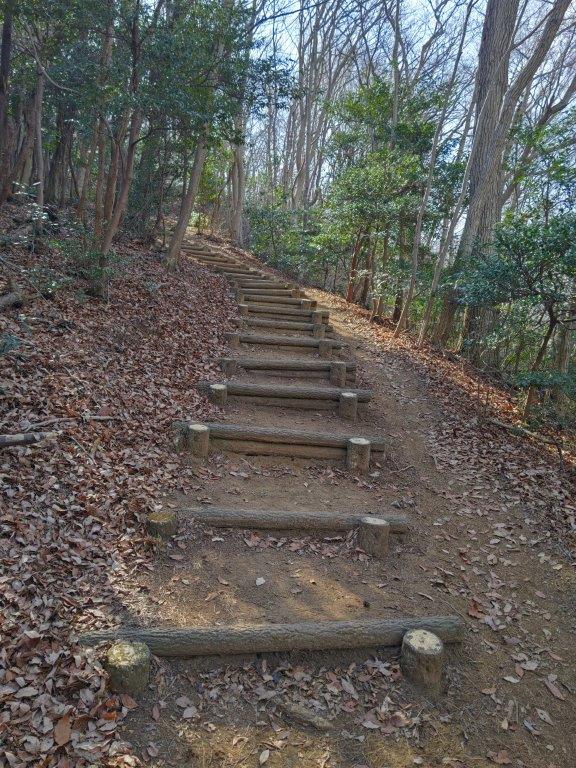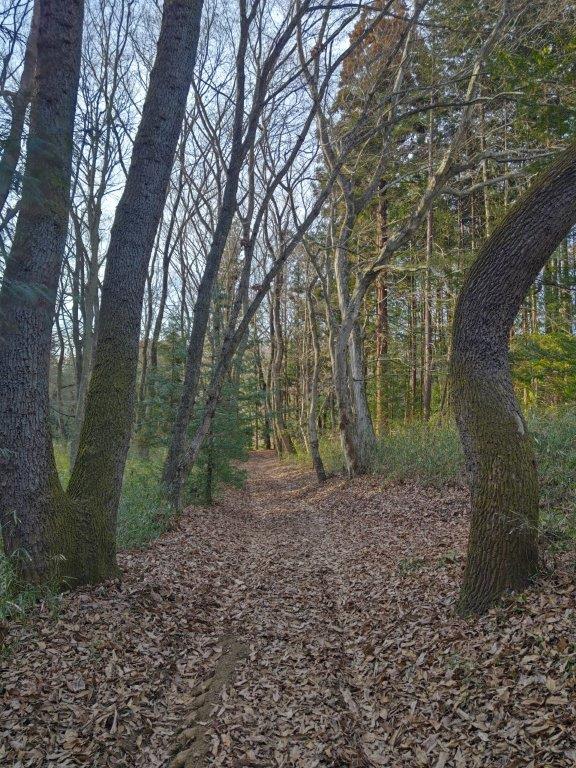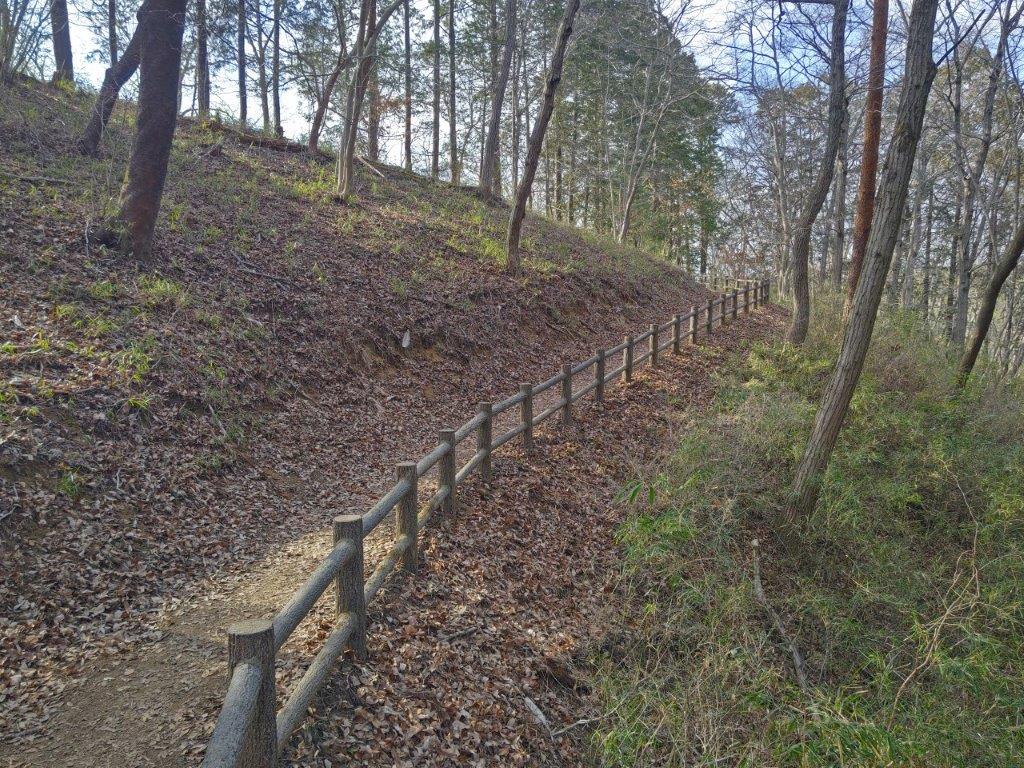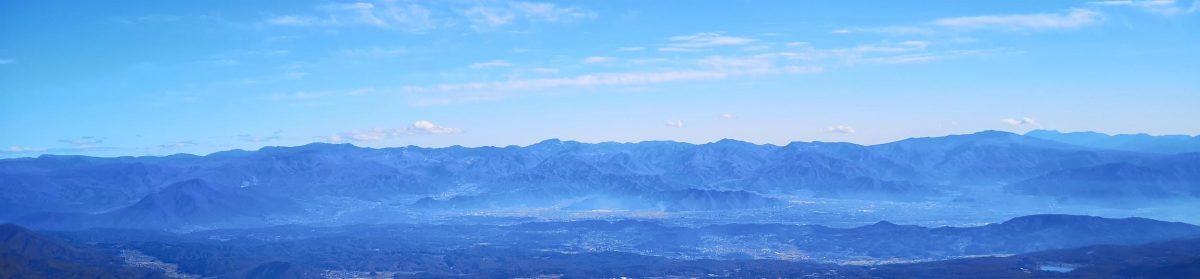
Mt Koteya (512m), Otawara City, Tochigi Prefecture, Sunday, March 19, 2023

I wanted to do some more hiking on the Abukuma Plateau, since I had a great view of it the previous week. Although, I had exhausted all day trip options from my guidebooks, I found a promising peak by examining my maps, east of Mt Takahara and southwest of Mt Yamizo. The hike was up and down the same way and the highest point was next to a road and a parking lot, meaning I wouldn’t have the summit to myself this time. I could get there by taking the shinkansen to Utsunomiya, then take the local line to Nishi-Nasuno, and there catch a bus for Otawara City; on the return, I would do the same route in reverse. The weather was once again supposed to be sunny all day long, and so I was looking forward to exploring a new area and seeing some familiar mountains from new angles.

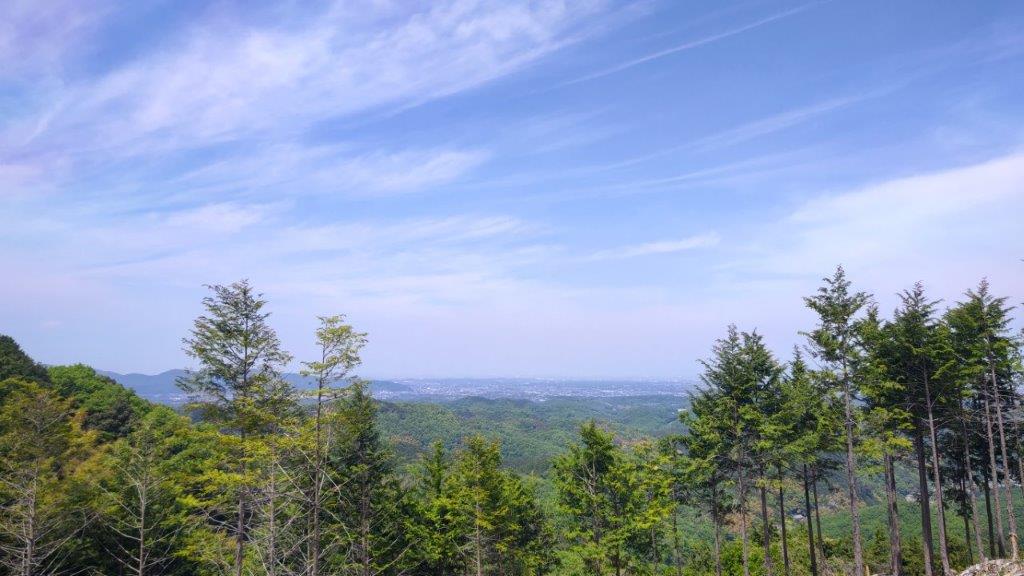
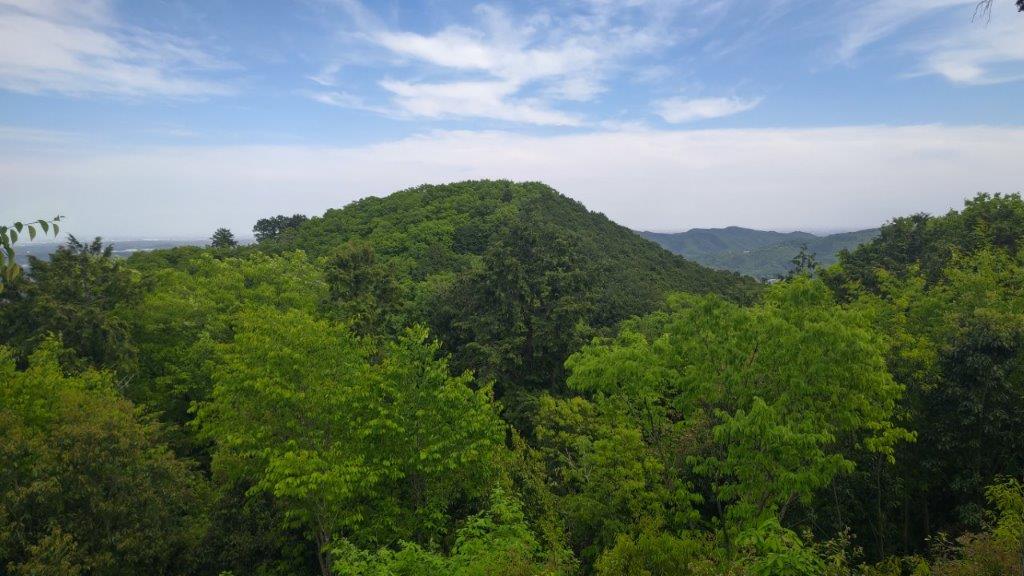
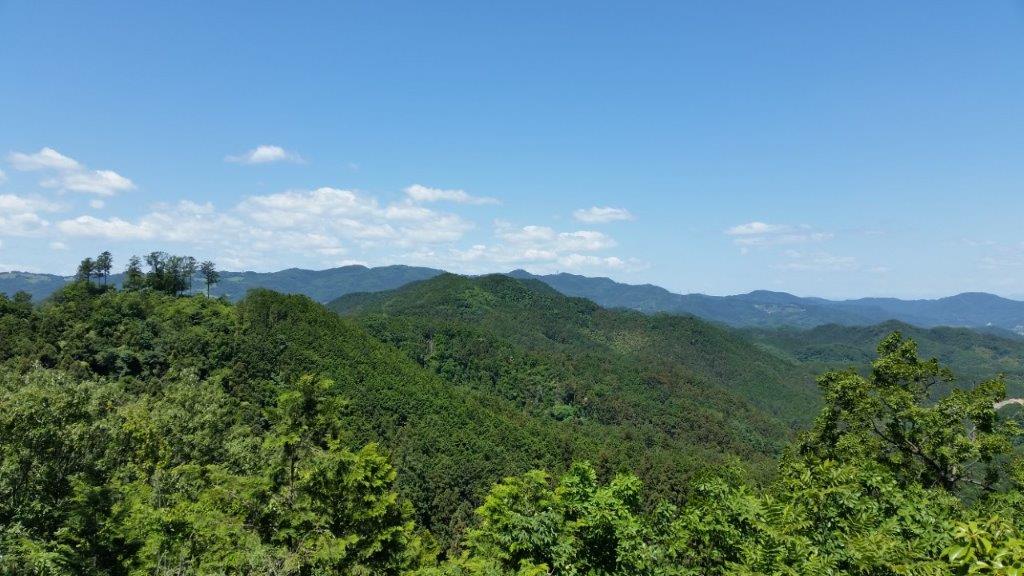
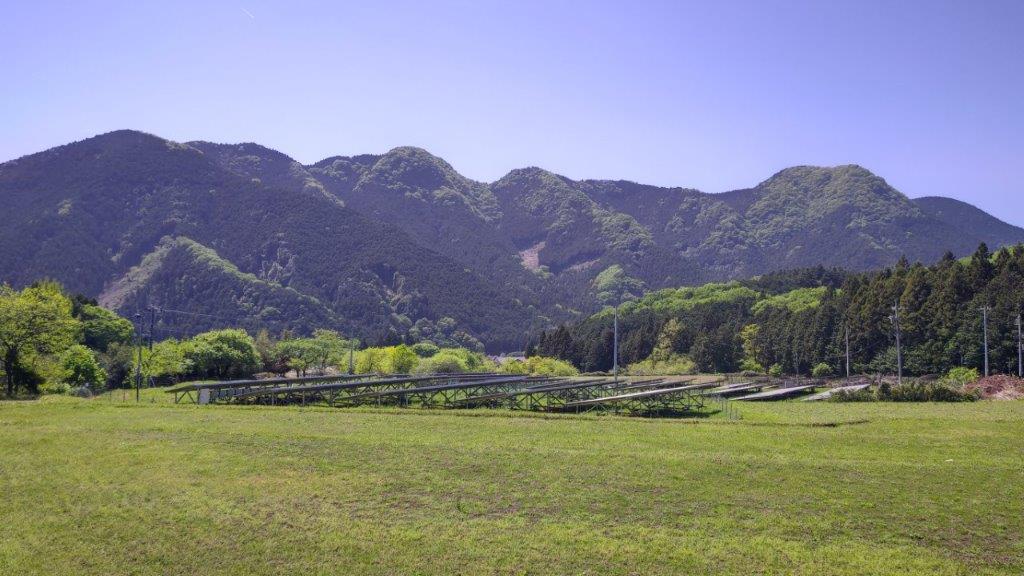
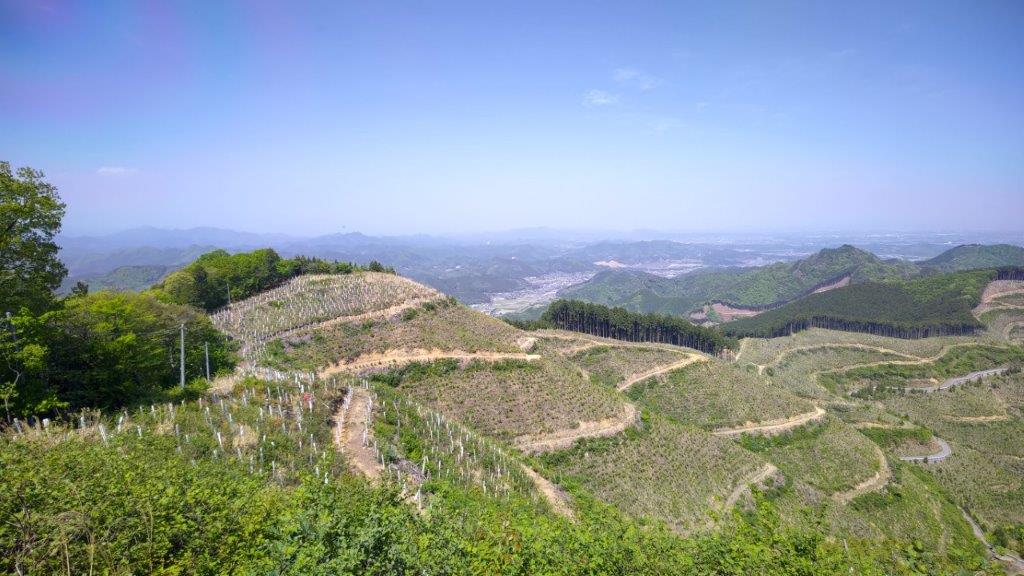
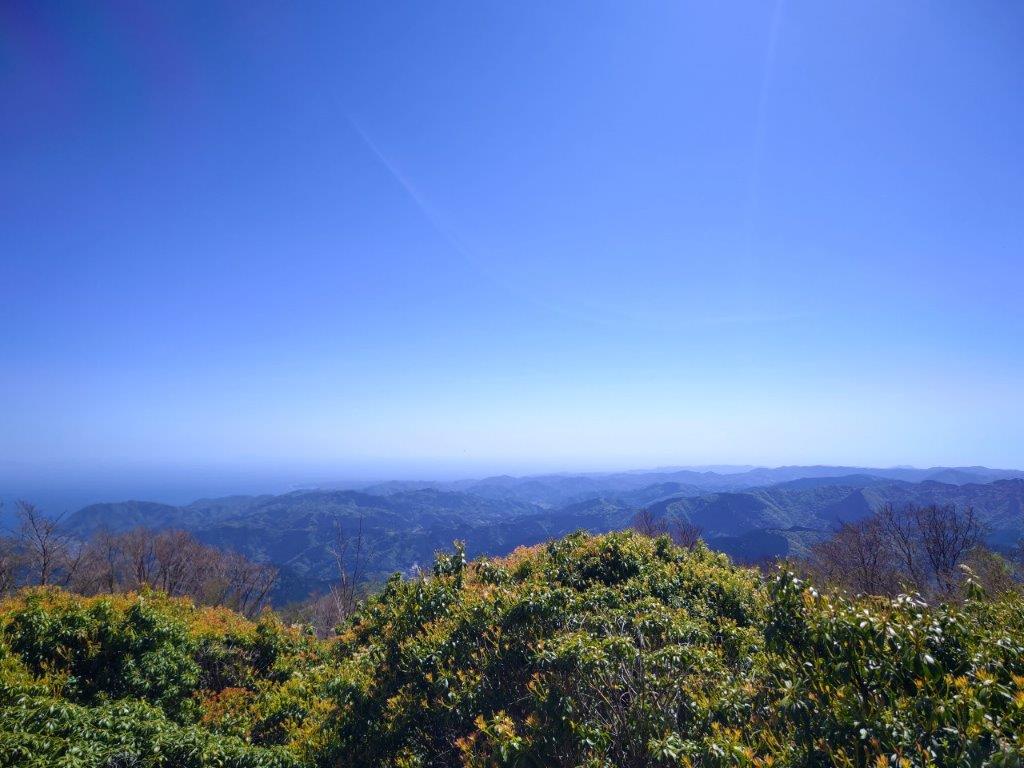
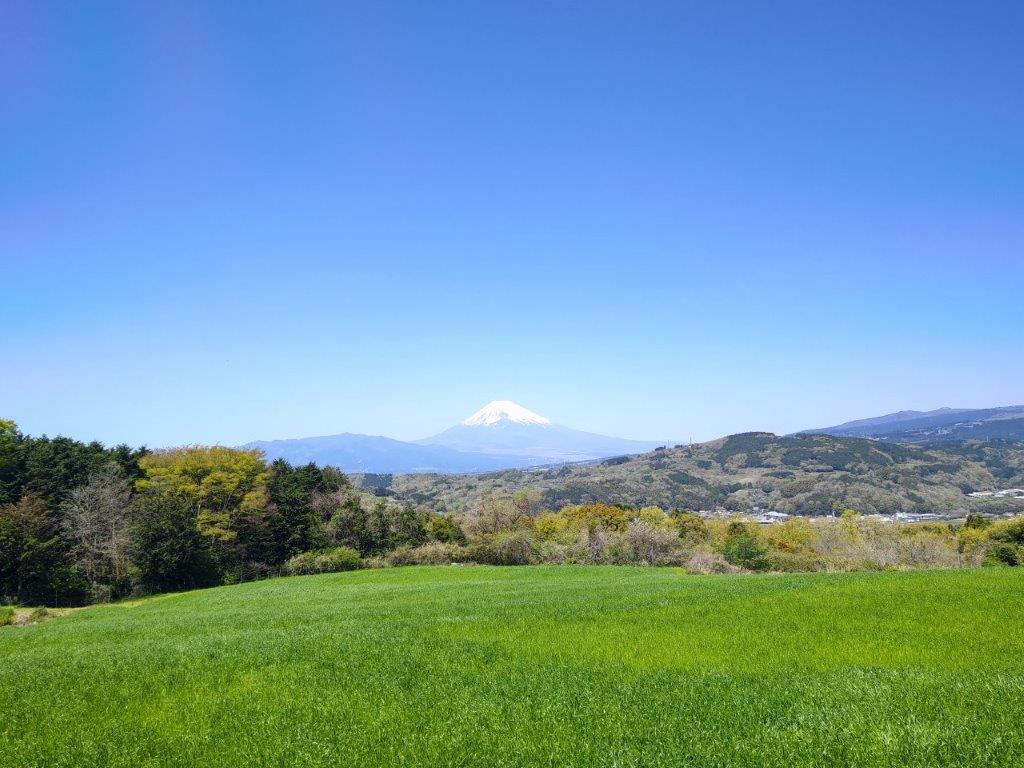
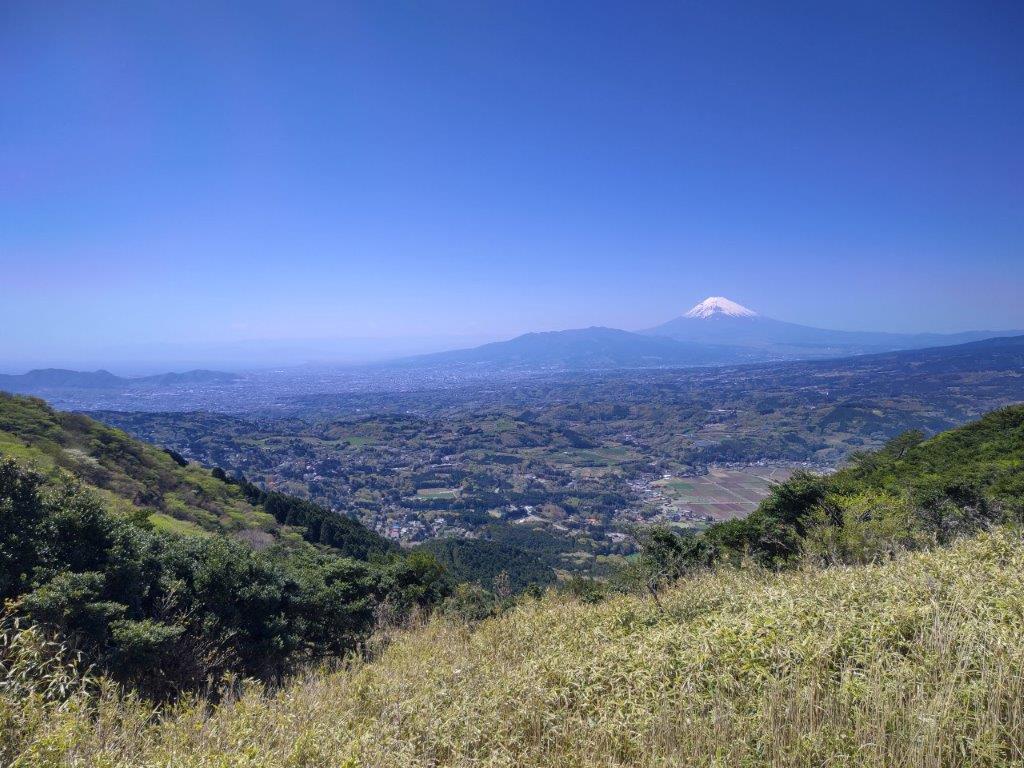
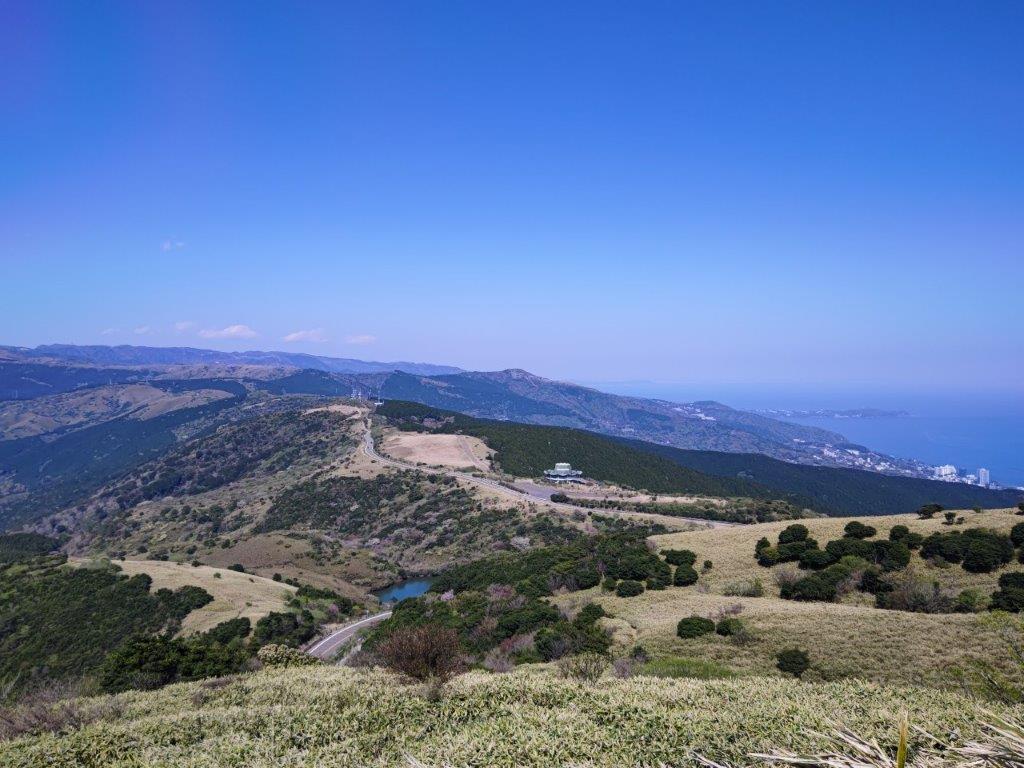
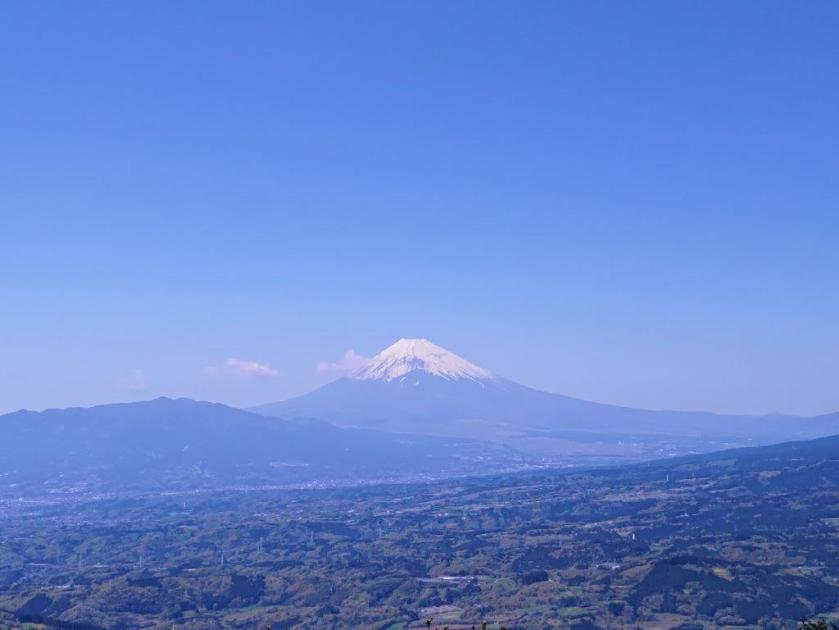
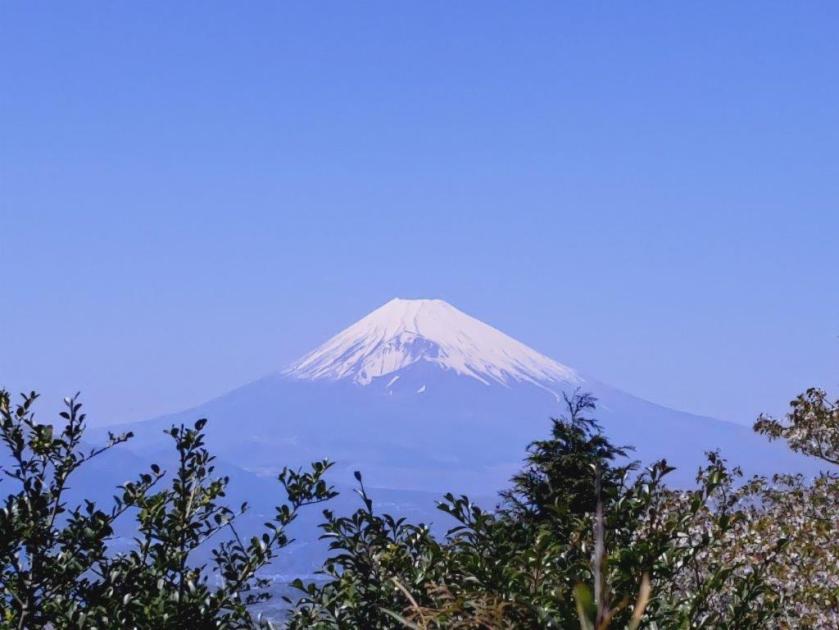
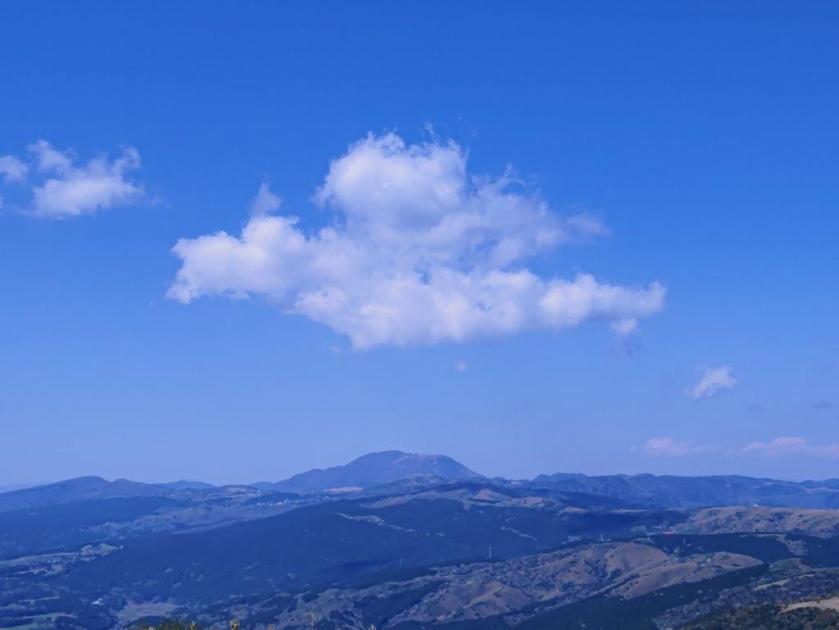
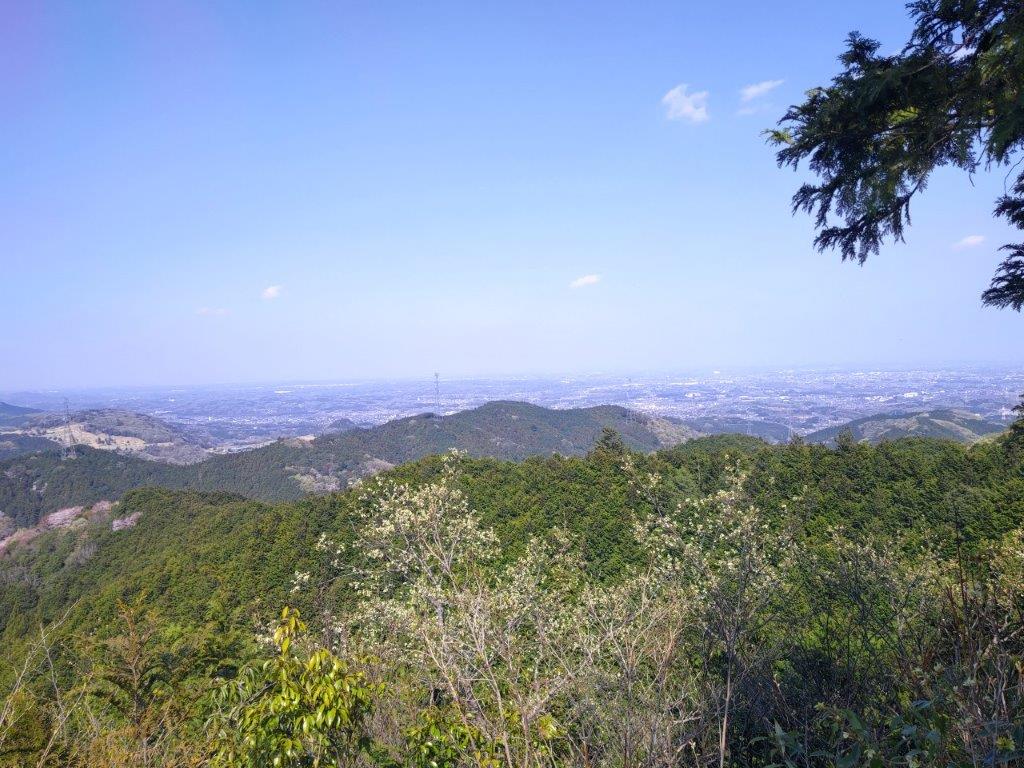
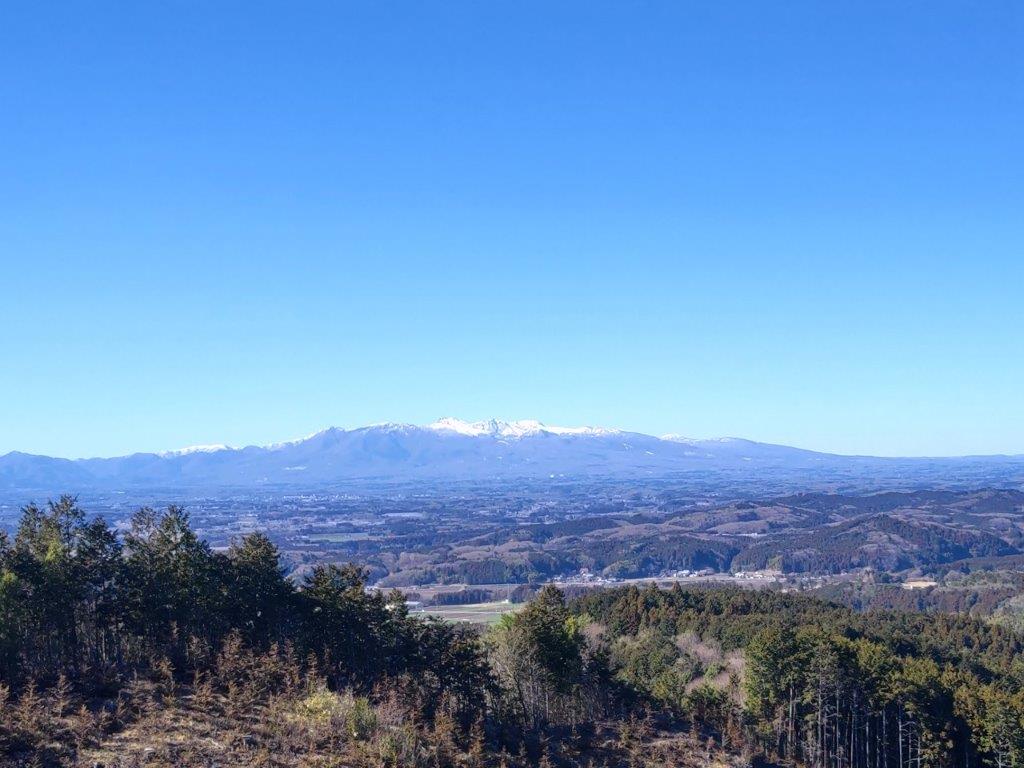
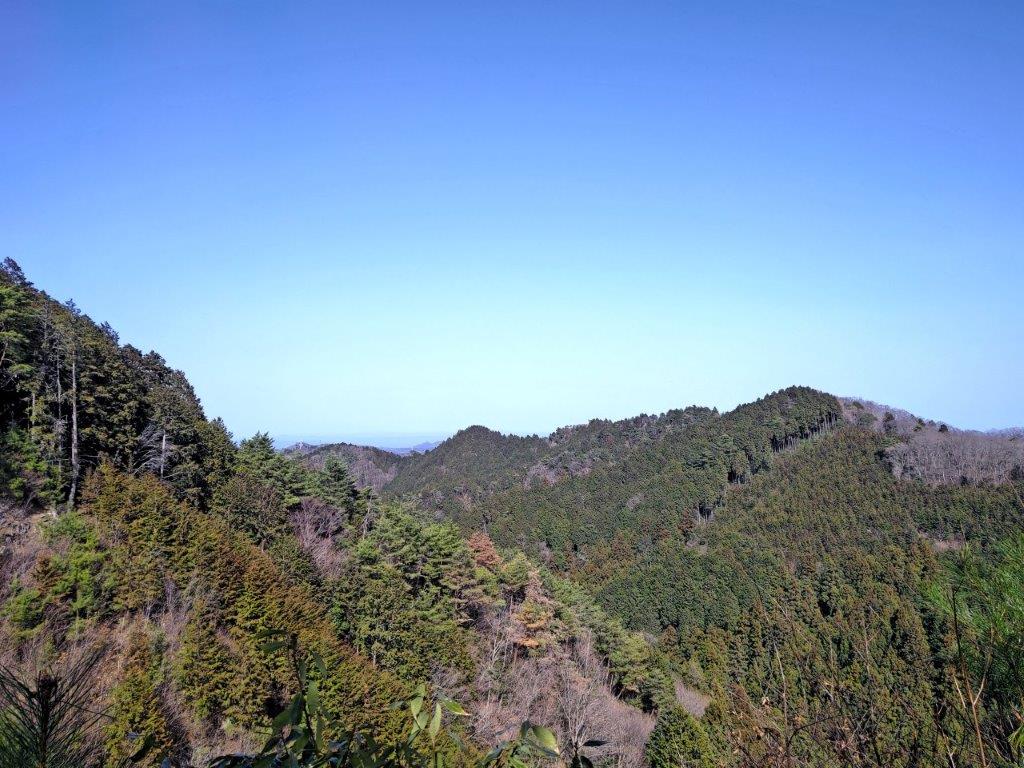
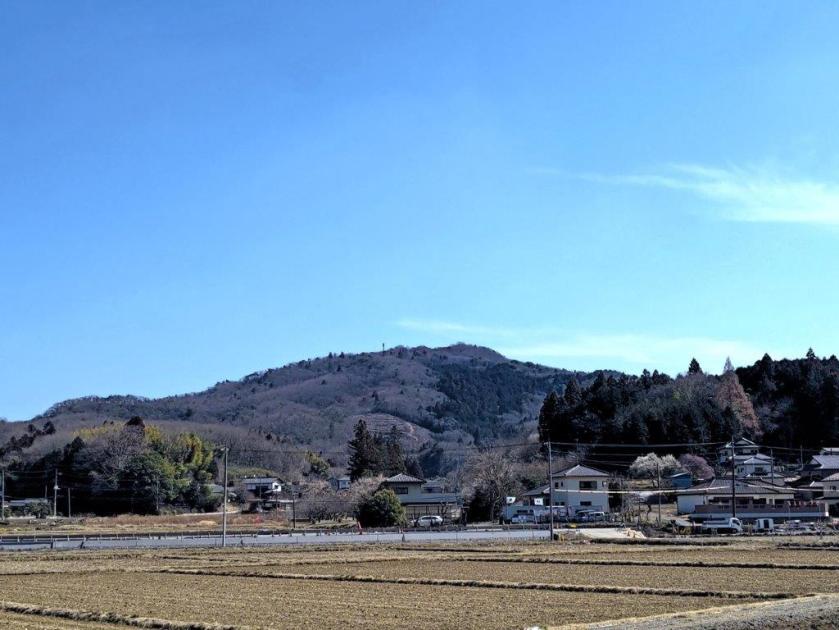
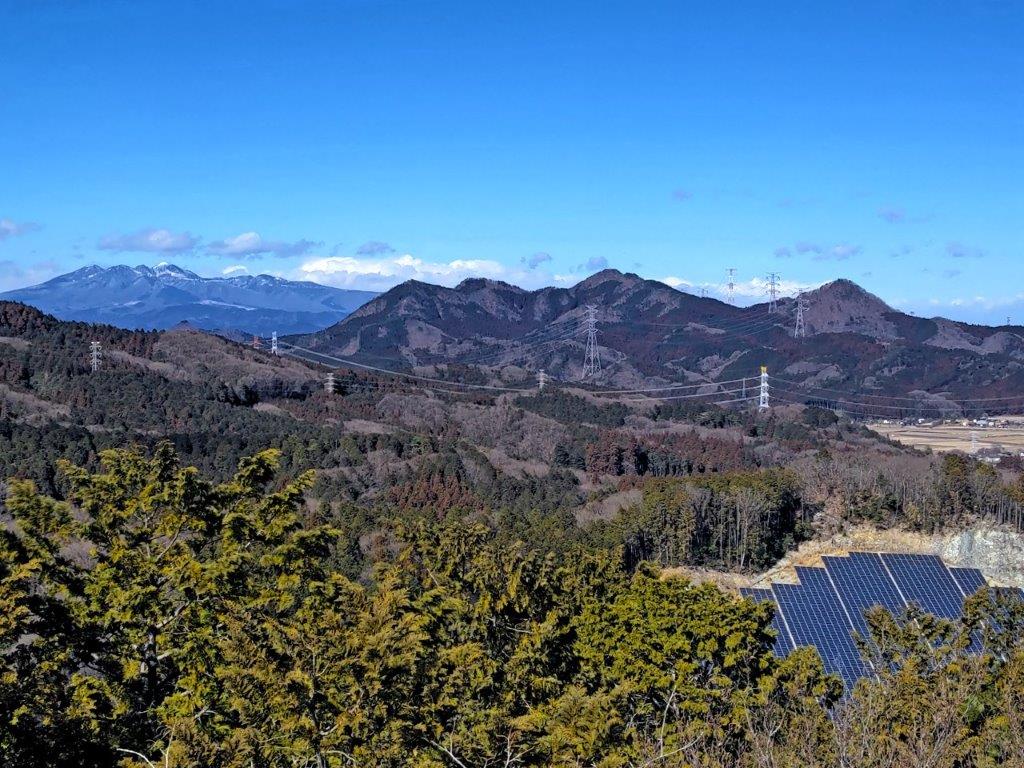
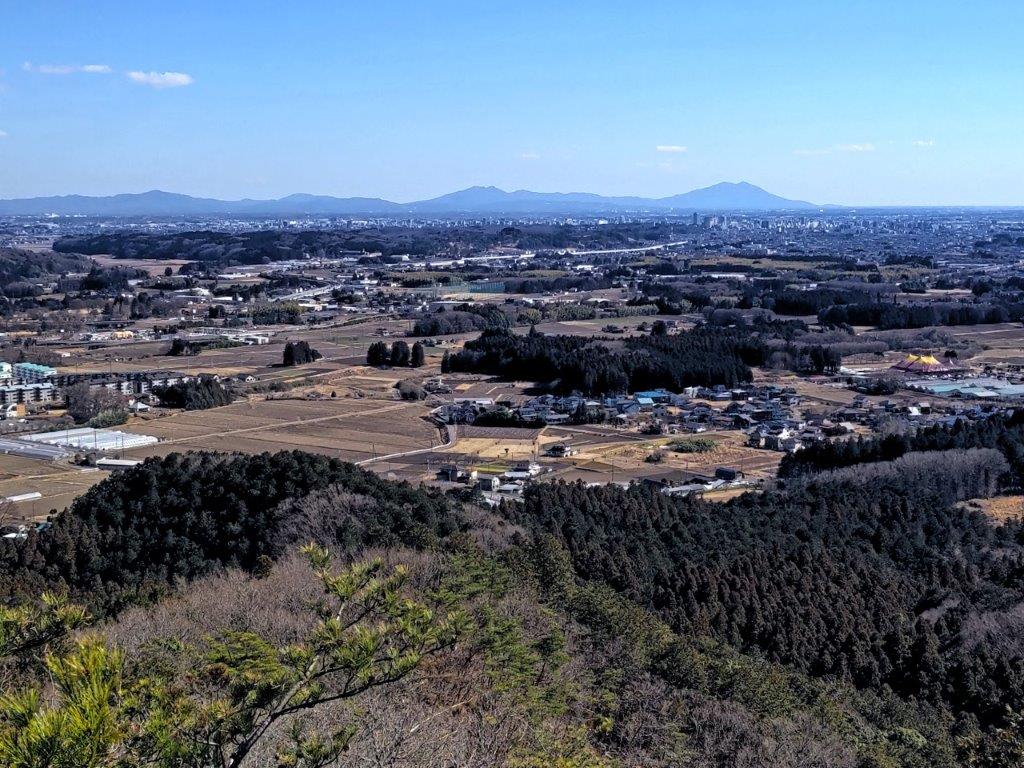
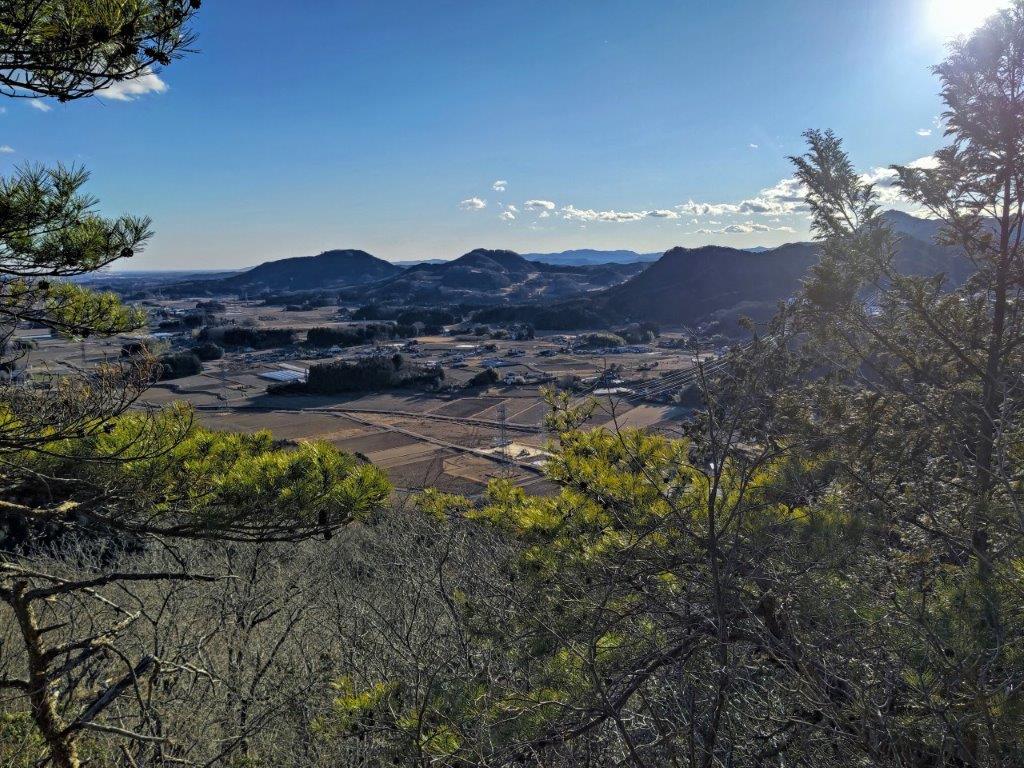
View of Mt Takahara from the top of Mt Koteya

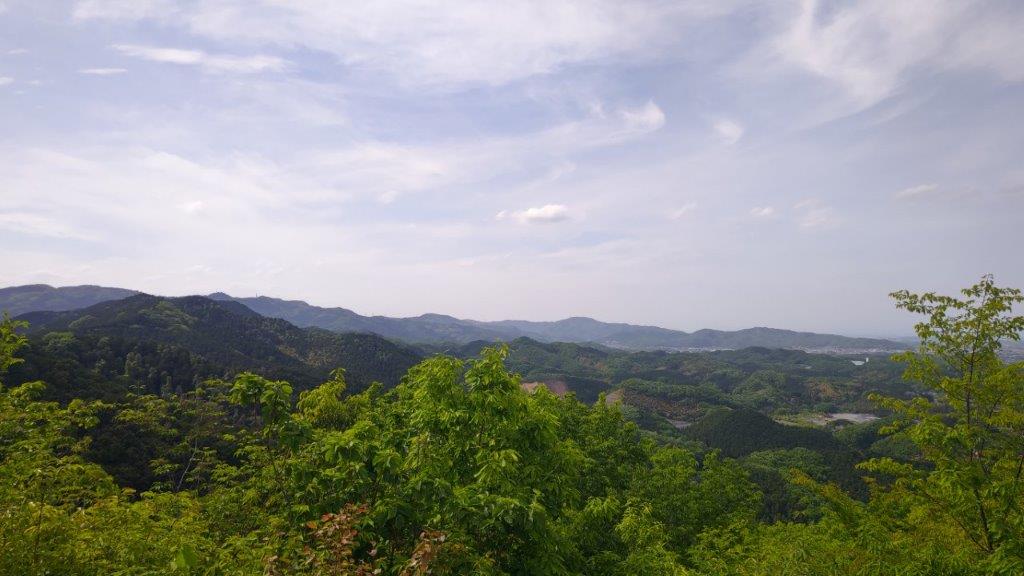
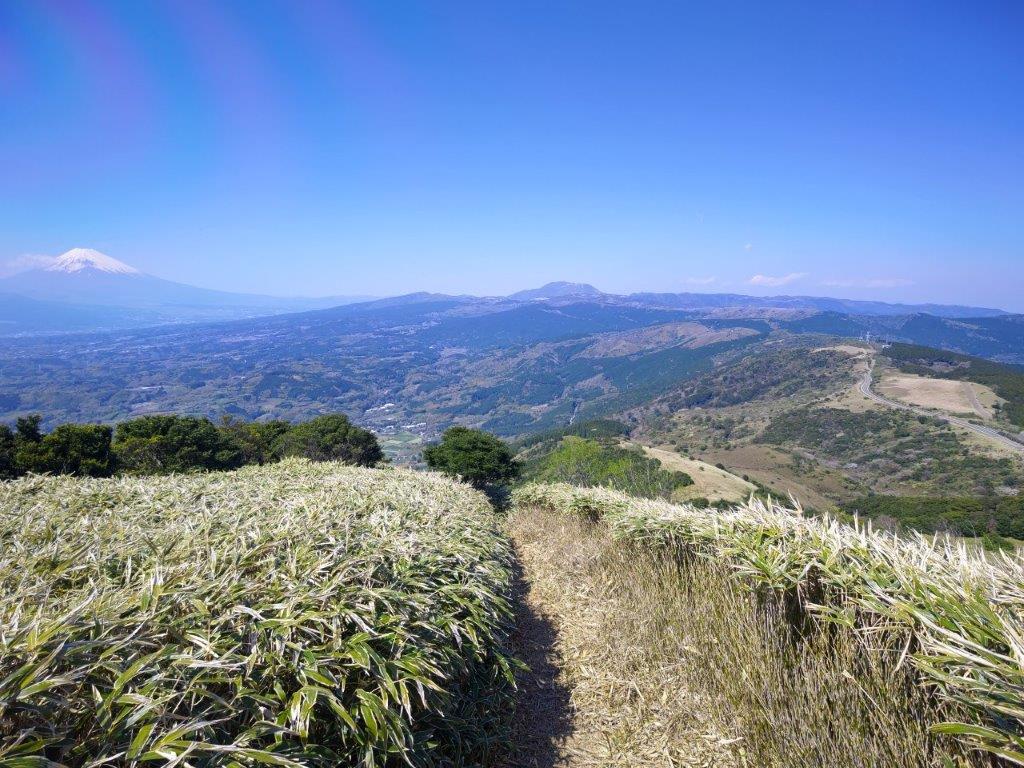
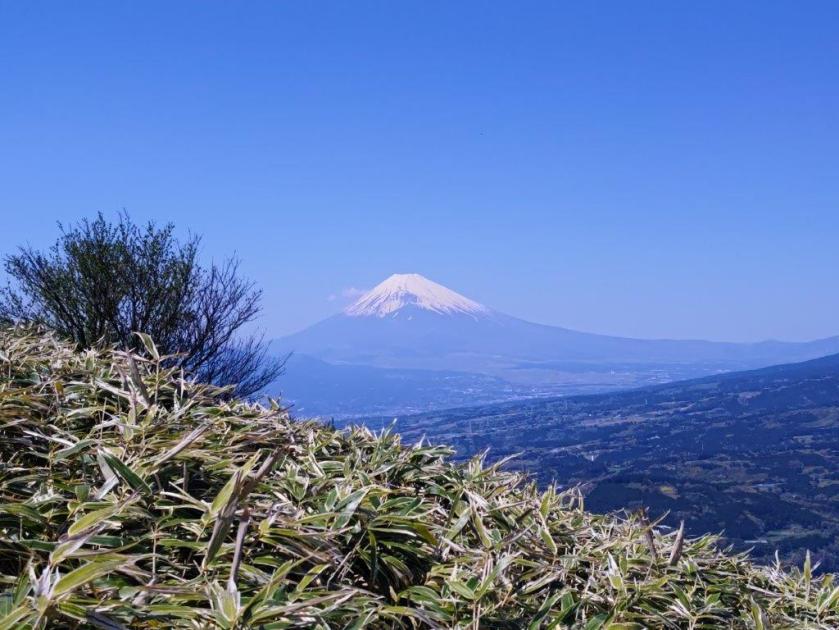
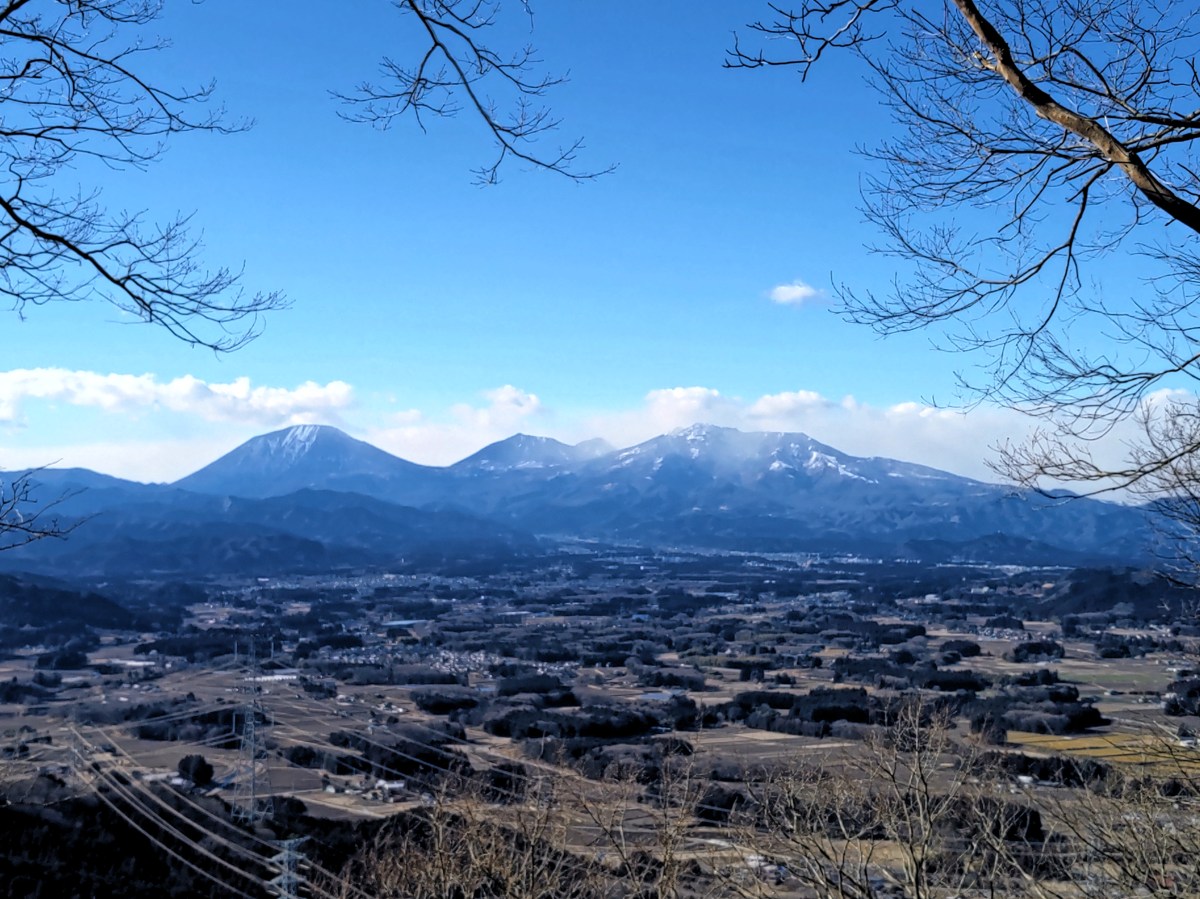
View of Mt Nasu from halfway up Mt Koteya

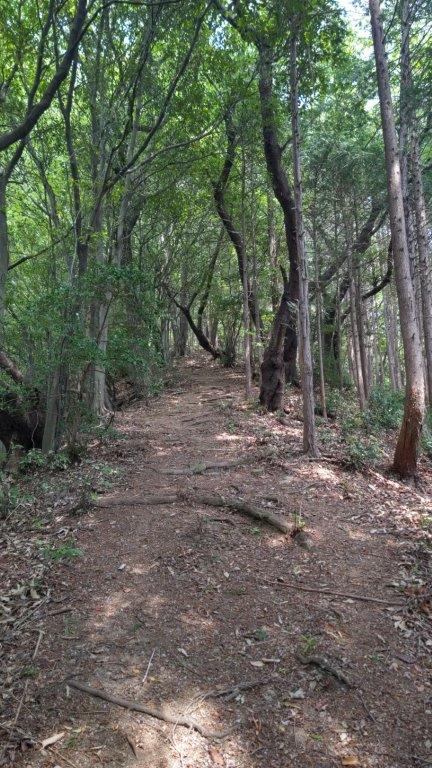
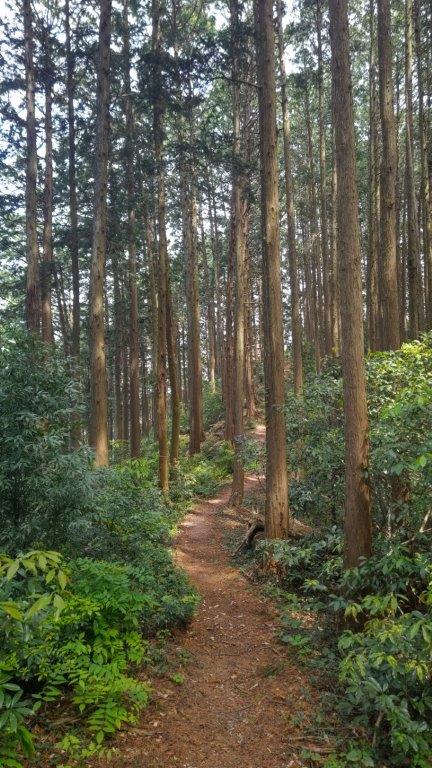
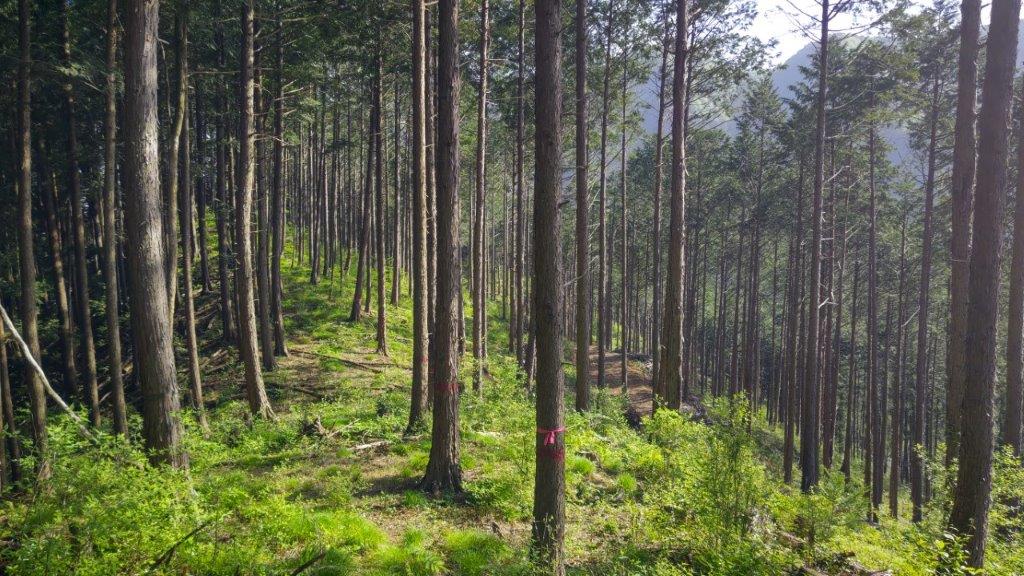
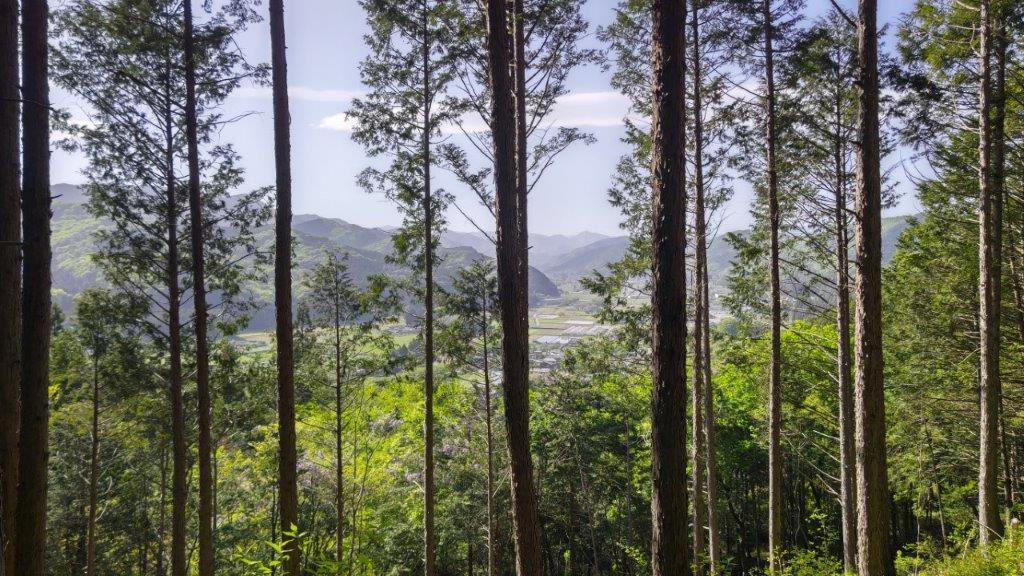
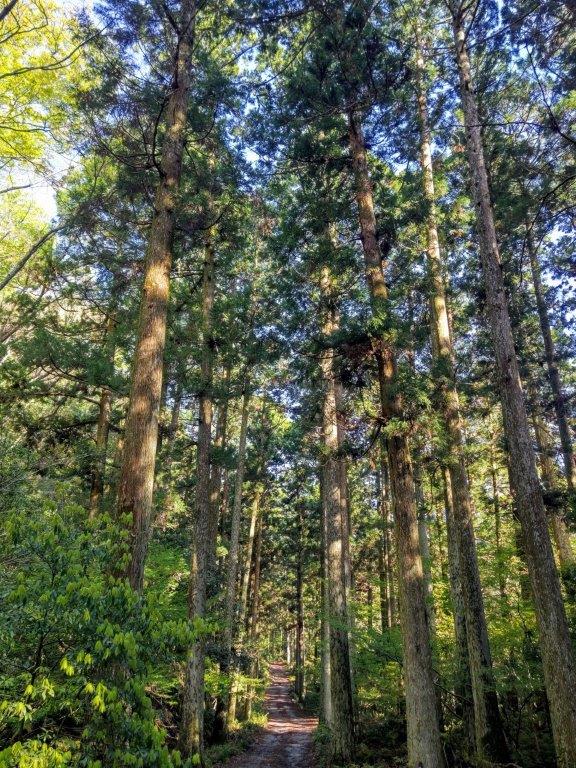
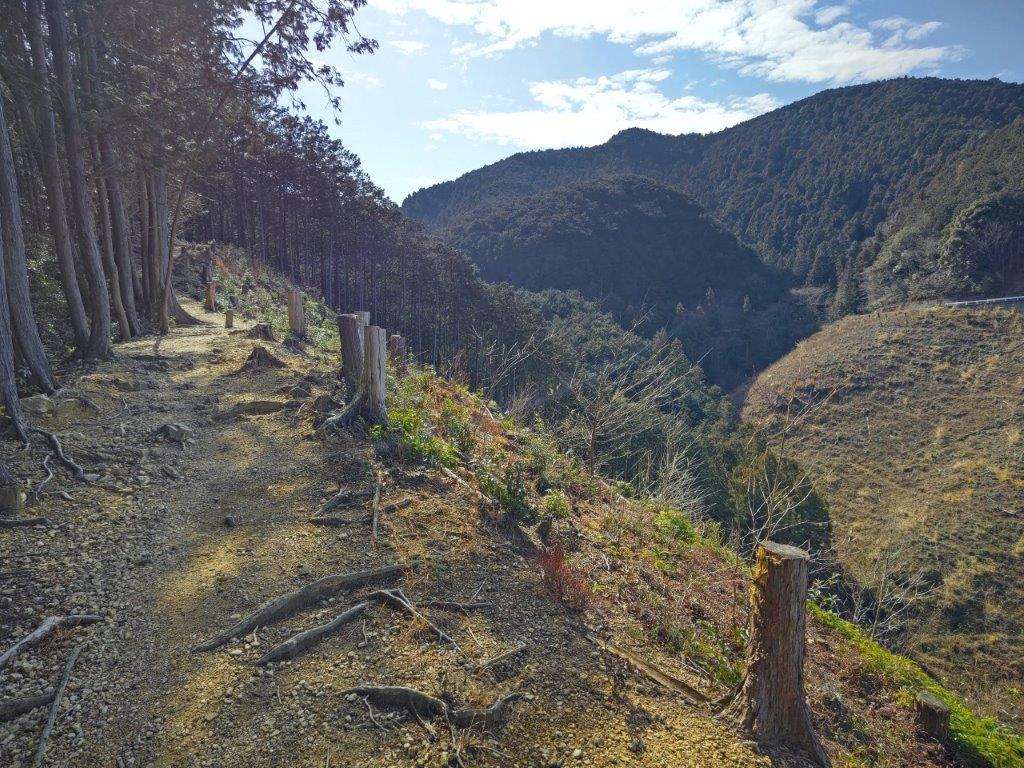
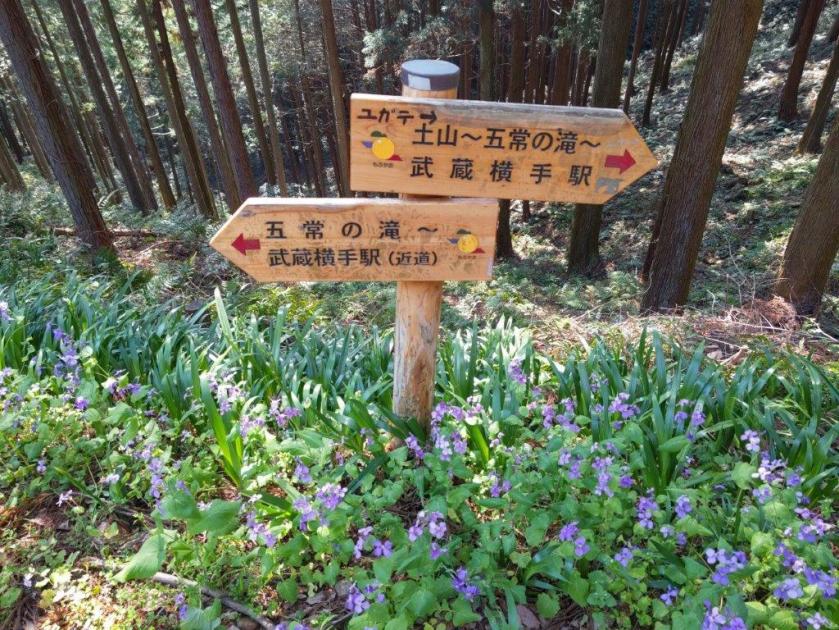
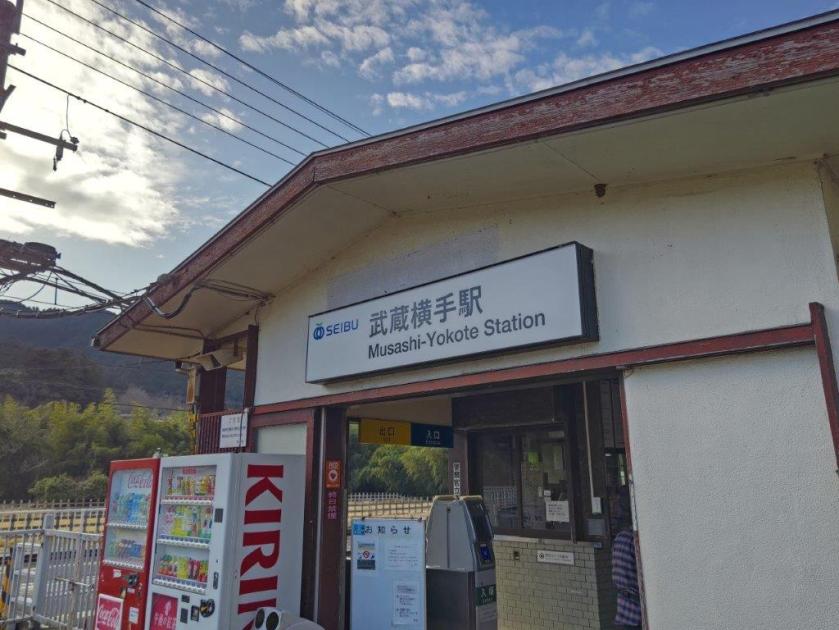
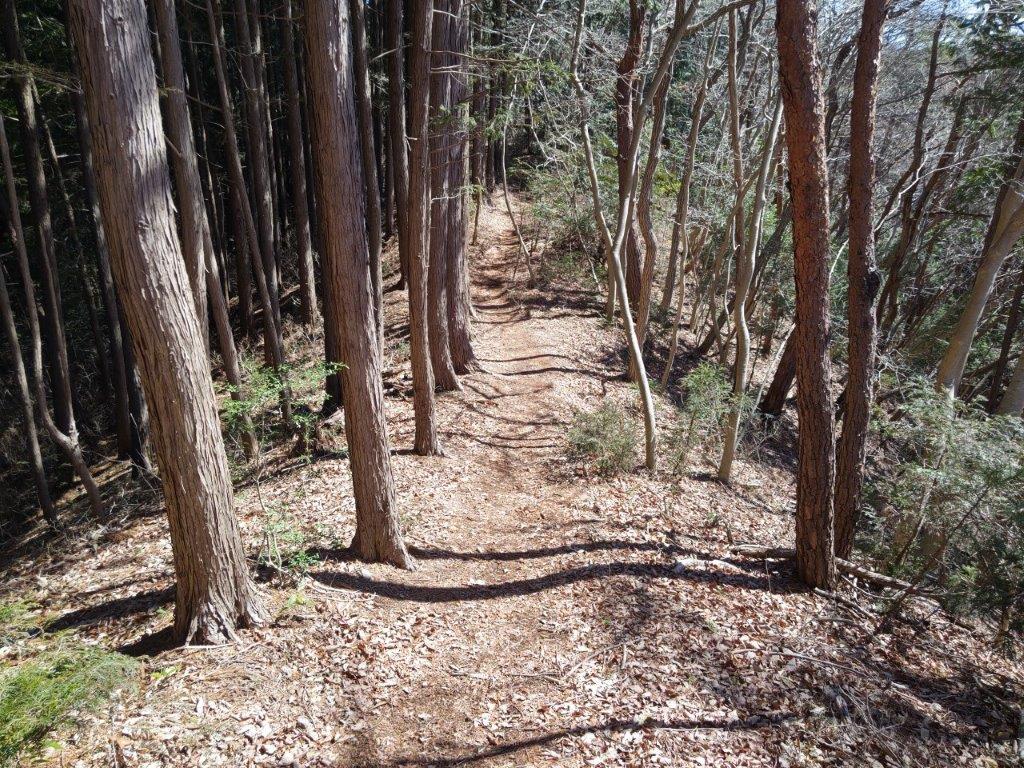
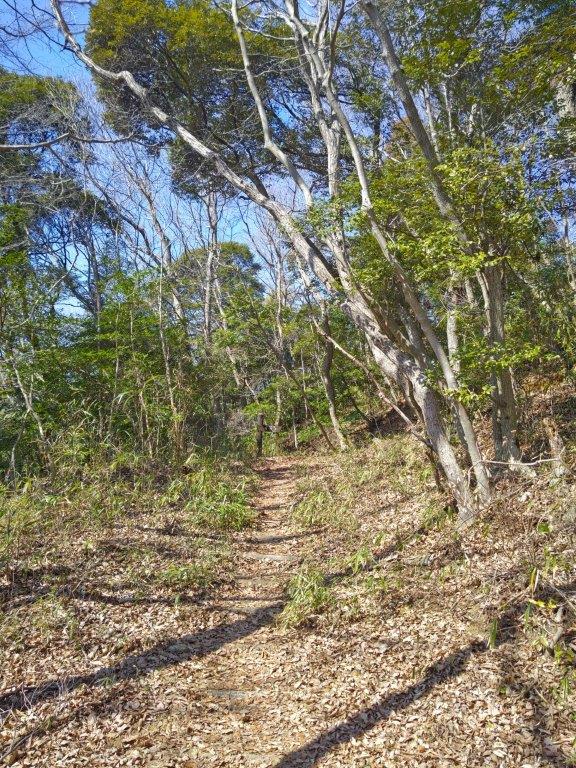
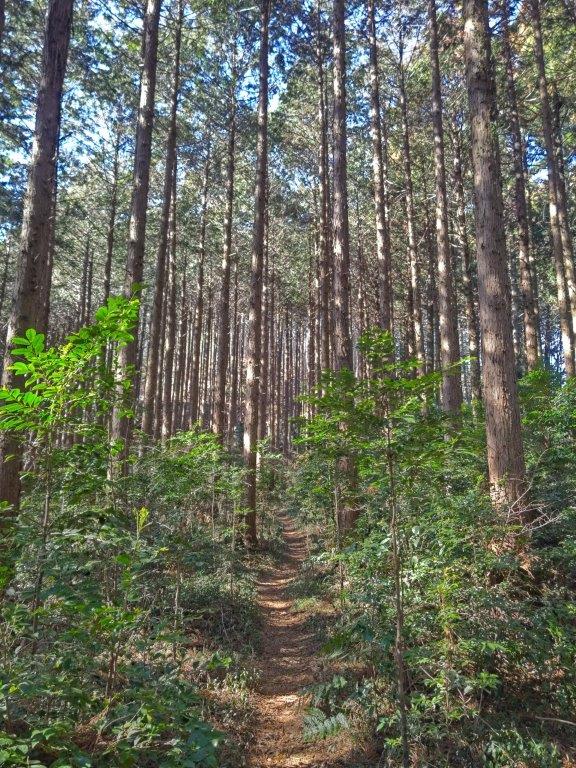
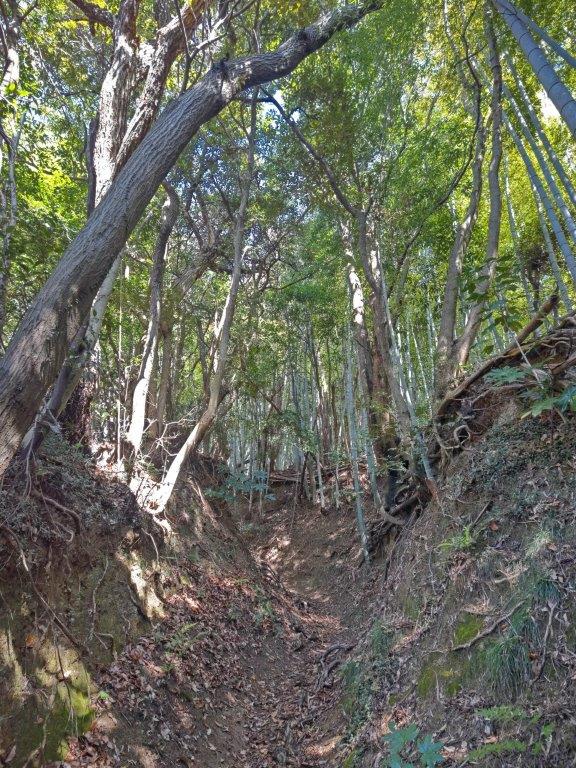
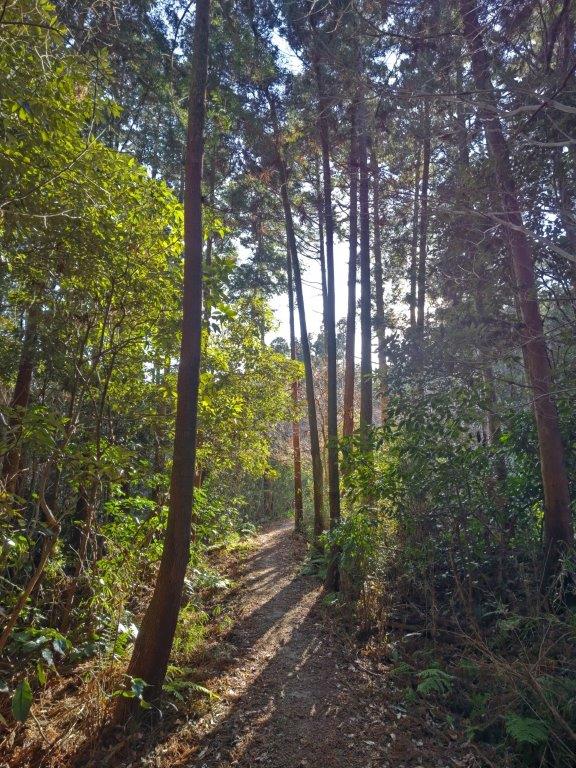
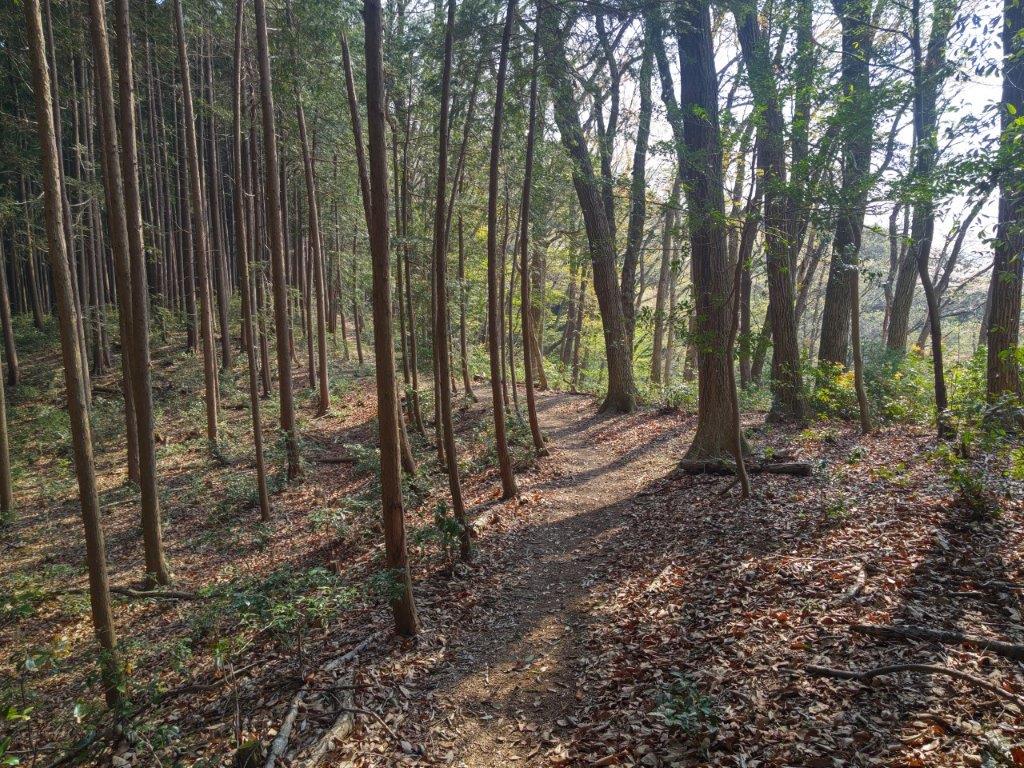
It was another perfect blue-sky day as I got off the empty bus a little after 11am. On the way to the trailhead, I stopped by a conveniently located 7/11 to buy some last minutes supplies, and was finally ready to start hiking just before noon. I went under a stone Shinto gate and walked up a long staircase, at the top of which I passed the lonely Atago Shrine on the left. I then followed the path surrounded by tall cedars, the winter sun filtering through the treetops. After some ups and downs, I reached an area clear of trees just before 1am.

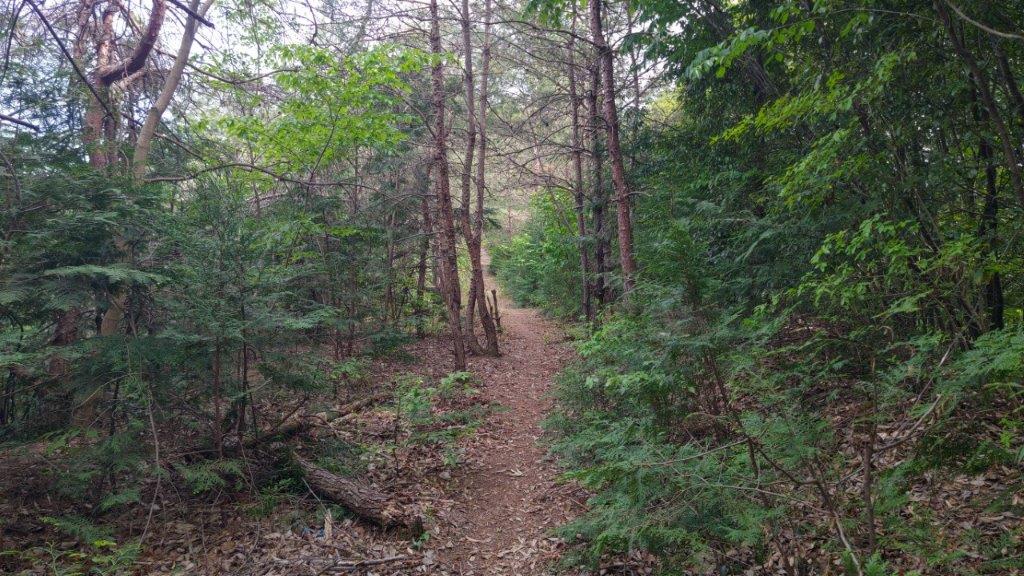
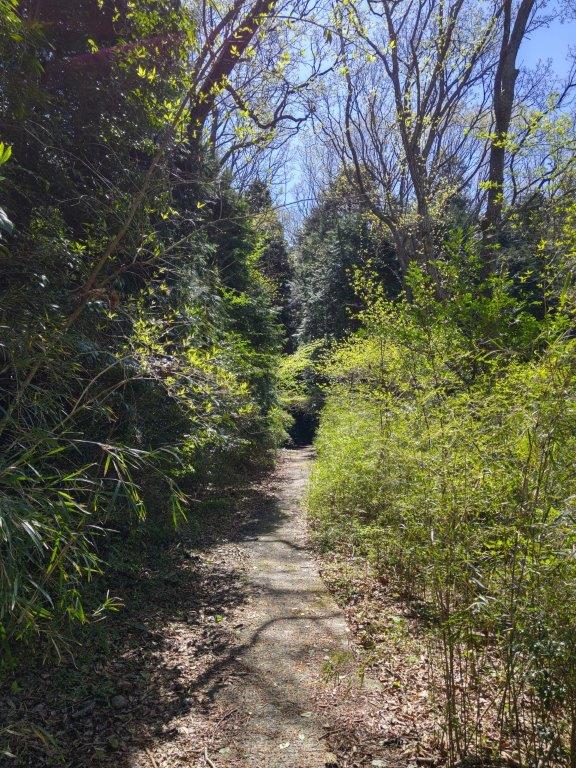
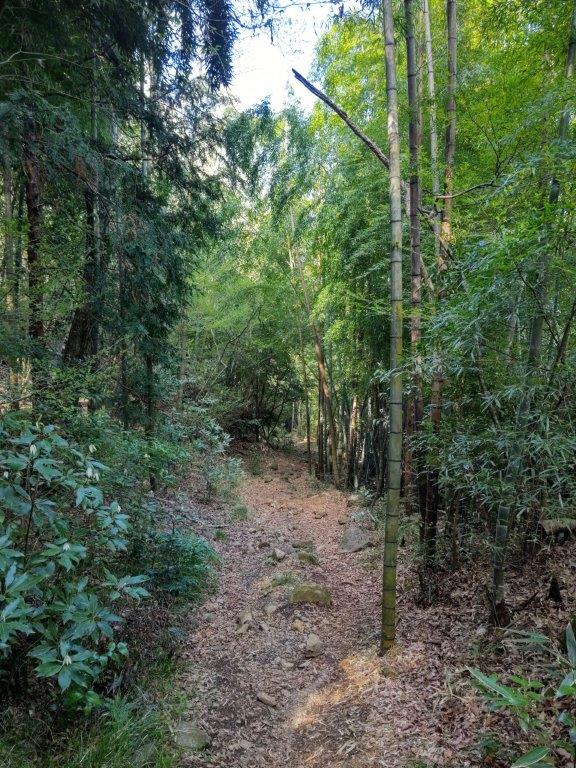
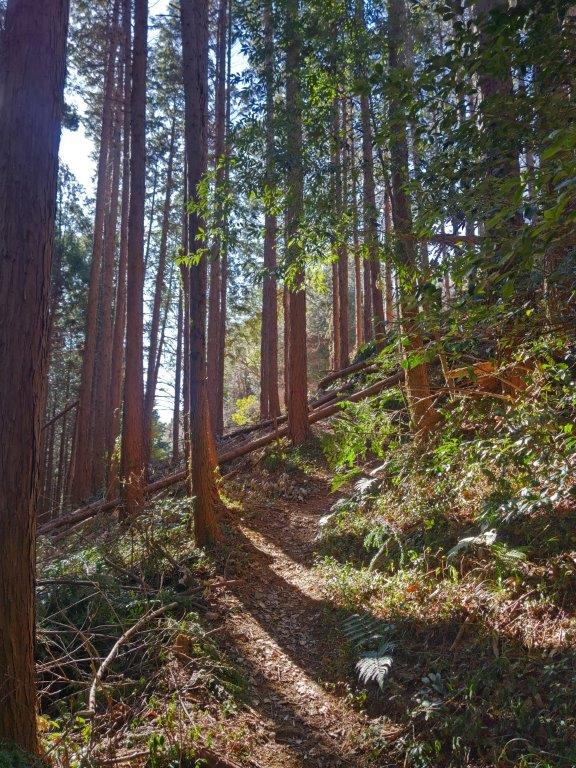
Start of the trail (left) walking through the cedars (right)
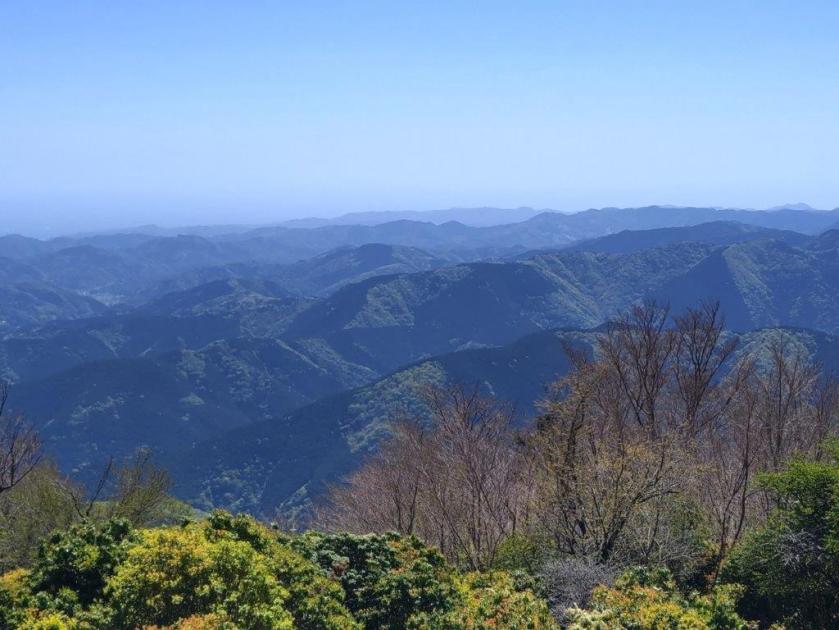
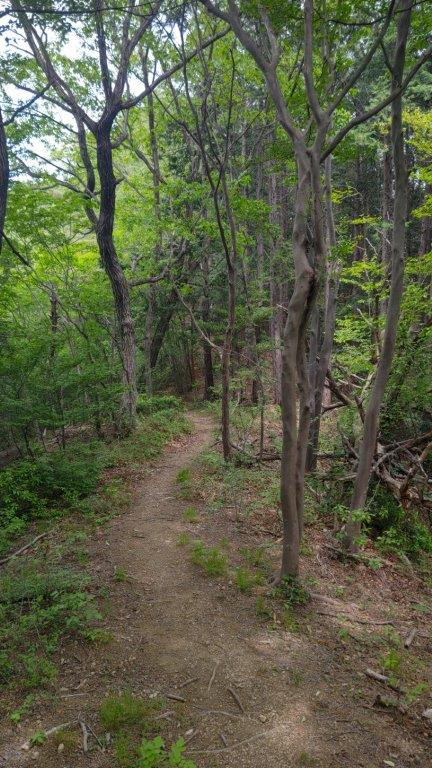
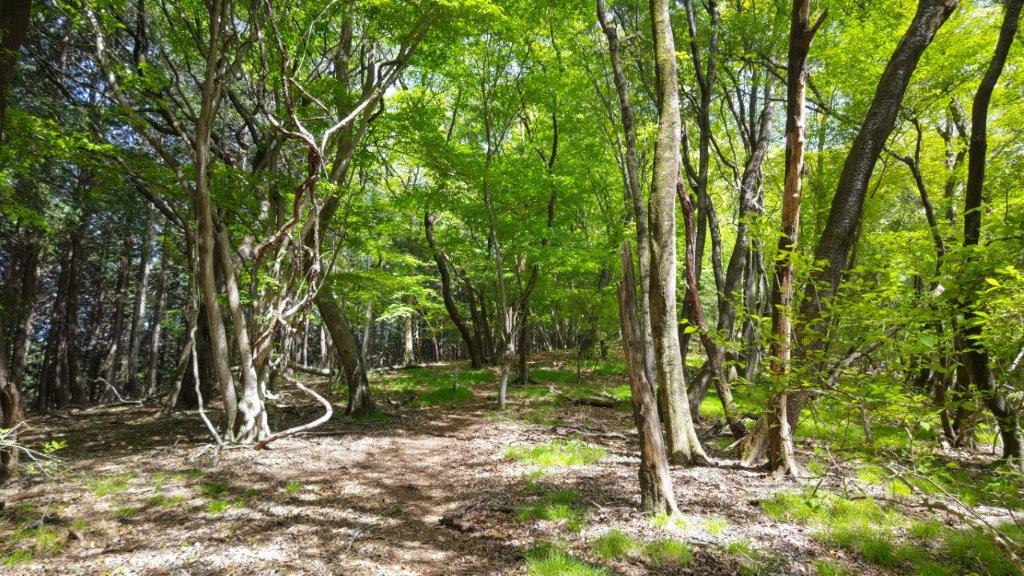
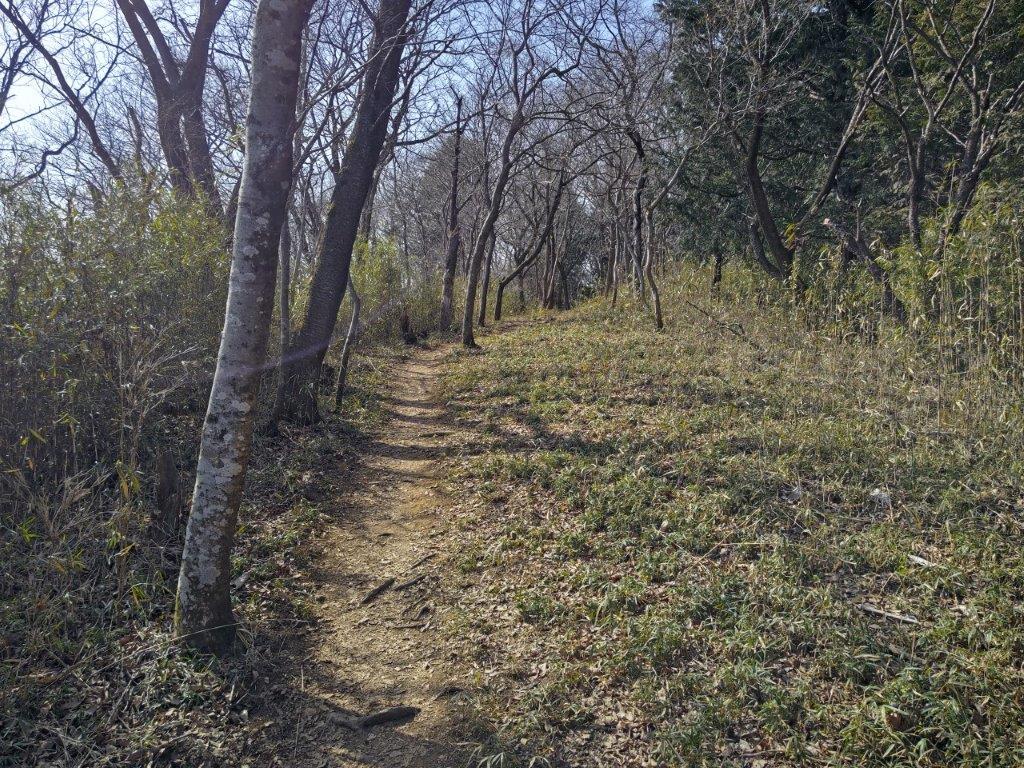
An easy hike on a sunny winter day

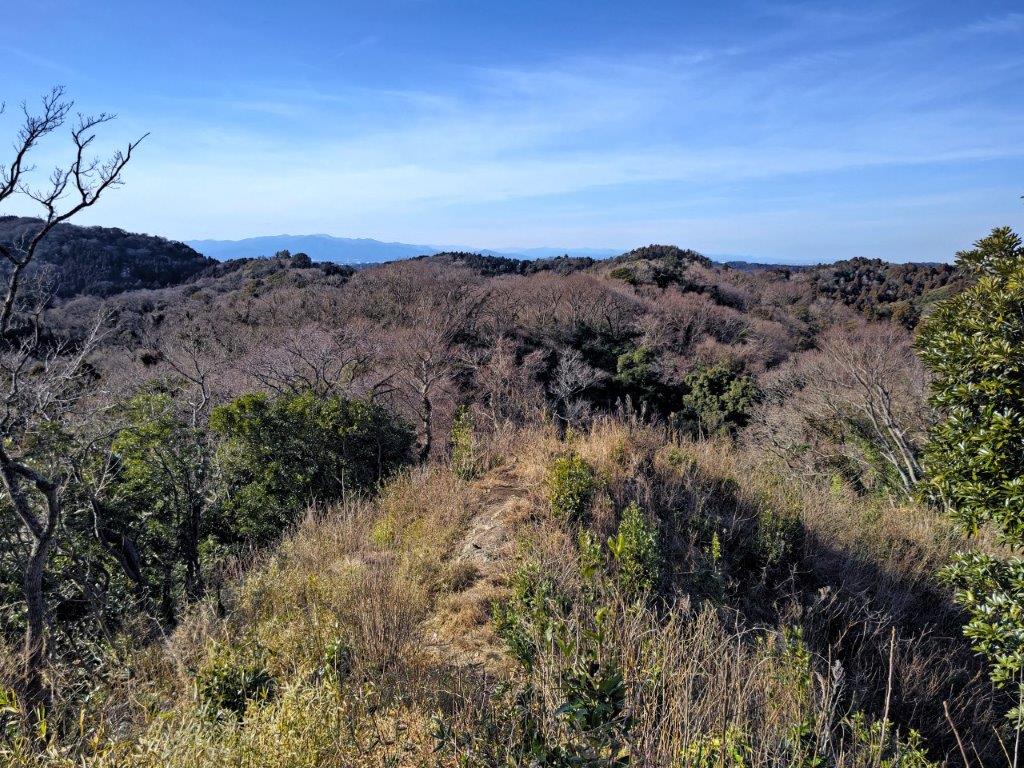
To the west, I had a fantastic view of Mt Nasu, its highest peaks still covered in snow; looking north, I could make out the more discrete shape of Mt Yamizo, the highest peak of the Abukuma Plateau. After taking in the view, I continued along the gently climbing and easy to walk trail. Half an hour later, I emerged onto a road which I followed a short way before reentering the forest. Here, I encountered the steepest section of the hike: although short, it was a scramble, even in dry weather. A few minutes later I arrived at a open shelter.

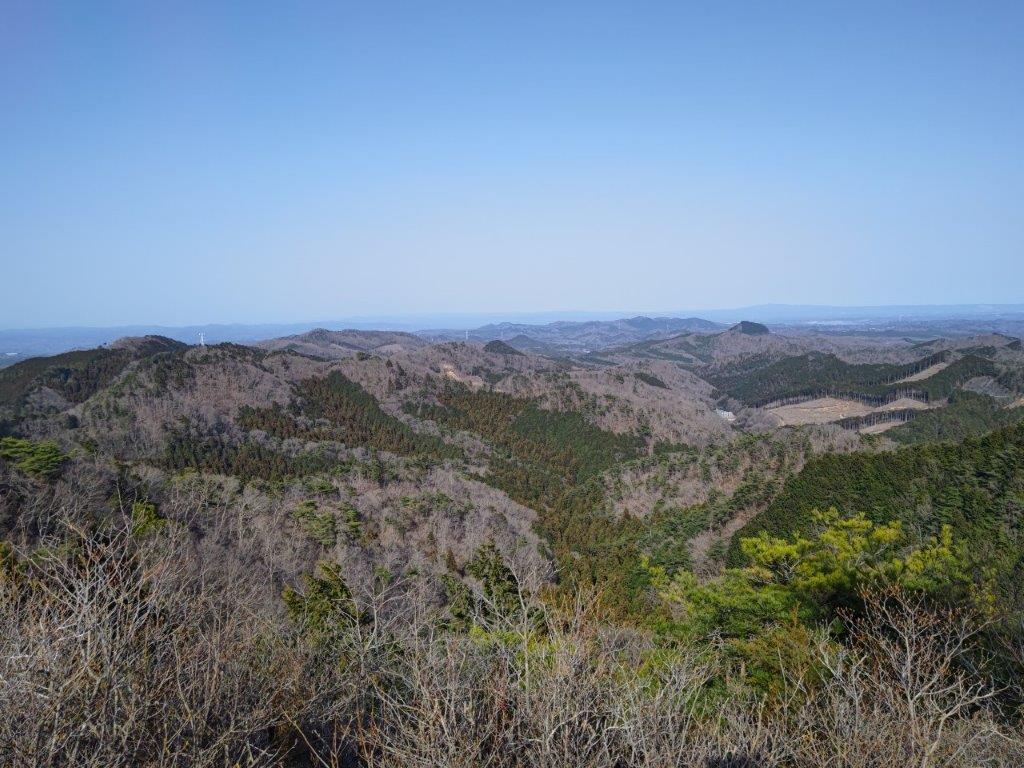
View towards Mt Yamizo around the half way point

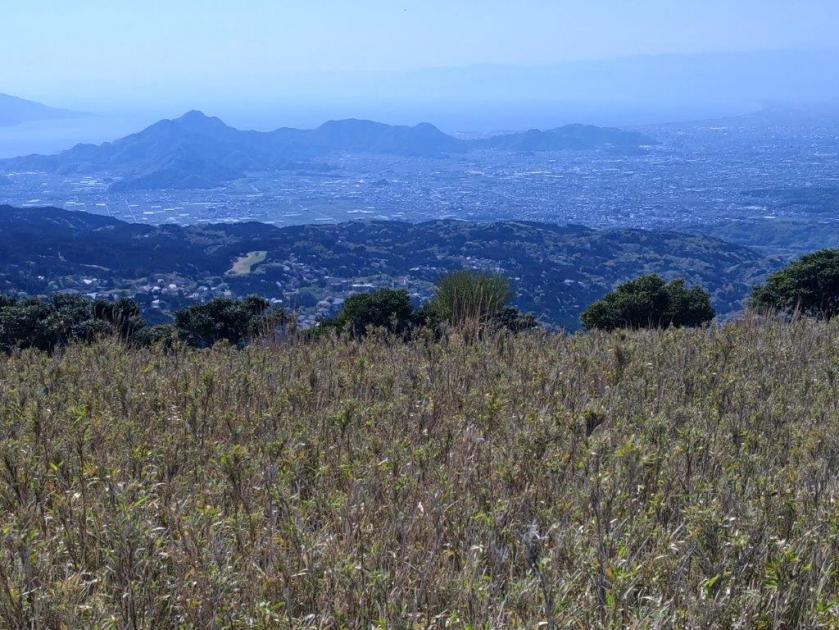
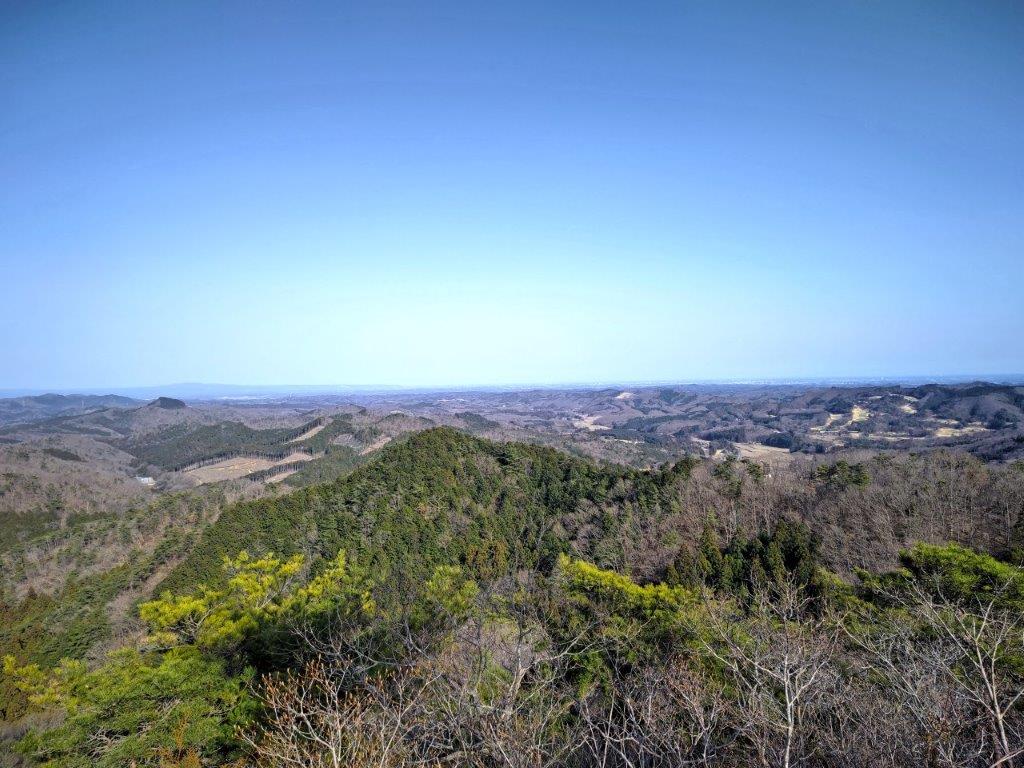
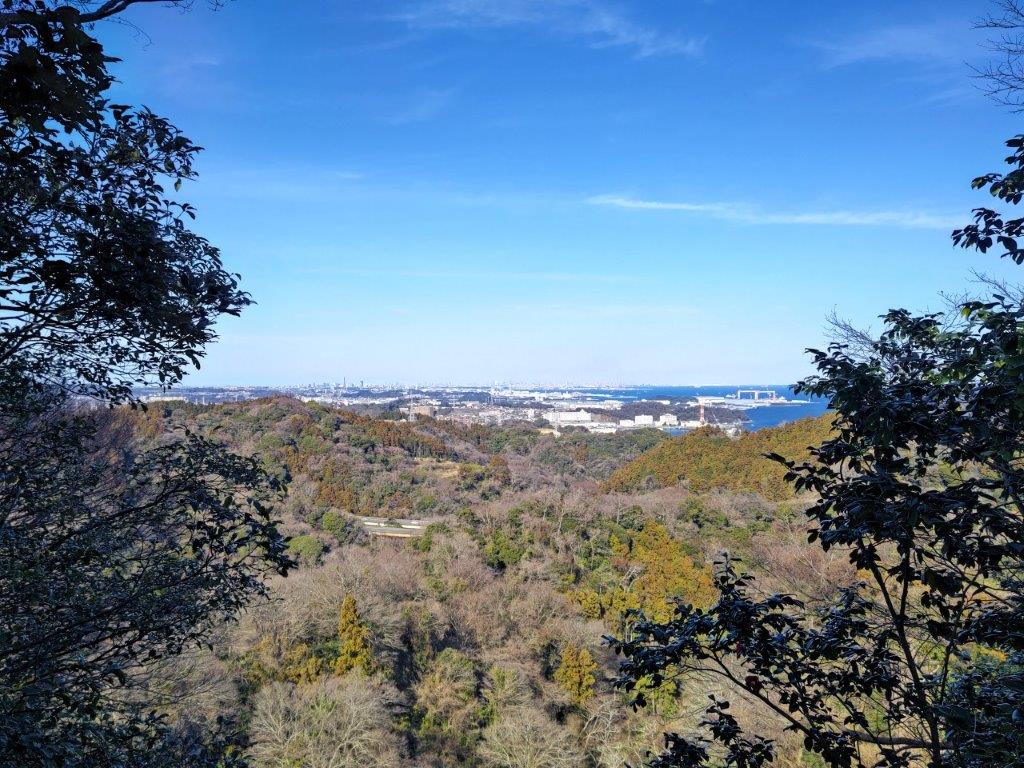
View towards Fukushima Prefecture

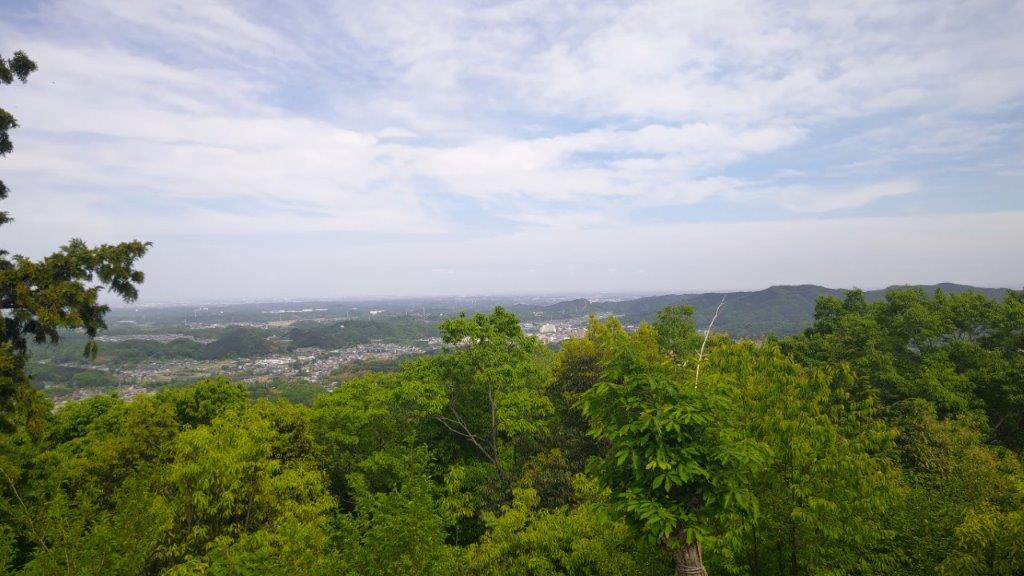
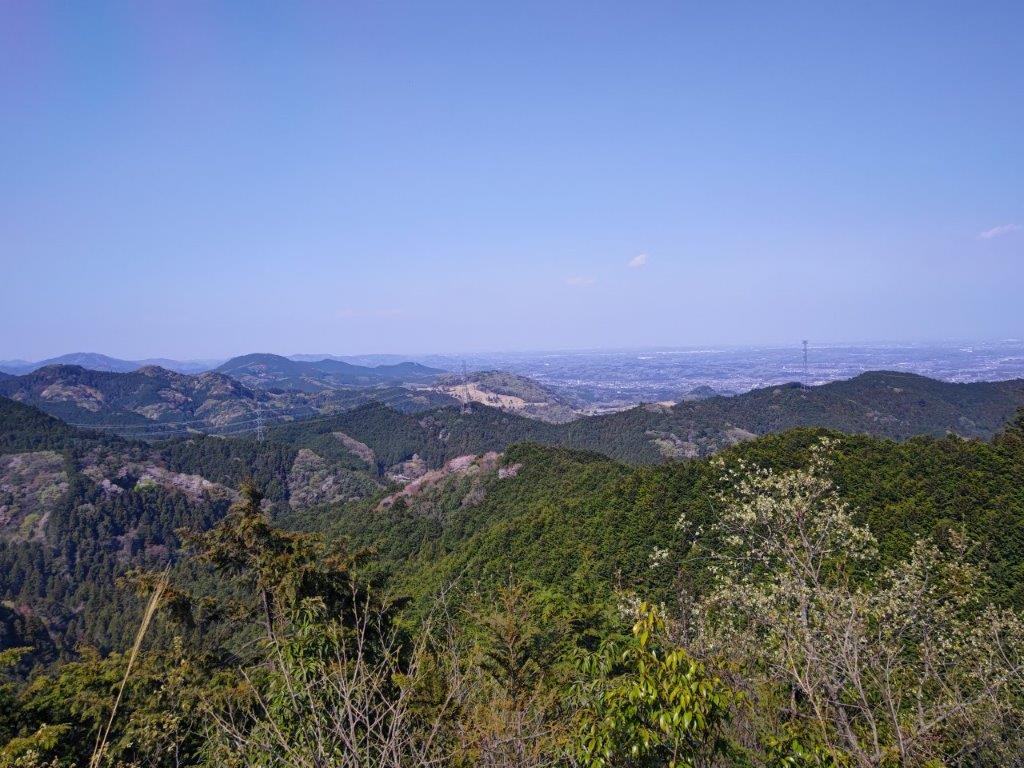
Looking west, I had an excellent view of Mt Takahara, specks of white visible on its highest points. I soon moved on, and at the top of a grassy staircase, reached the summit of Mt Koteya (御亭山 こてやさん koteyasan). I had a view on the west side, stretching from Mt Tsubasa to the Oku-Nikko mountains, their tops hidden by clouds; in between lay the vast Kanto plain; on the opposite side, I could make out Mt Yamizo, just visible above the trees. It was nearly 2pm, so I sat on one of the benches scattered around the wide grassy summit for a lunch break.

View of Mt Nasu

View of Mt Hirugatake & Mt Kurotaki (left) and Mt Nasu (right)

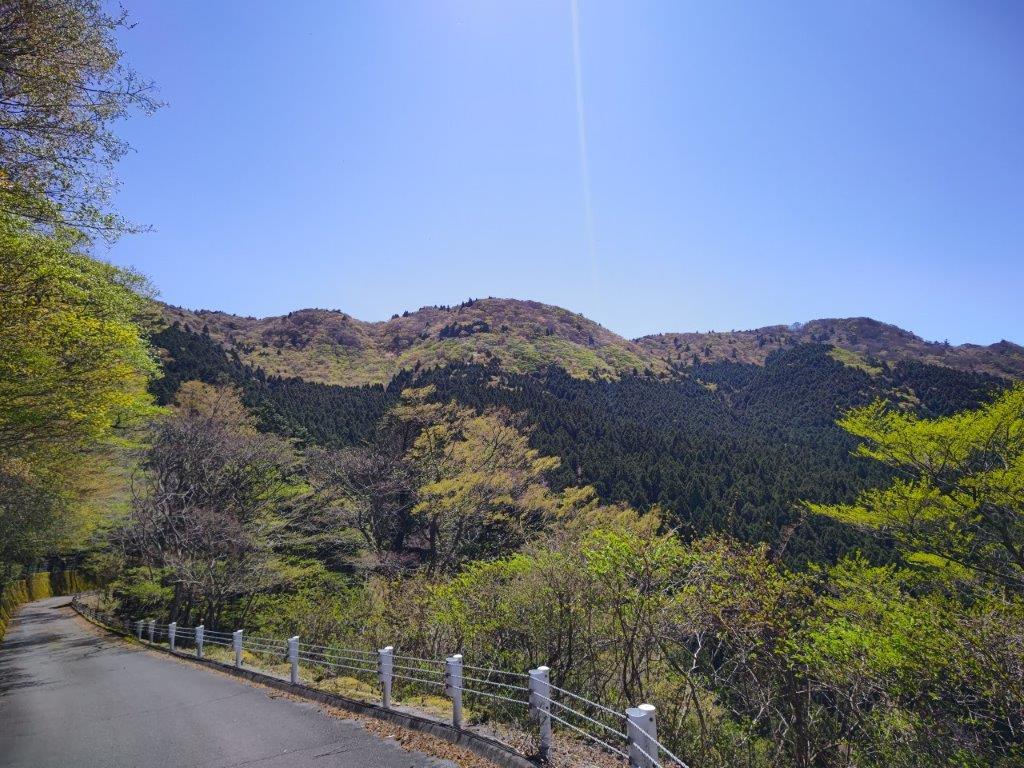
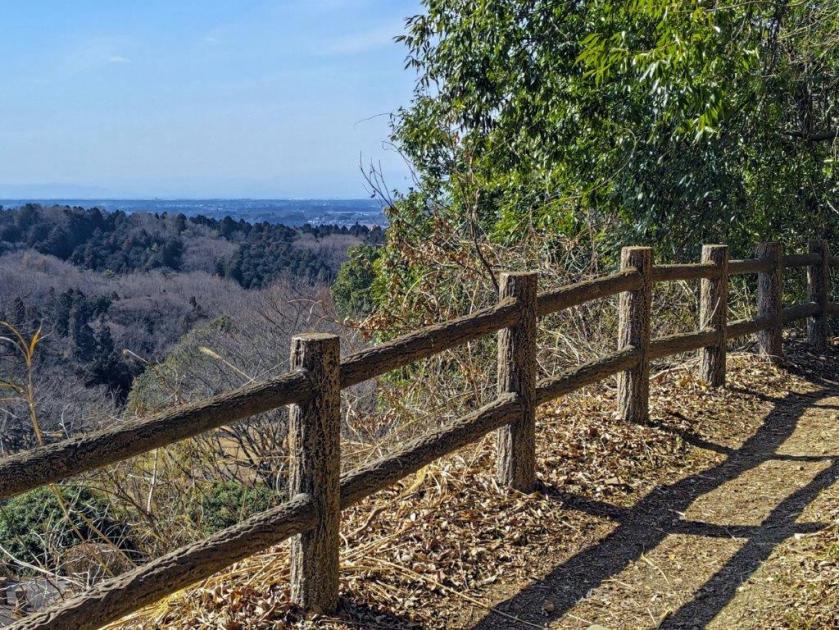
It was more peaceful than I had imagined with only one other person venturing to the top from the nearby parking lot. After lunch, I made my way down to the road, and after checking out another viewpoint behind the parking lot, walked back a short way along the road so that I could skip the steep slippery section just below the summit; traffic was light, and I was rewarded with extra views through the trees. Half an hour later, I was back at the clearing passed on the way up.

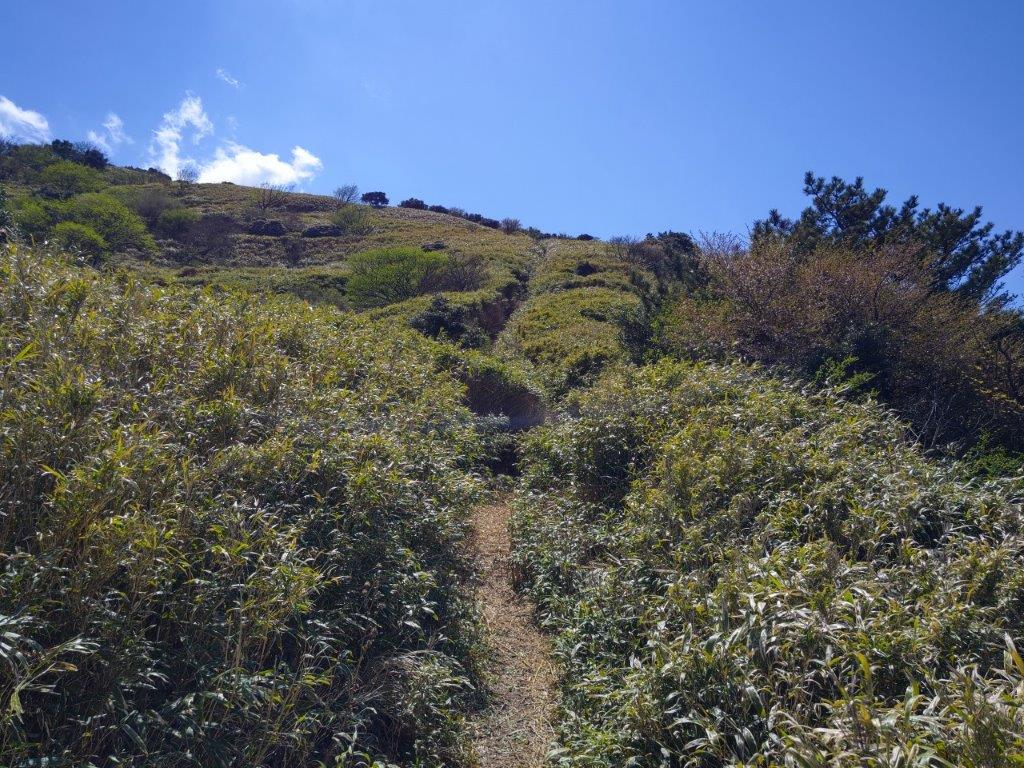
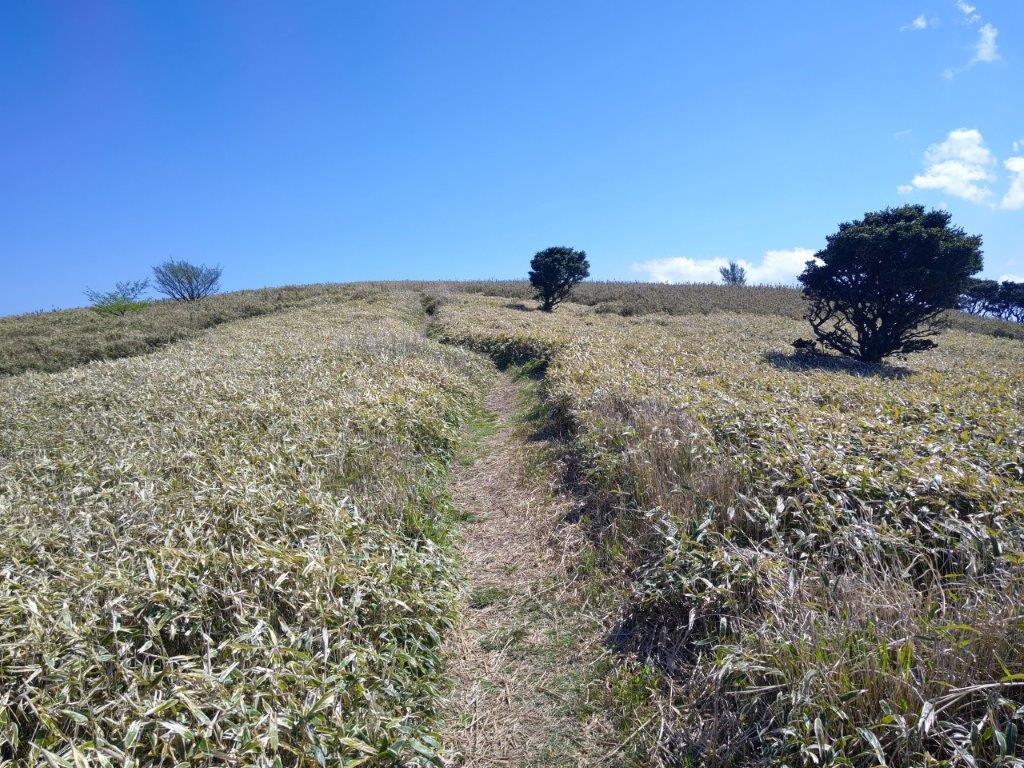
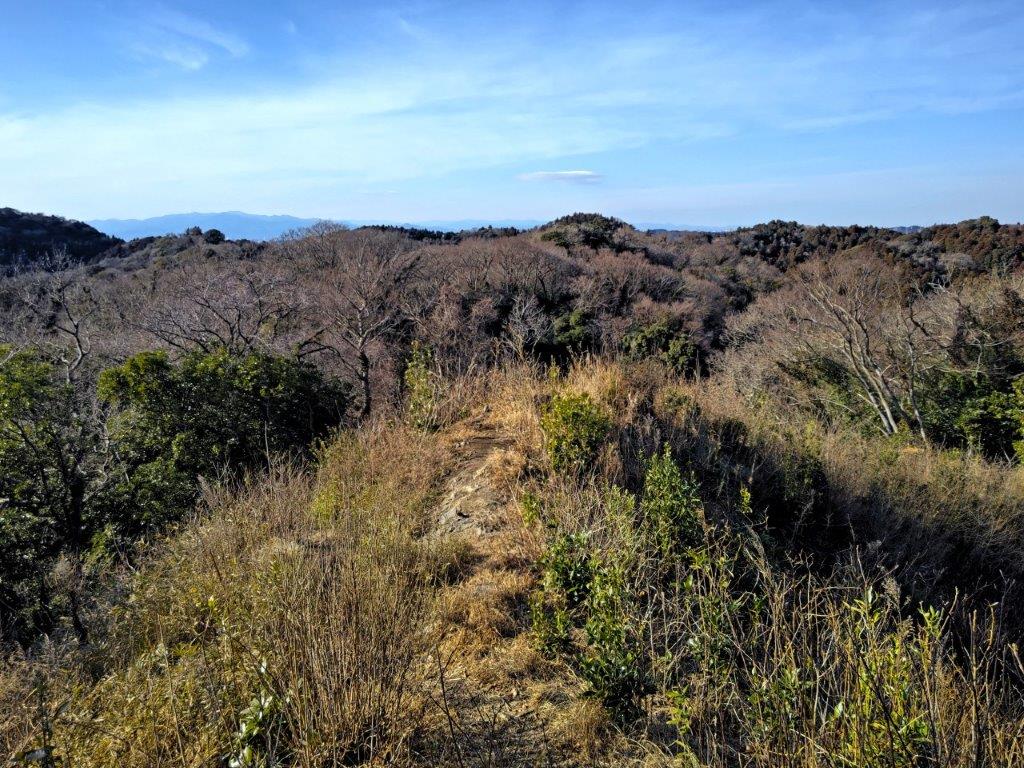
Last short climb to the summit

View towards Nikko from the summit

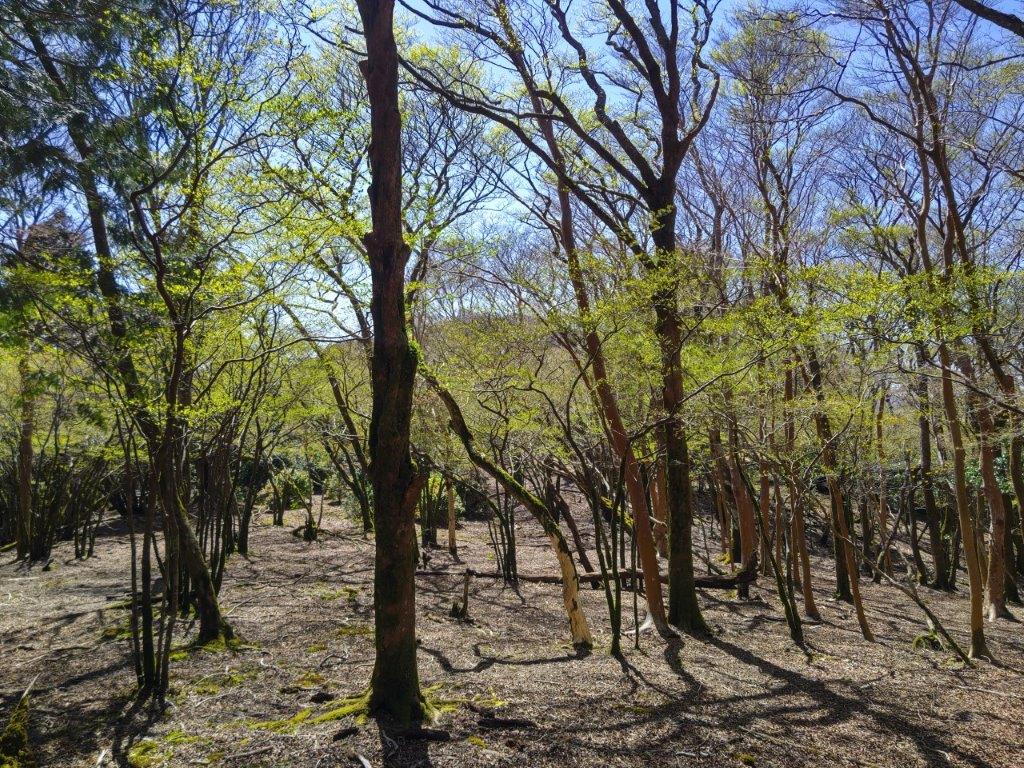
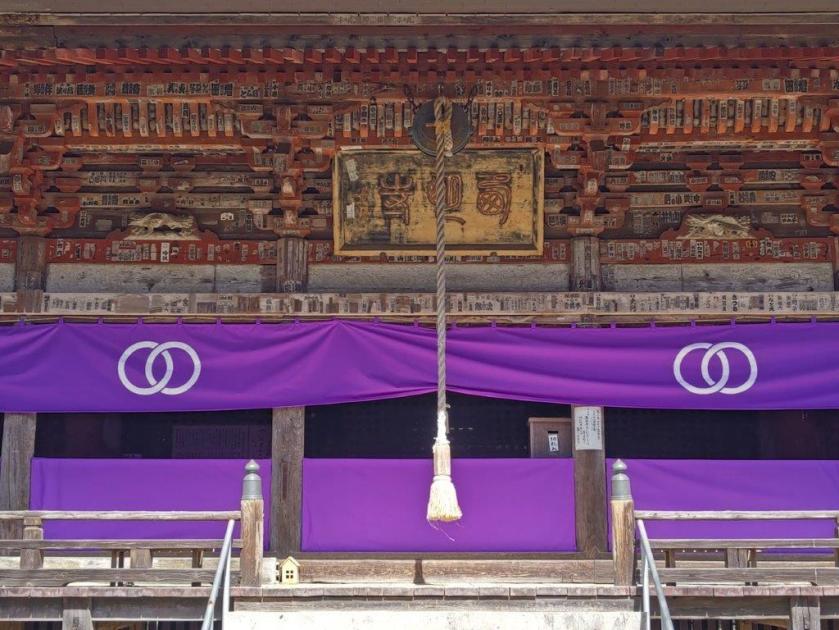
After enjoying the view again, slightly different in the afternoon light, I continued down through the forest. Shortly before Atago shrine, I took an alternative path on the right, ending at a small lane on the north side of the mountain. At 3h30 I was back at the trail entrance; since I had about 30 minutes before the return bus, I paid a a quick visit to the nearby Daiyuji Temple and its statues with various interesting facial expressions. On the way back to the bus stop, I had one last view of Mt Takahara from Yakumo shrine.

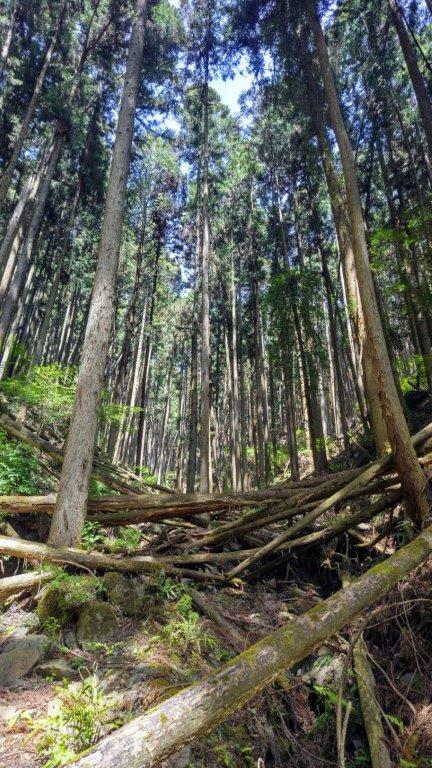
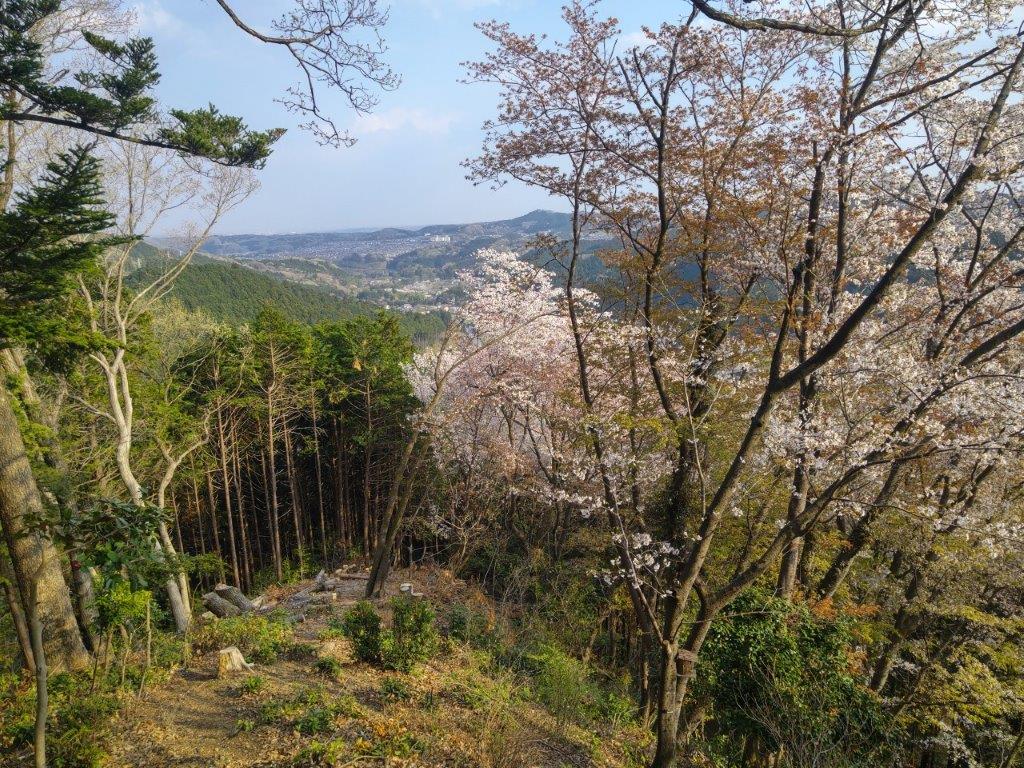
Heading back down through the forest

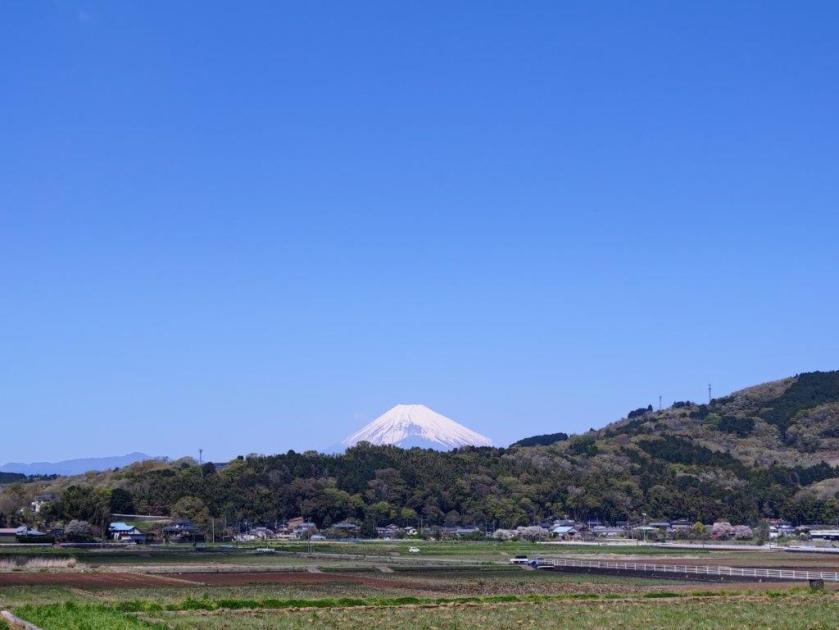
View of Mt Takahara from Yakumo shrine

This was another short hike, under 4 hours, but the superb views from half way up and the summit made it entirely worthwhile. It might be interesting to return one day by car to explore the area some more.

See a video of the Mt Koteya hike

Mt Yakemori (420m) & Mt Keisoku (430m), Motegi & Shirosato Towns, Tochigi & Ibaraki Prefectures, Saturday, March 11, 2023

I had this hike in mind for a while, but since it could only be reached by car, it was low down on my list. I would follow the route described in my Mountains of Ibaraki guidebook: a loop hike, with short roundtrips to each peak, at opposite ends of the top ridge. These two mountains are situated near Mt Amamaki and Mt Takadate, on the Tochigi and Ibaraki border, halfway between Utsunomiya and Mito cities, their respective capitals. I decided to rent a car from the latter, about an hour’s drive to the parking on the east side. This way I could take the comfortable Hitachi limited express to Mito station and back. Since it was a relatively short hike, I could get an early lunch at a soba restaurant on the way. The weather was once again supposed to be sunny and I was looking forward to getting more views of the low mountains of the southern end of the Abukuma plateau.

Mt Keisoku (south peak) seen on the way to Mt Yakemori

View of the Abukuma Plateau from Mt Keisoku (north peak)

I was relieved that the parking lot was practically empty when I arrived at 1pm; according to the Google Maps, it’s always full in the morning, especially at this time of the year. After getting ready, I set off up a forest road through the cedars. I soon reached a switchback trail leading to Tarumi Pass (弛み峠) on the ridgeline. There, I turned left, heading west, towards today’s first peak.

Start of the hike (left) Below the south peak of Mt Keisoku (right)

Ridge trail leading to Mt Yakemori

As I followed the undulating ridge, I had glimpses through the fir trees of today’s other peak. After navigating the rocky trail round the base of Zazen Rock (座禅岩 meaning “Zen meditation”), I arrived at the summit of Mt Yakemori (焼森山 やけもりさん yakemorisan meaning “burnt forest”) from where I had a view of Mt Takamine to the southwest and the vast Abukuma Plateau stretching into the distance on the north side. At 2h30, after a short break, I headed back to Tarumi Pass.

View of Mt Keisoku from Mt Yakemori

View northwards of the Abukuma Plateau

I followed the sunny trail up a steep slope and soon reached a junction and a bench in the sun. A signpost indicated that this was the south peak of today’s second mountain; apparently Mt Fuji can be seen through the trees, but not today. I turned left, going down for a bit, and then up again through dark forest. At 3pm, I reached the north peak of Mt Keisoku (鶏足山 けいそくさん keisokusan meaning “chicken foot”), a Tochigi 100-famous mountain, and the exact same height as the south peak.

View northeast from Mt Keisoku

The outline of Mt Nantai can be seen on the right side

The summit was free of trees and offered a wide view on the north side. At this late hour, it was also free of people. I could make out the shape of Ibaraki’s Mt Nantai to the northeast, about 30km away. I followed the trail as it continued down the north side, and a few minutes later, I arrived at Tori-iwa (鶏岩 meaning “chicken rock”), where I had a view on the east side. I quickly made my way back to the junction on the south peak, and and continued along the main trail as it curved south and started to head down the mountain.

View to the southeast from Mt Keisoku

View on the way to Niwatori Rock

It was a pleasant descent through the winter forest, bathed in the late afternoon sun. After passing the minor summit of Mt Fuji-ga-hira (富士ヶ平 340m), marked by a small shrine, the trail became rockier and steeper, slowing my pace somewhat. At 4pm, I was back at the now completely deserted parking lot. I managed to get to Mito before sunset, where I boarded the limited express for the 90 minute ride to Tokyo.

View east from Niwatori Rock

Level trail leading to Mt Fuji-ga-Hira

This was another short hike with great views, ideal for the short and clear days of the Japanese winter. I found out afterwards that there’s a spot with many Mitsumata flowers on the north side of the mountain, that were in full bloom around the time of my visit, giving me a reason to return someday in the future.

See a video of the Mt Keisoku hike

Mt Takadate (301m), Mashiko Town, Tochigi Prefecture, Saturday, March 4, 2023

Hiking the Kanto Fureai no Michi

関東ふれあいの道

I wanted to explore some more of the Kanto Fureai no Michi since winter is the best season for walking these low-altitude trails. I found another promising section between Motegi Town and the Ogodo Alps that included a 1300-year old temple, a summit view, and a 20-meter high Observation Tower. It started from Mashiko station on the Moka line, requiring two transfers to get there from Central Tokyo: the first one at Oyama station on the Utsunomiya line and the second one at Shimodate station on the Mito line; for the return from Nanai, the next station on the line, I could take a bus directly to Utsunomiya station. Blue skies were forecast for the whole day, and so I was looking forward to a relaxing walk through the countryside and getting some nice views of Tochigi prefecture.

Hiking between Gongen Daira and Mashiko no Mori

View towards Nikko from the Mashiko no Mori Observation Tower

Some Japanese trains stations are quite ordinary and some are unique; Mashiko station belonged to the latter category with its soaring twin towers. I was one of the few passengers who got off there at 10am. Since today’s hike was on the short side, I enjoyed a cup of coffee at an outdoor table in front of the Mashiko Sightseeing Association. At 11am, I set off along the busy Mashiko Main Street; following the signs for the Fureai no Michi, I soon turned right onto a quiet country lane.

Saimyoji Temple Main Building

A peaceful temple on the mountain side

Soon I had views of today’s mountain on the left side, its low, rounded summit gently rising above the level rice fields. At 12h30, I reached Saimyoji Temple (西明寺) and the start of the hiking trail. I was the sole visitor and could fully enjoy the peaceful surroundings. Less than half an hour later, I reached the Gongen Daira (権現平), a grassy area with benches and a small concrete observation platform. It wasn’t the highest point, but had a view on the west side, so I sat on a bench and had an early lunch.

Approaching Gongen Daira (left) Descending from Gongen Daira (right)

View West from the Gongen Daira Observation Platform

The flat Kanto plain stretched away ahead of me, with the Nikko mountains faintly visible in the background; just a few weeks ago, I had been hiking the Fureai no Michi trail on the opposite side. After a short break, I moved on, and after a little climbing, arrived at the true summit of Mt Takadate (高館山 たかだてやま takadateyama), a Tochigi 100-famous mountain. It was completely in the trees so without delay, I continued along a trail down the other side of the mountain. After crossing a bridge over a road, I arrived at the Mashiko Forest Observation Tower.

Easy to walk trails through the forest

Mashiko no Mori Observation Tower (right) Walking to Nanai Station

I had a 360° panoramic view from the top of this wooden construction: to the south was Mt Takadate and Mt Amamaki; on the east and north sides, I could see the low hills of the Abukuma Plateau surrounding Motegi town; looking west, I had a wide view of the Kanto Plain and the mountains of Oku-Nikko. After enjoying the views, I made my way through the Mashiko forest, passing the Ajisai Suspension Bridge and ending at Suda pond. I then followed various lanes and roads, reaching Mashiko Pan Bakery at 3h3o.

View North Towards Motegi Station

Looking back at Mt Takadate

I was back on a pleasant hiking trail through the forest, a few minutes past the bakery. Just before 4pm, I emerged onto a road again, leading past Entsuji Temple (円通寺). From there, it was a short walk to Nanai station, which looked very utilitarian, the complete opposite of this morning’s station. I was surprised to discover that the Nanai-Eki-Mae (“front of Eki Station”) bus stop was actually 10 minutes away on foot. Fortunately, I arrived with time to spare and easily made it on time for the return bus at 4h30.

Ajisai Suspension Bridge in Mashiko no Mori

Walking in Mashiko no Mori Forest

I was once again surprised by how enjoyable it was to hike along the Fureai no Michi even though it doesn’t exclusively follow hiking trails. I passed many interesting sights along the way so it really felt like I was discovering the area. Since I took my time, the hike ended up taking about five hours which I felt was ideal considering that there was little up and down.

Watch a video of the Mt Takadate Hike

See a slideshow of some pictures of the Mt Takadate Hike

Mt Otadaki (338m), Mt Hanzo (502m) & Mt Fuji (338m), Utsunomiya City, Tochigi Prefecture, Sunday, February 26, 2023

I was looking for a low-elevation hike close to Tokyo, suitable for a cold winter day. Looking at my hiking maps, I found 3 minor peaks in a hilly area northwest of Utsunomiya city, between Mt Kogashi and the Utsunomiya Alps. It was up and down the same way, except for the last part, where I could return via a different path. I could take the Utsunomiya line to Utsunomiya station and from there, ride a bus to a stop, just 15-minutes on foot from the trailhead; for the return, I could catch a more convenient bus back to Utsunomiya from a nearby roadside station. Since there was a hot spring close to the trail entrance, I could enjoy a hot bath before heading home. I was looking forward to a relaxing hike and good views at the edge of the Kanto plain.

View South of Utsunomiya City and Mt Tsukuba from near the top of Mt Otadaki

View North towards Mt Takahara (left) and the Utsunomiya Alps (right)

It was a cold, beautiful day as I arrived at the trailhead just before 1am. After a short climb through the forest, I arrived at an impressive rock pillar. After a little bit of scrambling through a rocky section, fitted with a rope for safety, I was standing on Mt Otadaki (男抱山 おただきやま otadaki-yama). From the narrow summit, I had a 360° panoramic view: directly in front was the Kanto Plain, Utsunomiya City and Mt Tsubasa; turning around, I could see the Utsunomiya Alps, snow-capped Mt Takahara, as well as the highest point of today’s hike.

Start of the trail (left) Rock pillar near Mt Otadaki (right)

From left to right: Mt Amabiki, Mt Kaba, Mt Tsukuba

I was amazed by how quickly I could reach this spectacular viewpoint. After a short break, I carefully made my way down the other side of the rocky top. I followed the narrow trail till a junction, where I took the right branch downhill, and then continued along the mostly level trail through quiet, sunlit forest. Soon the path started to climb again, and around 2h30, passed by a huge rock, called Oiwa (大岩), standing firmly in the middle of the trees.

Mt Haguro (left) and Mt Hanzo (right)

View East towards the mountains of Ibaraki

I was surprised by how easy the final climb was, along a gentle sloping forest road through the cedars. Before I knew it, I was on top of Mt Hanzo (半蔵山 はんぞうさん hanzosan), completely in the trees. I decided to continue a few minutes to Hanzo Rock (半蔵岩) where I was rewarded with a grandiose view of the Nikko mountains to the north, half hidden by mysterious misty veils. It was nearly 3pm, so I sat down for a late lunch.

View south of the Kanto Plain

Hiking through the forest to Mt Hanzo

I felt extremely cold all of a sudden, as the wind started blowing from the north. I quickly retraced by steps to the summit and headed down the same way. Less than an hour later, I was back at the previous junction and took the trail on the right, up a short rocky section equipped with rope. At 4pm, I reached the top of Mt Fuji 富士山 ふじさん fujizan), from where I had a view of Mt Tsubasa to the southeast and Mt Kogashi to the west.

View of the Oku-Nikko mountains from Hanzo Rock

Mt Nantai (left), Mt Omanago (center) and Mt Nyoho (right)

It was a peaceful spot and I wanted to spend more time, but it was getting late and I needed to head down. The trail passed by several viewpoints on the west side before reaching the bottom of the valley and merging again with the start of the hike. At 4h30m I arrived at Tadaomi Onsen, just a few minutes from the trail entrance. After a relaxing hot spring bath , I walked to the nearby Michinoeki Utsunomiya Romantic Village to catch a bus back to Utsunomiya.

View of Mt Tsukuba from Mt Fuji (of Utsunomiya)

View South on the way down from Mt Fuji (Of Utsunomiya)

This was a relatively short hike, more than half of which was along the same trail, but the easy access, various viewpoints, beautiful forest with few hikers, and a convenient hot spring at the end made it totally worthwhile.

See a video of the Mt Otadaki, Mt Hanzo and Mt Fuji hike

Mt Hatake (205m), Mt Nyuto (202m) & Mt Futako (209m), Hayama Town & Zushi City, Kanagawa Prefecture, Saturday, February 11, 2023

Hiking the Miura Alps 三浦アルプス

I had hiked the Miura Alps four year ago, but looking at my mountains of Kanagawa guidebook, I realised there was more hiking to be done in the area. Previously, I had started on the southwest side and ended on the northeast side. This time, I would start on the southeast side, close to the end of the Mt Ogusu hike, and finish on the northwest side, intersecting only at one point; I could take a bus from Zushi station to the start, and then return by the same bus to the same station. I was looking forward to exploring a new trail through a familiar area, and hoping for some good views on both sides of the peninsula.

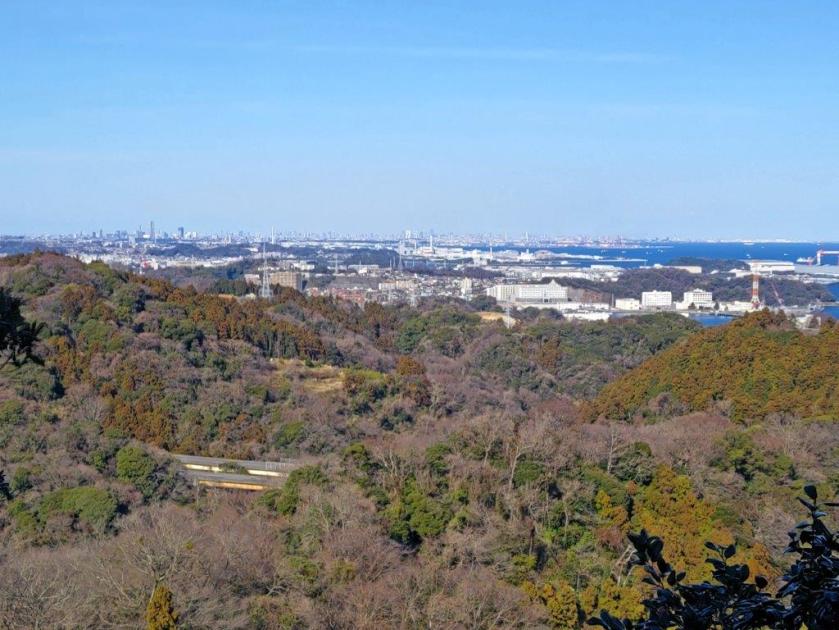
View towards Yokohama between Mt Hatake and Mt Nyuto

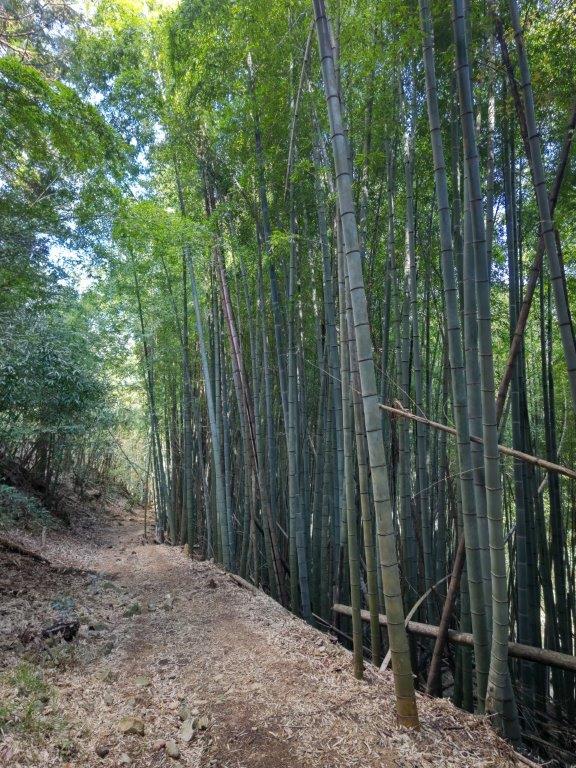
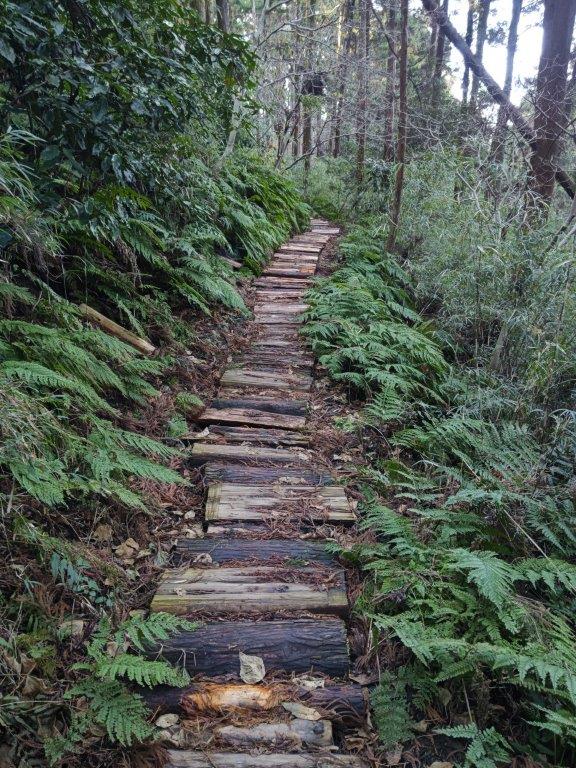
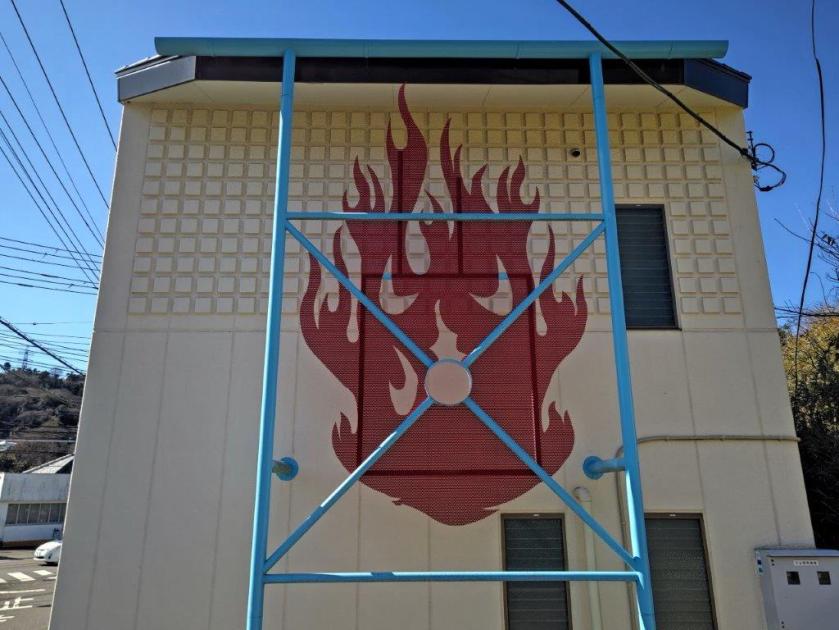
It was a sunny winter day, as I arrived at Zushi station at around 11am. After a short bus ride, I got off under an elevated highway, near a river and a small fire station. Just after noon, I set off up a small paved road, and soon after reached the trail entrance on the right. Almost immediately, I was walking through bamboo trees, swaying slowly in the wind.

Start of the trail (left) Walking through the bamboo (right)

View of Tokyo Bay through the trees

I was fascinated by the interplay of light and sound, an experience quite unique to this side of the world. At 1230, I exited the bamboo forest and followed a trail up the mountain side. Half an hour later, I reached the top of Mt Hatake (畠山 はたけやま hatake-yama), its summit marker, a simple name plate hanging from a tree branch. On the east side, I had a view of Tokyo Bay and the southern half of the Miura peninsula. After a short break, I moved on.

Short detour along the Nakaone Trail

The start of the Nakaone Trail had good views

I reached another view through the trees, after 30 minutes of mostly level walking; this time I was looking north towards Yokohama. Soon after, I merged with the trail of my previous hike, and at 2pm, was standing on the narrow summit of Mt Nyuto (乳頭山 にゅうとうさん nyuto-san) for the second time. Once again, I had a view on the dark blue wayers of Tokyo bay and the gleaming white skyscrapers of Yokohama. Just below, was a junction and a decided to check out the left branch, the Nakaone trail, off today’s hike.

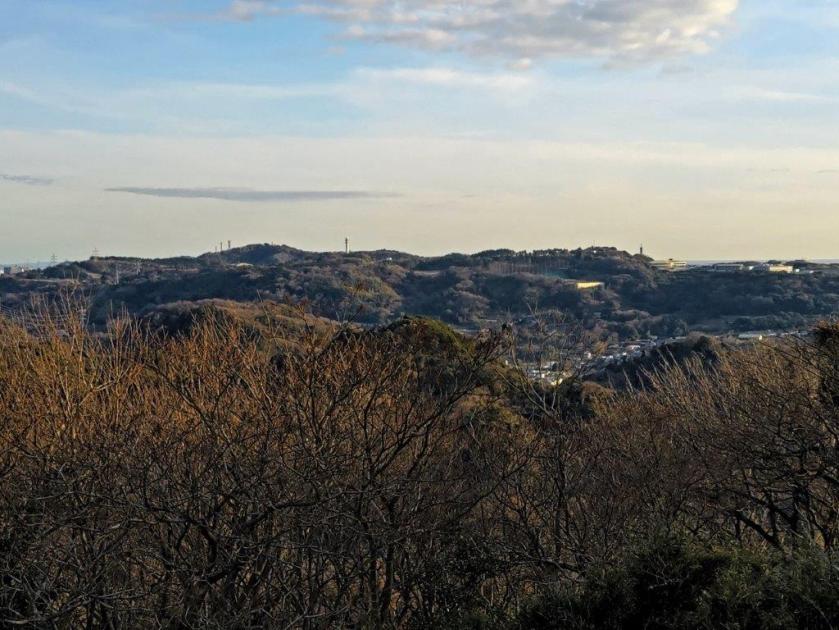
Tanzawa mountains in the background

On the Nakaone Trail (left) On the way to Mt Futako (right)

I was rewarded with a view on the west side of the Tanzawa mountains, on a treeless ridge, just past a couple of electric pylons. The city was almost invisible and it felt like I was in the middle of the wilderness, despite being just a few kilometers from the biggest city in the world. I found a spot to sit for quick lunch break. At 3pm, I was back on the main trail, and a little after, I took a right turn, leading away from Higashi-Zushi station and Mt Takatori.

A relatively easy trail to walk

View of Mt Ogusu from the top of Mt Futako

I was now walking along the most peaceful section of the hike, invisible squirrels scampering along the tree branches, soft light filtering through the leaves. At 4pm, the trail merged with a gravel road winding up hill side. A few minutes later, I reached a wooden observation platform on top of Mt Futako 二子山ふたこやま futako-yama), a common name meaning “twins”. I had a wide view on the east side, including Yokohama City, Tokyo Bay, and the Miura Alps on the south side. The sun was setting soon, forcing me to continue moving.

View of Enoshima Island from near the top of Mt Abekura

Trail near Mt Futako (left) Heading down from Mt Abekura (right)

I hurried down the steepest section of today’s hike, fitted with rope for safety, surprising on such a low mountain. Soon the narrow path climbed again, and half an hour later, I reached the top of Mt Abekura (161m 阿部倉山 あべくらやま). It was a minor peak, slightly off the trail, but with a viewpoint of Sagami Bay and Enoshima island on the west side, the sky behind lit orange. It was called Sakura Terrace, and although the trees were bare, it must be beautiful in the spring. I made my way down and arrived at a road just after the 5pm chime. From the nearby bus station, it was a short ride back to Zushi, where I caught the Shonan-Shinjuku line for the one hour trip to Tokyo.

See a video of the Mt Hatake, Mt Nyuto and Mt Futako hike

See a slideshow of more pictures of the hike

Mt Awataka (364m) & Mt Shouu (320m), Kamogawa City, Chiba Prefecture, Sunday, February 5, 2023

I wanted to do a hike on the Boso peninsula, since winter is the best time for hiking there and my last trip to the area was nearly a year ago. I found a suitable hike in my mountains of Chiba guidebook, close to Kamogawa city on the Pacific Ocean, but accessible from the Tokyo Bay side. I could take the limited express from Akihabara to Hota station, from where it was a short bus ride to the start of the hike; I would return the same way. The weather was supposed to be mostly sunny with mild temperatures, and so I was looking forward to seeing the views of southern Boso and the Pacific Ocean.

The Kanaya bus line between Hota and Awakamogawa station was discontinued in March 2024 and this hike can only be accessed via the less convenient Kizarukamogawa line.

View from Atago Shrine of Mt Atago

Hiking between Mt Awataka and Atago shrine

I had a perfect view of Mt Nokogiri under light blue skies, after getting off at Hota station, a little before 10am. I had some time before my bus so I went to check out the view from the nearby Hota Beach: I could see Oshima island and the Miura peninsula, but Mt Fuji was hidden in the clouds. I rode the nearly empty bus to a 7/11 at an intersection, and after getting ready, set off a little after 11am.

Climbing through the cedars at the start of the hike

First view of the day, halfway up the mountain

I had good views of the east-west ridgeline of today’s hike, as I walked north along a road, which started to rise gently after crossing Kamogawa River. Half an hour later, I reach the start of the hiking trail on the right. It was relatively easy to follow the trail, but several fallen trees made it harder to walk; apparently, there had been little maintenance since the powerful typhoons of 2019.

View towards Kamogawa City and the Pacific Ocean

Mt Takago (foreground) and Mother Farm (background)

Halfway up, I had my first view of the day: through a gap in the trees, I could see Mt Atago. Around noon, I emerged onto a forest road, the Takayama Line (林道高山線), hugging the south side of the top ridge. I turned right and soon reached the entrance of the trail for today’s mountain. After a short climb, I was at the top of Mt Awataka (安房高山 あわたかやま awataka-yama). It was mostly in the trees, but I could see Mt Takago and Mother Farm on the north side; a few meters in the other direction, was a better view on the south side.

Mt Atago is the highest mountain in Chiba prefecture (408m)

Walking on the Takayama forest road

I had a view of the long east-west ridgeline on the other side of the Kamogawa river, as well as of Kamogawa City and the Pacific Ocean; on the way up, I had a glimpse of Tokyo on the east side, so I glad I had been able to see both during this hike. Since it was nearly 1pm, I found a place to sit and had lunch. Afterwards, I went down the same way. Back on the forest road, I turned right, heading west, and soon took another trail uphill. The first part was a little damaged, but beyond, it was easy to walk, with few trees and with a wide view of the valley below.

Hiking trail above the forest road (left) Stairs leading to Atago shrine (right)

One of the best views of the day from near Atago Shrine

This was by far the best section of today’s hike; it felt like I was hiking at a much higher elevation; looking eastwards, I could see Mt Iyo and Mt Tomi., both climbed in 2015. A little before 2pm, I reached a steep staircase below Atago Shrine (愛宕神社), also the top of Mt Shou (請雨山 しょううさん shouu-san). It was completely in the trees; I followed the ridgeline a few minutes northwards, but failed to find any views. I walked back down the steps, and continued along the trail, now heading down via some steps.

View Southeast of Kamogawa

View Southwest of Mt Iyo and Mt Tomi

I followed the narrow, forested ridgeline westwards, typical of the area. In no time, I was back on the forest road. The ridge trail continued to the next peak, Mt Migoori, but that would be for another time. I turned left and soon reached a junction, where I took the right branch, heading downhill. At 2h30, I was on the main road again, near the start of the morning trail, and by 3pm, I had was back at the 7/11.

Back on the Takayama line

I checked out a nearby store for Kameda sake Brewery, since I had some time before the return bus. At Hota station, I caught the limited express for the comfortable 90 minute ride back to Tokyo. Although the hike had taken less than 4 hours, I had been rewarded with some news, and some ideas for the futures hikes in the area.

The rice fields of Kamogawa

conclusion

Watch a video of the Mt Awataka hike

See a slideshow of some more pictures of the Mt Awataka hike

Mt Rokudo (194m), Tokyo & Saitama Prefectures, Sunday, January 29, 2023 [Sayama Lake Perimeter Road]

I had cycled the Sayama Lake Perimeter Road over ten years ago, so I thought it was time to revisit the area, but on foot this time; I wanted to explore the network of hiking paths surrounding this circular trail on the Tokyo-Saitama border, and the closest nature park to the capital. Previously, I had taken a train to Seibukyujomae station, near the eastern end of Sayama lake; however, the best trails are located several kilometers away on the western side. I decided to take a train to Kotesashi station on the Seibu line, and then a bus to Kojiya, on the northern side of the lake; I would finish at Hakonegasaki station on the Hachiko line and return via Hanno, from where I could return to Ikebukuro with the Laview Limited express. In between, I didn’t have a precise plan: my main purpose was to see whether I could get a satisfying half day of hiking through the area.

Hiking in the Sayama Natural Park 都立狭山自然公園

5/2024 update:some paths between the Saitama Green Forest Museum with the Sayama Lake Perimeter Road are closed indefinitely due to fallen trees. Please see this page (Japanese only) for more information (closed sections are in red).

Walking between the Tonbo and Nishikubo Marshes

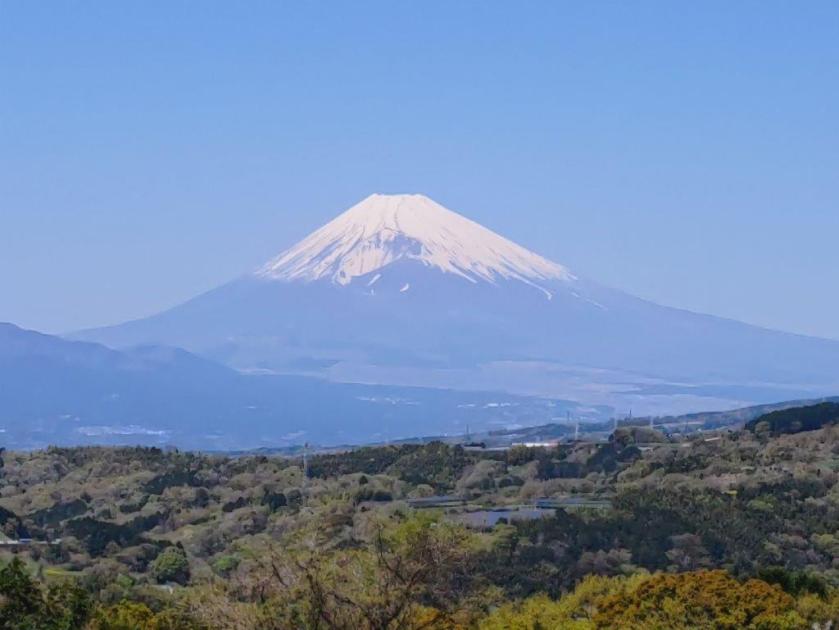
View of Mt Fuji from the Mt Rokudo Park Observatory

It was a short bus ride from the station on a sunny winter day. Before setting off, I dropped by a nearby Ministop, one advantage of hiking within the city. At 12h30, I was walking through a residential neighbourhood, the houses separated by fields: I even saw a fox trot through one of them. I soon arrived at the peaceful Kojiya Hachiman Shrine (糀谷八幡神社) at the edge of Kojiya Marsh 湿地, and the start of the hiking trails.

Kojiya Hachiman Shrine near Kojiya Marsh

Heading towards the Saitama Green Forest Museum

I had a view of the Chichibu mountains, clearly visible on this cold winter day, from behind the shrine. I followed the gently sloping path up to the Sayama Lake Perimeter Road, but almost immediately took a side path leading directly to the Saitama Green Forest Museum (緑の森博物館), a small, free museum at the edge of Dragonfly Marsh (トンボ湿地), also the location of Totoro’s Forest #30.

Walking along the Sayama Lake Perimeter Road

Exploring the paths around the Nishikubo Marsh

I had a view to the north of faraway Mt Akagi, covered in snow, from an open, elevated space behind the museum. I set off again through the marsh and soon arrived at a intersection, where I turned right. This new path led to Nishikubo Marsh (西久保湿地), not much to look at in the middle of winter, but probably a great place to wander around in summer. I made a quick detour along a backstreet to check out the nearby Nishikubo-Kannon Temple.

Intersection at the edge of the Nishikubo Marsh

View towards the mountains of western Tokyo near Nishikubo-Kannon

From there, I had another view of the mountains of western Tokyo, extending northwards; the clouds had started to roll in, making me wonder how much longer the sun would last. I reentered the woods and after a long, gradual climb, arrived once more at the Sayama Perimeter Road (狭山湖外周道路), which I followed for a short while, before turning right onto the ridge trail for Takane (高根). However, I very soon took a left, heading down some steps.

Path for Yato 谷戸 (left) / Staircase for Asama Shrine (right)

Walking through the North Sayama Valley

I followed a narrow path next to a brook through the North Sayama Valley (北狭山谷); it soon turned into a wider path, ending near some ponds at Tanoiri-Yato (田ノ入谷戸). I was now inside Noyamakita-Rokudoyama Park 野山北六道山公園. I left it briefly to follow a road leading to Takaneyama park (高根山公園), from where I walked up the Takaneyama Walking Trail, and upon reaching a road, continued till the Rokudoyama Park Observatory (六道山公園 展望台), on top of Mt Rokudo, a Tokyo 100 famous mountain.

Heading towards the Triangulation Point

View of the Tanzawa Mountains from the Mt Rokudo Park Observatory

From the top, I had a view southwest of Mt Fuji and the Tanzawa mountains, and west of the Okutama mountains. After a short break, I retraced my steps, then took a left over a bridge, arriving at a triangulation point (194m) at 3pm. I took the Oiseyama Walking Trail, past Mt Atago (190m 愛宕山). I soon reached the tiny Asama Shrine (浅間神社), and went down a wooden staircase, ending at another shrine, and the end of the trail. After a 15 minute walk through Mizuho Town, I reached Hakonsegaseki station around 4pm.

Watch a video of the Mt Rokudo Hike

Sakura Pass (268m), Tochigi City, Tochigi Prefecture, Saturday, January 21, 2023

I passed by this spot while hiking Mt Ohira and Mt Teruishi in 2017, and was impressed by its wild beauty at the edge of the Ashio mountains. Since it’s also the intersection with the Fureai no Michi, I felt sure I would return one day. The trail had been damaged during the powerful typhoons of 2019, but was now open again. I had done the previous section of the Fureai no Michi, while hiking Mt Karasawa and Mt Suwa in 2018, so I decided to take a bus from Iwafune station on the Ryomo line, to a stop close to Murahi Shrine, at the end of that hike. From there, I planned to walk to Tochigi station, 15 km away. I was looking forward to revisiting the area after several years via a new route, and hoping to see some plum blossoms and other winter flowers along the way.

Hiking the Fureai no Michi ふれあいの道

View of the mountains of Tochigi and Gunma from Sakura Pass

The weather was sunny but very cold at 9am, as I waited for the minibus outside Iwafune station. It took nearly an hour to reach a bus stop in the middle of the fields, from where I walked up a road running through a golf course, eventually merging with the Fureai no Michi. At 10h30, I reached the top of a hill and continued along the road down the other side, reaching the head of a valley soon after.

Start of the valley leading to Sakura Pass

I was delighted by the surrounding bucolic landscape, and tried to imagine what it would look like in spring. A little after 11am, after passing some early plum blossoms, I reached a trail near a series of small lakes. First, it rose gradually through the cedars, then more steeply up some wooden log steps through the bamboo grass, before arriving at the intersection at Sakura Pass (桜峠 さくらとうげ sakura-toge). Turning around, I could see Mt Suwa in the foreground, with Mt Akagi rising behind, its highest peaks covered in snow.

Climbing towards the pass (left) Descending from the pass (right)

I followed a pleasant path through the woods down the other side of the pass, arriving at Seisuiji Temple just before 1230, its many suisen (daffodils) and robai (Japanese Allspice) swaying in the wind that had started to blow; to the right, the Kanto plain stretched southwards. The next section was mostly level, through the forest at the base of Mt Teruishi. A little after 1pm, I reached Daichuji Temple, towering cedar trees lining the approach to the main building.

Final steps before reaching Sakura Pass

Snow on Mt Akagi in the background

I now headed up a steep, rocky path near the back of the temple, a shortcut, as the Fureai no Michi made a loop via Ohirashita station. Half an hour later, I reached Ohirasan Shrine. I had been here before when I climbed Mt Ohira, so I soon moved on. A little further, I arrived at another part of the shrine I hadn’t been to before, from where I had a view of Mt Kogashi, Mt Takahara and Tochigi city on the east side.

Level trail between Seisuiji and Daichuji Temples

Towering cedars at Daichuji Temple

I was once again walking on a quiet path, back on the Fureai no Michi, heading down the forested mountain side. A little before 3pm, I reached the western edge of Tochigi city. I noticed a soba shop along the way and decided to check it out since it was still early. I was glad I did, since it had a terrace so I could enjoy my meal, a generous serving of soba noodle and a giant, crunchy Kakiage, with a view of Mt Tsubasa and the Ogodo Alps in the east.

Looking through the gate into the main compound of Daichuji Temple

Walking up to Ohira-jinja (left) Walking down from Ohira-jinja (right)

I was also lucky to see a picture taken by the owner just this morning of the sun rising directly behind the highest point, that happens just once a year (“Diamond Tsubasa”). At 4pm, I set off again and after crossing Nagano river, reached Kinchaku Park, also known as Mt Kinchaku (80m). From the top, I had a view of Mt Nantai and Mt Nyoho on the north side, Mt Tsubasa on the east side, and Mt Ohira, against the setting sun, on the south side.

View of the Kanto plain from Ohira-jinja Shrine

View of Mt Nantai from Mt Kinchaku

The sky was lit up in orange when I finally reached Tochigi station around 5pm. There, I boarded a Tobu limited express for the one hour ride back to Tokyo. With a total time of 7 hours, this was one the longest hikes I had done in a while, although it was mostly level, with two relatively short climbs. This was one of the better sections of the Fureai no Michi, as roughly half was along hiking trails, with several viewpoints and interesting shrines and temples along the way.

See the video of the Sakura Pass hike

See a slideshow of more pictures of the Sakura Pass hike

Mt Mido (878m), Shimonita Town, Gunma Prefecture, Monday, January 9, 2023 [Map Available]

After my Annaka to Annaka hike, I needed to find another mountain I could climb in the winter using the Tokyo Wide Pass. I decided to visit the Nishi-Joshu area, since my last hike there was nearly 3 years ago. I found a suitable peak in my mountains of Gunma guidebook, low enough to be still free of snow, and short enough so I could catch the mid-afternoon bus back. To give myself some extra time, I would get to Shimonita station an hour before the morning bus and take a taxi to the trailhead. Although the hike went up and down the same path, I could check out a couple of viewpoints on the way, as well as this peak’s claim to fame: two tall rock pillars perched on the mountain side. I was looking forward to revisiting Nishi-Joshu after a long interval and getting some new views of the area.

Hiking with the Tokyo Wide Pass

“Old Man Old Woman Rock” the highlight of the hike

Get a map of the Mt Mido hike

This map was developed for Japanwilds with the Hokkaido Cartographer

Find more Japan hiking maps on Avenza

View of flat-topped Mt Arafune from Jijiiwa-Babaiwa

I rode the shinkansen to Takasaki on a sunny, cloudless day and then transferred to the Joshin line for Shimonita, arriving there a little after 10am. It took about ten minutes by taxi to reach the trail entrance, and after getting ready, I set off along a forest road through the cedars. I soon passed the end of the forest road, and by 11am, was walking up a rocky valley; I was finally starting to warm up, thanks to the sun, shining through the bare trees.

Walking among the cedars (left) Mi-n0-Taki waterfall (right)

View of Mt Myogi from the summit

I was extra careful to check for hidden holes, the path being covered in a layer of dead leaves. At 11h30, I reached Mi-no-Taki waterfall, barely a trickle at this time of year. It was also the trickiest part of the hike, requiring a quick scramble up a rocky face, fitted with a rope for safety. Next, a short, steep climb brought me to an intersection at the top of the valley. Here, I dropped my pack and headed left for the short roundtrip to the first viewpoint.

Steep section at the top of the valley (left) Old Woman Rock (right)

Looking down at Jijiiwa-Babaiwa from the second viewpoint

I followed a narrow ridge passing by the base of a rocky outcrop, and after a few minutes, reached a level, rocky ledge, opposite “Jjji-iwa Baba-iwa” (じじ岩ばば岩) meaning “Old man rock old woman rock”), two impressive stone pillars perched at the end of the ridge. Turning around, I had a bird’s-eye view of a deep valley, with flat-topped Mt Arafune in the background. Since it was nearly noon, I found a spot to sit and had an early lunch. After enjoying the view, I made my way back to the intersection and continued along the right branch.

Looking south towards the Mikabo Super forest road

View southeast of Mt Ogeta

I was surprised by how dry everything was, dust flying up from the trail at every gust of wind. After some more climbing along the narrow, twisting ridgeline, I reached the summit of Mt Mido (御堂山 みどうやま mido-yama), a Gunma 100-famous mountain, a little before 1am. It was mostly in the trees, but I could make out the jagged summit of Mt Myogi, as well as the snowy top of Mt Asama, both on the north side. After a short break, I retraced my steps to a turn-off for the nearby “Jitoba-ura-tenbosho”, the rear viewpoint of the stone pillars.

Climbing the narrow ridgeline (left) Walking back along the forest road (right)

Late afternoon light filtering down into the deep valley

Standing next to a rocky outcrop, I had a fantastic view of “Jijiiwa-babaiwa”. I continued a little further to the end of the path, where I had a view of Mt Ogeta and the Kanto plain on the west side, and Mt Akaguna and the Mikabo Super forest road on the south side. I found a place to sit and finished the second half of my lunch. It was now past 2 pm so I quickly made my way back down the same way, carefully navigating the descent down Mi-no-taki waterfall, reaching the bus stop just in the time for the 3h30 bus. Back at Shimonita, I boarded the Joshin line for the one-hour trip back to Takasaki, where I transferred to the Shinkansen for Tokyo.

See a video of the Mt Mido hike

Mt Sekison (571m), Annaka City, Gunma Prefecture, Saturday, January 7, 2023

I wanted to use the Tokyo Wide Pass for the long first weekend of 2023. I searched my maps for some low-altitude mountains near a shinkansen station and finally found a series of minor summits, part of the Annaka Alps, north of Annaka-Haruna station, one stop from Takasaki on the Hokuriku line. I had often passed through this station on the way to and from Karuizawa, so I was glad for a chance to finally get off there. The hike through these hills was relatively short, but could be extended by following the Kanto Fureai no Michi, as it headed south from Mt Haruna. Upon reaching a road, I could catch a bus back to Annaka station on the Shin-Etsu line, therefore completing an “Annaka to Annaka hike” of my own creation.

Hiking with the Tokyo Wide Pass

Hiking the Kanto Fureai no Michi 関東ふれあいの道

Hiking the Annaka Alps 安中アルプス

View of the hike from Kanbai Park

I reached the Annaka-Haruna at 11am on a sunny winter day and was stunned by the clear view of Mt Myogi from outside the station. Half an hour later, I was walking up a road on the north side, and soon spotted a signpost for a trail on the right. I followed a narrow path as it went through a bamboo forest, then merged with a forest road, before reaching a parking lot at the end of a paved road. On the other side, the trail continued up a series of log steps through beautiful forest.

View of Mt Myogi from Annaka-Haruna Station

Start of the trail leading to the “47 statues”

I suddenly found myself walking under a cliff, and felt nervous about rockfall, something I hadn’t expected on today’s hike. I had arrived at a historical site called “The statues of the 47 loyal retainers of Ako-Gishu” (赤穂義士四十七士石像), in memory of the 47 Ronin. After quickly confirming that there were indeed 47 statues along the base of the cliff, I set off again, up a steep trail winding around the back of the rocky outcrop.

A log staircase going up through sunny forest

The trail passes near the base of a rocky outcrop

As I neared the top, I stepped into a hole hidden by dead leaves and banged my knee on a rock; fortunately, it was more fright than harm. A few minutes later, I reached the summit of Mt Goten (御殿山 400m); it was completely in the trees so I soon moved on. I followed a mostly level trail through a dark cedar forest till it ended at a dirt road. Using my map, I quickly picked up the trail again, as it led to the top of a hill.

The hike alternated between sunny and shady sections

Hiking through the winter woods

I was now walking on a sunny level path, with glimpses of Mt Haruna on the north side, through leafless trees. At 1pm, I arrived at the summit of Mt Sekison (石尊山 せきそんさん sekison-san), a gunma 100-famous mountain, and rested on a bench with a narrow view to the south. After lunch, I followed a path down the other side, and after crossing a road, walked up the next hill. I soon passed the summit of Mt Toya (605m 戸谷山 とややま), in the trees, and headed down the other side, arriving at the Kanto Fureai no Michi at 2pm, where I turned left.

Most of the trail was easy to walk

The entire hill range is known as the Annaka Alps

I followed a pleasant trail, downhill through sunny forest, with occasional views of the Joshu mountains, reaching a road and a bus stop at around 3pm. I decided to check out the Akima Plum Grove (秋間梅林), a short distance away. From the highest point of Kanbai Park (観梅公園), I was rewarded view of the hills I had just hiked, as well as some early pink plum blossoms. I followed a different path through the park back to the road. There, I got on a bus for Annaka station, just 3 stops from Takasaki station, from where I could catch the shinkansen for the 40-minute ride to Tokyo.

See the views along the Mt Sekison hike

See more pictures of the Mt Sekison hike