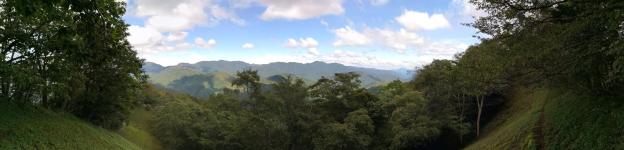
Yanagisawa Pass to Shirasawa Pass, Koshu City, Yamanashi Prefecture, Saturday, September 7 2019

Coincidentally, I ended up hiking in another national park, this time the Chichibu-Tama-Kai National Park, the closest one to Tokyo. I took the limited express Chuo line all the way to Enzan – they updated this line to all reserved seating earlier this year, and I have to admit that so far it’s a positive change, since I’ve been able to get a seat every time, which wasn’t the case with the old system.

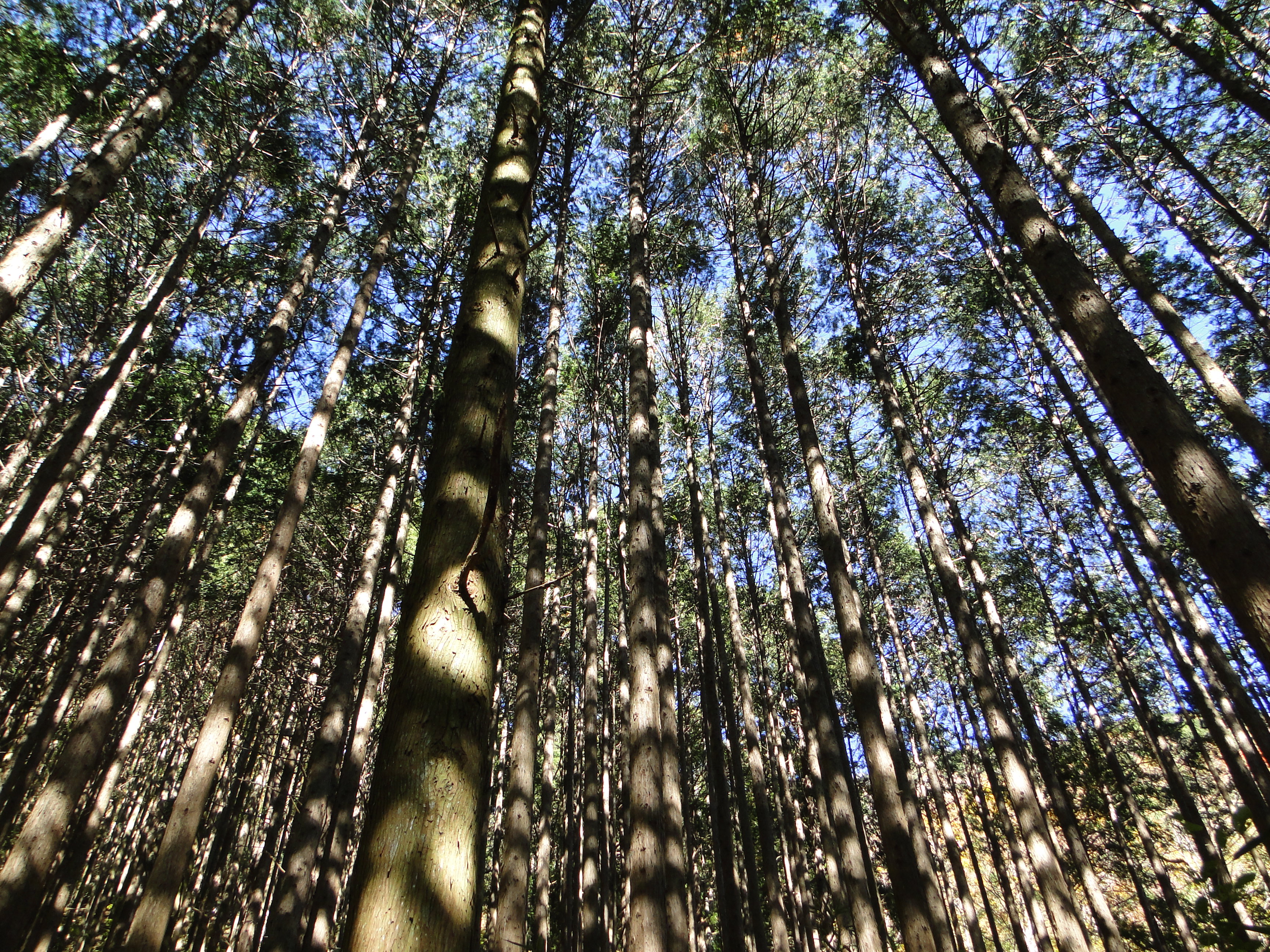
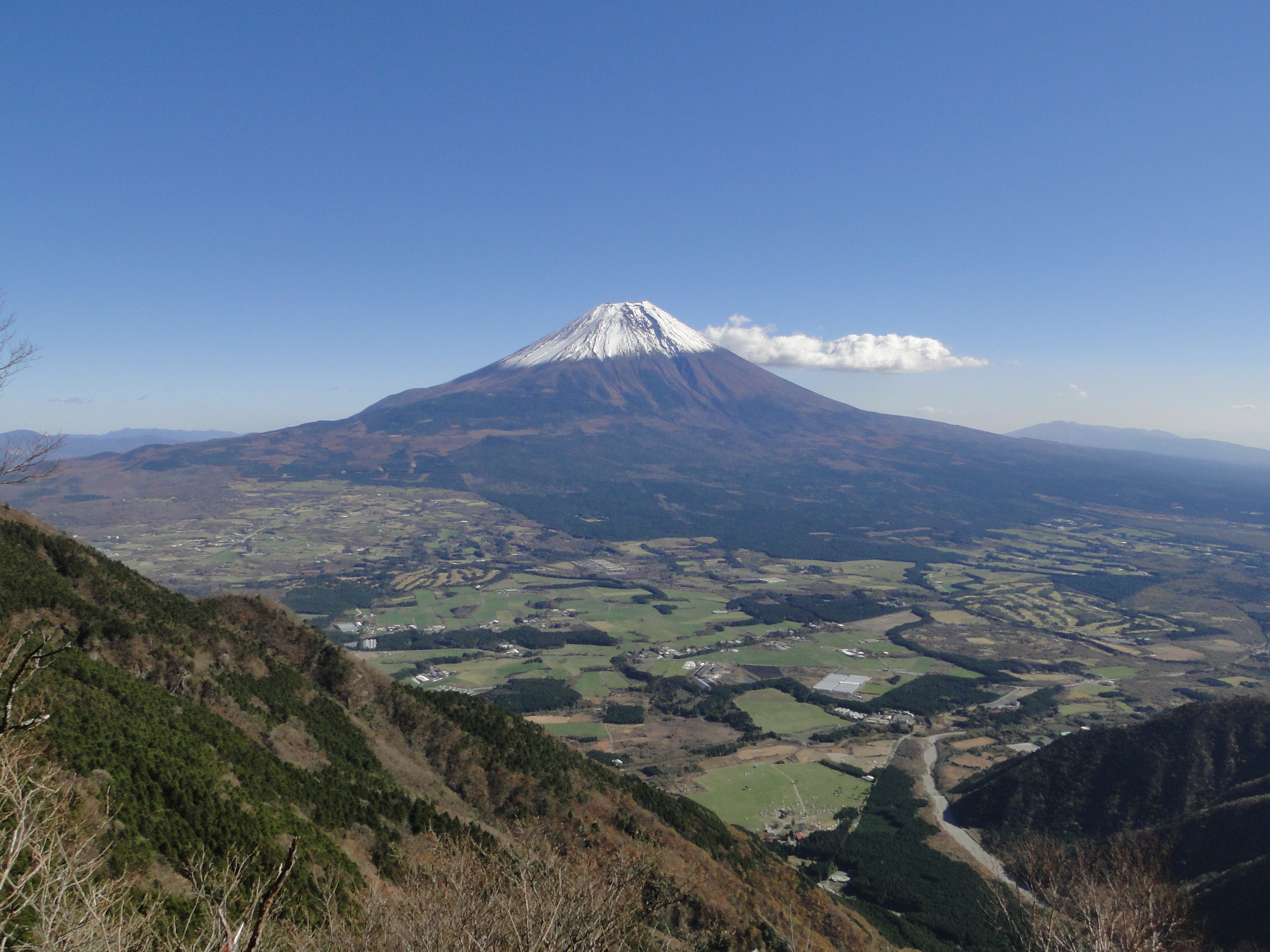
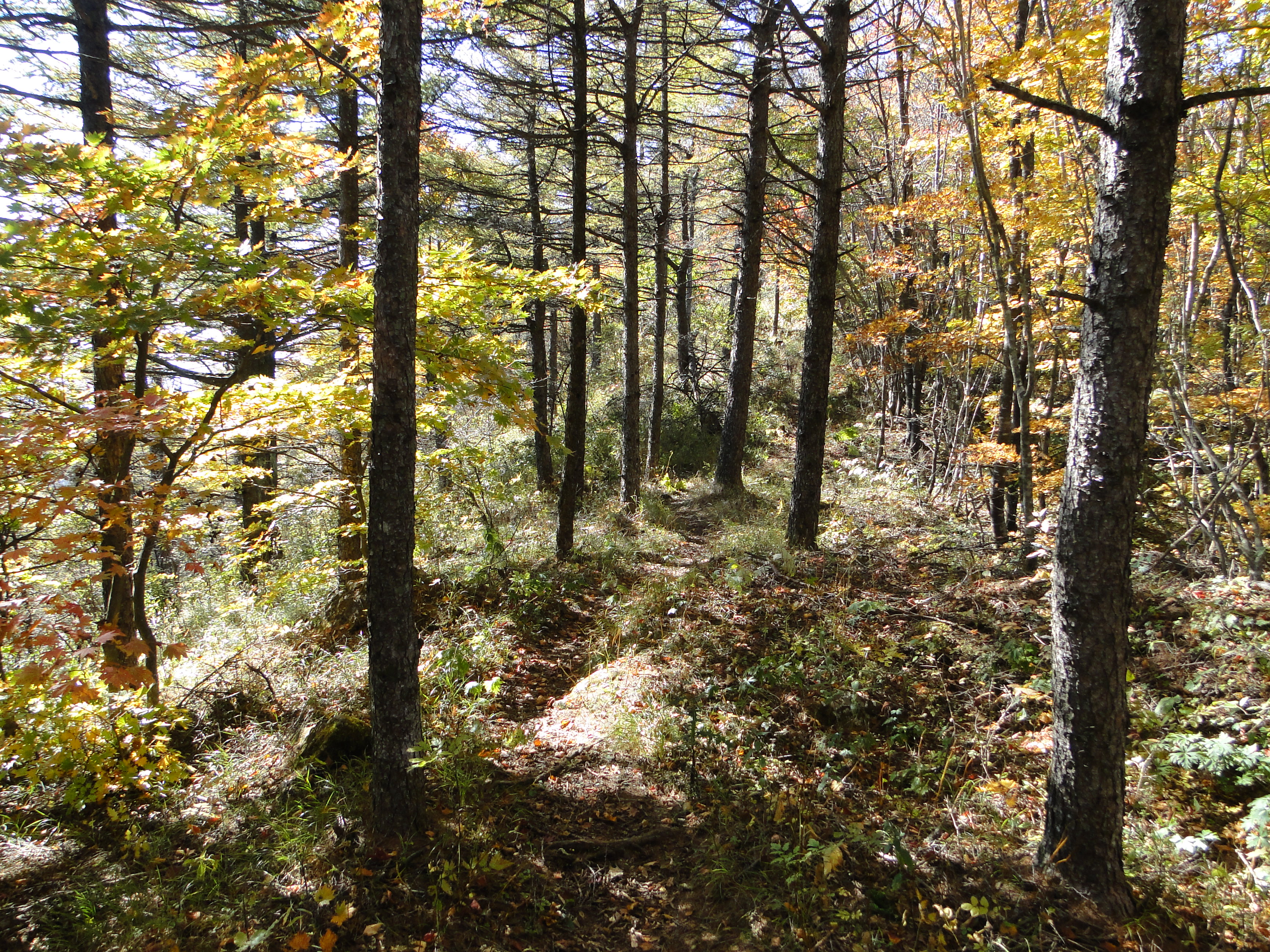
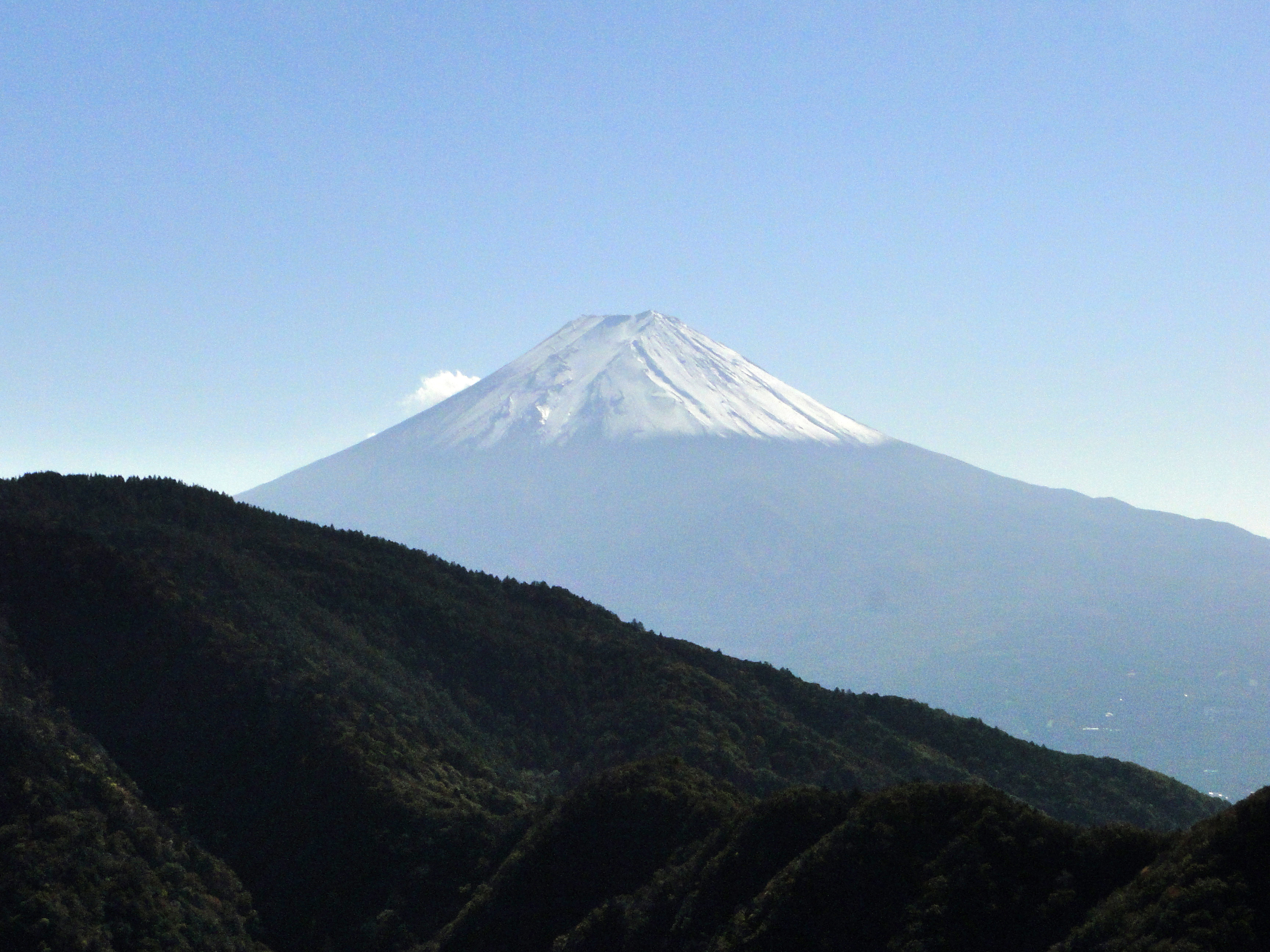
From Enzan station, I took a bus all the way up to Yanagisawa pass at nearly 1500m. After I got the bus I was able to see a good view of Mt Fuji, as well as some classic cars parked just behind the viewpoint. The last time I was there, I went East towards Mt Keikan and Daibosatsu Rei. This time I made my way first West, then North, along an easy to hike path through beautiful forest. I could hear deer but I couldn’t see them – I did see a toad though. Since there were no major peaks along the way, I saw almost no other hikers, and the weather was a lot better than I had expected – sun and clouds, but no mist.

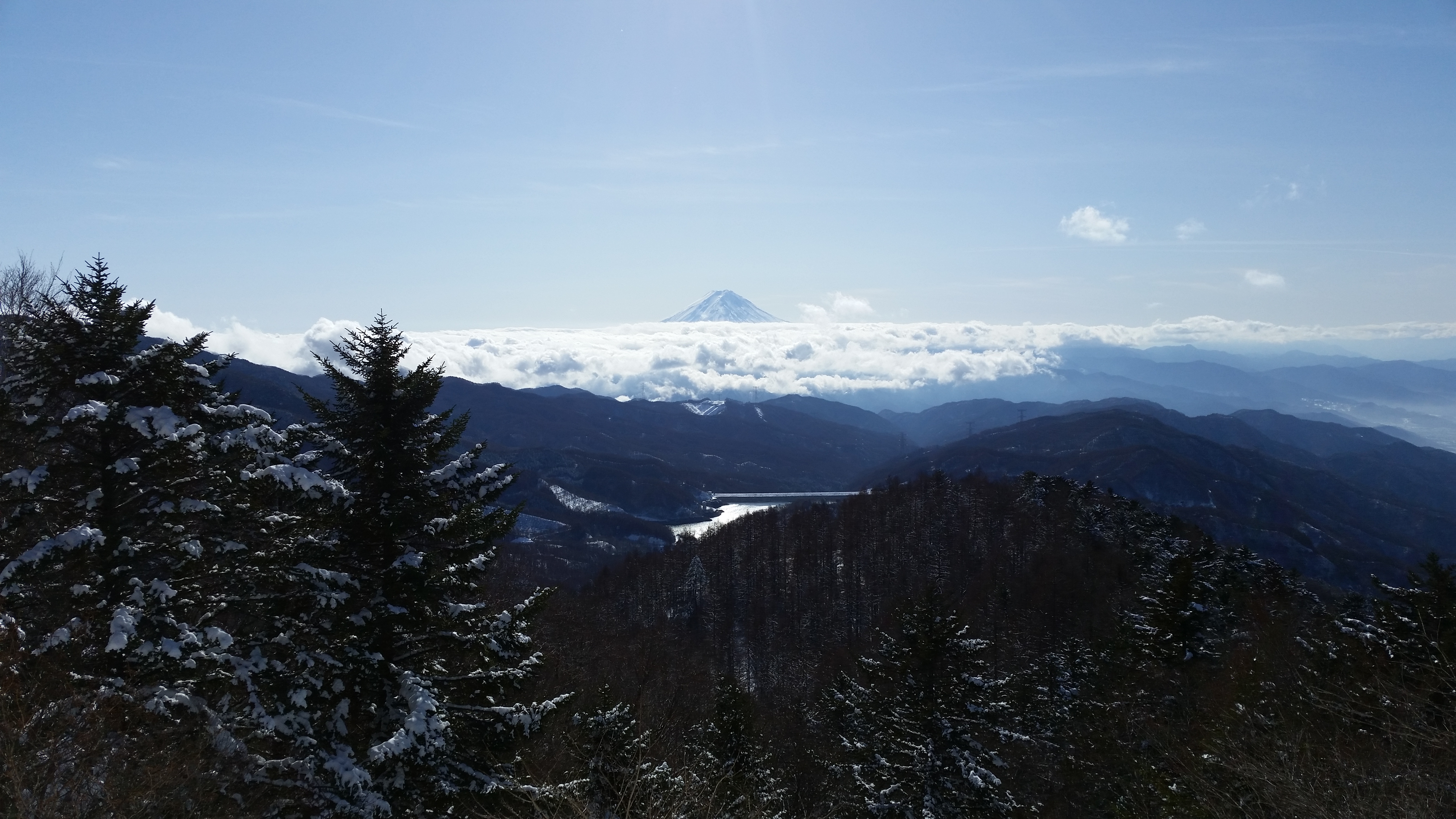
Mt Fuji from Yanagisawa pass

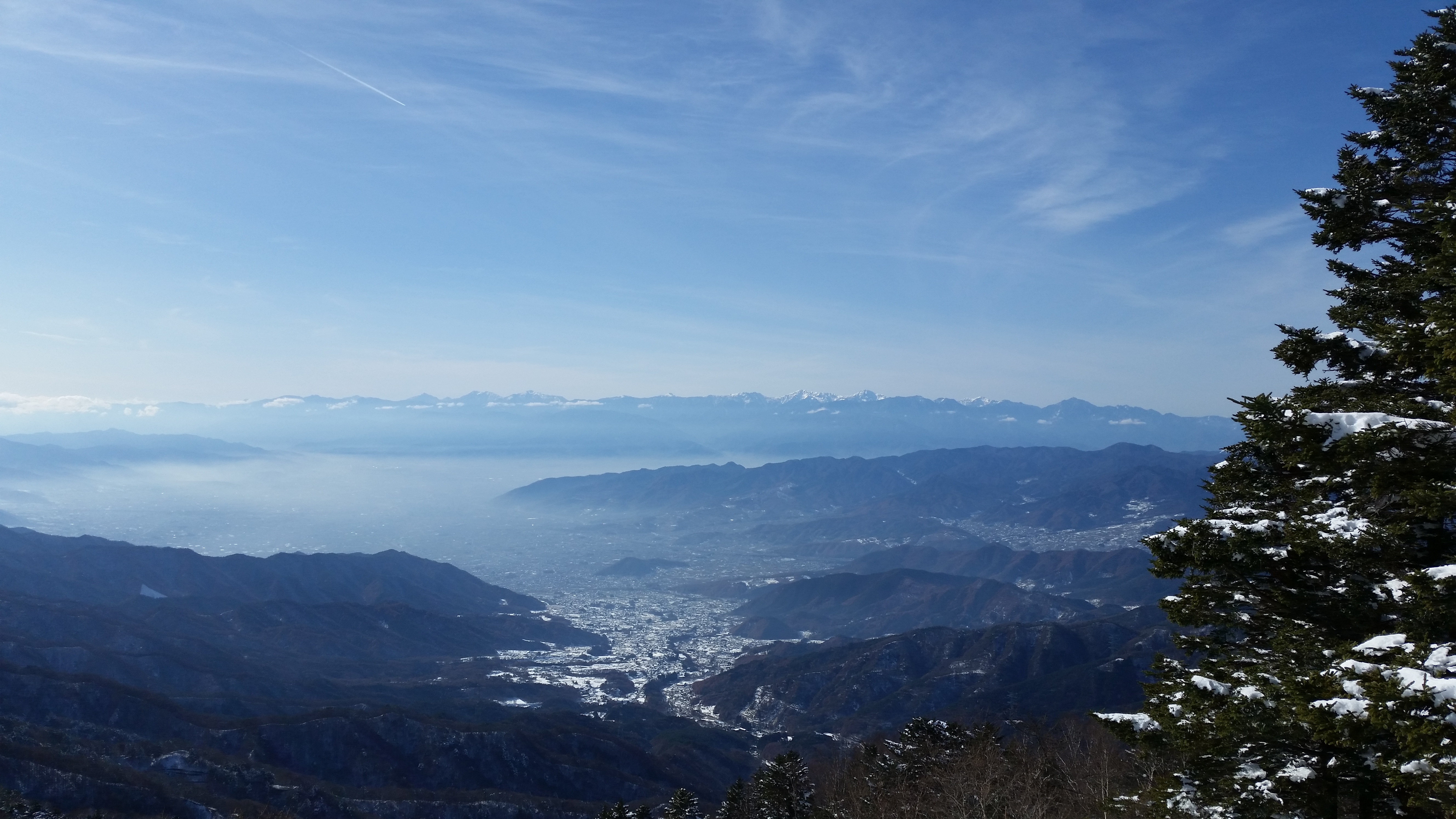
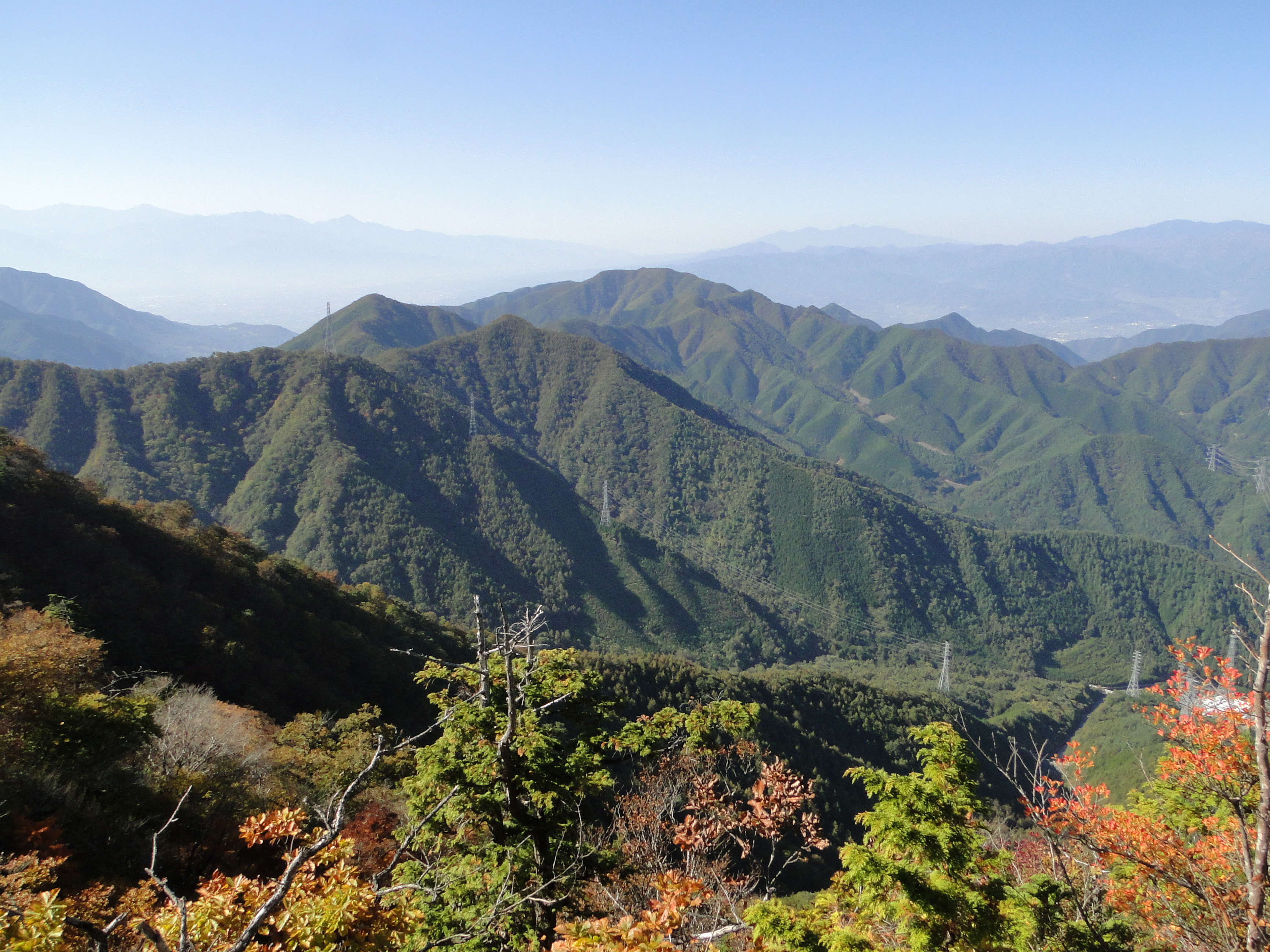
I soon reached Yanagisawa no Tou 栁沢の頭 where there was another view, and a little further, I got to an even better viewpoint, Hanze no Tou ハンゼの頭 (1681m). I could see Mt Daibosatsu Rei, Mt Fuji, the Kofu valley and the entire range of the South Alps. Another hiker even pointed out the pointed peak of Mt Kinpu which I had completely missed. One of the best views in the area and almost completely deserted!
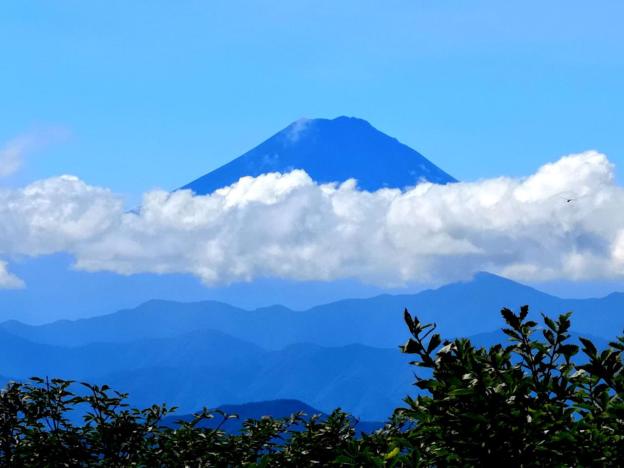
Mt Fuji with blue mountains in the foreground

After an enjoyable lunch, I continued along the long ridge that forms part of the backbone of the Koshu Alps, as the mountains of Yamanashi are called. I soon reached the Kasatori forest path – there was no signpost, but I instinctively turned left, and found the continuation of the hiking path a little further, just beyond the NTT antenna.

The South Alps – notice the pointy peak of Mt Shiomi in the middle

The path was flat and easy to hike, but as most paths in Japan, it didn’t last. I soon reached a steep downhill which took me to a construction site, a little surprising high up on the mountain. They were installing solar panels, something I’ve been seeing more and more on my hikes. Past the solar panels, I lost the path for a short while, but managed to get back on it soon enough. This is a trail that could certainly do with more signposting.

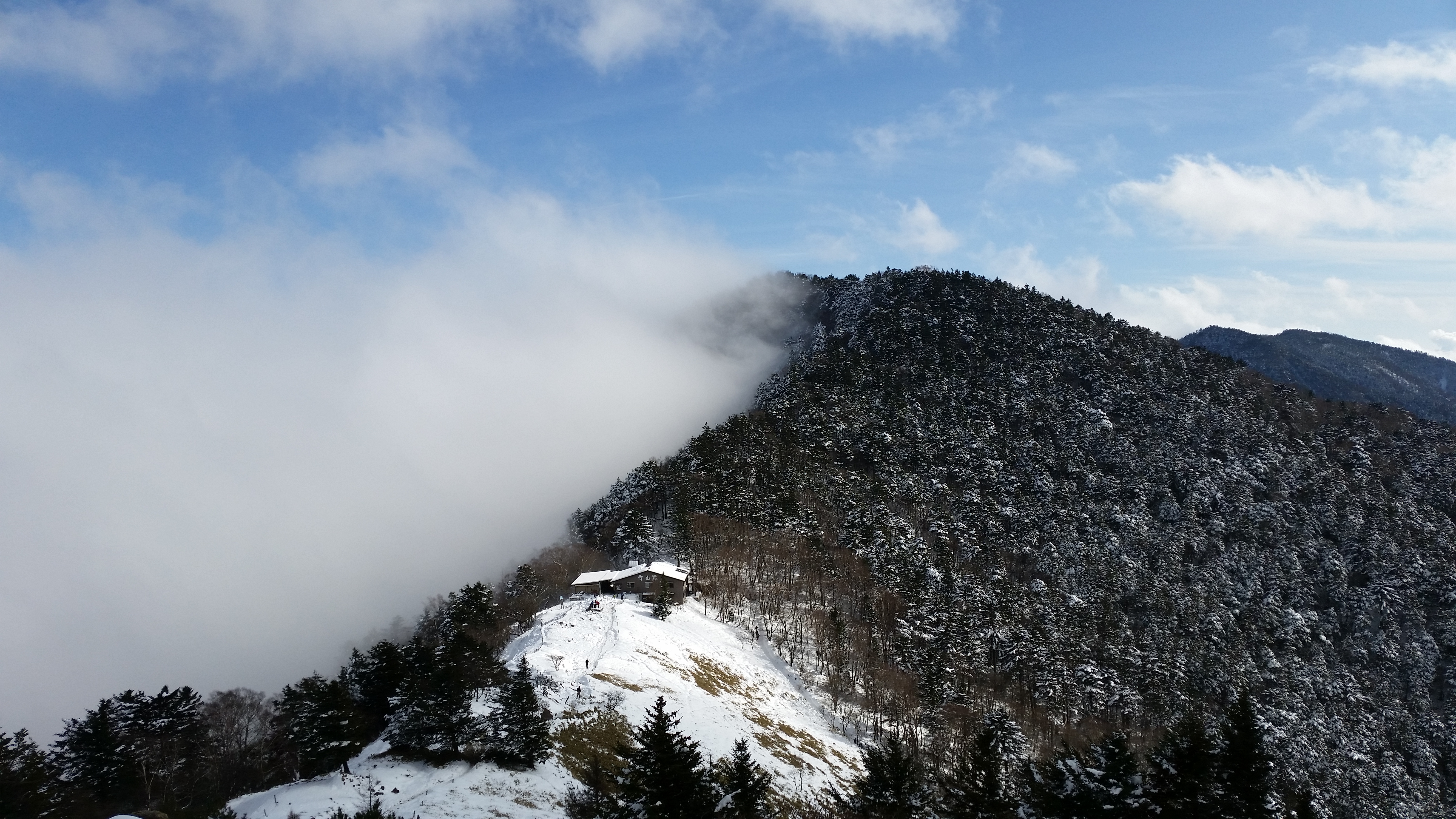
Clouds converging on Mt Daibosatsu Rei

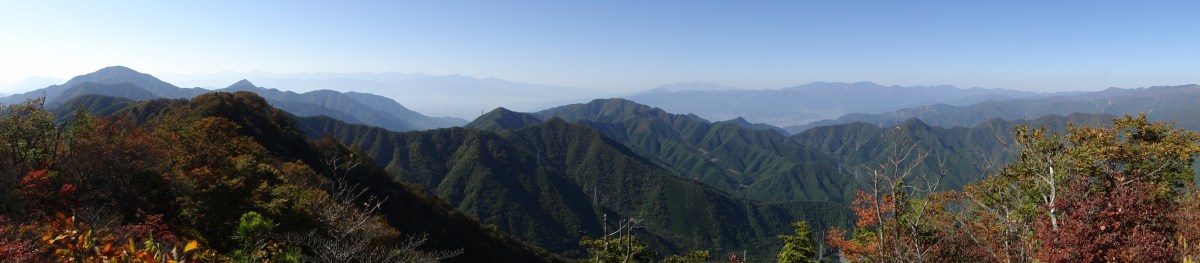
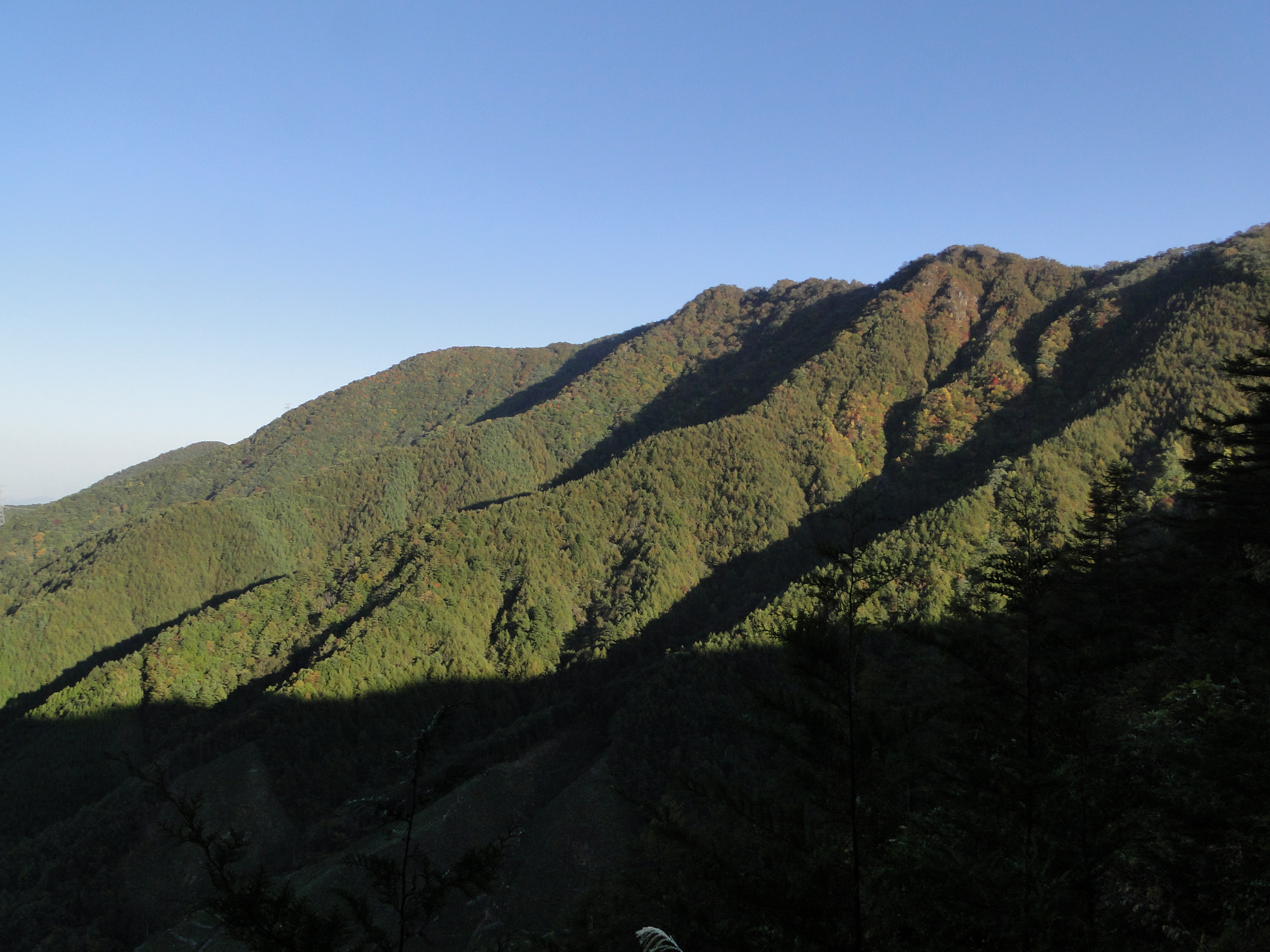
Soon the path begun a series of steep uphills and downhills. I would love to recommend this hike to people who are looking for a not-so-challenging hike, but although the climbs and descents aren’t long, they were pretty steep! I got some nice views Eastwards of Mt Keikan and Daibosatsu Rei, as well as the triangular summit of Mt Kumotori further in the distance. In front of me was Mt Kasatori, and to the West was Mt Kobushi and Mt Kentoku. I had already hiked all these peaks and connecting ridges, so it was enjoyable to view them from a distance.

Looking back towards Tokyo

I was starting to wonder when I would arrive at Shirasawa pass 白沢峠 when I suddenly spotted a couple of people sitting in chairs in a clearing ahead. It was quite surreal since I hadn’t seen anybody for the past 3 hours. But here they were relaxing and smoking cigarettes in the middle of nowhere, as if they were at some campsite. There was also an abandoned vehicle in the middle of the clearing with a tree growing in the middle of it. I wasn’t too surprised to see it there, since I had seen photos of it while researching the hike.
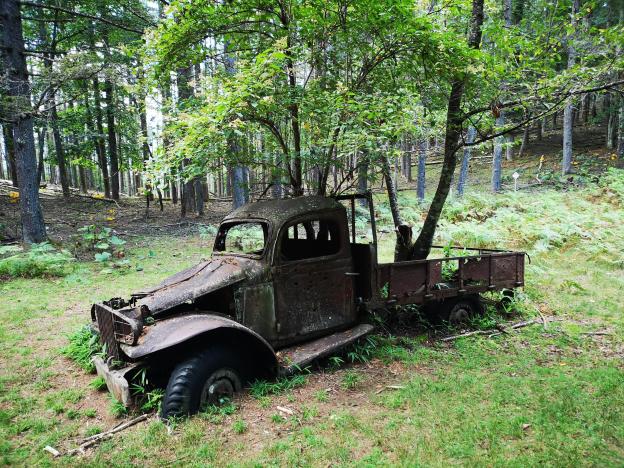
It’s like something from a Ghibli movie!

There was a jumble of signs nearby and I couldn’t quite make out where I was, but surely not Shirasawa-toge! first I wasn’t at a pass; second there was no path heading down to the East. I asked the two people, not hikers, relaxing near the abandoned truck but they had no idea. The younger of the two vaguely gestured to the right saying that they had come up through the forest, but I couldn’t see a path. I decided to continue along the main trail.
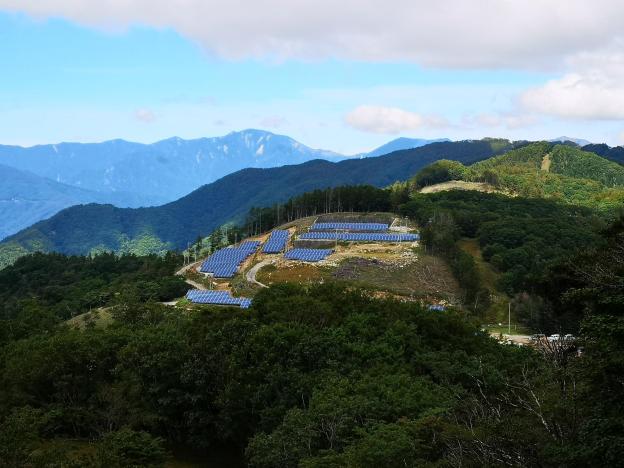
Solar panels with Mt Kobushi in the background

I continued for nearly half an hour, during which the path went down a bit, and then started to climb again. It had turned into a wide and not so nice forest path. I was starting to wonder when I would get to the pass, when it suddenly hit me – the grassy area with the two guys and the car was the pass! I immediately turned around and started to run back. When I got back, the 2 guys had gone, and I found the path down to the bus stop – it was really faint and hard to see, but it was a proper trail.

Luckily it was easy to run and I sped down it as fast as I could. Soon I was following a mountain stream, and then I reached a dirt road, where I passed the two guys who were in fact motorcyclists. I half hiked and half ran, and finally reached the Koshu Kaido (which runs all the way from Tokyo) where I caught the bus (the same one as in the morning) back to Enzan station.

Japanese toad I spotted on the trail

Next up: Mt Mikuni in Gunma prefecture

Mt Koshutakao (1120m), Mt Tanayokote (1305m) & Mt Otaki (1362m), Koshu City, Yamanashi Prefecture, Saturday January 7, 2017

Situated on the Eastern side of the Kofu basin in Japan’s wine country, Mt Koshu-Takao is a technically easy but fairly long day hike, especially if one continues to Mt Tanayokote and Mt Otaki further up the ridge. The highlight is the panoramic view of Mt Fuji and the Southern Alps from various spots along the mostly bare ridgeline. Make sure to drop by the hot spring on top of “Budo no Oka”, and also indulge in some wine tasting before heading back.

Mt Fuji can be seen from many Spots along the Hike

This was an amazing station to station hike I had been saving for a day I couldn’t be bothered to look up bus times. I just regret I hadn’t hiked up Mt Koshu Takao (甲州高尾山 こうしゅうたかおさん koushuutakao-san) sooner: from the pictures in my guidebook, it looked like a dull up and down slog, but after gaining enough elevation, the views of the Mt Fuji and the South Alps were out of this world. Not only did I have clear weather but I also got to see a “sea of mist” covering the lower elevations.

The South Alps, with the three Shirane Mountains in the Middle

The surrounding scenery was a nice mix of subalpine and alpine, lots of pines and open grassy spaces, despite the fact that I was always below the 1500m mark. The hike follows an undulating ridgeline which goes all the way to Daibosatsurei, although part of the trail is rough and unmarked (GPS recommended). I made it all the way to Mt Tanayoko (棚横山 たなよこてやま tanayokoteyama), a 100 famous mountain of Yamanashi, and Mt Otaki (大滝山 おおたきやま ootaki-yama); this last summit was completely in the trees.

The summit of Mt Takayokote

Just a couple of hours by train from Shinjuku on the Chuo line, Katsunuma-budokyo station feels like a completely different world. From there, it took me less than an hour to walk to the trail entrance at Daizenji (大善寺). For the return, I went down a forested valley on the west side, past the picturesque shinto shrine Otakiyama Fudoson Okumiya (大滝山不動尊奥宮), as well as a waterfall, frozen in this season.

Sideways View or Mt Takaokoshu from Budo no Oka


Beyond that, the path becomes a road which you need to hike for 90 minutes back to the station. I was fortunate enough to be picked up by somebody on the way down (there is a parking area near the shrine); they even dropped me off at Tenku no yu hot spring close by the station. By the way, this onsen is on the top of a small hill and has some great views of the wide plain that forms the central part of Yamanashi prefecture.

Watch a Video of the Hike

November Snow Hiking, Daibosatsurei (2047m), Yamanashi Prefecture

With  early freak snowstorm, mountains in the Kanto area received up to 20 cm of fresh snow. I did a short reconnaissance up Mt Hiwada 日和田山 (305m) near Hanno station on Friday. Unfortunately snow and November temperatures don’t really mix, and everything was melting as if Mother Nature was trying to cover up some big mistake in a hurry.

Big lumps of snow were falling from the branches making walking under the trees quite perilous. In other places snowmelt was coming down in streams of water just as if it were raining, except that it was a beautiful sunny day. Overall the muddy and wet conditions were starting to make me despair that I would be able to find a good place to go hiking on Saturday. Too low, I would encounter similar slushy conditions. Too high and there was a risk of losing the trail or worse, running into trouble on a steep section.

I finally hit upon an interesting idea which I was able to confirm after a quick search on internet. Buses for Daibosatsurei (2047m) 大菩薩嶺, one of the hundred famous mountains, usually run till about mid-December, after which the service is stopped till the spring because of snow. Daibosatsurei is a relatively easy mountain to hike, a place I was familiar with, and that would also make a good snow hike, except that in the in the winter months you would have to hike up (and down) from a much lower point, the entrance of the Daibosatsu mountain trail at 900m. However, despite the unusual snowfall the buses were still running on Saturday November 25th and thus it was possible to get all the way up to Kamihikawatouge 上日川峠, nearly 600m higher, and a very good convenient starting point for a stroll in the snow.

After getting off at Kaiyamato 甲斐大和 station, I rushed to get in line at the bus stop. Daibosatsurei is a highly popular place to hike, not only because it’s a hyakumeizan but it’s also relatively close to Tokyo and easy to hike. However this time, we were only a handful of people waiting for the bus. Perhaps most people were dissuaded by the snowy conditions or maybe less people go there after the Koyo (autumn leaves) season.

Whatever the reason, I almost thought they were right when the bus failed to turn up on time. We were informed by the bus driver of another bus that ours was running late because of the icy roads. Our ride finally rolled in 30 minutes late making a loud rattling noise because of the snow chains. For once this was a good thing, since the hike I had planned, a simple loop of the top part of the mountain was a tad too short. With half an hour shaved off, the timing was perfect.

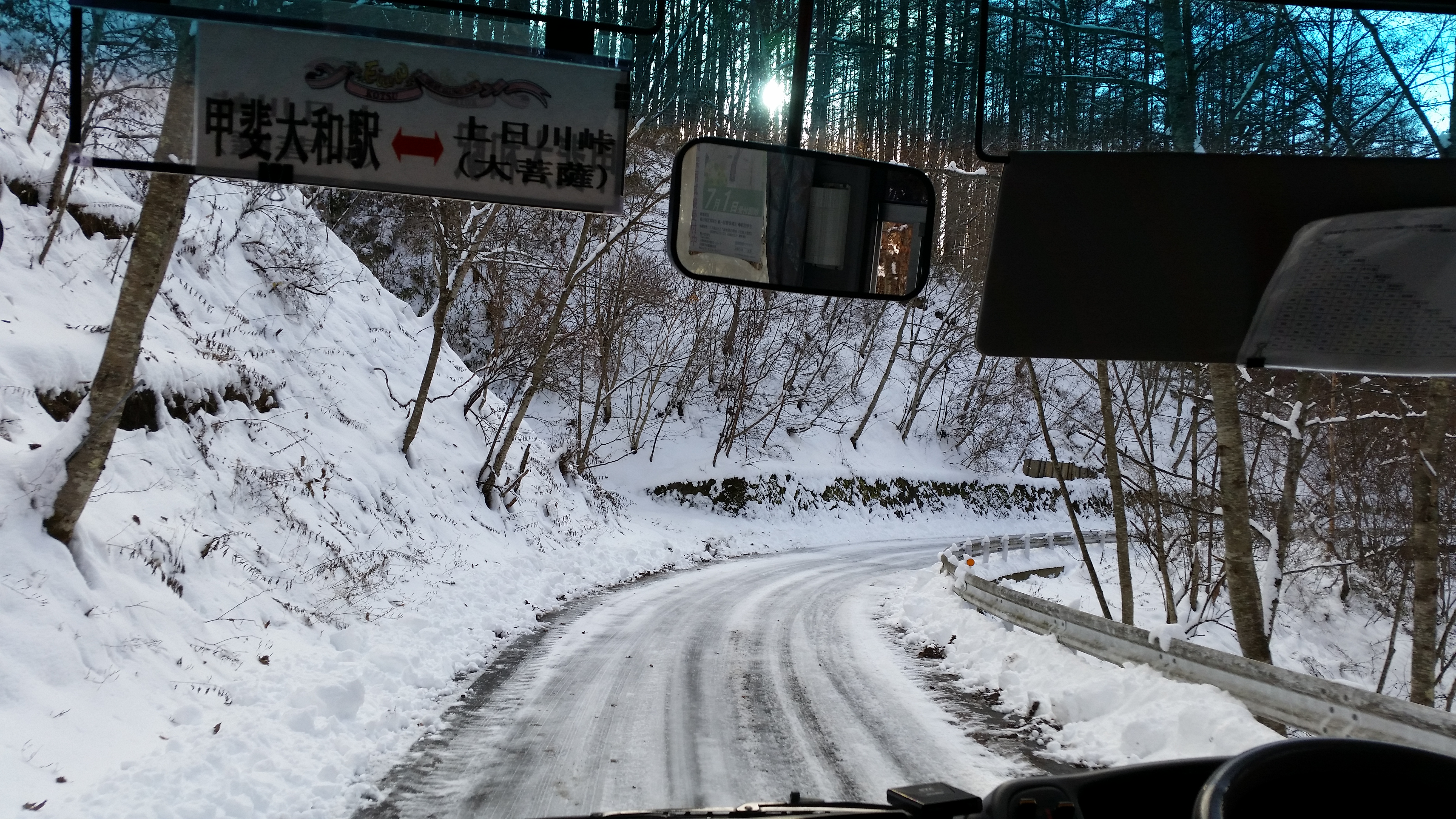
There are few mountain roads in the Tokyo area that are open through winter and thus it was quite a unique experience riding up the mountain with snow banks on either side and, ice and snow underneath on the higher parts of the road.

20161126_150734
Icy conditions on the road to Kamihikawa Pass

I was finally able to start hiking just after 11am. At 1600m the snow was already getting heavy and wet, and any hiking below that point was bound to be unpleasant. I took the ridge trail leading straight up to the summit. Under the trees, it was enjoyable to hike on the snow, made compact and firm by the footsteps of previous hikers, and on the rocky sections higher up, the snow had completely disappeared from anything in direct sunlight. There was no ice, and crampons weren’t necessary on the ascent although I had light ones in my pack, and several people were using them, mainly for going down. The views of Mt Fuji and the entire range of the South Alps were stunning. I had been to Daibosatsurei before but the views hadn’t been anywhere as great.

20161126_121526
Mt Fuji in a sea of clouds

20161126_122951
The South Alps with their winter caps on

The top ridge at around 2000m was freezing and the snow was 20cm deep and practically powdery.  From the highest point, you can walk down along the ridge enjoying the beautiful winter scenery. At the emergency hut on the Daibosatsu Pass I turned right and walked down along the gently sloping wide path that meanders through the forest at the base of the top ridge back to the bus stop. Being somewhat sure-footed and having heavy solid hiking boots, I never had to resort to my crampons.

All in all a satisfying if somewhat short hike (under 4 hours) in a snowy setting and a good choice after a late autumn / early winter snowstorm. Most likely the bulk of the snow under 2000m will have melted by next weekend making this a one-off.

20161126_132559
The Daibosatsu Ridge

20161126_134735
The famous Daibosastu Pass

Mt Kenashi (1964m), Mt Ama (1771m), Fujinomiya City, Shizuoka Prefecture

Mt Kenashi is a famous mountain but not part of the original one hundred. It is part of the famous two hundred mountains, which isn’t too shabby considering that there are thousands of mountains in Japan. It sits opposite Mt Fuji and thus has some excellent viewpoints of Japan’s most famous volcano. Consequently, there are quite a few people climbing this mountain.

Hiking in the Fuji-Hakone-Izu National Park

富士箱根伊豆国立公園

HOW TO GET THERE: The biggest drawback is that this mountain is tough to get to from Tokyo. You will need to shell out 5000 yen to take the Shinkansen from Tokyo station to Shinfuji station in Shizuoka (about an hour), and then put down another 1300 yen for the bus to the Asagiri Green Park entrance (also about an hour). To take your mind of all this spent money, there are great views of Mt Fuji along the way.

Fortunately the way back is slightly cheaper. At the end of the hike you can catch the same bus taken in the morning and get off in Kawaguchiko. From there, you have a choice between a local train or the limited express back to Shinjuku. The latter is more expensive and only runs a few times a day. Alternatively, you can take a bus to Shinjuku station for less than 2000 yen. However if you are going back on a weekend, beware of traffic jams. You could also take this way to go there but you would end up at the start of the hike half an hour later, and to trains heading out to the Mt Fuji can be packed (less so so on the way back).

Get a Map of the Mt Kenashi Hike

This map was developed for Japanwilds with the Hokkaido Cartographer

Find Japan Hiking Maps on Japanwilds

THE ROUTE: Once again I was the only person to get off the bus; it seems that most people come here by car. I had to walk along a flat road for about half an hour to reach the base of the mountain and the start of the hiking trail. The view of Mt Kenashi towering above me was impressive; I wondered if I really was going to be able to manage this long and steep 1000+ meter climb. On the way I passed a wide and grassy camp site on my right with some excellent views of Mt Fuji. I definitely want to camp here some time in the future.

At the end of the long asphalt road I turned left following the signs for Mt Kenashi. Eventually I entered the forest, passed numerous parked cars, and started climbing along a rock path. There were two main paths up Mt Kenashi. I chose the shorter one so that I would have enough time to take the long ridge route down. The path was divided into 10 stations each marked with a sign, similar to the Mt Fuji stations. I passed quite a few people going up and down the mountain. The weather was sunny and not too cold for a November day, although judging from the absence of leaves higher up, it seemed that autumn was already finished on this mountain.

Mt Kenashi with the camp site at its base

As expected the climb was seemingly endless. Similar to when I was climbing Mt Takanosuya in the mist, the top ridge always seemed to be out of reach, always just beyond my level of vision. Every time the path became level, and I thought I was finally there, it would surprise me by rising steeply again. I was slowly getting higher than the rest of the ridgeline, and it felt like I was ascending some kind of spire.

At last I reached a small rocky outcrop, marked as a viewpoint of Mt Fuji. I decided to have an early lunch there, not because I was especially hungry, but because the view was fabulous; there was a comfortable unoccupied sitting spot, and there was no guarantee of something similar at the summit. However I only got past my first sandwich when I was forced to flee because of a group of hikers that talked loudly behind me while taking photos of the view.

Pine tree forest at the base of Mt Kenashi

From this point I reached the top ridge quite quickly. I overtook a lady hiker for the second time, who couldn’t figure it out how that was possible (she hadn’t seen me taking my lunch break on the rocky outcrop earlier on). From there, on it was an easy stroll to the summit of Mt Kenashi (毛無山 kenashiyama – means hairless mountain). Interestingly, just by stepping onto the ridge, the temperature dropped to near freezing. At nearly 2000m, winter had arrived.

As expected, there were plenty of people at the summit. I still managed to find a decent spot to sit down and finish my lunch. Unfortunately, the view of Mt Fuji wasn’t as good from here. However, before I could tuck in, a friendly hiker told me (in good English) that if I continued ten more minutes along the ridge line, I would reach a much better spot for lunch with a 360 view, including Mt Fuji and the Southern Alps. That seemed like a very attractive proposition, so after having him take the obligatory photo of me and the summit marker, I set off for this perfect lunch spot.

The first view of Mt Fuji before the summit

Sadly, I never found it, and one hour later I reached the next summit, Mt Ama (雨ヶ岳 amagadake), the last viewpoint before going down the mountain, and last chance for a (late) lunch. I was lucky I had eaten something before reaching the top, since I wasn’t able to find any good sitting spots with a view along the ridge. Even when I had a 360 degree view, the bamboo grass on either side was just too high to sit down comfortably. I guess the other hiker had walked the ridge in other seasons when the grass hadn’t been so high. The ridge was a mix of cold and shady forested sections, and warm and sunny  grassy sections. The views of Mt Fuji were the best I had ever seen since the sun was behind me; I could make out all the details of the snowy rocky summit area. There were also far less people walking the ridge, since most people, having come by car, had  to go up and down Mt Kenashi the same way.

I found a rectangular block of stone perfect for sitting. moved it into the sun and sat down to enjoy the rest of my lunch while examining Mt Fuji. However, I couldn’t stay too long however since I had a bus to catch. Soon I could see lake Motosuko on my left but too many branches in the way meant that I couldn’t get a good picture.  Oddly enough I had the same kind of experience going down as when going up. Three times I thought I had reached the lowest point between 2 peaks only to discover that the path dipped further down.

Picture perfect view of Mt Fuji along the ridge

Finally I reached the flat part between two peaks and at another viewpoint of Mt Fuji, I saw the escape path for the bus stop leading down to the right. Here I met a male hiker on his way up. He told me that he was going to camp at the top of the mountain so that he could see the sun rising above the summit crater of Mt Fuji the next day, also called Diamond Fuji. It’s something I have never been able to see, but at the same time I don’t think I want to put in some much effort.

After a short while I reached a junction for the Tokai Nature trail. I had to jog along the last flat portion of the way, and I finally reached the bus stop with less than five minutes to spare. The bus back was empty at first but filled up quickly at the next stop. Despite that it was an enjoyable ride since you could see Mt Fuji from time to time.

CONCLUSION: A difficult but rewarding hike with fantastic views up a famous mountain that will see the crowds melt away during the second part.

Ask for a hiking map for Mt Kenashi

View to the South

Honjagamaru (1631m), Otsuki City, Yamanashi Prefecture

This 100 famous mountain of Yamanashi would deserve a place among the 200 or 300 famous mountains of Japan. It offers a challenging climb and a wide view from the top, including Mt Fuji and the South Alps. The trail is also easily accessible on foot from Sasago station on the Chuo line. Funnily enough, it’s not called a “yama” (mountain), but a “maru” (circle).

HOW TO GET THERE: Take the Chuo line from Shinjuku station and get off at Sasago station a couple of stops past Otsuki station. Don’t do like me: fall asleep and miss your stop. I was lucky to be able to get off two stations later, and catch a train back within ten minutes – there are only about 2 trains an hour out there.

Ask for a hiking map for Honjagamaru

THE ROUTE: From Sasago station’s sole exit, walk up the road on the right. Within 50 meters you will reach a T-Junction. This was probably the most confusing part of the hike, since the hiking sign clearly points to the left, whereas my map indicated a right turn. According to the map the left trail was a hard to follow route to another summit on the same ridge. Since it was published 3 years ago, things may have changed.

I decided to go right anyway, and after walking along a dirt road for about 15 minutes, I was relieved to spot a sign for the trail entrance, pointing to a dirt trail going up the mountain on the left. I set off along it with renewed confidence, only to reach an unmarked branching barely ten meters further. The left branch followed the bottom of the valley, and the right one went literally straight up the mountain side.

The beautiful ridge line path

Having already lost a significant amount of time by missing my station, and locating the trail entrance, I followed my gut instinct and went right. I guessed that the paths would probably join up later, as it often happens when you encounter an unmarked branching. They never did, and for the time being it was a mystery.

I quickly discovered that my chosen path was extremely steep – so steep that a couple of times I had to kick in the dirt with the tip of my hiking shoes to get a grip. The path was also very faint; I was starting to wonder whether it was the right choice after all when suddenly I saw a pink ribbon attached to a low branch, the unofficial trail marker throughout the area. The climb to the first shelf was intense, and left me gasping my breath at an electric pylon. After that it was easier going. The surrounding forest was beautiful and felt quite wild.

Some autumn colours

There was another confusing part about an hour after I started climbing, when the path disappeared into some dense vegetation, some sort of grass that had grown out of control. There wasn’t a clear path leading around it, so in the end I picked up a stick and literally beat a path through it myself. I finally emerged onto a road on the other side, as predicted by my map, and thus confirming that I was on the right path.

After the road, there was another very steep dirt path requiring more kicking. Eventually big rocks and boulders started appearing on either side of the path, a sure sign I was approaching the summit ridge. At last, I reached a minor summit 1377 meters high, but there wasn’t much of a view, so I soon continued along the ridge line.  After a while I got to see some beautiful autumn colours, looking amazing with the blue sky in the background.

More autumn colours

Finally I started getting some glimpses of Mt Fuji. After confirming with a descending hiker that the summit had a clear view of Mt Fuji, I hurried along till I reached the summit of Honja-ga-maru 本社ヶ丸, and a stunning view. To the south was glorious Mt Fuji, so close I felt could touch it; in front and to the left was Mt Mitsutoge, a 200-famous mountain; to the West were the South Alps; to the North were Yatsugatake and the mountains of the Chichibu-Tama-Kai national park; the view to the East was hidden by trees. I found a good sitting spot on a rock with a view of Mt Fuji, and had by lunch.

After lingering as long as I dared, I started downhill, continuing along the ridge. There were several more excellent viewpoints on the way. The surrounding rocky scenery felt very wild. On the way, I scared away a family of partridges. At one point, there was a path leading down to Sasago station to the right. I ignored it since I intended to follow the ridge lime for some more time before heading down.

Mt Fuji in the autumn

Just after that there was another tricky part – the path switches back and goes down the opposite side of the mountain. This is the path to Mt Mitsutoge. Shortly after you go under the trees, there is small path leading right and following the ridge again. The sign has fallen down so it is easy to miss. At the fork for Mt Haccho (八丁山 haccho-yama), I turned right to get off the mountain. The round-trip to the top of this mountain takes barely 15 minutes, but I had to drop it since I had lingered too long at the summit, and was in a hurry to get down before it got dark.

View south from the top

A little further there was yet another tricky part. A little before Onna-zaka Pass (女坂峠 onnazaka-toge), there was a path to the right for Sasago station that wasn’t on the map. The route through 女坂峠 was longer and involved an up and down, whilst this new route was more direct. Actually, we were 3 hikers hesitating at this sign. In the end, as evening was arriving quickly, we all chose caution over adventure, and took the fastest route back to the station. Unfortunately, it was also probably the least beautiful option as it descended quickly through secondary forest. As a consolation, it did offer some nice views of Honja-ga-maru and the surrounding peaks.

Honjagamaru from near the end of the hike

Finally after going back and forth through some newly planted pines trees, the path joined up with the official map path. This was the path to the station I had ignored earlier. I was glad I had taken the ridge line path on the way up, since it was truly beautiful with many views. Soon after, the road became paved, and it was a pretty boring 40 minute-walk to the station. According to the map there was supposed to be a bath near the end of the hike. However the locals told me it had closed.

CONCLUSION: Strongly recommended if you are looking for a station to station quiet hike in beautiful forest with great views within 2 hours from Tokyo. The main drawbacks are some navigational difficulties and no onsen at the end.

Ask for a hiking map for Honjagamaru