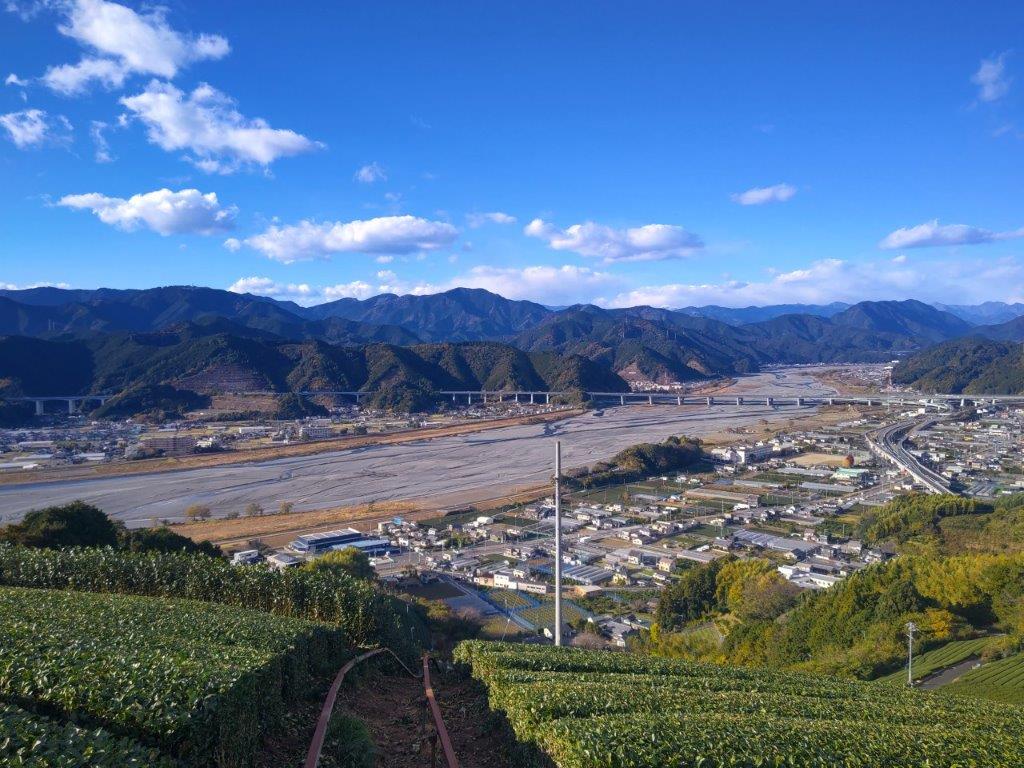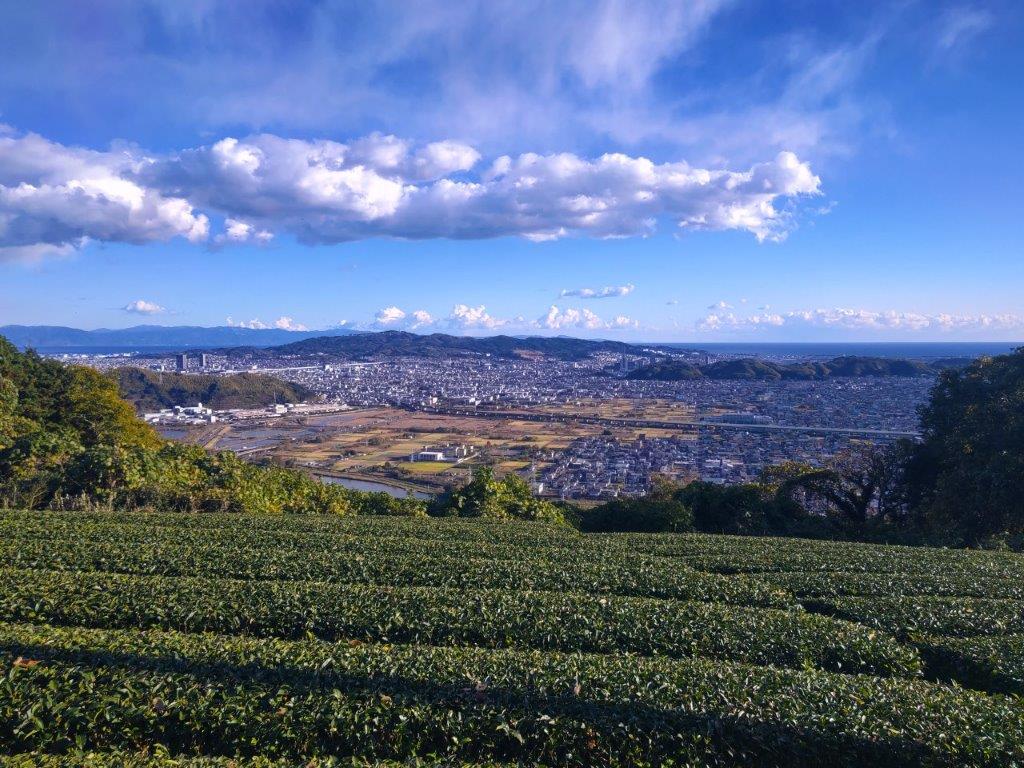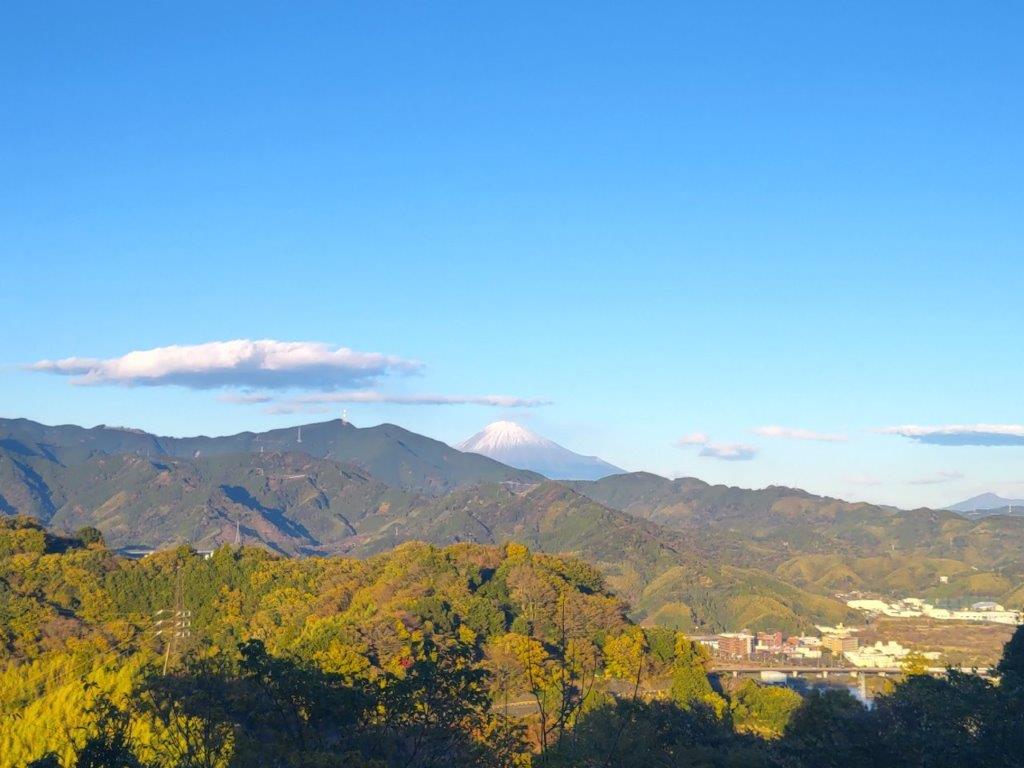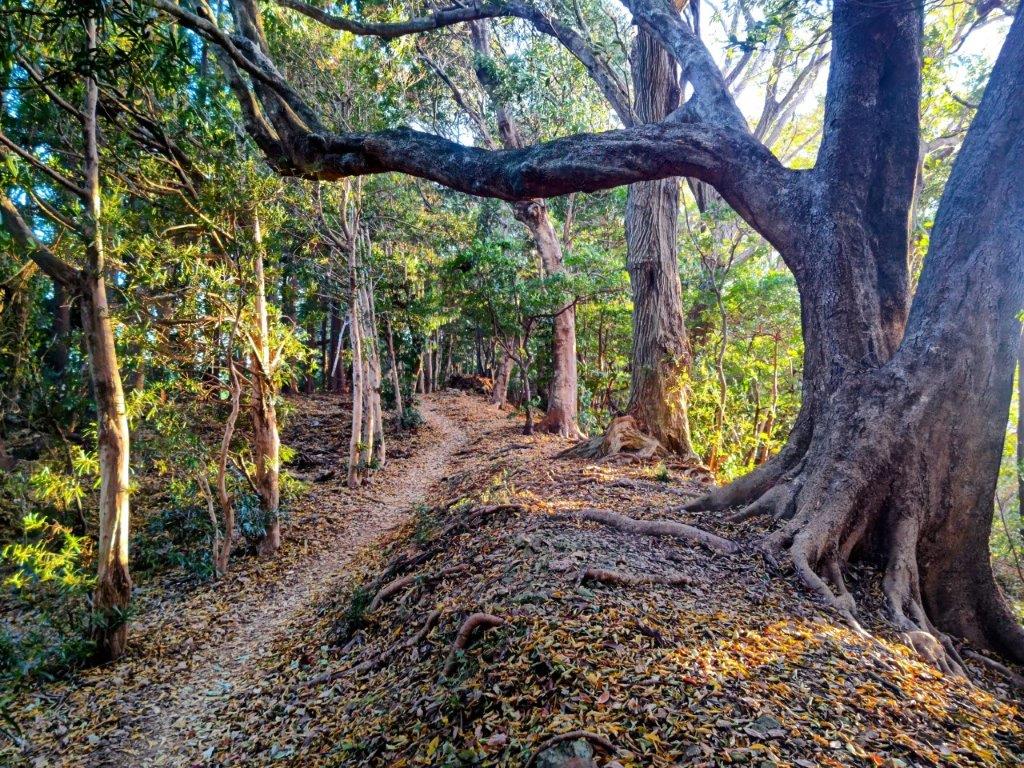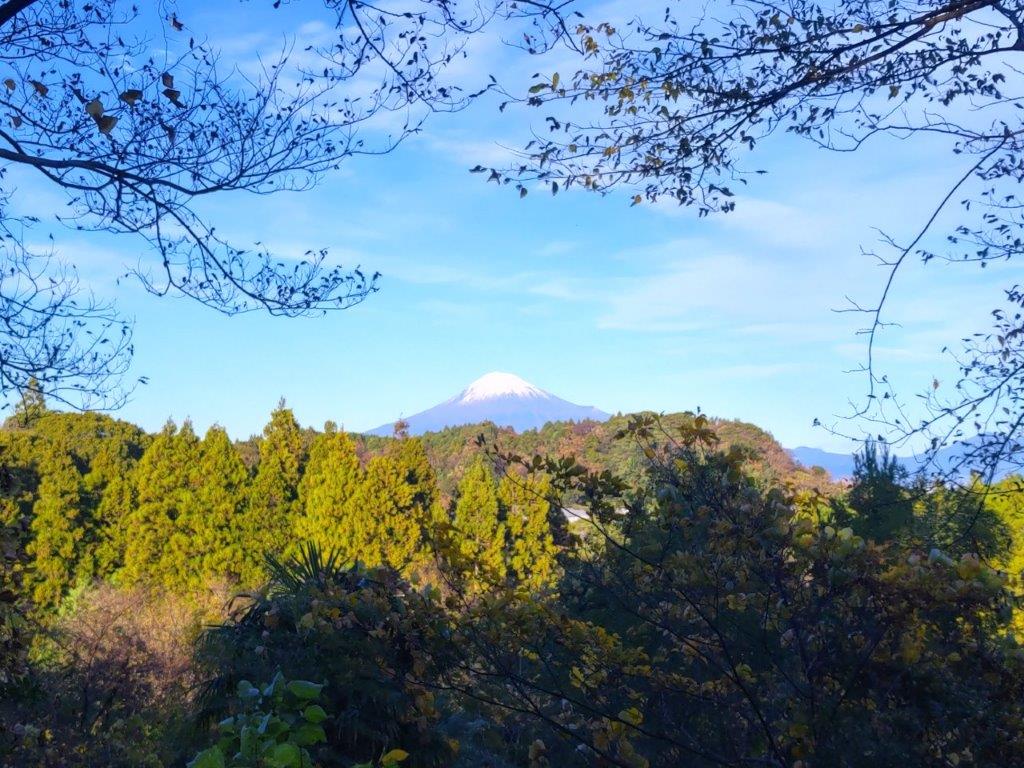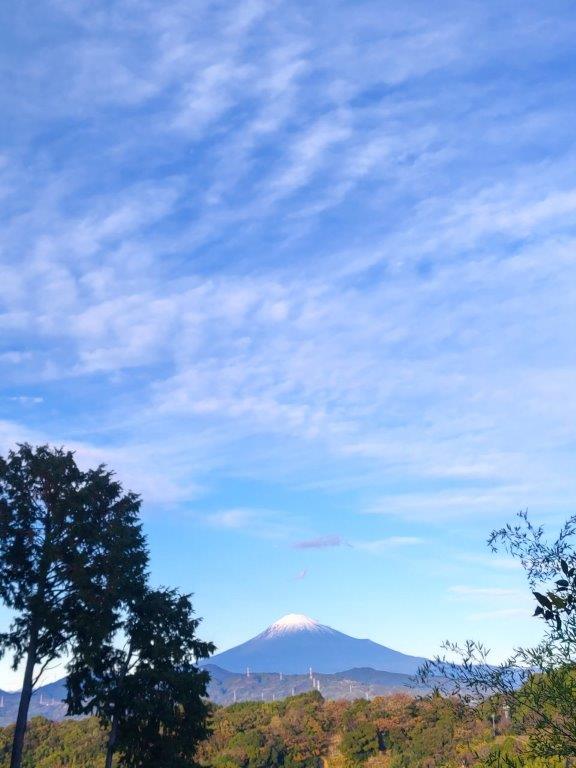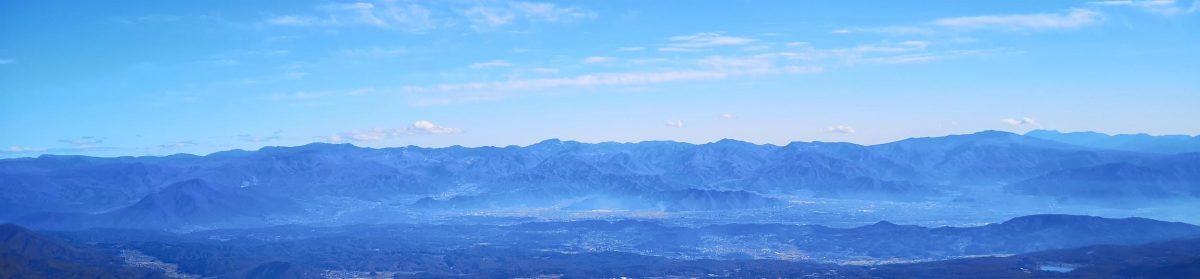
Odoriko Trail (highest point 719m), Izu City, Shizuoka Prefecture, Saturday, April 19, 2025

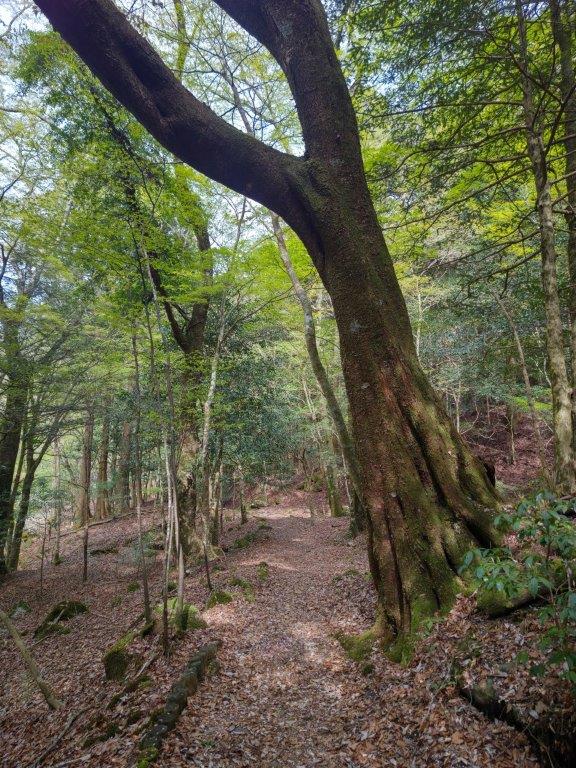
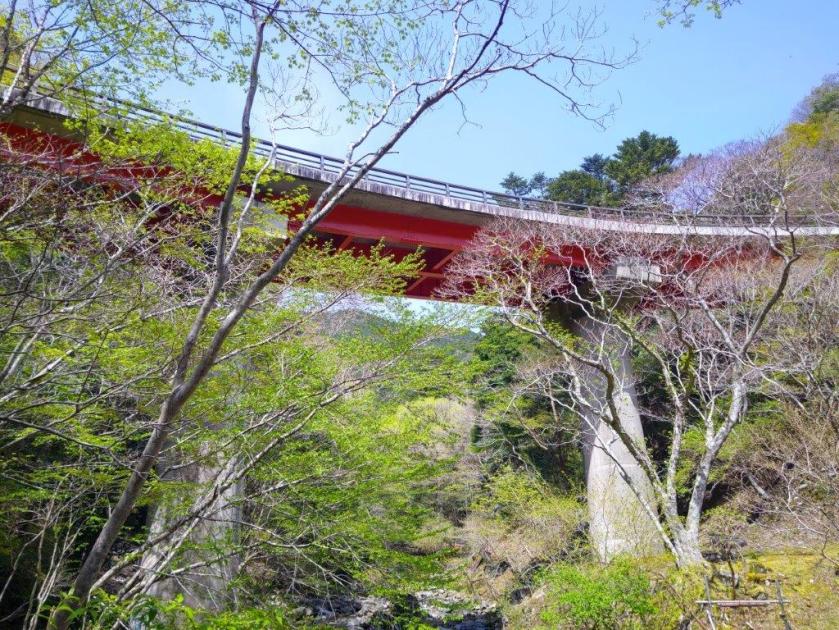
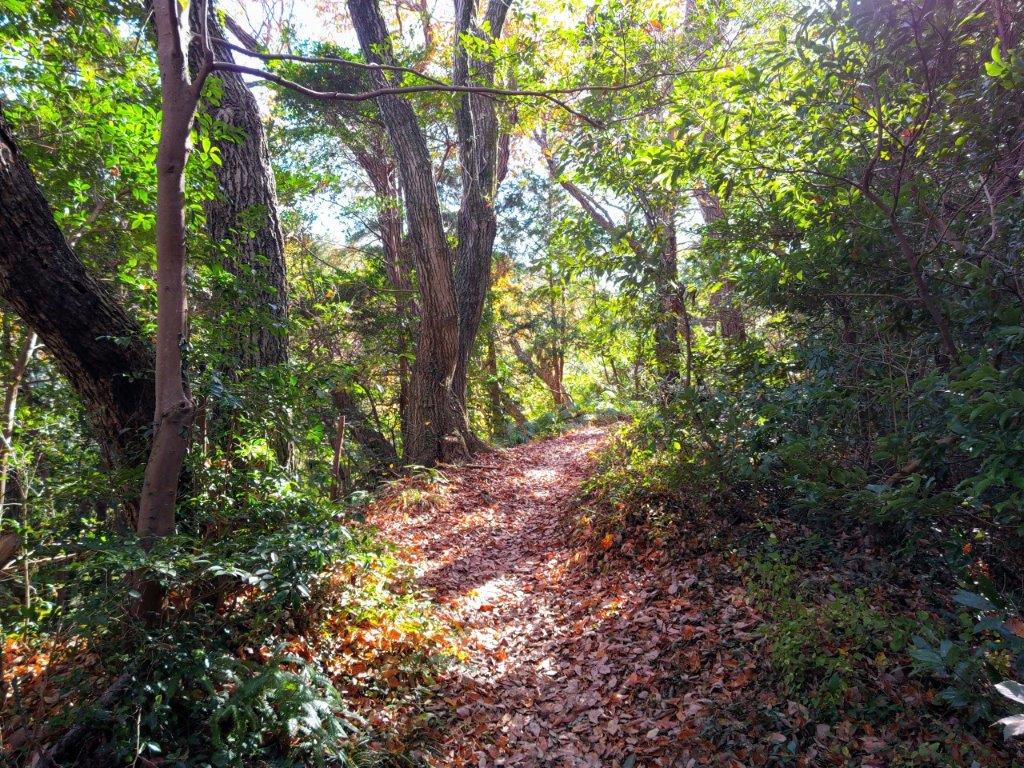
I wanted to visit the Izu Peninsula again since it had been a year and a half since my last hike there. I decided to explore the other half of the Odoriko trail (踊子山道), south of Amagi Pass, hoping that in this season I could finally catch the new green of Spring. Looking at my map, I saw that, although there were no summits along the way, the trail included several interesting sights: the Old Amagi tunnel, Namesawa Gorge, Tarosugi Cedar and Joren Falls.

For subscribers, read this Post on Hiking Around Tokyo for a better viewing experience and the latest updates

Hiking in the Fuji-Hakone-Izu National Park

富士箱根伊豆国立公園

To get to the start of the hike, I’d ride the shinkansen from Tokyo to Mishima, and there, change to the Izuhakone railway Sunzu line. At Shuzenji, I’d board a Tokai bus for Kawazu, and get off at Nikai waterfall, just past Amagi pass. For the return, I could catch a bus for Shuzenji from Joren Falls. If time allowed, I could get off at Yugashima onsen and drop by Kajika no Yu, a public bathhouse. The weather was supposed to be sunny but warm for the season, and I hoped I could keep cool walking under the tree leaves and next to rushing water.

Find Japan Hiking Maps on Japanwilds and subscribe to our newsletter
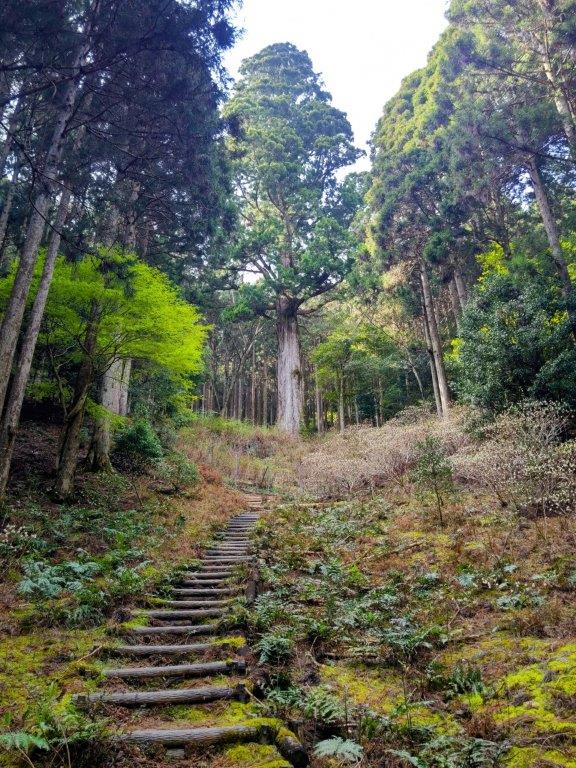
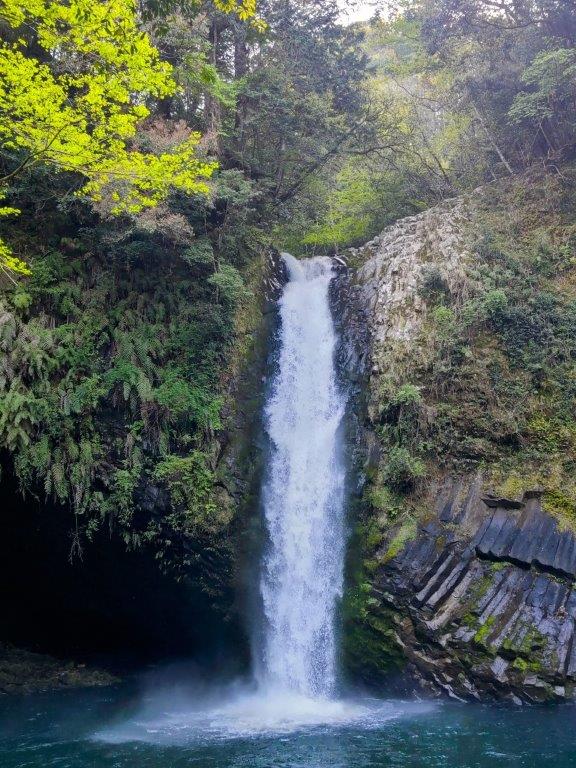
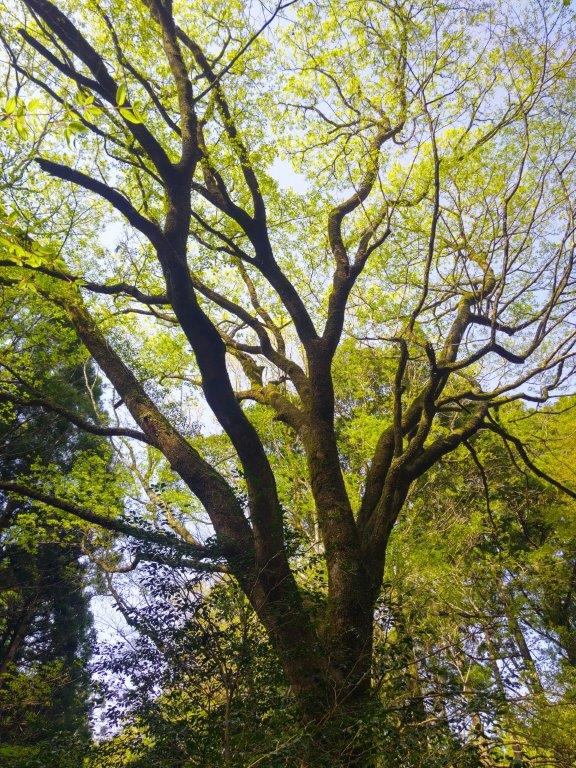
Taro Cedar (left) Joren Falls (right)

Upper (left) & Lower (right) Namesawa Gorge

The start of the hike was the same as when I climbed Mt Noborio a couple of years ago. After checking out Nikai Waterfall (二階滝), the amount of water seemingly the same as before, I continued past the entrance of the Kanten forest road (寒天林道), and after about 30 minutes of mostly level walking along a paved road, I reached the entrance to the Old Amagi Tunnel (旧天城トンネル), just past 1130. Built in 1905, and nearly half a kilometer long, it’s one of the 100 famous road sections in Japan.

See a Slideshow of pictures of the Trail

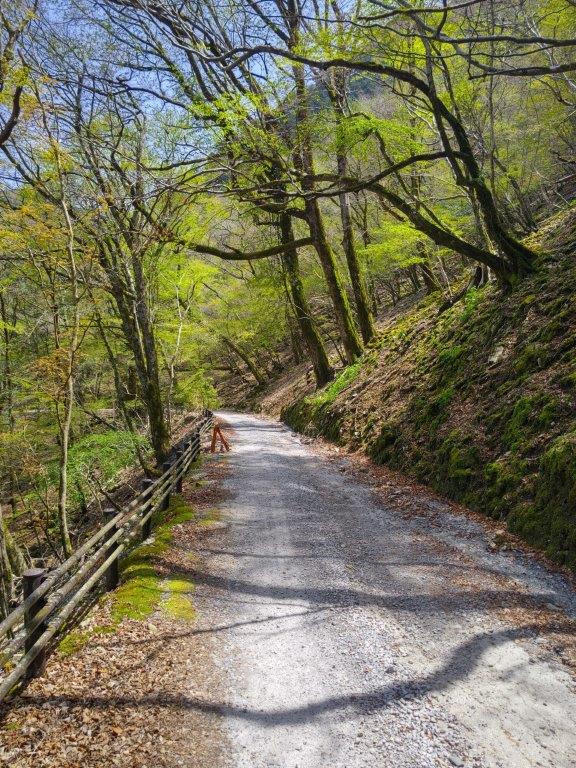
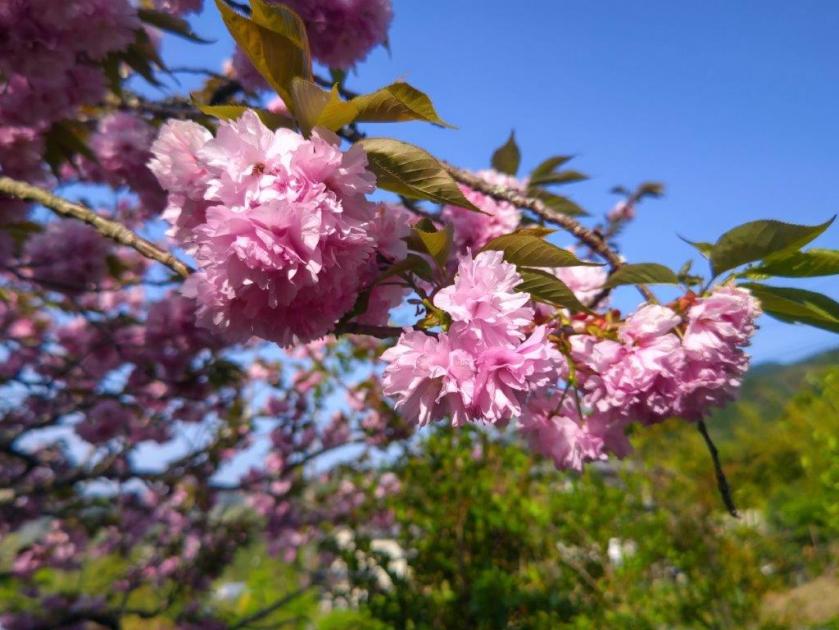
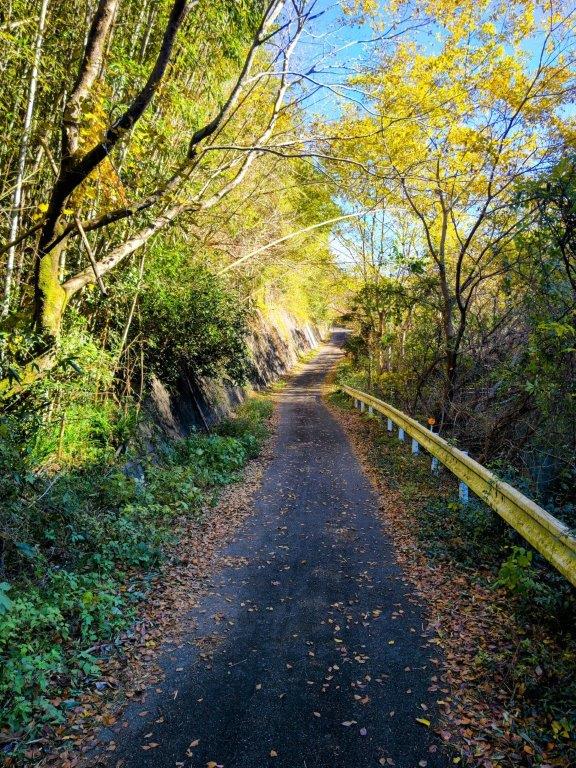
Fortunately, the tunnel was equipped with some lighting (not always the case) and I didn’t need to use my headlight, which I had brought just in case. Still, it was dark enough to feel a little spooky, on top of the steady drip-drip of water from the ceiling. Once out of the tunnel, I continued along a gravel road, now heading slightly downhill. Everywhere I looked, the new green was in full effect, with even some mountain sakura in full bloom dotting the opposite ridge. A little past noon, I arrived at Suishhochi (水生地), a place I had been through before on my way down from Hatcho Pond.

Walking between Kanten Forest Road and the Old Amagi Tunnel

Entrance of the Old Amagi Tunnel

Since today was a leisurely hike and I had ample time till my return bus, I decided to make a short round trip to Namako rock (なまこ岩). Although the rock itself was nothing special, I enjoyed the walk up and down the narrow valley, alongside a rushing stream, surrounded by moss-covered rocks and mitsumata flowers (ミツマタ), slightly past their prime. At 1pm, I reached the Suishochi parking lot and headed down some steps leading from the road to a trail next to a river. I had good views of the fast-flowing water on the left side, bright green wasabi fields covering the opposite bank. After a short while, I crossed the river over a metal bridge. The trail then headed into the forest and hugged the steeped forested mountain ridge. At 1h30, I came to a wide-open space called Yuyu-no-mori (遊々の森).

Walking through the Old Amagi Tunnel
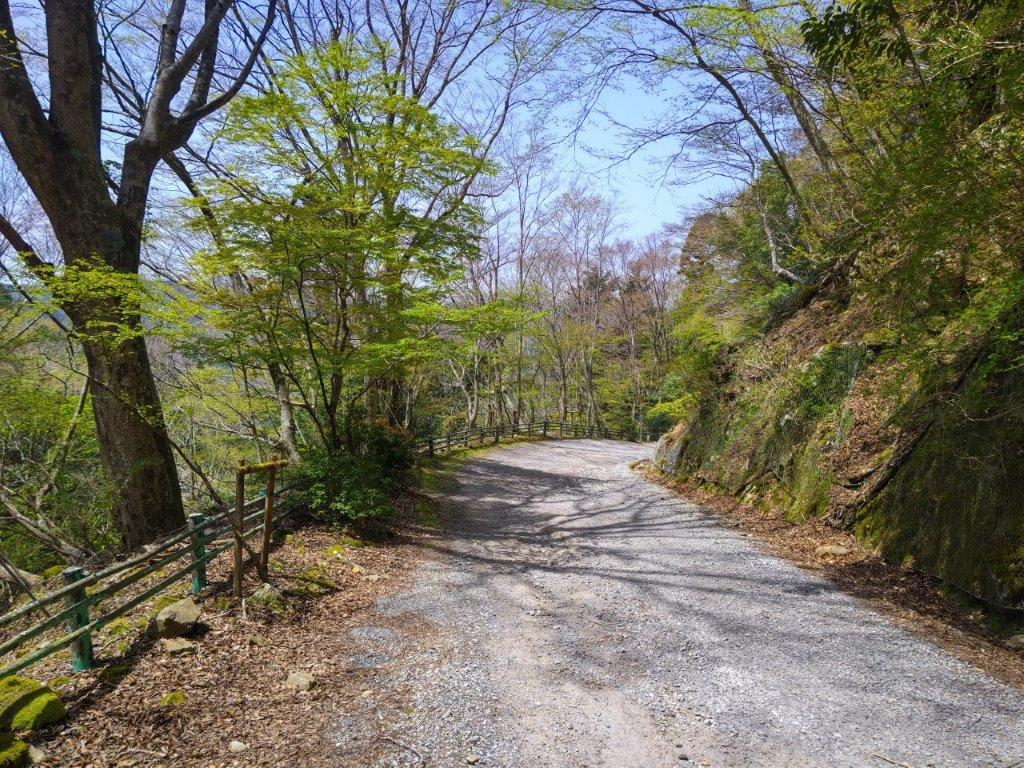
Walking between the Old Amagi Tunnel and Suishochi

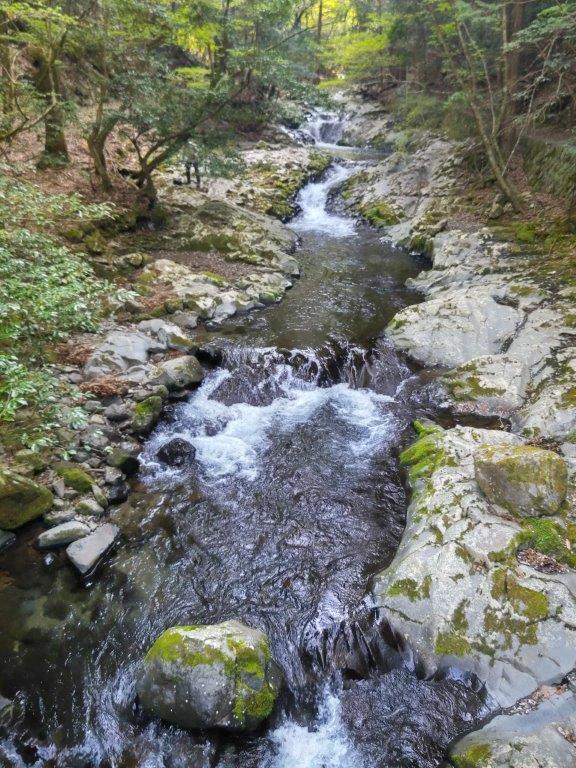
Since there was a bench in the shade of a towering cedar tree in one corner, I decided to take a break for lunch. Opposite was a rusty old train on display, a reminder of a time when a railway ran through the valley; behind me, I could hear the rushing water of the river; on my right, I could see the white bell-shaped flowers of the “Dodan Tsutsuji” (ドウダンツツジ) bobbing in the breeze. At 2pm, I set off again. I soon recrossed the river, and was once again walking along its right bank, arguably its best side, occasionally stopping to admire small waterfalls, slowing the rapid flow of water. As I had expected it remained pleasantly cool, despite temperatures being in the high twenties.
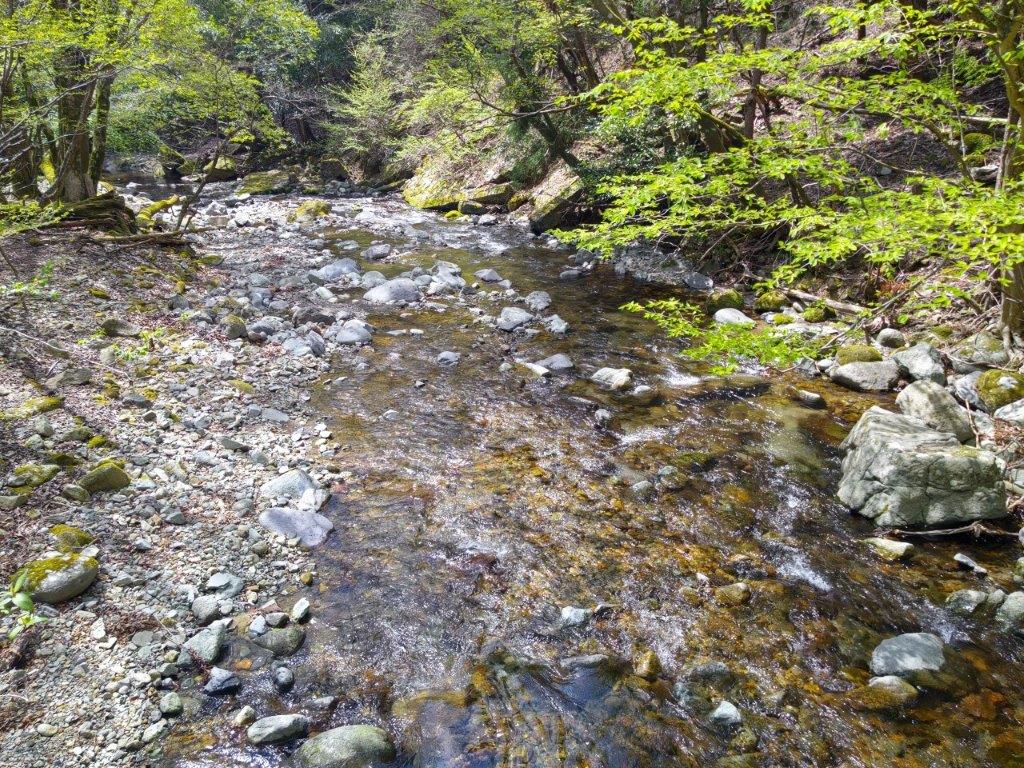
View of the River from the First Crossing
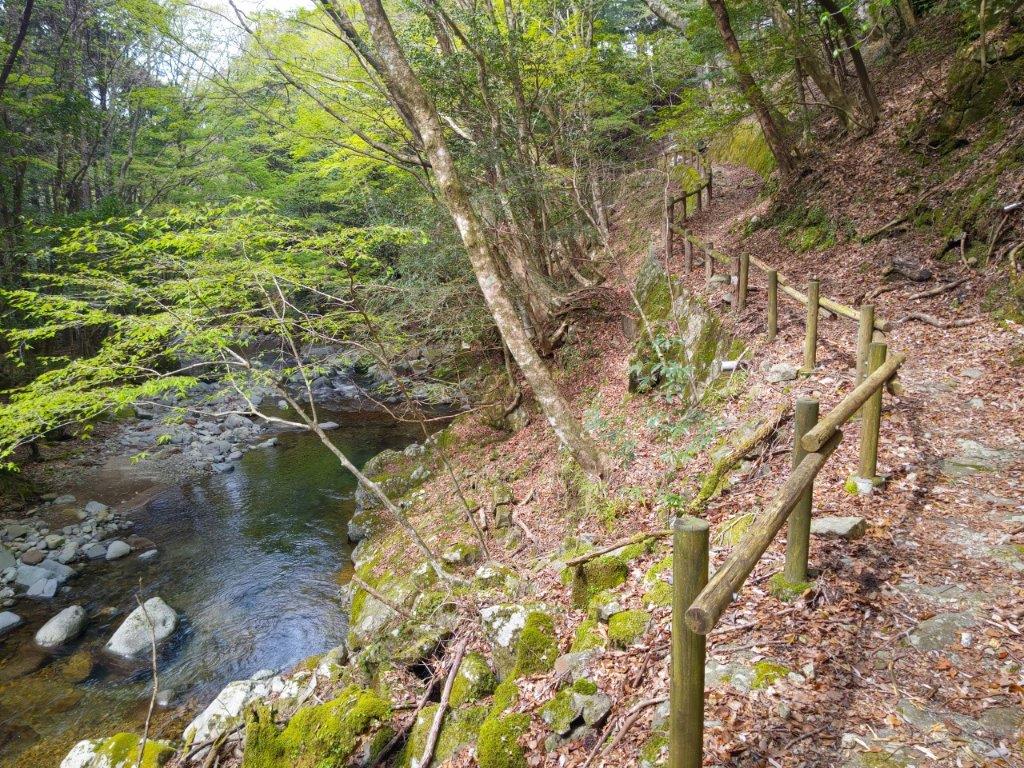
Following the Right Bank of the River

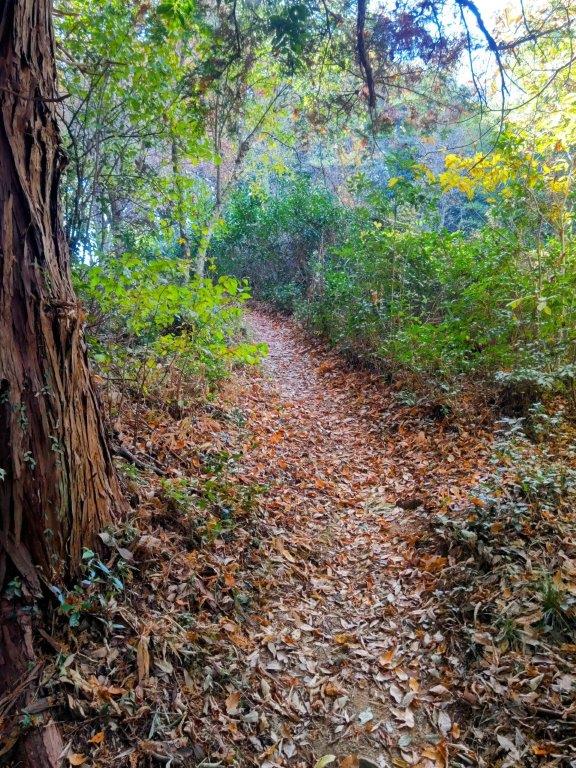
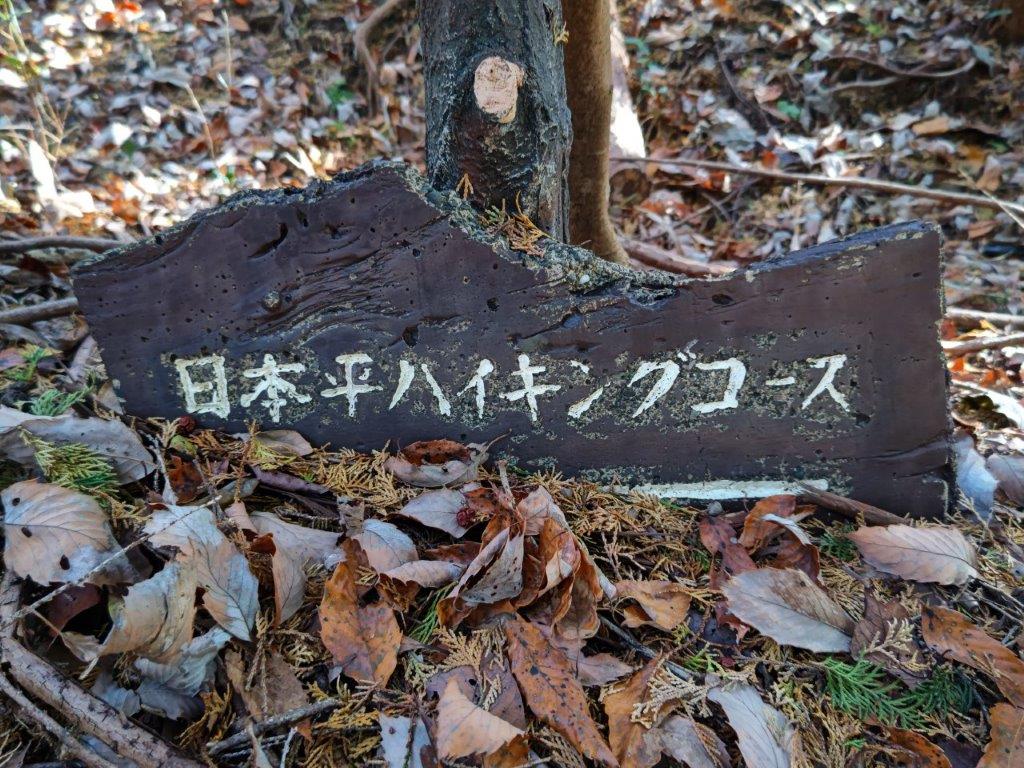
This was probably the best part of the today’s hike. The trail was well-maintained and easy to follow, thanks to the numerous and easy to spot “Odoriko Trail” signposts, as well as the detailed information boards. I was surprised to see few other hikers, probably because it was still early in the season. At 2h30, after crossing another bridge, I arrived at the start of Namesawa Gorge (滑沢渓谷). Here I made another round-trip up a hiking trail on the left side. It criss crossed a road a few times, but mostly followed a tributary stream. Here I spotted someone flying a drone over the gorge, most likely getting some spectacular footage.

Small Bridge along the Odoriko Trail
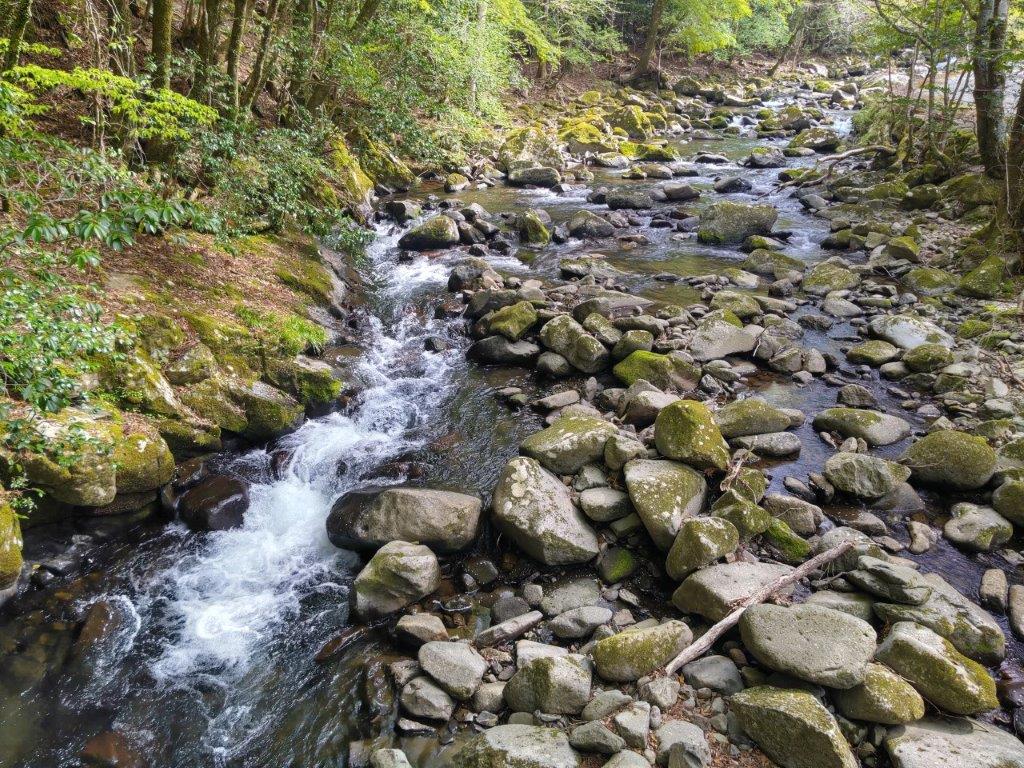
Third Bridge Crossing over the River

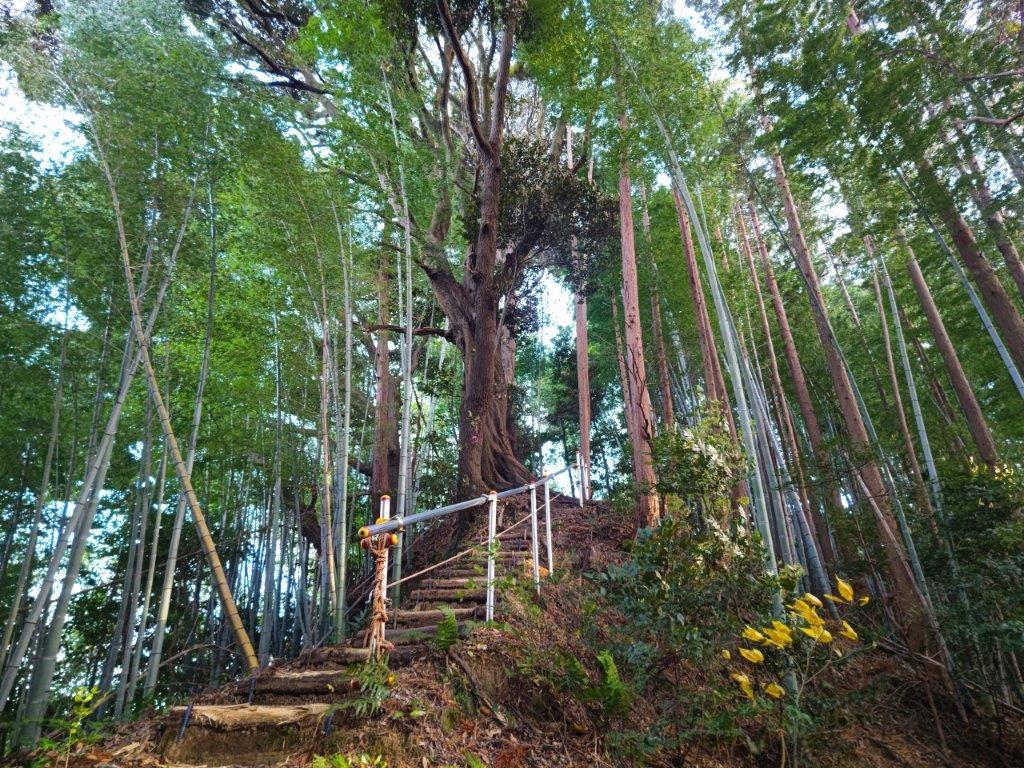
By this time of the day, the valley, oriented north-south, was in the shade. However, as I made my way up the mountain side, some sunlight finally filtered over the east ridge, lighting up the frothing water in a spectacular manner. After a while the trail merged with a forest road, and soon after, I reached my objective, Tarosugi (太郎杉), a giant cedar, 450 years old and 53m high. It’s also one of the 100 famous trees of Japan (3rd highest in the list, the highest being a tree in Akita, 58m). It stood to the right of the trail, in a small clearing at the top of a log staircase.

Wasabi Fields between Namesawa Gorge and Tarosugi
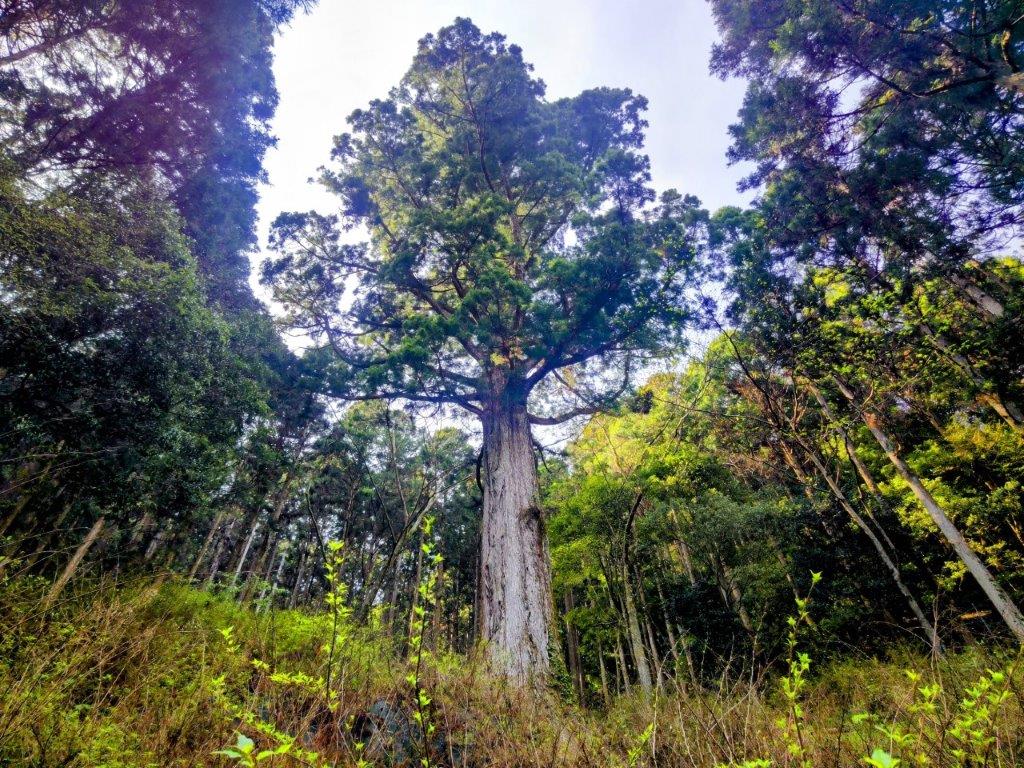
Looking up at Tarosugi

I was totally stunned by the view of this ancient giant, the effect amplified by looking up at it from below, as well as no other tree in the vicinity coming close to its majestic height. I had already visited the giant cedars in Yakushima, but there, every tree towers above you and it’s hard to grasp how tall they really are. On the way up, I had been wondering if it would be worth it, and I was definitely very happy I had made the effort. Although the tree was surrounded by a fence, it was possible to walk around it, and thus I could check out this marvel of nature from every angle. Once done, I legged it back to the entrance of the gorge, as I had now fallen slightly behind schedule. A little past 3pm, I reached the roadside station Amagi-goe (道の駅 天城越え) where I crossed the road.
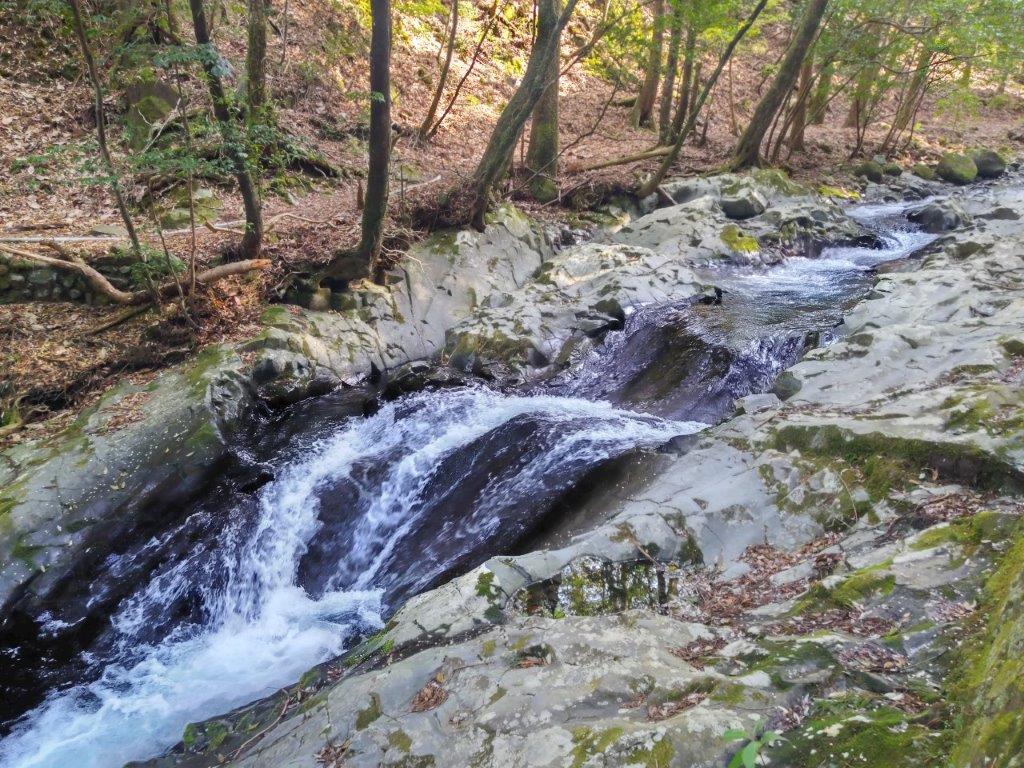
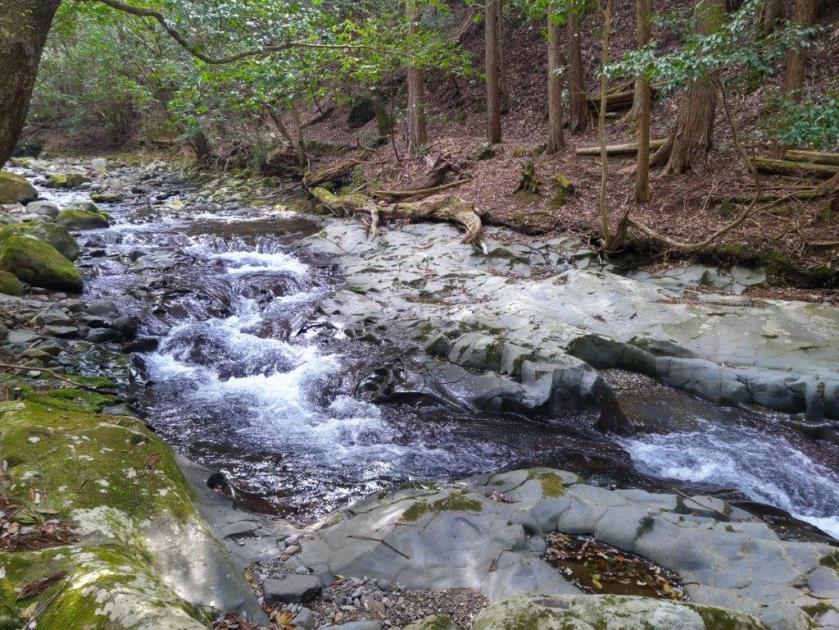
Rapids along Namesawa Gorge

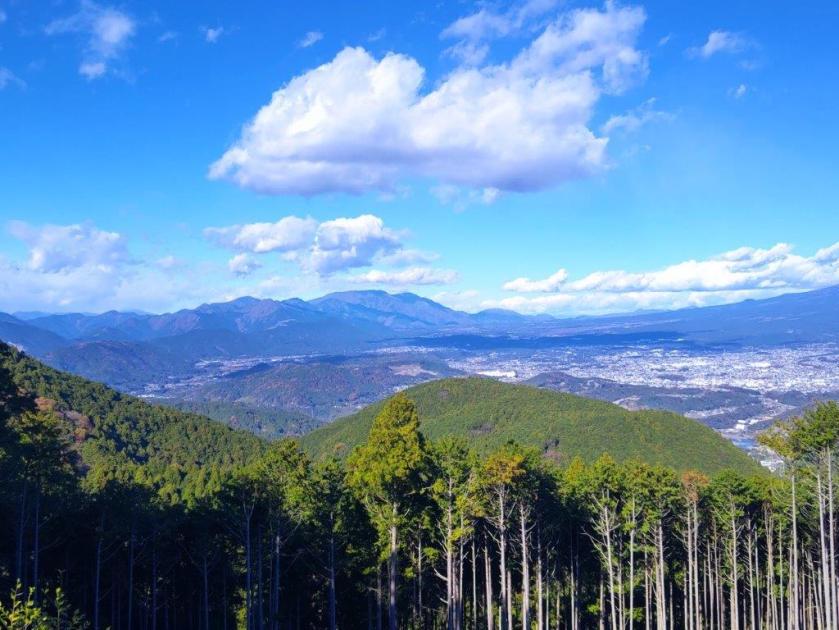
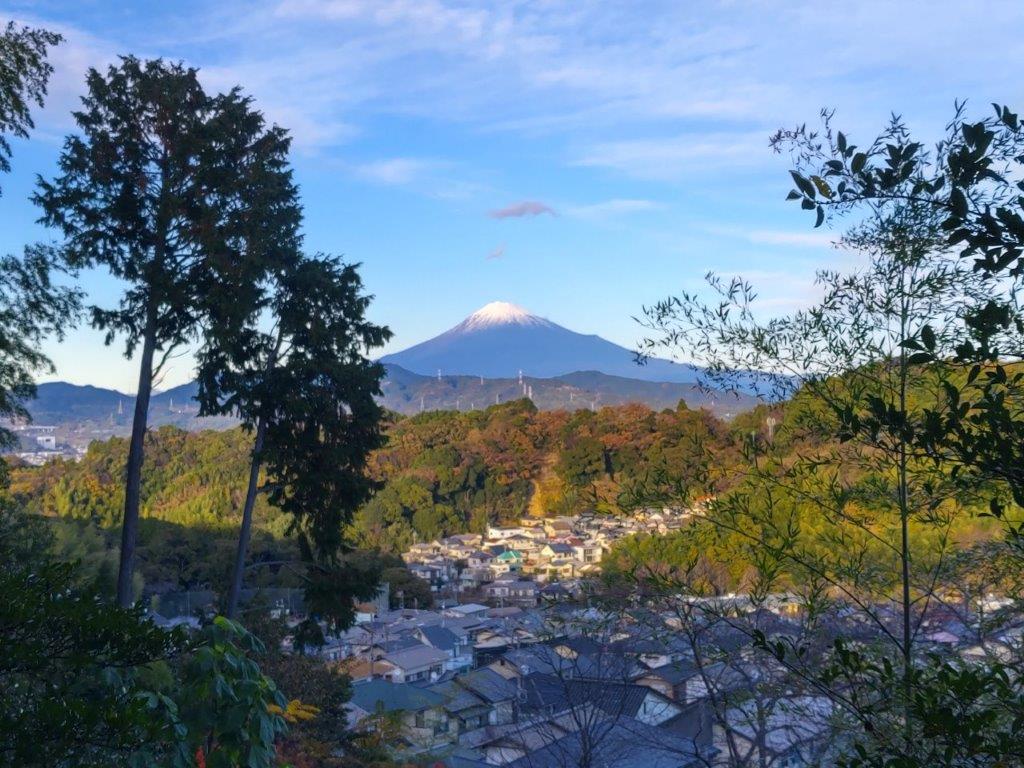
One of the Few Mountain Views of the Hike

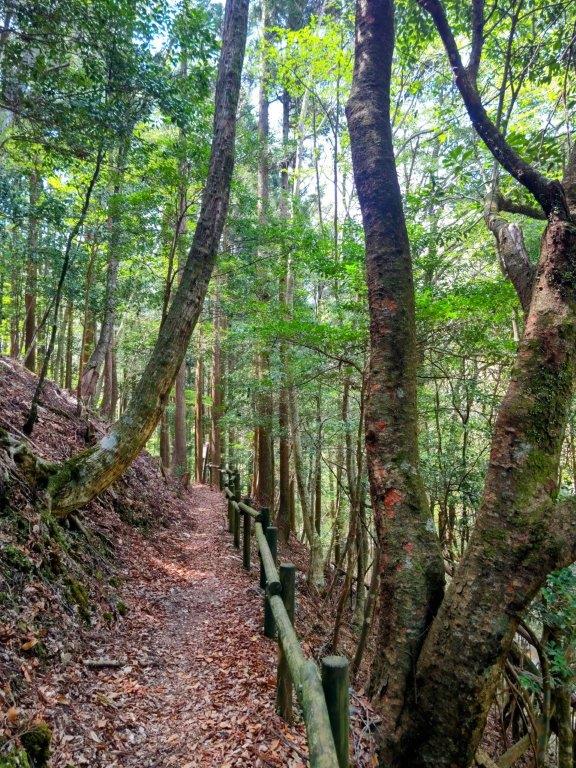
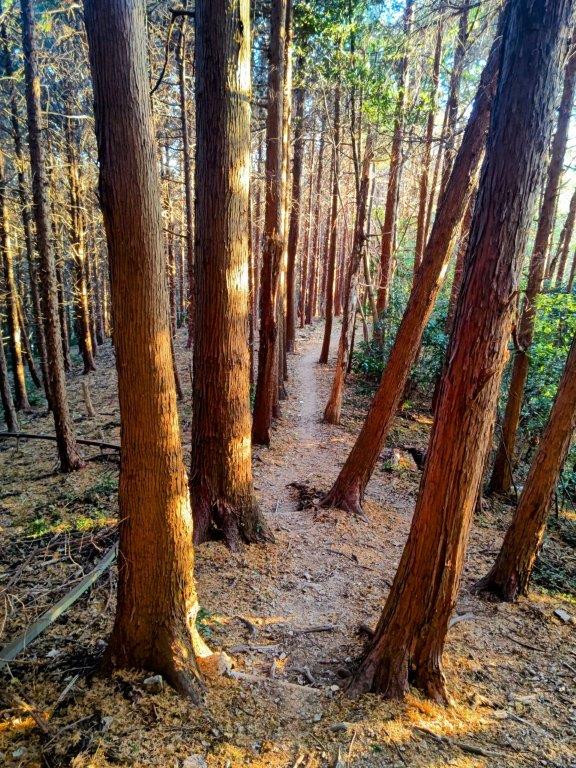
The final part of the hike followed a path up and down through forest before reaching a paved road at the top of a wooden staircase, a calming stroll after an exciting moment. The road led me through a somber cedar forest and then through a residential area. The elevation had dropped from over 700m around the pass, to about 300m, and for the first time today, I felt quite hot under the afternoon sun. I arrived back at the main road just before 4pm, and after recrossing it, headed down a long flight of steps. At the base of the steps, past yet another wasabi field, I arrived at the last highlight of the day, Joren Falls (浄蓮の滝), 25 meters high and the largest waterfall on Mt Amagi, as well as one of the 100 famous waterfalls of Japan.

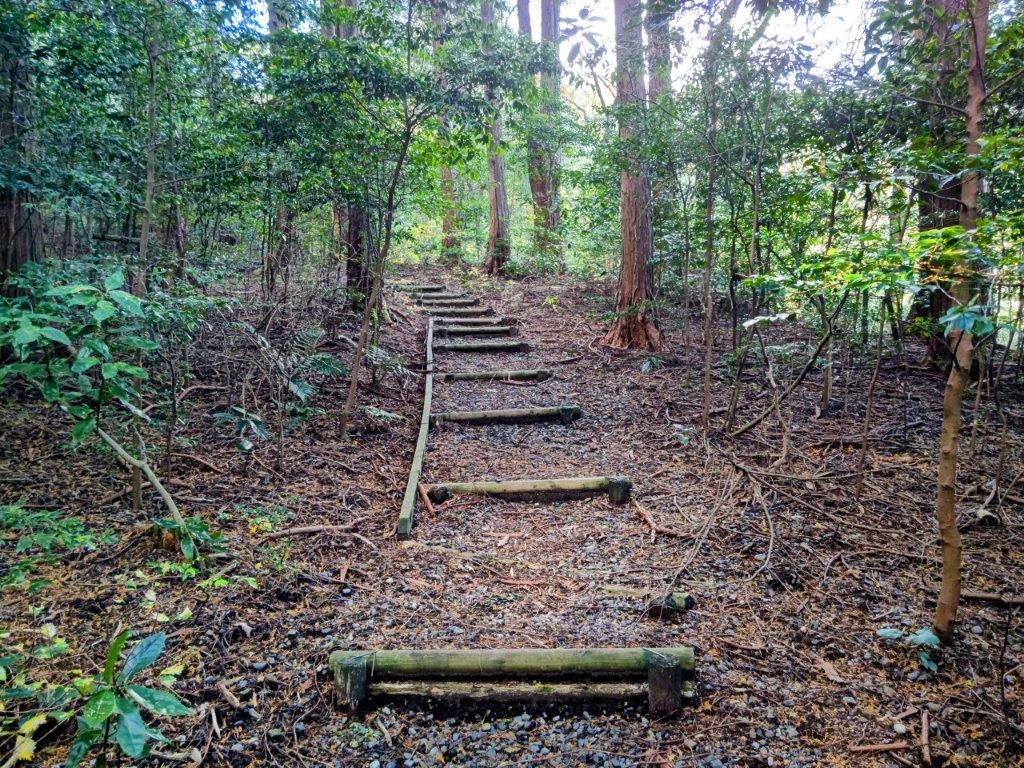
Wooden Staircase near the End of the Hike
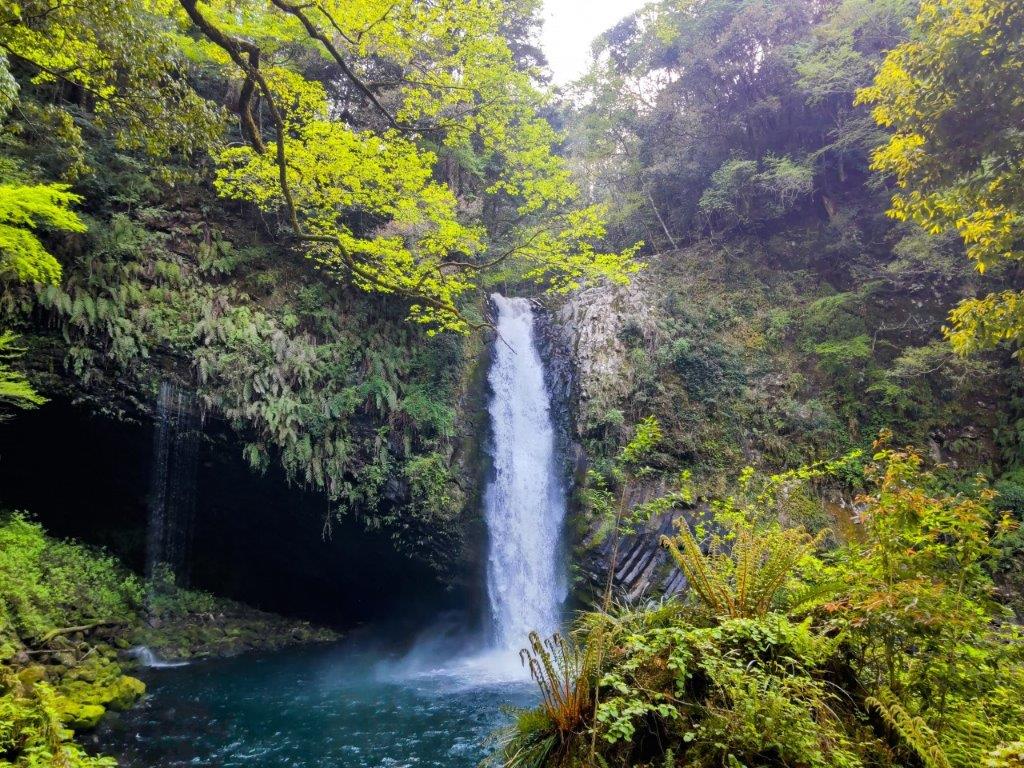
Joren Falls Surrounded by the New Spring Green

I admired the thundering water, as it crashed into a blue-green pool, surrounded by bright green leaves, and then made my way back up the steps. It was a short bus ride, followed by a short walk to Kajika-no-yu (河鹿の湯) in Yume-ga-shima Onsen (島温泉郷) , and although there was no outside bath, I had the indoor pool mostly to myself. I caught another bus closer to the public bath and at 5h30, I was back at Shuzenji station. There, I boarded the anime-themed train for the half an hour ride back to Mishima, from where it was less than an hour by shinkansen to Tokyo station.

Watch a Video of the Hike

Watch the Video of the Hike on YouTube

See a Slideshow of More Pictures of the Hike

Mt Fukunari (227m) & Mt Shizuhata (171m), Shizuoka City, Shizuoka Prefecture, Saturday, December 14, 2024

I wanted to do some more hiking in Shizuoka. Looking online, I found a trail along a north-south ridgeline extending all the way into Shizuoka city, the Mt Shizuhata Hiking Trail. It seemed a bit on the short side meaning I could walk it at a leisurely pace while enjoying the views. After visiting Asama shrine at the end of the trail, I could drop by the nearby Ofuro Cafe Bijinyu, a public bath doubling as a cafe.

For subscribers, read this Post on Hiking Around Tokyo for a better viewing experience and the latest updates

I could get to the start of the hike by riding the bullet train directly to Shizuoka station, and from there, catch a bus for Ume-ga-shima Onsen, getting off at the entrance for Kujira-ga-ike Pond (actually a lake), a short distance from the trail entrance. After the hot bath at the end, I could catch a bus for the short ride back to the station. The weather was supposed to be sunny and cold, as well as a little windy. I was looking forward to exploring a new area with new views.

Find Japan Hiking Maps on Japanwilds

Start of the Hike past Kujira Lake (left) Entering the Bamboo Forest (right)

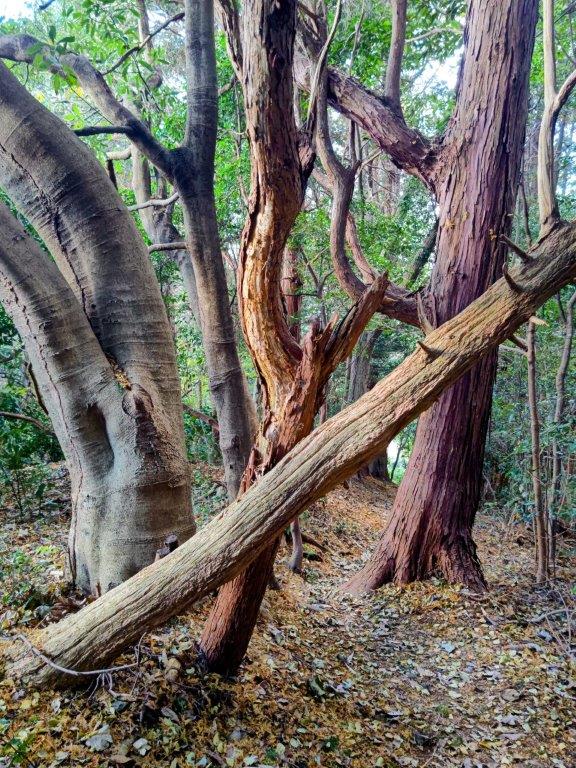
Trail near the 1st Viewpoint (left) Trees in the Way below Mt Fukunari (right)

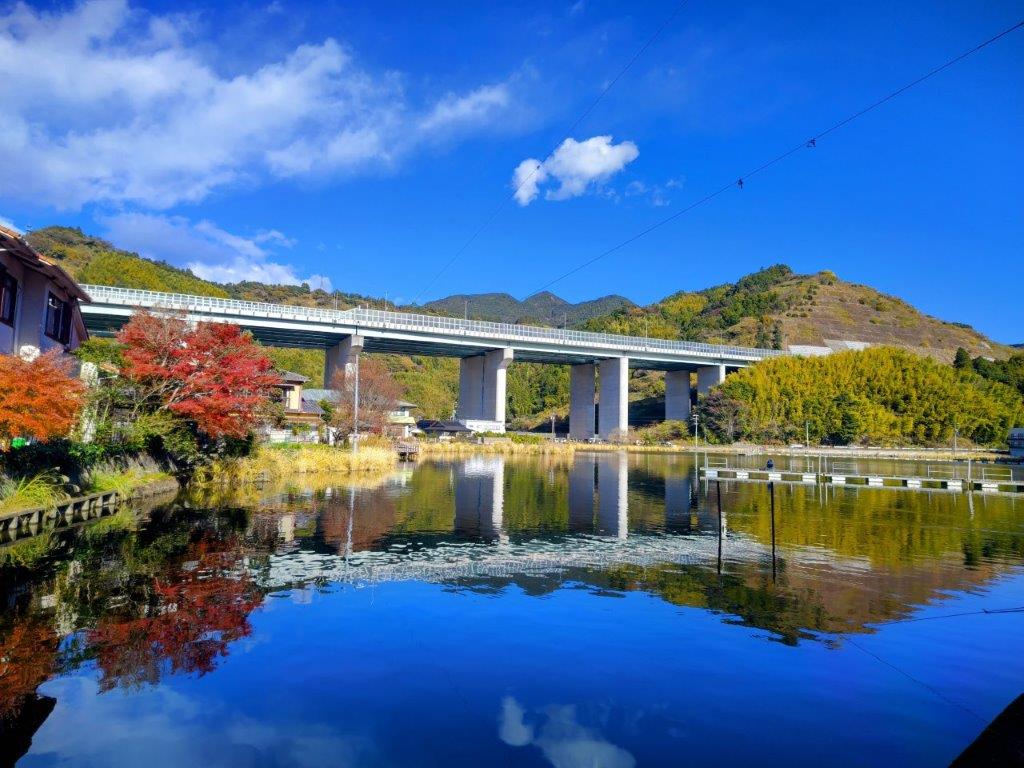
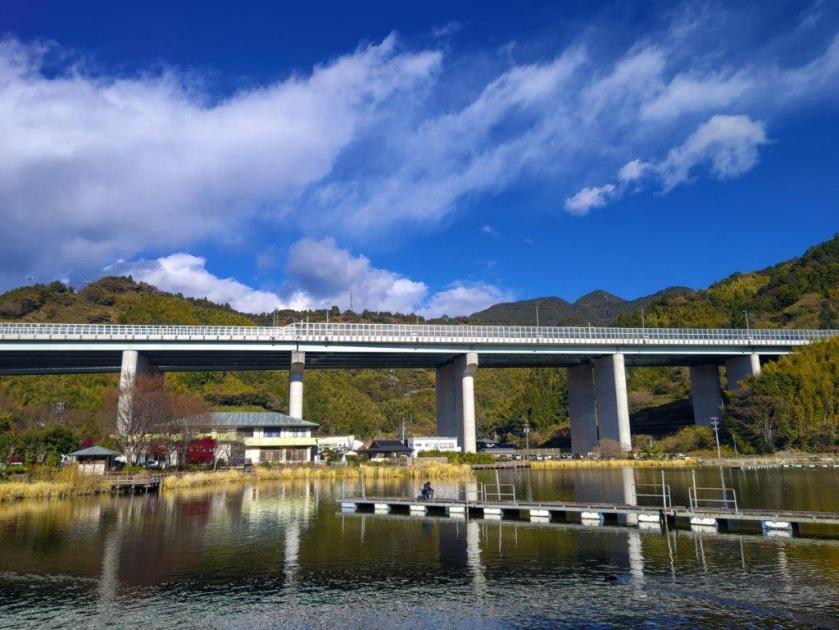
It was a blue-sky day as I rode the shinkansen, arriving at Shizuoka station around 10am. Soon after, I was riding a city bus northwards, with glimpses of the ridge I’d be walking today on my right side. It took half an hour to reach the Kujira-ga-ike Iriguchi bus stop, from where it was a short walk to Kujira-ga-ike, a fishing spot meaning “Whale pond”, presumably named after its shape. I decided to head around its south shore to better admire the view of the Shin-Tomei expressway on the opposite side .

Trail near the 2nd Viewpoint (left) Trail near the 3rd Viewpoint (right)

Trail past Mt Tanku (left) Mid-section of the Shizuhata Trail (right)

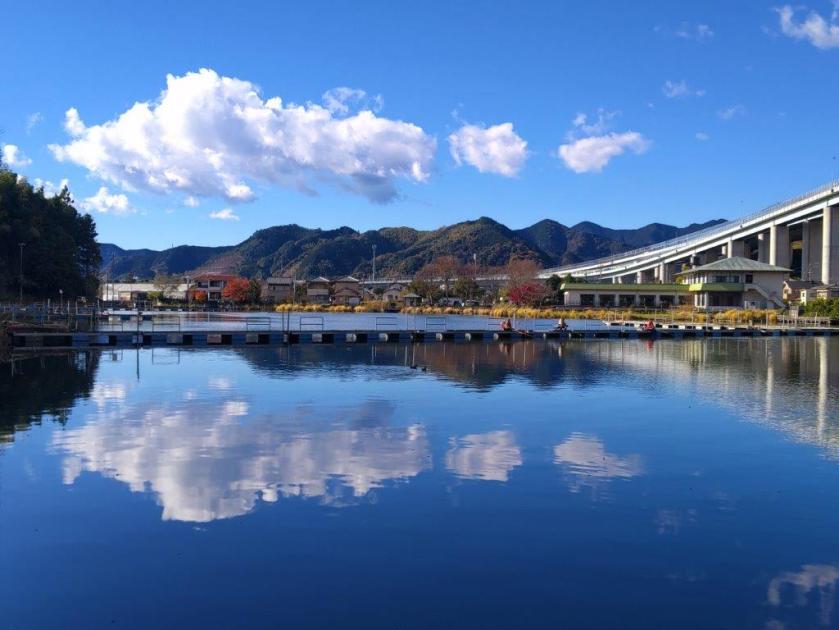
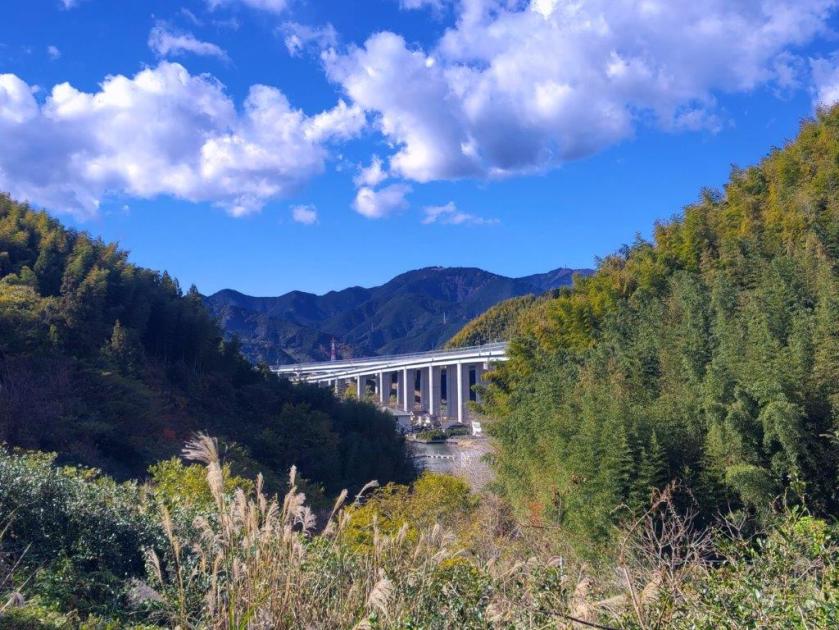
The view was best from the east side, just past Kujira-ga-ike Benten Shrine, the expressway disappearing into the mountains of the Southern Alps, puffy cumulus clouds reflected on the water surface. It was nearly noon, so I left the fisherman behind, and just before a tunnel, went up a paved road on the right, simply signposted as “Hiking Trail”, one of the trail entrances of the Mt Shizuhata Hiking Trail (賎機山ハイキングコース). I soon reached a real hiking trail, where I turned right, heading south along a gently undulating ridgeline. After passing through a tunnel of tall grasses, I arrived at the entrance of a bamboo grove.

An Easy to Walk Trail (left) Trail Past Ipponmatsu (Right)

Heading down after Ipponmatsu (left) Heading Towards Mt Shizuhata (right)

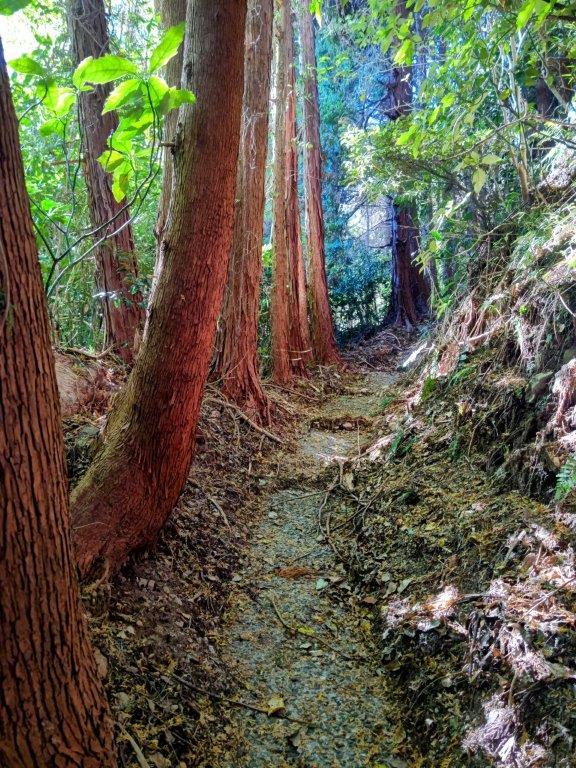
I love walking through bamboo groves as it’s something unique to this part of the world. This one was especially amazing, with one tall bare tree in its center, like a lord among its subjects. It was totally quiet, except for the occasionally cracking noises of the bamboo growing. After exiting the grove, the trail took on a very countryside-like quality, passing between hedges and rows of identical trees. Occasionally I could see some blue sky between gaps in the tree and I was starting to wonder whether I would get any views. Finally, one hour after I started along the trail, I reached the first viewpoint of the day, at the edge of a fruit orchard.

The Shin-Tomei Expressway from the South Side of Kujira Pond

The Shin-Tomei Expressway from the East Side of Kujira Pond

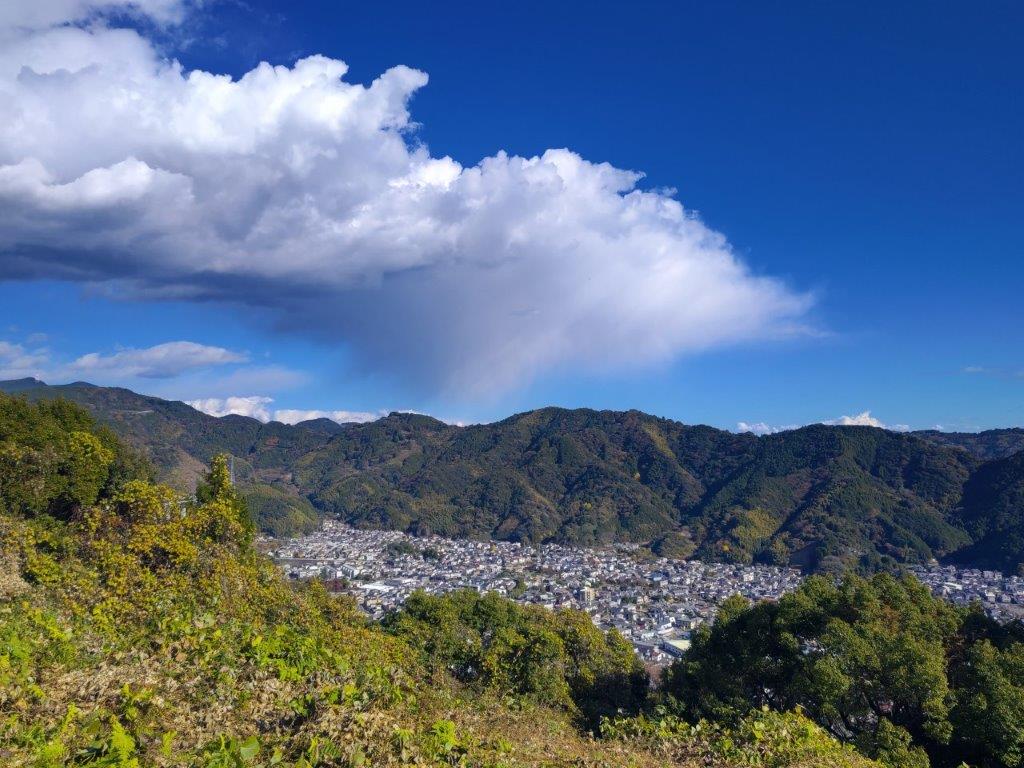
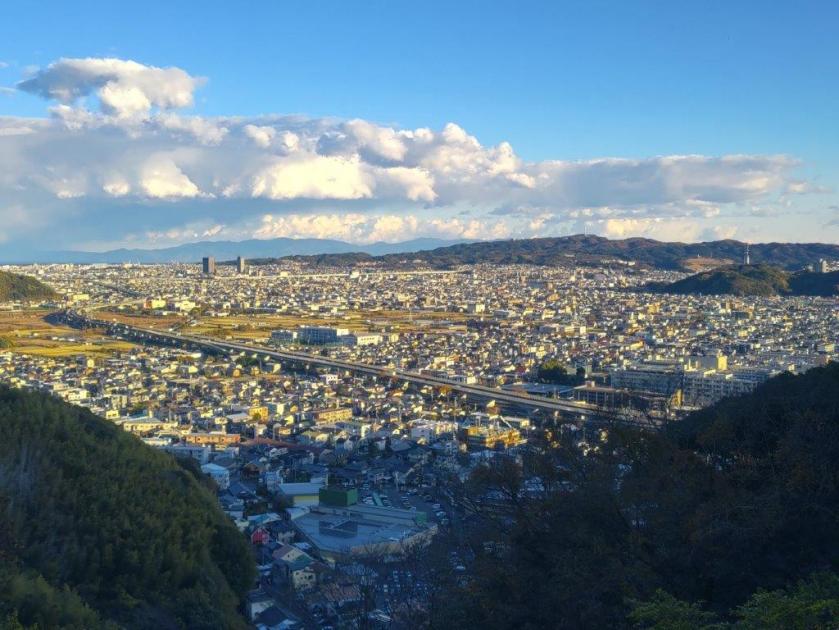
Looking eastwards, I could see all the way to the mountains of Izu peninsula; in front was Nihondaira, and to the south, Suruga Bay, with Shizuoka city filling in the low-lying spaces between the mountains and the ocean. I set off again, and after a short climb, reached Fukunari Shrine at the top of Mt Fukunari (福成山 ふくなりさん fukunari-san) at 1pm. It was mostly in the trees, with a window view of Abe river through a gap on the west side. I continued on my way, heading slightly downhill, and soon arrived at a bench and a second viewpoint, mostly of Shizuoka city on the south side. I pushed on a little further, and reached another bench and a third viewpoint.

View East of Asahata Village from the 1st Viewpoint

View West of Abe River from the 3rd Viewpoint

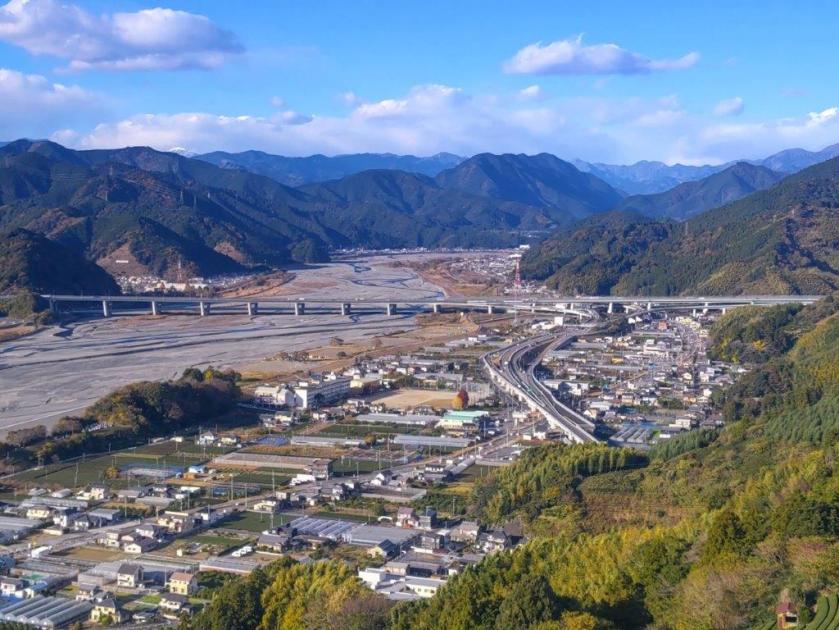
I had a better view of the Abe river valley than from the summit, and since this bench was in the sun, I decided to take a break for lunch. I set off again, a little before 2pm, and soon found myself ascending through tea fields, typical scenery of Shizuoka prefecture. Thanks to the low tea bushes, a wide view soon opened up on the west side. To the north, was Mt Ryuso; to its left, I could see the multiple mountain ranges of the Southern Alps, one tall peak in the very center already white with snow; from this mountainous mass emerged the Abe river, passing under the busy Shin-Tomei expressway.

Row of Trees Separating the Tea Fields

View of Abe River and the Shin-Tomei Expressway from Mt Tanku

It was easily the best view of the day; it was also the coldest spot of the day, the wind blowing hard, a blast of cold air descending from the Alps, bringing dark clouds in its tow. I arrived at a concrete platform with a bench and a view on the east side, the culminating point of the surrounding tea fields. It was next to a large cylindrical storage tank, and was thus called Mt Tanku (タンク山 229m), although a summit marker seemed to be missing. I had a panoramic view of the Izu peninsula, Nihondaira, Suruga Bay and Shizuoka city; just Mt Fuji was missing from the picture. It was nearly 3pm, and I hadn’t reached the halfway point, so I stepped up the pace. The next part was mostly level, with frequent views on the east side through gaps in the vegetation.

Mt Ryuso, Tea Fields and Dark Clouds

View from Mt Tanku of the Southern Alps

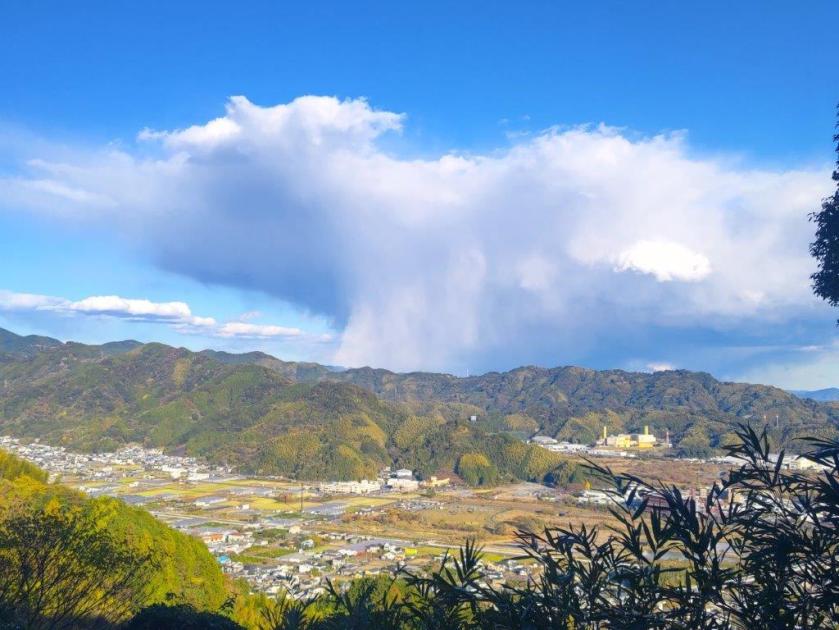
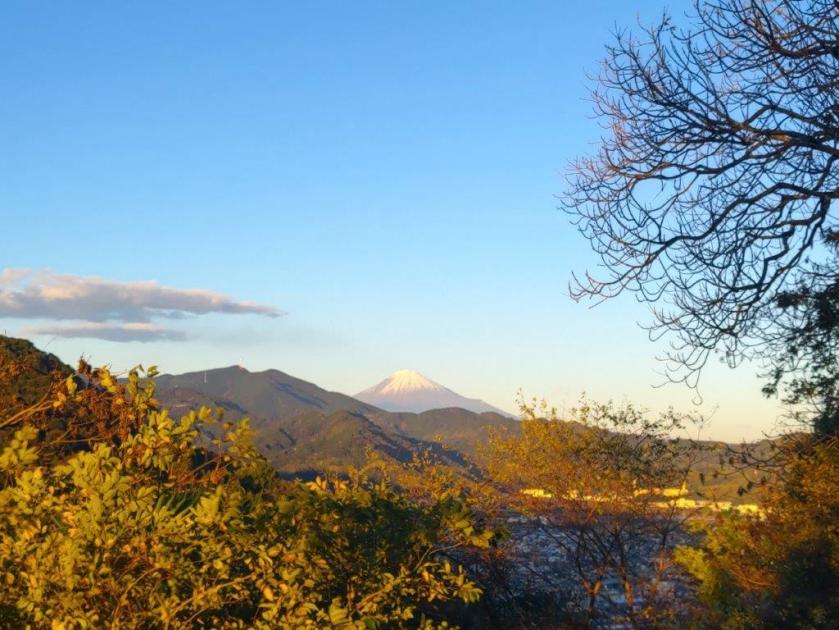
I noticed a mushroom-shaped cloud formation above the next ridgeline, a sudden downpour created by the influx of cold air from inland, a lucky escape for me. I left the tea fields behind and was once again walking through the forest. I was surprised by the variety of trees, very different from the monotonous cedar forests in other hiking areas; hanging between the branches were the ever-present jorogumo spiders still alive and well, despite the cold. After passing an electric pylon and some more orchards, I reached a road. Here, beyond the orange mikan, I had my first view of Mt Fuji, half-hidden by the clouds. I followed the road for a short while before rejoining the hiking path.

Bench with a View at the Top of Mt Tanku

Nihondaira and Shizuoka City from Mt Tanku

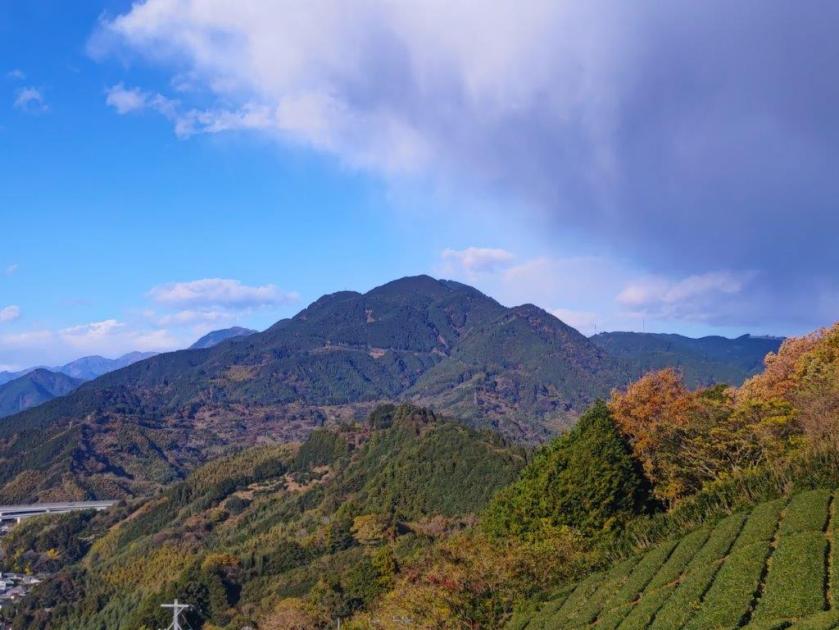
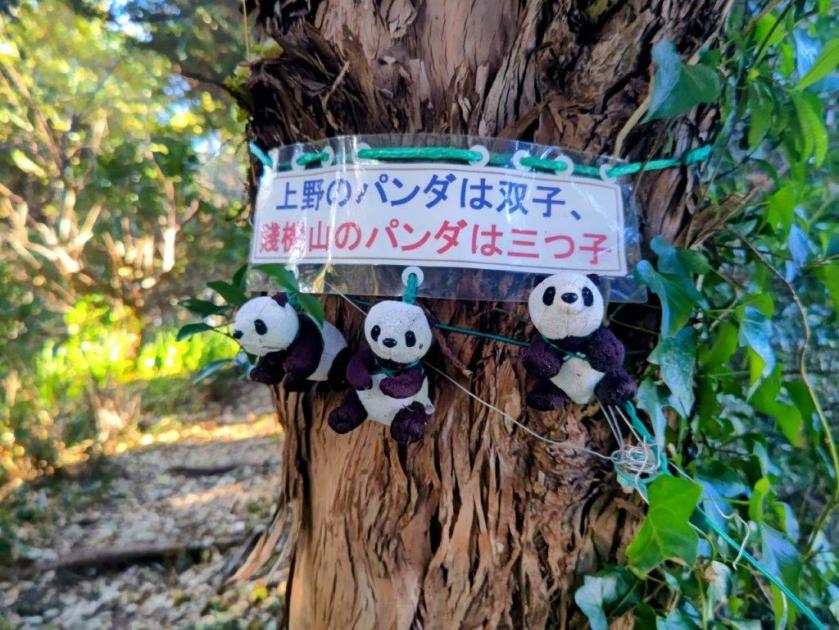
Great views, now including Mt Fuji, kept on appearing on the east side, slowing my pace. After passing 3 panda figurines hanging from a tree, I reached another road section heading up, but soon left it for path with plastic tubes for steps, leading to Ipponmatsu (一本松 192m), meaning “One Pine Tree”, which stood all by itself on the north side. From this vantage point, I could admire the ridgeline I had walked so far today, with Mt Ryusu rising directly behind; to its right was Mt Fuji, its famous snowcap now free of clouds. It was nearly 4pm, and I still had a third of the way to go, so I turned away from the view and headed down a path in the opposite direction.

Mushroom-Shaped Cloud on the Next Ridge

Mt Ryuso and the Mt Shizuhata Hiking Trail from Ipponmatsu

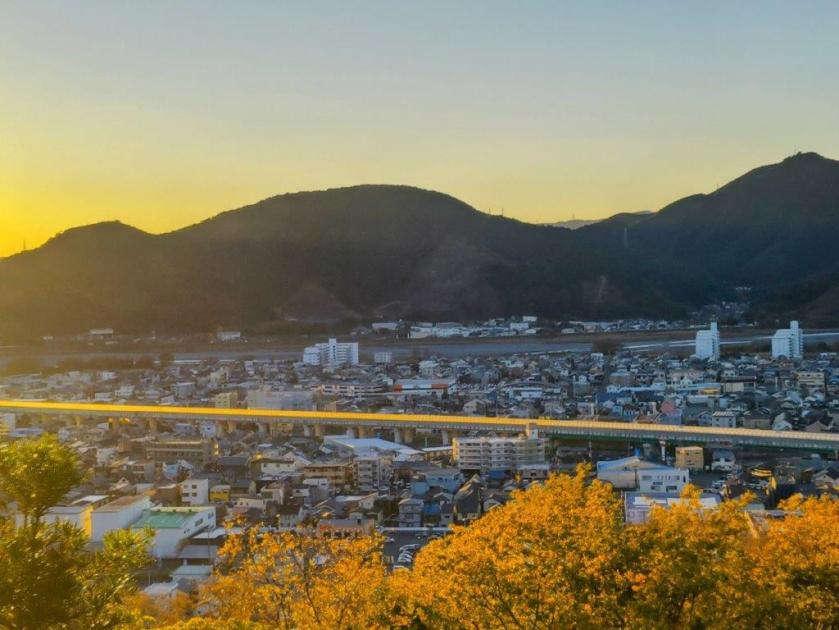
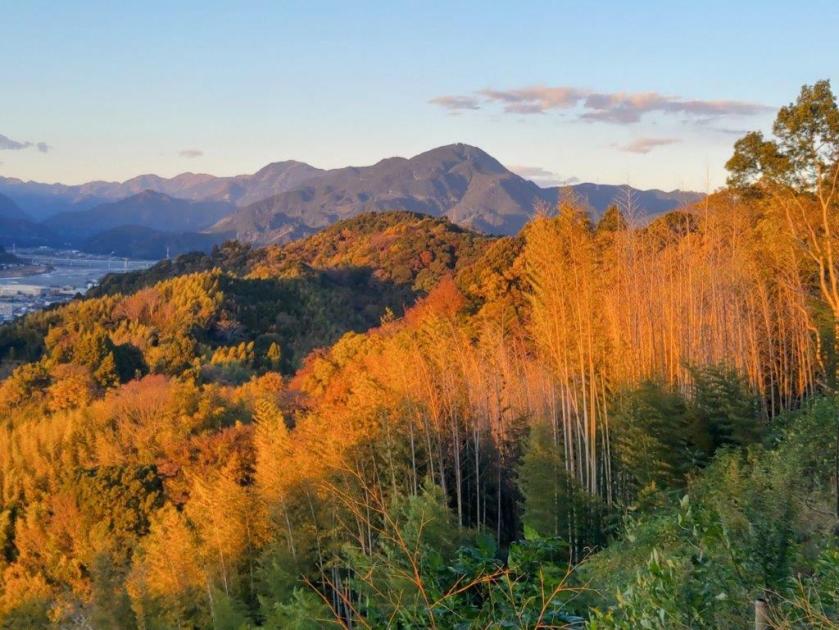
The late afternoon sunlight created a wonderful effect as I headed down some log steps facing westwards, although it also signaled that sunset was imminent. At another viewpoint with a bench, I saw the sun touching the opposite ridgeline, the Shin-Tomei expressway simply a yellow line along the valley; in the other direction, Mt Fuji was clearly visible and starting to turn pink. I continued up a steep trail, requiring one final effort to get to the top of Mt Shizuhata (賤機山 しずはたやま shizuhata-yama), also the remains of an ancient castle; apparently the “shizu” in Shizuoka comes from this mountain’s name. It was mostly in the trees so I soon moved on, along a level trail with wide open views on the west side.

Mt Fuji from Ipponmatsu

Trail between Ipponmatsu and Mt Shizuhata

Turning around, I was stunned by the orange colours on the mountain side, highlighted by the fast setting sun. A little further on, I had another view of Shizuoka city on the east side, under pink clouds and a full moon. I quickened my pace, and after one final effort up a section crisscrossed with tree roots, forcing me to tread carefully in the growing gloom, I reached the top of Mt Asama (浅間山 140m). It was also inside Shizuhatayama park, with a paved path and occasional lampposts, meaning I could complete the hike safely even in dark conditions.

Autumn Colours Past Mt Shizuhata

Mt Fuji and Full Moon from Mt Asama

I had a breathtaking view of pink Fuji under a yellow moon, lights slowly coming on throughout the city spread out below, the last view of the day. It was past 4h30, so I quickly made my way down through the park, past Asama Shrine, the path enchantingly lit by lanterns, people still dropping by for a quick prayer in the early evening. At 5pm I emerged onto a busy road at the base of the mountain, and a short while later, arrived at Ofuro Cafe Bijinyu. After a reinvigorating hot bath, I caught a city bus for the short ride back to Shizuoka station, where I hopped onto the shinkansen for the one-hour trip back to Tokyo.

Watch a Video of the Shizuhata Hiking Trail Hike

Watch the Video of the Hike on YouTube

See a Slideshow of More Pictures of the Hike

Mt Kanamaru (532m) & Mt Omaru (567m), Fuji & Shizuoka Cities, Shizuoka Prefecture, Sunday, December 8, 2024

I felt it was time to return to Shizuoka as my last hike there was nearly a year ago. I also wanted to see Mt Fuji with its brand new snow cover. Looking online, I found a station to station hike through the Kanbara Hills (蒲原丘陵) right on Sugura Bay. It also passed by a number of peaks, two of which had views from their summits. Finally, it followed a section of the Tokaido Nature Trail which I had been wanting to explore more.


To get to the start of the hike, I’d ride the Tokaido shinkansen from Tokyo to Mishima station, then change to the local Tokaido line, and get of at Fujikawa station. I’d finish the hike at Kanbara station, two stops further down the line. The weather was supposed to be clear and cold all day, ideal for viewing Japan’s most famous mountain. I was looking forward to a relaxing autumn hike outside my usual stomping grounds.

For email subscribers, read this Post on Hiking Around Tokyo for a better viewing experience and the latest updates

Find Japan Hiking Maps on Japanwilds

Start of the hike above Jissoin (left) Trail for Mt Hanamaru (right)

Daishido Temple (left) Path for Mt Ohira (right)

I could see it was going to be another fantastic Autumn day, judging from the weather during the short trip to Mishima. From there, it took half an hour by slow train to reach Fujikawa station where I already had a view of Mt Fuji, its top crater hiding in the clouds. At 11am, I reached Jissoin (実相院), a small temple at the edge of the mountains. Turning around, I could see Suruga Bay and the Izu peninsula. I could also see Jorogumo spiders sitting in their webs so I picked up a stick and headed up a paved path behind the temple building.

Going down Mt Noda (Left) Going up Mt Omaru (right)

On the way to Miharashi-Kannon (left) Walking down to Kanbara Station (right)

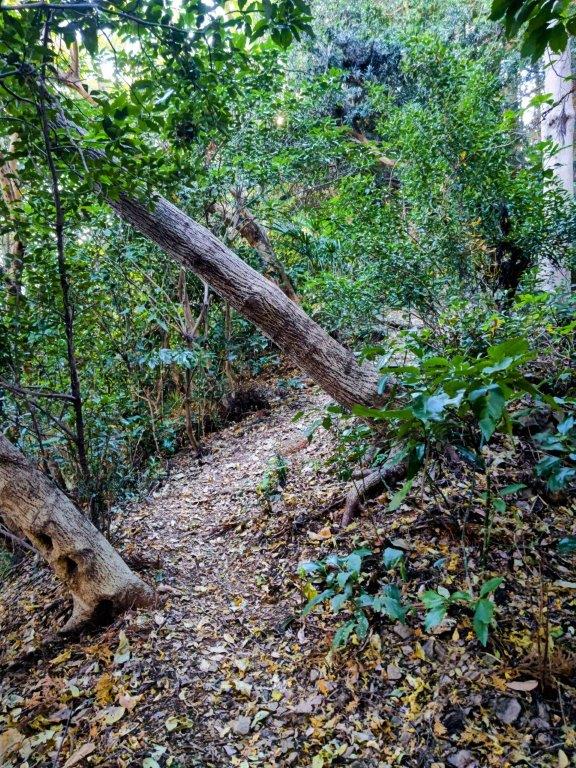
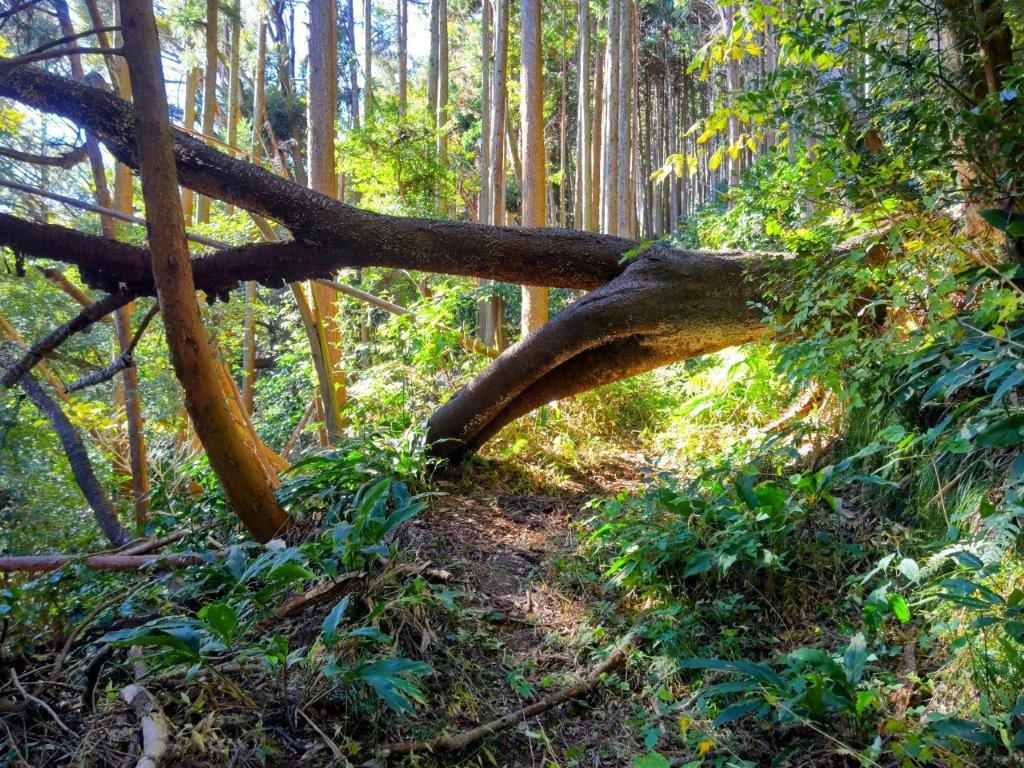
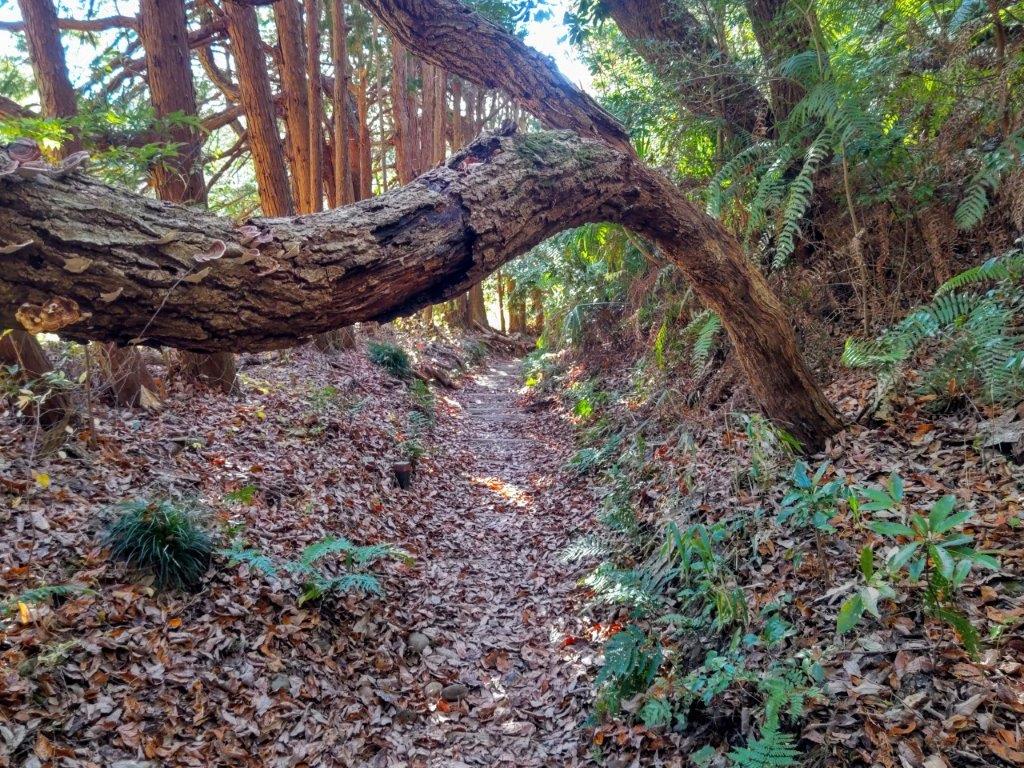
I was relieved the path was free of webs and was easy to follow, although I had to duck under a couple of fallen trees along the way. After thirty minutes, the path turned into a proper trail, with log steps fitted in the climbing sections. The trail crossed a forest road several times, marked with relatively new signs for “Kanamaruyama-hiroba” (金丸山広場). I soon found myself walking through an area of cut trees, blue sky appearing above; a little before 1230, I arrived at the Fujikawa Camping Ground (富士川キャンプ場), and followed a small path to a bench and a viewpoint above the campsite.

Fallen Tree Blocking the Way to Mt Kanamaru

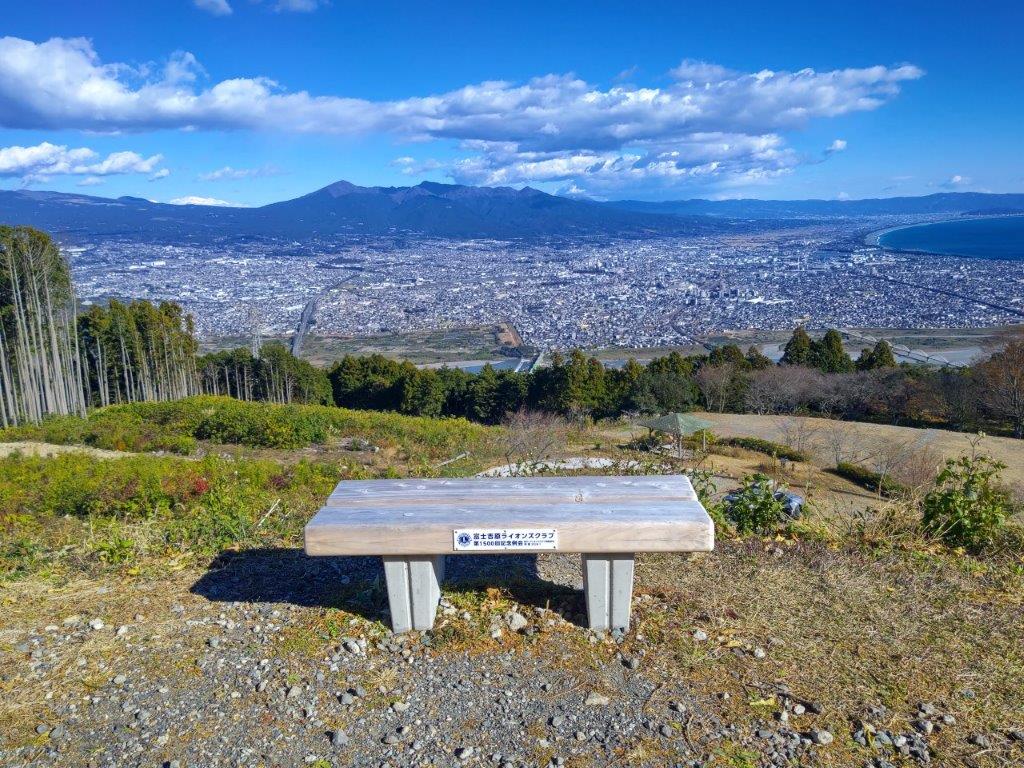
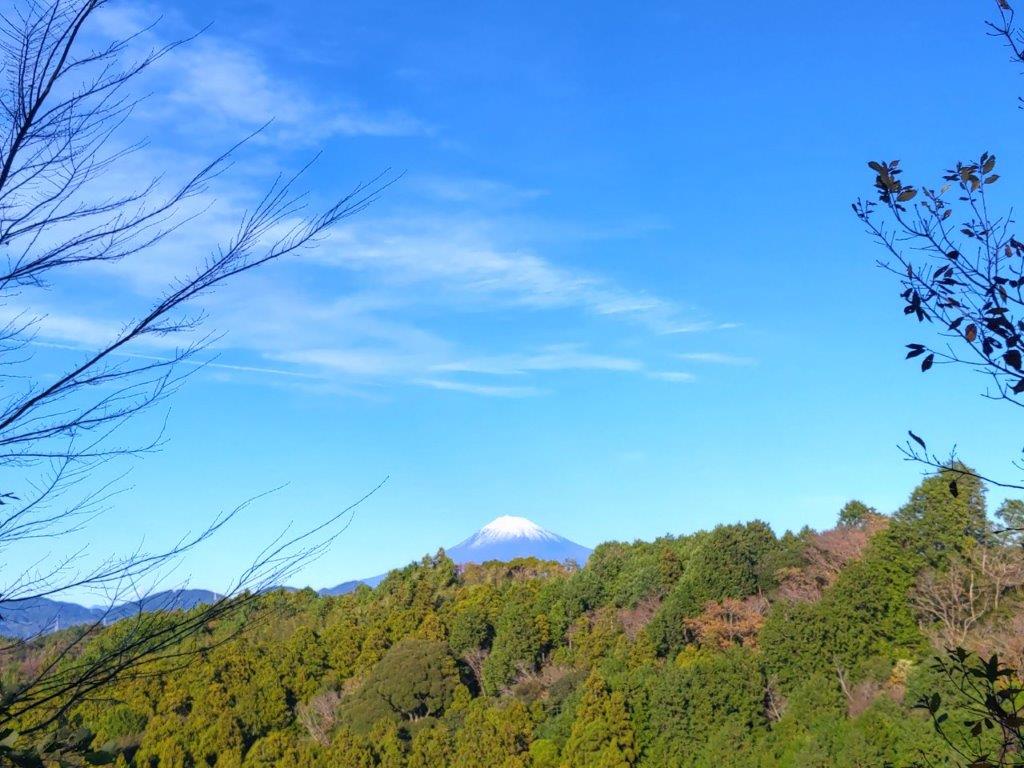
Mt Fuji View from the Fujikawa Camping Ground

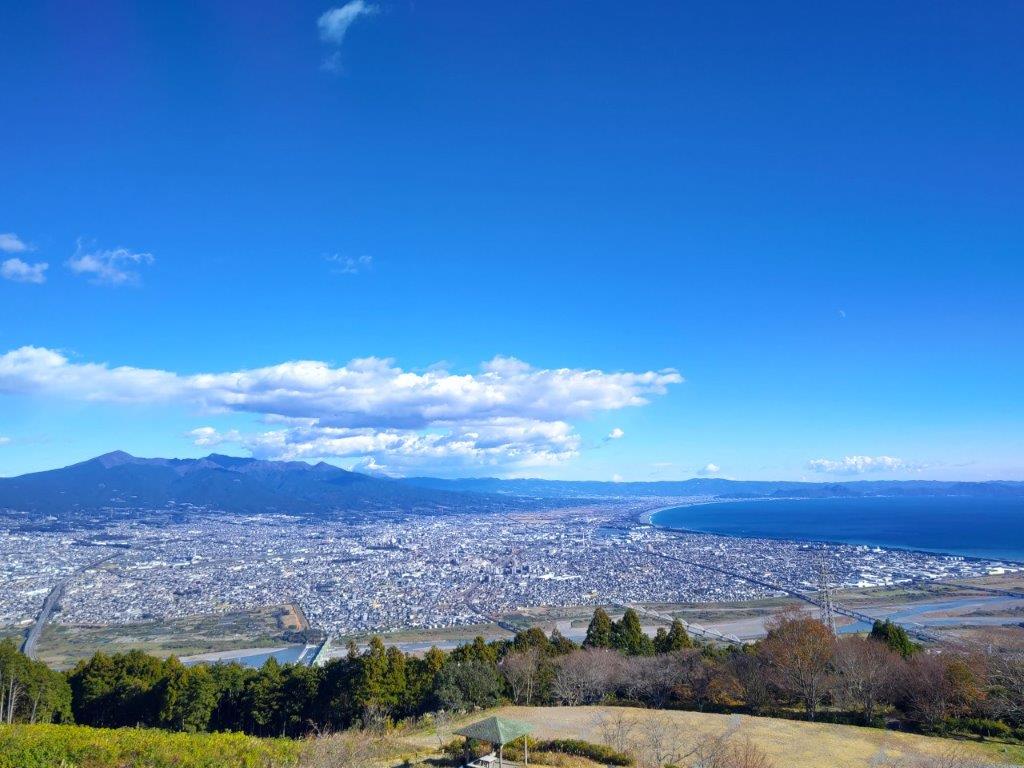
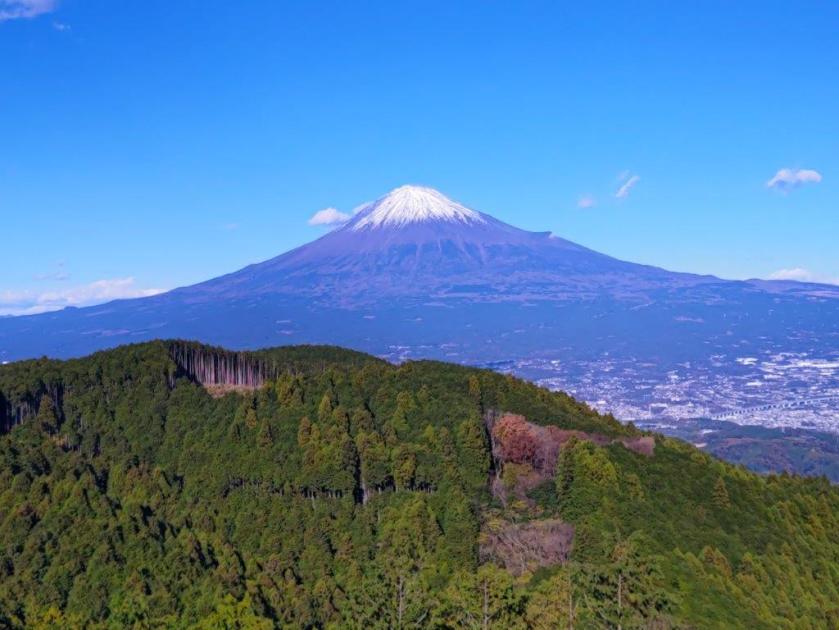
I was delighted to see that Mt Fuji was now entirely free of clouds, with Mt Kenashi on its left side and Mt Ashitaka on its right side. I was also impressed with the urban build-up from Fuji’s lower slopes to the curving coastline of Suruga Bay, most certainly a wonderful view at night. Beyond the bay, I could see the outline of the mountains of Izu peninsula, extending into the Pacific Ocean. Since it was nearly 1pm, I settled on the bench for an early lunch with a panoramic view.

Today’s Lunch Spot with a View

View of Mt Kenashi and Mt Fuji

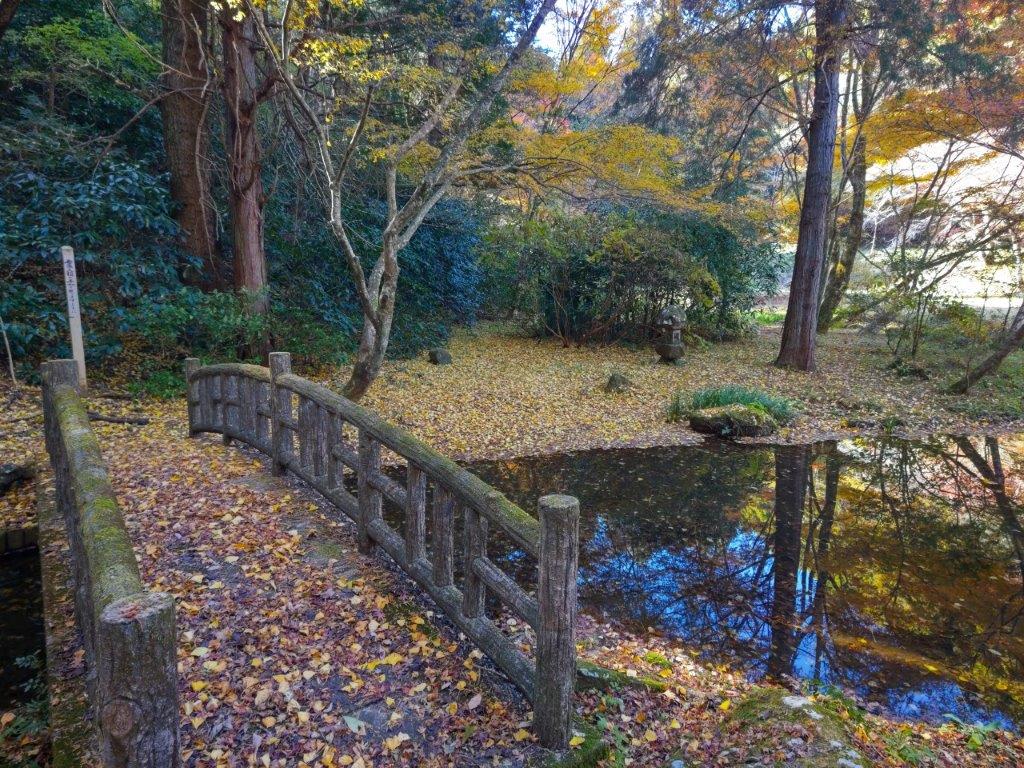
I wondered why I hadn’t seen any other hikers so far, even the campsite had only one solitary tent. I continued my way and soon reached the top of Mt Kanamaru (金丸山 かなまるやま kanamaruyama), the site of a telecommunication tower, completely in the trees and with no visible summit marker. I quickly moved on, heading steeply down through thick forest. After a couple of turns, I reached Daishido Temple (大師堂), where a stone bridge crossed a stream flowing into a lonely pond.

View of Mt Ashitaka, Fuji City and Suruga Bay

Stone Bridge near Daishido Temple

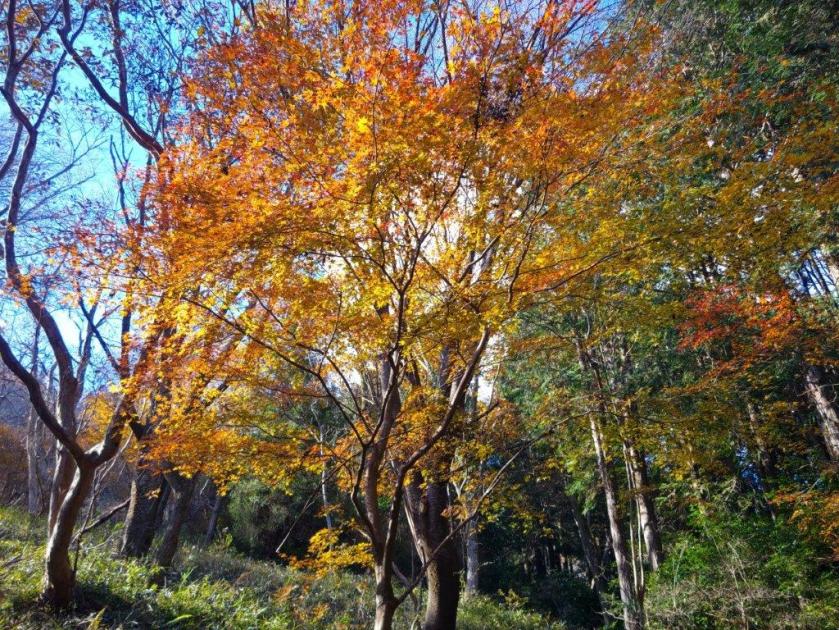
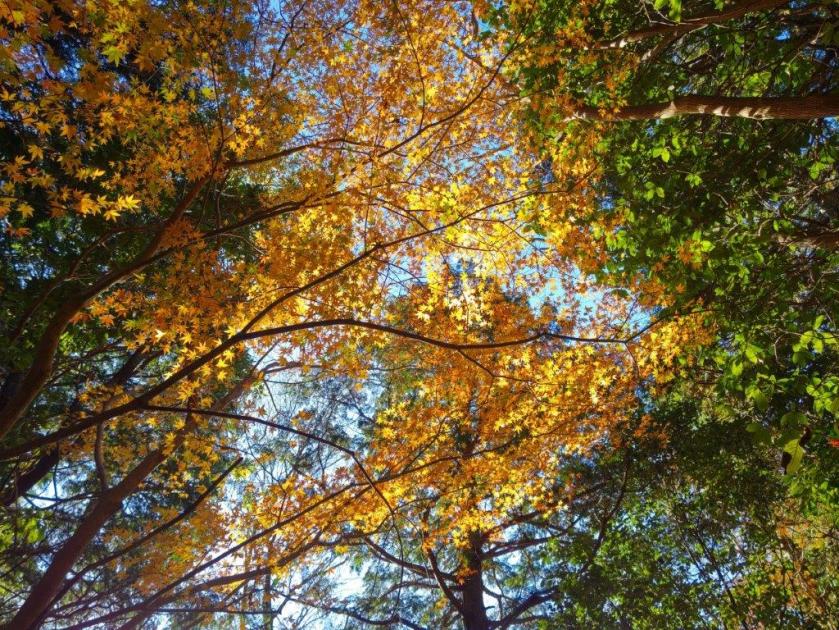
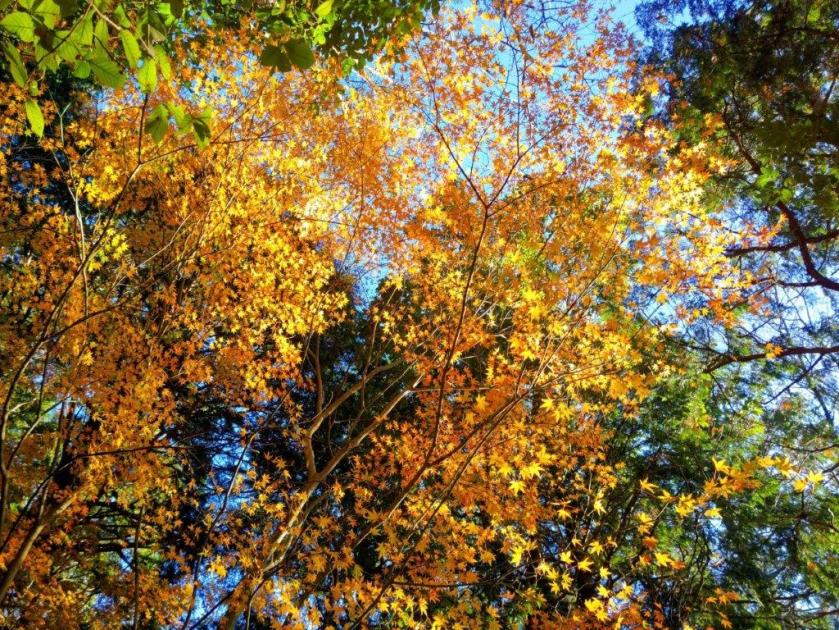
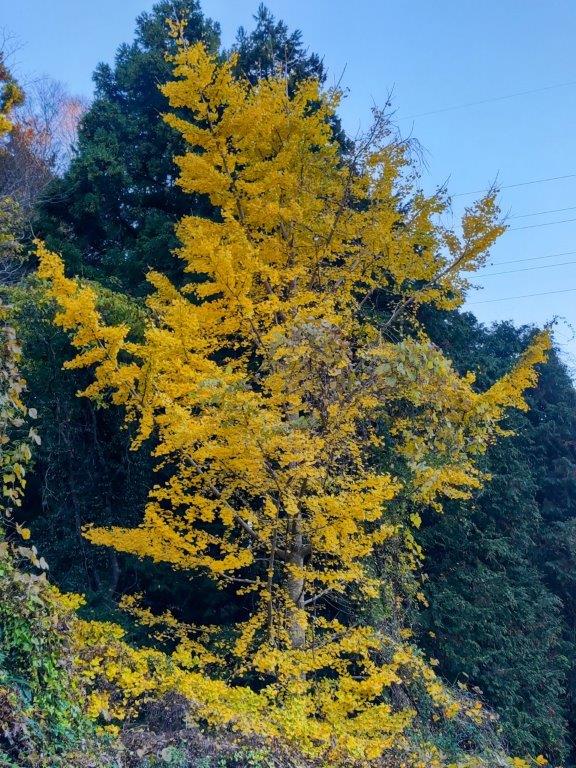
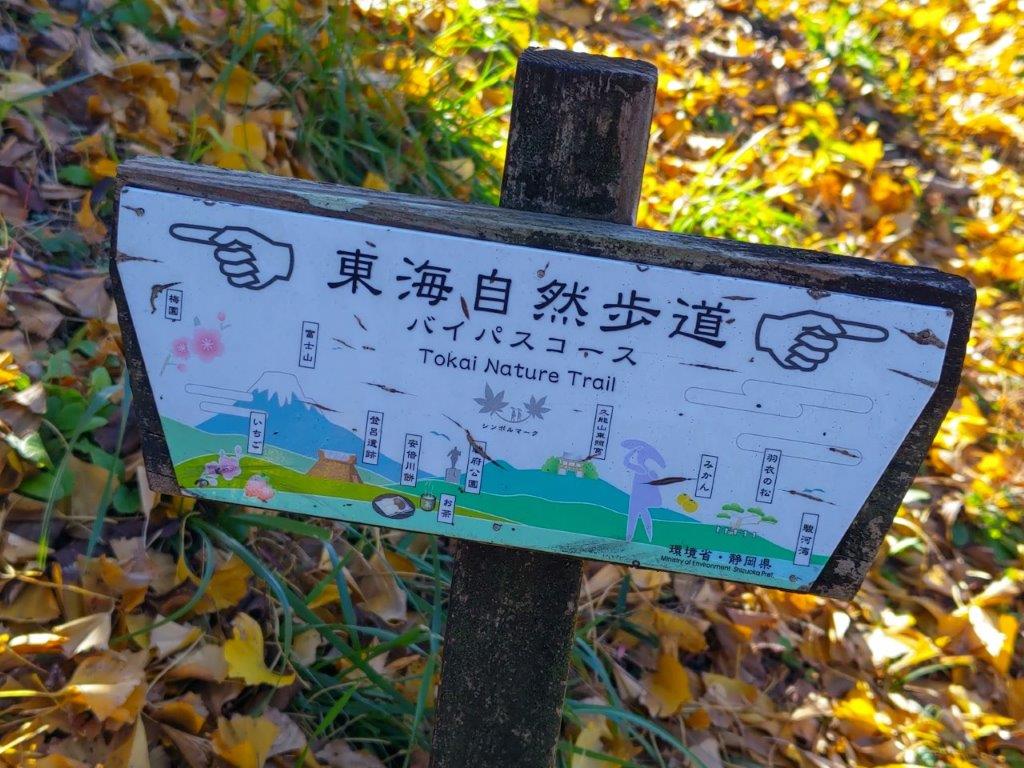
I took a moment to enjoy the scenery of yellow leaves, half on the trees and half scattered on the ground, a sign that Autumn was nearly over. I followed a road southwards, hugging the mountain side, and after ten minutes, reached a fork with a signboard for the Tokai Nature Trail Bypass Route (東海自然歩道バイパスコース) which I’d now be joining. I went up some log steps on the right side, emerging from the forest onto a small grass field at the top of Mt Ohira (大平山 569m), surrounded by trees, some still with Autumn leaves. I turned right at a junction and soon arrived at a gate, beyond which was a forest road and a rounded summit completely cleared of trees.

Road section near Daishido Temple

Log Steps Leading to Mt Ohira

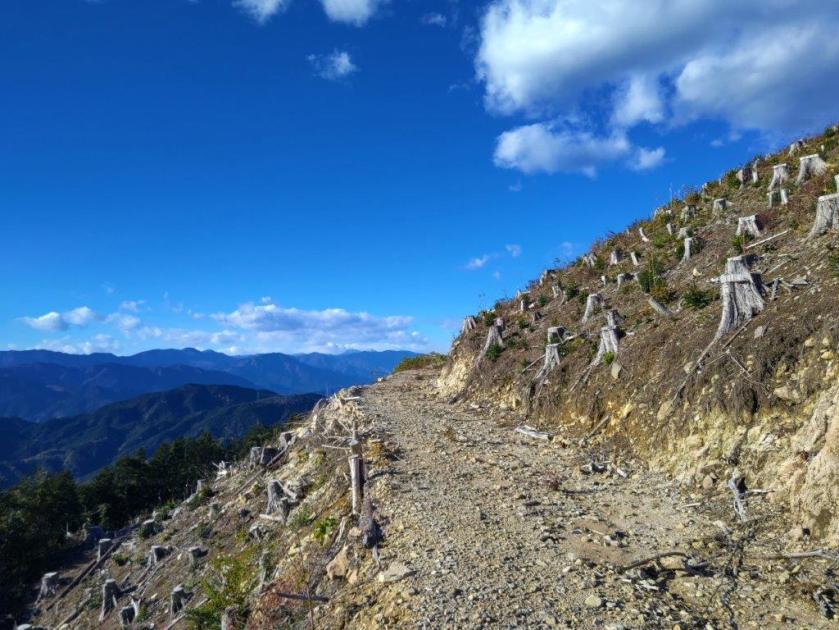
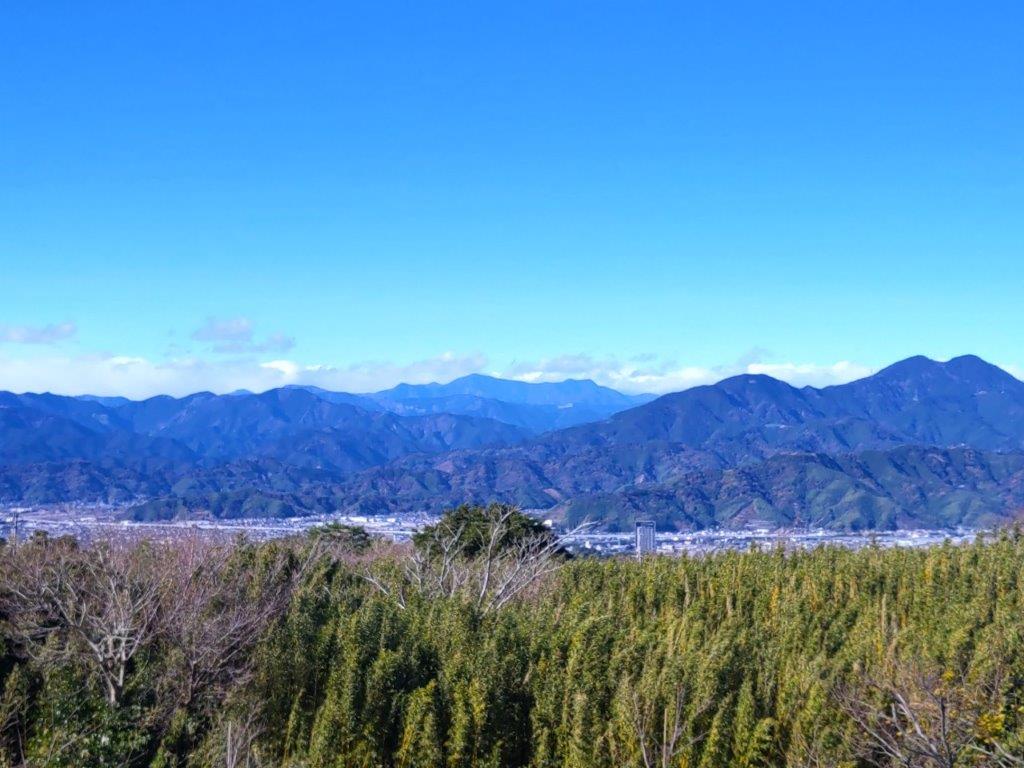
I was stunned by the view that suddenly came into view, a range of mountains stretching from south to north, the southernmost part of the Southern Alps. Following a footpath through the tree stumps, I reached the top of Mt Noda (野田山 598m) marked by a small shrine in lieu of a summit marker. I had the best view of the day: from left to right, I could observe the Pacific Ocean, the Southern Alps, Mt Fuji, Mt Ashitaka, Suruga Bay and the Izu Peninsula. I retraced my steps back into the forest, and after a brief up and down, arrived at another grassy field, the top of Mt Okubo (大久保 565m). Since it was also in the trees, I continued without a break.

Autumn Colours near the Top of Mt Ohira

View of the Southern Alps from the Top of Mt Noda

I was surprised by the profusion of signposts, some so detailed it was possible to find one’s way without a map. I enjoyed hiking through the quiet forest, apparently being the only person on the mountain today. After some gentle climbing, I arrived at an electric pylon marking the top of Mt Omaru (大丸山 おおまるやま oomaruyama); there was also a grass field, seemingly a common feature of the area. The view was somewhat blocked by vegetation but I could see Mt Fuji, Mt Ashitaka and Suruga Bay. It was now 2h30 so I sat on a bench for a short break before the hike down.

Mt Fuji and Mt Ashitaka from Mt Noda

Close-up of Mt Fuji and its Snowcap

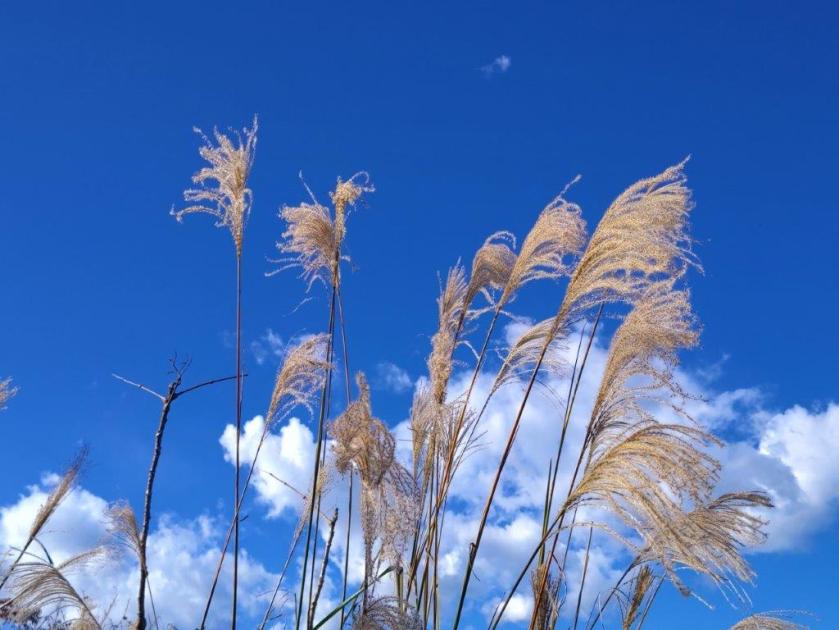
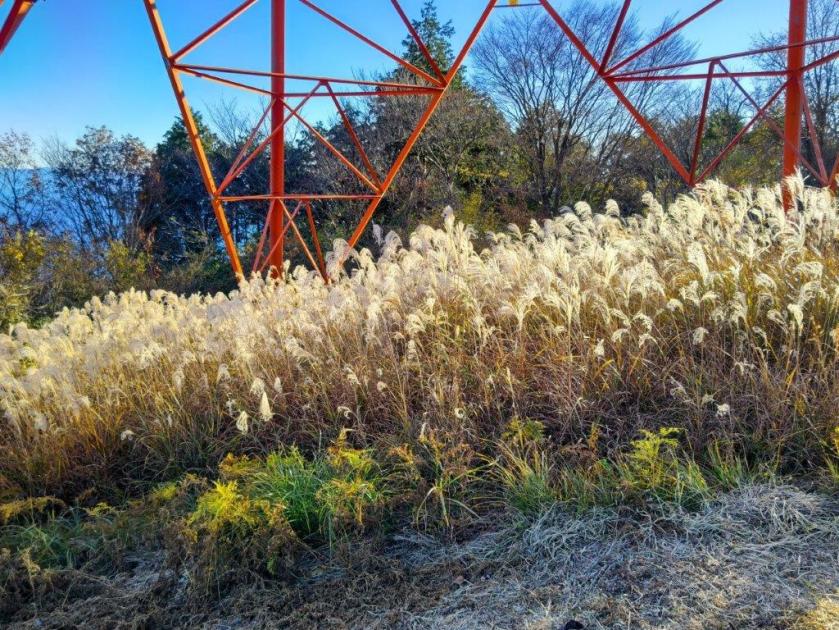
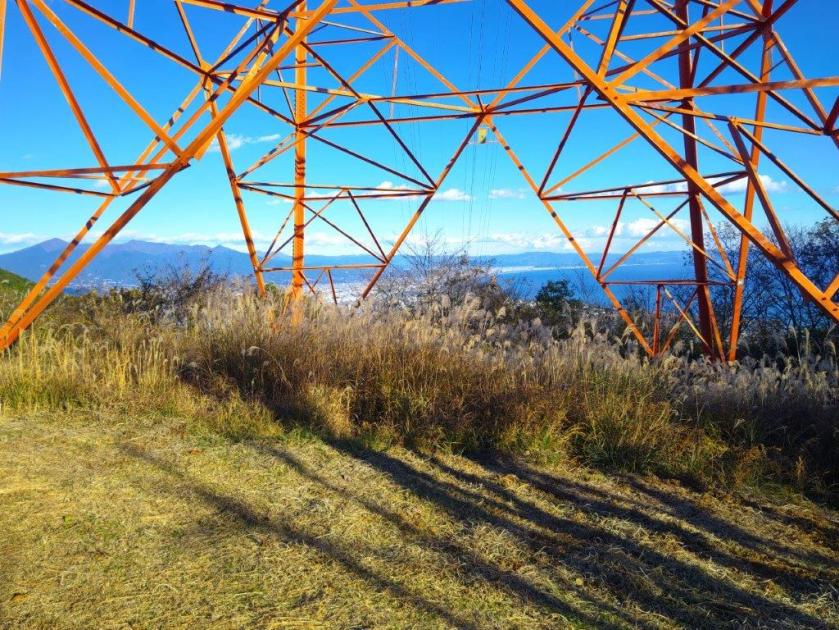
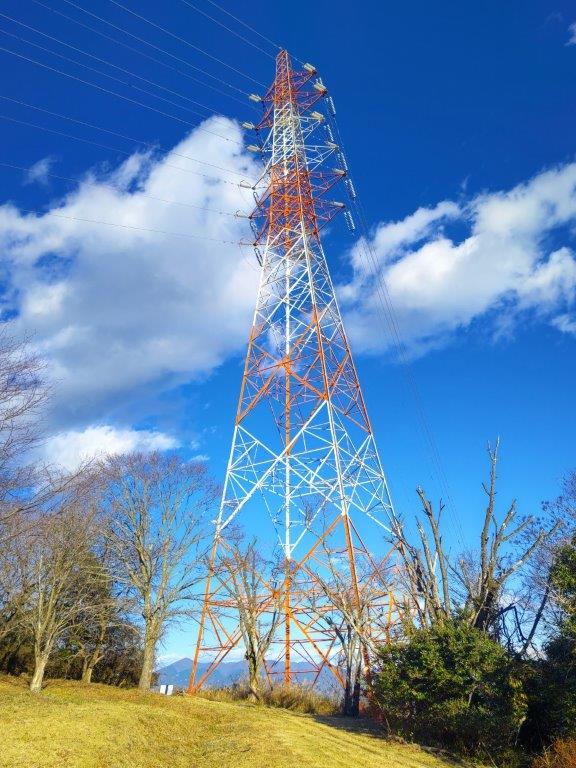
It was very pleasant, sitting on the sunny bench, gazing at the golden “susuki” swaying in the wind in front of the bright red pylon with the blue sea and sky in the background. At 3pm, I set off again, heading down the mountain through the forest. This was probably the nicest part of today’s hike, and I was glad that it was part of the Tokaido Nature Trail, even though it was just a bypass. I soon arrived at a secluded spot called Miharashi-Kannon 見晴観音 (438m), seemingly just a crossroads. I turned left, leaving the Tokaido Nature Trail which continued straight, towards Mt Hamaishi.

Heading towards Mt Okubo and Mt Omaru

Ancient Pathway past Miharashi-Kannon

I was now following what seemed like an ancient road due to the stone markers appearing at regular intervals and traces of a stone wall. I soon arrived at another junction with multiple signposts where I continued straight, soon emerging into an open space. I could see the sky, light fading, half moon visible above a tall pine. I had to watch out for spiders again as they had suddenly reappeared, sitting in elaborate webs next to the trail. I heard the sound of rushing water, a brook running through the vegetation on the right side. Just before 4pm, I popped onto a road, where I turned right.

Last Light on Kanbara Farm

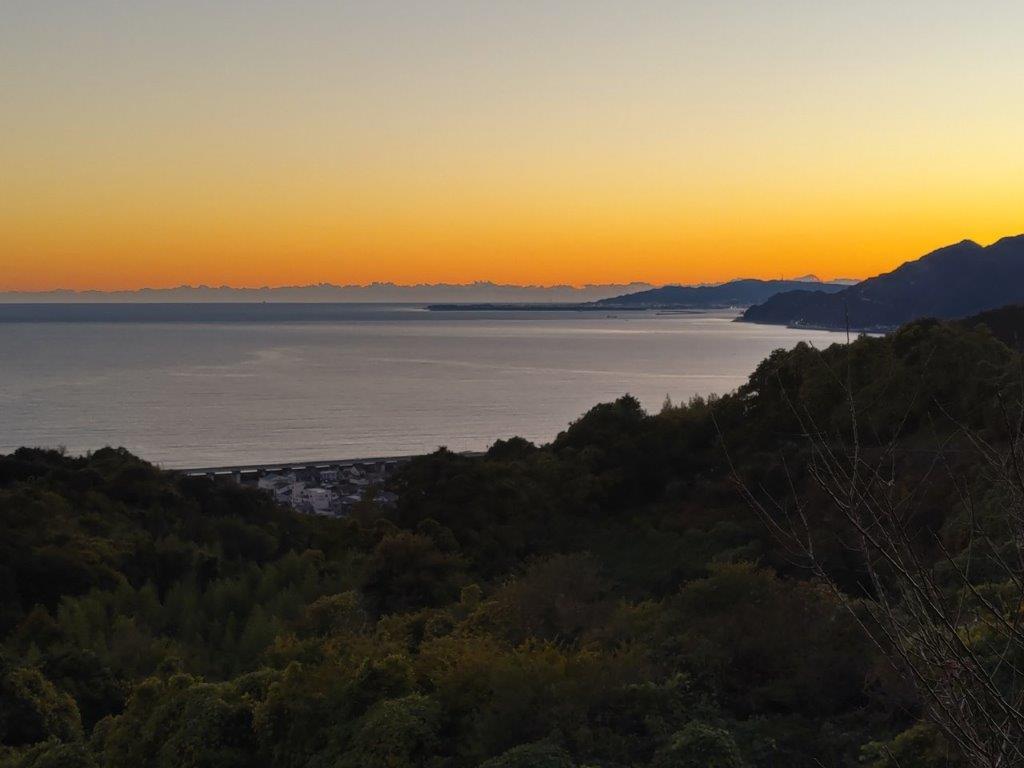
Dusk on Suruga Bay at the End of the Hike

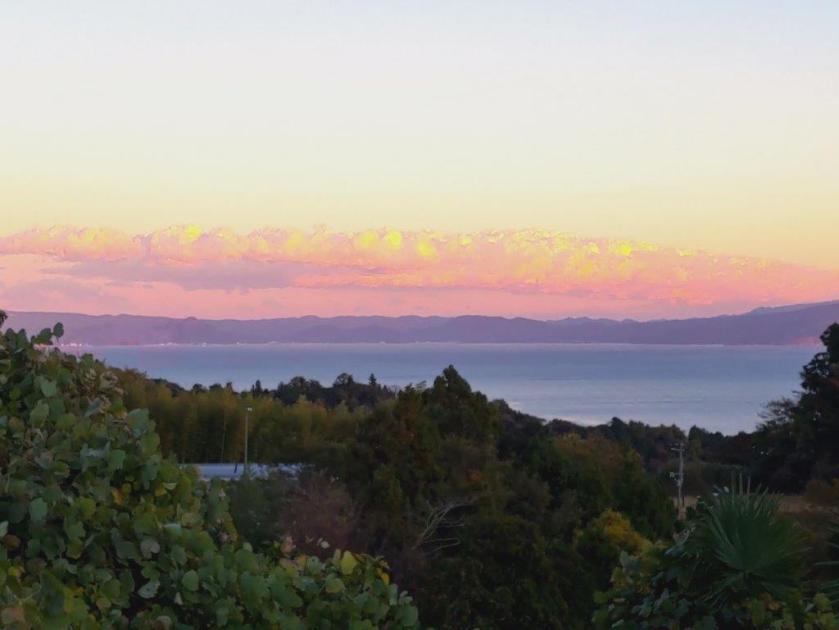
Facing south on the descent, I had views of yellows and oranges, not of leaves but of the sky, as the sun had set and dusk had arrived. At 4pm, I passed through Kanbara Farm and spied many handwritten signs warning against fruit theft. Just as it was starting to get dark, I heard the noise of cars and trucks from the Tomei expressway, and shortly after, I could see houses and buildings along the ocean. At 5pm, I arrived at Kanbara station and soon after I was riding the train back to Mishama where I caught the shinkansen for the lightning speed trip back to Tokyo.

Thank you for reading – make sure to check out the Japanwilds website for more hiking blogs and maps

Watch a Video of the Mt Kanamaru hike

Watch the Video of the Hike on YouTube

See a Slideshow of More Pictures of the Hike
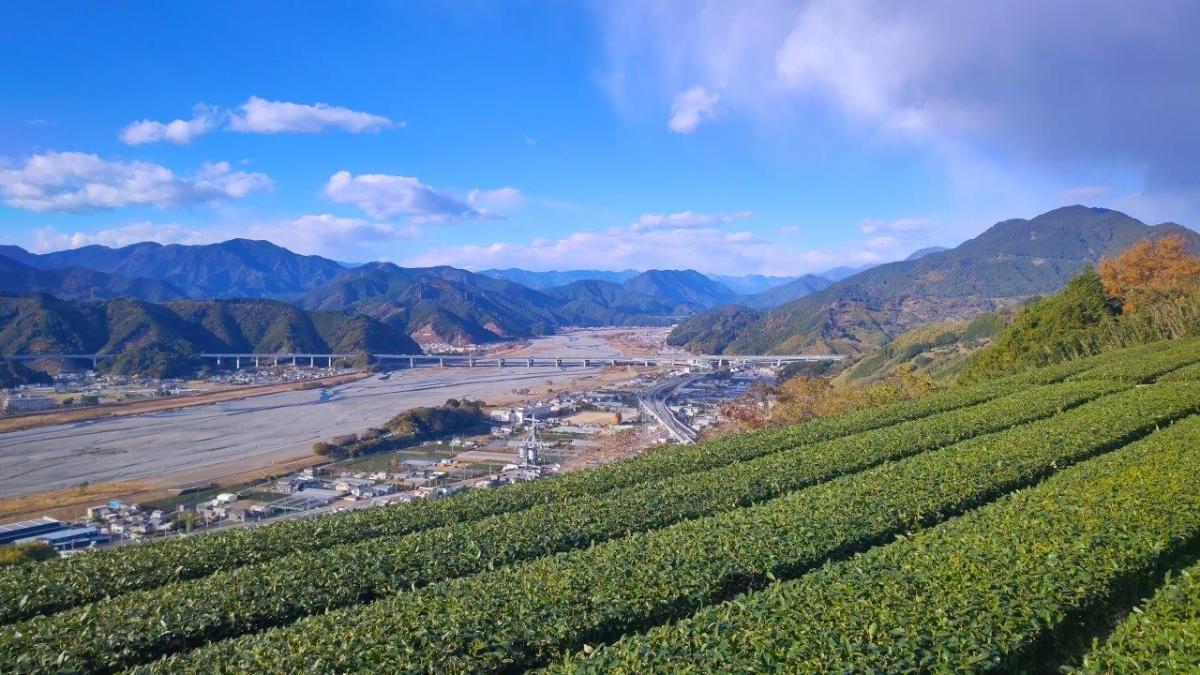
Nihondaira (307m) & Mt Udo (308m), Shizuoka City, Shizuoka Prefecture, Sunday, December 17, 2023

I wanted to do a hike in Shizuoka, last visited one year ago, to take advantage of the warmer ocean climate and the Mt Fuji winter views. While researching my December 2022 trip to Shimoda, I’d noticed a ropeway on Suruga Bay, opposite the Izu peninsula. Further investigation showed that the top station was located on Nihondaira, a low plateau with several short hiking trails, including a section of the Tokai Nature Trail, the Shizuoka Bypass Route. Looking at my map, I saw I could do a station to station hike long enough to justify the cost of the trip. From the station, I would walk up to the observation deck at the highest point, and after a short roundtrip to a nearby minor peak, return via a different route; although, to my regret, I’d have to skip the ropeway. I would ride the shinkansen to Shizuoka station; a couple of short transfers would get me to Kitsunegasaki station, near the start of the hike. Before heading back to Shizuoka station from the Kusanagi JR station, I could drop by the nearby Kusanagi no Yu for a hot spring bath. The weather was supposed to be sunny and cold, as well as a little windy. I was looking forward to exploring a new hiking spot and getting some good views of Mt Fuji from a new direction.

Hiking the Tokai Nature Trail 東海自然歩道

Read this Blog Post on Hiking Around Tokyo

Country lane (left) leading to the Tokai Nature Trail (right)

Walking down from Mt Udo (left) and from Nihondaira (right)

It was a blue-sky day and Mt Fuji was clearly visible as I rode the shinkansen from Tokyo station. After getting off at Kitsune-ga-saki station, it still felt quite cold, so I retreated to a nearby 7/11 to buy some food and water for the day. At 1030, I finally set off along a narrow road, next to a small river, passing several unmanned vegetable stands, a common sight in rural Japan. After walking through some tea fields, I arrived at the entrance of Shimizu Funakoshi Zutsumi Park (清水船越堤公園) just after 11am. After checking out the view of Mt Fuji from inside the park, I continued along the road, and finally reached the Mabase Route (馬走コース on the Tokai Nature Trail just before noon.

Hiking along the Nihondaira Alps

The trail weaved left and right, up and down, along a narrow forested ridge; the treetops swayed in the breeze, occasionally letting through the sunshine. Half an hour later, I reached Mabase Fork and the end of the hiking trail. There, I turned left and walked up a straight road leading to the highest point of the Nihondaira (日本平), also a sightseeing spot with a hotel, souvenirs shops and restaurants. After quickly checking out the eastern observation deck, I made my way to Yume Terrace (夢テラス), one of the most beautifully designed observation towers I’ve ever visited, its wooden deck curving east to west on the north side.

Walking through the Shizuoka Countryside

Walking along the Shizuoka Tokai Nature Trail

I had a stunning view of snowcapped Mt Fuji, rising above Mt Hamaishi. To its right, past Suruga Bay, I could see Mt Ashitaka, Mt Hakone and the Izu peninsula; to its left, beyond Shizuoka city, I could observe the southern edge of the Minami Alps, Mt Daimugen visible in the distance; on the opposite side was Mt Takakusa and the Pacific Ocean, sparkling in the sun. Since it was 1h30, I sat down on a bench for lunch with a view. The wind was blowing quite a bit, so I soon set off for today’s only peak. I walked down a short section of the Shimizu-Nihondaira road, being careful of the traffic, till I reached a trail on the right. After a short climb, the path at times rather faint, I reached the top of Mt Udo (有度山 うどやま udoyama), just one meter higher than the top of the Nihondaira Plateau.

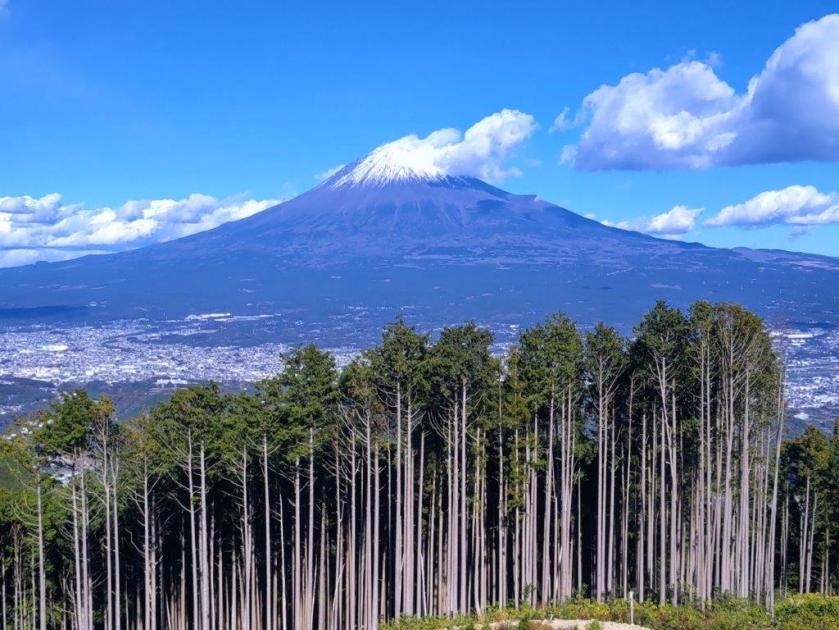
View of Mt Fuji from Yume Terrace at the top of Nihondaira

View of the Izu Peninsula from the top of Mt Udo

I was stunned by the blue colours of the sea below, visible from a gap in the trees on the southeast side. It was shaded light blue in the nearby shallows and dark blue further out in the bay; the tiny waves were topped with white foam on this windy day. On the other side of the bay was the outline of the western coast of Izu Peninsula, an area of scenic beauty relatively close to Tokyo. After a short break, I retraced my steps to Mabase fork. There, I left the Tokai Nature Trail and continued straight, first down some wooden steps through the cedars, then down stones ones alongside a golf course, reaching Kusanagi fork and a paved road at 3pm. I crossed the road, continuing on the hiking path, and at the top of small rise, turned right, following a trail signposted for the Kusanagi Museum (美術館), not featured on any of the map signboards (the official Kusanagi Route continues straight and merges with a paved road after a short while).

Start of the Nihondaira Alps

Looking back at the Nihondaira Plateau

Very soon, I reached a view point of Mt Fuji, its snowy summit poking above a green ridgeline. After a short descent, I found myself walking northwards, along a forested ridge squeezed between two roads. The trail went up and down, a kind of “Nihondaira Alps”, although I couldn’t find any reference to this name. Eventually, I reached the edge of the city, rows of houses crowding in on the east side. I was now walking through a bamboo forest, the densely packed stalks blocking the late afternoon light. I eventually arrived at a fork: left for the museum and right for the University of Shizuoka. I took the right branch, since it was the most direct route to the station, leaving the museum for another day. By 4pm, I was back at the station, and after a refreshing hot bath, I caught a train for Shizuoka station, where I boarded the shinkansen for the one-hour ride back to Tokyo.

Hiking Trail at the Edge of the City

Near the End of the Nihondaira Alps

This hike took about 5 hours, excluding breaks, just the right length for a day hike. The view from the top of Nihondaira was blocked by trees on the southeast side, so it was worth making the roundtrip to Mt Udo to complete the view. The highlight of the hike was the hilly trail between Kusanagi fork and Shizuoka University: it was well-maintained and signposted, with several views of Mt Fuji along the way, even though it doesn’t appear on any maps. I’d like to return one day to explore more trails in the area, and perhaps hike the “Nihondaira Alps” in reverse.

Watch a video of the Nihondaira Hike

Watch the Video of the Hike on Youtube

Watch a Slideshow of more Pictures of the Hike