This is most likely my final Ibaraki hike till autumn. I purposely chose a low hike so that I could check out cherry blossoms trees on the way, and a shorter one since I had skipped the previous week due to Hanabi. The hike starts from Iwase station on the Mito line and follows the “Kanto Fureai no Michi”, a network of trails through the Kanto area (I followed another portion during my previous hike in Chiba). This is the last portion of the ridgeline stretching North of Mt Tsukuba and Mt Kaba (one can continue to Mt Kaba for a longer hike).
An example of the well-maintained trail on this hike
Outside the station there was a sign informing me that I was inside the Mt Tsukuba area Geopark. Apparently there are about 30 such geoparks in Japan. There is also a cycle rental shop near the station since the Tsukuba Ring Ring Cycling Road passes nearby, and the hike uses it to get back to the station. Around this time of the year it is lined with cherry blossom trees in full bloom.
Outside the station I turned right, walked through the town for a short while before turning right again and crossing the railway track. The road than led straight up the hillside to the start of the trail with an information board. There are 2 trails but apparently they join up so I took the right one. Very soon I reached the top of Mt Ontake 御嶽山 where there is a nice little “azumaya” with a good view of the valley I just came up, framed with sakura. The top also has a small shinto shrine.
Mt Tomiya, not in my guidebook, but can be hiked
After a short break, I continued along a pretty path through the forest. At one point, a yellow-furred Japanese stoat or weasel “itachi” darted across the path and disappeared into the trees, only the third one I’ve ever seen while hiking. So far, all “Kanto Fureai” paths I have walked have always been well maintained and easy to walk, with nice surroundings. After a while, I reached a long staircase (just as I was attempting a timelapse video – see video below) and I reached the top of Mt Amabiki 雨引き slightly out of breath and ahead of schedule. The mountain name can be read as “rain pull” but fortunately the weather was sunny that day, although a bit hazy.
View of Mt Kaba from the top of Mt Amabiki
I had lunch on one of the benches around the summit and took in the view of Mt Kaba and Mt Tsukuba to the South, and the Kanto plain to the West. After I set off again, the path soon started to descend and I reached the junction with the trail to Mt Kaba. For some reason the sign for Mt Kaba hadn’t been repainted as the other ones had. Since I had already been up there, I turned right and proceeded further down the mountain.
Soon I took a left along a steep descending path, supposedly a shortcut for the Amabiki Kannon temple at the end of the hike. There were a lot of visitors, and it was an interesting place to explore, since I had enough time for once. The sakura in full bloom made the place especially beautiful. I then followed an old staircase that ran parallel to the car road to reach the base of the hill and the main road.
Early April is a good time of the year to do this hike
Here are I was supposed to rejoin the cycling road but I spotted a bus stop out of the corner of my eye. Although my guidebook stated that there was no public transport in the area, it seemed that amazingly there was a bus for Iwase station coming in just a few minutes. It was still mid-afternoon but the clouds had rolled in so I decided to take the opportunity and get back to Tokyo early for once. I will come back another spring and see the cherry blossoms along the Ring Ring road by bicycle!
Get a feel of the hike by watching the timelapse video
Here are three more hikes that I did in 2017 using the Tokyo Wide pass. For more hikes using the Tokyo Wide Pass, check this blog post: Tokyo Wide Pass Silver Week 2018 Update or search for “Tokyo Wide Pass” on this blog.
Mt Suwa (1549m), Ueno Village, Gunma Prefecture, Thursday May 4
The start of the climb up Mt Suwa is along a small mountain stream
I may have said this before but this mountain probably has the longest access from Tokyo, or at least requires the highest number of different modes of transport. First I used the shinkansen to get to Takasaki. Then I changed to a local train for Shimonita. After that, I hopped onto a minibus, that took me through the mountains by way of a tunnel to the Village of Ueno. Finally I took a taxi, driven by the wife of my minivan driver, to the start of my hike deep deep inside Gunma Prefecture. Amazingly, everything went like clockwork and I was ready to start hiking before 10:30.
Even though it was already the start of May, the mountainside was dotted with yamazakura
The first part was up along a stream following a steep valley. No sooner had I set out that a yellow-furred Japanese weasel or “itachi” crossed my path, the first time I had ever seen one. After crossing the stream several times on wooden bridges, the path suddenly gotten steeper. I was surrounded by the light green leaves of spring and it was very beautiful. Finally I reached the top of the ridge, and the going got easier.
Easy hiking once you reach the ridgeline
Soon I got views of the neighbouring and yet-to-be-climbed Mount Chozuke, as well as the tops of Mt Yatsugatake and Mt Ryokami. Before reaching the top of Mt Suwa 諏訪山, a three-hundred famous mountain in Japan, I had to summit another peak on the way. It turned out to be quite an exciting section – a rocky prominence with steep climbs and drops. The surroundings felt very wild, and it was hard to believe that only a few hours ago I was in Tokyo.
The Rhododendron were in full bloom – Mt Chozuke is in the background
After taking in the great views from the top, I set off for the final part of the hike. I reached the top at 13h30, surrounded by deep forest – I was the only person and it was very quiet and peaceful. I thought it was shame that the path didn’t continue further. The return was along the same way so I hurried back down. There was an option to take a different path further down but it was just too long for a one day trip. After reaching the start of the trail two hours later, I headed to a nearby onsen.
Although the path seemed sketchy at times, it was perfectly safe
After a very quick bath, I started walking back along the road to the bus stop at Ueno Village, one hour away. However before I was halfway there, I was picked up my bus driver from the morning who happened to be passing by in his own car! He dropped me off at the bus stop so I had time to spare before catching the bus back to Shimonita.
This is an off-the-map hike that I found through Google Maps. I was looking for new ways to use the Tokyo Wide Pass and by checking the mountains near the Agatsuma line and then looking them up on Yamareco, I found that Mt Oujou 王城山 and Mt Takama 高間山, both Gunma 100 famous mountains, could be done together as a day-trip from Tokyo.
A good view of Mt Oujou on the way back
After getting off at the the tiny but new Kawarayu Onsen station, I made my way across a long bridge above a meandering river far below. According to the signs on the bridge, there is a plan to dam the river and flood the valley to form a lake. Although the projected representation looked nice, I still felt that it was shame to destroy such a picturesque valley. On the other side, I turned left and walked along the road for a bit before taking a road that went straight up the side on the mountain to my right, to the start of the hiking trail.
According to the dam project, the floor of the valley (where the house is) would be flooded
As with Mt Suwa the day before, the mountainsides were dotted with yamazakura, and all around I could enjoy the new green leaves of spring. I reached the top of the first summit of my hike before 12h30, less than two hours after setting out. I had great views of Mt Asama to the south, and Mt Azuma and Mt Shirane-Kusatsu to the West, all still covered in snow. To the West I could also spot the outline of Mt Haruna.
For a Gunma hike, the path was fairly easy to hike
After a short rest I continued along the hiking path. It followed a ridge with steep drops on both sides. I had occasional glimpses of Kusatsu on my left. I saw no else on my hike, and that in itself made it really lovely. Eventually I crossed a road and started up a steep path – the final ascent for the second peak of my hike. The view from the top was less good than the first one but still nice. The clouds had rolled in and it was starting to get cold so I soon headed back the same way I had come.
Glimpses of Mt Kusatsu-Shirane through the branches
Most of the return was along the same way, although it was possible to take a small detour to the right at one point. Coming back down, I was able to admire the steep dramatic mountain peaks on the opposite side of the valley. Unfortunately, as far as I know, there are no hiking paths there. After reaching the station, I continued a little further to Kawarayu Hot Spring, about 10 minutes away through a tunnel, a great place to soak before catching a train back to Takasaki and Tokyo.
Only locals know a way up this mountain
Mt Azumaya (1341m), Minakami Town, Gunma Prefecture, Saturday May 6
Clouds rolling over the highest points of Tanigawa range
Since the weather seemed to be holding, I dared do a third consecutive hike. Also since it was the day before the last day of Golden Week, I felt the trains coming back wouldn’t be too crowded. Mt Azumaya 吾妻山 is a Kanto hundred famous mountain, just West of Minakami Town in Northern Gunma. As far as I know, there is no public transport to the trailhead, so I had to settle on a short taxi ride from Jomo Kogen Station on the Joetsu Shinkansen.
The taxi dropped me off at the end of the road in an opening in the midst of a dark pine forest. There were no other hikers and the sky was overcast. After a quick breakfast, I set off along the forest road. I soon reached a wide lake, with the main ridge on the opposite side. I opted to walk it clockwise and it turned out to be a lucky decision: I found out later that the other half was obstructed by snow! Despite not being especially high, its closeness to Japan’s snow country meant that the area gets quite a lot of snow in the winter.
Lake at Omine Marshland – the white slightly to the left of the center is Sakura, and the white on the right near the water is snow
After reaching the opposite end of the lake, I started climbing and spotted some Azalea next to the path, a sure sign that spring was on the way. Other that, I didn’t see much spring green in stark contrast to my two previous hikes. However, like the two previous hikes I saw absolutely no one. I did see some “Kamoshika” or Japanese Serows jumping away from me, and I startled a few Japanese pheasants. At one point it started to rain lightly and I started to doubt whether I should have gone on a hike at all.
Long staircase going down and then up the other side
Fortunately the rain soon stopped. After going down a very long metallic staircase and the going up an equally long one on the opposite side, I was confronted with more snow, this time lying across my path. As I walked on the snow, I was amazed that I was doing a snow hike in May at around 1000 meters. Luckily the path was easy to follow. I reached the highest point and a small shrine before noon. There were good views to the East of Minakami Town and yet-to-be-climbed Mt Mitsumine. To the North was the Tanigawa ridgeline still partially covered in snow and clouds.
I was surprised to see so much snow on the trail during Golden Week
The weather was improving gradually, and after lunch, I got some better views of Mt Tanigawa and the neighbouring peaks. Unfortunately I couldn’t linger since there was still a long way to go. I started down, continuing North along the ridge. I had some nice views of Mt Hotaka, and finally saw lots of green spring leaves. After descending a long wooden staircase, I reached the bottom of the valley, and turned onto a nice forest road along a river.
By now, the weather was sunny and I was in high spirits. Here I relaxed and somehow managed to miss a turn to the right. Soon the forest road ended, and I had to retrace my steps in order to find the turn. The turn took me across a river and onto a road where I turned left. My plan was to walk all the way to the hidden onsen of Sarugakyo, one hour away. Fortunately the road was quite wide and had sidewalks on the sides. I could still enjoy various kinds of Sakura in full bloom on the way.
A worthwhile detour – Enmusubi Waterfall
Eventually I took a small hiking trail to the left which ended at the the very nice Yushima Campground alongside a river. I did a short detour to check out a nearby waterfall, then walked up a short road to Sarugakyo Onsen (literally hot spring of the Money Capital). The view of Lake Akaya with a string of Koinobori flags strung across it was quite spectacular. After a nice bath with a view on the lake, I caught a bus back to the Jomo Kogen station, just one hour from the capital of Japan.
A hike of my own creation following the long northward curving ridge opposite Mt Amagi, smack in the center of the Izu Peninsula. If you haven’t hiked Mt Amagi yet, I would recommend that hike first, since this is simply a continuation of that hike. Here, I really appreciated the natural beauty of the Izu portion of the Fuji-Hakone-Izu National Park, and was grateful that I could hike it as a day trip from Tokyo, even though it is over 120 km away from the capital.
The area between my position and Mt Fuji is not part of the National Park
First I had to get to the Amagi Pass bus stop (650m), a 40-minute bus ride from Shuzenji station at the end of the Izu-Hakone railway. From there it was a short hike to the top of the pass, a place I had passed previously on my descent of Mt Amagi. I turned right along the mostly level path and soon had some good views of snow-covered Fuji to the North, as well as the valley I had previously come through by bus. I soon arrived at Nihonsugi pass (the pass of the two cedar trees). There was a good sign board which included information in English. It’s also worth mentioning that the signs along the way were some of the best I’ve ever seen.
Most of the time the trail looks like this
I knocked off Mt Mikasa 三蓋山, Mt Nekko 猫越岳 and Mt Goto 後藤山 in succession, each peak surrounded by trees. I had occasional glimpses of Mt Fuji, passed a small pond, and saw quite a big toad on the trail, a fairly rare sighting in my experience. It was a beautiful hike during which I saw almost no one. Five hours and a half after setting out, I reached Nishina Pass and the West Izu road at around 2h30. After checking out the great views of Suruga Bay to the West, I turned North and started up another slope, starting to feel a little tired. I was buoyed by the sweeping views since the area is mostly farm pastures, as well as sakura trees in full bloom dotting the sides of the mountains.
Mountain sakura were in full bloom
At this point my hiking path was running parallel to the road, and after a number of passes, I reached the top of Mt Kon 魂の山 just before 4pm. A final effort brought me to Mt Tanaba 棚場山 at the end of the afternoon, just after 5pm, from where it was another hour to a bus stop and my ride back to Shuzenji, a town famous for its hot springs. The hiking path continues all the way to Mt Daruma, but I had already made a visit there the year before.
Spotting any kind of wildlife on a hike is always a source of excitement
Mt Futago (1165m), Ogano Town, Saitama Prefecture, Sunday April 23
This hike mainly follows the entire length of the ridge
This was an exciting hike along a narrow ridge on the border of Saitama and Gunma prefectures, at the edge of the Chichibu mountains, and in the shadow of Mt Ryokami. It had been recommended to me a couple of years before by fellow hikers staying at the Kumotori lodge on New Year’s Eve. The trail looks deceptively short on the map but does require a full day of hiking. Mt Futago 二子山, meaning twin mountain because of its two peaks, can be reached by taking a first bus from Seibu-Chichibu Station, and then changing to a second bus at Ogano Town.
Chichibu as seen from Mt Futago
The first part of the hike is along a road. After you finally leave the road for the trail, there are some great views of the rocky double peak of the mountain, which seems quite impossible to reach. Once the path reaches the forested area at the base of the cliffs, it curves left under the rocky walls and finds a way up the Northern end of the mountain. It’s steep and roped but you’ll find yourself on the top ridge in no time. From here it’s important to progress with caution along the mostly level path, since there are drops on both sides. I had to be careful not to get distracted by the amazing views: Mt Ryokami and the other Chichibu mountains to the South, Kanna River valley and the mountains of Western Gunma to the North. On this perfect day, I also got to see the snowy tops of Yatsugatake and Asamayama.
North towards Gunma – the highest point is Mt Akaguna
I eventually reached the western peak where I took a well-deserved lunch break. People were climbing up the North cliff with all the proper equipment. It is at this point that I made a big mistake. After lunch, I continued straight along the ridge. I hadn’t bothered to read the description of the route in my Japanese guidebook (I now do this every time), and I had rushed ahead since I was a little behind schedule. Soon I found myself climbing down successive rocky faces with only thin ledges between them. I am used to the occasional rocky face, but they usually come with ropes, chains and ladders. However, here, there was nothing, just metal bits for attaching ropes.
The West Peak of Mt Futago
On one ledge, I had a good look up and down, and realised that I was in the midst of a cliff – this certainly wasn’t the right path. My knees started to shake uncontrollably since any mistake could lead to a fatal fall. At this stage, going back up was as risky as continuing down, so I gulped the remainder of my coffee, and proceeded downwards. I don’t think I have ever been so frightened since I did the “daikiretto” in the North Alps.
I mistakenly took the “advanced” red route instead of the “usual” blue one
Eventually I reached the base of the cliff and a little further the path merged with the path I should have taken. Soon I reached a pass where I left my pack and did a quick round trip to the lower and less impressive eastern summit. There were good views of the Western summit and the cliff I had just hiked down (shivers). After taking in the views, I decided it was time to head down since it was nearly 3pm. The descent down a forested valley was uneventful and I reached the bus stop around 4pm.
This was another of my original hikes, and it’s also part of the Tokai hiking trail. I really wanted to walk through the westernmost area of the Tanzawa mountain range, but none of the peaks were featured in my guide book. This is probably because the area is rather difficult to access, despite being half the distance of my previous hike to Izu. The problem lies with the adjacent Doshi valley, which has extremely poor public transport. One needs to take a bus from Sagamiko station and then change to another bus. However the transfer times don’t line up so if you go that way you can’t make it back the same day.
Across Doshi Valley – Mt Shotai
Instead I took what must be the most roundabout route ever to approach the start of the trail – from behind. First I took a train from Shinjuku to Fujisan station via Otsuki. There I caught a bus to Yamanaka lake, where I changed to another bus heading to Doshi village, and finally got off at Yamabushi Pass. Despite the long detour, I was ready to start hiking at 10h30. I was the only person to set off on the trail to the top of the ridge. There I turned left (Northeast) towards the Tanzawa mountains with the Fuji area to my back. In the clear spring weather, I had good views of Mt Fuji along the way as well as Mt Shotai to the North. The trail was easy to hike and I saw no one.
A really easy trail to hike
There were some escape routes to the left down into Doshi valley but since there are hardly any buses running there, they are pretty useless. I soon passed the summit of Mt Komotsurushi 菰釣山 and its nice and clean emergency hut that had just opened for the season at the beginning of April – the visitor book showed some guests had already stayed there. This peaceful and relaxing hike eventually brought me to the top of Mt Azegamaru 畦ヶ丸山 with a nice stone summit marker. There is no view but there is another emergency a little bit before the summit.
A man-made waterfall on the final section of the hike
From there, it was an interesting descent down a rocky river valley with multiple crossings along small wooden bridges to the Nishi Tanzawa nature center. Curiously, the signs changed from the usual white paint on wood, to the unusual black paint on yellow painted metal. They seemed quite new and I’ve never seen such signs anywhere else. At the Nature Center, which I reached shortly before 5pm, I caught a bus back to Shin Matsuda station for a much shorter ride home.
Mt Gangaharasuri (1874m), Otsuki City, Yamanashi Prefecture, Saturday May 20
Mt Gangaharasuri as seen from Mt Ubako
This is another summit I had been eyeing for a while but couldn’t figure out how to access it without a car. In the end I saw no other way but to walk for 2 hours along an asphalt road. The starting point was the final stop of the Fujikyu bus from Otsuki station on the Chuo line – I was the sole passenger as usual. The first part was quite pleasant, following a river. Less than an hour out, I passed a taxi coming down the mountain. Only after it disappeared from sight, I realised I could have used it to get to the start of the trail since it would have cost half or less of what it would cost to go from Otsuki station.
A mountain stream in the heart of Yamanashi prefecture
I finally reached the parking area at Otoge pass (1560m) just after 11h30. I took a short break and enjoyed the good views of Mt Fuji. Luckily the summit was only 45 minutes further and 300m higher along a nice hiking trail. The top of Mt Gangaharasuri 雁ヶ腹摺山, located just North of the Chuo Line and West of Otsuki, is one of the 12 viewpoints of Mt Fuji in the Otsuki area. After lunch, I headed down a different path. At first it was pretty steep but soon I emerged at the top of Mt Ubako where there were some good views of the peak I had just descended.
Mt Fuji less clear in the late May haze
After that it was a long descent along a forested ridge during which I met no other hikers – most other people having done the roundtrip from the pass by car. Eventually I went down a short path to the right to join up with a road and a couple of inns. Unfortunately they didn’t allow daytime use of their hot baths, so I walked along the road till the bus stop and got back to Otsuki station where I caught a train home and a shower.
Five weekends in March and four hikes done…not too bad, especially considering that the last weekend was hanami and the weather has been pretty foul lately. This month I stuck to Ibaraki and Chiba prefectures, as well as to low altitudes as winter maintained its grip on the Kanto area. Only one hike was station to station. The others relied on additional forms of transportation such as bus, taxi and a kind offer of a lift to the nearest train station from a local. Next month, I will definitely do a hike within the confines of Tokyo prefecture!
Mt Sekison (348m), Kimitsu City, Chiba Prefecture, Saturday March 2
The peaceful top of Mt Sekison in the heart of Chiba
I finally returned to Chiba after more than a year. The two main issues I have with Chiba hikes are 1) public transport access is usually a problem (even now, Google Maps doesn’t have information on many bus routes) 2) trail signs leave a lot to be desired. Despite those shortcomings, Chiba has some great hiking, especially in the colder months. This time I choose a fairly straightforward hike connecting Yoro Keikoku station, on the Kominato line, with Kazusa-Kameyama station, on the Kururi line, and passing by the summit of Mt Sekison 石尊山.
I hadn’t been to the Yoro river valley since May 2016, and I had forgotten what a wonderful train ride it was: the retro train from Goi station will definitely put you in the mood for hiking. At one tiny station along the way, locals were selling bentos on the platform and passengers were encouraged to get off to buy something. I bought some tasty “fried balls” and a cup of local sake. After I got off at my destination, the station attendant kindly asked me about my itinerary and gave me a useful map – a very nice welcome!
The charming 90 year-old station of Yoro-Keikoku
If you haven’t hiked the Yoro River valley before, I’d recommend doing that first. I had, however, hiked it a few years before, so I set off along a road perpendicular to the river. Shortly after setting off, I spotted a lone monkey in a field, but it fled before I could get a good picture. Still, it was my first monkey spotting in Chiba prefecture. The first part of the hike was along a narrow road that followed a gradually climbing ridge. There were few cars so it was quite pleasant, with occasional views of the neighbouring ridges to the left and right. Unfortunately, I noticed that people had dumped trash down the steep sides at several points. I don’t know if this is still a problem or whether it’s a thing of the past – the signs warning people not to dump trash were old and faded – but considering that it’s within a protected nature zone, a clean-up might be in order. I finally reached the first of five short tunnels along the way, always a nice way to spice up a hike.
Ropes to help you stay on the path
After the fifth tunnel I turned left onto a dirt forest road. It was a very enjoyable and solitary walk in the middle of nowhere. After a while the road ended and became a small up and down trail along a narrow ridge – a true Chiba hiking path. Although there were almost no signposts, the path was well-maintained and had ropes along the tricky bits. After crossing some nice forest, I reached a high level area with some good views to the West through the trees – a good place for a lunch break. The sun which had been ducking in and out of the clouds, chose this moment to come out and warm me up.
A good place to stop for a late lunch
I was finally approaching the summit of Mt Sekison. The final climb to the top was along a staircase in dire need of some maintenance. The summit area was devoid of views but pleasantly green and peaceful. My research had revealed that there was a path from Mt Sekison all the way to the Pacific coast but I decided to keep that for another time. I started to head down to the entrance of the trail, and the end of my hike, but the trail soon vanished. Since the road wasn’t far I decided to simply head straight through the forest and I eventually emerged onto the road. Nearby was the lovely Shichirigawa Onsen and bus stop. However after enquiring at the onsen, I found out that the bus wasn’t running. Luckily the onsen owner offered to drive me to the train station about ten minutes away, after joining me for a hot bath!
Mt Hokyo (461m) & The Chiyoda Alps, Tsuchiura City, Ibaraki Prefecture, Saturday March 9
View of the Chiyoda Alps from the top of Mt Omachi
This is another hike that seemed difficult to access till Google Maps showed me the bus times. The bus from Tsuchiura, on the Joban line, runs all the way to Mt Tsukuba and was this quite crowded. However I was the only person to get off near the start of the trail up Mt Hokyo – it seems that most people go by car, as was made clear by the large parking area. There is also a nice rest house with pamphlets of all the trails. It was pretty empty when I was there but I am sure it must be quite lively later in spring. I decided to take the trail that went by Mt Sengen. At first it went through fields, then parallel to a beautiful mountain stream. The final part was a long steep slope (actually called the very very long slope).
Perfect view of Mt Tsukuba from the top of Mt Hokyo
After catching my breath at the top of Mt Sengen, I continued to the top of Mt Hokyo, about half an hour away. From the top, there were great views of Mt Tsukuba to the North, as well of my next destination, the Chiyoda Alps to the East, described in my guide book as a separate hike. However, since Mt Hokyo was quite a quick climb, I decided to try to combine them. There is a nice forest road (no signposts) leading to the busy Omote Tsukuba Skyline. Then it’s about an hour walking to get to the start of the Chiyoda Alps. On the way I passed by Mt Omachi (361m) 大町山, slightly off the road, and a launching spot for paragliders. I also passed by the Asahi Pass View Park, a parking area with great views of the very flat Ibaraki prefecture to the East. I also got to observe some hobbyists flying remote controlled planes.
Mt Tsukuba as viewed from the Chiyoda Alps
I finally reached the start of the Chiyoda Alps, after 2pm. There are two main peaks: Mt Yukiiri (345m) 雪入山 and Mt Sengen 浅間山 (345m). There were many escape routes to the left and the right. After what seemed like an interminable path, I reached Mt Gongen, the final peak of the hike, after 4pm. I quickly checked out the view and hurried on to to the closeby bus stop, from where I was able to get a bus back to Tsuchiura station.
Still too early for green leaves
Remote controlled plane doing loops in the sky
Mt Kumano (311m) & Mt Morigane Fuji (340m), Hitachiomiya City, Ibaraki Prefecture, Sunday March 17
Path leading to the to the top of Mt Kumano
I decided to go to Ibaraki again because I wanted to check out Kairakuen Park in Mito, one of the 3 famous parks in Japan, especially famous for its plum blossoms. But first the hike: after arriving at Mito station in the morning, I got on the Suigun line and got off at the unmanned Shimoogawa Station one hour later – I was the only person to get off there since most people were heading to Mt Nantai further down the line.
The start of the hike up Mt Kumano
After crossing the river and passing by some beautiful plum blossom trees, I reached a beautiful forest path which I was able to enjoy all by myself. Eventually I reached a “torii” and a long staircase leading up to the top of Mt Kumano 熊野山, where there were good views of the Kuji river valley. I got to enjoy the last bits of sunshine before the clouds rolled in.
The summit is at the top of these steps!
The next part of the hike involved descending all the way down to the river, crossing to the other side and making my way to the start of the trail of Mt Morigane Fuji 盛金富士山, where there were some beautiful plum blossom trees in full bloom. Half way up, I emerged into an open space with great 360 degree views – if only the sun were out, it would have been perfect!
The best view of the hike
I spent some time here taking photos before continuing to the summit where the views were less good. The descent was surprisingly steep, and I was down in no time. It was only 2pm so I had plenty of time to check out the plum blossom garden in Mito City.
Mt Moto-kiyosumi (344m), Kamogawa City, Chiba Prefecture, Sunday March 24
View of Hodai Dam on a blue-sky day
I really wanted to go back to Chiba before the warm weather arrived, and I was given a good opportunity by a high pressure system that brought cold but sunny weather to the whole of the Kanto area towards the end of March. Apparently Western Boso has the highest amount of rainfall in the whole of Chiba, but I hardly saw a cloud during my hike.
Start of the long ridge leading up Mt Moto-Kiyosumi
The start of the hike was from Hodai dam, a truly beautiful area with few people, which I reached by taxi from the train Awa-Kamogawa station. I saw even fewer people on the hike – a family of monkeys crossed the path at one point. After what seemed like an interminable hike along an up and down narrow ridge, I reached the top of the quiet, but viewless Mt Moto-kiyosumi 元清澄山 just before 1pm. A short way beyond, I rejoined the Kanto Furenai Michi, a network of paths covering the entire the Kanto area. This section was well maintained with good signposts.
The second part of the hike followed a well-maintained trail
After some ups and downs a reached a very enjoyable flat section which I followed all the way to an asphalt road. From there it was a fairly simple hike to Kiyosumi temple. I had originally planned to continue from there to Mamenbara Plateau but I was running late and that plan would likely have to be abandoned.
Tunnel #7 along an unexpected detour on my hike
I spotted by chance a trail to the right of the road and decided to check it out. It turned out to be quite a fascinating trail along the side of the mountain and passing through five eight tunnels – the last one had bats sleeping in it! Unfortunately the path did not reconnect with the road but followed an empty riverbed down the mountain. I had to give up and go back the way the I came. Once I was back on the road, I hurried along it to Seicho-ji temple (清澄寺) about 45 minutes away. There were great views of the Chiba hills from various points. At the temple I boarded a minibus – I was the only passenger – back to the train station.
View of the hills of the Southern Boso Peninsula – endless hiking opportunities!
Mt Kogashi (583m), Utsunomiya City, Tochigi Prefecture, Saturday March 4
A rocky mountain at the edge of the Kanto plain
Continuing to explore Southern Tochigi, I moved again to the East but also somewhat to the North, to Kanuma station between Utsunomiya and Nikko. There, I boarded a bus to within walking distance of Mt Kogashi 古賀志山. The approach is quite nice since this low-lying rocky mountain cuts quite an impressive figure when seen from below. After walking on a road through fields and forests, I reached Akagawa dam and lake, where I got to see countless paragliders floating around in the sky above me.
The mountains of Oku-Nikko
The start of the trail is at the end of the lake but at first it was a little hard to follow since it had been damaged in a recent typhoon. There are other paths up but I was keen to follow the one in my guidebook. After crossing a river, I followed a steep zigzagging path that quickly took me to the ridge. Before continuing to the right, I followed another small path to the left for a few minutes till I reached a lookout point. There I got good views of Akagawa lake as well as Mt Akagi and the mountains of Oku-Nikko.
Ready to jump off?
I continued up the steep, narrow ridge heading West. Eventually I reached another ridge and turned left (South) along it – the path to the right (North) leads to Mt Kuratake which I climbed last year. This part had some nice exposed sections with good views of the Oku-Nikko mountains, and some interesting rocky formations on Mt Kogashi itself. I finally reached the summit just after 2pm (no views). After a lunch break, I continued along the ridge, gradually losing altitude and occasionally getting good views on both sides. At one point I reached a rocky prominence that had to overcome with the help of some rope – nothing technical but surefootedness was vital. The views from the high point were totally worth the effort.
Decipher this sign!
I reached the final peak of the ridge, Mt Akaiwa (553m), just before 4pm. After that the path started to descend quickly. On the way I passed the launching point for the paragliders that I had seen in the morning. Going down I took a wrong turn at one point and had to retrace my steps. However I got some nice views from that mistake. After I got back to level ground, I continued walking along a road through fields till I reached an onsen and a bus stop just before sunset.
Mt Kaba (709m) & Mt Ashio (628m), Sakuragawa City, Ibaraki Prefecture, Saturday March 11
Mt Kaba rising above the fields
Mt Kaba 加波山 and Mt Ashio 足尾山 are two peaks located along the same ridge, North of Mt Tsukuba. I had a good look at them when I climbed Mt Nandai and Mt Wagakuni the month before. I opted to go by car this time, and I parked close to the colorful Kabasan Shrine. The climb to the top was uneventful, with occasional glimpses of Mt Tsukuba to my right.
Mt Tsukuba in the shade
The summit of Mt Kaba is occupied by a shrine complex. The view from the highest point is obstructed by trees which may not be cut down, or so I was told by another hiker. The clouds had rolled in temporarily and it was cold so I didn’t linger. After some up and down, and passing a lone wind turbine, I arrived at the top of Mt Ashio, with better views to the South – Mt Tsukuba – and to the West – the Kanto plain.
The eerie top of Mt Kaba
After some lunch I continued to the next summit, Mt Kinoko (mushroom mountain), passing on the way a paragliding spot with actual paragliders preparing to take off. Here something interesting happened: there was a cat, and this cat followed me once I started going down the mountain. It had the traces of a collar around its neck, so I assumed that its owner had simply abandoned it (there is a road that runs along the ridge). Halfway down, the cat was falling behind so I waited occasionally, and fed it some cheese and water.
View of the Kanto plain
As I was approaching the bottom of the mountain I was starting to wonder what I would do if it followed me all the way to the car. However after we entered the village, the cat went after the first person I passed – problem solved! It was a short walk through fields back to the car with good views of the mountains I had just climbed in the late afternoon sun.
Cat that befriended me (?) on the top of the mountain
Mt Ono (723m), Yamakita Town, Kanagawa Prefecture, Sunday March 19
Tanzawa range and Tanzawa lake from the top of Mt Ono
Mt Ono 大野山 is a bald grassy rounded mountain sitting at the edge of the Western part of the Tanzawa mountains. It’s not a very long climb but the views from the top of Mt Fuji, the surrounding mountains and Tanzawa lake are fantastic. Mt Fuji is already visible shortly after leaving Yaga station on the Gotemba line. This is a popular climb but luckily there is lots of space at the top. At this time of the year, I could also see snow on top of the highest parts of the Tanzawa range.
Mt Fuji can be seen from several viewpoints during the hike
I decided to flee the summit and the hordes of hikers shortly after arriving, and headed North along a peaceful path through beautiful forest. My plan was to extend the hike by heading towards Tanzawa lake. Eventually I reached a T junction. Left was a path that led down towards the lake but first, I decided to explore the path going up a ridge to the right. At first the path was quite good, if steep. However it soon got difficult to follow because of tall bamboo grass. I finally reached an open space with some views, and after eating some lunch, I called it quits and retraced my steps.
Walking down to Tanzawa lake
I had some good views of Tanzawa lake while descending. After reaching the lake and its dam, I was lucky to find a hotel there that allowed hot spring entry for day trippers. After a nice refreshing bath, I caught the bus back to Matsuda station. An exciting thing happened then – a bird of prey (maybe a black kite or “tonbi”) made a very low swoop, and nearly collided with the bus, giving all the passengers, myself included, quite a scare!
Mt Dodaira – the antenna at the top is an NHK relay
I had already climbed both of these peaks separately in the past. Mt Maru 丸山 (climbed twice) was a short and easy loop hike from Ashigakubo station on the Seibu Chichibu line, and Mt Dodaira 堂平山 was a longer hike along a horseshoe shaped ridge in Eastern Chichibu (bus access from Ogawa station). This was a hike of my own creation aiming at linking the two mountains, as well as and explore some new ridgeline trails. I could see from my maps that it involved some road walking but I didn’t mind since the area was easy to reach for me, I knew that both peaks have excellent views.
The start of the hike involved getting a bus from the Tokigawa town hall located between Ogawa and Ogose towns, and reachable from the Ogose station on the Tobu line. I got off at the last stop Hinatane, near a tiny hamlet on the side of the mountain. First I went on a short round trip to closeby Mt Arazaku (409m). There was no trail on the map but it was marked on a guidance board near the bus stop. Mostly level walking through forest, it made a good warm up even though the top was without view. After quickly retracing my steps, I started climbing in the opposite direction along a forest road up to a pass, where I turned right to follow the ridge to the North, this time along an asphalt road, half iced over.
Cute fake bus stop for the “mountain cat electrical railway bus”
Soon I reached another pass called Kabasaka toge (818m). There were some people here since there is a parking lot. There were good views of Mt Dodaira opposite. Here the trail left the road and followed a narrow ridge to another pass. Mt Maru was about a 45 minute round trip to the left and I decided to go for it since the weather was good. There is an observation tower at the top and the previous times the visibility hadn’t been great. This time, visibility was fantastic, and this is probably one of the best views one can get of Mt Buko and of Chichibu city. Mt Asama, Mt Akagi and Mt Haruna were clearly visible.
View of Mt Buko and Chichibu city from the top of Mt Maru
After a quick lunch and a short chat with other hikers, I made my way back to the intersection and went right towards Mt Dodaira. There was another section of road walking. You can actually walk on the road all the way to the top but halfway there is a hiking trail that goes up a ridge to the left. The rounded level top is also accessible by car and there is an observatory for night sky gazing. It is also a popular place for paragliding in the warmer months.
View from Mt Dodaira – It’s a 500m drop down to the bottom of the valley
The views from the summit of Dodaira were just as good as from Mt Maru. You could also gaze down into the deep valley of East Chichibu (North) and the take in the vast expanse of the Kanto plain to the East. Unfortunately it was already past 3h30, and it was nearly two hours to get down to a bus stop so I couldn’t linger much. I followed a very nice path called the Tokigawa trekking trail, some portions of which followed asphalt and forest roads. I finally emerged at the scenic Jikoji Temple, past 5 pm, and too dark to get any good photos, so I hurried down to the bus stop, in the valley opposite my morning starting point. Total hiking time was nearly 7 hours.
Mt Atago (305), Mt Nandai (553m) & Mt Wagakuni (518m), Kasama City, Ibaraki Prefecture, Sunday February 12
View of Mt Nandai, the midway point of the hike
This was my first Ibaraki hike that wasn’t on Mt Tsukuba. It’s a fairly long hike (6 hours) connecting three mountains, starting with Mt Atago 愛宕山 Southeast near Iwama station on the Joban line, passing by Mt Nandai 難台山, and finishing at Mt Wagakuni 吾国山 Northwest near Fukuhara station on the Mito line. My start time got pushed back due to delays on the Joban line. I also lost some time around Mt Nandai because of unexpected wet snow on the trail – my boots got completely wet since I didn’t bring my gaiters.
Observation tower along the trail
The first part is fairly straightforward. The path zigzags up the mountain and ends at Atago Shrine with good views to the East – Ibaraki is quite flat outside the mountainous parts! From the top there is a short walk along an asphalt road to reach the start of the trail for Mt Nandai. The trail through woods was level at first but soon it started to rise gradually, offering excellent views of Mt Tsukuba, Mt Kaba and Mt Hokyo to the West. There are wooden observation towers, rocky formations and minor peaks along the trail.
View of Mt Tsukuba
When I reached the top, mostly enclosed by trees but with some views to the West, I was ready for a short break and lunch. Afterwards the path descended gradually, with views of the Oku-Nikko mountains at one point, before crossing a road and bringing me to the final ascent for Mt Wagakuni. There were good views to the East on the way up – I could see most of the trail that I had hiked during the day. More excellent views towards the East and the North greeted me at the top, where there was a small shrine, although it was a bit lonely and cold there. I made my way down the mountain as quickly as I could in order to reach the train station just around sunset.
View to the North from the top of Mt Wagakuni
Mt Ohira (341m) & Mt Teruishi (419m), Tochigi City, Tochigi Prefecture, Saturday February 25
The hike follows most of this ridge
I so enjoyed my first hike in Southern Tochigi that I decided to go again as soon as possible, this time a little more to the East, one station past Tochigi City. The hike up Mt Ohira 大平山 starts from Ohirashita Station meaning the station under Ohira. From there it’s a fairly easy walk to the top and Ohirasan shrine (also accessible by road), a sort of deja-vu from my hike 2 weeks ago. I got to see some nice views of the Kanto plain, and also some early plum blossoms.
View of the Oku-Nikko mountains to the North
From there it was a fairly easy hike to the next summit, Mt Terui 晃石山. Apparently the whole area is inside a prefectural national park, not to be confused with a national park. From the top of Mt Terui, there were excellent views of the Oku-Nikko mountains. The visibility was much better than the previous month when I hiked nearby Mt Daisho. After that I gradually made my way down through to plain level. The surrounding nature was quite wild and it was hard to believe that I was so close to civilisation.
Hiking down Mt Teruishi
While I was walking to the station (more plum blossoms on the way), I couldn’t resist going up nearby Mt Iwafune, meaning “rock ship”. Although the way up was along a road, the top part was quite interesting. First of all I was able to check out a temple called Koshosji. Next, there were a couple of good viewpoints to the North and the South. Unfortunately, I couldn’t find a summit marker for the highest point. I ended the hike at the very small Iwafune station on the Ryomo line.
Here are a couple more hikes I did using the Tokyo Wide Pass during Silver Week in September 2018, plus a couple of short excursions I did with my mother using the pass in November. All previous Tokyo Wide Pass hikes are linked at the bottom of the Golden Week 2018 update. I also describe two hikes I did using the pass during the “Coming of Age” long weekend in Tokyo Day Hikes January 2019 (Mt Inafukumi & Mt Tatsuware).
Mt Tengu (Eastern peak 2640m), Chino City, Nagano Prefecture, Sunday September 23
I still find it hard to believe that I was here on a day trip from Tokyo
This is highest I’ve been using the pass, if not the furthest – 130 km away versus 160 km for Mt Nasu – although the travel time might be the longest: after taking the shinkansen to Sakudaira, it’s a 2-hour bus ride to the trailhead. Despite that, I was able to start walking from 10h30. Surprisingly, few people were lining up for the bus – most people preferred to head for Mt Asama, only one hour bus ride away. Most passengers, got off at Shirakome pond, but I got off at the next and final stop, Mugikusa pass (2120m).
The beautiful dark blue of Shirakome pond
I had seen the pass and its steep-roofed hut a few years earlier when I hiked Mt Shimakare to the North. This time, I set off Southwards through a thick mossy pine forest. Mt Tengu 天狗岳 is a 200 famous mountain in Japan, and is part of the ancient volcanic range of Yatsugatake, an extremely popular hiking area West of Tokyo. I hadn’t really appreciated how popular it was till I reached Takami Ishi hut where their masses of people. What surprised me was the number of small children with their parents – it is not an easy place to hike!
Typical views during the hike – it’s quite level, no?
Behind the hut, atop some rocky boulders, is a great view of Shirakome pond and Northern Nagano. After I short break I set off again. For a while the path was really muddy and I had to make tiny detours through the forest – it had rained hard the preceding days – but eventually I reached some narrow wooden walkways which were much easier to navigate. Occasionally the twin peaks of Mt Tengu were visible in the distance, as well as the dramatic-looking Mt Io.
Mt Io – I climbed it in winter from the other side
On paper it looks like a long hike but in reality most of the hike consists of a gently undulating path along a wide mountain top – the steeper sections are located lower down. Very soon I arrived at the base of Mt Tengu. I lost a lot of time taking photos during the climb, as it was mostly devoid of trees and the views in all directions were absolutely amazing. The Eastern summit was packed with people, half of them young children around elementary school age. The Western peak is four meters higher but required at least a half hour round trip, time I didn’t have since I was planning on returning to Tokyo the same day. According to my guidebooks, the views were fairly similar. Mt Neishi was also achingly close but I had to skip that as well.
The twin peaks of Mt Tengu
I set off down a rocky ridge that ended on a windswept sandy pass where I took a steeply descending pass that zigzagged down the Western flank. After what seemed like a lot of descending, I reached Honzawa Onsen hut from where it was a long slog along a dirt road – it really made me appreciate the size of the mountain I was coming down from. I emerged from the forest just as it was getting dark, two hours after the start of my descent, but still twenty minutes or so from Umijiri station on the Komi line. Originally I had planned to head back up to Sakudaira where I could get a hot bath, buy some local sake and get the shinkansen back to Tokyo. Unfortunately I made a mistake with the train times so I had to take a train in the opposite direction towards kobuchizawa, also covered by the pass, and take the very crowded Chuo line back – fortunately the station there also sells sake!
Mt Hakkai (up to Mt Yakushi 1654m), Minamiuonuma City, Niigata Prefecture, Monday September 24
The viewing platform at the top of the ropeway – a nice place to relax!
This one broke the record for furthest day hike from Tokyo – 175 km! I was less than 50 km from the Sea of Japan although I couldn’t see that far because of the poor visibility. I arrived in Niigata prefecture under the sun but the clouds rolled in with surprising speed and most of the day was spent under grey skies. Even the ragged top of Mt Hakkai 八海山, another 200 famous mountain of Japan, soon disappeared in the mist.
Mt Echigokoma surrounded by clouds
After taking the shinkansen to Echigo-Yuzawa, I boarded a local train to Muikamachi station (not covered by the pass). The town is fairly rundown and would benefit from a facelift. I got on a bus to the Mt Hakkai ropeway – I was the only passenger. Even the parking lot was depressingly empty. We were perhaps a dozen people to board the ropeway. I was pretty relieved that I didn’t have to wait in line. The view from the wooden viewing platform at 1120m was quite impressive – I guess the lack of people was due to the poor weather forecast, although it never rained.
The long summit ridge of Mt Tanigawa
The hike itself wasn’t anything special – up and down the same path, alternating flat and climbing bits. There were some good views to the North of Mt Echigokoma, and Mt Tanigawa to the North. There were much less people than the previous day on Mt Tengu. There wasn’t enough time to go all the way to the highest point (1778m). Perhaps it was a good thing because it is rated as somewhat dangerous on my map – lots of steep bits with chains and ladders.
Autumn has arrived near the upper reaches of Mt Hakkai
The clouds blocked most views from my turning back point, the top of Mt Yakushi 薬師岳 but there was a consolation prize in the form of some early autumn colours. I also saw three snakes which is always exciting. I recommend taking a bath into the hot spring facility inside the Echigo-Yuzawa station – it’s small but super convenient – and also buying some well local sake from the extensive souvenir shop.
Shiobara Gorge, Nasushiobara, Tochigi Prefecture, Saturday November 3
View from the main bridge in Shiobara onsen
This is a relatively short hike I did with my mother. I rented a car near Nasushiobara shinkansen station (it is also possible to go by bus). I was hoping to see some autumn colours, and so were the hundreds of other people stuck with us in a massive traffic jam, a few kilometers out from the onsen town! At least we could slowly enjoy the spectacular views.
The hiking path was a little worn out but easy to walk
We finally reached the visitor center with about an hour delay. Our plan to walk along the river downstream and then take a bus back. Unfortunately the traffic jam never let up so that we took a long time getting back to our car and then getting back to the station. Fortunately we could take a bath at the a hot spring before leaving.
Peaceful lake near the end of the hike – it would make a good painting
The hike itself had some nice views of the gorge and various waterfalls, and of course the autumn leaves. We crossed the river several times over narrow suspension bridges. The final part however consisted of a relatively long, steep climb followed by a descent with no real good views. The last part is over a suspended bridge that crosses a picturesque lake formed by a dam further downstream. There are other hikes in the area so I will probably return in the future.
It was the first time I’d ever seen people doing SUP (Stand Up Paddling)
One of the waterfalls we saw during the hike
Dragon Gondola and hike along the Kiyostu River, Yuzawa Town, Niigata Prefecture, Sunday November 4
Mt Sennokura with its autumn cloud cap
The next day I decided to check out the Dragon Gondola – 5481m long and apparently the longest in the world. Normally a ski lift – I had taken it once when skiing at the Naeba Prince Hotel resort – it is exceptionally open for a short while in autumn, and also in spring. It requires taking a bus from Echigo Yuzawa station. After that, things got complicated. Most passengers were non-Japanese like us, possibly also traveling on the Tokyo Wide Pass. However, the busdriver started giving complicated explanations in rapid-fire Japanese which obviously nobody understood. Apparently we had to get off one stop before the Naeba Prince Hotel to take a shuttle bus directly to the start of the gondola. Most people just remained on the bus. Finally, language barriers were overcome, and everybody was able to board the shuttle buses.
Mt Hakkai with its winter snowcap
At the gondola station, we got in line for the gondola. However I noticed that the people in front of me were holding tickets – I had no idea where to buy ours. I went to the head of the line to ask, and found a small ticket counter next to the boarding area – it could have been advertised better. The gondola ride was truly spectacular and exciting, since several small ridges and valleys had to be crossed, at times only meters above the ground.
Rising up and up among the camphor trees
The top area, at 1346m, was a little cool but pleasant in the sunny autumn weather. We walked up a bit to higher ground and had great views of many Niigata mountains: Mt Naeba, Mt Hakkai, Mt Tanigawa and Mt Sennokura. After that we walked past Tashiro lake and took the Tashiro ropeway back down to the bottom of the valley, enjoying the beautiful autumn leaves covering the sides of the mountains.
Taking the Tashiro ropeway back down
From the base of the ropeway, we walked along the river, following it upstream for about an hour while enjoying more autumn leaves and the fine early November weather, till we reached a spacious rest house. Inside, there was a good relief map of the surrounding mountains. From there it was a short ride on a crowded bus back to the shinkansen station.
I’ve finally found time to add some older hikes to the blog. These four date from January 2017, a couple of years ago, but the mountains and trails are still there (I suppose). The views were all top notch thanks to the clear winter weather. They are located in Yamanashi, Chiba, Tochigi and Saitama prefectures. Two are station to station and two require traveling by bus.
Mt Koshu Takao (1120m) & Mt Tanayokote (1305m), Koshu City, Yamanashi Prefecture, Saturday January 7
Koshu Takao – a hilly ridge that separates Tokyo from Yamanashi
An amazing station to station hike that I had been saving for a while for a day when I couldn’t be bothered to look up bus times. I just regret I hadn’t hiked up Mt Koshu Takao 甲州高尾山 earlier – from the pictures in my guidebook, it looked like a dull up and down slog, but, after gaining enough altitude, the views of the Mt Fuji and the South Alps were absolutely fantastic.
The South Alps, with the three Shirane Mountains in the middle
The surrounding scenery was a nice mix of subalpine and alpine – lots of pines trees and open grassy spaces – despite the fact that I was always below the 1500m mark. The hike follows an undulating ridgeline which goes all the way to Daibosatsu Rei but unfortunately there is no connecting hiking path. I made it all the way to Mt Tanayoko (棚横山 たなよこてやま tanayokoteyama), a 100 famous mountain of Yamanashi, beyond which the trail requires GPS navigation.
Probably one of the best views I’ve gotten of Mt Fuji
Even though the starting point is Katsunuma Budokyo station (what a name!) on the Chuo line, only a couple of hours away by train from Shinjuku, it feels like a completely different world. Shortly after descending, there is the added bonus of a nice bonus of passing through a nice temple complex.
A nice place to stop for a late lunch
Beyond that, the path becomes a road which you need to hike for 90 minutes back to the station. I was fortunate enough to be picked up by somebody on the their way down – they even dropped me off at the onsen close by the station. By the way, this onsen is on the top of a small hill and has some great views of the wide plain that forms the central part of Yamanashi prefecture.
Since Chiba mountains aren’t very high, I usually need to combine several of them in order to make it worth my time to go all the way to the other side of Tokyo bay. One benefit of low altitude mountains is that they remain snow-free all year-round – or so I thought! No sooner had I started hiking up the trail for Mt Saga 嵯峨山, a short bus ride from Hota station on the Uchibori line, did I encounter snow! Apparently it had snowed the day before in Chiba…however it was only a thin layer which was melting quickly in the winter sunshine.
A rare sight – snow in Chiba
The climb to the top was relatively fast with just one steep section. There were views of Oshima island, Miura peninsula, and of course the Boso peninsula. Unfortunately, the top of Mt Fuji was hidden in the clouds. My plan was to do a loop around the back and end up back on the road, where I would catch a bus to my next destination. However at one point I lost the path and ended up taking a rather steep trail back up to Mt Saga. I eventually found my way down but I missed the bus and had to walk to about an hour to the start of the path for Mt Tsumori.
The Boso peninsula looks quite flat from this perspective – it isn’t!
The climb to the top of Mt Tsumori 津森山 was pleasant and the views Eastwards towards Kamogawa town, the Pacific Ocean and Mt Atago were unexpectedly beautiful. After that I made my way along hiking path and some roads to the frighteningly named Mt Hitobone 人骨山 (meaning person’s bone). This time the views were mostly of the hills towards the South and the West. After that there was quite a nice path through some marshland at the bottom of the valley – it was quite atmospheric in the late afternoon light. Eventually I reached a road which took me to lake Sakuma and a bus stop.
Mt Atago 408m, the highest mountain in Chiba
While I was waiting for the last bus of the day to come, I noticed an advertisement for Emiraku no yu 笑楽の湯, an onsen that seemed to be on the way, so I decided to call and see if they were open. They told me yes and also that there weren’t any more buses running that day – I had somehow misread the bus schedule. Fortunately, they kindly offered to pick me up and then drop me off at the train station after my bath. I don’t know what I would have done without their help. I highly recommend using their onsen if you are in the area!
Sunset at Sakuma Lake
Mt Daisho (314m) & Mt Daibo (285m), Ashikaga City, Tochigi Prefecture, Sunday January 22
A nice circular hike along a ridge
This was my very first foray into the low mountains of Southern Tochigi, the perfect place for mid-winter hiking, and very much off the beaten track. Somebody actually exclaimed “gaikokujin da!” (meaning “it’s a foreigner!” – kind of rude, no?) after seeing me, something which I have only heard small kids say.
Close-up view of the characters “small” and “large”
This is also a station to station hike, the first part requiring some walking along roads and through fields. After a while the kanji 小 (sho) and 大 (dai) were visible on the side of Mt Daisho 大小山. It took me a very short time to hike up the path and reach the lookout point just below the characters, and about the same time again to reach the highest point of the trail (called Mt Myogi) where there were amazing views Northwards of the green hills of Tochigi.
The low mountainous area of Southern Tochigi
This is a circular hike – it follows an up-and-down ridge as it turns counterclockwise from East to West with lots of great views in all directions. The snowy peaks of Oku-Nikko, as well as Mt Akagi, can be seen from several points along the trail. I could also see the sprawl of Ashikaga city in the next valley. Finally, after a rocky section, I reached the top of Mt Daibo 大坊山 the other main peak of this hike, and the location of a small temple.
View towards Ashikaga city with Mt Akagi in the back
After that, it was a quick hike down to the base of the mountain, followed by some road walking in order to reach a small path that took me back up to the top of the ridge where I started my hike – above the the 小 and 大 characters. After enjoying the last great views of the hike, I made my way down quickly via a different route to where I had started my hike in the morning. Winter days are short but I managed to get to the train station just before sunset.
Ogano Alps (highest point 590m), Ogano Town, Saitama Prefecture, Saturday January 28 [Map Available]
A glimpse of the Chichibu mountains from between the trees
This hike took me completely by surprise. It was mentioned in my guidebook but due to its low altitude and bus access both ways, I made it low priority – a mistake since it had superb views, interesting sights and some thrilling ridge sections.
The Ogano Alps 小鹿野アルプス are located South of Ogano town and West of Chichibu city, and are low enough that the mountains of Oku-Chichibu further to the West and South seem to tower above.
Mt Buko with blue skies in the background
After a short walk from the bus stop I reached a nice little temple called Hoshoji behind which the hike starts. Very soon I got to the top of a rocky outcrop with nice views and a statue of Kannon. The next highlight was the Mt Kame viewpoint from where I could see an intriguing rock formation, resembling a giant lizard – it reminded me very much of similar rock formations on Yakushima island. The pyramid-shaped Mt Buko was also very prominent throughout the hike.
Fantastic lizard-shaped rock formation clinging to the side of the mountain
After the viewpoint I descended into a valley where there was a mountain retreat (apparently closed in the winter), and then climbed up a slope on the other side. This part is called “kamanosawa goho” 釜の沢五峰 – quite a difficult name to remember. It translates roughly as the five peaks of the cauldron valley, probably because, like the previous hike, the top ridge forms a circle. The five (small) peaks are numbered and are fun to hike, not to mention energy and time consuming!
Top of peak number four – one more to go!
As I approached the highest point of the hike, the dramatic ridgelines of Mt Futago and Mt Ryokami came into view. This part felt wild and isolated; I saw no other hikers, but maybe this was because it was already past 3pm. It was time to start heading down. During the descent I passed a small transmission tower perched precariously on a small outcrop, walked under a cliff, down steps carved into another cliff, saw more interesting rock formations, and finally arrived onto a road which I followed all the way back to Hoshoji temple, where I had started out five hours ago.
It took me four hours to reach the highest point of the hike
It was already past 4pm and the sun was starting to set. However, rather than take the bus directly back, I decided to follow another short hiking path nearby which took me over a hill to a main road and an onsen on the other side. The first choice for onsen was actually closed but thanks to Google Maps, I located another one within walking distance which I reached just after dark.
Perilous place to put a power transmission line no?
Despite February being a shorter month and the first snowfalls of the year in the Kanto area, I still managed to go hiking every weekend and fit in four more hikes – total of 9 so far this year. I visited 4 different prefectures, including my first hike of the year to Tochigi prefecture – hopefully I’ll be able to do something in Tokyo and Chiba in March. I also managed two more station to station hikes, something that never ceases to amaze me after more than a dozen years of hiking in Japan. I used the bus for the other two hikes. The average height of the climbed mountains was only 377m (nearly 1000n in January) proof that I was fleeing the cold and snow!
Utsunomiya Alps, (highest point 562m) , Utsunomiya City, Tochigi Prefecture, Sunday February 3
View of the Nikko range from the alternative path I took up
You may have read this before on this blog but the Utsunomiya Alps 宇都宮アルプス are another place that I’ve been meaning to explore for years. Originally I wanted to do it as a morning hike but had to give up since I couldn’t find the bus timetables and hiking maps. Since then, the hike has popped up in my hiking books and Google maps now includes reliable bus times.
After getting to Utsunomiya station, I had to ask an attendant for the bus to Nikko since the bus terminal is a big confusing. I believe she was also a bit confused to why I would be taking a bus to Nikko. In fact, I got off left than half way there. The first thing that caught my eye was some leftover snow next to the road which made me panic slightly. However there was very little snow during the entire hike.
Cedar forest walking in the Utsunomiya Alps
From the bus stop, it was a 30 minute walk to the base of the Utsunomiya Alps (hills really). I overshot the start of the trail and ended going up a trail that was closed as it was being redone. It was only a minor inconvenience since only a short portion was difficult to walk. Also, I believe the views were far better on this path. After passing by a couple of minor peaks, I reached the highest point which had fantastic view of the Nikko range covered in a layer of snow.
Mt Nantai on the left and Mt Nyoho on the right
After a short lunch a continued along the ridgeline, which made a right angle towards the South. Unfortunately the weather had turned from sunny and warm to overcast and chilly. After a nice bit through forest, the next peak consisted of a steep climb and an even steeper descent – I was glad I had a good pair of shoes on.
The steep steep slope in the middle of the hike
After descending one more summit, I arrived onto a road which led to another bigger road. Here I somehow missed a turn for a path which led to another small summit. However I didn’t mind; at this point I was pretty satisfied and ready to wrap up the hike. At the foot of the “alps” I had another 30 minute walk to reach an onsen and the bus stop for the return to Utsunomiya.
Walking back to the bus stop can be enjoyable when the views are nice
Mt Obira (577m), Ito City, Shizuoka Prefecture, Sunday February 10 [Map Available]
A bit of sun on an otherwise gloomy day
Since I really enjoyed my hike up Mt Sukumo 2 weeks ago, I decided to return to the Izu peninsula. First, I had found what seemed like another good hike on my newly bought Izu hiking map. Second, going twice in a short time to the same area helps reinforce my memory of how to get there
This time, I went a little further south to Ito city to climb Mt Obira (大平山) meaning I could go all the way by express train, so the total travel time was about the same. For those interested in numbers, this hike is located 200km South from my previous hike in Tochigi.
The path up Mt Obira
The hike starts directly from Ito city. Unfortunately the weather was overcast despite being sunny in Tokyo when I left. The fact that this place is a bit worn out didn’t help – this is one area that apparently isn’t getting a facelift because of the Olympics. I finally reached Maruyama park, the official start of the hike. It was completely deserted on this grey February day but I did see some plum early plum blossoms. Very soon, the path started climbing in earnest up a forested ridge. I was extremely grateful for the yellow signs that were everywhere along the trail and ensured that I never get lost – I really wish they would put these everywhere!
These helpful signs were everywhere along the hike
I encountered only one other hiker going down the ridge – he told me it was very cold at the top but that is kind of expected in the middle of winter at the top of any mountain, even on Izu peninsula. The top was more more of a ridgeline, but again, not surprising the name can roughly translate at “big flat top”. There were however good views of Ito town, the Pacific ocean and Oshima island. From there I moved North along the ridge and reached another opening in the trees with good views North along the coastline with Mt Oyama in the distance.
Atmospheric staircase just beyond Mt Obira
After that, the path turned West, inland and downhill. The entire hike is in fact a wide loop that after the initial climb, does a series of ups and downs, gradually turning anti-clockwise through beautiful forest. I realised later most of it is completely inside the Fuji-Hakone-Izu National Park. Finally I reached a wide open space with a view of the Pacific Ocean, Ito City, Oshima Island, Mt Omuro (a mini volcano) and snow-covered Mt Amagi, the highest point of the Izu peninsula.
The snow-covered Amagi highlands, around 500m higher up
After taking photos to my heart’s content, I started on the descent. Eventually I got onto a road which I followed all the way back to Ito station. Ito is famous for its onsens and was able to take a quick dip at La Foret hotel. Originally I had planned to walk all the way to Mt Omuro but that was too ambitious – that will be for another hike!
Mt Omuro, to be tackled on a future hike
Hachioji Hills (highest point 294m) & Mt Kana (239m), Kiryu & Ota Cities, Gunma Prefectures, Sunday February 17
Mt Akagi from the South-East – first time for me to see it from this angle
I had been saving this hike for a really cold winter day. Unfortunately, it was also a really windy one so I was doubly cold! The Hachioji hills 八王子丘陵 are a series of rolling hills running parallel to the edge of the mountainous area to the North of the Kanto plain. After getting off the Ryomo express train at Shin-kiryu, I took a local back one station to Azami station, about 10 minutes on foot from the start of the hiking trail.
A great hiking trail to do in the winter
The first half of the hills were mostly made up of gentle ups and downs which eventually led me to the highest point of the trail where there were excellent views of Kiryu City, Mt Kesamaru and Mt Akagi to the North, and Mt Haruna and Mt Asama to the West. There were 3 sets of binoculars available at different spots so that one could check out the view in detail.
Kiryu city is that way
The second half of the hills had steeper ascents and descents – even though the hills are low, they do make for a good workout! The last part in particular was a succession of ups and down through steep valleys – it was hard to believe that I was hiking in the middle of the densely populated Kanto plain. I saw almost no one in the last section. I finally emerged from the hills back into civilisation. Since it was still early afternoon, I decided to continue to neighbouring Kanayama mountain.
Mt Kesamaru – I was there last year in June
On the way I saw some human-sized Kokeshi dolls, had some nice views of the Hachioji hills and saw a group of 5 stray cats. According to Google maps I would need to make quite a big detour to reach the base of the mountain. However I decided to take a risk and head to a nearby campsite from where I thought there might be a connecting path to the mountain – and I was right! The path up Mt Kanayama 金山 was a lot steeper than I had imagined and I was pretty tired after my earlier crossing of the Hachioji Hills. So it was with great effort that I finally reached the top after 4pm.
I saw no one else hiking this part of the trail
The summit is home to a shrine and castle ruins. Unfortunately since it was late in the day, I didn’t have time to check out either fully. I also had to forgo the hiking path down and take the most direct route following the car road in order to reach the station by sundown. The hot bath hopes were dashed when the sento I found on Google Maps was no longer in existence. However I made a pleasant discovery at Ota station – the very new and beautiful Ota Art Museum and Library was a nice place to check out while waiting for the next express train back to Tokyo!
Sunset from the top of Mt Kanayama – time to head down
Votive tablets clattering in the wind
Miura Alps (highest point 212m), Zushi City, Kanagawa prefecture, Sunday February 24
View of Sagami Bay from the top of Mt Sengen
I had already done one hike on the Miura peninsula a few years ago, climbing the highest peak Mt Ogusa (241m). I hadn’t thought there was more hiking to be done there till I was combing through my Kanagawa hiking book and found that I could do what is called the “Miura Alps” 三浦アルプ – a series of hills that cross the entire peninsula from Zushi on the Sagami Bay to Taura on the Tokyo Bay.
Luckily Zushi is one of the easiest places for me to get to, since there are direct trains from Ikebukuro. From the station there are frequent buses for the short ride to the start of the trail. From the bus stop I climbed a steep road to a church (!) behind which started the trail. The trail felt very similar to the ones I’ve hiked in the Kamakura area – wide dirt trail path through a tunnel of vegetation. Very soon I arrived at the top of Mt Sengen with a ncie view of Sagami bay and Enoshima island. There were also tons of people, so I moved on quickly. Although this isn’t a famous mountain, it’s a fairly easy hike near populated areas so I often passed large groups of people. However, as usual, they were attentive and courteous, and always let me pass in front.
Walking along the Miura Alps
As I progressed along the ridge, further inland and completely surrounded by green hills, I certainly felt like a jungle explorer. Also, the name alps was well deserved as there was no end to the ups and downs. Not unpleasant but best to be prepared for the extra effort. Most summits were in the trees but I finally reached a clearing with a transmission tower so I decided to have lunch. The view wasn’t so good but at least it offered me some space a relatively quiet place to sit. As it usually happens, there was another transmission tower with a much better view a little further up. This was also the highest point of the hike, about 211m I believe. Finally I could see the Tokyo Bay on the other side of the peninsula.
The plum blossoms are nearly fully out
Next I hiked down a little and then back up to the last summit of the Alps, Mt Nyukasa. From it’s summit, there was one space where you can see through the trees towards Taura city, Tokyo Bay and Yokohama. From the summit it’s a steep rope lined descent all the way back down to sea level. On the way I crossed a highway and a plum blossom park (taura ume no sato) that was nearly at full bloom. After crossing a small bamboo forest, I emerged into the town. However my hike wasn’t over yet. It was still only 3 o’clock in the afternoon, so like the week before, I decided to tag on another short hike to nearly Tsukayama Park.
View of Tokyo bay from above Taura town
This demanded another climb up a steep staircase and then a pleasant stroll along a quiet road following a ridge with occasional views of Tokyo bay. I also got a good view of part of the Miura Alps which I had just traversed. Finally I ended up at at Tsukayama park where the gravestone of Anjin Miura is located. If you’ve read Shogun by James Clavell, you’ll know who that is. There are also a couple of good viewpoints inside the park. From there, it was a short 15 minute back to the station, from there it took me less than an hour an half to get home.
2019 got off to a great start – I was able to manage 5 great and new hikes in the months of January. This was thanks to a combination of lack of snow and abundance of national holidays. I visited five different prefectures, working my way clockwise from Yamanashi to Shizuoka, although this was unintentional. Two were station to station hikes, whereas the others were accessed by bus, taxi and car.
Mt Ryu (1485m), Fujikawaguchiko Town, Yamanashi Prefecture, Thursday January 2
Spectacular view of Mt Fuji from near the top of Mt Ryu
I chose the Kawaguchiko area for my first hike of the year since it is said that seeing Mt Fuji at the beginning of the year brings luck. Luckily Fuji was clearly visible till the early afternoon, after which it progressively wrapped itself up in layers of clouds. I also had unfinished business there since Mt Ryu 竜ヶ岳, meaning “dragon” in Japanese, was one of the remaining peaks surrounding Mt Fuji that I had yet to climb. My trip got off to a bad start when my bus at Fujisan station failed to materialise. Despite confirming that the bus would be running, just before it was supposed to arrive there was an announcement saying that it wouldn’t be running today. Luckily there was another bus that was leaving about twenty minutes later – it would just mean a later start and later return in the evening. In any case, lesson learned: don’t count on buses around the new year holidays.
Mt Fuji as seen from the top of Mt Ryu
I finally got started around noon. First I inquired about a place where I could get a hot bath after my hike. Unfortunately, one place I enquired at didn’t accept daytrippers and another place was closed to day trippers during the new year period. The start of the hike was along a road sandwiched between the mountain and Motosu lake. Although the views of the lake to the right were beautiful, I was walking in the shade so it got pretty cold. After an hour or so I was able to get onto a path which led up the mountain through the forest. There are several ways up but my guidebook recommended this one as being particularly beautiful. It’s easy to forget that most of the area is inside the Fuji-Hakone-Izu National Park, but this path offered a vivid reminder of the kind of beautiful nature the park was created to protect. Unfortunately, a big cloud has moved in from the South, so even though I had higher up, I was still in the shade and the freezing January cold.
The cloud looming up from behind Mt Ame
I finally reached a col with a great view of Fuji. The view from the West is probably the best because the sun sets in your back so the whole mountain is in the sun all afternoon. The path to Mt Ame (meaning Mt Rain) was to the right but my hike took me left. As I rose, the trees disappeared, the views got wider and the wind got colder. On the right was majestic Fuji, on the left the South Alps. I noted sadly that all the surrounding mountains were in the sun except mine. I finally reached the top where it was freezing cold but free of snow. I had quick lunch, snapped pictures till my fingers grew numb, and then set off down the mountain.
The 3 Shirane peaks in the South Alps
Since the path was Fuji side, there were lots of great photo opportunities. After some zigzagging I reached a small lookout, after which the path entered the forest. After some nice views of Motosu lake, I finally got back to flat ground, and followed the road back to the bus stop. Because of my late start, it had to take the very last bus of the day, dashing any hope I had stopping by an onsen. On top of that the bus was quite late – often the case in the Fuji area. There were tons of people when I got back to Kawaguchiko station, mostly tourists. I love the area but it is drawing more and more people, thus making it in a hassle to visit. On the plus side, there is a lot of English spoken and written.
View from the top of Mt Takamatsu (Fuji in the clouds)
I opted for something relatively easy for my second hike of the year, and although it was short, it proved very satisfactory. I took the train to Yamakita station on the Gotemba line, two stops from Matsuda station. The first part of the walk was along a road which took me past a sake brewery. A small shop opposite had some of their sake but unfortunately I couldn’t burden myself at the beginning of my hike. After an hour I got to the start of the hiking trail, which quickly rose and offered some nice views. Eventually the path entered some lovely forest. Quite soon I emerged onto a wide rounded summit of Mt Takamatsu 高松山. Sadly, Fuji to the West was in the clouds. However there were good views of the Hakone mountains, Sagami bay and the foothills of the Tanzawa mountains.
Fuji showed itself towards the end of the day
After a leisurely lunch, I headed down taking the path East towards Matsuda station. After some nice solitary forest walking, I emerged onto a small road for a short while before joining another hiking trail. I thought I was done with climbing but I was wrong – the path went up again, apparently over the top of Mt Matsuda but I never saw a summit marker. I soon reached a park with a pond famous for plum blossoms although at this time of the year there wasn’t anything going on. After the park, the path alternated between road and trail before ending at Matsuda station. It was well signposted but I did manage to make a wrong turn once. You definitely need a map or a guide to navigate this hike. Continuing past Matsuda would lead into the Soga hills which I hiked around the same time last year.
A bend in the trail lit by the late afternoon sun
Mt Inafukumi (1370m), Shimonita Town, Gunma Prefecture, Sunday January 13
Soaring above Shimonita (center) with Mt Asama (left) and Mt Myogi (right)
The first long weekend of the year combined with good weather gave me a chance to go hiking twice and use the Tokyo Wide Pass. I chose a couple of short hikes so that I wouldn’t be exhausted come Tuesday. The first hike was a Kanto 100 famous called Mt Inafukumi 稲含山. I wouldn’t normally dare to hike above one thousand meters in the middle of January but my research told me that the snow cover was minimal. I took the shinkansen to Takasaki, then the local train to Shimonita, and finally a taxi to the start of the trail. I was glad I had decided against renting a car since some parts of the road were really in a poor state. I enjoyed chatting with the taxi driver as well. There were five other cars parked at the top ensuring that I would have company.
Steps, snow and sun
It was a short climb to the top, with a thin layer of snow covering the parts in the shade. The view of the Nishi Joshu (Western Gunma) area from the summit was mind-blowing. Some people may consider 1370m as not particularly high, but after Mt Yatsugatake and Mt Arafune to the West, and Mt Asama to the North, it’s the highest mountain in the area. I had the sensation of being in a plane. To the East, nestled at the bottom of the valley, was a hidden village – according to my guidebook, one of the 100 beautiful villages of Japan.
There was a little snow but nothing troublesome
After lunch and photos, I reluctantly headed down. I took a different route but running parallel to the ascending one. At one point a did a quick there and back along a side path promising some nice views. I soon emerged back onto the road. My plan was to walk along it till I found a hiking path I knew existed and that would take me back down. However before I could leave the road, a car stopped and the driver offered to take me. I accepted since I knew that the hike down was quite long and I needed to save some energy for the following day. The driver, a local called Isamu, kindly took me by a couple of historical sites that were on the way before dropping me off at the train station. We visited a small cemetery and a residence, both linked to the family of Toyotomi Hideyoshi, the ruler of Japan before Tokugawa.
My little detour at the end had some nice views
Mt Tatsuware (658m), Hitachi City, Ibaraki Prefecture, Monday January 14
Lots of interesting stones on the way
The next day I set off express train for Mito station from where I drove about an hour all the way to the start of the trail. The last few hundred meters were along a narrow dirt road so I decided to park my car just before, since there was some space, instead of at the parking area. At the end of my hike I was offered a ride again which I had to decline. I don’t often get offered rides, so it was unusual for it to happen twice in a row.
Mt Tatsuware 竪破山 is another hundred famous mountain. It isn’t a long nor difficult hike but there are several interesting rock formations on the way (reminiscent of Mt Tsukuba). I quickly reached the summit where there was a lookout tower. From the top, I could see the outline of Mt Tsukuba to the West, the Nikko mountains and Mt Nasu to the North, and the Pacific ocean to the East. I noticed that the top parts of the surrounding trees had recently been cut in order to provide this view.
In the distance, the outline of Mt Tsukuba
The clouds were in again, so after a short and cold lunch, I continued my hike. I retraced my steps for a short while before continuing straight along the ridge through the forest. I encountered a Tochigi climbing group having fun one on the big boulders along the way, and we chatted for a bit. I made a short detour to see a small waterfall, and finally got back to my starting point ahead of schedule, always preferably when driving.
Shinto gate at the start of the trail
Mt Sukumo (580m), Ito City, Shizuoka Prefecture, Sunday January 27 [Map Available]
The magnificent view of Mt Fuji and the South Alps from Mt Sukumo
I hadn’t been hiking in Shizuoka since I did the Numazu Alps in December 2016 – far too long. With cold and snowy weather finally arriving to the Kanto plain, the Izu Peninsula seemed like the perfect place to visit. It is also a very easy place to get to, thanks to the Odoriko express trains running from Tokyo station. To get to Mt Sukumo 巣雲山 I had to change to a local train in Atami and get off at Usami station. From there I could start hiking directly.
The first part is along road through the town. At one point I turned around to gaze at the view of the sea behind me and a small flatbed van stopped beside me. The driver asked me where I was going, thinking I was lost. After hearing that I was heading up Mt Sukumo, he offered to drive me up – third time in a row this has happened to me! Since it would allow me to skip some road walking up, I got in the very small passenger space next to him.
View of Usami from near my drop off point
Very soon we were zipping up narrow steep roads through mikan orchards. We didn’t slow down even when the road became a bumpy dirt road. “Luckily this is a four-wheel drive otherwise we wouldn’t be able to continue” he explained. I don’t think I would have minded walking at this stage but in any case it was a thrilling drive. Shortly after the first views appeared on the left, he stopped at a fork in the road and let me out. I thanked him profusely, and then he drove back down the mountain. Just as he disappeared from sight, I realised that because of the cramped seating, my map had fallen out of my pocket – goodbye map! Luckily I had another map on my phone. I also realised that I was already halfway up the mountain. Not a bad thing since I had left late in order to take the express train. This meant that I could take my time at the top. After taking a ton of photos of Usami town, the Pacific ocean and Oshima island, I finally started hiking up the mountain.
I love seeing the ocean from the top of a mountain!
Soon I reached a viewpoint of Mt Fuji, as well a fork in the path. I chose the higher path along Mt Daimaru. At one point I crossed the Izu Skyline. This part of the hike was very pleasant. I found out later that this the path is inside a small trip that belongs to the Fuji-Hakone-Izu National Park. After an hour or so, I reached the very wide and flat summit where there was a concrete observation tower. The view was one of the best I had ever seen in Japan. On one side was Hakone, Mt Fuji, the South Alps, the Numazu Alps and Sagami Bay. On the other side was the Pacific ocean, the Miura peninsula and the Boso peninsula. To the South was the massive bulk of Mt Amagi. I was glad I had extra time to spend there.
The Southern part of the South Alps – I was there last year in July
I finally managed to pull myself away and slowly start descending. After a short hour I emerged onto a road that snaked down the mountain back to Usami station between mostly summer residences. I was surprised to hear a lot of loud snapping and cracking noises coming from bamboo groves. At first I thought there were monkeys but afterwards I realised that it was the bamboo itself making the noise while growing – very impressive. On the way back I had to change trains in Atami so I decided to take a hot bath at one of the numerous hot spring hotels near the station, my first onsen of the year. I really enjoyed this hike in Izu and decided that I would try and come back soon.
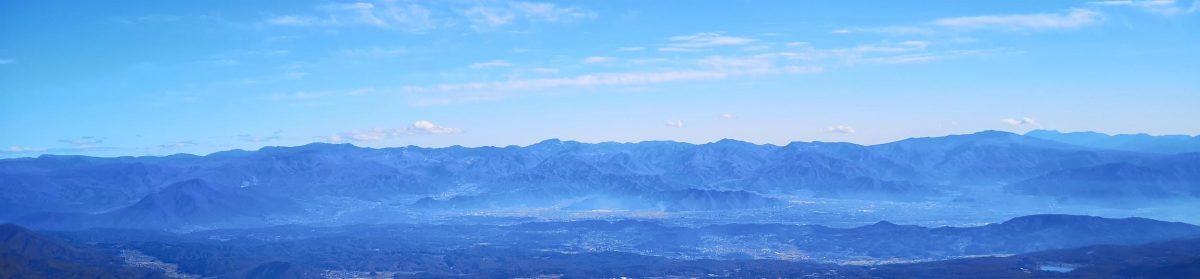


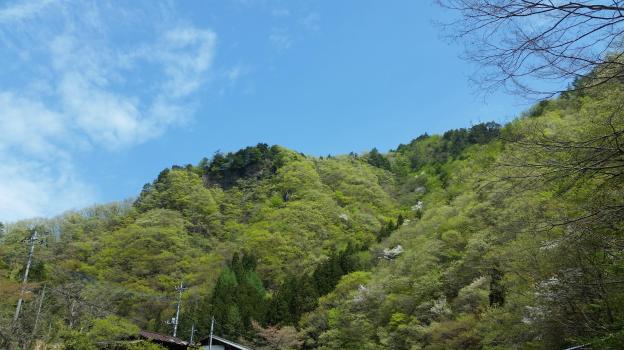
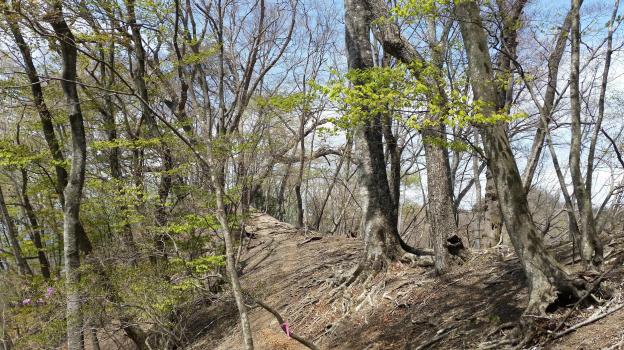

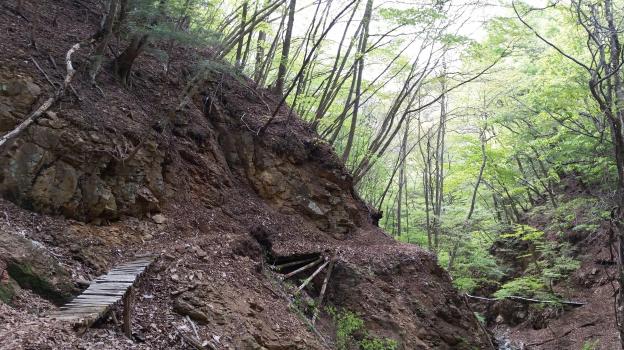


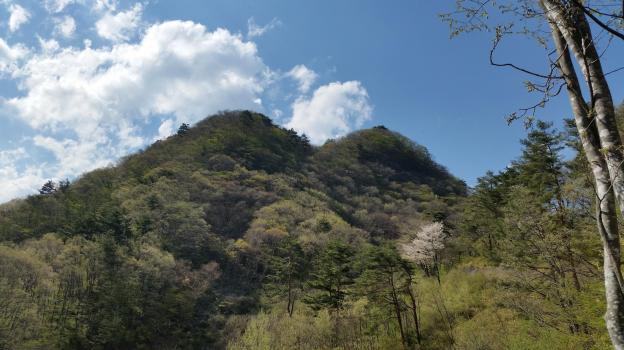

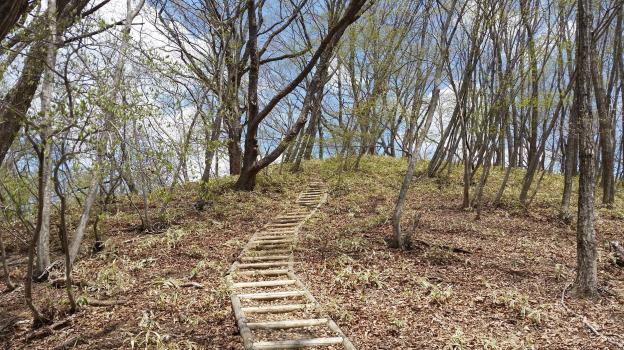

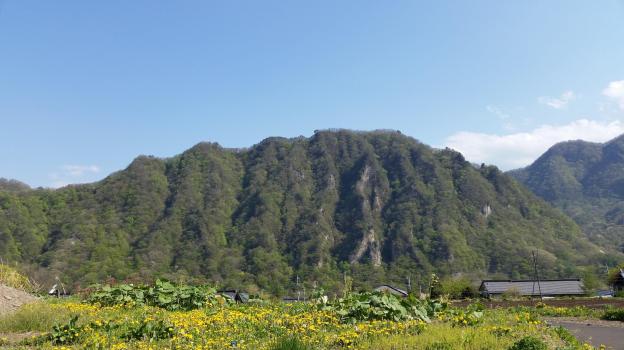
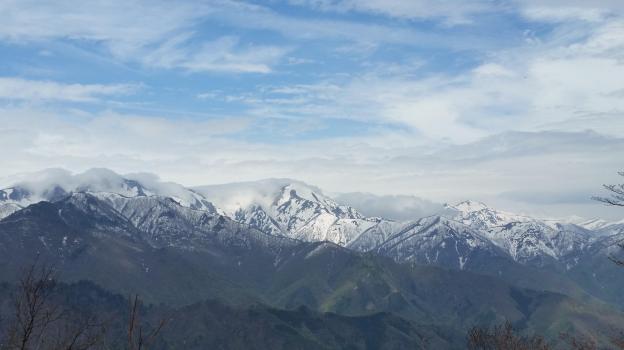


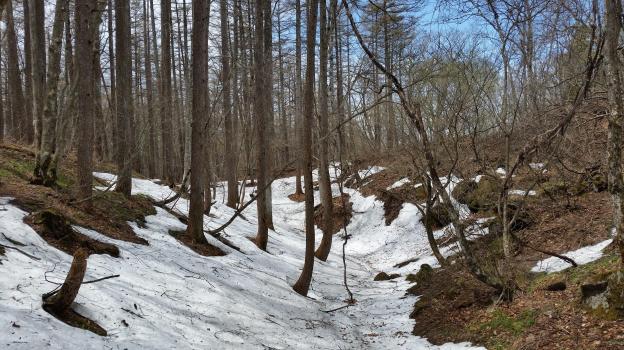
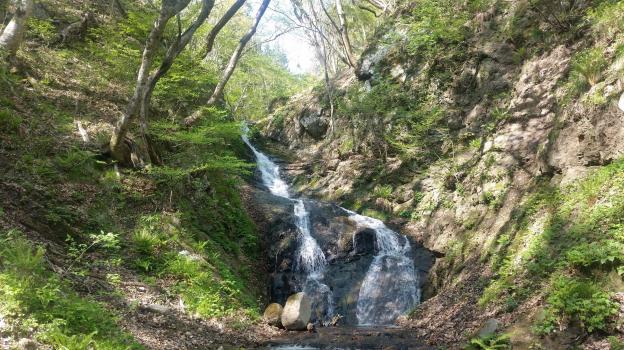
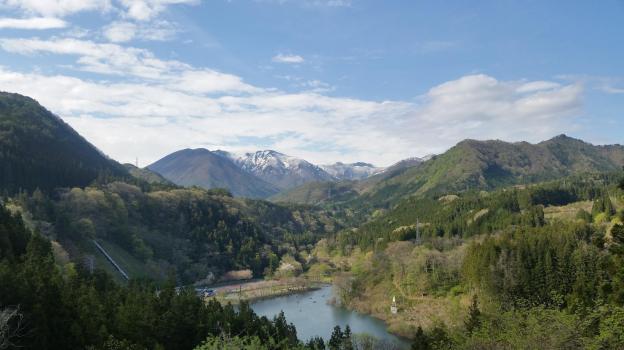

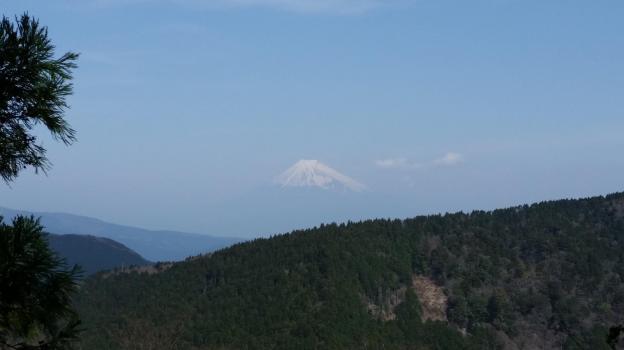


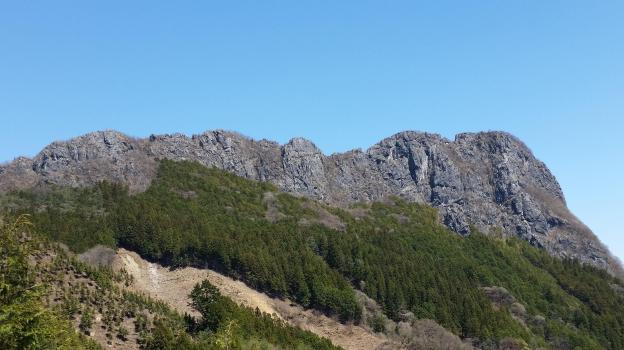
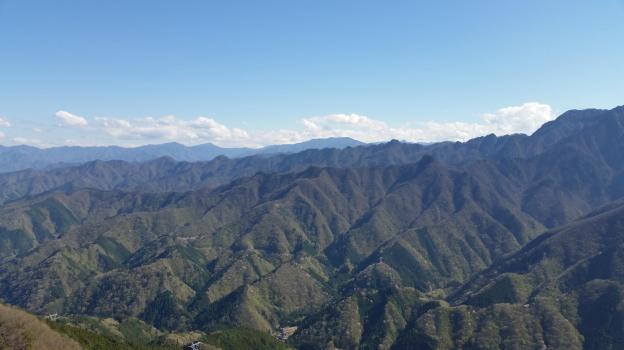

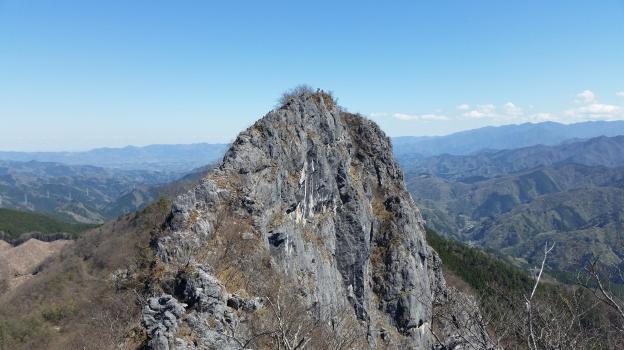


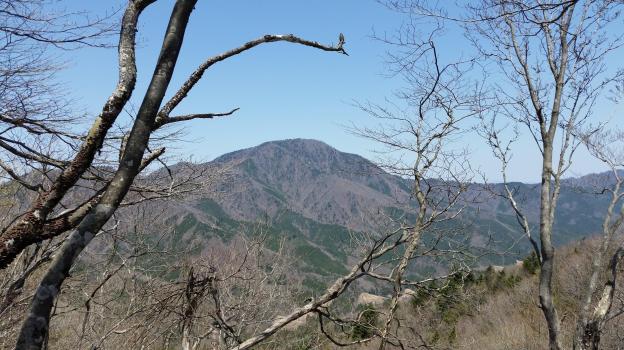
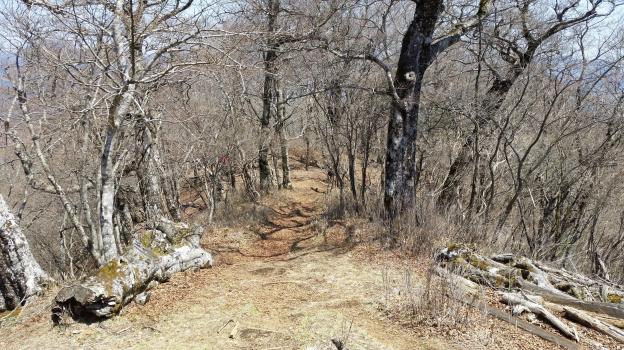
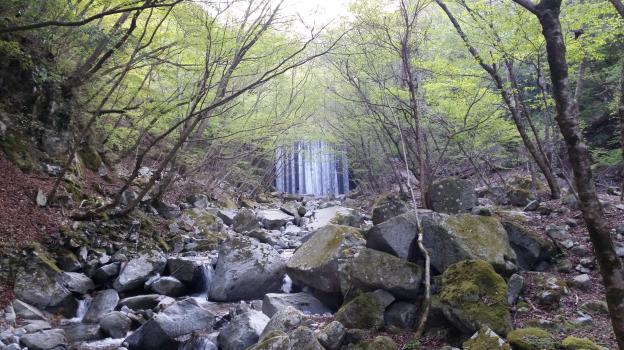
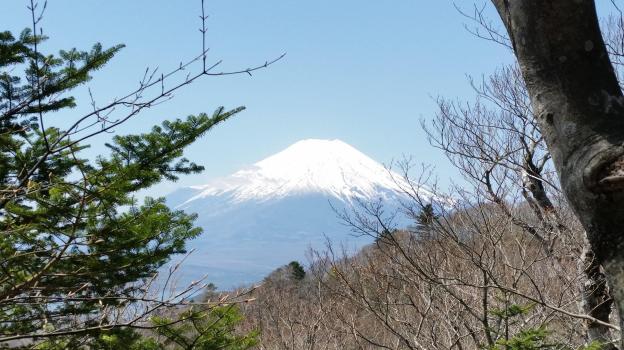
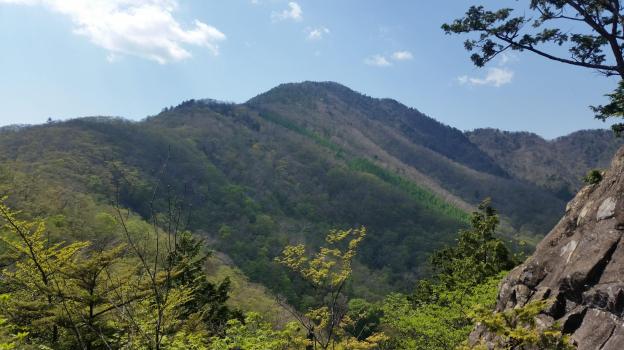
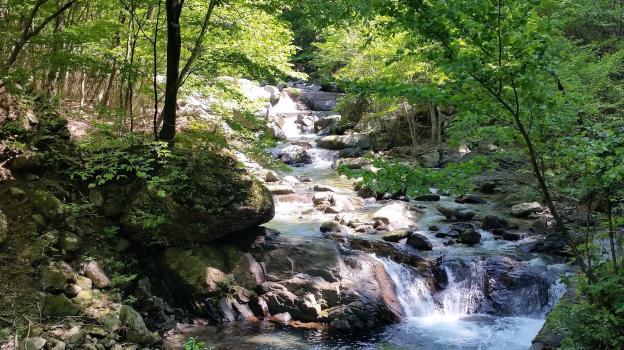

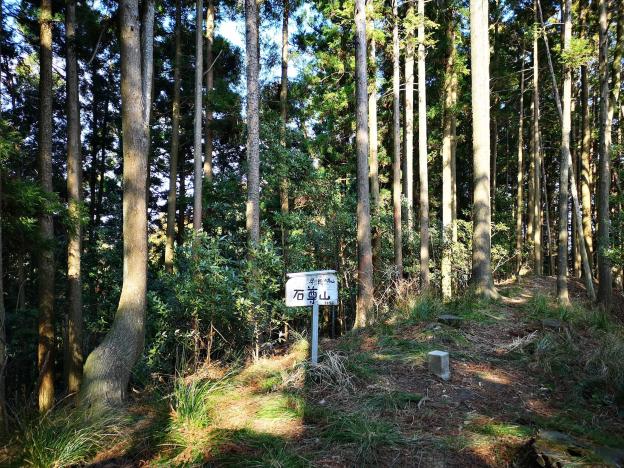


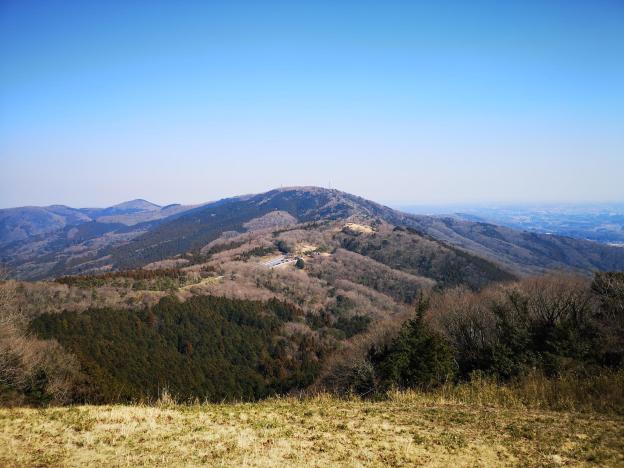
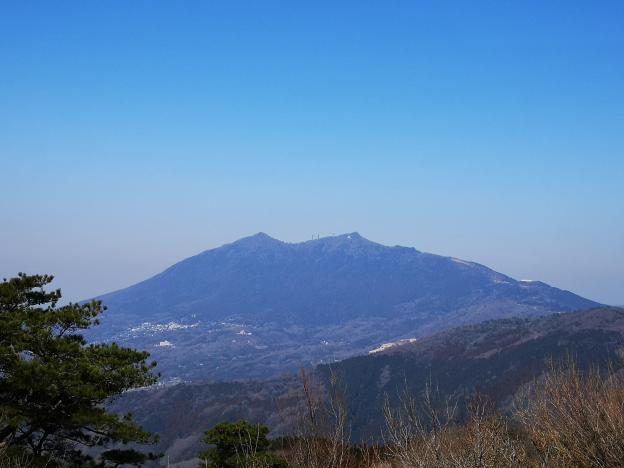

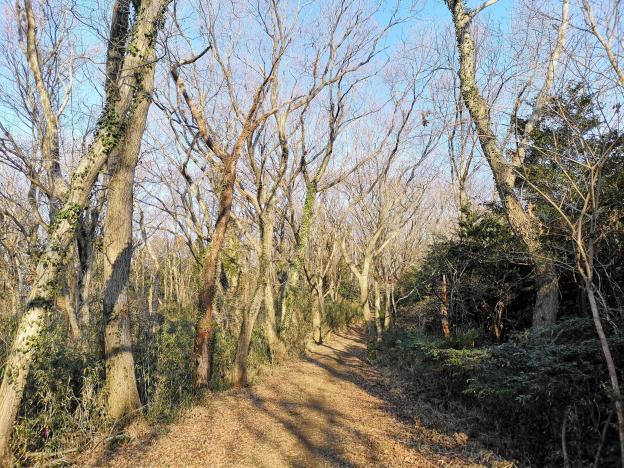
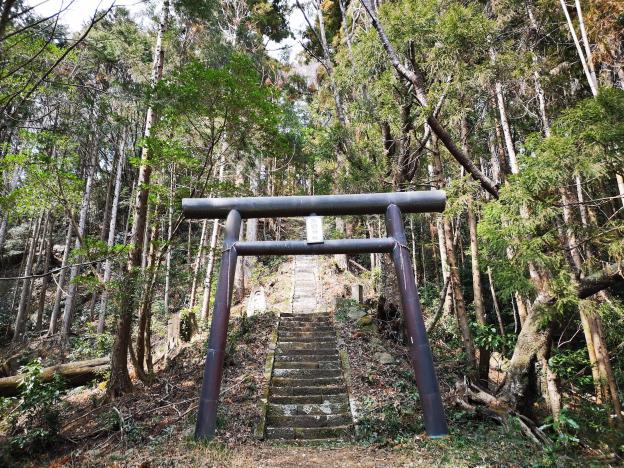
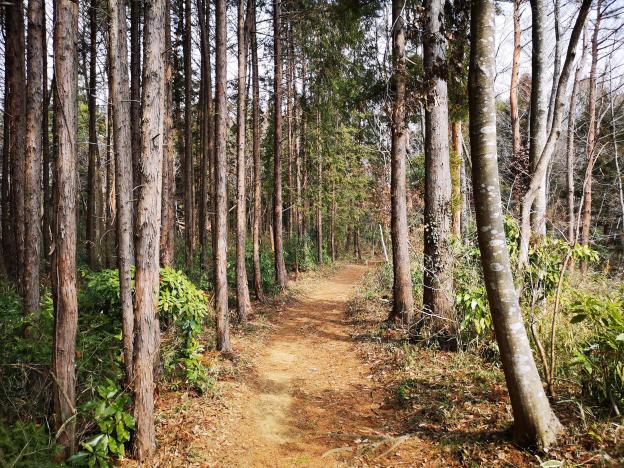
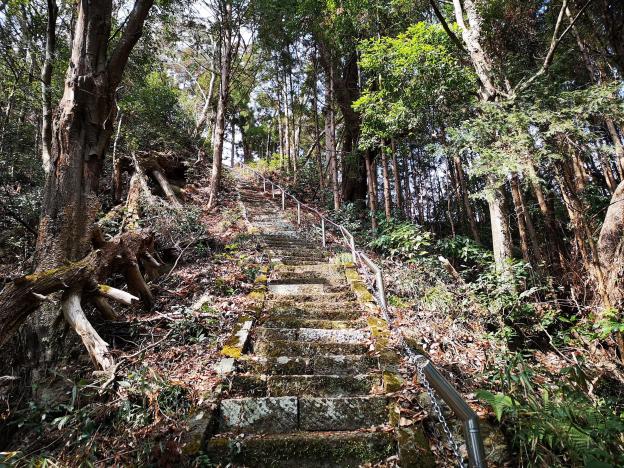
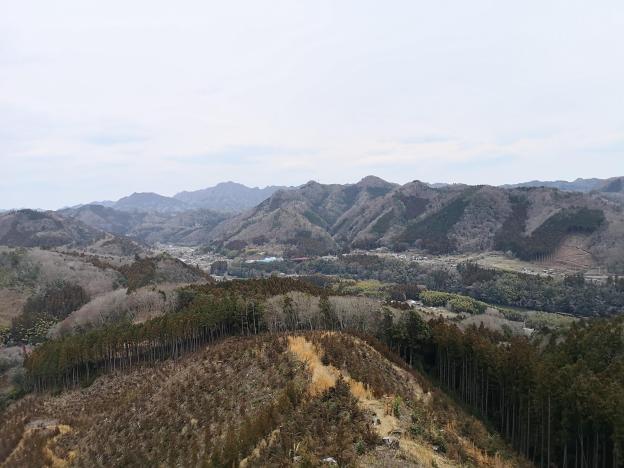
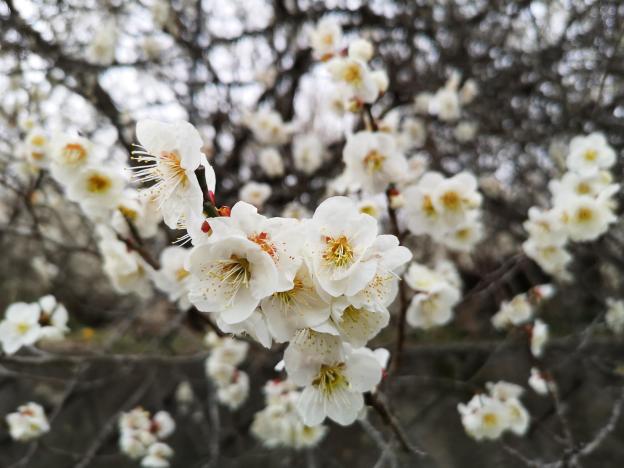
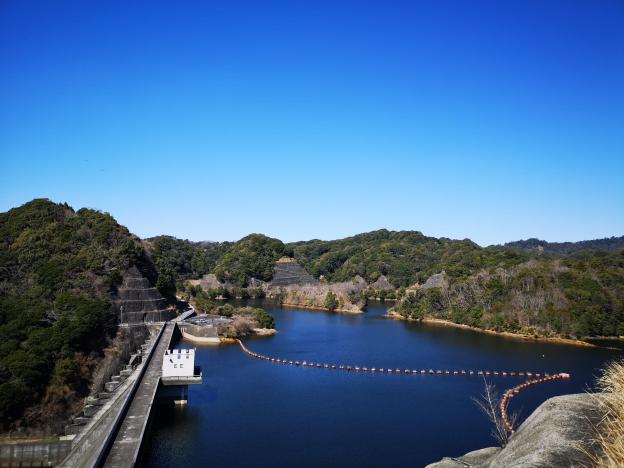
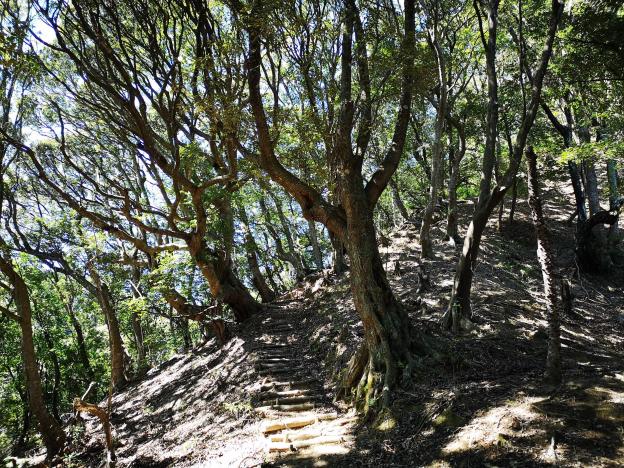

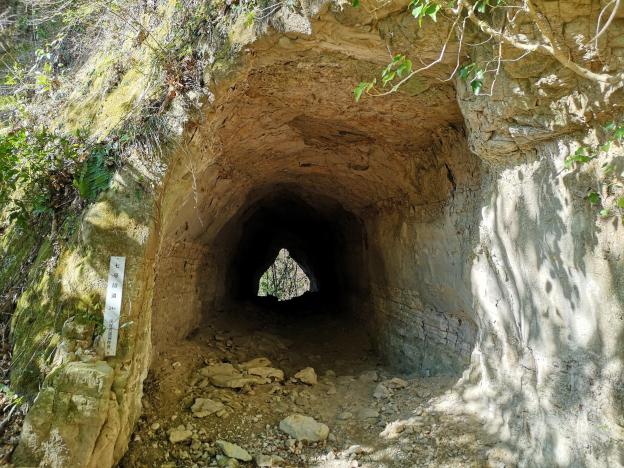


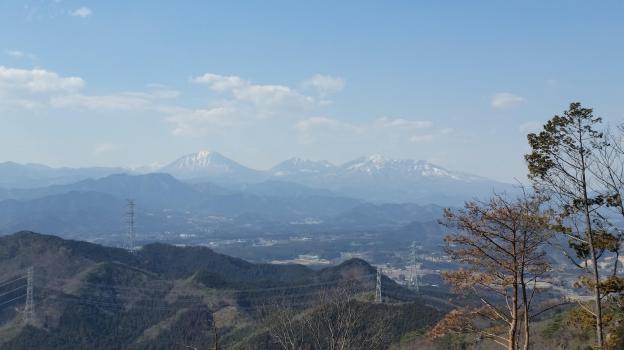
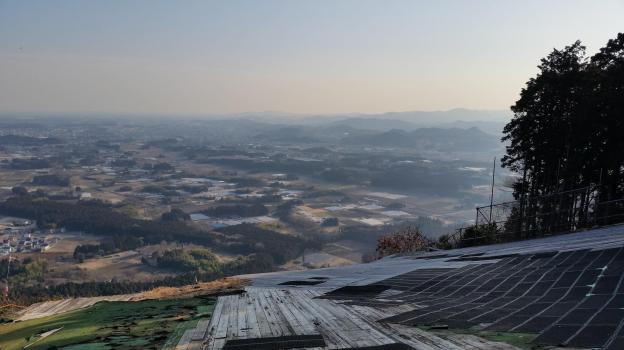

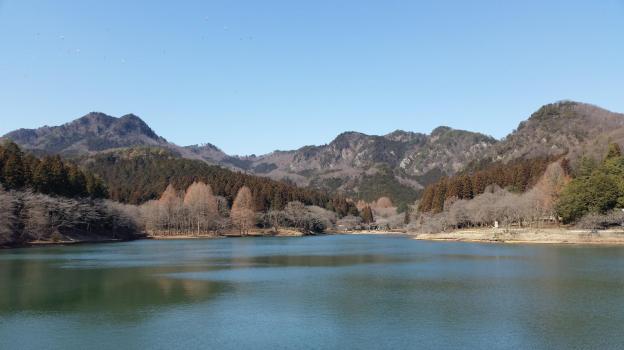
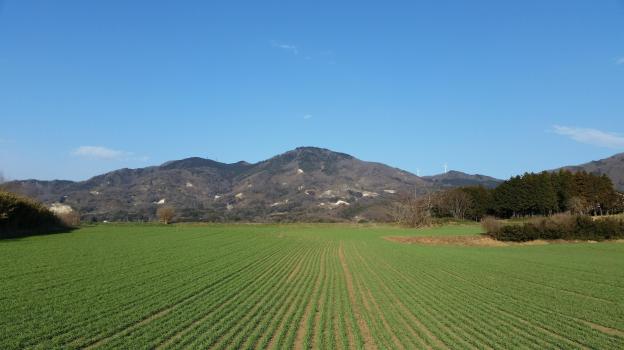
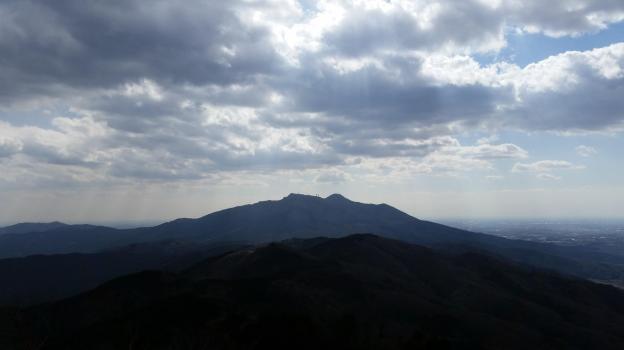

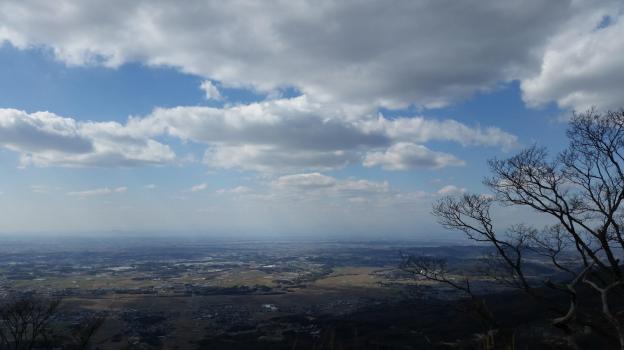


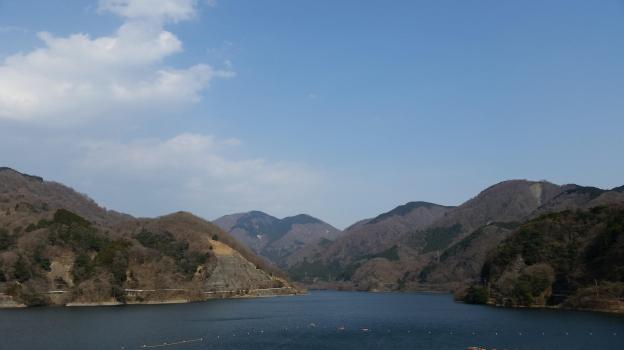
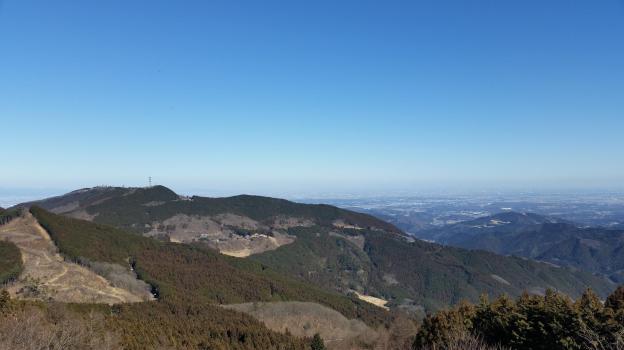
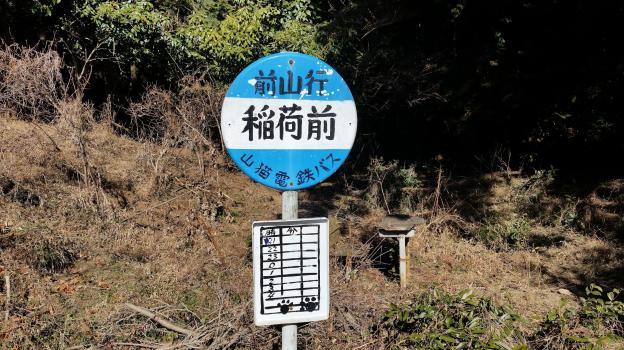

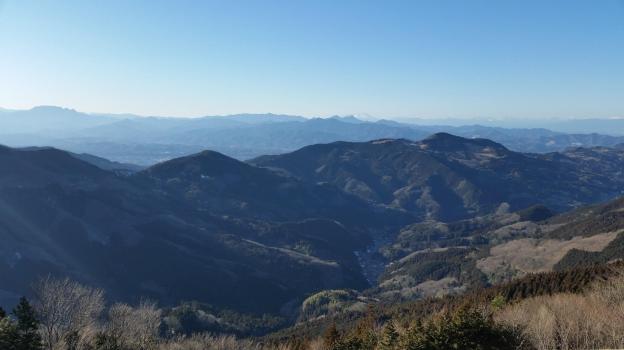
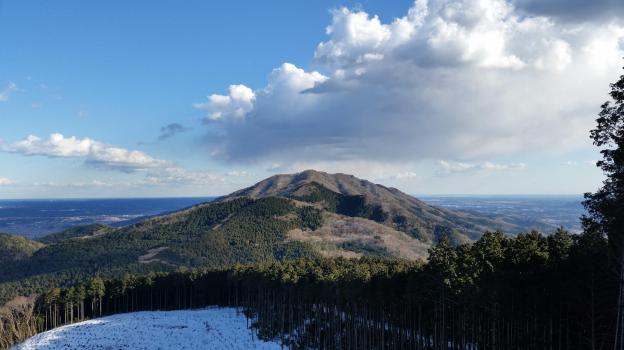

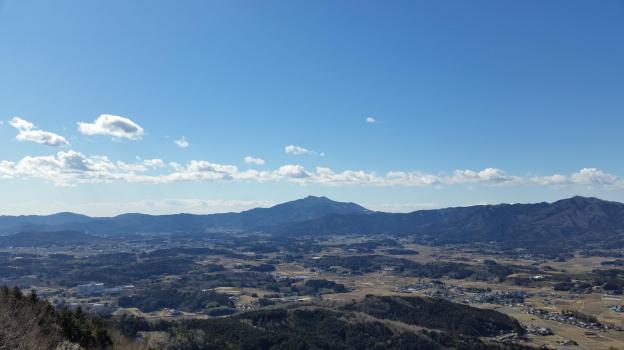


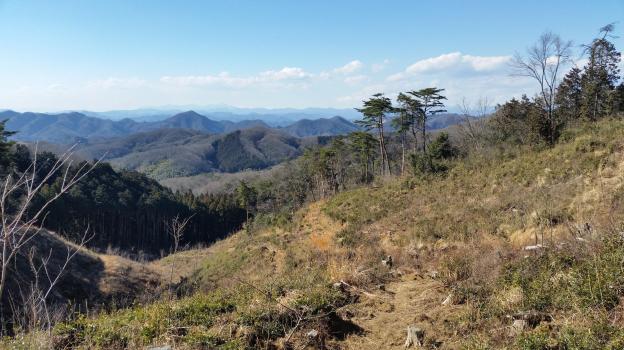


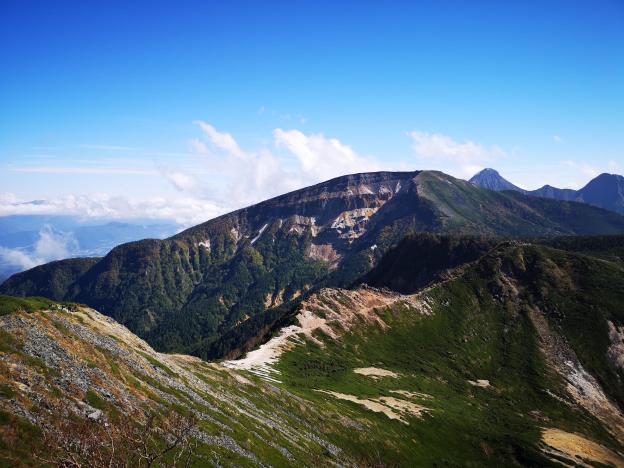
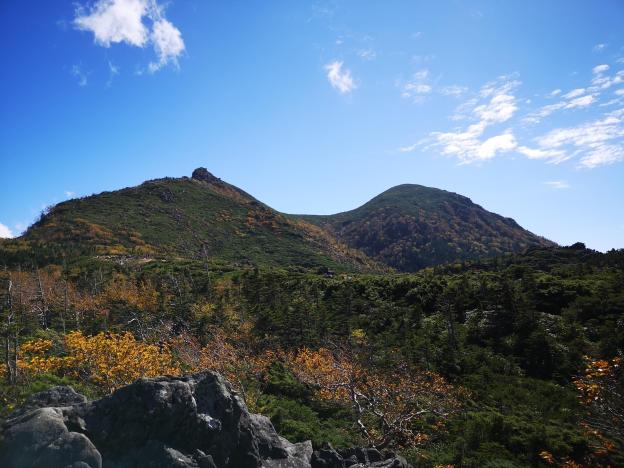
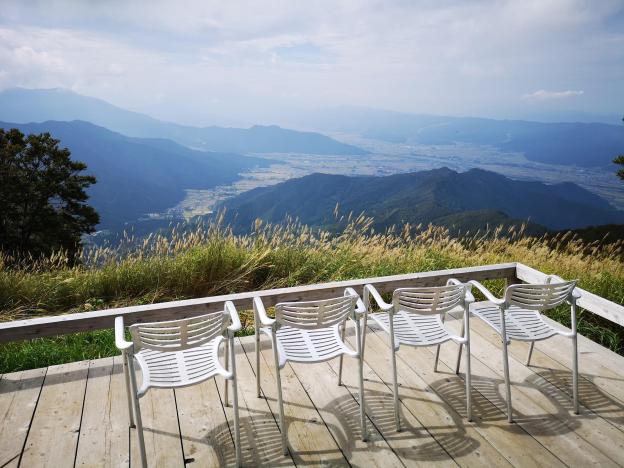


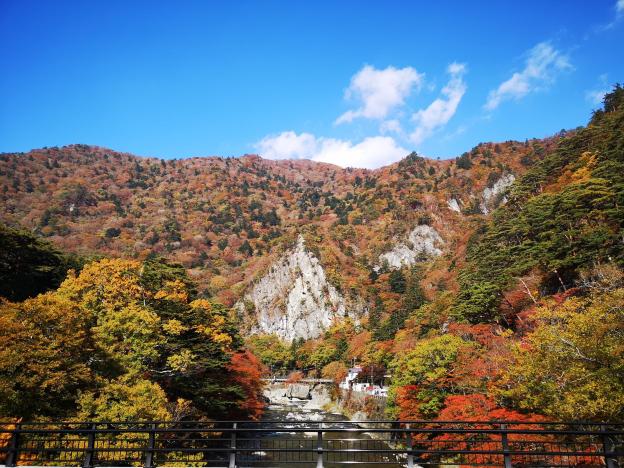
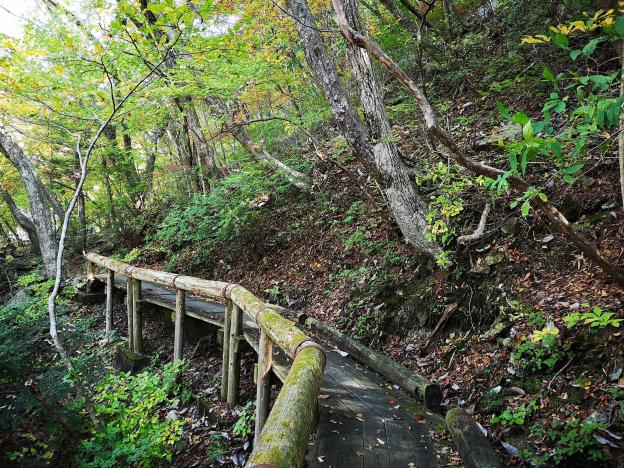
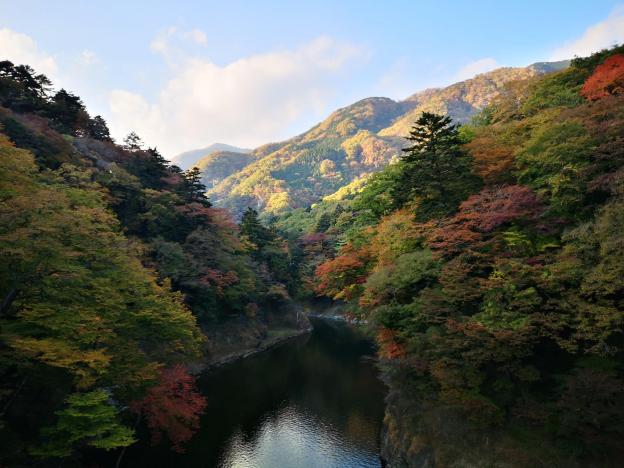

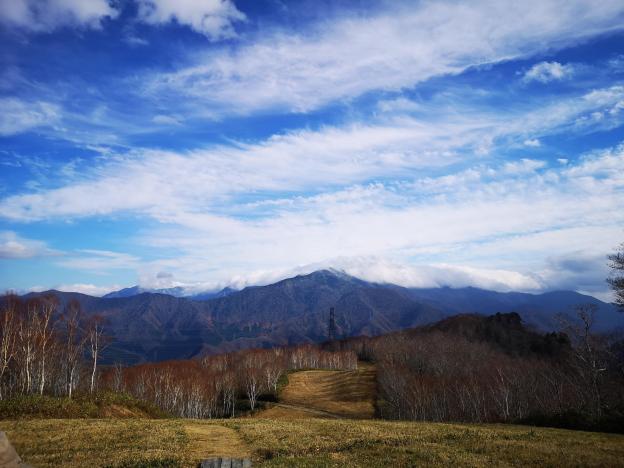


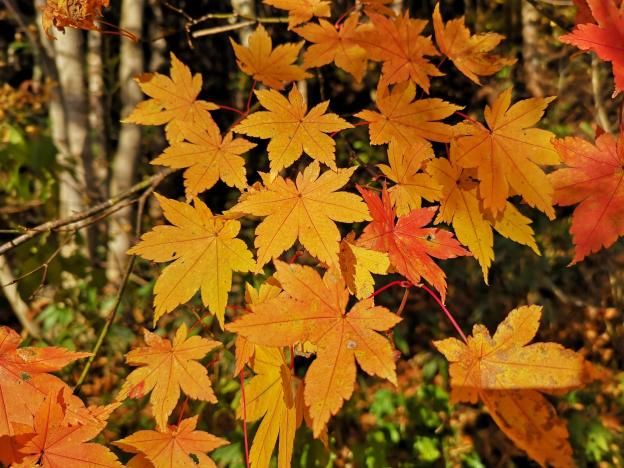


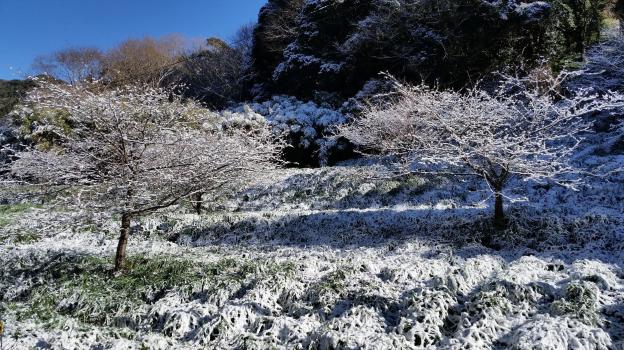
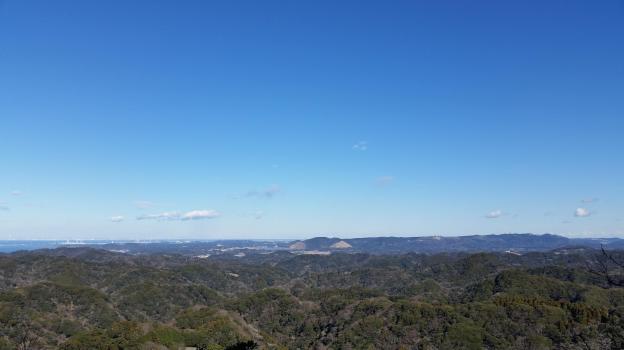


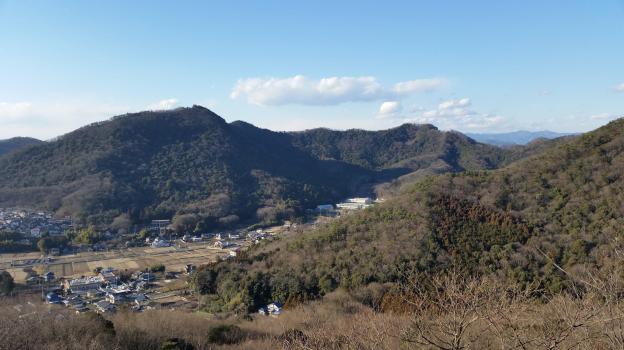

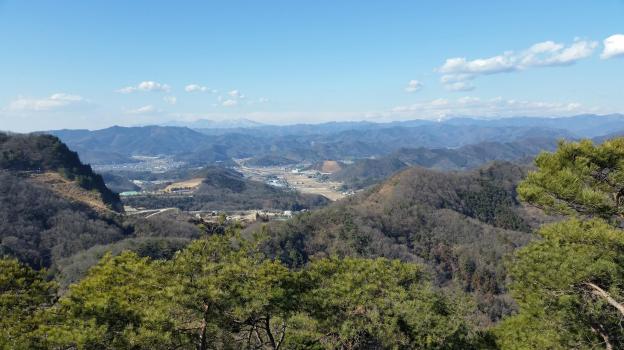


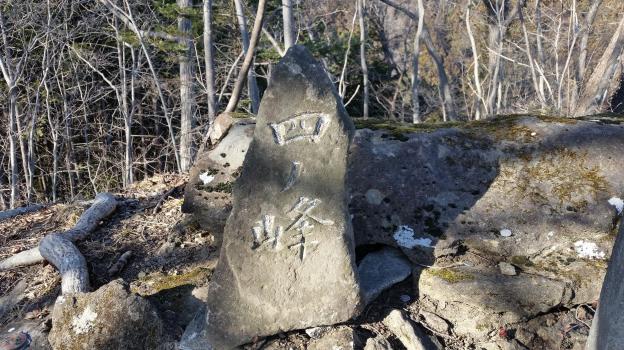
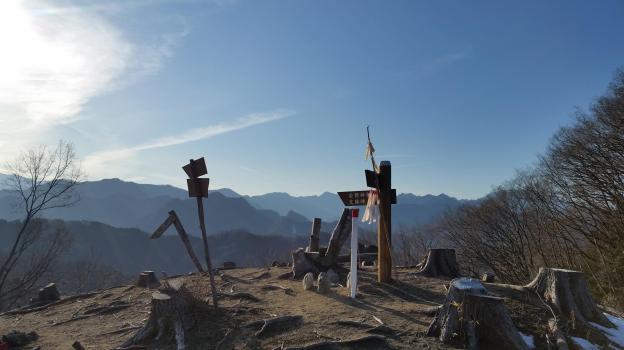

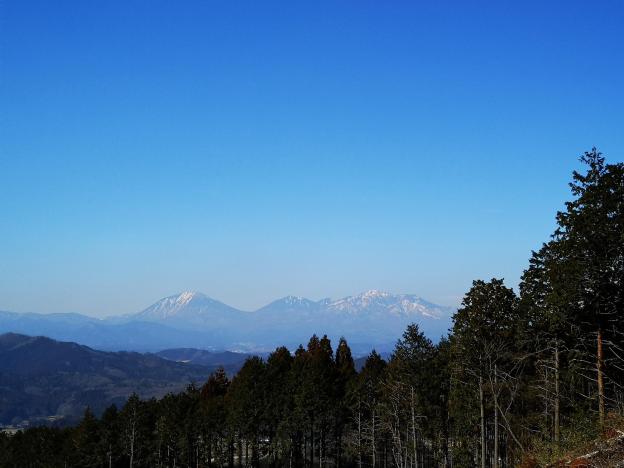
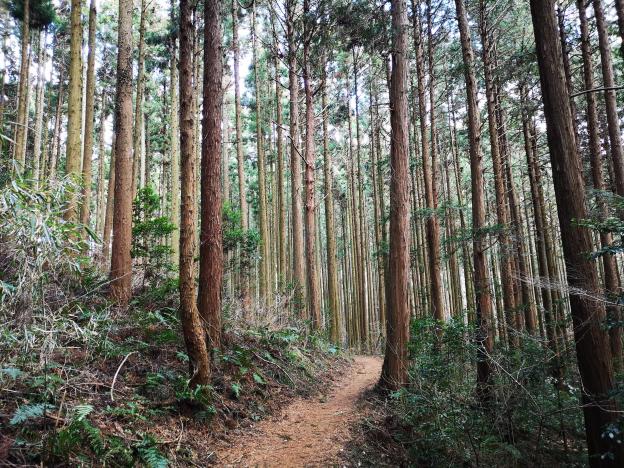


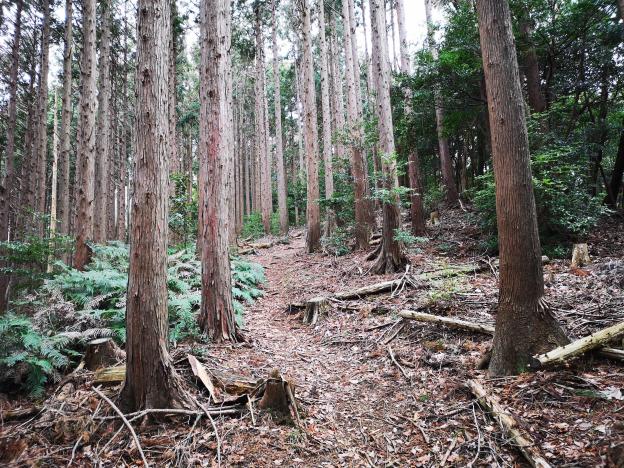
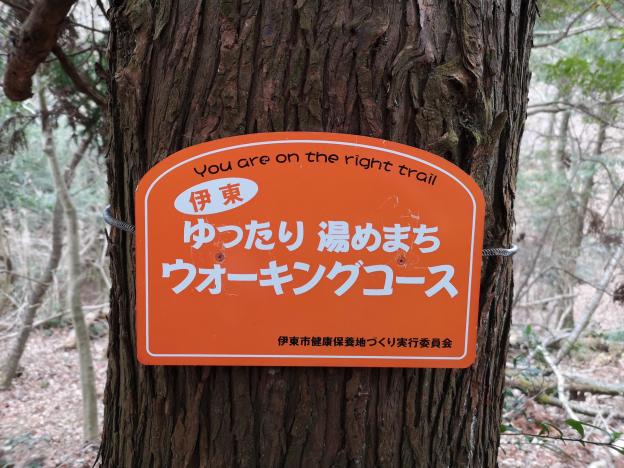

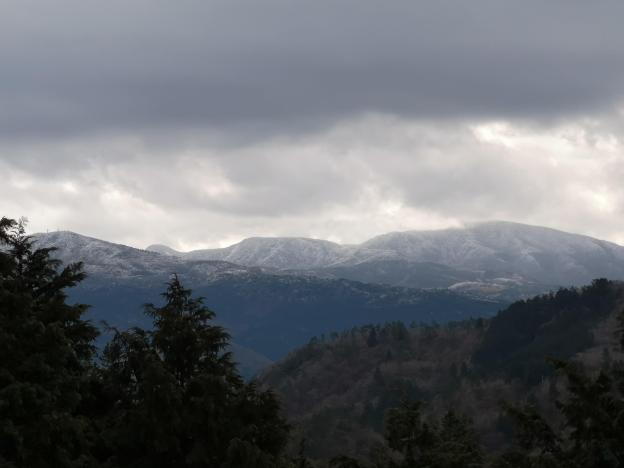
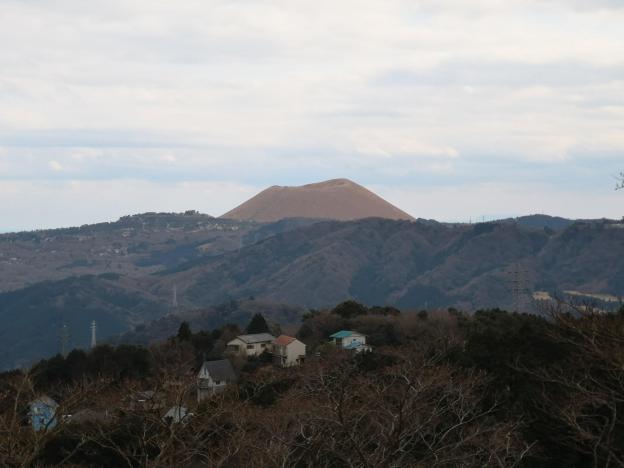


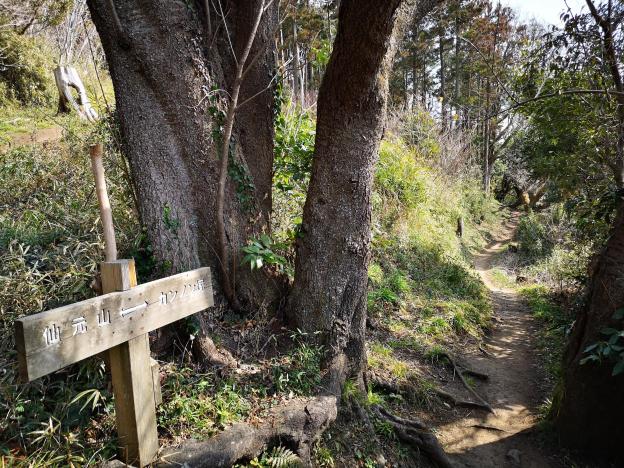
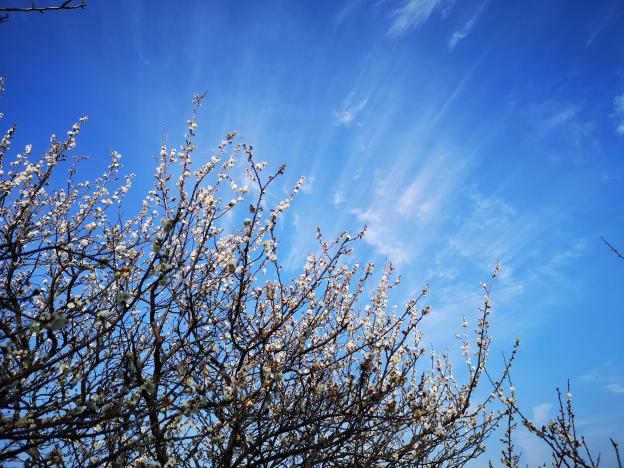

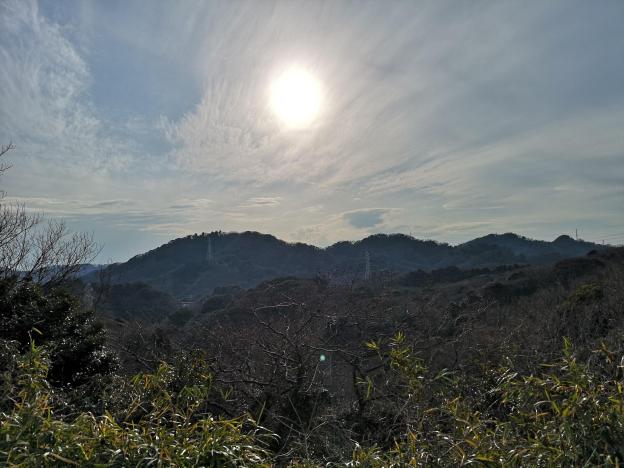
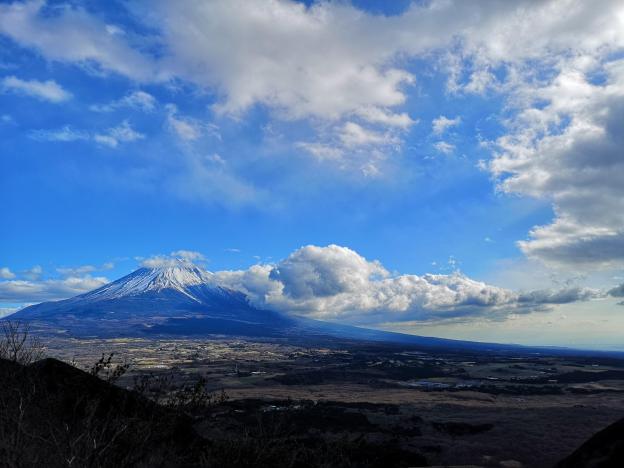


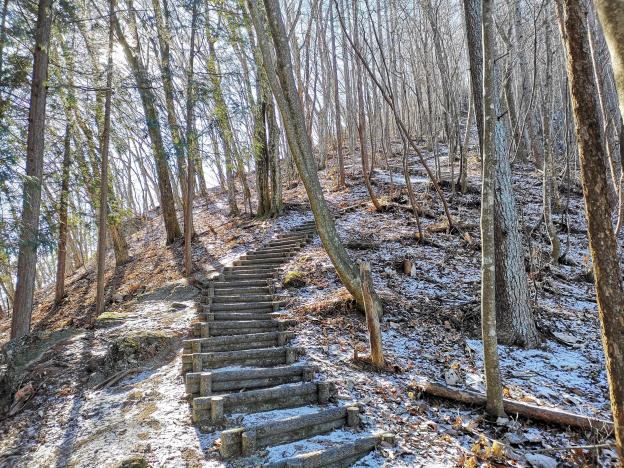

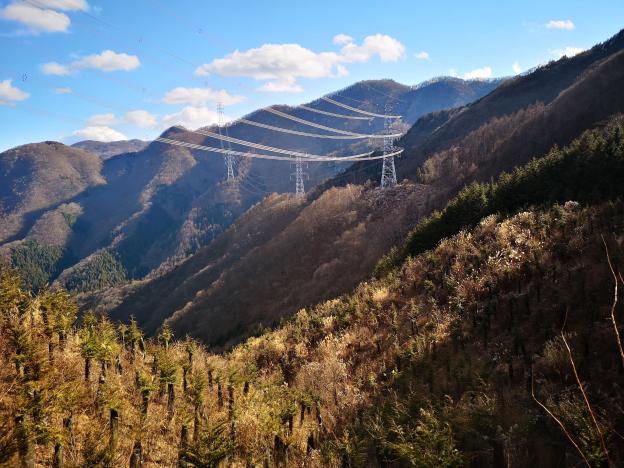


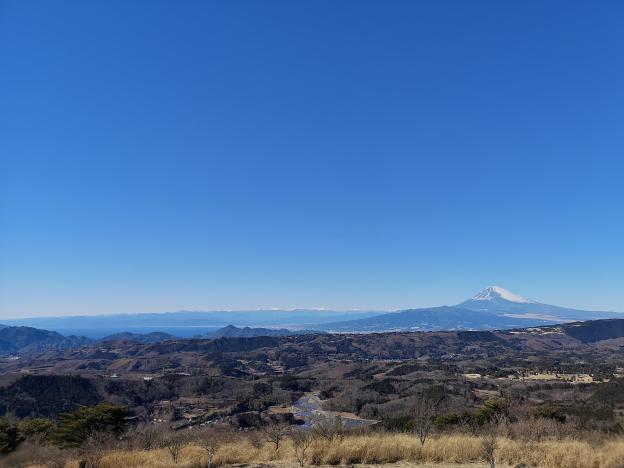
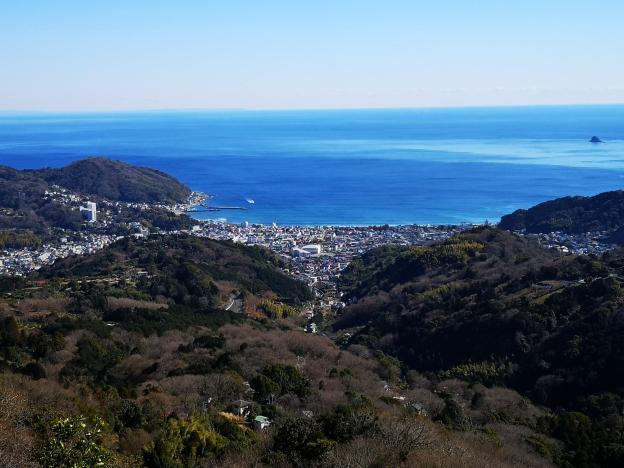

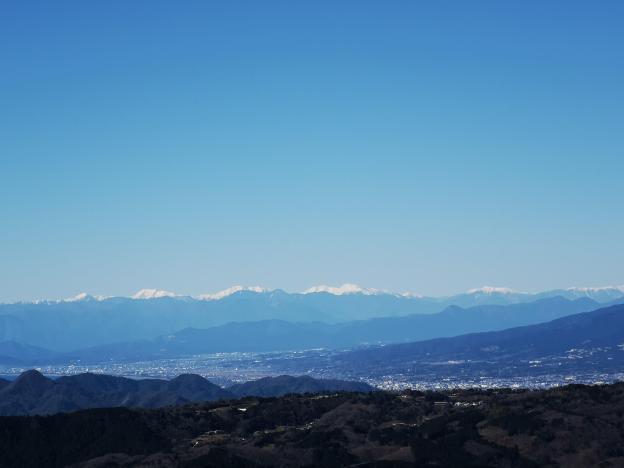

 Hiking Around Tokyo
You must be logged in to post a comment.