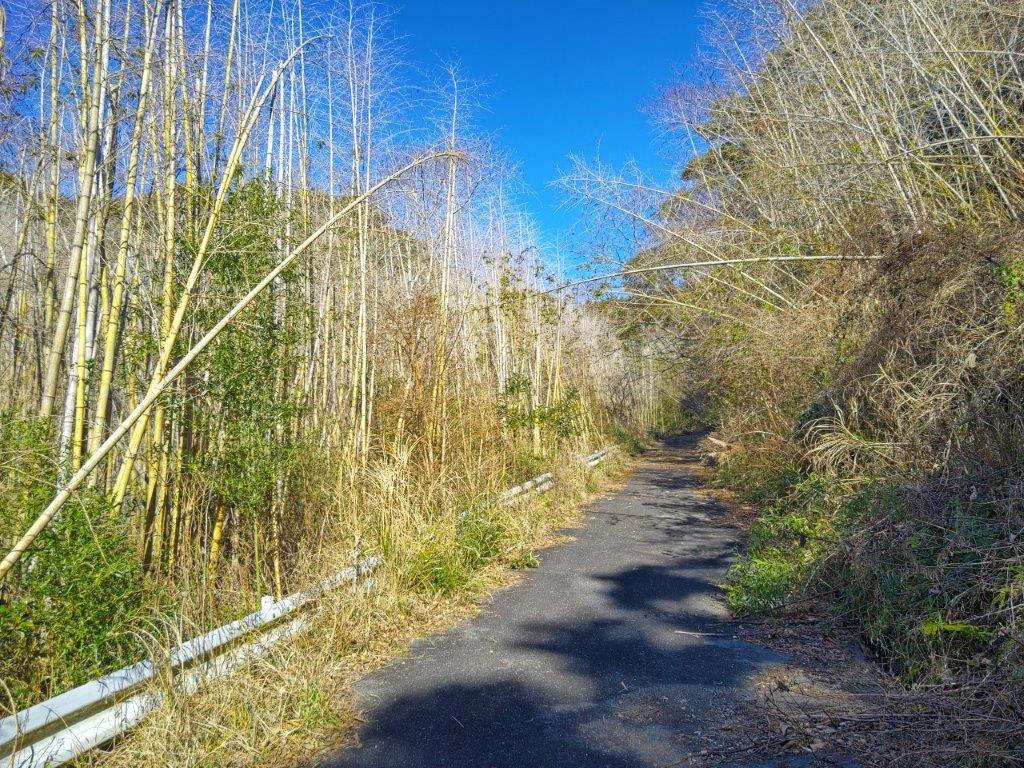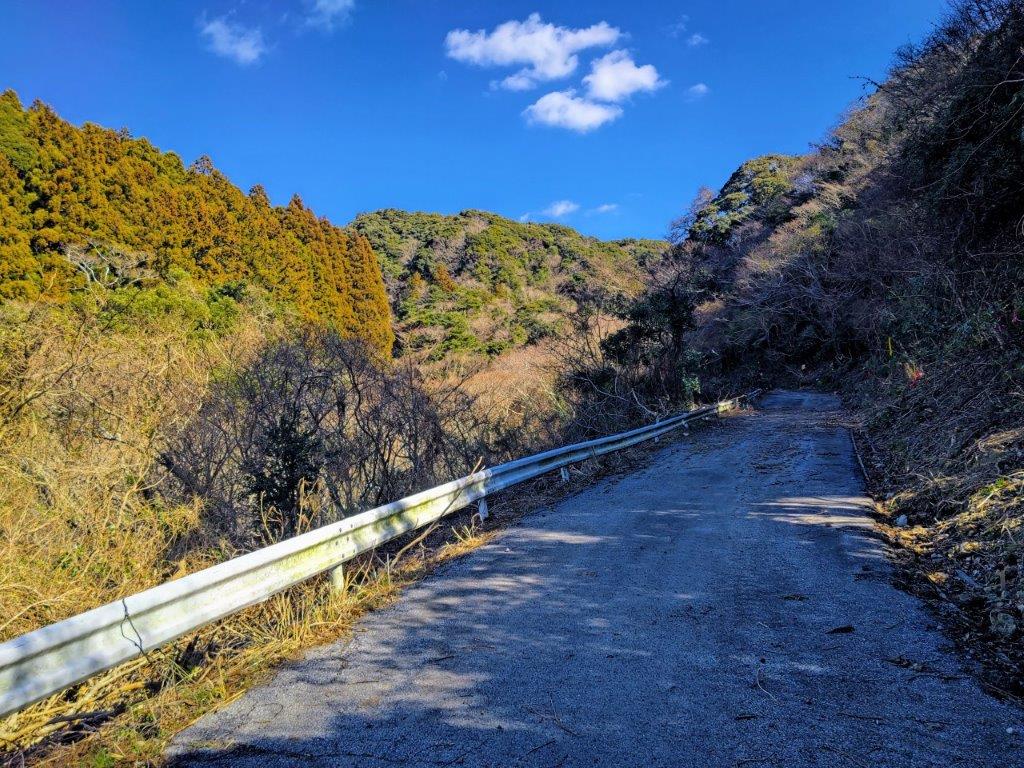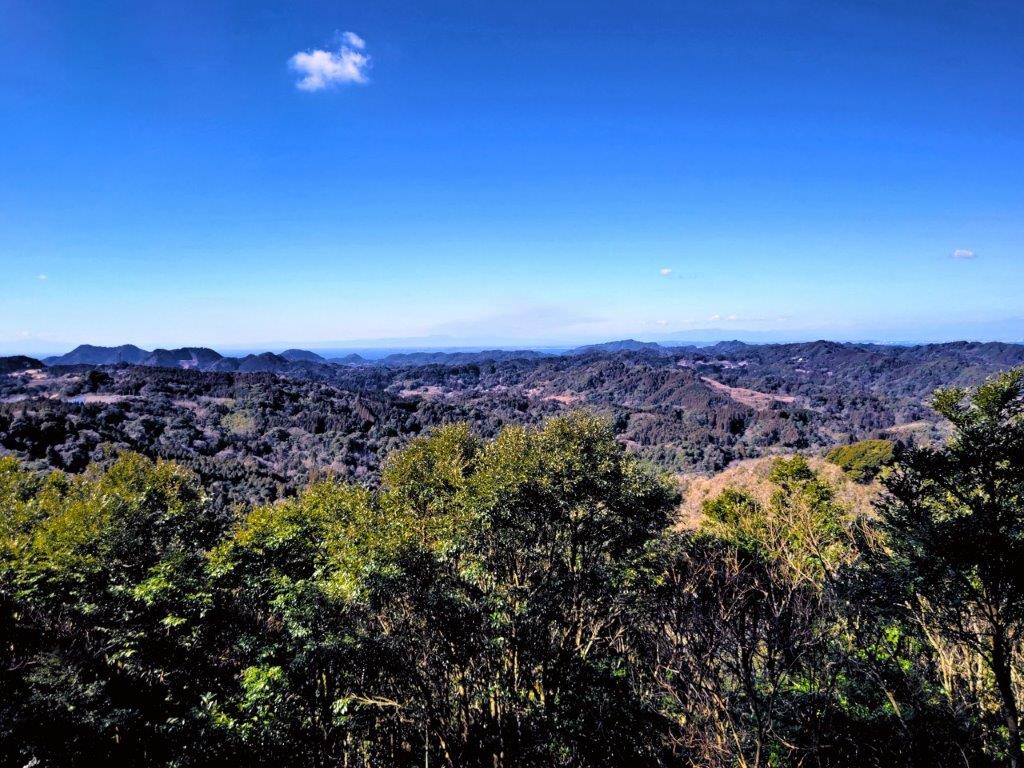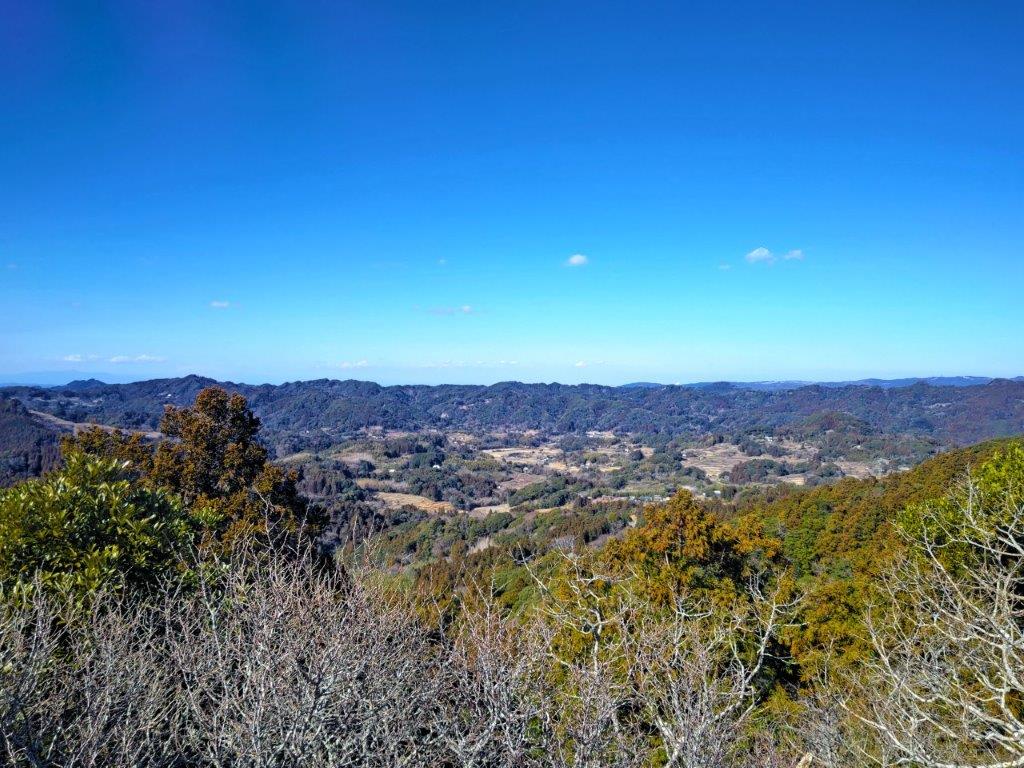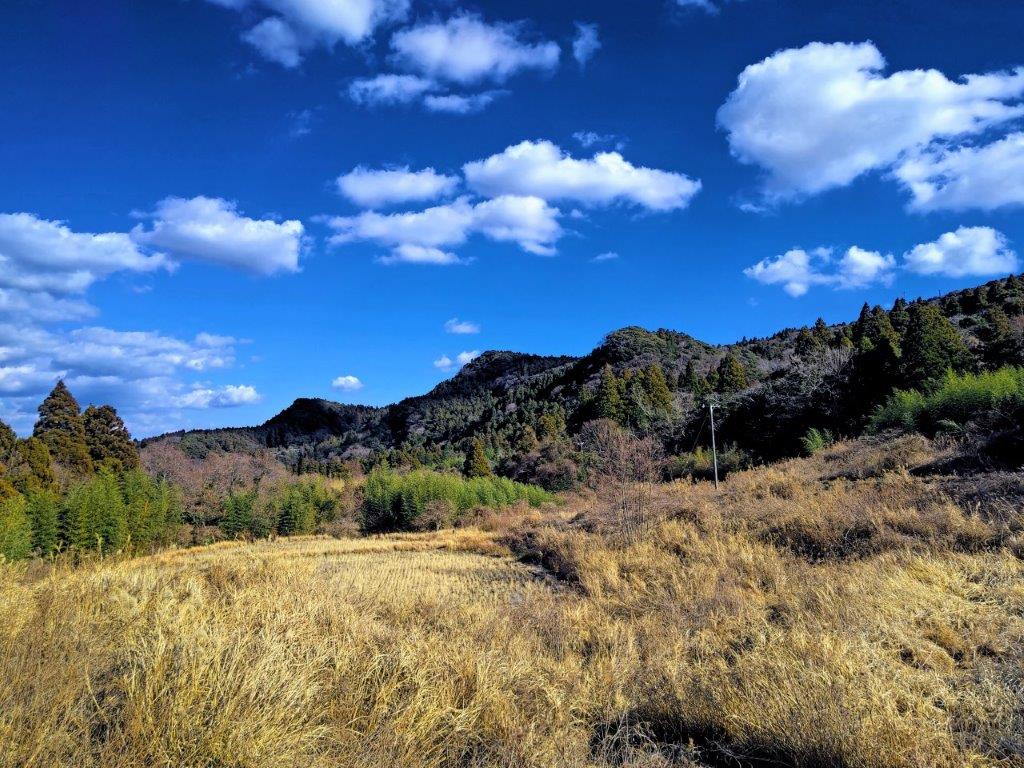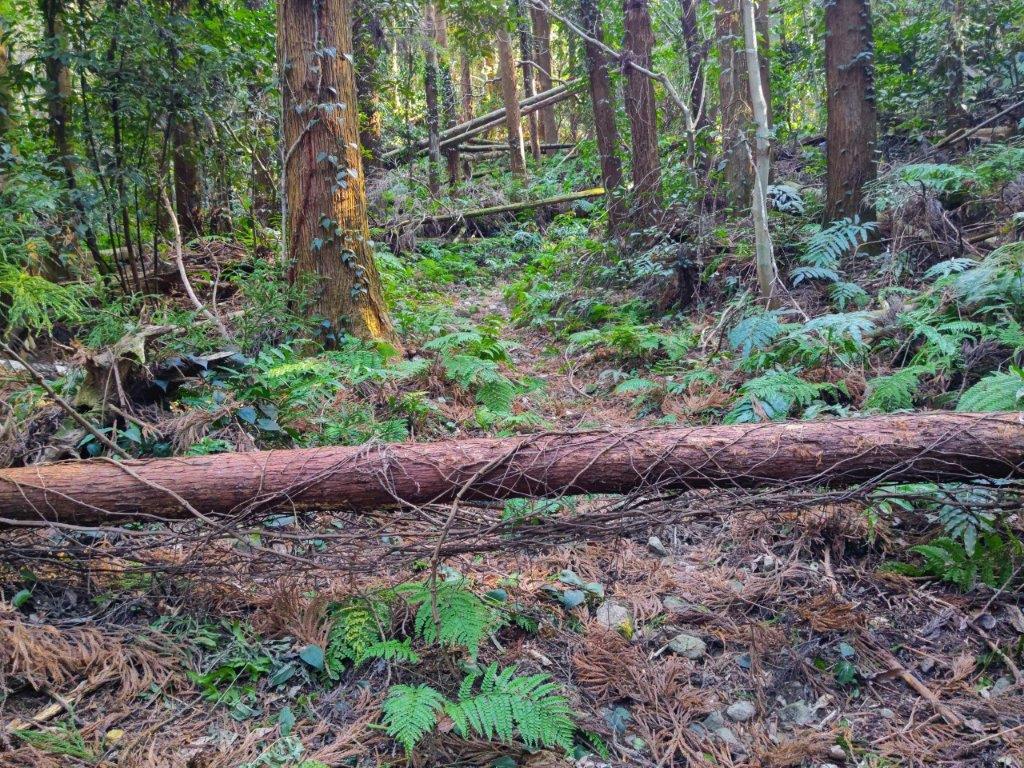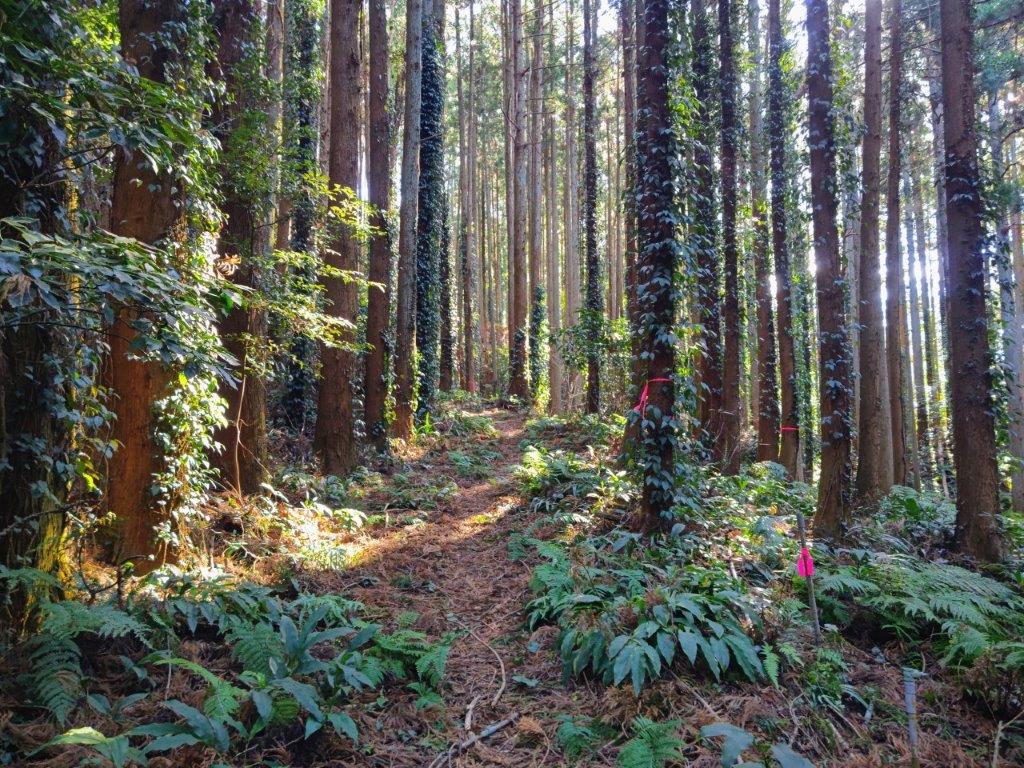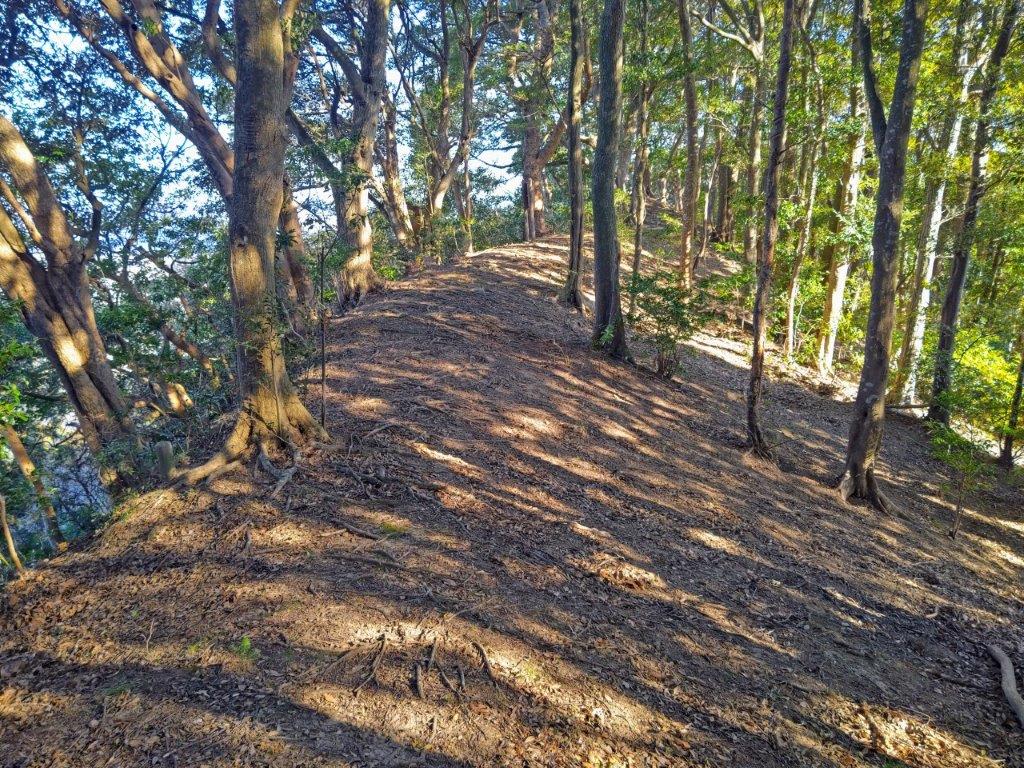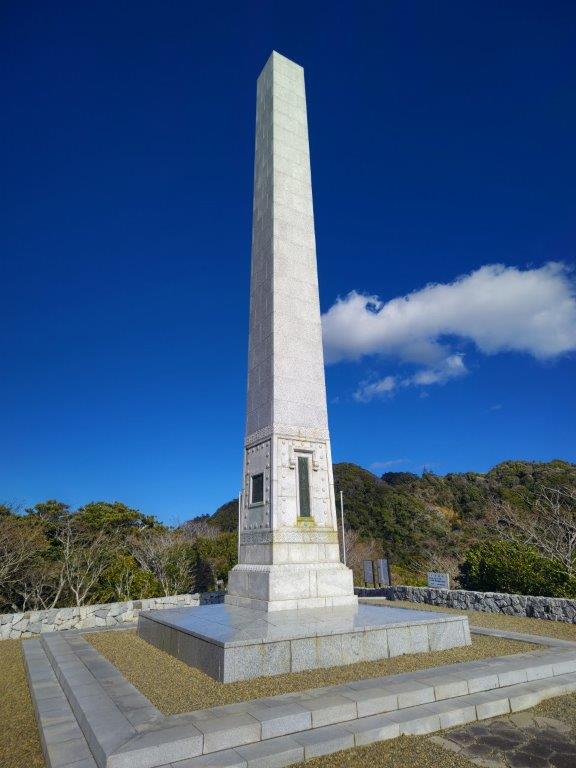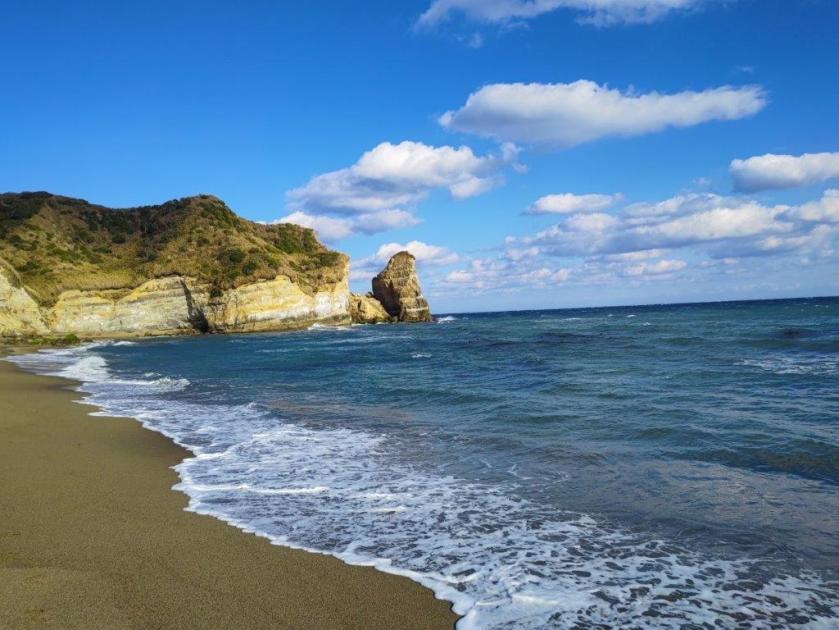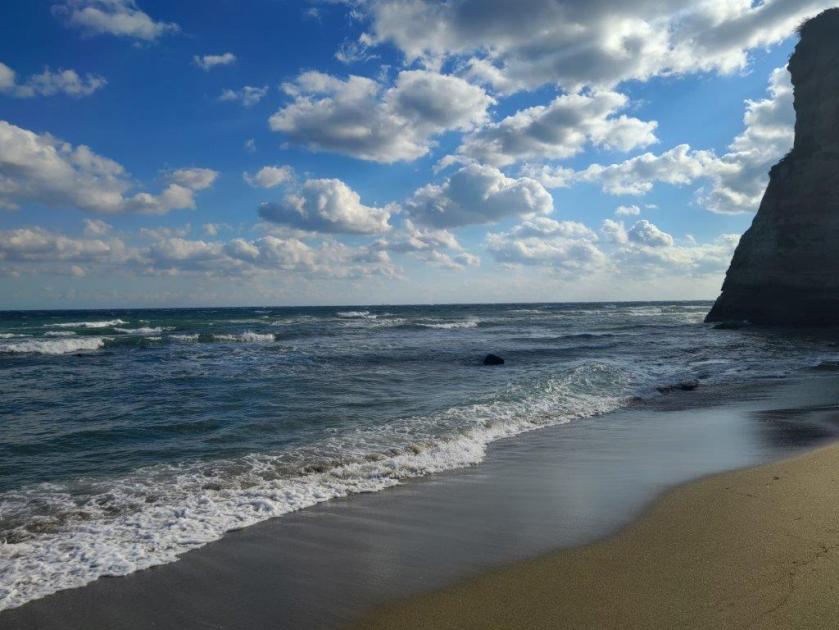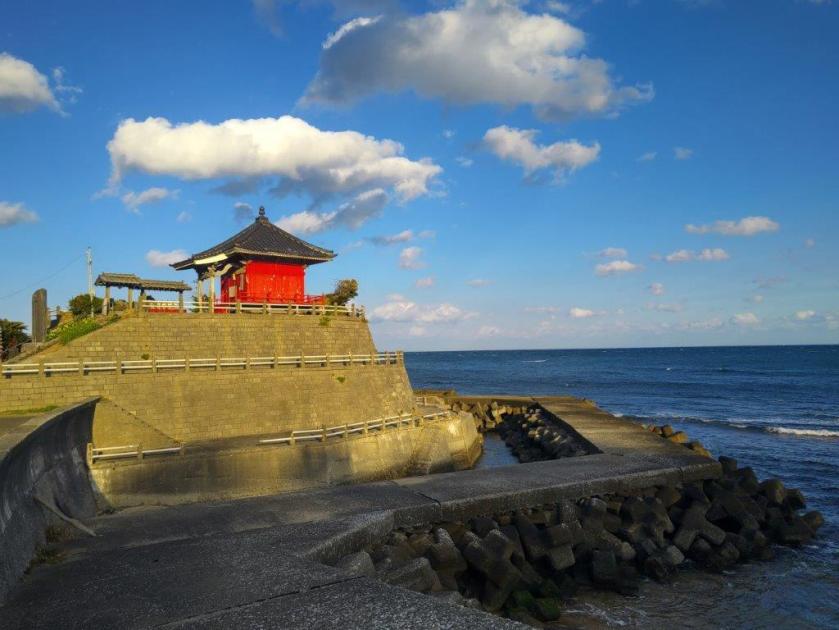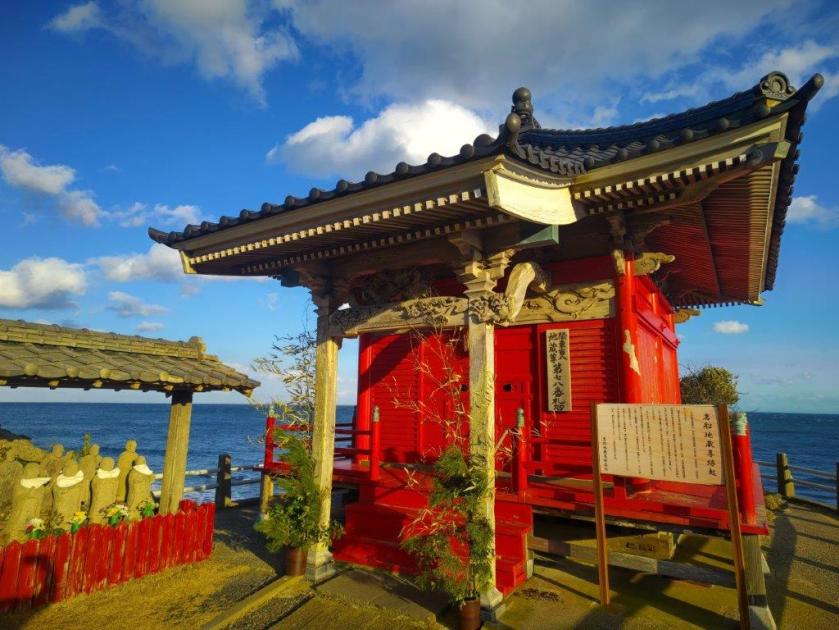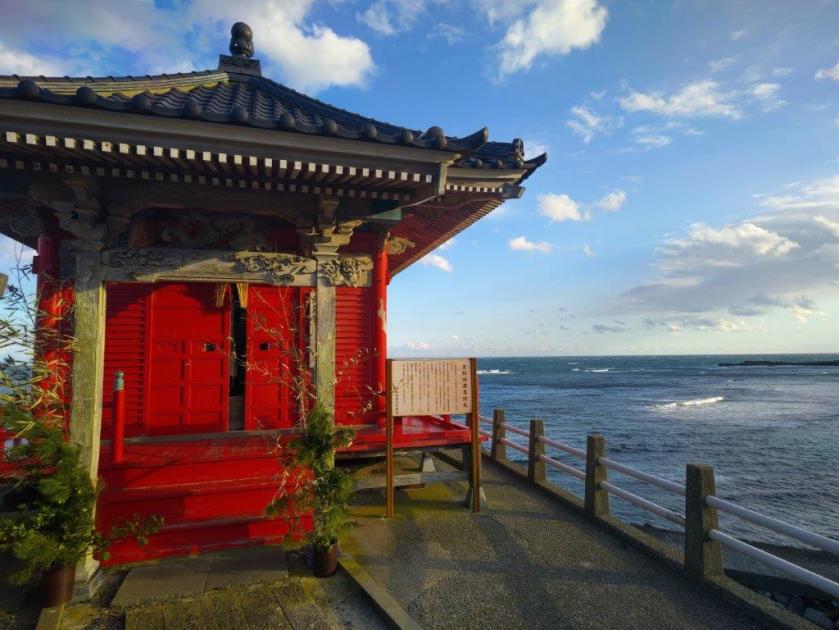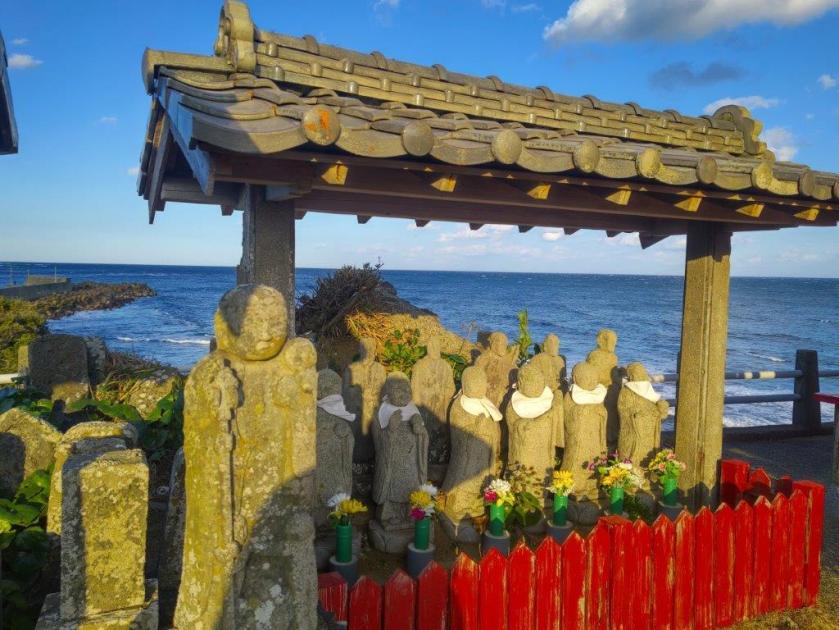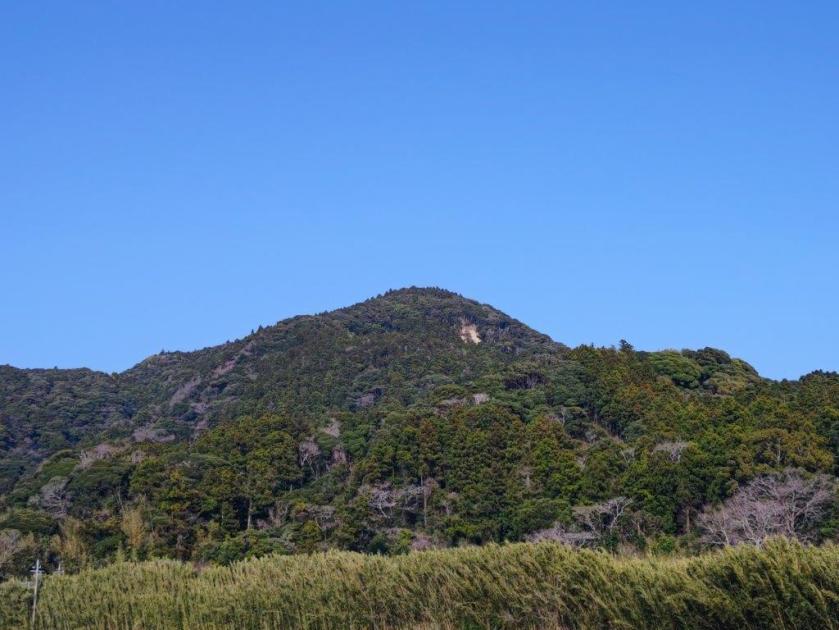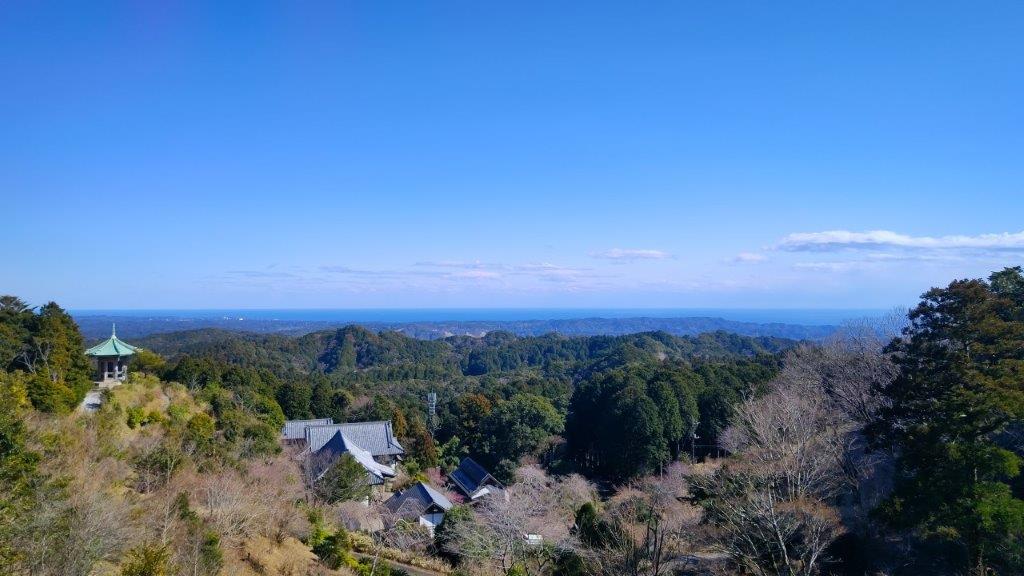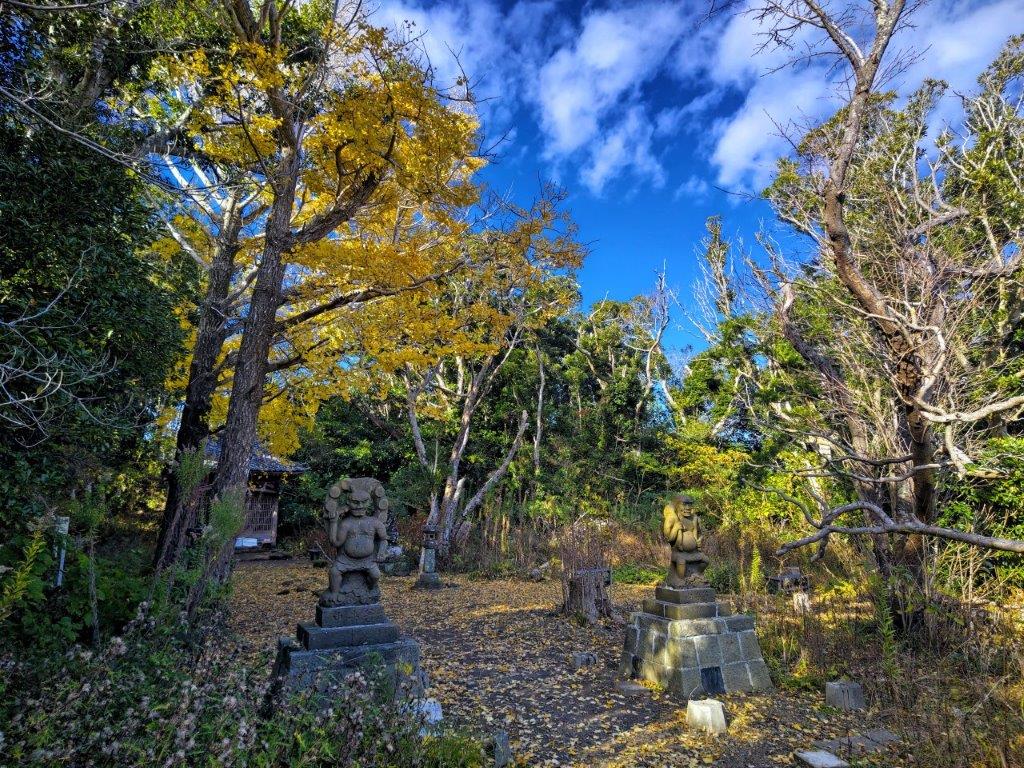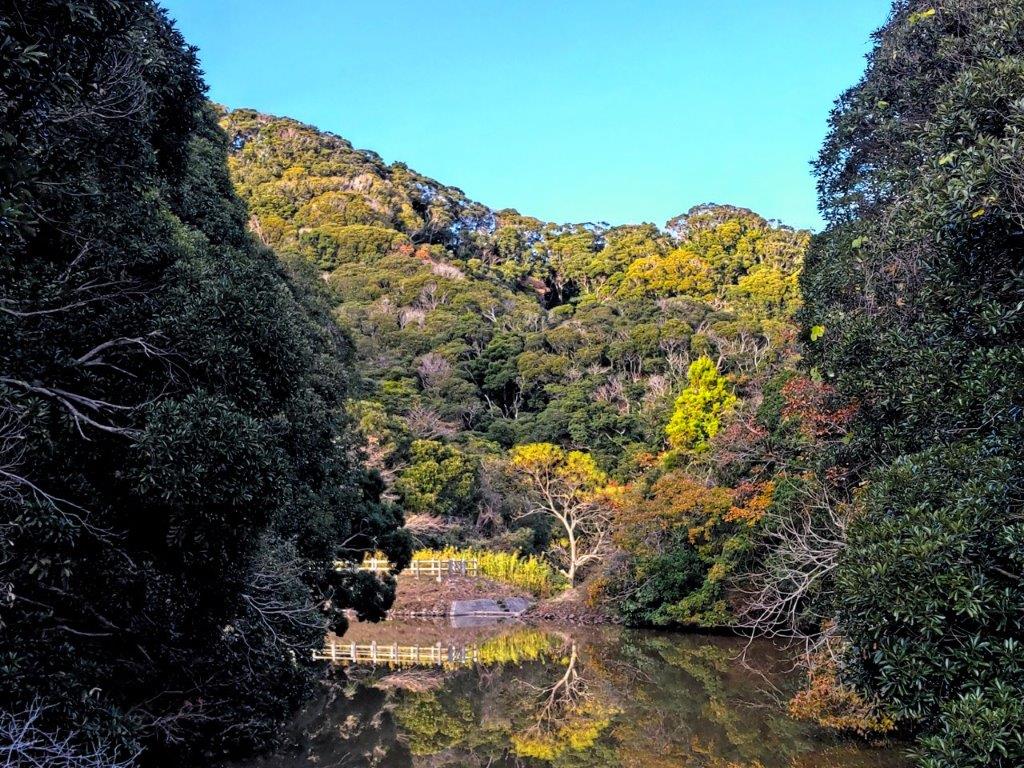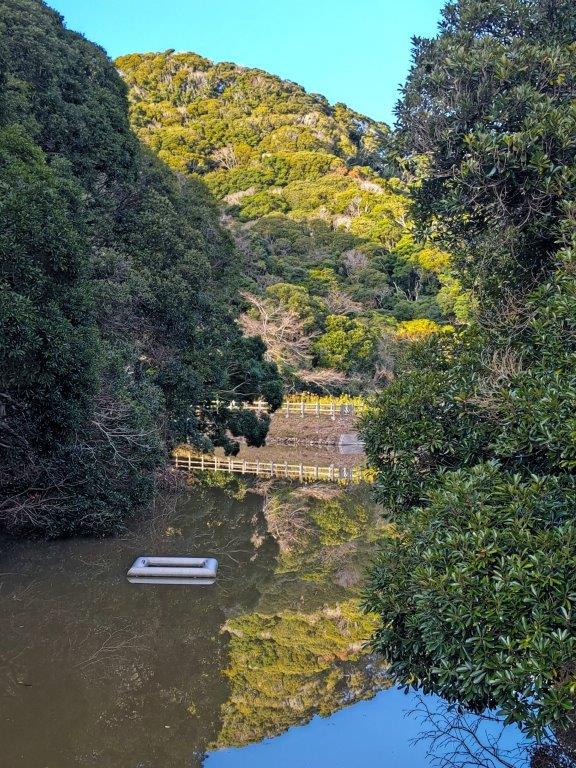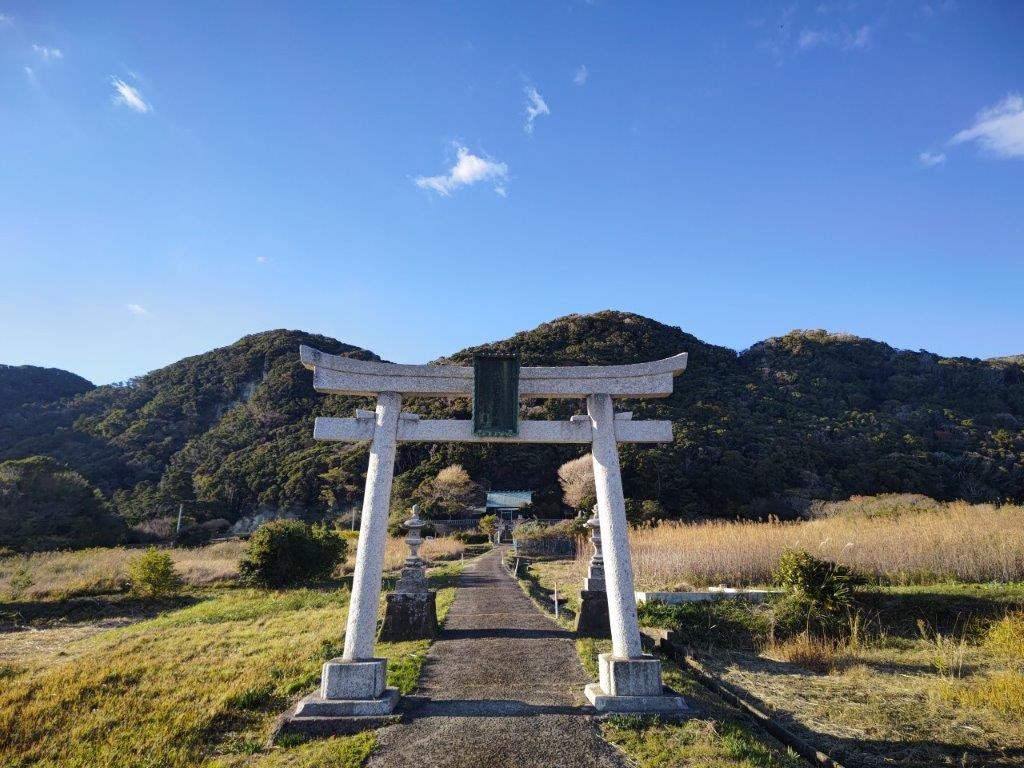
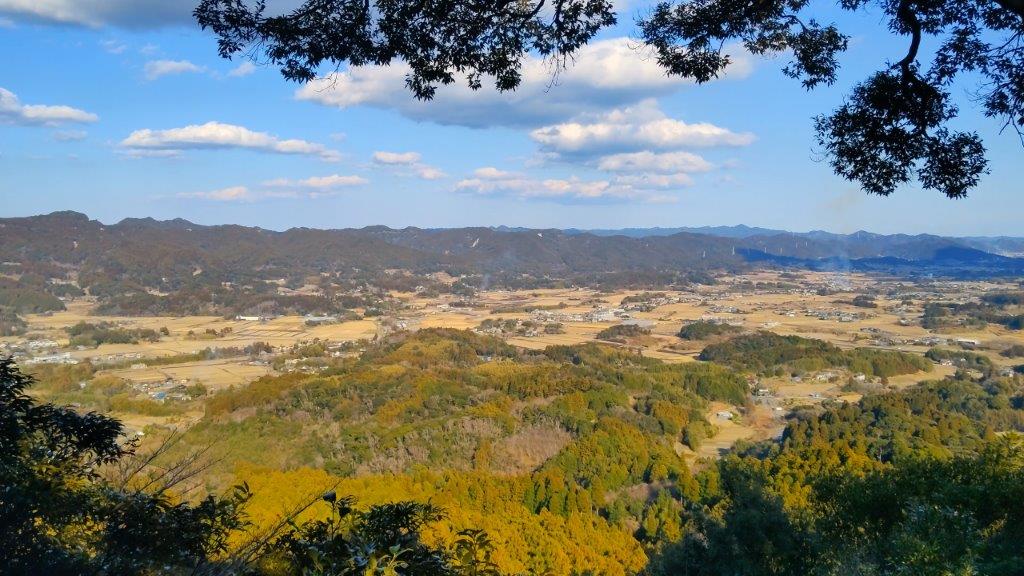
Ohara to Taito Beach (Highest Point 63m), Isumi City, Chiba Prefecture, Sunday, February 9, 2025

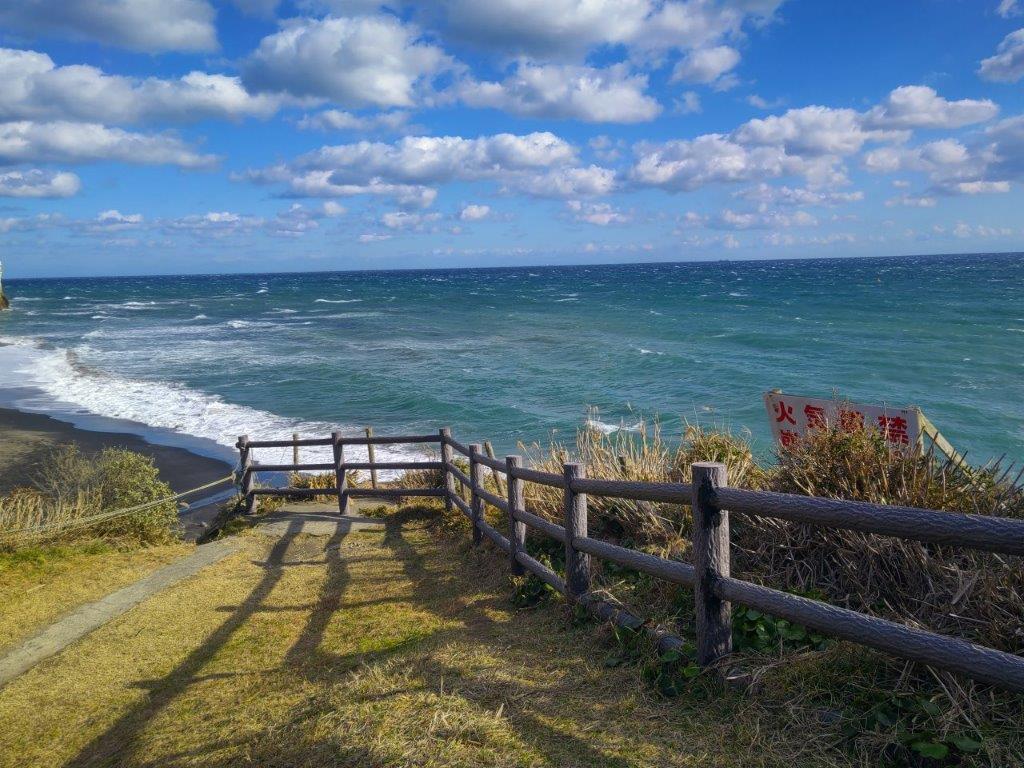
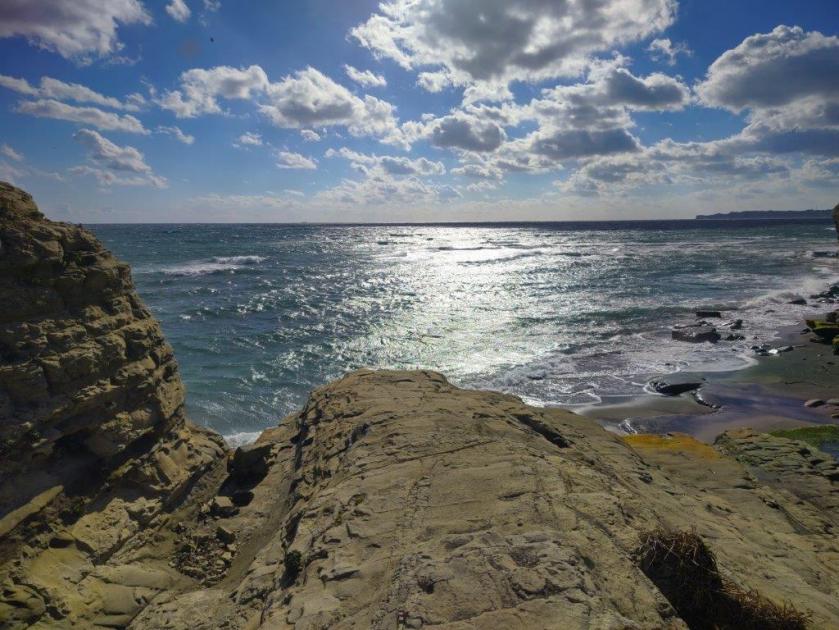
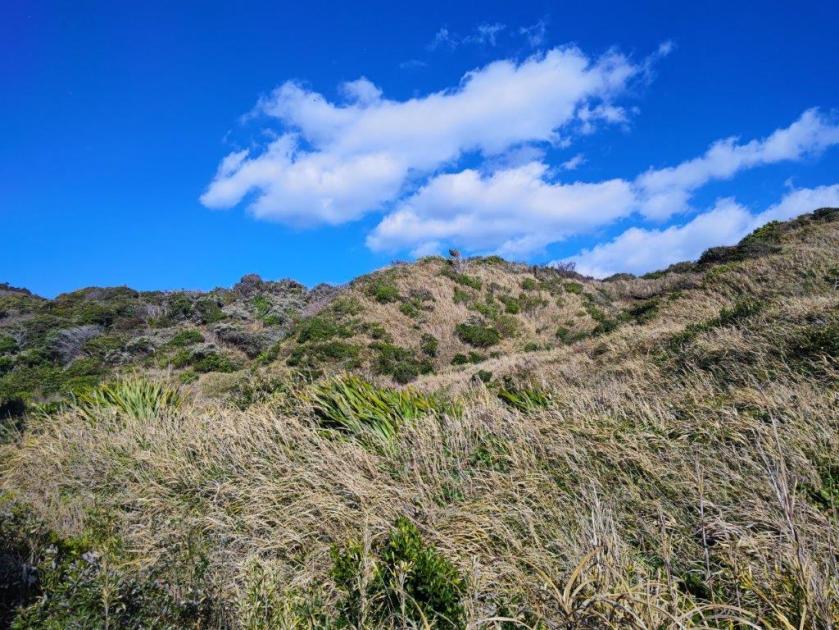
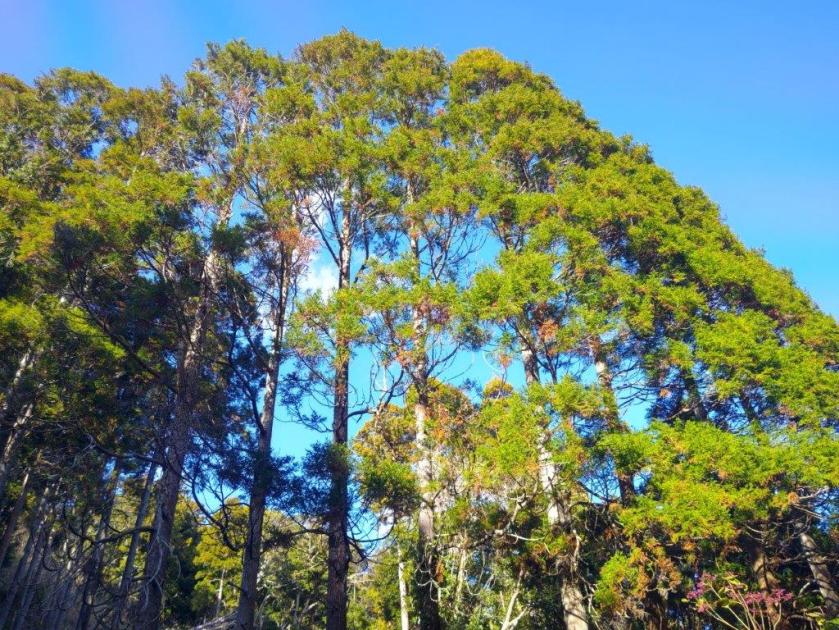
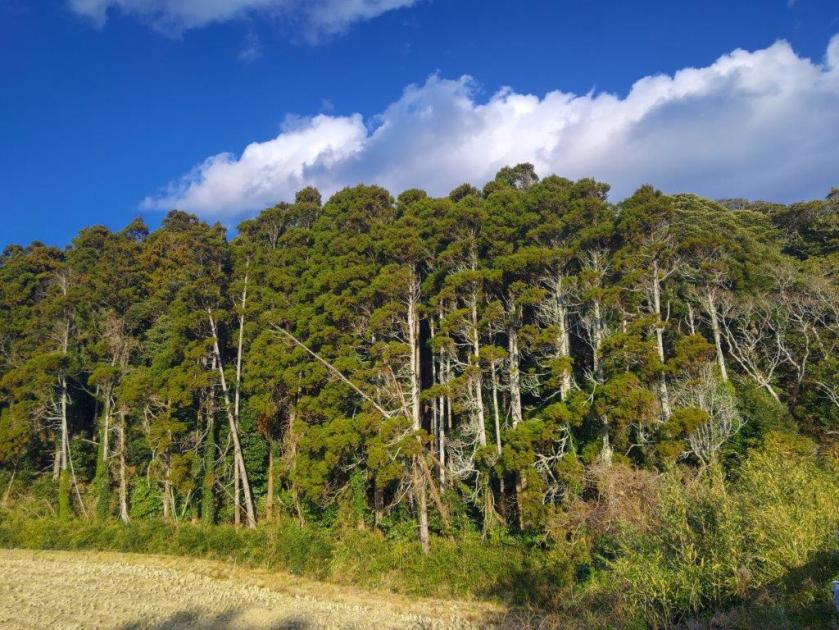
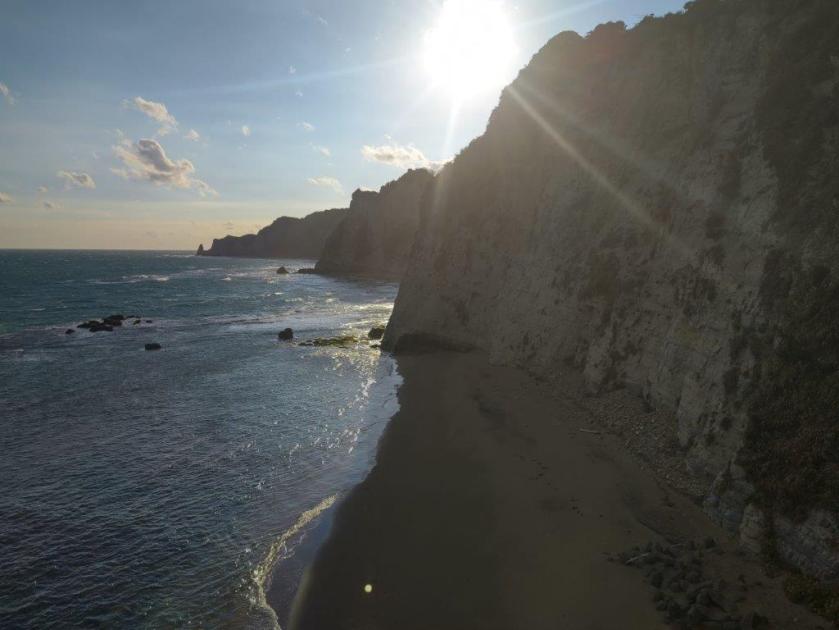
I wanted to do one more hike in Chiba. I also wanted to get there and back via public transport. Finally, I wanted to explore more of the Chiba Kanto Fureai no Michi. I decided to combine two of its shorter sections, heading south to north from Ohara Beach to Taito beach, the latter also the starting point of the 90 kilometer long Kujukuri Beach. Although I wouldn’t be standing on any peaks, I’d be walking nearly 20 kilometers with a view of the Pacific ocean for most of the way.

For subscribers, read this Post on Hiking Around Tokyo for a better viewing experience and the latest updates

Hiking along the Kanto Fureai no Michi 関東ふれあいの道


To get to the start of the hike, I’d ride the Wakashio Limited Express from Tokyo station to Ohara station. For the return, I could ride the Sotobo line just one stop from Torami to Kazusa-Ichinomiya, and there change to the Wakashio Limited Express for Shinjuku. The weather was supposed to be cold and sunny all day, a typical Japanese winter day. I was looking forward to a long day of mostly level walking along the Pacific Ocean.

Find Japan Hiking Maps on Japanwilds

Following Niida River to Ohara Beach

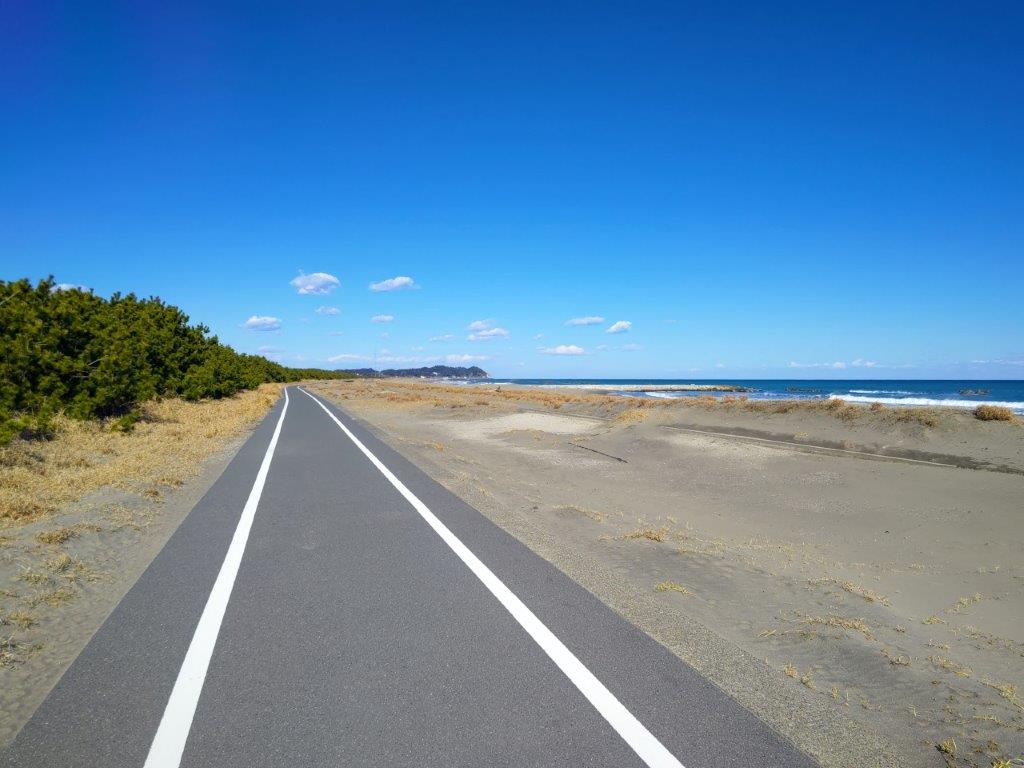
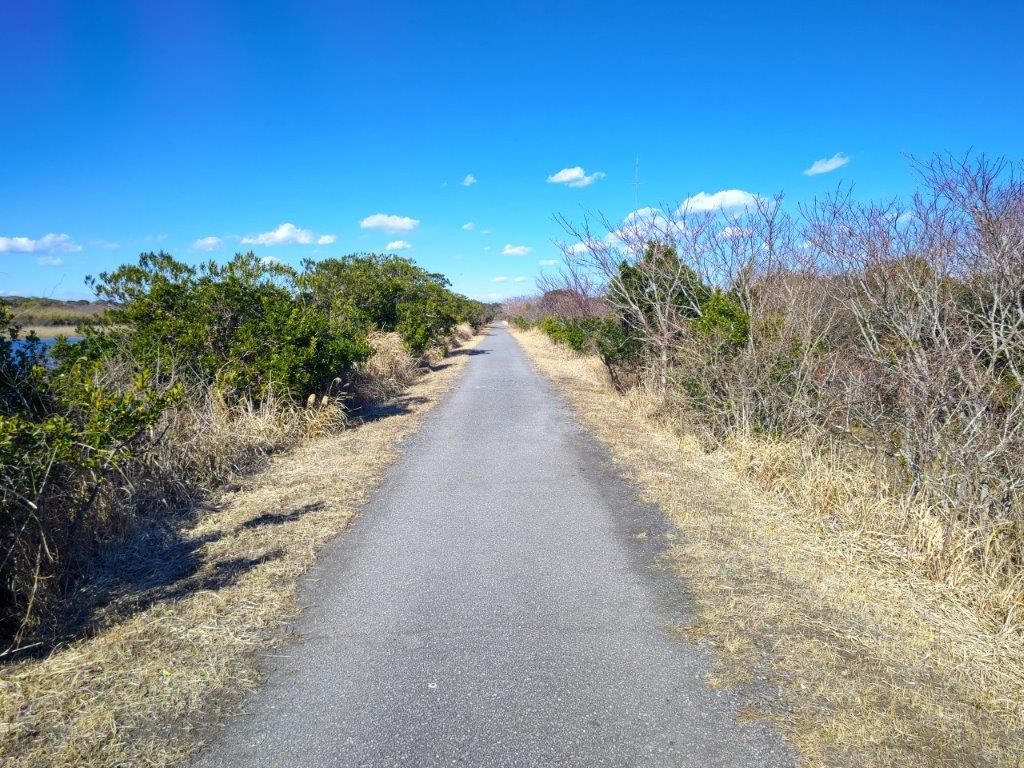
Cycling road along Ohara Coast

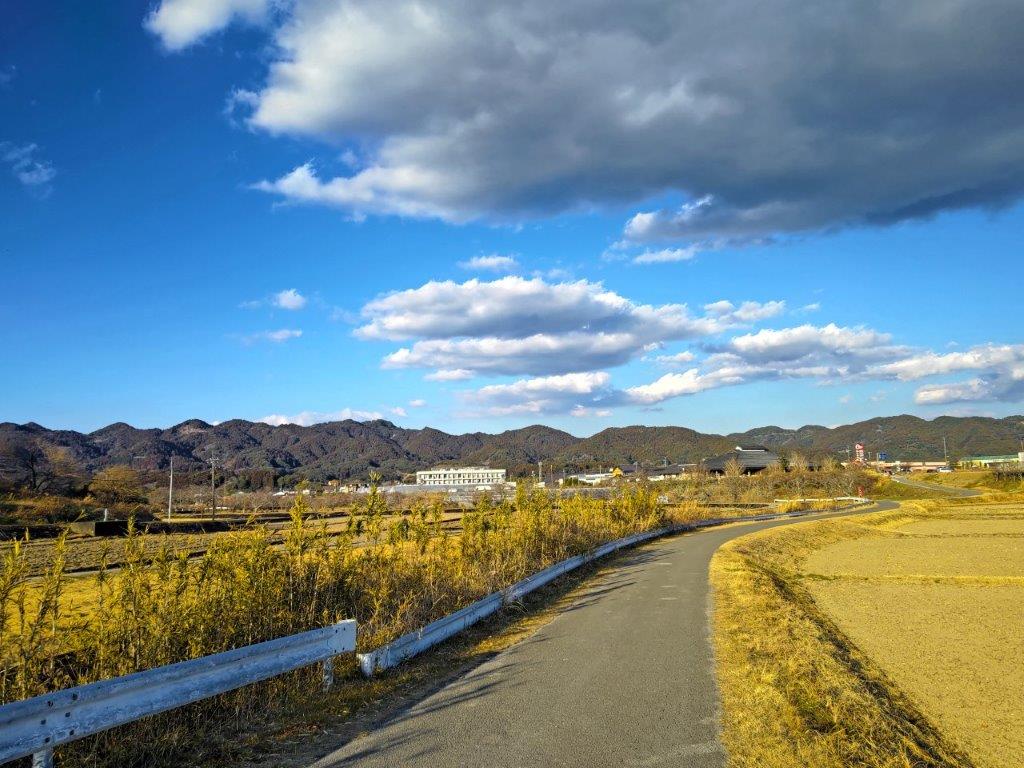
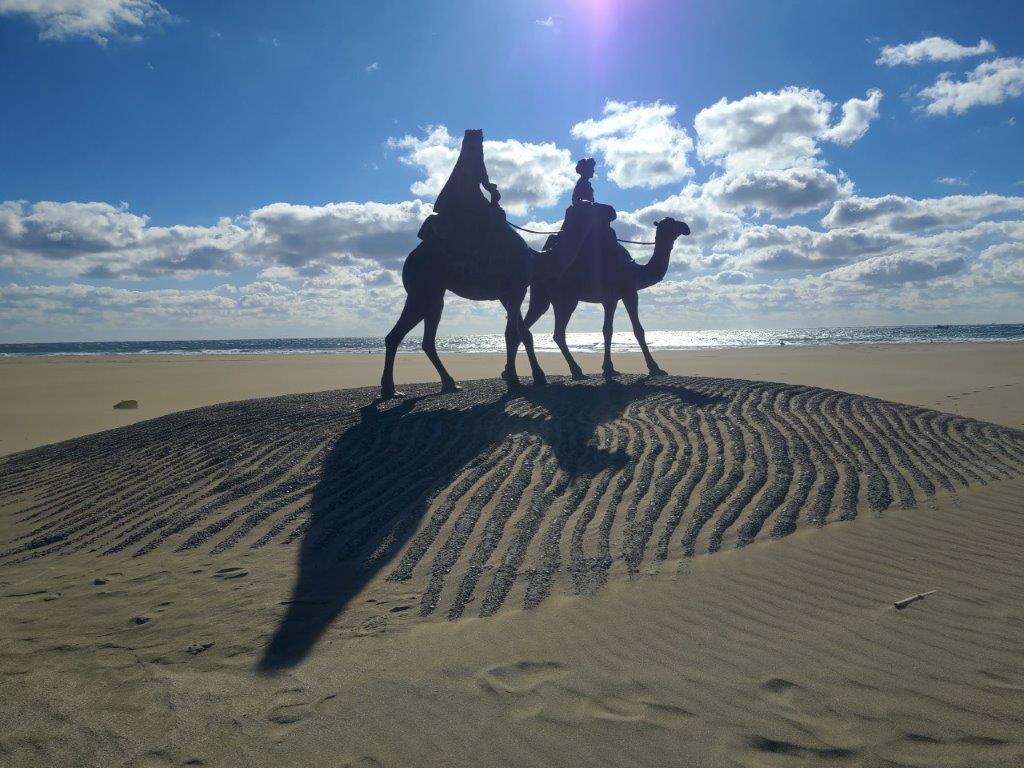
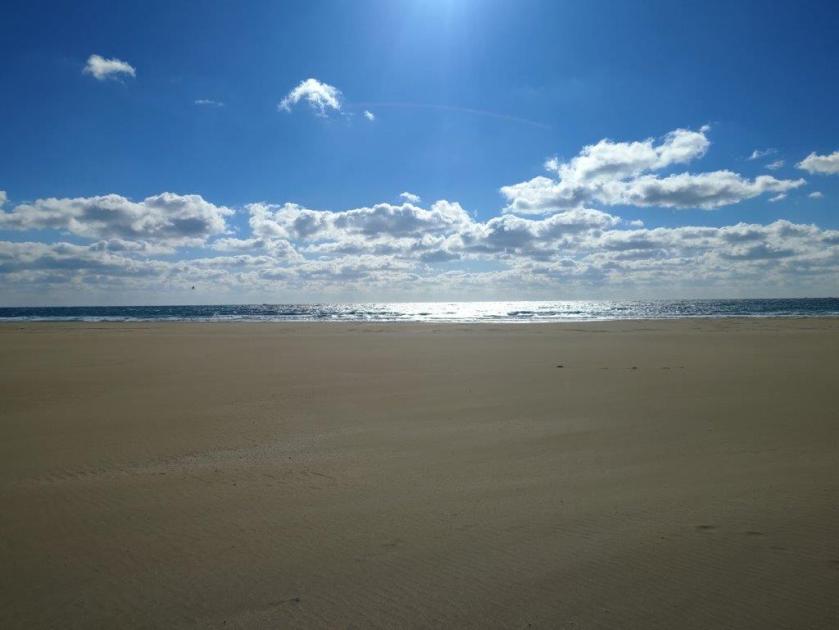
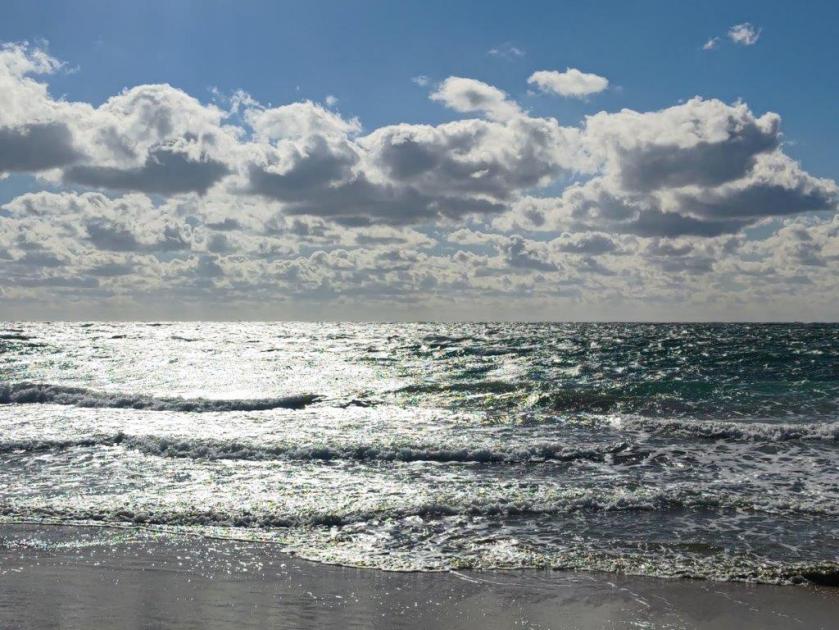
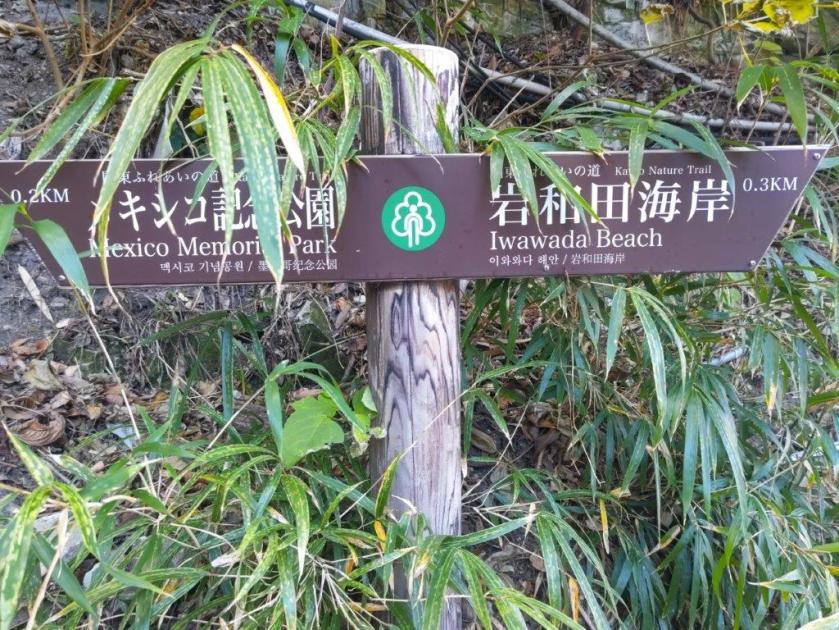
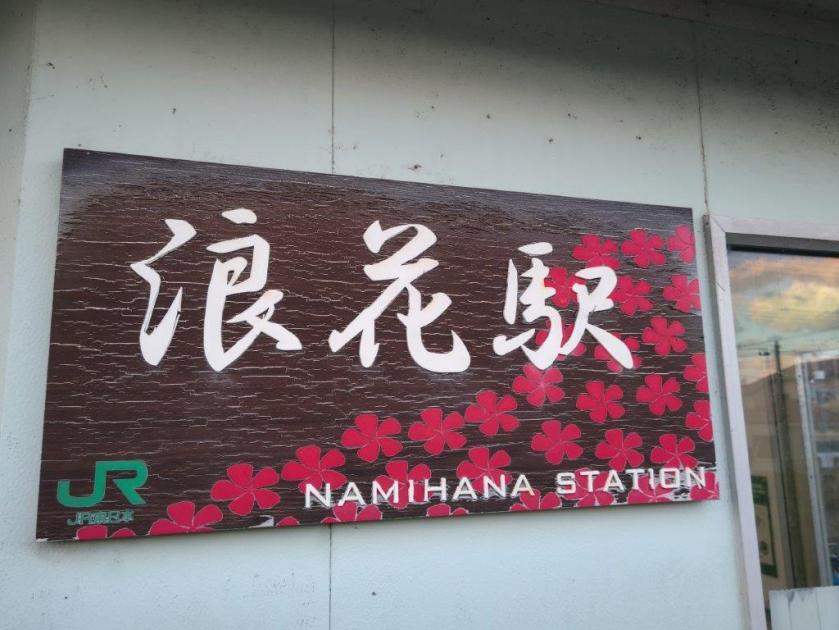
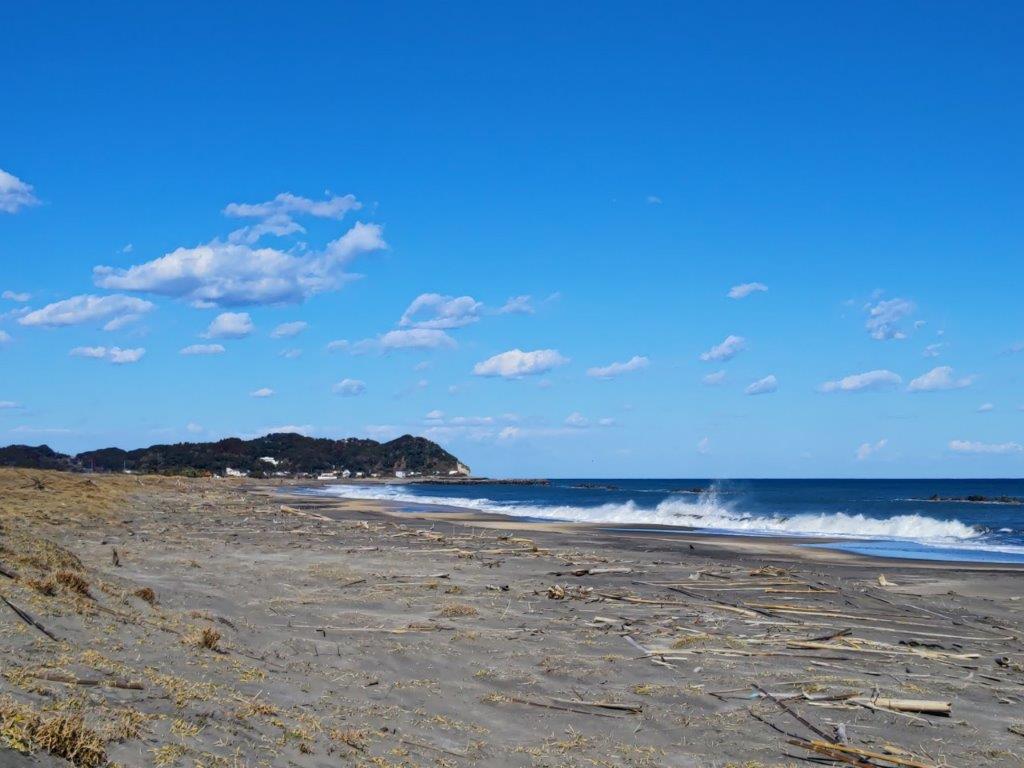
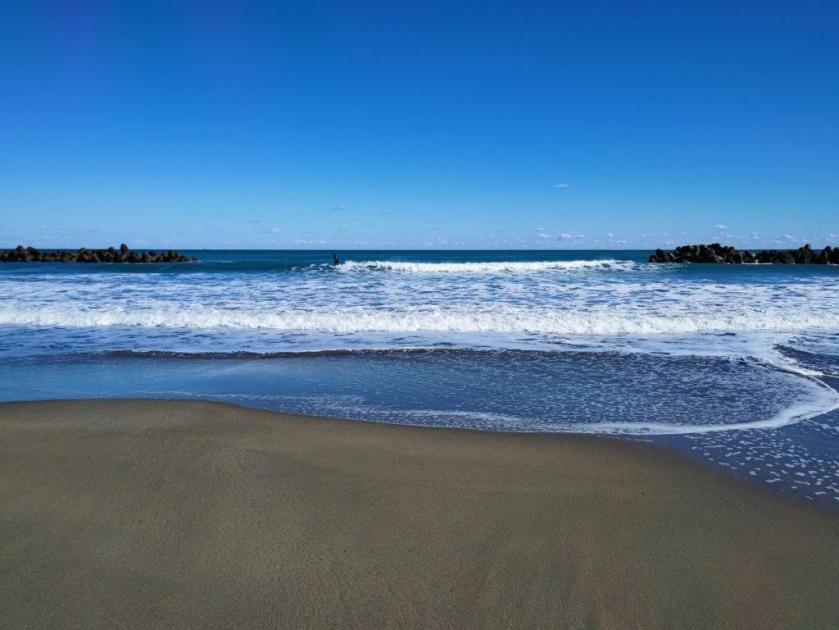
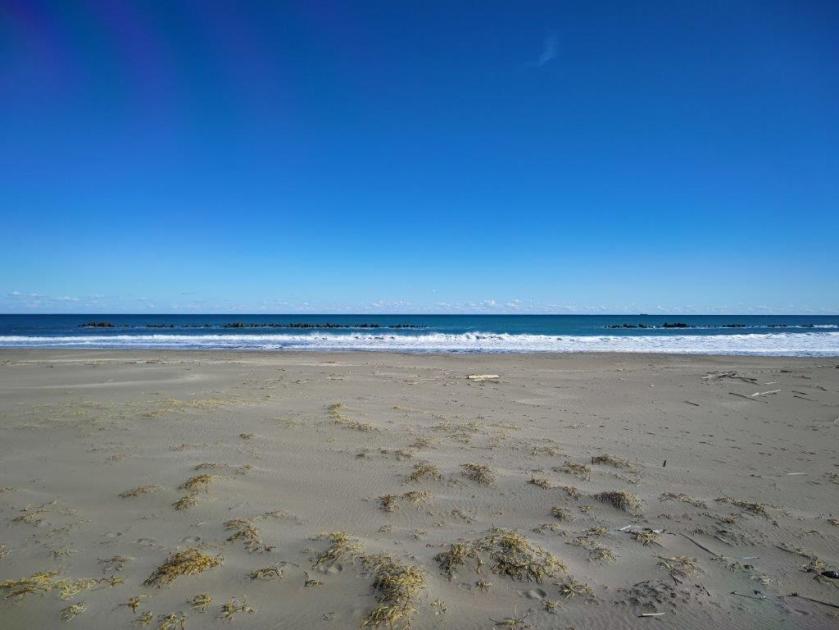
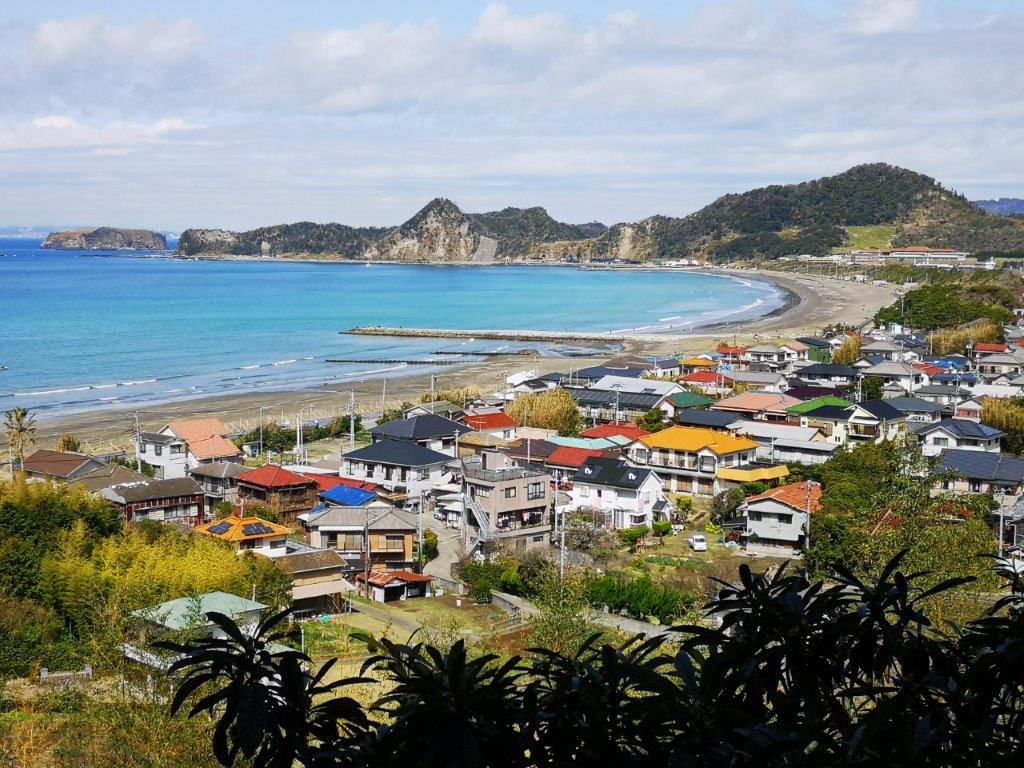
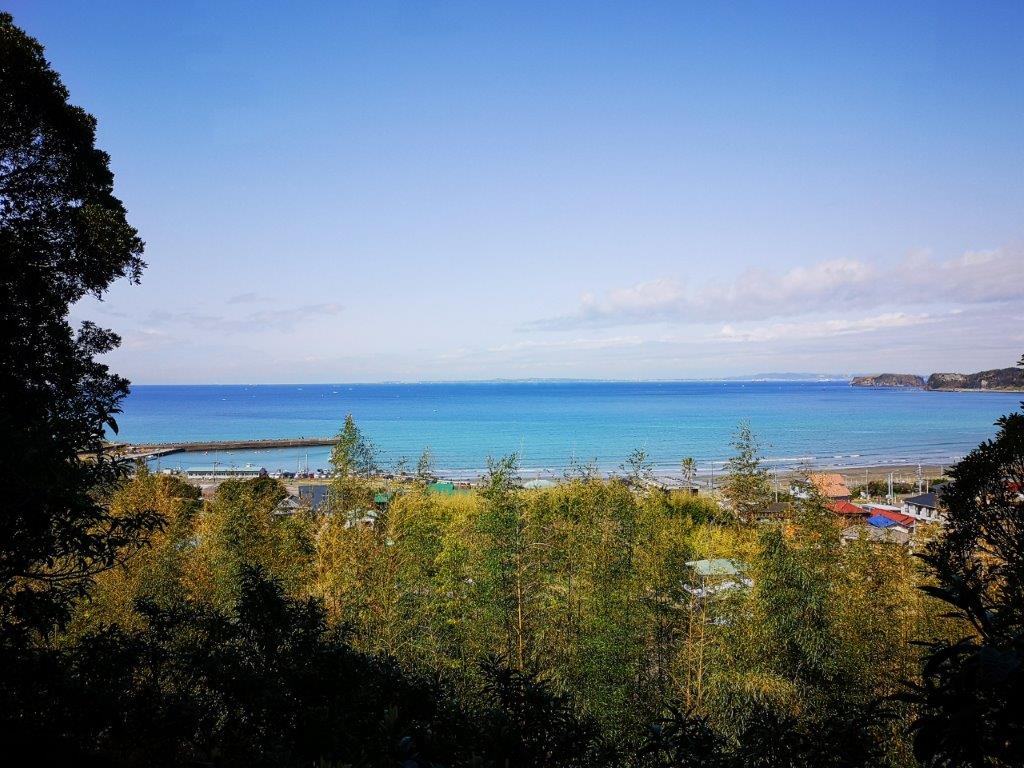
After a pleasant train ride under blue skies, I arrived at Ohara station a little before noon. After getting ready, I followed the signs for the Kanto Fureai no Michi to Niida river, where I turned right along a pedestrian path. At 1230, I spotted a palm tree, a sign that I was getting close to a beach area. Soon after, I could see the ocean, waves rolling in at regular intervals. I turned left, now walking in the sand along Ohara beach (大原海岸).

Looking back at Hachiman Cape

Looking forward to Taito Cape

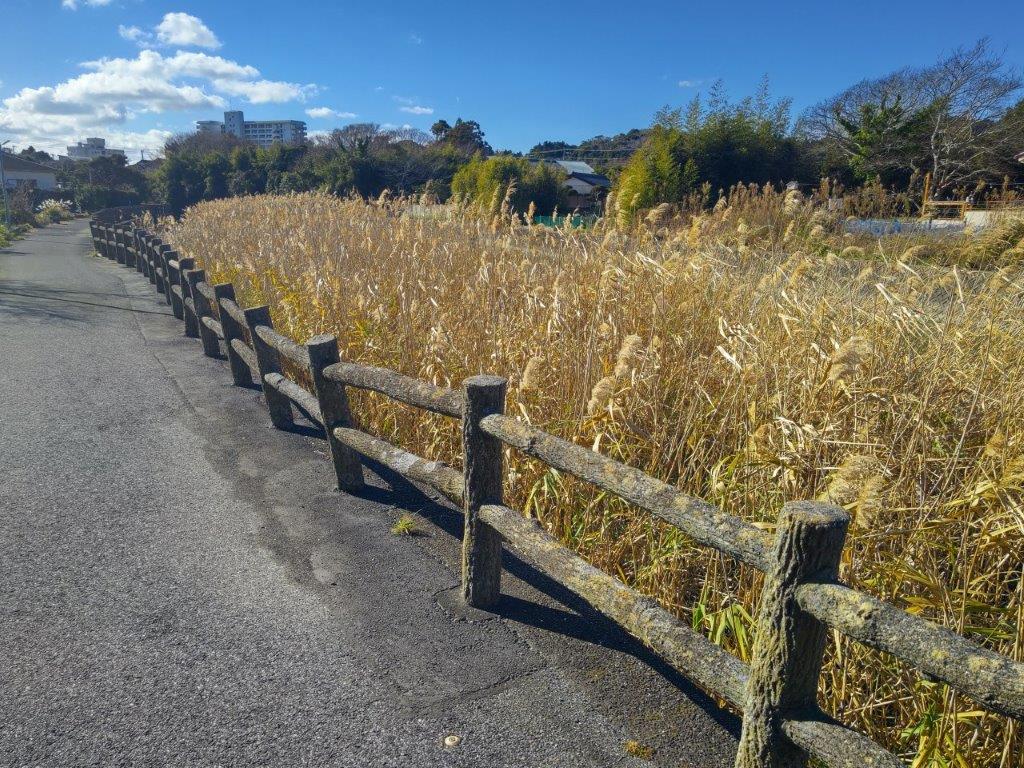
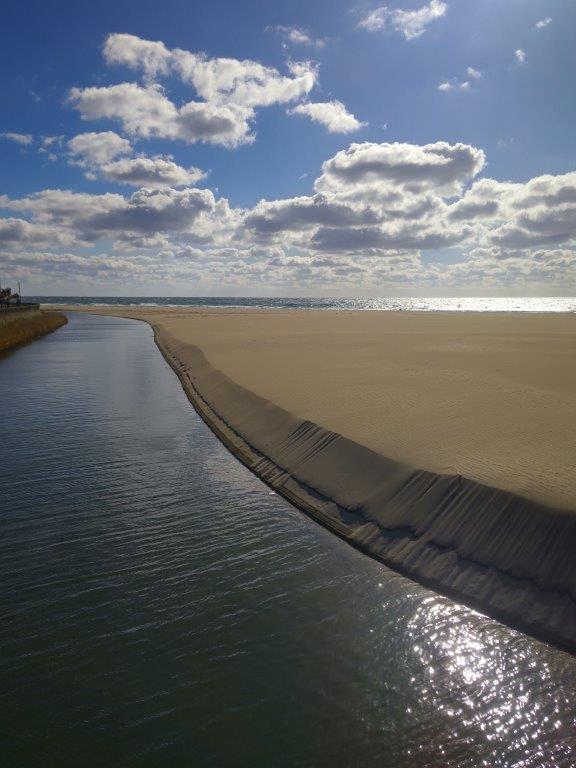
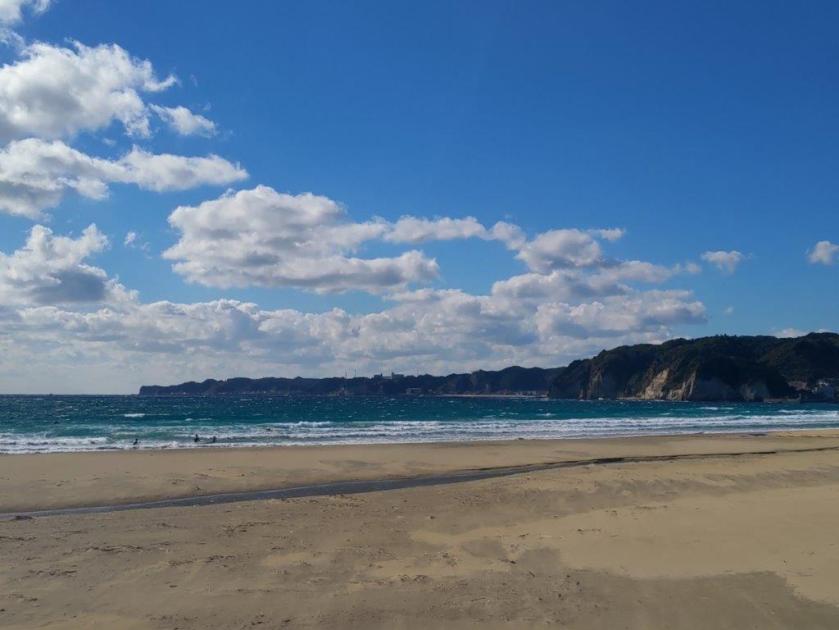
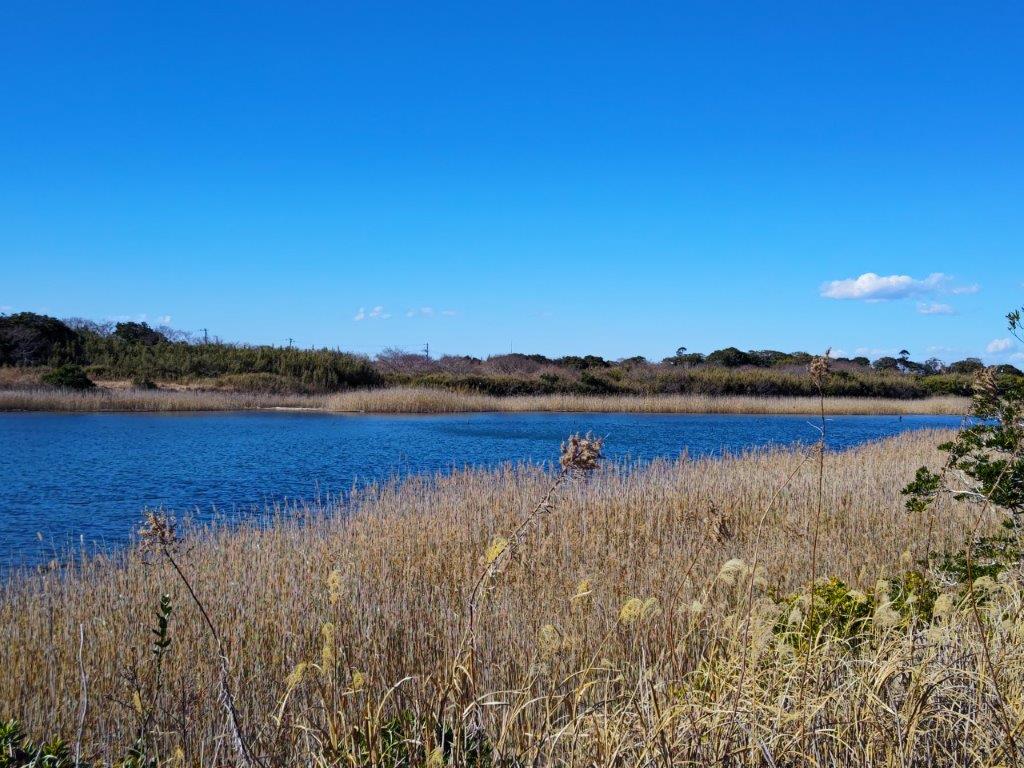
I was surprised to see a couple of surfers on this cold winter day. Eventually, I made my way to the cycling path running parallel to the beach, easier to walk than the sandy beach. Directly ahead, I could see Taito cape, the halfway point of today’s walk. Just before 1h30, I reached the end of the beach; the path turned left and right, heading straight alongside a reedy inlet.

Heading straight….

…alongside a Reedy Inlet

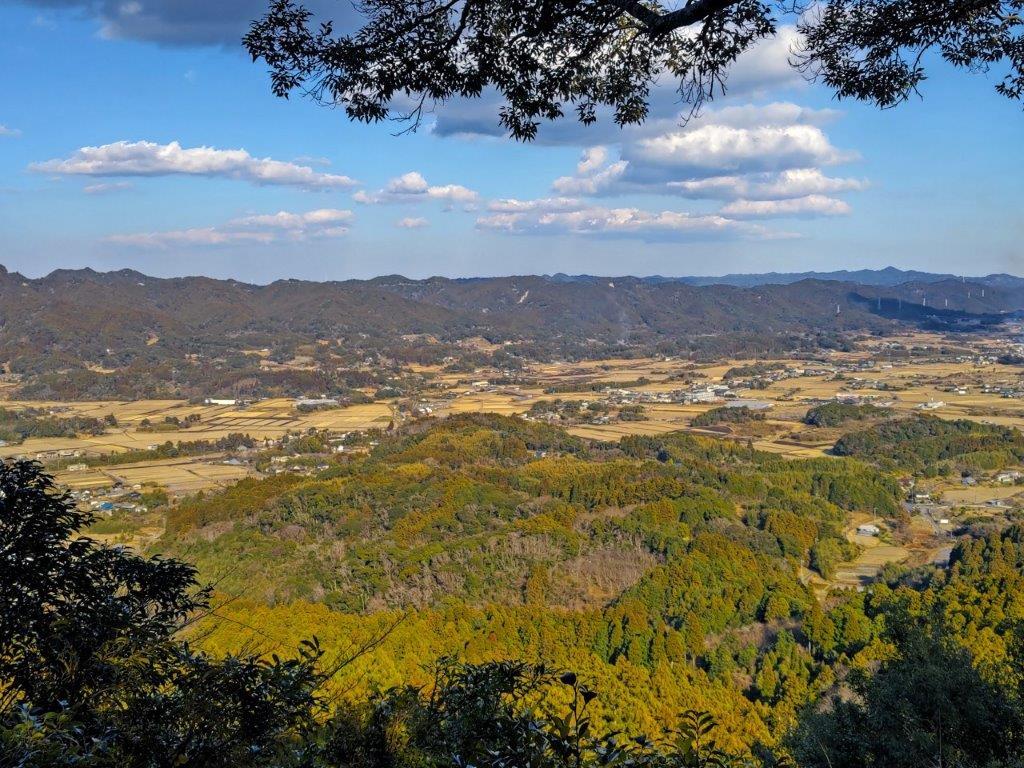
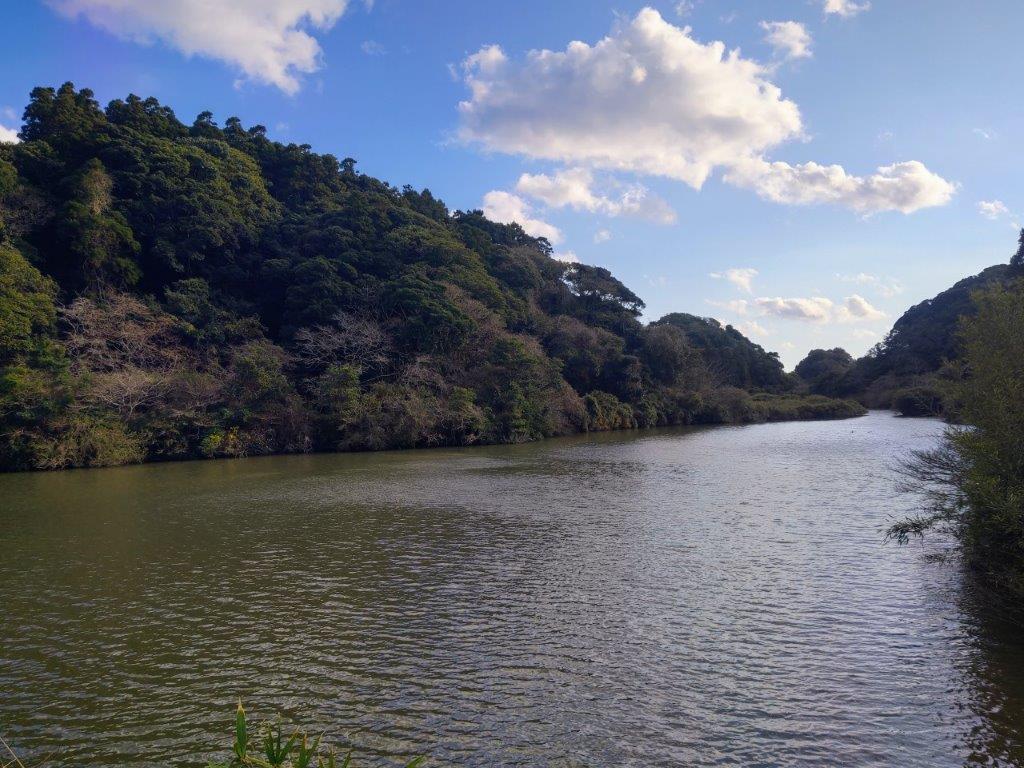
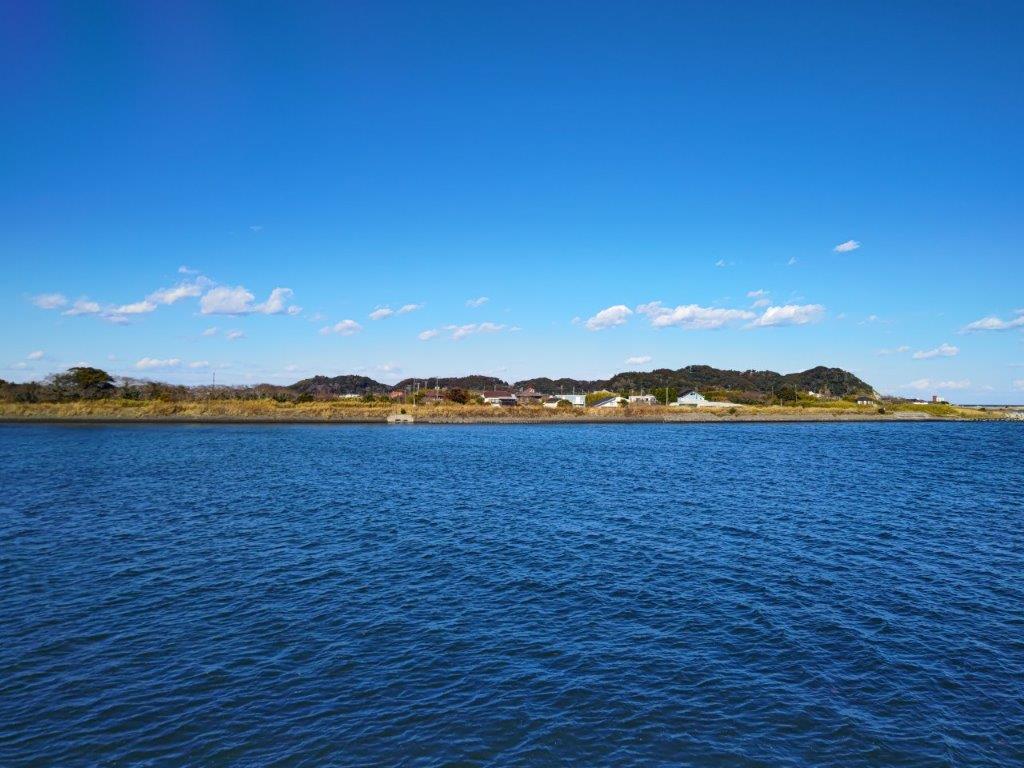
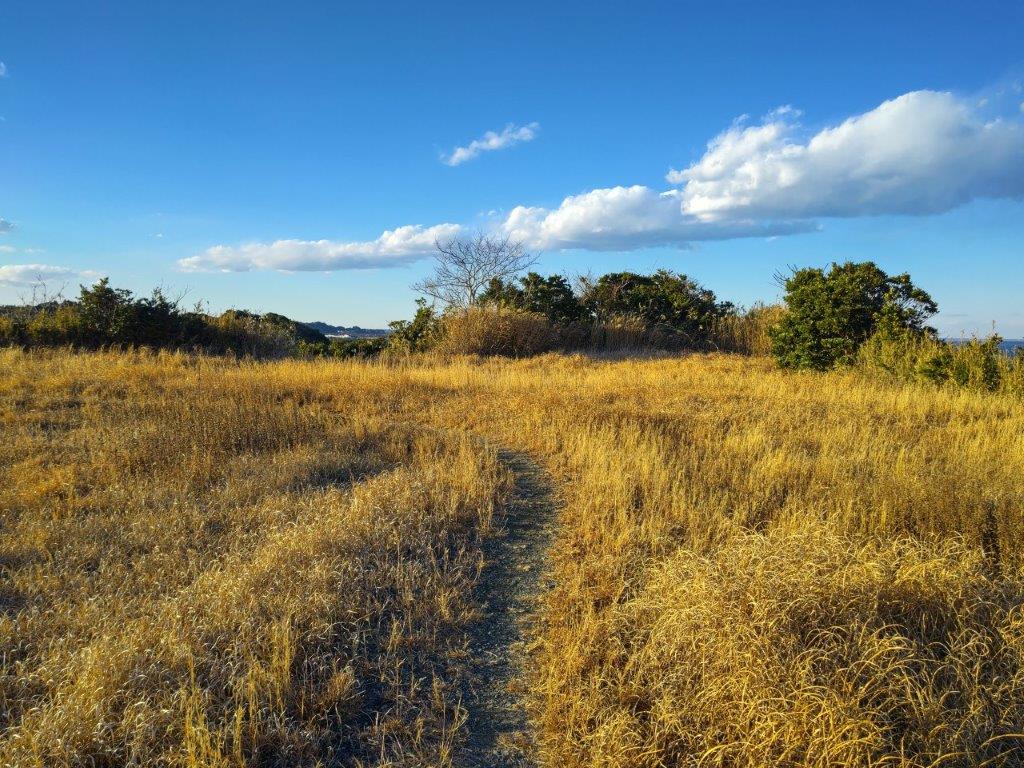
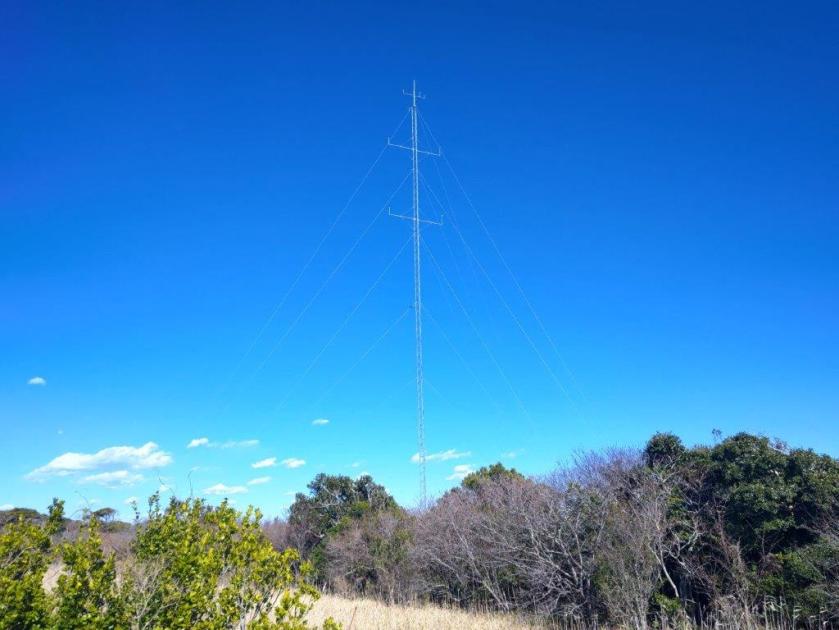
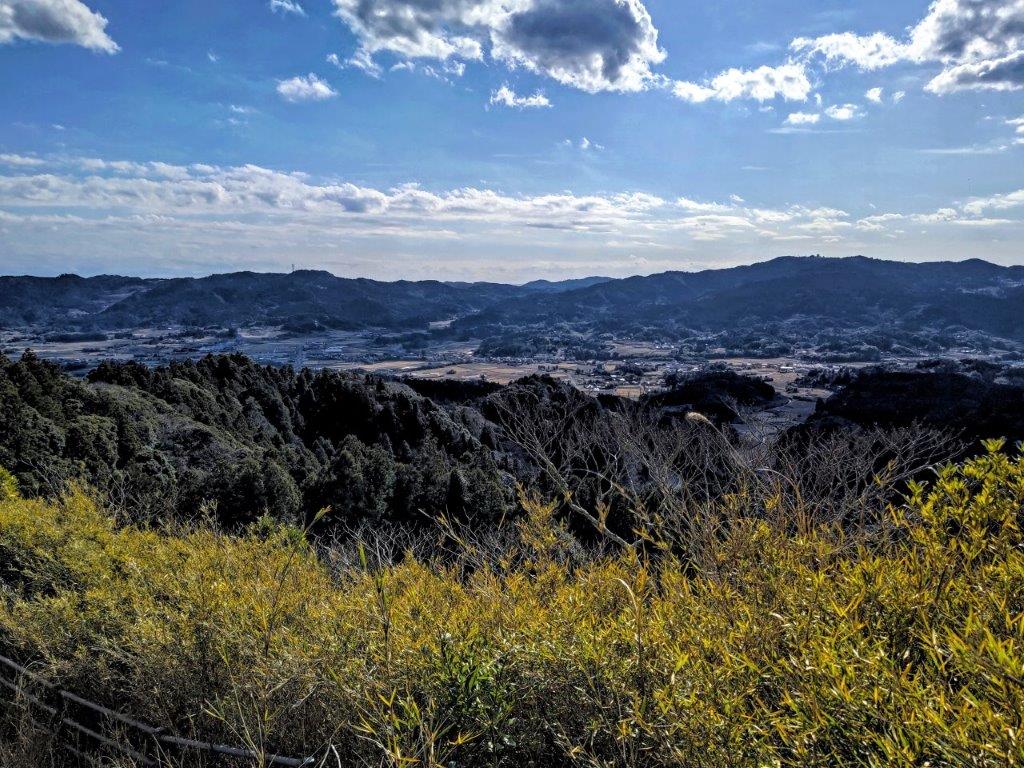
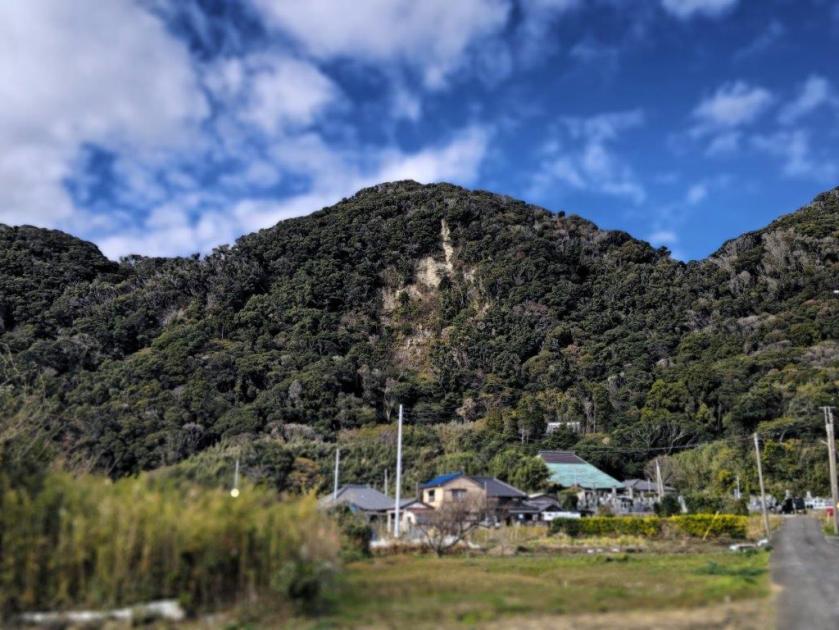
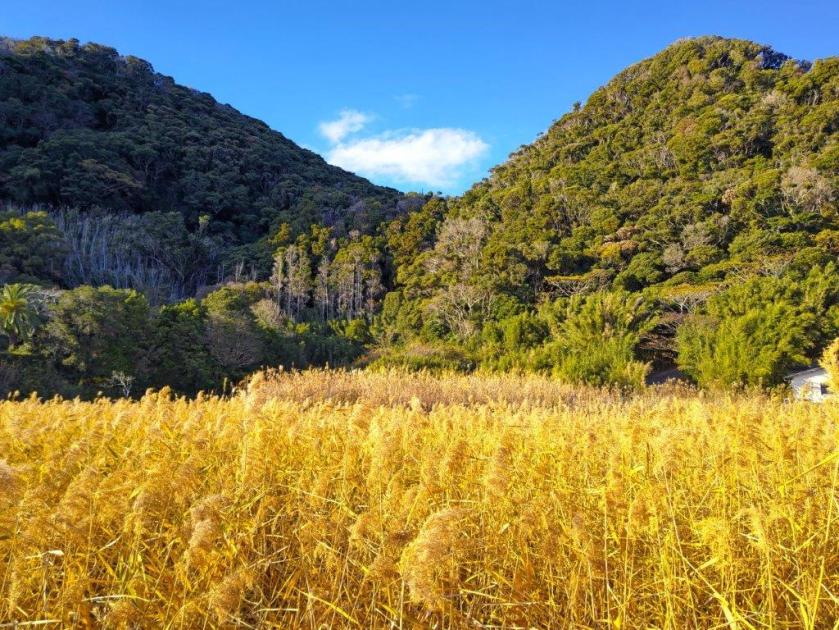
The quiet waters of the inlet created a nice contrast with the crashing waves of the ocean, waterfowl lazily floating on the calm surface. After passing a couple of slender antennas, I reached Izumiura Beach (和泉浦海岸) where I turned left along the Isumi river. Looking left across the fields, I could see a series of low hills, a hint of the hilly interior of the boso peninsula. I turned right at Koto Bridge and then followed small roads through the fields, ending at Taito Seaside (Taito-Kaihin 台東海浜) at the base of Taito cape.

Approaching Taito Cape

Walking next to Isumi River

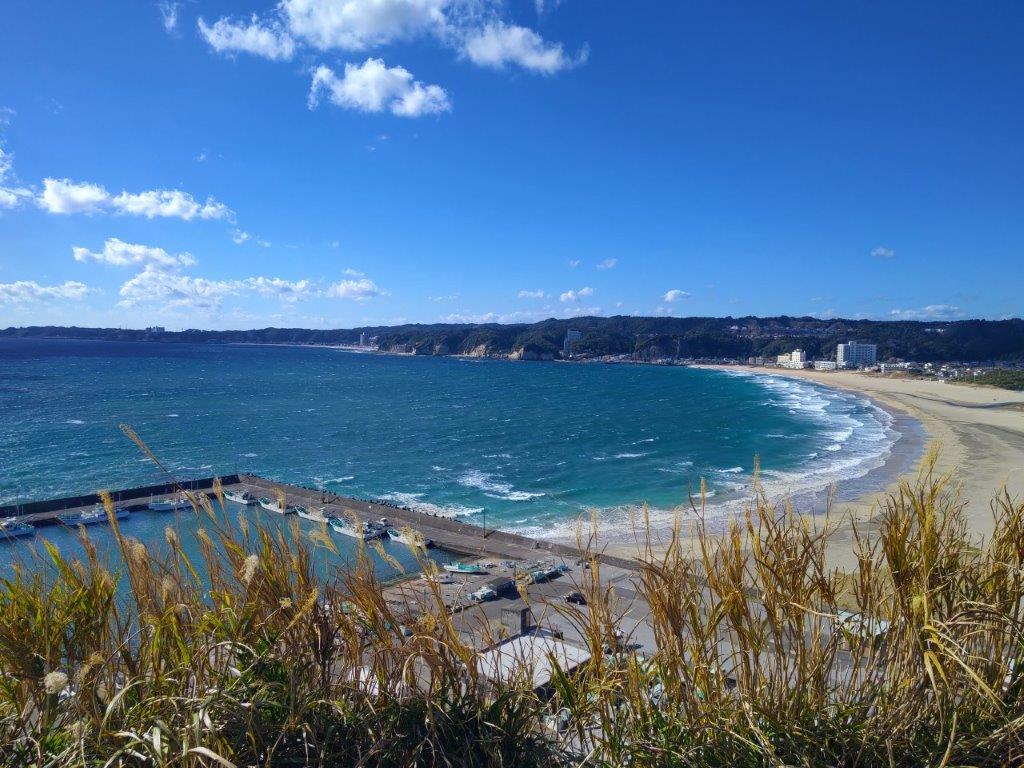
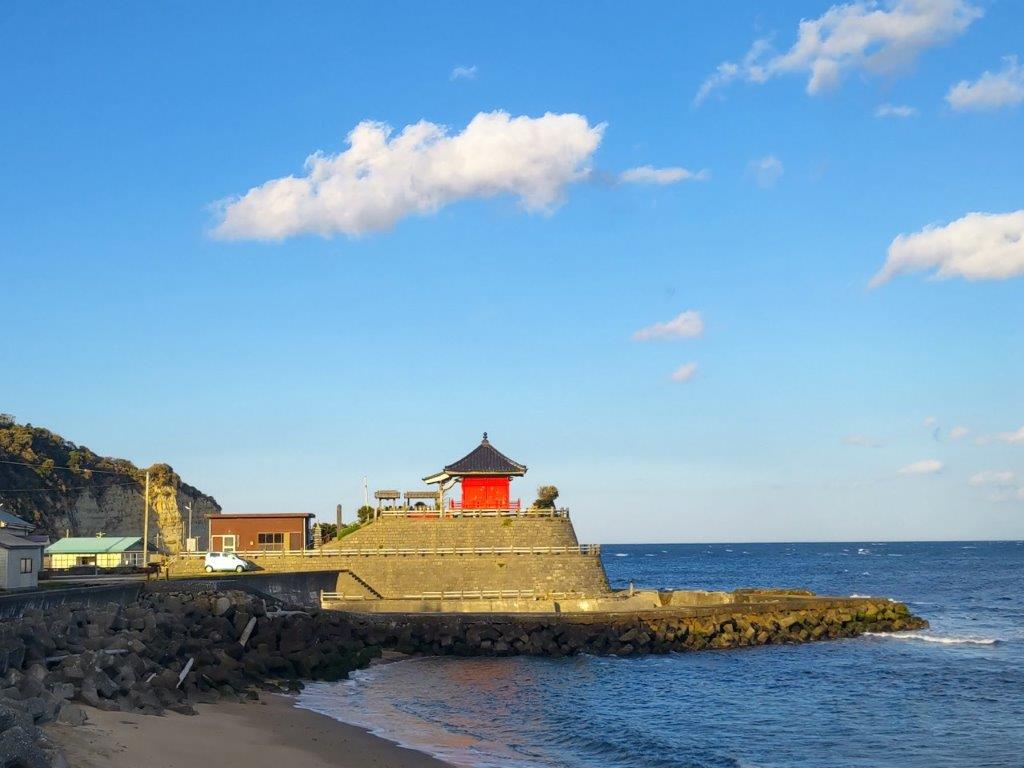
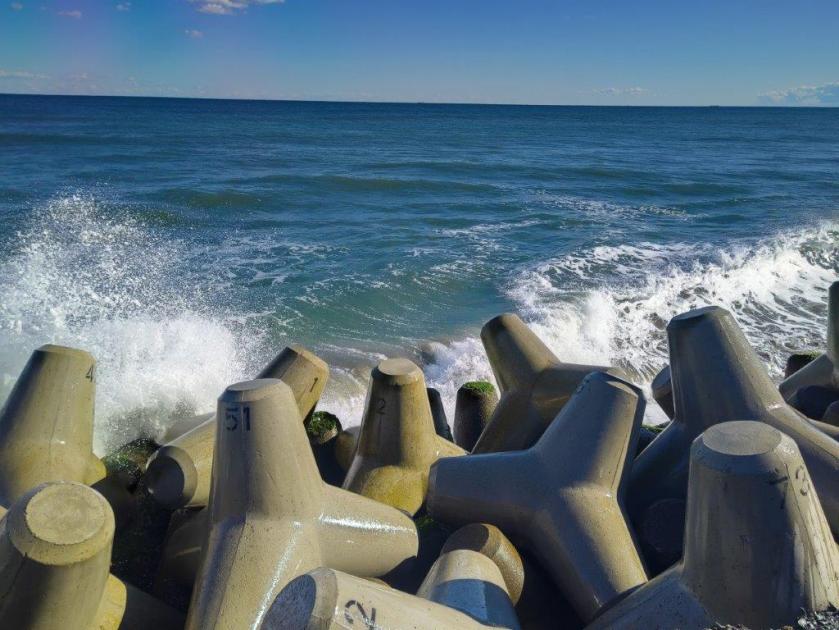
I observed the waves crash onto the waves breakers for a short while, and then headed inland, following the familiar Fureai no Mich signposts. A little after 2h30, I arrived at Taisho Dam, where I turned right, heading uphill for the first time today. At 3pm, I arrived at Taito Cape Lighthouse (太東崎灯台), the highest point of the day.

Taito Cape from Isumi River

Walking through the Fields

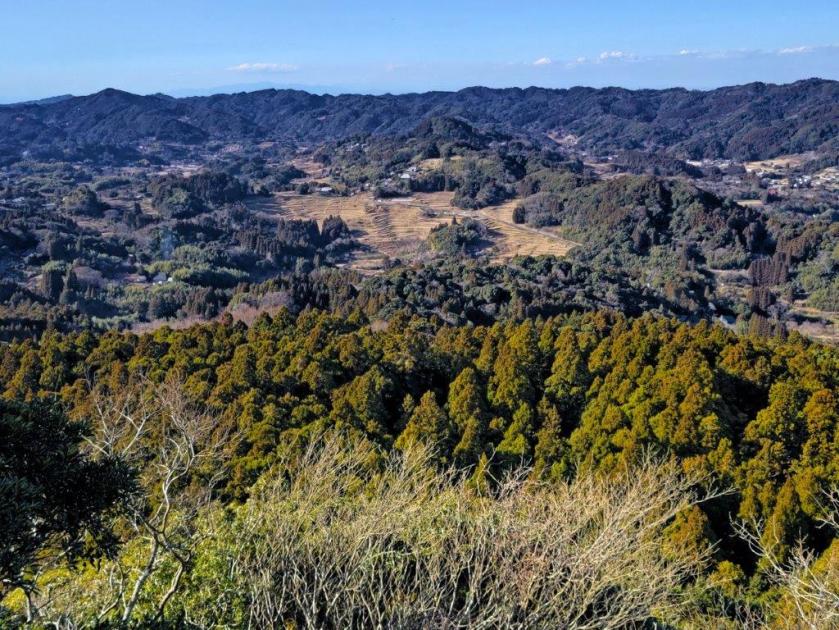
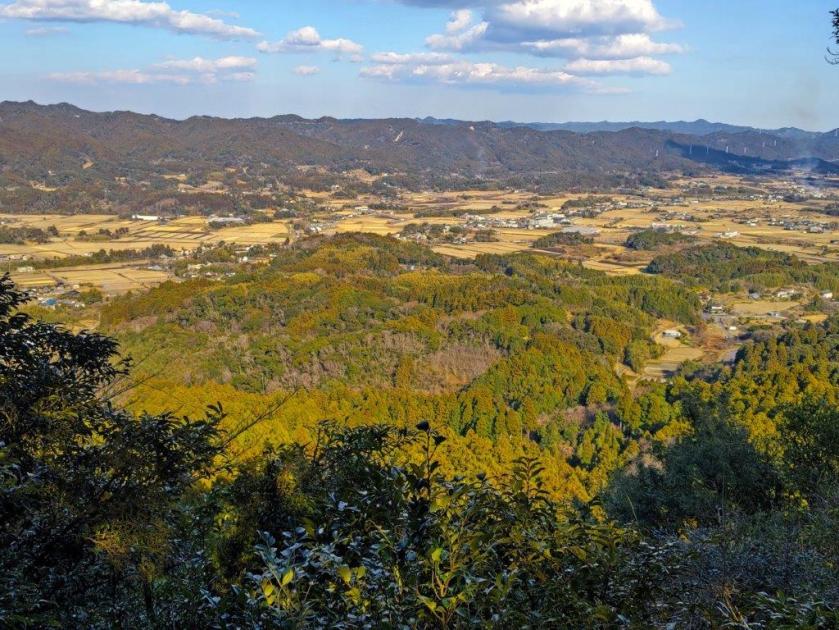
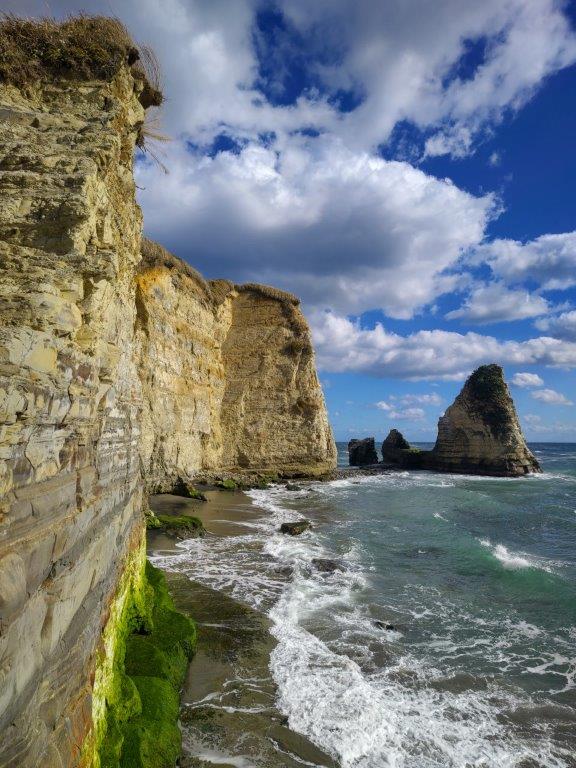
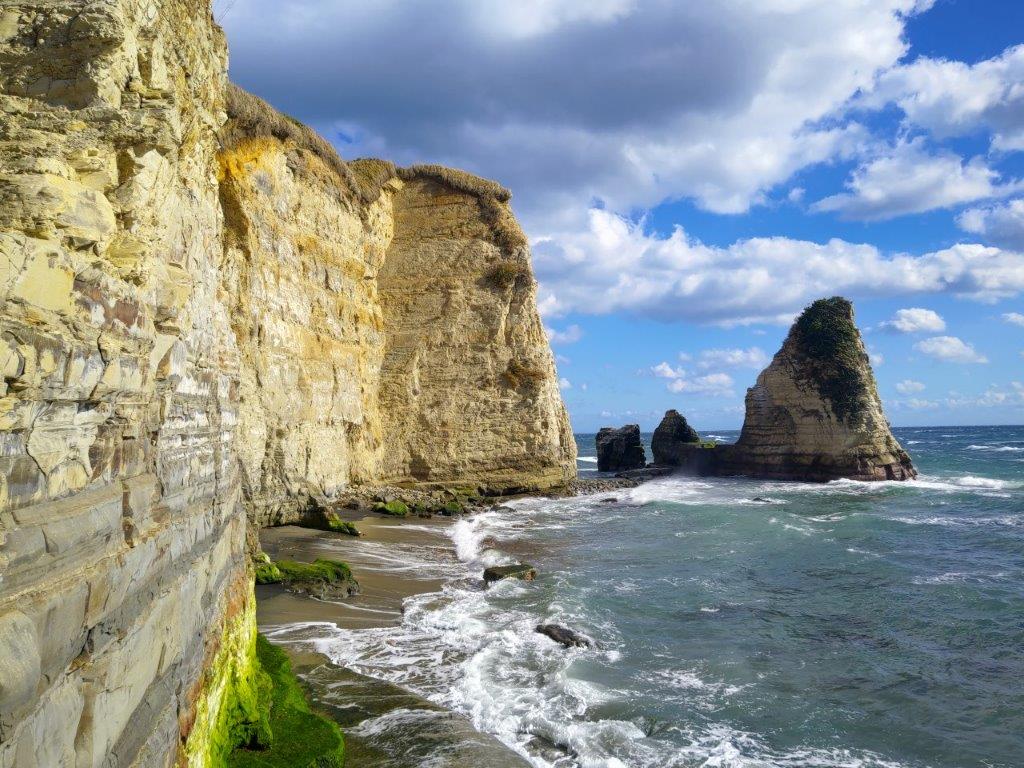
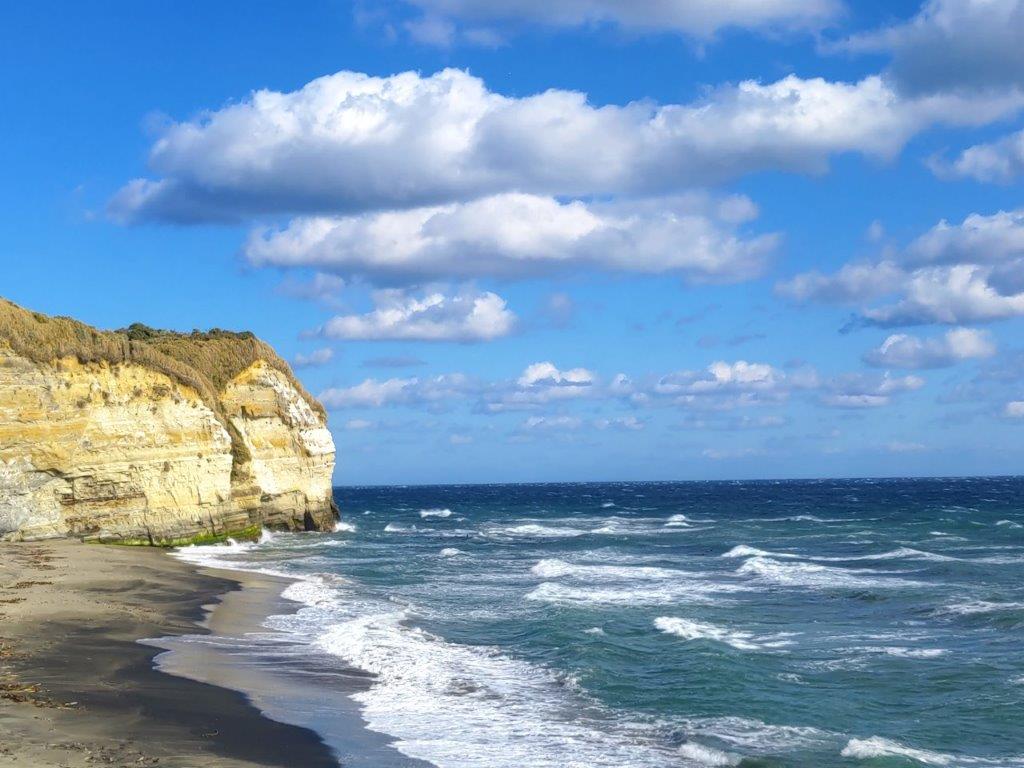
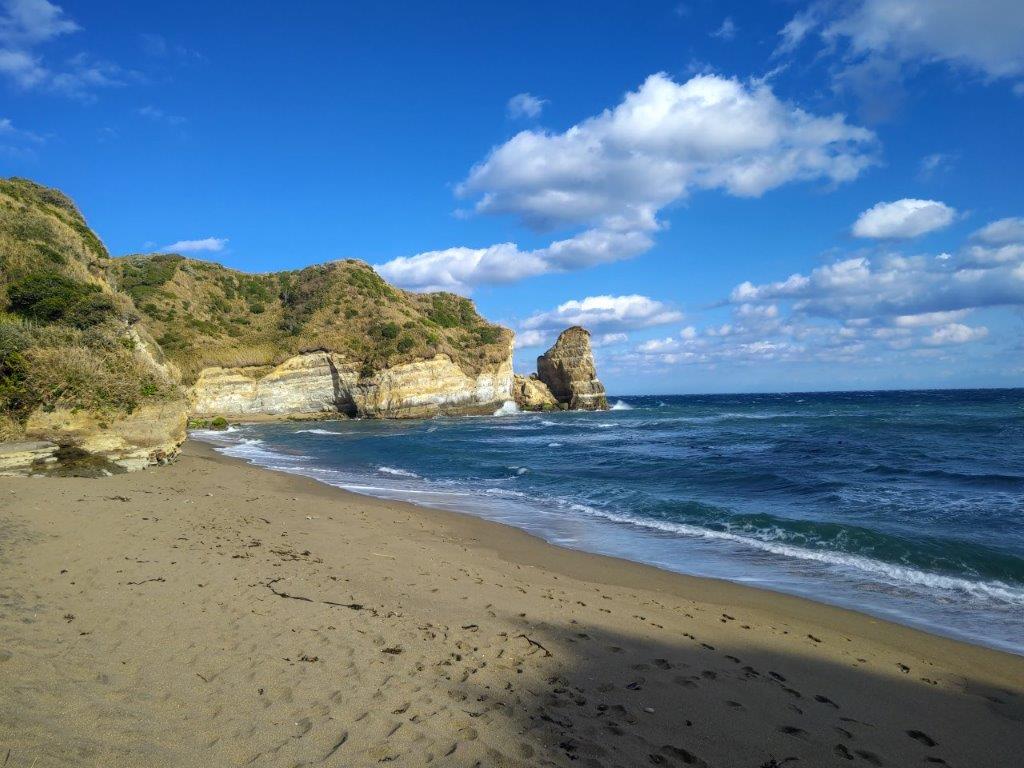
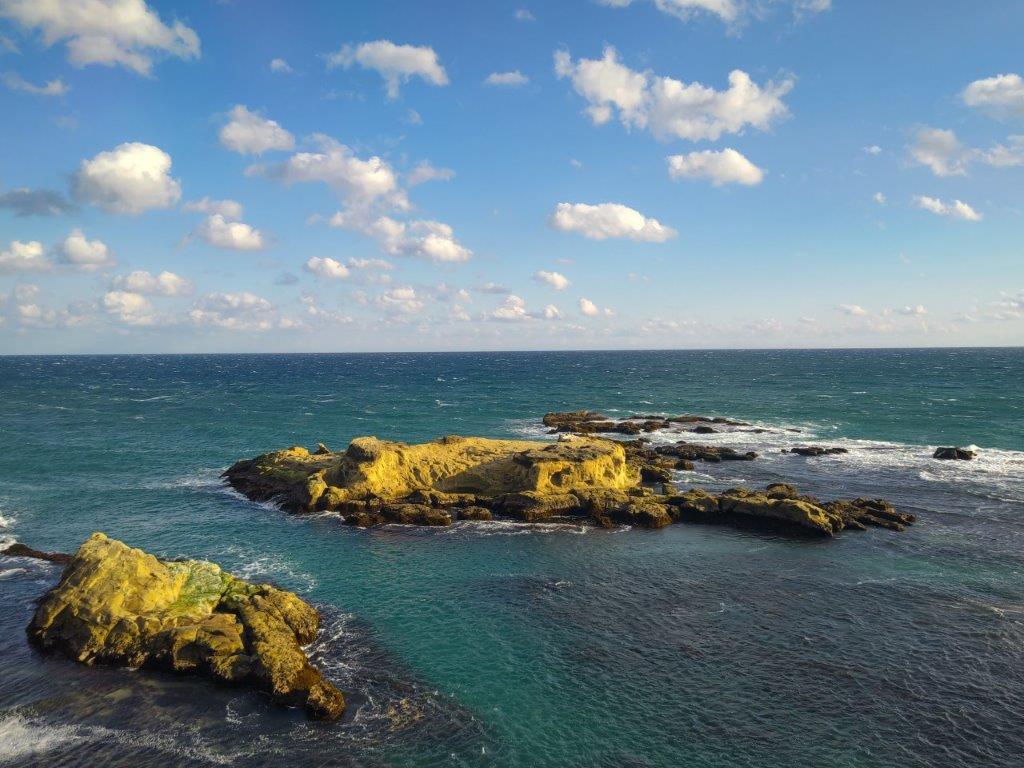
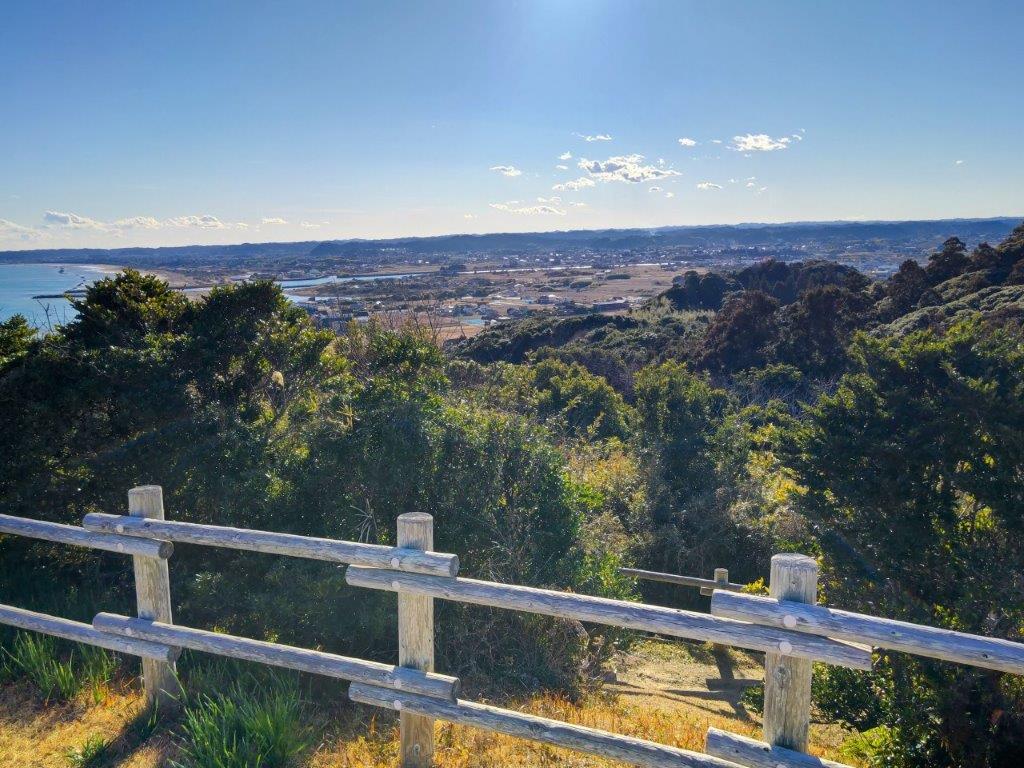
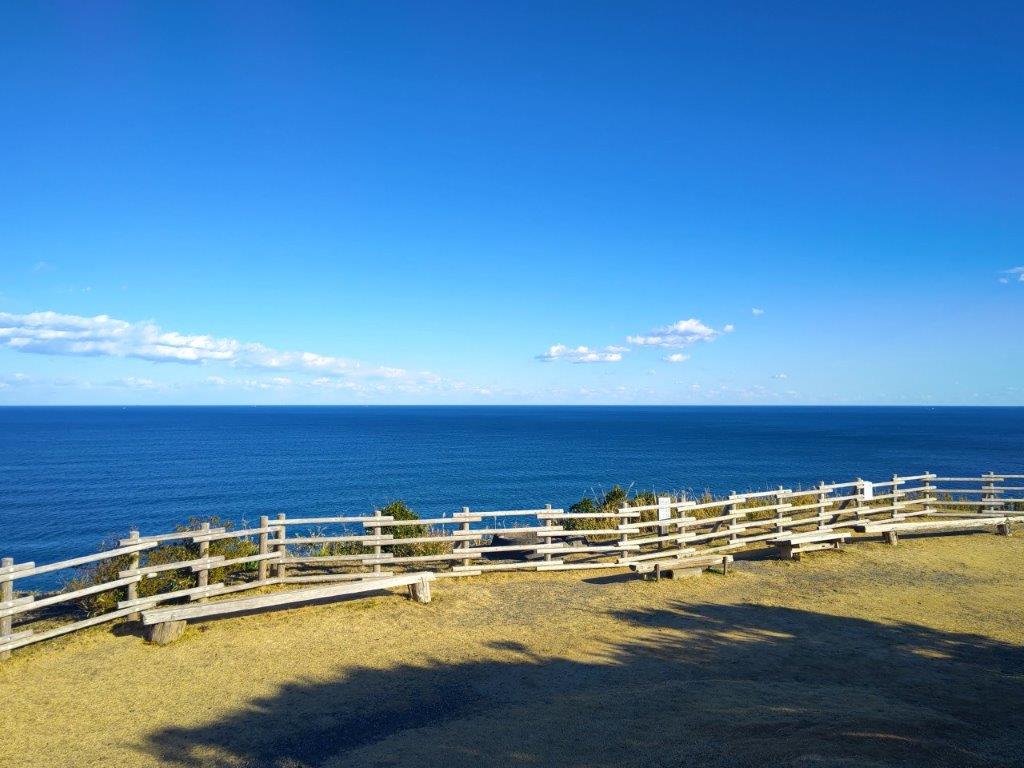
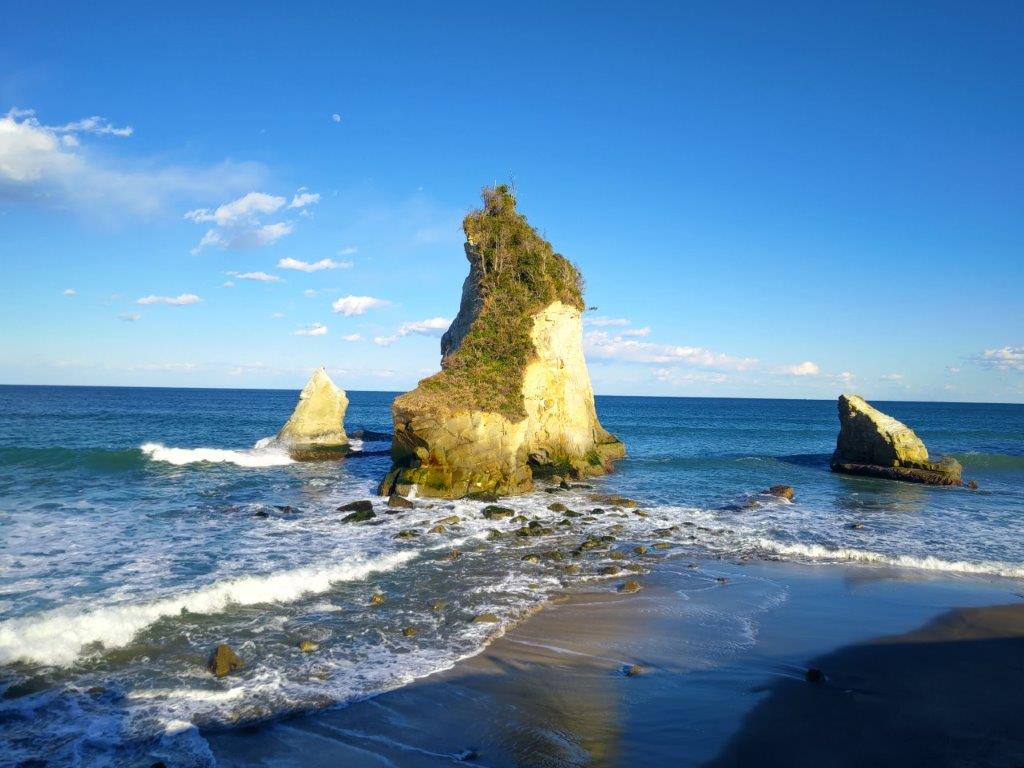
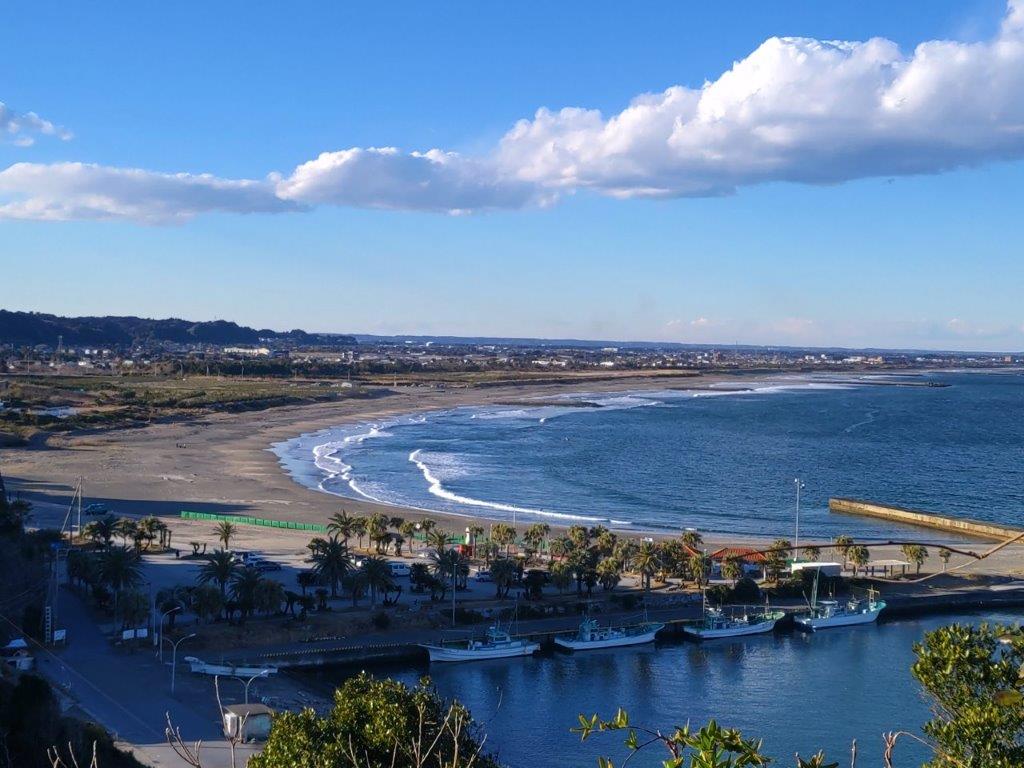
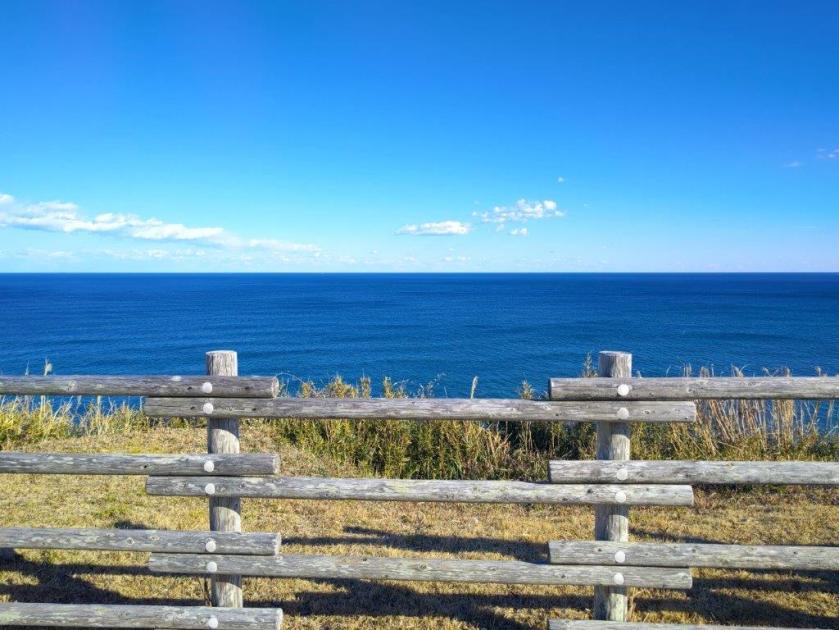
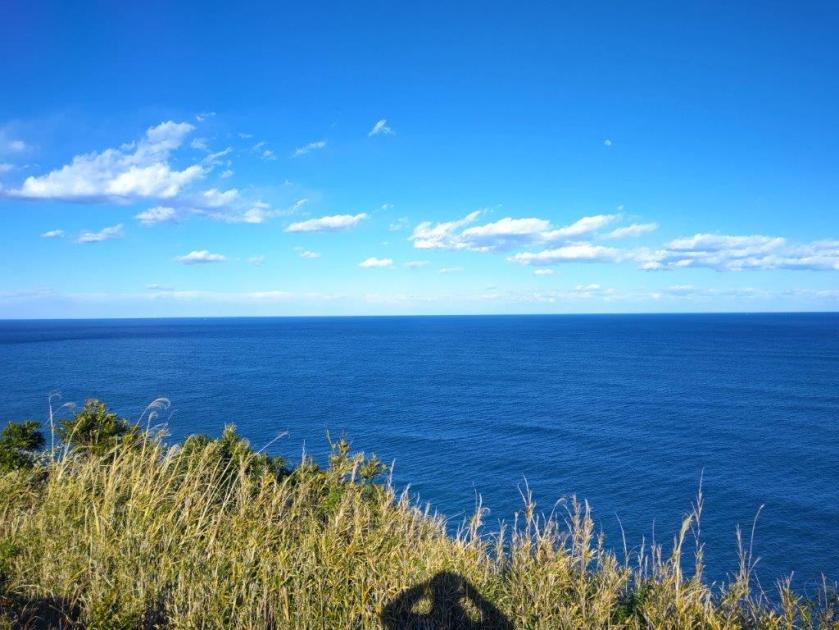
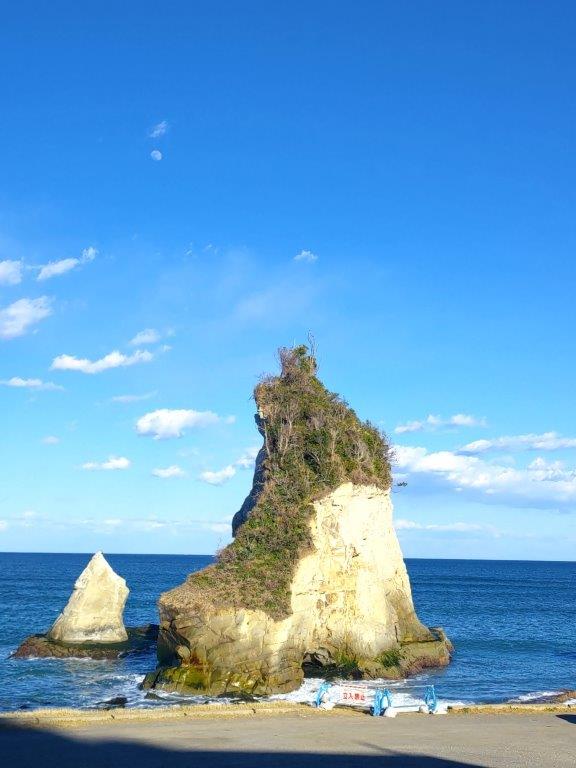
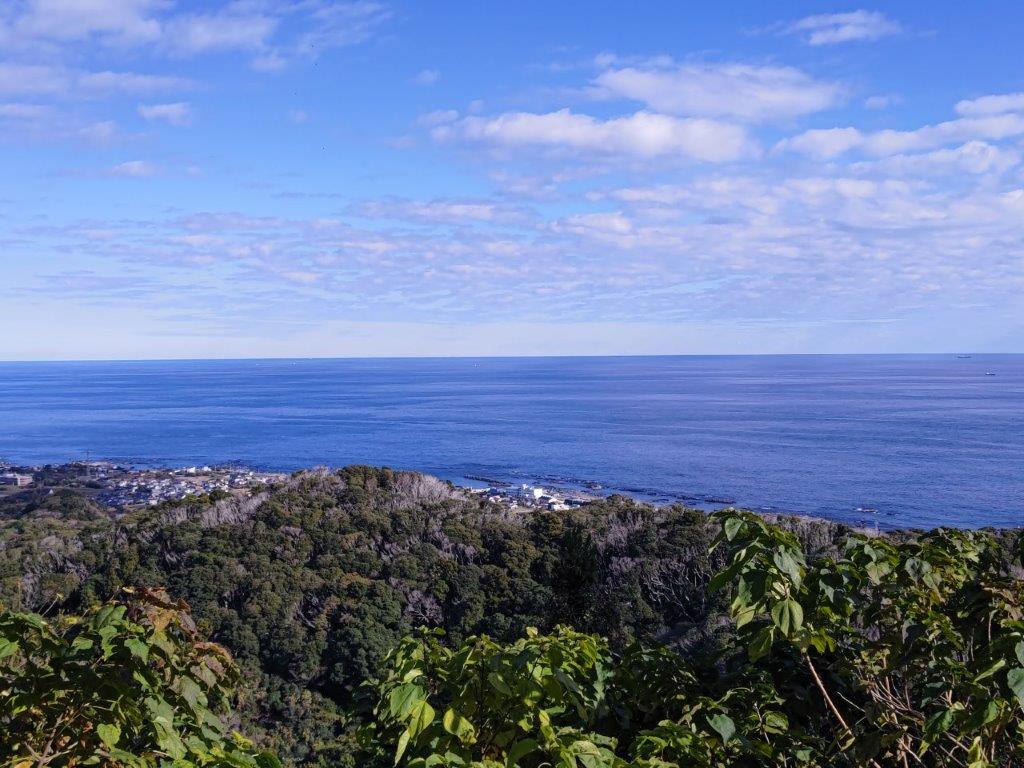
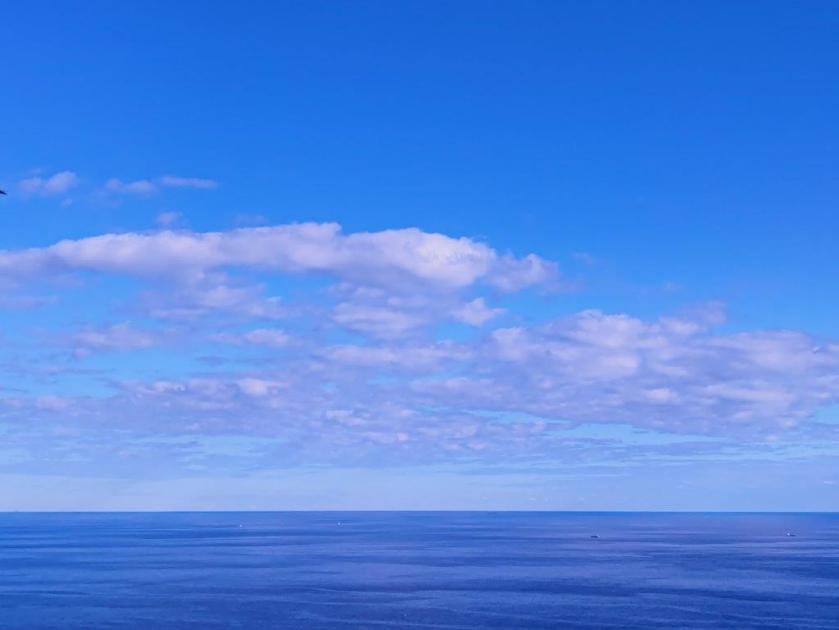
I was delighted by the vast expanse of blue ocean under a cloudless sky on the east side. Looking south, I had a bird’s-eye view of Izumiura Bay and Isumi river. I sat on one of the many benches for a late lunch with a view. I realised that my pace had been too leisurely up to now, so I soon moved on, retracing my steps down to sea level. Heading northwards at a quick pace, I came upon Suzume-jima (雀島 meaning swallow island) at 3h30, much faster than I had expected.

Taito Cape from Taito Seaside

Taisho Dam near Taito Cape

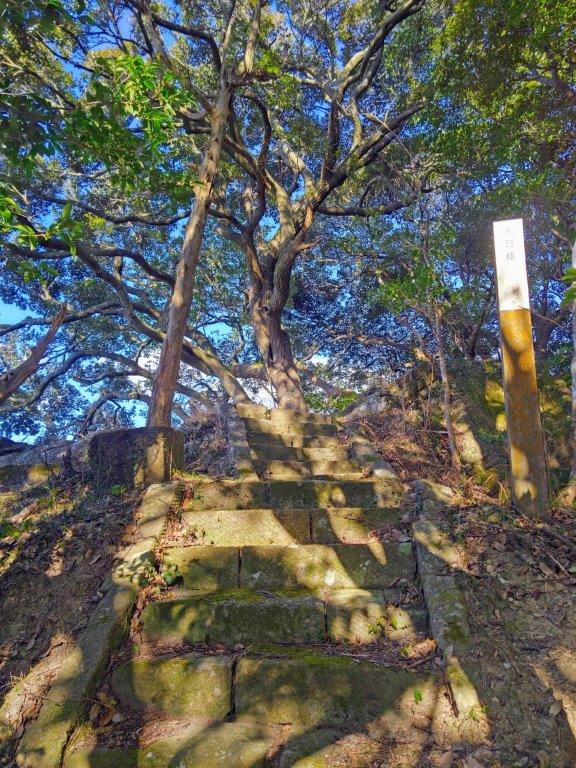
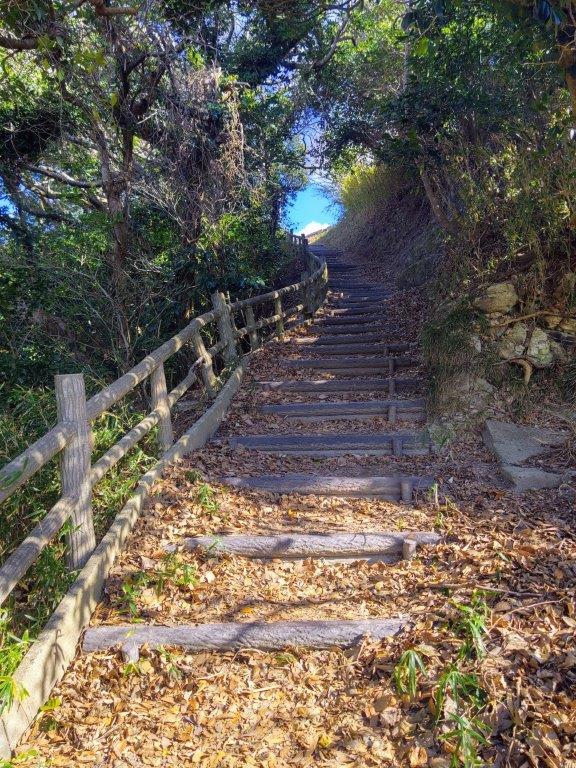
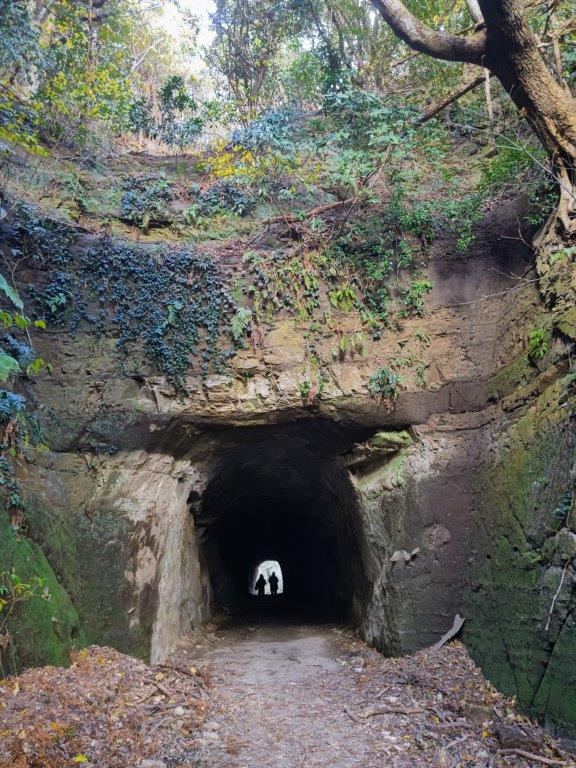
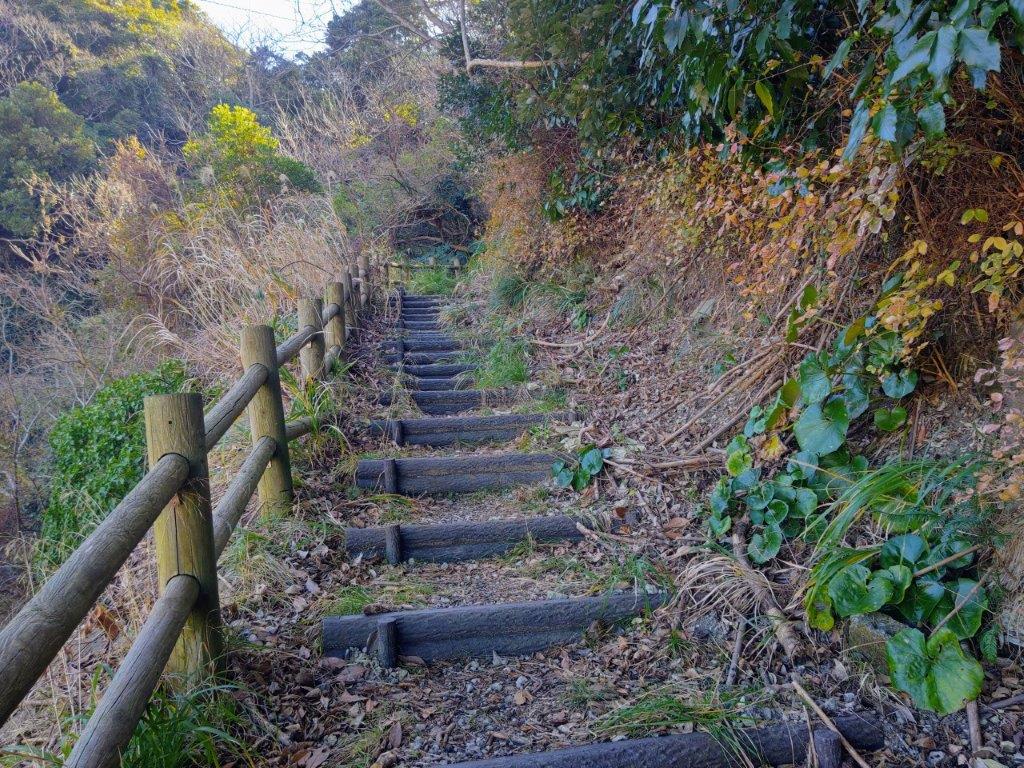
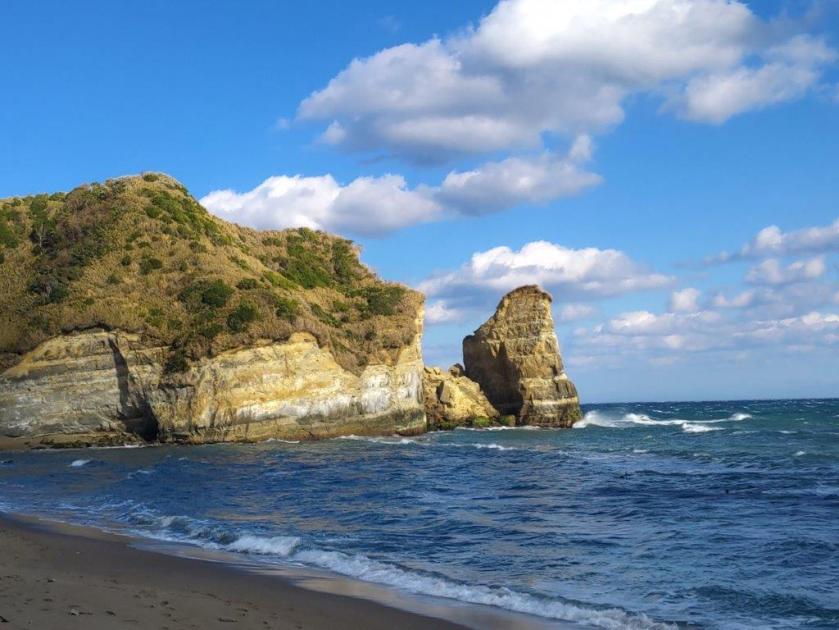
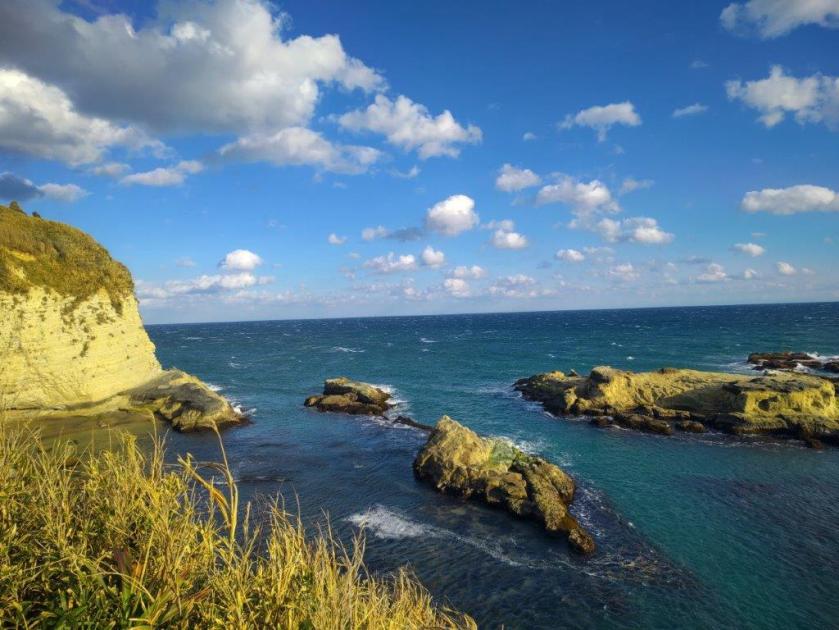
I was lucky to reach this photogenic rocky island while it was till bathed in sunlight. After enjoying the view of the yellow cliffs surrounded by blue sea, I continued northwards, and past a tunnel and a seaside resort, reached the entrance of the Taito Hiking Trail (太東ハイキングコース). Sadly this side of the trail had become overgrown and was now permanently closed. I followed the road till it merged with a busy thoroughfare, but soon turned right, heading towards Taito Beach (太東海岸). Very soon, I spotted the other end of the hiking trail, a series of steps leading up a bluff on the right side.

View of Izumiura Bay and Isumi River from Taito Cape

Deep Blue Pacific Ocean from Taito Cape

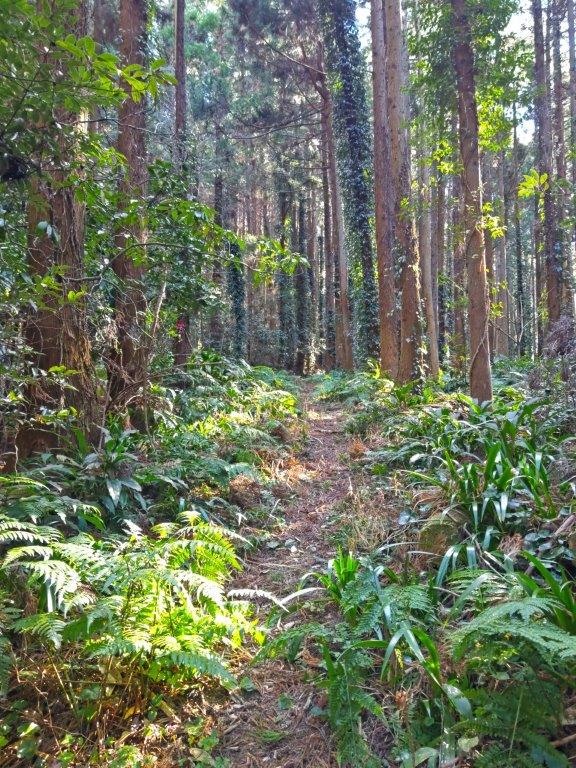
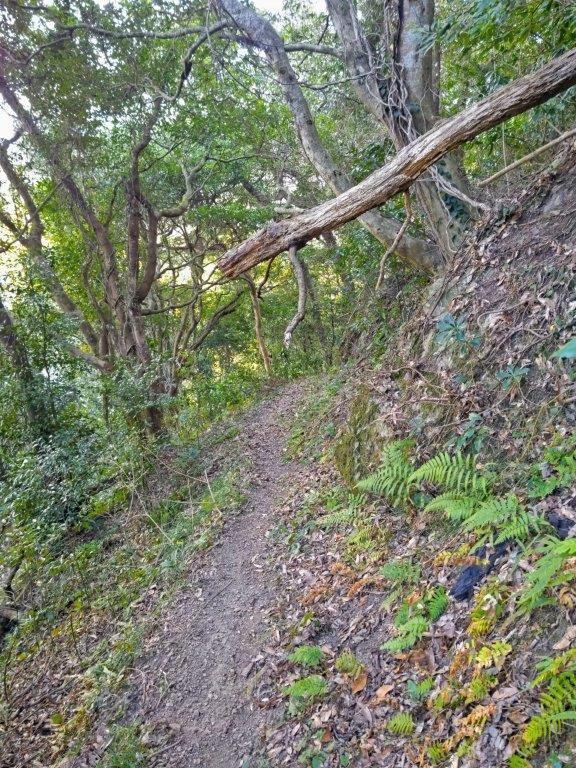
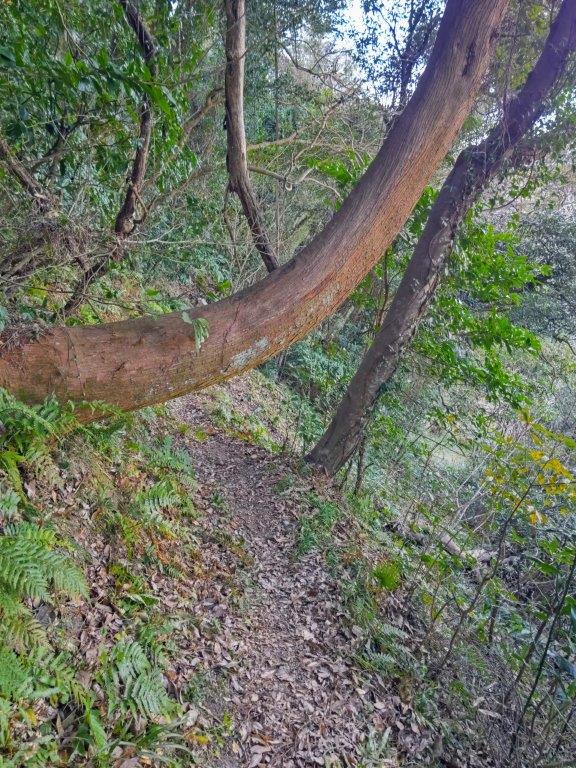
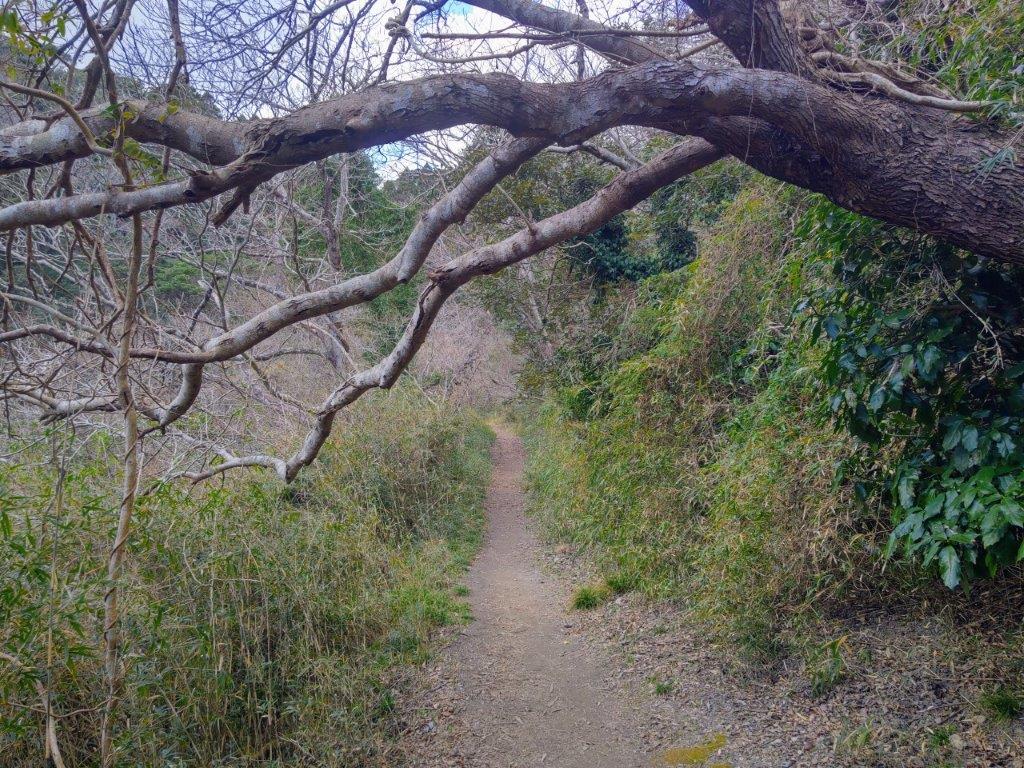
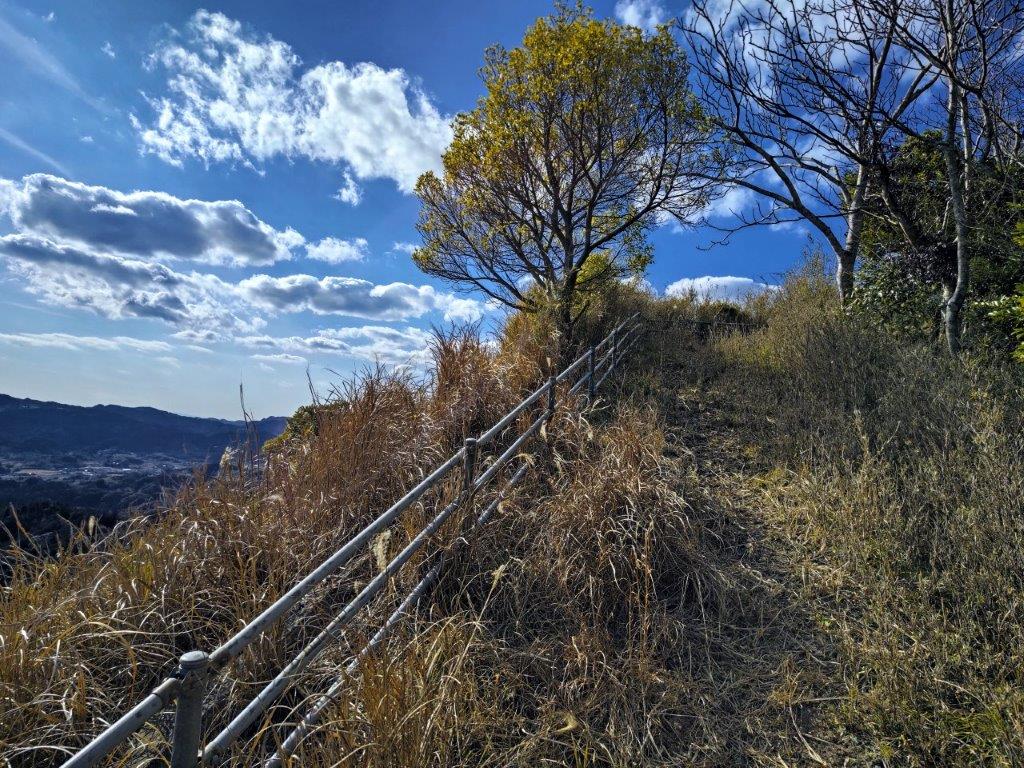
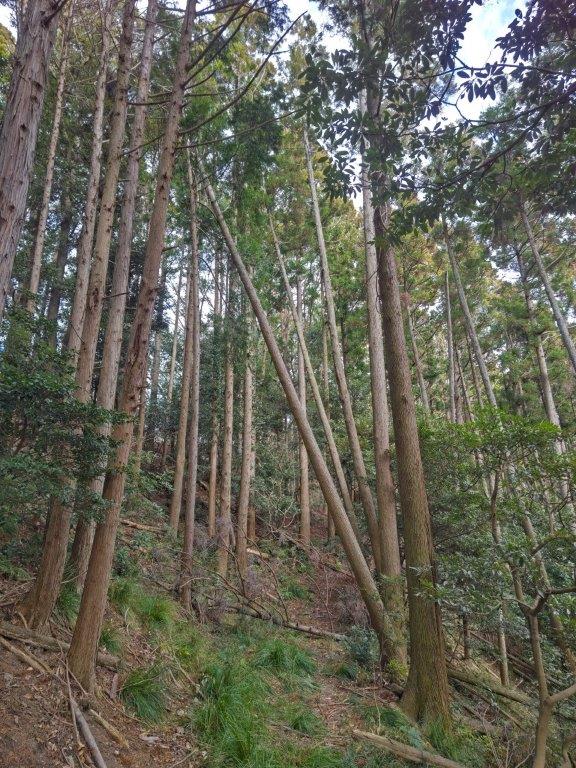
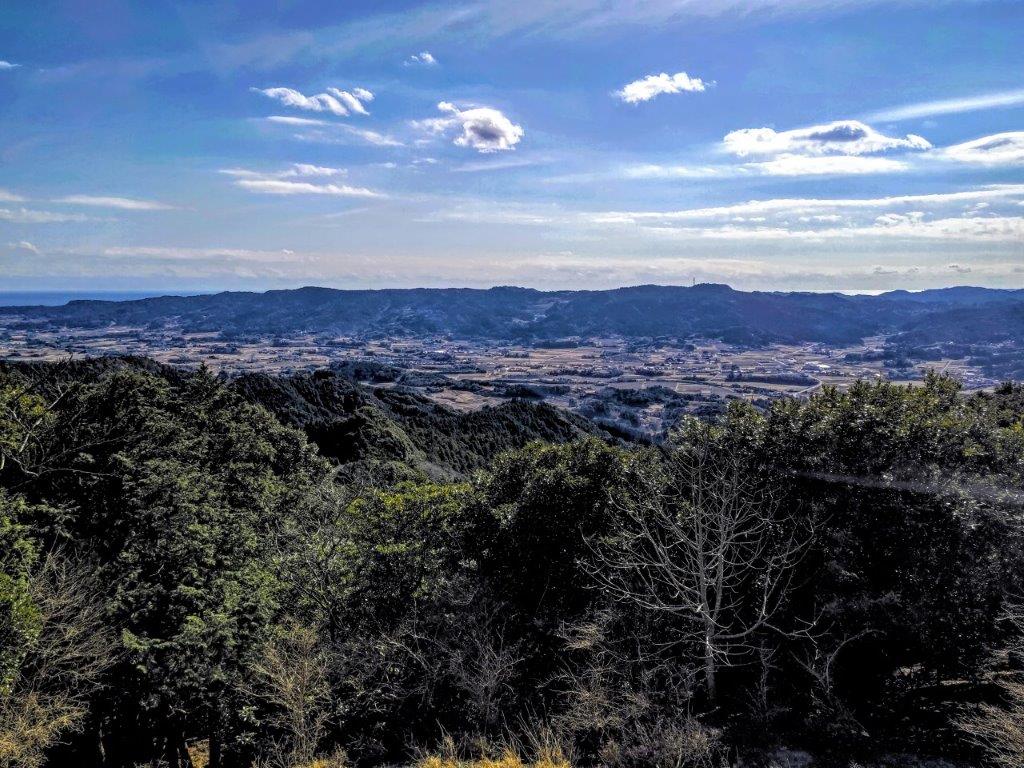
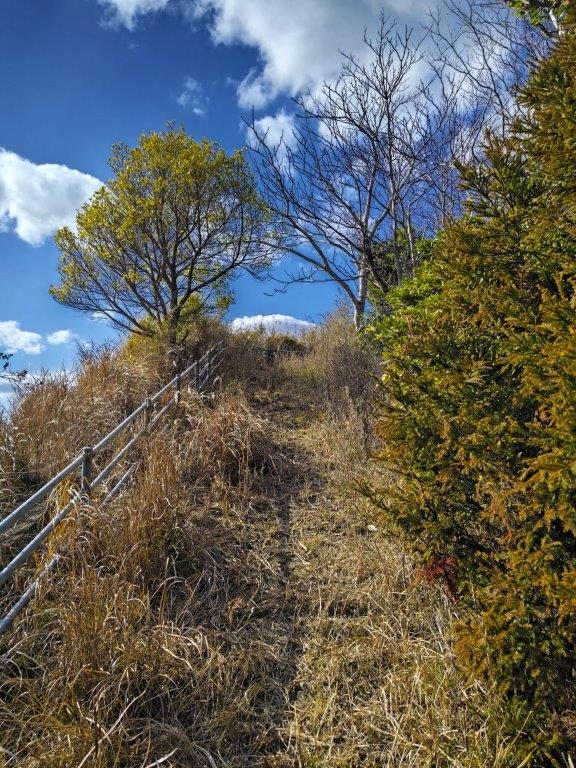
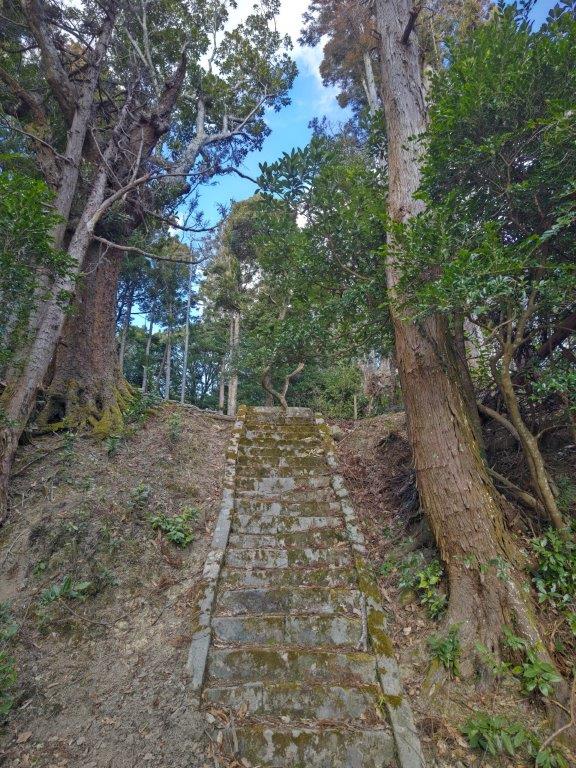
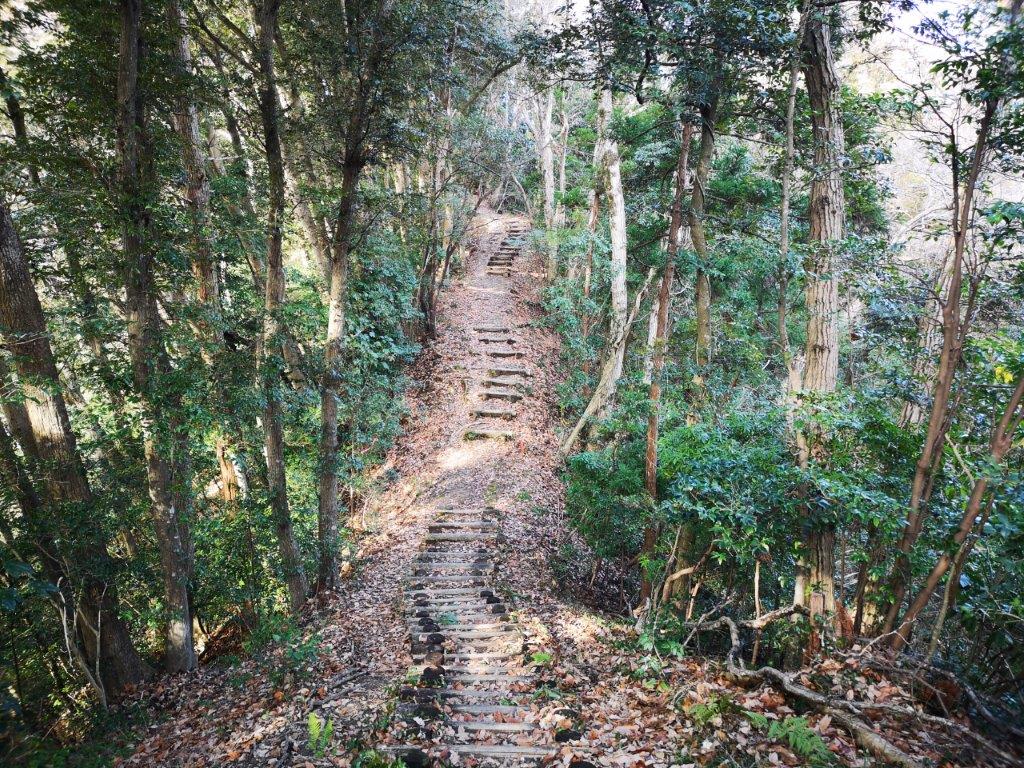
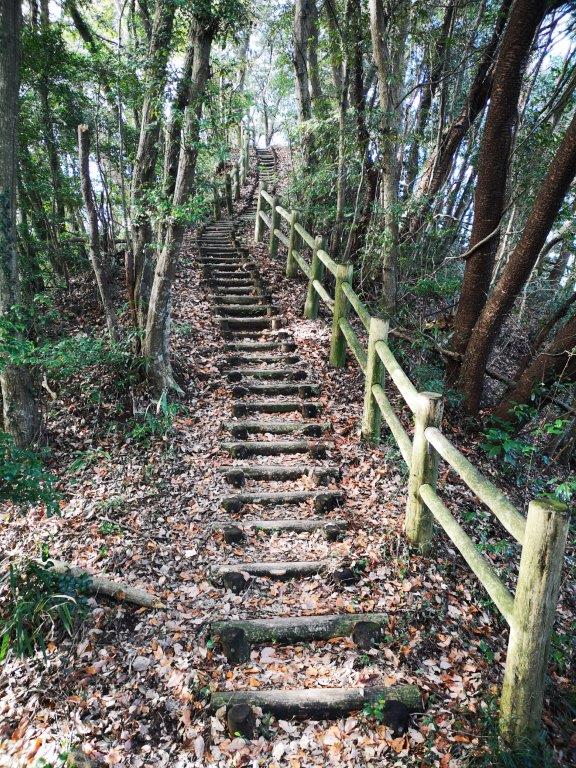
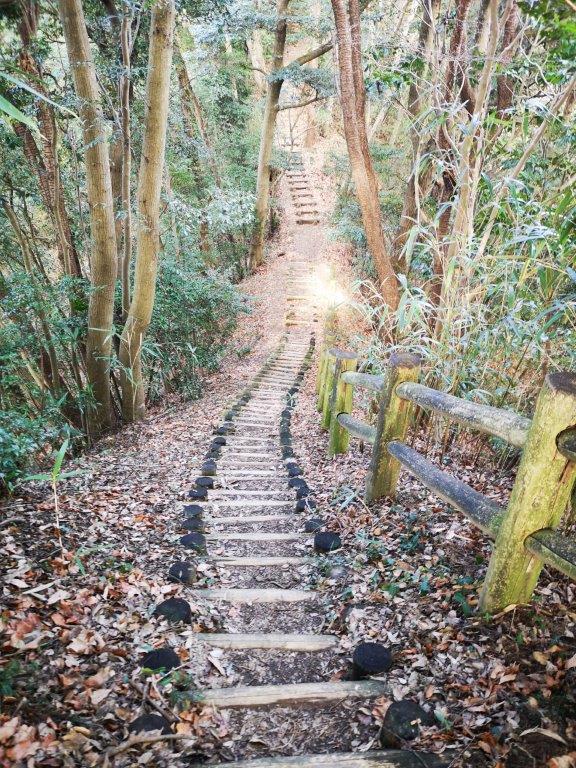
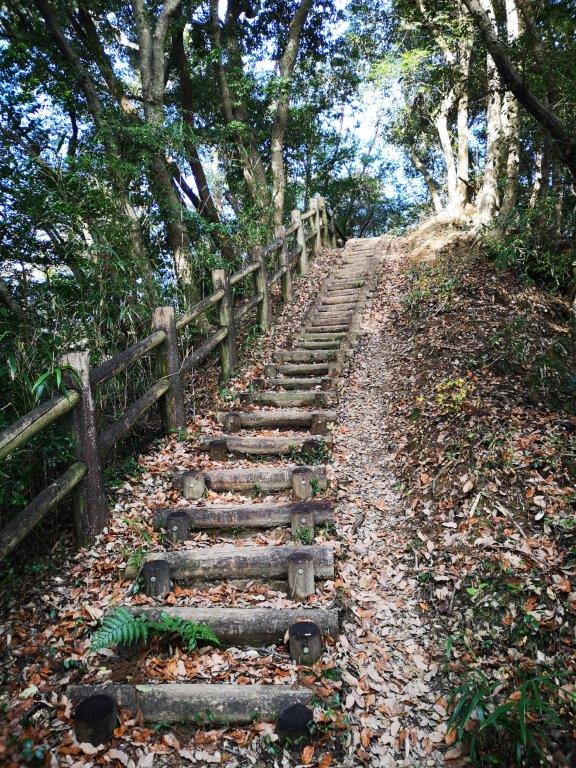
I was excited to be finally walking on an actual hiking trail. At the top of the steps, I crossed a wide, level grassy space ending at another series of steps. Between the vegetation on the left side, I had glimpses of Kujukurihama beach, today’s final destination. At 4pm, I popped out onto the Taito Hiking Trail Observation Point (太東ハイキングコース展望台 47m) where I once again had a wide view of the Pacific Ocean on the east side.

Swallow Island past Taito Cape

Hiking Trail for the Observation Point

Suddenly, I noticed a bird of prey circling overhead, always a pleasure to observe wildlife on a hike. After a short break, I made my way back down to the base of the bluff and continued along the main road. It was getting late so I decided to skip the last part along the beach, having visited it in the past, and head straight for the station.

Taito Beach at the Start of Kujukurihama

Heading Back from the Observation Point

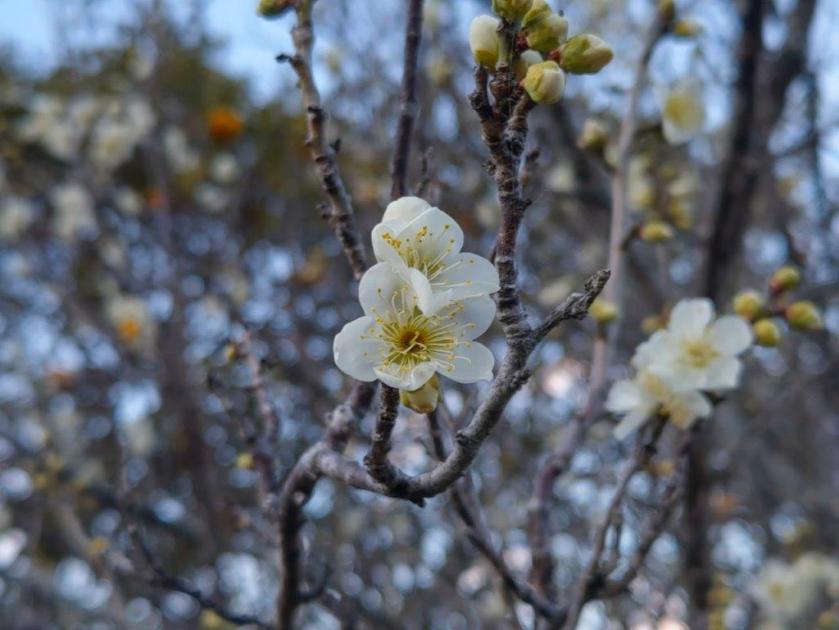
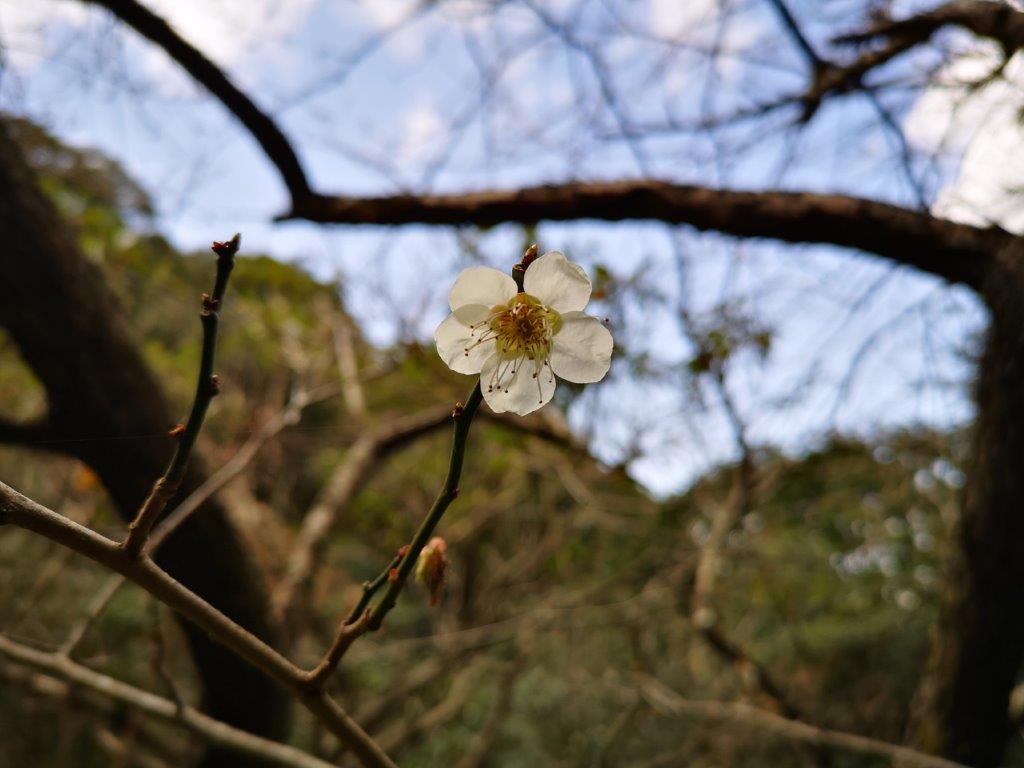
Along the way I was rewarded with some very early plum blossoms, probably due to the mild seaside climate. A little before 5pm, I reached Torami Station, one of the most undeveloped stations I had ever been to. After riding one stop to Kazusa-Ichinomiya station, I hopped onto the limited express for the one hour ride back to Shinjuku. The Kanto Fureai Michi continues past Torami and connects with the Kasamori Green Path, so one day I hope to return to continue my exploration of this network of trails surrounding the Tokyo area.

Watch a video of the Ohara to Taito Beach Hike

Watch the Video of the Hike on YouTube

See a Slideshow of More Pictures of the Hike

Ojuhacha (162m), Mt Tanuki (139m) & Mt Kitsune (153m), Ichihara City, Chiba Prefecture, Sunday, January 26, 2025

I was looking for an easily accessible hike in Chiba. Looking at my map, I found a suitable loop hike inside Yonezawa Forest, in the northern half of the Bozo peninsula. It was a short walk from Kazusa-Ushiku station on the Kominato line, as well as a short drive from Mobara station. I chose to go by car to take advantage of the Sotobo line limited express. The route included 3 minor peaks, Mt Fuji apparently visible from the first one on clear weather days.

For subscribers, read this Post on Hiking Around Tokyo for a better viewing experience and the latest updates

Hiking on the Boso Peninsula 房総半島

To get to the start of the hike, I’d ride the Wakashio Limited Express from Tokyo station to Mobara station, and there, switch to a share car; for the return, I’d use the Wakashio bound for Shinjuku station. Before the hike, I’d stop by Nagara Chosei An for an early Soba Lunch. The weather was supposed to be sunny all day and I was looking forward to visiting a new spot on the Boso Peninsula, as well as getting my first proper view of Fuji of the year.

Find Japan Hiking Maps on Japanwilds

Start of the Hike (left) Entering the Bamboo Grove (right)

Inside the Bamboo Grove (left) Walking through Ferns (right)

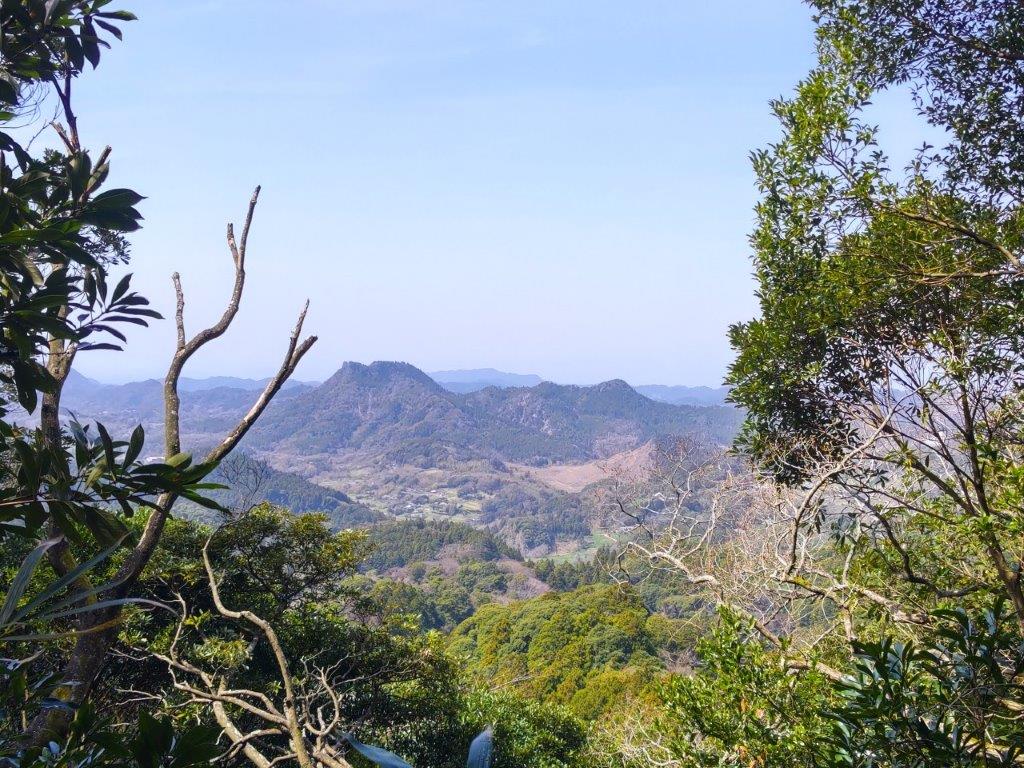
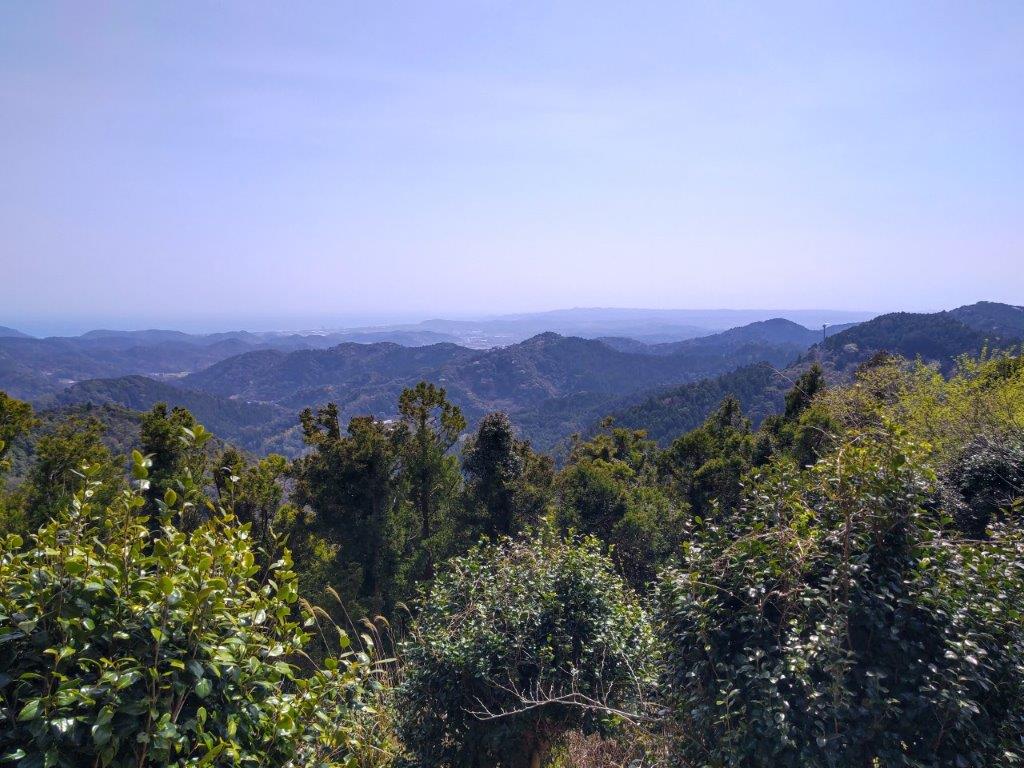
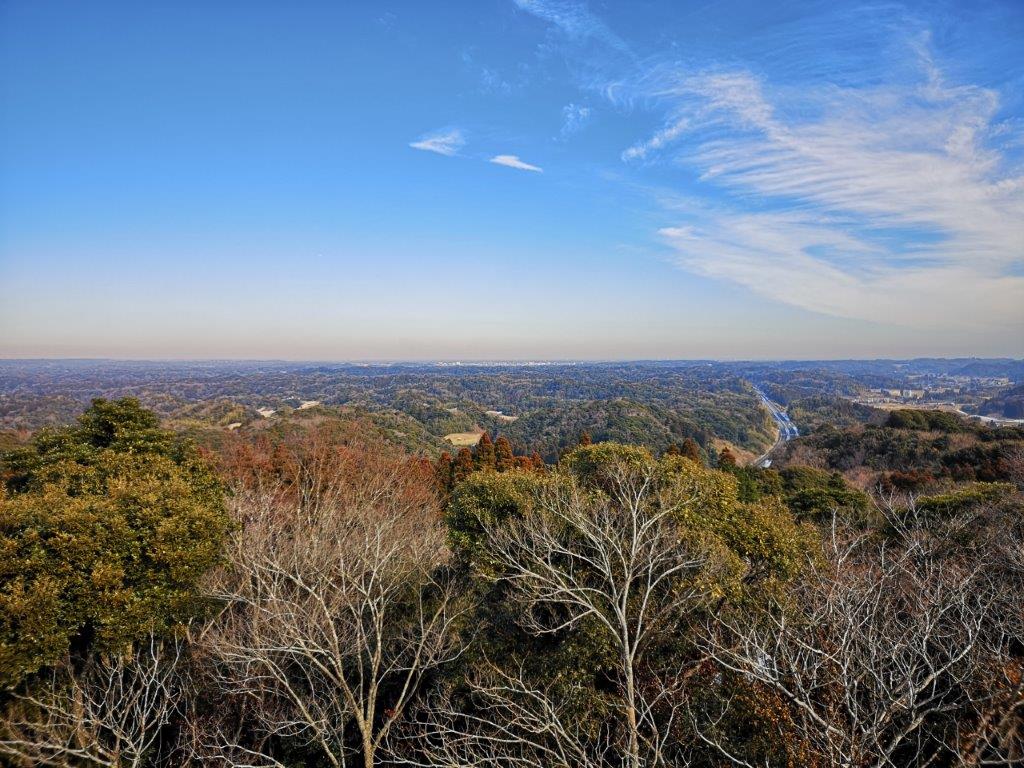
It was another perfect winter day as I rode the limited express from Tokyo Station, arriving at Mobara around 11am. After finding my share car, I drove to Nagara Taiyo Farm, situated on a tableland, also the location of the soba restaurant. After lunch, I walked a short way to the nearby Nagaiki Observation Deck (長生き展望台 meaning long life), perched at the edge of a steep incline; from a modest elevation of about 100 meters, I had a stunning view to the east of the forested coastal plain extending north to south.

Looking East from the Nagaiki Observation Deck

Looking North from the Nagaiki Observation Deck

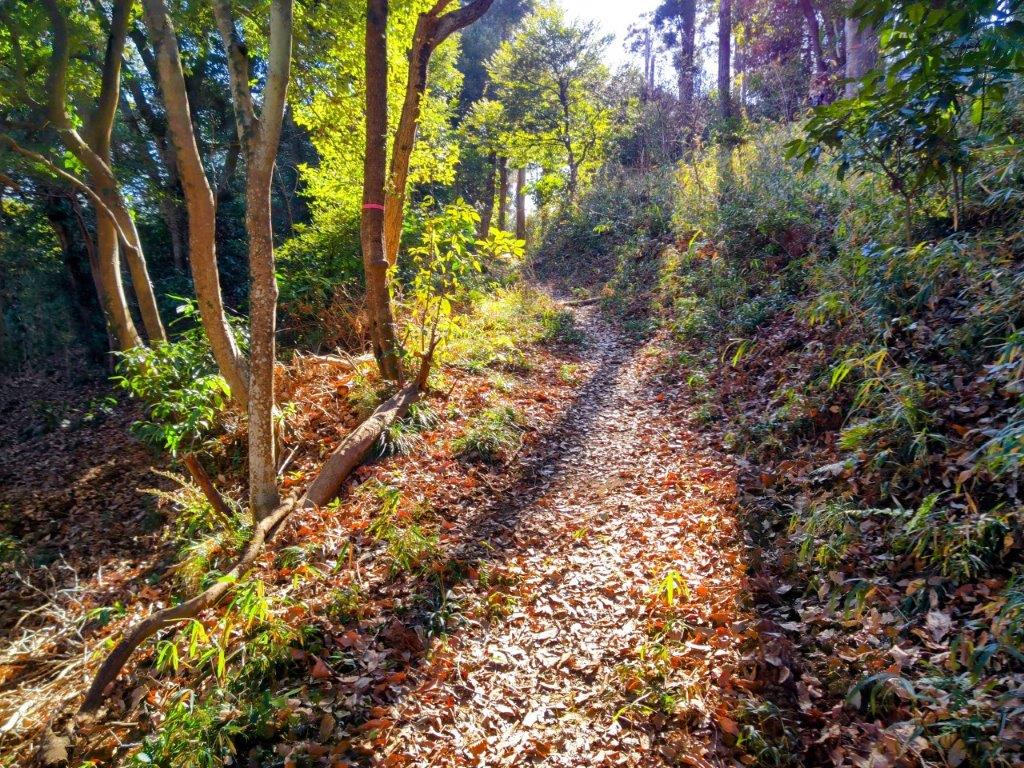
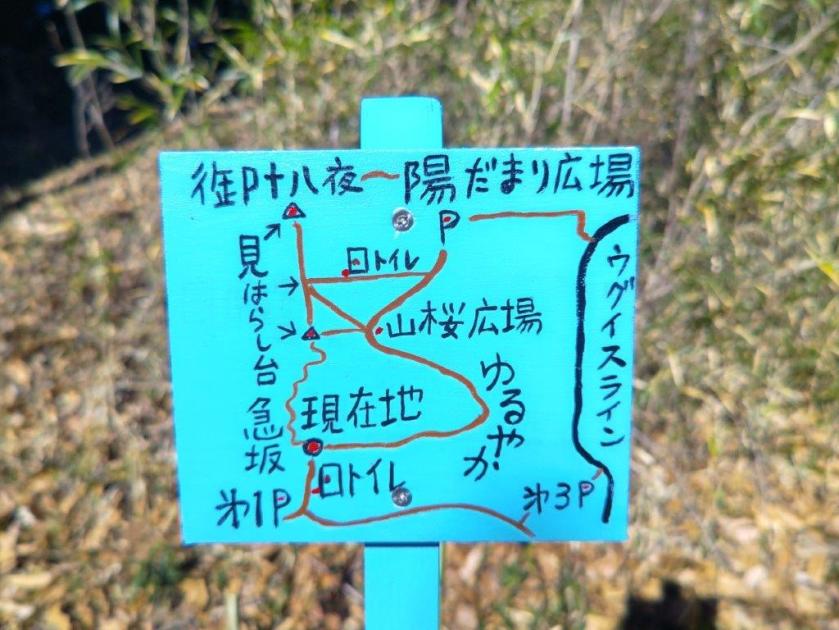
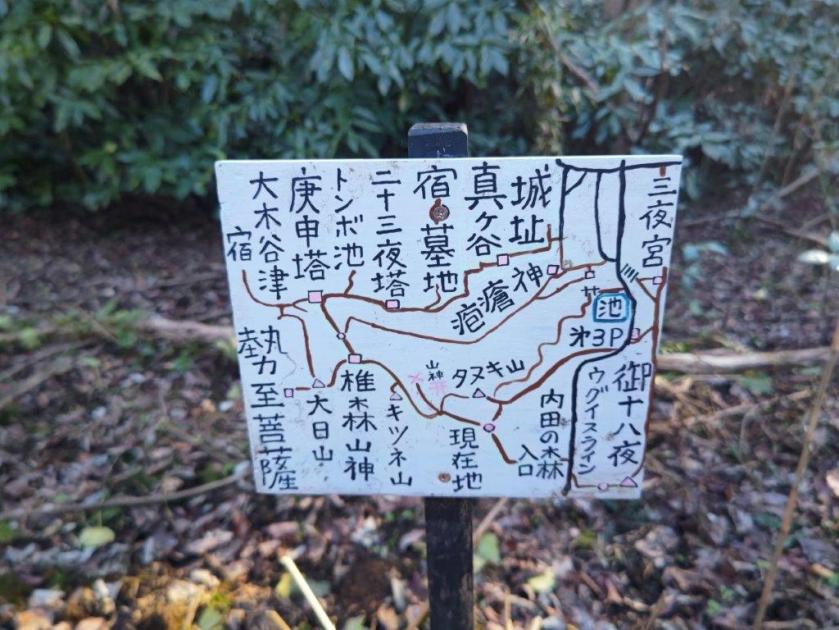
Cold gusts soon forced me to retreat to my car, and after a short drive, I reached the Yonezawa-no-mori #3 parking lot, along the Uguisu line (meaning Japanese Nightingale), one of the entrances to Yonezawa forest (米沢の森). After getting ready, I set off just after 1pm, up a gentle incline. I soon arrived at a junction on a ridge where I turned right. After following a pleasant path through the forest, I got to another junction where I turned right again. Here and there, helpful hand drawn signs along the trail kept me on the right track. At 1h30, I arrived at Ojuhacha (御十八夜 おじゅうはっちゃ ojuuhaccha), the highest point of today’s hike, also the location of a relay station, with a wide view on the west side.

Sun Filtering through the Foliage

Approaching the Turnoff for Mt Kitsune

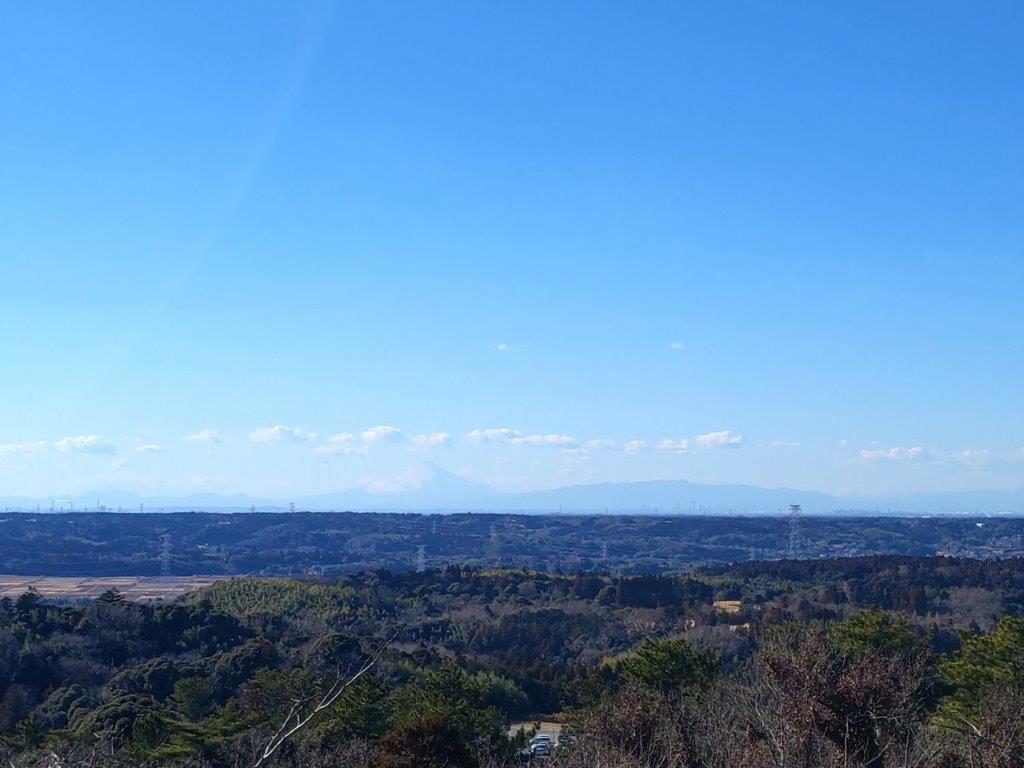
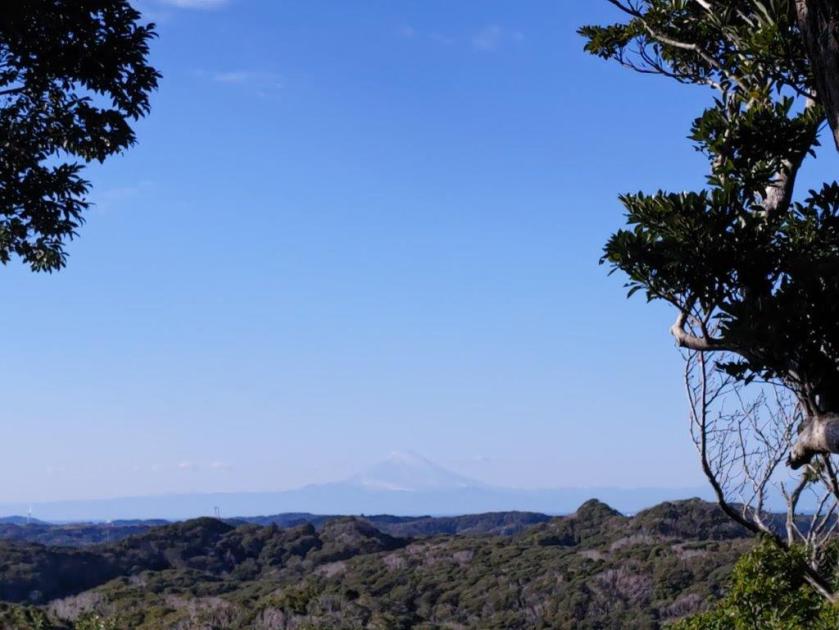
I was delighted by the view of white-capped Fuji, visible through the haze, on the other side of Tokyo Bay, with the Hakone mountains to its right, and Southwest, I spotted the prominent plateau of Mt Kano, also the location of Mother Farm, with the outline of the Miura peninsula on its right side; further south were the countless low mountains of Minamiboso. Looking northwest, I could make out the skyscrapers of Tokyo. I was tempted by a bench next to the relay building but it was too soon for a break. I headed downhill, glimpses of a golf course on my left side, and after a short while, reached the Uguisu line, but soon rejoined another hiking trail on the other side.

View west towards Tokyo Bay from Ojuhacha

Looking up the Bamboo Stalks

It was great to be walking through the evergreen trees that cover most of the Boso peninsula; some leaves were bright green, turning winter into a distant memory. After some ups and downs, I reached the top of Mt Tanuki (たぬき山 たぬきやま tanuki-yama meaning Mt Raccoon); it was completely in the trees, and despite the tanuki’s reputation for possessing people, I didn’t feel compelled to stick around.

Path Leading into the Bamboo Grove

Walking Through the Bamboo

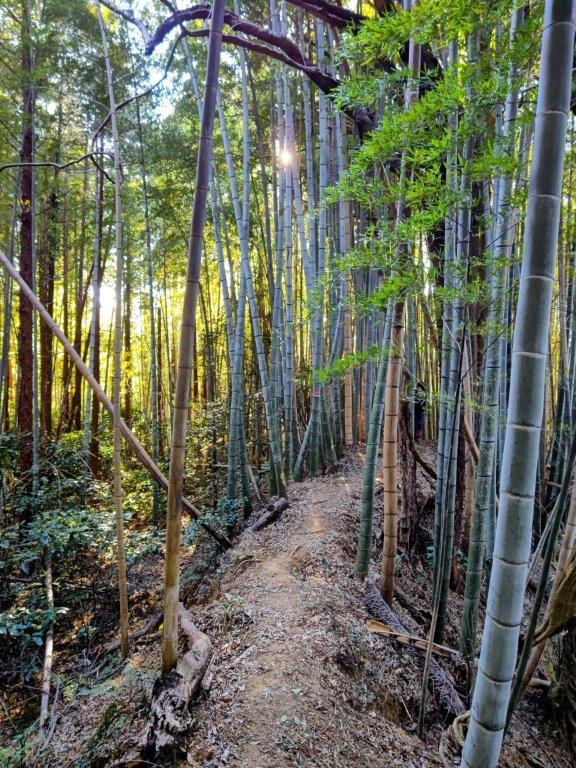
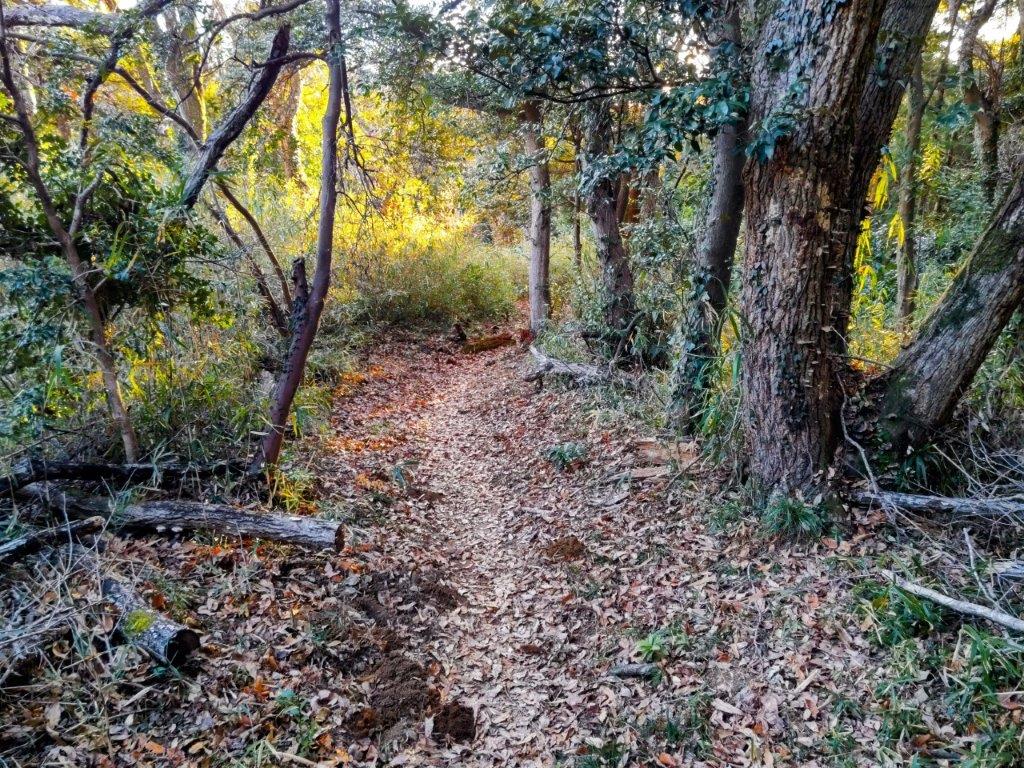
At 2h30, after some more ups and downs, typical of hiking in Boso, I arrived at the third and last peak of the day, Mt Kitsune (きつね山 きつねやま kitsune-yama meaning Mt Fox), slyly tucked away down a side path off the main trail, also surrounded by trees. I resumed my hike, following a slightly descending ridgeline straight through the forest, ignoring several tracks on the left side, and at 3pm, arrived at the edge of a bamboo grove.

An Easy to Walk Trail

A Level Trail Through an Evergreen Forest

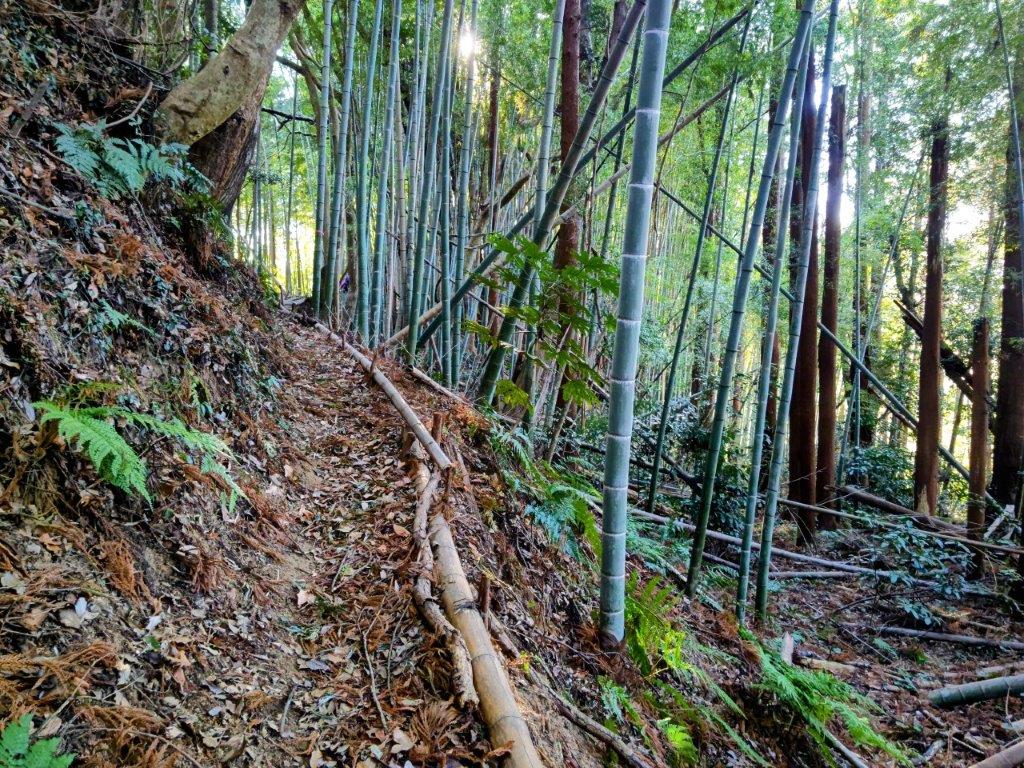
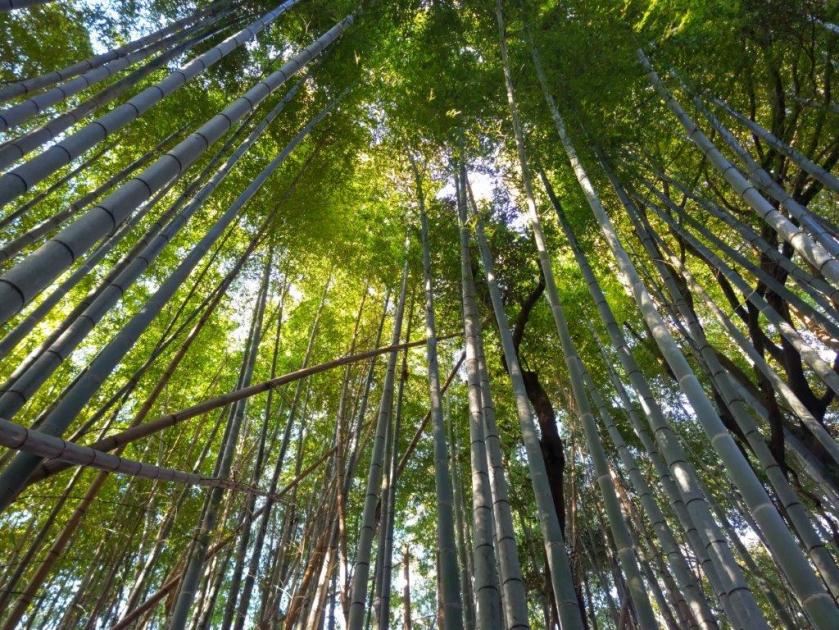
I was excited to be walking through bamboo, the tall stalks swaying and cracking in the breeze. After exiting the grove, I descended a fern-lined path ending at some houses along a road; here I turned left and soon crossed the Uguisu line again. After a short walk under the afternoon sun through the Yonezawa locality, I turned right, up a road leading back into the forest. The road leveled and turned into a path, in the shade of tall cedars. I passed a wooden “torii” (Shinto gate) on the right side, the entrance to Awasu Shrine. I continued straight ahead, thick vegetation crowding in on both sides, blue sky now reappearing above.

Mt Fuji & Hakone from Ojuhacha

Mt Tanuki from above the Uguisu Parking Lot

I had an unexpected view of Mt Tanuki through a break in the vegetation on the right, the rounded tree-covered summit area bathed in the late afternoon light. Shortly after, I arrived at the turn-off for the parking lot, and by 4pm I was back at my car. I felt I had only walked a small part of the network of trails through Yonezawa forest but felt happy to have finally seen the full shape of Mt Fuji for the first time of the year. I returned the car at 5pm and then boarded the limited express; after enjoying the sunset from my seat, I settled in for the one hour ride back to Tokyo.

Watch a Video of the Ojuhacha Hike

Watch the Video of the Hike on YouTube

See a Slideshow of More Pictures of the Hike

Mt Goten (364m) & Mt Kyozuka (310m), Minamiboso City, Chiba Prefecture, Sunday, March 31, 2024

I wanted to do a hike using the newly published Miura/Boso hiking map. Looking over the Boso Peninsula section, I discovered a new trail connecting Mt Goten (climbed in winter 2016), and Mt Kyozuka. The latter was mentioned in my mountains of Chiba guidebook, but had been badly battered by the powerful typhoons of 2018. Looking online, it seemed like the mountain had recovered sufficiently and the trails were passable again. Between the two mountains, was a dammed river crossable thanks to a pedestrian bridge.

Hiking on the Boso Peninsula 房総半島

To get to the start of the hike, I would ride the Sazanami limited express from Akihabara to Iwai station, and from there, take a bus to the Mt Goten trailhead*. From the base of Mt Kyozuka, I would ride another bus to Tateyama station. There, rather than catch the limited express back to Tokyo, the connection time being only a couple of minutes, I would take the longer but more picturesque ferry route back. The weather on the peninsula was supposed to be sunny, with temperatures high for the season, but cooler than the mainland. I was looking forward to exploring a new area on the eastern side of the Boso peninsula.

*The bus only runs to the Mt Iyo trailhead, about 30 minutes away on foot, and advance phone reservation is needed for it to continue to the Mt Gozen trailhead .

For subscribers, read this Blog Post on Hiking Around Tokyo for a better viewing experience and the latest updates

End of the Road and Start of the Mt Gozen Hiking Trail

View of Mt Atago from the Mt Gozen Hiking Trail

It was a perfect blue sky day as I rode the limited express to Iwai, with views of Tokyo Bay on the right side. A little after 10am, I boarded the microbus for the half an hour ride to the end of the line. After getting off at a parking near Koshoji-Temple, I was greeted with the soothing sound of croaking frogs and bamboo bushes swaying in the wind. Across the road was today’s first peak, looking tantalisingly close. After getting ready, I set off at 11am, continuing a little further along the main road, before taking a side road on the right, an alternative path to the summit. Here and there, I could see white and pink cherry blossom trees in full bloom.

View of Mt Iyo from the Mt Goten Trail

Trail below the Mt Goten Summit

Turning around, I had an impressive view of the valley, as well as Mt Atago, the highest mountain in Chiba. At 11h30, I reached a signboard marking the start of the trail. Although it was clearly marked on my map, it seemed to have fallen in disuse. After some scrambling and path finding, I reached the ridgeline and the main trail to the summit, a little after noon. A few minutes later, I arrived at a steep section leading to the summit. Instead of going up, I followed a level path on the right, around to the other side where some log steps made for a more relaxing ascent. At 1230, I was at the top of Mt Goten (御殿山 ごてんやま goten-yama), a Kanto 100 famous mountain and fifth highest peak in Chiba.

View south from the top of Mt Goten

View West of Mt Tomi and Mt Iyo from the top of Mt Goten

I had forgotten how impressive the view was, arguably one of the best on the peninsula. Since the summit is equally far from each coast, both Tokyo Bay and the Pacific Ocean are visible. On the west side, I could see Mt Iyo and Mt Tomi, and behind, the jagged top of Mt Nokogiriyama. All 3 peaks have unique shapes, creating a view worthy of a fantasy world. It was too early for lunch so I headed back down the steps and took a path on the left, leaving the ridgeline. The trail descended steeply and was at times rather faint, although the occasional log step showed I was on the right way; I eventually reached a stream at the bottom of the valley. The hike was starting to feel quite adventurous and I was a little worried I would suddenly reach a dead-end after one of the many twists and turns in the path as it now followed the meandering stream.

Walking under the Fallen Trees

Partially Buried Section

I was relieved to finally reach a forest road, right after crossing the stream. I still had to navigate a couple of obstacles, some fallen trees and a partially buried section, but eventually it became easy to walk. I heard the croaking of frogs again, and this time saw several soaking in the shallow pools along the road side. At 1h30 I reached the end of trail, marked by a domestic cat lounging on a paved road. After a short walk through the countryside, I reached a main road where I turned left. I soon turned left again, onto a smaller road, leading to a short, dark tunnel. A little beyond it, I crossed a bright red footbridge over a dammed river, its muddy waters light brown under the shining sun. On the other side, I headed up the trail for today’s second peak.

Near the end of the Mt Goten Trail

Dammed River between Mt Goten and Mt Kyozuka

It was delightfully cool in the shade under the trees on what was turning into quite a warm day. At a bend in the path, I came across an ancient mossy stone lantern, making me feel like I had stumbled into a Ghibli movie. After a short steep climb, I found myself surrounded by Japanese stone oaks (“matebashii“), their white tree trunks reaching up like an upside-down mangrove. A little after 2h30, I reached the summit of Mt Kyozuka (経塚山 きょうづかやま kyouzuka-yama). On the east side, I could again see the Pacific ocean, this time much closer. I sat on a log seat for a late lunch; I had somehow fallen behind schedule, the times indicated on the map being a little off, so I quickly moved on, now following a trail heading southwards and downhill. Half an hour later, I emerged onto a road leading through fields to a main road where I turned left, soon arriving at a bus stop.

View of the Pacific Ocean from the Top of Mt Kyozuka

Looking back at Mt Kyozuka from the End of the Hike

From Tateyama station, I rode the local Uchibo line to Hama-Kanaya station, where I switched to the Tokyo Bay Ferry for the forty-minute trip to Kurihama port. Mt Fuji was hidden by the clouds but it was refreshingly cool and pleasant around sunset. On the other side of the bay, it was a short bus ride to Keikyu-Kurihama station, from where it was thirty minutes to Yokohama. There I rode the Shonan-Shinjuku line back to central Tokyo. This hike took a little longer than expected, and although the connection between Mt Gozen and Mt Kyozuka is doable, it requires a GPS device to ensure one doesn’t lose the trail. In the future, I’d like to return to the area by car for some more exploring.

Watch a Video of the Mt Goten & Mt Kyozuka Hike

Watch the Video of the Hike on YouTube

See a Slideshow of More Pictures of the Hike

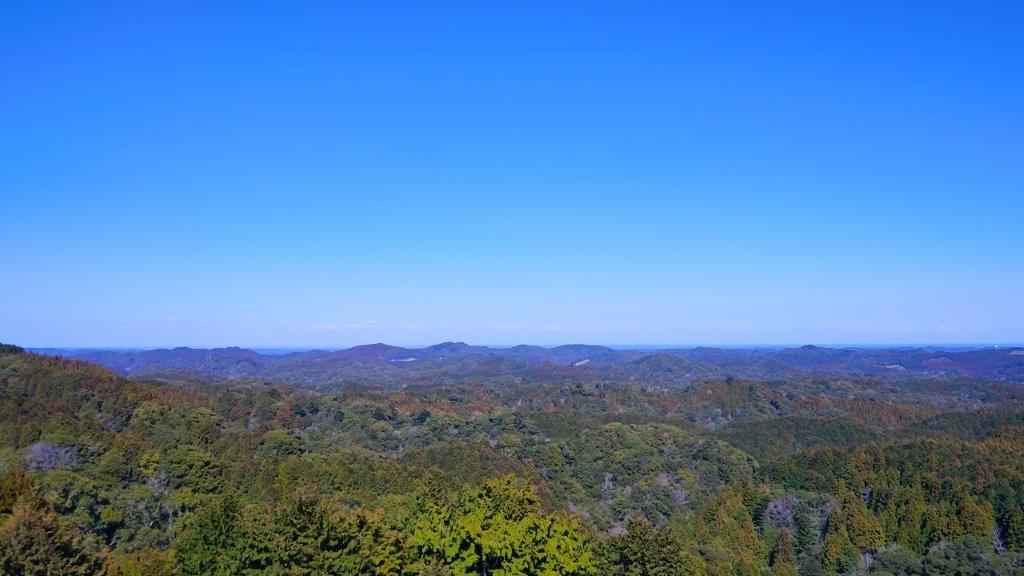
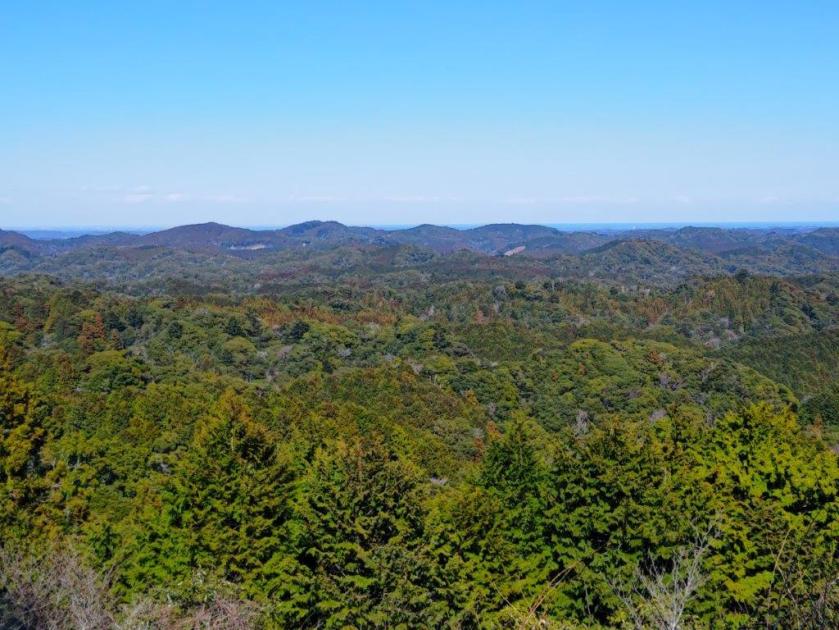
Mt Hatsuhi (364m), Uchiurayama Forest & Mamenbara Highland, Otaki Town, Chiba Prefecture, Saturday, March 9th, 2024

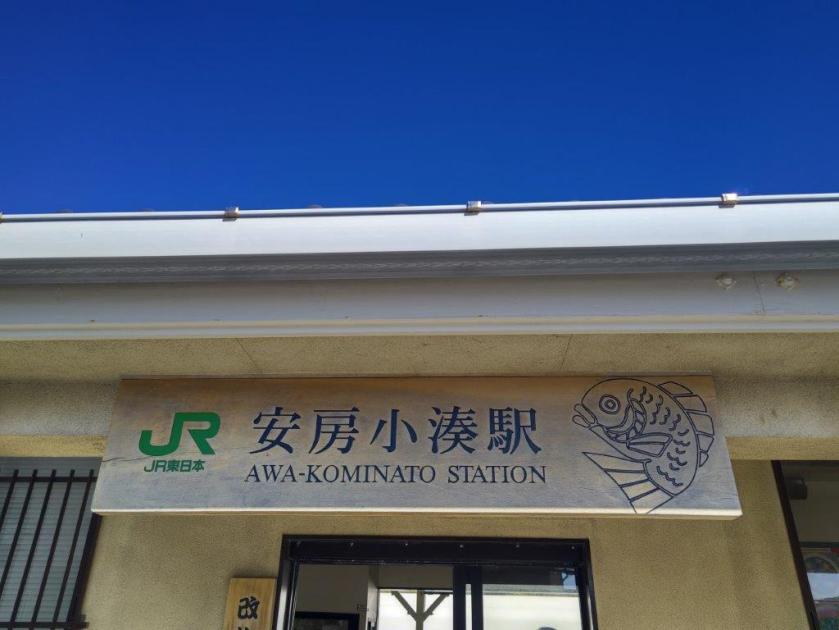
I had been wanting to do a section of the Chiba Kanto Fureai no Michi for a while but it had been closed due to a landslide in 2021. It was supposed to be the continuation of a hike from March 2019. In the end, I decided to give up starting from Seichoji Temple. Instead, I would begin and end at Uchiurayama Forest, a short taxi ride from Awa-Kominato Station, which in turn was a two-hour trip from Tokyo with the Wakashio Limited Express.

Hiking in the Minami Boso Quasi-National Park

南房総国定公園

The hiking trails through the Forest were permanently closed due to typhoon damage in 2019, but I could explore the area by following narrow, winding mountain roads with little traffic. First, I would head north towards Katsuura Dam, then west and up to Mamenbara Highland, before finally making my way back down along the Fureai no Michi.

Hiking on the Kanto Fureai no Michi

関東ふれあいの道

From the highest point of the Highland it was possible to get a view of the Pacific Ocean. The forecast called for clear skies all day and a moderate breeze. I was looking forward to seeing some new views, as well as revisiting the ancient forests of Boso peninsula.

For subscribers, read this Blog Post on Hiking Around Tokyo for a better viewing experience and the latest updates

Log Steps (left) & Hiking Trail (right) North of Katsuura Dam

Inside the Uchiurayama Learning Center (left) Sequoia near Mominoki Soba (right)

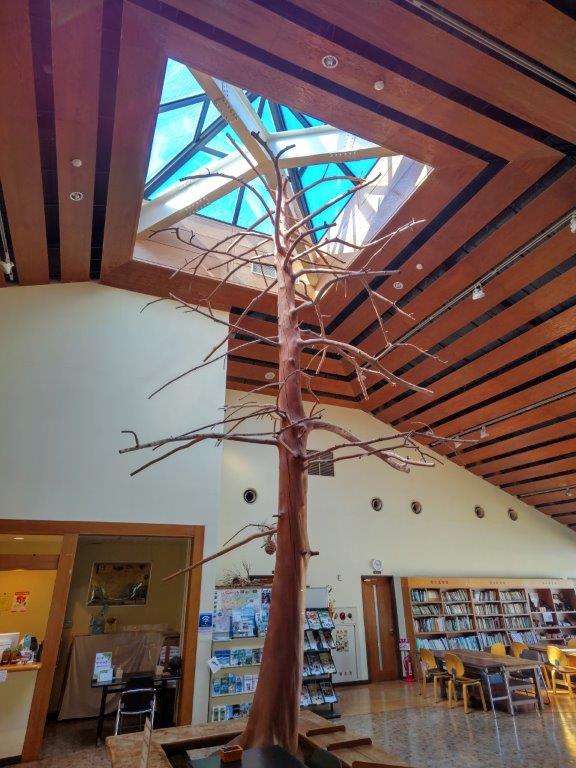
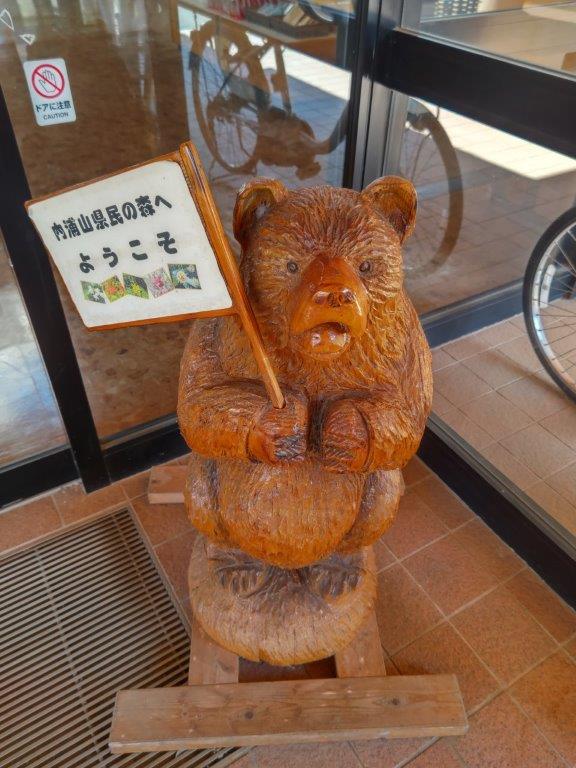
It was a sunny winter day as I rode the limited express from Akihabara station along the Sotobo line all the way to Kominato station, one stop from Awa-Kamogawa, the end of the line. While waiting for a taxi to arrive, I watched the waves wash up on Uchiura Beach. After arriving at the Uchiurayama Prefectural Forest (内浦山県民の森), I went inside the learning center to check out a relief map of the area showing the now defunct hiking trails. At 1030, I set off along the Uchiurayama forest road. At a fork in the road, I turned right for Katsuura Dam (勝浦ダム), a few minutes away.

View West from Katsuura Dam

Hiking the Hills around Katsuura Dam

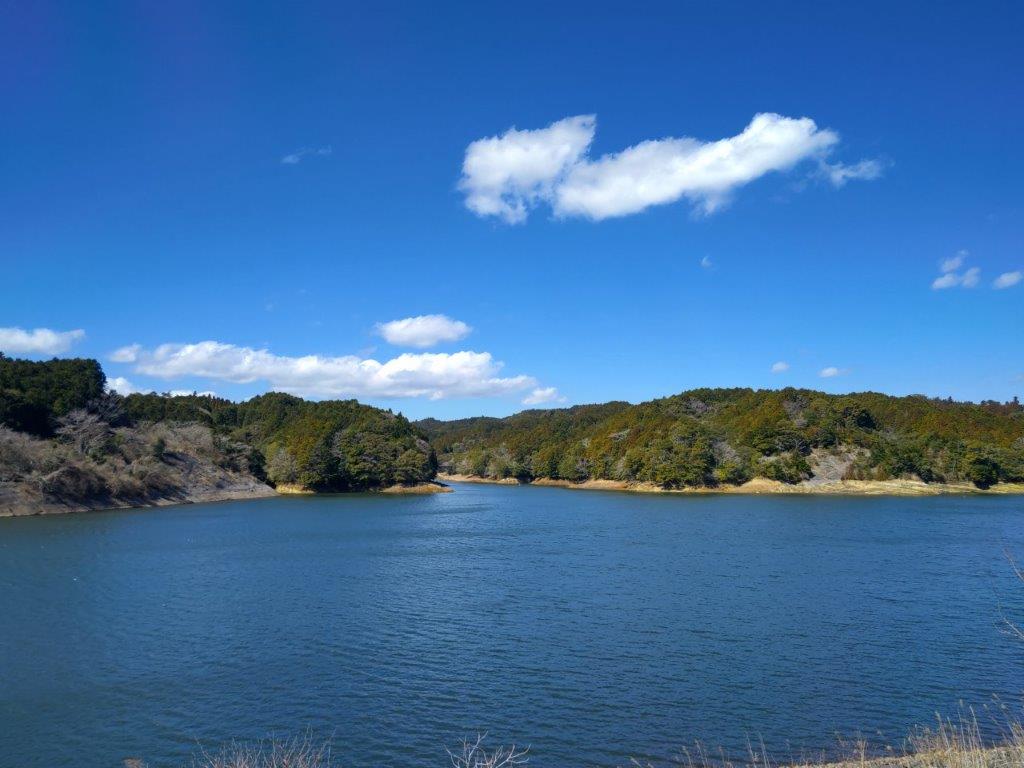
I was delighted to get a wide open view of blue waters and green shores, fluffy white clouds in the light blue sky completing this peaceful scene. I headed into the valley on the right and then followed a prefectural road northwards. After passing through a tunnel, I turned left, and soon reached the entrance of a trail on the left side. However, before diving into the forest, I decided to have lunch at the nearby Mominoki Soba Restaurant (もみの木庵), since it was nearly noon. After a filling soba meal, which I was able to eat at a table outside, I followed a signposted path to the top of a ridge on the north side of the dammed lake.

View of the Pacific from Mamenbara Kogen

View towards Yoro Keikoku from Mt Hatsuhi

I was surprised by how faint the trail was, nature slowly reclaiming this ancient forest track. At 1230, I emerged onto a forest road opposite a wooden Shinto Gate. I turned left and ignoring a couple of side trails descending to the lake, arrived at a hard to spot trail on the right. On the way, I passed an open shelter; it used to have a view, but that was now blocked by pampas grass. This part was easier to follow, the up and down path winding through swaying cedars. At 1pm, I reached a road where I turned left. After one hour of climbing, I reached Mamenbara Highland (麻綿原高原) and the top of Mt Hatsuhi (初日山 はつひやま hatsuhiyama), inside Tenpai-en Garden (天拝園), famous for its Azalea in the spring.

View of Okuyatsu Number 2 Dam

View of the Pacific from Uchiura Beach

I was stunned by the extensive view on the east side, far better than I had imagined. On the north side, I could see the rolling green hills of Boso extending to the Yoro River valley; on the south side, I could see forested ridges ending at the Pacific Ocean; directly below was Myohosho-ji Temple (妙法生寺). After a short break, I made my way back to the road, and soon turned left onto the Fureai no Michi, leaving behind the closed section on the right. After an hour of downhill walking, I arrived at a rest spot next to Okuyatsu Number 2 Dam (奥谷第二ダム). I spent a few minutes gazing at the yellow waters dazzling in the afternoon sun, the silence broken by urgent quacking of ducks. After setting off again, at a bend in the road, I spotted a “kyon“, a kind of miniature deer, darting into the bushes. At 3h30, I was back at the learning center, giving me plenty of time to catch the limited express for the two hour return trip to Tokyo.

Watch a video of the Mt Hatsuhi Hike

Watch the Video of the Hike on YouTube

See a Slideshow of More Pictures of the Hike

Mt Awataka (364m) & Mt Shouu (320m), Kamogawa City, Chiba Prefecture, Sunday, February 5, 2023

I wanted to do a hike on the Boso peninsula, since winter is the best time for hiking there and my last trip to the area was nearly a year ago. I found a suitable hike in my mountains of Chiba guidebook, close to Kamogawa city on the Pacific Ocean, but accessible from the Tokyo Bay side. I could take the limited express from Akihabara to Hota station, from where it was a short bus ride to the start of the hike; I would return the same way. The weather was supposed to be mostly sunny with mild temperatures, and so I was looking forward to seeing the views of southern Boso and the Pacific Ocean.

View from Atago Shrine of Mt Atago

Hiking between Mt Awataka and Atago shrine

I had a perfect view of Mt Nokogiri under light blue skies, after getting off at Hota station, a little before 10am. I had some time before my bus so I went to check out the view from the nearby Hota Beach: I could see Oshima island and the Miura peninsula, but Mt Fuji was hidden in the clouds. I rode the nearly empty bus to a 7/11 at an intersection, and after getting ready, set off a little after 11am.

Climbing through the cedars at the start of the hike

First view of the day, halfway up the mountain

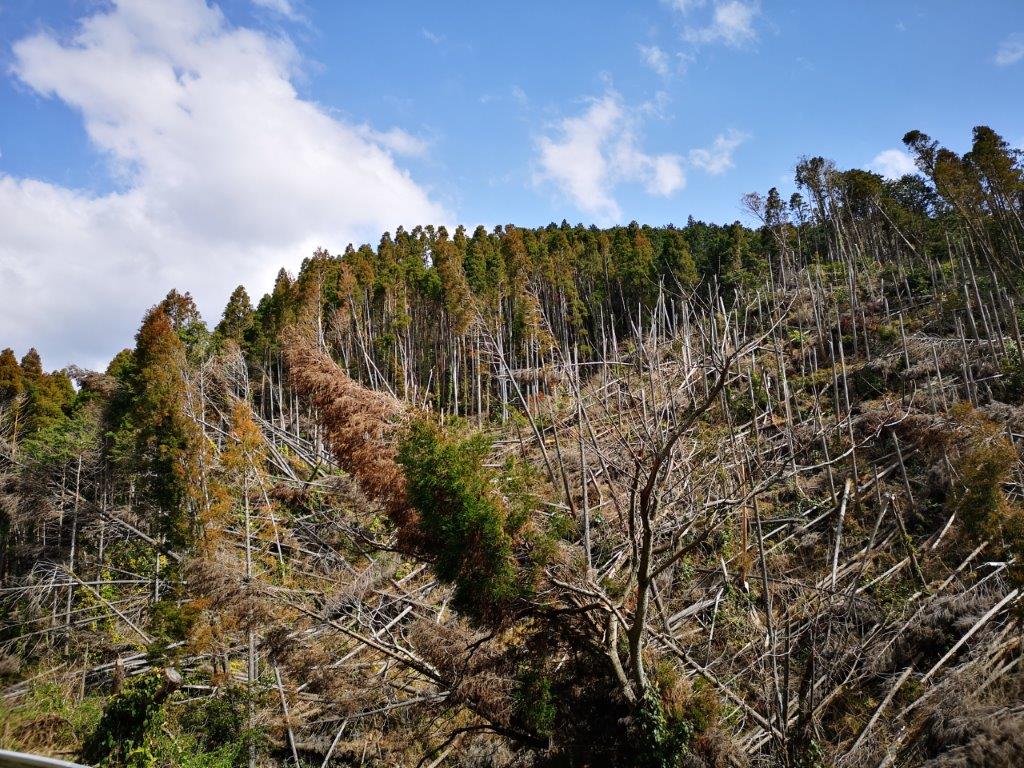
I had good views of the east-west ridgeline of today’s hike, as I walked north along a road, which started to rise gently after crossing Kamogawa River. Half an hour later, I reach the start of the hiking trail on the right. It was relatively easy to follow the trail, but several fallen trees made it harder to walk; apparently, there had been little maintenance since the powerful typhoons of 2019.

View towards Kamogawa City and the Pacific Ocean

Mt Takago (foreground) and Mother Farm (background)

Halfway up, I had my first view of the day: through a gap in the trees, I could see Mt Atago. Around noon, I emerged onto a forest road, the Takayama Line (林道高山線), hugging the south side of the top ridge. I turned right and soon reached the entrance of the trail for today’s mountain. After a short climb, I was at the top of Mt Awataka (安房高山 あわたかやま awataka-yama). It was mostly in the trees, but I could see Mt Takago and Mother Farm on the north side; a few meters in the other direction, was a better view on the south side.

Mt Atago is the highest mountain in Chiba prefecture (408m)

Walking on the Takayama forest road

I had a view of the long east-west ridgeline on the other side of the Kamogawa river, as well as of Kamogawa City and the Pacific Ocean; on the way up, I had a glimpse of Tokyo on the east side, so I glad I had been able to see both during this hike. Since it was nearly 1pm, I found a place to sit and had lunch. Afterwards, I went down the same way. Back on the forest road, I turned right, heading west, and soon took another trail uphill. The first part was a little damaged, but beyond, it was easy to walk, with few trees and with a wide view of the valley below.

Hiking trail above the forest road (left) Stairs leading to Atago shrine (right)

One of the best views of the day from near Atago Shrine

This was by far the best section of today’s hike; it felt like I was hiking at a much higher elevation; looking eastwards, I could see Mt Iyo and Mt Tomi., both climbed in 2015. A little before 2pm, I reached a steep staircase below Atago Shrine (愛宕神社), also the top of Mt Shou (請雨山 しょううさん shouu-san). It was completely in the trees; I followed the ridgeline a few minutes northwards, but failed to find any views. I walked back down the steps, and continued along the trail, now heading down via some steps.

View Southeast of Kamogawa

View Southwest of Mt Iyo and Mt Tomi

I followed the narrow, forested ridgeline westwards, typical of the area. In no time, I was back on the forest road. The ridge trail continued to the next peak, Mt Migoori, but that would be for another time. I turned left and soon reached a junction, where I took the right branch, heading downhill. At 2h30, I was on the main road again, near the start of the morning trail, and by 3pm, I had was back at the 7/11.

Back on the Takayama line

I checked out a nearby store for Kameda sake Brewery, since I had some time before the return bus. At Hota station, I caught the limited express for the comfortable 90 minute ride back to Tokyo. Although the hike had taken less than 4 hours, I had been rewarded with some news, and some ideas for the futures hikes in the area.

The rice fields of Kamogawa

conclusion

Watch a video of the Mt Awataka hike

See a slideshow of some more pictures of the Mt Awataka hike

Mt Takatsuka (216m), Minamiboso City, Chiba Prefecture, Tuesday, December 20, 2022

This is a hike from my mountains of Chiba guidebook. Although it can be done as a day trip, by walking one hour from Chikura station on the Uchibo line, I decided to drive from Tokyo and spend the night at Nojima cape, the southernmost point of the Boso peninsula; from there, it was a short drive to a parking near the trail entrance. I had done many hikes on the Boso peninsula, but it would be my first to hike in Minami-Boso.

View of the Pacific from the summit

Walking to the trailhead through the fields

I had been wanting to climb this low peak for several years, but had to be patient since the hiking trail was closed for a while after the powerful typhoons of 2019; online reports showed that the path was now more or less back to normal. After heading straight up the mountain, I go down following the ridgeline, and then walk back through the countryside. The weather was supposed to be sunny and so I was looking forward to new views in a new area.

View of the forested ridge through a break in the trees

Late autumn leaves on the summit

I drove along the Pacific coast under the late morning sun to the nearby Nanbo Chikura Bridge Park Parking (南房千倉大橋公園), from where it was a 20 minute walk to the trailhead next to a temple. At 1230, I started up a series of steps, following the winding path through the evergreen forest of Japanese stone oaks (マテバシイ matebashii). Very soon the trail became level and the forested summit ridge appeared through a break in the trees.

Fantastically shaped trees along the summit ridge

Summit shrine (left) / Valley bottom lake (right)

A little further, I passed under a stone Shinto gate at the top of a flight of steps, looking like the entrance to some long-lost ruin. I then made my way up a steep, muddy path, being careful not to slip, and at 1pm, emerged onto the flat summit of Mt Takatsuka (高塚山 たかつかやま takatsukayama), a kanto 100 famous mountain; the summit marker, wrecked by the typhoon, and had yet to be replaced and was nowhere to be seen.

Shinto gate at the mountain base (different from the one on the mountain itself)

Temple at the base of Mt Takatsuka

I was surprised to see a towering oak above a tiny shrine, its yellow trees still clinging on at the very end of autumn. On one side was a bench in the sun, with a view of the Pacific ocean, the perfect spot for lunch on a cool day. Before heading down, I explored a path behind the shrine building leading to a view point from where I could make out the faint outline of Mt Fuji. Once back down at the stone gate, I took a small path on the left side.

Mt Takatsuka in the late afternoon sun

Heading back through the fields

I marveled at the fantastic shapes of the tall trees as I followed the ridgeline northeast, here and there broken branches sill on the ground. The path descended gradually into a quiet, forested valley and ended at a peaceful lake, next to a paved road. After enjoying this magical spot, I walked down the road to the base of the mountain. From there, I followed a footpath through fields, golden in the late afternoon sun, past the starting point of the hike, and arrived back at my car just after 3pm.

See the views of the Mt Takatsuka hike

Slideshow of more photos from the Mt Takatsuka hike

Kinone Pass (171m) and Reisui Peak, Minamiboso City, Chiba Prefecture, Sunday, March 20, 2022

I definitely wanted to make one more trip to Chiba this year before the warmer weather arrived. Leafing through my guidebook, I selected a loop hike on the Tokyo bay side of the Boso peninsula. Although it was on the short side, access was straightforward as I could ride the Sasanami limited express there and back. The weather forecast was supposed to be sunny in the morning and cloudy in the afternoon. I was looking forward to getting some good sea views and wondered whether I would get a view of the Mt Fuji on the other side of the bay.

The yellow, red, blue of the beach house roofs

I had my first glimpses of Tokyo Bay from my train seat, ninety minutes after boarding the limited express in Akihabara; it was amazing to think that one of the biggest cities of the world was located on the opposite side. I got off at Iwai station just before 10am, and headed south on a busy road before turning left onto a quiet lane through the countryside. Next, I turned right onto a path parallel to the railway tracks, squeezed between the bay and the hillside. Half an hour later, I reached the entrance of Takasaki park (高崎公園) and continued straight on the slowly rising path.

View of Iwai bay from Takasaki Park

Navigating some course obstacles on the way

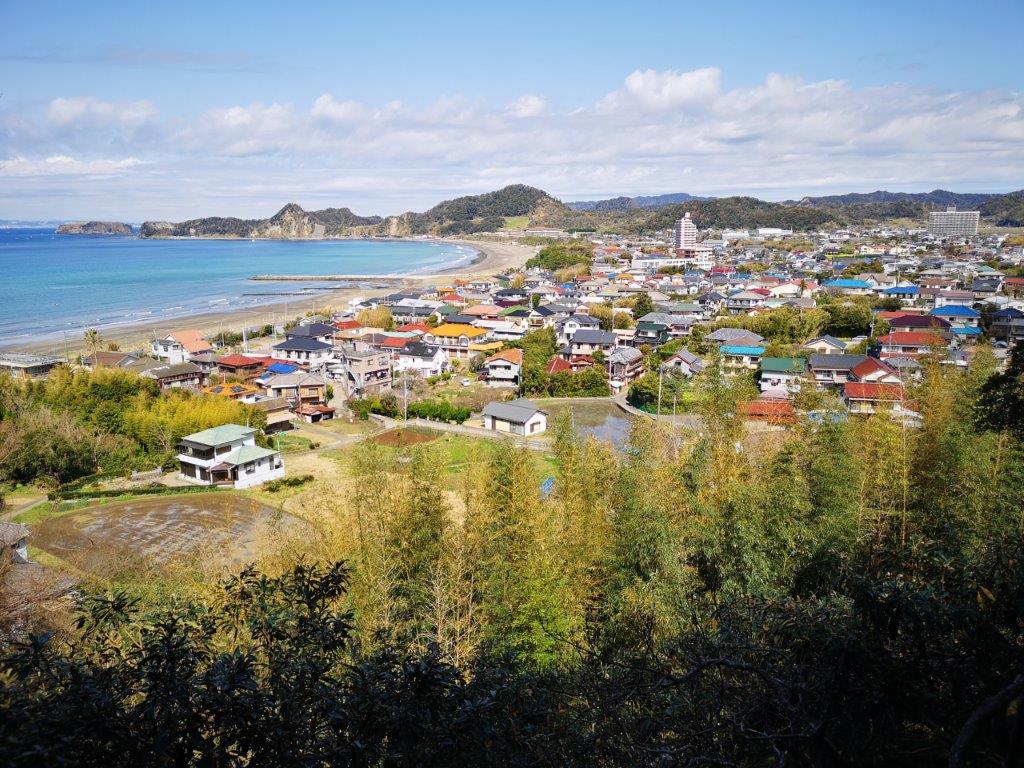
I was soon high enough to get a view of the colorful beach house rooftops. I turned left onto a curving log staircase, and at 11am, reached a viewpoint at the top of the park. I could see the dark blue waters of Tokyo and Sagami bays, with the outline of the Miura peninsula beyond; directly below, was Iwai bay, its light blue waters contrasting with the green forested ridge on the north side. As much as I strained my eyes, I could not spot Mt Fuji, normally visible to the northwest according to an illustrative sign board. After a short break, I headed back to the park entrance.

Panoramic view from Reisui peak

Yellow flower fields on the way to the Mt Harada highway

I turned right onto a road leading away from the blue sea and into the hills. I eventually reached the entrance of the hiking path on the left. It was a peaceful trail, through beautiful nature; occasionally I had to duck under a fallen tree, a reminder of the powerful typhoons from 2019. A little after 11h30, I reached Kinone Pass (木ノ根峠 きのねとうげ kinone-touge), its name meaning “tree root”. Despite being a pass, it’s one of the hundred low mountains of Boso; looking back, I had a view of Iwai bay framed by the vegetation. According to my guidebook, I could get a better view a little further east along the ridge.

Exiting the tunnel into a forested valley

These trees were probably knocked down by the 2019 typhoons

The trail was faint, but thanks to pink ribbons attached to branches, I emerged from the trees onto Reisui Peak (冷水ピーク), just before noon, and was rewarded with a panoramic view to the north: as before, I could see the two bays, Miura peninsula and Iwai beach; in the distance, I could now make out the skyscrapers of Yokohama, but Mt Fuji was still hidden; straight ahead, the ragged top of nearby Mt Nokogiri was visible. I sat on a lonely bench to enjoy an early lunch with a view. After, I went down the same way, and followed a road to a tunnel, the start of the “Harada-yama Sawayaka Gaidou” (原田山さわやか街道), built on top of an old highway.

The peaceful Iwabu lake

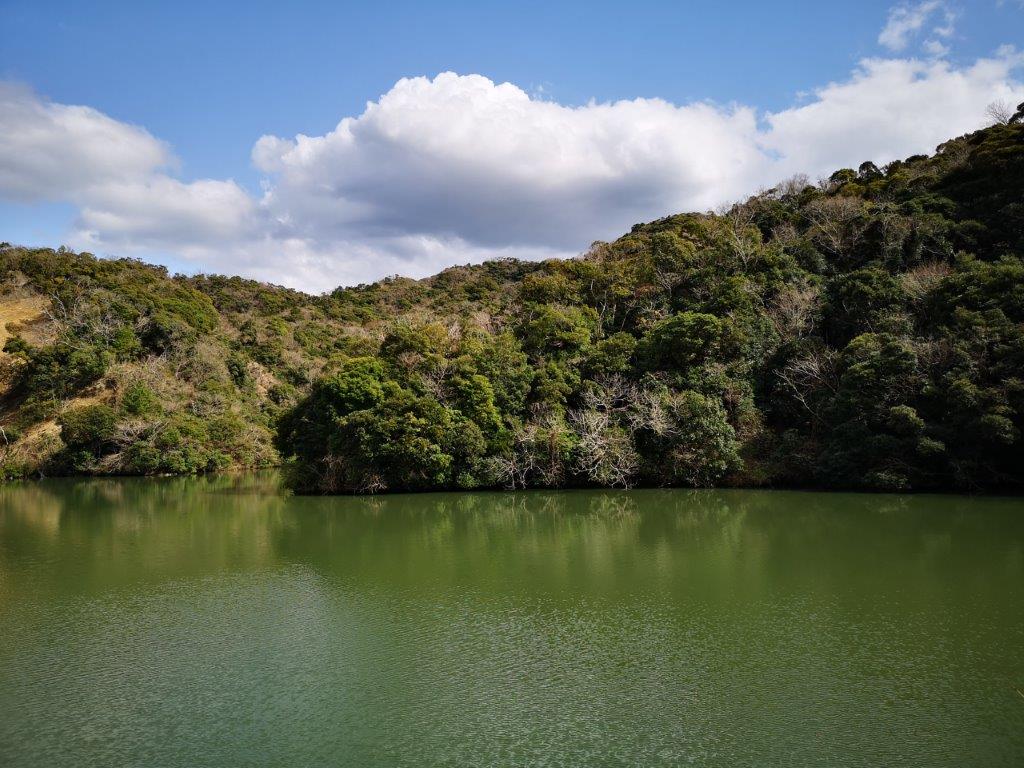
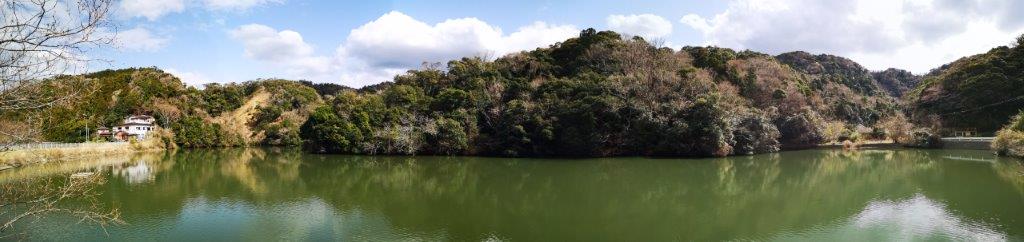
I was stunned by the sight of a picturesque, forested valley as I emerged from the unlit tunnel. I walked on a road with no traffic and passed through two more dark tunnels (see video). At 2pm, I reached Iwabuko Lake (岩婦湖 iwabuko), at the bottom of a slope lined with cherry blossom trees, their buds still firmly closed. The quiet of the lake was punctuated by birdsong coming from the trees on the opposite shore; a fisherman drifted across the lake on an inflatable floating device. I found a rocky spot near the water and enjoyed the rest of my lunch. From the lake it was another 30 minutes back to the station, where I caught the limited express for the 2 hour ride back to Tokyo.

See the views of Iwai bay, walk the dark tunnels of Mt Harada and listen to the birds of Iwabu lake

Kasamori Green Path (highest point 135m), Chonan Town, Chiba Prefecture, Sunday, January 9, 2022

I hadn’t been to Chiba since March 2019, because so many trails had been damaged by the powerful typhoons of 2018 and 2019. I found a hike from my guidebook relatively close to Tokyo, in the northern half of the Boso peninsula. The trail seemed to be in good condition, although a bit short for a day trip. Luckily, it could be extended, if needed, since it was on the Kanto Fureai no Michi. I wouldn’t be hitting any summits, but instead following a path with the intriguing name of “Green Path” and ending at a Buddhist Temple in the middle of the forest. I could take a bus from Mobara station to Chonan town, about a couple of kilometers from the start of the hike; at the end, I could catch a different bus back to the station. The weather was supposed to be sunny in the morning and afternoon, with a cloudy period around noon. I was excited to revisit Chiba after a three year interval and enjoy some low-altitude winter hiking.

View of northern Chiba from Nomikin park

The very green Kasamori “Green Path”

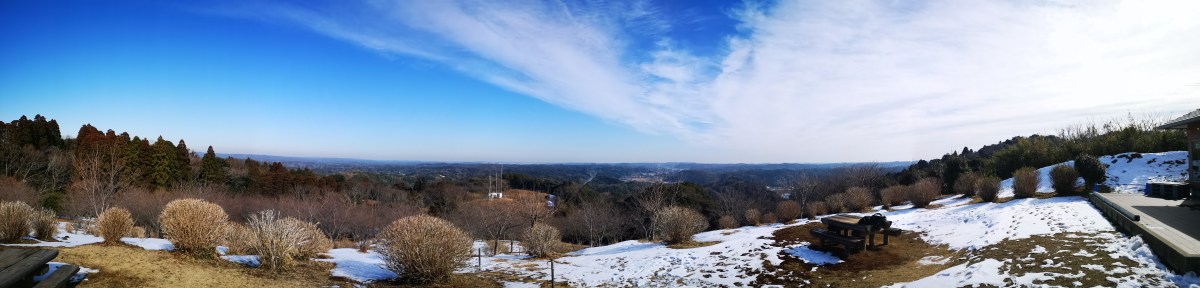
It took about one hour on the comfortable Wakashio Limited Express to reach Mobara station, and then another half an hour by bus to get to Chonan town. I first headed downhill towards a wide flat area through which the Habu river flows. At around 10h30, I finally spotted a sign for the Fureai no Michi, leading onto a small road through the countryside. I was surprised to see snow and ice on the shaded sections and had to be careful not to slip, especially when the road started to lead up a slope.

Looking eastwards from the Nomikin park viewpoint

Looking northwards from the observation tower

The road became snow-free as it turned towards the sun. At 11am, I reached a breathtaking viewpoint at the top of a hill inside Nomikin Park (野見金公園). Although I was only about 120m high in an area without any remarkable features, I had an unobstructed view east and north; flat forest stretched away in the distance, divided by a highway through Mobara city ten kilometers away. I had a coffee at Miharashi Terrace, just next to the viewpoint, and then headed over to an observation tower on the next hill.

Kuramochi lake, a paradise for birds

Heading up the “Green Path

I had a fantastic 360 degree view from the top; on the west side, I could even see the snowy summit of Mt Fuji, 130 kilometers away. It was already past noon, so I continued on my way and soon reached Kuramochi lake. I was surprised to hear many kinds of birdsong while standing on the bridge over the lake (see video). Ten minutes later, I arrived at the start of the Kasamori Green Path (笠森グリーンルート kasamori green route). True to its name, the path was entirely surrounded by forest, as it followed a hilly ridge northwards. Although I didn’t get any views, I enjoyed the changing scenery from the top of each set of steps.

The many up and downs of the Kasamori “Green Path

View of the Chiba countryside

After ninety minutes of up and down, I arrived at another observation tower. From the top, I could hear successive gongs from the bell tower of the closeby Kasamori temple, famous for its main hall built on top of wooden stilts. I gave up on a visit as it was quite crowded and rang the bell instead. Since it was only 2pm, I decided to continue north along the Fureai no Michi. I followed small, winding roads through charming countryside and reached my bus stop around 4pm; one hour later, I was back at Mobara station where I caught the limited express for the short ride to Tokyo.

Some snow on the Fureai no Michi

Listen to the bell of Kasamori temple

Mt Tsumori (336m) & Mt Hitobone (292m), Kyonan Town, Chiba Prefecture, Sunday January 15, 2017

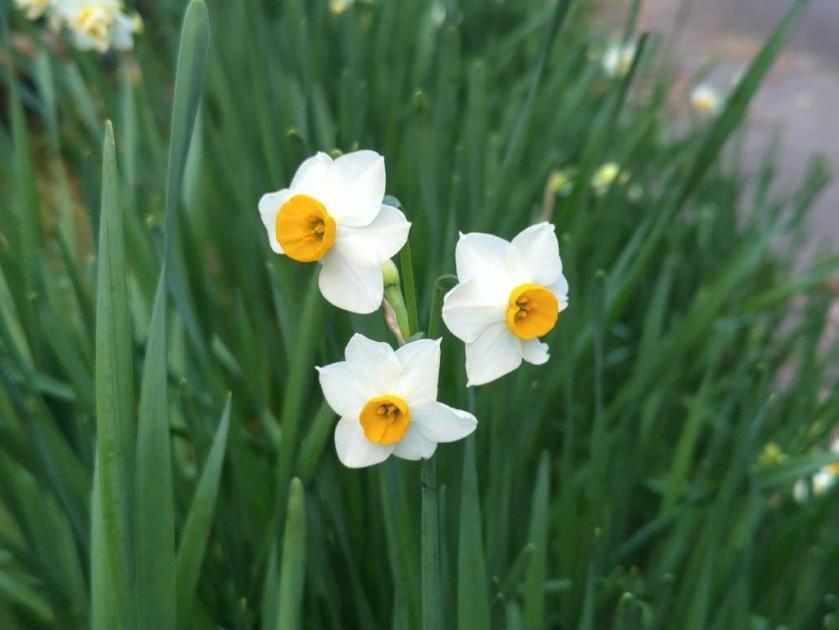
Located near the heart of the Boso peninsula, this intermediate-level loop hike perfect for the cooler days of Winter and early Spring. Along the way, one can get views of the Pacific Ocean, Tokyo Bay, the Miura Peninsula, Mt Atago, Mt Kano, Mt Iyo and Mt Tomi; the area is also known for its many flowers, especially daffodils (“suisen“) in January and cherry blossoms in April, as well as its terraced rice paddies (“senmaida“).

Terraced Fields on the East Side

If going by public transport, buses run infrequently between Sakuma Dam and Hotta station on the JR Uchibo so it’s important to confirm the timetable beforehand; depending on the season, one can take advantage of the Sazanami limited express from Shinjuku. If time allows, one can drop by at Waraku no yu for a hot bath before heading back.

Mt Tsumori from the Start of the Hike

The climb from the base to the top of Mt Tsumori (津森山 つもりやま tsumori-yama) was pleasant and the views eastwards towards Kamogawa town, the Pacific Ocean and Mt Atago were unexpectedly beautiful; closer by, rice terraces covered the mountain side.

Mt Atago from Mt Tsumori

After a short break at the summit, I made my way along a mix of hiking paths and roads to the frighteningly named Mt Hitobone (人骨山 ひとぼねやま hitobone-yama meaning “person’s bone”). Here the views were mostly of the hills towards the South and the West, with the outline of Mt Fuji visible against the late afternoon sun.

View of the Boso Mountains

After another break, I headed down and followed an adventurous trail through a marshland at the bottom of the valley – it was quite atmospheric in the late afternoon light. Eventually I emerged onto a road and arrived at lake Sakuma just as the sun was setting.

Watch a Video of the Hike

Mt Takago (330m), Kimitsu City, Chiba Prefecture, Sunday, May 15, 2016 [Map Available]

Hiking on the Boso Peninsula 房総半島

Hiking along the Kanto Fureai no Michi 関東ふれあいの道

Get a map of the Mt Takago hike

This map was developed for Japanwilds with the Hokkaido Cartographer

Find more Japan hiking maps on Avenza

View of Mt Takago from Mt Ishiitaro

A hike on a hidden mountain in the middle of the Boso peninsula, I even had trouble finding it again on the map while writing this post. This time, I took a bus from Kisarazu station, then hiked along a small road, through a hamlet with many cats, and finally reached the start of the trail: log steps heading up the side of the hill. At the top, I admired the views of Mt Kano to the North, before continuing southwards. The views of central Chiba aren’t really all that amazing, but I find the sight of green rolling hills in all directions very impressive.

Rock Tunnel near the Takago Kannon

Walking the Hachirozuka Trail

It was a fairly easy hike with occasional views; the rocky top of Mt Takago (高宕山 たかごやま takagoyama), a Kanto 100 famous mountain, is the highest point in the area, with a sea of trees spreading in nearly every direction. At one point, hungry for more views, I extended the hike by doing a short there and back along a lonely ridge. After returning to the main trail, I made my way down, running and walking since it was getting late, and ended up at a bus stop in the middle of the countryside, not far from Lake Mishima, after a very satisfying seven-hour hike.

View from the Gunkai Ridge Trail

Watch a Video of the Mt Takago Hike

Watch the Video of the Hike on Youtube