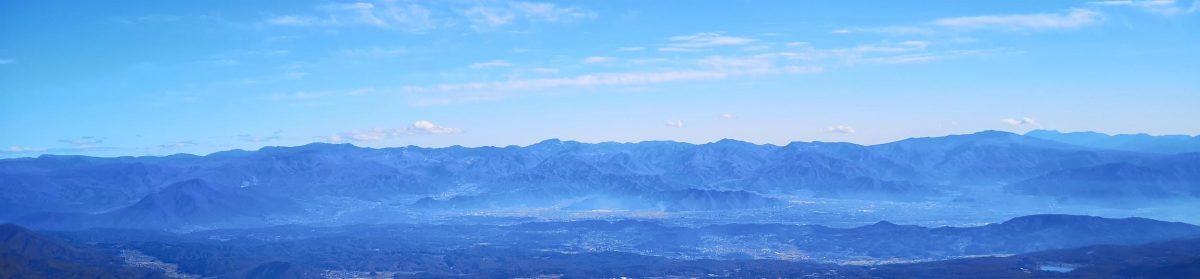

I was looking for another hike in the Saku area since it had been one year since my previous visit. Searching online, I found a loop hike using parts of the Asama-Yatsugatake Panorama Trail (Japanese only); it was mostly along small roads and country lanes, ideal for avoiding Jorogumo spiders that hang out along forested trails in the early Autumn. Another benefit of walking through the countryside in this season is to enjoy the scenery of golden rice fields, ready to be harvested. The weather was supposed to be sunny and warm all day, welcome news after two consecutive cloudy weekends.
For subscribers, read this Blog Post on Hiking Around Tokyo for a better viewing experience and the latest updates
I would start from Komoro station, a short ride on the Shinano Tetsudo line from Karuizawa, easily reachable via the Hokuriku shinkansen. Looking at Google Maps, I noticed I could end at Aguri no Yu and, after a relaxing hot bath, take a taxi back to the station. From there, I’d ride the Koumi line in the opposite direction, to Sakudaira, so that I could board the shinkansen before Karuizawa, after which the train is usually packed. Although I wouldn’t be summiting any peaks, I’d able to visit Komoro Castle Ruins and Shakuson-ji Temple along the way, and if the weather allows, enjoy the panoramic views of Mt Asama and Mt Yatsugatake.

Chikuma River from Komoro Castle

Chikuma River from the Keizo Koyama Art Museum
It was a beautiful Autumn day as I rode the shinkansen from Tokyo, although Mt Asama was firmly in the clouds as the train pulled into Karuizawa station around 9am. I transferred to the Shinano Tetsudo line for the 20-minute ride to Komoro; I happened to catch the rapid service with reserved seating so I remained comfortably seated for the entire trip. After getting ready, I set off for the nearby Komoro-jo Castle shortly after 10am. After paying a small “strolling fee” (called sansakuken) for Kaikoen Park which surrounds the ruins, I walked past ancient stone walls to the Fujimi Observation Deck from where one can see Mt Fuji, although today the sky was too hazy for that. I had better luck with the Mizunote Observation Deck, from where I could gaze down at a bend of the Chikuma River, the longest river in Japan. After exiting the castle grounds, I made my way to the nearby Keizo Koyama Art Museum.
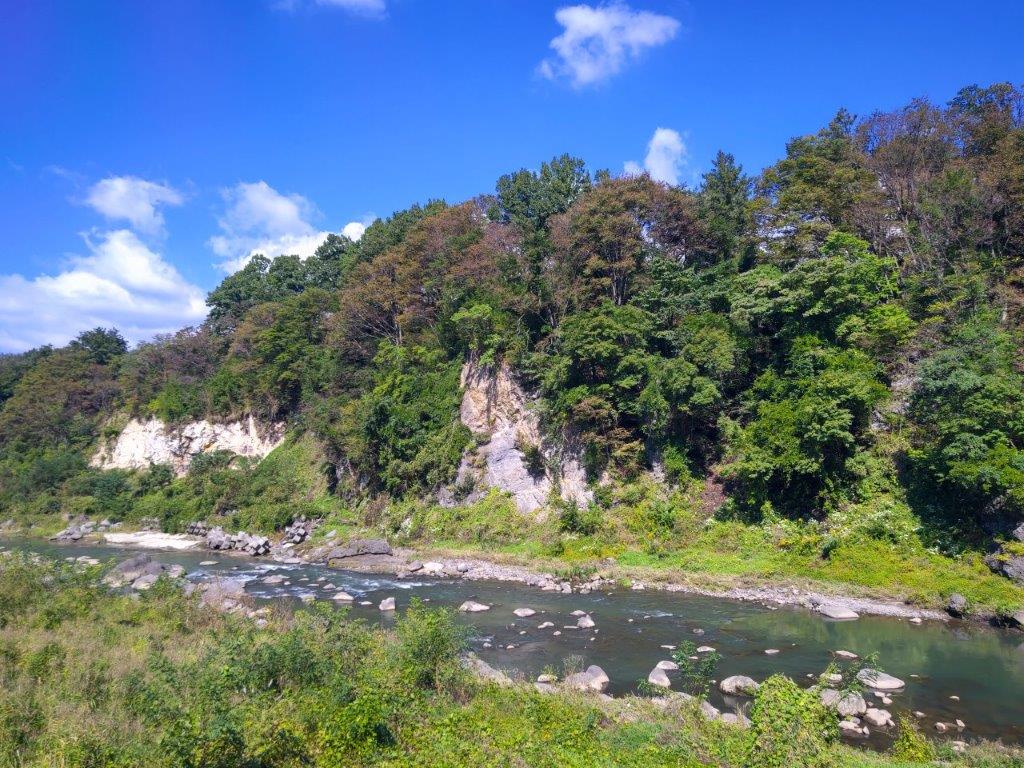
Downstream View of Chikuma River near Shakuson-ji

Upstream View of Chikuma River near Shakuson-ji
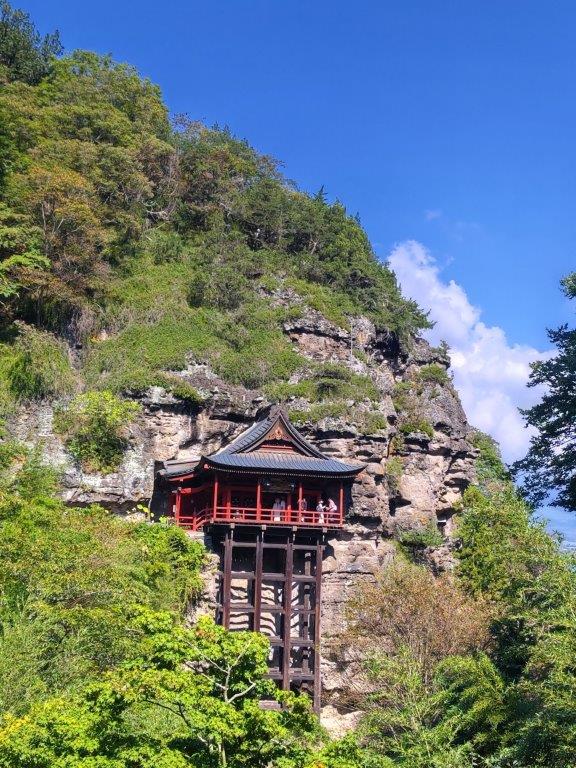
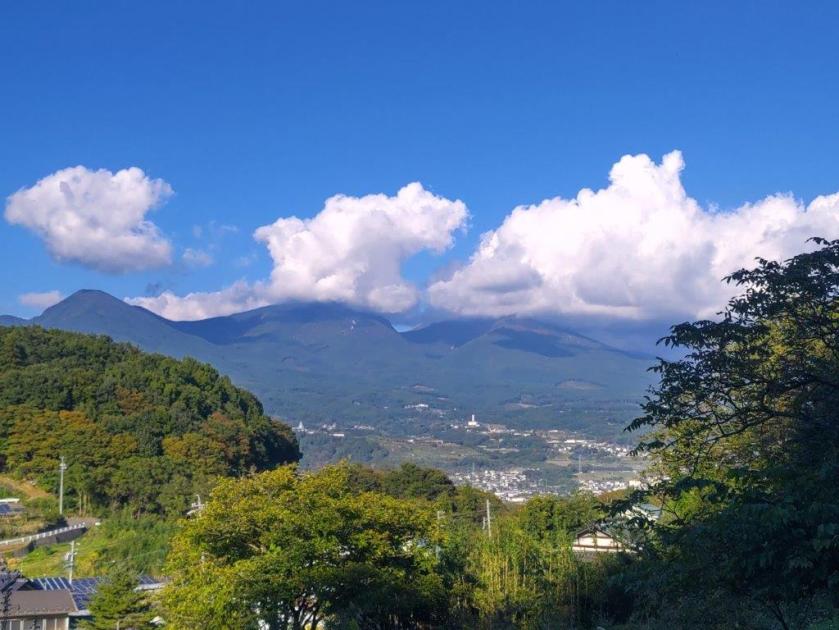
I had a breathtaking view of another bend of the Chikuma river, an impressive plateau rising on the opposite side; I felt excited that today’s hike would take me along its top part. I joined the Asama-Yatsugatake Panorama Trail (浅間・八ヶ岳パノラマトレイル) just below the Art Museum garden. I followed a switchback trail through the forest, reaching a road at the valley bottom around 11am. After crossing Okubo Bridge, I followed back roads through a charming residential area, the way well-signposted throughout. After a short climb, I had a view of the base of Mt Asama, the top part still hidden in thick clouds. The path then descended and merged with a cliffside road running right next ro the river. Shortly after the noon chime, I arrived at the start of the trail heading up the plateau. After a 15-minute climb through the forest, cliffs towering on both sides, I reached Shakuson-ji Temple (釈尊寺) from where I had a view of Nunobiki Kannon (布引観音).
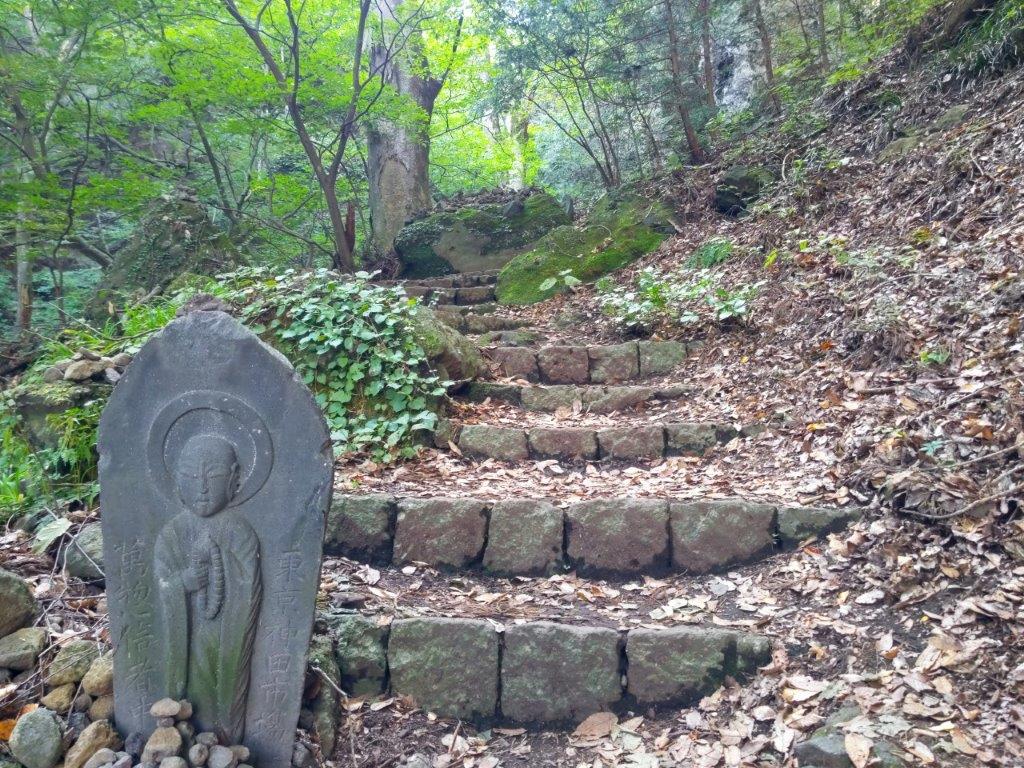
Approach to Nunobiki Kannon
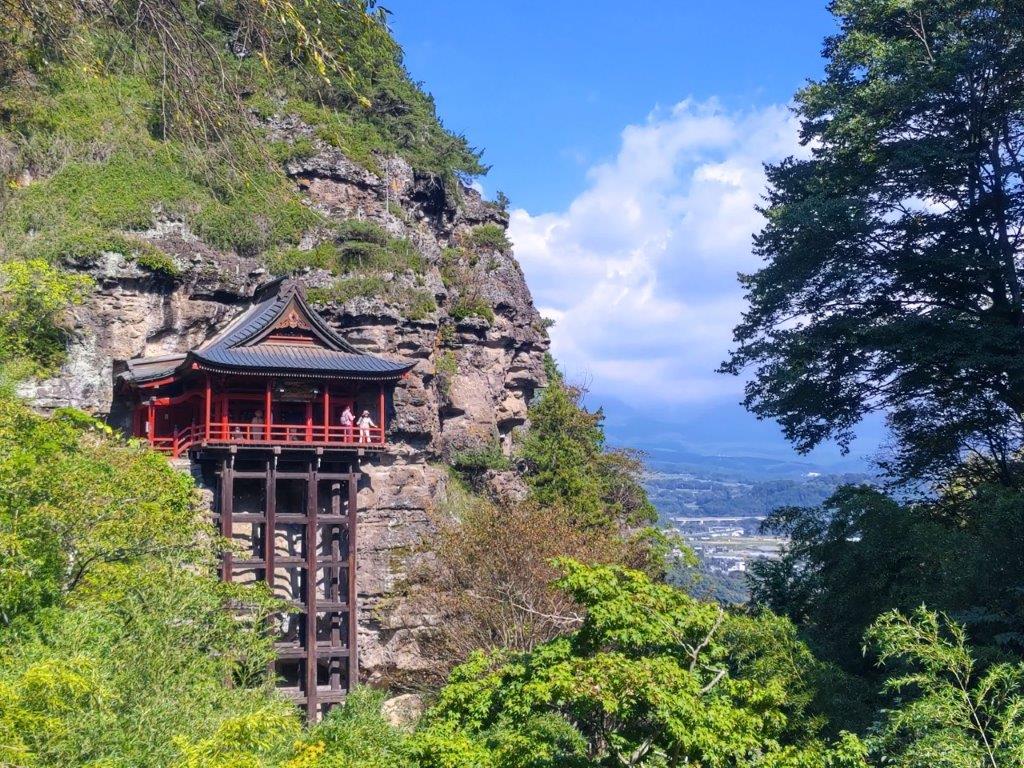
Nunobuki Kannon from Shakuson-ji Temple
I was amazed by the view of small structure clinging to the cliffside, reminding me of Daifuku Temple. Soon after, I was standing on the wooden platform, gazing past the cliffs at the still cloudy Asama, trying not to look at the drop below. I continued my way up a winding road through the forest, at one point passing a snake taking a break in a sunny spot on its warm surface. A little after 1pm, I turned left onto a forest road near a frog-filled pond; I never saw any, just heard feeble croaks followed by tiny splashes as I approached. I was now walking along the top of the plateau, the surrounding forest hiding the views. At 1h30, I reached a road junction near a lake, and here I followed a lane to the highest point of today’s hike, a grassy spot above the fields. To the south and east, I could make out the hazy outlines of Mt Yatsugatake and the Chichibu mountains.

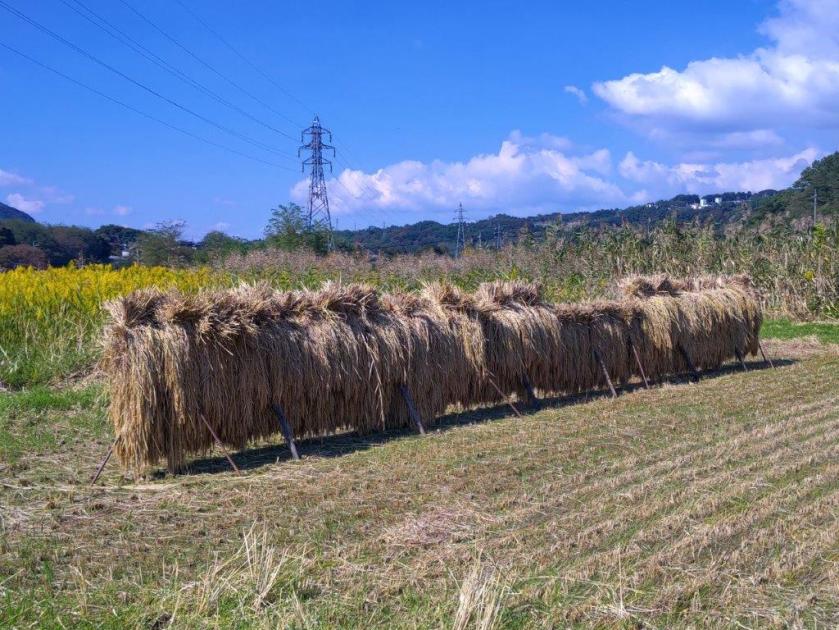
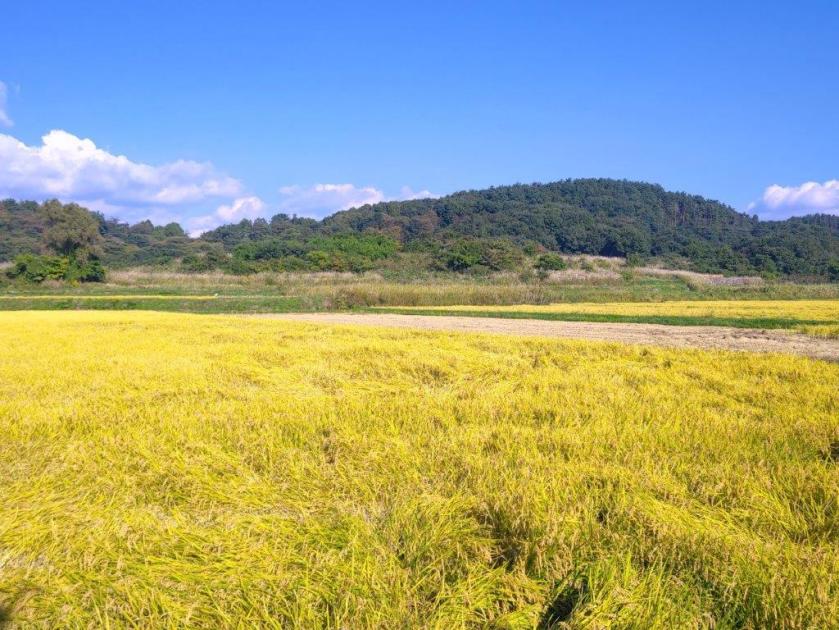
Golden Rice Fields at Mimakigahara Plateau

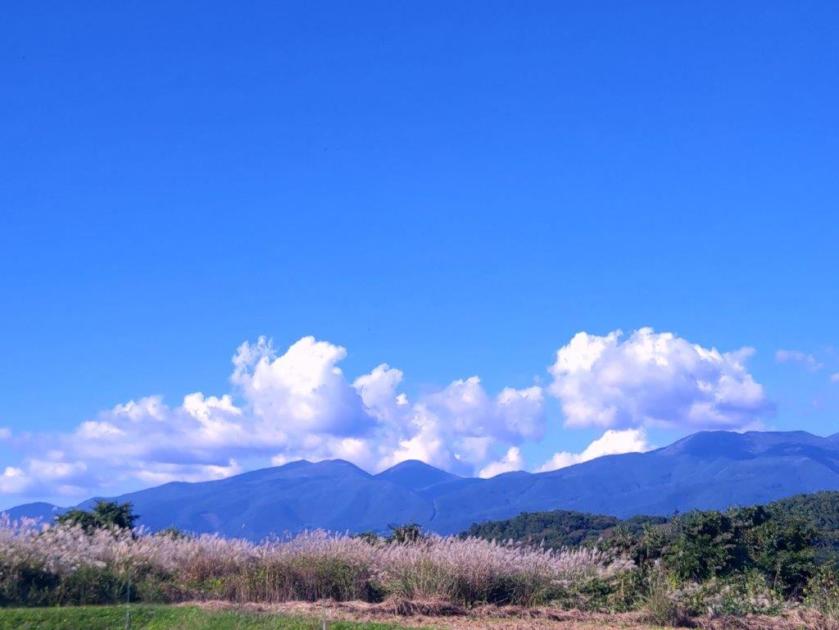
Mt Asama from Mimakigahara Plateau
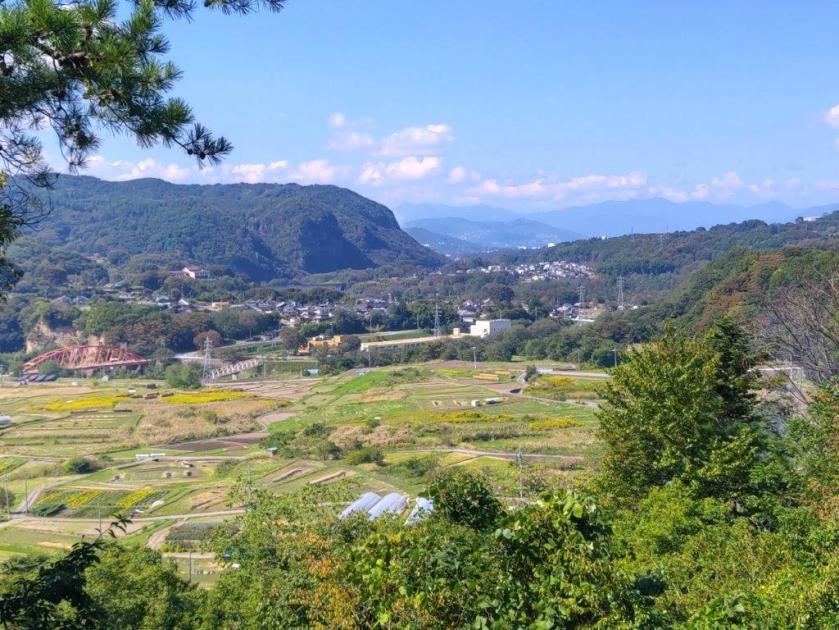
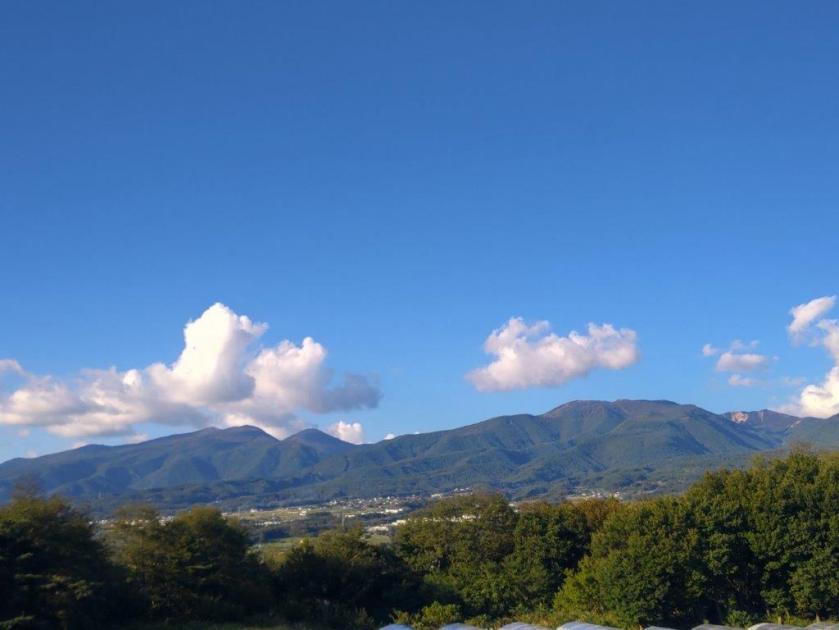
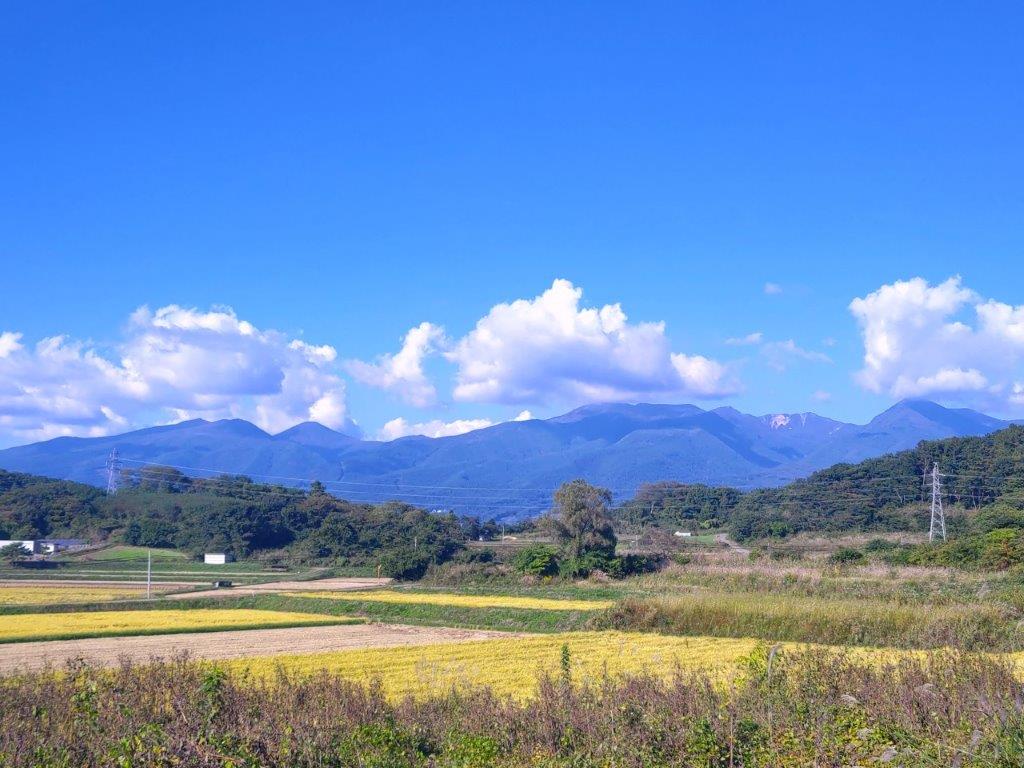
I was surprised how warm it felt in the middle of October, not even a breeze to cool off. At 2pm, I set off again, now following a country lane as it curved around and over hills. Thirty minutes later I reached a wide open space used for rice cultivation: the Mimakigahara Plateau (mimakigaharadaichi 御牧ヶ原台地). Many fields had already been harvested, the rice stalks hanging on drying racks; however a few remained untouched, the golden stalks basking under the afternoon sun. Turning around, I was rewarded with a majestic view of the highest summits of Mt Asama, finally free of clouds. I then turned left onto a dirt path and up another hill through open countryside.

Mt Asama and Pond View

View of Mt Asama from the Panorama Trail
This was the best part of the hike so far, the entire range of the Asama volcano slowly coming into view. The entire plateau is dotted with small lakes, and I eventually arrived at one of the biggest ones, Himamu-ike Pond (干間無池), the dark blue summit of Mt Asama visible above the light blue lake. The trail continues down the cliffs and along the Chikuma River back to Komoro station, but here I headed back to an intersection near my lunch spot. From there, it was half an hour of slight up and down walking to Aguri no Yu Hot Spring, famed for the view of Mt Asama from its outdoor bath. After a refreshing soak, I was back at Komoro station at 5pm, and soon after, I was comfortably seated on the Shinkansen for the one hour trip back to Tokyo.

Mt Asama and Himamu Pond

Walking back from Himamu Pond
The Asama-Yatsugatake Panorama Trail is actually a network of trails on the south bank of the Chikuma river. Today’s hike took about five hours and passed several of the area highlights, the excellent signposting and online information ensuring I could always find my way. I hope to return next year to complete the other sections and see the rest of the highlights. I’d also like to get an earlier start so that I can get clearer views of the Yatsugatake range on the south side, but I’d need to plan it for a cooler day as there is little shade along the way. In any case, I know I can finish my hike with a well-deserved hot spring bath.
Watch a Video of the Asama-Yatsugatake Panorama Trail Hike
Watch the Video of the Hike on YouTube








See a Slideshow of More Pictures of the Hike
 Hiking Around Tokyo